
Saturday, October 17, 2026
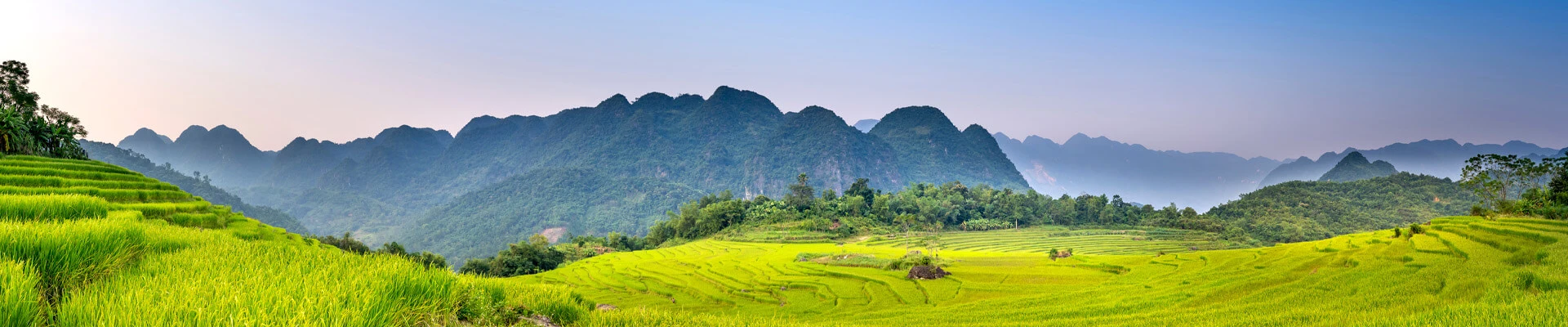
The Cat Ba Archipelago, located in Hai Phong, Vietnam, is a mesmerizing natural wonder that captivates visitors with its stunning beauty. Nestled in the azure waters of the Gulf of Tonkin, this archipelago boasts a breathtaking landscape characterized by rugged limestone karsts, lush greenery, and secluded beaches. The largest island in the archipelago, Cat Ba Island, is a popular destination, offering a harmonious blend of picturesque landscapes and vibrant culture. Visitors can explore its emerald waters on boat trips, hike through the verdant jungles of Cat Ba National Park, or simply relax on the sandy shores. The Cat Ba Archipelago is not only a haven for nature enthusiasts but also a testament to the natural splendor of Vietnam, making it a must-visit destination for travelers seeking an unforgettable island escape.
Custom Your Journey

Other Attractions
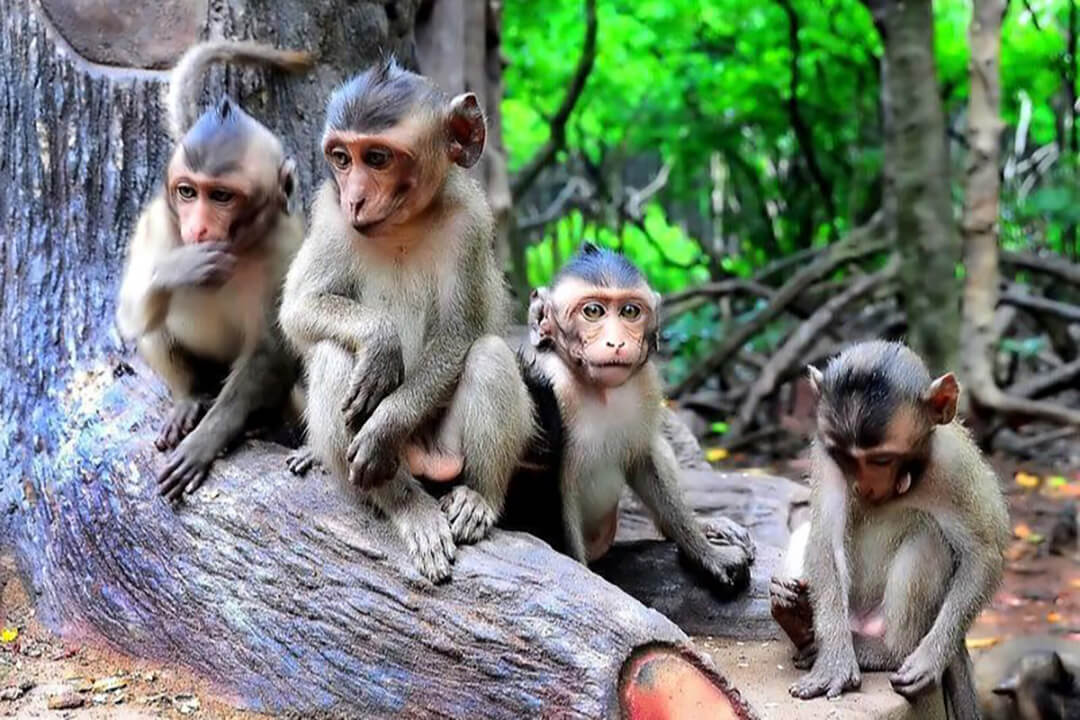
Can Gio Monkey Island in Ho Chi Minh City: Tickets, Things to Do & Travel Guide
Can Gio Monkey Island
Can Gio Monkey Island in Ho Chi Minh City offers a refreshing escape from the city’s buzzing motorbike chaos. Just a short distance from the center, Can Gio welcomes you with lush mangrove forests, winding waterways, and a fascinating history. Here, you can meet playful long-tailed macaques, drift through tranquil channels, and explore remnants of a wartime guerrilla base.
Can Gio Monkey Island in Ho Chi Minh City: Tickets, Things to Do & Travel Guide
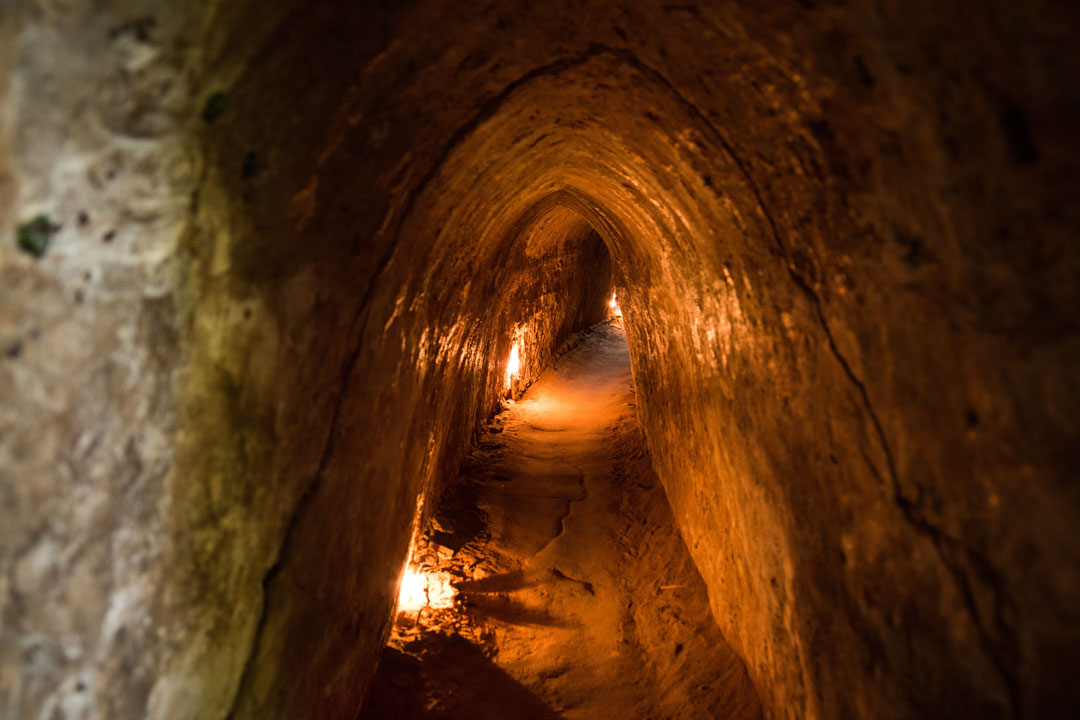
Cu Chi Tunnels: History, Architecture, Things To Do & Travel Guide
Cu Chi Tunnels
The Cu Chi Tunnels, located at TL15, Phu Hiep, Cu Chi District, Ho Chi Minh City, are a vast underground network of strategic passages, shelters, supply routes, and defensive traps.
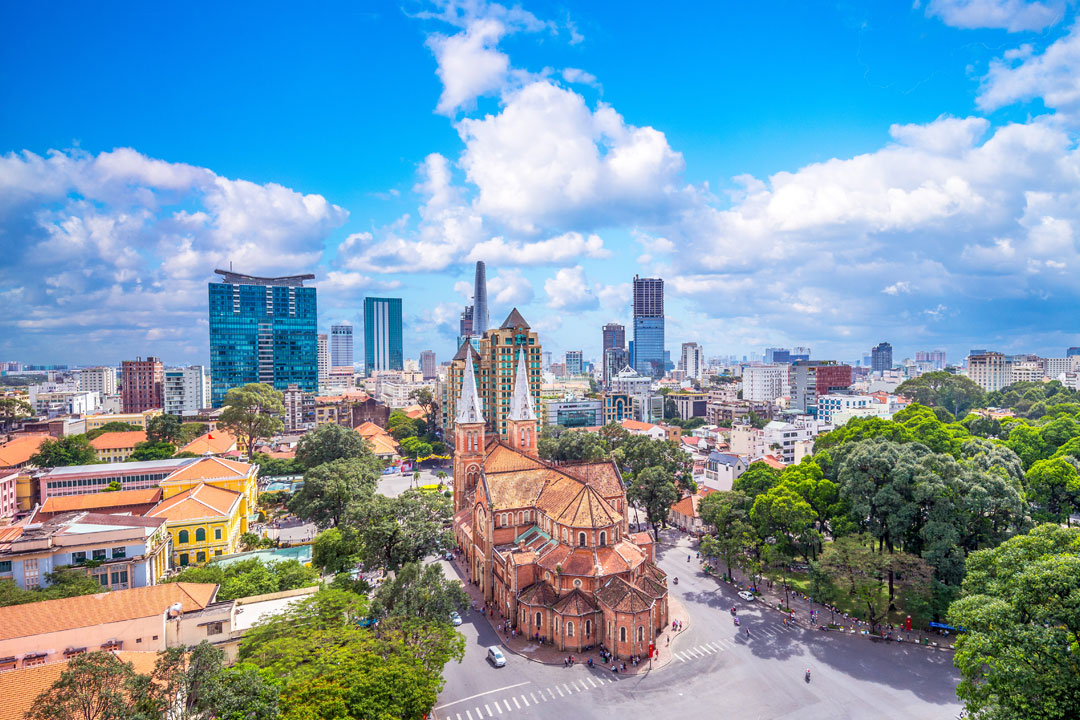
Ho Chi Minh City
Ho Chi Minh City, known as the "Pearl of the Far East," attracts both domestic and foreign tourists with its unique and diverse destinations.
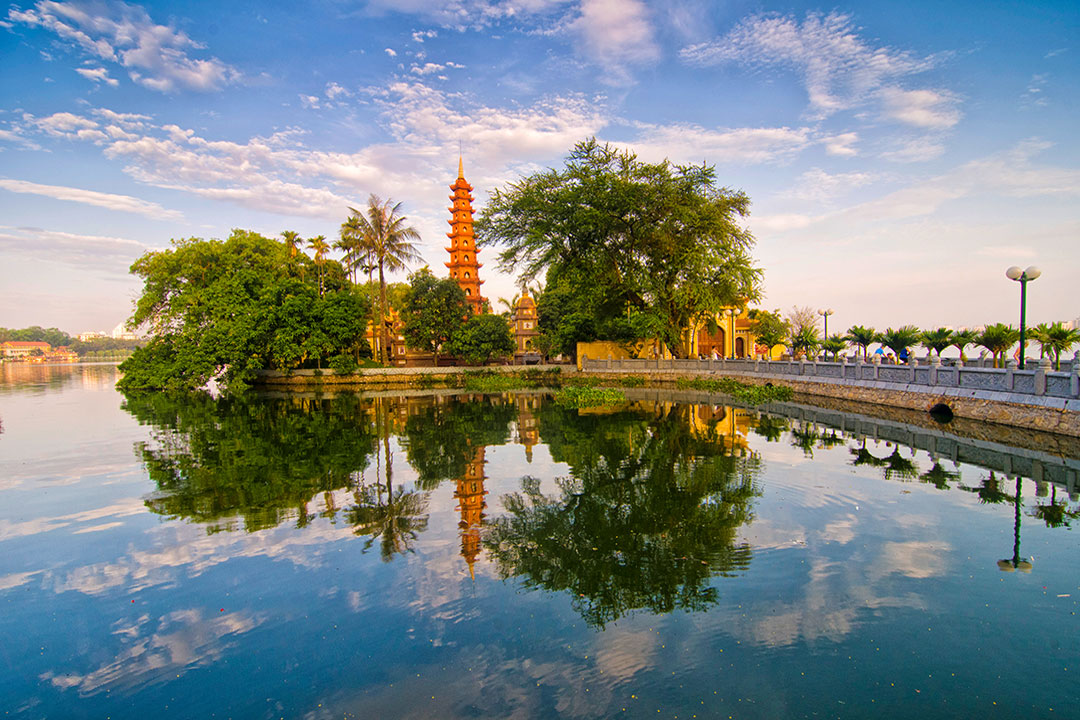
Tran Quoc Pagoda: History, Architecture, Significance & Travel Guide
Tran Quoc Pagoda
Nestled on the tranquil shores of West Lake, Tran Quoc Pagoda is the oldest Buddhist temple in Hanoi, with a history spanning over 1,500 years. Built in the 6th century under Emperor Ly Nam De, this sacred site reflects Vietnam’s Buddhist evolution while preserving its spiritual and architectural grandeur.