





Mar - 13 - 2026
Hai Van Gate, historically known as “Cloudy Pass Gate”, is a majestic structure crowning one of Vietnam’s most breathtaking coastal roads. This iconic landmark, perched atop the dramatic Hai Van Pass, has for centuries served as both a strategic military outpost and a breathtaking viewpoint. It stands as a silent sentinel, watching over the serpentine road that connects the historic city of Hue with the vibrant coastal hub of Da Nang. For travelers, it represents more than just a historical relic, it’s the climax of an unforgettable journey, offering panoramic vistas that have earned it legendary status. In this complete travel guide by GTrip, we'll cover everything you need to know to experience this magnificent site.
Overview of Hai Van Gate in Da Nang City
Before exploring its history and dramatic scenery. It’s helpful to understand exactly where Hai Van Gate is located and why this mountain landmark holds such a special place in Central Vietnam’s geography, history, and travel experience.
Where is Hai Van Gate?
Location: Hai Van Ward (formerly Hoa Hiep Bac Ward, Lien Chieu District), Da Nang City and Chan May - Lang Co Commune (formerly Lang Co Town, Phu Loc District), Hue
Hai Van Gate is strategically positioned at the very summit of the Hai Van Pass, which forms a natural and historical boundary between two of Central Vietnam’s most significant regions. It stands precisely on the border separating Da Nang City to the south and Thua Thien Hue Province to the north, offering a unique geographic and cultural vantage point.

Hai Van Gate sits at the peak of the Hai Van Pass, marking the historic boundary between Da Nang and Thua Thien Hue while offering a remarkable geographic
What makes Hai Van Gate unique?
Hai Van Gate’s uniqueness lies in its dual identity as both a formidable historical monument and one of Vietnam’s most celebrated viewpoints. It is not merely an old structure but the very heart of the Hai Van Pass experience, a place where history and nature converge spectacularly. Its historical significance is immense, having served as a critical defensive fortification for centuries. Simultaneously, its location offers what many describe as "the most magnificent" views in all of Vietnam, making it a pilgrimage site for photographers, adventurers, and history enthusiasts alike.
- A historical fortress: It served as a strategic military checkpoint and regional boundary for multiple dynasties.
- An unparalleled viewpoint: It provides 360-degree panoramic views of mountains, coastline, and lagoons.
- The crown of a legendary pass: Its position atop the dramatic Hai Van Pass makes it an essential stop on a world-famous scenic drive.
History of Hai Van Gate
The history of Hai Van Gate is deeply entwined with the story of Vietnam itself. The pass it guards was first officially recognized as the southern border of the Dai Viet kingdom during the Tran Dynasty in the 14th century. However, the gate as we recognize it today was primarily established during the Nguyen Dynasty in 1826 under the rule of King Minh Mang, who fortified it as a key defensive structure for the Imperial Capital in Hue. He named it “Hai Van Quan” and famously praised its grandeur.
Throughout the French colonial period and the American War, the gate and its surrounding bunkers were used as a strategic military high ground. After decades of neglect, the monument underwent a comprehensive restoration project, completed in 2022, which carefully brought it back to its former glory. It is now officially recognized as a National Historical and Architectural Monument, preserving its legacy for future generations.
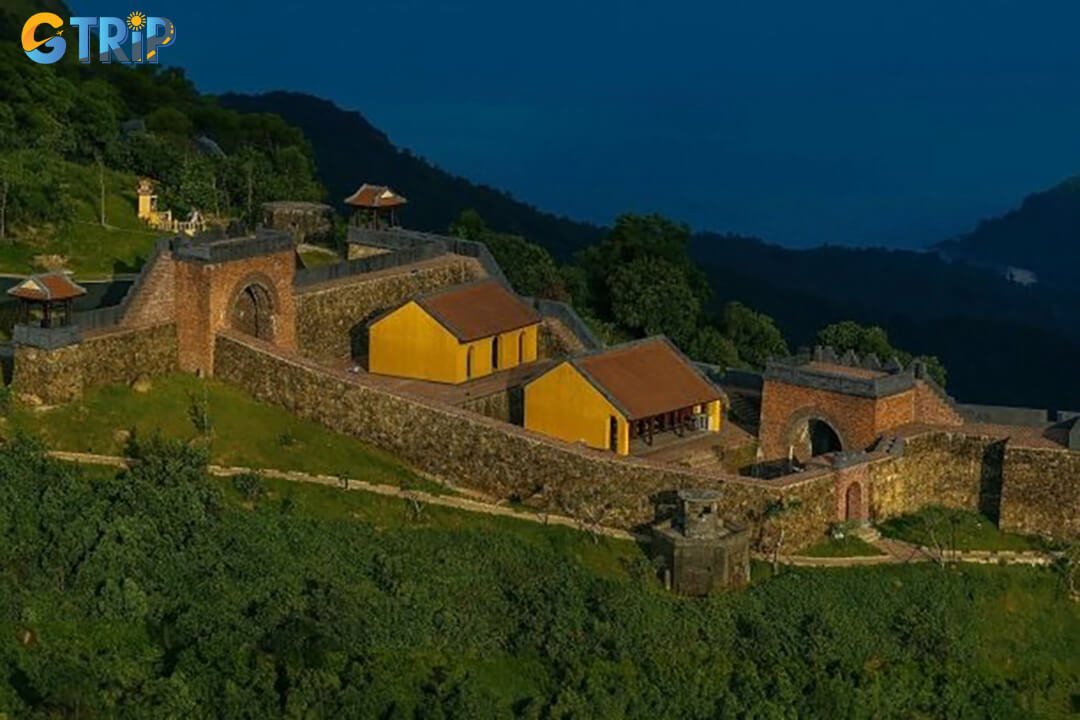
Hai Van Gate has served as a vital military and historical landmark since the 14th century, evolving from a strategic border post into a restored national monument
Architecture of Hai Van Gate
Hai Van Gate stands out for its imposing military design, featuring massive stone-and-brick walls rising nearly six meters high, a grand arched gateway, and an upper level once used for surveillance. On the side facing Hue, the gate bears the inscription “Hai Van Quan”, while the opposite facade is engraved with “Thien Ha De Nhat Hung Quan”, meaning “The Most Magnificent Gate Under Heaven”. The recent restoration meticulously preserved its original character while reinforcing its structural integrity, allowing visitors to experience its imperial-era grandeur firsthand.
- Main gate: The main gate was rebuilt using traditional bricks and stone, with a preserved arched entrance, sturdy columns, and Han-script inscriptions that faithfully reflect the original structure.
- Guardhouse: Situated near the entrance, the guardhouse once accommodated soldiers on duty. Its reconstruction was based on extensive archaeological findings and historical documentation to ensure accuracy.
- Armory: Located next to the guardhouse, the armory was used to store weapons and military supplies. It now features the curved tiled roofs, stone foundations, and wooden pillars typical of imperial-era architecture.
- Defensive structures: The surrounding fortifications and walls have been meticulously restored to illustrate the strategic military planning of the past, showcasing how the gate commanded control over the entire pass.
- Auxiliary features: Stone walls, drainage channels, earth embankments, watchtowers, parapets, and side gates were also carefully rehabilitated. Notably, the rear gate engraved with “Thien Ha De Nhat Hung Quan” leads to the highest lookout point, where ancient, moss-covered stonework remains visible. In addition, five wartime bunkers have been preserved and structurally reinforced to retain their historical significance.
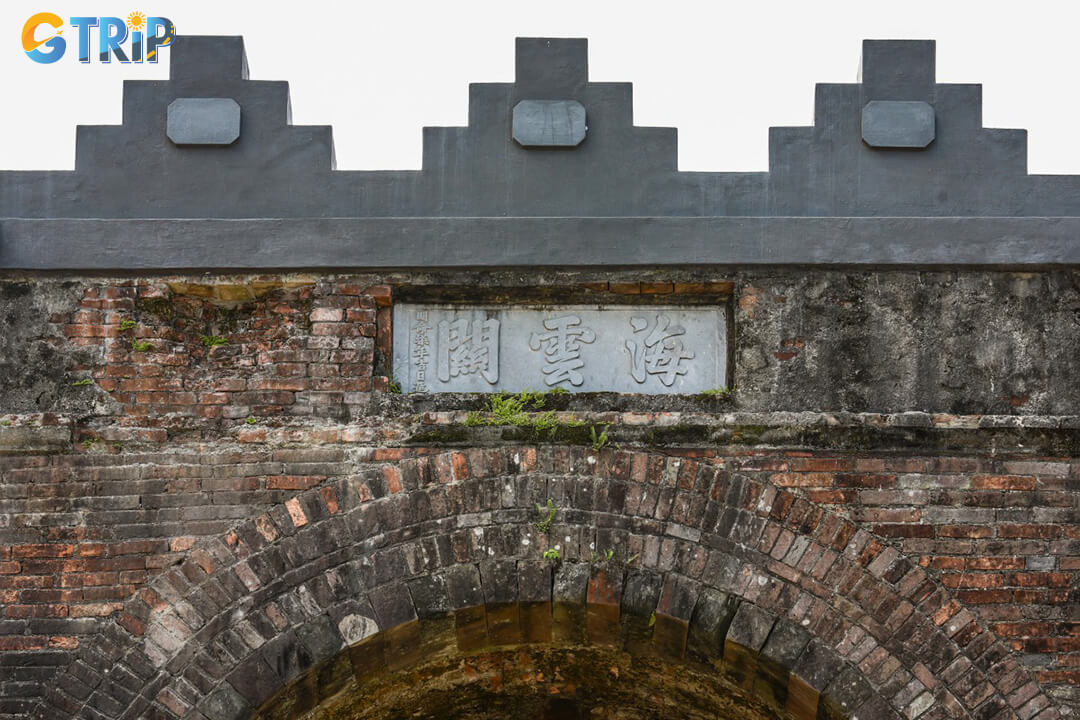
Hai Van Gate impresses with its monumental military architecture, imperial inscriptions
Things to do at Hai Van Gate
Hai Van Gate is offers a range of experiences that blend history, scenery, adventure, and modern technology. You can explore ancient architecture to enjoying one of the best viewpoints in Central Vietnam. Here are the top things you shouldn’t miss when visiting Hai Van Gate.
1. Explore the historic Hai Van Gate architecture
Visiting Hai Van Gate is like stepping back in time. The newly restored complex allows you to walk the same paths that imperial soldiers and guards once did. The air is thick with history, and every stone tells a story. Take your time to wander through the fortifications, touch the ancient walls, and imagine the gate in its heyday as a bustling, critical outpost guarding the passage between north and south. This hands-on exploration brings the monument’s past to life in a way that photos cannot.
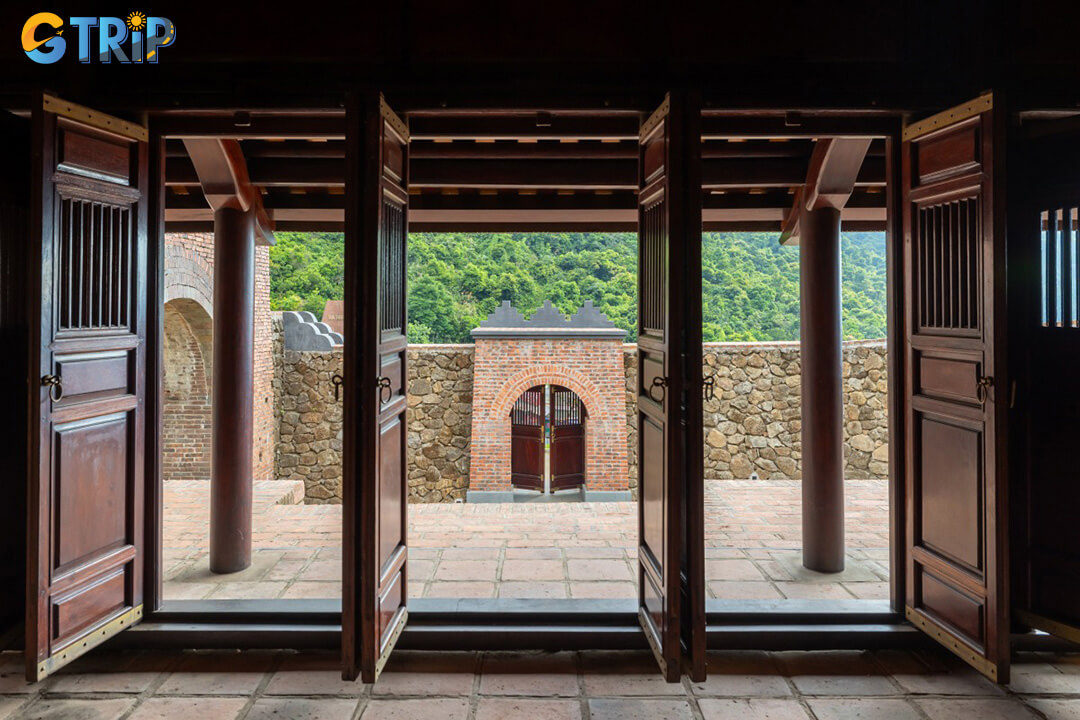
Visiting Hai Van Gate offers an immersive journey into the past, where restored fortifications and ancient stone paths vividly recreate the atmosphere
2. Enjoy panoramic views from the summit
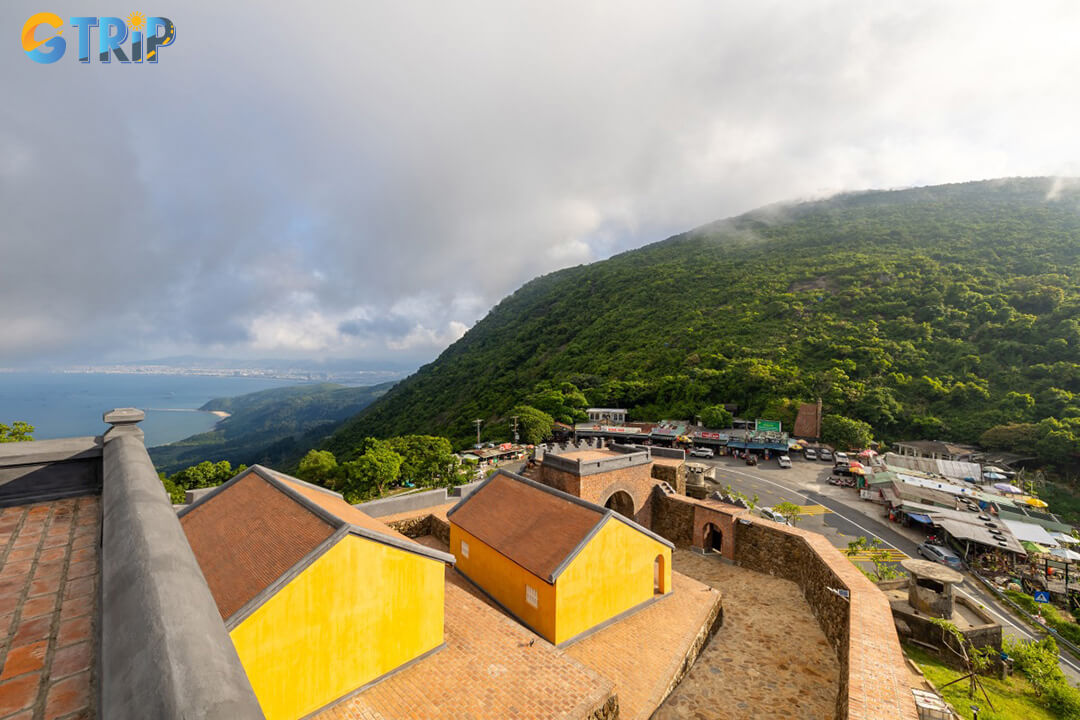
The primary reason Hai Van Gate is so famous is its unparalleled panoramic view. Standing at the summit, you are treated to a breathtaking 360-degree vista that encompasses the best of Central Vietnam's natural beauty. To the north, the serene blues of Lang Co Bay and Lap An Lagoon unfold, framed by lush green mountains. To the south, the sprawling city of Da Nang, the busy Tien Sa Port, and the iconic Son Tra Peninsula stretch out towards the sea. The viewpoint is a feast for the eyes and a truly unforgettable highlight of any trip to the region.
3. Capture stunning photos at Hai Van Gate
For photographers, both amateur and professional, Hai Van Gate is a dream location. The combination of ancient architecture, dramatic landscapes, and ever-changing weather conditions provides endless creative opportunities. The gate itself, with its weathered textures and historical inscriptions, makes for a powerful subject. The surrounding scenery, from misty mountain peaks to the sparkling coastline, offers a majestic backdrop. Arrive during the golden hours of sunrise or sunset to capture the landscape bathed in warm, soft light for truly spectacular results.

Hai Van Gate is a photographer’s paradise, blending ancient architecture with dramatic mountain and coastal scenery, especially breathtaking during sunrise and sunset
4. Experience the scenic Hai Van Pass by motorbike
The journey is just as important as the destination, and this is especially true for Hai Van Gate. Riding the Hai Van Pass by motorbike is a quintessential Vietnamese travel experience. This legendary 21-kilometer stretch of road twists and turns through the Truong Son mountain range, offering new and breathtaking views at every corner. The thrill of navigating the hairpin bends, combined with the freedom to stop whenever you wish, makes it the most immersive way to experience the pass. The gate serves as the perfect mid-point to rest, explore, and soak in the achievement.
5. Discover digital and interactive experiences
The newly restored Hai Van Gate complex integrates modern technology to enhance the visitor experience. These digital features are designed to provide deeper historical context and make your visit more engaging and memorable. By using your smartphone, you can unlock stories, visualize the monument’s past, and even collect a digital souvenir of your journey. This blend of ancient history and modern tech makes the site accessible to a new generation of travelers and adds a fun, interactive layer to your exploration.
The restored Hai Van Gate enhances your visit with interactive digital features that let you explore its history, visualize the past, and enjoy a more engaging, modern experience
How to get to Hai Van Gate
Despite its dramatic mountain-top location, Hai Van Gate is surprisingly easy to reach. If you’re coming from Da Nang City, the airport, or nearby Hoi An, several scenic routes make the journey part of the experience.
From Da Nang City center
Getting to Hai Van Gate from the center of Da Nang is a scenic and straightforward drive. The journey covers approximately 20-25 kilometers and typically takes 45-60 minutes, depending on traffic and your mode of transport. The route follows the beautiful coastline before beginning the famous ascent up the Hai Van Pass.
- Route: Start by heading north along the Nguyen Tat Thanh coastal road.
- Turn: At the end of the road, turn onto Nguyen Van Cu Street (National Highway 1A).
- Ascend: Follow the signs for the Hai Van Pass. The road will begin to climb steeply, leading you directly to the gate at the summit.
From Da Nang International Airport (DAD)
The route from the airport is very similar to the one from the city center, adding only a few extra kilometers. Upon exiting the airport, your first goal is to head towards the coast to connect with the main road leading to the pass. The trip takes just under an hour.
- Route: From the airport, head west and take Duy Tan Street, then turn right onto Nguyen Van Linh Street.
- Connect: Follow signs to cross the Dragon Bridge or Han River Bridge and make your way to the Nguyen Tat Thanh coastal road.
- Continue: Once on the coastal road, follow the same directions as from the city center to ascend the pass.

From Da Nang Airport, the drive to Hai Van Pass is quick and straightforward, following a coastal route similar to the city center journey and taking just under an hour
From Hoi An
Traveling from the ancient town of Hoi An is a popular option, as many visitors combine these destinations. The total distance is around 50 kilometers, and the journey takes approximately 1.5 to 2 hours. You will first travel to Da Nang and then proceed to the pass.
- Route to Da Nang: Take the coastal road (Vo Nguyen Giap Street) from Hoi An to Da Nang. This route passes by the famous My Khe Beach.
- Route to the pass: Once in Da Nang, navigate to the Nguyen Tat Thanh coastal road and follow the directions as outlined above to reach Hai Van Gate.
Transportation options
You have several excellent options for traveling to Hai Van Gate, each offering a different experience.
- Motorbike: The most popular and adventurous choice. It gives you the freedom to stop anywhere for photos. This is best for experienced riders, as the pass has sharp turns and steep gradients. Rentals are widely available in Da Nang and Hoi An.
- Private car/Taxi: A comfortable and safe option, especially for groups or families. You can hire a driver for a half-day or full-day trip, allowing you to relax and enjoy the views without worrying about the road.
- Book a tour: The easiest and most informative option. Companies like GTrip offer guided tours that often include a knowledgeable guide, transportation, and sometimes combine the pass with other nearby attractions like Lang Co Bay.
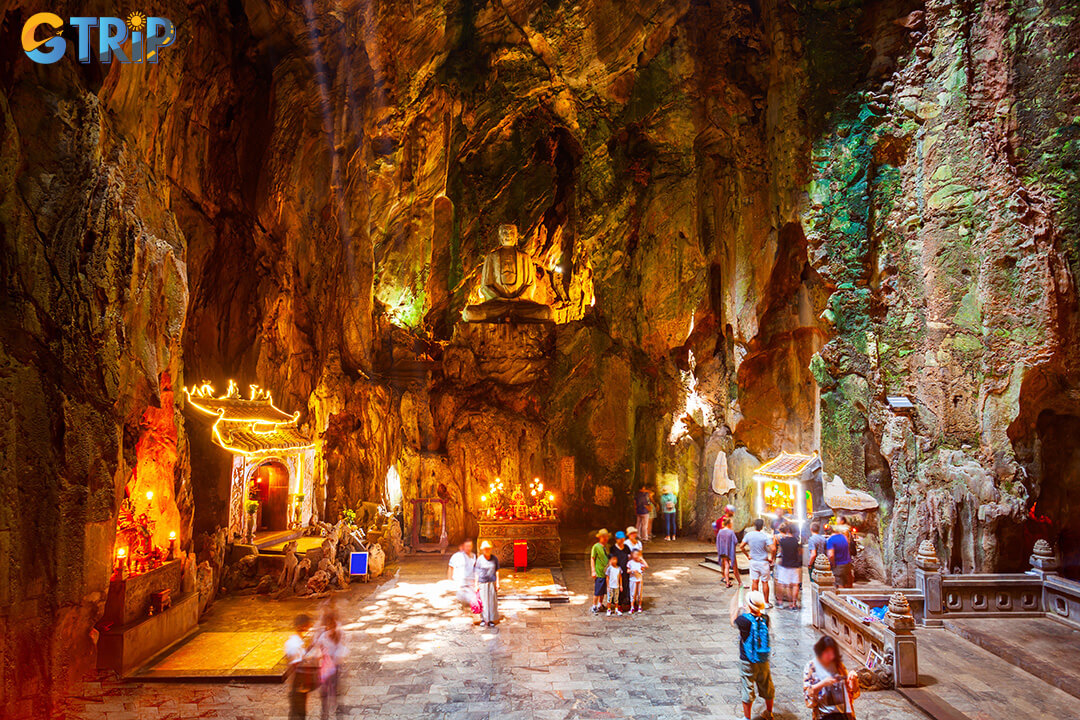
Hai Van Gate can be reached by motorbike for an adventurous ride, by private car or taxi for comfort and safety, or by joining a guided tour for a hassle-free
Other attractions near Hai Van Gate
A trip to Hai Van Gate can easily be expanded into a full-day adventure by visiting other points of interest at the base of the pass on the Da Nang side.
- Xuan Thieu Beach: Famous for its beautiful red-hued glow during sunrise and sunset, this quiet beach is a perfect spot for a peaceful break. The calm atmosphere and wide shoreline make it ideal for relaxing walks and watching local fishermen at work.
- Nam O Fishing Village: A traditional and rustic fishing village that offers a glimpse into the local way of life. It's renowned for its fish sauce, and visitors can also explore small workshops and experience centuries-old coastal traditions.
- Nam O Beach & Reef: A unique beach featuring a large, moss-covered rocky reef that emerges at low tide, creating a stunning and photogenic landscape. The reef is especially popular with photographers thanks to its vivid green textures and dramatic seaside setting.

Extend your visit to Hai Van Gate into a full-day journey by exploring nearby gems like Nam O Fishing Village, and the scenic Nam O reef at the foot of the pass
Travel tips & useful information when visiting Hai Van Gate
To make the most of your visit to Hai Van Gate, keep these practical tips in mind for a safe and memorable experience.
- Best time to visit: The ideal time is during Vietnam's dry season, from March to September, when skies are clearer. For the best light and fewer crowds, aim for early morning or late afternoon. Avoid the rainy season (October-February) when the pass can be foggy and slippery.
- What to wear: Wear comfortable, layered clothing as the temperature at the summit can be cooler than at sea level. Sturdy, comfortable shoes are essential for walking around the stone fortifications and uneven surfaces.
- Safety first: If riding a motorbike, always check your vehicle's brakes and tyres before starting the ascent. Drive slowly, stay in your lane on blind corners, and don't be afraid to use your horn.
- Amenities: You will find several small food and drink stalls at the summit offering refreshments, snacks, and souvenirs. Basic restroom facilities are also available.
- Time needed: Plan to spend at least 45 to 60 minutes at the gate itself to fully explore the architecture, read the displays, and take in the magnificent views from all angles.
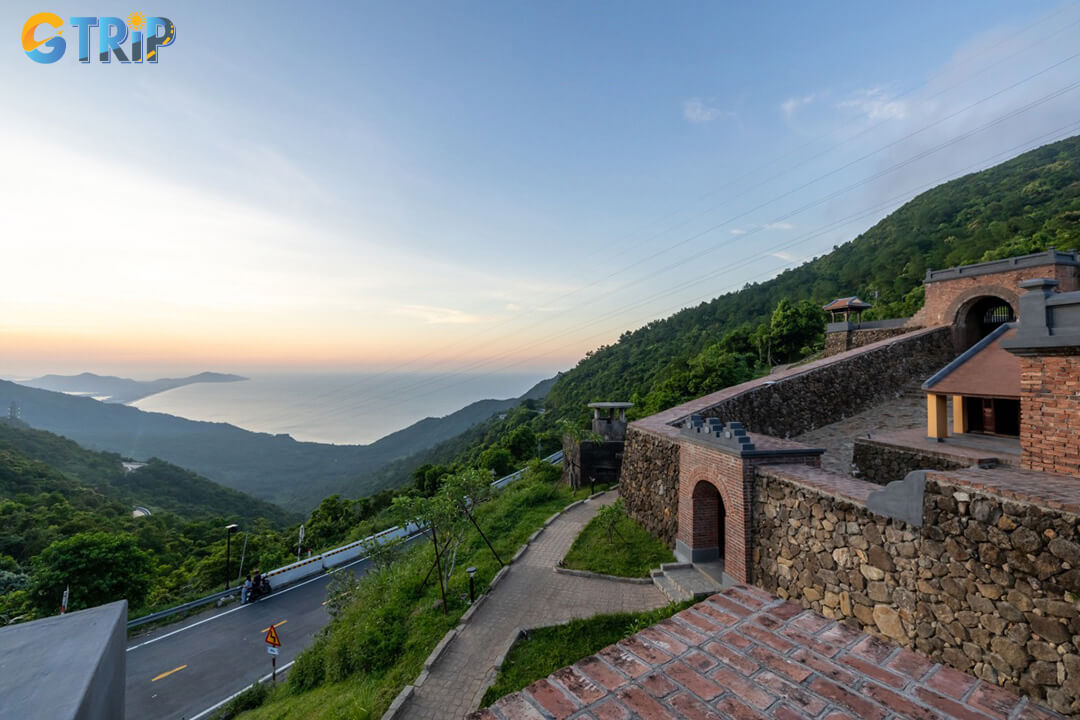
For a safe and rewarding visit to Hai Van Gate, choose the right season, dress comfortably, ride carefully, and allow enough time to explore and enjoy the views
Hai Van Gate is a destination that beautifully encapsulates the soul of Central Vietnam. It is a place of profound history, breathtaking natural beauty, and modern-day adventure. From walking through its ancient, restored archways and admiring imperial inscriptions to gazing out over the sweeping coastline, the gate connects visitors with centuries of Vietnamese culture. Whether you conquer the pass on a motorbike or arrive in the comfort of a guided tour, standing at the famous “Gate in the Clouds” is a memory that will last a lifetime. For a smooth and enriching journey, consider exploring this iconic landmark through curated Da Nang tours with GTrip, helping you experience Hai Van Pass and its spectacular scenery in the most memorable way.