

Wednesday, October 14, 2026
Bai Xep beach on Cham Islands is an unspoiled paradise, a hidden jewel tucked away from the crowded tourist trails of central Vietnam. Imagine a secluded crescent of fine white sand, lapped by crystal-clear turquoise waters and backed by lush, green forested hills. This is a place where tranquility reigns supreme, a true escape for those seeking silence, natural beauty, and a chance to disconnect. Unlike its more famous neighbors, Bai Xep has remained almost entirely untouched by commercial development, offering an authentic island experience. Here at GTrip, we've crafted the ultimate guide to help you discover this serene haven. This comprehensive guide covers everything you need to know about exploring the pristine shores of Bai Xep.
Overview of Bai Xep Beach on Cham Islands
Bai Xep Beach is one of the most peaceful and unspoiled spots on Cham Islands, featuring a 500-meter stretch of fine white sand, clear blue water, and lush forested hills. Since it is not included in most tour itineraries, the beach remains quiet with almost no tourist facilities, making it ideal for swimming, relaxing, and snorkeling. The water is clean and relatively shallow, but there are no services on-site, so visitors should bring drinking water, food, and essentials before arriving.
Where is Bai Xep Beach on Cham Islands?
Location: Hon Lao Island, Cham Islands, Tan Hiep Commune, Da Nang City
Bai Xep Beach sits on Hon Lao, the largest inhabited island in the Cham Islands archipelago. It lies on the southeastern coast, along the coastal road connecting Bai Lang, the main village, with Bai Huong fishing village. The beach is about 2 km south of Bai Lang and can be reached by walking, motorbike, or local ride.
Thanks to its tucked-away position, Bai Xep remains quieter than more developed beaches like Bai Ong or Bai Chong. The calm, clear waters and limited tourist traffic help preserve healthy coral reefs, making the area one of the best snorkeling spots within the Cham Islands Marine Protected Area.
Opening hours & ticket prices
- Opening hours: Open 24/7, all day
- Entrance fee: Free
One of the most wonderful things about Bai Xep Beach is its complete and total accessibility. As a natural, undeveloped stretch of coastline, it operates without any official restrictions. There are no gates, no staff, and consequently, no designated opening or closing times. You are free to visit at any hour of the day, from sunrise to sunset.
This freedom also means there are no fees associated with visiting. Access to the beach is entirely free of charge. This lack of commercialization is central to the beach's identity, contributing to its wild, unspoiled charm and ensuring that your experience is purely about enjoying nature in its most pristine state.
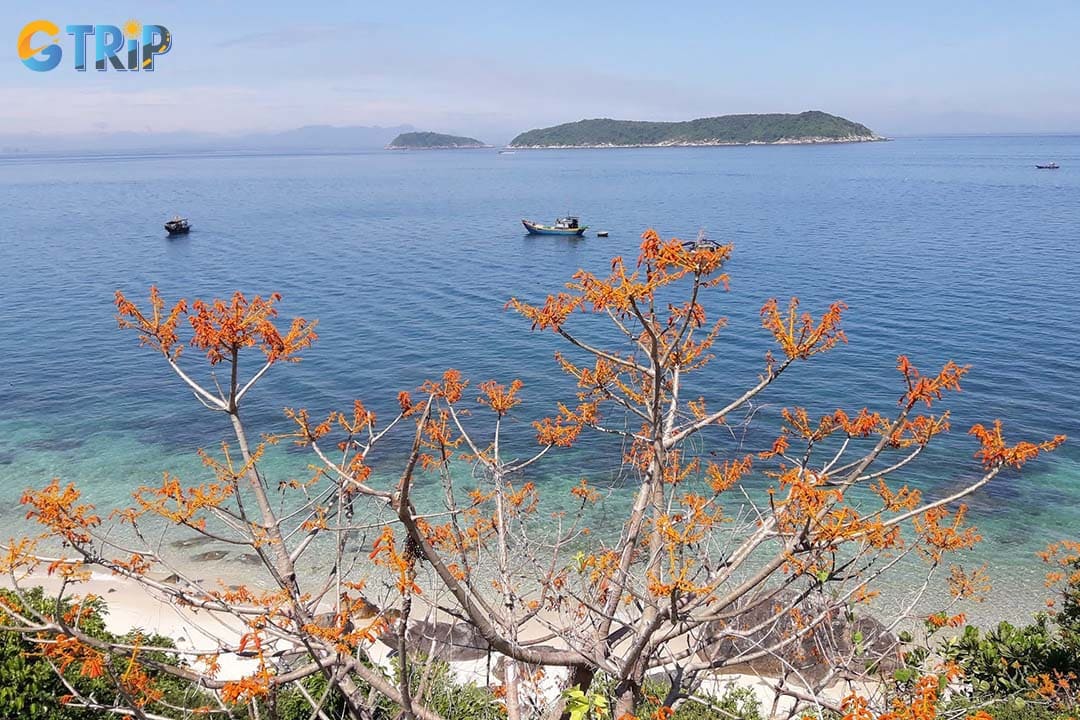
Bai Xep Beach has calm and clear water with peaceful and quiet atmosphere
Best time to visit Bai Xep Beach on Cham Islands
- Best time (Dry season): The ideal period to visit Bai Xep Beach is during the dry season, which runs from February to the end of August. During these months, the weather is consistently beautiful, with clear blue skies, abundant sunshine, and calm seas. The average temperature is warm and pleasant, creating perfect conditions for all beach activities. This is the prime time for swimming in the placid water, sunbathing on the soft sand, taking stunning photographs, and especially for snorkeling, as the water visibility is at its peak. This season offers the most reliable and enjoyable experience.
- Worst time (Rainy season): It is strongly advised to avoid visiting the Cham Islands, including Bai Xep, during the stormy season from September to January. This period is characterized by heavy rains, overcast skies, and rough, choppy seas. More critically, the months from October to December can bring typhoons with strong winds, torrential rain, and dangerously high waves. During severe weather, the Cham Islands are often closed to all tourist for safety reasons, and potential flooding can occur on the island itself.
- Shoulder months (Dec/Jan): The shoulder months of late December and January mark a transitional period. Rain is still quite frequent, particularly in December and the beginning of January, and the sea can be cool and unsettled. However, towards the end of January, as the weather system begins to shift, you may be fortunate enough to catch some clear, sunny days. If planning a trip during this time, it is absolutely essential to check the local weather forecast meticulously before booking your boat trip, as conditions can change rapidly.
What makes Bai Xep Beach on Cham Islands unique?
Bai Xep Beach distinguishes itself from other destinations through its rare combination of pristine nature, world-class snorkeling accessible from the shore, and absolute seclusion. Unlike the more developed beaches like Bai Ong and Bai Chong, which cater to large tour groups with restaurants and water sports, Bai Xep offers a raw, unfiltered connection with nature. It’s a place defined by what it lacks: no crowds, no noise, and no commercialism.
- Pristine & untouched nature: The complete absence of tourist infrastructure, no bars, no restaurants, no sun-lounger rentals, has preserved the beach's immaculate, raw beauty.
- Exceptional coral reefs: It is renowned as a top snorkeling spot where you can simply walk into the water and be surrounded by vibrant coral and marine life just meters from the sand.
- Total seclusion: Its location off the main tour route ensures a private and peaceful experience, making it a sanctuary for those seeking genuine tranquility away from the world.
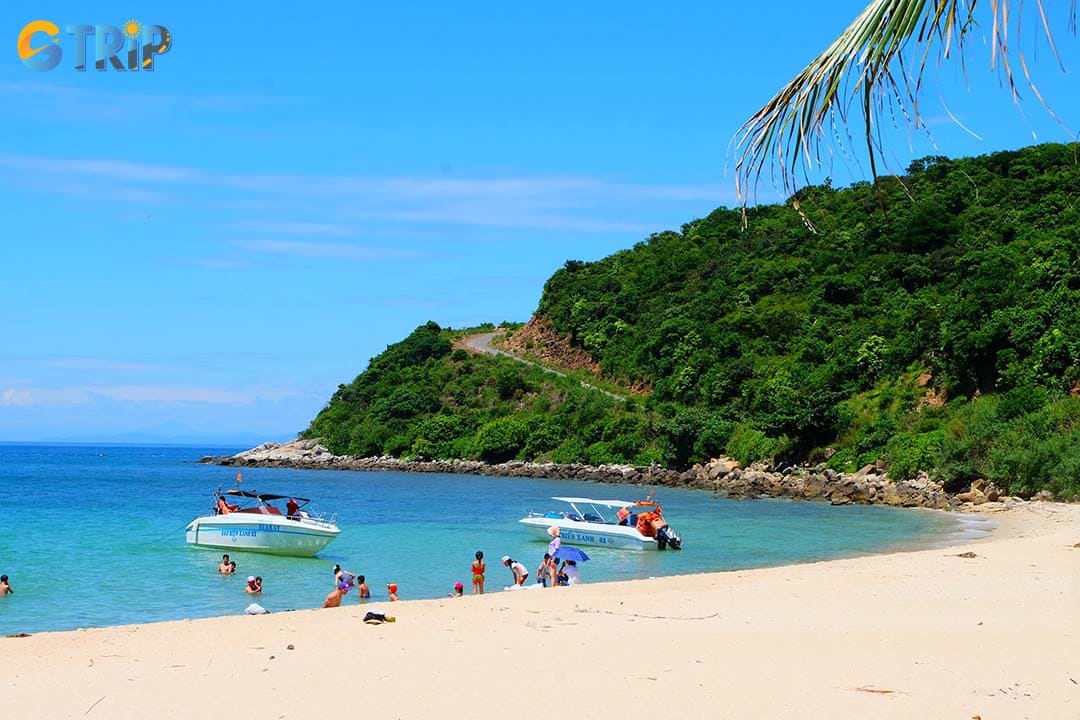
Bai Xep Beach is famous for its rare combination of pristine nature, world-class snorkeling, and total seclusion



Things to do at Bai Xep Beach on Cham Islands
While its main appeal is its peaceful atmosphere, Bai Xep Beach on Cham Islands offers a handful of pure, nature-focused activities that make for an unforgettable day.
1. Snorkeling & coral gazing
This is, without a doubt, the star attraction of Bai Xep. The beach provides direct, easy access to some of the most vibrant and healthy coral reefs in the Cham Islands Marine Protected Area. Just a few steps into the clear, shallow water, you can begin your underwater adventure. Put on your mask and fins, and within minutes you'll be floating above a spectacular coral garden. The reefs here are diverse, featuring everything from large plate corals and brain corals to delicate branching corals.
The marine life is equally impressive. You can expect to see schools of colorful fish darting through the formations, including parrotfish, clownfish nestled in their anemones, butterflyfish, and damselfish. The water is generally calm and clear, offering excellent visibility. For beginners, it's a perfect environment. The reefs start close to shore, so you don’t need to be a strong swimmer to enjoy the view. A pro tip: float gently and avoid touching or standing on the coral, as it is a fragile living organism.
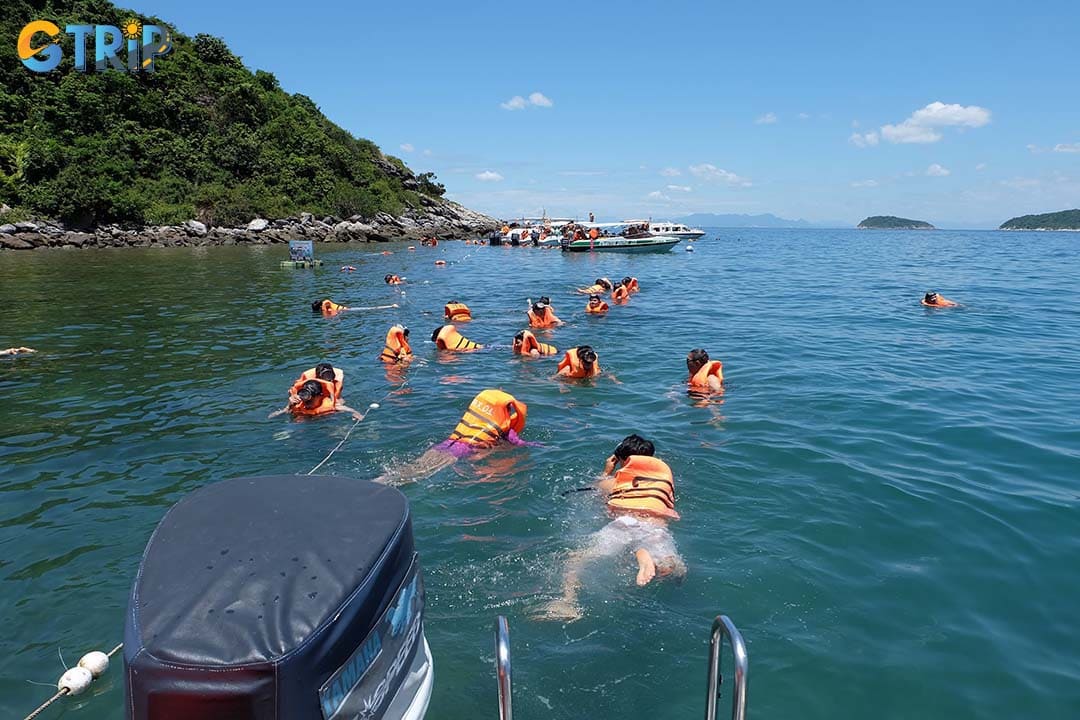
One of the most popular and unique activities at Bai Xep Beach is snorkeling and coral gazing
2. Swimming & sunbathing
The conditions at Bai Xep are perfect for a relaxing swim. The water is typically calm and placid, protected by the natural curve of the bay. It remains relatively shallow for a good distance from the shore, with a gentle, sandy slope, making it safe and enjoyable for swimmers of all abilities. The water temperature during the dry season is comfortably warm, inviting you to linger for hours. After your swim, the 500-meter stretch of fine, white sand is the ideal spot to lay down your towel, soak up the sun, and enjoy the serene surroundings. The sand is incredibly soft and clean, perfect for a long, lazy afternoon.
3. Relaxing & digital detox
Bai Xep is the ultimate destination for a digital detox. With no wi-fi, limited cell service, and a distinct lack of man-made noise, it is a sanctuary of peace. The only soundtrack here is the gentle lapping of waves against the shore and the rustle of leaves in the coastal breeze. This profound quiet makes it the perfect place to truly disconnect from the stresses of modern life. Bring a good book, find a spot in the shade of the forested hills, and lose yourself in a story. Or, simply lie back, close your eyes, and listen to the sounds of nature. It’s also an ideal spot for meditation or simply sitting and observing the beauty around you.
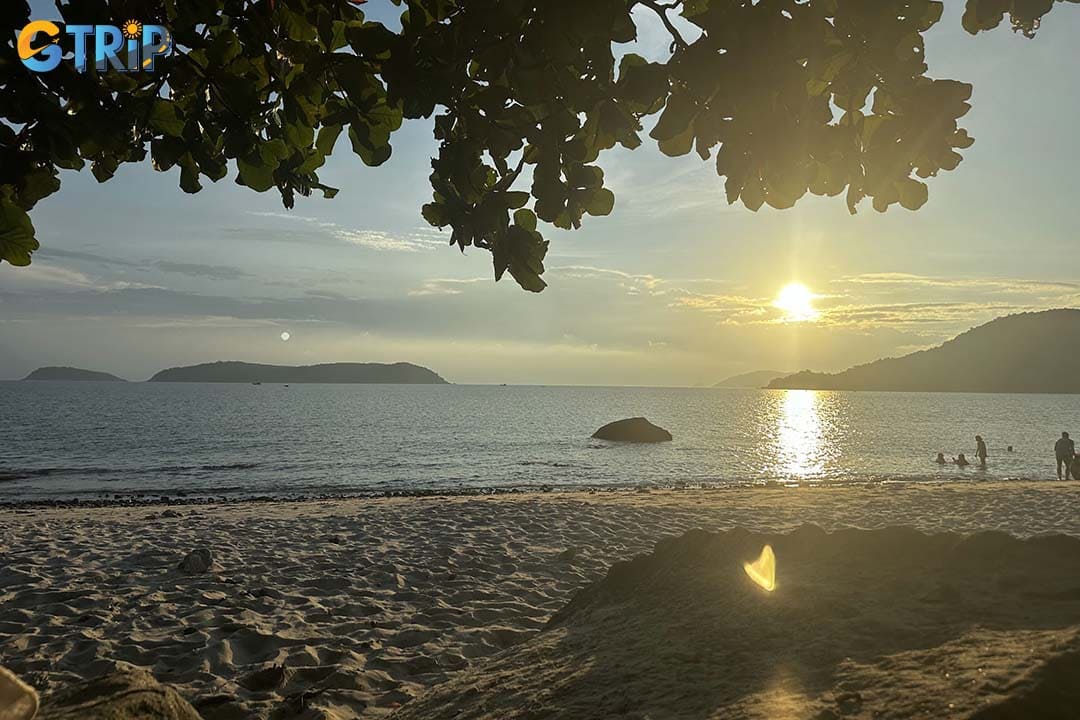
Bai Xep Beach is ideal to swim, sunbath, relax and chill
4. Coastal photography
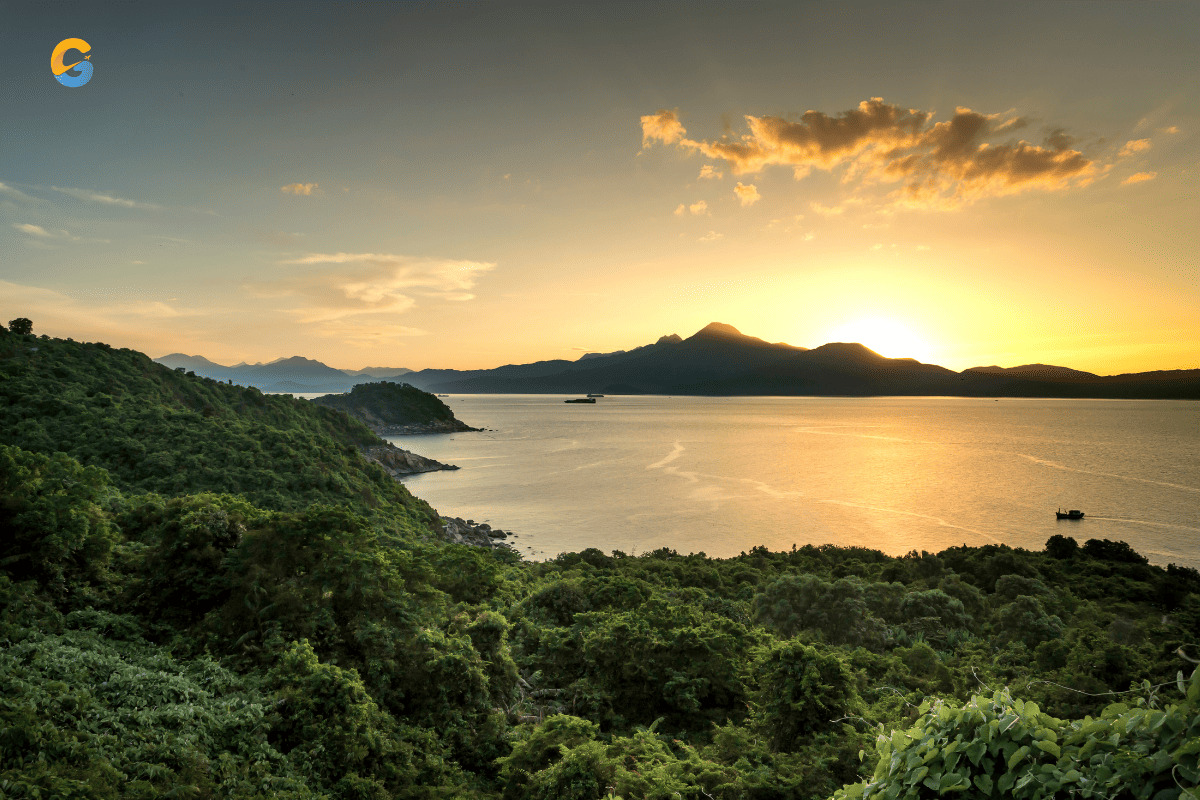
For photographers, Bai Xep is a dream location. The visual contrasts are stunning: the brilliant white of the sand, the multiple shades of turquoise and blue in the water, and the deep, lush green of the hills behind the beach. The graceful curve of the bay provides a beautiful leading line for landscape shots. Arrive during the 'golden hour', either shortly after sunrise or in the late afternoon before sunset, to capture the soft, warm light that makes the entire scene glow. The clarity of the water also allows for interesting shots of the submerged rocks and fish near the shore.
5. Picnicking
Since there are absolutely no food or drink vendors at Bai Xep, a picnic isn't just a fun activity because it's a necessity. Planning a picnic is part of the adventure. Before you take the boat to the island, stop in Hoi An or Da Nang to pick up some local delicacies. A classic Vietnamese choice is a fresh banh mi (baguette sandwich). You can also pack fresh tropical fruits like mangoes, pineapple, and dragon fruit, along with plenty of drinking water. Spreading out a blanket on the sand and enjoying a meal with an uninterrupted ocean view is an experience in itself. Most importantly, visitors must adhere to a strict "Leave no trace" policy. Pack out everything you bring in, including all food scraps and trash, to help preserve the beach's pristine condition.
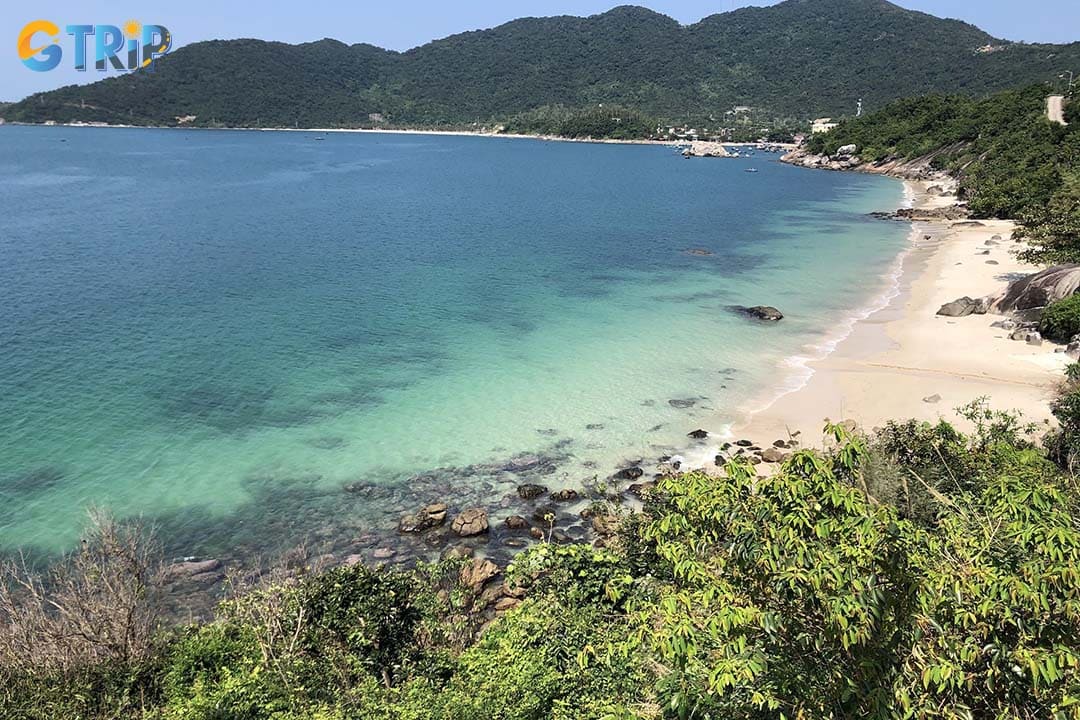
Bai Xep is a dream location for photographers and campers
How to get to Bai Xep Beach on Cham Islands?
To reach the secluded shores of Bai Xep Beach on Cham Islands, you'll need to undertake a multi-step journey. The adventure begins on the mainland, either from Da Nang or, more commonly, from Hoi An. From there, you must travel to Cua Dai Port. At the port, you will board a speedboat or a traditional wooden boat to reach the Cham Islands, arriving at the main pier in Bai Lang village. Once on the island, Bai Xep Beach is located about 2 kilometers south of the pier, accessible via a short walk, a rented motorbike, or a local motorbike taxi along the scenic coastal road heading towards Bai Huong Village.
From Da Nang International Airport to Cua Dai Port
For travelers flying into the region, the most direct way to begin your journey to the Cham Islands is by heading straight from Da Nang International Airport to Cua Dai Port. This is the most efficient option, especially if you are carrying luggage. A taxi or a pre-booked private transfer is the recommended mode of transport. The drive is straightforward and takes you along the beautiful coastal roads of Da Nang and Hoi An.
- Distance: ~30 km
- Travel time: 45-60 minutes
- Routes: Airport → Vo Nguyen Giap Street → Lac Long Quan → Cua Dai Port
- Optimal option: Taxi or private car transfer
From Da Nang City center to Cua Dai Port
If you are starting from Da Nang City, the journey to Cua Dai Port is a scenic coastal drive. This route is popular with visitors and locals alike. Riding a motorbike offers a sense of adventure and freedom, allowing you to enjoy the sea breeze and ocean views along the way. Alternatively, a taxi or ride-hailing service provides a comfortable and convenient option. The route follows the main beach road south towards Hoi An.
- Distance: ~28-32 km
- Travel time: 45-60 minutes
- Routes: Da Nang → Vo Nguyen Giap coastal road → Hoi An → Cua Dai Port
- Optimal option: Motorbike or taxi for flexibility
From Hoi An Ancient Town to Cua Dai Port
Hoi An Ancient Town is the closest and most common departure point for trips to the Cham Islands. The journey from the town center to Cua Dai Port is very short and simple. A quick taxi ride is the easiest way to get there, though cycling is also a pleasant option for those not in a hurry and traveling light. This short distance makes Hoi An the most convenient base for a day trip to the islands.
- Distance: ~5 km
- Travel time: 10-15 minutes
- Routes: Hoi An Ancient Town → Cua Dai Road → Cua Dai Port
- Optimal option: Taxi or bicycle from Hoi An
From Cua Dai Port to Bai Xep Beach on Cham Islands
This final leg of the journey involves two parts. First, you'll travel by sea from Cua Dai Port to Bai Lang village on the Cham Islands. A speedboat is the fastest and most popular option, taking about 20 minutes. From Bai Lang, you must travel 2 km south along the island's only main road. Because Bai Xep is not a standard stop for organized tours, independent travel is key. You can enjoy a scenic 20-30 minute walk or rent a motorbike in Bai Lang for a quick 5-minute ride.
- Distance: ~15 km by sea + 2 km on island
- Travel time: 20 minutes by speedboat + 5-10 minutes on island
- Routes: Cua Dai Port → Bai Lang (Cham Islands) → coastal road → Bai Xep Beach
- Optimal option: Speedboat to Bai Lang, then rent a motorbike or walk.
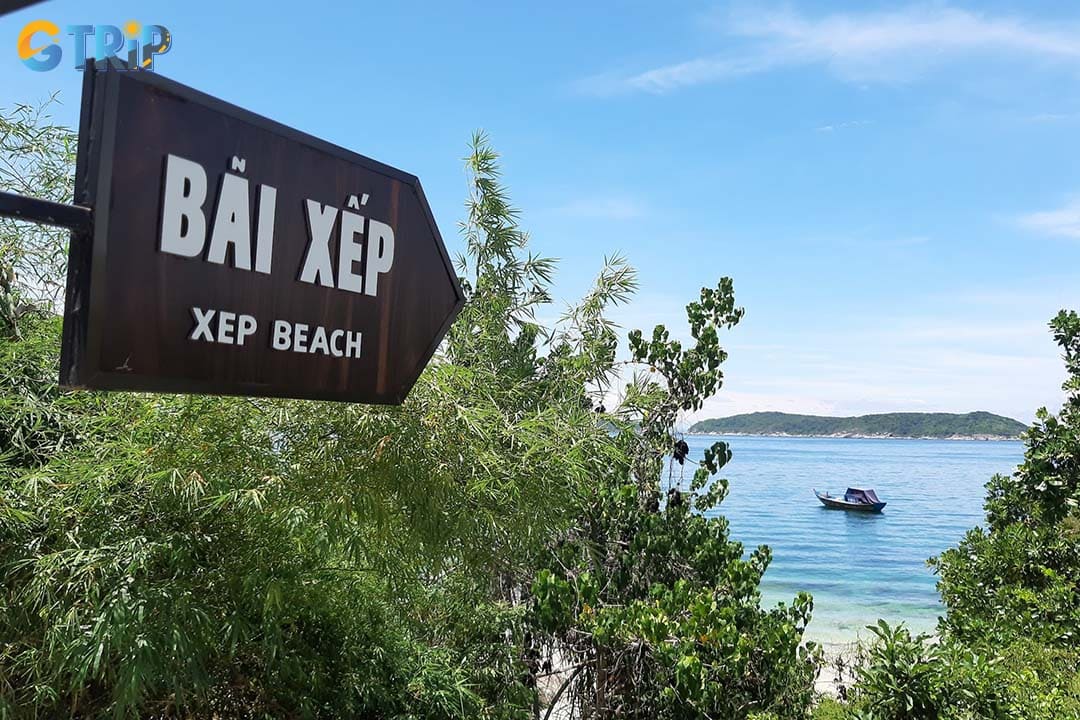
To reach Bai Xep Beach, you have to reach Cua Dai Port and then travel to Cham Islands
Nearby attractions to Bai Xep Beach on Cham Islands
While Bai Xep offers a quiet escape, its location on Hon Lao makes it easy to explore other highlights across Cham Islands. These nearby spots are worth adding to your itinerary:
- Bai Lang Village: The main village on Cham Islands and the primary arrival point from Cua Dai Port. Visitors can explore Tan Hiep Market, observe daily fishing life, and visit the historic Hai Tang Pagoda. It’s also the best place to rent motorbikes, buy supplies, or arrange local transport.
- Bai Huong Village: A smaller, peaceful fishing village located south of Bai Xep. Known for community-based tourism, homestays, and sustainable fishing practices, Bai Huong offers a quieter and more authentic island experience.
- Bai Ong & Bai Chong Beaches: The most developed beaches on the island, located north of Bai Lang. These areas feature restaurants, seating areas, and water activities, making them suitable for lunch stops or travelers looking for more facilities.
- Eo Gio (Windy Pass): A scenic viewpoint on Hon Lao offering panoramic views of the coastline and surrounding islands. The elevated position makes it one of the best photography spots on Cham Islands.
- Cham Islands Marine Protected Area (MPA): Bai Xep lies within the UNESCO-recognized biosphere reserve. The protected waters are home to coral reefs, seagrass beds, and diverse marine life, highlighting the ecological value of the entire archipelago.
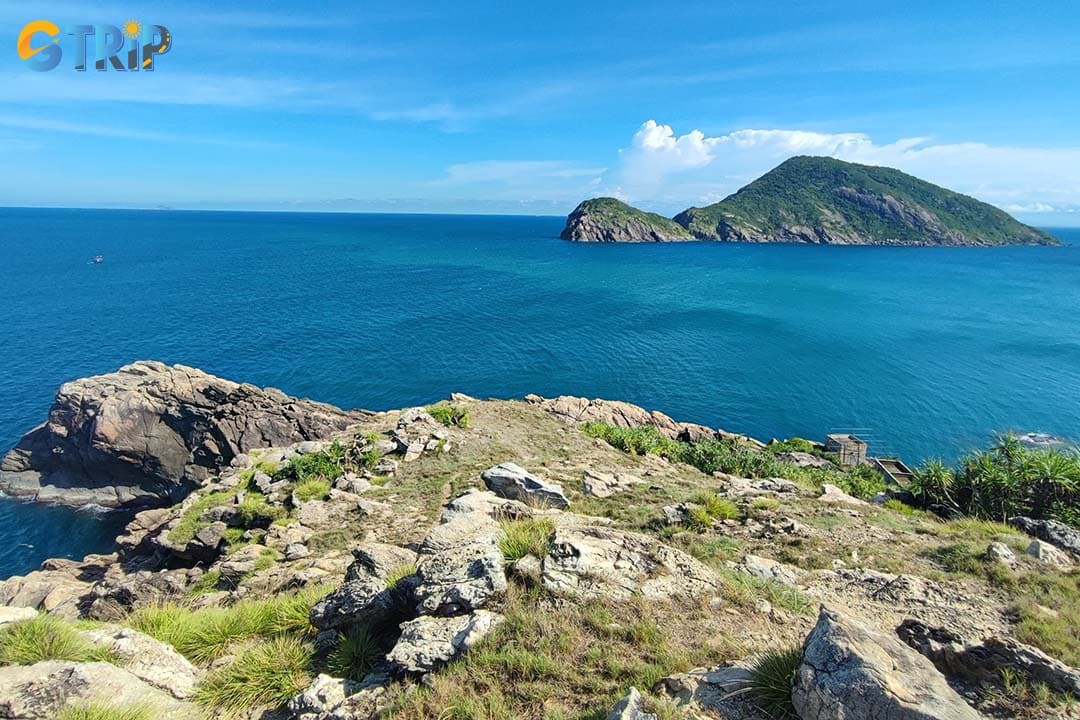
The nearby Eo Gio (Windy Pass) is a place that you should visit for a panoramic view of the coastline and surrounding islands
Practical tips for visitors
Before visiting Bai Xep Beach, it’s important to prepare in advance since the area is quiet, undeveloped, and has no tourist services. Keep these practical tips in mind for a smooth and comfortable trip:
- Pack accordingly: Bring sunscreen, hat, sunglasses, swimwear, and a towel, especially during the dry season (February-August). You can buy basic items at Cua Dai Port or Bai Lang village before heading to the beach.
- Be self-sufficient: There are no restaurants, shops, or facilities at Bai Xep. Prepare drinking water, snacks, and essentials in advance.
- Leave no trace: Take all trash with you and avoid disturbing coral, marine life, or vegetation to keep the beach pristine.
- Island mobility: Rent a motorbike in Bai Lang village for flexible travel to Bai Xep, Bai Huong, and nearby hidden beaches.
- Swim safely: The sea is calm and clear, but there are no lifeguards. Avoid swimming alone and stay within safe distance from shore.
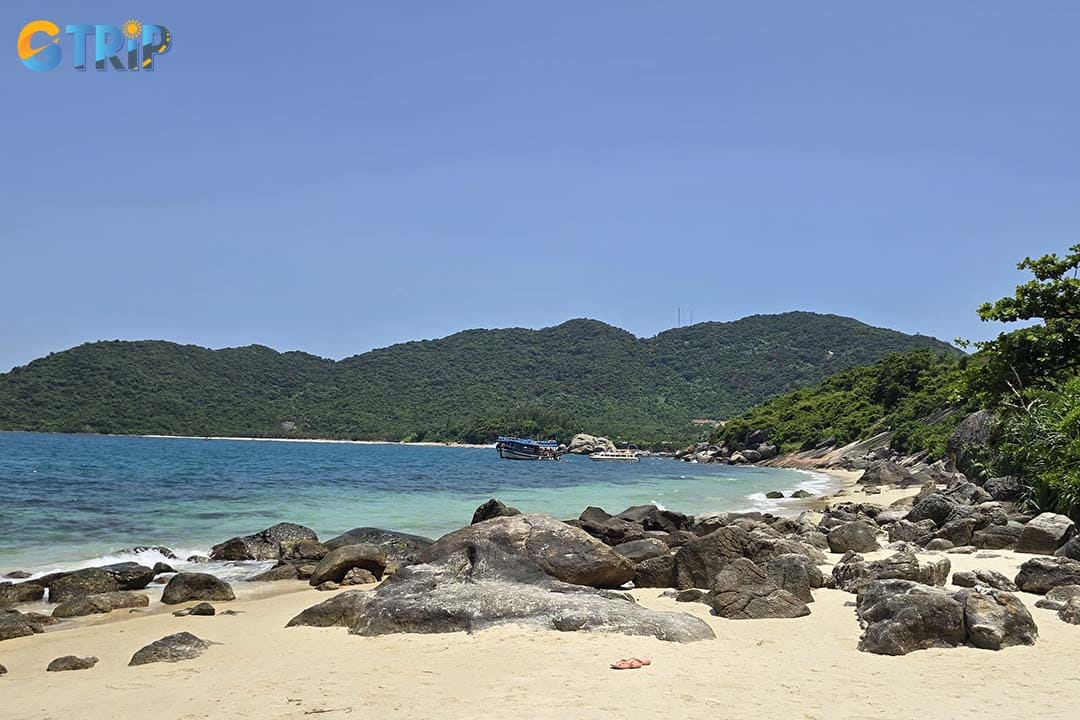
Remember practical tips to have a good time at Bai Xep Beach on Cham Islands
In a world filled with bustling tourist hotspots, Bai Xep Beach on Cham Islands remains a rare and precious sanctuary. It is a destination that rewards travelers who seek authenticity over amenities and tranquility over trends. Its pristine sand, crystal-clear water, and vibrant underwater world offer a pure and powerful connection to nature. As you plan your next Vietnamese adventure with GTrip, consider venturing off the beaten path to discover this hidden gem. A visit to Bai Xep is more than just a day at the beach, it’s an opportunity to reset, recharge, and respectfully enjoy one of Southeast Asia’s last unspoiled coastal paradises. It is, without a doubt, an unmissable experience for the modern explorer.
Custom Your Journey

Other Attractions
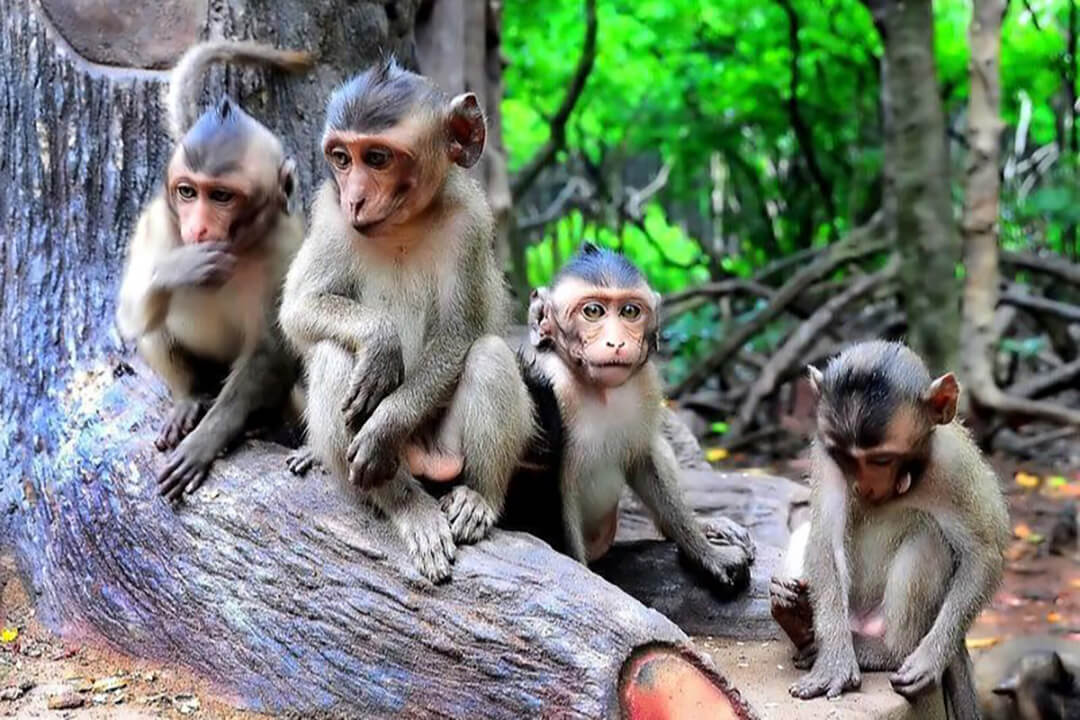
Can Gio Monkey Island in Ho Chi Minh City: Tickets, Things to Do & Travel Guide
Can Gio Monkey Island
Can Gio Monkey Island in Ho Chi Minh City offers a refreshing escape from the city’s buzzing motorbike chaos. Just a short distance from the center, Can Gio welcomes you with lush mangrove forests, winding waterways, and a fascinating history. Here, you can meet playful long-tailed macaques, drift through tranquil channels, and explore remnants of a wartime guerrilla base.
Can Gio Monkey Island in Ho Chi Minh City: Tickets, Things to Do & Travel Guide
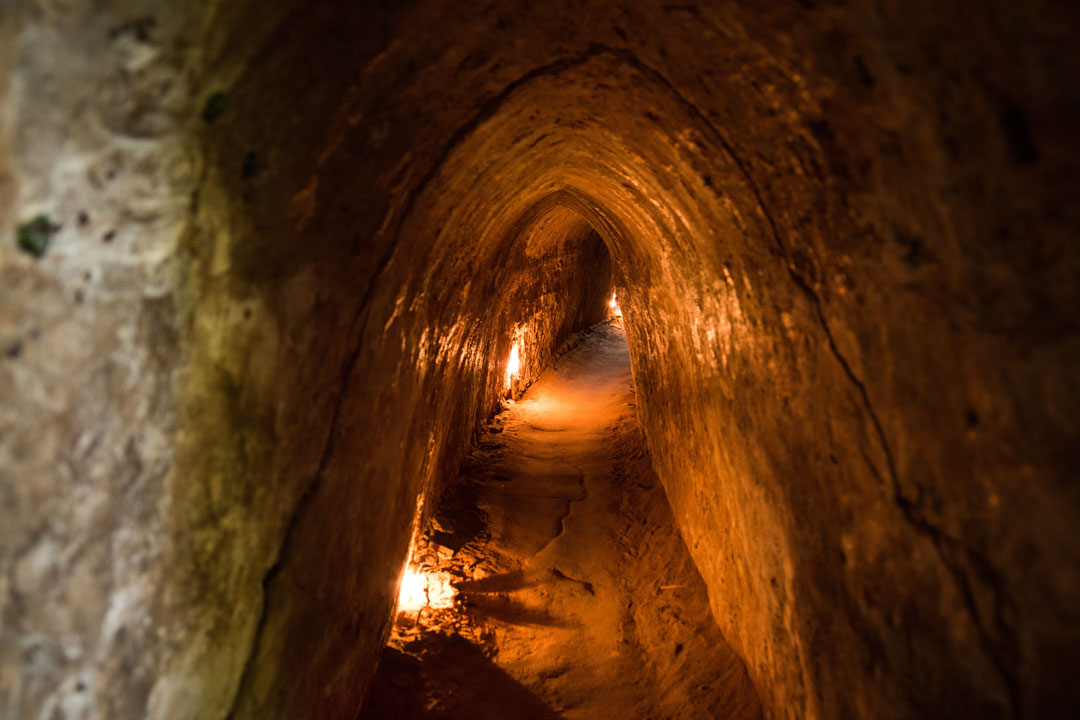
Cu Chi Tunnels: History, Architecture, Things To Do & Travel Guide
Cu Chi Tunnels
The Cu Chi Tunnels, located at TL15, Phu Hiep, Cu Chi District, Ho Chi Minh City, are a vast underground network of strategic passages, shelters, supply routes, and defensive traps.

Ho Chi Minh City
Ho Chi Minh City, known as the "Pearl of the Far East," attracts both domestic and foreign tourists with its unique and diverse destinations.

Tran Quoc Pagoda: History, Architecture, Significance & Travel Guide
Tran Quoc Pagoda
Nestled on the tranquil shores of West Lake, Tran Quoc Pagoda is the oldest Buddhist temple in Hanoi, with a history spanning over 1,500 years. Built in the 6th century under Emperor Ly Nam De, this sacred site reflects Vietnam’s Buddhist evolution while preserving its spiritual and architectural grandeur.