
Wednesday, October 14, 2026
Dak Ke Lake, in Vietnam’s Central Highlands, offers a serene escape into nature's quiet elegance. Situated within the Mang Den eco-tourism area of Kon Tum Province, this enchanting lake spans more than 3 hectares and is celebrated for its pristine beauty and cultural richness. Far removed from the crowds of mainstream tourist spots, Dak Ke Lake invites travelers to slow down, breathe deeply, and reconnect with both nature and tradition.
Beyond its stunning landscape, Dak Ke Lake carries the soul of the local Mnong people, whose legends and daily life continue to breathe life into the area. Here, you can glide across the calm waters by boat, stroll through flowering pathways, or simply sit and listen to the whispers of ancient tales on the mountain breeze. In this guide of GTrip, we will explore everything Dak Ke Lake, also known as Toong Ro Pong, has to offer. Let this journey lead you to a hidden world where natural splendor and cultural heritage exist in perfect harmony.
Overview of Dak Ke Lake
Dak Ke Lake, located in the Mang Den eco-tourism area of Kon Plong District, Kon Tum Province, is a picturesque natural lake covering more than 3 hectares. Situated at an altitude of about 1,200 meters above sea level, the lake enjoys a cool, mild climate year-round. This is an ideal destination for nature lovers and tourists seeking tranquility in the Central Highlands.
The lake is renowned for its crystal-clear blue water, surrounded by lush pine forests, rolling hills, and colorful flower bushes such as cherry blossoms. They bloom beautifully in the right season, adding to the poetic and serene atmosphere. Dak Ke Lake is part of the legendary "7 lakes and 3 waterfalls" of Mang Den, a local myth that attributes the lakes and waterfalls to divine origins, enhancing the cultural mystique of the area.
Tourists to Dak Ke Lake can enjoy a variety of recreational activities, including boating, canoeing, fishing, cycling, and horse or buffalo cart rides around the lake. The area also features traditional stilt houses and Rong houses, reflecting the cultural heritage of the indigenous Central Highlands ethnic groups. The lake’s walking paths offer peaceful strolls with scenic views, making it a favored spot for photography and relaxation. Its proximity to other attractions like Dak Ke Waterfall and the broader Mang Den eco-tourism area further enhances its appeal as a key destination in Kon Tum Province.
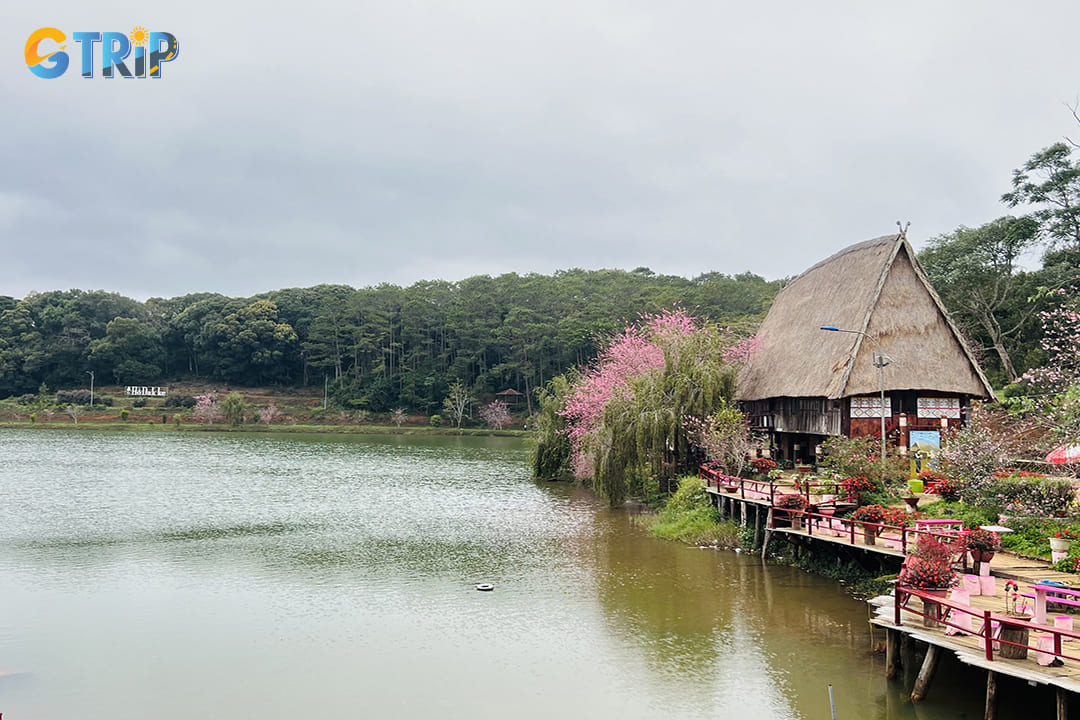
Dak Ke Lake, located in the Mang Den eco-tourism area of Kon Plong District, is a picturesque natural lake covering nearly 3 hectares
The legend of Dak Ke Lake
Dak Ke Lake, nestled in the Mang Den eco-tourism area of Kon Tum Province, is not only renowned for its natural beauty. It is also for the rich legend that surrounds its origin, deeply rooted in the beliefs of the local Mnong ethnic community.
According to ancient lore passed down by the Mnong people, Dak Ke Lake was born from a divine tragedy. Legend tells that Yang Plinh, the supreme god, sent his seven sons to settle the lush lands of Mang Den. To assist them, he transformed their wives into animals who would live beside them and protect them. However, in a moment of ignorance and desperation, the sons unknowingly hunted and ate their wife in her animal form. Enraged by this betrayal, Yang Plinh caused the skies to storm and the earth to split, forming seven lakes and three waterfalls across the land, each symbolizing sorrow and divine punishment.
Dak Ke Lake, the most beautiful and tranquil among these lakes, carries the deepest echoes of that ancient sorrow. The Mnong people believe that the lake is inhabited by ancestral spirits and nature deities who protect the community and bless the land with fertility and peace. Its glassy surface and the misty forests surrounding it seem to hold the spirit of the legend, inviting tourists to reflect on loyalty, love, and the delicate bond between humanity and nature.
This legend reflects the Mnong’s deep respect for their environment and their understanding of nature as a living, sacred entity. It also serves as a moral tale emphasizing obedience to divine laws and the consequences of disrupting the natural order. Today, the story of Dak Ke Lake is preserved through oral storytelling, cultural festivals, and ritual performances by the local ethnic groups. Tourists to the lake not only witness its breathtaking scenery but also experience a profound connection to the cultural heritage and spiritual legacy.
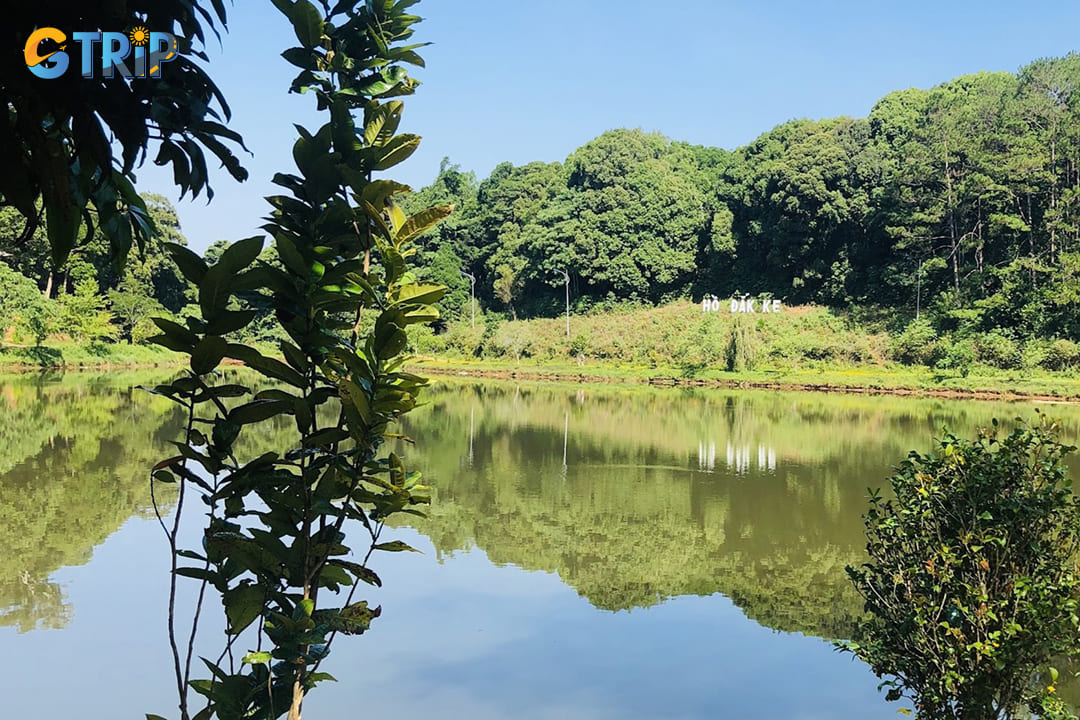
Dak Ke Lake, the most beautiful and tranquil among these lakes, carries the deepest echoes of that ancient sorrow
Things to do when visiting Dak Ke Lake
When visiting this beautiful place, you can enjoy some activities below.
1. Enjoy boating and canoeing on serene waters
One of the most relaxing and immersive ways to enjoy Dak Ke Lake is through boating or canoeing. The lake's calm, glassy surface is ideal for both beginners and experienced paddlers, offering a peaceful and scenic environment to explore. Canoes and paddle boats are available for rent, allowing you to glide effortlessly across the 3-hectare lake while admiring its reflective waters and the surrounding natural landscape.
For those looking for more structured activities, guided canoeing tours are also available through local operators. These experiences often include educational insights into the ecology of the lake and the cultural background of the Mang Den area. You are treated to a tranquil experience and a unique view of the lake's flora, fauna, and mirrored skies, all while safely equipped with provided gear.
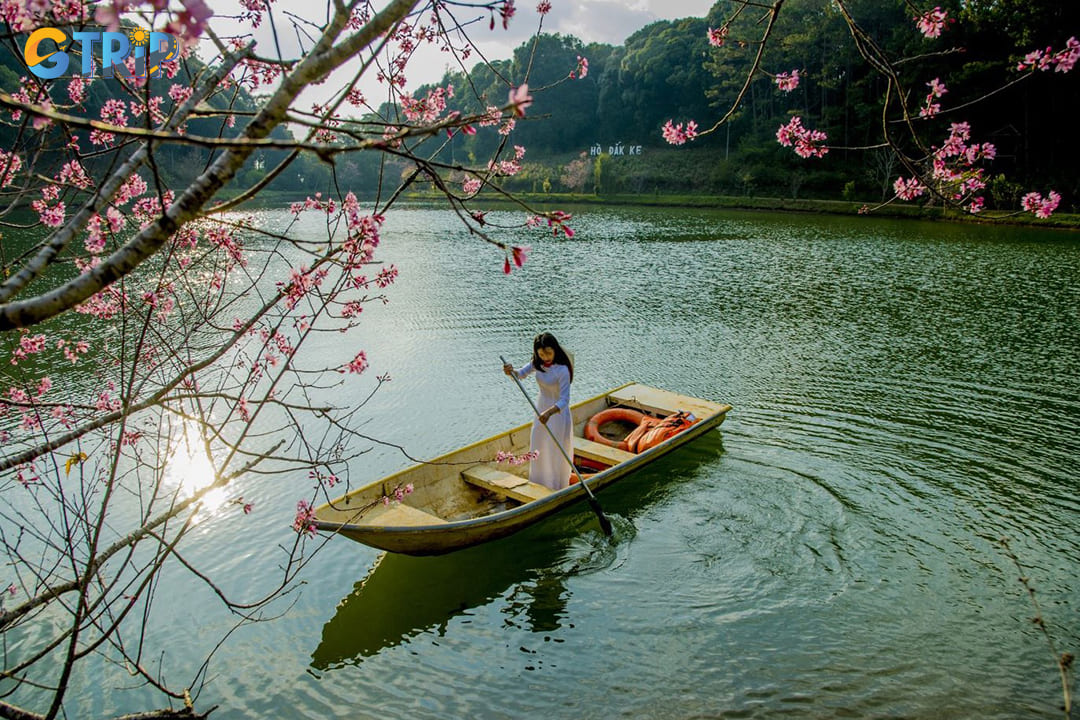
One of the most relaxing and immersive ways to enjoy Dak Ke Lake is through boating or canoeing
2. Fishing experiences around the lake
Fishing at Dak Ke Lake is a popular activity, particularly for those who enjoy quiet moments in nature. The lake’s unspoiled setting and relatively low number of tourists make it an ideal destination for a calm, undisturbed day of fishing. Its clean freshwater ecosystem supports various fish species, creating a rewarding experience for both hobbyists and more serious anglers.
There are several well-known spots around the lake’s edges where fishing tends to be especially productive. Here, you can relax with a rod in hand, surrounded by bird songs and the gentle rustling of trees. Local guides are often available to assist beginners, offering helpful tips and techniques specific to the lake’s environment. The peaceful ambiance and uncrowded nature of Dak Ke Lake make fishing here not just a recreational activity but a soothing retreat.
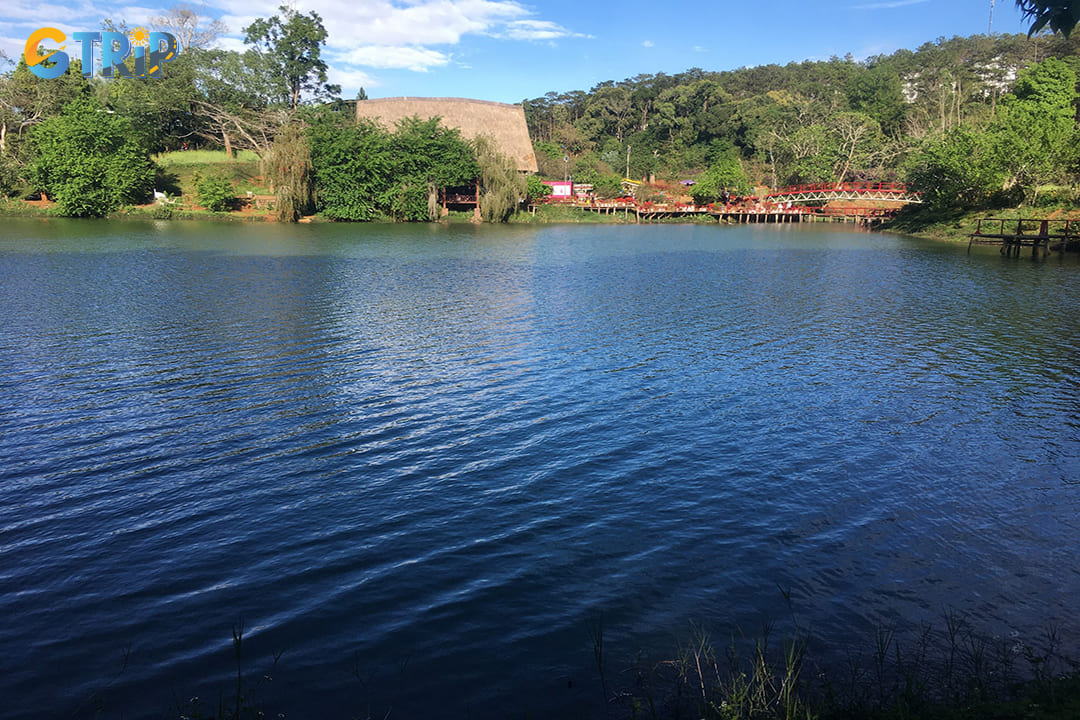
The lake’s unspoiled setting and relatively low number of tourists make it an ideal destination for a calm, undisturbed day of fishing
3. Capture stunning nature photos around the lake
Beyond the lake’s waters, Dak Ke offers inviting walking paths that encircle the area, perfect for slow strolls and scenic appreciation. These trails wind through lush landscapes and offer panoramic viewpoints of the lake from different angles. The gentle terrain and peaceful atmosphere make the paths accessible and enjoyable for all ages.
Photography enthusiasts will find plenty of inspiration here. From reflections on the lake’s surface to the interplay of light through the trees, the area offers numerous subjects for creative shots. During cherry blossom season, the surroundings become even more magical. With around 70,000 cherry blossom trees in the region, the landscape bursts into shades of pink and white, making it a favorite spot for seasonal photography. In addition to the blossoms, the lake area is home to a rich variety of plant species and wildlife, perfect for nature and macro photography.
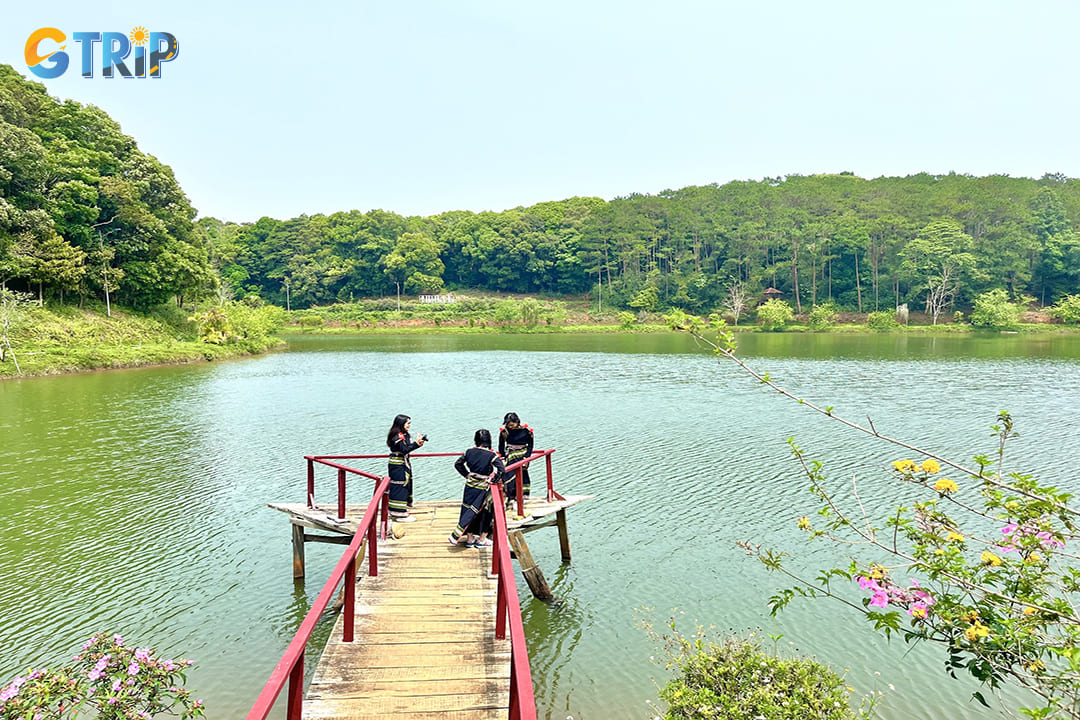
Photography enthusiasts will find plenty of inspiration around the lake
4. Explore traditional stilt house architecture
At Dak Ke Lake, you will have the chance to admire the unique architecture deeply rooted in the cultures of Vietnam’s Central Highlands. Scattered around the area are beautifully crafted traditional stilt houses, built mainly from wood, making them exceptionally sturdy and durable. Despite their solid construction, these stilt houses retain a simple, rustic charm that feels both authentic and welcoming. In addition to the stilt houses, you will also find impressive Rong houses, towering high into the sky, standing as iconic symbols of the local heritage.
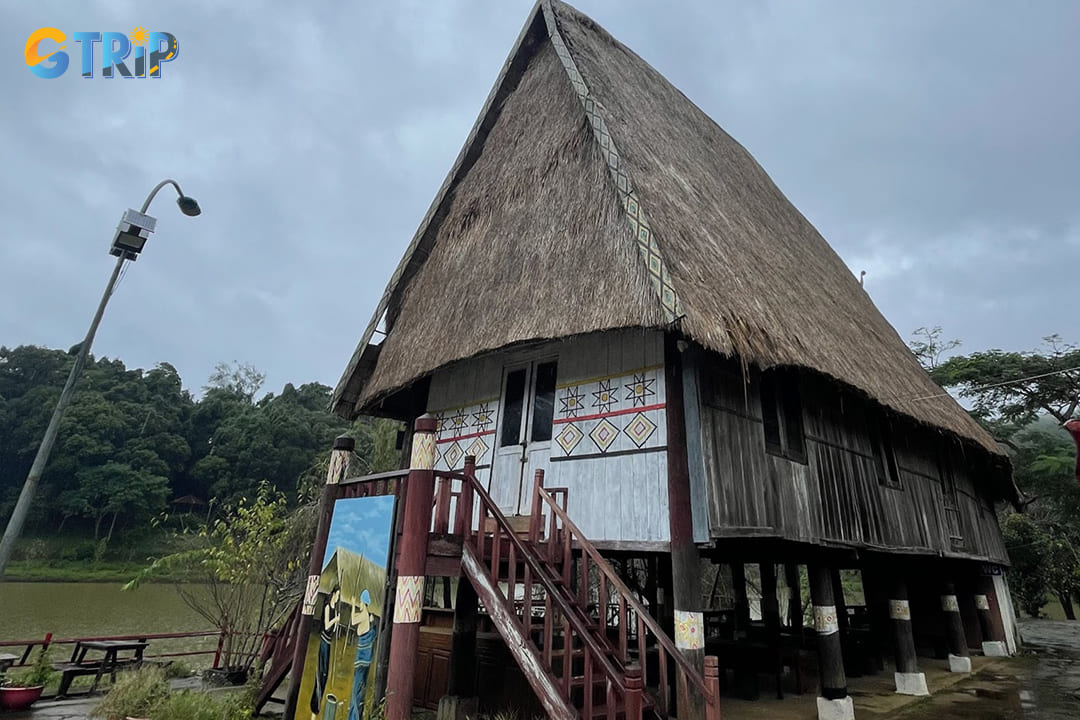
Scattered around the area are beautifully crafted traditional stilt houses, built mainly from wood, making them exceptionally sturdy and durable
5. Enjoy local food
While exploring Dak Ke Lake, you’ll also have the opportunity to enjoy a rich variety of Mang Den’s signature dishes, flavorful, unique, and deeply rooted in the highland culture. Prepared using traditional methods passed down through generations, these meals reflect the essence of the local lifestyle. Among the must-try specialties are grilled Mang Den chicken, bamboo-tube rice (com lam), roasted pork, and can wine, a traditional rice wine enjoyed through bamboo straws. Each bite offers a true taste of the mountains.
Best time to visit Dak Ke Lake
The allure of Dak Ke Lake in Kon Tum province is best appreciated during specific times of the year, when its natural beauty is magnified by seasonal transformations. The optimal time to visit the lake is during the cherry blossom season, typically from January to February. During this period, the landscape is adorned with vibrant cherry blossoms, providing a breathtaking contrast to the tranquil, reflective waters of the lake.
Travelers who prefer a quieter experience might consider visiting in the off-peak months of March to June. The weather remains relatively mild, and the lake is less crowded, offering a serene environment for leisurely walks and photography. For those interested in boating or fishing, these activities can be enjoyed year-round, though the summer months (April to June) may bring slightly warmer temperatures.
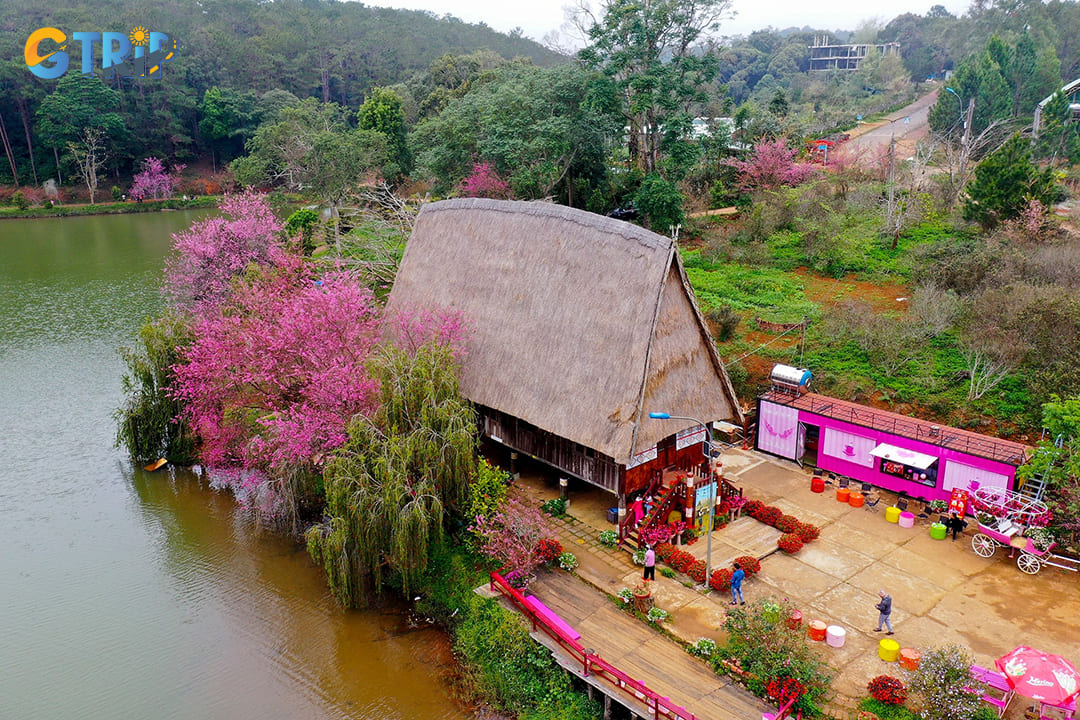
The optimal time to visit the lake is during the cherry blossom season, typically from January to February
How to get to Dak Ke Lake?
Dak Ke Lake is located in the Mang Den eco-tourism area, Kon Plong District, Kon Tum Province. Getting to Dak Ke Lake involves traveling to Mang Den town first and then heading to the lake, which is a central feature of the area. Below are detailed instructions on how to reach Dak Ke Lake from various locations.
From major cities to Mang Den
- By air: The nearest airport to Mang Den is Pleiku Airport in Gia Lai Province, about 100 kilometers away. Flights from Hanoi or Ho Chi Minh City to Pleiku typically cost between 1,000,000 - 2,600,000 VND ($43 - $113) depending on airline and season. From Pleiku Airport, you can take a taxi or private car directly to Mang Den (approximately 2 hours) or travel via Kon Tum City.
- By bus: For budget travelers, sleeper buses are available from major cities like Ho Chi Minh City or Da Nang to Kon Tum Province. Tickets generally cost 250,000 - 450,000 VND ($10.60 - $19.10), and the journey takes about 10 - 14 hours. From Kon Tum City, you can continue by local bus, taxi, or motorbike rental to Mang Den (50 - 60 km distance).
- By private vehicle: Driving directly from nearby provinces such as Gia Lai or Dak Lak is an option for those who prefer flexibility. The roads leading to Mang Den are scenic but include steep mountain passes that require careful driving.
From Mang Den Town to Dak Ke Lake
Once in Mang Den Town, Dak Ke Lake is easily accessible as it lies within the eco-tourism area. The lake is located only a short distance from the town center and can be reached by:
- Walking or cycling: If staying in accommodations near the lake, you may choose a leisurely walk or bicycle ride through the serene surroundings.
- Motorbike rental: Motorbikes can be rented in Mang Den town for approximately 150,000 - 250,000 VND ($6.50 - $11) per day. This is a convenient way to explore not only Dak Ke Lake but also other attractions in the area.
- Taxi or local transport: Taxis and local shuttle services are available for direct transport to Dak Ke Lake at affordable rates.
Estimated costs for travel
| Transport type | Cost (VND) | Cost (USD) approximate |
|---|---|---|
| Flight (Hanoi/Ho Chi Minh to Pleiku) | 1,000,000 - 2,600,000 VND | $43 - $113 |
| Bus (Ho Chi Minh City to Kon Tum) | 250,000 - 450,000 VND | $10.60 - $19.10 |
| Taxi/Car rental (Pleiku/Mang Den) | 700,000 - 1,000,000 VND | $30 - $43 |
| Motorbike rental (Mang Den town) | 150,000 - 250,000 VND | $6.50 - $11 |
To visit Dak Ke Lake, travelers typically fly into Pleiku Airport or take long-distance buses to Kon Tum Province before heading to Mang Den Town via taxi or motorbike rental. Once in Mang Den town, reaching Dak Ke Lake is straightforward due to its proximity and accessibility by local transport options. You can book the Mang Den retreat tour of GTrip so that you will not need to worry about how to get to this lake.
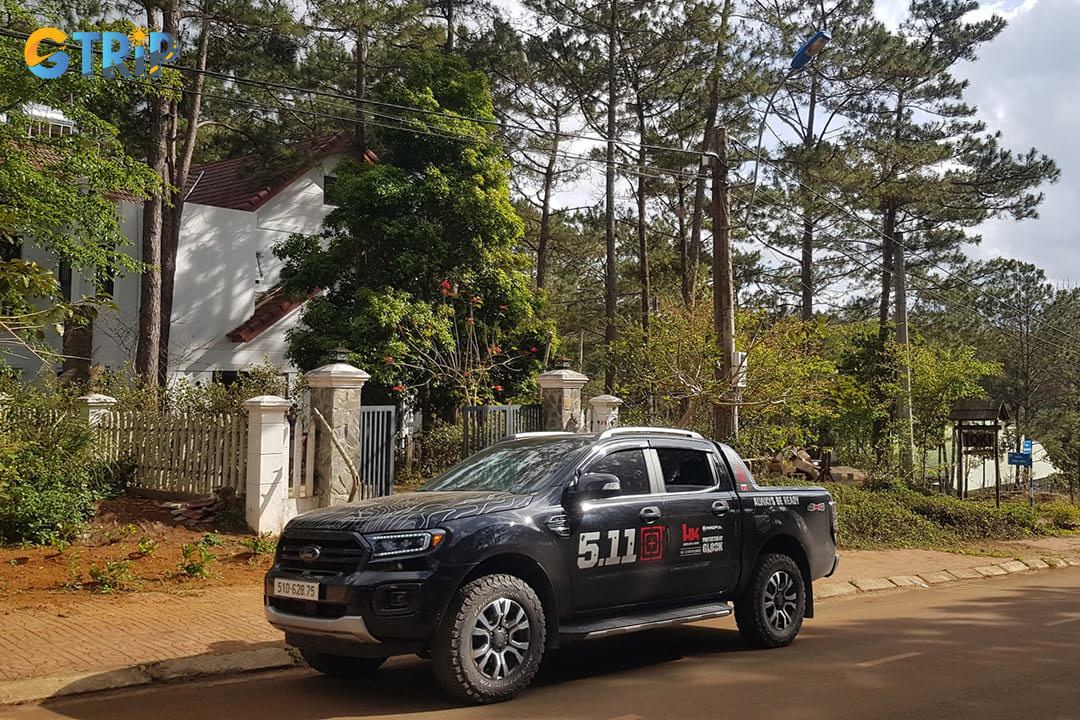
Getting to Dak Ke Lake involves traveling to Mang Den town first and then heading to the lake
Local food to try when visiting Dak Ke Lake
When visiting Dak Ke Lake and the surrounding Mang Den area in Kon Tum Province, travelers have the opportunity to savor a variety of unique and flavorful dishes. They all reflect the rich culinary heritage of Vietnam’s Central Highlands. The local cuisine is characterized by fresh, natural ingredients sourced from the forests, farms, and rivers nearby, often prepared with traditional ethnic minority techniques. Here are some must-try local foods:
Ga nuong Mang Den (Mang Den grilled chicken)
Mang Den is famous for its grilled chicken, made from free-range chickens raised in the cool, temperate climate. The chickens are marinated with a blend of local herbs such as wild pepper leaves, lemongrass, onions, and chili, then grilled over charcoal until the skin is crispy and the meat tender and aromatic. This dish is often served with com lam (bamboo-cooked sticky rice) and accompanied by peanut salt or sesame salt for dipping, creating a perfect balance of flavors.
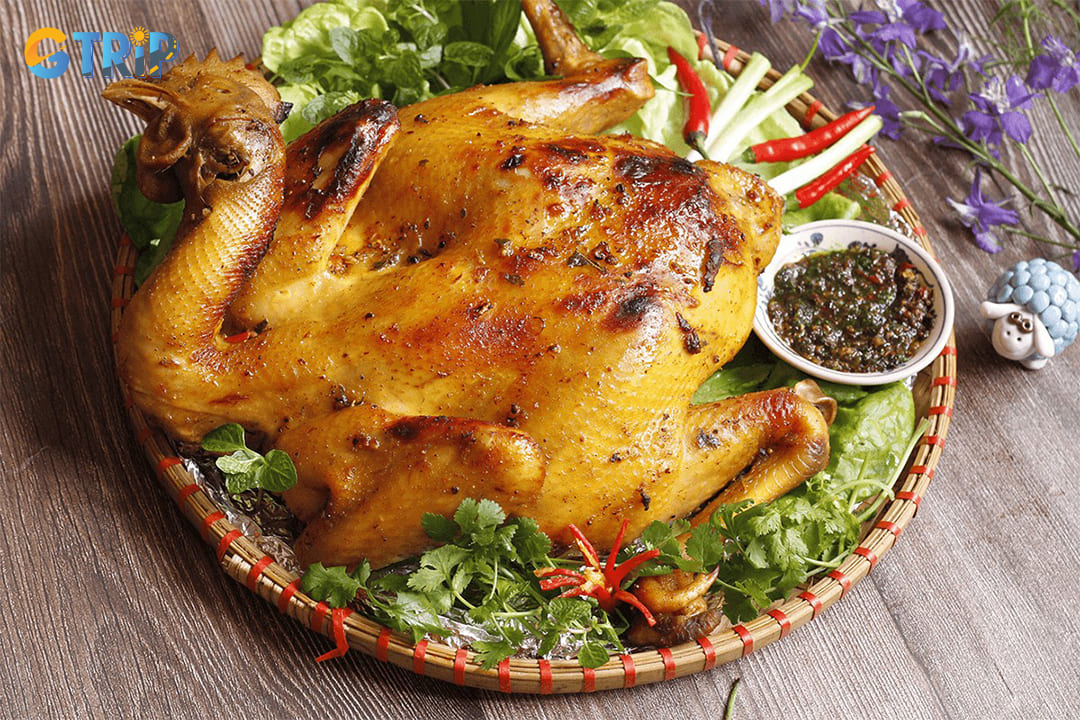
Mang Den is famous for its grilled chicken, made from free-range chickens raised in the cool, temperate climate
Com lam (Bamboo-cooked rice)
A staple of the Central Highlands, com lam is sticky rice cooked inside bamboo tubes over an open fire. The bamboo imparts a subtle smoky aroma to the rice, making it fragrant and slightly sweet. It is commonly served alongside grilled meats or stews and is a traditional dish enjoyed by many ethnic groups in the region.
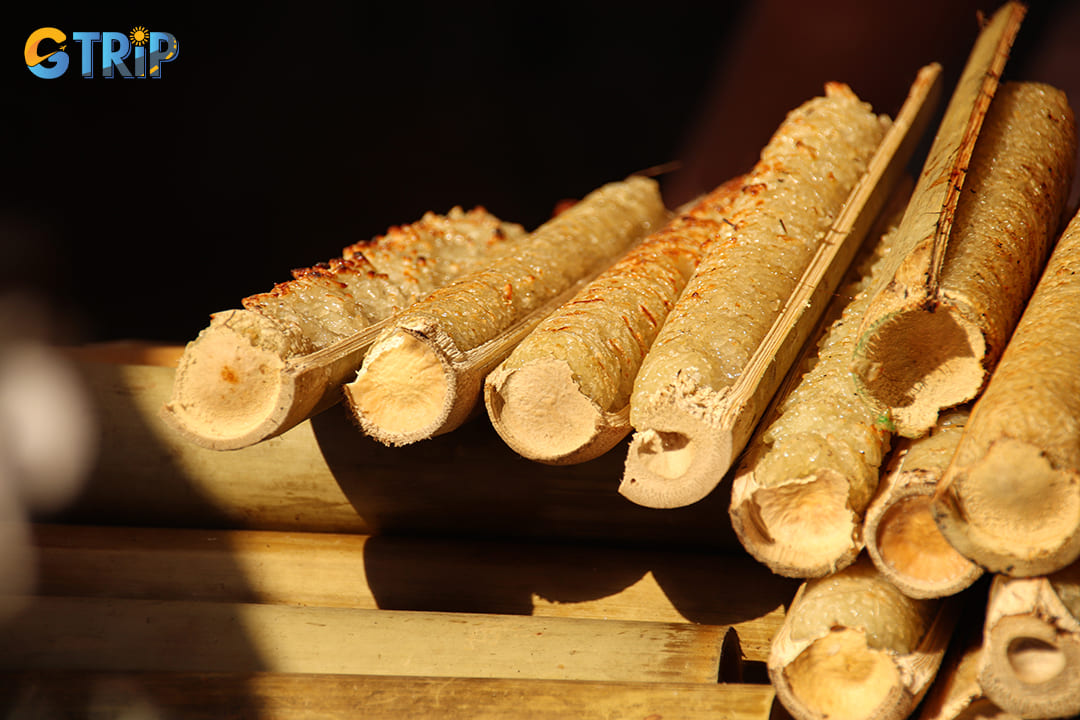
Com lam is sticky rice cooked inside bamboo tubes over an open fire
Heo quay (Roasted pork)
Pigs raised in Mang Den feed naturally on forest plants, producing lean and flavorful meat. The pork is marinated with a secret blend of spices and herbs, then roasted to achieve crispy skin and juicy, savory flesh. Roasted pork is often served with fresh herbs and rice, making it a popular dish for sharing.
Lau ca tam (Sturgeon hot pot)
Lau ca tam is a popular and highly recommended dish when visiting Dak Ke Lake and the Mang Den area. This hot pot features fresh sturgeon fish, prized for its firm, tender flesh and natural sweetness. The fish is carefully cleaned and cut into bite-sized pieces, then cooked in a flavorful broth that typically combines a mild, spicy and sour taste. It is often enhanced with local ingredients like pineapple, bamboo shoots, and a variety of fresh mountain vegetables and mushrooms. Lau ca tam is especially comforting in the cool climate of Mang Den, making it a perfect meal after a day of exploring the natural beauty around Dak Ke Lake.
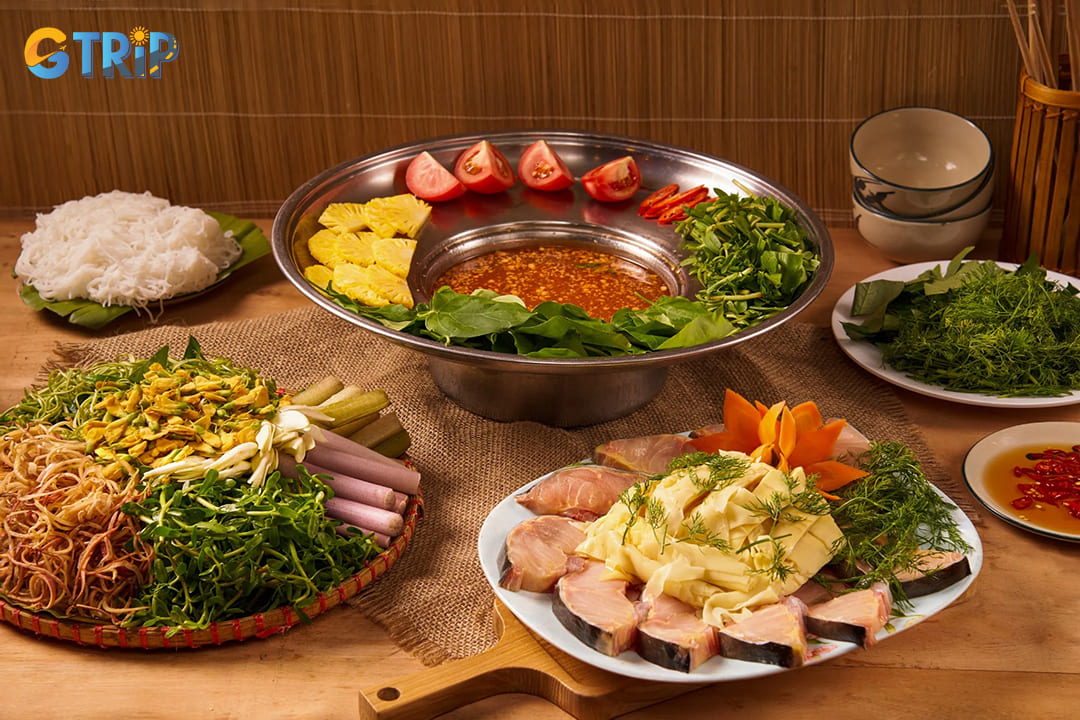
Lau ca tam is a popular and highly recommended dish when visiting Dak Ke Lake and the Mang Den area
Many of these specialties can be enjoyed at local restaurants in Mang Den town, such as Ga Nuong Com Lam Co Sinh and Mang Den Lu Quan, or at markets. Sampling these dishes offers you a genuine taste of the Central Highlands’ culture and natural flavors. These culinary experiences are essential to fully appreciating the cultural richness of the Mang Den area.
Nearby attractions from Dak Ke Lake
Tourists who visit Dak Ke Lake and its surroundings can enjoy a blend of cultural heritage, outdoor activities, and stunning landscapes that highlight the unique charm of Mang Den. Below are some of the notable attractions near Dak Ke Lake that showcase the region’s natural and cultural richness.
Organic black orange garden Mang Den (850 m)
Mang Den is famous for its organic black oranges, a specialty fruit grown in the region’s fertile soil and cool climate. These oranges are prized for their distinctive dark peel and sweet, tangy flavor, which sets them apart from common varieties. Cultivated using traditional, chemical-free methods, the black oranges represent the sustainable agricultural practices of local farmers. Tourists to Mang Den can explore orchards where these fruits are harvested, often participating in picking and tasting sessions that offer a direct connection to the land and its produce. This experience not only showcases the region’s agricultural richness but also supports the preservation of its natural environment.
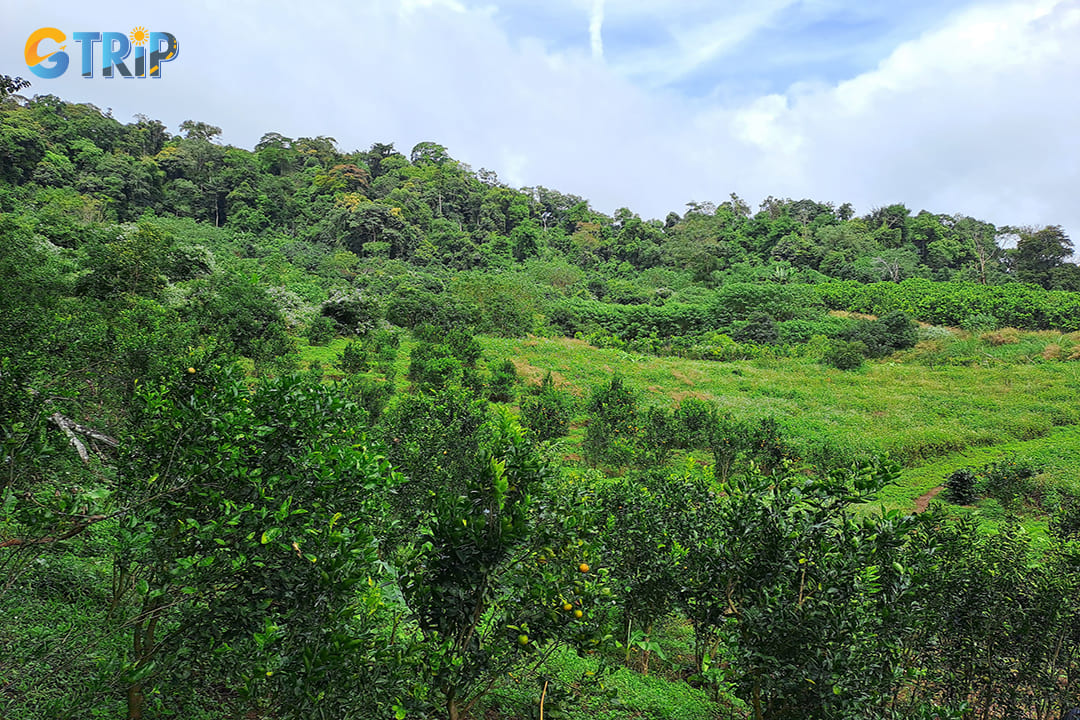
Mang Den is famous for its organic black oranges, a specialty fruit grown in the region’s fertile soil and cool climate
Mang Den Pine Forest (900 m)
Mang Den Pine Forest is a vast area of towering pine trees that cover the landscape around Dak Ke Lake. It creates a cool, refreshing atmosphere reminiscent of the famous Da Lat highlands. The forest is a favorite place for nature walks, photography, and relaxation, especially during the cherry blossom season in January and February when the delicate pink flowers bloom. The cherry blossom area along Mang Den pine street has become a popular photography spot for tourists who want to capture the delicate beauty of the flowers against the backdrop of lush green pines and tranquil water. This combination of pine and cherry blossoms creates a unique and charming natural backdrop in the Central Highlands.
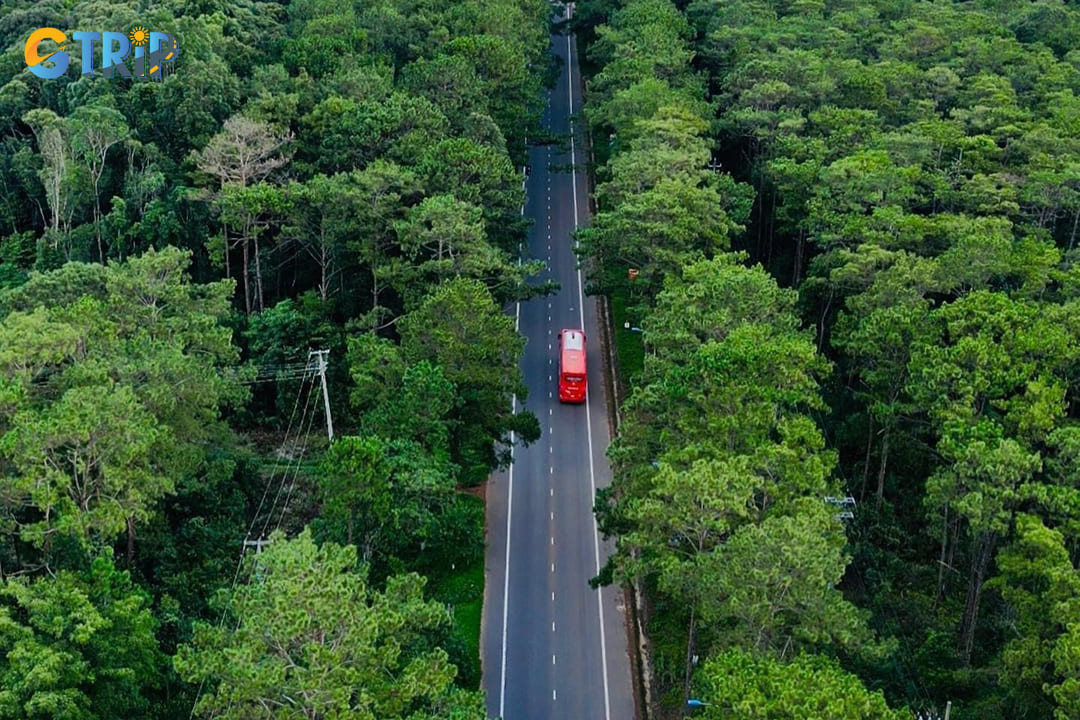
Mang Den Pine Forest is a vast area of towering pine trees that cover the landscape around Dak Ke Lake
Travel tips when visiting Dak Ke Lake
- Be cautious when driving to Mang Den and Dak Ke Lake, as the roads are steep, winding, and sometimes slippery, especially during the rainy season.
- Bring warm clothing such as jackets and rain gear because the climate in Mang Den can be quite cool and damp in the early morning and evening.
- Carry some light snacks and water to stay energized during your outdoor activities, as amenities around the lake may be limited.
- Always inquire about prices for activities, rentals, and entrance fees beforehand to avoid unexpected costs.
- Respect local customs and the environment by not littering and by following guidelines when visiting ethnic minority villages or cultural sites near the lake.
- If you plan to fish, check with local guides about the best spots and regulations to ensure a safe and enjoyable experience.
- Renting a motorbike is a popular way to explore the area, but only do so if you are comfortable with mountain roads and variable weather conditions.
- Booking accommodations and tours in advance is recommended during peak travel seasons to secure availability and better rates.
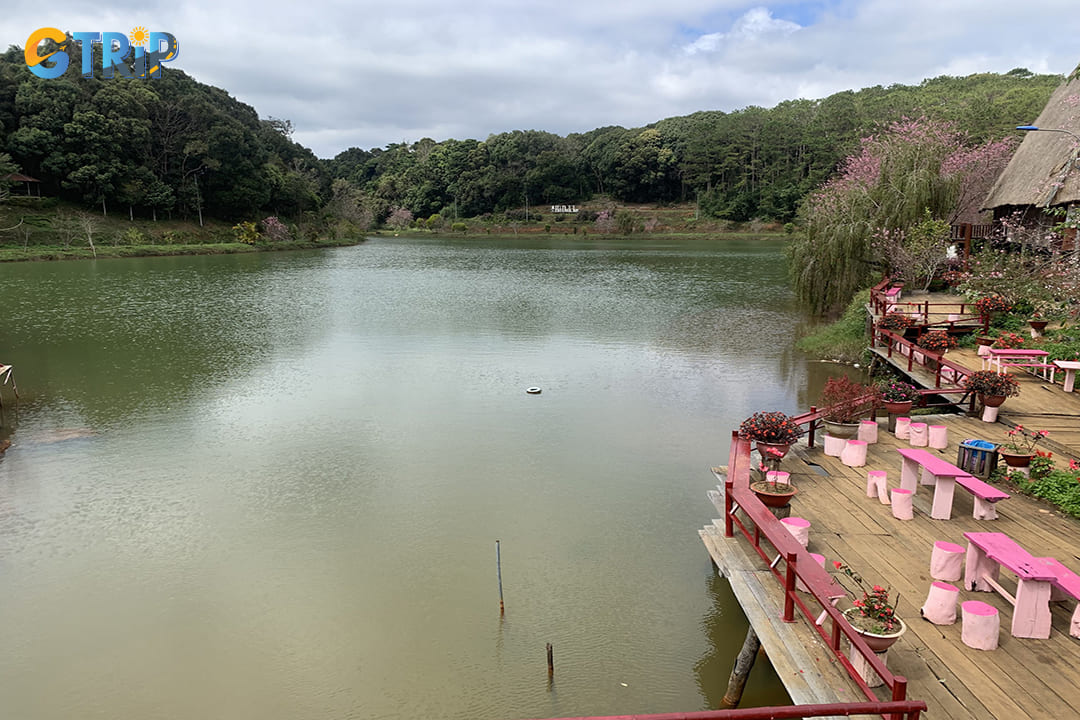
You should respect local customs and the environment
Dak Ke Lake stands as a harmonious blend of accessibility, natural splendour, and cultural richness. Beyond its scenic vistas, Dak Ke Lake serves as a gateway to the broader Mang Den region. This is where you can explore traditional stilt houses, majestic waterfalls, and the vibrant heritage of the Central Highlands' ethnic communities. To fully immerse yourself in the wonders of this region, consider booking the Mang Den Retreat Tour offered by GTrip - Vietnam Travel Agency. This thoughtfully curated journey provides an opportunity to experience the enchanting landscapes and cultural narratives of Mang Den, ensuring a memorable adventure in Vietnam's highlands.
Custom Your Journey
Other Attractions
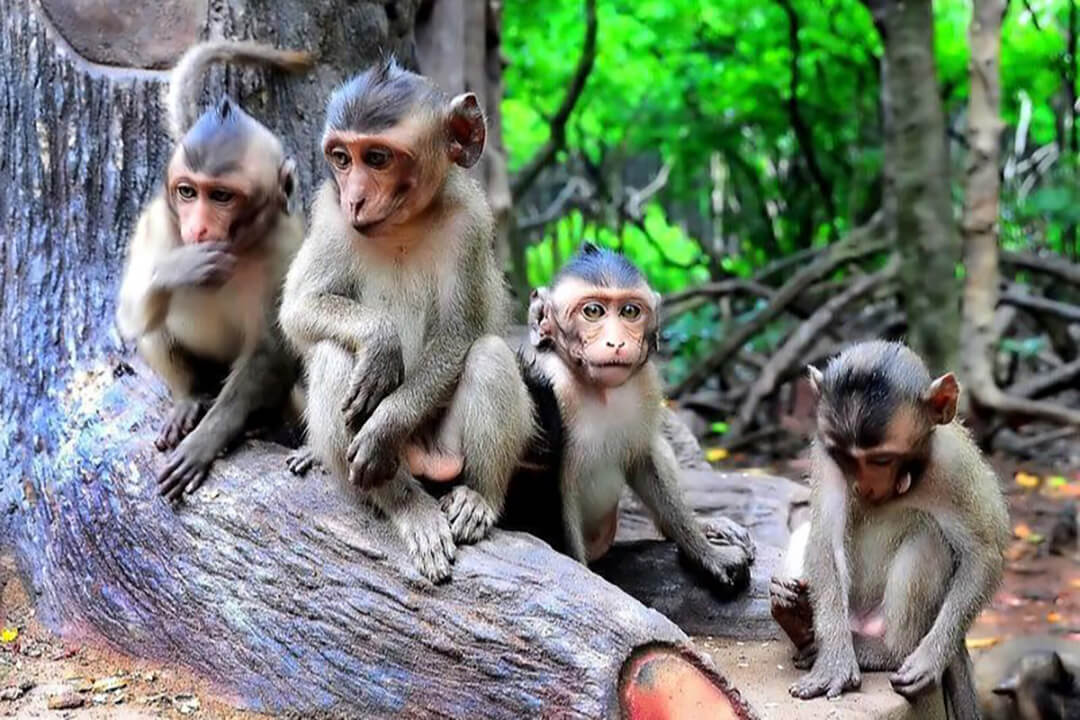
Can Gio Monkey Island in Ho Chi Minh City: Tickets, Things to Do & Travel Guide
Can Gio Monkey Island
Can Gio Monkey Island in Ho Chi Minh City offers a refreshing escape from the city’s buzzing motorbike chaos. Just a short distance from the center, Can Gio welcomes you with lush mangrove forests, winding waterways, and a fascinating history. Here, you can meet playful long-tailed macaques, drift through tranquil channels, and explore remnants of a wartime guerrilla base.
Can Gio Monkey Island in Ho Chi Minh City: Tickets, Things to Do & Travel Guide
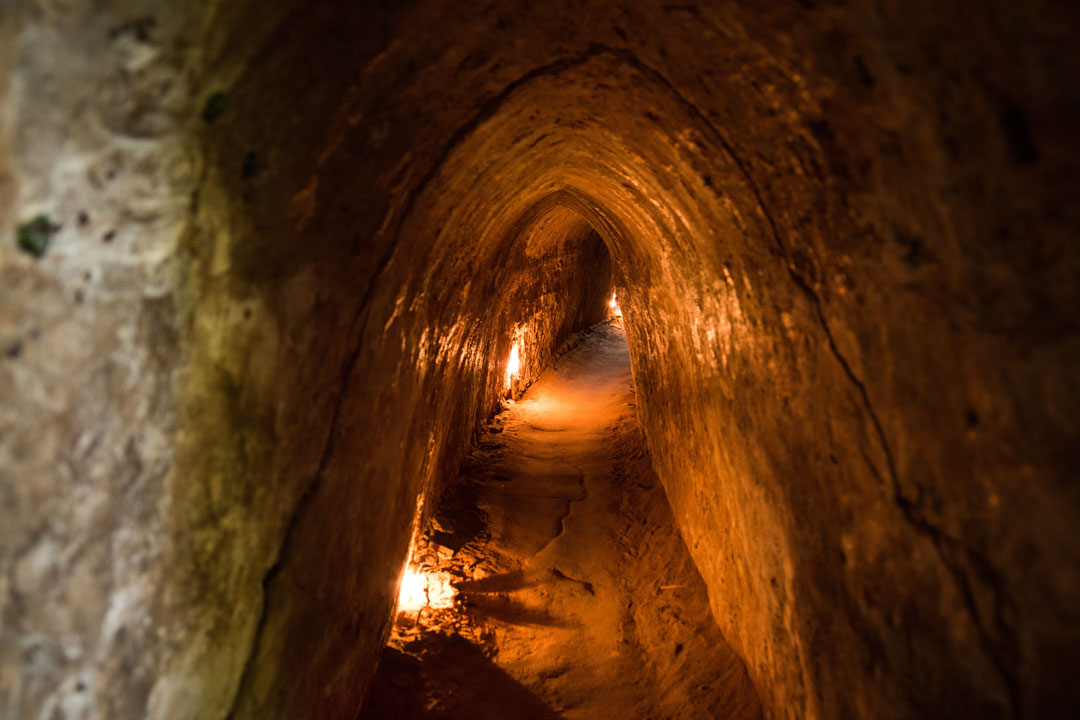
Cu Chi Tunnels: History, Architecture, Things To Do & Travel Guide
Cu Chi Tunnels
The Cu Chi Tunnels, located at TL15, Phu Hiep, Cu Chi District, Ho Chi Minh City, are a vast underground network of strategic passages, shelters, supply routes, and defensive traps.
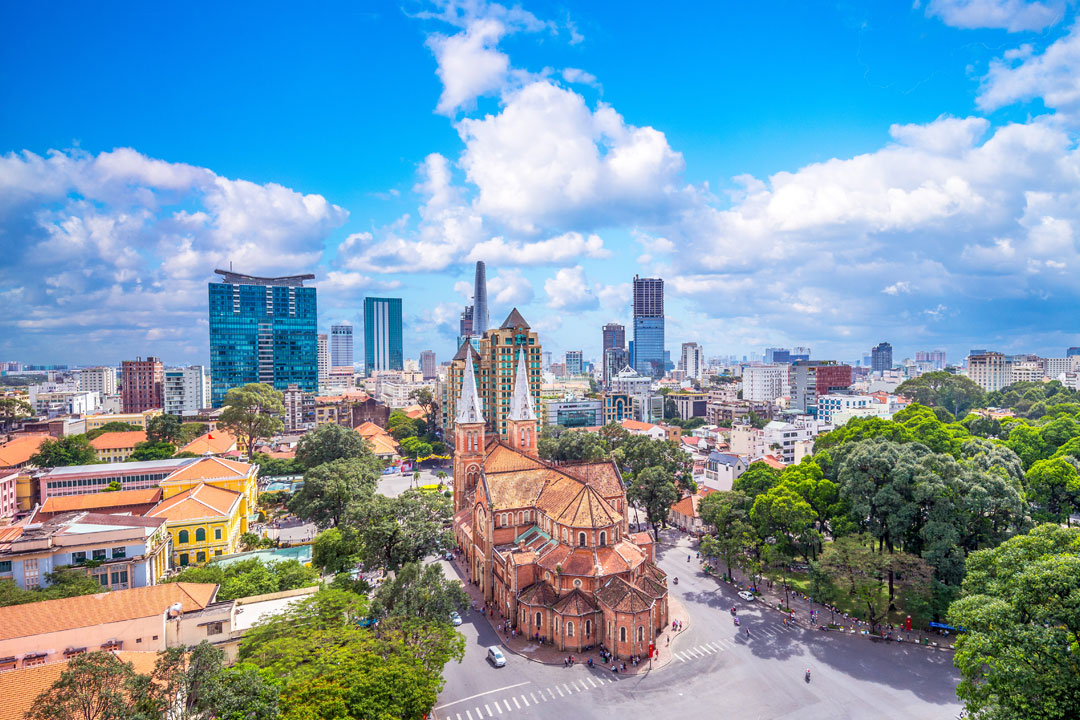
Ho Chi Minh City
Ho Chi Minh City, known as the "Pearl of the Far East," attracts both domestic and foreign tourists with its unique and diverse destinations.
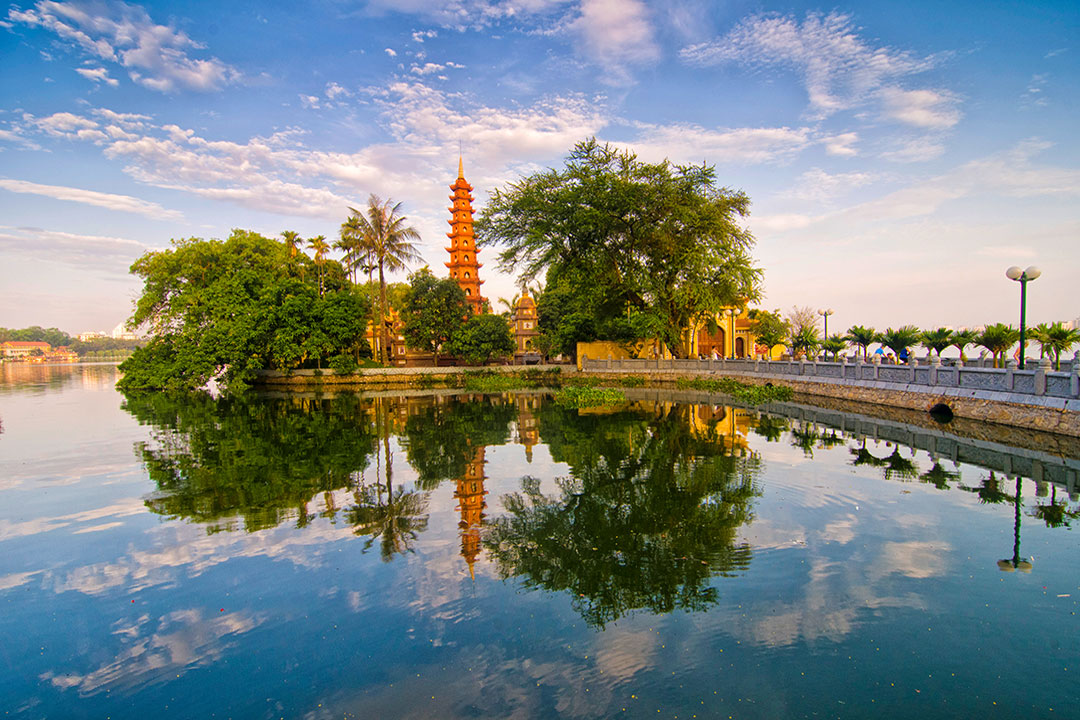
Tran Quoc Pagoda: History, Architecture, Significance & Travel Guide
Tran Quoc Pagoda
Nestled on the tranquil shores of West Lake, Tran Quoc Pagoda is the oldest Buddhist temple in Hanoi, with a history spanning over 1,500 years. Built in the 6th century under Emperor Ly Nam De, this sacred site reflects Vietnam’s Buddhist evolution while preserving its spiritual and architectural grandeur.