
Sunday, October 25, 2026
Dong Giang Tea Hill is one of the most beautiful nature attractions in Central Vietnam, known for its rolling tea plantations, cool mountain climate, and peaceful scenery. Located about over 70 km from Da Nang City center, it offers a refreshing escape from the city and a chance to experience a quieter side of the region. Visitors can enjoy panoramic views of endless green hills, take stunning photos, and explore nearby cultural and natural attractions. In this guide, GTrip covers everything you need to know, including how to get there, entrance fees, the best time to visit, and the top things to do at Dong Giang Tea Hill.
What is Dong Giang Tea Hill?
Dong Giang Tea Hill is one of the most peaceful eco-tourism destinations in central Vietnam, attracting visitors with its fresh mountain air, endless green landscapes, and relaxing atmosphere. Although many travel guides still refer to it as part of Quang Nam Province, the area is now administratively part of Da Nang City following the recent provincial merger. Before visiting, it is helpful to learn about its location, visiting information, and the best season to fully enjoy its natural beauty.
Where is Dong Giang Tea Hill?
Location: Song Kon Commune (formerly Jo Ngay Commune, Dong Giang District, Quang Nam Province), Da Nang City
Dong Giang Tea Hill is located in Song Kon Commune, a mountainous area in western central Vietnam. It lies about 56 km northwest of Hoi An Ancient Town, around 44 km southwest of Da Nang city center, and approximately 121 km southeast of Hue. Thanks to its location near the main highway, the tea hill is relatively easy to access for both short day trips and nature getaways.
Opening hours & ticket prices
- Opening hours: All day
- Ticket prices: Free
Dong Giang Tea Hill is open all day and currently welcomes visitors free of charge. Travelers can freely explore the tea-covered hills, enjoy the peaceful atmosphere, and capture beautiful mountain scenery at their own pace. Since this is a natural outdoor destination, many visitors prefer coming early in the morning or late in the afternoon for more comfortable weather and softer lighting.
Best time to visit Dong Giang Tea Hill
Best season: Spring
Dong Giang Tea Hill is green in all four seasons, so visitors can explore it at any time of the year. However, spring is considered the best season, especially during the tea harvest when the hills are at their freshest and most vibrant. In late spring and early summer, light rains often leave sparkling drops on the tea leaves, creating stunning natural scenery. The weather during this period is usually warm, mild, and ideal for sightseeing or photography.
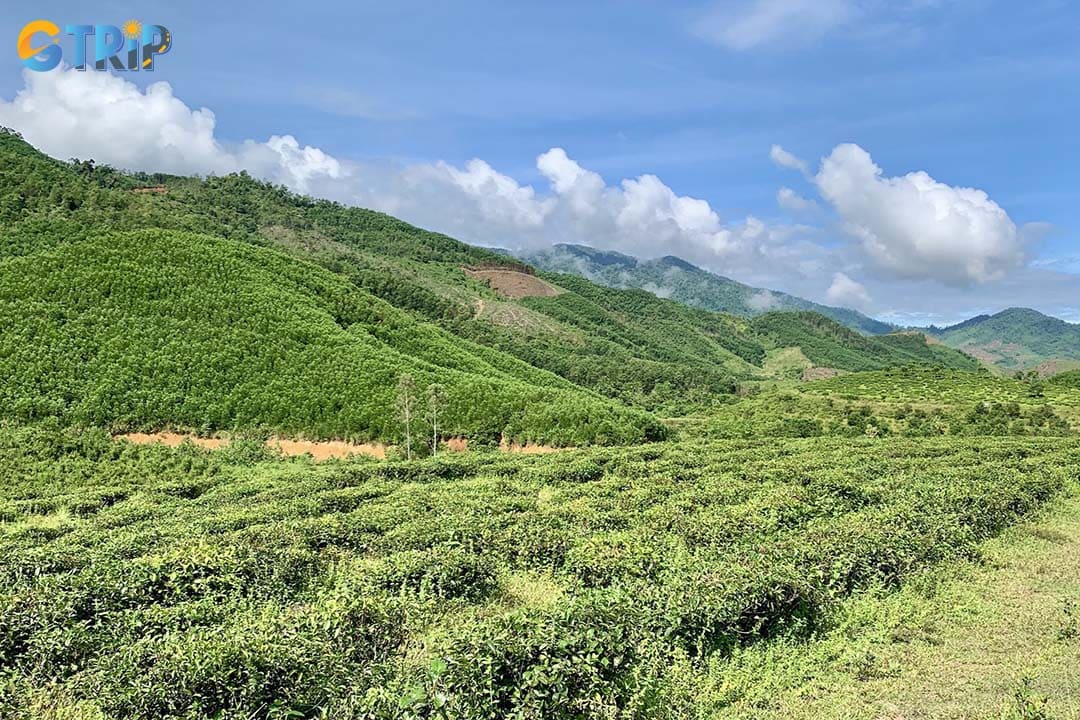
Dong Giang Tea Hill is one of the most peaceful eco-tourism destinations in central Vietnam
What makes Dong Giang Tea Hill unique?
Leaning against the majestic Truong Son mountain range, Dong Giang Tea Hill offers a vast and peaceful tea landscape that still preserves its raw natural beauty. Although it is less famous than tea hills in Moc Chau or Cau Dat, this destination has its own charm with fresh air, open views, and a quiet atmosphere that allows visitors to fully connect with nature.
- Backed by the majestic Truong Son mountain range
- Features endless green tea hills and pristine landscapes
- Less commercialized than other famous tea plantations in Vietnam
- Offers fresh mountain air and peaceful surroundings
- Ideal for check-in photography and escaping city life

Top 6 things to do at Dong Giang Tea Hill
A trip to Dong Giang is an opportunity to immerse yourself in nature, culture, and relaxation. The area offers a surprising variety of activities, from simple, soulful pleasures to enriching cultural encounters. Here’s how you can make the most of your visit.
1. Checking-in for “cool” photos
For shutterbugs and Instagram lovers, Dong Giang Tea Hill is a paradise. The scenery is a masterpiece of shapes and colors: perfectly uniform rows of tea plants create leading lines that draw the eye, all under a vast, often brilliant blue sky. The best light for photography is during the golden hours of early morning (around sunrise) or late afternoon (before sunset), when the light is soft and casts long, dramatic shadows.
To make your photos pop, consider your attire. Wearing contrasting colors like white, yellow, or red will make you stand out beautifully against the endless sea of green. For incredible panoramic shots, walk along the paths and find a slightly higher vantage point. Let the natural geometry of the tea rows guide your composition for truly stunning and memorable images.
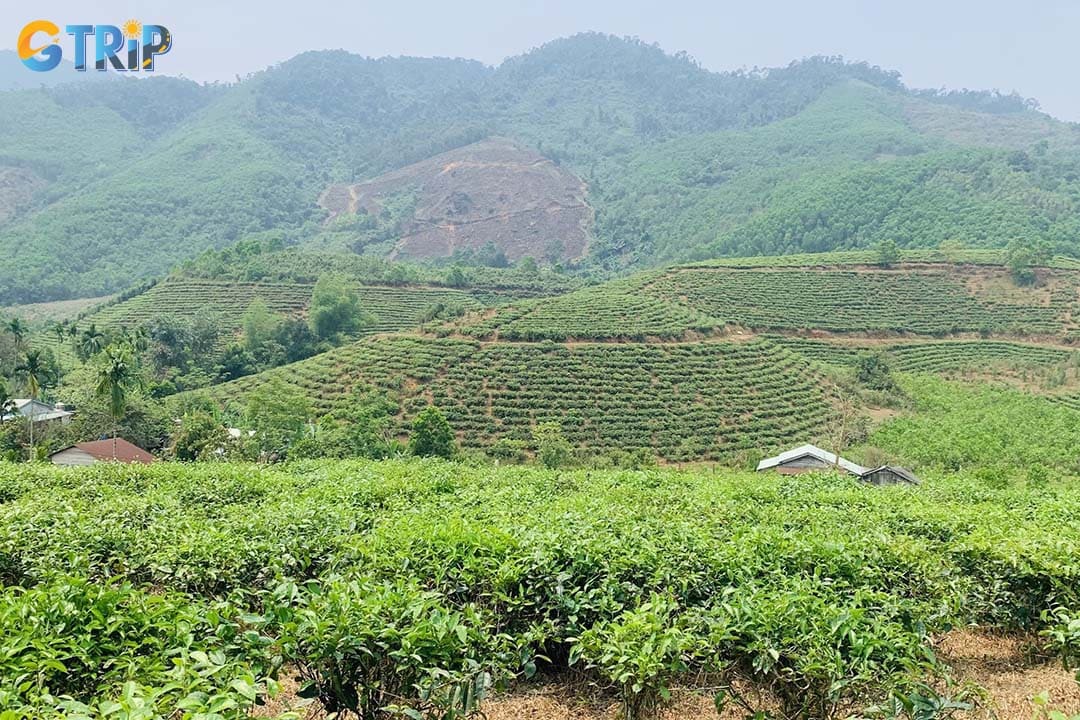
The scenery of Dong Giang Tea Hill is perfect for checking-in for cool and fresh photos
2. Experiencing a picnic with friends and relatives
The serene and peaceful atmosphere of the tea hills makes it the perfect spot for an outdoor picnic. Imagine laying down a blanket amidst the greenery, surrounded by nothing but the fresh mountain air and the quiet beauty of your surroundings. It's an ideal way to relax, unwind, and share a special meal with friends, family, or a loved one.
Pack a basket with some local snacks, fresh fruit, and drinks. Find a comfortable spot that doesn’t disturb the tea plants and simply enjoy the moment. However, the beauty of this place depends on all of us. It is crucial to be a responsible visitor: please make sure you clean up completely and take all of your trash with you. Let's work together to preserve the pristine nature of this beautiful destination for everyone to enjoy.
3. Visiting Bho Hoong Cultural Village
A short journey from the tea hills lies Bho Hoong, a traditional community village that offers a fascinating window into the culture of the Co Tu ethnic group. A visit here transforms your nature trip into a rich cultural experience. The highlight of the village is the impressive Guol, a towering communal house that serves as the heart of the community, used for meetings, ceremonies, and receiving guests.
Spending time in Bho Hoong allows you to learn about the unique customs, beliefs, and daily life of the Co Tu people. You can observe their traditional stilt houses, learn about their weaving traditions, and maybe even share a moment with the friendly locals. Combining your tea hill visit with a stop at Bho Hoong provides a deeper, more meaningful understanding of the Quang Nam region.
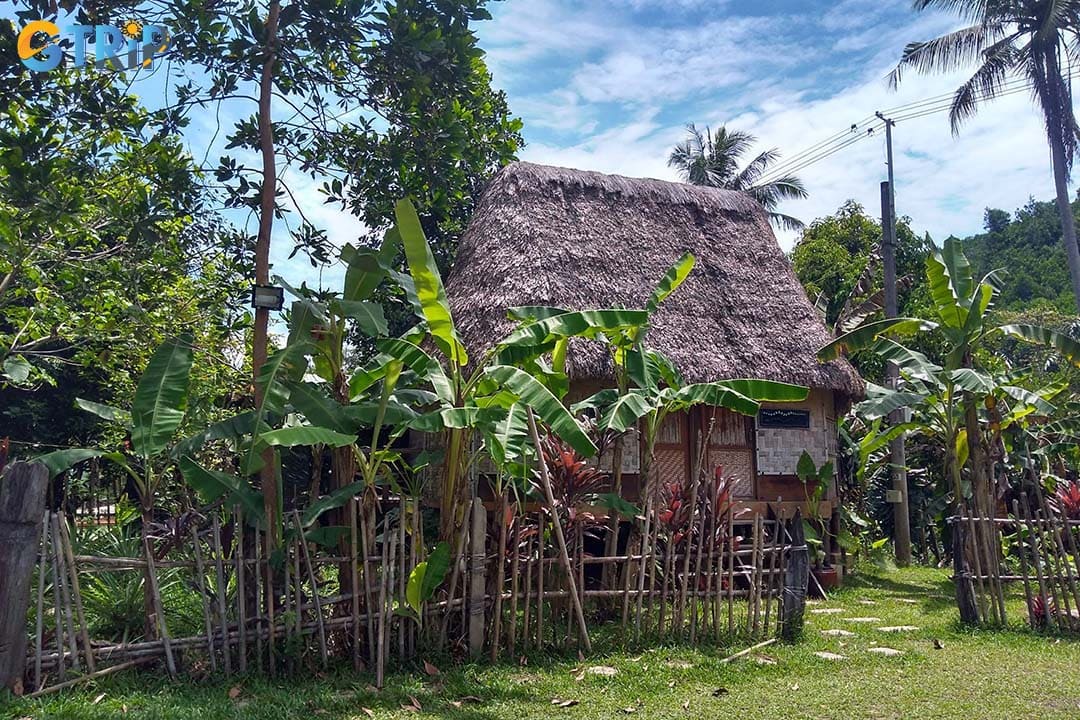
A visit to Bho Hoong Cultural Village transforms your nature trip into a rich cultural experience
4. Experiencing picking and harvesting tea
For a truly authentic and hands-on activity, try to visit during the harvest season. With a bit of luck and respectful curiosity, you may get the chance to interact with the local workers who tend these fields. They are often friendly and, with a smile, might show you the ropes of tea harvesting. This is one of the most memorable parts of any visit to Vietnamese tea plantations.
Feel the unique texture of the leaves and learn how to identify and pluck only the most tender buds, the "one bud and two leaves" that produce the highest quality tea. This simple, repetitive motion is a form of moving meditation. Participating, even for a few minutes, gives you a profound appreciation for the hard work and skill that goes into every cup of tea you drink.
5. Visiting the Dhroong village
Another incredible cultural destination near the tea hills is Dhroong village, a place renowned for its vibrant tradition of Co Tu brocade weaving. Here, you can witness the entire process firsthand, from spinning the yarn to watching Co Tu women skillfully operate their looms, weaving intricate patterns that tell stories of their culture and beliefs.
The patterns are rich in symbolism, often depicting scenes from nature and spiritual life. The textiles produced here are not just beautiful. They are works of art that carry generations of tradition. Visiting Dhroong is a wonderful opportunity to support the local community directly by purchasing authentic, handmade scarves, bags, or clothing. These make for truly meaningful souvenirs from your Quang Nam travel adventure.
6. Specialties when traveling to Dong Giang tea hills
While there are no formal restaurants on the tea hill itself, the surrounding Dong Giang area offers a host of delicious local specialties that are well worth seeking out. A culinary exploration is the perfect way to cap off your day of sightseeing. The food here is rustic, fresh, and full of flavor.
Be sure to try these signature dishes:
- Grilled meat (Thit nuong): Often pork or chicken marinated in local spices and grilled over charcoal until tender and smoky.
- Stream fish (Ca suoi): Fresh fish caught from the mountain streams, either grilled, steamed with herbs, or fried to a perfect crisp.
- Wild vegetables: A variety of foraged greens, often boiled or stir-fried with garlic, offering a fresh, earthy taste you won't find in the city.
- Bamboo-tube rice (Com lam): Sticky rice cooked with water from mountain springs inside a tube of bamboo, which imparts a subtle, fragrant flavor.
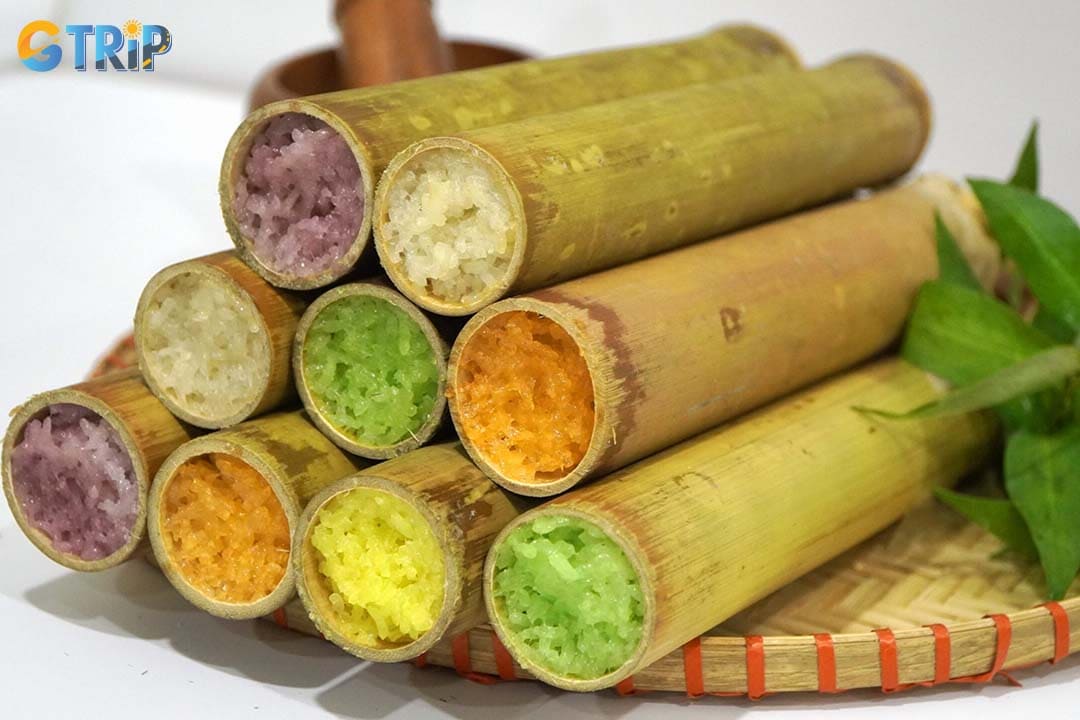
You should try bamboo-tube rice when visiting Dong Giang Tea Hill
How to get to Dong Giang Tea Hill?
Getting to Dong Giang Tea Hill is an adventure in itself, with the journey offering some of the most scenic views in the region. The most popular and rewarding way to travel is by motorbike, which gives you the freedom to stop for photos and soak in the landscapes. However, hiring a private car is a comfortable and convenient alternative. Here's how to get there from the main hubs.
From Da Nang International Airport
From Da Nang International Airport, Dong Giang Tea Hill is easy to reach by private car, taxi, or motorbike. The route passes through suburban roads and scenic mountain landscapes before reaching the tea hills. This option is ideal for travelers who want to combine nature sightseeing with other attractions on the way.
- Distance: Around 50 km
- Travel time: 1.5-2 hours
- Routes: Airport → Dien Bien Phu Street → Ton Duc Thang Street → Hoang Van Thai Street → Ba Na-Suoi Mo Road → QL14G
- Optimal option: Motorbike for scenic rides, private car for comfort
From Da Nang City Center
Traveling from downtown Da Nang is one of the most popular ways to reach Dong Giang Tea Hill. The journey takes you from the urban center into mountain roads with beautiful views, making it a favorite route for road trip lovers and photographers.
- Distance: Around 46 km
- Travel time: 1.5 hours
- Routes: City center → Thang Long Street → Cau Giang Bridge → QL14G → Dong Giang Tea Hill
- Optimal option: Motorbike for flexibility, car for families or groups
From Hoi An Ancient Town
From Hoi An, visitors can reach Dong Giang Tea Hill by car or motorbike through a combination of coastal roads and mountain highways. The route offers diverse scenery, from beachside landscapes to forested mountain passes, making the journey part of the experience.
- Distance: Around 57 km
- Travel time: 1.5-2 hours
- Routes: Hoi An → Lac Long Quan Street → Nam Ky Khoi Nghia Street → QL14G → Dong Giang Tea Hill
- Optimal option: Motorbike for adventure, private car for day trips with multiple stops
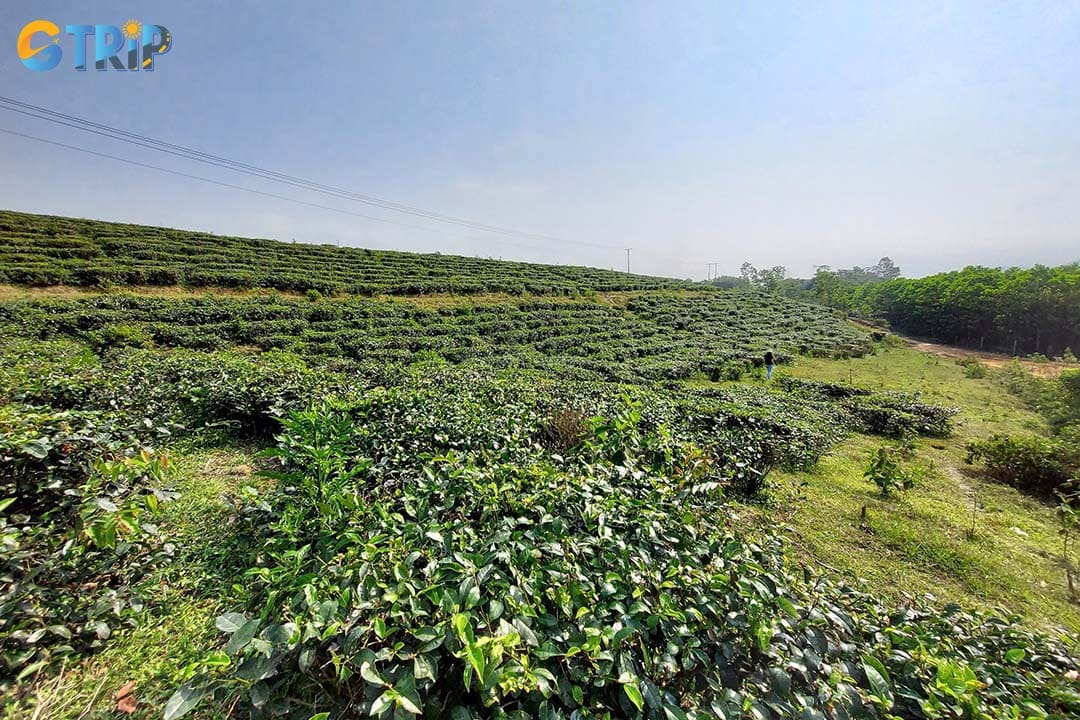
Getting to Dong Giang Tea Hill offers some of the most scenic views in the region
Nearby attractions to the Dong Giang Tea Hill
To make the most of your trip, consider combining your visit to the tea hills with some of these other fascinating nearby attractions. The Dong Giang District is rich in both natural beauty and cultural heritage.
- Bho Hoong Village: As mentioned, this is a must-visit for a deep dive into the traditional culture of the Co Tu people and to see the magnificent Guol communal house.
- Dhroong Village: The go-to destination for witnessing the incredible art of brocade weaving and purchasing authentic, handmade textiles directly from the artisans.
- Prao Town: A small, sleepy mountain town that serves as the administrative center of the district. It’s a great place to stop for a local meal and observe rural Vietnamese life.
- Grang Waterfall: A beautiful, multi-tiered waterfall hidden in the forest. It requires a bit of a trek to reach but rewards visitors with a refreshing and pristine natural swimming pool.
- Ating Village: Another Co Tu village where you can experience local life, often with even fewer tourists than Bho Hoong, offering a very authentic feel.
Practical tips for visitors
To ensure your trip is safe, comfortable, and respectful, keep these practical tips from our GTrip experts in mind.
- What to wear: Dress in comfortable, breathable clothes and wear sturdy shoes for walking. For standout photos, choose outfits in bright, solid colors. The mountain weather can be cooler and change quickly, so bringing a light jacket is always a good idea.
- Transportation: A motorbike offers the most freedom. Before setting off, thoroughly check your vehicle's brakes and tires, and fill up the gas tank, as gas stations are sparse in the mountains.
- Driving safety: The road to Dong Giang has many sharp turns, zigzags, and steep sections. Only confident and experienced riders should attempt this route. Drive defensively and be extremely cautious of larger buses and trucks on the narrow roads.
- Preparation: Amenities are very limited at the tea hill itself. Bring your own water, snacks, sunscreen, and a portable phone charger to stay comfortable and connected.
- Respect the environment: The tea hills are a working agricultural area and a natural treasure. Do not climb on or damage the tea plants, and under no circumstances should you leave any trash behind. Pack out everything you pack in.
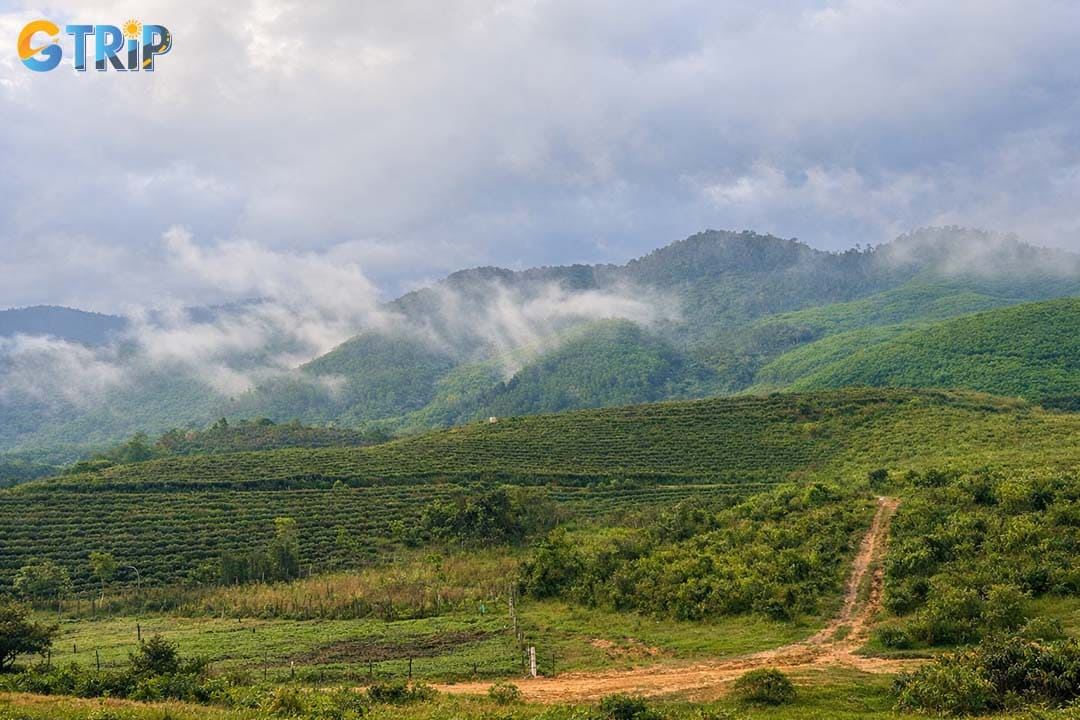
Remember practical tips to have a great journey to Dong Giang Tea Hill
Read more:
Dong Giang Tea Hill is more than just a destination. It’s the feeling of the cool mountain breeze, the sight of endless green stretching to the horizon, and the quiet joy of discovering a place of pure, unspoiled beauty. Its stunning scenery, rich surrounding culture, and blissful tranquility make it a must visit for any traveler exploring Central Vietnam. We at GTrip - Vietnam Travel Agency encourage you to add it to your Vietnam itinerary because you won't be disappointed. Easily combined with many Da Nang tours, Dong Giang Tea Hill offers a refreshing escape into nature and a unique perspective on the beauty of Central Vietnam.
Custom Your Journey

Other Attractions
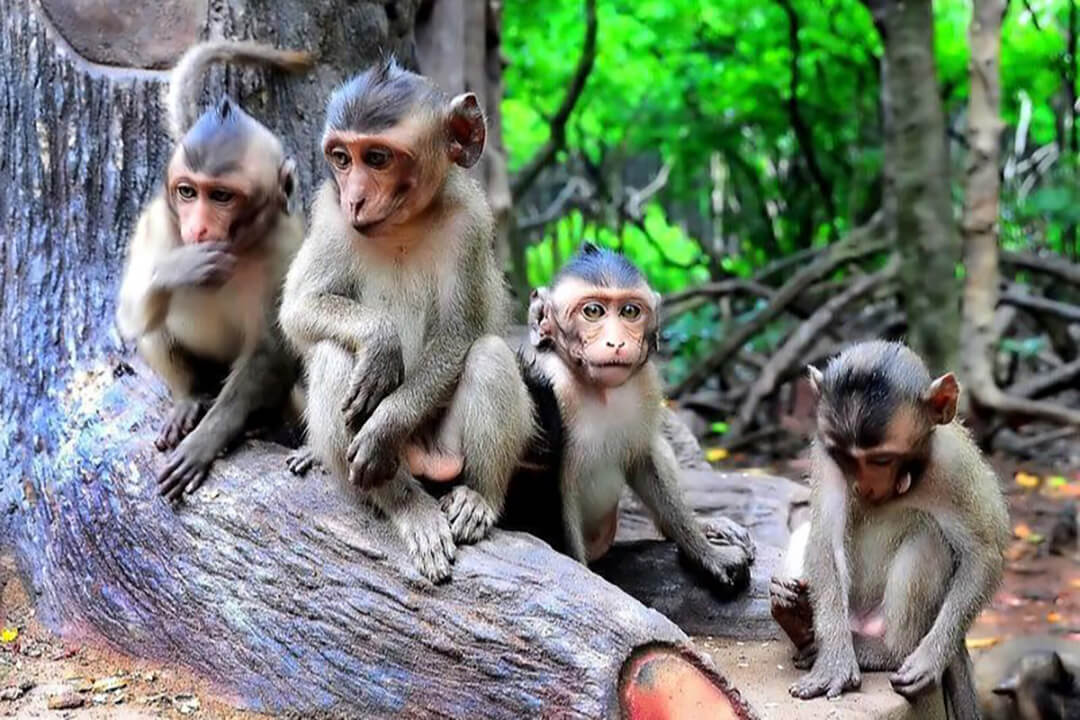
Can Gio Monkey Island in Ho Chi Minh City: Tickets, Things to Do & Travel Guide
Can Gio Monkey Island
Can Gio Monkey Island in Ho Chi Minh City offers a refreshing escape from the city’s buzzing motorbike chaos. Just a short distance from the center, Can Gio welcomes you with lush mangrove forests, winding waterways, and a fascinating history. Here, you can meet playful long-tailed macaques, drift through tranquil channels, and explore remnants of a wartime guerrilla base.
Can Gio Monkey Island in Ho Chi Minh City: Tickets, Things to Do & Travel Guide
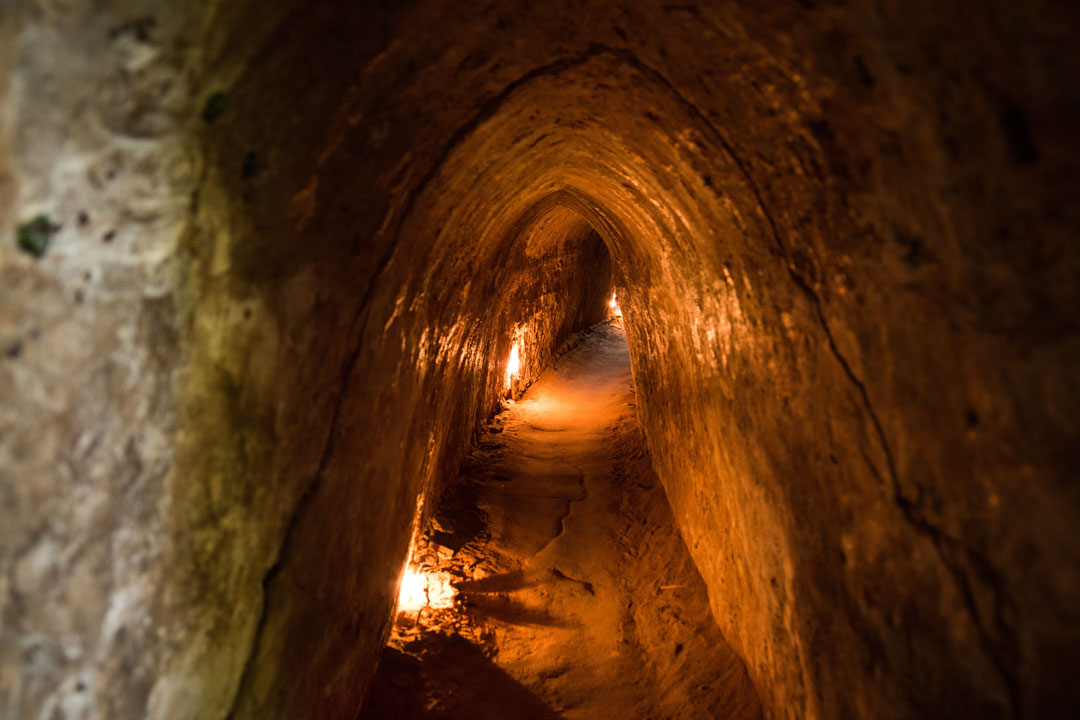
Cu Chi Tunnels: History, Architecture, Things To Do & Travel Guide
Cu Chi Tunnels
The Cu Chi Tunnels, located at TL15, Phu Hiep, Cu Chi District, Ho Chi Minh City, are a vast underground network of strategic passages, shelters, supply routes, and defensive traps.
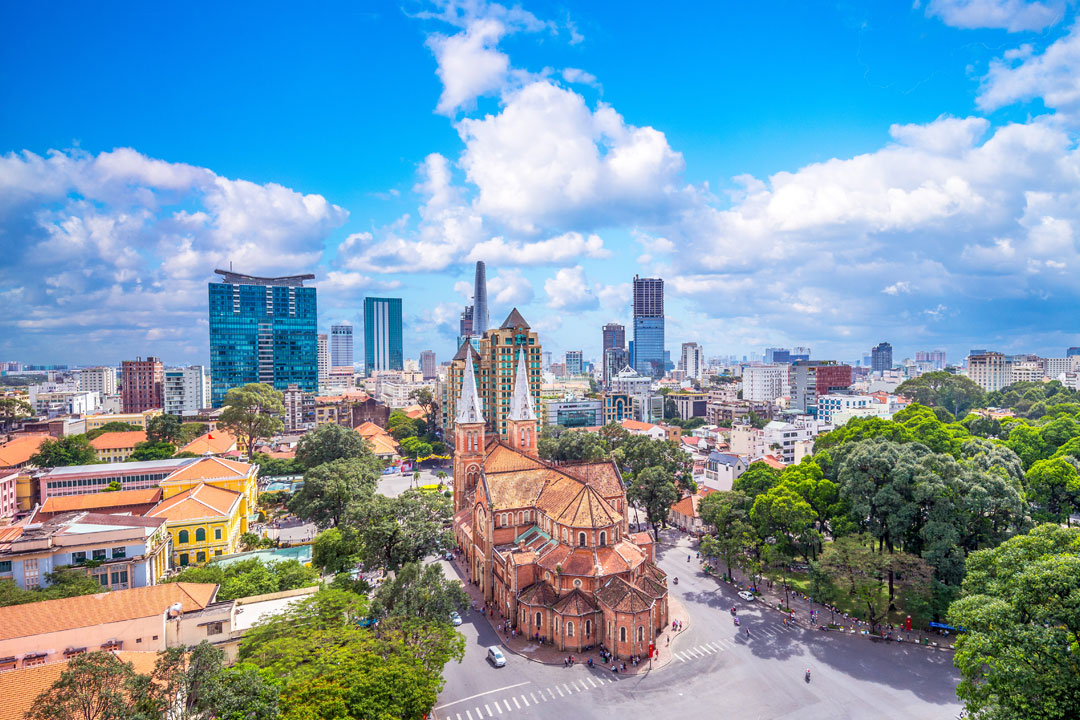
Ho Chi Minh City
Ho Chi Minh City, known as the "Pearl of the Far East," attracts both domestic and foreign tourists with its unique and diverse destinations.
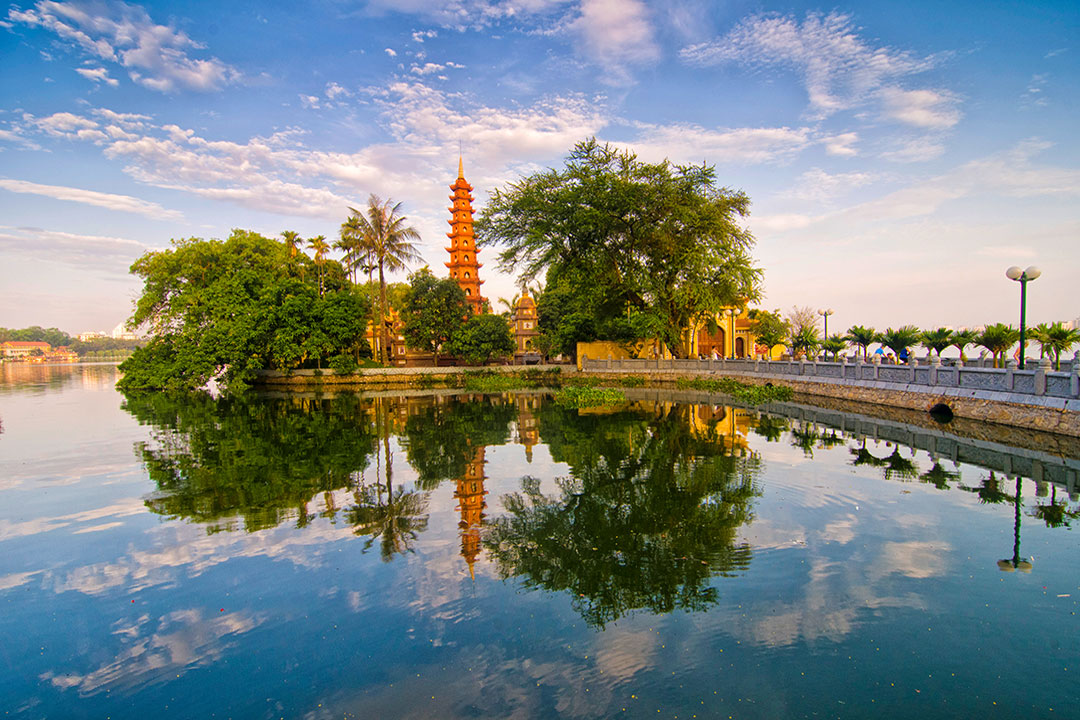
Tran Quoc Pagoda: History, Architecture, Significance & Travel Guide
Tran Quoc Pagoda
Nestled on the tranquil shores of West Lake, Tran Quoc Pagoda is the oldest Buddhist temple in Hanoi, with a history spanning over 1,500 years. Built in the 6th century under Emperor Ly Nam De, this sacred site reflects Vietnam’s Buddhist evolution while preserving its spiritual and architectural grandeur.