

Monday, October 19, 2026
Hoi An Catholic Church, a serene landmark steeped in history, offers a peaceful retreat from the bustling streets of the ancient town. Standing as a testament to Vietnam's rich and complex spiritual heritage, this beautiful church provides more than just a place of worship; it’s a portal into Hoi An's past. For travelers seeking a blend of culture, history, and quiet contemplation, a visit is an essential part of the Hoi An experience. This church captivates all who enter its grounds. In this complete GTrip guide, we'll cover everything you need to know, such as its fascinating history, unique architecture, detailed mass schedules, and practical tips for your visit.
Table of Content
- Overview of Hoi An Catholic Church?
- History of Hoi An Catholic Church
- Architecture of Hoi An Catholic Church
- European missionaries' tombs
- Top 7 things to do at Hoi An Catholic Church
- 1. Admire the unique Neo-Gothic architecture
- 2. Attend a mass and experience local catholic culture
- 3. Take photos of the church’s peaceful exterior
- 4. Observe daily life around the church grounds
- 5. Visit nearby religious statues and memorials
- 6. Enjoy the quiet atmosphere away from the old town crowds
- 7. Learn about the history of catholicism in Hoi An
- How to get to Hoi An Catholic Church?
- Nearby attractions to Hoi An Catholic Church
- Practical tips for visiting Hoi An Catholic Church
Overview of Hoi An Catholic Church?
Hoi An Catholic Church, officially known as the Church of the Immaculate Conception and often referred to as Hoi An Christian Church, is a significant spiritual and historical site in the heart of the city.
Where is Hoi An Catholic Church and how to get there?
Address: 106 Nguyen Truong To Street, Hoi An Ward (formerly Minh An Ward, Hoi An City, Quang Nam Province), Da Nang City
The Hoi An Catholic Church is conveniently located just outside the main pedestrian area of the Hoi An Ancient Town, making it easily accessible on foot or by bicycle for most visitors. It is situated on Nguyen Truong To Street, a relatively quiet road that runs parallel to the more crowded tourist thoroughfares. Its position allows for a quiet visit while still being close to all the main attractions.
Opening hours & mass times at Hoi An Catholic Church
To help visitors plan their visit effectively, it’s important to know both the general opening hours and the schedule of daily masses at the church.
Opening hours
Hoi An Catholic Church is open daily for visitors, with most people coming during the day when the gates are open and it’s easy to walk around. The usual opening hours are from 7:00 AM to 6:00 PM, though they may change slightly on holidays or special events. It’s best to visit in the morning or late afternoon, when the light is nicer and the atmosphere is quieter and more relaxing.
Detailed mass times
Masses are held daily, mainly in Vietnamese, with one English service on Sundays for international visitors.
| Day | Mass times | Type |
|---|---|---|
| Monday - Friday | 5:00 AM 6:00 PM | Morning Evening |
| Saturday | 5:00 AM 5:30 PM | Morning Anticipated Sunday Mass |
| Sunday | 5:30 AM 9:00 AM 4:00 PM 6:30 PM | Morning Children’s Mass English Mass Evening |
What makes Hoi An Catholic Church unique?
Hoi An Catholic Church stands out for its long history and cultural significance within one of Vietnam’s most famous heritage towns. Despite its modest size, it reflects the early presence of Christianity in central Vietnam and remains an active place of worship today.
- Located within a UNESCO World Heritage Site (since 1999).
- Considered one of the oldest Catholic churches in Vietnam (established in 1616).
- A rare blend of local religious life and historic European missionary influence.
- Still hosts daily masses, including an English service for visitors.
- Preserves a quiet, authentic atmosphere away from the busy Old Town streets.
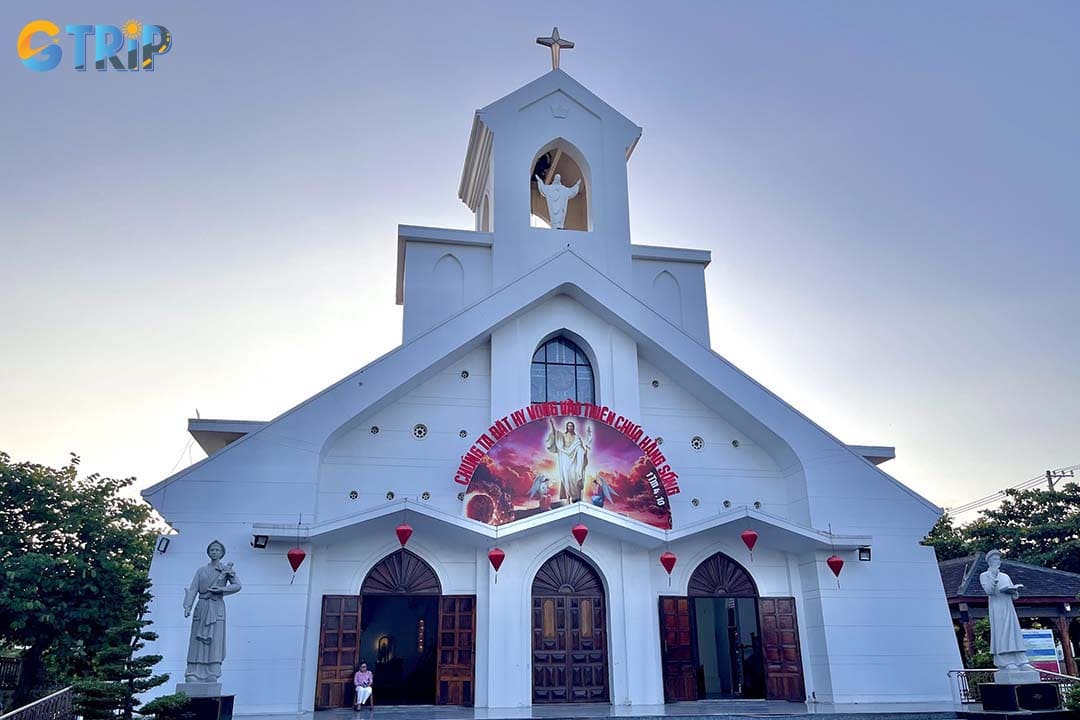
The Hoi An Catholic Church stands out for its long history and cultural significance
History of Hoi An Catholic Church
Hoi An Catholic Church, the oldest Catholic church in Vietnam, has a rich and eventful history spanning over four centuries. Key milestones in its establishment and reconstruction reflect the dedication of local Christians and the efforts of early missionaries in the region:
- 1616: On January 18, Francesco Buzomi, an Italian Jesuit missionary, established the Hoi An parish and built Hoi An Catholic Church, making it the oldest church in Vietnam.
- 1914: Local Christians in Hoi An reconstructed the church using wood.
- 1934: Twenty years later, the church was rebuilt again with wood in a Gothic style.
- 1965: The church was rebuilt using bricks, replacing the previous wooden structure.
- 2008: Hoi An Catholic Church was officially recognized as a provincial historic site of Da Nang.
Architecture of Hoi An Catholic Church
The Hoi An Catholic Church stands as a remarkable example of architectural synthesis, blending traditional Vietnamese aesthetics with European Neo-Gothic influences. This section delves into the distinctive features that define its structure, from the welcoming exterior to the serene interior spaces.
Outside the church
The Hoi An Catholic Church currently features a Neo-Gothic style combined with traditional local architecture. The entire church is surrounded by ancient brick walls, creating a peaceful space separated from the bustle of the old town. The entrance gate is in a traditional Vietnamese style with a curved tiled roof, topped with a small cross, representing a harmonious blend of local culture and Catholic tradition.
To the left of the front yard stands a statue of Agnes Le Thi Thanh, and to the right is a statue of Andrew Phu Yen, two of the 117 Vietnamese martyrs. To the left of the yard there is also a large grotto under the canopy of old trees, while to the right is the burial ground for priests and religious figures.
The church stands out with its white-painted exterior walls. Strong, square pillars frame the entrance, and a modest bell tower rises above, easily visible from afar. This design showcases a blend of Gothic influences and local architectural simplicity, creating a dignified yet approachable whole. Additionally, the church grounds feature neatly trimmed flower beds and plants, giving the area the charm of a small European garden in the heart of Hoi An.
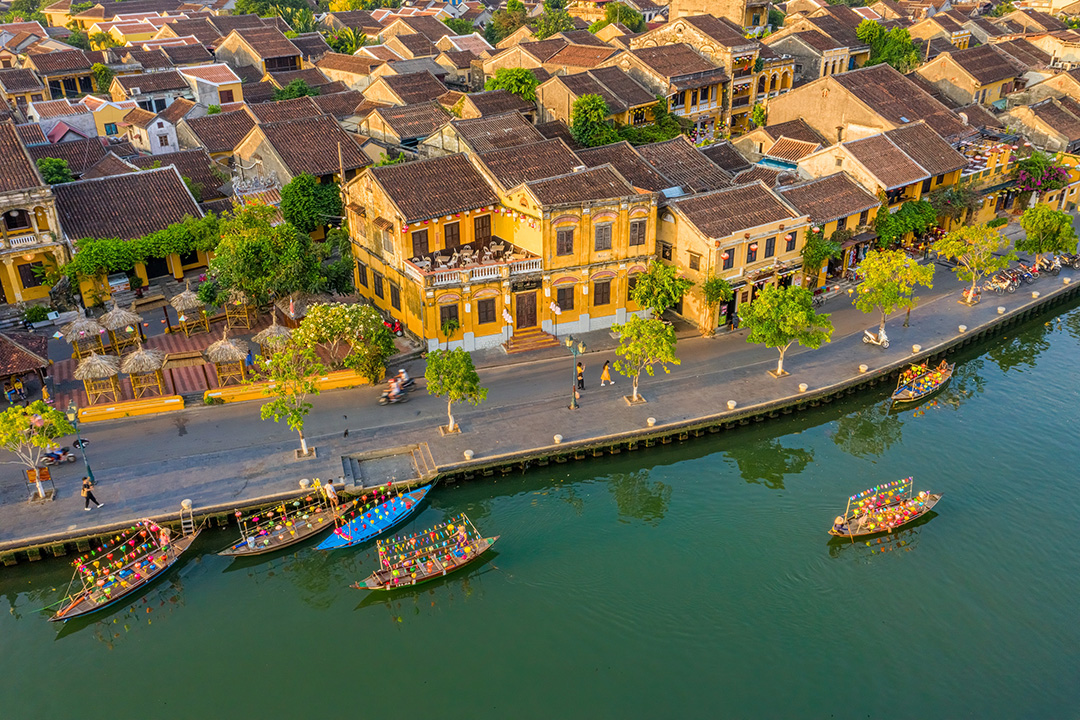
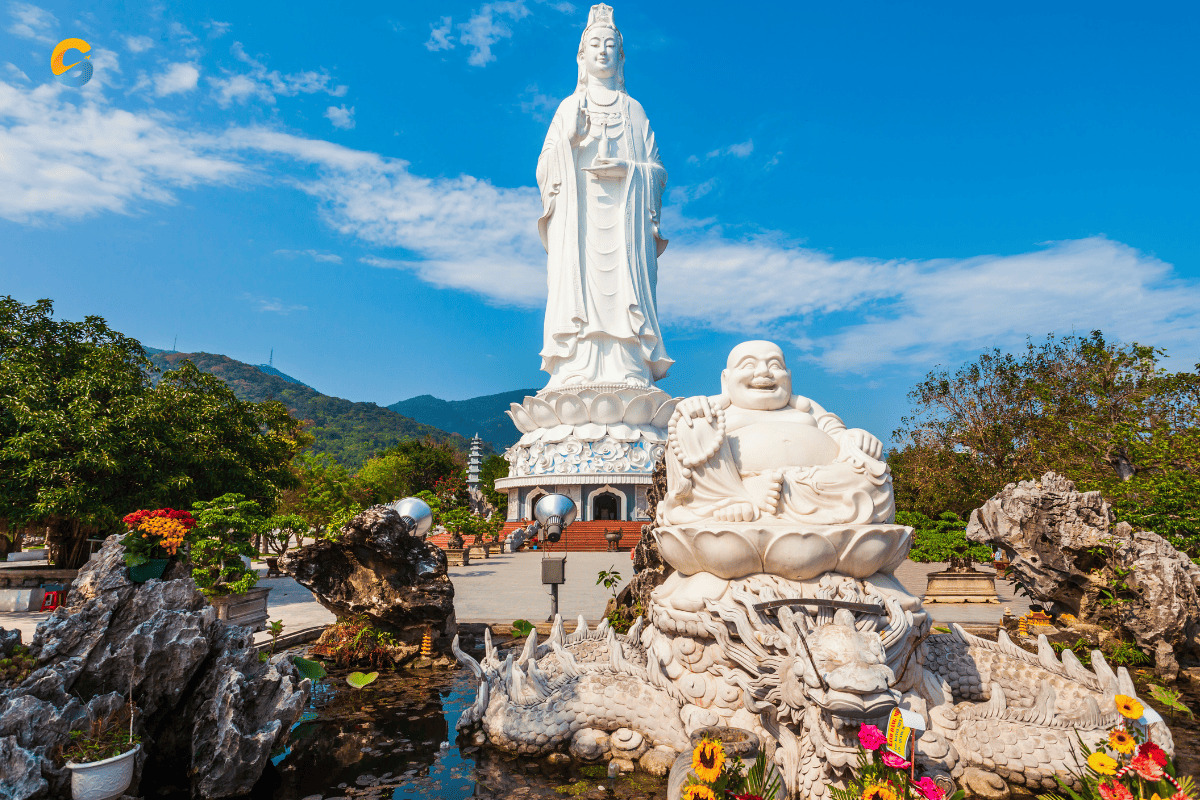

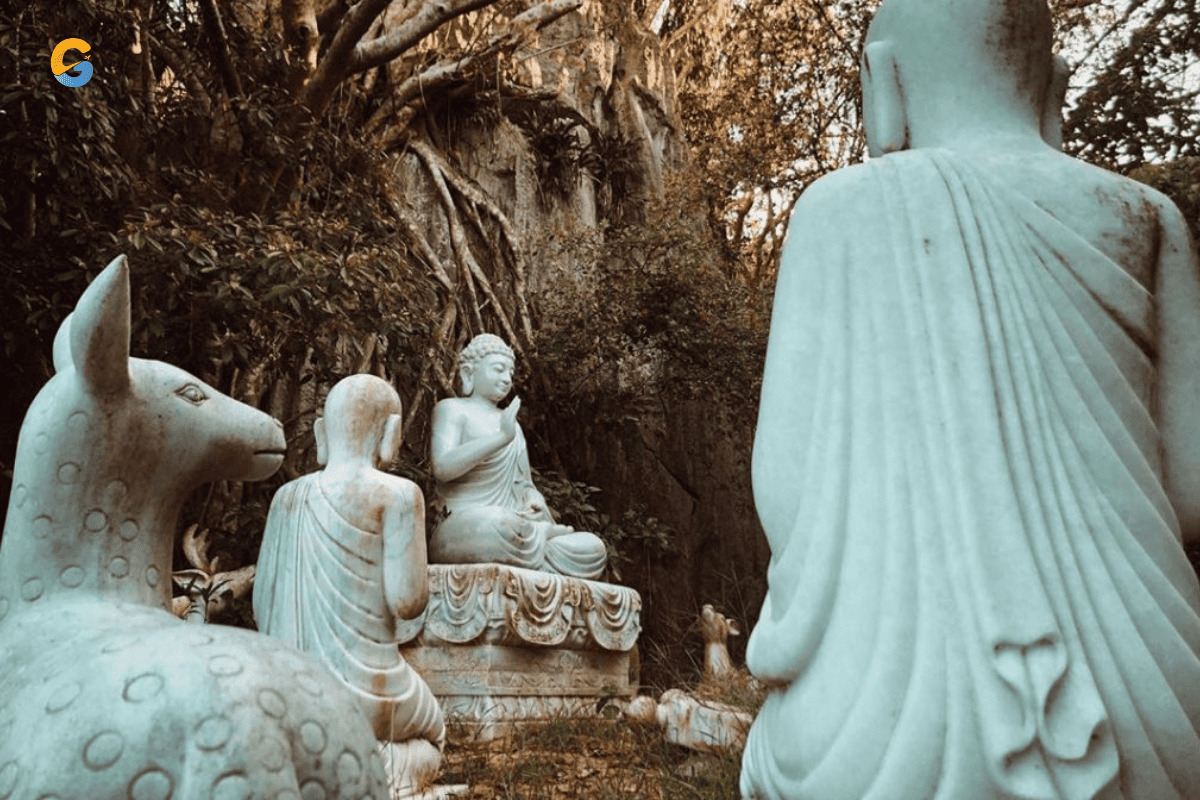

Inside the church
Inside the Hoi An Catholic Church, the space is spacious and serene. The high wooden ceiling gives a classic, traditional feel. Soft light streams through colorful stained glass windows, casting reflections of red, blue, and gold onto the floor and pews. In the morning, the sunlight illuminates the entire space in a gentle and magical way.
The wooden pews are neatly arranged, facing the main altar where a statue of Jesus Christ stands. The altar is clean and elegant, with candles, flowers, and religious artifacts carefully placed. Every detail, from the exquisite wood carvings to the soft drapes, reflects reverence and devotion. The church is divided into three main areas: the area for the laity, the sanctuary, and the sacristy, all equipped with a system of colored mirrors to create a more sacred and elegant space.
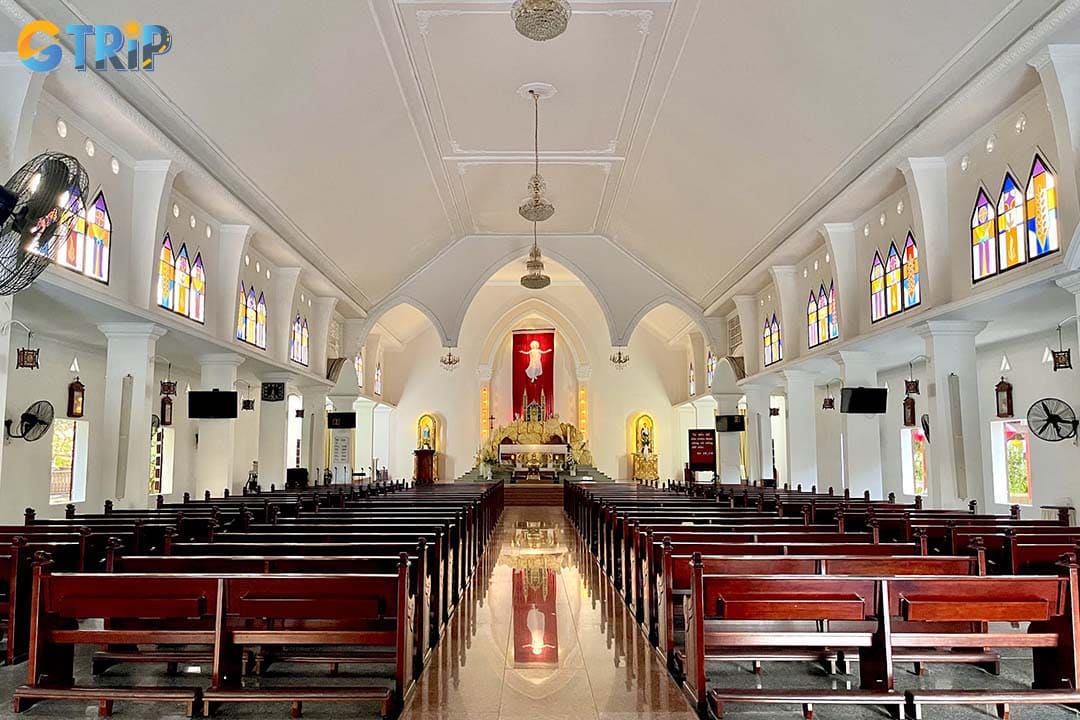
The space inside the Hoi An Catholic Church is spacious and serene
European missionaries' tombs
Within the serene grounds of the Hoi An Catholic Church lie three significant tombs belonging to early European missionaries. These graves were moved to their current location from another church in 1980 by Father Le Nhu Hao. Each tomb measures 1.6 meters in length, 0.75 meters in width, and stands 0.3 meters high, neatly arranged parallel to each other on the right side of the church. These monuments offer a glimpse into the early history of Catholicism in the region.
- Gulielmo Mahot (left): A French priest affiliated with the Paris Foreign Missions Society. He was appointed to the Hoi An church in 1682 and notably convened the second council in Hoi An on June 1, 1684.
- Perez (middle): A Portuguese priest who also served under the Paris Foreign Missions Society. Appointed to the Hoi An church in October 1691, he passed away in July 1728 while carrying out his duties in Duy Xuyen district.
- Valore Rist (right): A German priest from the Franciscan Order. He was appointed to the Hoi An church in 1735 and died just two years later, in 1737. These tombs collectively represent a unique historical record of the Western missionary presence in Vietnam from the 17th to 18th centuries.
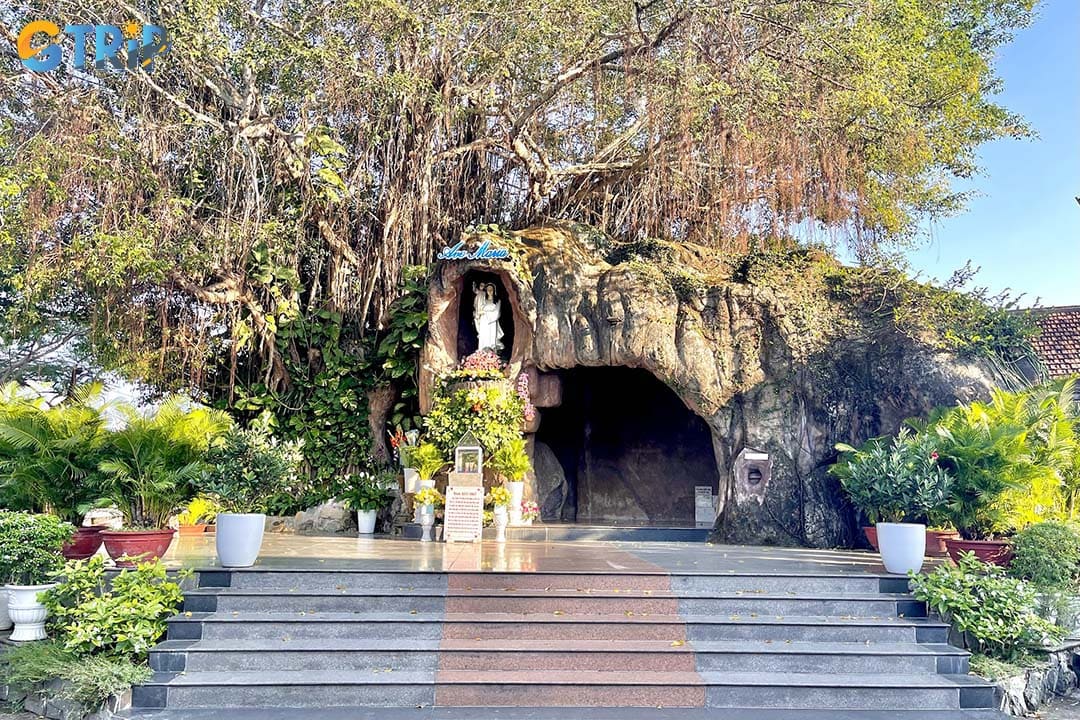
There are 3 tombs belonging to early European missionaries at the Hoi An Catholic Church
Top 7 things to do at Hoi An Catholic Church
Beyond its architectural beauty and historical significance, the Hoi An Catholic Church offers visitors a unique array of experiences. These activities will help you discover the distinct charm of this sacred site away from the bustling Ancient Town.
1. Admire the unique Neo-Gothic architecture
The Hoi An Catholic Church stands out with its distinctive Neo-Gothic design, featuring pointed arches, tall windows, and a simple yet elegant facade. Unlike the ornate temples in the Ancient Town, its architecture blends European influence with subtle local elements, creating a unique visual contrast.
Take a moment to observe details like the symmetrical layout, soft yellow tones, and the peaceful courtyard. It’s a great spot to appreciate how Western religious architecture was adapted to fit the cultural and climatic context of central Vietnam.
2. Attend a mass and experience local catholic culture
Joining a mass at the church offers a meaningful glimpse into the daily spiritual life of the local Catholic community. Services are typically conducted in Vietnamese, but the atmosphere is welcoming, even for non-religious visitors.
You’ll notice a calm, respectful environment where locals gather for prayer and reflection. It’s a quiet cultural experience that goes beyond sightseeing, helping you better understand the religious diversity within Hoi An.
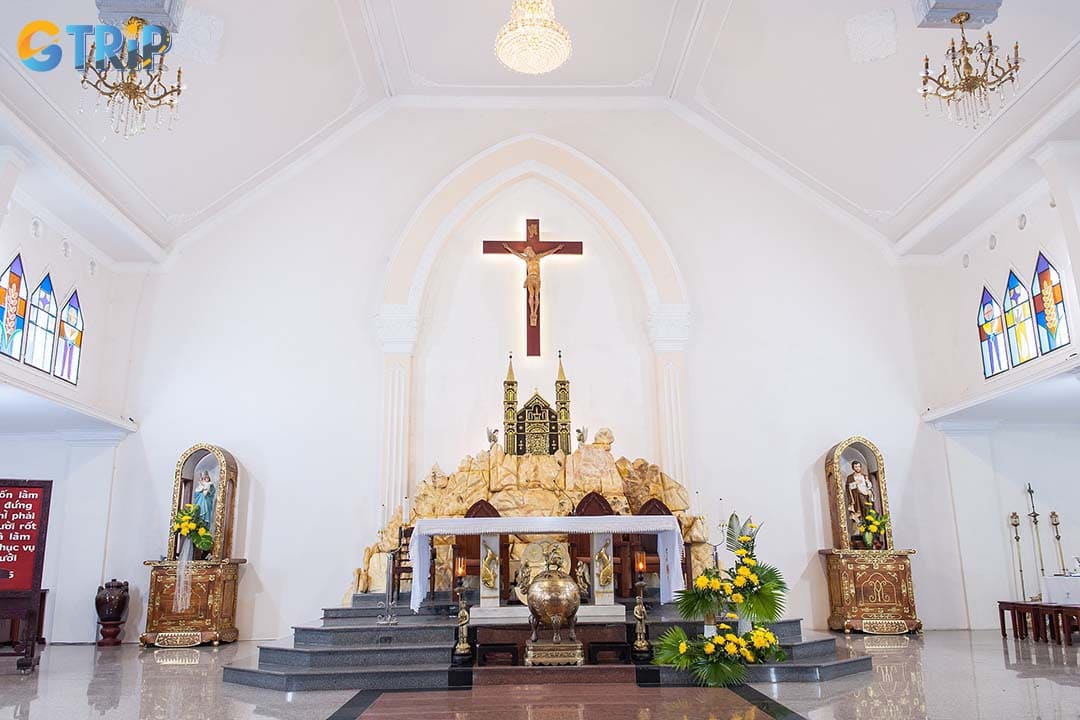
If you are a catholic, you can attend the mass at the church at the specific time
3. Take photos of the church’s peaceful exterior
The church’s exterior is ideal for photography, especially for those looking to capture a quieter side of Hoi An. The soft pastel colors, clean lines, and open space around the building create a calm and balanced composition. Early morning or late afternoon offers the best natural light, with fewer visitors around. The contrast between the church and surrounding greenery also makes it a great spot for minimalist, atmospheric shots.
4. Observe daily life around the church grounds
Beyond the building itself, the area around the church reflects everyday local life. You may see residents passing by, small gatherings before or after mass, or children playing quietly nearby. This slower pace offers a refreshing break from the busy streets of the Ancient Town. It’s a good place to pause, observe, and experience a more authentic rhythm of life in Hoi An.
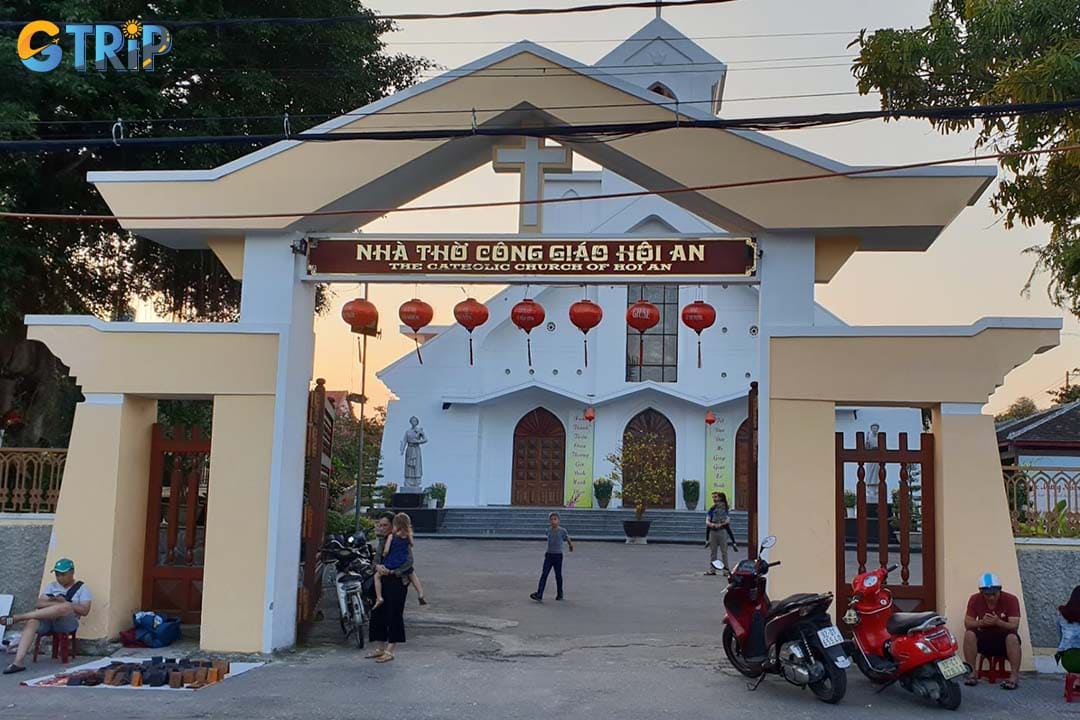
The Hoi An Catholic Church is where you can slow down and observe daily life around to know more about the local vibe there
5. Visit nearby religious statues and memorials
In front of the church, you’ll find statues of Vietnamese martyrs such as Andrew Phu Yen and Agnes Le Thi Thanh. These figures hold historical and spiritual significance in Vietnamese Catholicism. Visitors often stop here briefly to learn about their stories or simply to take photos. The statues add depth to your visit, connecting the site to a broader narrative of faith and history in Vietnam.
6. Enjoy the quiet atmosphere away from the old town crowds
Compared to the bustling areas near the Hoi An Ancient Town, the church offers a much more tranquil setting. It’s an ideal place to escape the crowds, especially during peak tourist hours. The calm environment provides a different perspective of Hoi An, one that feels more local and reflective.
7. Learn about the history of catholicism in Hoi An
The church also serves as a reminder of the long history of Catholicism in the region, dating back to early missionary activities in central Vietnam. Over time, the local community has preserved both religious traditions and cultural identity. By visiting, you gain insight into how Catholicism coexists alongside other beliefs in Hoi An. It’s a subtle but meaningful way to understand the town’s diverse historical and cultural layers.
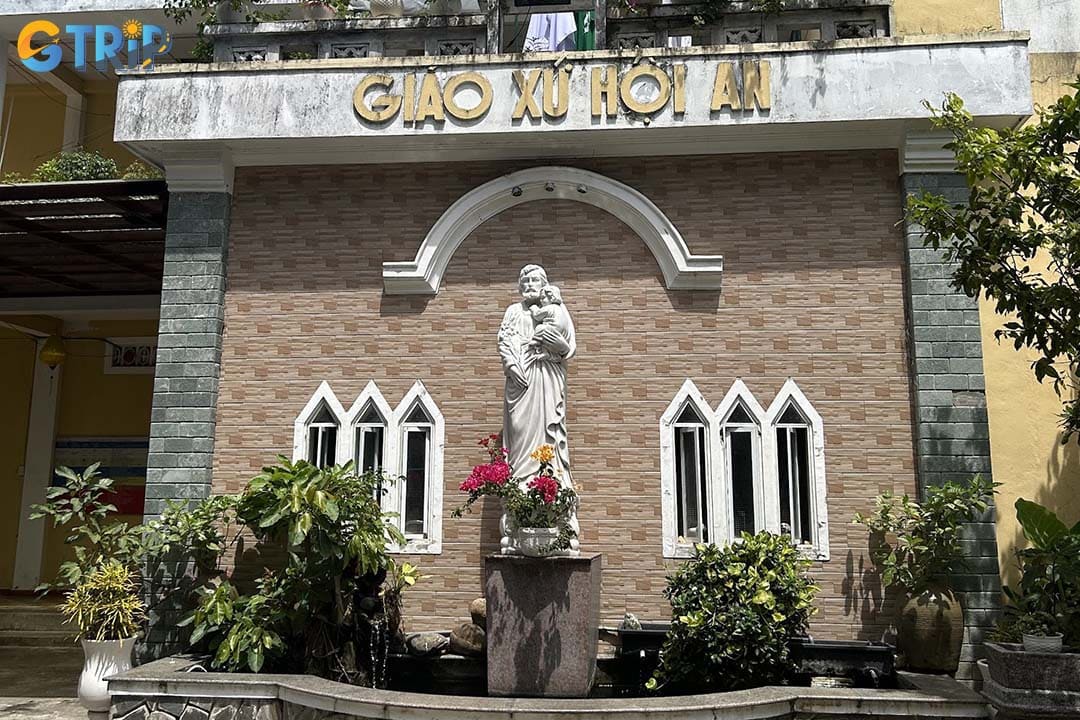
Going to the Hoi An Catholic Church helps you learn about the history of catholicism in Hoi An
How to get to Hoi An Catholic Church?
The Hoi An Catholic Church is conveniently located at 106 Nguyen Truong To St, Minh An Ward, Hoi An City, within the Hoi An Ancient Town UNESCO World Heritage site. Reaching this peaceful landmark is straightforward, whether you are coming from nearby Da Nang or exploring Hoi An itself.
From Da Nang International Airport
Hoi An Catholic Church is about 30 km south of Da Nang International Airport. Travelers can reach the church comfortably by car or motorbike, enjoying a straightforward route along the coastal roads.
- Distance: ~30 km
- Travel time: 40-50 minutes
- Routes: QL1A → DT609 → Nguyen Truong To Street
- Optimal option: Taxi or private car for convenience and luggage
From Da Nang City center
Visitors starting from Da Nang City center can take a direct ride to the church via motorbike, car, or taxi. The route is simple and avoids heavy traffic if traveling outside rush hours.
- Distance: ~30 km
- Travel time: 40-50 minutes
- Routes: Hai Phong Street → QL1A → DT609 → Nguyen Truong To Street
- Optimal option: Taxi or ride-hailing service for ease and safety
From around Hoi An Ancient Town
From central Hoi An, the church is easily accessible by walking, bicycle, or cyclo. Parking is free for bicycles and motorcycles, making it convenient for short visits.
- Distance: 1-2 km (depending on starting point)
- Travel time: 5-10 minutes
- Routes: Local streets toward Nguyen Truong To Street
- Optimal option: Bicycle or walking for a scenic approach
Transportation options
Multiple transport modes are available to reach Hoi An Catholic Church. Visitors can choose based on comfort, speed, and convenience.
- Walking: Ideal for nearby tourists
- Bicycle or motorbike: Quick and flexible
- Taxi/car: Comfortable, especially with luggage
- Shuttle/electric bus: Convenient for hotel guests
- Cyclo: Leisurely experience, good for sightseeing
- Public bus/minivan: Economical for longer distances
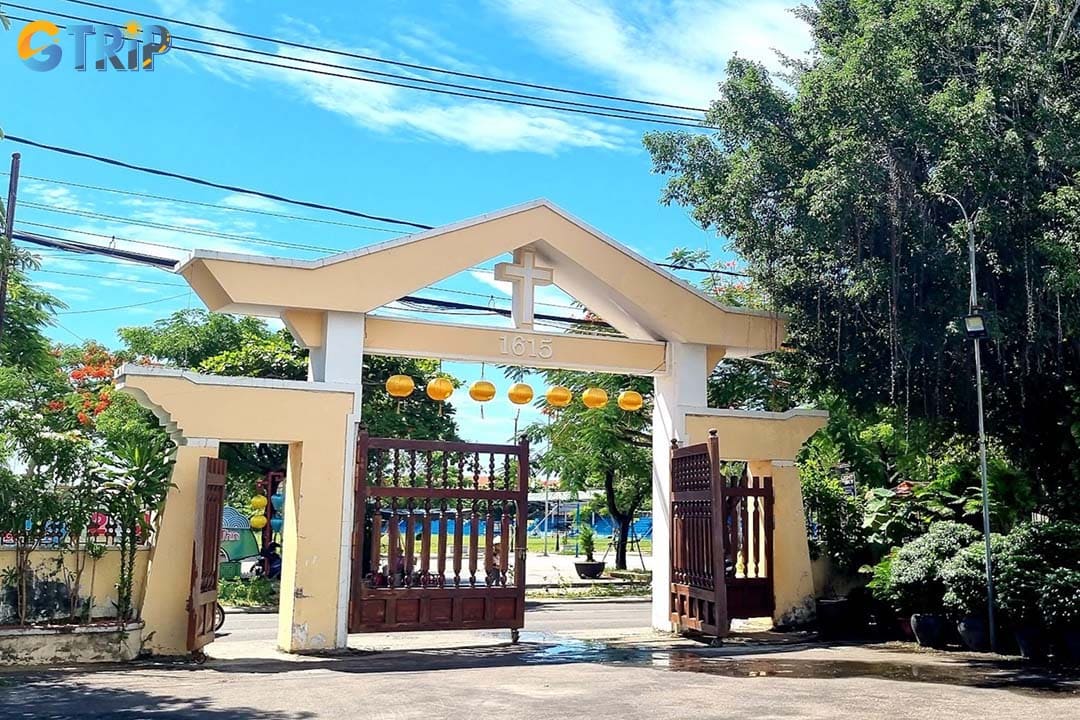
You can get to Hoi An Catholic Church by many means of transport
Nearby attractions to Hoi An Catholic Church
The church's location makes it a perfect starting point for exploring other key sites in Hoi An. Here are a few must-see attractions just a short walk or bike ride away:
- Japanese Bridge Hoi An (Japanese Covered Bridge): The Japanese Covered Bridge is one of the most iconic symbols of Hoi An, known for its distinctive roofed design and historical significance. Built centuries ago, it features a small temple inside and intricate carvings that reflect a blend of Japanese, Chinese, and Vietnamese craftsmanship.
- Hoi An Central Market: Hoi An Central Market is a lively and bustling destination where you can experience the authentic rhythm of local life. It offers a wide variety of goods, from fresh produce and souvenirs to delicious street food that showcases the flavors of central Vietnam.
- Tan Ky Old House: Tan Ky Old House is a beautifully preserved 200-year-old merchant residence that reflects the town’s rich trading history. Its architecture blends Vietnamese, Japanese, and Chinese elements, creating a unique space filled with historical charm and cultural significance.
- Fukian Assembly Hall: Fukian Assembly Hall is the most famous assembly hall in Hoi An, dedicated to the sea goddess Mazu. The complex features ornate gates, colorful statues, and a peaceful courtyard that offers a glimpse into the spiritual life of the Chinese community.
- Hoi An Museum of History and Culture: Hoi An Museum of History and Culture is housed in a former pagoda, adding to its historical atmosphere. The museum provides a comprehensive overview of Hoi An’s development, from its early origins to its role as a thriving trading port.
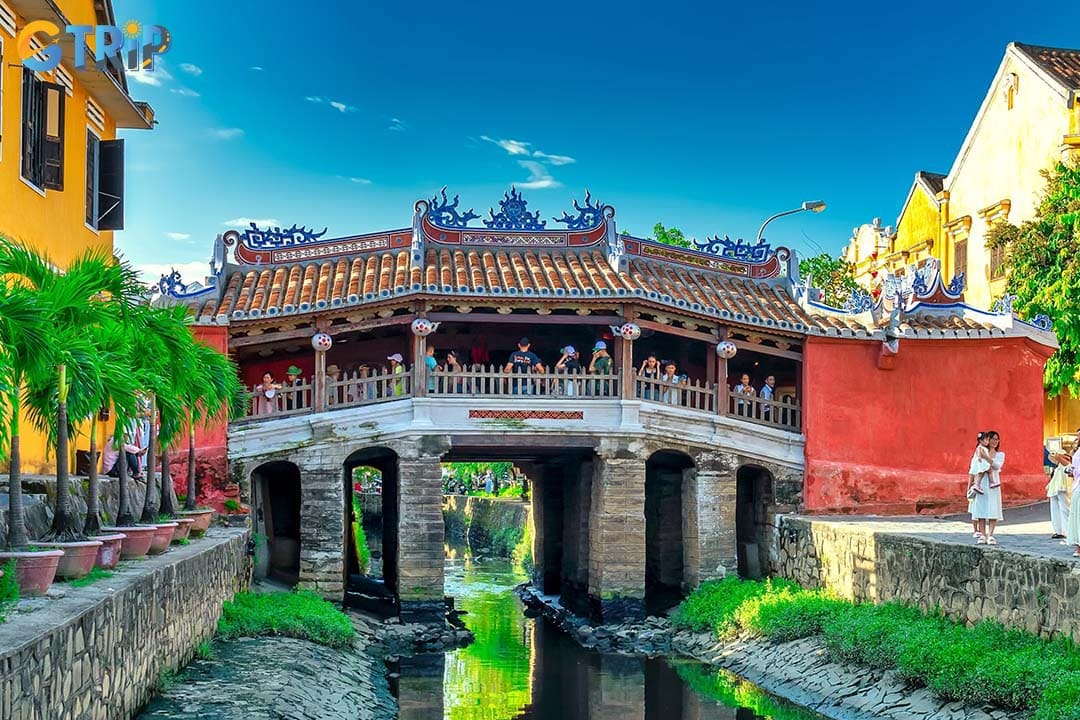
Japanese Covered Bridge is a famous attraction near the church that you can visit
Practical tips for visiting Hoi An Catholic Church
Make your visit smooth and respectful with these simple tips:
- Dress respectfully: Cover shoulders and knees. Avoid shorts, short skirts, and sleeveless tops.
- Mind your behavior: Keep quiet, especially during mass. Stay at the back and don’t disturb worshippers.
- Photography: Exterior photos are fine. Inside, avoid flash and don’t photograph people praying.
- Best time to visit: Sunny days outside mass hours are ideal for sightseeing and photos. To attend a service, arrive just before mass.
- Entrance: Free of charge. Donations are welcome but optional.
- Seasonal prep: February-August: bring sun protection and water. September-January: carry rain gear and waterproof shoes.
- Local guide: Exploring Hoi An Old Town with a guide enhances the experience.
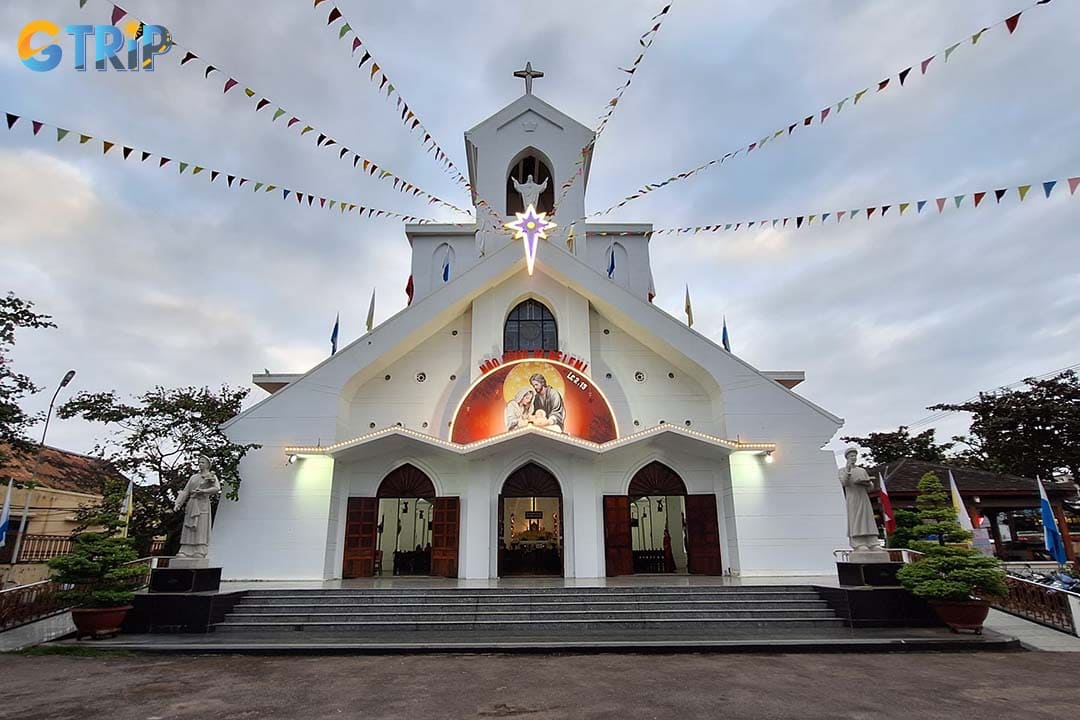
Remember practical tips to have a good visit to the Hoi An Catholic Church
A visit to the Hoi An Catholic Church offers a unique and memorable experience, providing a peaceful contrast to the energetic pace of the Ancient Town. Its graceful architecture, rich history, and serene atmosphere make it more than just a tourist attraction; it's a living piece of Hoi An's diverse cultural tapestry. Standing as a quiet witness to over a century of history, the church invites you to reflect on the spiritual and colonial influences that have shaped this remarkable city. It's a destination that adds a meaningful layer to any itinerary. Don’t miss the chance to include this peaceful landmark in your Hoi An tours with GTrip, and experience this unique piece of Hoi An’s heritage on your next trip.
Custom Your Journey

Other Attractions

Can Gio Monkey Island in Ho Chi Minh City: Tickets, Things to Do & Travel Guide
Can Gio Monkey Island
Can Gio Monkey Island in Ho Chi Minh City offers a refreshing escape from the city’s buzzing motorbike chaos. Just a short distance from the center, Can Gio welcomes you with lush mangrove forests, winding waterways, and a fascinating history. Here, you can meet playful long-tailed macaques, drift through tranquil channels, and explore remnants of a wartime guerrilla base.
Can Gio Monkey Island in Ho Chi Minh City: Tickets, Things to Do & Travel Guide
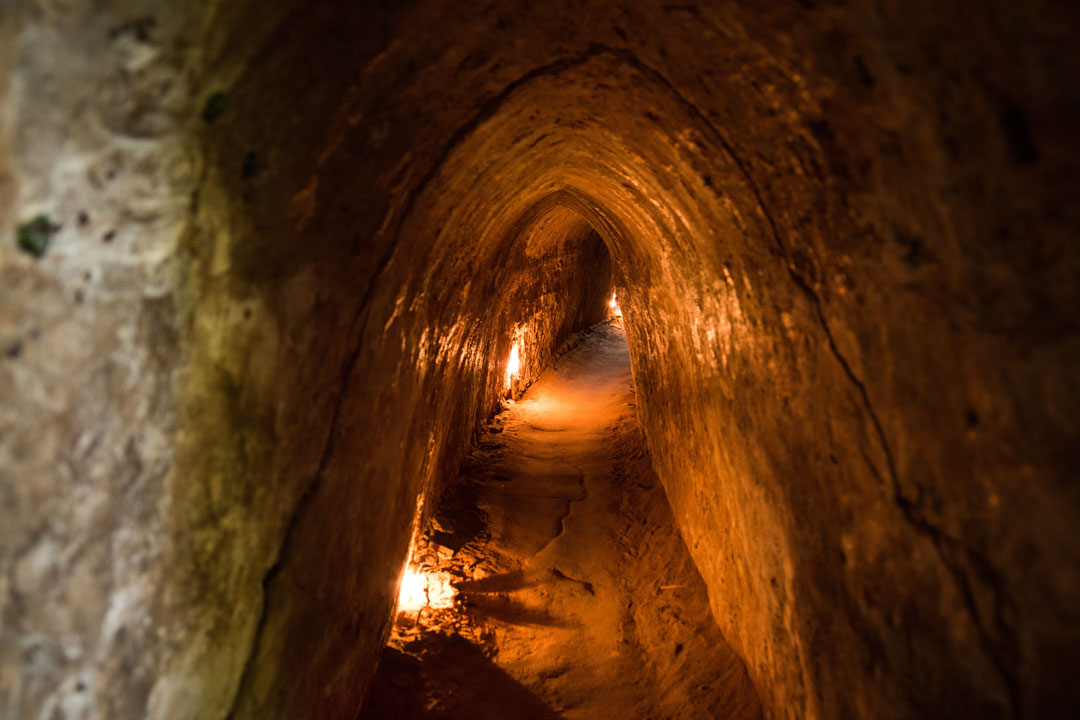
Cu Chi Tunnels: History, Architecture, Things To Do & Travel Guide
Cu Chi Tunnels
The Cu Chi Tunnels, located at TL15, Phu Hiep, Cu Chi District, Ho Chi Minh City, are a vast underground network of strategic passages, shelters, supply routes, and defensive traps.
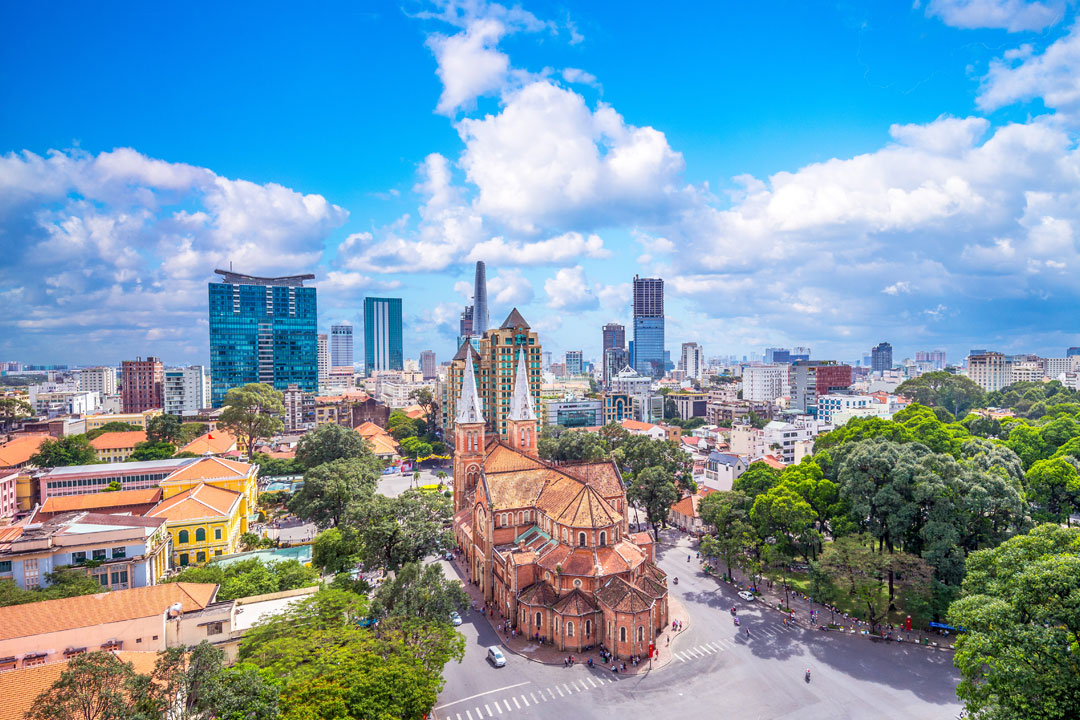
Ho Chi Minh City
Ho Chi Minh City, known as the "Pearl of the Far East," attracts both domestic and foreign tourists with its unique and diverse destinations.
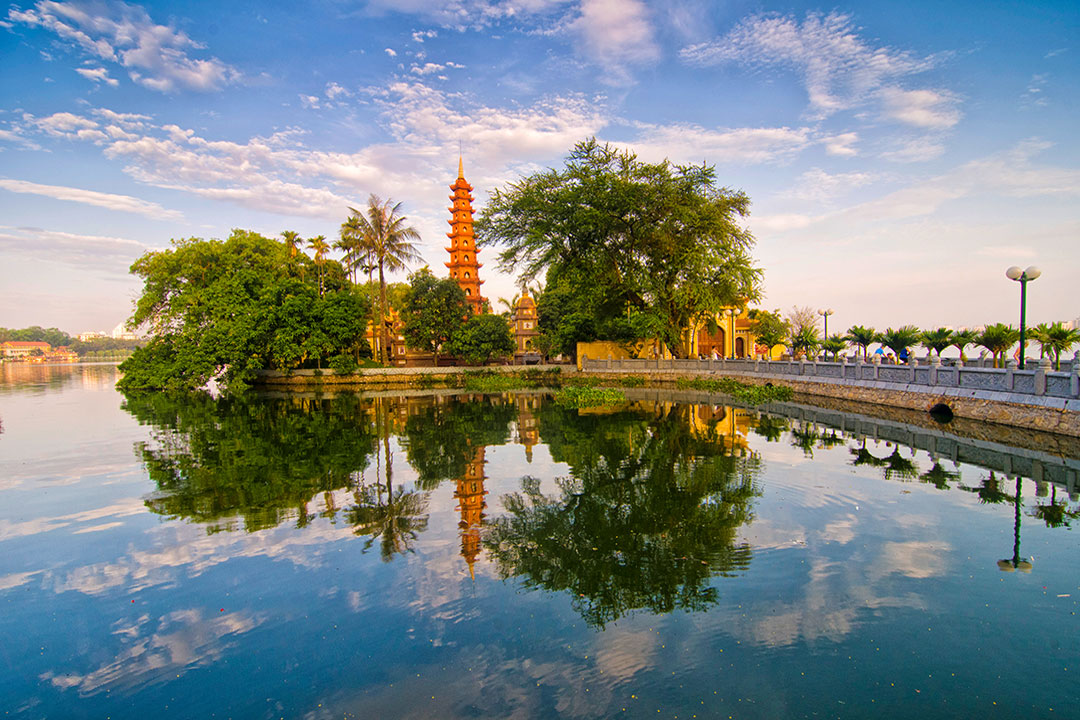
Tran Quoc Pagoda: History, Architecture, Significance & Travel Guide
Tran Quoc Pagoda
Nestled on the tranquil shores of West Lake, Tran Quoc Pagoda is the oldest Buddhist temple in Hanoi, with a history spanning over 1,500 years. Built in the 6th century under Emperor Ly Nam De, this sacred site reflects Vietnam’s Buddhist evolution while preserving its spiritual and architectural grandeur.