

Monday, October 19, 2026
Hoi An Cloth Market is the vibrant center of the city’s famous tailoring culture, where travelers come to find fabrics, custom-made clothing, and unique textiles. Located in the heart of the Ancient Town, the market is filled with colorful stalls and skilled tailors ready to create anything from silk dresses to tailored suits. This guide by GTrip will help you navigate the market, choose quality fabrics, and understand the process of getting clothes made in Hoi An.
Overview of the Hoi An Cloth Market
Located inside the larger Hoi An Central Market, the cloth market is the heart of the city’s famous tailoring industry. Dozens of family-run stalls display a wide range of fabrics, creating a lively space where visitors can choose materials for custom-made clothing. For decades, this area has supplied fabrics to many local tailor shops, making it an essential stop for anyone interested in Hoi An’s tailoring culture.
Where is Hoi An Cloth Market?
Address: No. 01 Tran Phu Street, Hoi An Ancient Town, Hoi An Ward (formerly Minh An Ward, Hoi An City, Quang Nam Province), Da Nang City
The Hoi An Cloth Market is conveniently located within the main Hoi An Market complex, right in the heart of the Hoi An Ancient Town, making it easily accessible for any visitor exploring the historic center. Its prime position near the Thu Bon River means it's just a short walk from other major attractions.
Opening hours and ticket prices
The market comes alive early in the morning as locals do their daily shopping and closes in the early evening. Accessing the cloth market section itself is straightforward and doesn't require a separate ticket, although you may need an Ancient Town ticket if entering the wider heritage area during designated times.
- Opening hours: 5:00 AM - 6:00 PM daily
- Entrance fee: Free
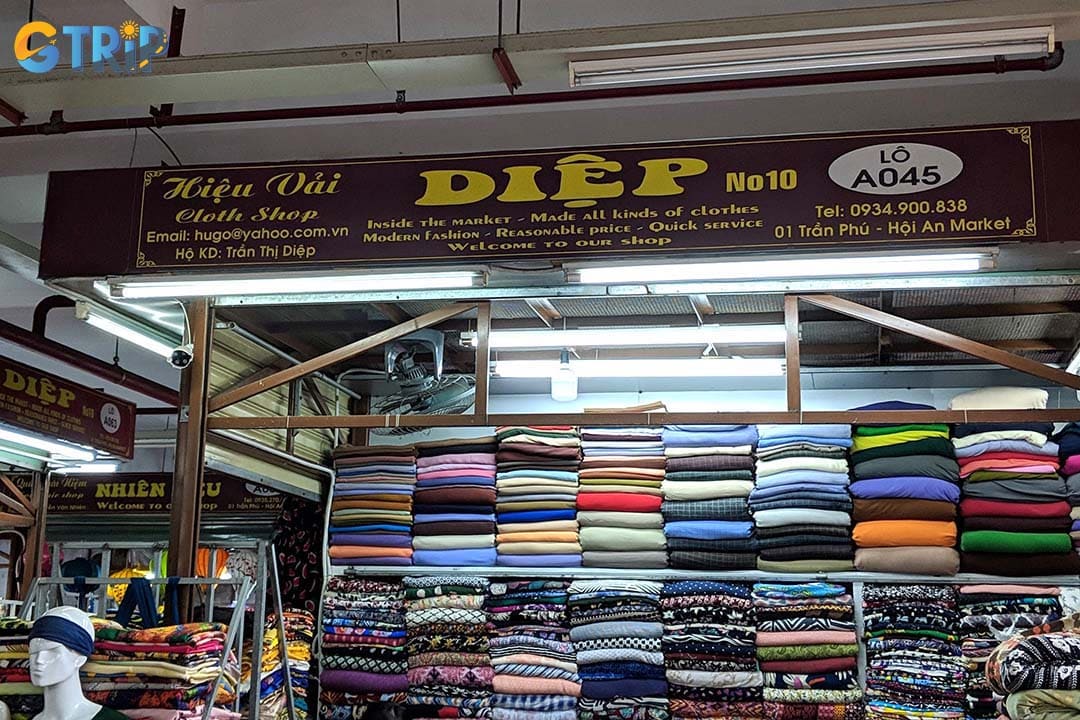
The Hoi An Cloth Market is conveniently located within the main Hoi An Market complex with many stores
What makes the Hoi An Cloth Market a must-visit?
The allure of the Hoi An Cloth Market goes far beyond simple shopping. It's an immersive cultural and sensory experience. The true magic lies in the unique opportunity to co-create custom clothing at a fraction of Western prices. You can physically touch the materials, speak directly with the vendors, and watch your design come to life in as little as 24 hours. This blend of tradition, craftsmanship, and incredible value makes it an unmissable stop.
- The market offers a dazzling array of textiles, such as gleaming Vietnamese silk, breathable linen, vibrant patterned cotton, and intricate brocade.
- It's a hub of activity where you can observe local life and the fast-paced world of Hoi An's tailoring trade.
What to buy at Hoi An Cloth Market?
Hoi An Cloth Market is a colorful shopping area inside Hoi An Central Market, famous for fabrics and tailor services. Besides textiles, visitors can also find lanterns, souvenirs, and everyday items. Below are the most popular things travelers usually buy when visiting this lively market.


1. Fabrics for tailoring
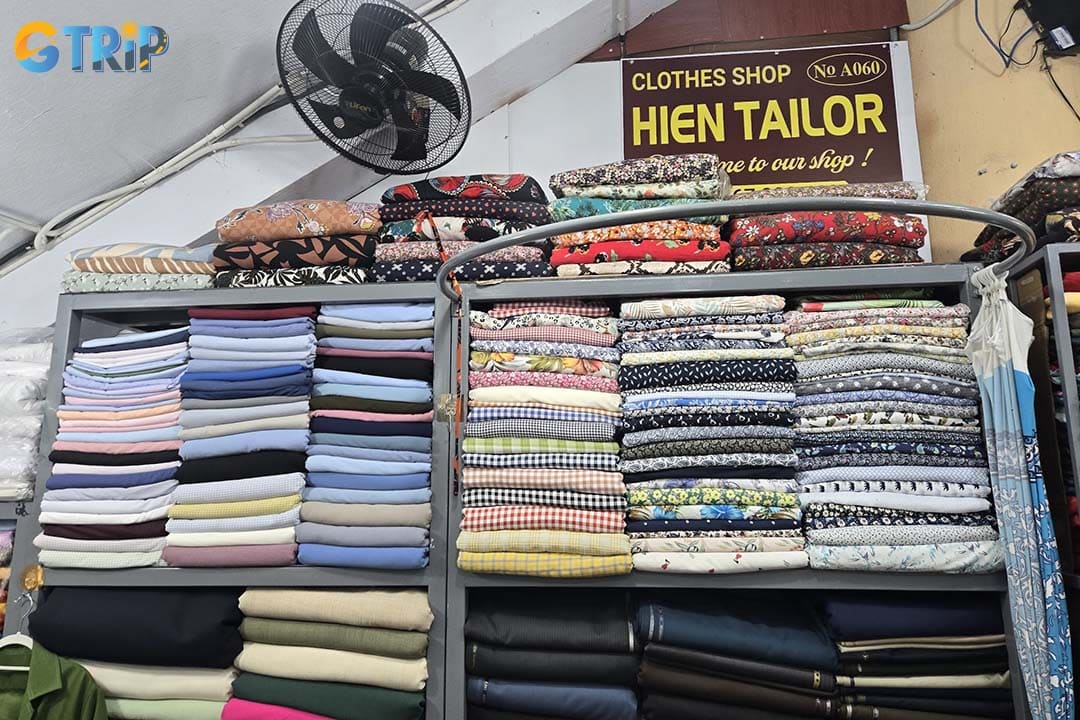
The biggest attraction of Hoi An Cloth Market is the wide range of fabrics used for custom tailoring. Stalls display colorful materials such as silk, linen, cotton, and brocade, available in many textures and patterns. These fabrics are commonly used to make shirts, dresses, suits, and traditional ao dai. A simple way to check real silk is the burn test. Real silk burns slowly, smells like burning hair, and turns into fragile ash. Synthetic fibers melt into a hard plastic bead and produce a chemical smell.
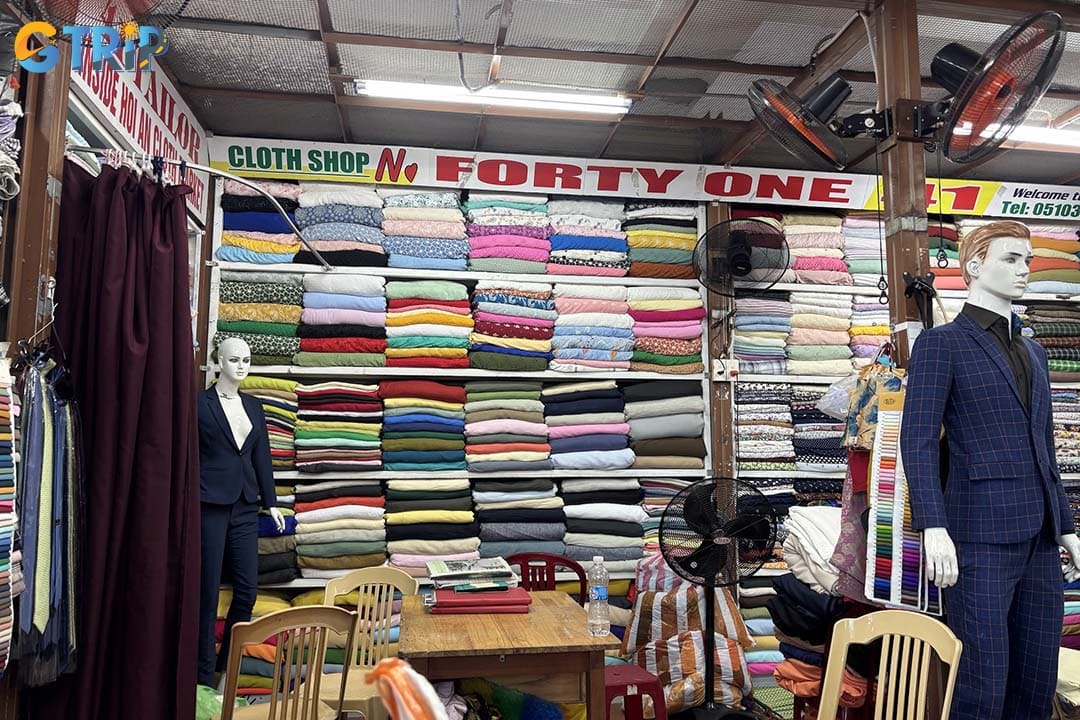
Hoi An Cloth Market offers a wide range of fabrics for visitors to choose
2. Custom-made clothing
Many stalls in the market cooperate with local tailors, allowing visitors to choose fabric and order clothes on the spot. Popular items include shirts, dresses, blazers, suits, and ao dai. Depending on the design, most items can be completed within 24-48 hours, which makes tailoring one of the most memorable experiences for travelers in Hoi An.
Tailoring experience
Getting clothes made in Hoi An is almost a travel ritual for many visitors. The process is simple if you follow a few steps.
- Prepare your idea: Bring reference photos or a favorite piece of clothing so the tailor can understand your style.
- Choose a stall and negotiate the price: Many market stalls sell fabric and offer tailoring services or work with nearby tailors. Prices are often negotiable.
- Body measurements: After agreeing on the design and price, the tailor will take your measurements before starting the work.
- Fitting and adjustments: Most orders require at least one fitting session to adjust the shoulders, sleeves, or waist. The whole process usually takes 24-48 hours.
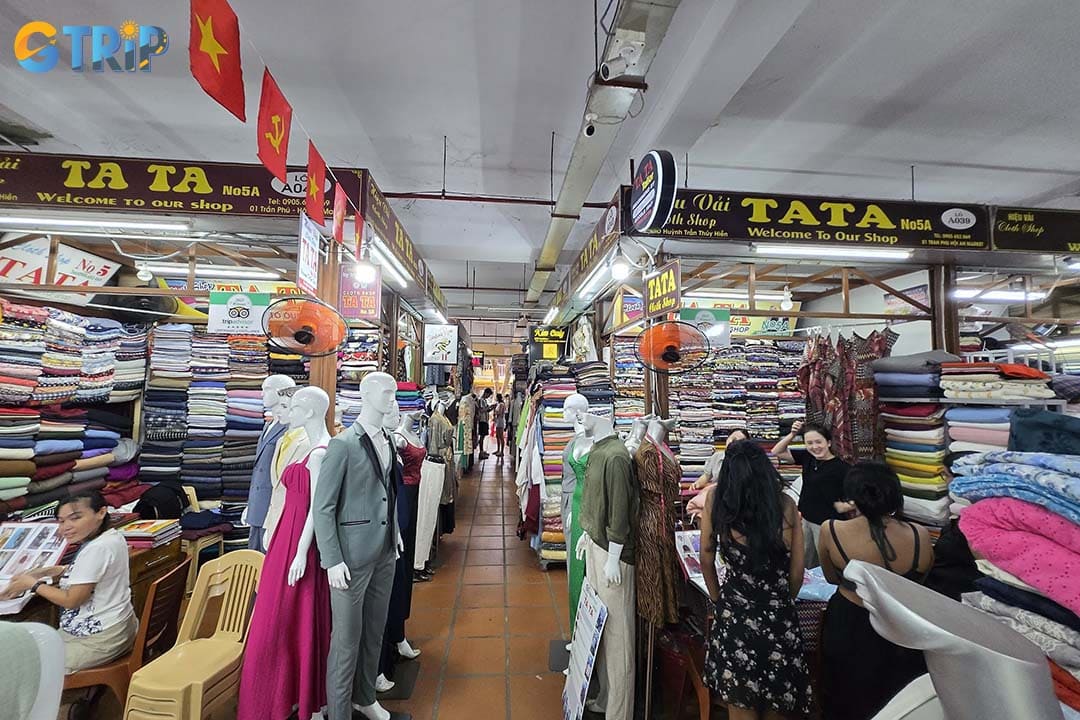
The tailoring experience at Hoi An Cloth Market is good, so you do not have to worry about it
Estimated tailoring prices in Hoi An
Prices depend on the fabric quality and the complexity of the design. The table below provides a rough reference.
| Product | Budget | Mid-range | Premium |
|---|---|---|---|
| Men's 2-piece suit | 70-100 USD | 120-180 USD | 200+ USD |
| Men's shirt | 15-20 USD | 25-35 USD | 40+ USD |
| Women's dress | 20-35 USD | 40-60 USD | 70+ USD |
| Women's blazer | 30-50 USD | 60-80 USD | 90+ USD |
| Ao dai | 40-60 USD | 70-100 USD | 120+ USD |
3. Lanterns and handicrafts
In the first hall of the market, visitors will find many stalls selling lanterns and handmade crafts. Lanterns are one of the most recognizable symbols of Hoi An and make a beautiful souvenir to take home.
4. Clothes, shoes, and accessories
Besides fabrics, some stalls also sell ready-made clothes, shoes, bags, and fashion accessories. These items are lightweight and practical, making them convenient gifts or travel souvenirs.
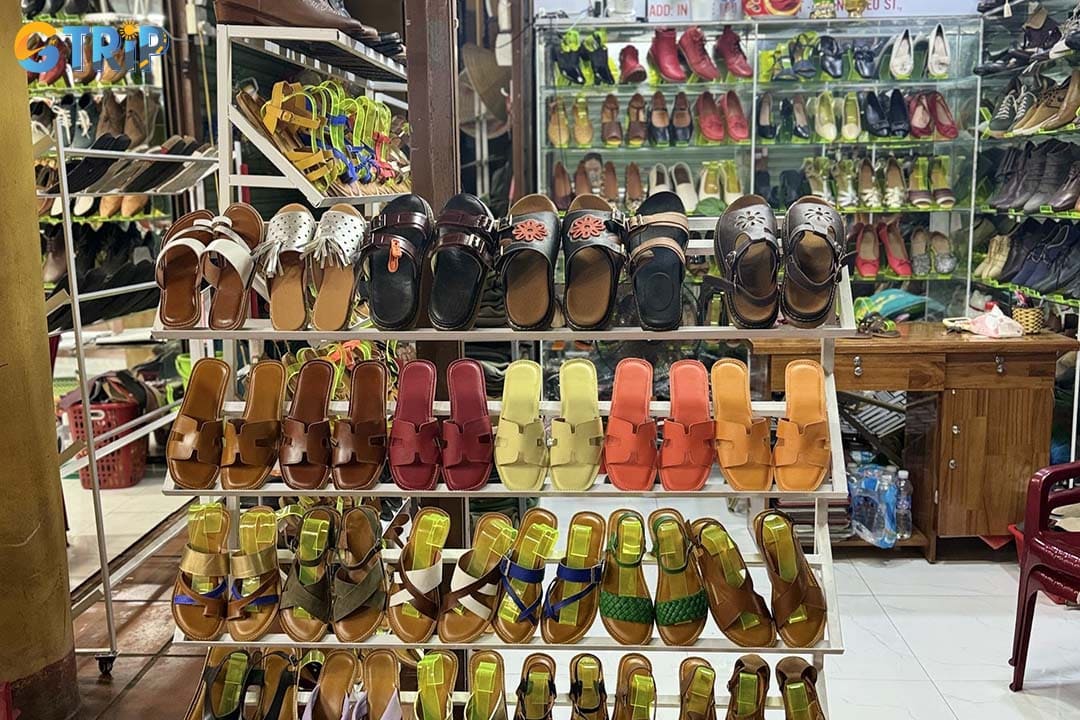
Besides fabrics, nearby stalls also sell clothes, shoes, and accessories
5. Jewelry and souvenirs near the market
Along Hoang Dieu Street, on the eastern side of the market, visitors can find several small gold and jewelry shops. These stores are popular for buying simple accessories, small souvenirs, or exchanging money before exploring more of the Ancient Town.
What to eat at Hoi An Cloth Market
Besides shopping, Hoi An Cloth Market is also part of the famous Hoi An Central Market food area, where travelers can enjoy authentic local dishes at affordable prices. The food stalls are simple but lively, offering freshly cooked specialties.
- Cao lau: A signature Hoi An noodle dish with roasted pork, fresh herbs, crispy crackers, and thick noodles.
- Mi quang: Turmeric noodles served with shrimp or pork, peanuts, herbs, and a small amount of rich broth.
- Banh mi: Crispy Vietnamese baguette filled with grilled meat, pate, pickles, herbs, and chili.
- White rose dumplings: Delicate steamed dumplings with shrimp filling, shaped like white roses.
- Fresh fruit smoothies: Mango, passion fruit, dragon fruit, and other tropical blends perfect for cooling down in the heat.
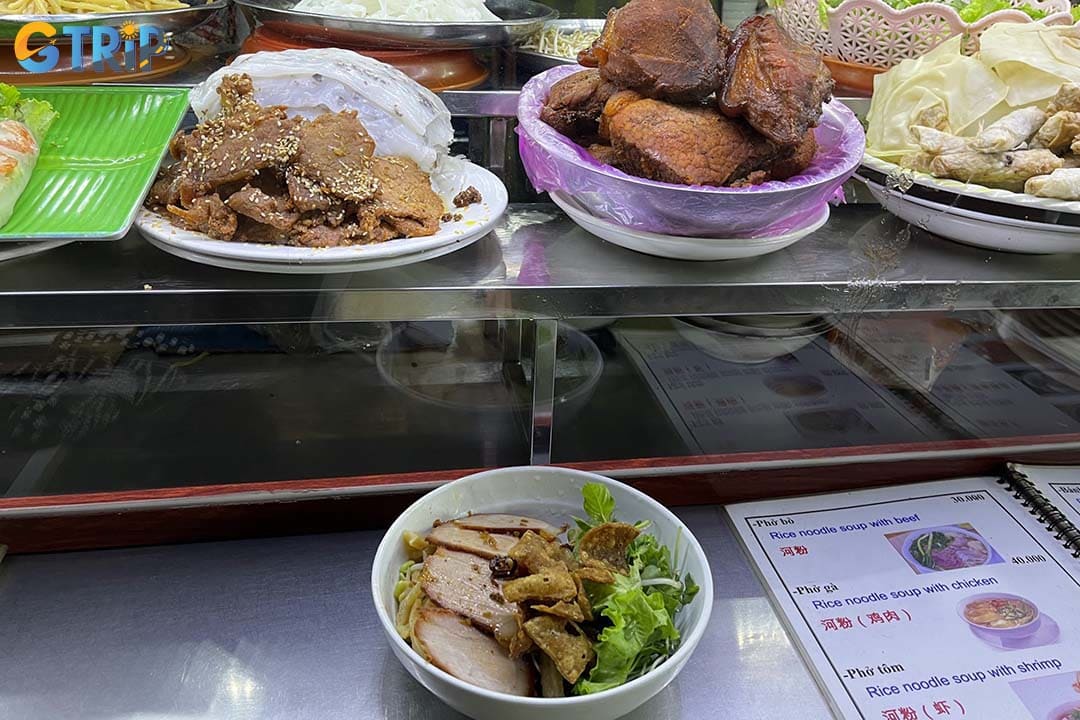
Cao lau and mi quang are signature Hoi An dishes that you should try
How to get to the Hoi An Cloth Market?
Hoi An Cloth Market is located inside Hoi An Central Market, in the heart of the Ancient Town. The market is surrounded by Tran Phu Street, Hoang Dieu Street, Bach Dang Street, and a small western lane. Its central location makes it easy to reach from most places in Hoi An.
From Da Nang International Airport
Hoi An Cloth Market can be reached easily from Da Nang International Airport by road. The route follows the coastal highway connecting Da Nang and Hoi An.
- Distance: ~30 km
- Travel time: 45-60 minutes
- Routes: Vo Nguyen Giap → Lac Long Quan → Hai Ba Trung → Hoi An Ancient Town
- Optimal option: Taxi or private car for convenience, especially with luggage
From Da Nang City center
Travelers staying in Da Nang can visit Hoi An Cloth Market on a half-day or full-day trip. The road between the two cities is smooth and scenic.
- Distance: ~28-30 km
- Travel time: 40-50 minutes
- Routes: Vo Nguyen Giap coastal road or National Highway 1A
- Optimal option: Motorbike or taxi for flexible travel
From around Hoi An Ancient Town
The market sits in the center of Hoi An, so it is very easy to reach from nearby neighborhoods such as Minh An, Cam Pho, and Son Phong.
- Distance: 500 m - 2 km
- Travel time: 5-15 minutes
- Routes: Walk along Tran Phu, Nguyen Hue, or Bach Dang streets
- Optimal option: Walking or cycling to explore the Ancient Town atmosphere
Transportation options
Visitors can reach Hoi An Cloth Market using several transportation methods depending on distance and comfort preferences.
- Walking: Best option if staying in the Ancient Town area
- Bicycle: Popular and convenient for distances under 3 km
- Taxi or e-taxi: Comfortable and easy for families or groups
- Motorbike: Flexible for travelers coming from nearby beaches
- Hotel shuttle: Some beach resorts offer free transfers to Hoi An Ancient Town
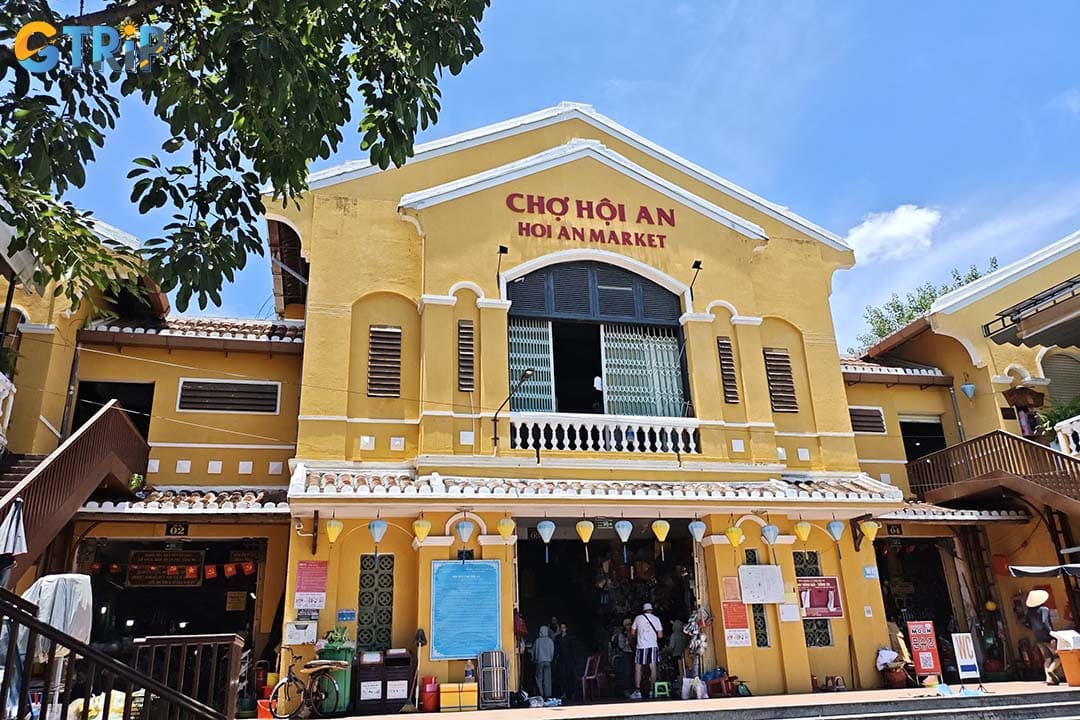
You can easily reach Hoi An Market to stop by Hoi An Cloth Market
Nearby attractions to the Hoi An Cloth Market
The market’s position in the Ancient Town means you are steps away from some of Vietnam’s most iconic historical sites. After your shopping, you can easily explore these landmarks.
- Japanese Covered Bridge: Just a 5-minute walk away, the Japanese Covered Bridge is one of Hoi An’s most iconic landmarks and a symbol of its cultural heritage. Built in the late 16th century, the bridge features a small temple inside and showcases a unique blend of Japanese, Chinese, and Vietnamese architectural influences.
- Old House of Tan Ky: The Old House of Tan Ky is a beautifully preserved 200-year-old merchant residence that reflects Hoi An’s prosperous trading past. Its design combines Japanese, Chinese, and Vietnamese architectural elements, offering a fascinating look into the lifestyle of wealthy merchants centuries ago.
- Fujian Assembly Hall: Fujian Assembly Hall is a stunning example of traditional Chinese architecture, originally built as a gathering place for the Fujian community. The complex is richly decorated with intricate carvings, vibrant statues, and peaceful gardens that create a serene and spiritual atmosphere.
- Hoi An Night Market: Hoi An Night Market, located across the An Hoi Bridge, comes alive after sunset with a lively and colorful atmosphere. It is famous for its glowing lanterns, diverse street food options, and a wide variety of souvenirs and handmade goods.
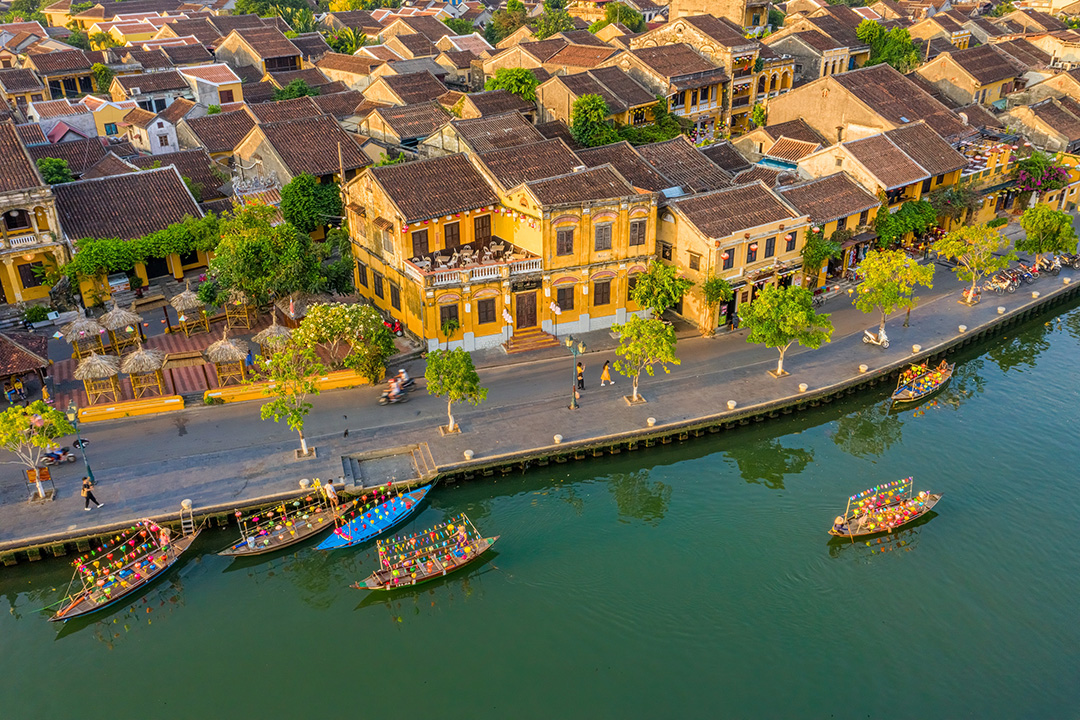
- Thu Bon River: The Thu Bon River runs alongside the market, adding a calm and scenic charm to the bustling surroundings. You can take a traditional sampan boat ride, especially at sunset, to enjoy beautiful views of the lantern-lit town reflected on the water.
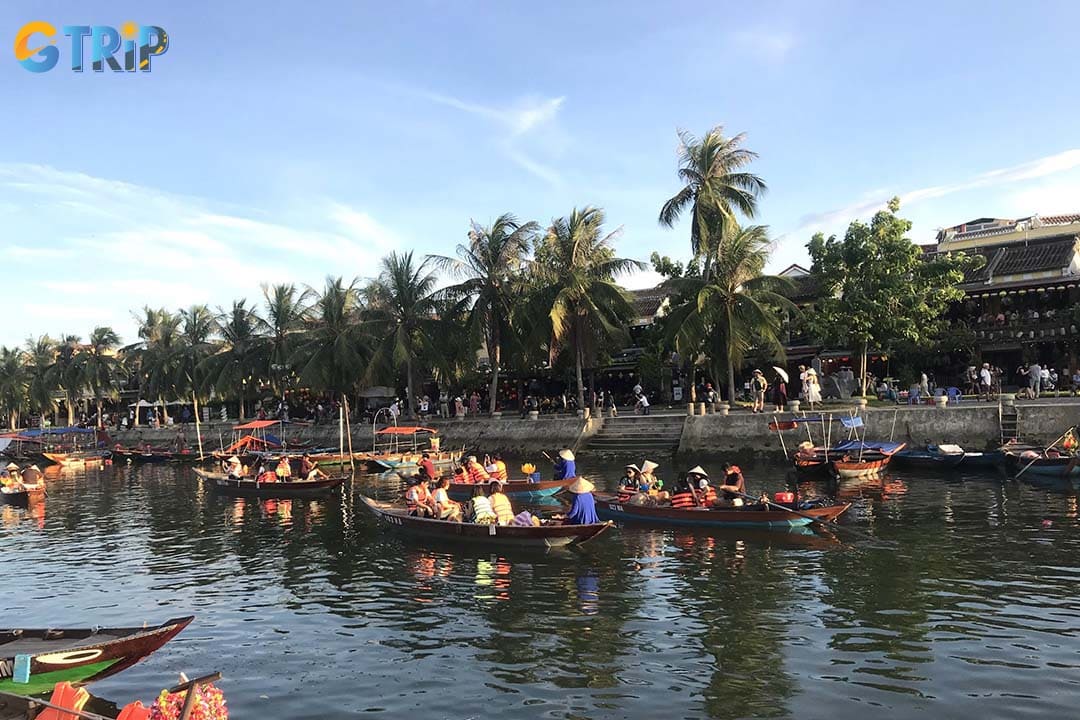
The Thu Bon Market runs alongside the market, so you can take a boat ride there to enjoy the atmosphere
Practical tips for visitors
Visiting Hoi An Cloth Market is a fun experience, but knowing a few practical tips can make your trip smoother and more enjoyable. From bargaining and weather preparation to timing your visit, the following suggestions will help you explore the market comfortably and avoid common surprises.
- Entry to Hoi An Cloth Market is free, but visitors still need an Ancient Town ticket to access the heritage area.
- The market can be crowded during midday, so morning or late afternoon visits are more comfortable.
- You can bargain politely when buying fabrics, clothes, or souvenirs.
- Food stalls usually have fixed prices, so bargaining is uncommon there.
- Bring cash in Vietnamese dong, as many stalls do not accept cards.
- During the rainy season (September-January), nearby streets may flood after heavy rain.
- If ordering custom clothes, allow at least 24-48 hours for fittings and adjustments.
Remember practical tips to have a good shopping experience at Hoi An Cloth Market
The Hoi An Cloth Market is so much more than a place to shop. It is a full-bodied cultural experience, a testament to Vietnamese craftsmanship, and an opportunity to bring a tangible, personalized memory home with you. From the rustle of raw silk to the hum of sewing machines and the scent of Cao Lau noodles, it engages all your senses. It’s where your creative ideas meet generations of skill. It’s an essential part of the Hoi An story. With this guide from GTrip, you're now fully equipped to explore, bargain, and create unforgettable memories at one of Vietnam's most enchanting destinations. Plan your trip, prepare your designs, and get ready to be amazed. For travelers continuing their journey, you can also explore curated Da Nang Tours to discover more highlights across Central Vietnam.
Custom Your Journey

Other Attractions

Can Gio Monkey Island in Ho Chi Minh City: Tickets, Things to Do & Travel Guide
Can Gio Monkey Island
Can Gio Monkey Island in Ho Chi Minh City offers a refreshing escape from the city’s buzzing motorbike chaos. Just a short distance from the center, Can Gio welcomes you with lush mangrove forests, winding waterways, and a fascinating history. Here, you can meet playful long-tailed macaques, drift through tranquil channels, and explore remnants of a wartime guerrilla base.
Can Gio Monkey Island in Ho Chi Minh City: Tickets, Things to Do & Travel Guide
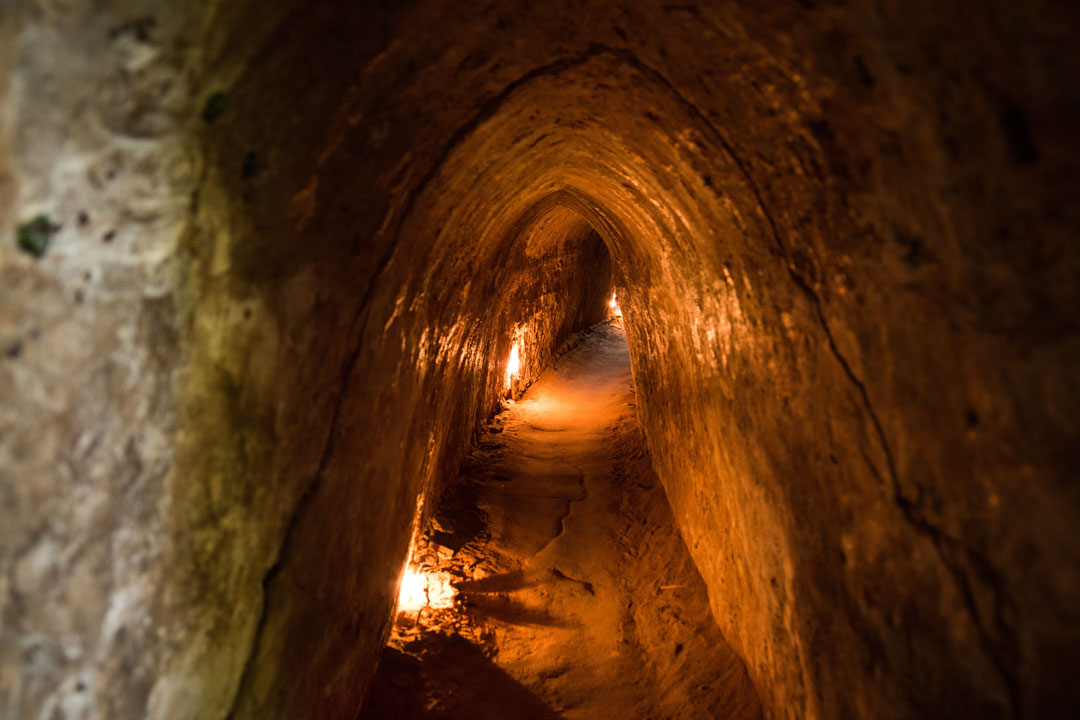
Cu Chi Tunnels: History, Architecture, Things To Do & Travel Guide
Cu Chi Tunnels
The Cu Chi Tunnels, located at TL15, Phu Hiep, Cu Chi District, Ho Chi Minh City, are a vast underground network of strategic passages, shelters, supply routes, and defensive traps.
Ho Chi Minh City
Ho Chi Minh City, known as the "Pearl of the Far East," attracts both domestic and foreign tourists with its unique and diverse destinations.

Tran Quoc Pagoda: History, Architecture, Significance & Travel Guide
Tran Quoc Pagoda
Nestled on the tranquil shores of West Lake, Tran Quoc Pagoda is the oldest Buddhist temple in Hanoi, with a history spanning over 1,500 years. Built in the 6th century under Emperor Ly Nam De, this sacred site reflects Vietnam’s Buddhist evolution while preserving its spiritual and architectural grandeur.