
Wednesday, October 14, 2026
Step into Kon Tu Rang Village, where ancient traditions and vibrant life thrive amid stunning natural beauty. Nestled in Kon Tum's Central Highlands, this hidden gem immerses you in Xo Dang culture, with communal gatherings, traditional crafts, and the iconic Rong house.
Kon Tu Rang stands out as a destination and as an authentic cultural exchange, inviting you to explore its rustic soul through homestays and interactive workshops. Ready to embark on this enriching journey? Let’s dive deeper into the heart of this unique ethnic village and discover the experiences that await you.
Table of Content
- Overview of Kon Tu Rang Ethnic Minority Village
- 6 things to do when visiting Kon Tu Rang Ethnic Minority Village
- Best times of the year to visit Kon Tu Rang Ethnic Minority Village
- How to get to Kon Tu Rang Ethnic Minority Village?
- Accommodations to stay near Kon Tu Rang Ethnic Minority Village
- Other attractions to visit from the Ethnic Minority Village
- Important travel tips when visiting Kon Tu Rang Ethnic Minority Village
- FAQS when visiting the Kon Tu Rang Village
Overview of Kon Tu Rang Ethnic Minority Village
Kon Tu Rang Ethnic Minority Village is located in Mang Canh Commune, Kon Plong District, Kon Tum Province. It is a distinctive community-based tourism hub renowned for its rich cultural tapestry and scenic environment. This village provides a unique insight into the lives and traditions of ethnic minorities, primarily the Xo Dang (Mo Nam) communities. Surrounded by pine forests and valleys, Kon Tu Rang’s cool climate makes it a year-round draw for cultural tourists.
Geographical setting and climate
Kon Tu Rang Ethnic Minority Village benefits from a geographical setting that is both picturesque and culturally significant. This region is known for its verdant highlands and temperate climate, ideal for agricultural practices and sustainable living. The village is situated amidst rolling hills and expansive green spaces, offering a serene environment for visitors.
The climate in Kon Tu Rang Ethnic Minority Village is relatively stable, with temperatures ranging between 18°C to 25°C most of the year. This temperate climate supports diverse agricultural activities and enhances the tourism experience, allowing visitors to explore the area comfortably at almost any time. The surrounding landscapes, replete with terraced fields and forested areas, further add to the village’s charm, attracting nature enthusiasts and culturally curious travelers.
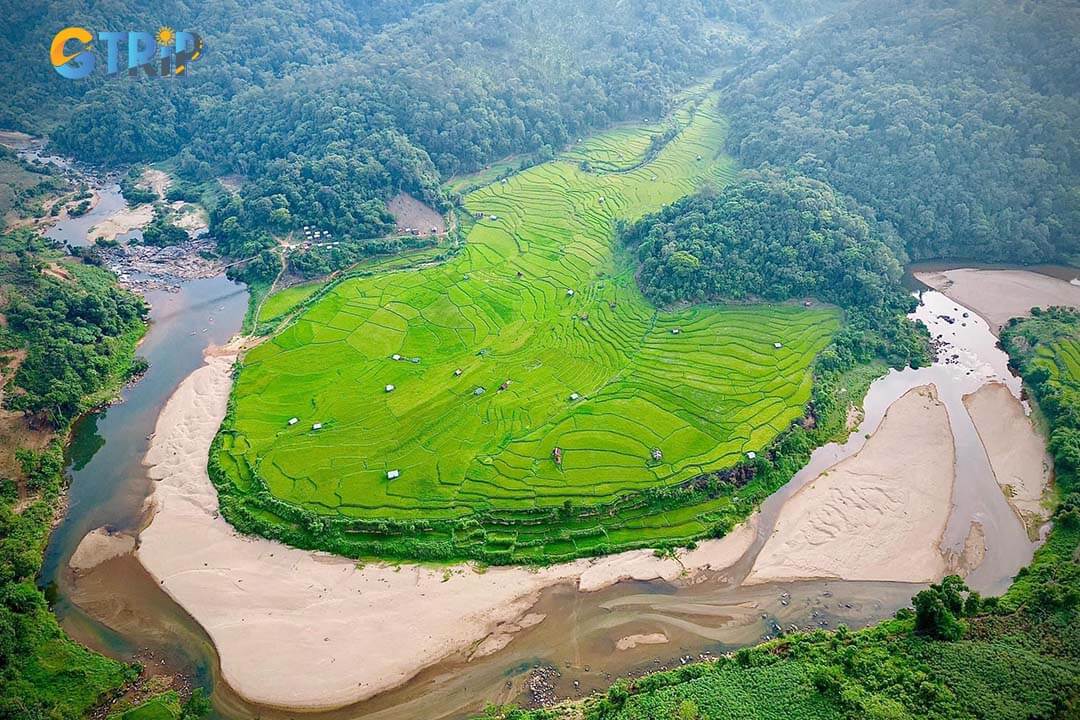
Kon Tu Rang Ethnic Minority Village offers a serene setting of rolling hills, lush fields, and a mild climate perfect for agriculture and year-round exploration
Historical background and significance
Kon Tu Rang Village holds historical significance due to its longstanding cultural heritage and community resilience. Established centuries ago by the indigenous ethnic groups of the region, the village has maintained much of its traditional way of life despite modern influences. The Xo Dang (Sedang) people, who primarily inhabit the village, have a rich oral history that includes stories, legends, and traditional songs passed down through generations.
Historically, the communal Rong houses served as cultural epicenters where important decisions were made, traditions were upheld, and social structures were reinforced. These unique communal structures symbolize the architectural ingenuity of the local people and embody the collaborative spirit of the village. The preservation of these cultural elements reflects the community's dedication to sustaining their historical roots whilst adapting to contemporary tourism demands.
Community-based tourism programs
Community-based tourism in Kon Tu Rang Village emphasizes authentic cultural exchange and sustainable practices. The village has developed various programs designed to immerse visitors in local traditions while promoting economic stability within the community. These initiatives include homestay accommodations where tourists can experience daily life as a local, partake in traditional cooking sessions, and learn about ethnic crafts.
Visitors to Kon Tu Rang can join cultural workshops on traditional Xo Dang crafts and arts. These workshops provide practical demonstrations and hands-on experiences that educate tourists and contribute to the preservation of indigenous knowledge systems.
Collaboration with local authorities and cultural committees ensures that tourism development respects and benefits the local community. This model of tourism promotes ethical travel, allowing visitors to engage meaningfully with cultural heritage while fostering sustainable economic opportunities for residents.
6 things to do when visiting Kon Tu Rang Ethnic Minority Village
Kon Tu Rang Ethnic Minority Village, nestled in the highlands of Kon Plong District, Kon Tum Province, offers a rich tapestry of cultural experiences and natural beauty. Home to the Xo Dang people, the village offers visitors a chance to experience traditional life, scenic landscapes, and rich heritage.
1. Explore the terraced rice fields
The terraced rice fields of Kon Tu Rang Ethnic Minority Village are a testament to the community's harmonious relationship with nature. Best visited during June and July when the fields are lush and green, these landscapes offer breathtaking views and photo opportunities. A trek through the Kon Tu Rang terraced rice fields provides a chance to appreciate the agricultural practices of the Xo Dang people and leads to Ngoc Le peak, where panoramic vistas await.
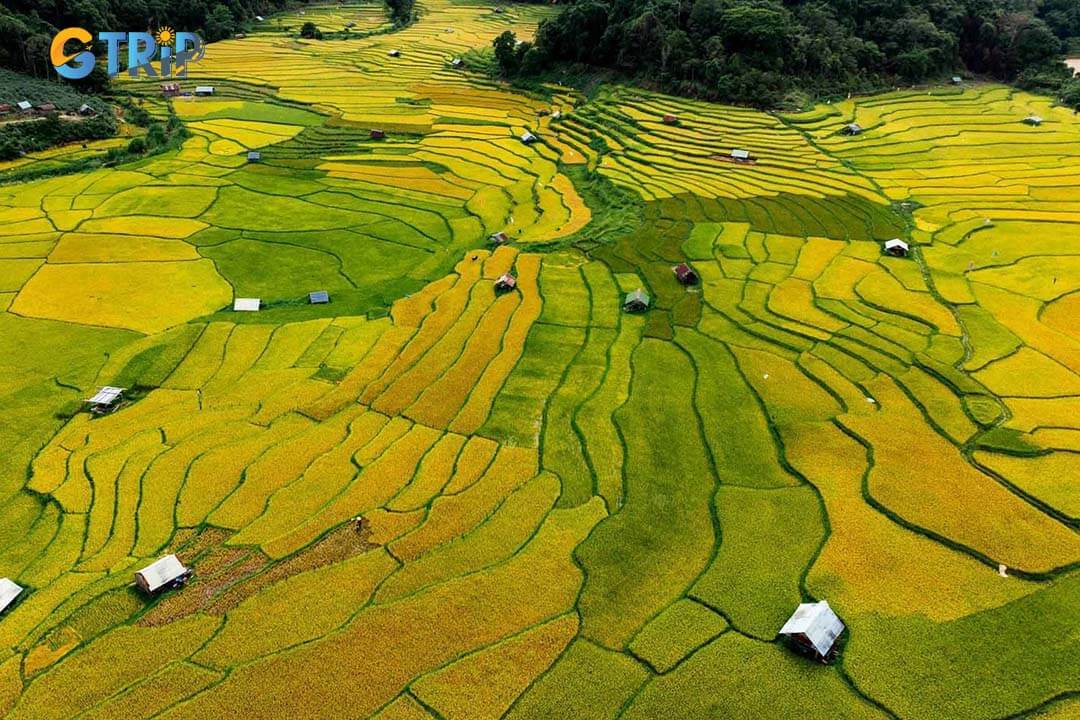
Trek through the lush terraced rice fields of Kon Tu Rang for stunning views and a glimpse into Xo Dang agricultural life
2. Visit traditional stilt houses and communal spaces
A visit to Kon Tu Rang Village offers a close look at the traditional stilt houses and the iconic Rong house, both central to Xo Dang Village life. Stilt houses of wood and bamboo protect against floods and pests, showcasing the community’s adaptation to highland life. At the village center stands the Rong house, a towering 18-meter structure with a steep thatched roof and large wooden pillars.
The Rong house is not just an architectural marvel but also the sacred social hub where villagers gather for festivals, rituals, meetings, and cultural events. Its construction is a communal effort, guided by elders and accompanied by traditional rituals to seek spiritual permission. Adorned with symbolic patterns, the Rong house reflects the unity, spirituality, and identity of the Xo Dang people. Exploring these communal spaces provides you with deep insight into the social organization, values, and vibrant traditions of the village.
3. Enjoy beautiful views on the Kon Tu Rang suspension bridge
The Kon Tu Rang Suspension Bridge is a striking structure spanning the Dak Bla River, serving as both a vital connection for villagers and a cultural symbol. Built in 1994, the bridge stretches 292 meters and is 4.5 meters wide and constructed from wood and steel cables, painted in a distinctive orange-yellow hue. As you walk across, you'll be treated to panoramic views of the surrounding lush hills and the tranquil river below. The bridge's harmonious integration with the natural environment makes it a popular spot for photography and reflection.
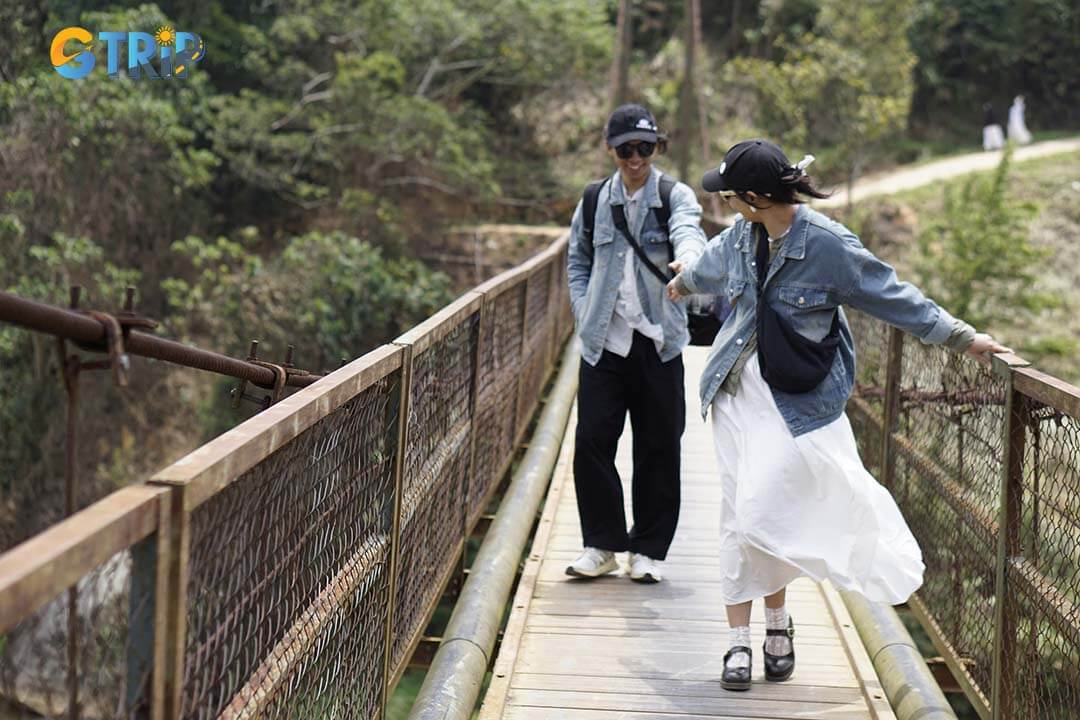
The Kon Tu Rang Suspension Bridge, built in 1994, spans the Dak Bla River with striking views and serves as both a vital link and a cultural symbol
4. Take part in Xo Dang cultural festivities
Kon Tu Rang’s vibrant festivals and performances offer visitors a vivid glimpse into the spiritual life of the Xo Dang people. Central to this culture are the rhythmic Gong performances and Xoang dances, which tell the community's ancestral stories and values. These performances often take place during important community events or in the heart of the village’s communal spaces, where locals and visitors gather in celebration.
Among the most celebrated events is the Gong Festival, a lively gathering where the deep, resonant beats of the gongs echo through the village. The beats harmonize with the energetic steps of the Xoang dancers. Recognized by UNESCO as an Intangible Cultural Heritage of Humanity, this tradition exemplifies the spiritual depth and communal unity of the Central Highlands' ethnic groups. Equally significant is the New Rice Festival, held at the end of the harvest season as a gesture of gratitude to the deities for a fruitful year. This occasion is marked by ritual offerings, ceremonial meals, and joyful performances that continue late into the evening. These cultural celebrations offer more than entertainment, they provide a rare opportunity for visitors to witness and participate in the living heritage of Kon Tu Rang Village.
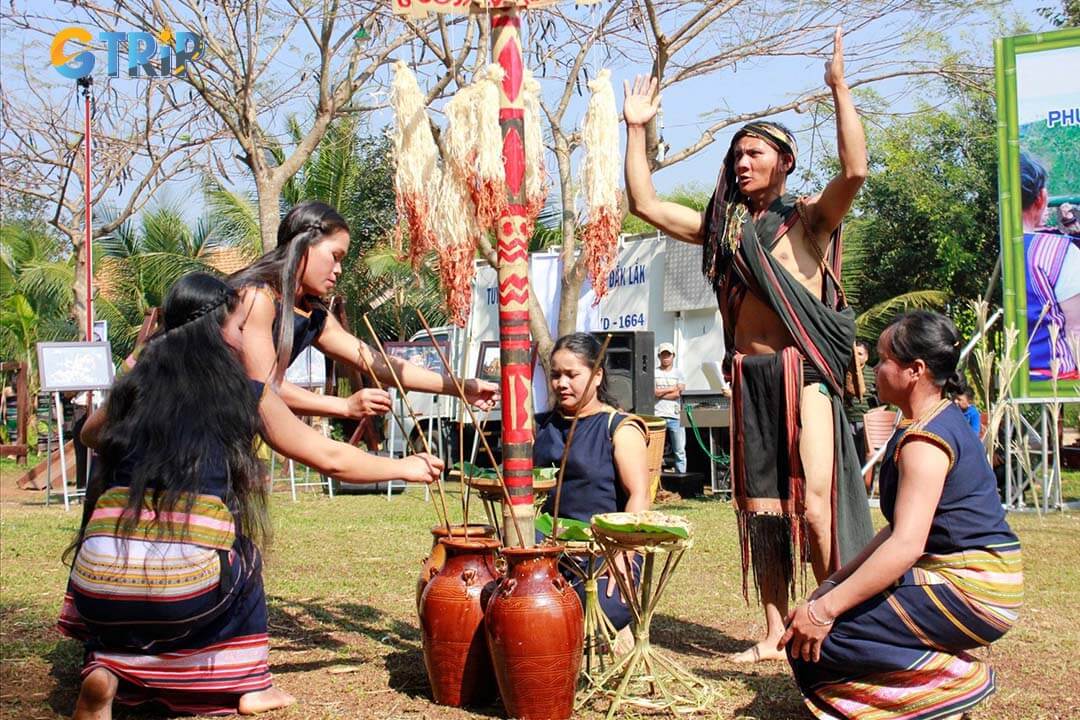
Kon Tu Rang’s festivals, with Gong performances, Xoang dances, and harvest celebrations, offer a vivid glimpse into the Xo Dang people's spiritual and communal life
5. Participate in traditional crafts and workshops
Kon Tu Rang is a location for observing traditional architecture and a thriving center for handicrafts. The villagers engage in a variety of crafts, including weaving, pottery, and woodcarving. These skills are passed down through generations, representing an important aspect of cultural preservation and economic sustenance.
You have the opportunity to participate in workshops where artisans teach the intricate techniques involved in crafting these items. These sessions provide a hands-on experience that deepens understanding of the cultural context and the artisans' meticulous attention to detail. By engaging with craftspeople, visitors gain a firsthand appreciation of both the skill required and the cultural narratives embedded within these traditional crafts.
6. Savor local cuisine and traditional beverages
Visitors to Kon Tu Rang Ethnic Minority Village are welcomed with a range of traditional Xo Dang dishes that reflect the community's connection to their environment. Central to Xo Dang cuisine is the use of locally sourced ingredients. Rice, the staple of the diet, is often prepared in bamboo (called "com lam"), which imbues the grain with a subtle aroma and flavor unique to this cooking method.
Another must-try dish is "ruou can", a traditional fermented rice wine drunk communally through long bamboo straws, embodying the community's spirit of sharing. Xo Dang cuisine features flavorful dishes like banana flower salads, grilled meats with indigenous spices, and various leafy vegetables.
The preparation of these dishes is about sustenance and denotes Xo Dang's social and cultural life. Meals are a communal event, fostering bonds and maintaining traditions that have been passed down through generations, making them an integral aspect of any visit to the village.

Kon Tu Rang welcomes visitors with traditional Xo Dang dishes like bamboo-cooked rice, banana flower salad, and communal can wine
Visiting Kon Tu Rang provides a unique opportunity to engage with the rich cultural heritage and natural beauty of Vietnam's Central Highlands. Through immersive experiences and meaningful interactions, you can gain a deeper understanding and appreciation of the Xo Dang community's way of life.
Best times of the year to visit Kon Tu Rang Ethnic Minority Village
Understanding the climate and cultural calendar is pivotal to maximizing the visit:
- Ideal weather: The best time to visit is from November to March, when the climate is cooler and drier, making it perfect for outdoor activities and connecting more comfortably with the local community.
- Cultural events: Visiting during local festivals such as the Gong Culture Festival, usually held in March, offers an additional layer of cultural immersion. These events provide a firsthand experience of the village's rich traditions.
- Avoiding monsoon season: The period from May to October marks the monsoon season, which can impede accessibility due to heavy rains and potential road obstructions. Plan visits outside this timeframe for a smoother journey.
How to get to Kon Tu Rang Ethnic Minority Village?
Kon Tu Rang is a remote ethnic minority village known for its beautiful terraced rice fields, located around 12 km from the center of Mang Den Town in Kon Tum Province, Vietnam. Getting there involves a combination of transportation methods depending on your starting point and preferences.
By motorbike
One of the most popular and flexible ways to reach Kon Tu Rang Ethnic Minority Village is by motorbike. From Mang Den Town, you can rent a motorbike for around 150,000 to 250,000 VND per day (approximately 6 to 10 USD). The journey to Kon Tu Rang is about 12 km, heading toward the "37 households" area and then continuing through teh village until you reach the ranger's house at the road junction. From there, you park and walk down a slope for about 10 minutes to the terraced fields. This option allows you to enjoy the scenic route and stop along the way for photos or exploration.
By car or taxi
If you prefer more comfort, hiring a car or taxi from Mang Den Town is a good option. The car ride covers the same 12 km distance and can cost between 300,000 to 500,000 VND (roughly 12 to 20 USD) depending on the vehicle type and negotiation. This is convenient for groups or families and provides shelter from weather conditions. The car can be parked near the ranger's house, and you still need to walk down to the fields.
By bus or public transport
For travelers coming from Kon Tum City or other provinces, you can take a bus or passenger car to Mang Den Town first. Buses from Kon Tum to Mang Den are inexpensive, typically under 100,000 VND (about 4 USD). From Mang Den, you then switch to a motorbike rental or taxi as described above to reach Kon Tu Rang Village. This method is economical but requires coordination of connections and may take longer.
By airplane via Pleiku airport
The nearest airport to Kon Tu Rang is Pleiku Airport (PXU), situated approximately 110 kilometers away. This airport offers several daily domestic flights connecting major Vietnamese cities such as Ho Chi Minh City and Hanoi. Flights from Ho Chi Minh City to Pleiku typically cost between 800,000 and 1,500,000 VND (about 32 to 60 USD), while flights from Hanoi to Pleiku range from 1,200,000 to 2,000,000 VND (approximately 48 to 80 USD).
Upon arrival at Pleiku Airport, travelers must continue their journey by road to reach Kon Tu Rang. The drive from Pleiku to Kon Tu Rang takes around 2.5 to 3 hours through mountainous terrain and scenic landscapes. For convenience and comfort, you can book a private car transfer, which usually costs between 1,000,000 and 1,500,000 VND (roughly 40 to 60 USD). Alternatively, hiring a taxi is also an option, with fares around 1,200,000 VND (approximately 48 USD). Both options provide a direct and comfortable ride to the village, ideal for those seeking ease after their flight.

The nearest airport to Kon Tu Rang is Pleiku Airport, about 110 km away, with easy road transfers taking 2.5 to 3 hours through scenic landscapes
In addition, if this is your first time coming to Mang Den in Kon Tum Province, to have a trip to visit other nearby places with your own schedule and means of transportation, you can consider booking a Mang Den Retreat tour from reputable travel agencies that will ensure your satisfaction.
Accommodations to stay near Kon Tu Rang Ethnic Minority Village
Although Kon Tu Rang Village itself currently lacks lodging options, visitors can find several comfortable and culturally rich homestays in the nearby Mang Den area. These homestays offer authentic experiences, blending traditional architecture with modern amenities, and serve as excellent bases for exploring the ethnic minority village and surrounding natural attractions. Let's explore some homestays below.
Lon Xon Homestay & Coffee
- Address: Located in Zone 37 households and at Lo Dat ed Road, Mang Canh, Kon Tum.
- Phone: 038 343 9439 - 096 661 7617
- Price range: 250,000 - 450,000 VND per night (approx. 10 - 18)
- Highlights: Cozy rustic rooms with scenic views of pine forests and rice terraces, on - site cafe, close to local attractions like Pa Sỹ waterfall and Kon Tu Rang fields, ideal for nature lovers and cultural immersion.
Moc Thien Xanh Homestay & Coffee
- Address: Located in Zone 37 households, Mang Canh, Kon Tum.
- Phone: 037 352 9758
- Price range: 300,000 - 600,000 VND per night (approx. 12 - 24)
- Highlights: Comfortable wooden bungalows surrounded by pine forest, peaceful atmosphere, on-site coffee shop, great base for exploring Mang Den and Kon Tu Rang.
Doi Xa Pho Homestay & Coffee Mang Den
- Address: Located in Zone 37 households, Mang Den, Kon Plong District.
- Phone: 0818 999 789
- Price range: Approximately 300,000 - 600,000 VND per night (about 12 - 24 USD)
- Highlights: Doi Xa Pho Homestay offers clean, comfortable, and private bungalow-style rooms with balconies or terraces overlooking green gardens and surrounding nature. The homestay features a peaceful, secluded atmosphere ideal for relaxation. You can enjoy on-site coffee and easy access to nearby attractions such as Kon Tu Rang Village and local pine forests.
Other attractions to visit from the Ethnic Minority Village
Below are some notable attractions to visit around the Ethnic Minority Village area. These destinations provide immersive opportunities to connect with the local environment and ethnic cultures, making them ideal for nature lovers, photographers, and travelers seeking authentic rural experiences.
E Ban Farm
E Ban Farm is a beautiful agricultural area located near ethnic minority villages in the Central Highlands. It is especially famous for the E Ban Flower Field, where vibrant seasonal flowers bloom, creating colorful and picturesque landscapes. You can enjoy peaceful walks through the flower fields, breathe in the fresh mountain air, and appreciate the natural beauty of the region. The farm also showcases traditional farming methods practiced by local ethnic communities, giving tourists insight into rural life and agricultural customs. This combination of stunning scenery and cultural experience makes E Ban Farm a popular destination for nature lovers and photographers.
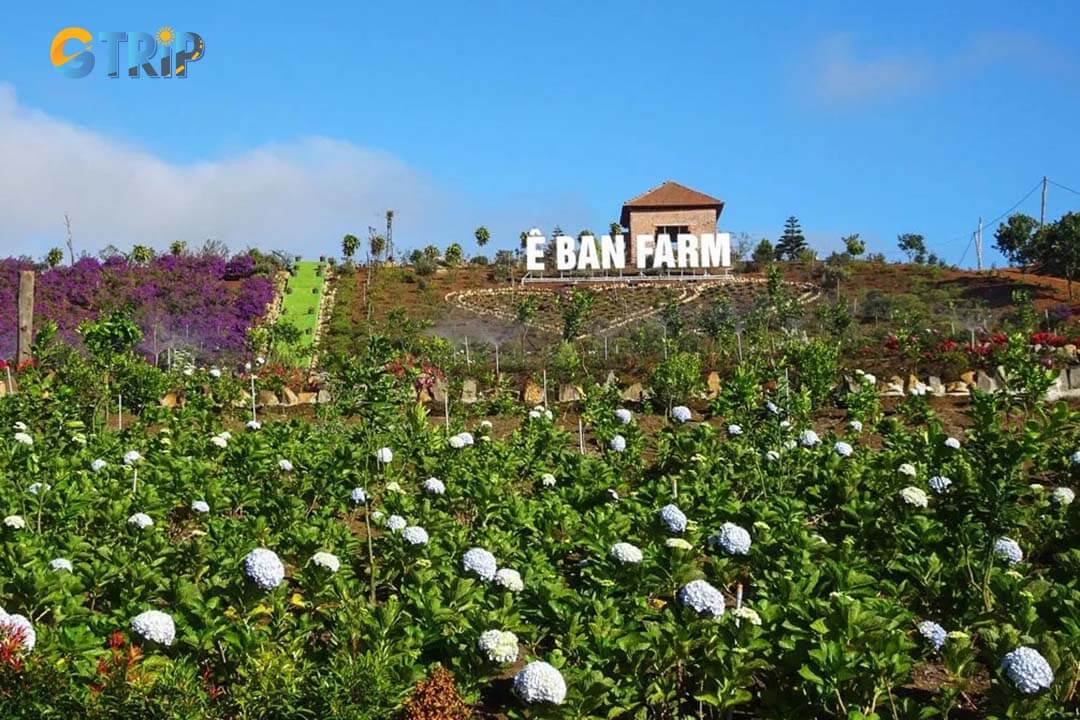
E Ban Farm offers colorful flower fields and showcases traditional farming life, creating a perfect blend of natural beauty in the Central Highlands
Bim Garden
Bim Garden is a place to have a hillside house in Kon Tu Rang, Kon Tum, which can be found on Google Maps. Known for its cool climate and tranquil environment, it offers on-site accommodation with a simple, rustic wooden house and basic facilities for campers. Bim Garden focuses on ecotourism, encouraging guests to connect with nature while respecting the environment. The peaceful atmosphere and natural surroundings make it an ideal location for families, groups and solo travelers looking for a camping experience in harmony with nature.
Thien My Farm
Thien My Farm is an organic farm near ethnic minority villages that emphasizes sustainable and environmentally friendly farming practices. The farm cultivates a variety of fruits, vegetables, and herbs native to the region, using traditional methods that preserve soil health and biodiversity. Visitors can tour the farm, engage in hands-on farming activities, and sample fresh, locally grown produce. Thien My Farm also serves as an educational site, promoting ecological awareness and highlighting the agricultural heritage of the local ethnic communities. Its serene setting and commitment to sustainability make it a meaningful destination for travelers interested in ecotourism and rural culture.
Important travel tips when visiting Kon Tu Rang Ethnic Minority Village
Visiting Kon Tu Rang Ethnic Minority Village offers a unique opportunity to experience rich cultural traditions and stunning natural beauty. Below are essential tips to help you engage responsibly and make the most of your visit.
- Learn local customs before visiting to show respect for the Xo Dang community’s traditions and cultural practices.
- Dress modestly and appropriately, especially when attending festivals or entering communal spaces like Rong houses.
- Use respectful greetings and try learning a few words in the local language to build goodwill.
- Choose local homestays to support the community economically and enjoy an authentic cultural experience.
- Eat at village restaurants and buy from local artisans to help preserve traditional crafts and cuisine.
- Minimise waste and avoid harming the environment by practicing eco-friendly behaviors during your visit.
- Always ask permission before photographing locals, especially during private or sacred events.
- Do not disrupt ceremonies or daily routines, observe respectfully and maintain an appropriate distance.
- Share photos and stories responsibly online, respecting the dignity and privacy of the community.
- Engage with local guides and community-based tourism initiatives to ensure your visit benefits the village sustainably.

Visiting Kon Tu Rang offers a chance to experience Xo Dang culture and nature while supporting the community through respectful and mindful travel practices
FAQS when visiting the Kon Tu Rang Village
Visiting Kon Tu Rang Village raises many questions for travelers eager to explore this unique ethnic minority destination. To help you prepare and make the most of your trip, here are some frequently asked questions from tourists.
Is it safe to visit Kon Tu Rang for families and solo travelers?
Yes, Kon Tu Rang is generally safe, but the terrain can be steep and slippery, especially during the rainy season. You should wear appropriate footwear and take care when walking. Solo travelers are advised to hire local guides for added safety and cultural understanding.
Is there public transportation directly to Kon Tu Rang?
No direct public buses go to Kon Tu Rang Village. Visitors typically take buses to Mang Den Town or Kon Tum City, then rent motorbikes or cars to reach Kon Tu Rang, which is about 10-12 km from Mang Den.
Kon Tu Rang Ethnic Minority Village is a destination that promises a rich tapestry of cultural and natural experiences. From the moment you set foot in this enchanting locale, you're immersed in the traditions and lifestyle of the Xo Dang people, set against the backdrop of stunning landscapes. Savoring local cuisine, participating in traditional crafts and exploring the verdant rice terraces, Kon Tu Rang offers an authentic glimpse into Vietnam's vibrant ethnic heritage, making it a must-visit for those seeking meaningful travel experiences.
Are you ready to experience the magic of Kon Tu Rang Ethnic Minority Village and the beauty of Mang Den? GTrip - Vietnam Travel Company provides Mang Den retreat tours that will help you immerse yourself in the culture and landscape of Mang Den land. We also provide an opportunity for you to extend your trip to Kon Tu Rang Ethnic Minority Village.
Custom Your Journey

Other Attractions
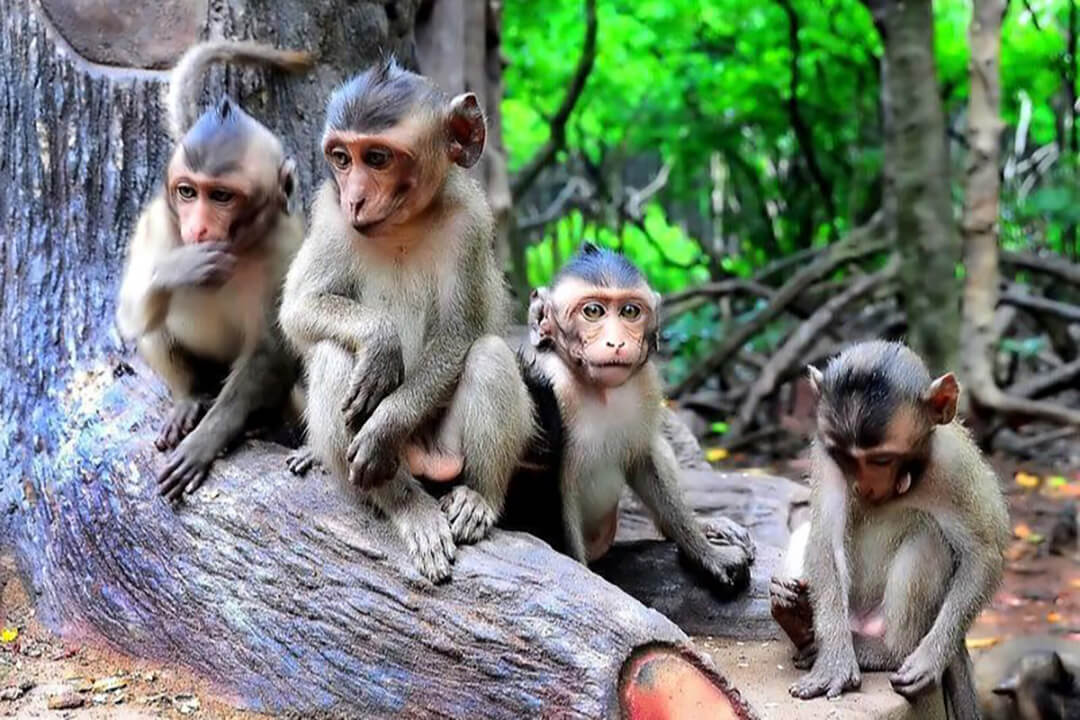
Can Gio Monkey Island in Ho Chi Minh City: Tickets, Things to Do & Travel Guide
Can Gio Monkey Island
Can Gio Monkey Island in Ho Chi Minh City offers a refreshing escape from the city’s buzzing motorbike chaos. Just a short distance from the center, Can Gio welcomes you with lush mangrove forests, winding waterways, and a fascinating history. Here, you can meet playful long-tailed macaques, drift through tranquil channels, and explore remnants of a wartime guerrilla base.
Can Gio Monkey Island in Ho Chi Minh City: Tickets, Things to Do & Travel Guide

Cu Chi Tunnels: History, Architecture, Things To Do & Travel Guide
Cu Chi Tunnels
The Cu Chi Tunnels, located at TL15, Phu Hiep, Cu Chi District, Ho Chi Minh City, are a vast underground network of strategic passages, shelters, supply routes, and defensive traps.
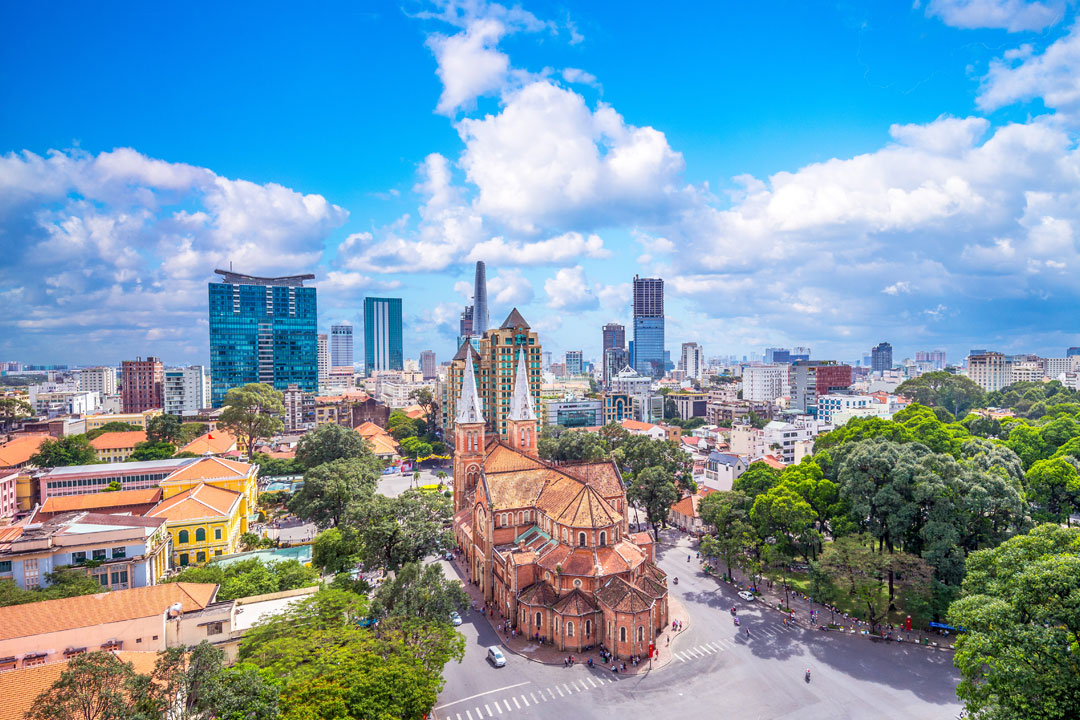
Ho Chi Minh City
Ho Chi Minh City, known as the "Pearl of the Far East," attracts both domestic and foreign tourists with its unique and diverse destinations.
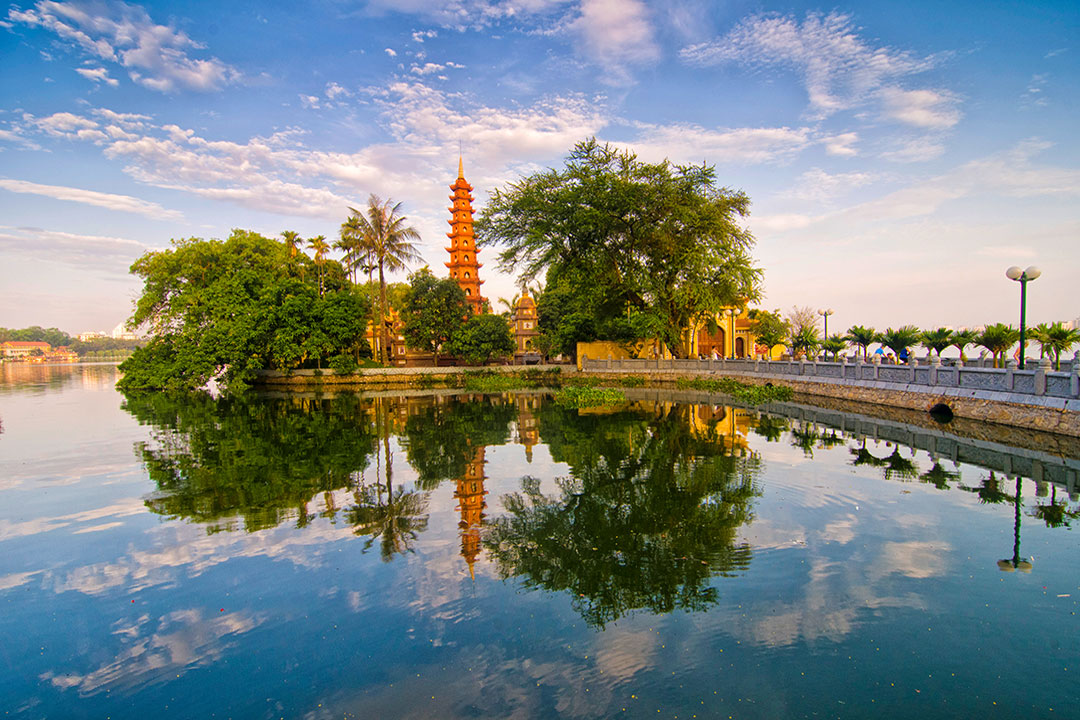
Tran Quoc Pagoda: History, Architecture, Significance & Travel Guide
Tran Quoc Pagoda
Nestled on the tranquil shores of West Lake, Tran Quoc Pagoda is the oldest Buddhist temple in Hanoi, with a history spanning over 1,500 years. Built in the 6th century under Emperor Ly Nam De, this sacred site reflects Vietnam’s Buddhist evolution while preserving its spiritual and architectural grandeur.