

Monday, October 19, 2026
Thanh Ha Pottery Village is a captivating destination that offers a glimpse into centuries of traditional Vietnamese craftsmanship. It is nestled on the tranquil banks of the Thu Bon River just outside Hoi An. With a history stretching back over 500 years, this living museum is more than just a place to observe. It’s an invitation to connect with a timeless art form. Here, the air hums with the gentle spin of the potter’s wheel, and every lane is lined with rustic terracotta creations drying in the sun. Visitors can witness master artisans at work and try their own hand at shaping the wet clay, creating a personal and unforgettable souvenir. In this comprehensive GTrip guide, we will explore everything you need to know to make your visit perfect, such as its rich history, unique attractions, practical travel tips, and the best things to do.
Table of Content
- Overview of Thanh Ha Pottery Village
- What makes Thanh Ha Pottery Village unique?
- History of Thanh Ha Pottery Village
- The process of making Thanh Ha pottery
- The varieties of products of Thanh Ha Pottery Village
- Things to do at Thanh Ha Pottery Village
- 1. Hands-on pottery making with local artisans
- 2. Exploring Thanh Ha Terracotta Park - A miniature world in clay
- 3. Watching traditional pottery techniques in action
- 4. Shopping for handmade pottery souvenirs
- 5. Relaxing boat ride on the Thu Bon River
- 6. Discovering the village’s cultural heritage sites
- 7. Savor Hoi An’s culinary delights at Thanh Ha Pottery Village
- How to get to Thanh Ha Pottery Village?
- Accommodation when traveling to Thanh Ha Pottery Village
- Nearby attractions to the Thanh Ha Pottery Village
- Practical tips for visitors
Overview of Thanh Ha Pottery Village
Here is some essential information about the village you should know before visiting.
Where is Thanh Ha Pottery Village?
Location: Pham Phan Street, Hoi An Tay Ward (formerly Thanh Ha Ward, Hoi An City, Quang Nam Province), Da Nang City
Thanh Ha Pottery Village is peacefully situated along the Thu Bon River, just about 3 kilometers west of Hoi An Ancient Town. This short distance makes it an easy escape from the bustling old quarter while still allowing visitors to return within minutes. From Da Nang City center, the village is about 28 kilometers away, typically taking around 45-60 minutes by car. Travelers coming from Hue will cover approximately 120 kilometers to reach this cultural destination.
Its strategic location also places it near other key attractions such as Hoi An Market (around 3 km away) and Tra Que Vegetable Village (about 4 km away). This makes Thanh Ha an ideal stop for travelers looking to combine multiple cultural experiences in one itinerary, all within a compact and convenient travel radius.
Opening hours & ticket prices
Thanh Ha Pottery Village is open daily, making it easy to include in any Hoi An itinerary. Visiting in the morning or early afternoon is recommended to fully experience pottery-making activities, as most workshops and attractions begin to wind down later in the day. The entrance fee is affordable and typically includes access to the village, some historical sites, and basic pottery experiences.
- Opening hours: 8:30 AM - 4:30 PM daily
- Ticket prices:
- Adult: 35,000 VND (~$1.34)
- Child: 15,000 VND (~$0.57)
Best time to visit Thanh Ha Pottery Village
The best time to visit is from February to August, during the dry season when the weather is sunny and ideal for exploring. Come in the morning (8:30 - 11:00 AM) to avoid the heat and crowds, and enjoy the best light for photos. The rainy season (October - December) is quieter and less crowded, though paths may be slippery. The village is open daily, but it’s best to visit before 4:30 PM as many activities start closing afterward.
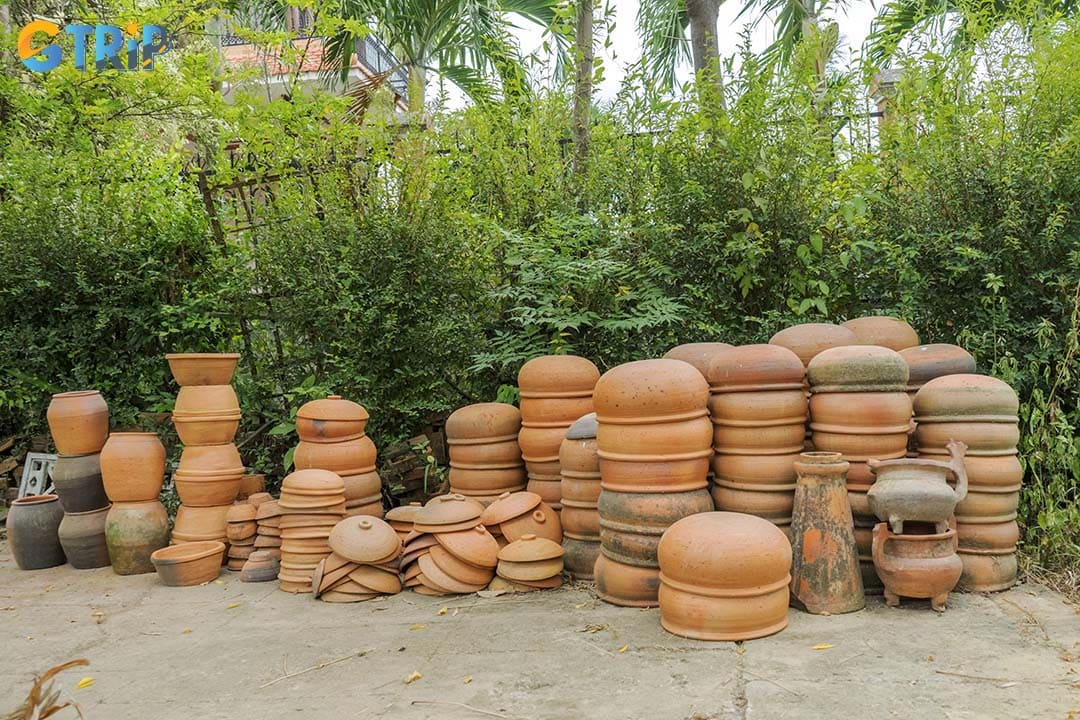
Thanh Ha Pottery Village is open daily for visitors to explore the traditional Vietnamese craftsmanship
What makes Thanh Ha Pottery Village unique?
Thanh Ha Pottery Village stands out due to its unwavering dedication to authenticity and its status as a "living craft village". Unlike a static museum, this is a vibrant community where families have passed down their pottery-making skills through countless generations. The entire process, from sourcing the special brown clay from the Thu Bon riverbed to firing the finished products in traditional wood-fired kilns, remains largely unchanged. This commitment to tradition offers visitors an unparalleled, hands-on glimpse into a vital piece of Vietnamese heritage.
- Living history: The craft is practiced daily by descendants of the original founding families.
- Unique local clay: All products are made from a specific clay sourced from the Thu Bon River, giving them their characteristic reddish-brown color and durability.
- Traditional techniques: Artisans use foot-powered potter's wheels and ancient firing methods, preserving centuries-old knowledge.
- Interactive experience: Visitors are encouraged to participate, not just observe, by making their own pottery under the guidance of a master.
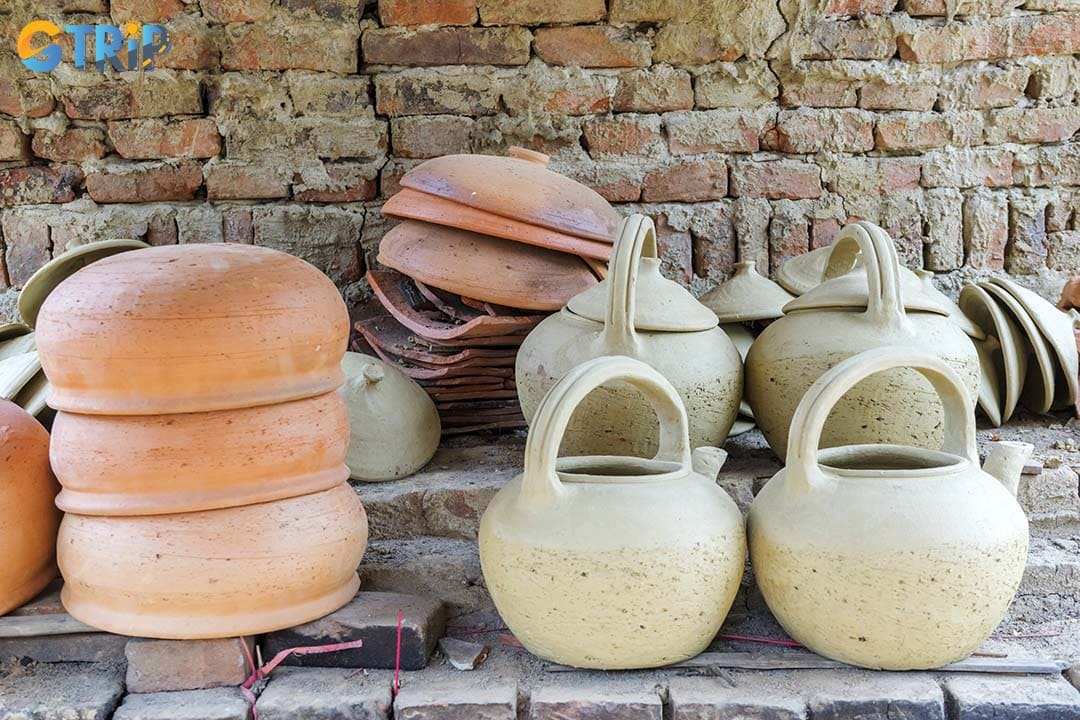
Thanh Ha Pottery Village is famous for its living history, unique local clay and interactive experience
History of Thanh Ha Pottery Village
The history of Thanh Ha Pottery Village spans several centuries, closely tied to the rise and transformation of Hoi An as a major trading port. The key milestones are summarized in the table below.
| Time period | Historical events |
|---|---|
| Late 15th - early 16th century | Thanh Ha pottery village began to form when groups of settlers from northern provinces migrated to Hoi An, bringing with them traditional pottery skills. |
| 17th - 18th century | During Hoi An’s peak as an international trading port, Thanh Ha became a large-scale pottery production center. Its products served domestic needs and also widely exported. Many Thanh Ha pottery artifacts today are found in shipwrecks around Cu Lao Cham and are displayed in museums. The village also provided essential trade containers for goods like sugar, salt, and spices. |
| Late 18th - early 19th century | Residents moved to the current area, known as “Nam Dieu”, which was conveniently located for both land and water transport, making it only a 10-minute boat ride to the trading quarter. |
| Second half of the 19th century | Thanh Ha pottery became a signature product of Quang Nam. Besides pottery, villagers expanded production to tiles and bricks to meet local construction needs. |
| Late 19th - Early 20th century | As trade in Hoi An declined, many craft villages gradually faded. Thanh Ha was affected but managed to preserve its craft thanks to the dedication of artisans and government support. |
| Present day | About 30 households with over 130 residents continue the traditional craft. In 2019, Thanh Ha pottery was officially recognized as a national intangible cultural heritage, affirming the village’s long-standing historical and cultural value. |
The process of making Thanh Ha pottery
The creation of Thanh Ha pottery is a time-honored craft that combines skilled handwork with natural materials, refined over centuries by local artisans. From raw clay to finished ceramic, each step reflects precision, patience, and deep experience.
Step 1: Clay preparation
The primary material is a distinctive yellow clay with high plasticity, typically sourced from alluvial deposits along the Thu Bon River at depths of about 50-100 cm. After being collected, the clay is cleaned and mixed with water, then kneaded repeatedly, often up to three times, to remove impurities and air bubbles. This process ensures the clay becomes smooth, flexible, and ready for shaping.
Step 2: Shaping on the potter’s wheel
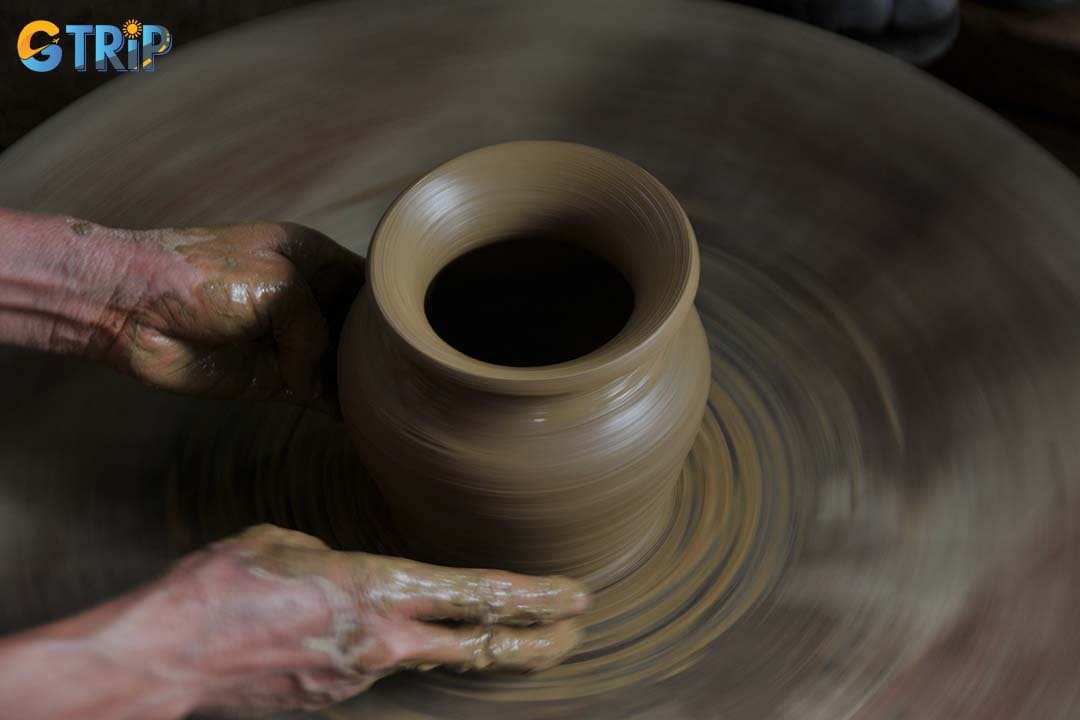
Artisans shape the clay using a traditional foot-powered potter’s wheel. By controlling the wheel with their feet, they use both hands to form the clay into various items such as pots, jars, bowls, and decorative objects. This technique requires years of practice to achieve precision and balance.




Step 3: Drying and refining
After shaping, the clay is left to dry naturally until they reach a semi-hardened state. At this stage, artisans refine the form by trimming, smoothing surfaces, and correcting proportions. The pieces are then air-dried completely in shaded, well-ventilated areas to prevent cracking.
Step 4: Decoration and glazing (Optional)
Depending on the product, decorative elements may be added through carving, engraving, or attaching additional parts. For certain items like roofing tiles, a glaze made from natural materials such as copper, lead, hematite, and kaolin may be applied after an initial firing. The piece is then fired again to create a glossy, protective surface.
Step 5: Firing in the kiln
The final stage is firing in a traditional rectangular kiln constructed from brick and clay. The pottery is carefully arranged inside, and the kiln is heated using wood, typically requiring 5-7 cubic meters per batch. Temperatures can exceed 1,000°C (1,832°F). Skilled artisans monitor the process by observing smoke color and testing sample pieces. Once the desired quality is achieved, the entire batch is considered complete. After cooling, the finished products are ready for use or sale.
This traditional process ensures durability and functionality and preserves the unique identity of Thanh Ha pottery. This makes each piece a reflection of the village’s cultural heritage.
The process of making Thanh Ha pottery is a time-honored craft that combines skilled handwork with natural materials
The varieties of products of Thanh Ha Pottery Village
The artisans of Thanh Ha produce an incredible range of ceramic goods, from practical items for daily life to intricate works of art that reflect the village's rich cultural heritage.
Traditional pottery products
Thanh Ha pottery includes more than 40 types of products, designed for a wide range of everyday and cultural uses. These include jars, vases, cooking pots, incense burners, and candle holders. Some items were also traditionally used as tools in other local industries, such as textile weaving and sugar production.
The shapes of Thanh Ha ceramics reflect local aesthetics and long-standing craftsmanship. Large jars typically feature a flared rim, a slim neck, rounded shoulders, and a slightly tapered base. Pots, pans, and similar utensils often share common traits such as wide openings, short necks, rounded bodies, and curved bottoms.
Most products are unglazed, giving them a natural, rustic surface. However, certain jars are decorated with simple embossed patterns, such as serrated lines or wave motifs around the neck and shoulder.
Art pottery products
Art pottery focuses on decorative and crafted items, with at least 33 different types currently produced. These include:
- Statues and worship objects
- Ceramic masks
- Vases and planters
- Wall lamps
- Architectural models
- Boxes, ashtrays, and small decorative items
These products require more detailed workmanship. Many feature:
- Chinese characters with symbolic meanings
- Geometric patterns or custom designs
- Special finishes such as eggshell coating
Other specialty products
In addition to the two main categories, Thanh Ha also produces several distinctive items:
- Clay whistles (Con Thoi): Small handmade figures, often based on the 12 Vietnamese zodiac animals, capable of producing sound
- Yin-and-Yang tiles: Traditional roof tiles made from yellow clay, widely used in the architecture of Hoi An Ancient Town
- Bricks: Simplified versions of tiles, used in construction
- Kitchen deity statues: Handmade and fired for traditional household worship
- Ceramic coffins: Specialized handcrafted products used in burial rituals
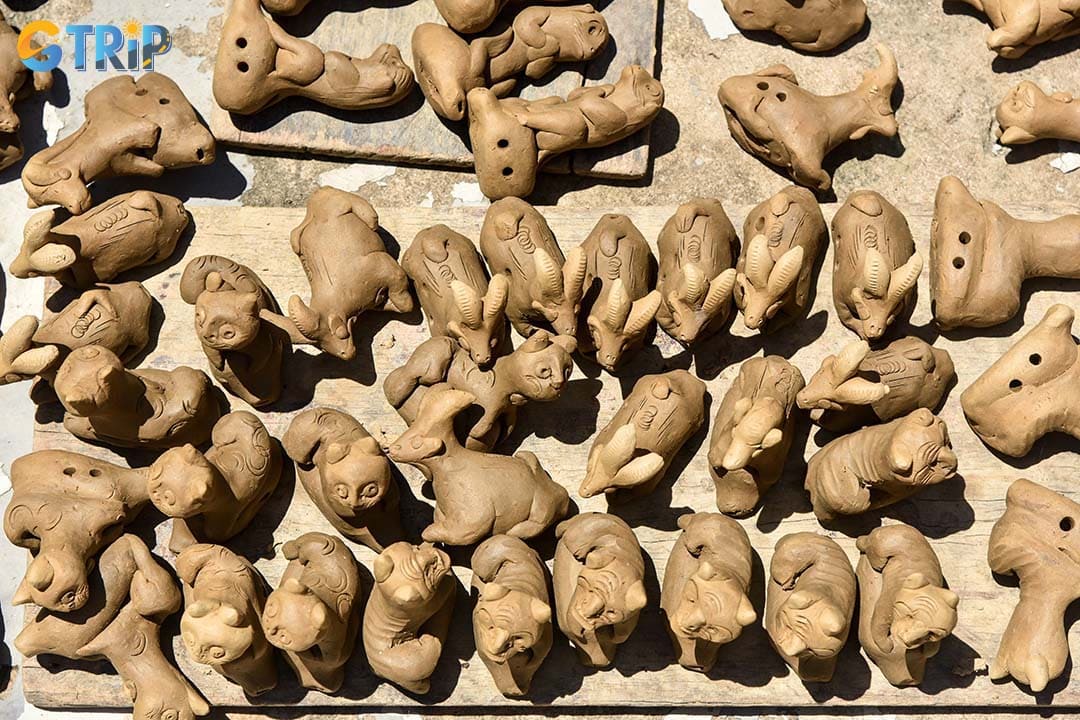
Thanh Ha pottery includes more than 40 types of products
Things to do at Thanh Ha Pottery Village
Thanh Ha Pottery Village is a place where you can truly connect with Vietnam’s centuries-old handicraft tradition. With nearly 500 years of history, the village still preserves its authentic charm and traditional pottery-making techniques passed down through generations. Here are the must-try experiences that make a visit to Thanh Ha truly memorable.
1. Hands-on pottery making with local artisans
One of the highlights of visiting Thanh Ha Pottery Village is getting your hands dirty and creating your own pottery piece alongside local artisans. Sitting at a traditional pottery wheel, you will learn step by step, from kneading the clay to shaping, decorating, and finishing your creation. Under the gentle guidance of experienced artisans, you can make a small bowl, a mini plant pot, or a cute animal figurine. At the end of the session, you get to take your handmade souvenir home, a meaningful keepsake from your time in Hoi An.
The experience lasts about 30 to 45 minutes and costs around 100,000 VND (~4$) per person. It usually takes place at family workshops scattered throughout the village or directly at Thanh Ha Terracotta Park, making it easy to combine with other activities in the area.
Tips:
- Wear comfortable clothes as you may get clay on them
- Bring a small towel or wet wipes
- Families with children should book in advance to avoid waiting
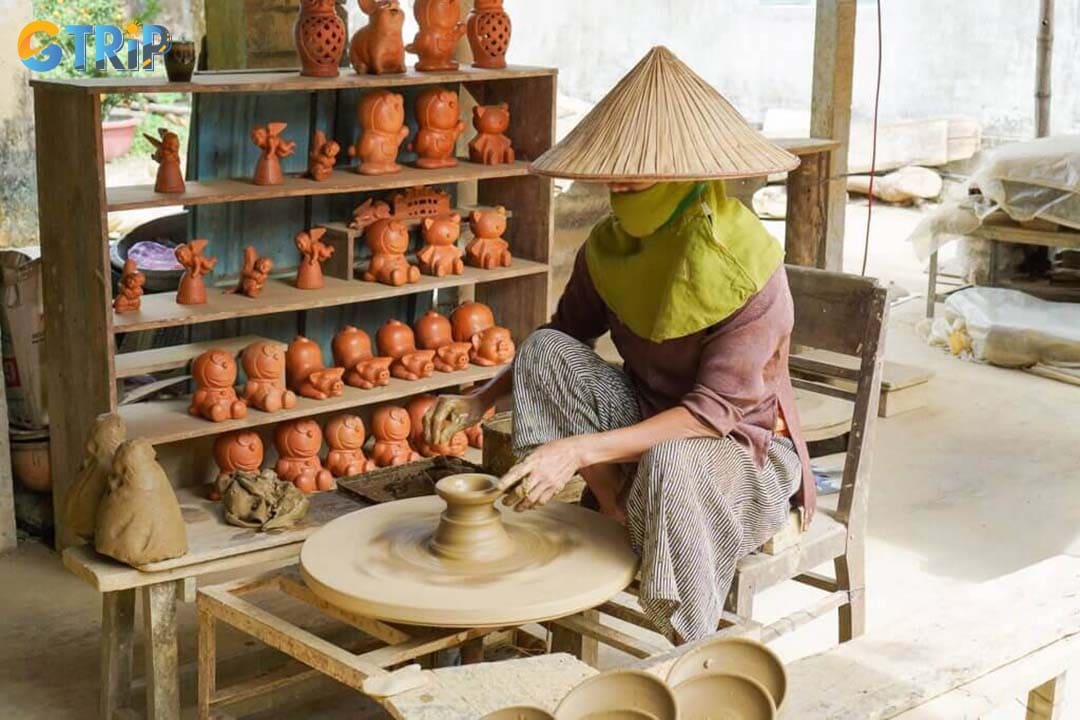
You can witness artisans making the clay, or you can even join them
2. Exploring Thanh Ha Terracotta Park - A miniature world in clay
Thanh Ha Terracotta Park is one of the largest pottery-themed parks in Vietnam, covering nearly 6,000 m². Here, you’ll be amazed by intricate clay replicas of world-famous landmarks, including the Eiffel Tower, Great Wall of China, Egyptian Pyramids, Leaning Tower of Pisa, and the White House.
The park also serves as a living museum showcasing the history of Vietnamese pottery. With dedicated zones for exhibitions, hands-on activities, and photo spots, it’s a perfect place to understand the creativity and skill of Thanh Ha’s artisans.
- Opening hours: 8:30 AM - 5:00 PM
- Ticket prices:
- Adults: 50,000 VND (~1.92$)
- Children: 30,000 VND (~1.15$)
- Tips: Visit in the early morning or late afternoon to avoid the strong sun. Some workshops inside the park may have additional fees (around 100,000 VND).
3. Watching traditional pottery techniques in action
Strolling along the brick-paved lanes of the village, you will often see artisans working right in front of their homes or small workshops. This is not a show put on for tourists. It is simply their everyday life. You can quietly observe every stage of the traditional process: preparing the clay, shaping it on the wheel, decorating the surface, drying the pieces under the sun, and finally firing them in wood-burning kilns.
What makes Thanh Ha pottery truly special is that no chemical glazes are used at all. The beautiful natural shades of red, warm brown, and soft pink come entirely from the local clay and the ancient firing techniques passed down through generations.
The best time to visit is in the morning or early afternoon, when the artisans are most active and the village feels alive with gentle, unhurried work. Most workshops are located near Nam Dieu communal house and along the peaceful banks of the Thu Bon River, so you can easily explore them while walking through the village.
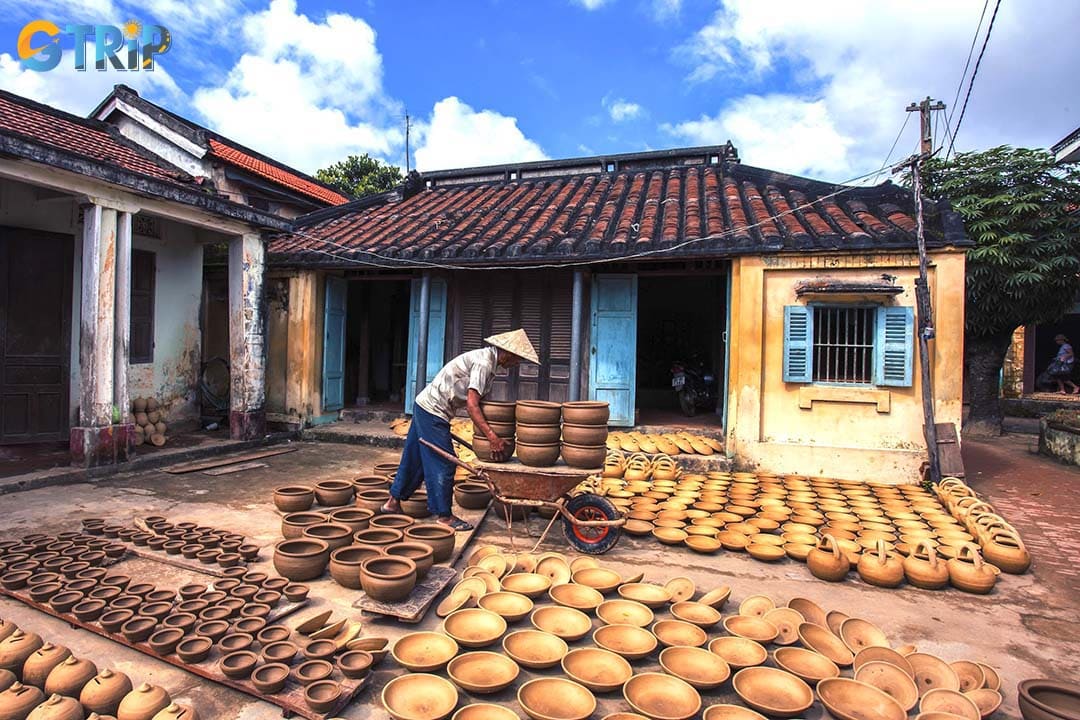
Wandering along the village, you will often see artisans working right in front of their homes or small workshops
4. Shopping for handmade pottery souvenirs
Thanh Ha is a paradise for unique, handmade gifts. You can find everything from small wind chimes and animal figurines to tea sets, flower vases, and larger decorative pieces. The pottery here carries real cultural value and makes thoughtful souvenirs that remind you of Vietnam’s rich heritage.
- Small items: 50,000 - 150,000 VND (~2 - 6$)
- Larger pieces: 200,000 - 500,000 VND (~8 - 20$)
Shopping tips:
- Buy directly from the workshop where you tried making pottery, it feels more personal and ensures good quality
- Check items carefully before purchasing
- Ask for careful packing if you’re traveling by plane
- Friendly bargaining is acceptable
5. Relaxing boat ride on the Thu Bon River
After a day filled with creative activities and the earthy scent of clay, taking a peaceful boat trip along the Thu Bon River is the perfect way to unwind. As the boat glides gently on the water, you will enjoy stunning views of the village from a completely different perspective. This serene cruise offers a calm and refreshing moment to fully appreciate the peaceful countryside scenery of Thanh Ha. The experience usually lasts between 30 and 60 minutes.
For the best atmosphere, go in the late afternoon during sunset, when the sky turns warm orange and the whole village seems to glow softly. Don’t forget to bring sunscreen, a hat, water, and your camera to capture the magical moments. Life jackets are provided for your safety.
- Private boat: 100,000 - 200,000 VND per trip
- Shared boat: Around 50,000 VND per person
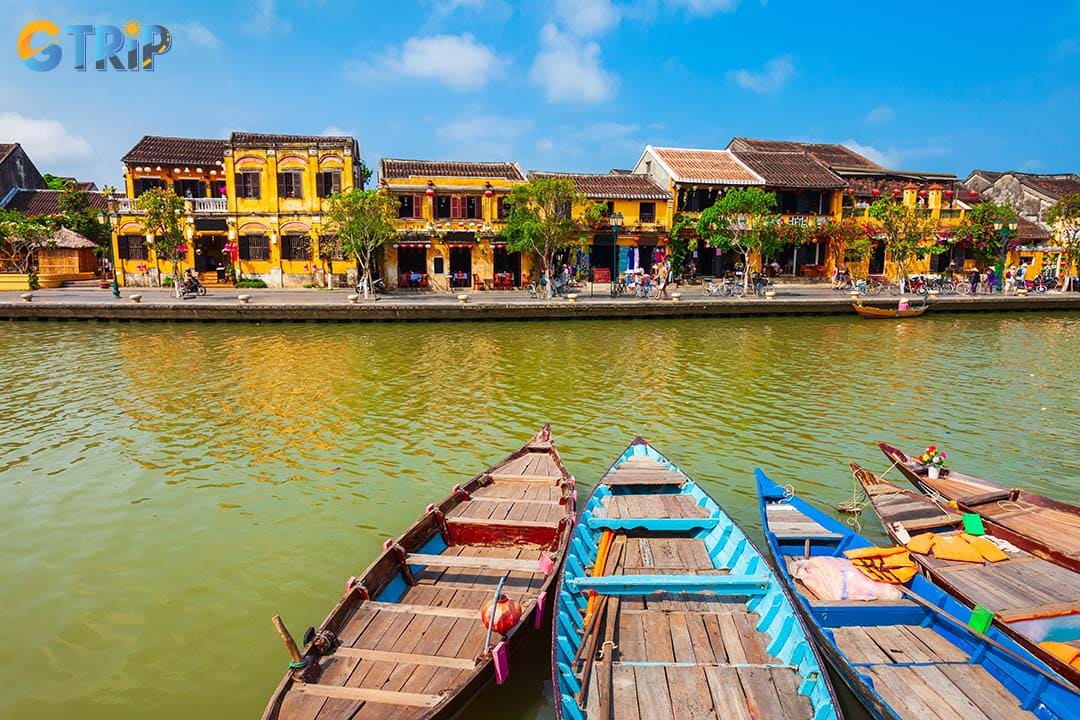
After exploring the pottery village, you can take a relaxing boat ride on the Thu Bon River
6. Discovering the village’s cultural heritage sites
To fully understand the soul of Thanh Ha, take time to visit its historic landmarks:
- Xuan My Communal House (built in the 17th century): A peaceful riverside temple dedicated to the village’s guardian spirit and founding ancestors.
- Ancestral shrine of the pottery craft: Built in 1868, this shrine honors the founders of the pottery trade. The annual ceremony takes place on the 10th day of the first lunar month.
- Le Ban Ancient House: A well-preserved 19th-century wooden house that has been home to five generations of the same family.
These sites offer a deeper look into the history, traditions, and community spirit that have kept this ancient craft alive for centuries.
7. Savor Hoi An’s culinary delights at Thanh Ha Pottery Village
As a popular destination near Hoi An, the area around Thanh Ha Pottery Village offers plenty of eateries where visitors can enjoy local specialties. Take a break for lunch at one of these spots and sample iconic Hoi An dishes like cao lau, fish sauce noodles, or chicken rice. Afterwards, you can head back to Hoi An Ancient Town for even more dining options.
- Dumplings & white rose cakes: White Rose Restaurant
- Quang noodles: Ong Hai, Ong Sinh, or Hoi An Quang Bich Restaurant
- Cao Lau noodles: Green Space, Thanh Cao Lau, Lien Cao Lau, or Hoi An Auntie Hat Restaurant
- Hoi An chicken rice: Mrs. Linh’s Restaurant
- Banh Mi (Hoi An bread): Phuong Bread or Madam Khanh Bread
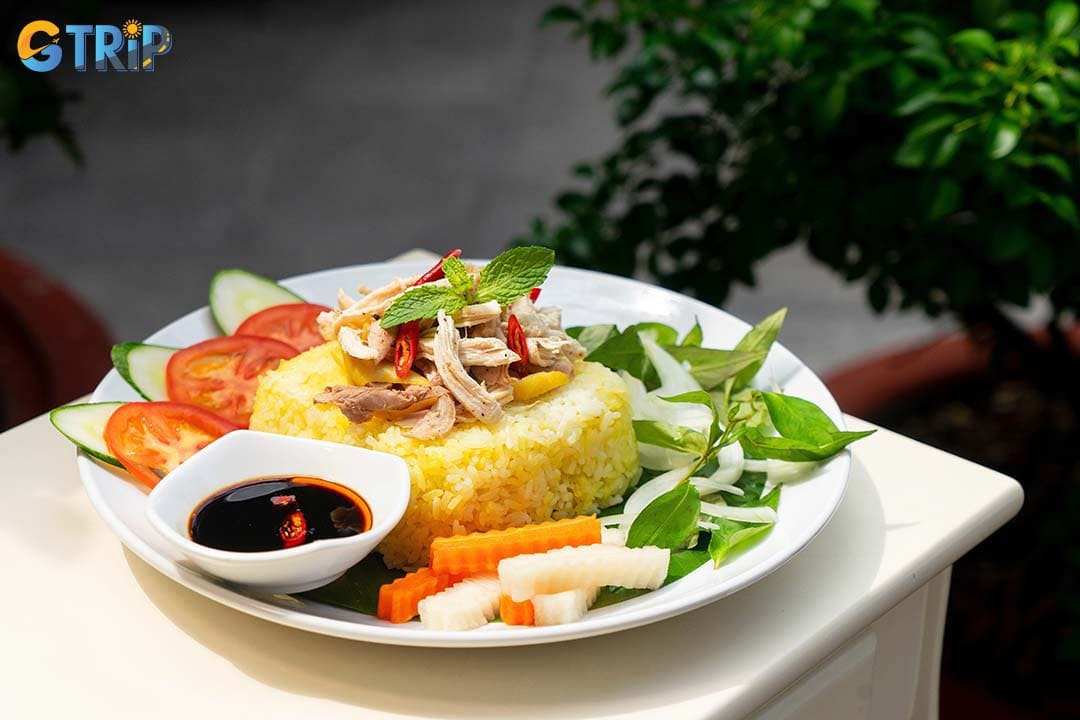
The area around Thanh Ha Pottery Village offers plenty of eateries where visitors can enjoy local dishes
How to get to Thanh Ha Pottery Village?
Getting to Thanh Ha is straightforward, with several options available depending on your starting point and preferred mode of travel.
From Da Nang International Airport
Thanh Ha Pottery Village is about 30 km from Da Nang Airport, making it accessible by car or motorbike. Visitors can enjoy a scenic drive along coastal roads.
- Distance: ~30 km
- Travel time: ~45 minutes by car
- Routes: Le Van Hien → DT607 → crossroad of Nguyen Tat Thanh / Nguyen Chi Thanh / Hai Tam Thang Ba → right to Duy Tan St
- Optimal option: Car/taxi for convenience and comfort
From Da Nang City center
From downtown Da Nang, travelers can reach Thanh Ha Village quickly by following main routes along the coast. The ride offers a pleasant view of the countryside and rivers.
- Distance: ~30 km
- Travel time: ~45 minutes by car, longer by motorbike
- Routes: Le Van Hien → DT607 → crossroad of Nguyen Tat Thanh / Nguyen Chi Thanh / Hai Tam Thang Ba → Duy Tan St
- Optimal option: Taxi or private car for ease and speed
From Hoi An Ancient Town
Thanh Ha Pottery Village is just 4 km from Hoi An Old Town. Visitors can choose between walking, cycling, motorbike, or car. Cycling along Hung Vuong and Duy Tan streets provides a scenic, relaxing journey.
- Distance: ~4 km
- Travel time: 10-15 minutes by motorbike or taxi, ~20 minutes by bicycle
- Routes: Hung Vuong St → Duy Tan St → Pham Phan St to reach the village
- Optimal option: Bicycle or motorbike for scenic experience; taxi for quick transfer
Transportation options
Visitors have multiple ways to reach Thanh Ha Pottery Village, depending on their starting point and preference for convenience or scenery.
- Bicycle: Rent for 50,000 VND/day (1.9 USD), ideal for short trips from Hoi An
- Motorbike: Rent for 80,000-100,000 VND/day (~3-4 USD), suitable for flexible exploration
- Taxi/car: 50,000-70,000 VND (~2-2.7 USD) from Hoi An, fastest and most comfortable
- Boat: From Hoi An along Thu Bon River, takes ~30 minutes, offers a unique view of the area
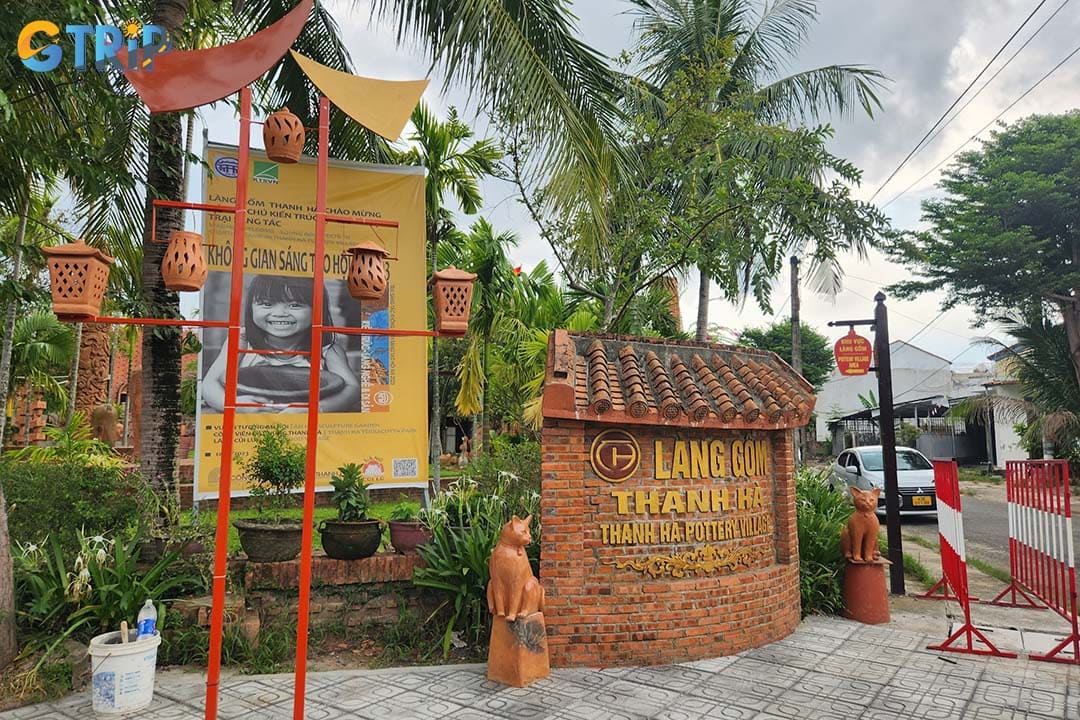
Reaching the Thanh Ha Pottery Village is straightforward with many options of transportation
Accommodation when traveling to Thanh Ha Pottery Village
Since Thanh Ha Pottery Village is just about 3 km from Hoi An Ancient Town, staying in Hoi An is convenient for both exploring the village and enjoying the town’s attractions. Here are some recommended accommodations:
- La Siesta Hoi An Resort & Spax (132 Hung Vuong, Hoi An Tay Ward, Da Nang City): A luxurious riverside resort offering elegant rooms, spa services, and easy access to Hoi An’s Old Town.
- Osaka Riverfront Villa & Spax (Hoi An Tay Ward, Da Nang City): A private villa with a serene riverside setting and full spa facilities.
- Christina’s Hoi Anx (Tra Que Vegetable Village, Hoi An Tay Ward, Da Nang City): Cozy homestay-style accommodation perfect for experiencing local life near the vegetable village.
- Hoi An Ancient House Resort & Spax (377 Cua Dai, Hoi An Dong Ward, Da Nang City): Traditional-style resort with lush gardens, comfortable rooms, and convenient access to Cua Dai Beach.
- Hoi An Estuary Villax (Tan Thinh, Hoi An Tay Ward, Da Nang City): Private villa with scenic estuary views, ideal for a quiet getaway.
- Ivy Villax (168 Nguyen Duy Hieu, Hoi An Dong Ward, Da Nang City): Boutique villa offering modern amenities and a relaxed, home-like atmosphere.
- Little Town Villax (239 Nguyen Duy Hieu, Hoi An Dong Ward, Da Nang City): Contemporary villa near the town center, perfect for families or small groups.
- Melody Boutique Villax (01 Phan Ngoc Nhan, Hoi An Tay Ward, Da Nang City): Stylish, intimate villa with friendly service and easy access to local markets.
- Phuong Vi Homesx (39 Nguyen Truong To, Hoi An Ward, Da Nang City): Comfortable and affordable guesthouse with a local charm feel.
- Horizon Hoi An Guesthouse (23 Xuan Dieu, Hoi An Tay Ward, Da Nang City): Simple, budget-friendly accommodation with easy transport links to Thanh Ha and Hoi An Old Town.
Nearby attractions to the Thanh Ha Pottery Village
Thanh Ha's convenient location makes it a great starting point for exploring other key sites around Hoi An. Consider combining your visit with these nearby attractions:
- Cam Kim Island (1 km): Cam Kim Island is a peaceful rural area just across the river, offering a glimpse into traditional countryside life. You can explore quiet villages, rice fields, and local crafts while enjoying a slower, more authentic atmosphere.
- Kim Bong Carpentry Village (4.5 km): Kim Bong Carpentry Village is famous for its long-standing woodworking tradition and skilled artisans. Visitors can watch craftsmen create detailed wooden products using techniques passed down through generations.
- Tra Que Vegetable Village (6 km): Tra Que Vegetable Village is a charming farming community known for its organic herbs and vegetables. You can learn traditional farming methods and even participate in hands-on activities with local farmers.
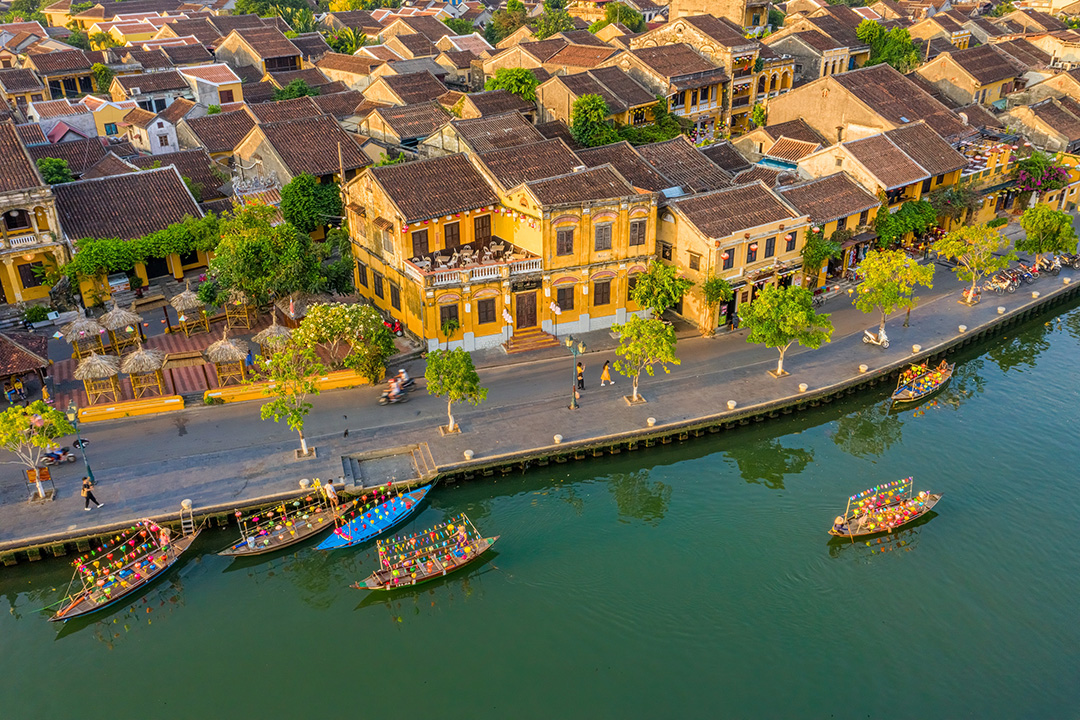
- Hoi An Ancient Town (4 km): Hoi An Ancient Town is a UNESCO World Heritage site celebrated for its well-preserved architecture and lantern-lit streets. It is also a vibrant hub for local cuisine, shopping, and cultural experiences.
- An Bang Beach (7 km): An Bang Beach is one of the most beautiful beaches in the area, known for its soft sand and clear water. It is a great place to relax, swim, and enjoy fresh seafood at beachfront restaurants.
- Cam Thanh Coconut Village (9 km): Cam Thanh Coconut Village is famous for its unique ecosystem of water coconut palms. Visitors can take a traditional basket boat ride through the peaceful waterways and experience local river life.
- Bay Mau Coconut Forest (9 km): Bay Mau Coconut Forest offers a scenic landscape of dense palm forests and winding canals. It is a popular destination for eco-tours and fun basket boat experiences surrounded by nature.
- Hoi An Memories Land Theme Park (5.5 km): Hoi An Memories Land Theme Park is a cultural complex that showcases Vietnam’s history through performances and interactive exhibits. The highlight is the outdoor “Hoi An Memories” show, known for its large scale and impressive visuals.
- Moonlight Bridge (5.5 km): Moonlight Bridge is a scenic pedestrian bridge that offers beautiful views of the river and surround area. It is especially charming in the evening when the lights reflect on the water, creating a romantic atmosphere..
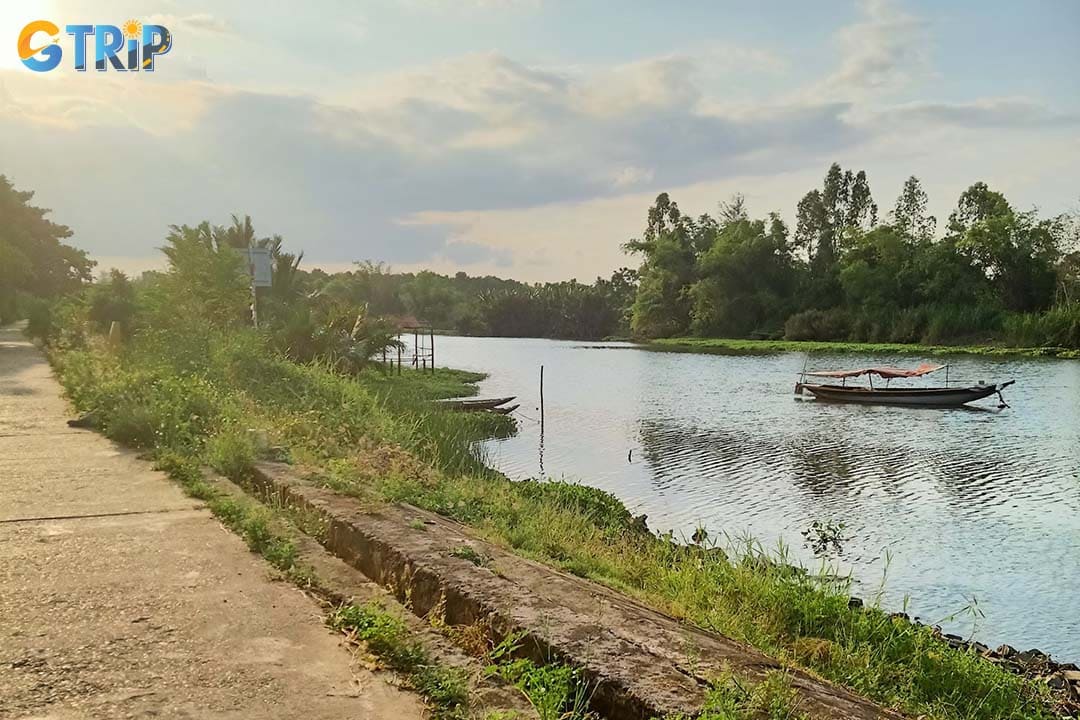
Kim Bong Carpentry Village is famous for its long-standing woodworking tradition and skilled artisans
Practical tips for visitors
Make your visit smooth and enjoyable with these practical tips:
- Wear comfortable shoes: Village paths can be uneven, so sturdy walking shoes are best
- Bring cash (VND): Entrance fees, souvenirs, and snacks often cannot be paid by card
- Try pottery-making: Hands-on workshops are fun for all ages, but stay away from the hot kiln areas
- Dress for the weather: Light, breathable clothes for the dry season, rain gear if visiting during rainy months
- Stay hydrated: Carry a water bottle, especially in the hotter months (April-August)
- Visit at cooler hours: Early morning (8-10 a.m.) or late afternoon (around 3 p.m.) is ideal
- Respect artisans: Always ask before taking close-up photos or touching their work
- Pick up a visitor map and gifts: Tickets include access to pottery workshops, clay whistle souvenirs, and some historical sites
- Combine nearby attractions: Add Hoi An Folklore Museum, Cau Pagoda, or the local market for a fuller experience
- Shop for pottery souvenirs: Thanh Ha is famous for unique local crafts, so take your time browsing
- Family-friendly activities: Perfect for kids with interactive pottery workshops
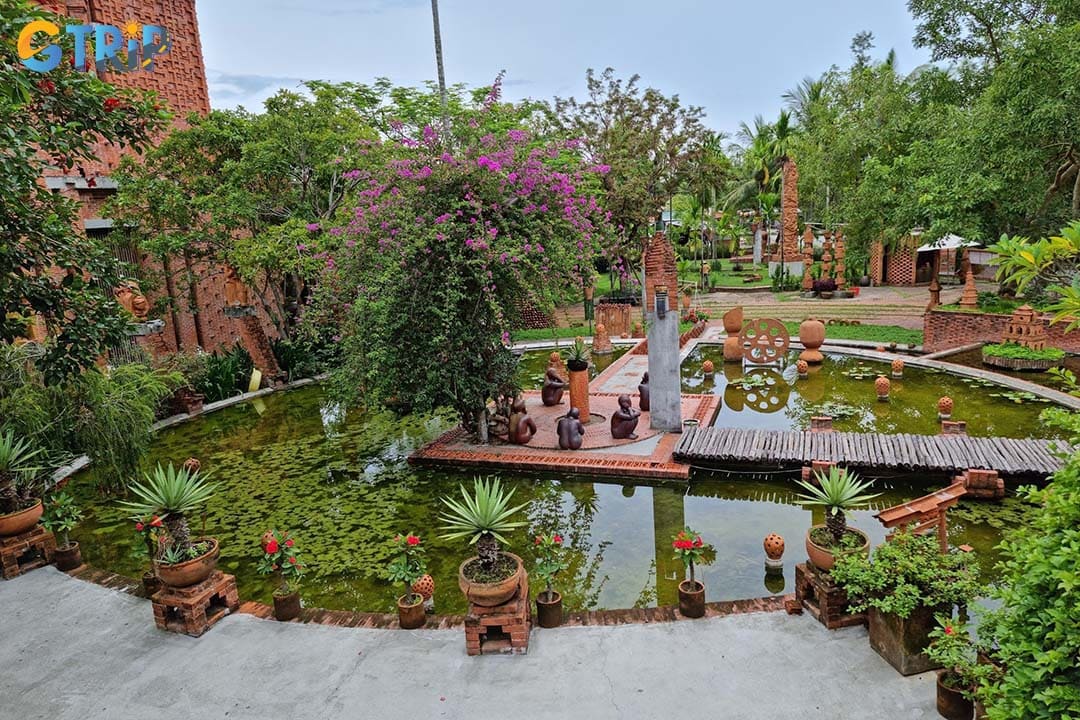
Remember practical tips to have a good trip to Thanh Ha Pottery Village
A journey to Thanh Ha Pottery Village is more than just a day trip. It’s a journey into the heart of Vietnamese culture. It’s where history is not just remembered but is actively lived and shaped by the hands of its people. The warmth of the terracotta is matched only by the warmth of the villagers' welcome, inviting you to share in their proud heritage. From the mesmerizing spin of the potter's wheel to the satisfaction of creating something with your own hands, the experience is grounding, authentic, and truly unforgettable. GTrip encourages you to add this charming village to your Hoi An itinerary, whether you are exploring independently or joining one of the many enriching Hoi An Tours, and discover the magic of this enduring craft for yourself.
Custom Your Journey

Other Attractions

Can Gio Monkey Island in Ho Chi Minh City: Tickets, Things to Do & Travel Guide
Can Gio Monkey Island
Can Gio Monkey Island in Ho Chi Minh City offers a refreshing escape from the city’s buzzing motorbike chaos. Just a short distance from the center, Can Gio welcomes you with lush mangrove forests, winding waterways, and a fascinating history. Here, you can meet playful long-tailed macaques, drift through tranquil channels, and explore remnants of a wartime guerrilla base.
Can Gio Monkey Island in Ho Chi Minh City: Tickets, Things to Do & Travel Guide
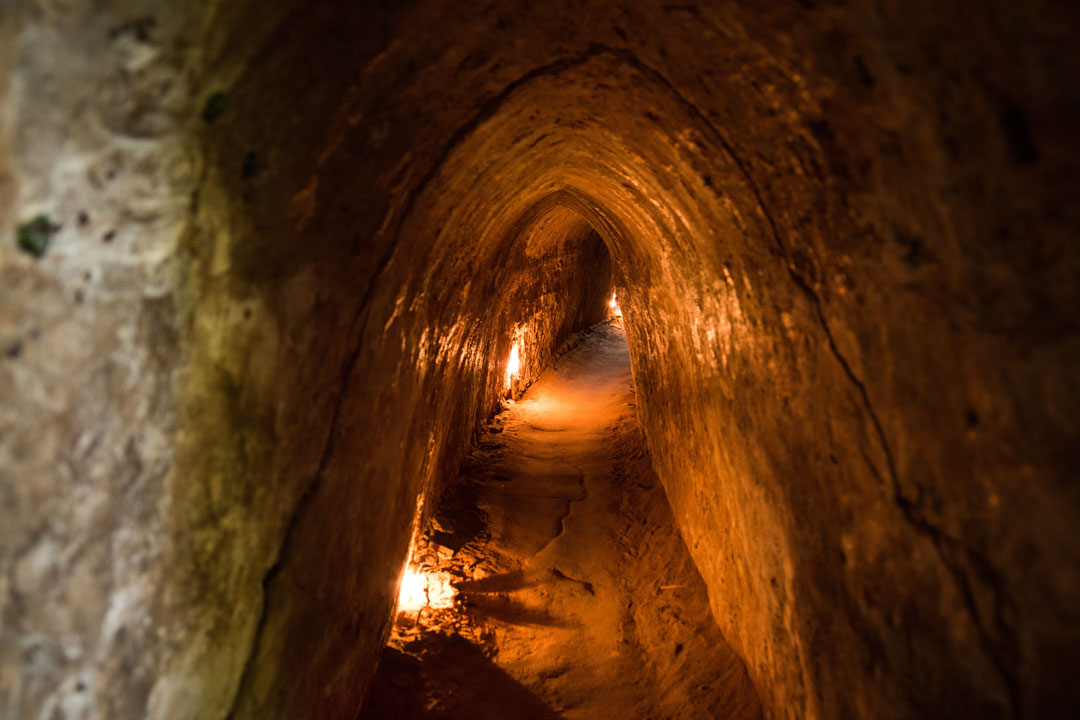
Cu Chi Tunnels: History, Architecture, Things To Do & Travel Guide
Cu Chi Tunnels
The Cu Chi Tunnels, located at TL15, Phu Hiep, Cu Chi District, Ho Chi Minh City, are a vast underground network of strategic passages, shelters, supply routes, and defensive traps.
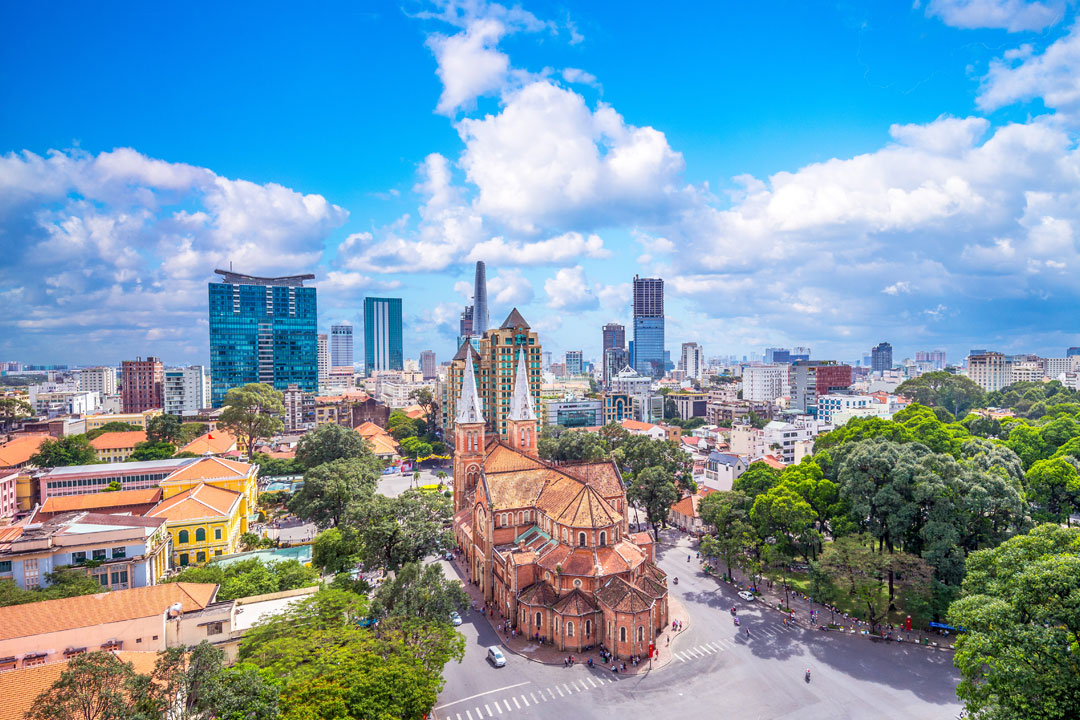
Ho Chi Minh City
Ho Chi Minh City, known as the "Pearl of the Far East," attracts both domestic and foreign tourists with its unique and diverse destinations.

Tran Quoc Pagoda: History, Architecture, Significance & Travel Guide
Tran Quoc Pagoda
Nestled on the tranquil shores of West Lake, Tran Quoc Pagoda is the oldest Buddhist temple in Hanoi, with a history spanning over 1,500 years. Built in the 6th century under Emperor Ly Nam De, this sacred site reflects Vietnam’s Buddhist evolution while preserving its spiritual and architectural grandeur.