





Mar - 03 - 2026
Hai Van Pass is one of Vietnam's most legendary coastal roads, a ribbon of asphalt winding through mist-shrouded mountains that has captivated travelers for centuries. Famous for its dramatic hairpin bends, panoramic ocean views, and historical significance, it’s a journey that’s as much about the experience as the destination. This all-in-one guide by GTrip covers everything you need to know to conquer this spectacular route. We discover its fascinating history and how to get there, the unmissable stops, beautiful viewpoints, essential travel tips, and delicious local food.
Overview of Hai Van Pass in Da Nang City
Hai Van Pass, also known as Deo Hai Van, is a spectacular mountain pass renowned for its dramatic coastal views and winding roads.
Where is Hai Van Pass?
Location: Situated along National Highway 1, it naturally separates Hue City in the North from Da Nang City in the South
The Hai Van Pass serves as a spectacular geographical boundary between Northern and Southern Vietnam. Perched on the Bach Ma mountain range, this winding road offers a dramatic vista where the lush mountains meet the East Sea. It is a key landmark for travelers commuting between the historical streets of Hue and the modern coastal vibes of Da Nang.
What makes Hai Van Pass unique?
The pass is most famous for its name, "Hai Van", which translates to "Sea Cloud", referencing the perpetual mist that rises from the sea to cloak its peak. This ethereal atmosphere, combined with its challenging curves and breathtaking coastal vistas, has earned it global fame.
- Scenic beauty: It offers unparalleled panoramic views of Lang Co Bay, Da Nang city, and the Son Tra Peninsula.
- Historical significance: The pass is littered with historical remnants from different eras.
- Pop culture fame: It was famously featured in the 2008 Vietnam Special of the British TV show Top Gear, where Jeremy Clarkson called it "a deserted ribbon of perfection".
Best time to visit Hai Van Pass
March to August is the ideal period to visit Hai Van Pass, as the dry season offers sunny skies and high visibility for the best coastal views. Planning your trip during these months ensures the safest road conditions and avoids the misty, wet weather common later in the year. For an unforgettable experience, visit during the early morning or late afternoon to catch the most dramatic lighting over the mountains and sea.
- Best months: March to August for clear, unobstructed scenery and sunny weather.
- Dawn (4:00 AM - 6:00 AM): Perfect for catching a magical sunrise over the ocean.
- Dusk (4:00 PM - 6:00 PM): Ideal for golden hour photography and cooler riding temperatures.
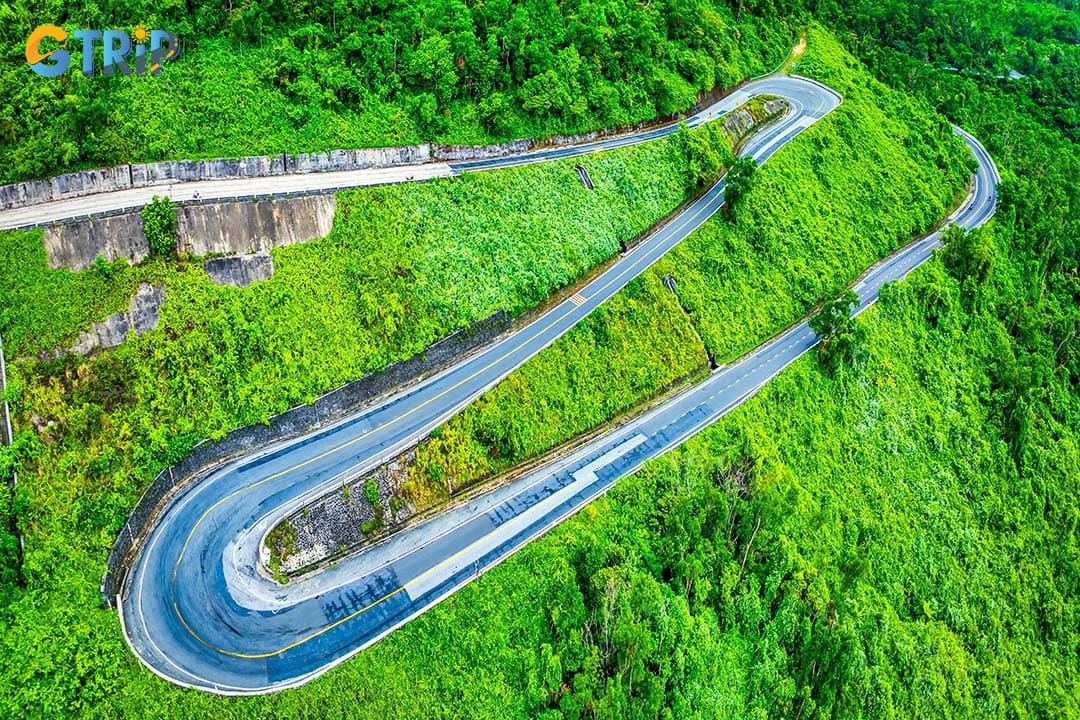
The Hai Van Pass, meaning “Sea Cloud”, is globally renowned for its mist-shrouded peaks, dramatic curves, and rich historical relics
How to get to Hai Van Pass
You can get to the Hai Van Pass easily from many places in Da Nang.
From Da Nang City center
- Distance: ~20 km
- Travel time: 45 minutes non-stop
The Hai Van Pass is easily accessible from Da Nang, making it a popular half-day trip for tourists. The ride to the base of the pass takes about 30-45 minutes. A relaxed journey that includes stops at the most beautiful viewpoints can take about 2-3 hours one way. The route initially follows the stunning Nguyen Tat Thanh coastal road before the scenic, winding climb begins.
From Da Nang International Airport
- Distance: ~30 km
- Travel time: 45-60 minutes
If you're eager to start your adventure right away, it's a straightforward journey northwest from Da Nang International Airport. You’ll connect to major roads like Nguyen Sinh Sac and Nguyen Tat Thanh that lead directly toward the pass. The drive is well-paved and clearly signposted, ideal for those self-driving a rental car or motorbike right after landing.
From Hoi An
- Distance: ~45 km
- Travel time: 1.5 hours to the pass
Traveling from Hoi An to Hai Van Pass offers a scenic transition from the charming ancient town to the dramatic mountains. You’ll ride north toward Da Nang, then continue along the coast to begin your ascent. While reaching the pass takes about 1.5 hours, a full day trip with stops at Marble Mountains and along the Da Nang coastline can last 6-8 hours.
From Hue
- Distance: ~70 km
- Travel time: 2-2.5 hours
Starting from Hue, the pass acts as a grand gateway to Da Nang. This legendary route runs south, taking you past the tranquil Lap An Lagoon and the pristine Lang Co Bay before you begin the exhilarating climb. This direction, often part of the famous "Hue to Hoi An" motorbike trip, offers some of Vietnam's most dramatic coastal scenery as you descend into Da Nang.
Transportation options
Travelers can explore Hai Van Pass via several options, each offering a different experience. Motorbikes provide the ultimate freedom and flexibility to stop anywhere. For those who prefer comfort and safety, private cars or guided jeep tours are excellent choices. Alternatively, the train between Da Nang and Hue offers spectacular views of the coastline without the challenge of driving.
- Motorbike rental: 120,000-200,000 VND/day ($4.60 - 7.70)
- Private car / Jeep tour: 1,000,000-2,500,000 VND/trip ($38.30 - 95.80)
- Train (Da Nang - Hue): 70,000-120,000 VND/one way ($2.70 - 4.60)
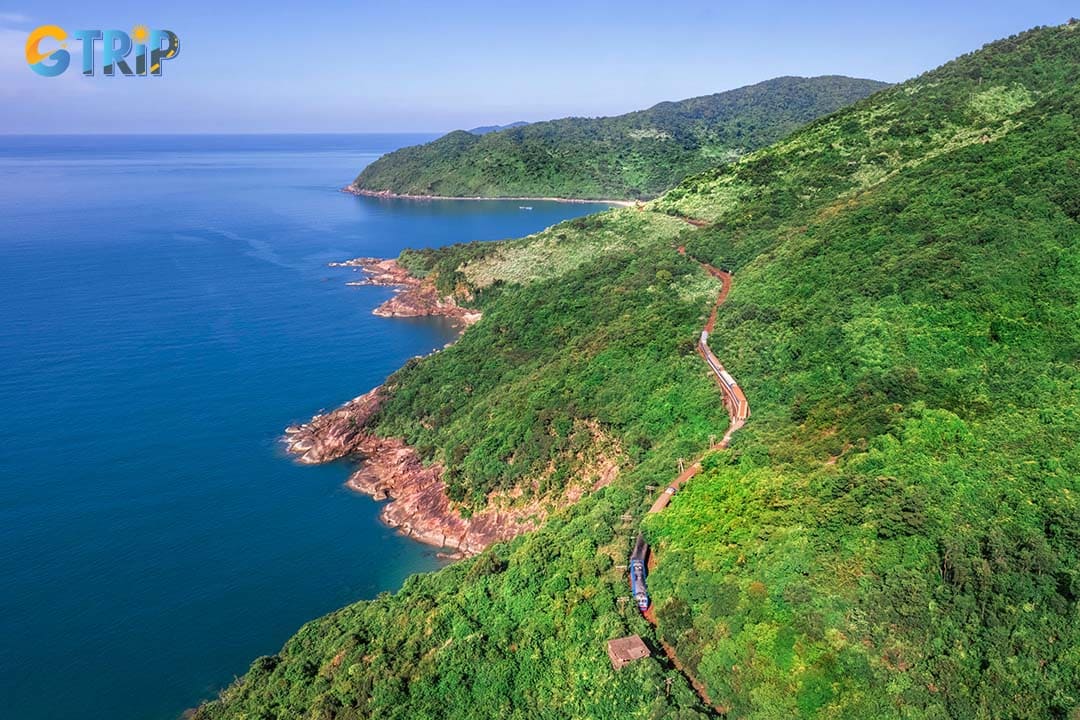
Travelers can explore Hai Van Pass via several options of transportation
History of Hai Van Pass
The history of Hai Van Pass is as winding and layered as the road itself. For centuries, this formidable mountain range served as a significant and often contested border. Before 1306, the pass was known as Ai Van Pass and marked the physical boundary between the Dai Viet kingdom to the north and the Champa Kingdom to the south. It was a rugged and strategically critical point, witnessing countless clashes between the two civilizations.
The pass officially became Dai Viet territory in 1306, a pivotal moment in Vietnamese history. As a royal dowry for the marriage of Princess Huyen Tran to the Champa King Che Man, the region was peacefully ceded. King Tran Nhan Tong renamed it Hai Van Pass, the "Sea Cloud Pass", a name that has endured for over 700 years.
By 1402, following the Ho Dynasty's successful military campaigns against the Champa, the pass was fully integrated and fortified. This solidifies its place within the national territory, then known as Dai Ngu. Centuries later, during the French colonial period, the pass became a vital transport link. The French constructed the road we see today, though it remained notoriously hazardous. They also engineered the stunning railway line that clings to the mountainside, a testament to their engineering prowess.
In modern times, the construction of the Hai Van Tunnel in 2005 provided a faster, safer alternative for commercial traffic and buses traveling along National Highway 1. This new route has preserved the original pass, transforming it from a busy highway into a dedicated scenic route for travelers and adventurers.
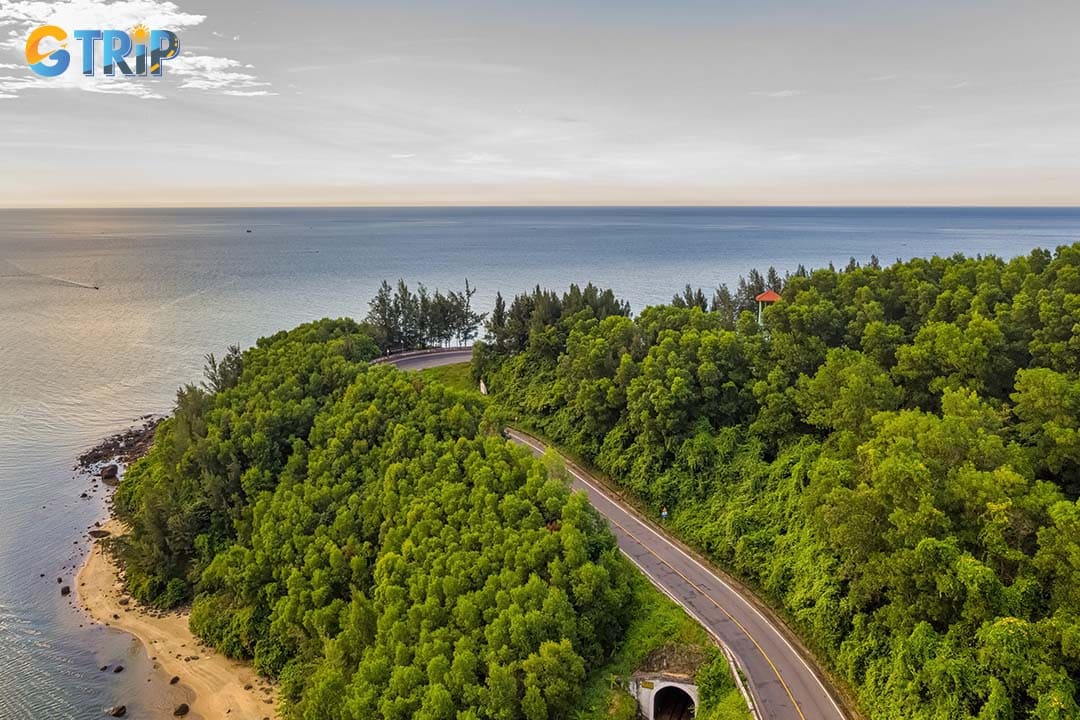
The Hai Van Pass has evolved from a contested frontier between Dai Viet and Champa before 1306 into a peacefully ceded territory renamed by Tran Nhan Tong
Top 11 things to do at Hai Van Pass
The journey over the pass is packed with incredible landmarks, cultural sites, and natural wonders. Here are the top things to do to make your trip unforgettable.
1. Conquer Vietnam’s most spectacular coastal mountain pass
The primary draw of the Hai Van Pass is the thrill of the drive itself. Navigating the succession of sharp, U-shaped curves provides an adrenaline rush, especially for motorbike riders. With each turn, you're rewarded with increasingly spectacular panoramic views. As you ascend, you’ll see the sprawling cityscape of Da Nang, the lush Son Tra Peninsula, and the turquoise waters of the East Sea. Reaching the summit and looking out over the landscape gives you an immense sense of accomplishment.
2. Visit Hai Van Gate (Hai Van Quan)
At the very summit of the pass sits the Hai Van Quan, or Hai Van Gate. This historic brick gatehouse, a relic from the Tran Dynasty and later fortified under the Nguyen Dynasty, once served as a strategic military checkpoint. Here, you can still see the inscription by King Le Thanh Tong, who dubbed the pass "Thien Ha De Nhat Hung Quan", or "The First Magnificent Pass Under Heaven". Exploring the gate and the nearby French bunkers offers a tangible connection to the pass's storied past.
Visitors interested in Champa culture can also combine their trip with a visit to the Da Nang Museum of Cham Sculpture. It houses the world's largest collection of Cham artifacts.
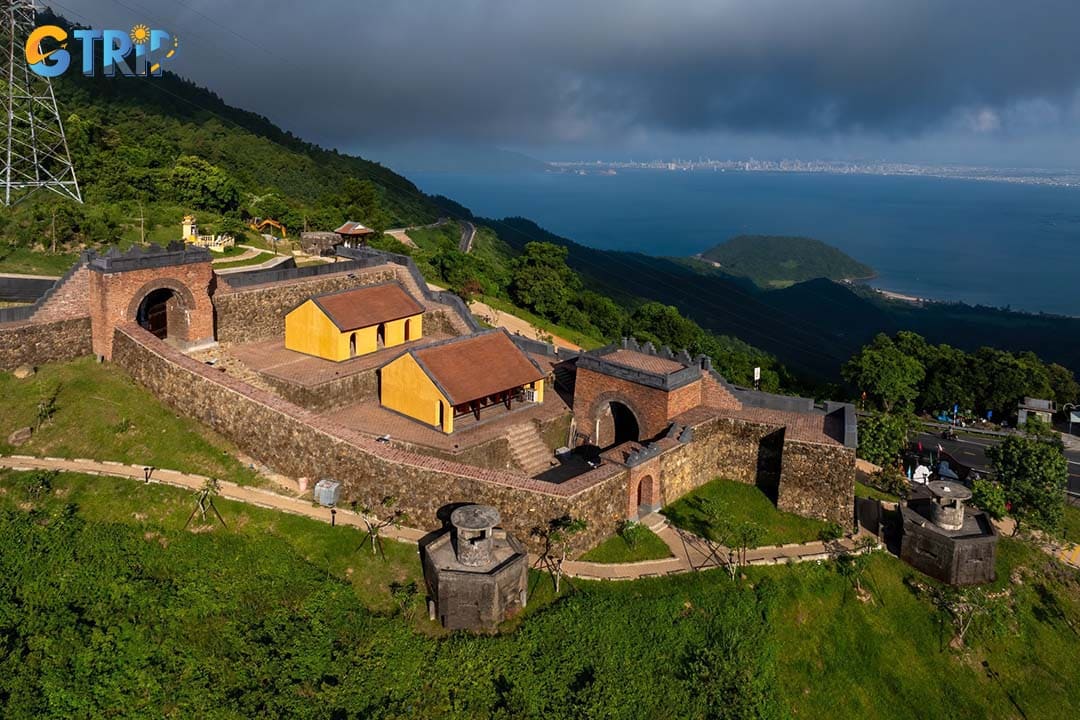
At the summit of the pass stands Hai Van Quan, a historic gatehouse from the Tran era later reinforced by the Nguyen Dynasty
3. Check in at the Lonely Pine Tree
One of the most iconic and photogenic stops is the Lonely Pine Tree. Located about 2 km from the summit on the Hue side, this solitary tree stands defiantly against a backdrop of mountains and ocean. It has become a famous "check-in" spot for travelers looking to capture the perfect Instagram shot. The area offers a peaceful moment to rest and admire the breathtaking view of Lang Co Bay below.
4. Cloud hunting and sightseeing at Hai Van Viewpoint
For those chasing ethereal beauty, the peak of the pass is an excellent spot for "cloud hunting", especially in the early morning. On misty days, you can watch as thick clouds roll in from the sea and spill over the mountains, creating a magical, dreamlike landscape. The main viewpoint at the summit is also a popular spot for adventurers to camp overnight, allowing them to witness both a spectacular sunset and an unforgettable sunrise over the sea.
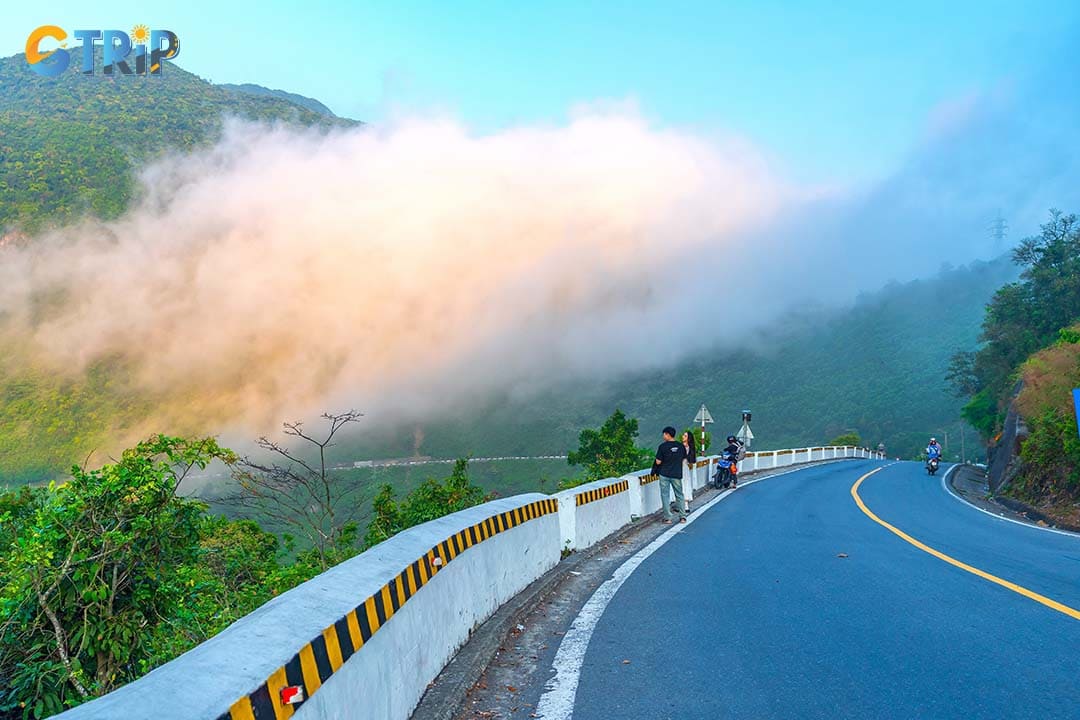
For those seeking ethereal scenery, the summit of Hai Van Pass is perfect for early-morning cloud hunting, where mist cascades over the peaks
5. Camping at Van Village at the foot of the pass
Tucked away at the foot of the pass on the Da Nang side lies Van Village, a formerly isolated community of leprosy patients. Today, it’s an untouched and peaceful spot accessible only by a short boat ride or a trek. Its pristine beach and quiet atmosphere make it an ideal location for camping, swimming, and experiencing a side of Da Nang that feels a world away from the bustling city. It's a perfect retreat for those committed to slow travel.
6. The famous U-shaped curve
The most famous of all the bends on the Hai Van Pass is a dramatic U-shaped curve that has become a symbol of the route. This hairpin turn is both a challenge to navigate and a fantastic photo opportunity. From a higher vantage point, you can capture stunning photos of the road snaking its way down the mountainside. Be extremely cautious when stopping for photos here. Park your vehicle well off the road and be aware of oncoming traffic, as this is a blind corner.
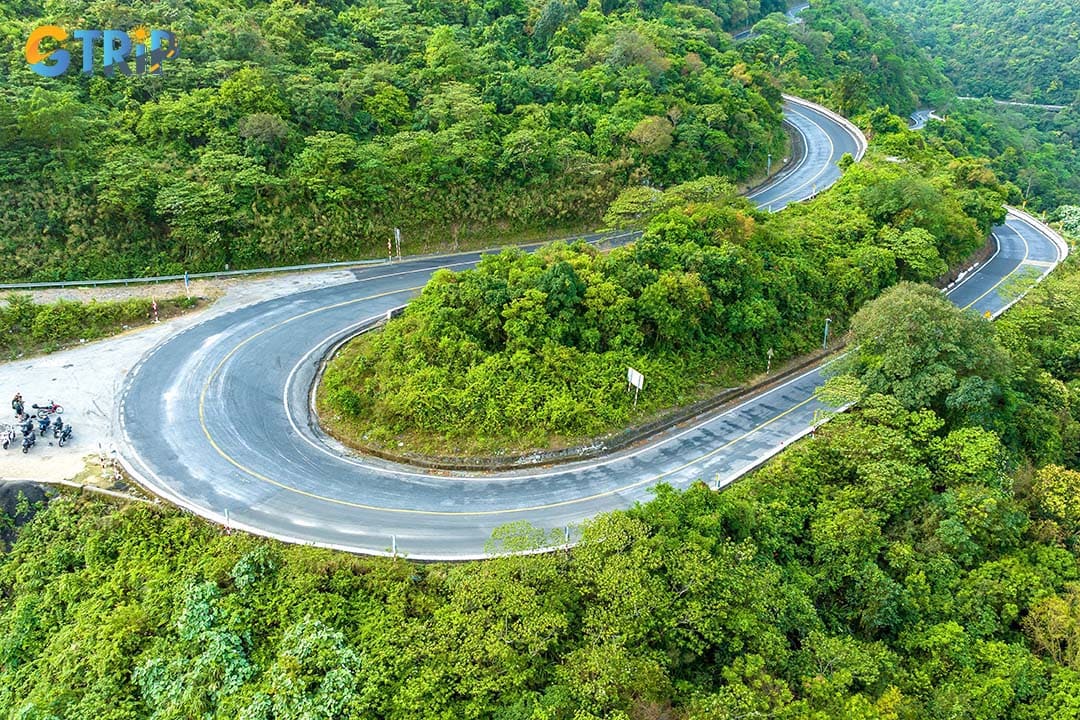
The U-shaped curve is a symbol of Hai Van Pass that many people check in and take photos
7. Explore at Bac Hai Van Station and Don Ca Arch Bridge
For a unique adventure, take a short trek from the main road down to the historic railway line. Here you'll find Bac Hai Van Station, a quaint and sleepy train stop. A little further along the tracks is the magnificent Don Ca Arch Bridge. The view looking out from the railway tunnel towards the bridge, with the lush green valley below, is often called the "Gateway to Heaven" and is one of the most rewarding hidden gems on the pass.
8. Panoramic views from Turtle Rock
Near the summit, look for a large rock formation aptly named Turtle Rock (Mom Da Rua). Clambering onto this rock rewards you with sweeping, unobstructed views of Da Nang Bay and the surrounding coastline from an elevation of nearly 500 meters. It’s a fantastic spot to feel the wind in your hair and appreciate the sheer scale and beauty of the landscape.
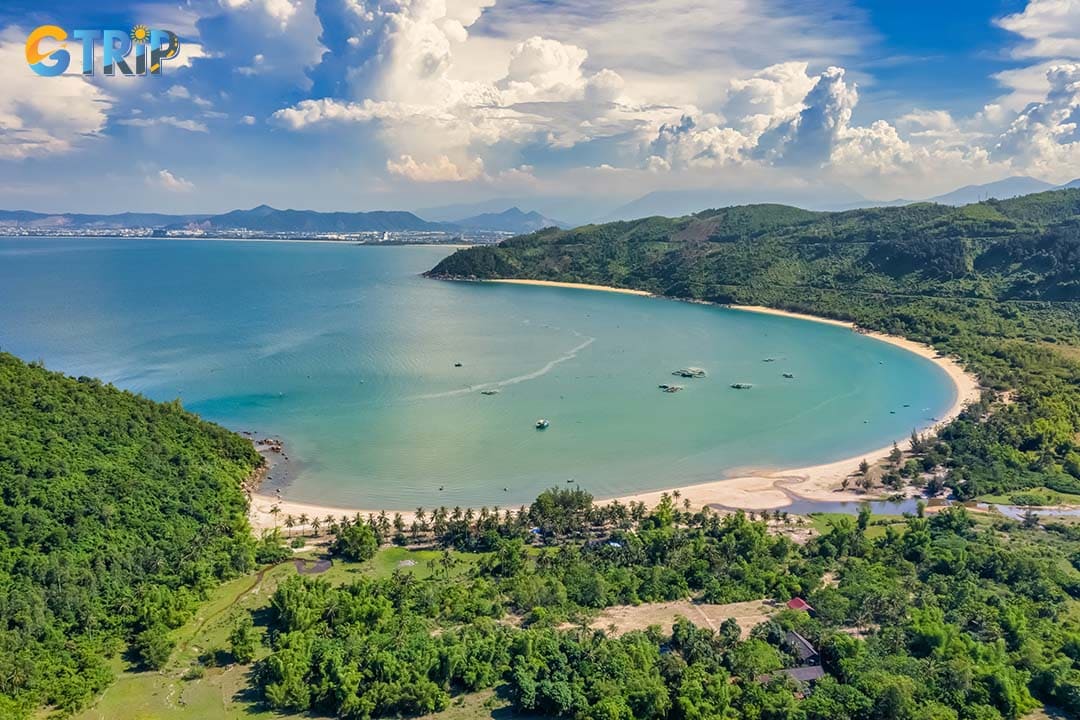
You can watch a panoramic view of Da Nang Bay and the surrounding coastline from the Turtle Rock on Hai Van Pass
9. Explore Bach Ma Mountain
While not directly on the pass, the turnoff for Bach Ma National Park is located near the northern end. If you have an extra day, this is a worthwhile detour. Bach Ma Mountain is home to a rich ecosystem with stunning waterfalls, dense forests, and diverse wildlife. Hiking trails lead to viewpoints that offer panoramic views of the entire region, including Lang Co Bay and the Hai Van Pass itself.
10. Stop by Lang Co Bay
As you descend the pass towards Hue, the breathtaking vista of Lang Co Bay unfolds before you. Recognized as one of the world's most beautiful bays, its turquoise waters, white-sand peninsula, and backdrop of green mountains create a picture-perfect scene. There are several viewpoints along the descent, and the town of Lang Co itself is a great place to stop for fresh seafood and relaxation by the water.
11. Taste local specialties around Hai Van Pass
A journey over the Hai Van Pass is incomplete without sampling the local cuisine. The region is famous for its fresh, delicious food.
- Lang Co Bay seafood: Stop at one of the floating restaurants in Lang Co to enjoy incredibly fresh seafood like grilled oysters, steamed clams, and tamarind crab.
- Nam O fish salad (Goi Ca Nam O): A specialty of Nam O village at the southern foot of the pass, this salad is made with fresh herring, flavourful fish sauce, and a mix of herbs and spices.
- Steamed rice sheets with roast pork (Banh uot thit heo quay): A popular dish in Da Nang, this combination of soft rice sheets, crispy roast pork, and a sweet and savory dipping sauce makes for a perfect, hearty meal.

Nam O fish salad is one of Da Nang specialties that you can try when visiting Hai Van Pass
Accommodations near Hai Van Pass
Whether you choose to base yourself in Da Nang, Hue, or right by the water in Lang Co, there are excellent accommodation options to suit every budget.
- Hotels in Da Nang:
- Gold Coast Danang (27 Ho Xuan Huong, Ngu Hanh Son Ward, Da Nang City): A modern hotel with great amenities near the beach.
- Sun River Hotel (134-136 Bach Dang, Hai Chau Ward, Da Nang City): Offers fantastic river views and a central location.
- Danang Petro Hotel (7 Quang Trung, Hai Chau Ward, Da Nang City): A solid mid-range option in the city center.
- Hotels in Hue:
- Cherish Hotel Hue (59 Ben Nghe, Thuan Hoa Ward, Hue City): Known for its excellent service and rooftop pool.
- Century Riverside Hue (49 Le Loi, Thuan Hoa Ward, Hue City): A classic hotel with sprawling grounds on the Perfume River.
- Pilgrimage Village Boutique Resort & Spa (No. 130 Minh Mang Road, Hue): A tranquil, luxurious retreat just outside the city.
- Resorts in Lang Co:
- Orchid Villa & Homestay Farm (TT. Lang Co, Phu Loc, Hue City): A charming and budget-friendly option.
- Angsana Lang Co resort (Cu Du Village, Da Nang City): A world-class luxury resort with stunning facilities.
- Lang Co resort T26 (No. 493 Lac Long Quan, Lang Co Town): A comfortable resort right on the beautiful beach.
The most beautiful stops along Hai Van Pass
Beyond the main attractions, the pass is full of hidden corners and specific viewpoints that offer truly unique perspectives. Here are the must-visit stops for photographers and explorers.
1. Nam O Beach - A coastal stop before conquering Hai Van Pass
Before officially riding up Hai Van Pass, Nam O Beach is the perfect place to slow down and experience the authentic rhythm of Central Vietnam’s coastal life. Located about 15 km northwest of Da Nang City center, right along the route to Hai Van Pass, Nam O remains quiet and largely untouched by mass tourism. Here, you’ll still see local fishermen pulling in their nets, round bamboo boats floating offshore, and small fishing villages lining the coast.
The best time to visit is from February to April, when large seaside rocks are covered in vibrant green moss, stretching along the shore and creating a unique, highly photogenic landscape.
Tips:
- From National Highway 1A, turn onto Nguyen Tat Thanh Street, then follow a small road leading to the beach.
- Don’t miss Nam O fish salad, a signature local specialty closely tied to this coastal area.
- The mossy rocks can be slippery, so wear shoes with good grip if you plan to walk along the shore.

Nam O Beach is a beautiful beach along the Hai Van Pass that you can visit
2. Black Rock Beach - A secluded cove for adventure seekers
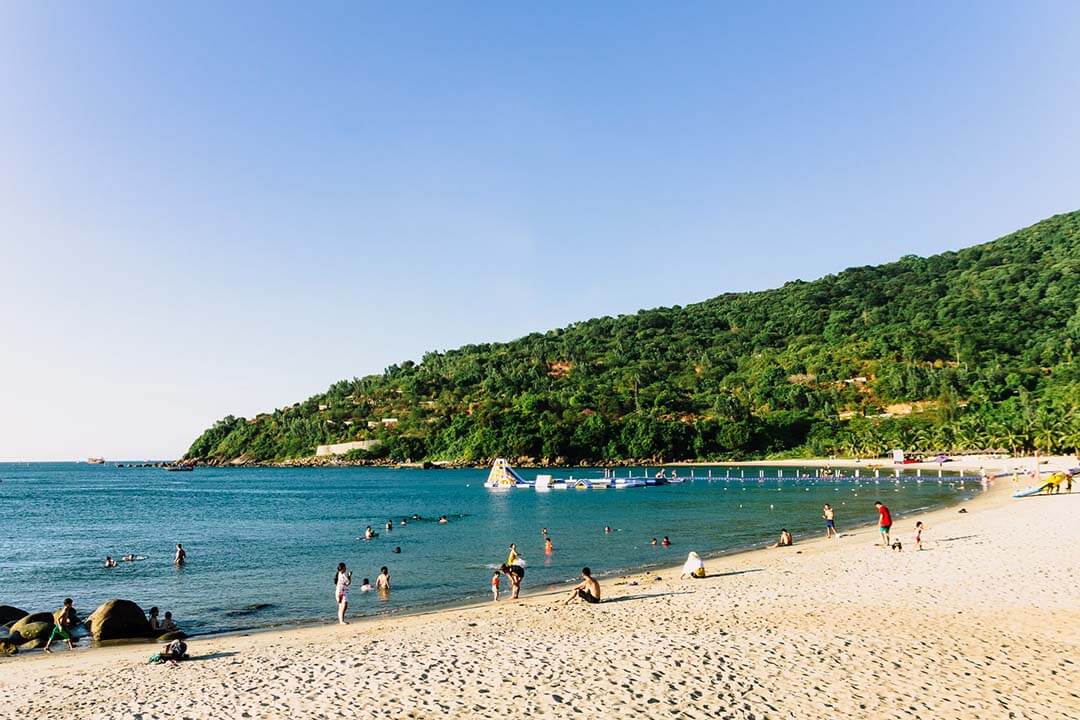
Hidden behind winding coastal bends, Black Rock Beach is one of the lesser-known spots along Hai Van Pass. Located about 15 km from Da Nang City center, just before the ascent of the pass, this beach stands out for its dark rock formations, clear waters, and peaceful atmosphere, far removed from urban life. It’s an ideal place for swimming, snorkeling, or simply relaxing in a raw, natural setting. For many visitors, finding the way down to the beach is already part of the adventure.
Tips:
- You can reach this spot by boat (hire a local fishing boat for a 15 - 20 minute ride) or by motorbike + trekking. You can ride toward Hai Van Pass, take a small trail near Hai Van Gate, then walk through the forest for about 10 - 15 minutes.
- There are no tourist facilities, so bring your own food and water.
- Avoid visiting after rain, as the trail can become slippery and difficult.
3. The first viewpoint - A panoramic look over Da Nang Bay
Leaving residential areas behind and starting the climb, the first viewpoint on Hai Van Pass offers a sweeping view of Da Nang Bay and the Son Tra Peninsula. From here, the coastline unfolds clearly, with the deep blue sea blending into the open sky. Cool mountain air and wide visibility make this an ideal stop to rest and mentally prepare for the journey ahead.
Travel tips:
- Visit early in the morning to avoid haze.
- Bring a light jacket, as the area can be quite windy.
- The best time for photos is 05:30 - 06:30 AM, when the sunrise lights up the coast.
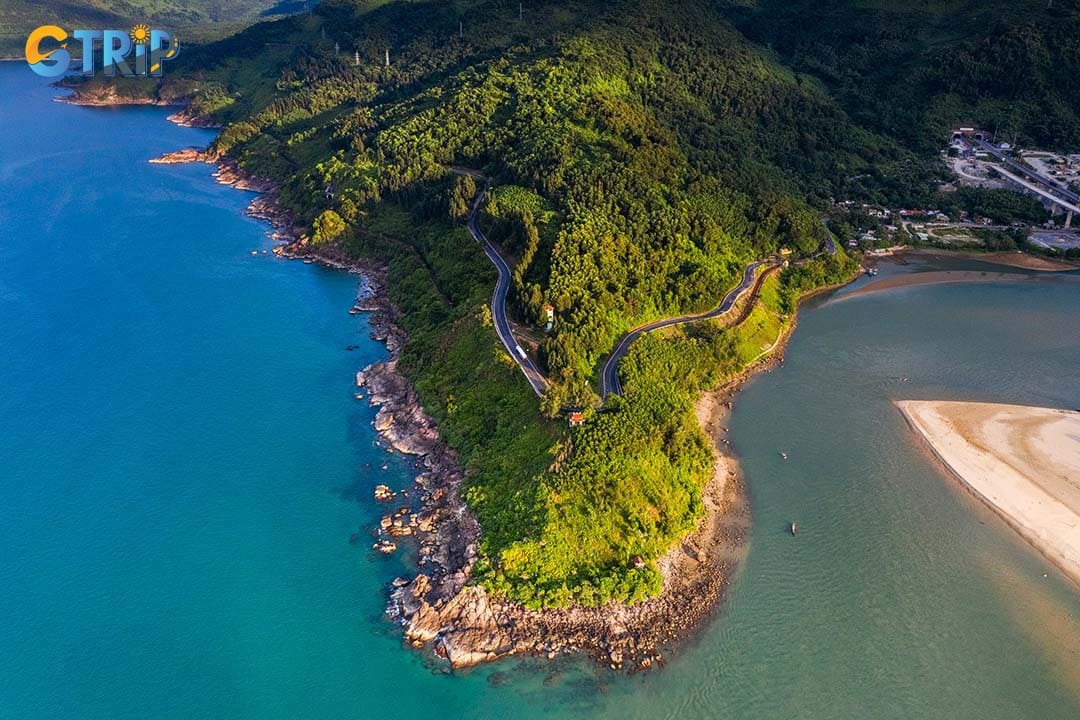
Hai Van Pass offers many pretty viewpoints that you can enjoy the panoramic views of Da Nang Bay
4. Old French bunkers - War remnants on the mountain pass
On the way to the summit of Hai Van Pass, you’ll come across old bunkers built during the French colonial period. These structures once served as strategic military observation points, controlling movement through the pass. Though weathered by time, the moss-covered walls and remaining details create a striking contrast between the region’s turbulent history and the lush natural surroundings.
Visiting tips:
- Late afternoon offers softer light, ideal for atmospheric photos.
- Look closely to spot visible traces of wartime damage on the bunker walls.
5. The panoramic curve - Where the road embraces sea and sky
While not widely known, this curve provides one of the most impressive viewpoints along Hai Van Pass. From here, the mountain road winds gracefully along the slope before descending toward the sea. In the distance, Lang Co Bay appears calm with small fishing boats, while light mist ahead partially hides the next stretch of road, adding a sense of mystery and grandeur.
Photography tips:
- Shoot from a higher position to capture the iconic S-shaped road.
- Early morning or late afternoon offers the best natural lighting.
Safety notes:
- The road is narrow, so park carefully.
- Avoid taking photos in heavy fog or poor visibility.
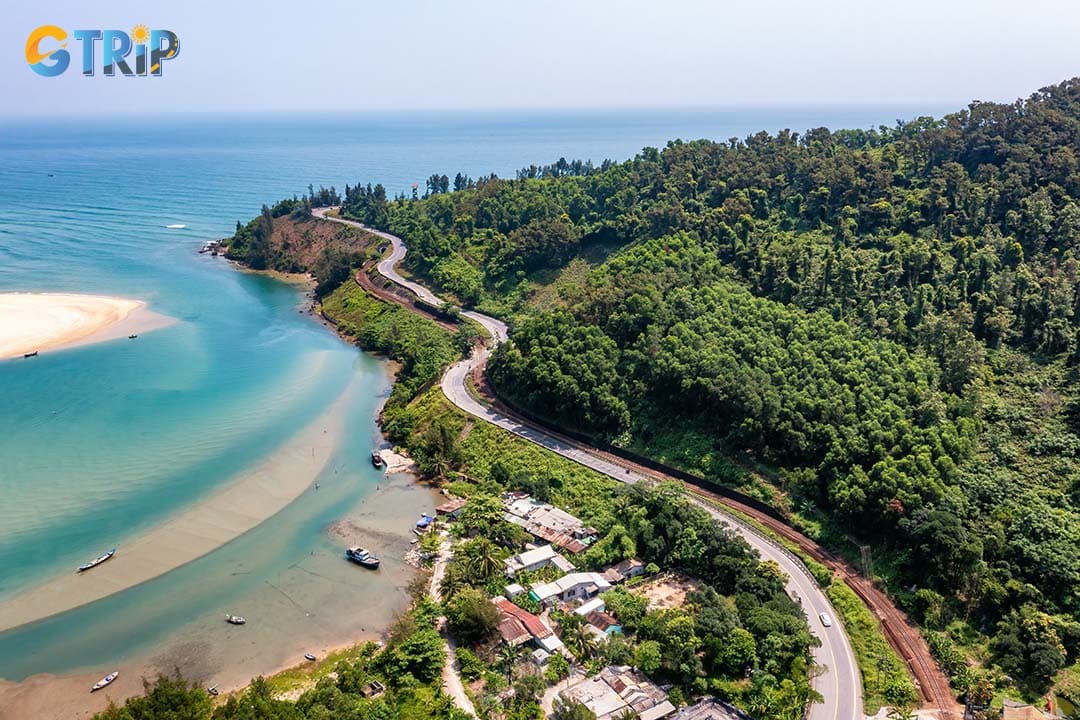
It’s easy to enjoy the view of Lang Co Beach from the Hai Van Pass’s curve
6. The old radar station - A view for the bold
Few travelers venture beyond Hai Van Gate, but those who do will discover an abandoned U.S.-built radar station from the wartime era. From this elevated spot, the landscape opens up into an almost 360-degree view of mountains and the East Sea.
Notes:
- Follow a small dirt trail behind the gate
- The walk takes about 10 - 15 minutes; park your vehicle safely.
- The path is unmarked and uneven, so proceed with caution.
Travel tips & useful information when visiting Hai Van Pass
To ensure your journey over the Hai Van Pass is safe and enjoyable, keep these essential tips in mind.
- Vehicle check: Before you set off, ensure your motorbike or car is in good condition. Check your brakes, tires, and have a full tank of fuel, as there are no gas stations on the pass itself.
- Weather: Check the forecast before you go. Avoid riding in heavy rain or dense fog, as visibility can drop to near zero and the road becomes slippery, answering the question Is Hai Van Pass dangerous? It can be in bad weather.
- What to bring: Pack a camera, a light jacket (it's always cooler at the summit), sunscreen, and plenty of water.
- Safety first: Drive carefully, especially on the hairpin bends. Watch for occasional trucks or fast-moving cars. Be extremely cautious when stopping for photos, always pull completely off the road.
- Timing: Start your journey early in the morning to avoid the midday heat and the peak tourist crowds, which gives you more time to explore all the beautiful stops.
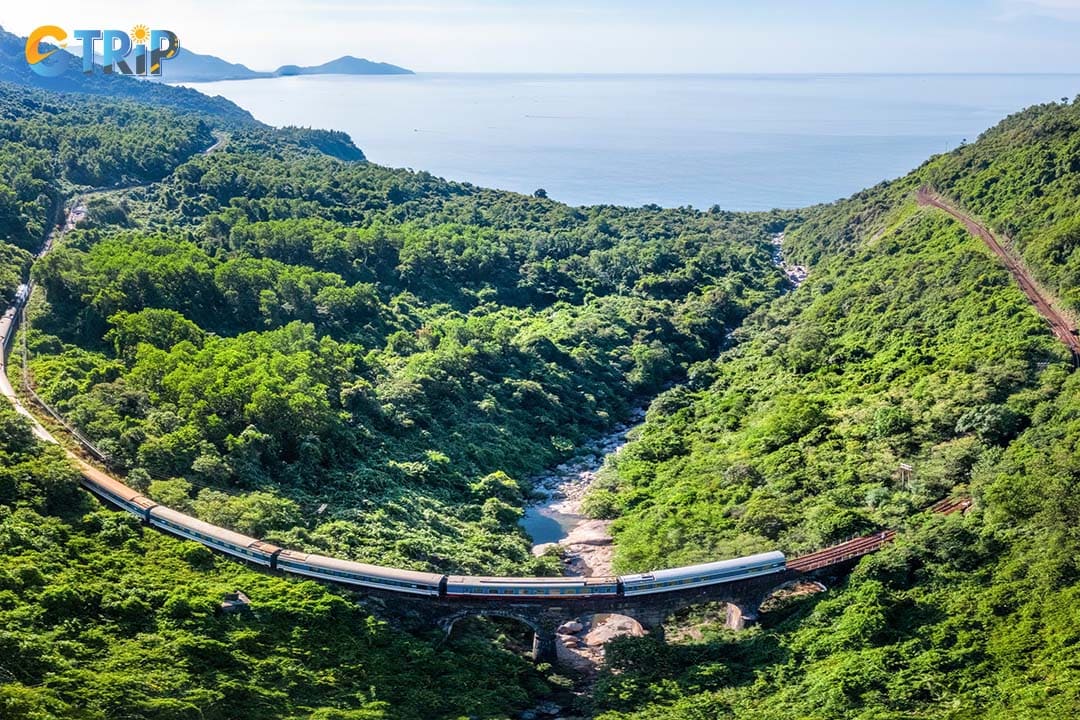
Remember the travel and useful information of Hai Van Pass to have a more enjoyable visit there
The Hai Van Pass is far more than just a road connecting two cities. It’s a quintessential Vietnamese experience where breathtaking coastal scenery, layers of imperial history, and every winding curve combine into one unforgettable journey. Conquering the pass feels like a true rite of passage, rewarding you with misty mountain peaks, turquoise bays, and that unmatched sense of freedom on the open road. Whether you explore it independently or as part of expertly designed Da Nang Tours, this legendary route will undoubtedly become a defining highlight of your Vietnam adventure and GTrip is here to help you plan each step so you don’t miss a single moment.