



Feb - 12 - 2026
Ho Chi Minh Museum in Da Nang is one of the city’s most important cultural landmarks. The museum offers a meaningful look into Vietnam’s 20th-century history and revolutionary spirit. Beyond beaches and iconic bridges, this museum tells the story of national independence through the life of President Ho Chi Minh and the struggles of Central Vietnam. To help travelers understand its significance and plan their visit with ease, GTrip has created this complete guide covering the museum’s highlights, history, practical tips, and what to expect inside.
Overview of the Ho Chi Minh Museum in Da Nang
- Address: 3 Duy Tan Street, Hoa Cuong Ward (formerly Hai Chau District), Da Nang City
- Opening hours:
- Monday & Friday: Closed
- Tuesday, Wednesday, Thursday, Saturday & Sunday: 8:00 AM - 12:00 PM & 2:00 PM - 4:30 PM
- Admission fee: 60,000 VND per person for foreign visitors, plus a small camera fee (Prices are subject to change and should be verified upon arrival)
- Website: baotanghcmqk5.hochiminh.vn
The Ho Chi Minh Museum in Da Nang is part of a larger complex formally known as the Ho Chi Minh Museum - 5th Military Zone. It has two main sections: one focuses on President Ho Chi Minh’s life and ideology, while the other highlights the history of Military Zone 5 during the wars against France and the United States. This unique combination provides visitors with both a national and a powerful regional perspective on Vietnam's turbulent past. Expect to see everything, such as personal letters and photographs or captured American tanks and fighter jets.
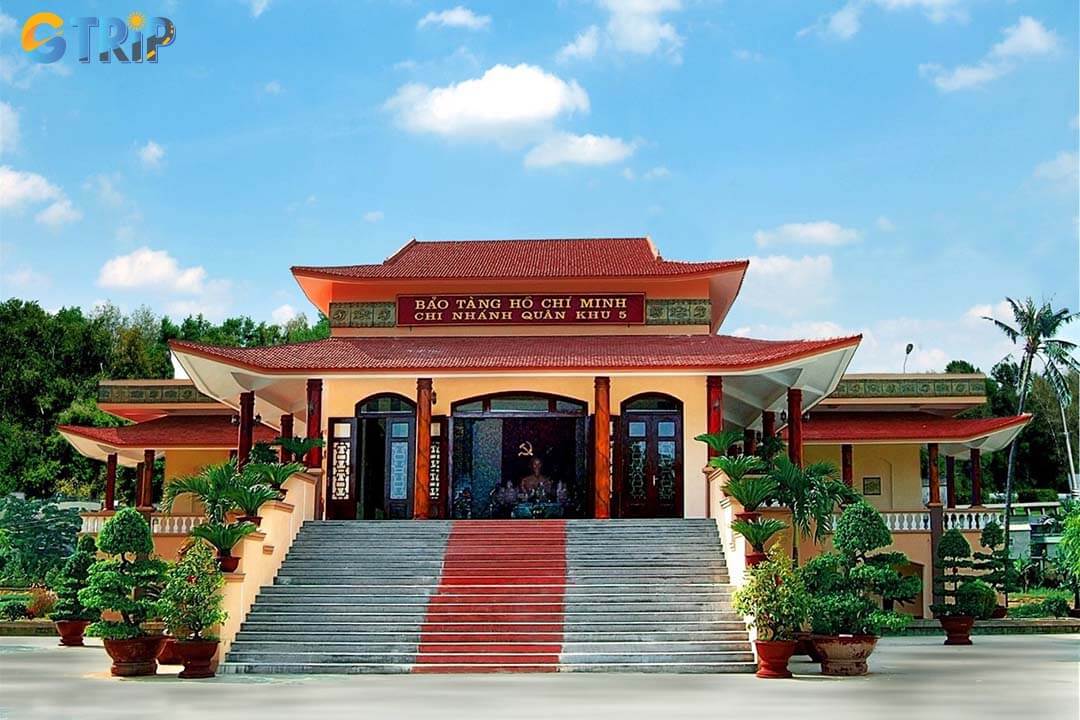
Ho Chi Minh Museum in Da Nang offers a dual insight into President Ho Chi Minh’s life and the wartime history of Military Zone 5
How to get to the Ho Chi Minh Museum in Da Nang
The Ho Chi Minh & Zone 5 Military Museum is located at Hoa Cuong Ward, right in Da Nang City centre. Situated just before the tunnel near Tran Thi Ly Bridge, it is easy to find when traveling from the airport toward the beach.
- From central Da Nang: The museum is about 6-7 km away, taking 15-20 minutes by taxi or car with fares usually under 200,000 VND. Visitors staying in the southern former Hai Chau District or near the Tran Thi Ly Bridge can easily walk to the site.
- From Hoi An: Located around 30 km south, you can reach the museum by taxi, car, bus, or motorbike. Traveling by motorbike along the coastal route is the most budget-friendly and scenic option for travelers.
History of the Ho Chi Minh Museum in Da Nang
Established on November 19, 1977, the Ho Chi Minh Museum in Da Nang was built to honor President Ho Chi Minh. It also fulfills the wish of the people and soldiers of Military Zone 5 to have a dedicated place to learn about his life and legacy. After the country's reunification in 1975, there was a strong desire to preserve the leader's legacy throughout Vietnam, particularly in regions that were at the heart of the conflict. The museum complex, officially the Ho Chi Minh & Zone 5 Military Museum, was strategically built within the 5th Military Zone headquarters. This location underscores its importance as a center for political and historical education for both the military and the general public, preserving the stories of sacrifice from Central Vietnam.
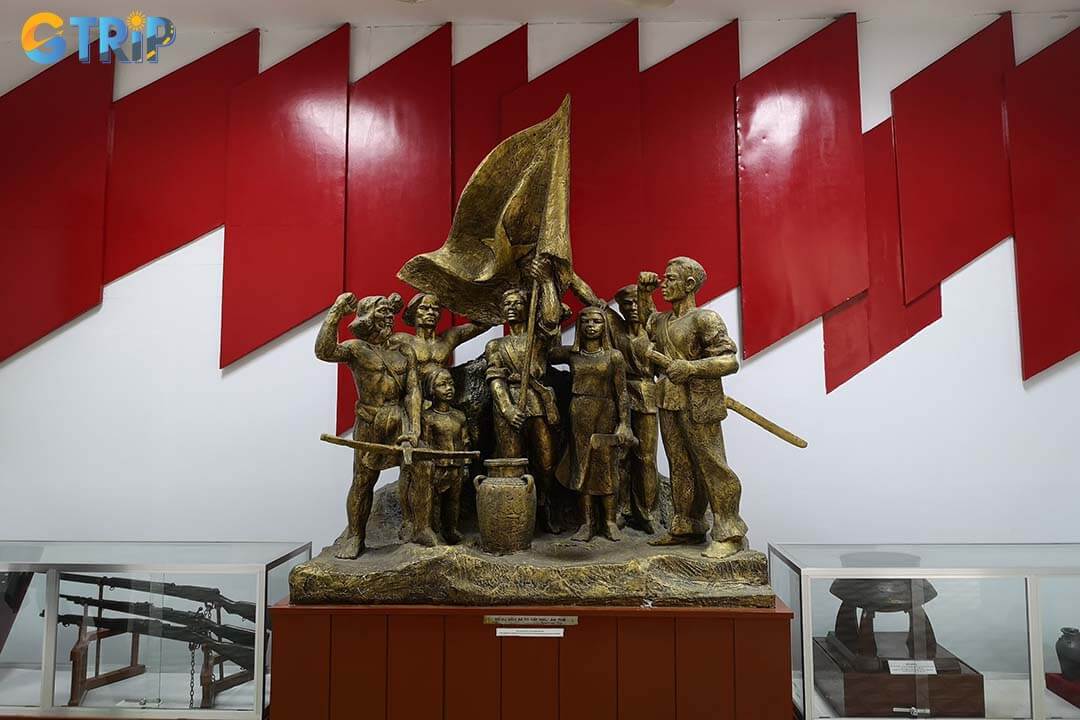
Ho Chi Minh Museum in Da Nang was created to honor President Ho Chi Minh and preserve the wartime history and sacrifices of Military Zone 5
Exhibitions in the Ho Chi Minh Museum in Da Nang
The museum's vast collection is thoughtfully organized into several distinct areas, each providing a unique and compelling look into Vietnamese history.
Outdoor exhibition area
The moment you step into the complex, you are greeted by an impressive and sprawling outdoor exhibition. This area is dominated by an impressive display of large-scale military hardware, creating a dramatic first impression. You will walk among towering Soviet MiG-21 fighter jets, captured American M48 Patton tanks, heavy artillery canons, anti-aircraft batteries, and even a helicopter.
Also in this area is a life-sized replica of Uncle Ho’s Stilt House from Hanoi, complete with his study, bedroom, and simple personal effects. Adjacent to it is a serene fish pond, known as Ho Chi Minh’s fish pond, which provides a poignant contrast to the surrounding machinery of war. This juxtaposition of simplicity and conflict is a powerful theme throughout the museum.
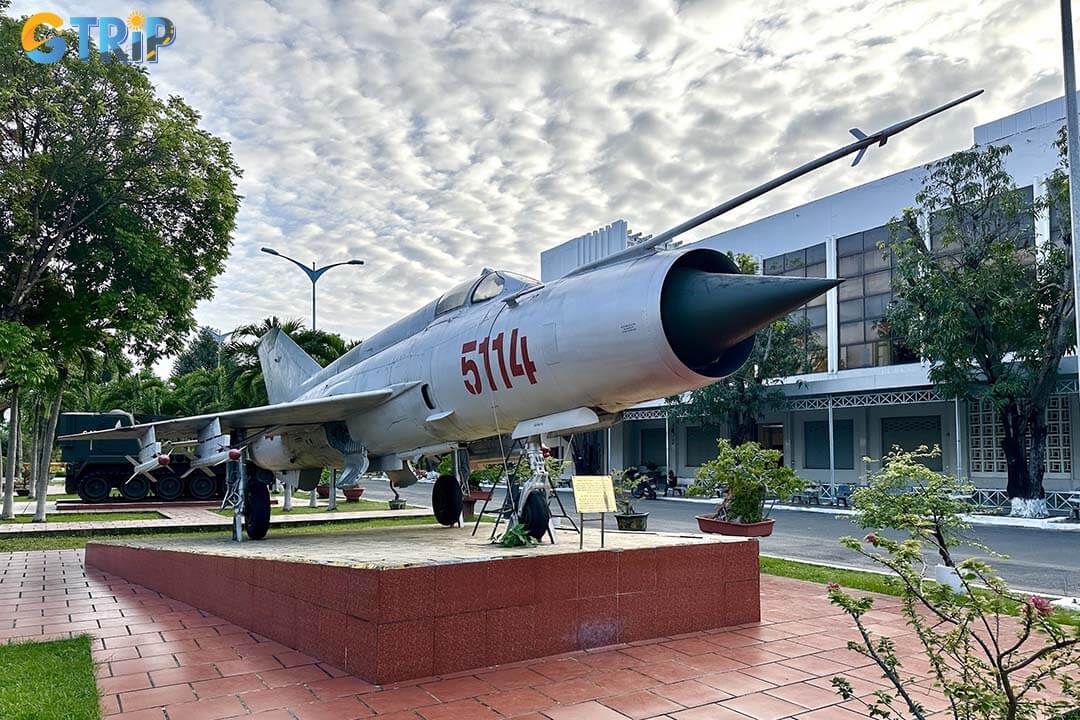
The outdoor exhibition features imposing war relics like jets and tanks alongside a replica of Ho Chi Minh’s humble stilt house
Exhibition on the History of Military Zone 5
The main indoor building houses the Military Zone 5 Museum. This is an extensive gallery containing over 12,000 artifacts spread across seven thematic rooms. The exhibits guide you chronologically through the region's military history, starting with local resistance against French colonialism. It covers the pivotal August Revolution of 1945, the brutal nine-year war against the French, and culminates in the long and arduous Vietnam War (known in Vietnam as the American War). The exhibits use dioramas, maps, photos, and documents to tell the story of this fiercely contested region.
Special thematic exhibition rooms
Beyond the main historical timeline, several rooms are dedicated to special thematic displays that provide a deeper, more personal insight into the wars. These curated collections are arguably the most moving part of the museum. Here, you will find unique artifacts that speak volumes about the ingenuity and resilience of the Vietnamese forces. The displays feature improvised weapons, basic medical tools, and personal items like letters, diaries, and photos from soldiers. These rooms shift the focus to the grand scale of war and the profound human stories of those who lived and fought through it.
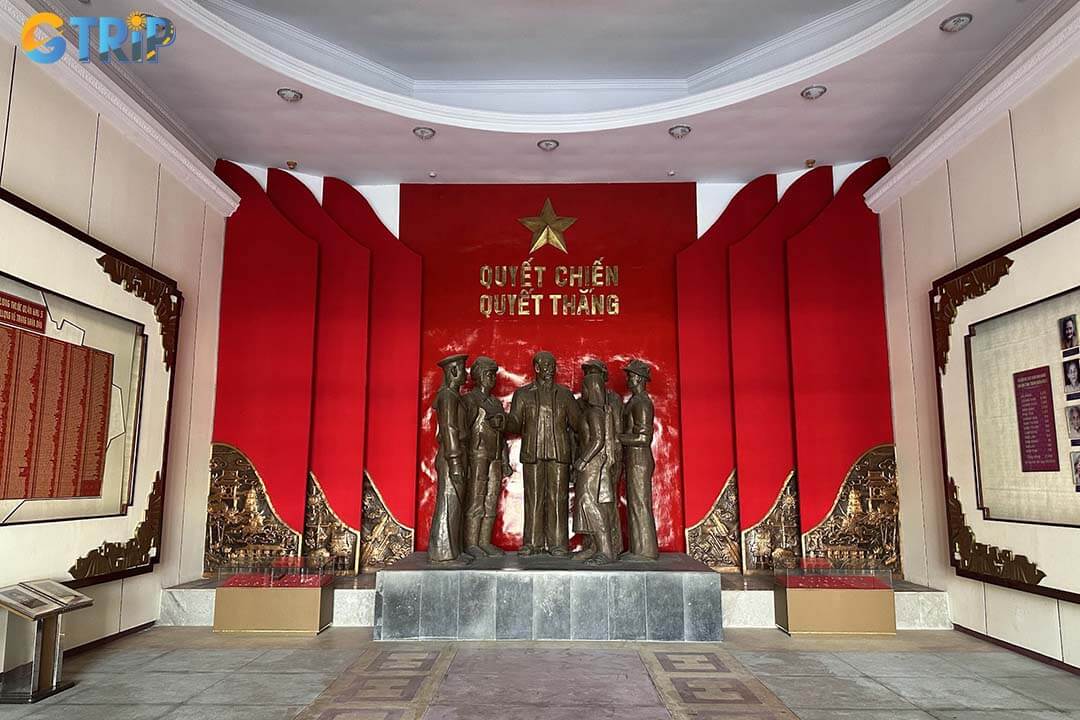
The thematic rooms showcase personal wartime artifacts, offering a deeply human perspective on the ingenuity, resilience, and sacrifices of Vietnamese soldiers
Things to do at Ho Chi Minh Museum in Da Nang
To truly absorb the weight of history contained within these walls and grounds, here is a breakdown of the key experiences you shouldn't miss.
1. Explore the outdoor exhibition area
Take your time walking among the giants of 20th-century warfare. Standing next to a battle-scarred T-34 tank or looking up at the sleek profile of a MiG-21 fighter gives you a tangible sense of the scale and power involved in the conflicts. These are not pristine models, many bear the marks of history. Notice the difference between the Soviet-era equipment supplied to the North and the captured American hardware, which tells its own story of victory and loss.
2. Discover Ho Chi Minh’s Stilt House model and fish pond
Step away from the war machinery and into a space of quiet contemplation. The faithful replica of Ho Chi Minh’s stilt house in Hanoi is a window into the man's philosophy of simplicity and modesty. Peeking into his sparse living quarters and library offers a stark contrast to the immense political power he wielded. The tranquil fish pond next to it is a perfect spot to pause and reflect on the leader's vision for a peaceful, unified Vietnam.
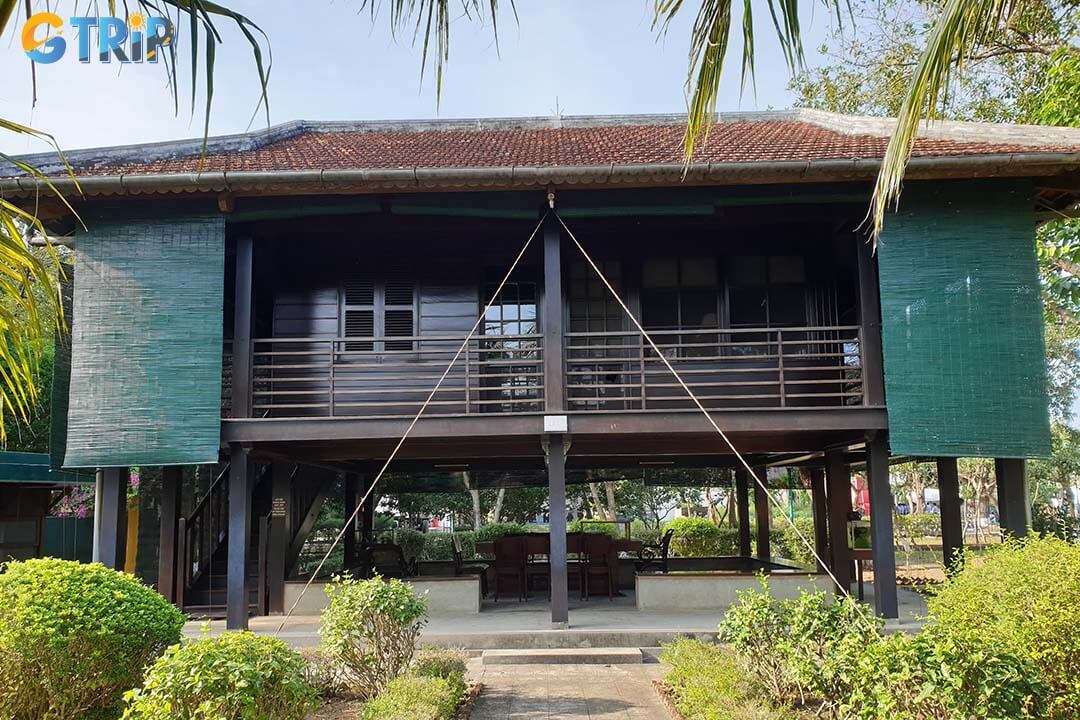
The stilt house replica and tranquil fish pond reflect Ho Chi Minh’s philosophy of simplicity, offering a peaceful space for reflection amid the museum complex
3. Learn about the history of Military Zone 5 through indoor galleries
Dedicate the majority of your time to the indoor galleries. We recommend following the exhibits chronologically to understand the full arc of the region's struggles. Pay close attention to the detailed maps and dioramas, which vividly reconstruct key campaigns like the Battle of Dien Bien Phu and operations along the Ho Chi Minh Trail. Every display case, such as faded black-and-white photos to official war documents, tells a crucial chapter of the larger story.
4. Explore thematic exhibits on the Resistance Against French and American Forces
Go deeper by exploring the rooms dedicated to specific aspects of the resistance. Look for exhibits showcasing the incredible ingenuity of the Viet Cong and North Vietnamese Army. You'll see homemade grenades, weapons fashioned from unexploded American bombs, and intricate booby traps. These displays are a powerful testament to the resourcefulness and determination of a guerrilla force fighting a technologically superior enemy on their home turf.
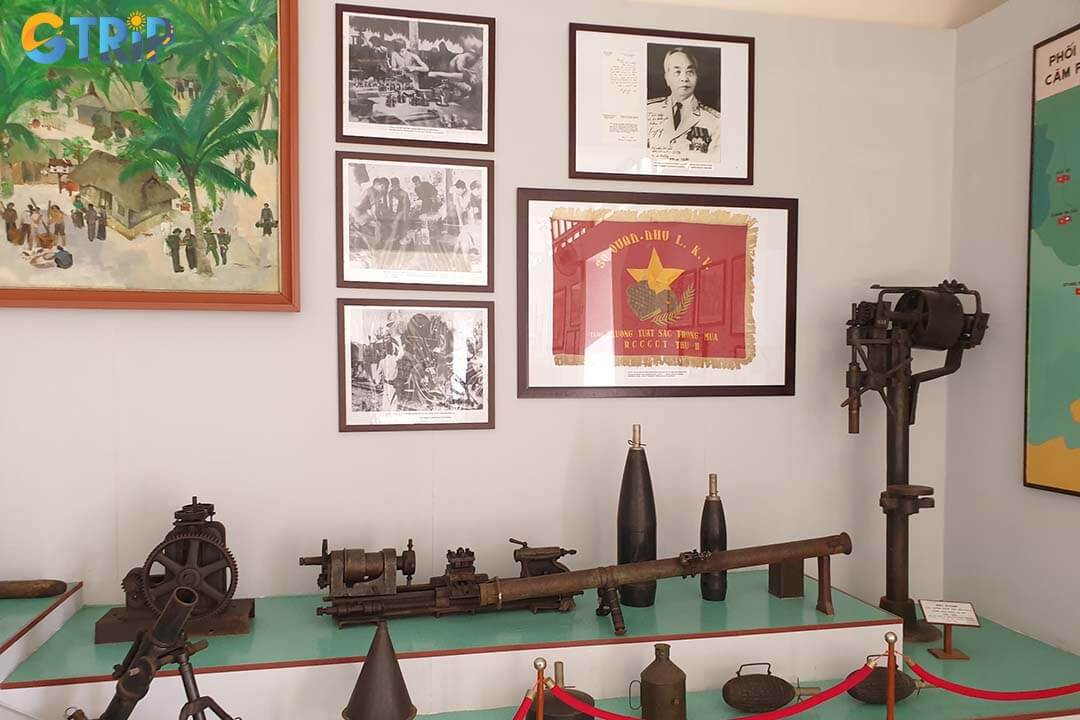
Specialized exhibits highlight the ingenuity and resilience of the Viet Cong, showcasing improvised weapons and tactics used against technologically superior forces
5. Admire rare war artifacts and memorabilia
This is where the grand narrative of war becomes deeply personal. Seek out the display cases filled with soldiers' personal effects. Read the English translations of handwritten letters sent home from the front lines, and look at the worn-out sandals made from tire rubber or the small personal items carried into battle. These artifacts bridge the decades, connecting you directly to the humanity, hope, and sacrifice of the people who lived through the conflict.
6. Take photos and walk around the museum grounds
The outdoor area provides a dramatic and unique backdrop for photography, especially with the imposing military hardware. You can capture some truly powerful images by framing shots with the tanks, planes, and artillery pieces. However, always remember that this is a place of historical remembrance for the Vietnamese people. As you walk the grounds, frame your photos thoughtfully and avoid casual or disrespectful poses. Capturing the solemnity of the site is just as important as capturing the scale.
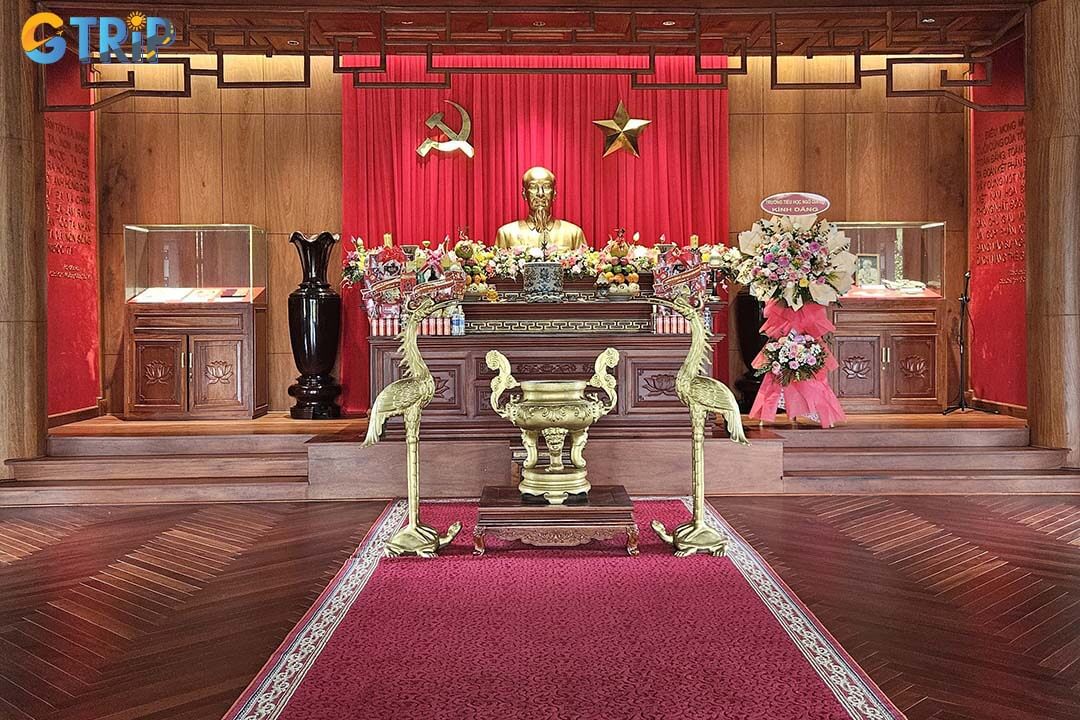
The outdoor exhibition is a powerful photography setting with tanks and aircraft, where visitors should shoot thoughtfully to respect its role as a place of remembrance
Nearby attractions to the Ho Chi Minh Museum - 5th Military Zone
After your visit, the museum’s central location makes it easy to explore other key attractions in Da Nang. Here are a few must-see spots nearby:
- Museum of Cham Sculpture: Just a 5-minute drive away, this museum is home to the world's most extensive collection of ancient Cham sculptures.
- Da Nang Museum: Located within the city's administrative center, this modern museum offers engaging exhibits on Da Nang's history, culture, and rapid development.
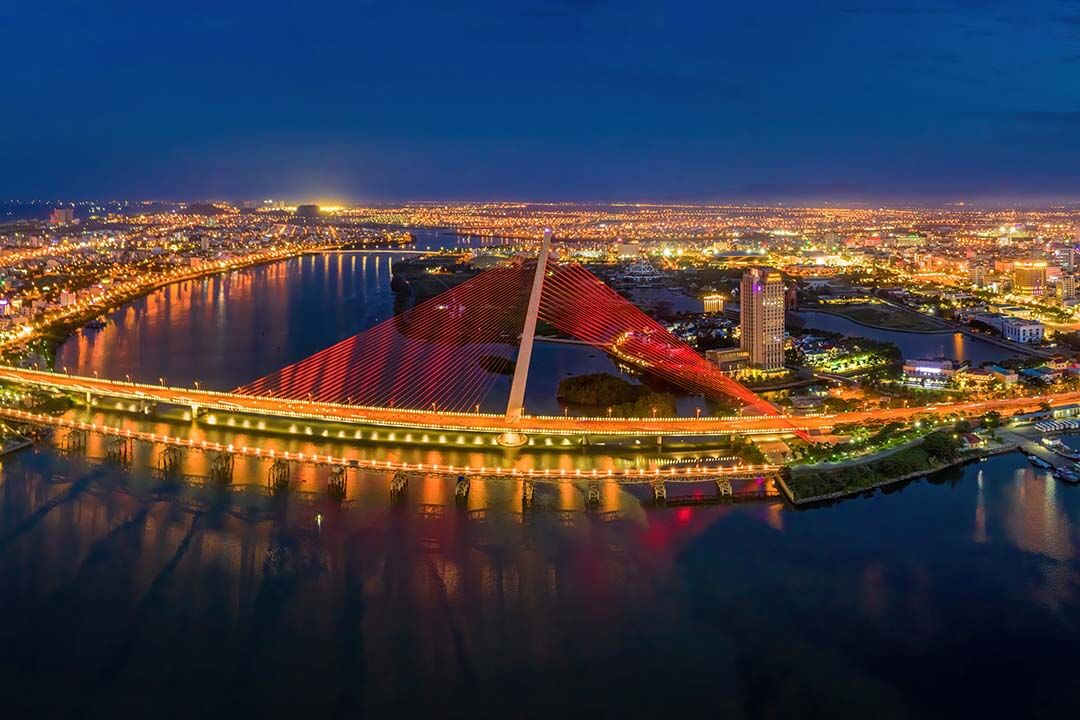
- Tran Thi Ly Bridge: One of Da Nang's most architecturally unique bridges, it is a fantastic sight, especially at night when it is beautifully illuminated.
- Asia Park - Sun World Da Nang Wonders: A large amusement park featuring rides, cultural showcases from various Asian countries, and the giant Sun Wheel for panoramic city views.
Practical tips for visitors when visiting Ho Chi Minh Museum in Da Nang City
To ensure you have a smooth and respectful experience, keep these practical tips in mind. Here at GTrip, we always recommend a little preparation to make your visit more enjoyable.
- Dress respectfully: This is a place of national importance. Visitors should dress modestly by covering their shoulders and knees. Avoid wearing shorts, tank tops, or revealing clothing.
- Best time to visit: Arrive on a weekday morning. You’ll avoid the worst of the midday heat while exploring the outdoor area and miss the larger weekend crowds.
- Allow enough time: To see everything without feeling rushed, plan to spend at least 1.5 to 2 hours here.
- Bring water: Stay hydrated, especially on hot days, as a significant part of the exhibition is outdoors.
- Check holiday schedules: The museum may have different operating hours on public holidays, so it's wise to check ahead if your visit falls on a special date.
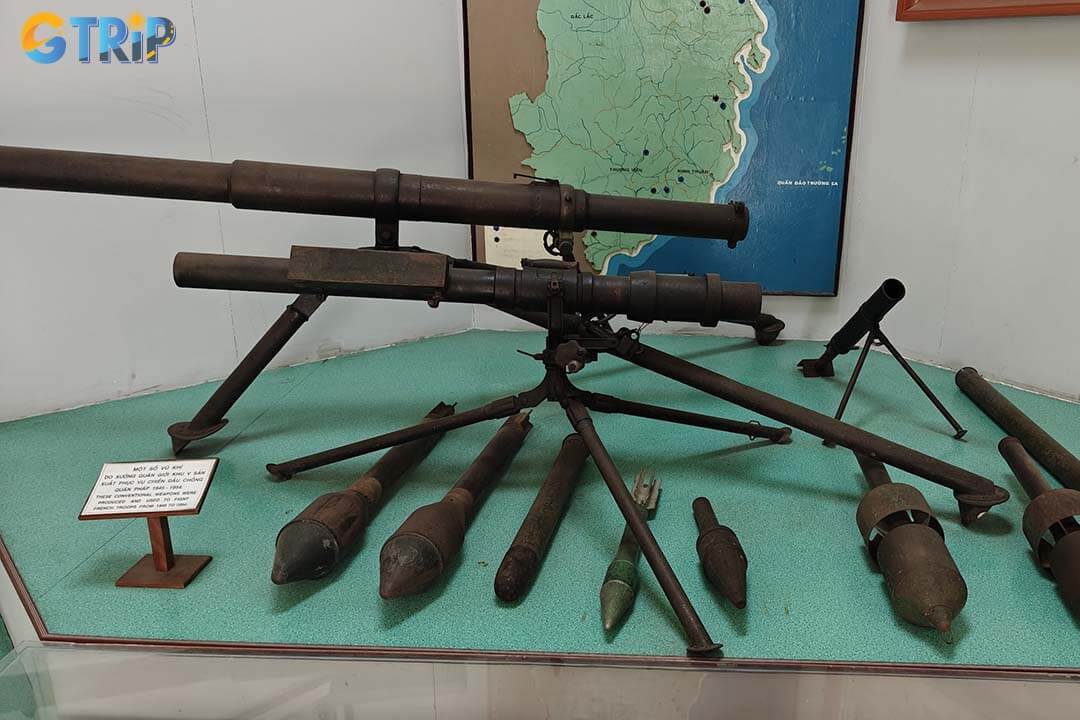
Dress modestly, visit on a weekday morning, allow 1.5 - 2 hours, bring water, and check holiday hours to ensure a smooth and respectful visit
A visit to the Ho Chi Minh Museum in Da Nang is an unforgettable and sobering experience that invites you to look beyond the city’s modern skyline and connect with the powerful history that shaped it. The museum masterfully weaves together the life of a revolutionary leader with the resilience and determination of the local people, leaving visitors with a deeper appreciation of Vietnam’s journey to independence. Whether explored independently or as part of thoughtfully designed Da Nang Tours, this cultural landmark offers meaningful insight into the nation’s past. GTrip believes that great travel is about connection, and a journey through this museum connects you directly to the heart and soul of Vietnam’s history, making it a must-see in Da Nang.