



Feb - 06 - 2026
Dong Dinh Museum is a hidden gem tucked away in the protected forests of Da Nang’s Son Tra Peninsula. Blending nature, art, and cultural heritage, the museum offers a peaceful escape from the city and a unique look into Vietnam’s ethnic traditions. If you’re planning your Da Nang itinerary with GTrip, this lesser-known attraction is well worth adding for a quiet, cultural experience close to nature. The museum features traditional houses, ethnic artifacts, and art displays seamlessly integrated into the forest landscape, making the visit both educational and relaxing.
Overview of the Dong Dinh Museum
To help you plan your visit more easily, it’s important to first understand where the Dong Dinh Museum is located and how to arrange your time and budget. The following sections cover the museum’s exact location, opening hours, and entrance fee to ensure a smooth and well-prepared experience.
Where is Dong Dinh Museum?
Location: Son Tra Peninsula, Hoang Sa Road, Son Tra Ward (formerly Tho Quang Ward, Son Tra District), Da Nang City
The Dong Dinh Museum is beautifully situated on the verdant slopes of the Son Tra Peninsula. The museum is located on the main road that winds up the peninsula towards the famous Linh Ung Pagoda Son Tra, making it a convenient and logical stop on any Son Tra excursion.
This prime location places it far from the noise and bustle of downtown Da Nang, immersing visitors in a serene, natural environment. The sound of the city is replaced by the gentle rustling of leaves and the calls of native wildlife, creating an atmosphere of peace and reflection that perfectly complements the historical collections within.
Opening hours and entrance fee
- Opening hours: 8:00 AM - 5:00 PM, daily
- Admission fee: 30,000 VND per adult, children under 12 are admitted for free
Getting into this cultural sanctuary is both easy and affordable. The museum maintains consistent hours, but it’s always wise to confirm before you visit.
The small entrance fee is exceptionally reasonable, offering incredible value for the unique and extensive experience it provides. This fee contributes to the preservation of the priceless artifacts and the maintenance of the beautiful grounds.
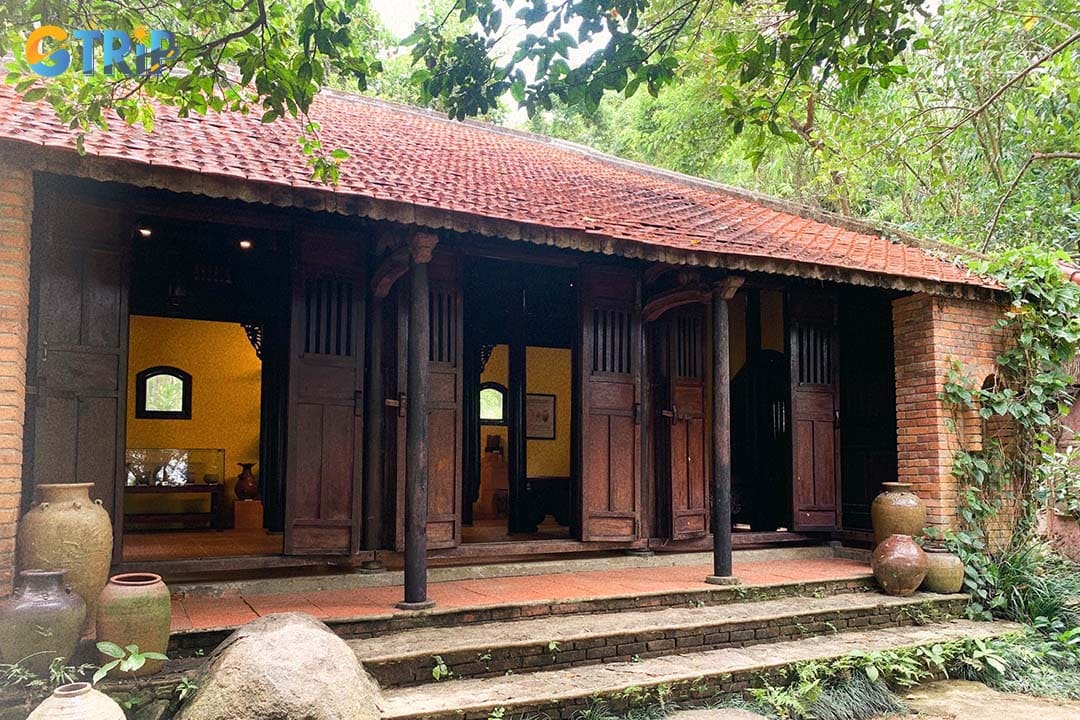
Dong Dinh Museum offers a peaceful escape from the city, surrounded by nature that enhances its quiet, reflective atmosphere
How to get to the Dong Dinh Museum
Reaching the museum is part of the adventure, as the journey takes you along one of Da Nang's most scenic coastal roads. Here are the best ways to get there:
- Motorbike/Scooter: For independent travelers, this is the most popular choice. It offers the flexibility to explore at your own pace. The road up Son Tra is well-paved but features sharp turns and steep inclines, so always drive with caution and ensure your vehicle is in good condition.
- Taxi/Ride-hailing (e.g., Grab): A convenient and safe option, especially for groups or families. It is wise to have your driver wait for you (for an additional fee) or to book a Grab car and confirm the driver will come back for the return trip. Getting a signal and a new ride from the peninsula can sometimes be challenging.
- Private car/Tour: This is the most comfortable and hassle-free option. Booking a private car or joining a tour that includes the Dong Dinh Art Museum allows you to combine your visit with other key attractions.
History of the Dong Dinh Museum
The Dong Dinh Museum is not a state-run institution but a private museum born from the lifelong passion of its founder, Artist Doan Huy Giao. A man deeply dedicated to preserving Vietnamese culture, Mr. Giao spent decades collecting artifacts from across the country. His vision was to create a space that wouldn't just store these objects but would present them in a way that harmonized with nature and told a cohesive story of Vietnam's past.
Opened in 2011, the museum is the culmination of this dream. He conceptualized it as a "garden of memories", where each structure and pathway is designed to blend seamlessly into the forest landscape of Son Tra. This private museum in Da Nang stands as a testament to the power of individual dedication to cultural preservation.
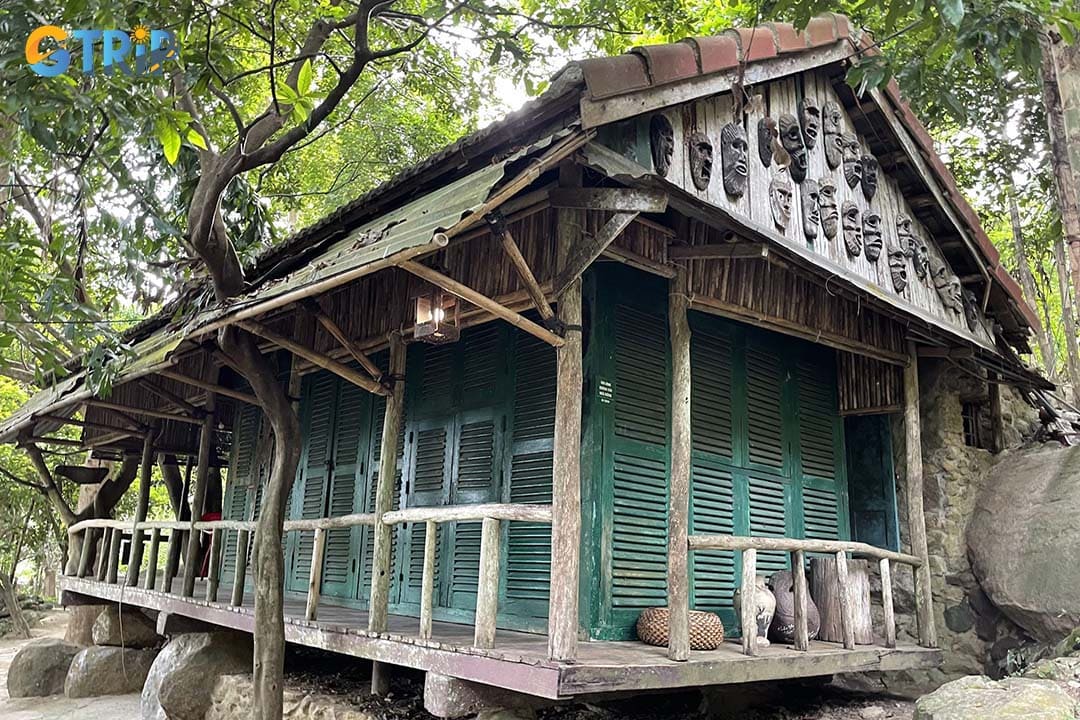
Dong Dinh Museum is a private “garden of memories” created from decades of personal collecting, designed to preserve Vietnamese culture
Exhibitions in Dong Dinh Museum
The museum's layout is a captivating journey through different facets of Vietnamese heritage. It is not one single building but a complex of small houses and open-air displays connected by winding stone paths. The exhibitions are thoughtfully curated, showcasing a diverse range of collections that span thousands of years. You will find everything, such as ancient pottery and tools from Vietnam’s earliest civilizations, vibrant cultural artifacts from the country’s 54 ethnic groups.
In addition to these historical treasures, the museum also serves as a gallery for both traditional and contemporary art, creating a dynamic dialogue between the past and the present. Each exhibit is housed in a structure built with natural materials like wood, stone, and terracotta, enhancing the organic, immersive experience.
Things to do at Dong Dinh Museum in Da Nang City
A visit here is a multi-sensory experience that engages both the mind and the spirit. Here are the highlights you absolutely shouldn't miss.
1. Explore the Nam Tho Fishing Village Memory House
One of the most unique structures in the museum is the Memory House, which pays homage to the coastal heritage of Da Nang. This building is constructed from the reclaimed wood of an old fishing boat from the nearby Nam Tho fishing village. Inside, you’ll discover a collection of traditional fishing tools, such as nets, bamboo traps, and coracle boats, that were once central to the lives of local fishermen. It offers a poignant, tangible glimpse into a way of life that is slowly fading, preserving the soul of Da Nang’s seafaring past.
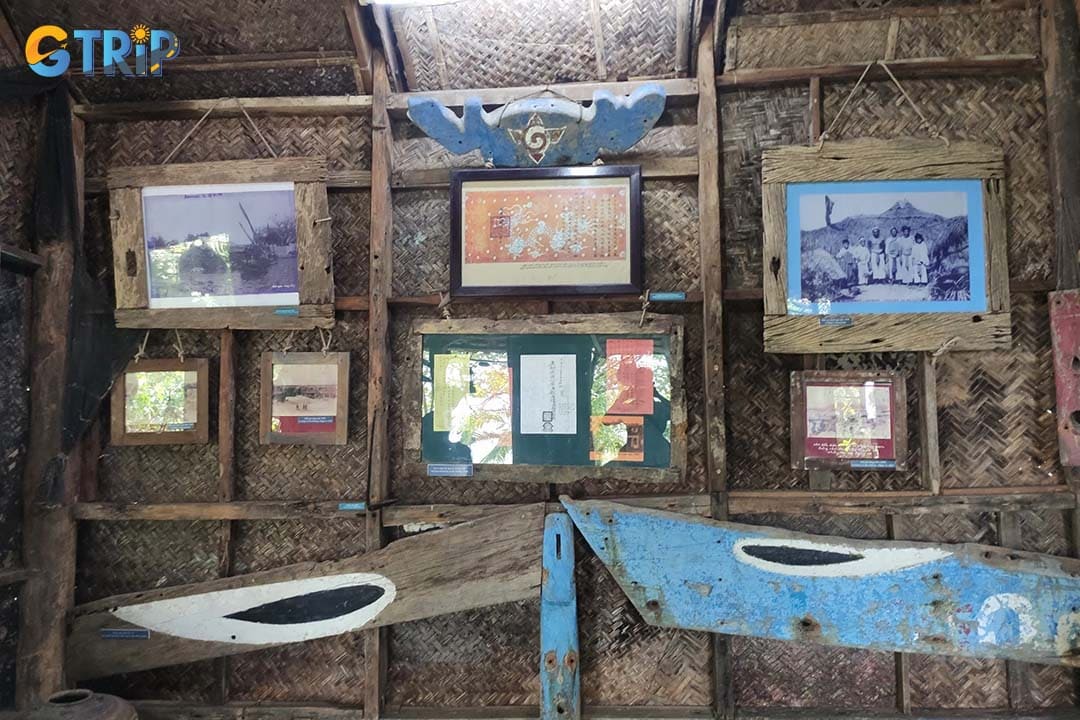
The museum’s Memory House honors Da Nang’s coastal heritage by displaying traditional fishing tools and offering a poignant glimpse into the city’s fading seafaring past
2. Visit the exhibition showcasing artifacts from Vietnam’s 54 ethnic groups
Vietnam is home to an incredible mosaic of cultures, and this exhibition celebrates that diversity. Housed in a traditional-style stilt house, this collection features a rich variety of everyday and ceremonial objects from many of Vietnam’s 54 official ethnic groups. Here you can admire a vast array of artifacts. They are intricately woven textiles from the H'mong and Thai people, delicate silver jewelry from the Dao, and essential agricultural tools used by communities in the Central Highlands. The display provides a fascinating insight into the distinct customs, aesthetics, and skills of these communities.
3. Discover displays dedicated to ethnic minority cultures and heritage
Going beyond just objects, another area of the museum delves deeper into the cultural context and spiritual life of Vietnam’s ethnic minorities. This Vietnamese ethnic culture exhibition is a profound educational experience. You can see full ceremonial costumes worn during weddings and festivals, spiritual objects like shamanic masks and ritual drums, and beautifully crafted architectural models of traditional homes. These displays are not just about aesthetics. They tell the stories of belief systems, social structures, and the deep connection between the people and their ancestral lands.
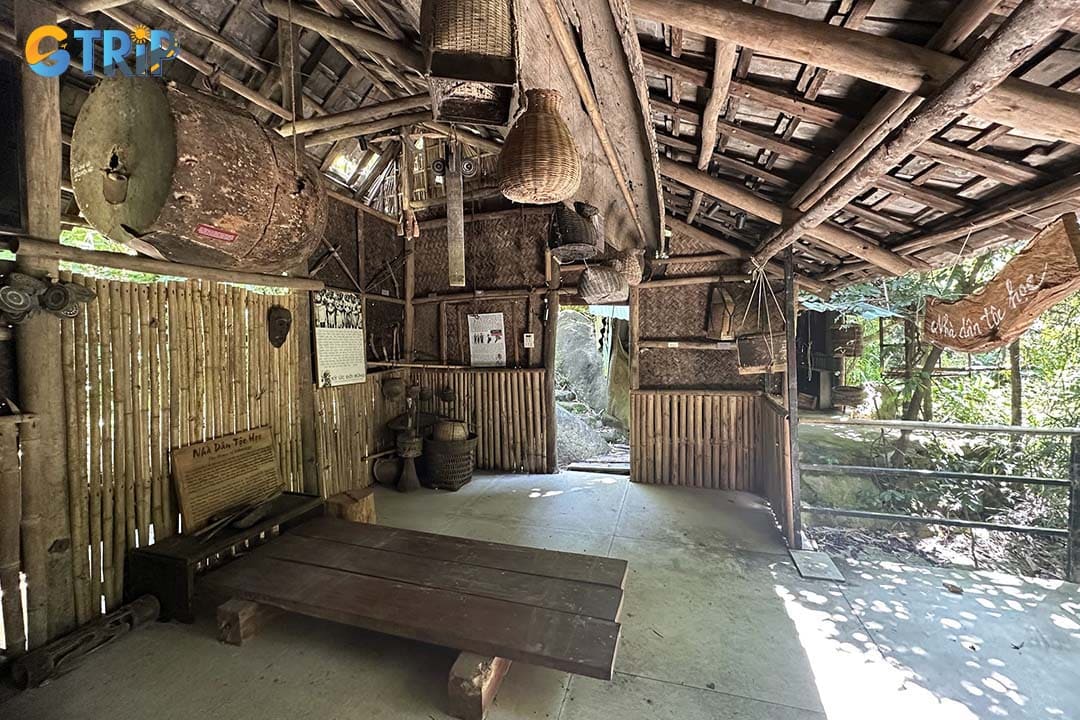
The museum’s Vietnamese ethnic culture exhibition offers a deeply educational look into the spiritual life and traditions of ethnic minorities
4. Admire the art exhibition spaces featuring traditional and contemporary works
The Dong Dinh Museum masterfully bridges the ancient and the modern. One gallery is dedicated to ancient ceramics, featuring an impressive collection of pottery and artifacts from foundational Vietnamese cultures. They are from the Sa Huynh culture (dating back over 2,000 years) and the Champa culture. In other spaces, you’ll find a curated selection of contemporary art, including abstract paintings, sculptures, and installations by modern Vietnamese artists. This juxtaposition highlights the evolution of artistic expression in Vietnam and positions the museum as an important hub for traditional art in Da Nang and beyond.
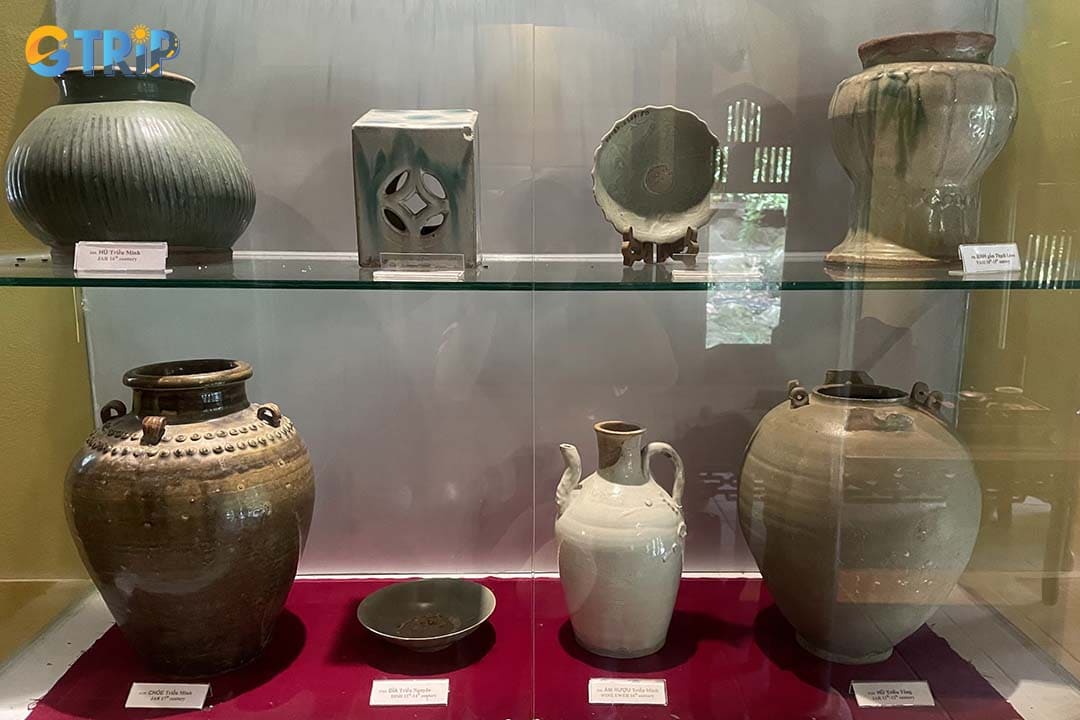
The Dong Dinh Museum bridges ancient and modern Vietnam by showcasing ceramics from the Sa Huynh and Champa cultures alongside contemporary artworks
5. Enjoy traditional tea while listening to dan tranh performances on weekends
To make your visit truly unforgettable, plan it for a weekend. On Saturdays and Sundays, the museum often hosts live musical performances. Find a quiet spot in one of the open-air pavilions, where you can sip traditional Vietnamese tea and listen to the ethereal, mesmerizing sounds of the dan tranh, a traditional Vietnamese zither. This sensory experience, with the forest as a backdrop and ancient music filling the air, is the perfect embodiment of the museum's tranquil, soulful atmosphere. It’s a moment of pure cultural immersion.
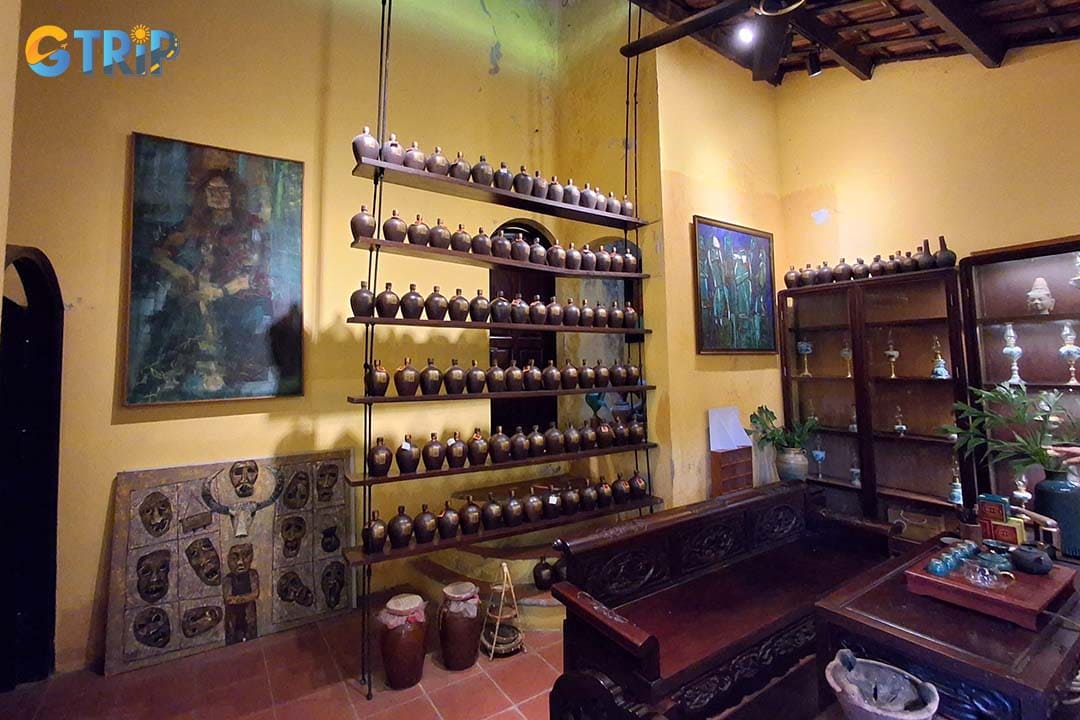
Plan your visit for the weekend, when live dan tranh performances, traditional tea, and the serene forest setting combine to create a deeply immersive and unforgettable cultural experience at the museum
6. Relax with a coffee at Dong Dinh Museum’s cafe (Cafe Du Musee)
After immersing yourself in art and history, there’s no better place to reflect on your experience than at the museum's charming cafe. Known as Cafe Du Musee, this serene spot offers a selection of coffee, tea, and other refreshments. Tucked away amidst the trees, its open-air seating provides stunning views of the forest and the distant sea. The quiet ambiance makes it the perfect place to relax, read a book, or simply sit and absorb the peaceful energy of the Son Tra Peninsula before continuing your journey.
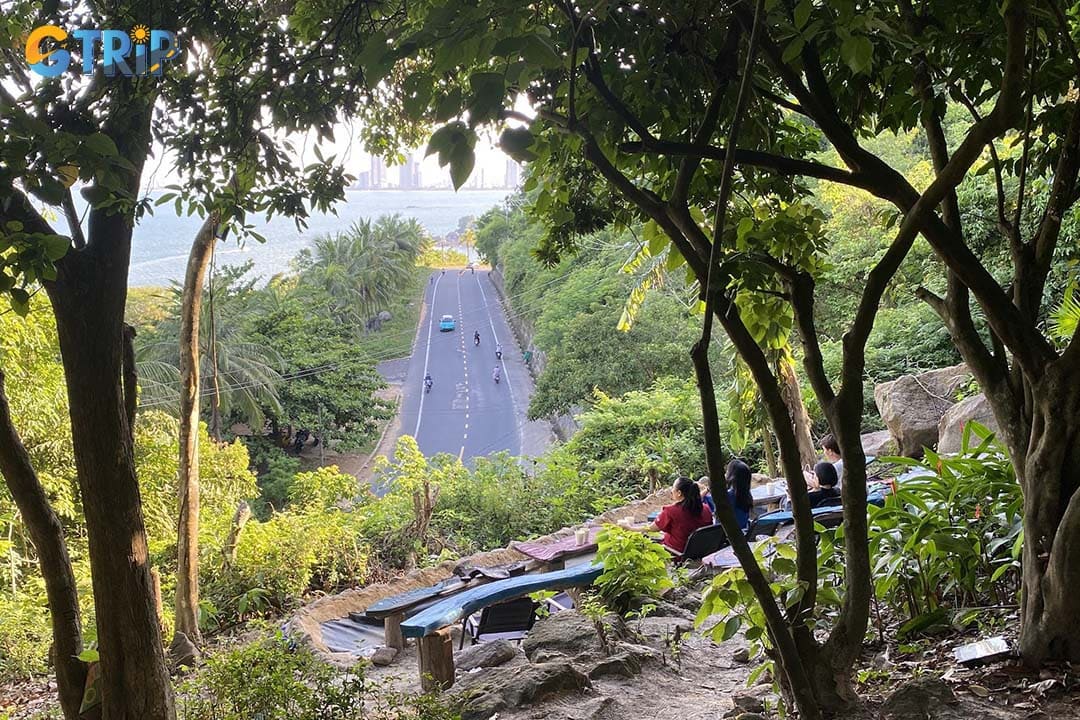
Unwind at Cafe Du Musee, a tranquil open-air cafe nestled among the trees, where you can enjoy a coffee or tea with peaceful forest views stretching toward the sea
Nearby attractions to the Dong Dinh Museum
One of the best things about visiting the Dong Dinh Museum is its strategic location, which allows you to easily combine it with other famous attractions on the Son Tra Peninsula. Here's what else you can do nearby:
- Linh Ung Pagoda on Son Tra Peninsula: Just a short drive further up the road, this is one of Da Nang’s most iconic spiritual sites. It is famous for its magnificent 67-meter-tall Lady Buddha statue, which watches over the city and the sea. The pagoda complex itself is vast and beautifully landscaped.
- Bai But Beach: Located at the foot of the peninsula near the museum, Bai But is a relatively quiet and pristine beach. It’s an ideal spot for a refreshing swim or simply relaxing on the sand after your cultural explorations.
- Ban Co Peak: For the adventurous, continue your journey to the very top of Son Tra Peninsula to reach Ban Co Peak. It offers the most spectacular panoramic views of Da Nang city, the coastline, and the surrounding mountains.
- Tien Sa Port Area: Situated on the western side of the peninsula, this area provides a fascinating look at a functional port, with fishing boats and larger vessels coming and going. It’s a great spot for those interested in maritime activity and local life.
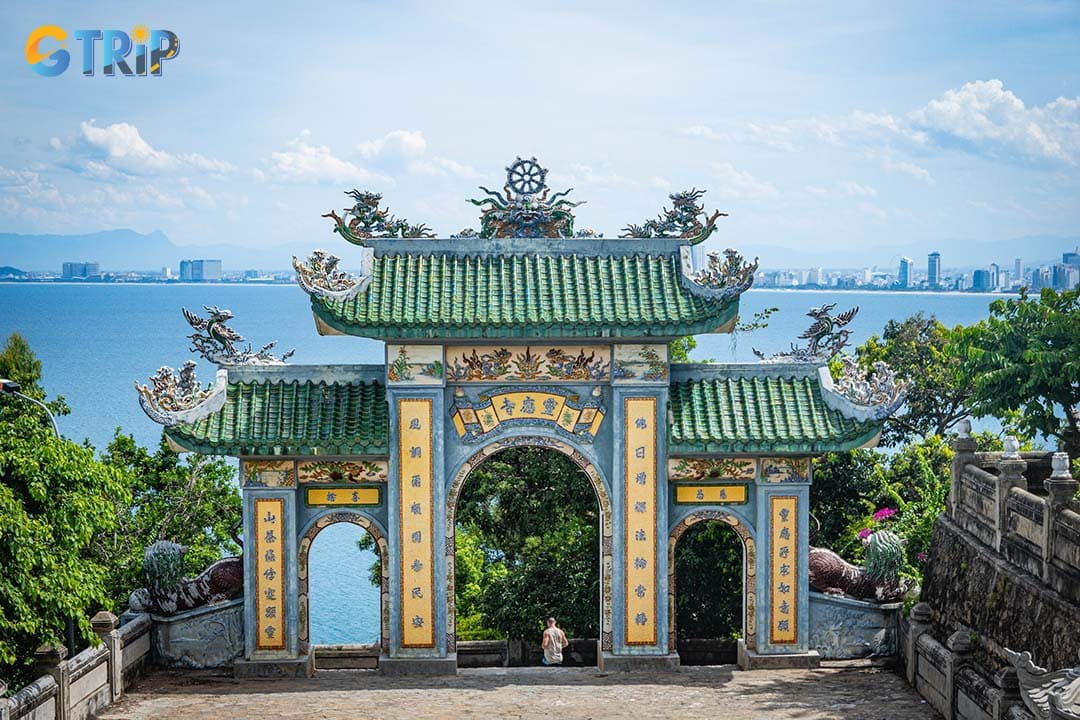
After exploring the Dong Dinh Museum, you can go up to the top of the mountain to visit the Linh Ung Pagoda
Practical tips for visitors
To ensure a smooth and enjoyable visit to this forest museum, keep these practical tips in mind:
- Wear comfortable walking shoes: The museum grounds consist of uneven stone paths, steps, and slopes that connect the various exhibition houses.
- Bring insect repellent: Being in a lush, tropical forest setting means mosquitoes and other insects are present, especially during the wetter months.
- Allow at least 1.5-2 hours for your visit: To truly appreciate the vast collections and the serene atmosphere without rushing, give yourself plenty of time.
- Check the weather forecast before you go: Rain can make the outdoor paths slippery. An umbrella or a light rain jacket is a good idea if showers are predicted.
- Bring a camera: The combination of unique architecture, ancient artifacts, and stunning natural scenery provides endless opportunities for beautiful photographs.
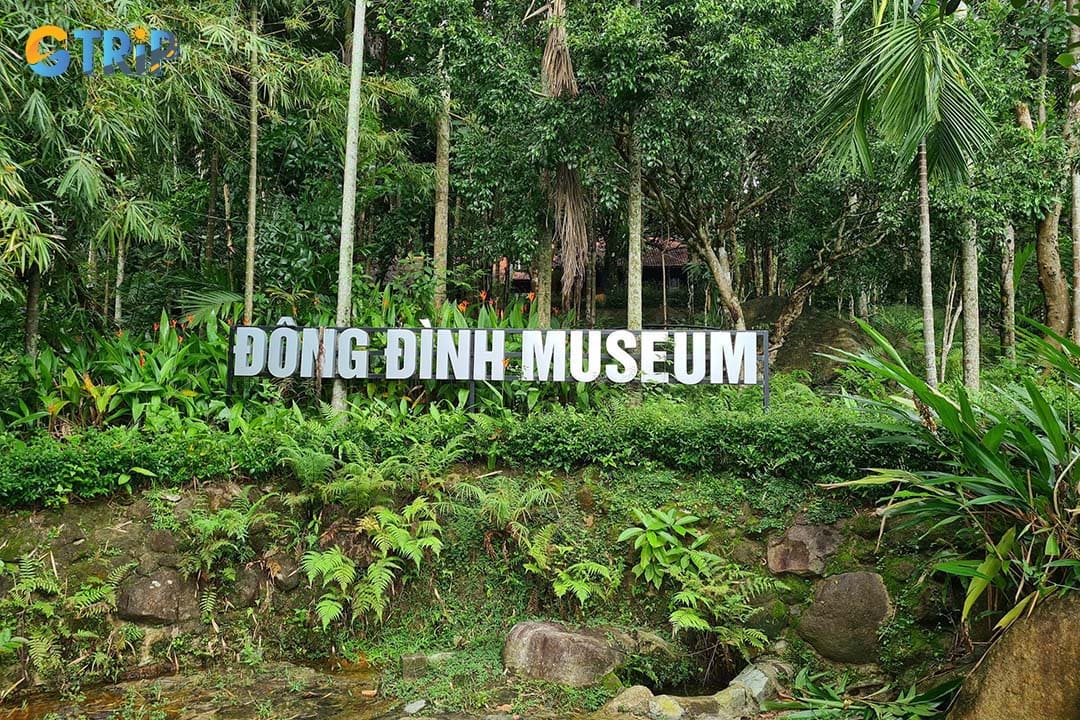
Remember practical tips to have a wonderful visit to the Dong Dinh Museum
The Dong Dinh Museum is one of Da Nang's most meaningful cultural sites, offering a quiet alternative to the city’s beaches and bridges. Its thoughtful curation blends Sa Huynh and Champa heritage with contemporary art and Vietnam’s living ethnic cultures, creating a deeply enriching experience in nature. For travelers seeking depth and beauty, this “garden of memories” is an essential stop. Explore meaningful cultural experiences with our Da Nang tours, and let GTrip help you plan a rewarding journey in Da Nang.