



Apr - 03 - 2026
Hoi An Confucius Temple offers a serene and insightful escape into Vietnam's scholarly past, nestled just beyond the main hustle of the Ancient Town. While most visitors flock to the lamp-lit streets and bustling market, this temple provides a quiet sanctuary dedicated to knowledge, virtue, and education. This complete GTrip guide provides everything you need to plan your visit, such as its unique history, stunning architecture, and practical tips on how to get there.
Overview of the Hoi An Confucius Temple
The Hoi An Confucius Temple, known locally and more formally as Khong Mieu Hoi An, is a testament to Vietnam's deep respect for education and moral philosophy. Often referred to by various names, such as the Confucian Temple of Hoi An, Temple of Literature of Hoi An, or Temple of Letters of Hoi An. Its purpose is to honor the great Chinese philosopher Confucius and celebrate the academic achievements of scholars from the Quang Nam region. Unlike the vibrant assembly halls and ancient merchant houses that define the core of Hoi An Ancient Town, this temple was built as a center for learning, reflection, and paying tribute to intellectual prowess.
Where is Hoi An Confucius Temple?
Address: No. 126 Tran Hung Dao Street, Hoi An Ancient Town, Hoi An Ward (formerly Minh An Ward, Hoi An City, Quang Nam Province), Da Nang City
Hoi An Confucius Temple is located on Tran Hung Dao Street, one of the main roads running through the historic center of Hoi An. The temple sits just outside the busiest pedestrian streets of the Ancient Town, making it easy to reach on foot or by bicycle while exploring nearby cultural landmarks. Its location allows visitors to combine the temple with other attractions in the surrounding heritage area.
Thanks to its central position, the temple is only a short walk from many famous sites in Hoi An. Travelers exploring the Old Town can conveniently stop by to learn about Confucian traditions and the region’s long-standing educational heritage.
Opening hours and ticket prices
- Opening hours: 8:00 AM - 5:00 PM, daily
- Ticket prices: Free entry for all visitors
Hoi An Confucius Temple is open to visitors every day, making it easy to include in your itinerary when exploring the cultural landmarks of the city. The temple is typically quiet compared to other attractions in Hoi An, so visiting in the morning or late afternoon is a good idea if you prefer a peaceful atmosphere for sightseeing and photography. Since the site is a cultural and educational monument rather than a commercial attraction, visitors can enter freely without purchasing a ticket. This makes it a convenient stop for travelers interested in history, architecture, and traditional philosophy.
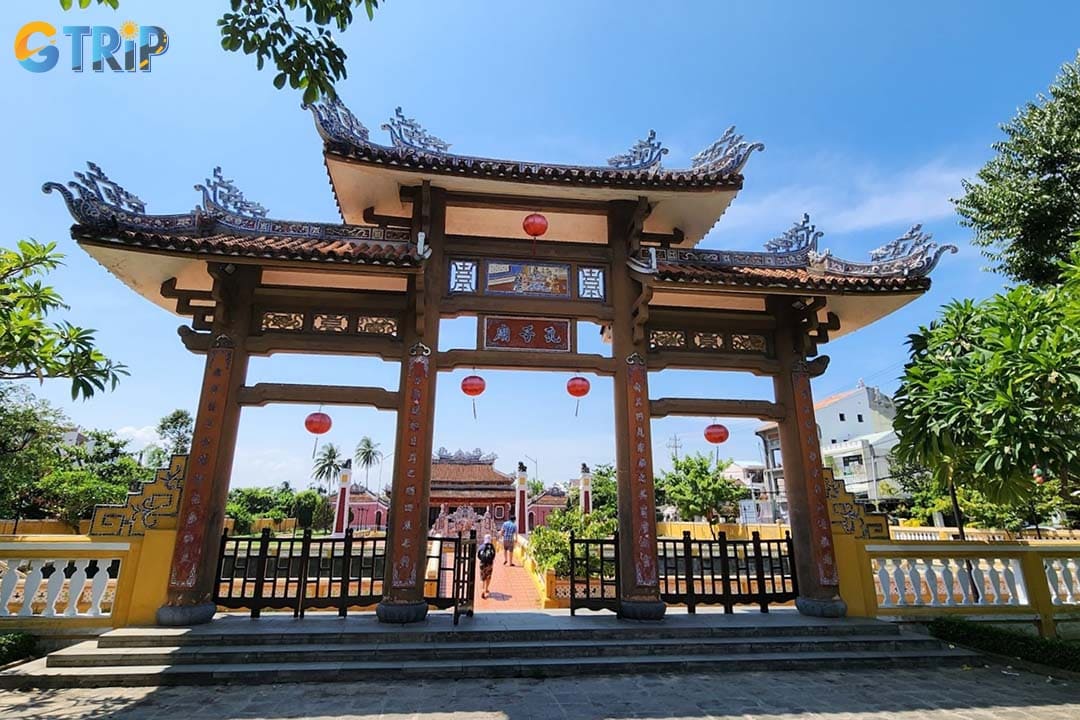
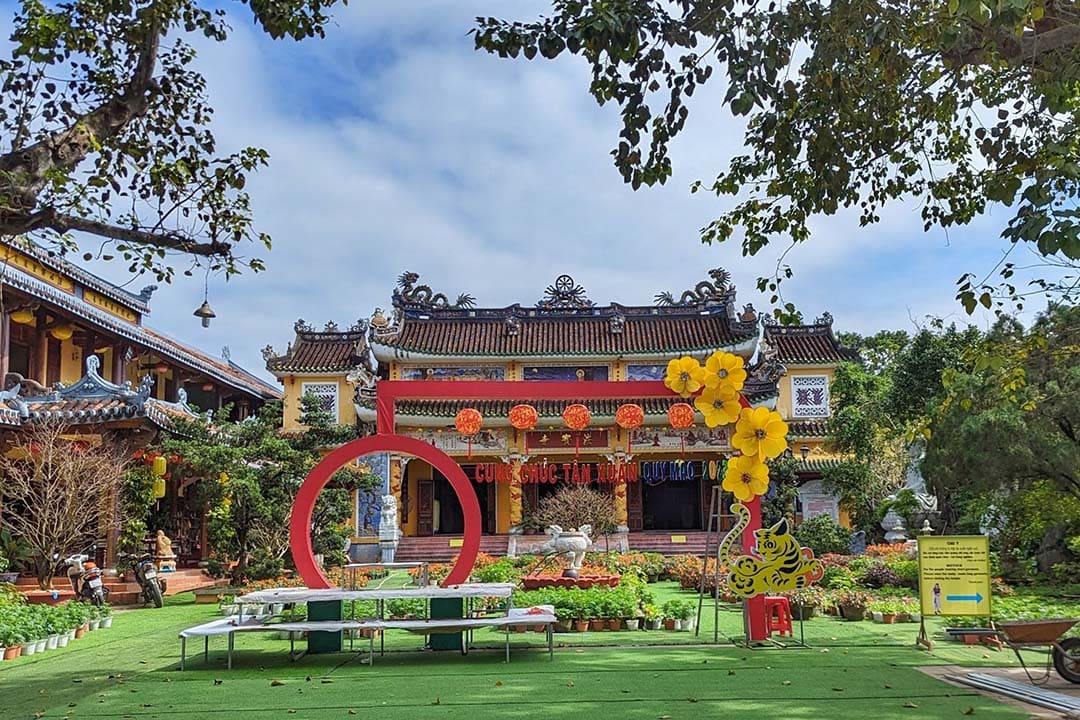
Hoi An Confucius Temple is a testament to Vietnam's deep respect for education and moral philosophy
What makes the Hoi An Confucius Temple unique?
In a town filled with historic buildings, the Hoi An Confucius Temple stands out for its specific dedication to the country's scholarly tradition. Its uniqueness lies in its purpose: it's not a merchant house, a family chapel, or an assembly hall for a specific Chinese community, but a sanctuary dedicated to knowledge and the respect for scholars. This focus provides a fascinating contrast to the commercial history that powered Hoi An's golden age.
- Tribute to education: The entire complex is a monument to Confucius and the educational heritage he inspired, a core value in Vietnamese culture.
- Tranquil environment: Located away from the busiest tourist paths, it offers a genuinely peaceful and contemplative atmosphere.
- Record of Scholars on Stone Stelae: It is one of the few places in the region where you can see stone stelae engraved with the names of local scholars. They were whom achieved high honors, a tradition mirroring the larger Temple of Literature in Hanoi.
History of the Hoi An Confucius Temple
The history of the Hoi An Confucius Temple is a story of resilience, reflecting the deep-rooted scholarly traditions of the region through centuries of change. You can trace the temple's remarkable journey through these significant historical milestones:
- 1802 - 1820: Under the reign of King Gia Long, the first Confucius Temple of Quang Nam Province was built in Cau Nhi Village.
- Late 19th century: Due to river erosion and the destruction caused by French forces in 1885, the temple had to be relocated and rebuilt several times.
- 1900 - 1945: Reconstructed during King Thanh Thai's reign, the temple later suffered heavy damage again during the war against the French in 1945.
- 1960 - 1961: The Confucian Association of Quang Nam Province suggested building a new temple in Cam Pho Village. Construction officially began in January 1961.
- 2002 - 2017: The site underwent major restorations and expansions with government assistance to preserve its cultural and historical significance.
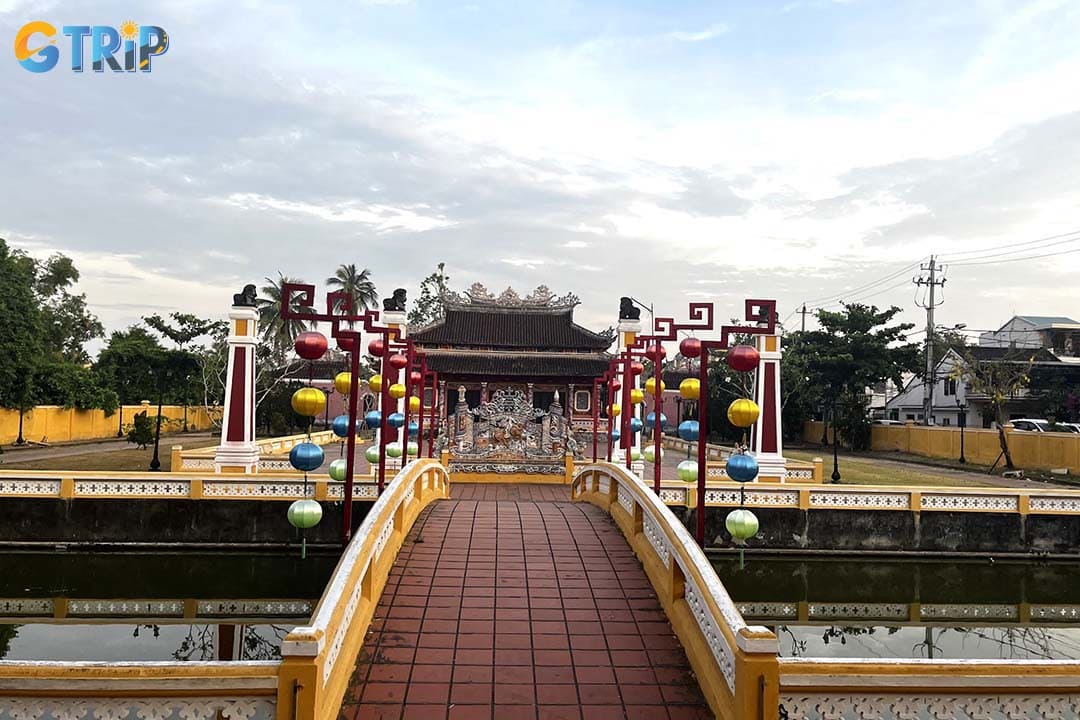
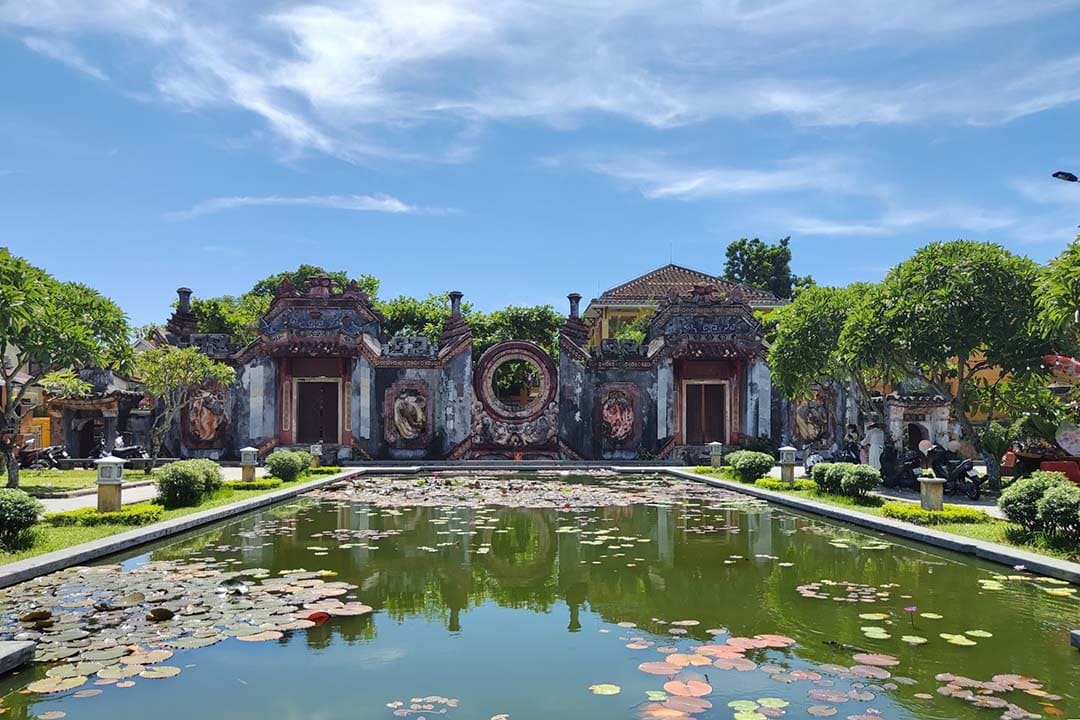
The Hoi An Confucius Temple stands out for its specific dedication to the country's scholarly tradition
Architecture of the Hoi An Confucius Temple
Spanning an area of 5,800 square meters, the architecture of the Hoi An Confucius Temple is a harmonious blend of spiritual symbolism and traditional Vietnamese craftsmanship. Visitors can explore the following key architectural elements.
Three-arched entrance gate
The journey begins at the three-arched entrance gate, featuring four majestic columns with pumpkin-like stone bases. Above the central entrance, a name board displays three Chinese characters meaning "Confucian Temple", accompanied by a painting of Confucius teaching his disciples.
The half-moon bridge
Directly behind the gate is the half-moon bridge, which spans a square lotus lake. Paved with traditional Bat Trang tiles, this bridge symbolizes the path to enlightenment and intellectual purity in Eastern philosophy.
The lotus pond
The square lotus pond surrounding the bridge adds a tranquil atmosphere to the temple grounds. In Asian culture, the lotus represents the noble character of a scholar, pure and untainted despite growing in mud.
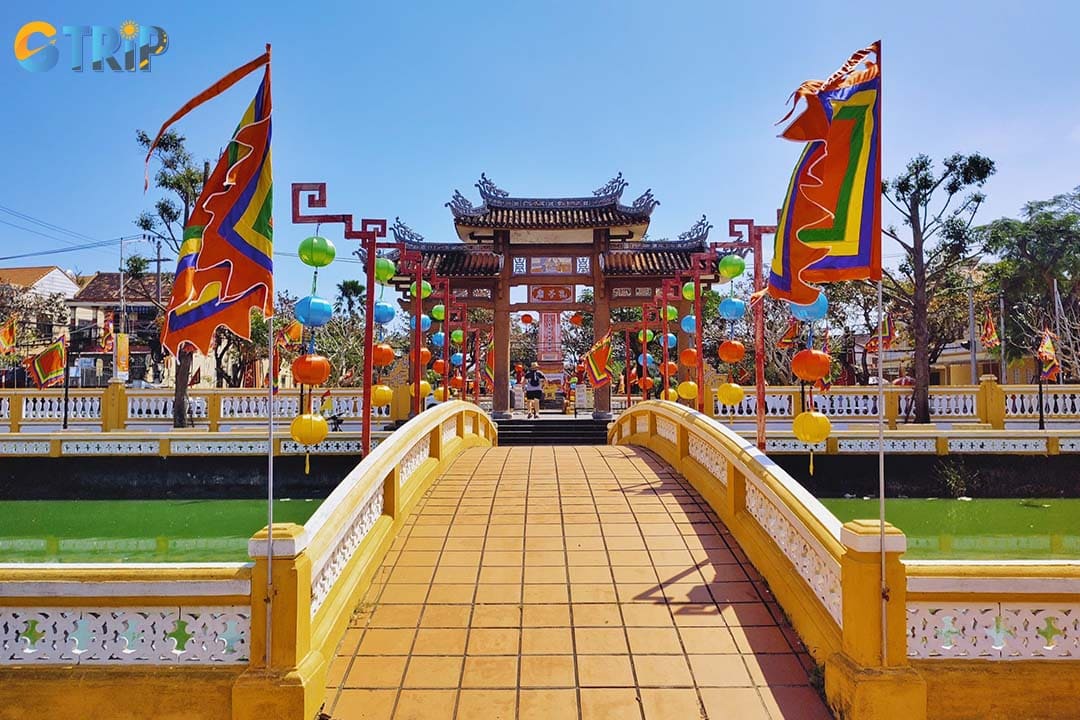
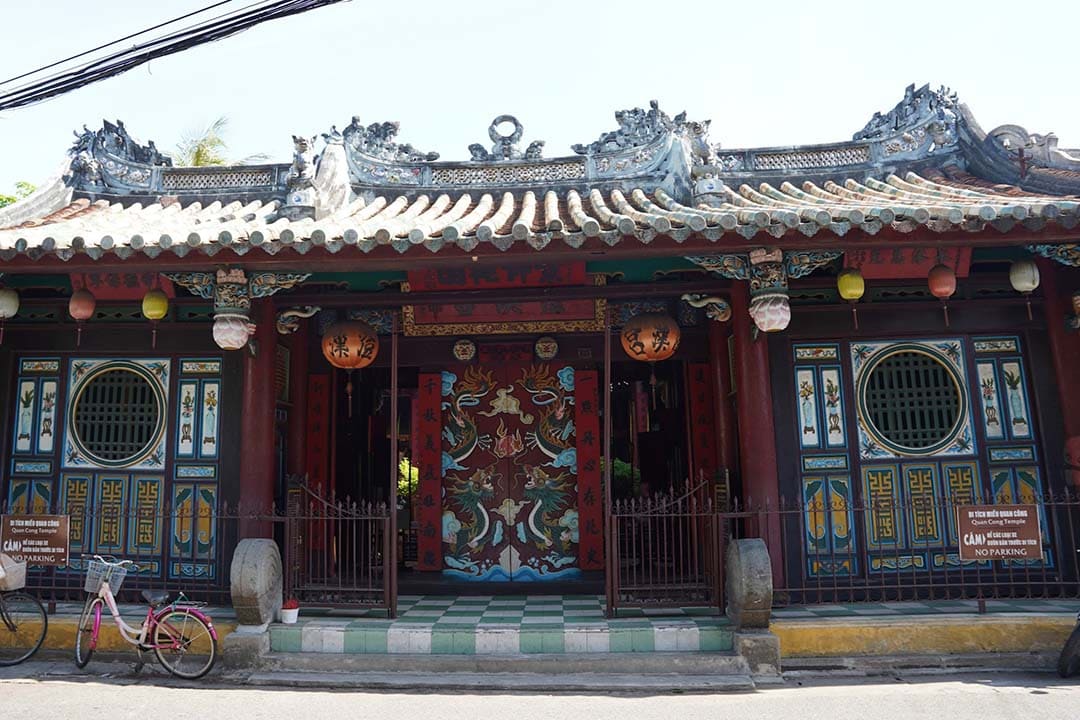
The architecture of the Hoi An Confucius Temple is a harmonious blend of spiritual symbolism and traditional Vietnamese craftsmanship
Memorial pillars and protective screen
At the bridge's end stands a "binh phong" (protective screen) decorated with a Longma (dragon-horse) and symbols of the four categories of people: fisherman, woodcutter, farmer, and scholar. Four tall pillars topped with unicorns stand nearby to safeguard the temple from bad spirits.
The main worshipping hall
The heart of the complex is the main hall, built of brick with a double-layered tile roof adorned with dragons. Inside, a prominent board reads "Teacher of all ages", where Confucius and his most eminent disciples are honored.
The East and West houses
Symmetrically arranged on either side of the courtyard, these houses follow the traditional three-compartment house style. They serve as spaces for preparing ceremonies, meeting, and preserving the temple’s historical documents.
The back worshipping hall
Located behind the main hall, the back hall is dedicated to honoring local students from Quang Nam who passed the national imperial examinations. This section emphasizes the province's long-standing tradition of academic excellence.
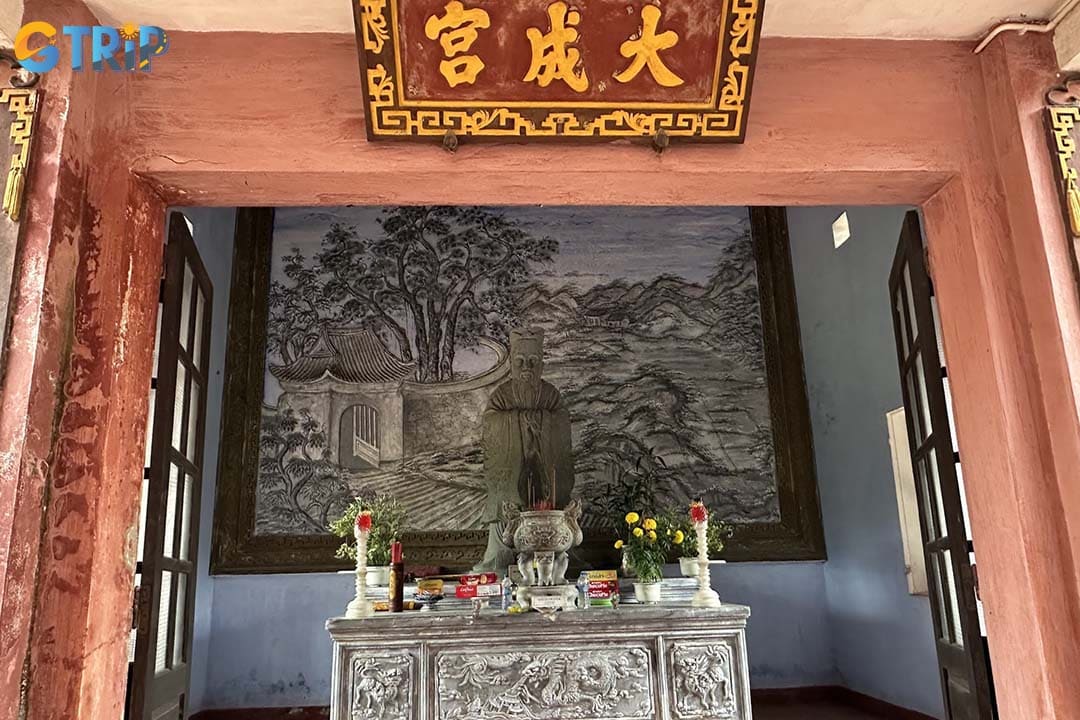
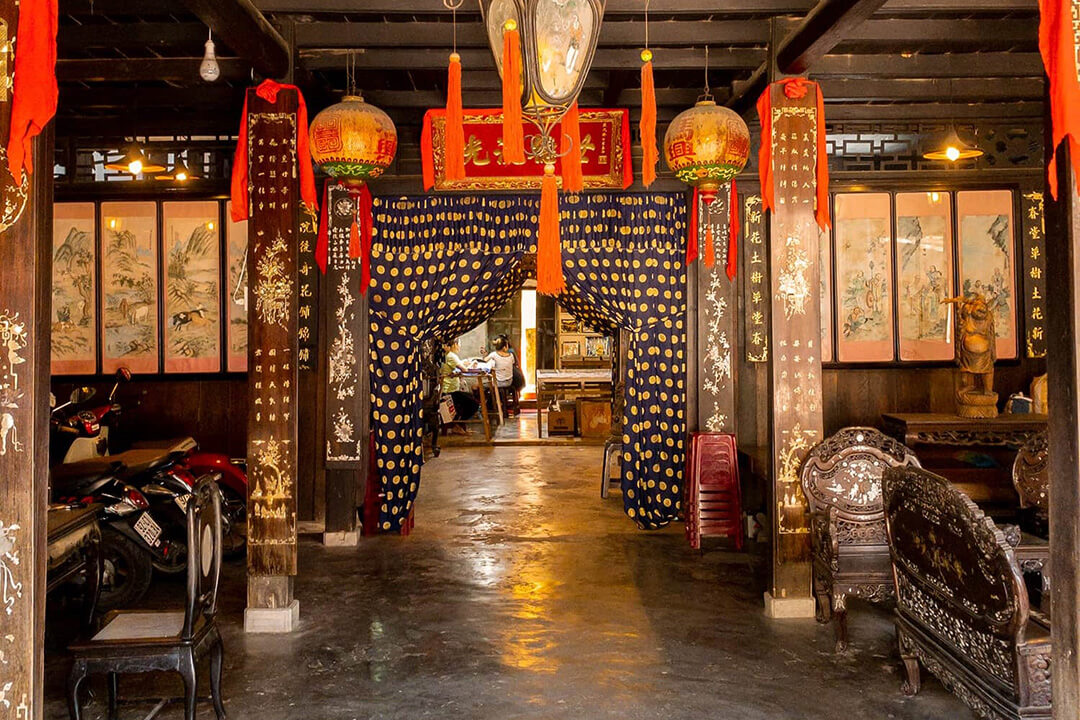
You can visit the main worship hall to pray for knowledge and luck in study
Things to do at Hoi An Confucius Temple
Beyond its architectural beauty, Hoi An Confucius Temple offers visitors a chance to explore centuries of philosophy, culture, and local traditions. Spending time here is not simply about sightseeing. It is also an opportunity to learn about the intellectual heritage that shaped education and morality in Vietnam. Consider trying the following experiences during your visit.
Learn about Confucianism and local history
One of the most rewarding activities at the temple is learning about the philosophy that inspired its construction. Confucianism played a central role in shaping Vietnamese education, governance, and social values for centuries. As you walk through the complex, take time to observe the altars dedicated to Confucius and his disciples, along with the plaques and inscriptions that praise their wisdom and teachings.
Many of the stone steles and wooden boards inside the temple record the names of outstanding scholars from Quang Nam Province who passed the imperial examinations. These scholars were once part of Vietnam’s traditional mandarin system, where knowledge and moral character were highly valued. By reading the inscriptions and learning about these figures, visitors gain a deeper understanding of how education shaped the region’s history.
Outside, the temple garden features rows of pine trees that symbolize the teachings of Confucius and his seventy-two distinguished disciples. The calm setting encourages visitors to slow down, reflect on the philosophy of harmony and respect, and appreciate the role these ideas played in shaping Vietnamese society.
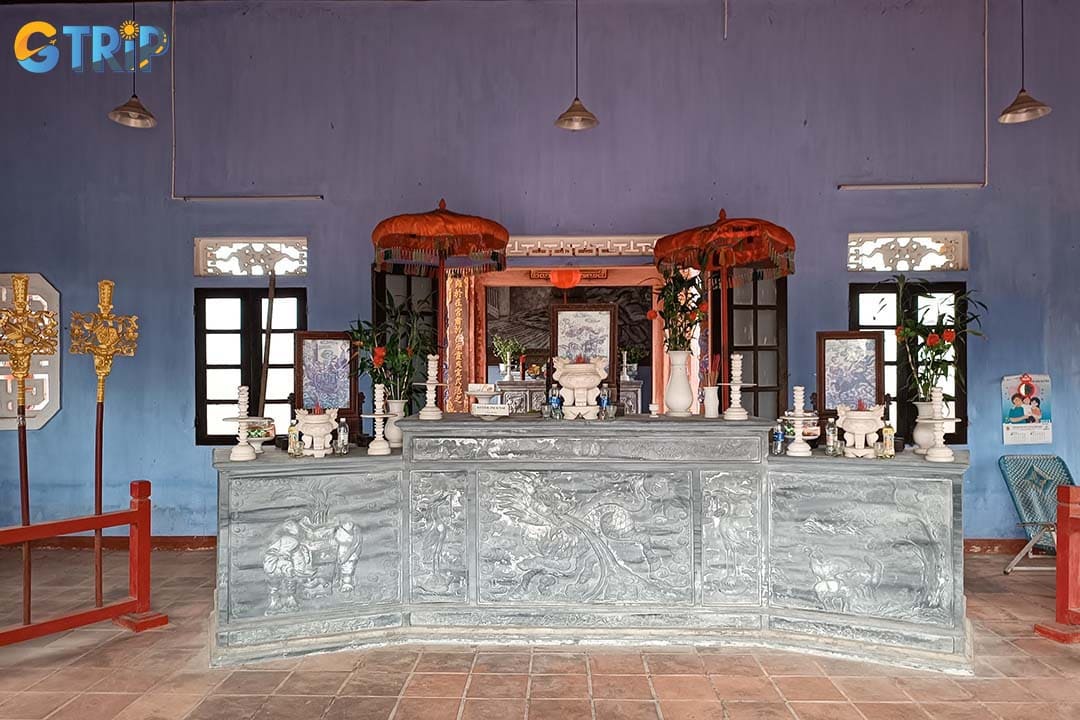
The first thing you can do when visiting Hoi An Confucius Temple is to learn about Confucianism and local history
Photography and traditional costumes
The temple is also one of the most photogenic cultural sites in Hoi An. Its bright yellow walls, curved tiled roofs, and traditional gates create a beautiful contrast with the green pine trees and the quiet courtyard. The combination of architecture and natural scenery makes it an ideal place for memorable travel photos.
Many visitors enhance the experience by renting a traditional Vietnamese ao dai, which perfectly complements the temple’s historic atmosphere. The elegant long dress, combined with the temple’s solemn setting, creates photos that reflect both Vietnamese culture and the timeless beauty of the site. Early morning or late afternoon is usually the best time for photography, when the sunlight is softer and the temple is less crowded.
Visit the commemorative tower
Just across the street from the temple stands the commemorative tower, an important monument dedicated to notable scholars and patriotic figures from Quang Nam. Rising nearly ten meters high, the tower symbolizes the region’s strong tradition of learning and loyalty to the nation.
At the base of the tower, visitors will find four large paintings depicting famous landscapes of Quang Nam Province. These artistic panels celebrate the natural beauty and cultural heritage of the region. Taking a few minutes to observe these details can help visitors better understand the local pride in education, history, and identity.
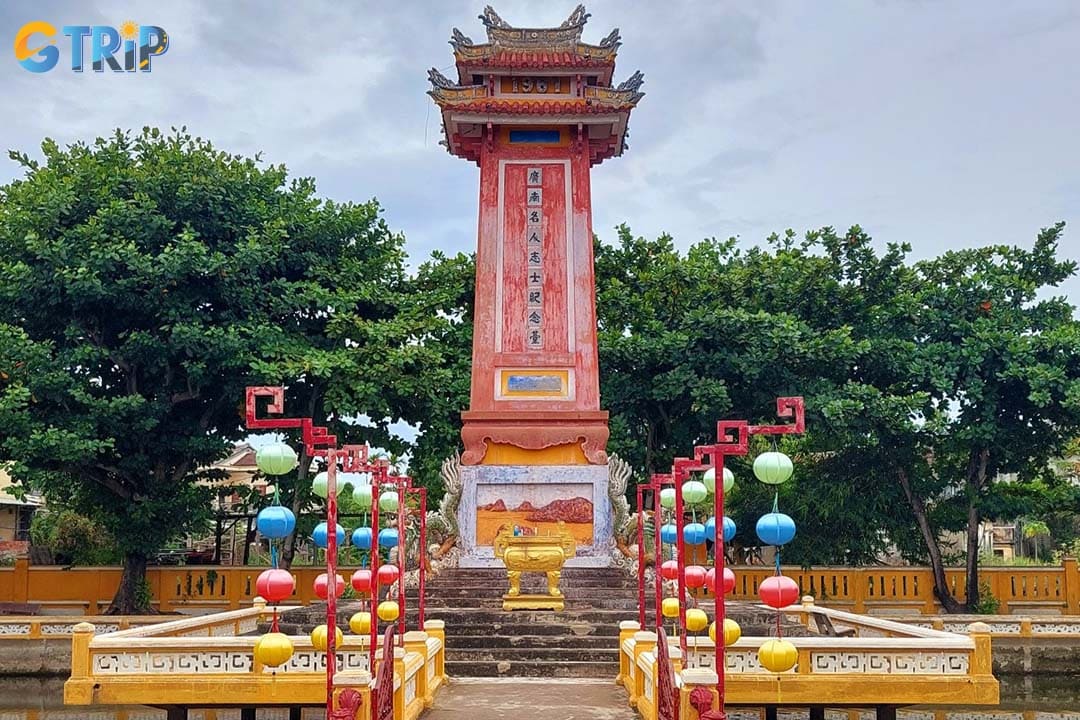
The commemorative tower is an important monument dedicated to notable scholars and patriotic figures from Quang Nam
Find a moment of peace and reflection
Despite being located close to the busy streets of Hoi An, the temple maintains a remarkably calm atmosphere. The courtyard, shaded by tall pine trees, feels like a small sanctuary away from the lively tourist crowds of the Ancient Town. Visitors often spend time sitting quietly on the benches, listening to the rustling leaves and enjoying the peaceful surroundings. It is a perfect place for a short break, meditation, or simple contemplation. Watching locals light incense or offer prayers also provides a glimpse into everyday spiritual practices in Vietnam. Taking a slow walk through the courtyard, appreciating the symmetry of the architecture, and reflecting on the philosophical ideas can turn a short visit into a meaningful cultural experience.
How to get to Hoi An Confucius Temple?
The temple’s location on Tran Hung Dao Street makes it exceptionally easy to reach from Da Nang or from within Hoi An itself.
From Da Nang International Airport
Reaching the temple from the airport is a straightforward 30 km journey heading south. Travelers can enjoy a scenic drive along the coast before entering the western edge of Hoi An's heritage zone.
- Distance: 30 km
- Travel time: 45 - 60 minutes
- Routes: Coastal road (Vo Nguyen Giap) → Lac Long Quan → Tran Hung Dao St
- Optimal option: Private car or taxi for a smooth transfer with luggage
From Da Nang City center
Travelers starting from Da Nang City center can easily navigate to the temple via well-maintained roads. It is a popular route for those looking to explore the ancient town on a day trip.
- Distance: 28 km
- Travel time: 45 minutes
- Routes: City center → Vo Nguyen Giap St → Tran Hung Dao St
- Optimal option: Motorbike for an adventurous and flexible sightseeing trip
From around Hoi An Ancient Town
Located at 122 Tran Hung Dao Street, the temple is highly accessible for those already staying in the ancient town. It sits conveniently within the world heritage area.
- Distance: 0.5 - 1 km
- Travel time: 5 - 10 minutes
- Routes: Walk or cycle along Tran Hung Dao or Phan Chu Trinh Streets
- Optimal option: Walking or cycling is the best way to enjoy the local pace
Transportation options
Depending on your preference for speed or leisure, there are several ways to reach this spiritual landmark. The temple’s location on a main road makes it accessible by various means of transport.
- Taxi/Ride-hailing: Widely available and convenient for getting between Da Nang and Hoi An or for longer trips if you're staying outside the town center.
- Motorbike: Most flexible, parking is available near the entrance for a small fee.
- Bicycle: The most eco-friendly way to navigate the nearby pedestrian zones.
- Walking: The best way to explore the Ancient Town and its immediate surroundings. The flat terrain and compact nature of the area make it very walkable.
- Cyclo: A traditional and poetic way to experience the town's slow atmosphere.
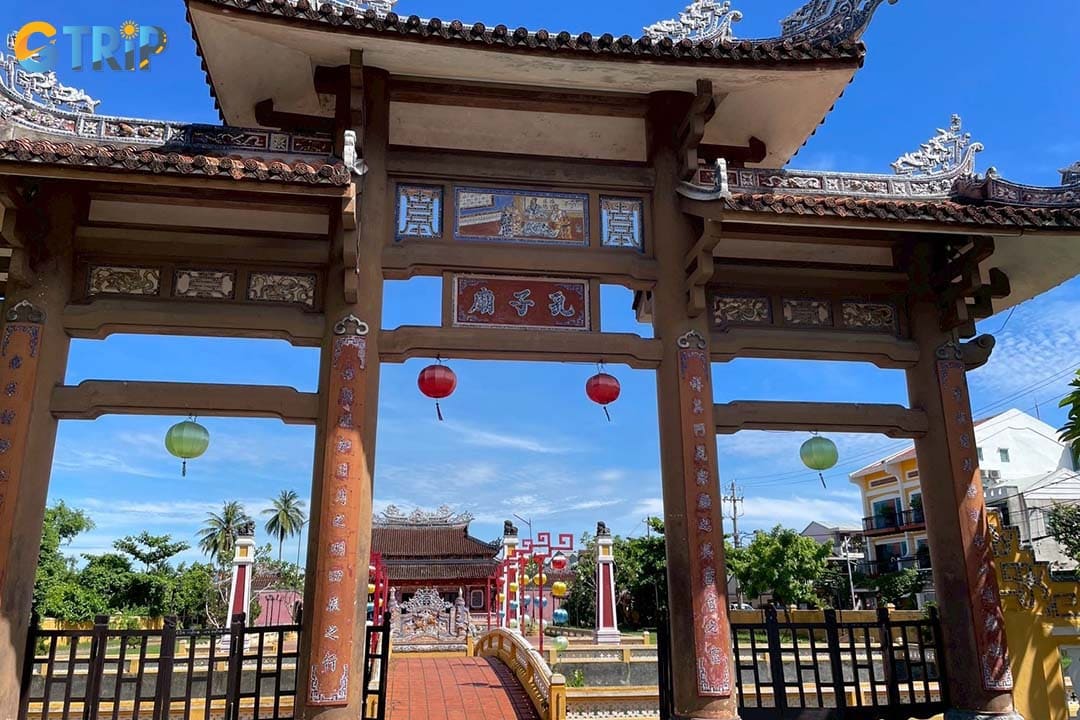
Visitors can reach Confucius Temple in Hoi An by many means of transportation
Nearby attractions to the Hoi An Confucius Temple
The temple’s convenient location means you can easily combine your visit with other key Hoi An sights. After immersing yourself in its scholarly peace, you can dive back into the town's more bustling attractions. Check out our ultimate guide to Hoi An's Ancient Town for a full itinerary.
Nearby attractions around the Old Town
The Hoi An Confucius Temple is centrally located, making it a perfect starting point to explore these other iconic landmarks within the ancient town:
- Japanese Covered Bridge: The Japanese Covered Bridge is one of Hoi An’s most iconic landmarks, built in the late 16th century and featuring a distinctive roofed design with a small temple inside. Its unique blend of Japanese, Chinese, and Vietnamese architectural styles makes it a must-see symbol of the ancient town.
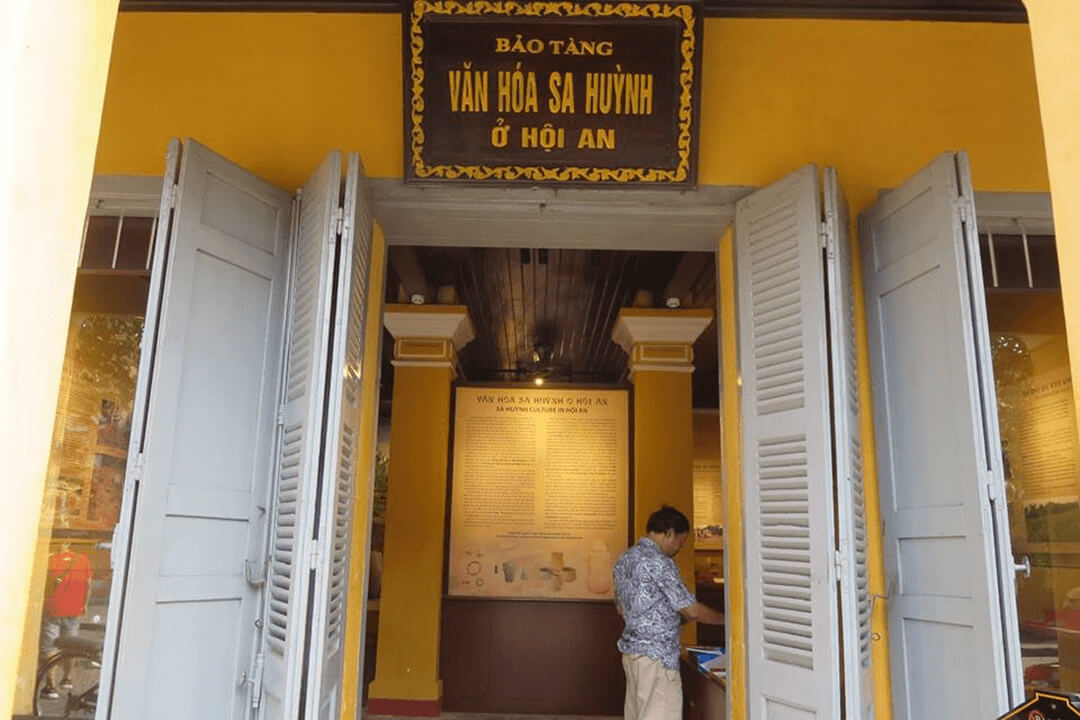
- Museum of Sa Huynh Culture: The Museum of Sa Huynh Culture offers fascinating insights into one of the earliest civilizations in central Vietnam, dating back over 2,000 years. Its collection of pottery, tools, and jewelry helps visitors understand the daily life and cultural legacy of the Sa Huynh people.
- Tan Ky Old House: Tan Ky Old House is a beautifully preserved 18th-century merchant residence that reflects Hoi An’s thriving trading past. The house showcases a harmonious blend of Vietnamese, Chinese, and Japanese architectural influences through its design and original furnishings.
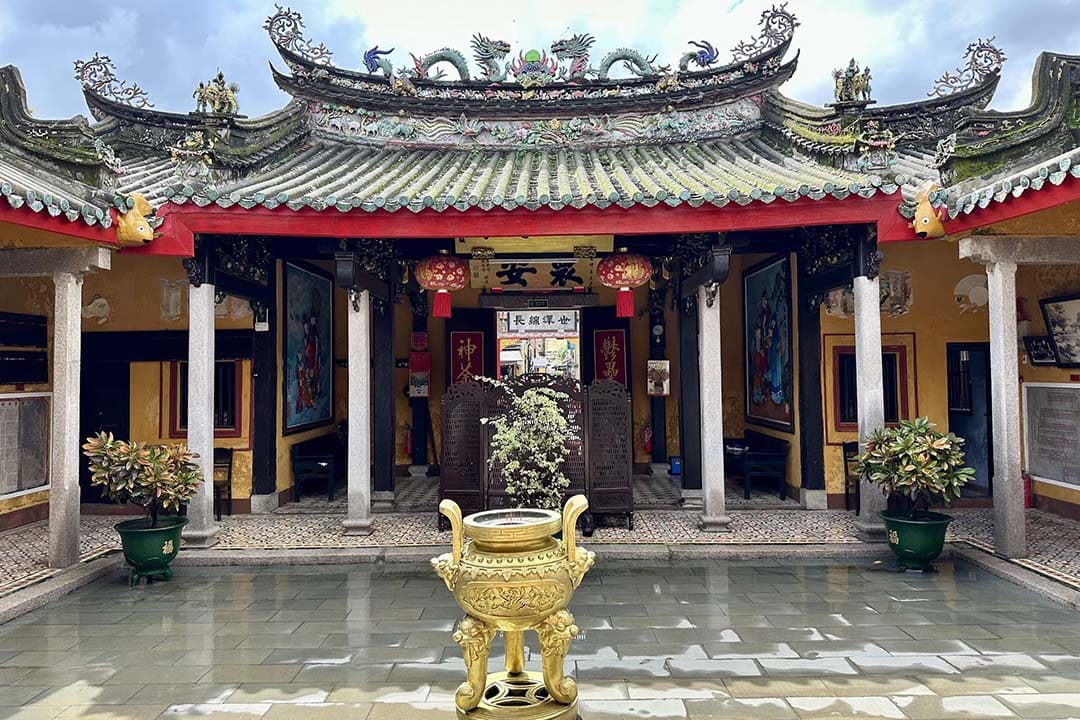
- Fukian Assembly Hall (Phuc Kien): Fukian Assembly Hall is the most famous assembly hall in Hoi An, known for its ornate gate, vibrant decorations, and intricate carvings. Built by Chinese merchants, it serves as both a place of worship dedicated to the sea goddess Mazu and a symbol of the town’s multicultural heritage.
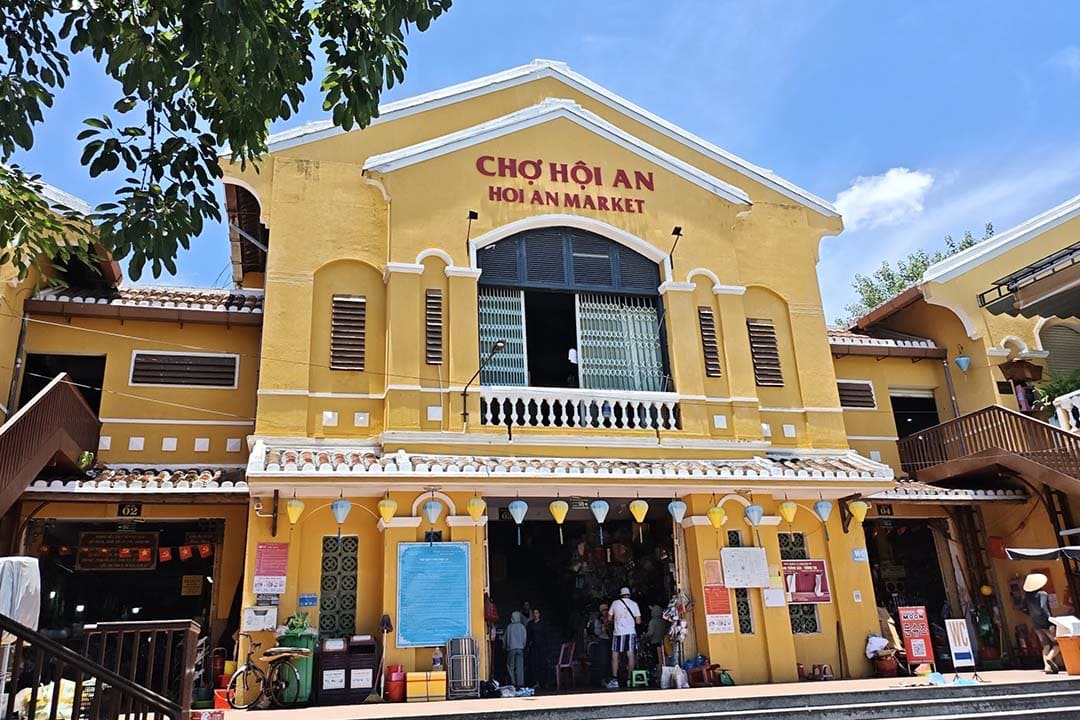
- Hoi An Central Market: Hoi An Central Market is a lively riverside marketplace where locals gather to trade fresh produce, seafood, and handmade goods. It is also a great place to experience authentic Vietnamese street food and the vibrant daily life of the town.
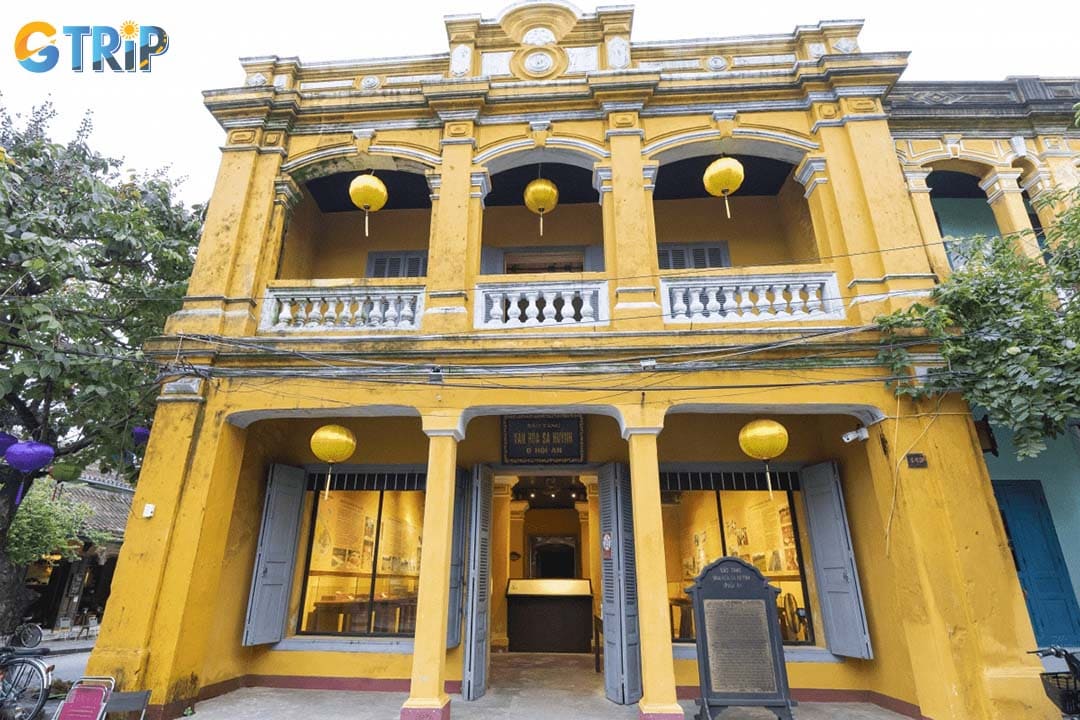
You can visit the Museum of Sa Huynh Culture after exploring the Hoi An Confucius Temple
Other Confucius temples in Hoi An
Besides the main temple, Hoi An is home to two other significant Confucian sites that reflect the town's rich academic history.
- Minh Huong Confucius Temple: Located at 20 Phan Chu Trinh Street, right behind the Trung Hoa Assembly Hall, this temple was built in the late 18th century. It is a spiritual home for the local Chinese community to honor Confucius, as well as the "Four Sages" and "Ten Sages", prominent philosophers in the Confucian tradition. Because of its cultural value, the temple has been officially recognized as a provincial historical site.
- Cam Pho Confucius Temple: You can find this temple on Hung Vuong Street, sitting directly across from the Cam Pho Market. Also dating back to the late 1700s, the temple has been carefully restored several times in 1879, 1913, and 1929. It was built to worship Confucius and other great scholars. This site is particularly famous for its connection to local history, as many students from this area passed the royal exams and became high-ranking officials in the government. Like the Minh Huong temple, it is also listed as a provincial historical site.
Practical tips for visitors
To ensure a smooth and respectful visit to this sacred Confucian site, please keep the following guidelines and local insights in mind:
- Admission: Entry is completely free, though it is located within the world heritage site area.
- Dress code: Wear respectful clothing that covers shoulders and knees, so the traditional "Ao Dai" is highly recommended for photos.
- Weather prep: Bring a hat and water during the dry season (Feb-Aug), and carry an umbrella or raincoat during the wet season (Sep-Jan).
- Cash: Keep small change (5,000 - 10,000 VND) for parking or using the public toilets located near the second gate.
- Best time: Visit in the early morning or late afternoon for the best lighting and a more peaceful environment.
- Respectful conduct: Maintain silence inside the worshipping halls and avoid using flash photography during any active ceremonies.
- Local guides: Consider hiring a local guide to fully understand the deep philosophical meanings behind the temple’s inscriptions.
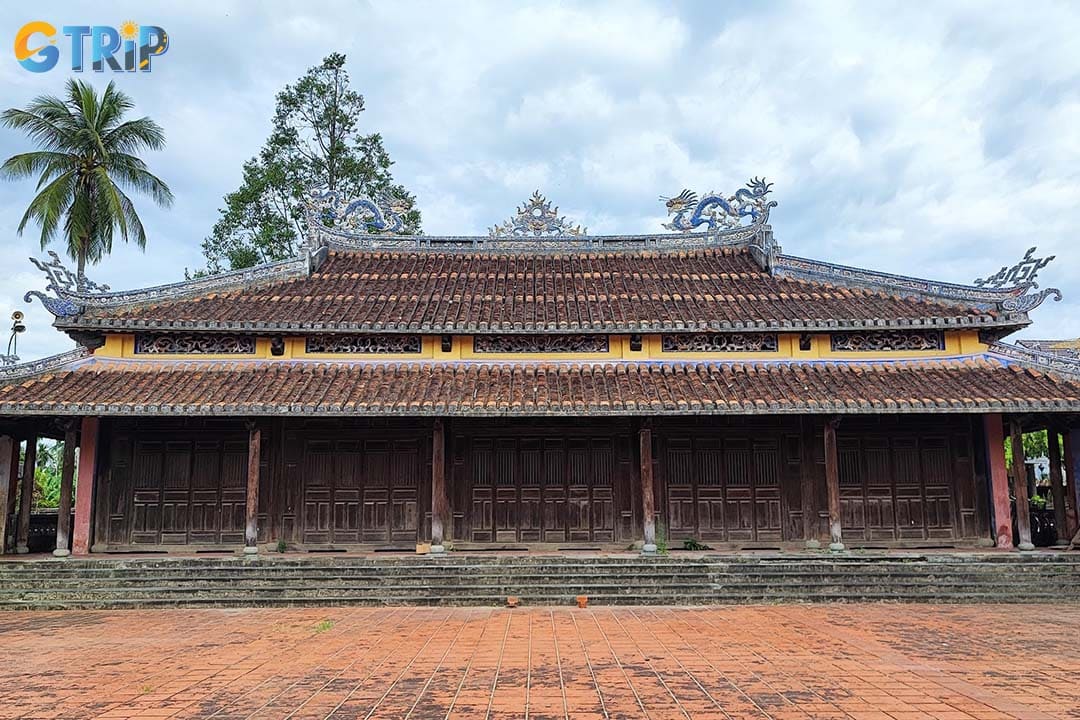
Remember practical tips to have a good trip to Hoi An Confucius Temple
The Hoi An Confucius Temple is more than just another historical destination on a map. It's a journey into the heart of Vietnam's profound intellectual and moral heritage. It offers a unique and valuable counterpoint to the commercial history of the Ancient Town, revealing a culture that holds learning and virtue in the highest esteem. A visit here provides not only a peaceful respite but also a deeper appreciation for the values that have shaped this incredible region for centuries. We at GTrip hope this guide helps you discover the tranquility, history, and unique character of this special place on your next adventure in Hoi An.