


Apr - 02 - 2026
Phung Hung Old House is one of the most treasured historical gems in the heart of Hoi An Ancient Town, a living artifact that captures the spirit of a bygone era. This beautifully preserved 18th-century merchant house is more than just a tourist attraction, it’s a portal into Hoi An's prosperous past as a bustling international trading port. In this complete guide by GTrip, we'll walk you through everything you need to know, such as history and unique architecture, and practical details like ticket prices. We’ve compiled all the essential information to ensure your visit is both enriching and seamless, establishing this as the most comprehensive resource you'll need.
Overview of the Phung Hung Old House Hoi An
Phung Hung Old House is one of the best-preserved merchant homes from Hoi An’s golden trading era. More than 200 years old and still maintained by the same family, it showcases a harmonious blend of Japanese, Chinese, and traditional Vietnamese architecture. True to its name, meaning “Prosperity”, the house remains a living heritage space where visitors can trace eight generations of history in an authentic setting.
Where is Phung Hung Old House?
Address: No. 4 Nguyen Thi Minh Khai Street, Hoi An Ancient Town, Hoi An Ward (formerly Minh An Ward, Hoi An City, Quang Nam Province), Da Nang City
Phung Hung Old House boasts a strategic and enviable location right in the core of Hoi An Ancient Town. It is situated just a few steps from another of Hoi An's most iconic landmarks, the Japanese Covered Bridge. This proximity makes it an easy and essential stop on any walking tour of the town. Its position on Nguyen Thi Minh Khai Street places it at the center of the town's historic and cultural activity.
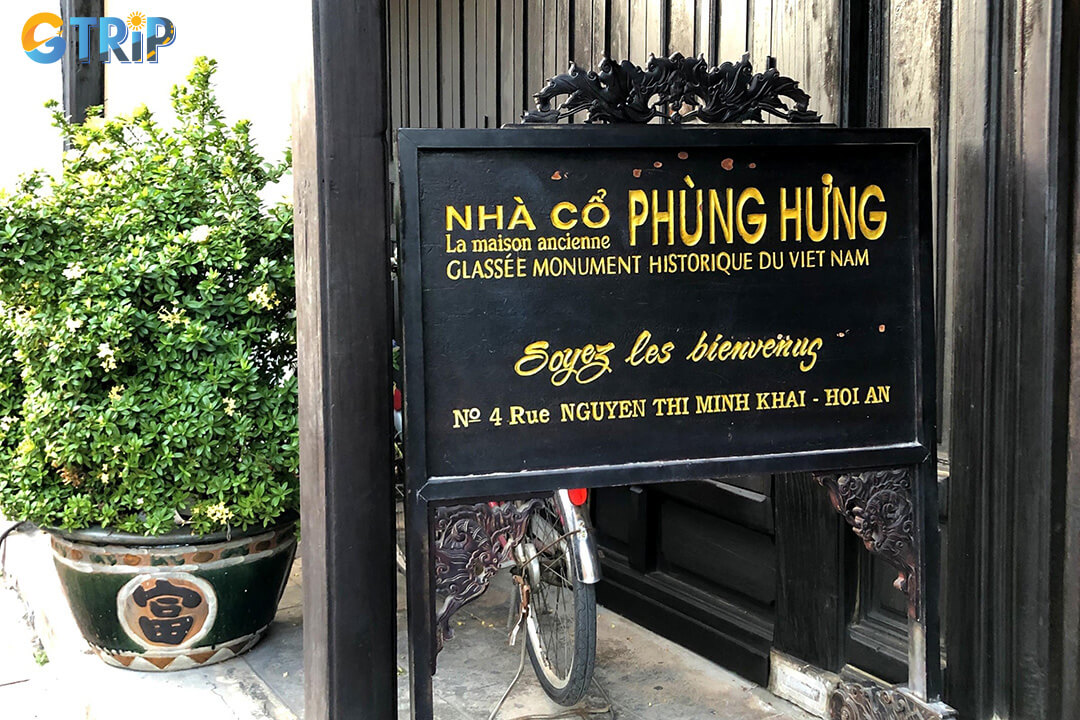
Phung Hung Old House enjoys a prime location in the heart of Hoi An Ancient Town, just steps away from the iconic Japanese Covered Bridge
Opening hours and ticket prices of the house
- Opening hours: 8:00 AM - 6:00 PM daily
- Ticket prices: The Hoi An Ancient Town combo ticket costs 120,000 VND per person for international visitors. This ticket is valid for the duration of your stay and allows entry to 5 heritage sites.
To visit the Phung Hung Old House, you need to purchase the Hoi An Ancient Town entrance ticket. This combo ticket is the most cost-effective way to explore the town's heritage, as it grants you access to five different attractions from a list of over 20 sites. The Phung Hung Old House is one of the most popular choices included in this ticket. You can purchase these tickets at official kiosks located at the main entry points to the pedestrianized old town.
What makes the Phung Hung Old House unique?
While Hoi An is home to several historic houses, Phung Hung possesses distinct features that set it apart. It was originally built not just as a residence but as a commercial hub for a wealthy merchant, with the ground floor serving as a shop. This commercial purpose is reflected in its spacious and open design.
- A living home: Unlike a sterile museum, the house is still occupied by the 8th generation of the original family's descendants, offering a rare and authentic glimpse into a continuous family legacy.
- Flood-proof architecture: The upper floor features a distinctive square trapdoor. This clever design element was used to move furniture and goods to safety during Hoi An's annual floods. You can also see flood-level markings on the walls, recording the heights of historic inundations.
- Architectural synthesis: It is a masterclass in cultural fusion, seamlessly blending three distinct architectural styles into one cohesive and beautiful structure.
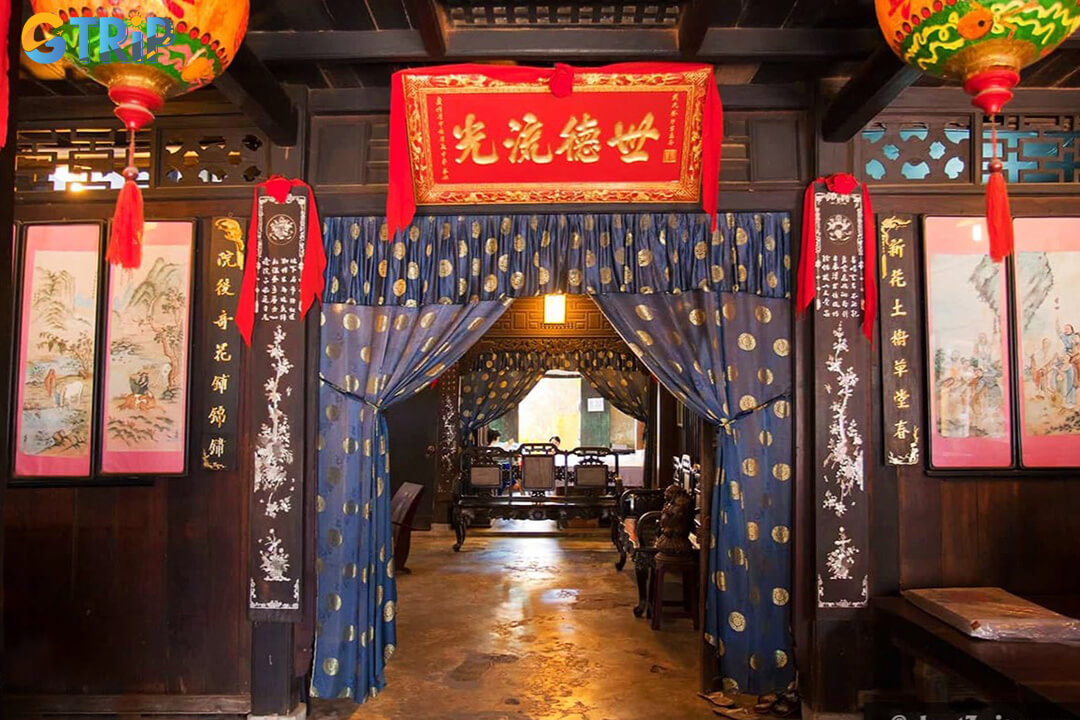
Phung Hung Old House stands out for its unique blend of architectural styles and its role as a living home preserved by eight generations of the same family
History of the Phung Hung Old House
With a legacy spanning over 240 years, the Phung Hung Old House is not just a building, it is a living witness to the rise and fall of Hoi An as a global trading port. Built during a time of great prosperity, the house preserves the legacy of eight generations of merchants while maintaining its original charm.
In 1780, the Phung Hung Old House was constructed by a prosperous Vietnamese merchant during the golden age of Hoi An's trading port. The name "Phung Hung," which translates to "prosperity" or "flourishing", was chosen as a pseudonym for the shop with the owner's hope for a successful and long-lasting business venture.
During the late 18th and early 19th centuries, the house served as a bustling commercial hub. It was a place where precious local and imported commodities such as cinnamon, pepper, salt, silk, ceramics, and glassware were traded. Its strategic location near the Japanese Covered Bridge made it a prime spot for international merchants to gather and exchange goods.
On June 29, 1993, the house was officially recognized as a National Historical and Cultural Monument. This title affirms the unique artistic, architectural, and historical values that the building has contributed to the heritage of Hoi An over the past 240 years. It stands today as a resilient symbol of the town's commercial peak.
Currently, the house is being preserved and inhabited by the 8th generation of the original merchant’s descendants. Despite enduring major historical events and historic floods, it remains remarkably intact, serving as both a family home and a living museum for global visitors.
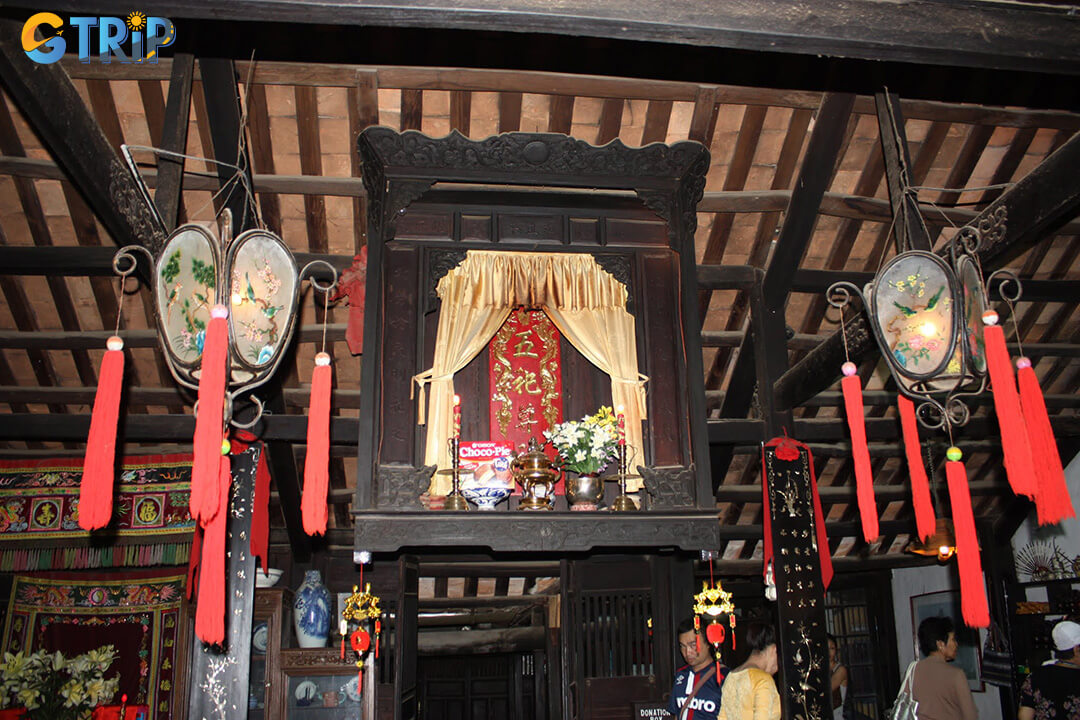
Phung Hung Old House, with over 240 years of history, stands as a living symbol of Hoi An’s prosperous trading past and enduring cultural heritage
Architecture of the Phung Hung Old House
The Phung Hung Old House is a masterpiece of architectural fusion, harmoniously blending Vietnamese, Japanese, and Chinese styles. Built primarily from rare ironwood and precious timber, the house features a "tube" shape with a wide frontage designed for optimal trading.
The first floor (Ground floor)
The ground floor was traditionally used for displaying and selling goods. Today, it serves as a reception area and a space to store family antiques. The facade is divided into three sections with a central entrance protected by two "Mon Than" (Door Eyes), which act as spiritual guardians to ward off evil spirits. The internal structure is supported by 80 sturdy ironwood columns, each placed on a stone base to prevent rot and termites. The walls are adorned with intricate carvings created by the master artisans of Kim Bong Carpentry Village. It featuring ancient couplets and horizontal lacquered boards that exude a sense of timeless luxury.
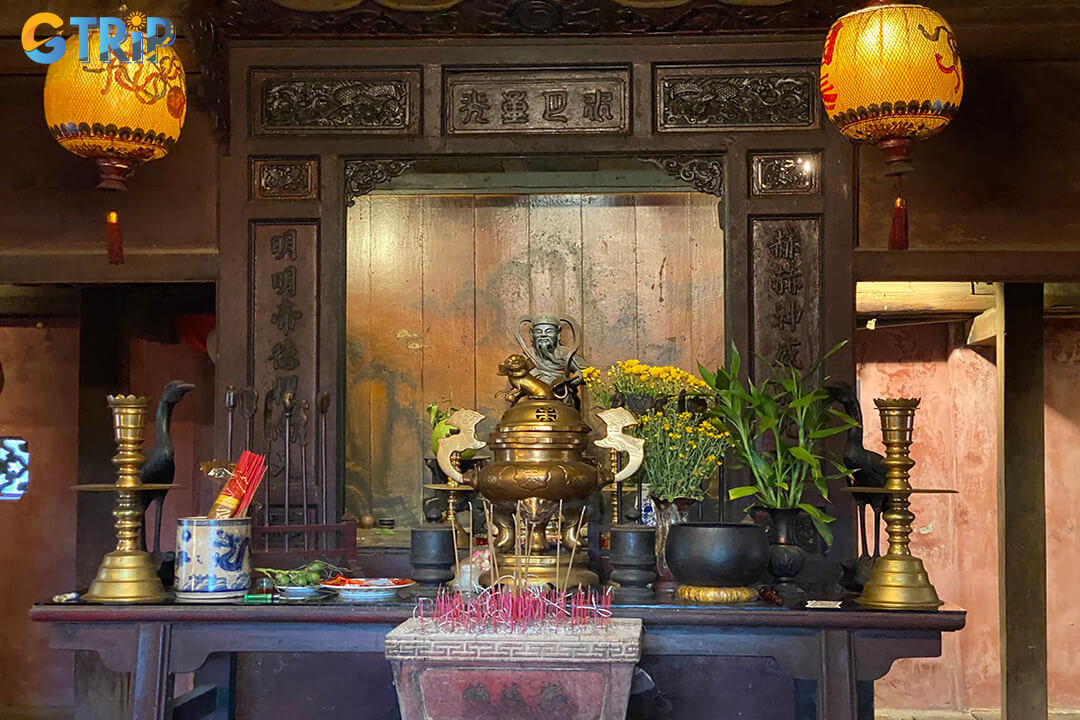
The ground floor features a traditional merchant layout supported by 80 ironwood columns, showcasing intricate carvings and antiques that reflect Hoi An
The second floor (Upper floor)
The second floor features a Japanese-style roof known as "Tu Hai" (Four Seas), designed to expand outwards for excellent air circulation. The most sacred part of this floor is the family worship area, dedicated to ancestors and the Goddess Thien Hau Thanh Mau. A unique feature here is the "Trap Doors" (Cua sap) in the wooden flooring, these square openings allowed the family to move cargo quickly from the ground floor to the attic during Hoi An’s frequent floods. The ceiling displays Chinese influence with its shell-shaped wooden design, while the beam brackets are carved with "Carp" motifs.
Things to do at Phung Hung Old House
Stepping into Phung Hung Old House is an invitation to immerse yourself in the daily life and spiritual traditions of an ancient merchant family. Visitors can explore fascinating architectural features and discover long-standing family traditions, visiting more than just sightseeing.
1. Explore the triple-culture architectural fusion
Spend time observing how three different cultures coexist in one structure. You can trace the Chinese influence in the balconies and windows, the Japanese influence in the unique roof structure, and the traditional Vietnamese soul in the sturdy crossbeams and rafters. Don't forget to look up at the yin-yang tiles and find the symbolic carp carvings.
2. Witness the ancient 7-Dice ritual
In the worship area on the second floor, you can see a special bowl containing seven marble dice. According to family tradition, before the merchant ancestors set off on a long business journey, they would roll these dice to decide the most auspicious time for departure. It is a fascinating glimpse into the spiritual life of ancient Hoi An traders.
3. Shop for handcrafted souvenirs at the on-site workshop
The current 8th-generation family members maintain a small handicraft workshop inside the house. You can watch local artisans at work and purchase delicate silk products, embroideries, or handmade souvenirs. Buying a gift here is a great way to support the family in their mission to preserve this 240-year-old monument.
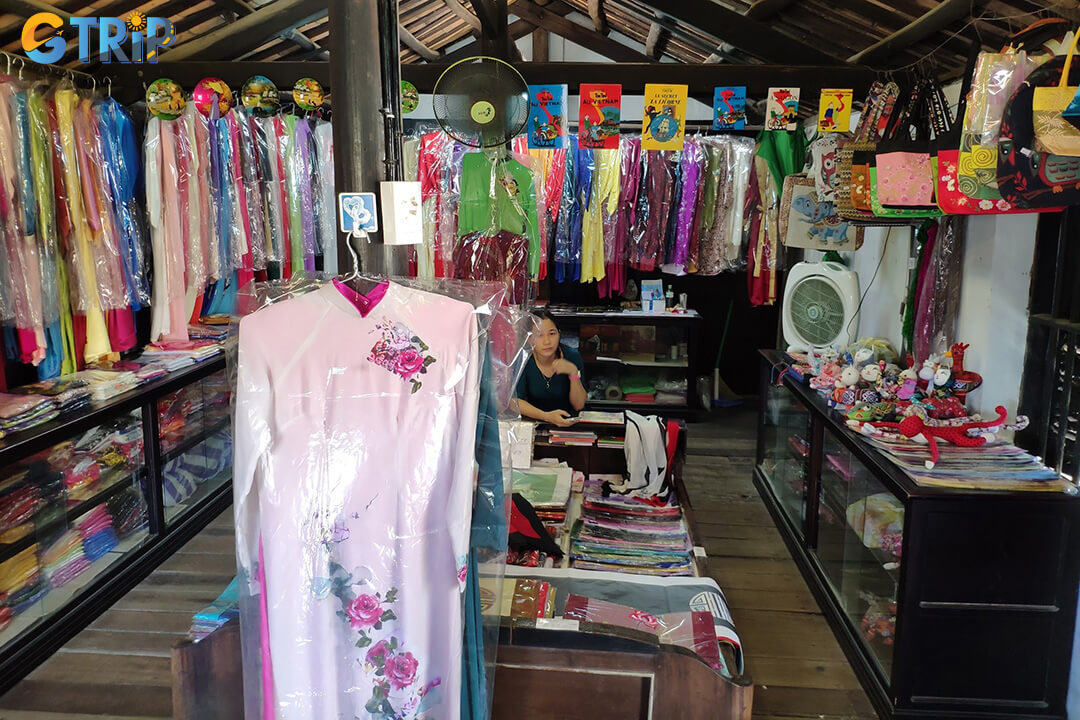
Visitors can watch artisans craft handmade souvenirs and support the family preserving this 240-year-old house
4. Learn about resilience through the "Trap Door" system
Ask the hosts to show you the "Trap Doors" on the second floor. These are not just architectural curiosities but survival tools that have saved the family's assets through centuries of floods. Hearing stories about the 1964 flood, where the house became a sanctuary for the community, adds a deep layer of human history to your visit.
5. Capture vintage photography
With its warm brown wood tones, golden plaques, and natural light filtering through the skylights, Phung Hung Old House provides a perfect backdrop for photography. It is an ideal spot to wear a traditional Ao Dai and capture the nostalgic, regal atmosphere of ancient Vietnam.
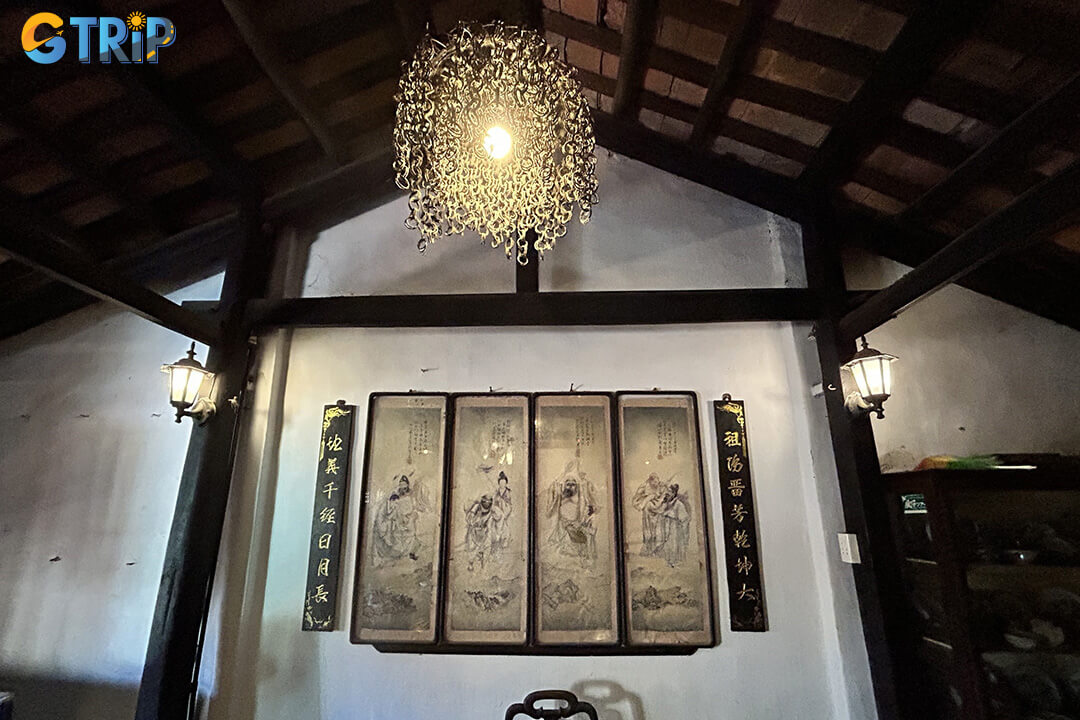
Phung Hung Old House is a perfect photo spot, featuring warm wooden interiors and natural light that highlight the nostalgic charm of ancient Vietnam
How to get to Phung Hung Old House?
Thanks to its central location in Hoi An Ancient Town, the Phung Hung Old House is exceptionally easy to reach. It’s a primary stop on most tourist maps and is just a stone's throw from the Japanese Covered Bridge, making it an unmissable landmark.
From Da Nang International Airport
Traveling from Da Nang Airport to Hoi An is a common and straightforward journey. The town of Hoi An is located southeast of the airport, and the drive is quite scenic.
- Distance: Approximately 30 kilometers
- Travel time: 45 to 60 minutes
- Routes: The most common route is via Vo Nguyen Giap Street, which turns into Truong Sa and then Lac Long Quan as you drive south along the coastline.
- Optimal option: A private car or a ride-hailing service like Grab is the most convenient and comfortable option. This allows for a direct, hassle-free transfer to your hotel in Hoi An.
From Da Nang City center
If you are staying in Da Nang City, the trip to Hoi An is just as simple. The route is well-paved and popular with both locals and tourists.
- Distance: Approximately 28-30 kilometers
- Travel time: 40 to 55 minutes
- Routes: You can take Le Van Hien Street, which connects to the main coastal road (Tran Dai Nghia/Lac Long Quan) or take the National Highway 1A. The coastal road is more scenic.
- Optimal option: A private car transfer or taxi/Grab offers the best balance of speed and convenience.
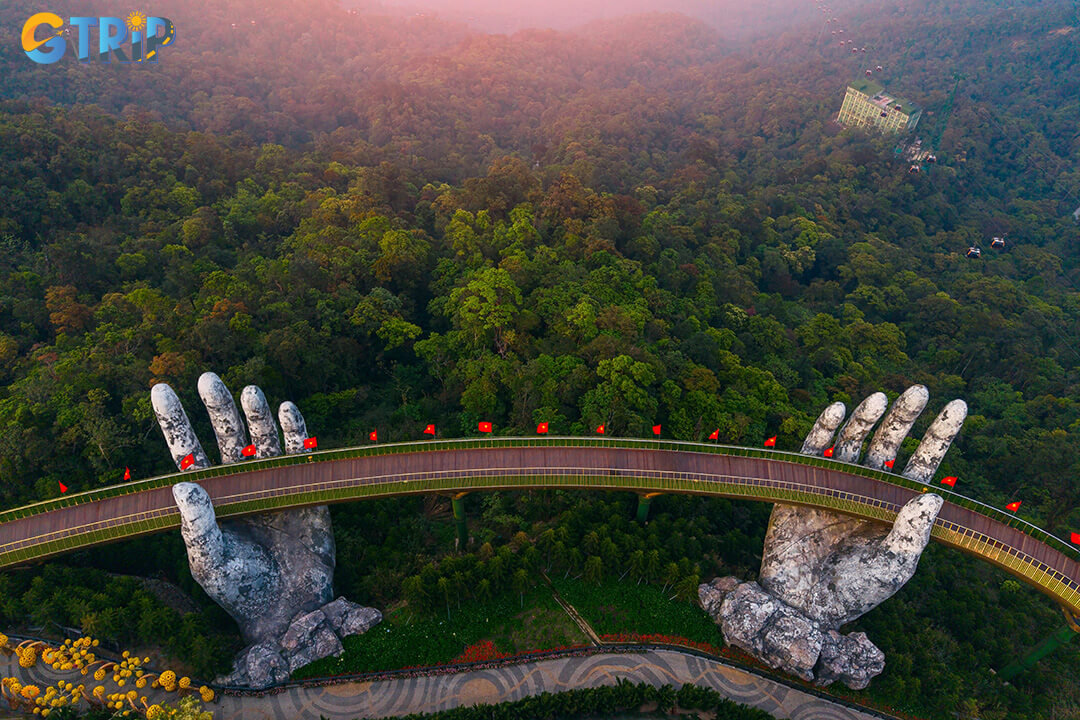
Traveling from Da Nang to Hoi An is easy and convenient, with a scenic coastal route taking about 40-55 minutes
From around Hoi An Ancient Town
Once you are in or near Hoi An Ancient Town, getting to the Phung Hung Old House is incredibly easy. The ancient town is a pedestrian-friendly zone for most of the day, making walking the best way to explore its atmospheric laneways.
- Distance: Short walking distance from most points within the old town.
- Travel time: 5 to 15 minutes on foot.
- Routes: Simply navigate towards the Japanese Covered Bridge. The Phung Hung Old House is located at No. 4 Nguyen Minh Khai Street, right next to the bridge.
- Optimal option: Walking is by far the best way to get there. It allows you to soak in the atmosphere, discover hidden alleys, and appreciate the ancient architecture along the way.
Transportation options
Several transport options are available to get you to Hoi An, from which you can walk to the house. Each has its own benefits.
- Private car: The most comfortable and stress-free option
- Taxi: This offers flexibility but can be slightly more expensive than pre-booked services, especially during peak hours.
- Local bus: The yellow public bus (Route 1) runs between Da Nang and Hoi An. It's an authentic local experience, but it can be slower and less comfortable.
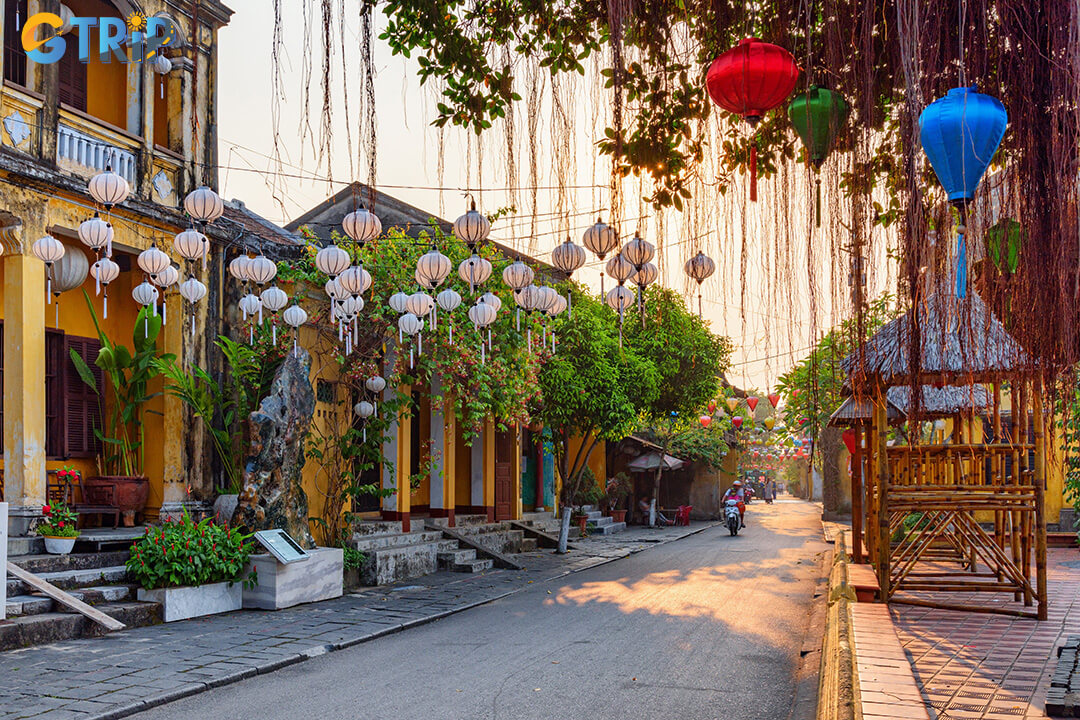
Several transport options, including private cars, taxis, and local buses, make traveling to Hoi An convenient for visitors
Nearby attractions to the Phung Hung Old House
One of the best things about the Phung Hung Old House is its prime location, which makes it the perfect starting point for exploring other key attractions. Most are just a few minutes' walk away.
- Japanese Covered Bridge: Literally steps away, this iconic 18th-century bridge with a temple inside is the undisputed symbol of Hoi An. Its distinctive architecture and historical significance make it one of the most photographed landmarks in the ancient town.
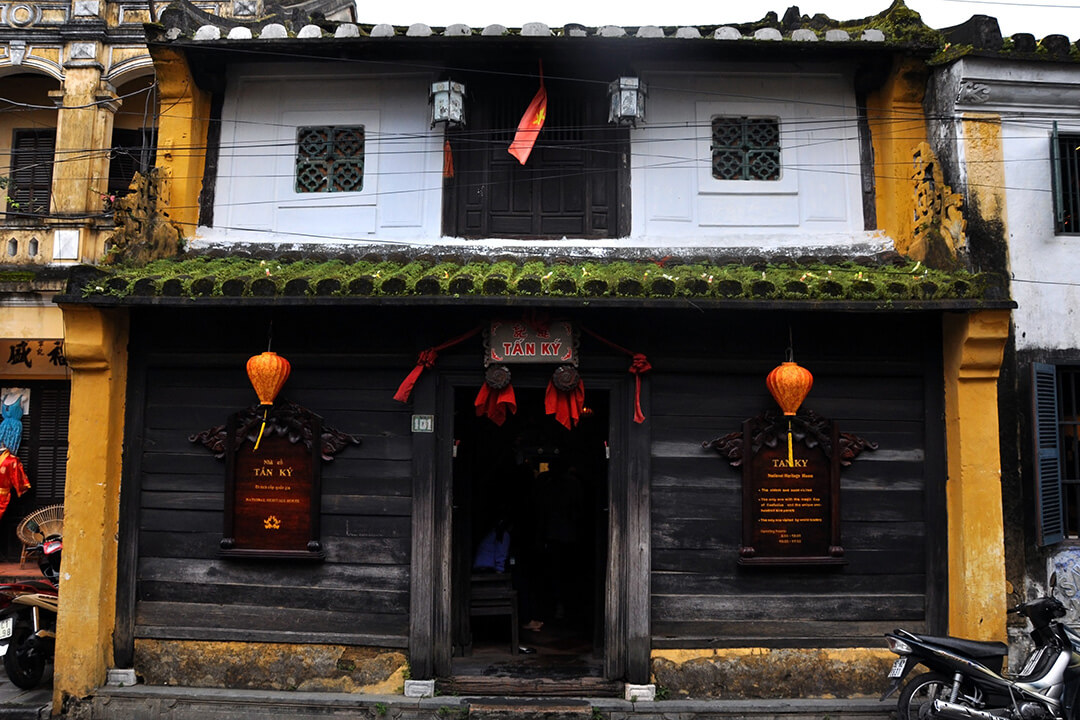
- Tan Ky Old House: Located on Nguyen Thai Hoc Street, this is another of Hoi An's most famous and beautifully preserved merchant houses. Visiting both allows for a fantastic comparison of architectural styles and family histories.
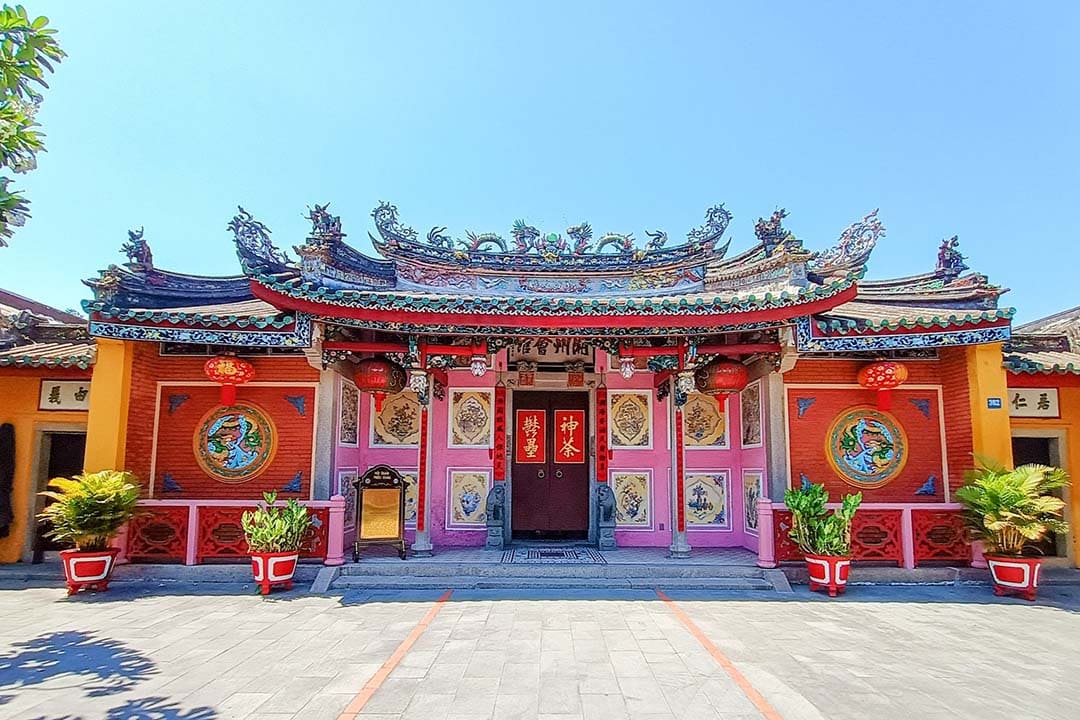
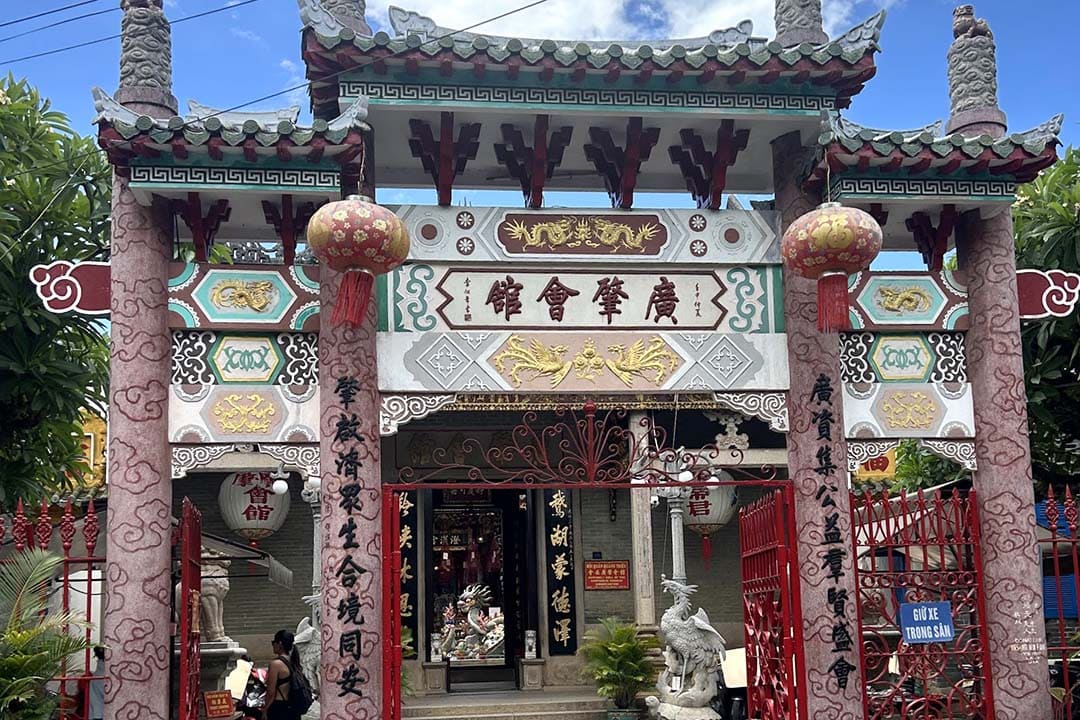
- Cantonese Assembly Hall: A stunningly ornate assembly hall built by Cantonese merchants. Its vibrant colors, intricate dragon carvings, and peaceful garden make it a must-see.
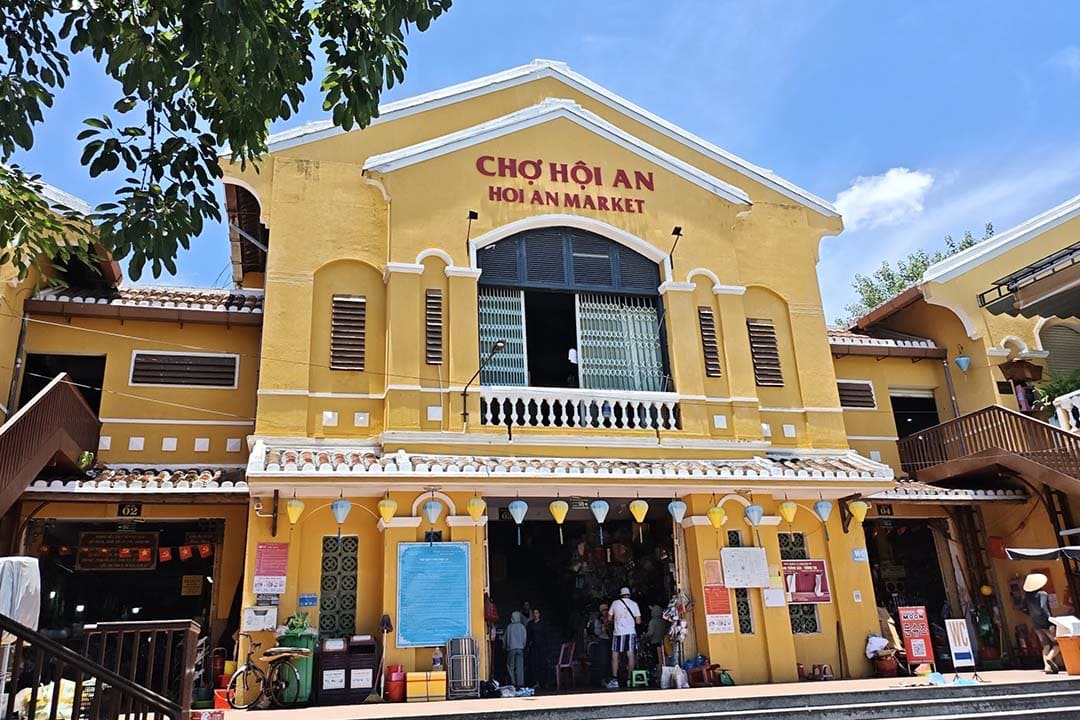
- Hoi An Central Market: A short walk away, this bustling market is the vibrant heart of local life. It's the perfect place to experience the sounds and smells of Hoi An, sample local street food, and shop for produce and souvenirs.
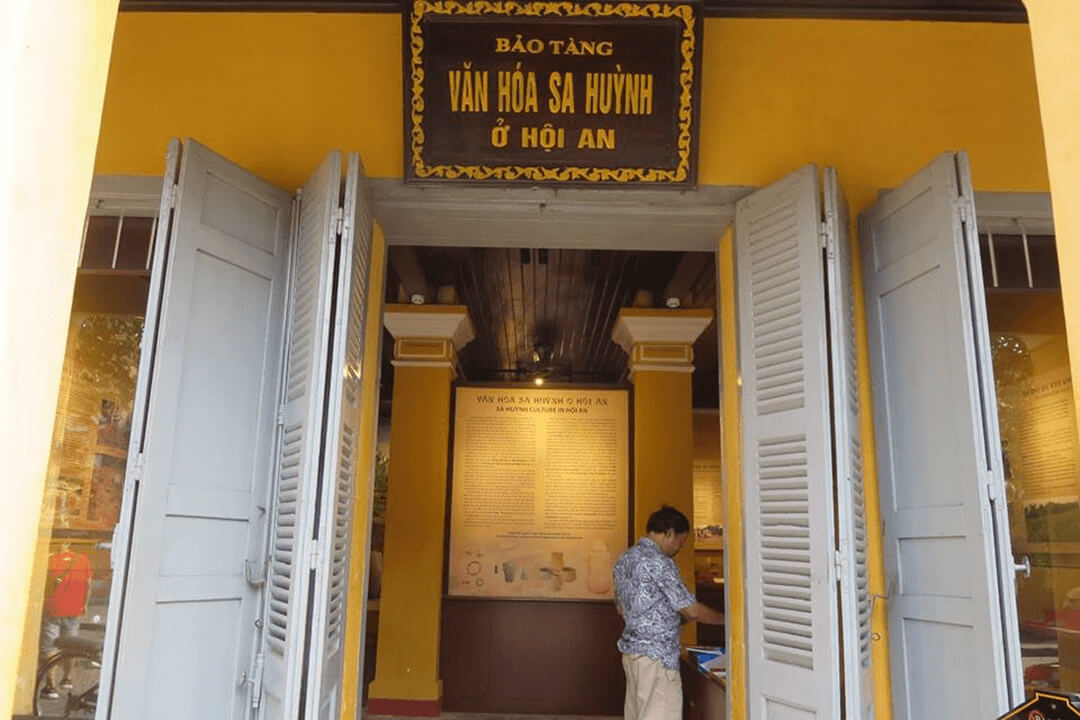
- Museum of Sa Huynh Culture: For those interested in the region's ancient history, this museum showcases artifacts from the Sa Huynh people, who inhabited the area over 2,000 years ago.
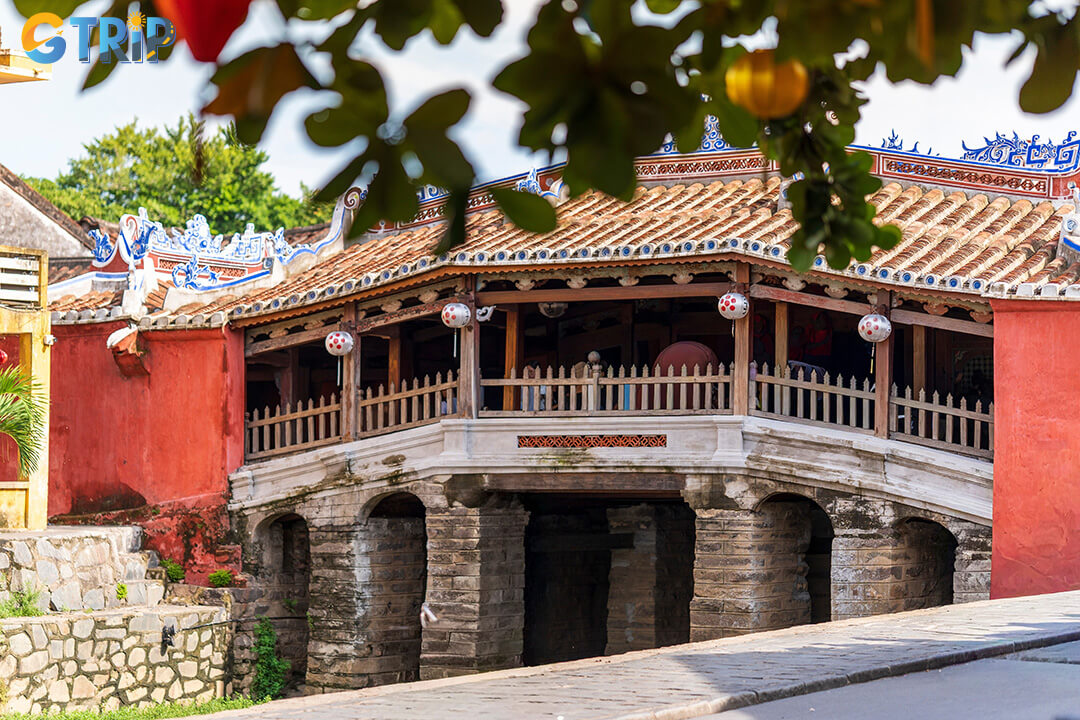
Phung Hung Old House is ideally located near many of Hoi An’s top attractions, all within a short walking distance
Practical tips for visitors when visiting Phung Hung Old House
To ensure a smooth and respectful visit to the Phung Hung Old House and the surrounding ancient town, keep these tips in mind:
- Purchase the combo ticket at an official kiosk before entering the main pedestrian area of the old town.
- Visit early in the morning or late in the afternoon (before closing) to avoid the largest tour groups and midday heat.
- Wear comfortable walking shoes. The streets of the ancient town are cobblestoned and best explored on foot.
- Be quiet and respectful inside the house. Remember that this is a private residence and a place of ancestral worship.
- Do not touch the artifacts, furniture, or carvings unless there is explicit permission to do so. These are priceless antiques.
- Plan your visit to coincide with other attractions on your combo ticket that are located nearby to maximize your time and the ticket's value.
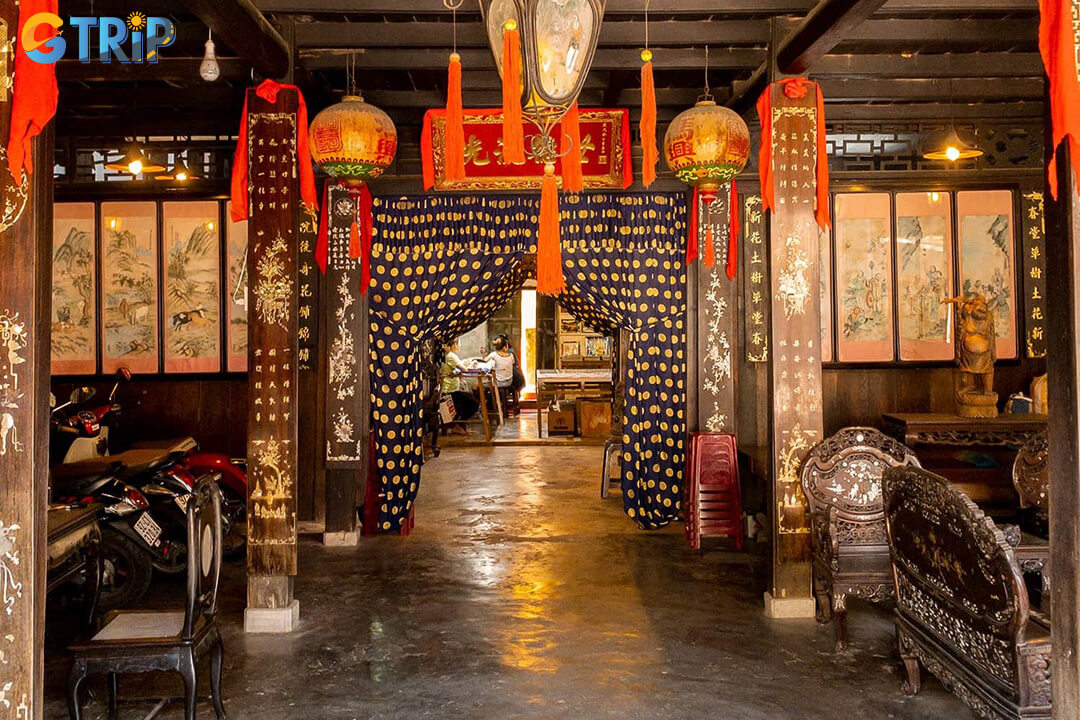
Plan your visit to Phung Hung Old House with a combo ticket, comfortable shoes, and respectful behavior to fully enjoy this historic residence
A visit to the Phung Hung Old House offers more than just a glimpse into a historic building, it's a journey into the soul of Hoi An. It stands as a powerful symbol of the city's multicultural legacy, commercial acumen, and the enduring strength of family traditions. The house reflects the essence of this enchanting town through its smart flood-resistant design, multicultural architecture, and the legacy of eight generations. Adding this national treasure to your itinerary is essential for a complete and authentic Hoi An experience. We hope this guide helps you plan an unforgettable visit. For more travel insights and seamless tour bookings in Vietnam, trust GTrip to be your guide.