



Apr - 01 - 2026
The Museum of Sa Huynh Culture is one of Hoi An’s most significant yet often overlooked historical treasures. The museum offers a fascinating journey back in time, long before the town’s iconic yellow-walled shophouses and bustling trade port emerged. While visitors flock to see the Japanese Covered Bridge and ancient assembly halls, this quiet museum holds the very origins of the region’s story. This over 2,000-year-old civilization laid the cultural groundwork for Hoi An’s later prosperity. It provides a profound context that transforms a simple walking tour into a deep historical exploration. In this comprehensive guide from GTrip, we’ll uncover the museum's unique exhibitions and its archaeological significance.
Overview of the Museum of Sa Huynh Culture
Before diving into the intricate details of ancient artifacts, let's get you oriented with the essential visitor information. Knowing where the museum is, its hours, and how the ticketing works will help you seamlessly integrate it into your Hoi An itinerary.
Where is the Museum of Sa Huynh Culture?
Address: 149 Tran Phu Street, Hoi An Ward (formerly Minh An Ward, Hoi An City, Quang Nam Province), Da Nang City
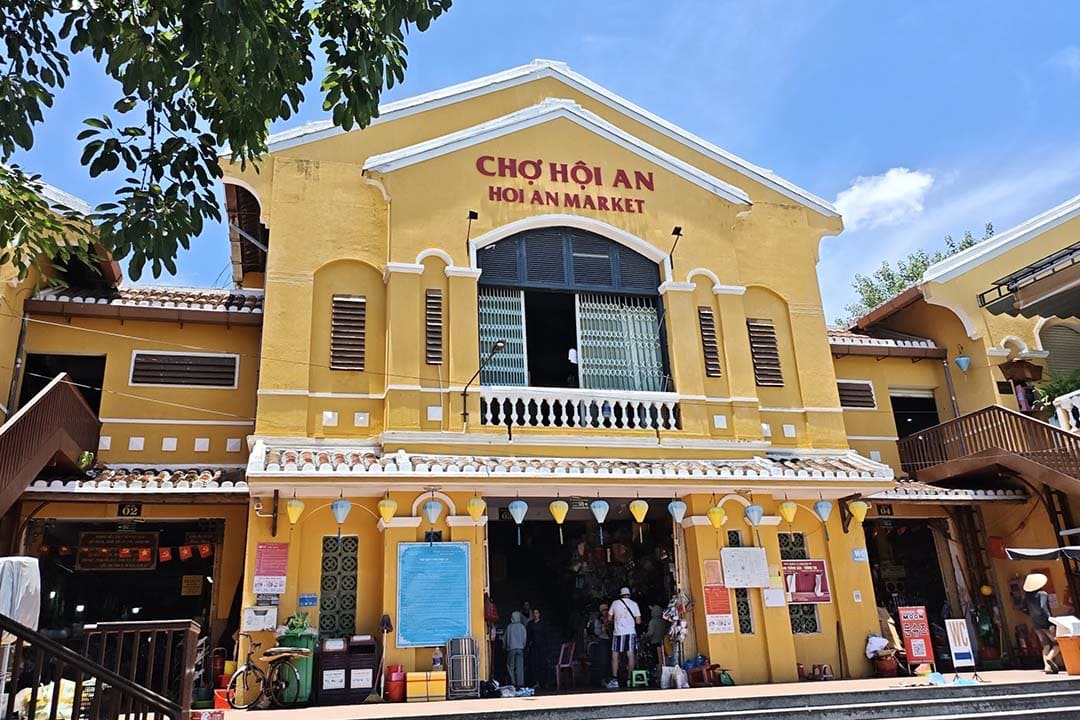
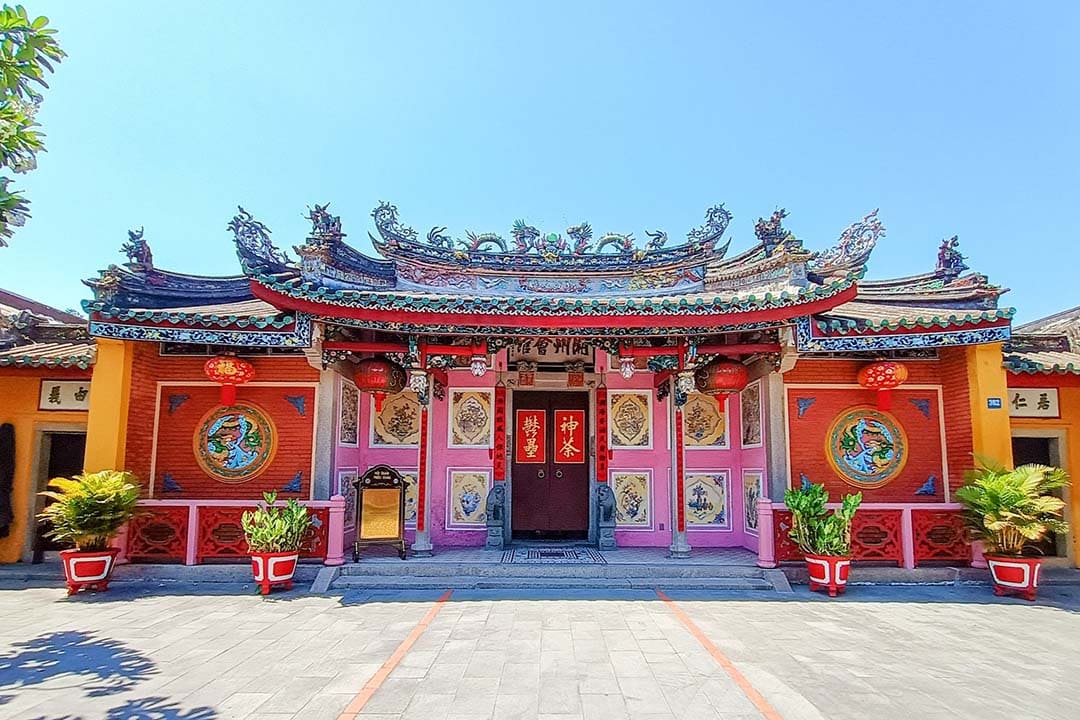
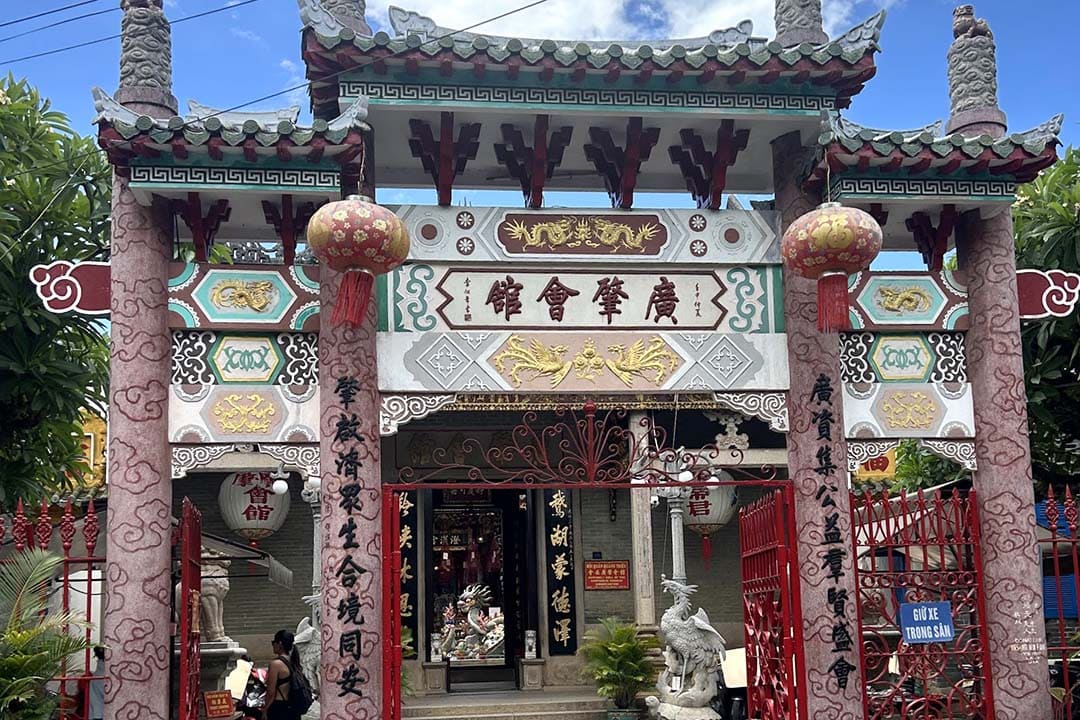
The Museum of Sa Huynh Culture's strategic position places it right in the heart of the UNESCO World Heritage-listed Hoi An Ancient Town. Situated on one of the main thoroughfares of the Old Town, the museum is just a short, pleasant walk from other major attractions. It's nestled between the famous Cantonese Assembly Hall and the bustling central market, making it an easy and logical stop on any walking tour. A visit here allows you to step directly from the 17th-century trading-port era into a world that existed two millennia prior.
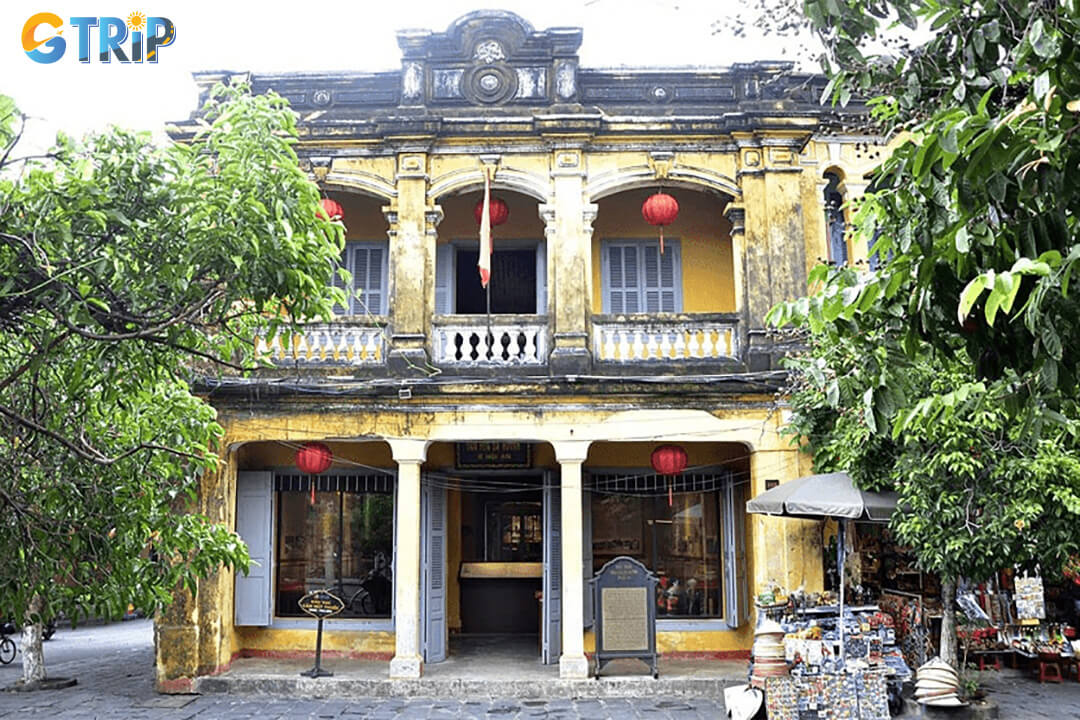
Museum of Sa Huynh Culture is an easy walking stop that connects visitors from the 17th-century trading port to a civilization dating back over 2,000 years
Opening hours and entrance fee
- Opening hours: 7:00 AM - 9:00 PM daily (closed on the 10th day of each month)
- Entrance fee: 120,000 VND for foreign adults and children above 15 years old
The Museum of Sa Huynh Culture is part of the Hoi An Old Town entrance ticket system, meaning you can visit it as one of the 5 selected sites out of 21 heritage attractions included in the combo ticket.
What makes the Museum of Sa Huynh Culture unique?
The Sa Huynh Culture Museum offers valuable insight into one of the most important prehistoric cultures in Central Vietnam. More than just a collection of ancient artifacts, the museum helps visitors understand the social life, beliefs, burial customs, and trade networks of Sa Huynh inhabitants who lived here over 2,500-3,000 years ago.
- Learn about the unique jar burial tradition and ancient concepts of life and death.
- Admire more than 200 burial jars of various sizes and shapes - a defining feature of Sa Huynh culture.
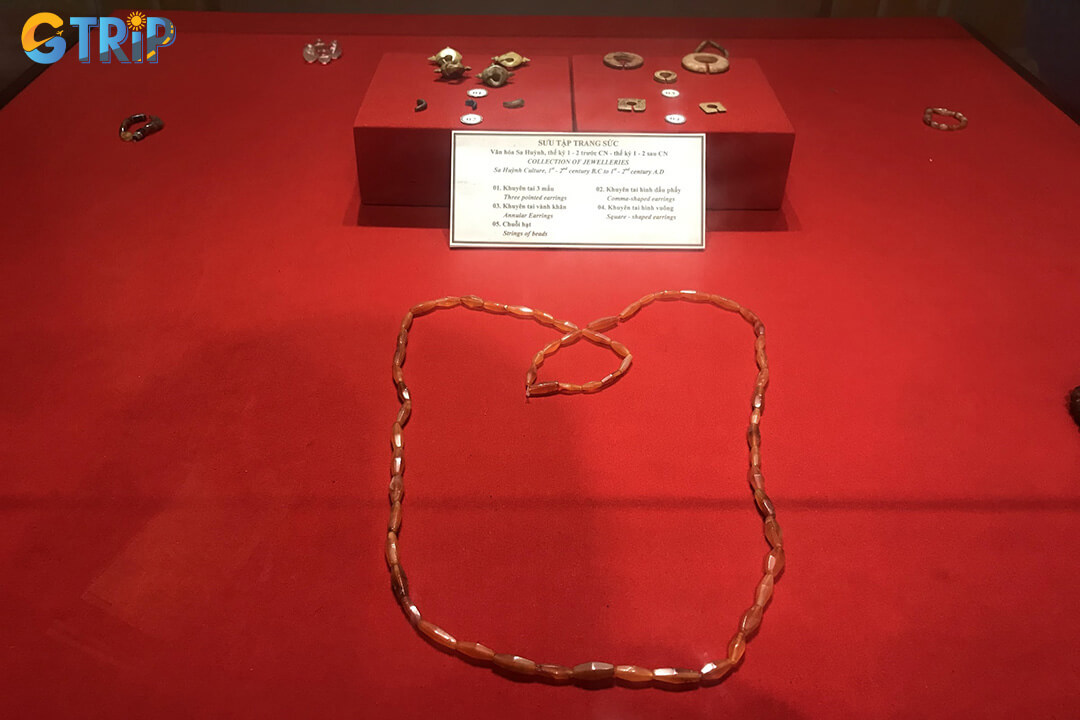
- Observe grave goods such as earrings, bracelets, necklaces, and rings made of agate, glass, and gemstones, reflecting high craftsmanship and regional trade connections.
- Discover evidence of early fishing, rice cultivation, and handicraft development.
- Gain a broader understanding of the cultural foundations that later supported Hoi An’s emergence as an international trading port.
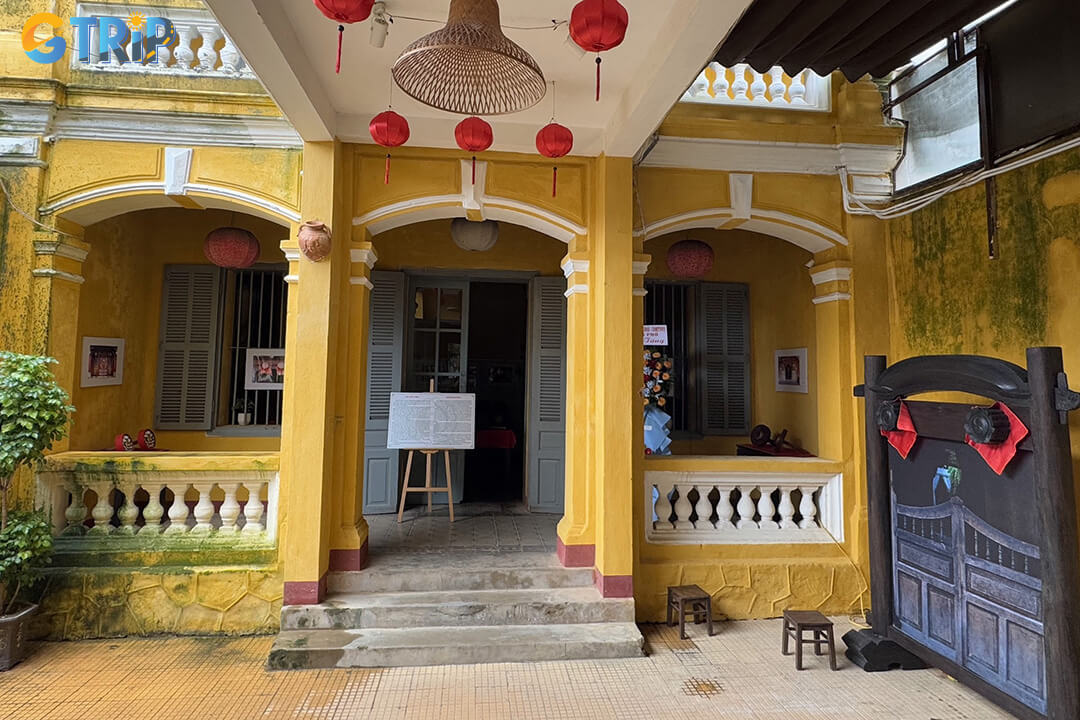
Sa Huynh Culture Museum showcases ancient burial jars, jewelry, and artifacts that reveal the beliefs, craftsmanship, and daily life of Central Vietnam over 2,500 years ago
History of the Museum of Sa Huynh Culture
The Sa Huynh people were among the earliest settlers in central Vietnam and are believed to have engaged in trade with merchants from Southeast Asia, South India, and China. Their civilization developed in the Hoi An region from around 1000 BC to the 2nd century AD, predating the Champa Kingdom. Spanning from the late Neolithic period to the early Iron Age, the Sa Huynh culture extended across areas from Quang Binh to the South Central Coast and the Central Highlands. Together with the Dong Son culture in the north and Oc Eo culture in the south, Sa Huynh is considered one of the three cradles of early Vietnamese civilization.
The Sa Huynh economy was based on wet-rice agriculture, forestry, fishing, and traditional crafts, with maritime trade flourishing toward the end of its era. By the early centuries AD, coastal trading ports had begun to form in central Vietnam. It’s include Hoi An, facilitating vibrant cultural and commercial exchanges with regions across Southeast Asia, China, and India.
To preserve and showcase this heritage, the Museum of Sa Huynh Culture was established in 1994. The museum houses 971 original artifacts, primarily terracotta and metal objects excavated in the Hoi An area, offering valuable insight into a civilization that thrived over 2,000 years ago.
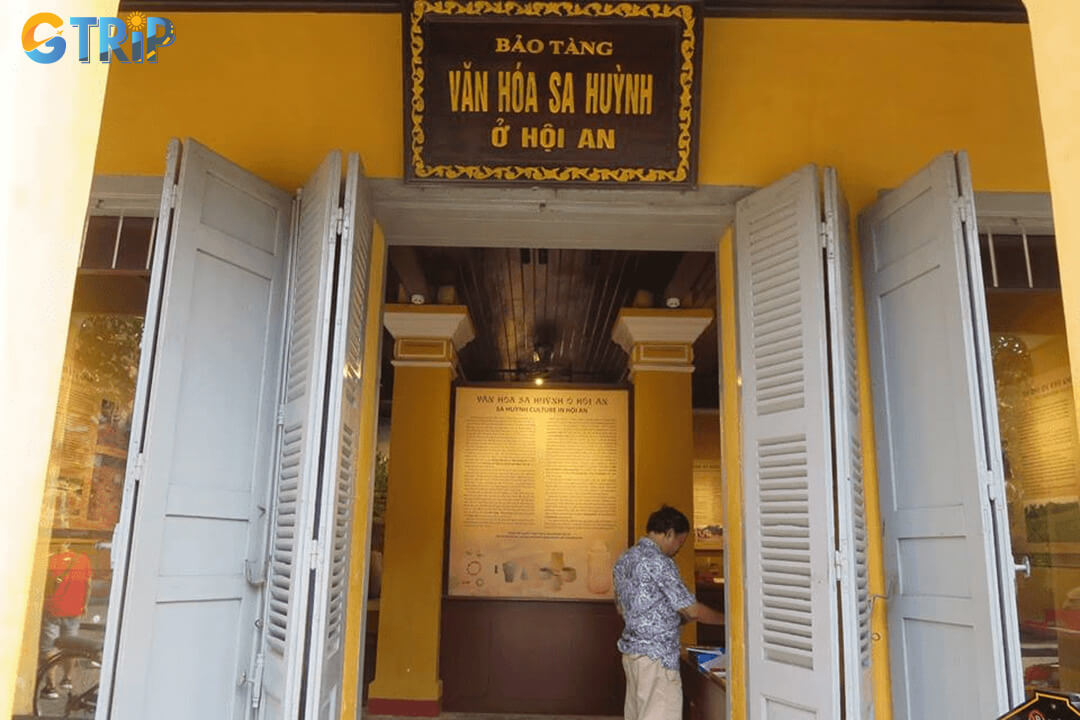
The Sa Huynh civilization was an early central Vietnamese culture known for agriculture, maritime trade, and its rich archaeological legacy preserved in Hoi An
Archaeological excavation and research process
Throughout the 20th and early 21st centuries, Sa Huynh culture has been extensively studied through numerous excavation campaigns. Discoveries in Hoi An have helped clarify the development of ancient coastal communities in Central Vietnam.
Important milestones
Archaeological research has progressed through several key phases, from early foreign scholars to systematic investigations by Vietnamese archaeologists.
- 1909: Discovery of jar burials in coastal dunes at Sa Huynh, marking the beginning of formal research.
- 1934: Colani excavated 55 jars in Thanh Duc and 187 jars in Phu Khuong.
- 1939: Janse continued surveys and excavated 30 additional jar tombs.
- 1957: Malleret uncovered pottery fragments on site surfaces.
- After 1975: Vietnamese archaeologists expanded excavations across multiple Sa Huynh cultural sites.
- From 1989 onward: Systematic surveys in Hoi An led to the discovery of numerous important relic sites.
Key excavation sites in Hoi An
Artifacts displayed at the museum were discovered at dozens of locations around Hoi An, from the city centre to the Cham Islands. These excavation sites provide important evidence of the region’s long-standing cultural and trading history.
- Bai Ong (Cham Islands): The oldest settlement trace in the Hoi An area, dating back around 3,000 years, with stone axes, coarse pottery, shells, ornaments, and animal remains discovered. The findings reveal early coastal communities that relied heavily on fishing and marine resources.
- An Bang, Hau Xa I & II: Dozens of burial jars and abundant grave goods, dating back over 2,000 years. These burial sites reflect complex spiritual beliefs and sophisticated funerary customs of the Sa Huynh people.
- Trang Soi, Xuan Lam, Dong Na: Sites yielding pottery, tools, jewelry, and evidence of early trade, some also contain Cham and Chinese ceramic fragments. The artifacts highlight active cultural exchanges and the region’s role in ancient maritime trade networks.
Artifacts unearthed across Hoi An and the Cham Islands reveal 3,000-year-old settlements, distinctive jar burials, and evidence of vibrant ancient trade networks
Exhibits and cultural significance
The museum preserves artefacts and also narrates the story of an ancient coastal civilization that flourished thousands of years ago.
Exhibition space
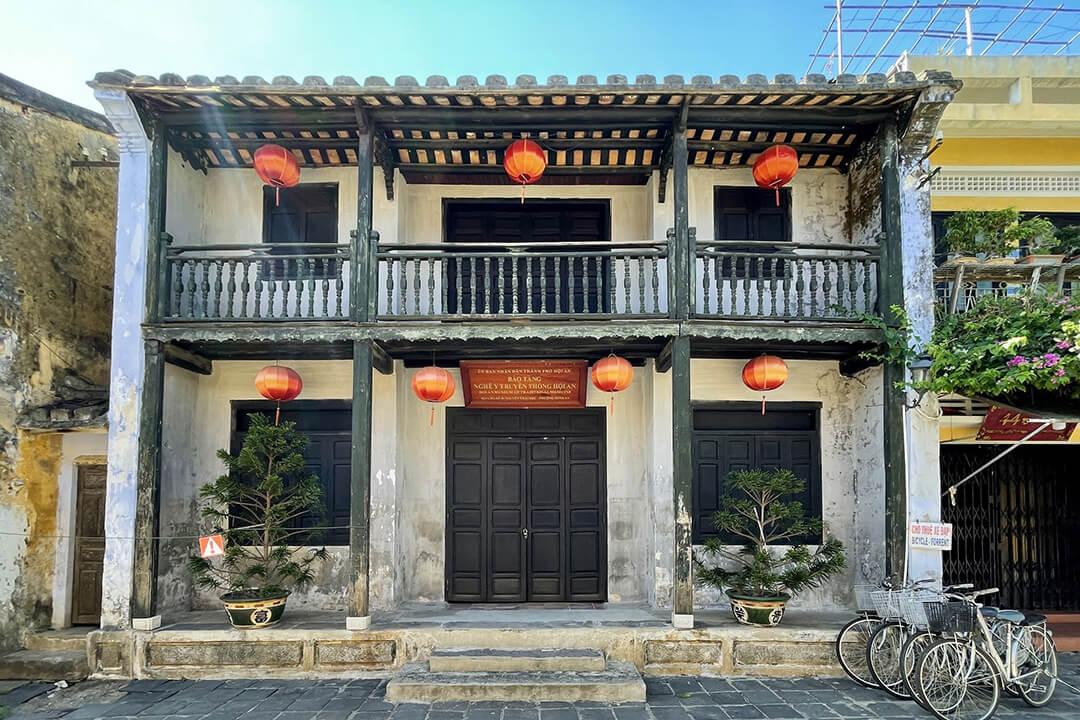
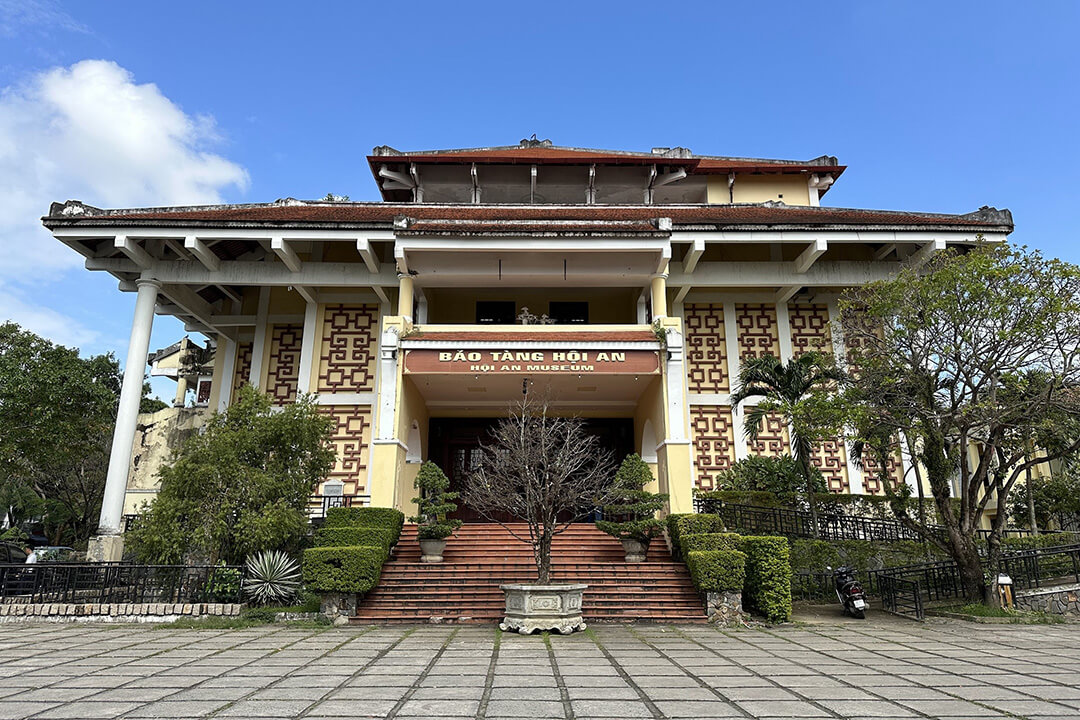
The exhibition is housed in a two-story French-style building, where artifacts are carefully arranged for easy understanding.
- Glass cabinets organized by theme and historical period
- Clear captions and excavation photos accompanying each display
- Prominent presentation of burial jars and associated grave goods
- Sections dedicated to pottery, tools, jewelry, iron weapons, and household items
- A layout that helps visitors visualize historical context and daily life
Evidence of 3,000-year-old settlements
Artifacts from the Cham Islands, especially Bai Ong, confirm that humans have lived in the Hoi An region for over 3,000 years. Archaeological layers reveal continuous habitation from the Sa Huynh period to the later Champa era. These findings demonstrate the region’s long-standing role as a coastal settlement with strong maritime connections. They also provide valuable insight into the evolution of early communities in central Vietnam.
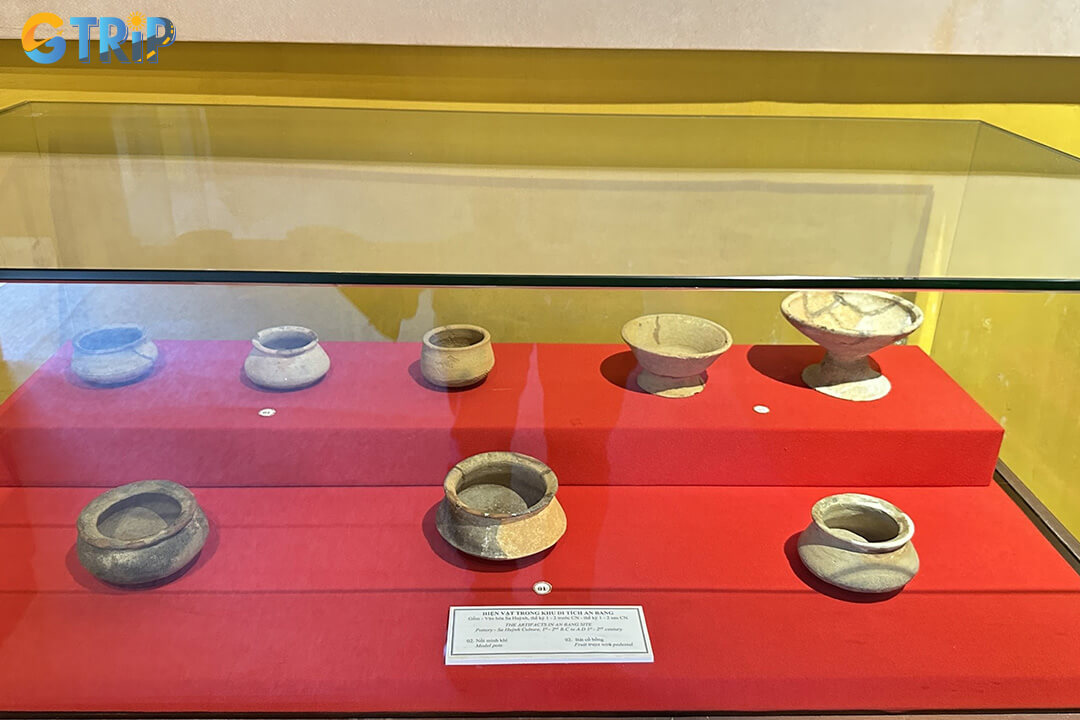
Artifacts from Bai Ong in the Cham Islands confirm over 3,000 years of continuous habitation in the Hoi An region
Pottery craft - A living heritage
Since the Sa Huynh era, pottery has played a crucial role in daily life and burial practices. This tradition continues today at Thanh Ha Pottery Village, where artisans still use traditional hand-powered pottery wheels, preserving centuries-old craftsmanship. The techniques and designs reflect a deep cultural continuity passed down through generations. Visiting the village allows travelers to witness how ancient skills remain alive in modern times.
Things to do at Museum of Sa Huynh Culture
To make the most of your visit, approach it not just as a spectator but as an explorer. Here are some key things to focus on to unlock the stories hidden within the exhibits.
1. Explore the Jar Burial collection
This is the museum's most compelling exhibit. Don't just glance at the large pots, look closely. Observe the different sizes and shapes of the jars, which were often custom-made for the deceased, with smaller jars used for children. Examine the grave goods displayed alongside them: personal ornaments, tools, and small vessels that were believed to be needed in the afterlife. The variety and quality of these goods can offer clues about the social status of the individual, providing a glimpse into the structure of Sa Huynh society.
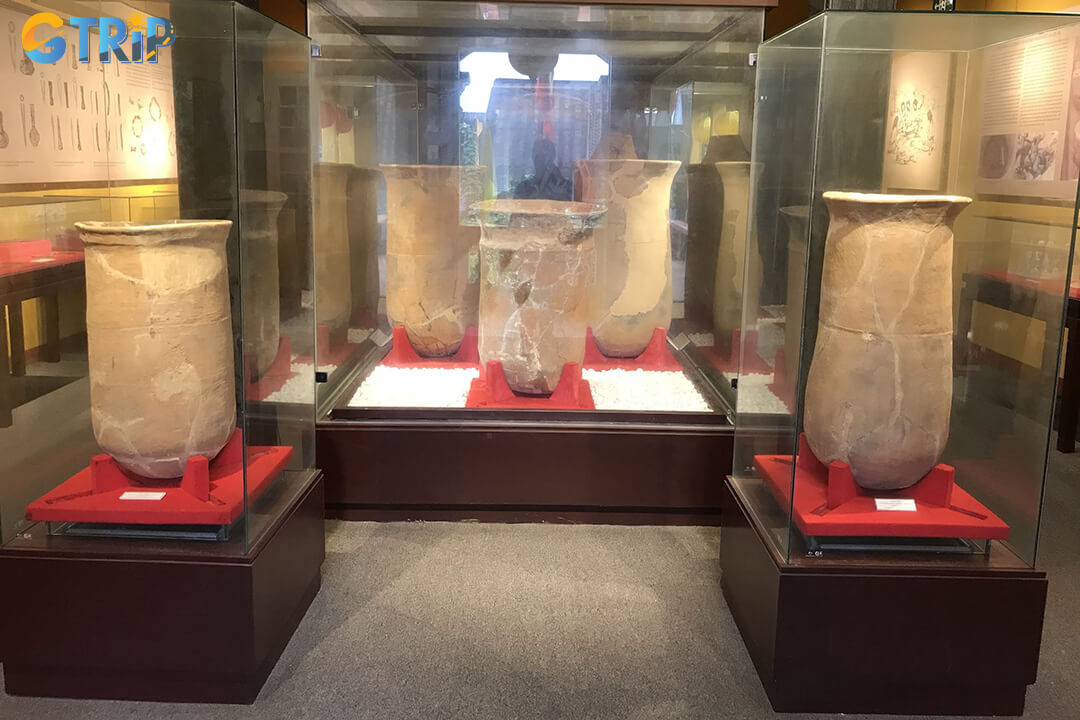
The museum’s jar burial exhibit reveals custom-made burial jars and grave goods that offer insight into Sa Huynh beliefs, social status, and views of the afterlife
2. Learn about ancient trade networks
Seek out the display cases filled with jewelry and exotic materials. You’ll find stunning ornaments made from agate, carnelian, nephrite, and glass, materials that are not native to Vietnam. These are the smoking guns of ancient trade. These precious items prove that the Sa Huynh people were part of a vast maritime network connecting them to India, Taiwan, the Philippines, and other parts of Southeast Asia. By examining these tiny beads, you are looking at concrete evidence of the first chapter of Hoi An's long story as a global trade hub.
3. Discover early settlement evidence
Pay special attention to the artifacts from the Bai Ong excavation site. These are the oldest objects in the museum. Look for the primitive tools and the remains of shellfish. These humble items are the most direct link to the very first people who called this area home. Understanding that people lived on the Cham Islands over 3,000 years ago provides a deep sense of historical continuity that enriches your entire perspective on Hoi An.
4. Combine with a walking tour in Hoi An Ancient Town
Position your visit to the museum as a foundational part of your day exploring the Old Town. Visiting the Museum of Sa Huynh Culture before seeing later sites like the Japanese Bridge (Japanese Covered Bridge) or the Tran Family Chapel provides an incredible chronological narrative. You'll move from the prehistoric era to the trading port era, appreciating how one laid the groundwork for the other. The museum is the perfect starting point to understand the full, 3,000-year-long story of this magical town.
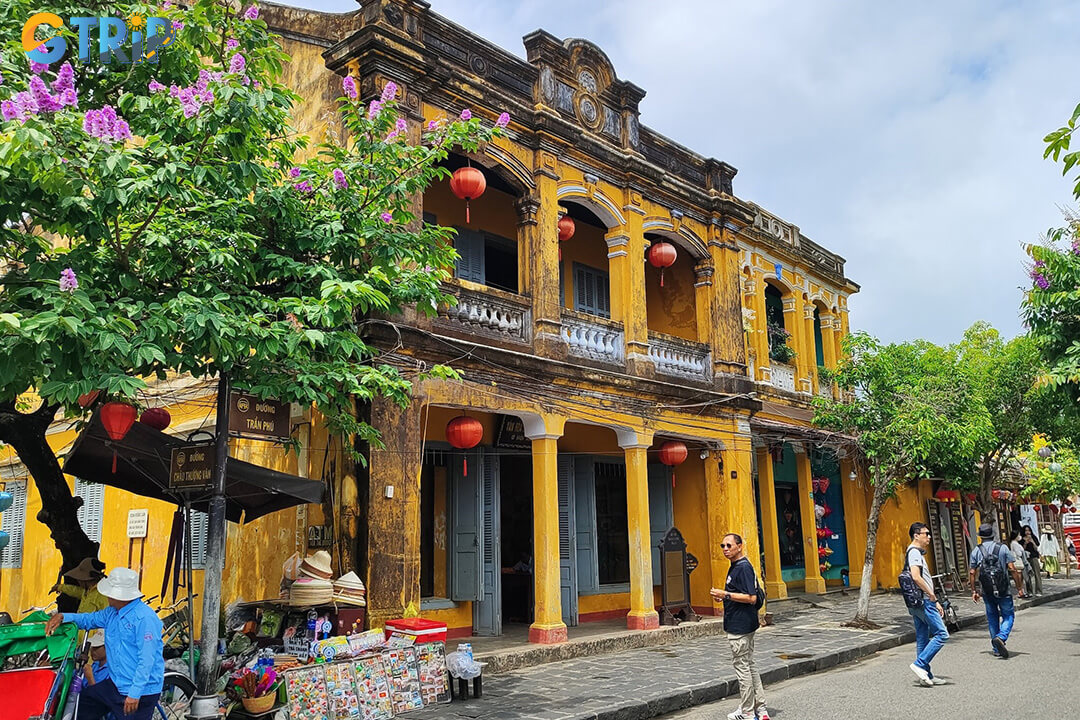
Start your Old Town exploration at the Museum of Sa Huynh Culture to gain a 3,000-year historical foundation before visiting Hoi An’s later trading-era landmarks
How to get to the Museum of Sa Huynh Culture
Given its location within the pedestrianized core of Hoi An Ancient Town, reaching the museum is straightforward and a pleasant experience in itself.
- By foot: This is the best and most common way to get to the museum. If you are staying anywhere in or near the Old Town, it is easily reachable on foot. Tran Phu Street is one of the main arteries of the heritage area, and a stroll will take you past dozens of other beautiful sights along the way.
- By bicycle: Cycling is a very popular way to explore Hoi An. While you cannot ride your bicycle directly down the most crowded parts of Tran Phu Street during peak hours. You can cycle to the edge of the pedestrian zone, park your bike securely at a designated parking area, and walk the remaining few hundred meters.
- From Da Nang: If you are visiting on a day trip from Da Nang, you have several options. A private car, taxi, or ride-hailing service can drop you off at the entrance to the Old Town, from where it's a short walk. The public bus (Bus 01) is the most economical option, dropping you at the Hoi An bus station, about a 15-20 minute walk from the museum.
Nearby attractions to the Museum of Sa Huynh Culture
One of the best things about the museum's location is its proximity to other must-see attractions. You can easily bundle several sites into a single walking tour.
- Cantonese Assembly Hall: A stunningly ornate hall showcasing vibrant Chinese architecture and intricate carvings, just a few steps away. It stands as a testament to the strong Chinese merchant community that once thrived in Hoi An.
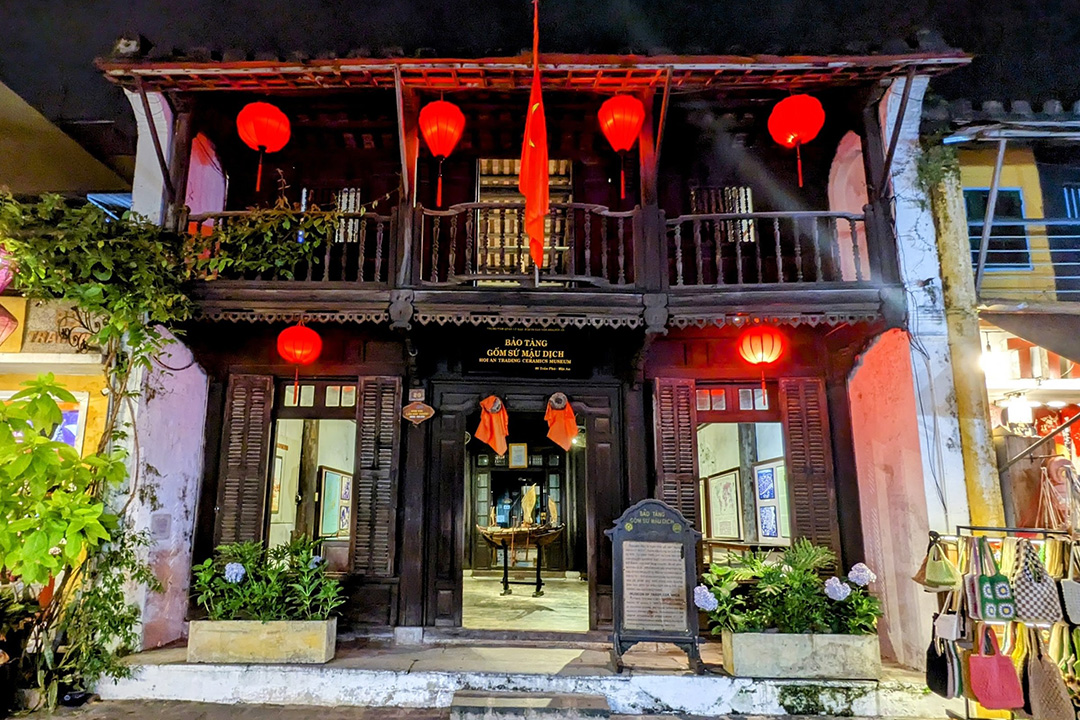
- Museum of Trade Ceramics: Another fascinating museum that picks up where the Sa Huynh story leaves off, detailing Hoi An's role as a ceramics trading hub. The exhibits highlight centuries of international maritime trade connections.
- Japanese Covered Bridge: An iconic 18th-century bridge that has become the symbol of Hoi An. Its unique design reflects the cultural fusion between Japanese and Vietnamese communities.
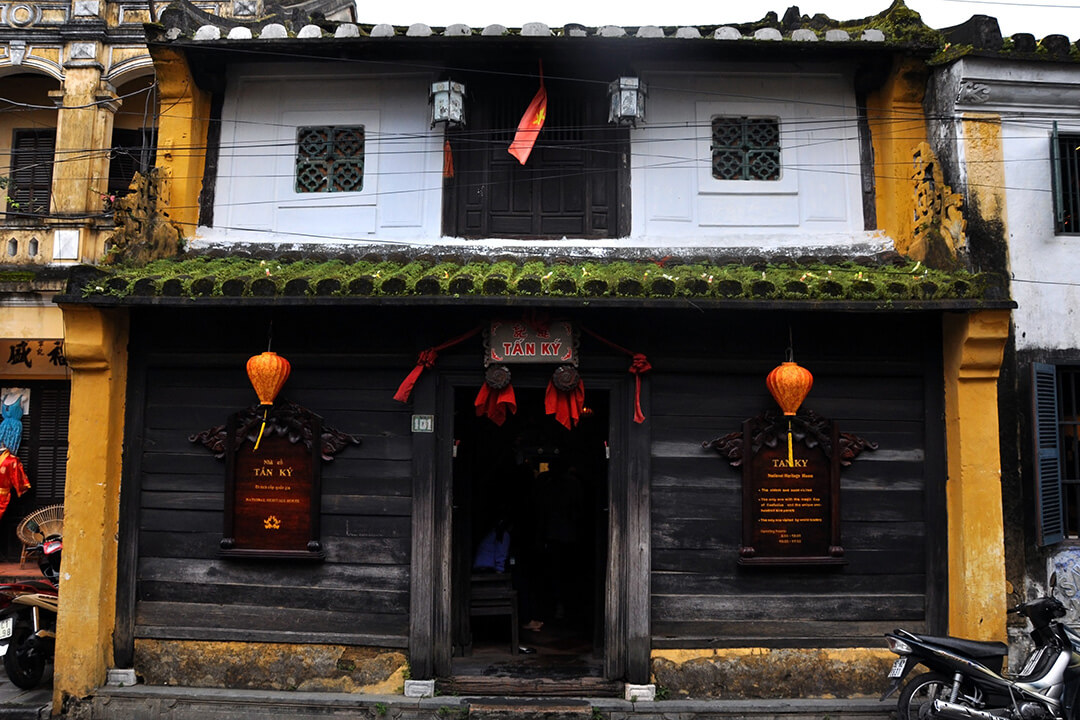
- Tan Ky Old House: A beautifully preserved 18th-century merchant's home that offers a glimpse into the lives of Hoi An's wealthy traders. The house displays original furnishings and architectural features passed down through generations.
- Phung Hung Old House: Another historic house blending Vietnamese, Japanese, and Chinese architectural styles, located near the Japanese Bridge. It illustrates the multicultural influences that shaped Hoi An’s golden trading era.
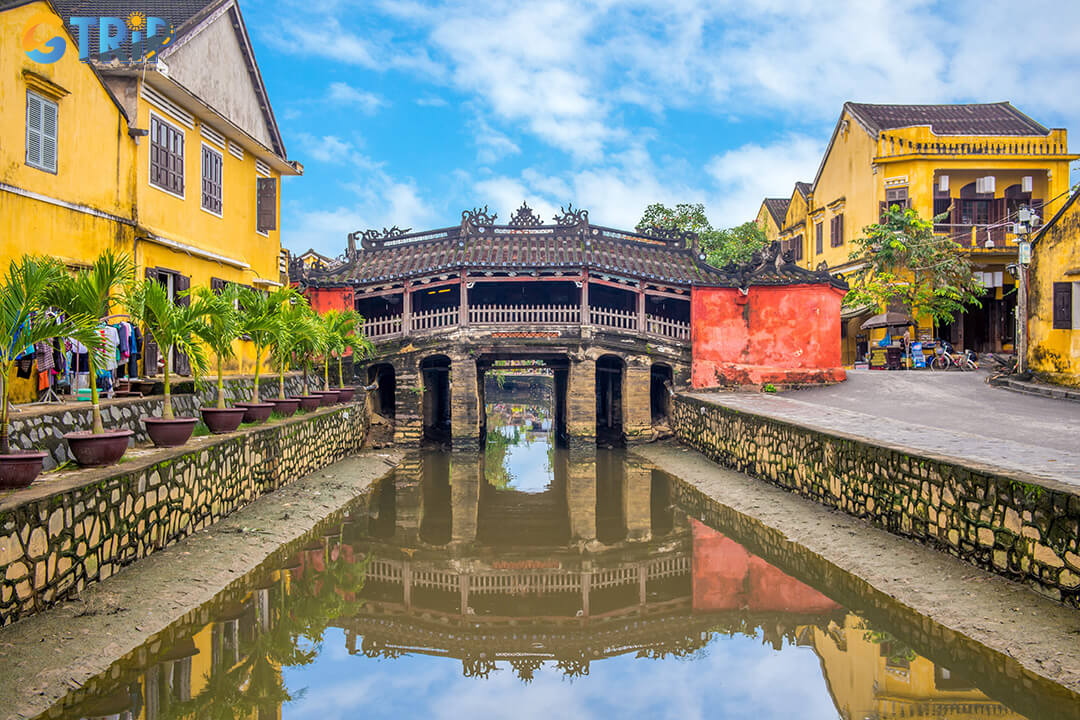
Thanks to its central location, the museum can be easily combined with nearby landmarks like the Japanese Covered Bridge on a convenient Old Town walking tour
Practical tips for visitors when visiting Sa Huynh Culture Museum in Ho An Ancient Town
To ensure your visit is smooth, enjoyable, and enlightening, keep these practical tips in mind.
- Buy the combo ticket: This is the most economical way to visit. The 120,000 VND ticket gives you access to five sites, so plan which other four you want to see to get the best value.
- Allow enough time: While the museum is not large, its contents are dense with information. Allocate at least 45 to 60 minutes to read the captions and fully appreciate the significance of the exhibits.
- Wear comfortable shoes: You will be doing a lot of walking around Hoi An Ancient Town, so comfortable footwear is an absolute must.
- Photography: Photography is generally permitted inside the museum, but the use of flash is strictly forbidden to protect the fragile, ancient artifacts.
- Hire a guide: For a much deeper understanding, consider hiring a local guide for your tour of the Old Town. A knowledgeable guide can bring the stories of the Sa Huynh people to life in a way that captions alone cannot.
- Visit early or late: The Old Town can get very crowded, especially from mid-morning to late afternoon. To enjoy the museum in relative peace, consider visiting right when it opens at 7:00 AM or in the evening.
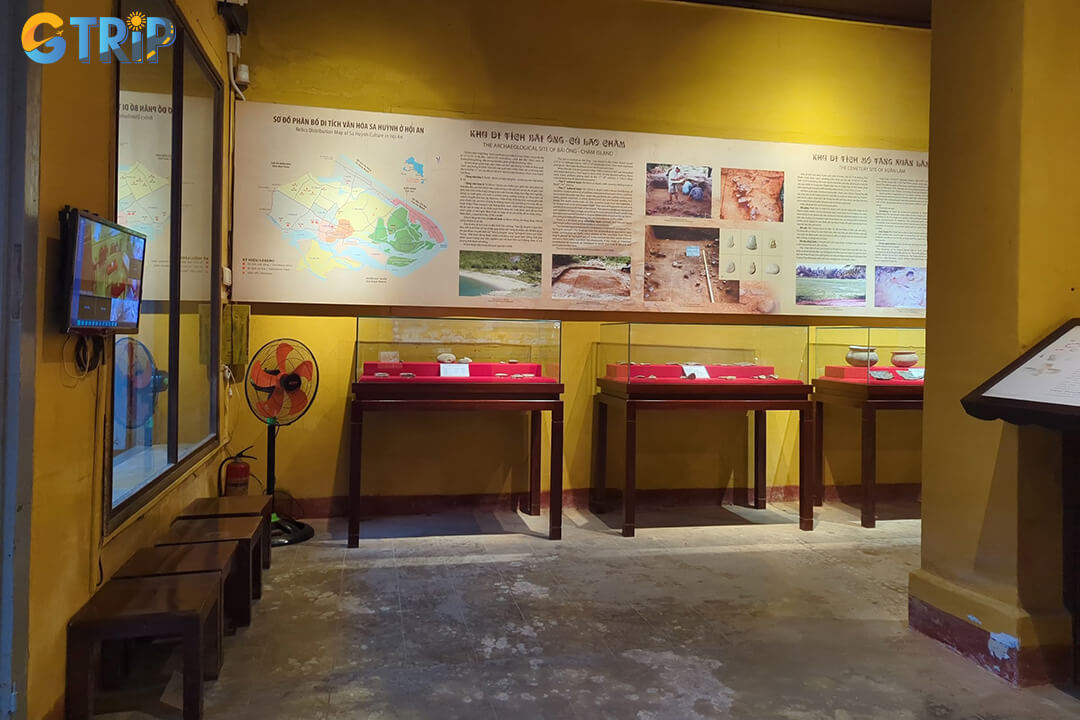
Plan by buying a combo ticket, allowing enough time, wearing comfortable shoes, following photography rules and visiting early or late to enjoy the museum at its best
A trip to Hoi An is incomplete without understanding its origins, and the Museum of Sa Huynh Culture is the keeper of that foundational story. It is far more than a simple collection of pottery and tools, it is a portal to a forgotten world. Here, you will discover that the spirit of trade, craftsmanship, and maritime adventure that defines Hoi An did not begin in the 16th century but has been flowing through this land for over 3,000 years. By exploring the mysteries of the jar burials and the evidence of ancient global trade, you gain a profound context that will enrich your entire experience of this magical ancient town. It’s an essential visit for any curious traveler seeking to look beyond the lanterns and discover the true, ancient heart of Hoi An. Let GTrip - Vietnam Travel Agency accompany you on this cultural journey and help you explore Hoi An’s timeless heritage in the most meaningful way.