



Mar - 27 - 2026
The Hoi An Museum of History and Culture, also known as Hoi An Museum, is more than a collection of artifacts, it’s a place that reveals the story and soul of this ancient town. While Hoi An’s lantern-lit streets already charm visitors, the museum provides a deeper context about how the town grew into a major Southeast Asian trading port. For travelers who want to truly understand the cultures that shaped this UNESCO World Heritage Site, a visit here is essential. At GTrip, we believe meaningful travel comes from deeper insight, and this guide will help you explore the museum’s history, exhibits, and practical tips for an unforgettable visit.
Overview of the Hoi An Museum of History and Culture
The Hoi An Museum of History and Culture, known locally as the Hoi An Museum, is the town’s main place for preserving historical artifacts. It features a large collection of objects, photos, and maps that trace more than 2,000 years of history. The museum offers a clear overview of the town’s rich and multicultural past.
Where is the Hoi An Museum of History and Culture?
Address: 10B Tran Hung Dao Street, Hoi An Ward (formerly Minh An Ward, Hoi An City, Quang Nam Province), Da Nang City
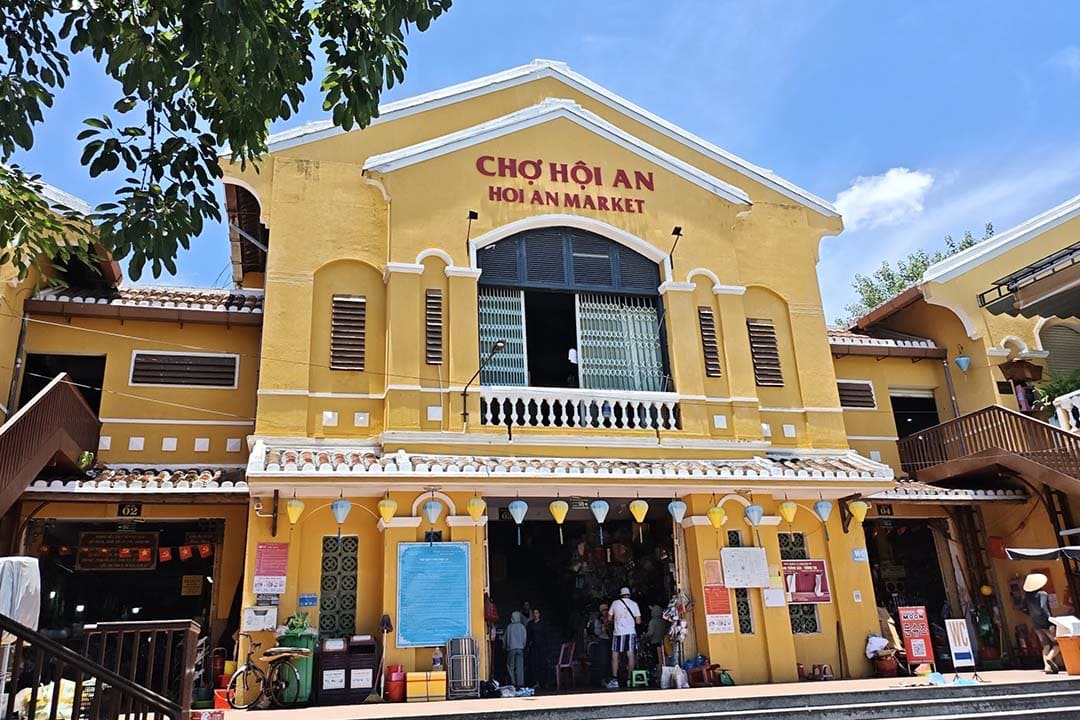
The Hoi An Museum of History and Culture enjoys a prime location on the northern edge of the core Hoi An Ancient Town, making it a convenient stop during your exploration. From here, visitors can easily walk to many of the town’s key attractions, it’s only a few minutes from the lively Hoi An Central Market and about a 10-minute stroll to the iconic Japanese Covered Bridge. Located along Tran Hung Dao Street, one of the main roads in the area, the museum is straightforward to find and fits naturally into any walking itinerary around the historic quarter.
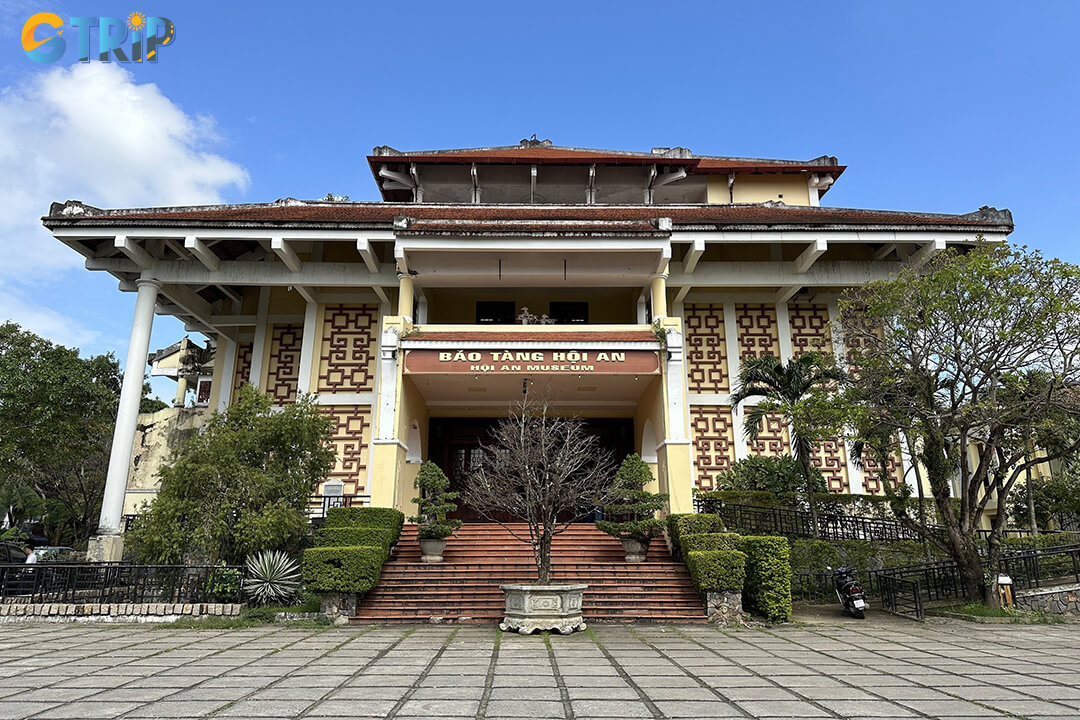
Located on Tran Hung Dao Street, the museum is an easy walk from major landmarks like Hoi An Central Market and the Japanese Covered Bridge
Opening hours and ticket prices
Getting into the museum is simple and part of the broader Ancient Town experience. Here are the essential details:
- Opening hours: 8:00 AM - 11:00 AM, 2:00 PM - 5:00 PM
- Ticket price: Included in the Hoi An Ancient Town combo ticket, which costs 120,000 VND for foreign visitors (approximately $5 USD).
The museum operates under the Hoi An Ancient Town ticket system. This single combo ticket grants you access to the main pedestrianized area and allows you to choose five attractions to enter from a list of over 20 designated sites. This includes assembly halls, old houses, and other museums. You purchase this ticket at official booths located at the entrances to the ancient town, and it’s valid for the duration of your stay. This system makes visiting Hoi An's museums incredibly cost-effective and encourages a well-rounded historical tour.
What makes the Hoi An Museum of History and Culture unique?
What truly sets this museum apart is its remarkable dual identity: it is both a historical archive and a place of spiritual significance. Before it housed relics of the past, the building itself was a center of worship. The structure you'll walk through was originally the Quan Am Pagoda, a Buddhist temple first built in 1753.
- A historic setting: The museum is located in what is believed to be one of the earliest settled areas of Hoi An, adding another layer of historical importance to your visit.
- A spiritual atmosphere: As you explore the exhibits, you are simultaneously walking through a centuries-old pagoda. The original architecture, with its sweeping tiled roofs and serene courtyard, provides a contemplative backdrop to the historical artifacts.
- A two-in-one visit: You can appreciate the town's chronological history through its artifacts while also admiring the original pagoda architecture. This blend of history and spirituality makes the Hoi An Museum of History and Culture a truly memorable stop.
The museum stands out for its unique blend of history and spirituality, as it is housed inside the historic Quan Am Pagoda built in 1753
History of the Hoi An Museum of History and Culture
The Hoi An Museum of History and Culture was established on November 10, 1989, at 10B Tran Hung Dao Street. It stands on the site of a 17th-century temple built by the Minh Huong community to worship the Bodhisattva Avalokitesvara (Quan The Am). The museum was originally located at 7 Nguyen Hue Street before moving to its current location, covering an area of about 800 m². The museum preserves over 335 artifacts and visual materials tracing Hoi An’s history from prehistoric times to its peak as a trading port and beyond.
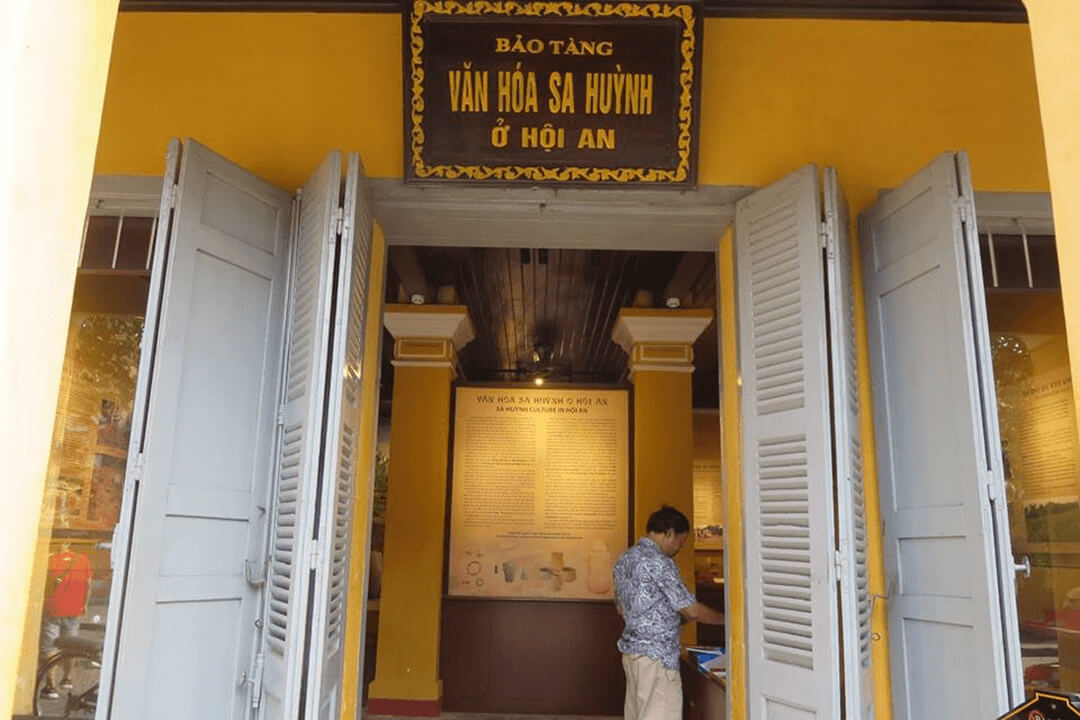
Through artifacts from the Sa Huynh culture discovered at Bai Ong on Cham Island over 3,000 years ago, the museum illustrates the early formation of local communities. The exhibitions also highlight revolutionary history, including the founding of the Vietnam Revolutionary Youth League in 1927. Other sections depict life in Hoi An after reunification in 1975 through historical photos and documents. The museum continues to be restored and preserved, standing as a vivid testament to the history of Hoi An as a once-thriving trading port.
Exhibition areas at the Hoi An Museum of History and Culture
The Hoi An Museum of History and Culture displays valuable artifacts and documents that trace the town’s history. This helps visitors visualize the development of this once-thriving trading port.
- Prehistoric exhibition area: This section features 102 original artifacts and excavation images, including tools, weapons, and jewelry made of ceramic, bronze, iron, stone, and glass. Highlights include jar burials from Tin Lanh, Hau Xa, and Cam Ha, revealing the life of the Sa Huynh people over 2,000 years ago and their early trade connections.
- Champa exhibition area: Here, visitors can see ceramic fragments, Cham bricks, decorative motifs, and sculptures such as the Gandhara dancer and the god of wealth Kuberra. The displays recreate the role of Cham Island and Cua Dai Beach as important ports from the 2nd to the 15th centuries, with trade goods including agarwood, cinnamon, and precious stones.
- Dai Viet exhibition area: This section presents artifacts from the 15th to 19th centuries, including Vietnamese ceramics compared with those from Japan and China, trading tools, and historical maps of Hoi An. It also highlights traditional craft villages such as Kim Bong carpentry and Thanh Ha pottery.
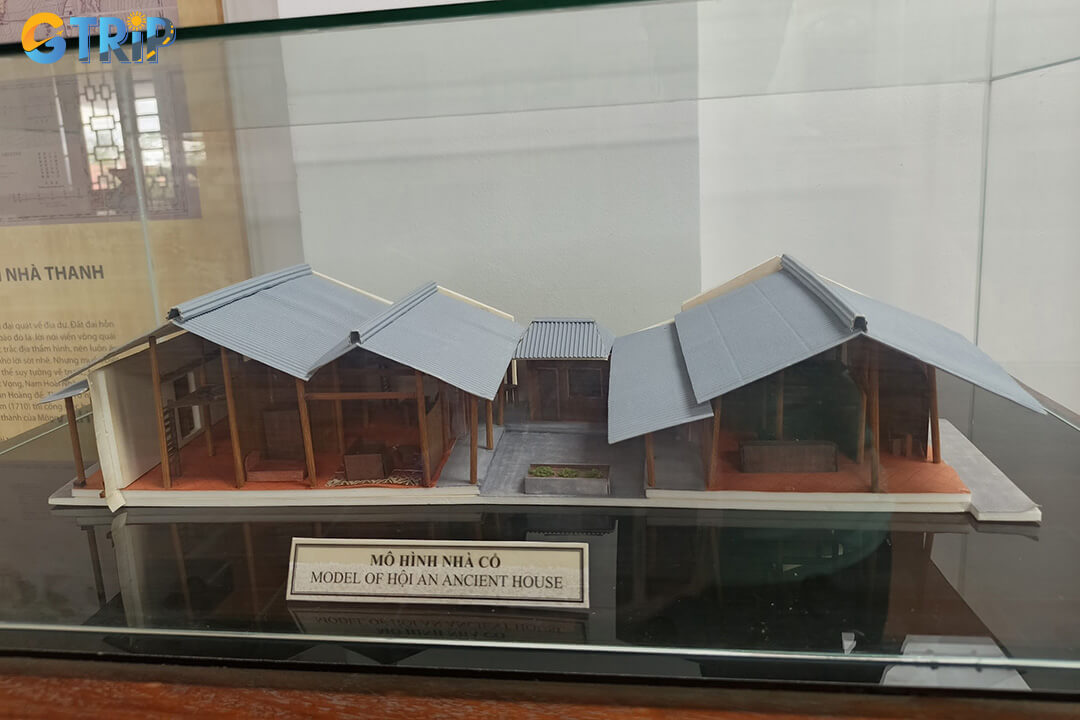
- Outdoor exhibition area: Located in the courtyard between the front and rear buildings, this space displays larger artifacts such as Sa Huynh pottery and models of ancient architecture, recreating the atmosphere of the historic trading port.
- Revolutionary tradition room: This room presents 377 documents and artifacts about the revolutionary struggles of Hoi An’s people during the wars against French and American forces.
- Hoi An after 1975 room: More than 100 materials illustrate the period after national reunification, highlighting the spirit of unity and reconstruction before Vietnam’s economic reforms.
- Art gallery: Situated on the top floor, this gallery showcases paintings created with oil, gouache, and charcoal, depicting the landscapes and daily life of Hoi An.
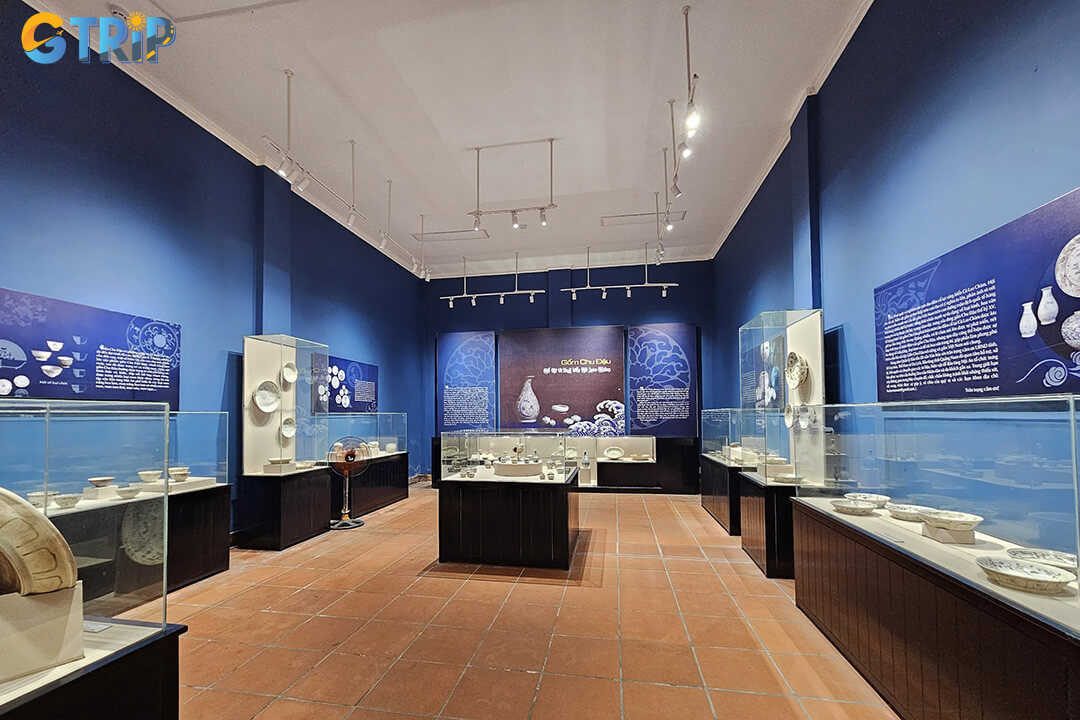
The museum features diverse exhibition areas showcasing artifacts and documents that trace Hoi An’s history from prehistoric cultures to modern times
Things to do at the Hoi An Museum of History and Culture
Visiting the Hoi An Museum of History and Culture is like opening a living encyclopedia of the ancient town. Rather than a simple collection of artifacts, it offers a journey through time that helps you understand the deeper heritage of Hoi An. Here are some experiences you should not miss:
Explore Hoi An’s history through a visual narrative
Instead of visiting specialized museums in a fragmented way, you should make this your very first stop. The museum provides a systematic and condensed overview of the town's entire developmental timeline. Grasping this historical flow acts as a "key", allowing you to understand the deeper meaning and stories behind every other monument and relic you will encounter during your trip.
Discover a diverse treasury of relics across the eras
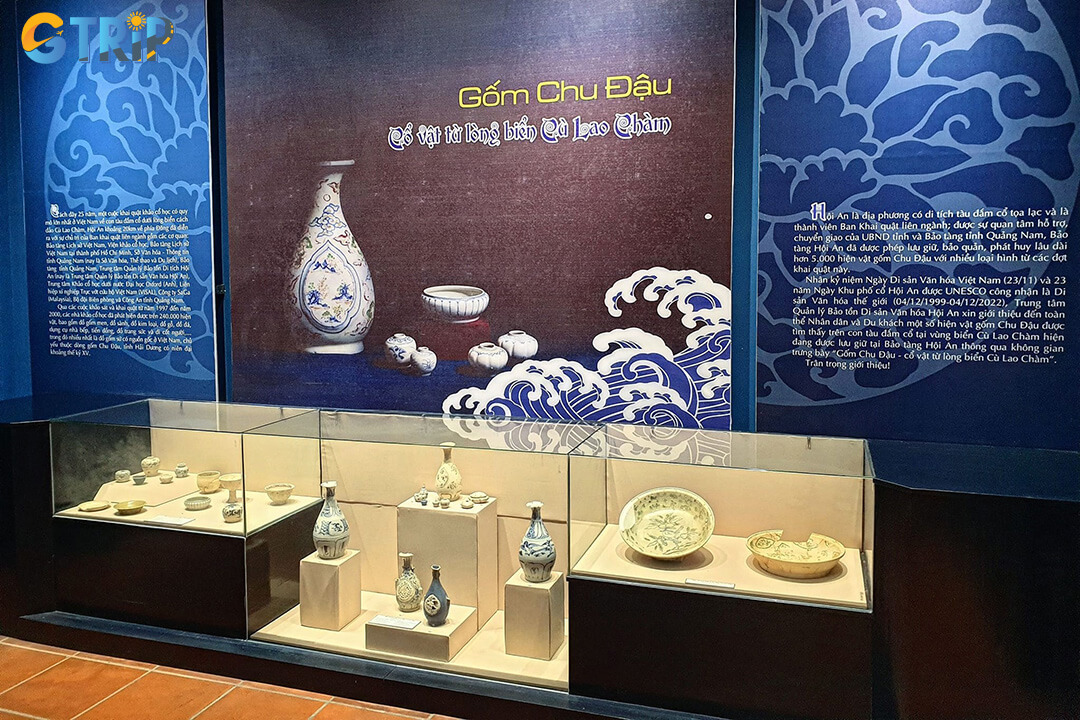
Here, visitors can marvel at an incredibly rich collection of antiquities that bear witness to the intersection of global civilizations. The exhibition ranges from rare ancient maps and precious documentary photographs to sculptures crafted from diverse materials. Pay close attention to items tied to the daily life of the ancient port as they offer a profound insight into the origins and ancestral spirit of the local people.
Visitors can explore a rich collection of artifacts that reveal the cultural exchanges shaping Hoi An’s historic trading port
Journey 3,000 years back in time
For those captivated by archaeology, the museum offers a fascinating "time-travel" experience. You will have the rare opportunity to stand face-to-face with prehistoric treasures, including Dong Son bronze drums dating back to 3,000 BC and the unique jar burial system of the Sa Huynh culture. This section provides a vivid window into the very first footsteps of humans on this land thousands of years ago.
Marvel at the mastery of ceramics and sculpture
Do not miss the exhibition dedicated to the exquisite ceramic lines that were once the primary commodities of the maritime silk road. Beside the pottery, the stone and wood sculptures will leave you in awe of the talent and boundless creativity of local artisans. This perfect fusion of artistic finesse and historical depth ensures a rewarding experience for every curious traveler.
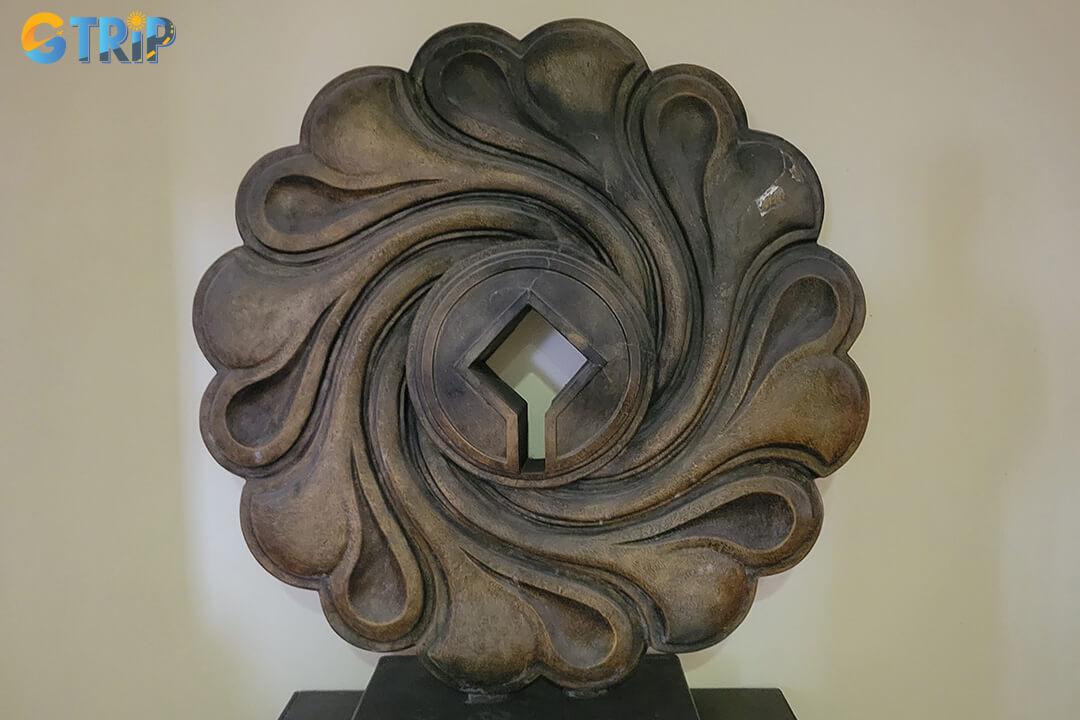
Discover exquisite ceramics from the Maritime Silk Road alongside impressive stone and wood sculptures that showcase the artistry of Hoi An’s craftsmen
How to get to Hoi An Museum of History and Culture?
Located at 10B Tran Hung Dao Street, the museum occupies a prime spot on one of Hoi An’s main thoroughfares. Unlike many ancient town sites, it sits outside the pedestrian zone, allowing direct access by car or motorbike anytime. If you are traveling from a neighboring city or just wandering through the local alleys, reaching this heritage treasure is simple and convenient.
From Da Nang International Airport
For international travelers or domestic flyers, the journey from Da Nang International Airport to the museum is a straightforward drive southward. The route typically follows the beautiful coastline, offering a scenic introduction to Central Vietnam. Since the museum is accessible by car throughout the day, you can be dropped off right at the front gate with your luggage without worrying about walking zone restrictions.
- Distance: 30 km
- Travel time: 45 - 60 minutes
- Routes: Vo Nguyen Giap coastal road or Lac Long Quan Street.
- Optimal option: Private car or taxi for a comfortable, direct journey.

The museum is about 30 km from Da Nang International Airport and can be reached by a scenic 45-60 minute coastal drive with direct car access to the entrance
From Da Nang City center
If you are staying in the heart of Da Nang, reaching the museum is a popular day trip. The drive is easy and well-paved, passing through local districts before reaching the outskirts of the Ancient Town. Because the museum lies on Tran Hung Dao Street, a major artery of Hoi An, it is very easy to find via GPS or local signage, serving as an ideal gateway for your exploration of the heritage site.
- Distance: 28 km
- Travel time: 45 minutes
- Routes: Le Van Hien - DT607 or the scenic coastal route.
- Optimal option: Motorbike for flexible sightseeing or Grab/Taxi for convenience.
From around Hoi An Ancient Town
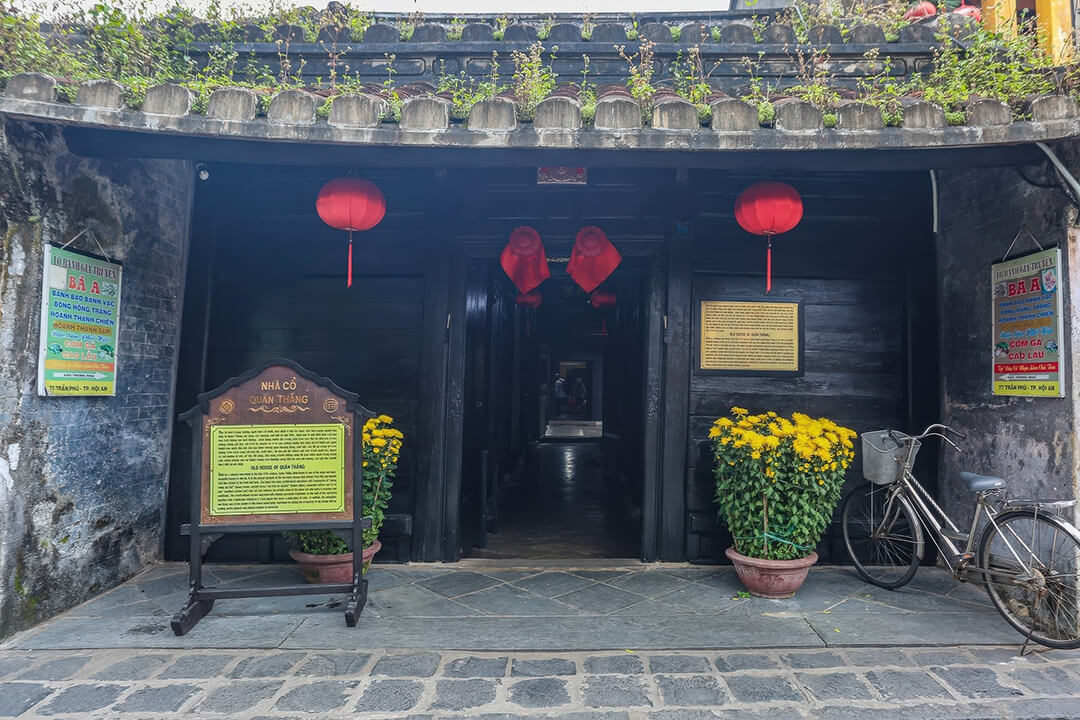
For those already staying within Hoi An, the museum is just a short trip away. It is conveniently located near the Hoi An Central Market and the Quan Cong Temple. While the museum itself is outside the walking zone, the nearest ticket office is located at 27 Le Loi Street, just a brief stroll away. You can easily integrate a visit here into your walking tour of the Old Town.
- Distance: 500m - 1.5km
- Travel time: 5 - 10 minutes
- Routes: Tran Hung Dao or Nguyen Hue Street.
- Optimal option: Walking or cycling to enjoy the local atmosphere.
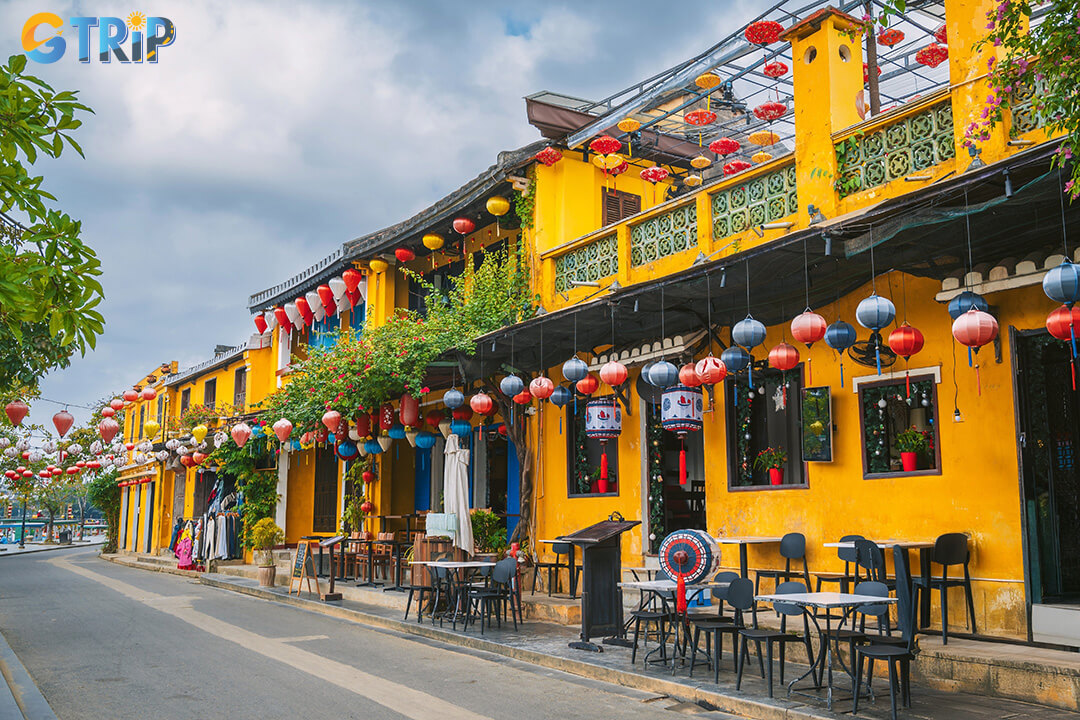
The museum is about 500m from Hoi An Ancient Town and can be reached by a scenic 5 - 10 minute coastal drive with direct car access to the entrance
Transportation options
The museum's unique position outside the pedestrian restricted area makes it one of the most accessible cultural sites in Hoi An. Visitors can choose from a wide array of transport methods depending on their budget and preferred pace. Parking for bicycles and motorcycles is typically free on-site, though you should ensure your bike is securely locked.
- Walking/Bicycle: Best for those nearby, eco-friendly and flexible.
- Taxi/Private car: The most convenient choice for direct drop-off at the gate.
- Motorcycle: Great for independent travelers and free parking is available.
- Electric bus/Cyclo: Fun and traditional ways to experience the town's charm while heading to the museum.
Nearby attractions to the Hoi An Museum of History and Culture
One of the best things about visiting museums in Hoi An is their proximity to other incredible sites. After your visit, you’re just steps away from more history and culture. Here are a few must-see attractions nearby:
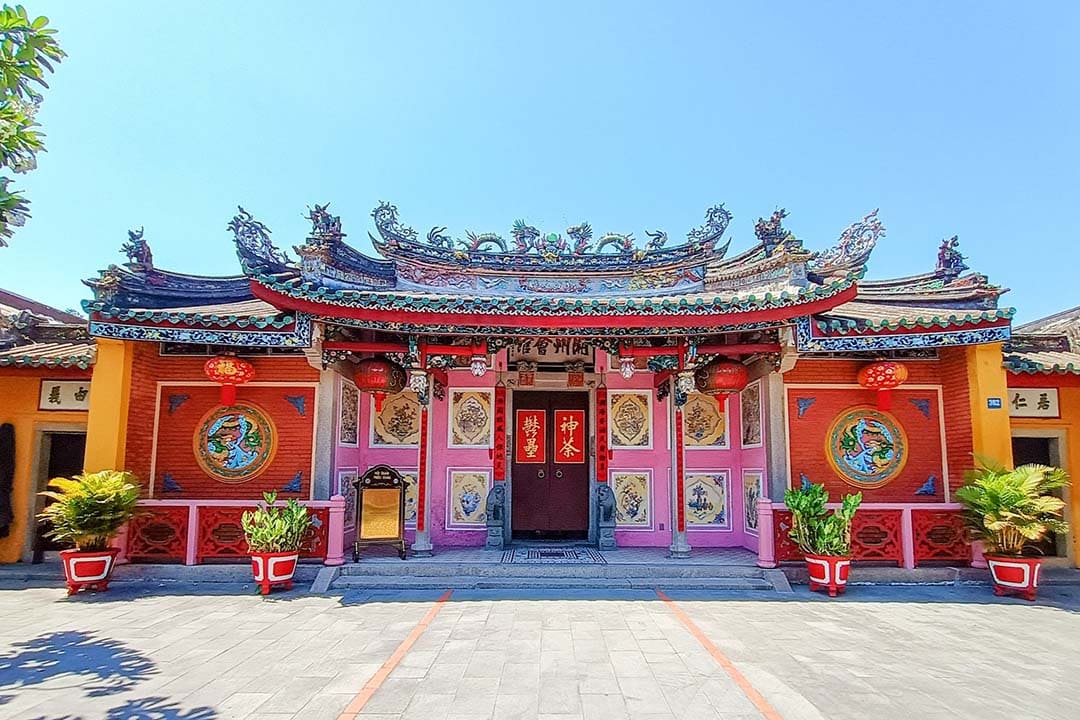
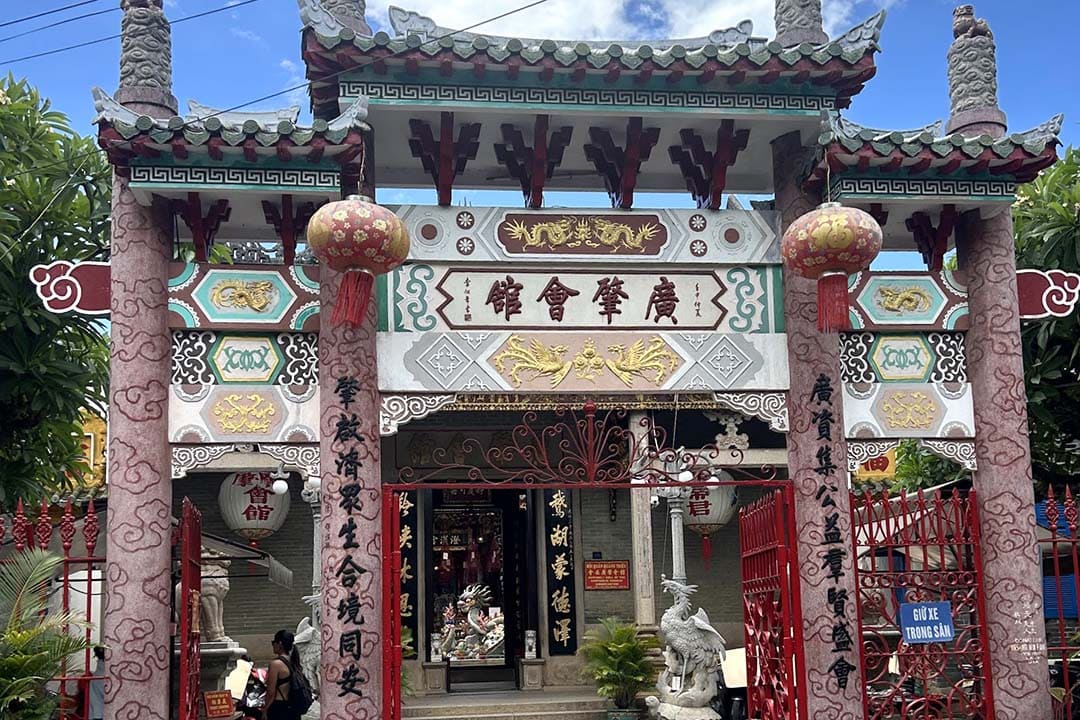
- Fujian Assembly Hall: A stunning example of traditional Chinese architecture, this assembly hall is dedicated to Mazu, the goddess of the sea who protects sailors and fishermen. Its ornate gate, colorful statues, and peaceful courtyard make it one of the most impressive heritage sites in Hoi An.
- Hoi An Central Market: Located just a short walk away, this is a bustling, authentic market where you can experience vibrant local life, see fresh produce, and sample delicious Hoi An street food. The lively atmosphere offers a perfect glimpse into the daily routines of residents.
- Japanese Covered Bridge: The undeniable icon of Hoi An, this unique 17th-century bridge features a temple inside and is a beautiful testament to the Japanese community that once thrived here. Its distinctive architecture and historical significance make it a must-see landmark.
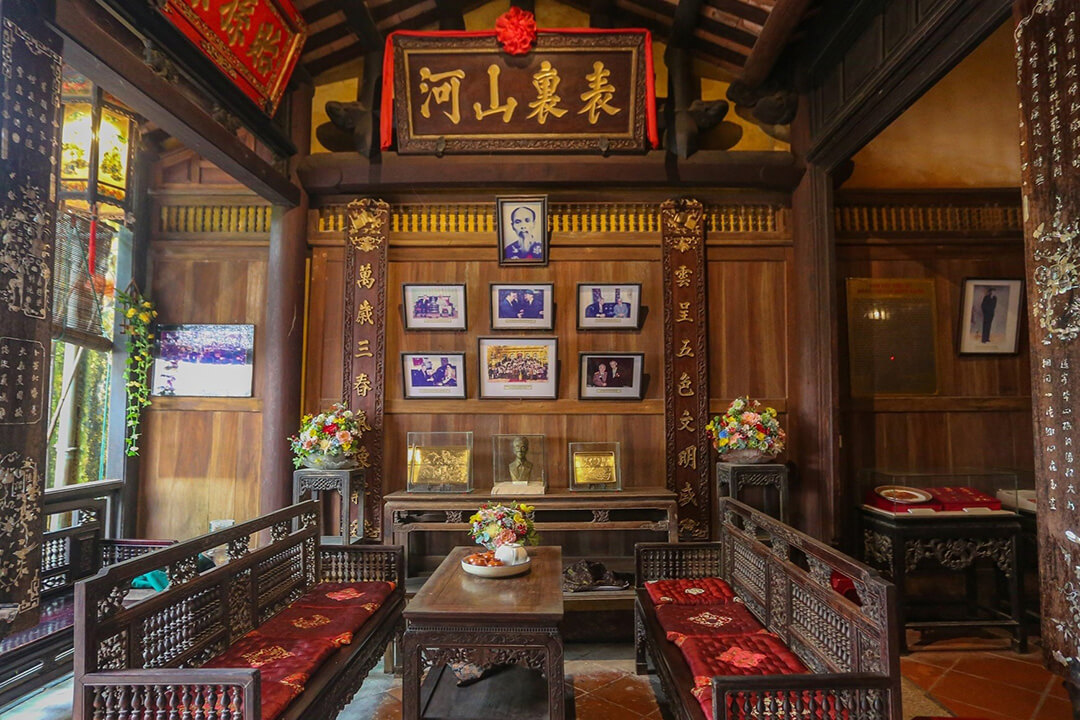
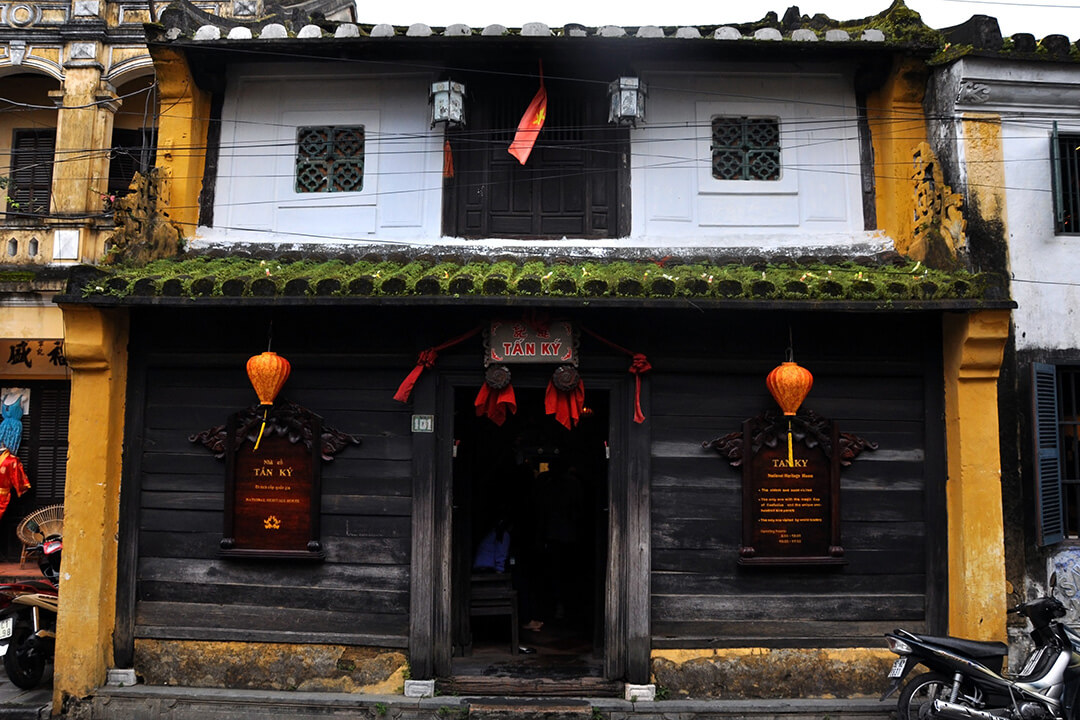
- Tan Ky Old House: A perfectly preserved 200-year-old merchant's house that showcases a fascinating blend of Vietnamese, Chinese, and Japanese architectural styles. Inside, visitors can explore original furniture and artifacts that reveal the lifestyle of wealthy traders in the past.
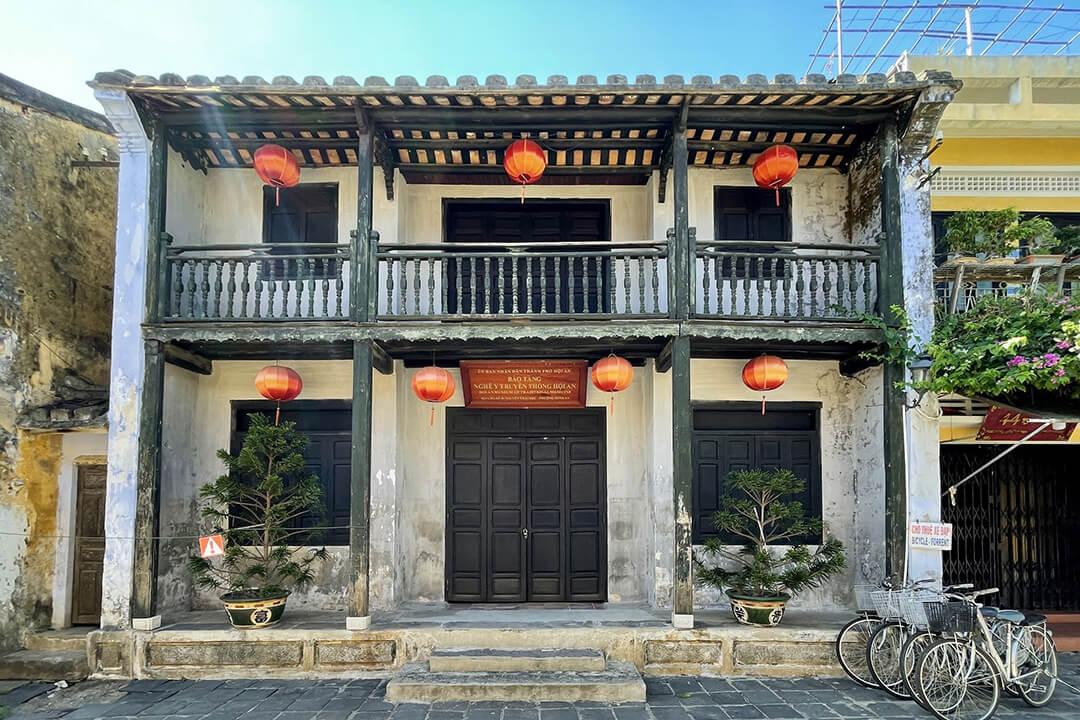
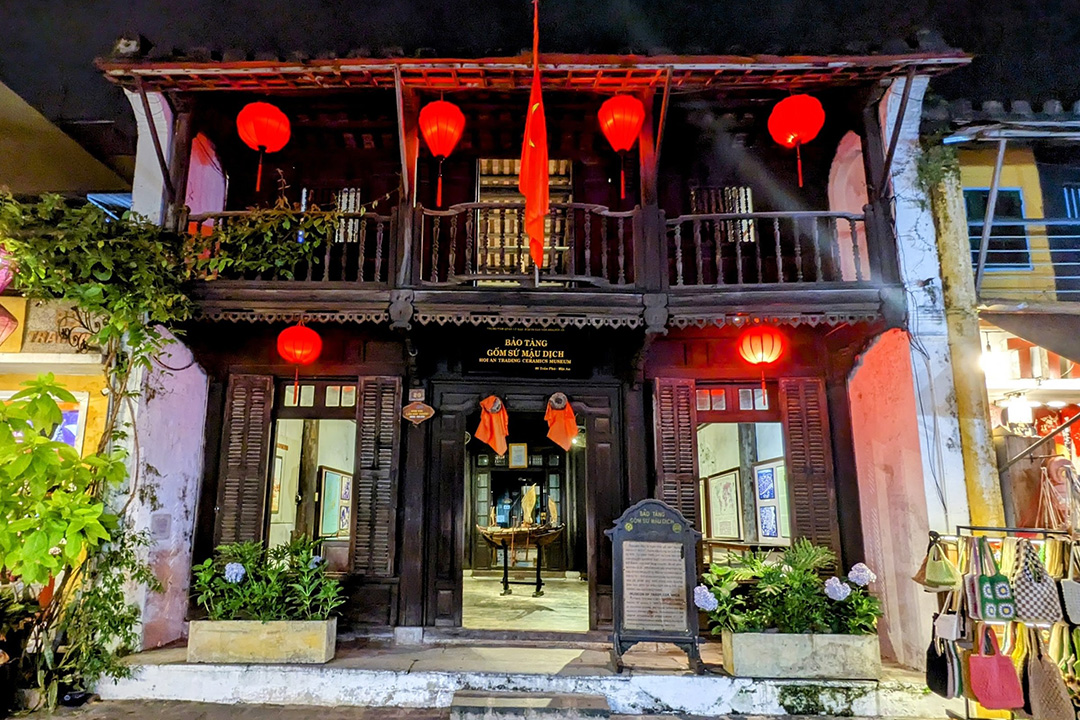
- Museum of Trade Ceramics: A perfect companion to your visit, this museum is housed in another beautifully restored wooden house and focuses on the pottery and ceramics that once passed through Hoi An's port. The exhibits highlight the town’s role in the international maritime trade network.
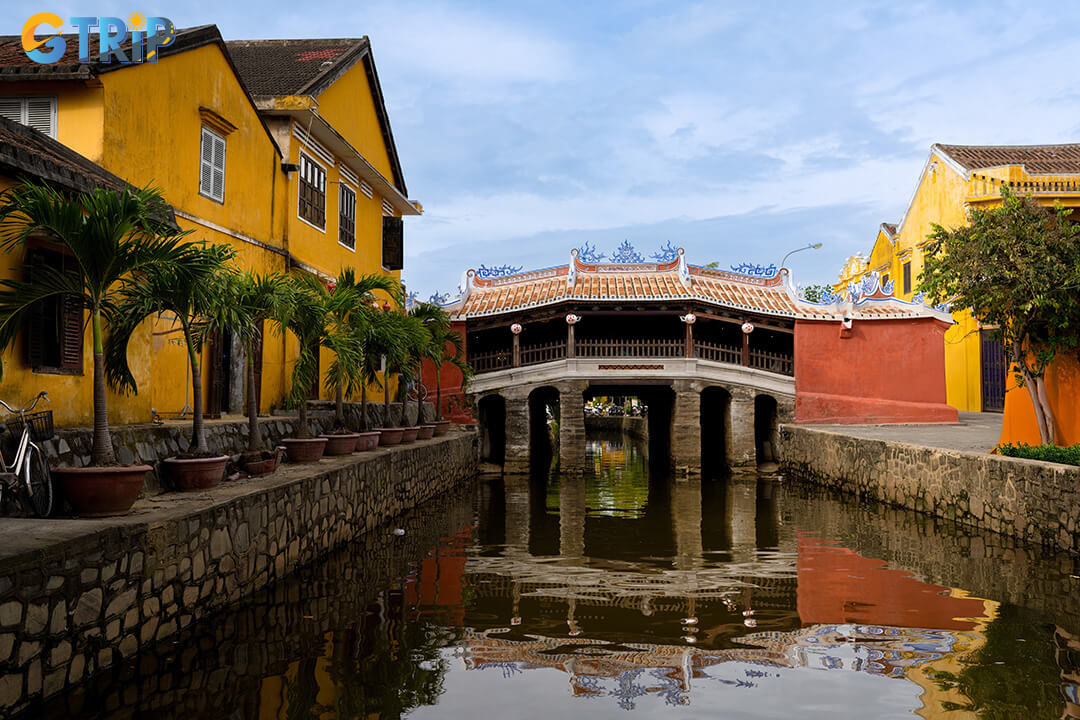
The museum’s central location makes it easy to explore nearby landmarks like the Japanese Covered Bridge and other historic attractions on foot
Practical tips for visitors when visiting Hoi An Museum of History and Culture
To ensure a respectful and smooth visit to the Hoi An Museum of History and Culture, visitors should adhere to local regulations and prepare accordingly for the town's environment. Following these guidelines not only protects the priceless antiquities but also ensures your safety and comfort while exploring the heritage site.
- Admission: Entry requires a general Hoi An Ancient Town sightseeing ticket (120,000 VND for adults), available at the nearest booth at 27 Le Loi Street.
- Dress code: While there is no strict rule for the museum, modest attire covering shoulders and knees is required for nearby temples, traditional Ao Dai is highly recommended for photos.
- Prohibited actions: Please do not touch artifacts, enter private zones, smoke, or consume food and drinks inside the galleries.
- Photography: Taking photos is permitted, but flashlights must be turned off to prevent damage to sensitive historical objects.
- Accessibility: The second floor is accessible only by stairs, elderly visitors or wheelchair users are encouraged to focus on the extensive ground-floor exhibits.
- Weather preparation: Bring sun protection (Feb-Aug) or rain gear (Sep-Jan), and stay updated on potential flooding if traveling between October and December.
- Payment and gear: Carry cash for tickets and small purchases, and wear comfortable walking shoes for the best experience in the Old Town.
- Professional support: For expert local guides or private photography services
- Local contribution: Purchasing souvenirs on-site is a wonderful way to support the local families dedicated to preserving this museum.
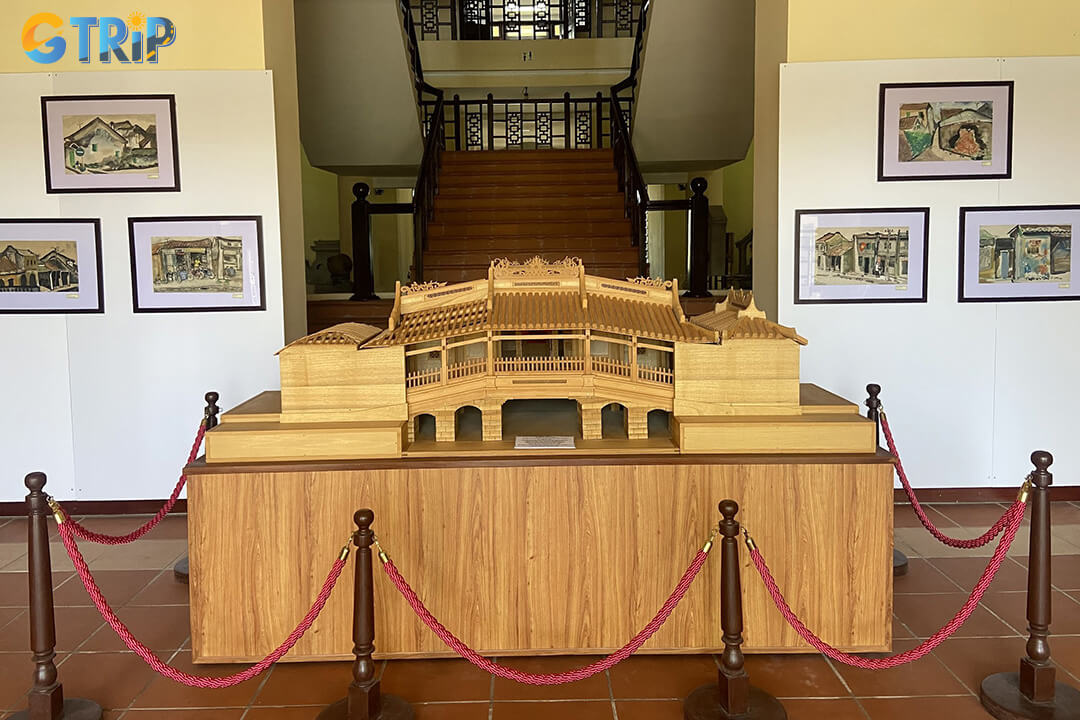
Follow basic guidelines such as bringing the Ancient Town ticket, dressing modestly, and preparing for the weather to ensure a smooth and respectful museum visit
The Hoi An Museum of History and Culture is an unmissable destination for any curious traveler. It's not just a dusty collection of artifacts, it’s a vivid narrative of human endeavor, cultural exchange, and remarkable resilience, all housed within a building that carries its own legacy. By starting your journey in Hoi An Ancient Town here, you’ll gain a deeper appreciation for the heritage reflected in every lantern-lit street and quiet alley. It transforms a simple walk into a meaningful journey through Vietnamese history. Ready to explore further? Combine your visit with curated Da Nang tours by GTrip to experience both the vibrant energy of Da Nang and the timeless charm of Hoi An in one seamless itinerary.