



Mar - 26 - 2026
The Museum of Local Products in Hoi An offers a fascinating look into the trading heritage that shaped this ancient port city. While Hoi An is famous for its lanterns and historic streets, the museum reveals the goods, crafts, and local industries that once powered its prosperity. In this guide, GTrip will walk you through the museum’s history, notable exhibits, ticket information, how to get there, and a few practical tips to help you make the most of your visit.
Overview of the Museum of Local Products
Before diving into the details, let’s take a moment to discover one of Hoi An’s more understated yet fascinating cultural stops. Tucked among the lantern-lit streets and heritage houses, this museum offers a unique perspective that goes beyond architecture, bringing to life the very products that shaped the identity of the ancient town.
Where is the Museum of Local Products?
Address: No. 57 Tran Phu Street, Hoi An Ancient Town, Hoi An Ward (formerly Minh An Ward, Hoi An City, Quang Nam Province), Da Nang City
Nestled right in the heart of Hoi An's UNESCO-recognized Ancient Town, the Museum of Local Products is incredibly easy to find. It is situated on Tran Phu Street, one of the main arteries of the old quarter, surrounded by other historical sites, cafes, and artisan shops. Its central location means you can seamlessly integrate a visit into a leisurely walking tour of the town. You'll likely pass it multiple times while exploring, making it a convenient and unmissable part of your itinerary.
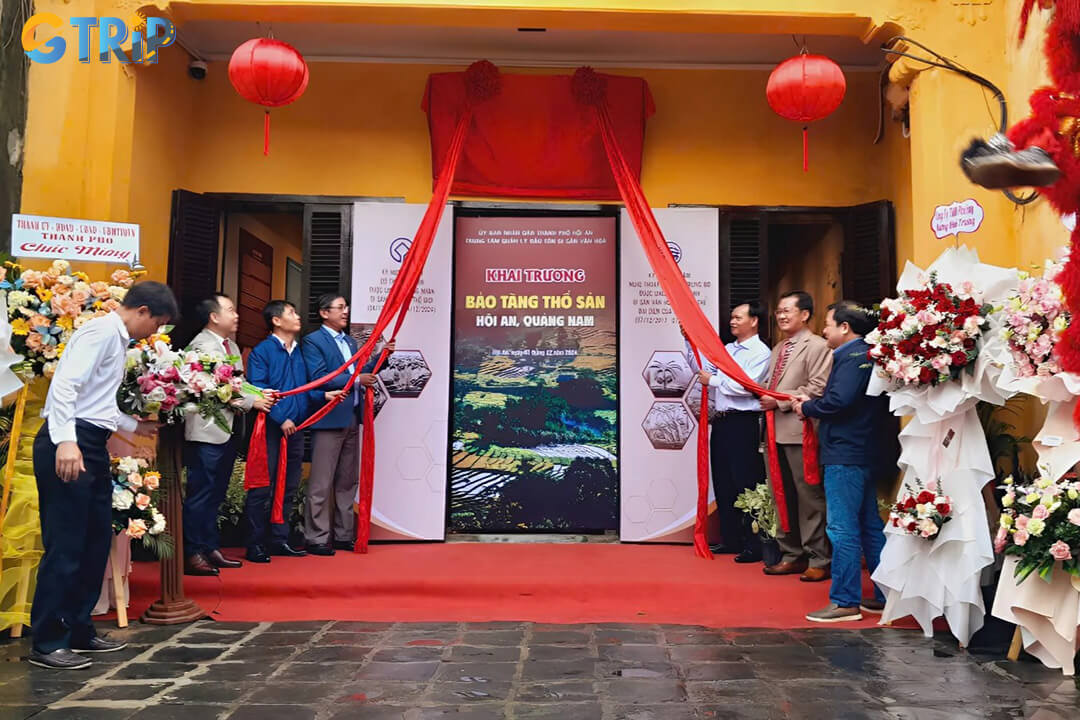
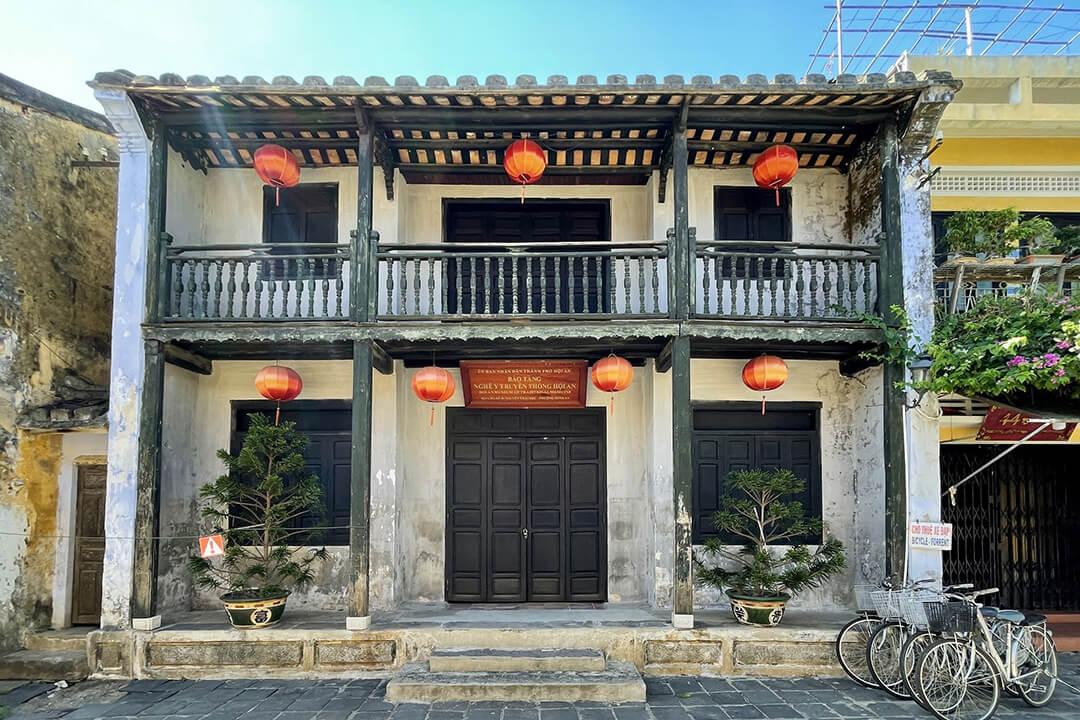
Centrally located on Tran Phu Street in Hoi An Ancient Town, the Museum of Local Products is an easy and convenient stop along any walking itinerary
Opening hours and ticket prices of the museum
The museum is open daily but closes for a couple of hours midday, which is typical for many sites in Hoi An. To visit, you will need to purchase the Hoi An Old Town combo ticket. This single ticket grants you access to the ancient town area and allows you to choose five heritage sites to enter, with the Museum of Local Products being one of the excellent options. This system makes exploring the town's key attractions both organized and cost-effective.
- Opening hours: 7:30 AM - 11:30 AM, 1:30 PM - 5:00 PM daily
- Ticket prices: 120,000 VND
What makes the Museum of Local Products a must-visit?
The Museum of Local Products stands out because it isn't just a collection of artifacts, it’s a story told within a story. Housed in a beautifully preserved 200-year-old trading house, the museum offers a dual experience: admiring authentic architecture while learning about the very goods that were once traded within such walls. It provides tangible context to Hoi An’s history as a bustling international port, moving beyond the general history to focus on the specific products that fueled its economy.
- It is located inside an authentic, two-century-old Chinese-style merchant house.
- It showcases the tangible products that made Hoi An a trading hub.
- It provides a more focused, commercial history compared to other, broader museums.
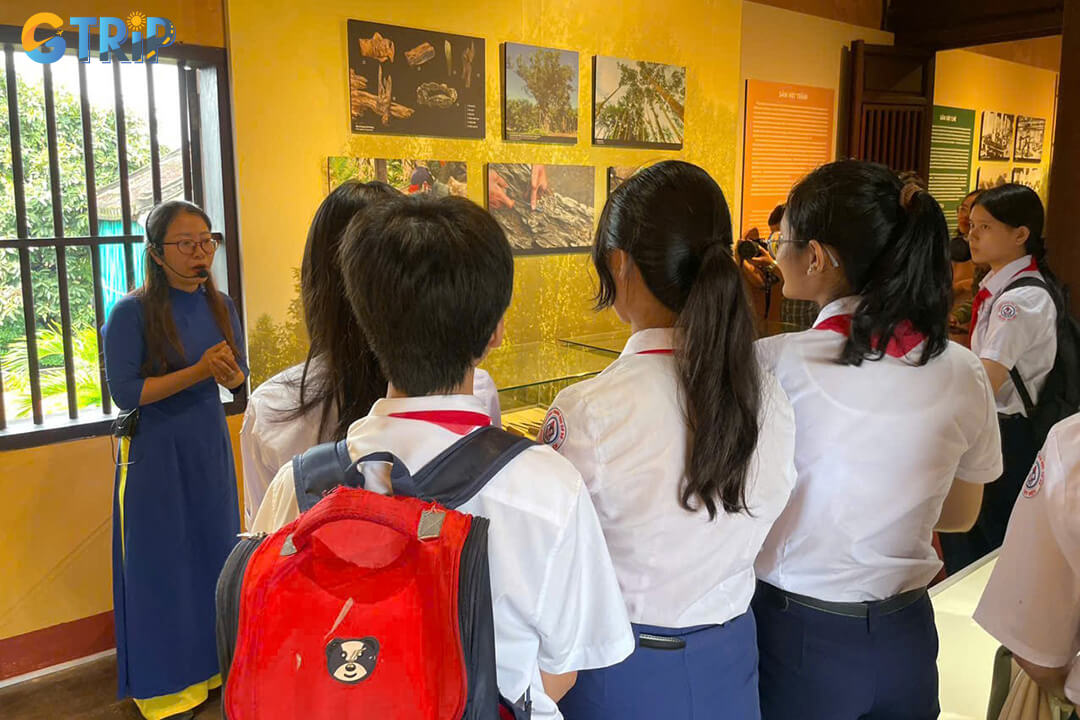
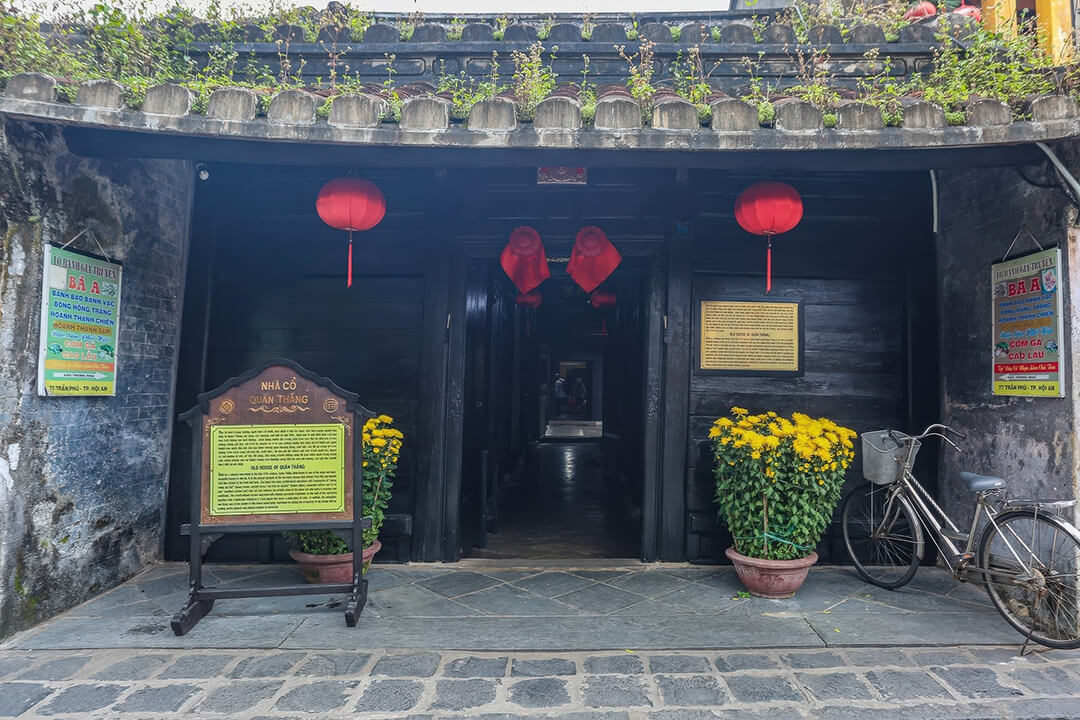
Housed in a 200-year-old merchant house, the museum offers a unique look at the products that shaped Hoi An’s history as a thriving trading port
History of the Museum of Local Products
The Museum of Local Products in Hoi An showcases the region’s traditional goods that once played a vital role in the town’s thriving international trade. During the 16th-19th centuries, Hoi An was a major trading port where merchants from China, Japan, and Europe purchased local specialties. Many of these products came from the mountains and forests upstream of the Thu Bon River or from the Cham Islands.
The museum was established to preserve and present this commercial heritage through artifacts, documents, and exhibits related to local agriculture, forest resources, and maritime trade. By highlighting these products and their origins, the museum helps visitors understand how natural resources and traditional livelihoods contributed to the prosperity of Hoi An in the past.
Exhibitions in Museum of Local Products
Museum of Local Products is housed in a two-story wooden building with multiple compartments, featuring a facade influenced by French architecture. Spanning about 240 m², the museum features over 180 artifacts and 130 photos, organized into four sections highlighting Hoi An’s natural resources and its historic trade goods.
Ground floor
The first exhibition focuses on the natural geography and resources of the Quang Region, where Hoi An served as a commercial center. The town is located along the Thu Bon River, near its estuary and important water routes, and not far from Vietnam’s North-South transport corridor. Offshore lie the Cham Islands (Cu Lao Cham), known for their rich marine resources.
Another section explains Hoi An’s role as a trading hub for local products and spices. From the 15th to the 19th centuries, goods from the mountains of Quang Nam were transported down the Thu Bon River and its tributaries to the port town. Products from other regions also arrived by sea or road. At Hoi An, these goods were gathered and traded with merchants from China, Japan, and Europe, helping the town become one of the most prosperous ports in Southeast Asia.
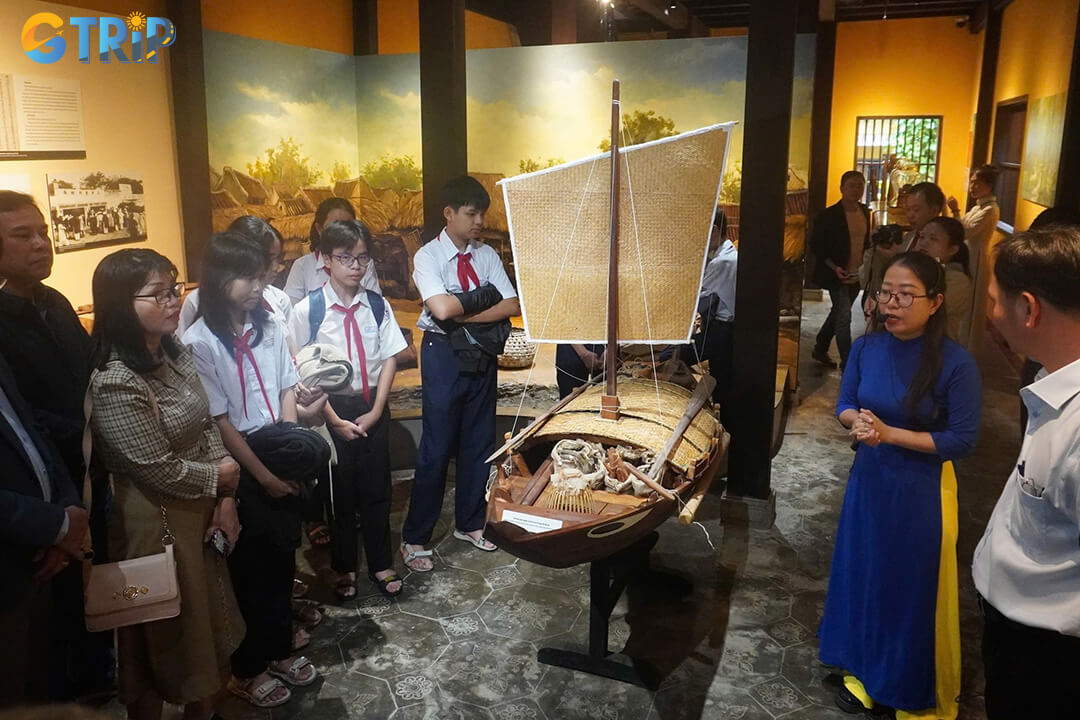
The exhibition highlights Hoi An’s strategic location and natural resources, showcasing how it became a thriving trade hub from the 15th to 19th centuries
Upper floor
The upper floor presents key local products historically traded in Hoi An, along with related artifacts and displays. Important products include cinnamon and tea from the mountains upstream of the Thu Bon River, which were widely traded with Chinese and Japanese merchants. The exhibition also presents artifacts related to several local products historically traded in Hoi An, including:
- Black pepper: Grown in the mountains of Tien Phuoc, about 80 km from Hoi An, and historically exported as an important spice to European merchants.
- Areca nuts: Widely cultivated in Quang Nam and valued for their cultural and medicinal significance across Vietnam and many Asian countries.
- Swiftlet bird’s nests: Harvested from coastal cliffs on the Cham Islands, a valuable delicacy traditionally collected by local families since the 17th century.
- Cinnamon: Collected from the mountains upstream of the Thu Bon River and long favored by Chinese and Japanese traders for its high quality.
- Tea: Grown in the mountain regions of the Thu Bon River basin and traded as both a daily beverage and a valuable export product.
- Agarwood: A rare and precious forest product from the region’s mountains, historically used for medicine, perfumes, and luxury goods.
- Forest leaves from the Cham Islands: Various natural herbs traditionally used to brew medicinal teas, especially during the Doan Ngo Festival.
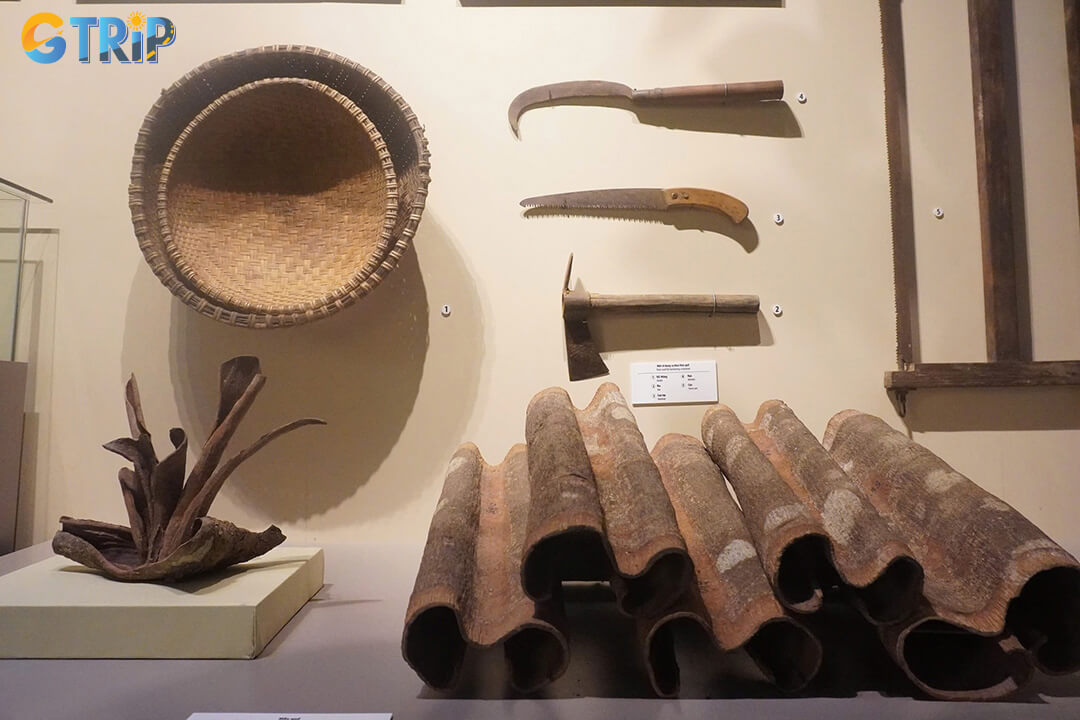
The upper floor showcases key local products that once made Hoi An a vibrant center of international trade
From the museum’s balcony, visitors can enjoy views of Tran Phu Street, one of the most historic streets in Hoi An Old Town. Nearby, visitors can also explore the Museum of Traditional Medicine and the Museum of Folklore, two other cultural attractions within the old town.
Things to do at Museum of Local Products in Hoi An
The Museum of Local Products offers several interesting experiences that help visitors understand Hoi An’s historic trade and traditional industries. From exploring regional specialties to learning about the town’s international commerce, here are some of the top things to do during your visit.
1. Explore exhibits of traditional trading products
The museum displays a variety of local goods that were once traded through Hoi An’s international port. Visitors can see artifacts and information about pepper from Tien Phuoc, areca nuts grown across Quang Nam, bird’s nests harvested from the Cham Islands and mountains along the Thu Bon River. These exhibits highlight how natural resources and agriculture supported Hoi An’s historic trade networks.
2. Learn about Hoi An’s historical trade connections
Beyond the products themselves, the museum explains how these goods were exchanged with merchants from China, Japan, and Europe. Informational panels describe traditional harvesting methods, transportation routes along the Thu Bon River local farmers and traders played in supplying international markets during Hoi An’s golden trading era.
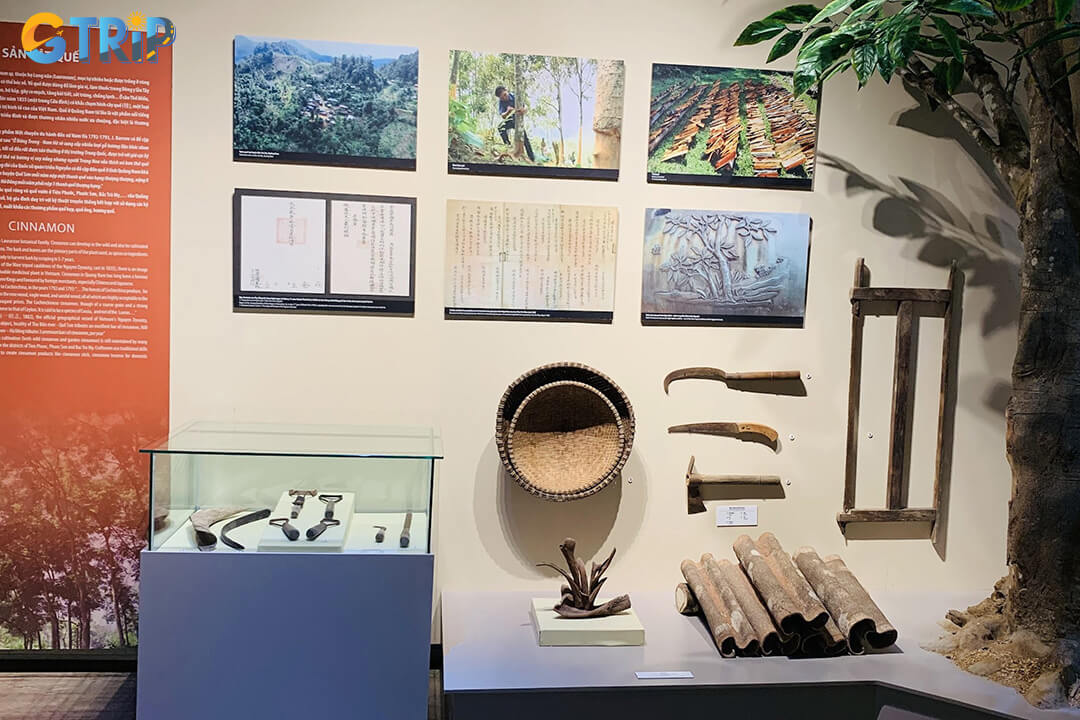
The museum also highlights how local goods were traded globally, detailing traditional practices, river transport routes, and Hoi An’s role in international commerce
3. Discover unique forest and island specialties
Some displays introduce rare regional products that are still associated with Quang Nam today. These include agarwood from deep forests and bird’s nests collected from coastal cliffs around the Cham Islands. Visitors can also learn about herbal forest leaves traditionally used by residents to brew medicinal teas, especially during the Tet Doan Ngo Festival.
4. Enjoy views of Hoi An Old Town from the balcony
After exploring the exhibits upstairs, visitors can step onto the museum’s balcony for a different perspective of the Old Town. From here, you can look down onto Tran Phu Street and observe the daily rhythm of Hoi An’s historic center from above. It’s also a perfect spot to pause, soak in the atmosphere, and capture a few memorable photos of the lantern-lined streets below.
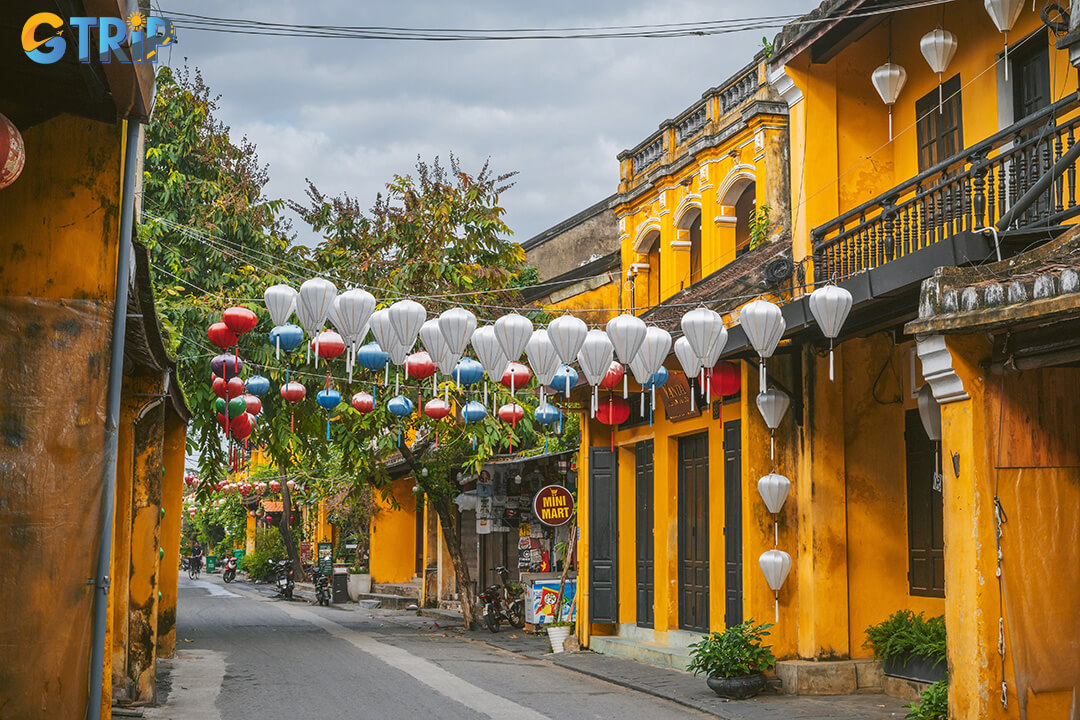
The balcony offers a scenic vantage point to admire Tran Phu Street and soak in the lively charm of Hoi An Ancient Town from above
How to get to the Museum of Local Products?
The Museum of Local Products is located at 57 Tran Phu Street, right in the center of Hoi An Ancient Town. Because it sits inside the pedestrian zone, visitors usually reach it by walking or cycling after entering the old town area.
From Da Nang International Airport
Travelers can reach Hoi An from the airport by taxi, private car, or motorbike. The coastal road connecting Da Nang and Hoi An is the most convenient route.
- Distance: ~30 km
- Travel time: 45-60 minutes
- Routes: Vo Nguyen Giap → Truong Sa coastal road → turn right near An Bang Beach → Hai Ba Trung Street → Nguyen Hue → Hoi An Central Market → walk to Tran Phu Street
- Optimal option: Taxi or private car for convenience, especially with luggage
From Da Nang City center
Hoi An is easily accessible from Da Nang City center or My Khe Beach by road. Many travelers choose taxi services or private transfers for a direct trip.
- Distance: ~28 km
- Travel time: 45-60 minutes
- Routes: Follow the coastal road (Vo Nguyen Giap - Truong Sa) toward Hoi An, then connect to Hai Ba Trung Street and Nguyen Hue Street
- Optimal option: Taxi, private transfer, or motorbike rental
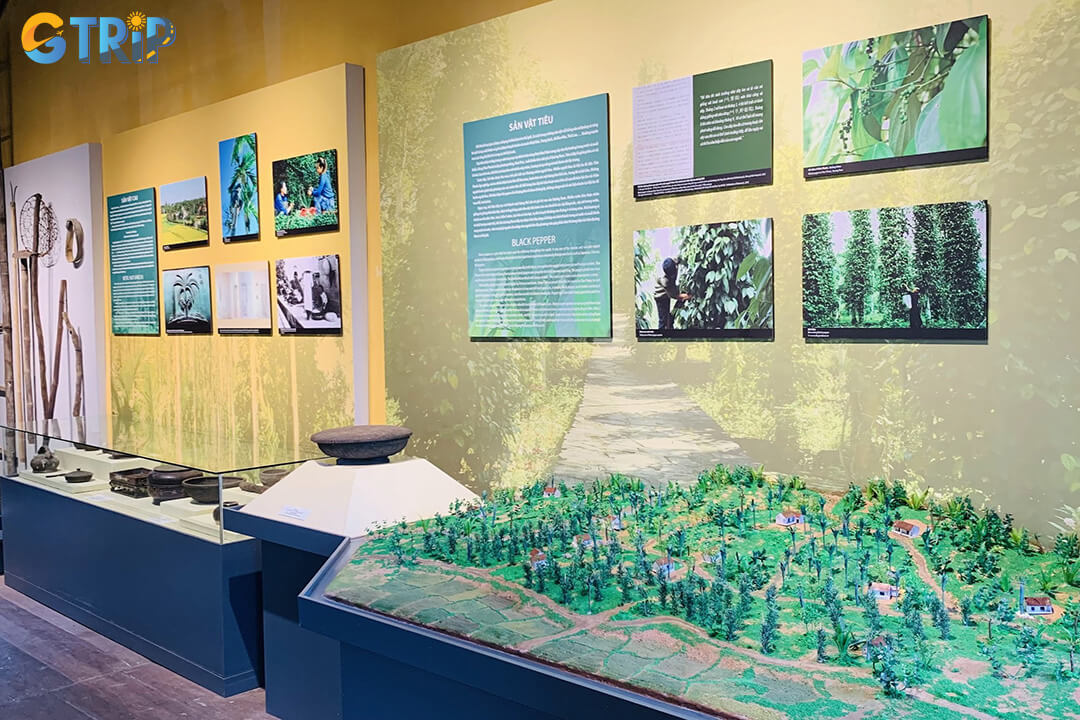
Hoi An is about 28 km from Da Nang and can be reached in 45-60 minutes by taxi, private transfer, or motorbike via the scenic coastal route
From the ground Hoi An Ancient Town
Since the museum lies in the heart of the Old Town, it is easy to reach from nearby hotels and attractions. Walking or cycling is the most convenient way to get there.
- Distance: 300 m - 2 km depending on the area
- Travel time: 5-15 minutes
- Routes: Walk along Tran Phu Street within the pedestrian zone
- Optimal option: Walking or cycling
Transportation options
Visitors have several transportation choices depending on their starting point and travel style.
- Walking: Best for exploring inside the Ancient Town
- Bicycle: A popular and eco-friendly way to move around Hoi An
- Taxi or private car: Convenient for transfers from Da Nang
- Motorbike: Flexible option for independent travelers
- Electric buggy: Available in some areas around the Old Town
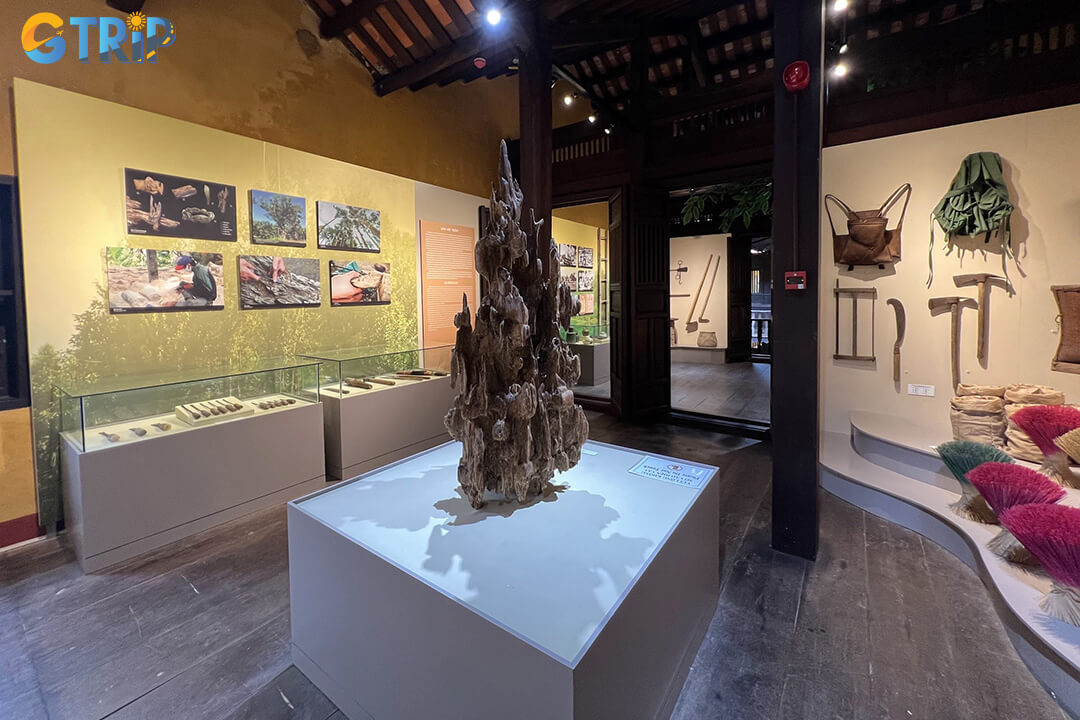
Visitors can choose from walking, bicycles, taxis, motorbikes, or electric buggies depending on their travel style and distance
Nearby attractions to the Museum of Local Products
The museum’s prime location on Tran Phu Street places it within easy walking distance of many of Hoi An’s most famous landmarks. You can effortlessly combine your visit with other key sites included in your combo ticket.
- Japanese Covered Bridge: Just a few minutes' walk away, this iconic 18th-century bridge is the symbol of Hoi An, featuring a small temple inside. It’s especially enchanting in the evening when the lanterns light up and reflect on the water below.
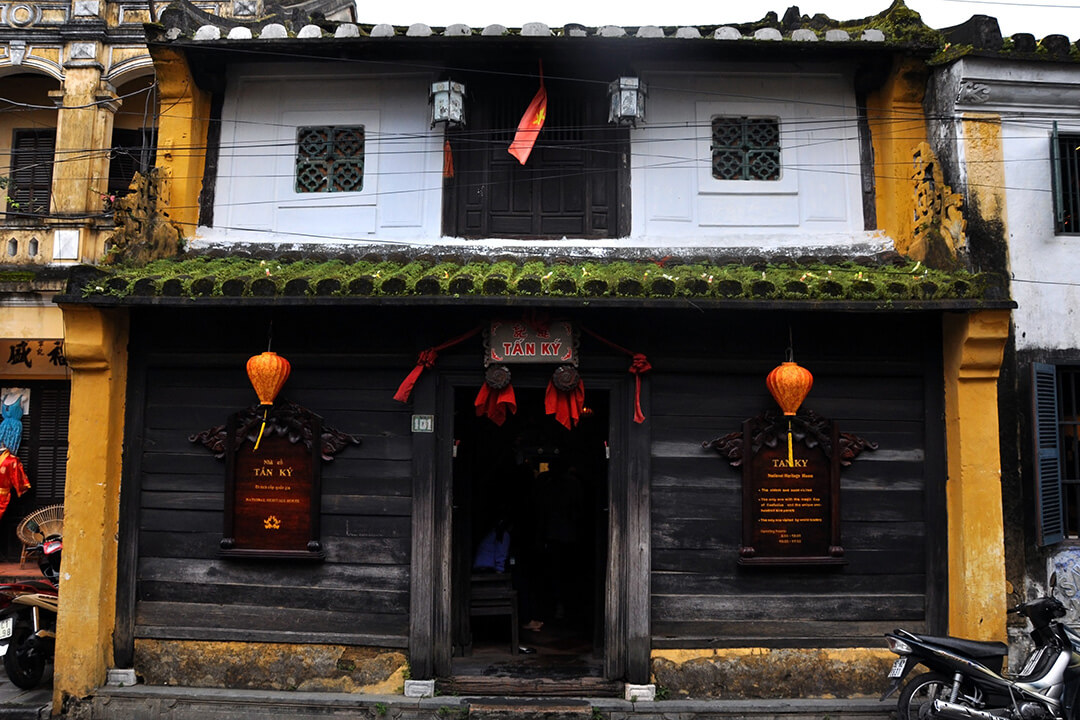
- Tan Ky Old House: Another beautifully preserved merchant's house on a nearby street, offering a glimpse into the domestic life of Hoi An's elite over seven generations. The house also showcases a fascinating blend of Vietnamese, Japanese, and Chinese architectural influences.
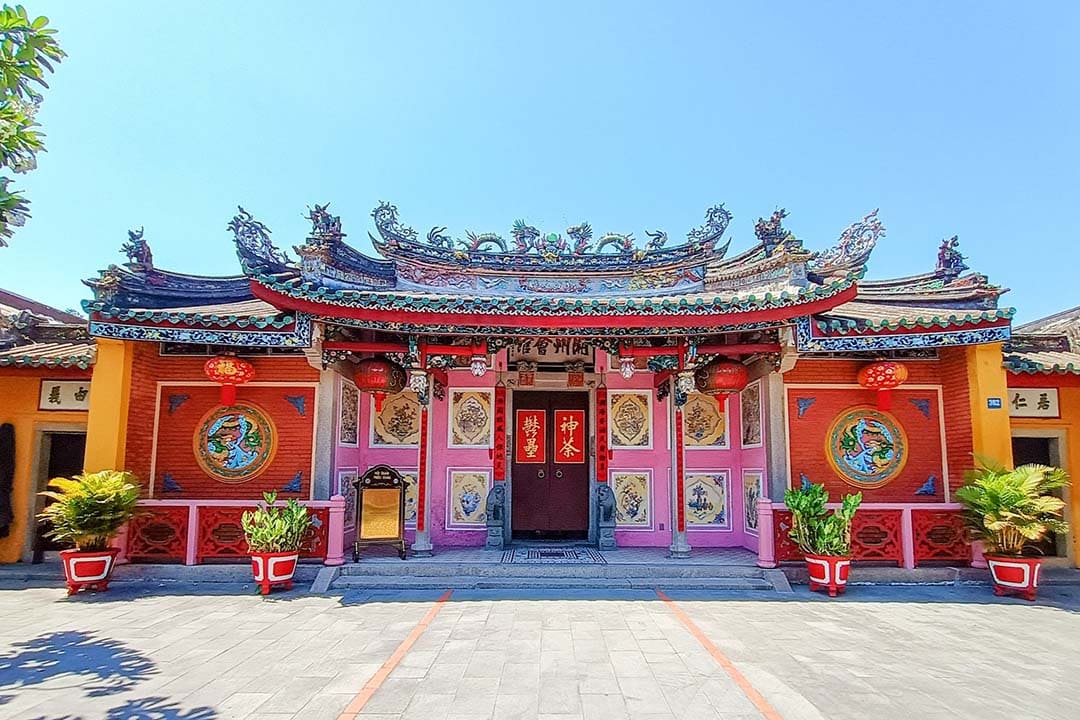
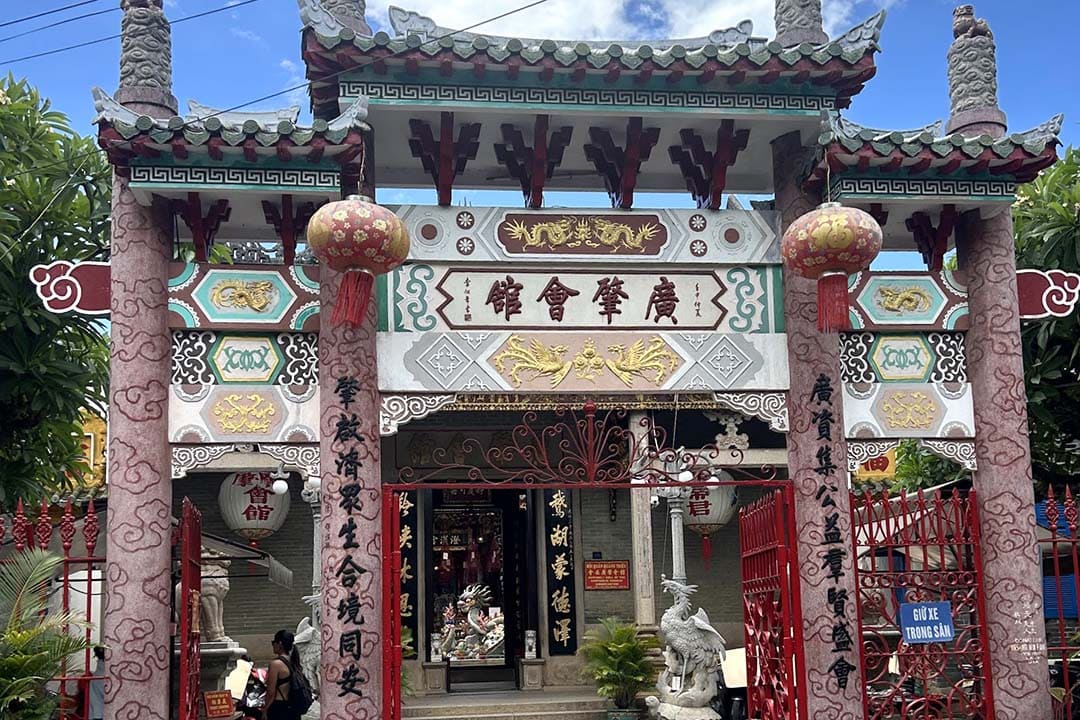
- Fukian Assembly Hall: The most renowned of Hoi An's Chinese assembly halls, this spectacular complex boasts ornate gates, vibrant statues, and a tranquil courtyard dedicated to the sea goddess Mazu. Its intricate details and rich symbolism make it one of the most photogenic heritage sites in town.
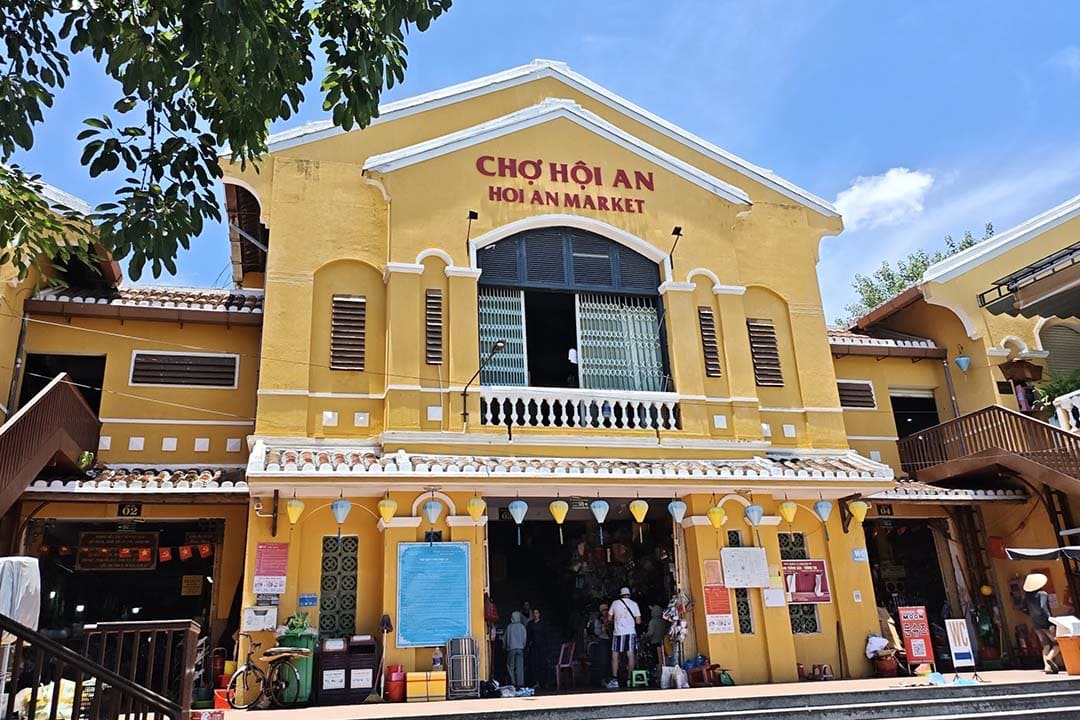
- Hoi An Central Market: A vibrant, bustling marketplace located by the Thu Bon River. It’s the perfect place to experience local life, sample street food, and see fresh produce. The lively atmosphere and variety of goods make it an unmissable stop for both shopping and cultural immersion.
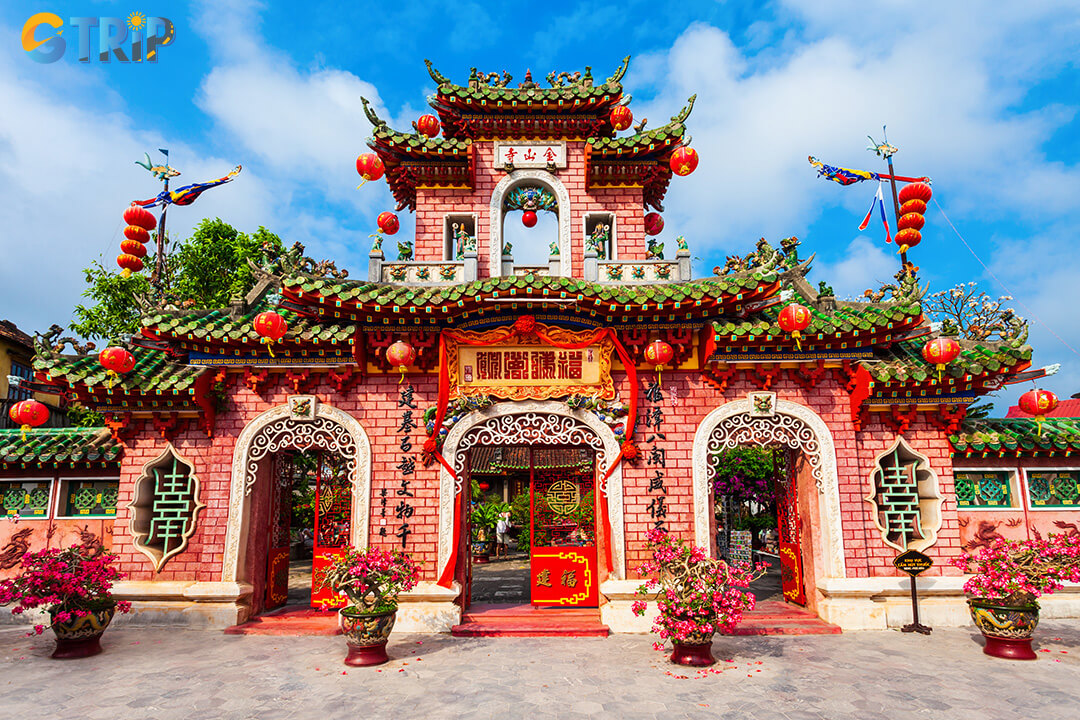
Located on Tran Phu Street, the museum is within easy walking distance of Hoi An’s top landmarks, making it simple to combine with other key attractions
Practical tips for visitors when visiting the Museum of Local Products
Visiting the Museum of Local Products in Hoi An is a simple and enjoyable experience, but knowing a few practical tips can help make your visit smoother. From ticket requirements to photography rules and accessibility, the following notes will help you prepare and explore the museum comfortably.
- Visitors must purchase a Hoi An Old Town ticket (120,000 VND for adults), which also allows entry to several other heritage sites.
- Museum information is currently available in Vietnamese and English only.
- Flash photography is not allowed inside the museum.
- The stairs to the second floor are steep, so visitors should walk carefully.
- You shouldn’t touch the artefacts displayed in the exhibition rooms.
- Toilets are available on the first floor and are free to use.
- Smoking, eating, and drinking are not permitted inside the museum.
- Large items, pets, weapons, or hazardous materials are not allowed.
- There is no locker for personal belongings, so keep your items with you.
- Dress comfortably, there is no strict dress code.
- In the rainy season, remove raincoats or umbrellas before entering to keep the floor dry.
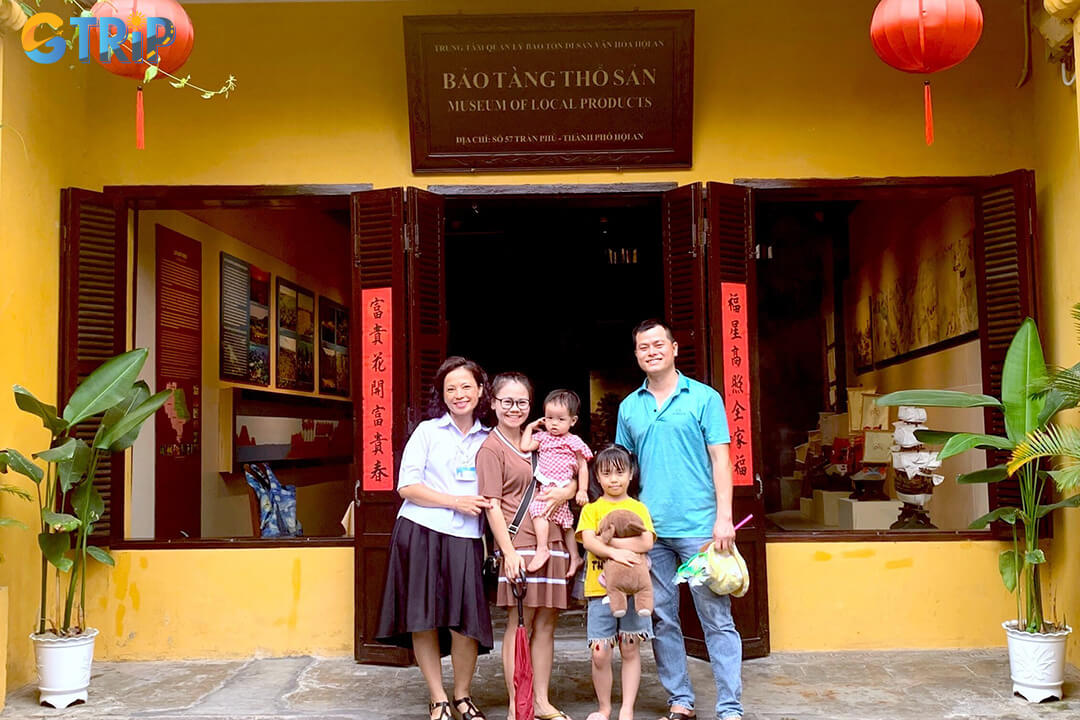
A few practical tips, like ticket requirements, photography rules, and accessibility, can help ensure a smooth and comfortable visit to the museum
Museum of Local Products is a profound and intimate look at the commercial heartbeat that powered Hoi An for centuries. By showcasing the very products that built the town’s fortune within the walls of a genuine trading house, it offers an authentic and memorable experience. A visit here enriches your understanding of Hoi An, transforming it from a beautiful ancient town into a living, breathing story of global trade and local craftsmanship. It’s an essential piece of the puzzle for any curious traveler. Head over to the GTrip blog for more expert travel guides and inspiration for your next adventure