

Mar - 27 - 2026
Japanese Culture Gallery Hoi An is a small but fascinating museum that highlights the historical connection between Japan and the ancient trading port of Hoi An. Located on a quiet street in Hoi An Ancient Town, the gallery offers visitors a closer look at the Japanese merchant community that once lived and traded here centuries ago. Inside the gallery, you can explore historical artifacts, maps, and cultural displays that explain how Japanese traders influenced Hoi An’s culture, architecture, and daily life. This GTrip guide will help you learn about the gallery’s history, exhibitions, ticket information, and the easiest ways to visit.
Overview of the Japanese Culture Gallery Hoi An
Japanese Culture Gallery is a small museum preserving the legacy of Hoi An’s Japanese community during the 16th-17th century trading era. It showcases artefacts and historical documents that reflect the cultural exchange between Vietnam and Japan.
Where is the Japanese Culture Gallery Hoi An?
Address: No. 06 Nguyen Thi Minh Khai Street, Hoi An Ancient Town, Hoi An Ward (formerly Cam Pho Ward, Hoi An City, Quang Nam Province), Da Nang City
Japanese Culture Gallery Hoi An is conveniently located in the pedestrian-friendly core of Hoi An Ancient Town. You'll find it on Nguyen Thi Minh Khai Street, just a short stroll from the iconic Japanese Bridge Hoi An, making it an easy and logical stop on any walking tour of the historic quarter. Its central position places it amidst a vibrant collection of ancient houses, assembly halls, and riverside cafes.
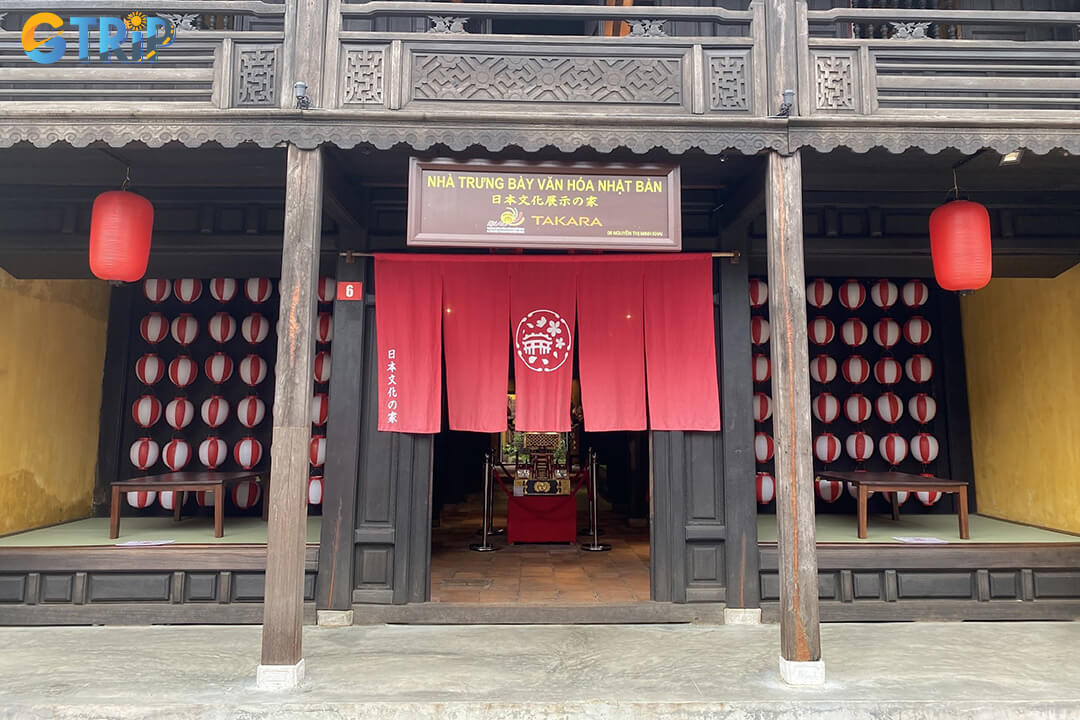
Japanese Culture Gallery is centrally located on Nguyen Thi Minh Khai Street, just a short walk from the Japanese Covered Bridge in the heart of Hoi An Ancient Town
Opening hours and ticket prices of the gallery
The gallery is open daily, allowing for flexible planning whether you're an early bird or prefer a late afternoon stroll through the ancient town. It operates on the same schedule as most major attractions in the area.
- Opening hours: 8:00 AM - 9:00 PM
- Ticket price: 120,000 VND (Included in the Hoi An Old Town combo ticket for 5 sites)
It’s crucial to understand that the Japanese Culture Gallery Hoi An is part of the Hoi An Old Town entrance ticket system. The single 120,000 VND ticket/adult grants you entry into the Ancient Town and allows you to visit five of over twenty designated heritage sites. You simply present your ticket at the gallery entrance for one of your five admissions, making it an excellent value.
What makes the Japanese Culture Gallery Hoi An unique?
What makes the Japanese Culture Gallery different from other attractions in Hoi An is its clear focus on the Japanese community that once lived here. While many sites celebrate the town's general trading history, this gallery is exclusively dedicated to telling the story of one specific, influential community. It provides the "why" behind the Japanese influence you see all over the Ancient Town.
- A specific community focus: It zeroes in on the lives, commerce, and culture of the Japanese traders, offering a depth you won't find elsewhere.
- Authentic historic setting: The gallery is housed within a traditional tube house, allowing you to appreciate the architecture itself as an exhibit.
- Direct historical context: It directly complements a visit to the Japanese Bridge, explaining the people and the community that built and used it.
- Rare artifacts: It showcases a unique collection of objects, such as ceramics, ancient maps, and trade documents, that illustrate the tangible connections between Japan and Vietnam.
Japanese Culture Gallery showcasing artifacts and exhibits that explain their cultural influence and historic trade connections
History of the Japanese Culture Gallery Hoi An
The Japanese Culture Gallery preserves the story of over 400 years of cultural exchange between Japan and Hoi An. Located near the historic Japanese merchant quarter, the gallery highlights the era when Japanese traders settled and traded in this bustling port. It is shaping the long-standing relationship between the two cultures.
26 August 2022 marked the official opening of the Japanese Culture Gallery in Hoi An during the 18th Hoi An - Japan Cultural Exchange Festival. The gallery was established after more than two years of preparation to showcase the deep historical ties between Japan and the ancient trading port of Hoi An.
From the late 16th to early 17th centuries, this area was once the thriving Nihonmachi (Japanese quarter) where Japanese merchants lived and traded. Historical records show that between 1600 and 1635, at least 71 Red Seal Ships (Shuinsen) from Japan arrived in Hoi An, strengthening commercial and cultural exchanges between the two regions. Today, the gallery preserves this legacy through exhibitions that highlight more than 400 years of Vietnam-Japan relations.
Exhibitions at Japanese Culture Gallery Hoi An
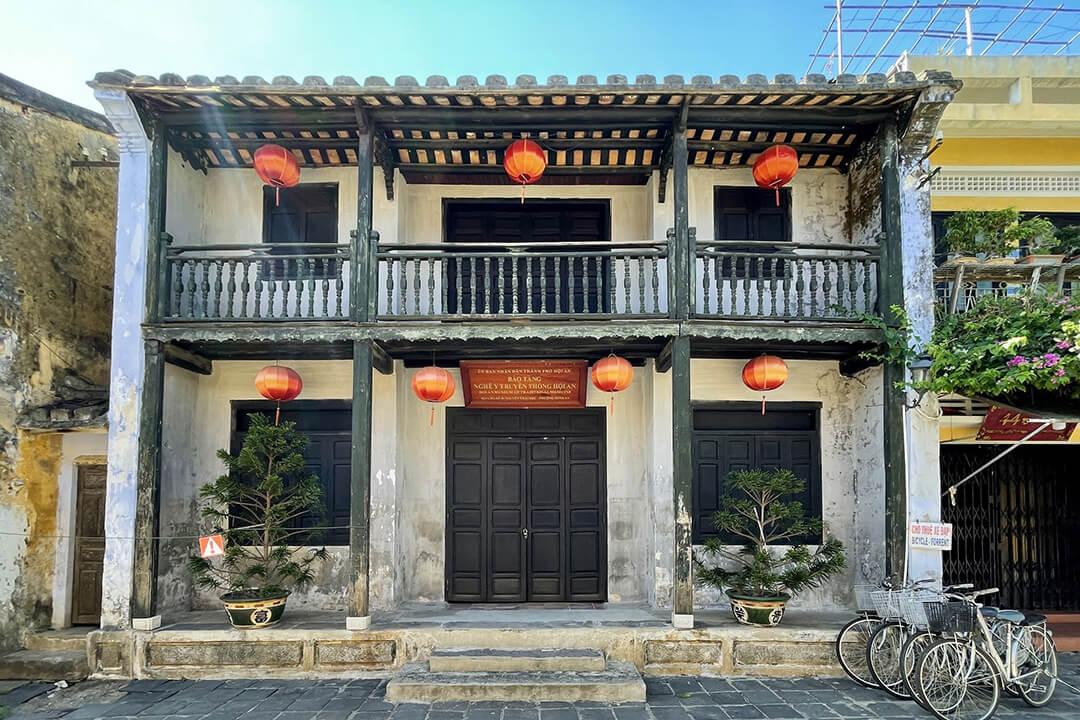
The Japanese Culture Gallery is housed in a nearly century-old traditional house with the typical Hoi An tube-house design, featuring two floors and three compartments. Its architecture reflects the cultural exchange between Vietnam and Japan. Besides historical displays, visitors can also experience Japanese cultural activities such as the tea ceremony, origami folding, weather-doll making and reading Japanese comics.
First floor
Each section of the ground floor presents a different theme related to Japanese culture and the historical connection between Japan and Hoi An.
Front middle room
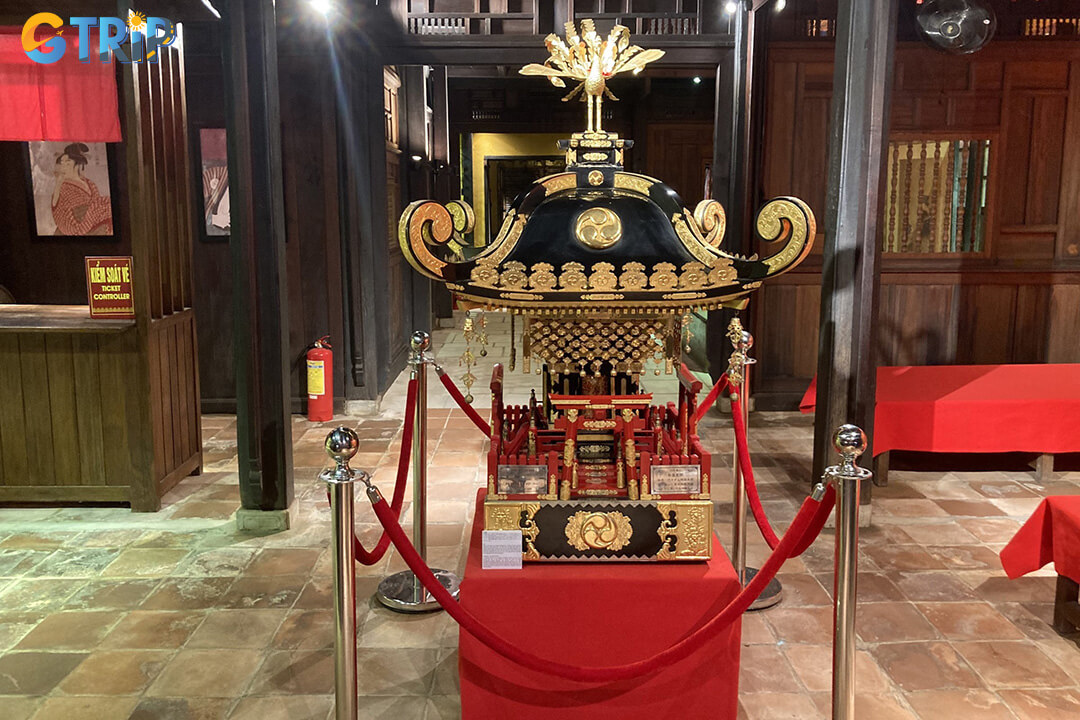
A portable Shinto shrine (omikoshi) is displayed here. It was gifted in 1998 by Sugi Ryotaro, former Special Ambassador for Vietnam-Japan friendship. Traditionally used to carry deities during festivals, the omikoshi has existed in Japan since the 8th century.
Reception area
From this space, visitors continue their visit deeper into the gallery. Travelers are usually asked to show their Hoi An Ancient Town ticket before entering the exhibition area.
Covered courtyard
This quiet space is designed for Japanese tea ceremony experiences (sado or chado). With traditional floor cushions and a calm atmosphere, it’s also a popular place to take photos or rent traditional Japanese clothing.
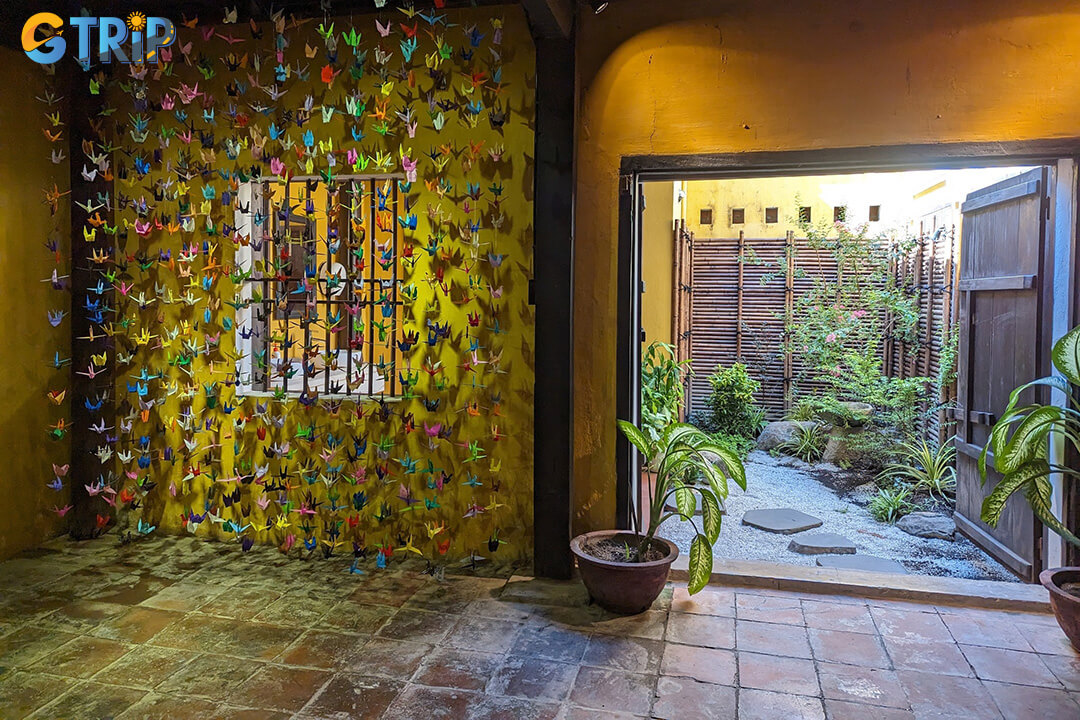
The ground floor of the Japanese Culture Gallery is divided into themed spaces that showcase artifacts, cultural traditions, and the historical connection
Trade history exhibition room
This room focuses on the historical trade connections between Japan and Hoi An.
- Red Seal Ships system: Between 1600 and 1635, more than 350 licensed Japanese merchant ships sailed to Southeast Asia, including 71 voyages to Hoi An, showing how active trade between the two regions once was.
- Role of Nagasaki: The city served as the main departure port for these Red Seal Ships.
- Chaya merchant family painting: This historical artwork illustrates the journey of a Japanese trading ship from Nagasaki to Hoi An and the Dang Trong region. The original 4.98-meter scroll is preserved at Jomyo Temple in Nagoya, while copies can also be seen in several museums in Hoi An.
- Love story of Princess Ngoc Hoa and merchant Araki Sotaro: Their marriage symbolizes early diplomatic ties between Japan and Vietnam. The story is still celebrated every seven years during the Okunchi Festival in Nagasaki, where the princess is affectionately called Anio-san.
- Red Seal Ship reconstruction project: The exhibition also introduces plans to build a replica of this historic trading ship in Hoi An.
Japanese costume and origami section
This area displays traditional Japanese clothing and colorful origami paper cranes. The story of Sadako Sasaki and her thousand paper cranes turned the crane into a symbol of peace and hope worldwide.
Matsusaka City exhibition (Mie Prefecture)
The display introduces Matsusaka, a historic merchant city known for Matsusaka beef, textile production, and traditional kimono culture. The famous Matsusaka Momen indigo fabric is believed to have historical roots connected to trade with Dang Trong (central Vietnam).
Sakai City exhibition (Osaka Prefecture)
Sakai was once an important port city and is now a sister city of Hoi An. The first leader of the Japanese community in Hoi An, GoSokukun, is believed to have originated from Sakai. Today, the city is known for the Mozu-Furuichi Kofun tomb complex (a UNESCO World Heritage Site) as well as its famous traditional knives and metal crafts.
Second floor
The second floor focuses more on cultural life and individuals who contributed to Vietnam - Japan relations.
Hidden Christian Sites in the Nagasaki Region
This exhibition highlights the UNESCO World Heritage sites recognized in 2018. It tells the story of Japanese Christians who secretly preserved their faith during the 17th-century religious persecution in Japan.
Traditional culture and lifestyle section
Visitors can see several cultural objects, including:
- The ancestral altar of the house owner
- Traditional Japanese handicrafts
- Images and swords of samurai warriors (from the 12th to 19th centuries)
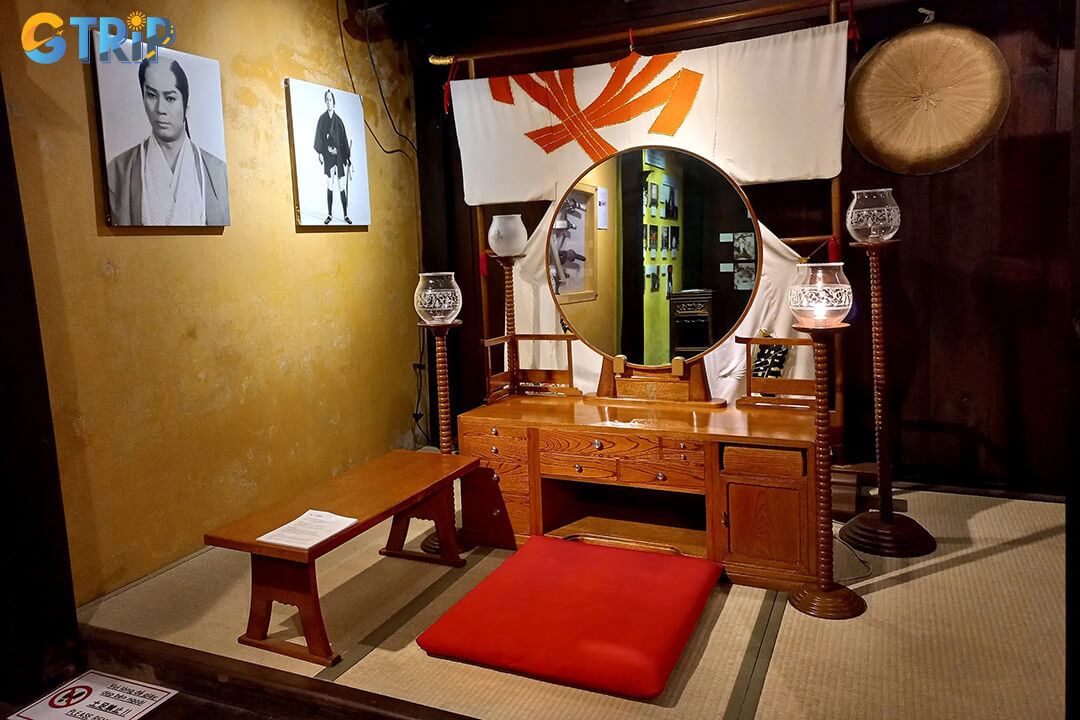
- A geisha makeup table, representing the performing artists who appeared in Japan from the 18th century
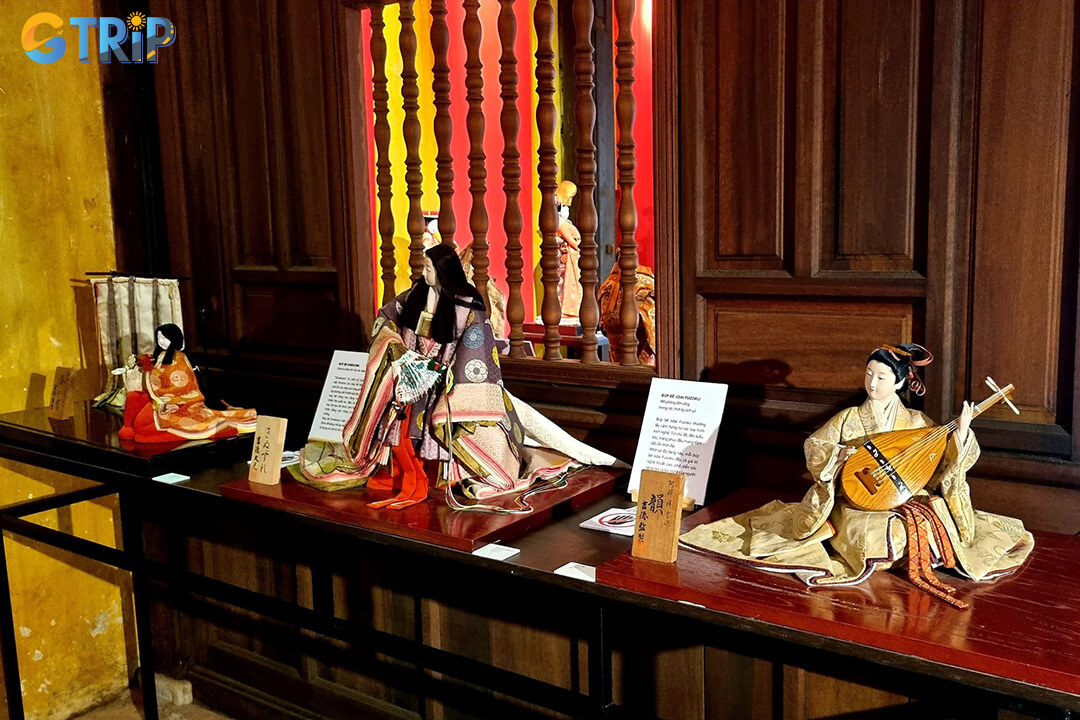
The gallery also displays cultural objects such as a family ancestral altar, traditional Japanese crafts, samurai images and swords, and a geisha makeup table
Exhibition about Sugi Ryotaro
Born Yamada Katsuhiro, Sugi Ryotaro is a famous Japanese singer and actor who has played an important role in promoting Vietnam-Japan cultural exchange. Since his first visit to Vietnam in 1989, he has supported the construction of Japanese language centers, schools, and hospitals, and has sponsored many Vietnamese children. In 2008, he was appointed Special Ambassador of Vietnam and Japan and has received numerous awards from both governments.
Upper balcony
From here, visitors can enjoy a beautiful view of Nguyen Thi Minh Khai Street, the Japanese Bridge, and the surrounding Hoi An Ancient Town. The balcony is also a popular photo spot, similar to the viewpoint at the nearby Phung Hung Ancient House.
Things to do at the Japanese Culture Gallery Hoi An
A visit to the Japanese Culture Gallery is a simple but meaningful experience in Hoi An Ancient Town. Beyond looking at artifacts, visitors can explore historical stories, observe traditional architecture, and learn more about the Japanese community that once lived here.
1. Explore the historical exhibitions
The gallery shows the 400-year connection between Japan and Hoi An through historical maps, artifacts, and documents. Through old maps, artifacts, and historical documents, visitors can learn how the town once became an important international trading port where Japanese merchants lived and worked.
- Read the information panels: The displays include clear explanations in both Vietnamese and English, helping visitors understand the stories behind each artifact.
- Discover historical trading goods: Look closely at items such as silk pieces, ceramic fragments, and old copper coins, which were once part of the trade between Japanese merchants and Hoi An.
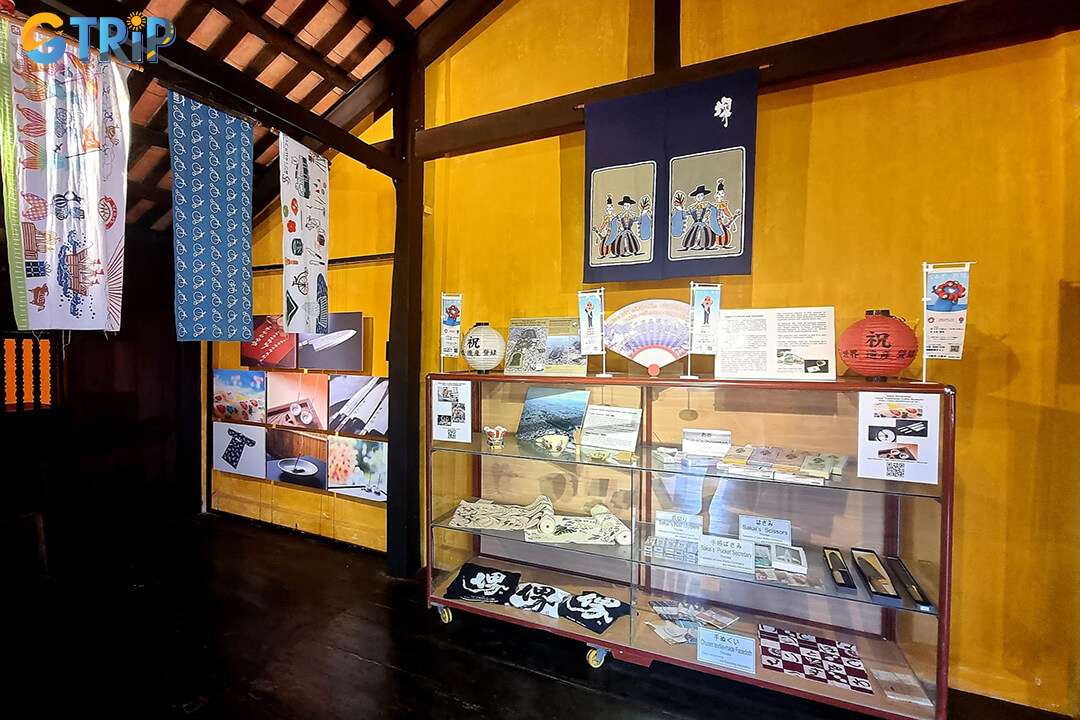
The gallery highlights the 400-year connection between Japan and Hoi An through maps and trade objects that illustrate the town’s history as an international trading port
2. Observe the traditional house architecture
The building itself is part of the experience. It follows the typical Hoi An tube-house style, with wooden beams, a low roof, and an open courtyard that allows natural light and ventilation. The design also reflects a subtle mix of Vietnamese and Japanese architectural influences. This architectural harmony offers visitors a glimpse into the multicultural trading heritage of Hoi An.
3. Trace the ancient trade routes
Inside the gallery, large maps show the journeys of the shuin-sen (Red Seal ships) that traveled from Nagasaki to Hoi An. These displays help visitors imagine the long sea routes that connected Japan with Southeast Asia during the 16th and 17th centuries. They also illustrate how Hoi An became an important trading hub in the region.
4. Locate the old Japanese quarter (Nihonmachi)
Historical maps inside the gallery show where the old Japanese settlement in Hoi An once stood. Visitors can try to identify the location of the gallery today within the former boundaries of this community. This helps bring the history of the Japanese merchants’ neighborhood to life.
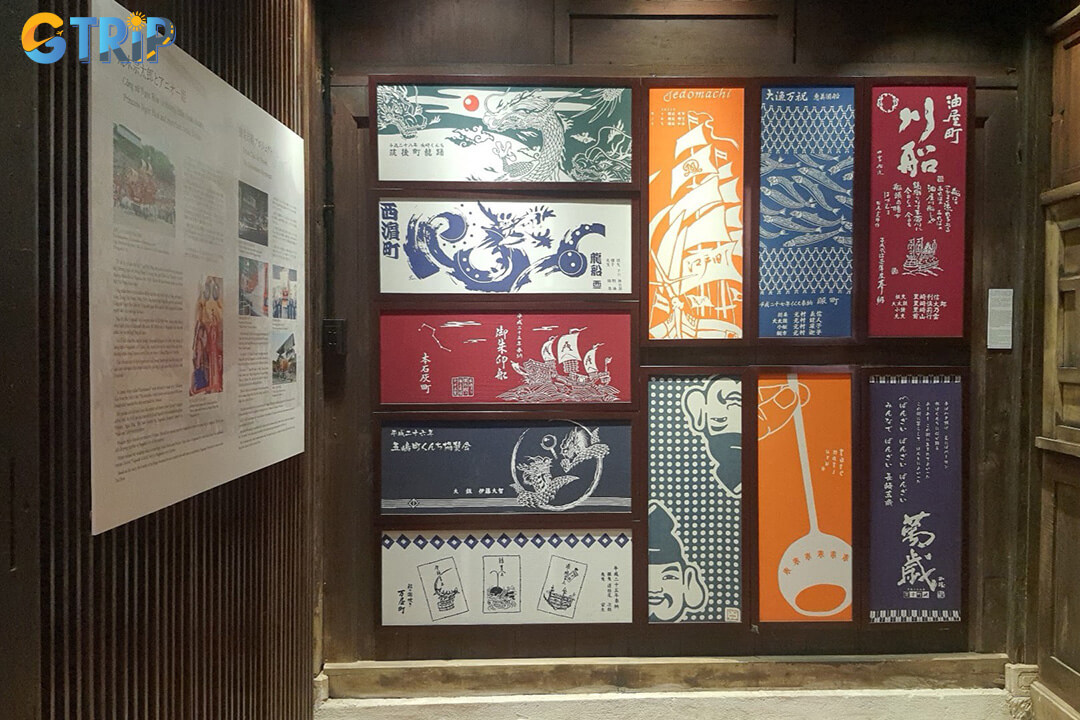
Historical maps help visitors locate the former Japanese settlement in Hoi An and understand how the community once shaped the area
5. Experience Japanese tea culture (sado)
Sometimes the gallery hosts small demonstrations of the Japanese tea ceremony, where visitors can learn about the calm and mindful traditions behind this cultural practice. The ceremony reflects the Japanese philosophy of harmony, respect, purity, and tranquility.
6. Learn the art of Origami
Some displays introduce Origami, the traditional Japanese paper-folding art. Visitors may watch demonstrations or try simple folds while learning the meaning behind common shapes such as the paper crane. It is a fun way to explore Japanese creativity and symbolism.
7. Take photos in traditional Japanese clothing
During special activities, visitors may have the chance to wear traditional Japanese outfits and take photos inside the historic setting of the gallery. This creates memorable moments while connecting with the cultural theme of the exhibition.
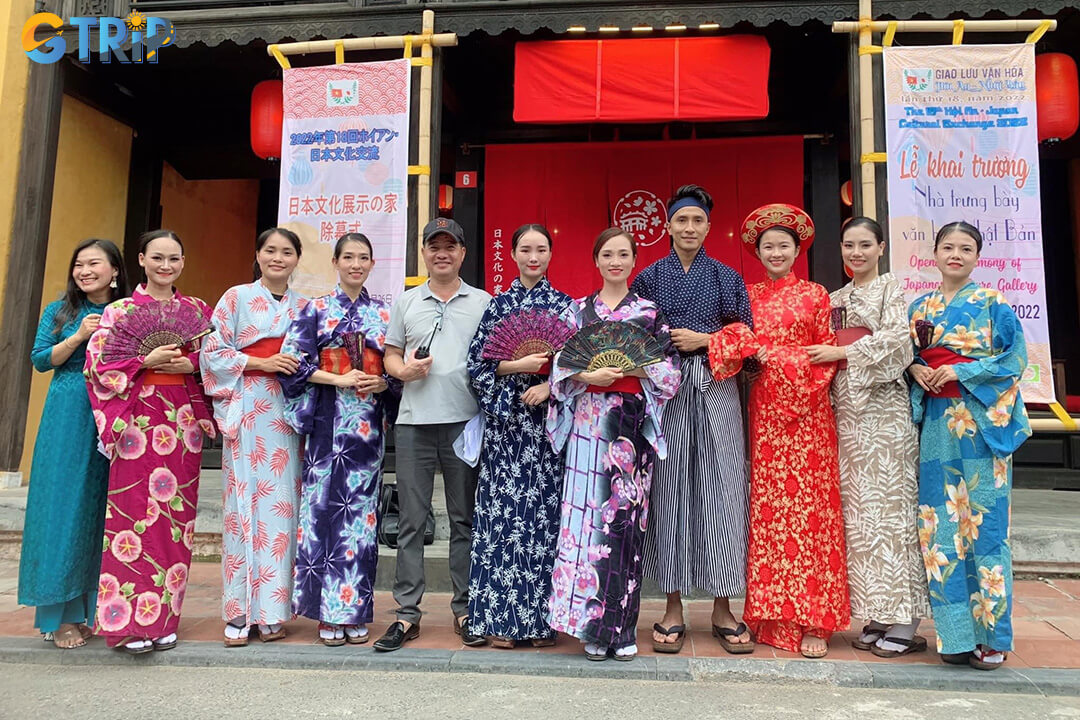
During special events, visitors may wear traditional Japanese outfits and take photos inside the historic gallery setting
8. Explore Japanese crafts and cultural objects
The gallery also features traditional crafts, clothing, and cultural items from Japan. These objects provide insight into everyday life and artistic traditions from the period when Japanese traders lived in Hoi An. Many of the items highlight the cultural exchange between Japan and Vietnam.
9. Take photos from the historic balcony
The second-floor balcony offers a lovely view of Nguyen Thi Minh Khai Street and the nearby Japanese Bridge. It is a popular photo spot for travelers exploring the atmosphere of Hoi An Ancient Town. The vantage point also provides a unique perspective of the historic neighborhood.
How to get to the Japanese Culture Gallery Hoi An?
The Japanese Culture Gallery is located inside Hoi An Ancient Town, just a short walk from the famous Japanese Bridge. Thanks to its central location, the gallery is easy to reach if you are traveling from Da Nang, the airport, or already exploring the old town. Below are some common routes and transportation options to help you plan your visit.
From Da Nang International Airport
Japanese Culture Gallery is about 30 km from Da Nang International Airport, making it an easy trip for travelers arriving in central Vietnam. Most visitors travel south to Hoi An via coastal roads or the main highway connecting Da Nang and Quang Nam.
- Distance: ~30 km
- Travel time: 45-60 minutes
- Routes: Vo Nguyen Giap Street → Lac Long Quan Street → Hoi An Ancient Town
- Optimal option: Private car or taxi for convenience and direct access
From Da Nang City center
Traveling from Da Nang’s downtown area to Hoi An is straightforward thanks to well-developed coastal roads. Many tourists combine the journey with a scenic drive along the beach.
- Distance: ~28 km
- Travel time: 40-50 minutes
- Routes: Vo Nguyen Giap → Truong Sa → Lac Long Quan → Hoi An
- Optimal option: Motorbike or taxi for flexible travel
Traveling from downtown Da Nang to Hoi An takes about 40-50 minutes along scenic coastal roads, making it an easy and pleasant trip by motorbike or taxi
From around Hoi An Ancient Town
Because the gallery sits inside the historic district, it is easily accessible on foot while exploring other landmarks such as the Japanese Bridge.
- Distance: ~30 m from the Japanese Bridge
- Travel time: 1-2 minutes
- Routes: Walk along Nguyen Thi Minh Khai Street
- Optimal option: Walking or cycling inside the pedestrian-friendly old town
Transportation options
Visitors can choose several transport options depending on their starting point and travel style.
- Walking or cycling within Hoi An Ancient Town
- Taxi or ride-hailing apps from Da Nang or nearby areas
- Motorbike rental for flexible sightseeing
- Cyclo rides for a traditional Hoi An Old Town experience
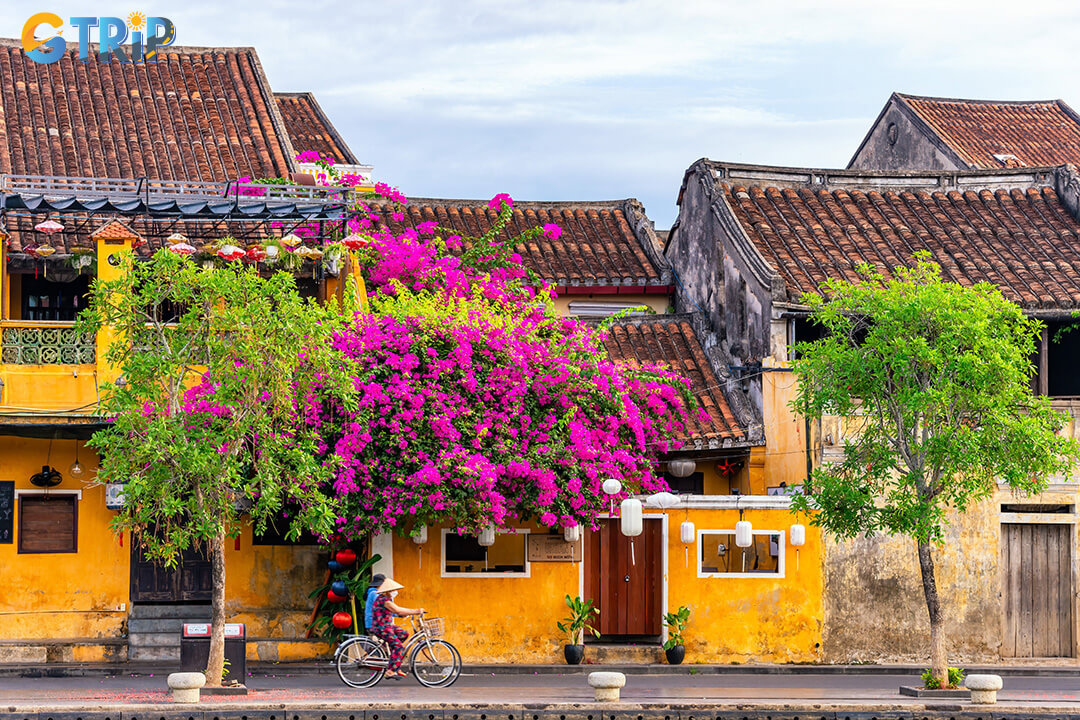
Visitors can reach the site easily by walking, cycling, taxi, motorbike, or a traditional cyclo, depending on their travel style
Nearby attractions to the Japanese Culture Gallery Hoi An
The gallery's prime location means you are surrounded by some of Hoi An's most famous landmarks. You can easily group these sites together for an efficient and enriching half-day walking tour.
- Japanese Bridge: Hoi An's most iconic landmark, located just a few steps away. This 18th-century bridge historically separated the Japanese and Chinese quarters and features a small temple inside.
- Phung Hung Old House: A beautifully preserved 200-year-old merchant's home that showcases a unique blend of Vietnamese, Japanese, and Chinese architectural styles. It's located right next to the Japanese Bridge.
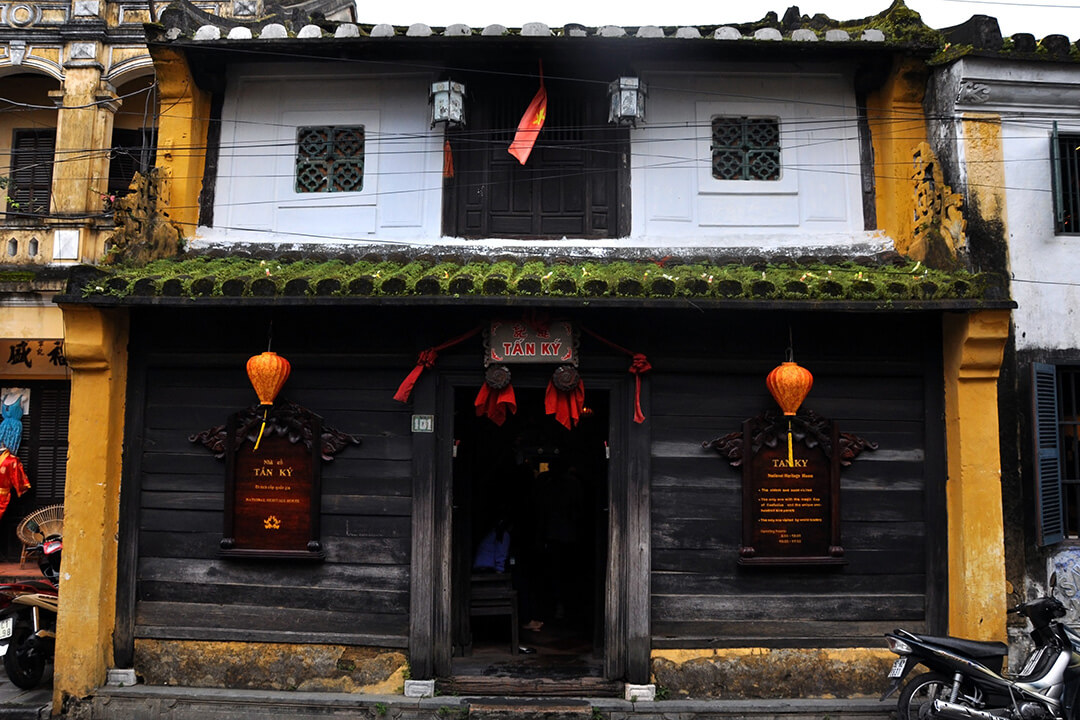
- Old House of Tan Ky: A national heritage site and one of Hoi An's most well-preserved historic homes. Its design and interior artifacts offer a fascinating look into the life of a wealthy merchant family.
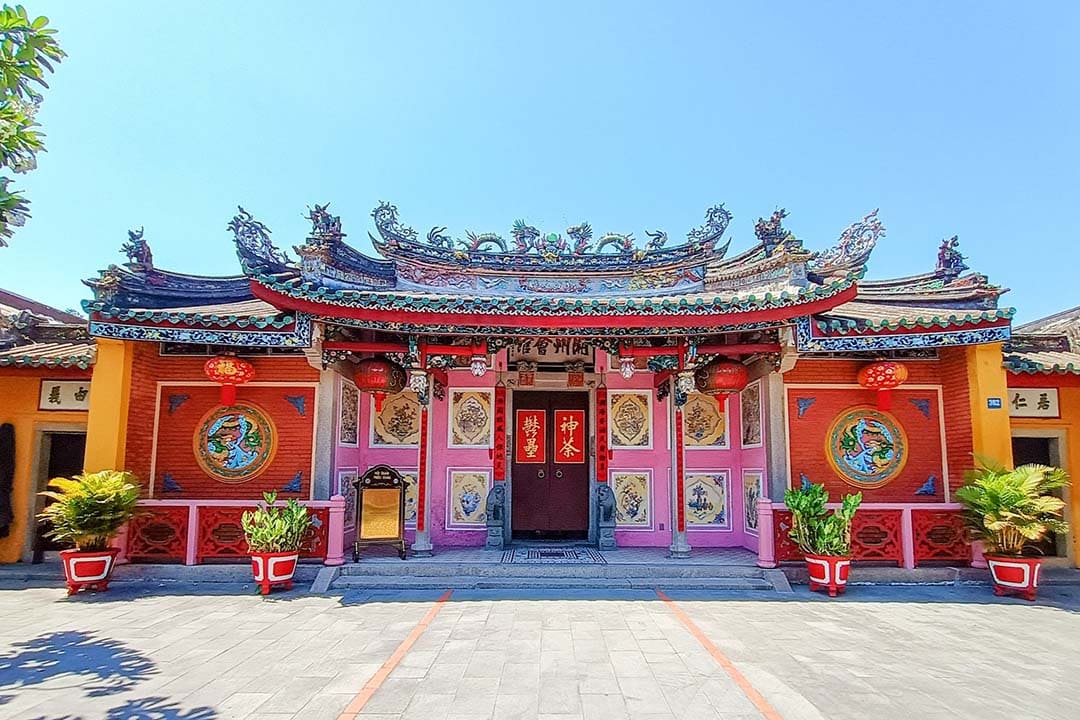
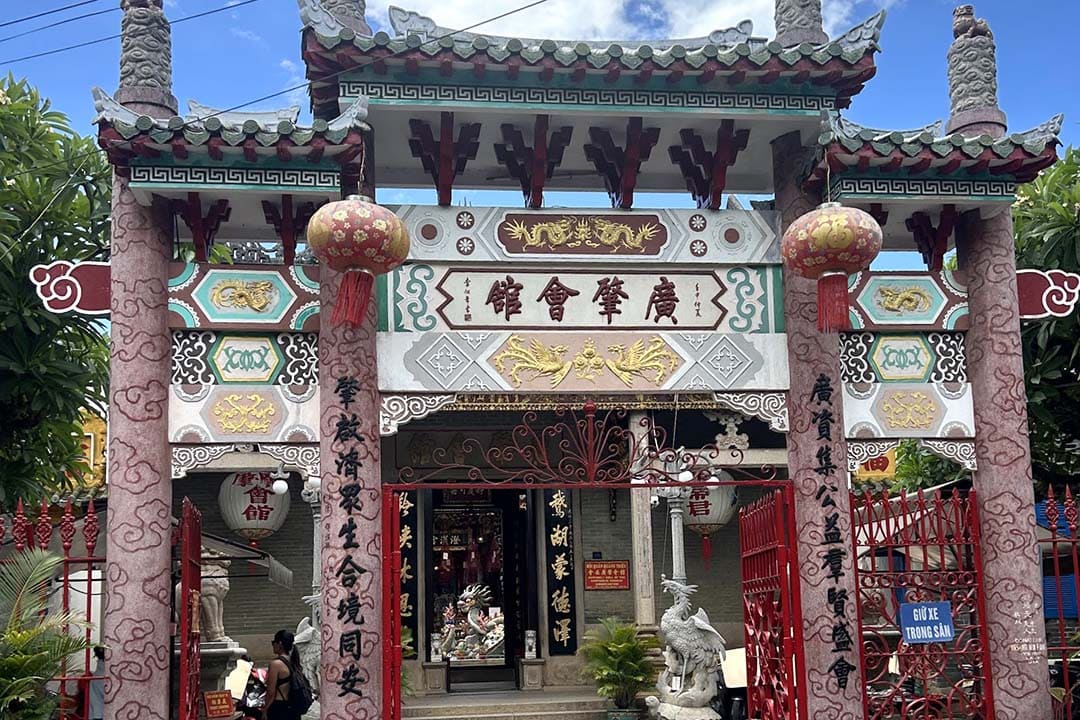
- Cantonese Assembly Hall: An ornate and visually stunning hall built by Cantonese merchants. Its intricate carvings, statues, and colourful gardens make it a photographer's dream.
- Fujian Assembly Hall: The largest and most famous assembly hall in Hoi An. Dedicated to the sea goddess Mazu, its grand gates, dragon sculptures, and tranquil courtyards are breathtaking.
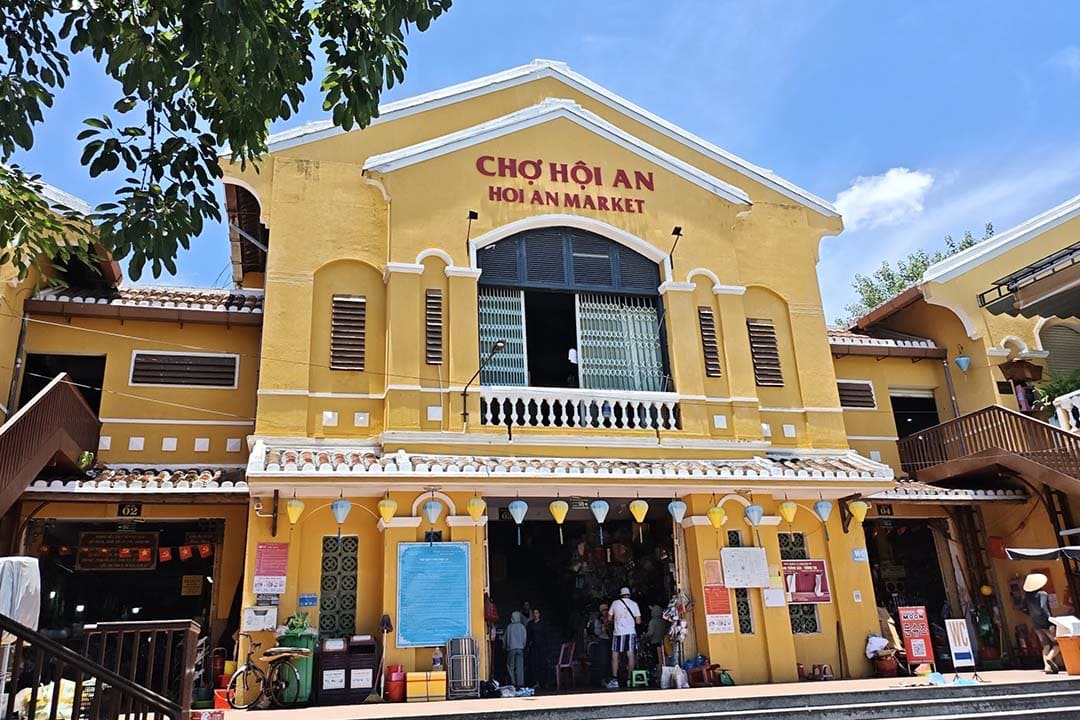
- Hoi An Central Market: A bustling, vibrant market where you can experience local life, shop for souvenirs, and sample delicious Hoi An street food, such as cao lau, mi quang, and banh mi.
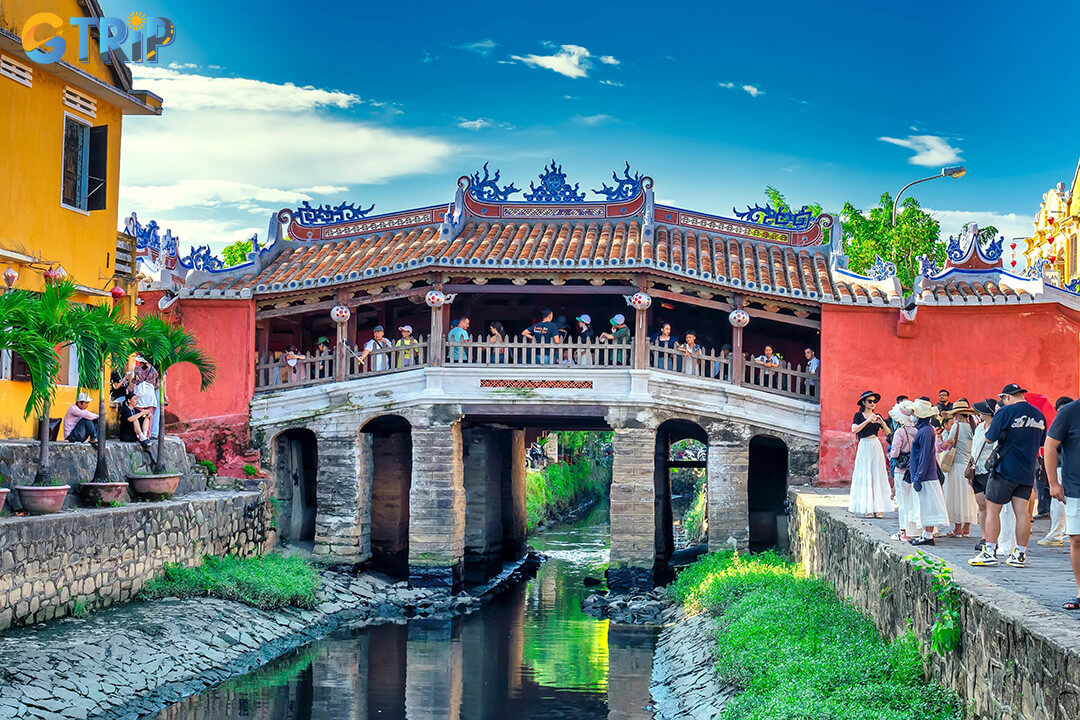
Thanks to its central location, the gallery is surrounded by famous Hoi An landmarks, making it easy to combine several attractions in one walking tour
To build the perfect itinerary, check out our GTrip guide to the best things to do in Hoi An Ancient Town.
Practical tips for visitors when visiting the Japanese Culture Gallery
Before visiting the Japanese Culture Gallery, it helps to know a few practical tips to make your experience smoother while exploring Hoi An Ancient Town.
- Purchase a Hoi An Ancient Town entrance ticket to access heritage houses and galleries.
- Visit early morning or late afternoon to avoid crowds and heat.
- Combine the visit with nearby landmarks like the Japanese Bridge and Phung Hung Ancient House.
- Photography is allowed, but avoid touching historical artifacts.
- Allocate 20-30 minutes for a quick visit or longer if exploring exhibitions carefully.
- Check local schedules, as cultural activities or workshops may occasionally be held inside the gallery.
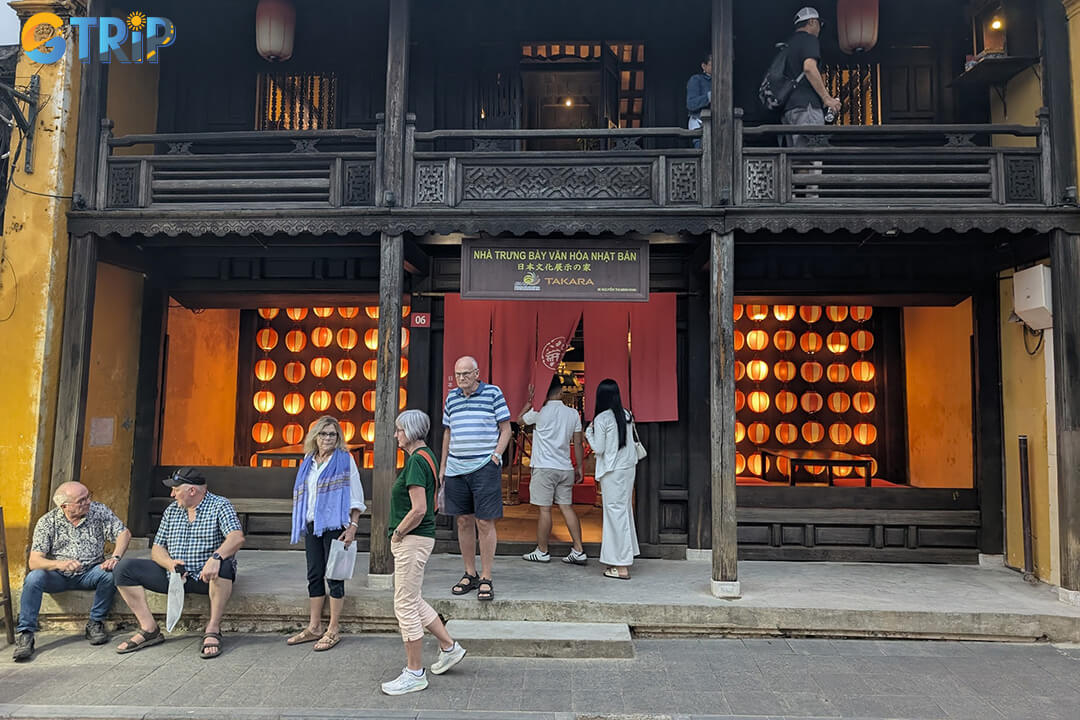
Before visiting the Japanese Culture Gallery, it’s helpful to plan with an Ancient Town ticket, and allow about 20-30 minutes to explore the exhibits
The Japanese Culture Gallery Hoi An offers a profound connection to the multicultural history of this enchanting town, highlighting the enduring friendship between Vietnam and Japan. We hope this guide enhances your visit to this unique gallery. For more travel inspiration, including Da Nang tours and other exciting destinations across Vietnam, explore what GTrip has to offer.