



Apr - 01 - 2026
Museum of Traditional Medicine Hoi An offers a fascinating glimpse into the history of Vietnamese healing arts, all within a beautifully preserved ancient house. Nestled in the heart of the UNESCO World Heritage Site, this unique attraction is more than just a collection of artifacts. It showcases the delicate balance between architecture, commerce, and holistic wellness that has defined this charming town for centuries. Unlike many modern museums, this destination feels alive, with the faint, pleasant scent of herbs lingering in the air and the history etched into its dark, polished wooden beams. For travelers seeking a cultural experience that goes beyond the usual sights, this museum is an unmissable stop. In this comprehensive guide, our experts at GTrip will walk you through everything you need to know to plan the perfect visit.
Overview of Museum of Traditional Medicine Hoi An
The Museum of Traditional Medicine in Hoi An is a cultural gem that offers a fascinating glimpse into Vietnam's historical health practices. Housed in a beautifully preserved merchant's home, it stands as a testament to the town's rich past as a center for trade and herbal healing. To help you prepare for your visit, here is a comprehensive overview covering its location, visiting schedule, and the extraordinary features that make it a must-see destination.
Where is the Museum of Traditional Medicine Hoi An?
Address: 46 Nguyen Thai Hoc Street, Hoi An Ward (formerly Minh An Ward, Hoi An City, Quang Nam Province), Da Nang City
The Museum of Traditional Medicine Hoi An is conveniently located within the pedestrianized core of the Ancient Town, making it an easy and accessible stop on any walking tour. Its prime location on a historic street allows visitors to seamlessly combine a visit here with explorations of nearby heritage sites.
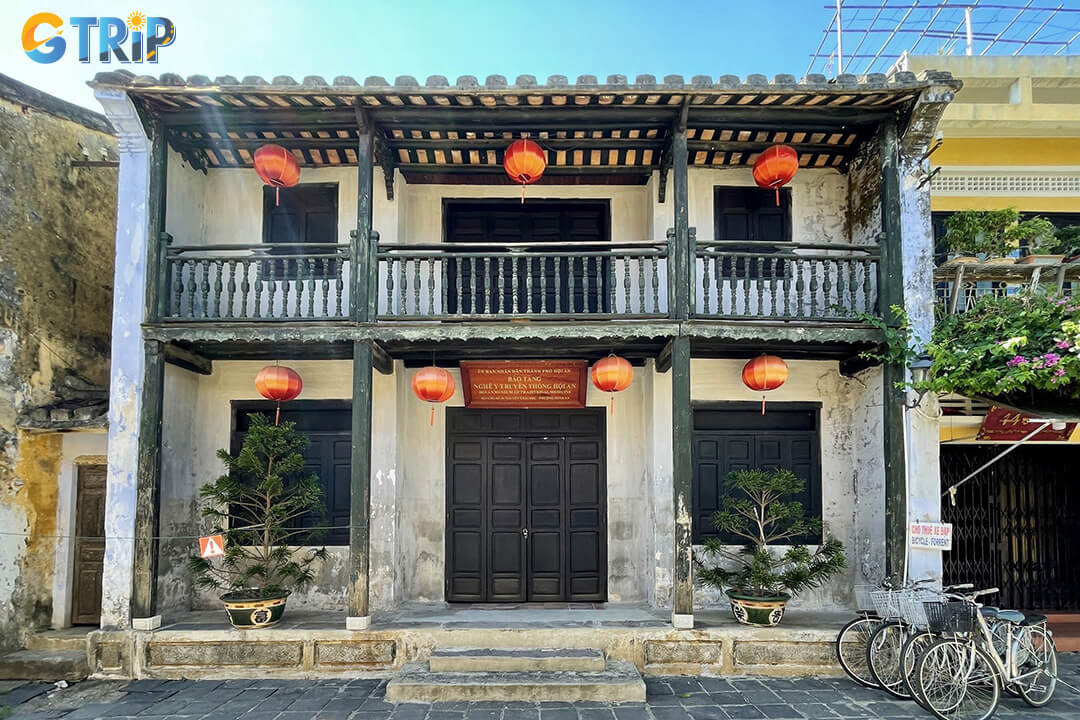
Located in the heart of Hoi An’s pedestrian Old Town, the Museum of Traditional Medicine is an easy stop to combine with nearby heritage sites on a walking tour
Opening hours & Ticket prices
Planning your visit is simple, as the museum follows the standard opening times of most attractions within the Hoi An Ancient Town.
- Opening hours: 8:00 AM - 5:00 PM, daily (closed on the 20th day of each month)
- Ticket price: 120,000 VND (~$5 USD) as part of the Hoi An Old Town combo ticket
The museum is included in the Hoi An Old Town combo ticket, which is the required pass for entry into the ancient town and its main attractions. This single ticket grants you access to your choice of 5 out of more than 20 heritage sites, including ancient houses, assembly halls, communal houses, and museums. The Museum of Traditional Medicine is an excellent choice for one of your five selections.
What makes the Museum of Traditional Medicine Hoi An unique?
The museum's most compelling feature is its dual identity. It is not housed in a purpose-built modern facility but resides within the Diep Dong Nguyen old house, a meticulously preserved 19th-century merchant's home. This authentic setting creates a unique atmosphere where you can admire stunning historic architecture while learning about the intricate world of traditional Vietnamese healing.
- A perfectly restored trading house: Experience the layout and design of a classic Hoi An shophouse, complete with a courtyard and original wooden fixtures.
- Authentic medicine tools: The museum displays a comprehensive collection of traditional pharmacy tools, such as bronze grinders for herbs, ceramic pots for boiling remedies, and delicate scales for precise measurements.
- Holistic healing philosophies: Exhibits delve into the core principles of Vietnamese traditional medicine, showcasing displays on acupuncture, herbal remedies, and the balance of Yin and Yang.
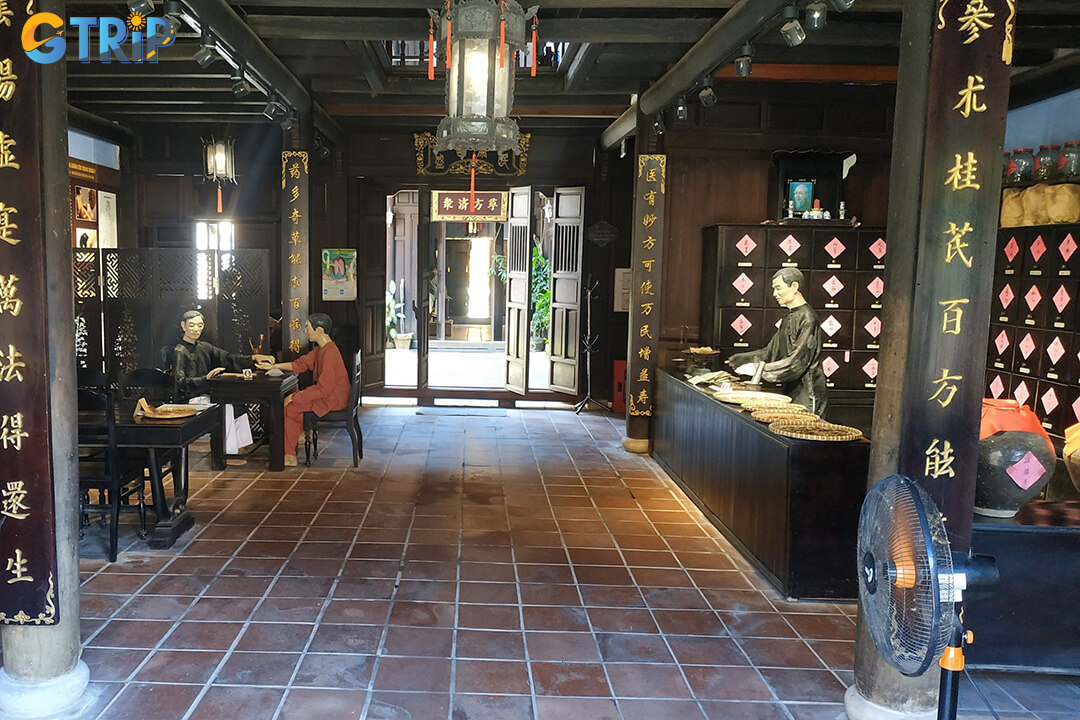
The museum uniquely blends historic architecture with exhibits on traditional Vietnamese medicine, tools, and healing philosophies
History of the Museum of Traditional Medicine Hoi An
The Museum of Traditional Medicine opened on March 15, 2019, celebrating key milestones in Hoi An’s history and heritage. As the fifth public museum in the city, it serves as a "sanctuary of memory", dedicated to the golden age of traditional medicine.
Tracing back to the 17th and 18th centuries, the trading port of Hoi An was a bustling hub for the medicinal herb trade, with numerous pharmacies lining its main streets. Ancient houses like Duc An or Diep Dong Nguyen stand as evidence of an era when renowned Vietnamese and Chinese physicians converged here to treat both locals and international merchants. Despite the rise of Western medicine in the 19th and 20th centuries, the museum today remains steadfast in its mission to preserve the essence of traditional medical heritage before it fades into obscurity.
Structure of the Museum of Traditional Medicine Hoi An
The museum utilizes over 200 artifacts to tell the story of the intersection between "Thuoc Bac" (Northern/Chinese medicine) and "Thuoc Nam" (Southern/Vietnamese herbal medicine). The space is scientifically organized into functional zones, allowing visitors to easily explore traditional treatment methods and medical tools:
- The ground floor: Designed to replicate a classic Chinese apothecary, the highlight here is a massive 108-drawer wooden herbal cabinet. Visitors can observe a physician's workspace, from the pulse-checking and diagnostic area to the prescription desk and a tea-tasting lounge where patients once waited.
- The open-air courtyard (Atrium): This area harnesses natural sunlight to vividly recreate the traditional process of sun-drying and preserving medicinal herbs on bamboo trays. The area displays medicinal plants with bilingual labels and explains traditional herb-processing techniques.
- The second floor: This level is dedicated to the world of "Thuoc Nam" - the indigenous herbal medicine of Vietnam. The front displays ancient medical tools and documents, while the back offers a quiet research and archive space.
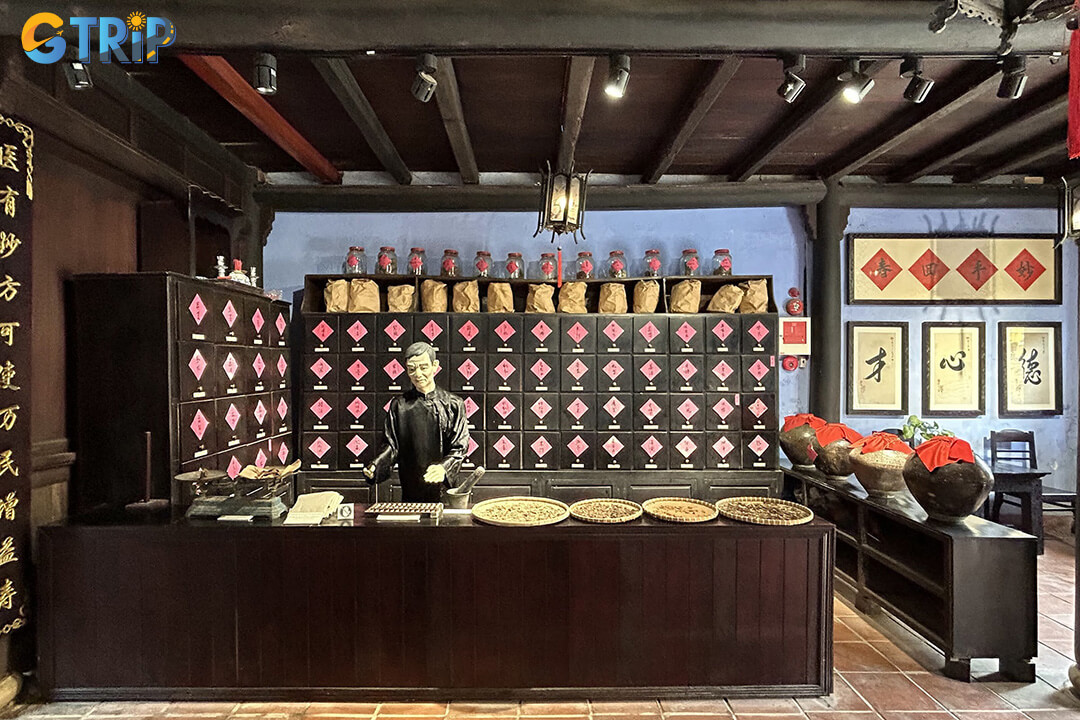
Set in a historic house on Nguyen Thai Hoc Street, the museum uses over 200 artifacts and themed spaces to showcase the Vietnamese and Chinese herbal medicine
Exhibition areas and unique artifacts
The museum is envisioned as a living library of medical excellence, where history is brought to life through specialized exhibition rooms. The layout provides visitors with a systematic view of the evolution of the medical profession from ancient times to the present.
Primary exhibition zones
To help visitors grasp the various facets of the medical profession, the museum has divided its space into the following thematic sections:
- Medical history area: Houses ancient books and precious documents detailing the formation and development of the medical profession since antiquity.
- Traditional medical tools area: Displays specialized instruments such as acupuncture needle sets, ceramic decoction pots (for boiling medicine), and processing tools.
- Cultural and spiritual area: Explores the rituals dedicated to medical ancestors and the spiritual ethics (Y Duc) of Hoi An’s people.
- Ancient herbal cabinet: A dedicated space for the preservation of natural ingredients within the iconic wooden cabinet system of Eastern medicine.
- Recreated medical room: An authentic simulation of a diagnostic space, capturing the atmosphere of patients waiting for their consultation.
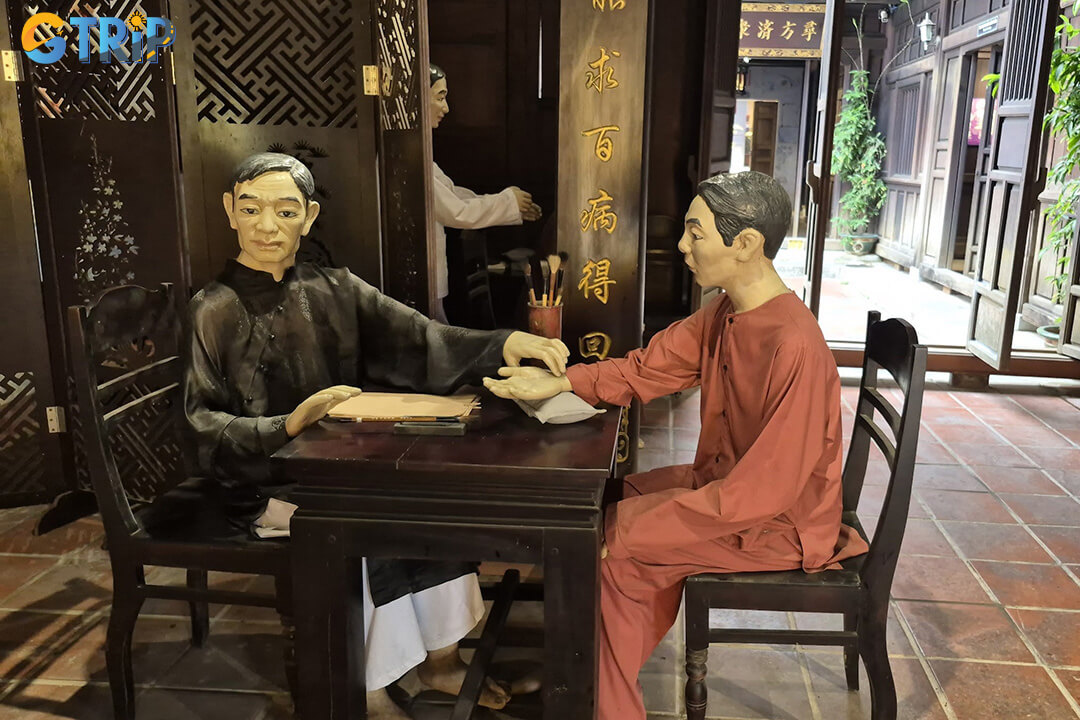
The museum organizes its exhibits into themed sections showcasing medical history, traditional tools, spiritual practices, herbal cabinets, and a recreated diagnostic room
Unique artifacts at the museum
Beyond the themed spaces, the core value of the museum lies in its highly significant original artifacts:
- Traditional medical books: Rare manuscripts that record ancient healing methods and secret family remedies passed down through generations.
- Acupuncture instruments: A collection of needles from various periods, demonstrating the technical evolution of medical arts.
- Folk remedies: A compilation of medicinal formulas ranging from common daily treatments to rare herbal combinations collected from the community.
- Ritual objects: Items used in the worship of medical deities and ancestors, serving as a testament to the profound medical ethics of the past.
Things to do at the Museum of Traditional Medicine Hoi An
The Museum of Traditional Medicine Hoi An offers a multi-sensory experience through herbal aromas, ancient artifacts, and interactive activities. Below are the top experiences you should not miss:
1. Explore history through a guided tour
To truly appreciate the museum, it is highly recommended to accompany a knowledgeable guide. They will breathe life into the exhibits, making medical knowledge engaging and easy to understand. Through this activity, you will:
- Listen to deep narratives about the formation of the Faifo trading port and why medicine flourished so vibrantly here.
- Gain insight into the symbolic meanings of Feng Shui numbers in the apothecary’s design, such as the significance of the 108-drawer cabinet.
- Clearly distinguish the philosophies of "Thuoc Bac" and "Thuoc Nam" through specific artifacts.
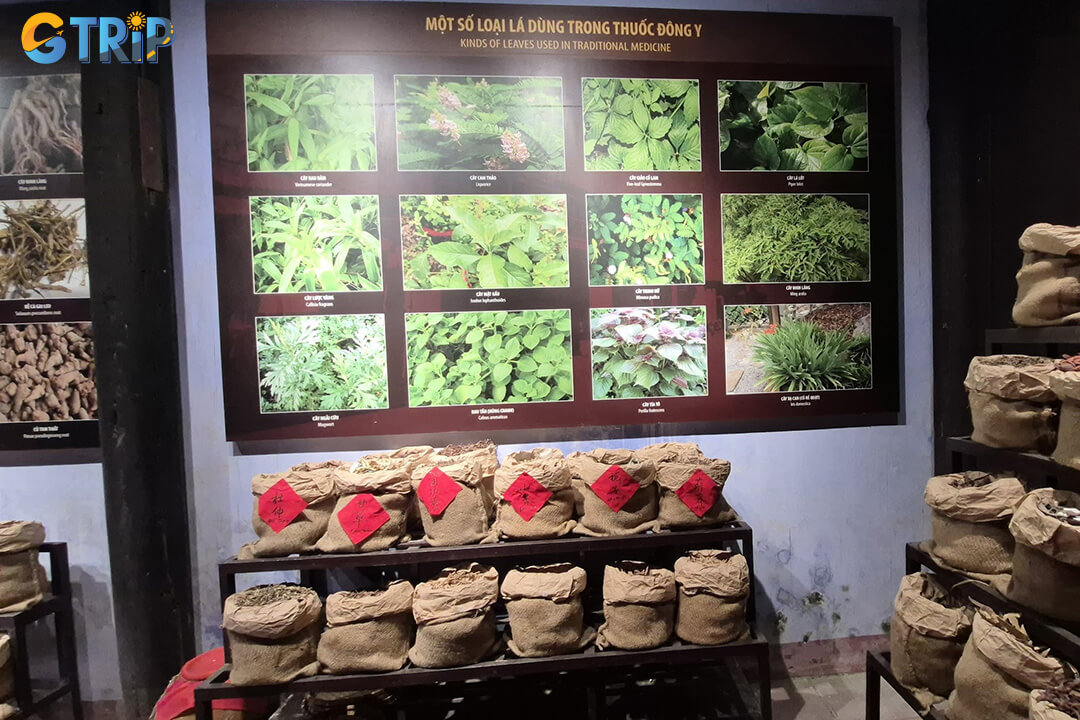
A guided visit helps bring the exhibits to life, offering deeper insights into Hoi An’s medical history, apothecary design, and the philosophies of traditional herbal medicine
2. Join specialized workshops and classes
For visitors with a passion for medicine or a desire to learn about natural health care, the museum frequently hosts in-depth learning sessions. In these workshops, you can:
- Engage in discussions about the benefits of common herbs found in typical Vietnamese gardens.
- Learn how to identify precious ingredients and traditional manual methods to preserve herbs from humidity and mould.
- Access rare medical archives under the guidance of experts or museum staff.
3. Witness traditional medical demonstrations
One of the most vivid experiences at the museum is watching practitioners or technicians perform professional techniques firsthand. This provides an authentic look at the craftsmanship of medicine:
- Observe the process of pulse-checking, diagnosis, and prescription in the recreated ancient medical room.
- Watch demonstrations of acupuncture, acupressure, or therapeutic massage used to improve blood circulation.
- See manual processing techniques such as "sao vang ha tho" or using a "thuyen tan" to pulverize medicine tasks that require immense patience and precision.
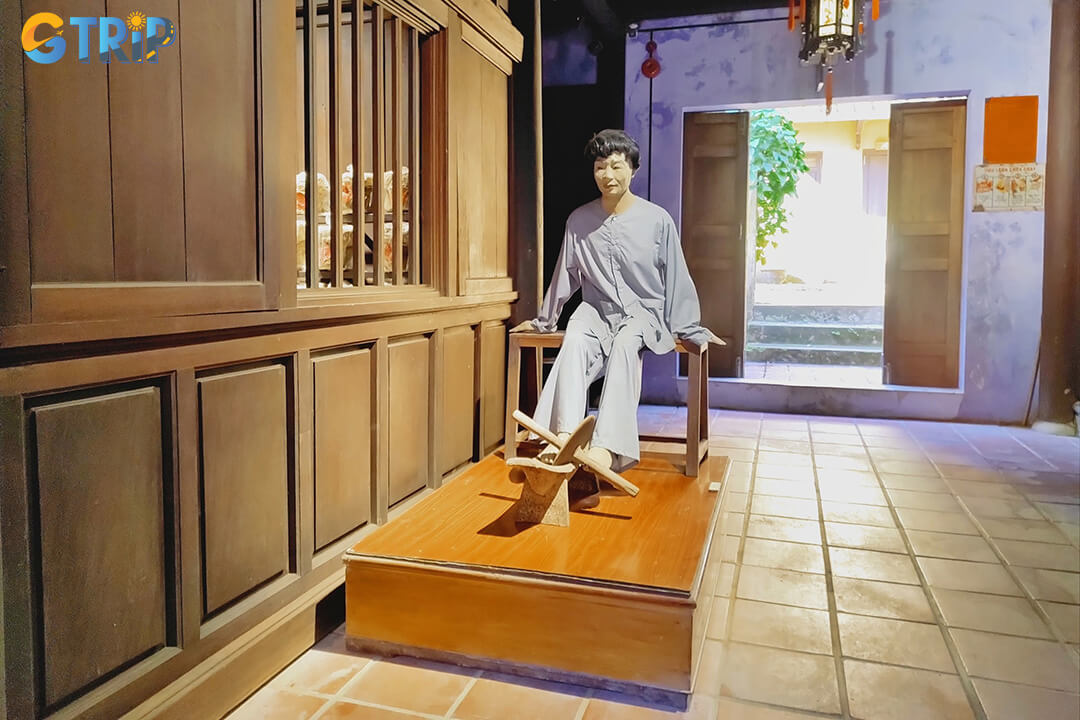
Visitors can watch live demonstrations of traditional medical practices, including pulse diagnosis, acupuncture, and the careful preparation of herbal remedies
4. Select herbal products as meaningful gifts
After learning about the value of herbal medicine, you can visit the display and retail area to choose all-natural health products. This is a wonderful way to bring a "taste" of the museum home:
- Shop for aromatic herbal teas such as lotus tea, chrysanthemum tea, or detoxifying blends.
- Choose from mild Eastern medicine remedies, essential oils, or natural skincare products.
- Receive detailed advice from staff on how to use these products safely and effectively as gifts for loved ones, especially the elderly.
5. Discover spiritual culture through special programs
Medicine is a science of healing, and also deeply connected to faith and profound ethics. The museum organizes cultural programs that allow visitors to touch the "soul" of the profession:
- Participate in introductory sessions about rituals dedicated to medical ancestors, reflecting the tradition of "Respecting the teacher and the origin".
- Discover the life and career of the Great Physician-Monk Tue Tinh, the patron saint of Vietnamese herbal medicine (Thuoc Nam).
- Learn about the rich spiritual beliefs and worship customs related to health and peace that have been part of Hoi An’s culture for centuries.
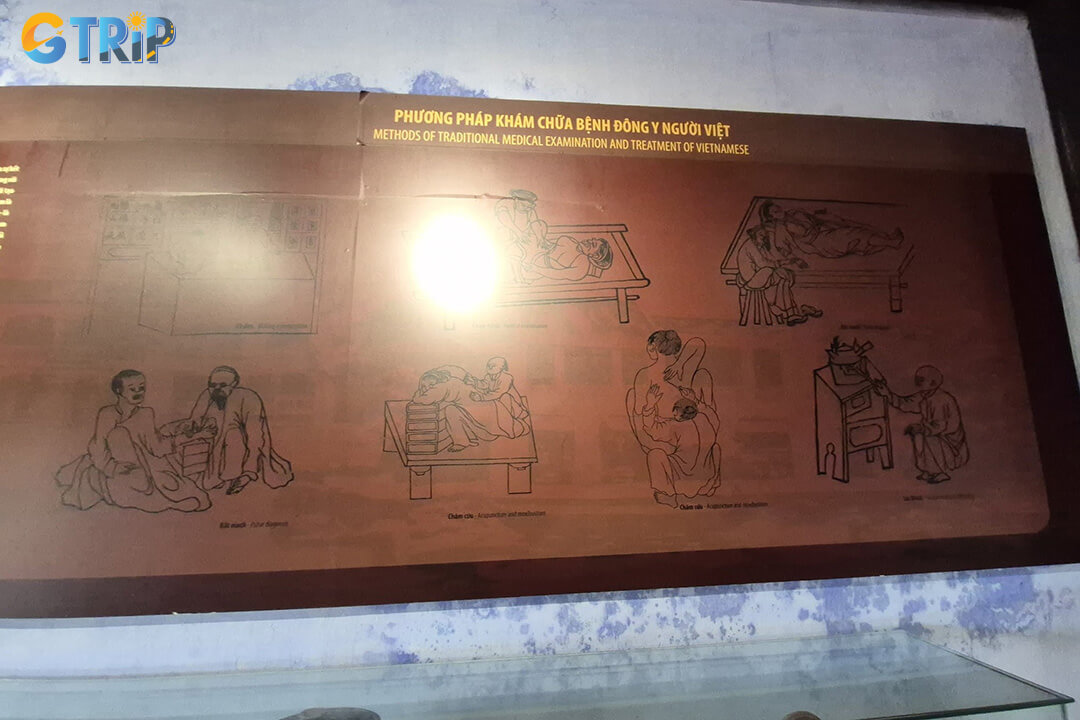
The museum also offers cultural programs that explore the spiritual traditions, ethics, and historical figures behind Vietnamese traditional medicine
How to get to the Museum of Traditional Medicine Hoi An
Located at 46 Nguyen Thai Hoc Street, the Museum of Traditional Medicine sits in the heart of Hoi An's pedestrian-friendly Ancient Town. Below are the detailed routes and transportation options to help you plan your visit.
From Da Nang International Airport
Travelers arriving at Da Nang International Airport can head south to reach Hoi An. Since the museum is located within the pedestrianized Ancient Town, vehicles will drop you off at the designated stations on the outskirts, followed by a short, scenic walk to 46 Nguyen Thai Hoc Street.
- Distance: ~30 km
- Travel time: 45 - 60 minutes
- Routes: Vo Nguyen Giap - Truong Sa - Lac Long Quan - Hoi An Central Market.
- Optimal option: Private car or taxi for a comfortable transfer with luggage.
From Da Nang City center
From Da Nang City center or the My Khe Beach area, the coastal road offers the most straightforward and beautiful path. Visitors can choose between private transfers or renting a motorbike for more flexibility. Upon arrival, you should park near the Hoi An Central Market before walking into the Old Town.
- Distance: ~30 km
- Travel time: 45 - 60 minutes
- Routes: Coastal road (Vo Nguyen Giap/Truong Sa) to An Bang traffic light, then turn right.
- Optimal option: Private car for convenience or a rented motorbike for an adventurous trip.
Visitors can reach the museum from Da Nang via a scenic 45-60 minute coastal drive, then park near Hoi An Central Market and walk into the Old Town
From around Hoi An Ancient Town
If you are staying within Hoi An, reaching the museum is simple and quick. Located in the heart of Minh An Ward, it is easily accessible from nearby areas like Cam Pho or Son Phong. Walking or cycling is highly recommended to navigate the narrow, charming streets.
- Distance: 1 - 6 km
- Travel time: 5 - 20 minutes
- Routes: Walk or cycle via Le Loi Street to reach Nguyen Thai Hoc Street.
- Optimal option: Walking or cycling, as these are the most flexible ways to enter car-free zones.
Transportation options
Various transport modes are available, but please note that motorbikes and cars are restricted in the Ancient Town during peak morning and afternoon hours.
- Walking and cycling: Highly recommended for entering the Old Town, bicycles are allowed throughout the area, with parking usually free at most sightseeing spots.
- Taxi: Fares vary by provider and distance, drivers typically drop passengers at the nearest accessible point outside the pedestrian zone.
- Motorbike: Travelers should use designated parking lots, such as those at the Central Market, for a standard local fee.
- Optimal option: Walking or cycling for nearby visitors, private car for those traveling from Da Nang or further areas.

Visitors can reach the museum by walking, cycling, taxi, or motorbike, though vehicles must park outside the pedestrian zone of Hoi An Old Town
Other attractions near Museum of Traditional Medicine Hoi An
One of the best things about the museum's location is its proximity to other major historical sites. After your visit, you can easily explore these nearby treasures as part of your walking tour.
- Japanese Covered Bridge: Just a 5-minute walk away, this iconic 18th-century bridge is the symbol of Hoi An. Its distinctive architecture reflects the cultural exchange between Japanese and Vietnamese communities in the ancient trading port.
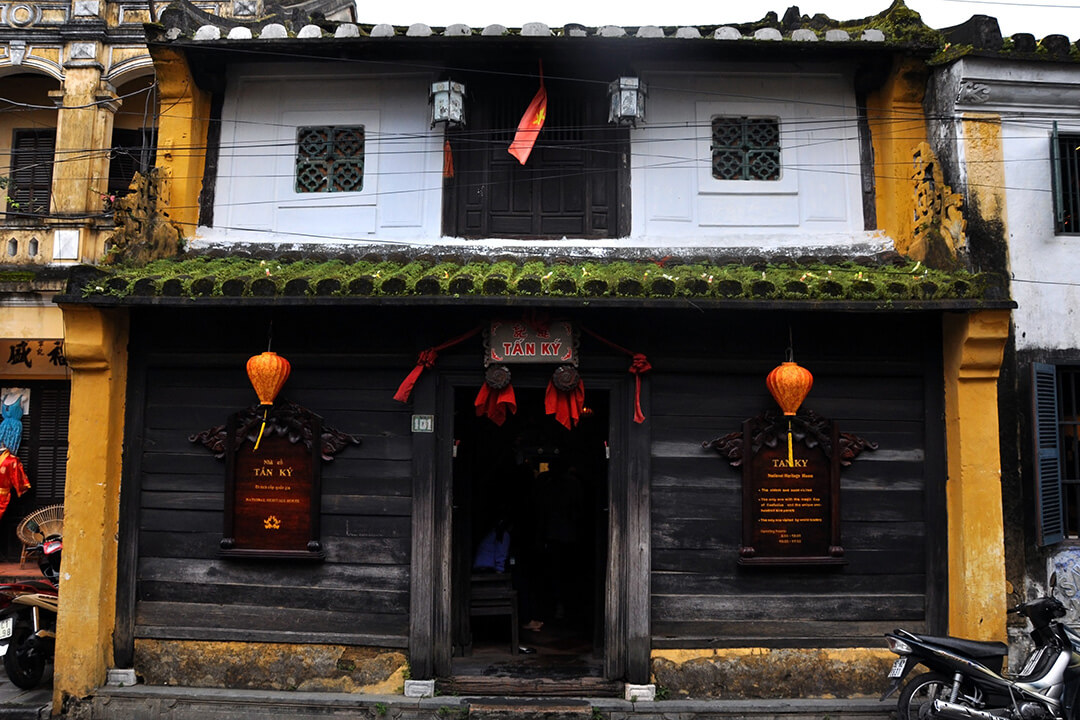
- Tan Ky Old House: Another beautifully preserved 18th-century merchant's house, renowned for its stunning architecture and historical significance. Visitors can explore its original interiors and learn about the prosperous merchant families who once lived there.
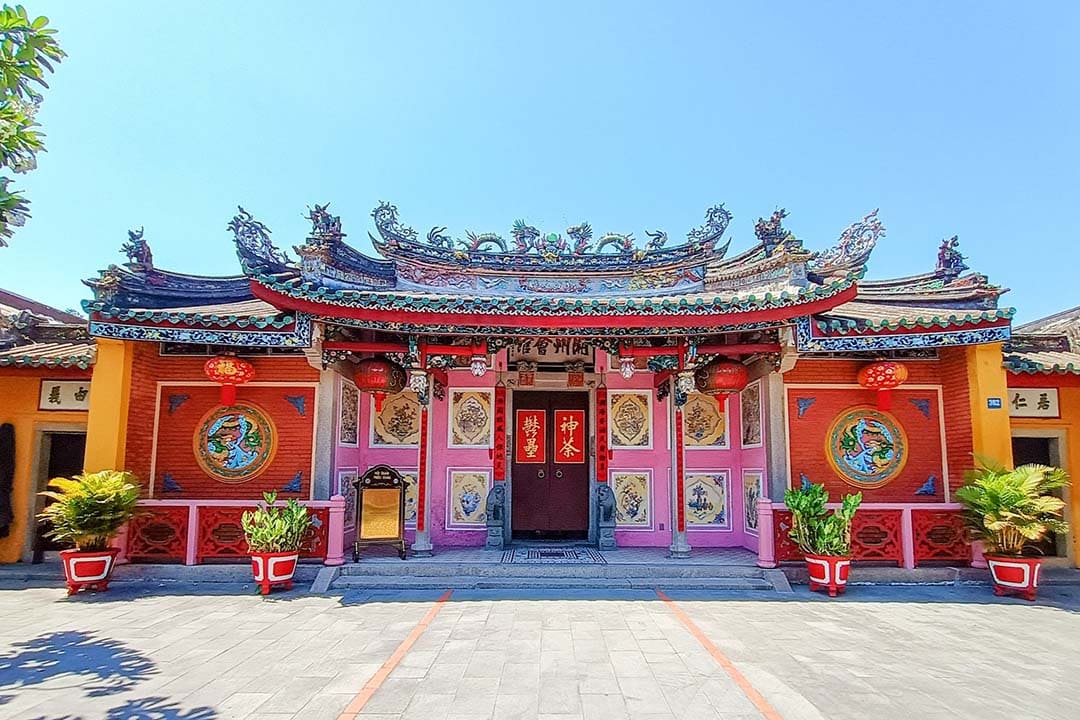
- Phuc Kien Assembly Hall: This ornate hall, built by traders from Fujian province in China, is a breathtaking example of traditional Chinese architecture and a place of worship. Inside, you will find elaborate carvings, colorful statues, and a peaceful courtyard dedicated to the sea goddess Thien Hau.
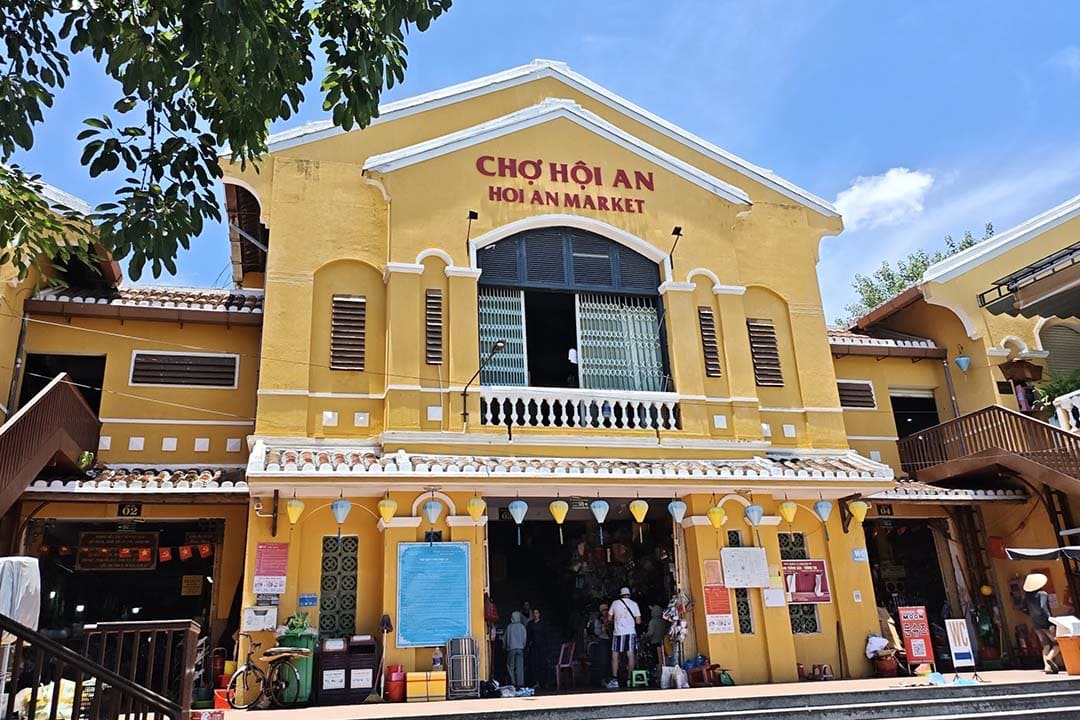
- Hoi An Central Market: Experience the vibrant local life, sights, and sounds at this bustling market along the Thu Bon River, a perfect spot to try local delicacies. The lively stalls offer everything from fresh produce to handmade souvenirs, giving visitors a true taste of Hoi An’s daily life.
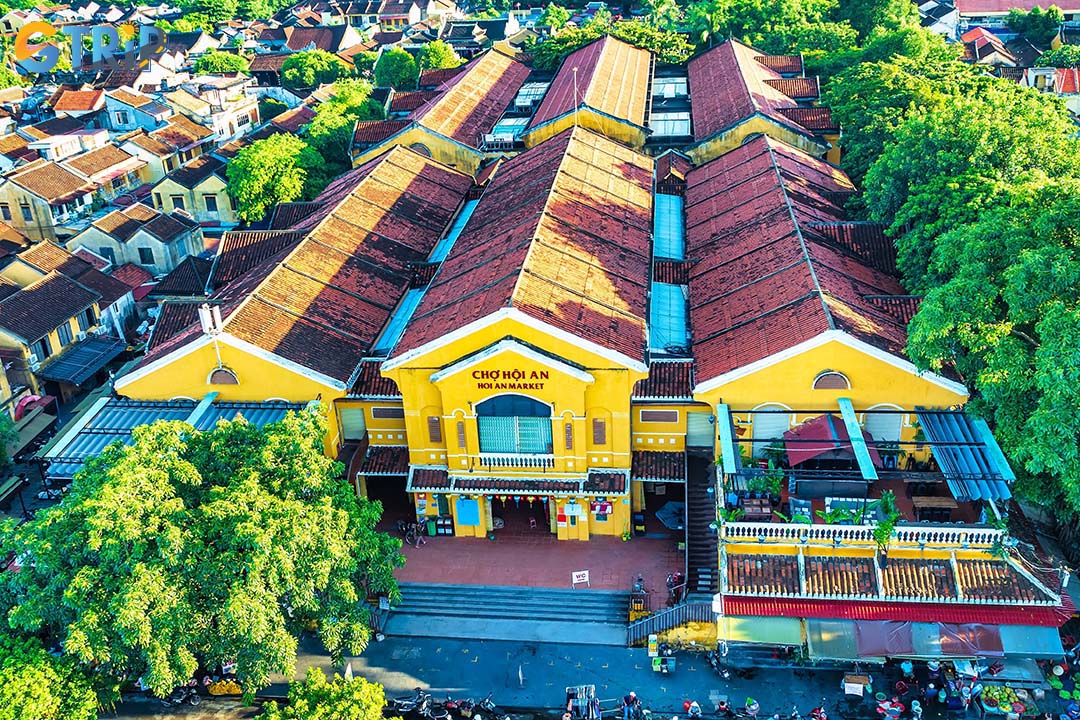
The museum’s central location makes it easy to combine your visit with nearby landmarks like the Hoi An Central Market
Tips for visiting Museum of Traditional Medicine Hoi An
To ensure a smooth and respectful visit to the Museum of Traditional Medicine, as well as a pleasant exploration of Hoi An’s Ancient Town, please keep the following practical guidelines and tips in mind:
- Operating schedule: Please note that the museum is closed on the 20th day of every month.
- Ticketing information: To enter the museum, visitors must possess a valid Hoi An Ancient Town sightseeing ticket.
- Photography rules: Photography is permitted, but you must turn off your camera flash to protect the sensitive artifacts. For professional results, you may consider hiring a private photographer or renting traditional costumes locally.
- Safety and accessibility: The staircase to the second floor is quite steep. Senior visitors and wheelchair users are advised to remain on the ground floor for their safety.
- General museum regulations: No smoking, eating, drinking, or touching of artifacts.
- Language support: Explanations and introductory signs are currently provided in Vietnamese and English.
- Facilities: Free restrooms are located at the back of the first floor.
- Seasonal preparation: Bring sun protection (Feb-Aug) or rain gear (Sep-Jan), and be aware of potential flooding from October to December.
- Payment and transport: Wear comfortable walking shoes and carry enough cash, as many local booths do not accept cards.
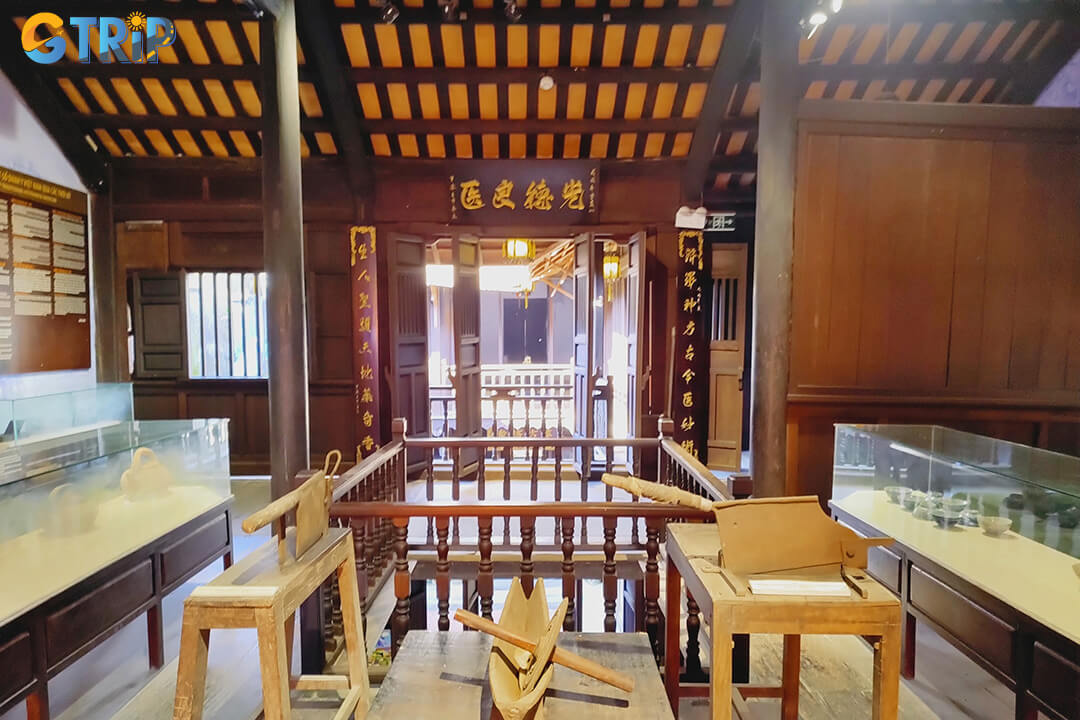
Plan by noting the museum’s schedule, following photography and safety rules, and preparing comfortable attire and cash for a smooth visit
The Museum of Traditional Medicine Hoi An is far more than just a collection of old objects, it is a gateway to understanding the soul of Vietnam. It offers a rare opportunity to step inside a piece of living history, the Diep Dong Nguyen old house and explore a system of wellness that has nurtured the Vietnamese people for centuries. It’s a quiet, contemplative stop that provides a welcome contrast to the bustling streets outside. For any traveler interested in history, architecture, or holistic health, this museum is an absolute must-see. Its unique blend of cultural preservation and fascinating subject matter makes it one of the most rewarding experiences in the Ancient Town. As you plan your journey, let GTrip be your guide to discovering all the hidden gems that make Hoi An so unforgettable.