


Apr - 01 - 2026
Hoi An Central Market is the lively heart of Hoi An’s Ancient Town, where visitors can experience the sights, flavors, and rhythms of everyday local life. Known locally as Cho Hoi An, this bustling marketplace blends traditional shopping, vibrant street food, and authentic cultural encounters in one place. This GTrip guide covers everything you need to know such as its history and highlights, what to buy, eat, and how to get there.
Overview of the Hoi An Central Market
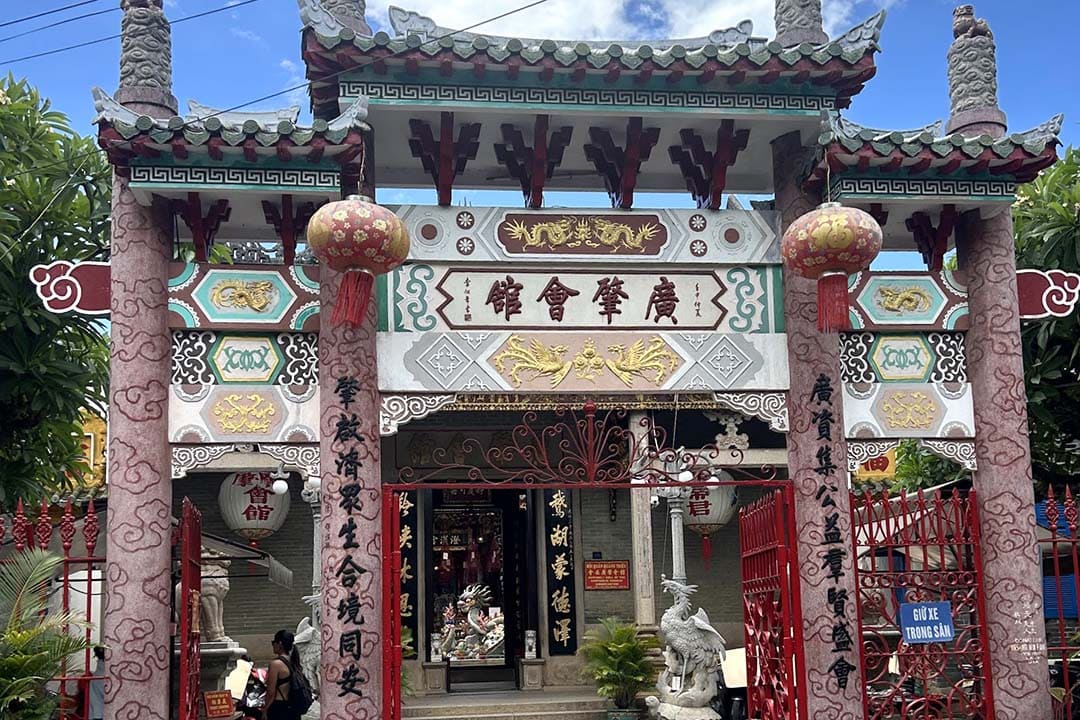
The Hoi An Central Market is the main commercial hub for locals and a lively attraction for visitors in the Ancient Town. Located near the Quang Trieu Assembly Hall and Ong Pagoda, the market reflects the close connection between trade, culture, and spirituality in Hoi An. It features both indoor and outdoor sections, offering fresh produce and fish sauce stalls, colorful food counters and a bustling dining area.
Where is Hoi An Central Market?
Location: Main entrance at 19 Tran Phu Street, Hoi An Ancient Town, Hoi An Ward (formerly Minh An Ward, Hoi An City, Quang Nam Province), Da Nang City
The Hoi An Central Market is strategically located in the heart of Hoi An's Ancient Town, with its main entrance on Tran Phu Street. It occupies a prime piece of real estate bordered by four key streets: Tran Phu Street (north), Bach Dang Street (south), Tran Quy Cap Street (west), and Tieu La Street (east). This central position makes it incredibly accessible for anyone exploring the UNESCO World Heritage site.
Its most significant geographical feature is its proximity to the Thu Bon River. The market's western edge runs directly along Bach Dang Street, which fronts the river. This allows for easy access for local fishermen who bring their fresh catch directly to the market stalls each morning.
Opening hours and entrance fee
- Opening hours: 5:00 AM - 6:00 PM, daily (some food stalls open later)
- Entrance fee: Free
The Hoi An Central Market is open daily from approximately 5:00 AM to 6:00 PM, and there is no entrance fee. The market's rhythm and atmosphere change drastically throughout the day. The most intense and authentic local activity occurs in the early morning, between 6:00 AM and 8:00 AM, when locals do their daily shopping and the fish market is at its peak. For tourists, the best time to visit for a slightly less chaotic but still vibrant experience is between 9:00 AM and 6:00 PM. During the rainy season, typically from October to December, some outdoor stalls may close early or be affected by inclement weather or flooding from the nearby Thu Bon River.
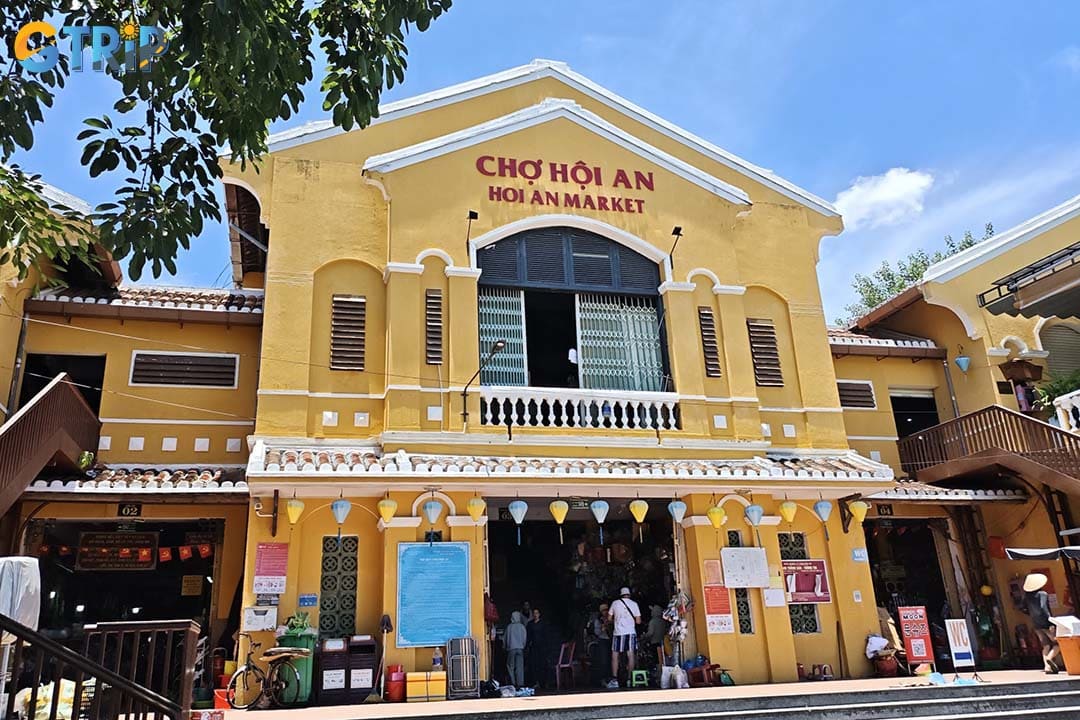
Hoi An Central Market offers everything that you need
What makes the Hoi An Central Market unique?
The Hoi An Central Market stands out from other markets in Vietnam due to its rich history, diverse offerings, and the seamless blend of local life and tourism. It’s an experience that engages all five senses.
- A shopper's paradise: The market is a kaleidoscope of color and activity. The air is thick with the scent of fresh herbs, fragrant spices like cinnamon and star anise, and the sizzle of street food. Navigating the narrow aisles requires a bit of skill, as does the art of bargaining. It is a place where you can find nearly anything, making it a true paradise for shoppers looking for authentic goods.
- Diverse goods: The sheer variety of products is staggering. The outdoor section is dominated by exotic produce, with pyramids of dragon fruit, rambutans, and mangosteens. Inside, you'll find stalls dedicated to spices, dried seafood, and local sauces. The most famous section is the fresh fish market near the river, where the morning's catch is sold amidst a flurry of activity.
- The tailoring section: Hoi An is world-famous for its tailors, and the market is an epicenter of this trade. You'll find an entire section dedicated to fabrics, from vibrant silks to cool linens. Visitors can browse patterns, select their material, get measured, and have custom clothing, such as dresses, shirts, or even a full suit, made and ready for pickup, often within 24 hours at a fraction of Western prices.
- The authentic local experience: For a raw, unfiltered glimpse into Vietnamese life, head to the riverside section around 7 AM. Here, you'll witness the lively fish bargaining scene as restaurant owners and locals haggle for the freshest seafood. You’ll also find a live poultry section, a sight that is a stark reminder of the market's role as a provider of fresh ingredients for the entire community.
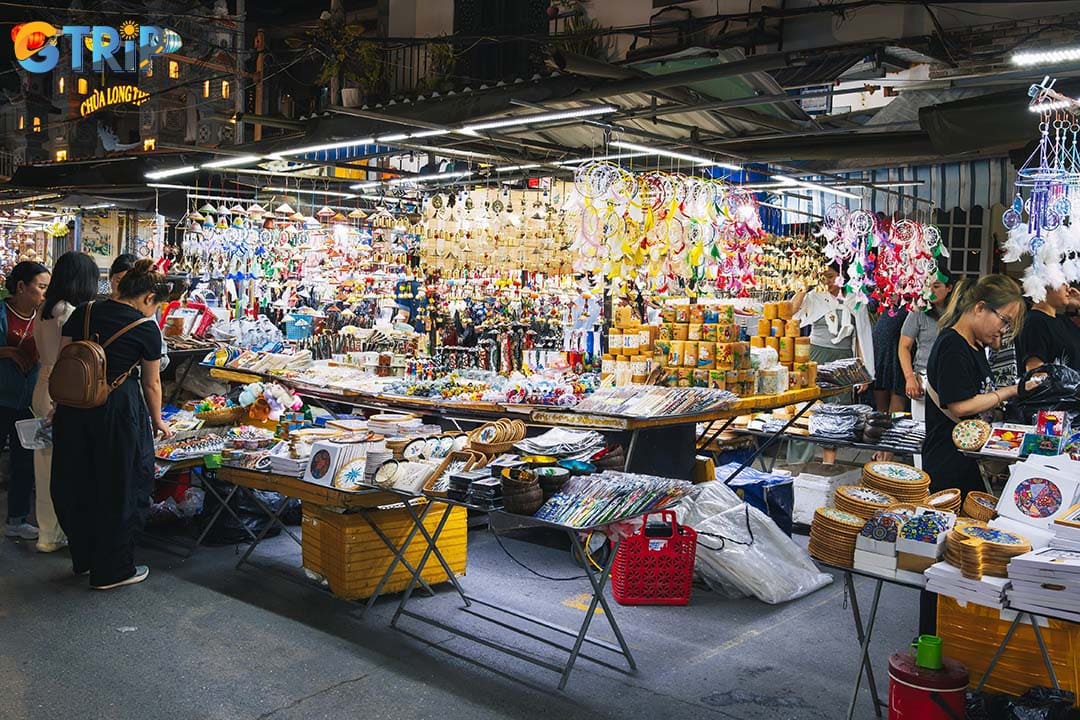
The Hoi An Central Market is a paradise for shoppers
History of the Hoi An Central Market
The history of Hoi An Central Market closely follows the rise of Hoi An as a major international trading port. Over centuries, the market has evolved from a simple trading spot into one of the town’s most important commercial and cultural landmarks.
- 15th-19th centuries: During Hoi An’s golden age as a maritime trading port on the Silk Road, merchants from China, Japan, and Europe gathered here to exchange goods. The earliest market was located on Le Loi Street, serving as a central place for commerce. As trade expanded, the market needed a larger and more convenient location. In 1848, it was officially relocated to its current site near the Thu Bon River, allowing easier transport of goods by both road and water.
- French colonial period: The market was rebuilt with architectural features that still define it today. Yellow-painted walls, a tiled yin-yang roof, and a practical open layout reflect colonial design influences. Nearby stands the historic Gieng Ba Le covered well, famous for its exceptionally pure water, traditionally used by local cooks to prepare the iconic cao lau noodles.
- Early 2000s - present: A major renovation project preserved the market’s historical character while improving its facilities. Today, Hoi An Central Market functions as both a daily marketplace for locals and a cultural attraction for visitors. It remains the town’s primary source of fresh ingredients while offering travelers an authentic glimpse into centuries-old trading traditions.
What to buy at Hoi An Central Market
Hoi An Central Market offers a wide range of local products that reflect the region’s food culture and traditional craftsmanship. The market is a great place to explore authentic goods from Central Vietnam.
1. Fresh seafood
The seafood area, located near the Thu Bon River, is one of the busiest sections of the market, especially in the early morning. Local fishermen bring their daily catch directly from nearby boats, creating a lively scene filled with bargaining and activity. Visitors can find a wide variety of freshly caught seafood such as prawns, crabs, squid, mackerel, and clams. Even if you are not planning to buy anything, walking through this section offers a fascinating glimpse into the daily rhythm of the local fishing trade.
2. Fermented pastes and dried ingredients
Inside the covered market hall, visitors will encounter stalls selling traditional Vietnamese cooking ingredients. This section is known for the strong aroma of fermented pastes and fish sauce, which are essential elements of Vietnamese cuisine. Here you can find products such as mam tom (fermented shrimp paste), premium nuoc mam (fish sauce), as well as dried seafood like shrimp, squid, and anchovies. Vendors also sell dried mushrooms and other preserved ingredients commonly used in local cooking.
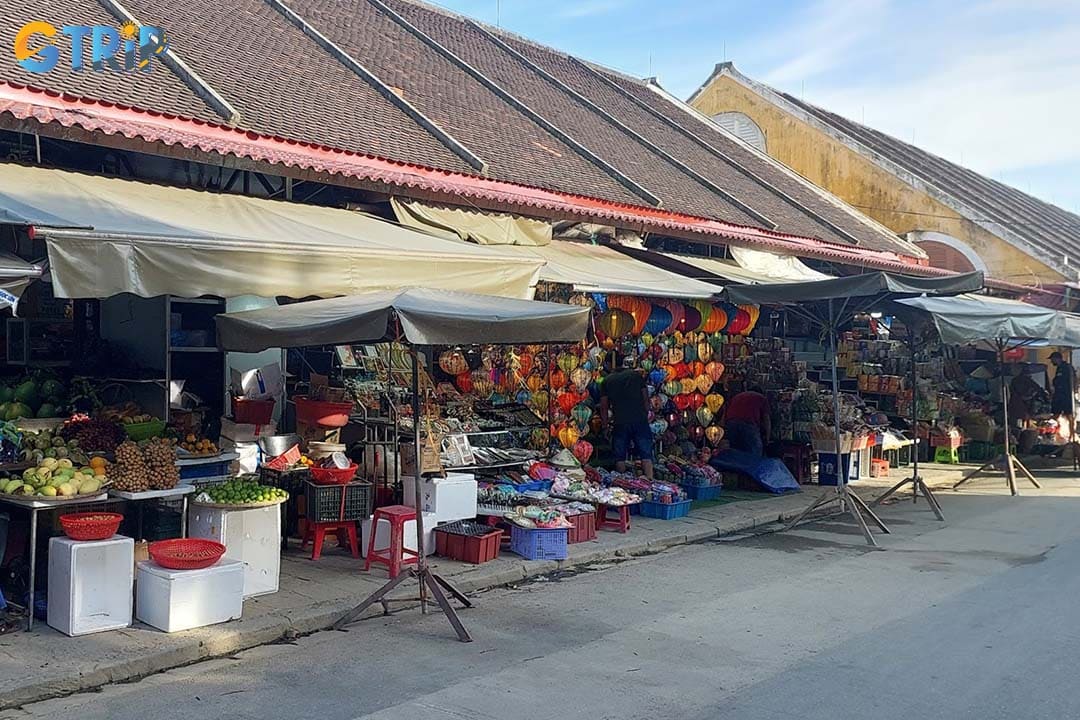
Hoi An Central Market has a wide range of local products that reflect the region’s food culture and traditional craftsmanship
3. Local cakes and food souvenirs
For visitors looking for edible souvenirs, the market offers many packaged specialties that are easy to bring home. Popular choices include traditional sweets such as banh dau xanh (mung bean cake) and me xung (sesame peanut candy), along with various dried fruits and regional snacks. Many stalls also sell locally made chili sauces, spices, and condiments that allow travelers to recreate the flavors of Central Vietnamese cuisine at home.
4. Clothes, fabrics, and traditional ao dai
Hoi An is internationally known for its tailoring, and the fabric stalls inside the market highlight this reputation. Stacks of colorful textiles, particularly silk, cotton, and linen, fill the stalls, giving visitors many options for custom clothing. Travelers can choose a design, get measured on the spot, and have garments such as dresses, shirts, suits, or the traditional ao dai made within a short time, often within a day.
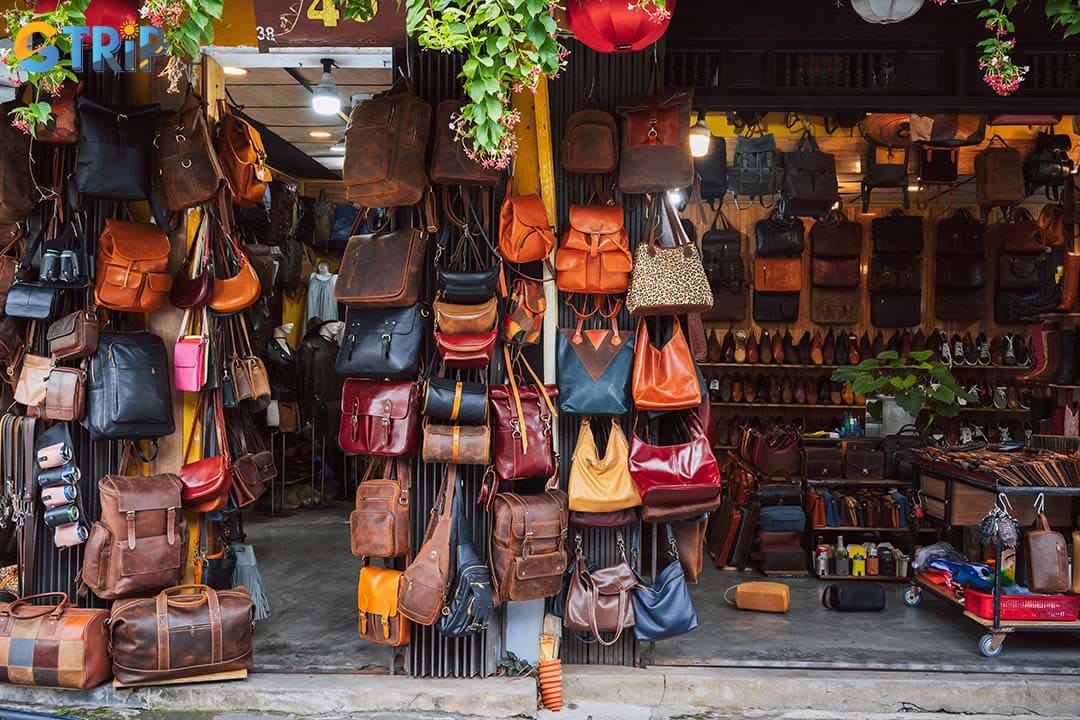
Visitors have various clothing options when visiting the Hoi An Market
5. Handicrafts and traditional souvenirs
The handicraft section features a variety of locally made products that showcase traditional Vietnamese craftsmanship. Visitors can browse items made from natural materials such as rattan and bamboo, including woven bags, baskets, and decorative pieces. Other popular souvenirs include conical hats (non la), colorful silk lanterns, and wooden carvings. Many of these items reflect the cultural identity of Hoi An and nearby craft villages.
6. Evening street market around the Central Market
The main market closes in the evening. Therefore, nearby streets such as Bach Dang and Tran Quy Cap becomes a small evening street market area rather than the main Hoi An Night Market on Nguyen Hoang Street. Visitors can try street foods like thit nuong banh uot, bo la lot, seafood barbecue, banh trang nuong, banana pancakes, tofu pudding, and sweet che desserts. Stalls also sell souvenirs such as lanterns, clothing, leather goods, and handicrafts from nearby villages, often at slightly lower prices due to fewer tourists.
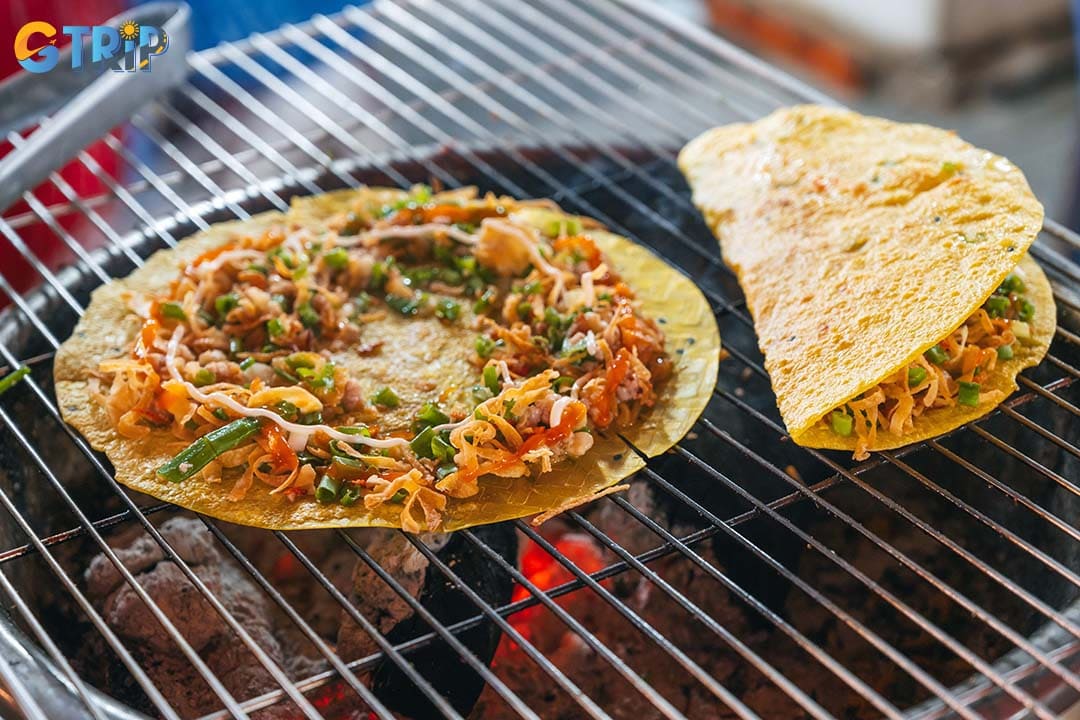
You can try many street foods like fried rice paper
What to eat at Hoi An Central Market
The food hall inside the Hoi An Central Market is a culinary paradise and arguably the best place in town to sample all of Hoi An’s signature dishes in one place. It’s clean, incredibly affordable, and offers an authentic taste of the region's cuisine. Pull up a stool at any of the numbered stalls, point at what looks good, and prepare for a feast. For a more structured experience, consider a GTrip Hoi An food tour that includes a deep dive into the market's delicacies.
- Cao lau: Hoi An's signature noodle dish, featuring chewy, thick rice noodles, slices of char-siu pork, fresh greens, and crispy croutons, with a unique flavor said to come from the water of the Ba Le well.
- Mi quang: A beloved noodle dish from Quang Nam province, with wide turmeric-infused rice noodles, a small amount of rich broth, and a mix of toppings like shrimp, pork, and a crunchy rice cracker.
- Banh beo & Banh ram it: A delightful platter of small, steamed rice flour cakes (banh beo) and crispy fried dumplings (banh ram it), typically topped with minced shrimp and served with a sweet and savory dipping sauce.
- Banh xeo: A crispy, sizzling Vietnamese pancake made from rice flour and turmeric, filled with pork, shrimp, and bean sprouts, and served with fresh lettuce and herbs for wrapping.
- Banh canh: A comforting, thick Vietnamese noodle soup, often with a rich pork or seafood broth and toppings like fish cakes, pork, or crab.
- Nem lui & Bo la lot: A popular grilled duo. Nem lui are flavorful grilled pork skewers on lemongrass stalks, while bo la lot is spiced beef wrapped in wild betel leaves and grilled.
- Oc hut: Spicy stir-fried snails, a favorite local snack often enjoyed with a cold beer.
- Che sam & Fruit smoothies: For dessert or a refreshing drink, try che sam, a sweet herbal soup, or grab a smoothie made from the market's fresh tropical fruits.
-1775026333TiYr1.jpg)
A delightful platter of small, steamed rice flour cakes (banh beo) is something you have to try when visiting Hoi An Market
How to get to Hoi An Central Market?
Located inside the heritage core of Hoi An Ancient Town, Hoi An Central Market is easy to reach from nearby neighborhoods and major transport hubs.
From Da Nang International Airport
Travelers arriving at Da Nang International Airport can reach Hoi An Central Market by road via taxi, private car, or shuttle services. Most visitors travel directly to Hoi An Ancient Town first and then walk or take a short ride to the market.
- Distance: ~30 km
- Travel time: 45 - 60 minutes
- Routes: Vo Nguyen Giap → Lac Long Quan → Hai Ba Trung → Hoi An Old Town
- Optimal option: Taxi or private airport transfer
From Da Nang City center
From central Da Nang, visitors can travel to Hoi An Central Market through scenic coastal roads connecting the two destinations. Motorbikes, taxis, and private cars are the most common transport options.
- Distance: ~28 - 30 km
- Travel time: 40 - 50 minutes
- Routes: Vo Nguyen Giap → Lac Long Quan → Hai Ba Trung
- Optimal option: Motorbike for flexibility or taxi for comfort
From around Hoi An Ancient Town
If you are staying in neighborhoods such as Minh An, Cam Pho, Son Phong, or Cam Chau, the market is within easy reach. Walking or cycling is the most convenient way to get there while exploring the Old Town.
- Distance: Usually under 3 km
- Travel time: 5-15 minutes
- Routes: Tran Phu, Nguyen Hue, or Bach Dang Streets
- Optimal option: Walking or cycling
Transportation options
Visitors can choose different transportation methods depending on distance and travel preference. Walking and cycling work best within Hoi An, while taxis or shuttles are ideal for longer trips.
- Walking: Best way to explore the Old Town area
- Bicycle: Free at many hotels and ideal for short distances
- Cyclo (xich lo): A slow, traditional ride ideal for sightseeing around the Old Town
- Taxi / E-taxi: Convenient and widely available
- Motorbike: Flexible for independent travelers
- Hotel shuttle bus: Some beach resorts offer free transfers to Hoi An Old Town
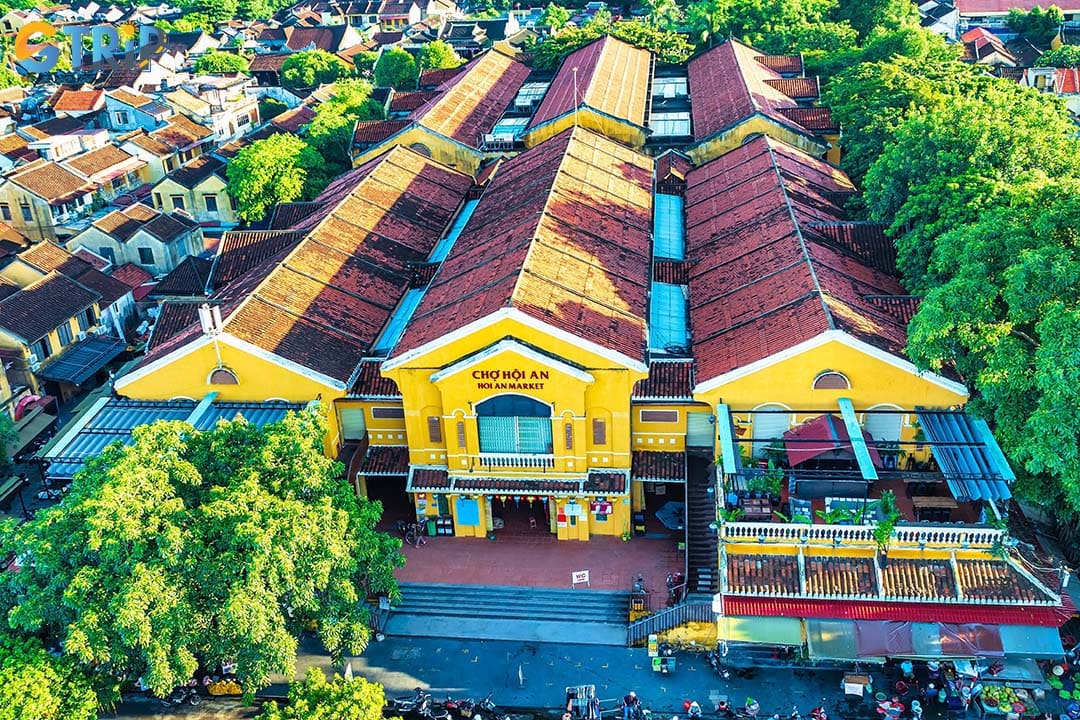
Reaching Hoi An Central Market is easy because of its central location
Nearby attractions to the Hoi An Central Market
The market's central location means it's just steps away from many of Hoi An's most famous landmarks.
- Quan Cong Temple (Ong Pagoda): Located directly opposite the market's main entrance on Tran Phu street, this historic temple is dedicated to a revered Chinese general and is a beautiful example of Chinese spiritual architecture.
- Japanese Covered Bridge: Hoi An's most iconic landmark and a symbol of the town, this 18th-century bridge is just a five-minute walk from the market.
- Hoi An Ancient Town: The market is the commercial heart of this UNESCO World Heritage site. Step outside, and you are immediately surrounded by ancient houses, ornate assembly halls, and picturesque, lantern-lit streets.
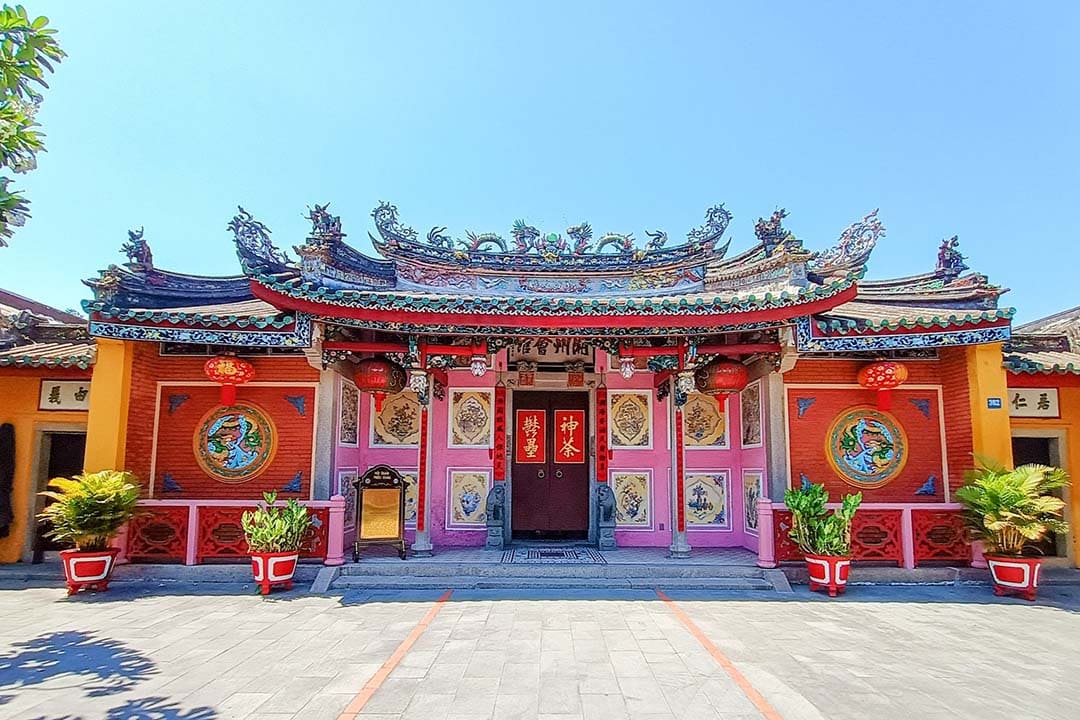
- Fukian Assembly Hall (Hoi Quan Phuc Kien): One of the grandest and most beautiful of the Chinese assembly halls in Hoi An, located a short walk down Tran Phu Street.
- Thu Bon River: The market backs directly onto the river. After exploring the stalls, you can take a peaceful boat ride, especially beautiful during sunset when lanterns are released onto the water.
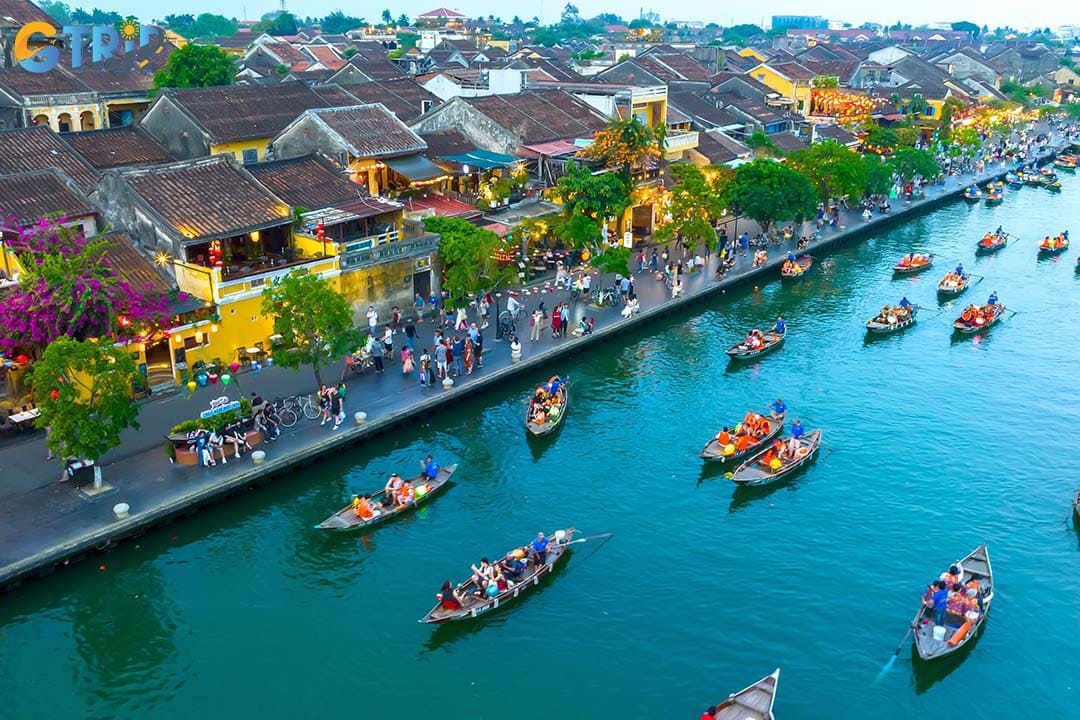
Hoi An Town has many famous attractions that you can explore
Practical tips for visitors
Before visiting Hoi An Central Market, it’s helpful to keep a few practical tips in mind to make your experience smoother and more enjoyable.
- Entry to the market itself is free, but visitors need an Old Town ticket to access the heritage area.
- The nearest ticket counters are on Nguyen Hue Street near the Phan Chu Trinh intersection.
- Visit early in the morning to see the freshest seafood and the liveliest local trading scene.
- Bargaining is possible at most stalls, except in the food hall, where prices are fixed.
- From February to August (dry season), bring sunscreen, sunglasses, and water.
- From September to January (rainy season), prepare a raincoat or umbrella.
- Streets around the market may occasionally flood between October and January during heavy rains or typhoons.
FAQs
Here are some common wonders about the Hoi An Central Market.
Is Hoi An Central Market worth visiting?
Yes, absolutely. The Hoi An Central Market is the vibrant soul of the city. It offers an irreplaceable, authentic glimpse into local life and serves as a paradise for food lovers with its incredible street food hall. It is a fantastic destination for souvenir shopping and custom tailoring. It's an unmissable part of the complete Hoi An experience.
What is the best time to visit Hoi An Central Market?
The best time to visit depends on your goal. For the most authentic, bustling local scene, especially the fish market, go early in the morning between 6:00 AM and 8:00 AM. For a more relaxed tourist experience with less crowding and milder temperatures, visiting between 9:00 AM and 11:00 AM is ideal. The evening brings the beautiful night market to life in the surrounding area.
Is bargaining allowed at Hoi An Central Market?
Yes, bargaining is not only allowed but is a fundamental part of the shopping culture for most items, particularly souvenirs, clothing, fabrics, and handicrafts. Food items in the dining hall and fresh produce usually have fixed prices. Always approach negotiations with a friendly, respectful attitude, it is meant to be a lighthearted exchange.
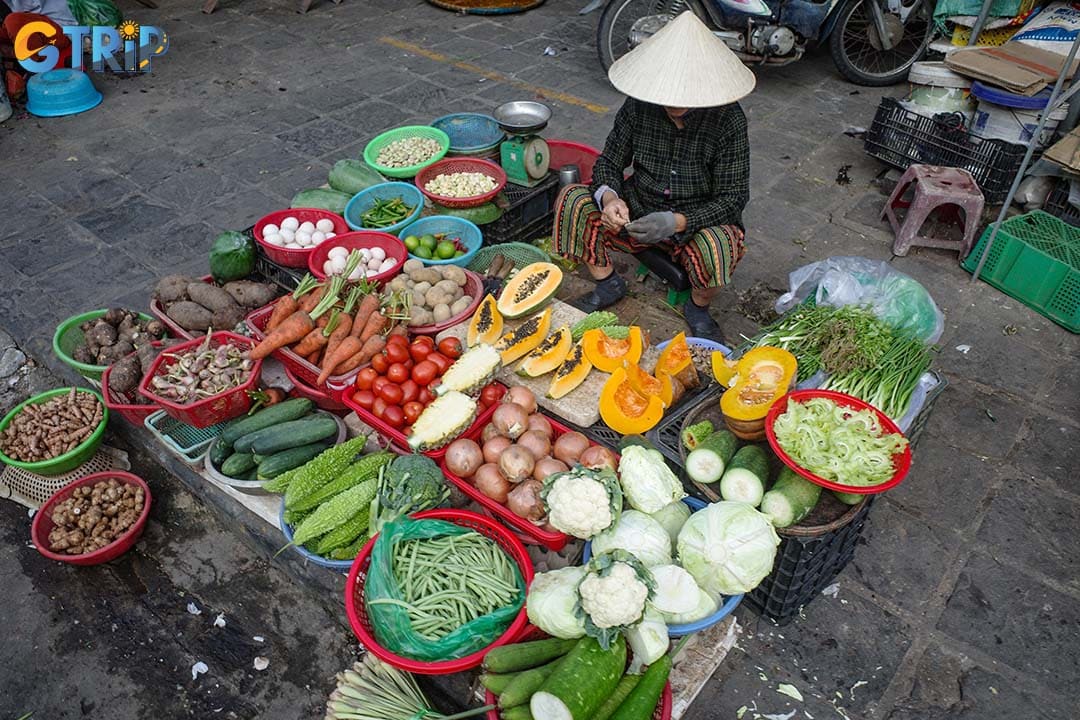
Hoi An Central Market is worth visiting and shopping
Hoi An Central Market remains one of the most authentic places to experience the energy, flavors, and everyday culture of Hoi An. The market offers a snapshot of traditional Vietnamese life in the heart of the Ancient Town. To make the most of your trip, GTrip also recommends combining your visit with nearby experiences through curated Da Nang tours. GTrip allows you to explore more of Central Vietnam’s iconic landscapes and cultural highlights in one seamless journey.