


Jan - 30 - 2026
Da Nang Museum of Fine Arts is a cultural cornerstone, offering a deep dive into the rich tapestry of Vietnamese art. Blending ancient traditions with contemporary masterpieces, GTrip offers a complete guide featuring must-see highlights, ticket details, and insider tips for a memorable visit. It’s a must-visit destination for travelers looking to connect with the soul of Vietnam through its powerful artistic expressions.
Overview of the Da Nang Museum of Fine Arts
Where is Da Nang Museum of Fine Arts?
Address: 78 Le Duan Street, Hai Chau Ward (formerly Thach Thang Ward, Hai Chau District), Da Nang City
Perfectly situated in the city center, the Da Nang Museum of Fine Arts is remarkably easy to access. It is within walking distance of many other key Da Nang attractions. Its central location makes it an ideal stop on any city tour, allowing visitors to seamlessly blend a cultural experience with visits to nearby markets, bridges, and historical sites. The convenience of its location cannot be overstated, making it a simple yet enriching addition to any traveler's itinerary.
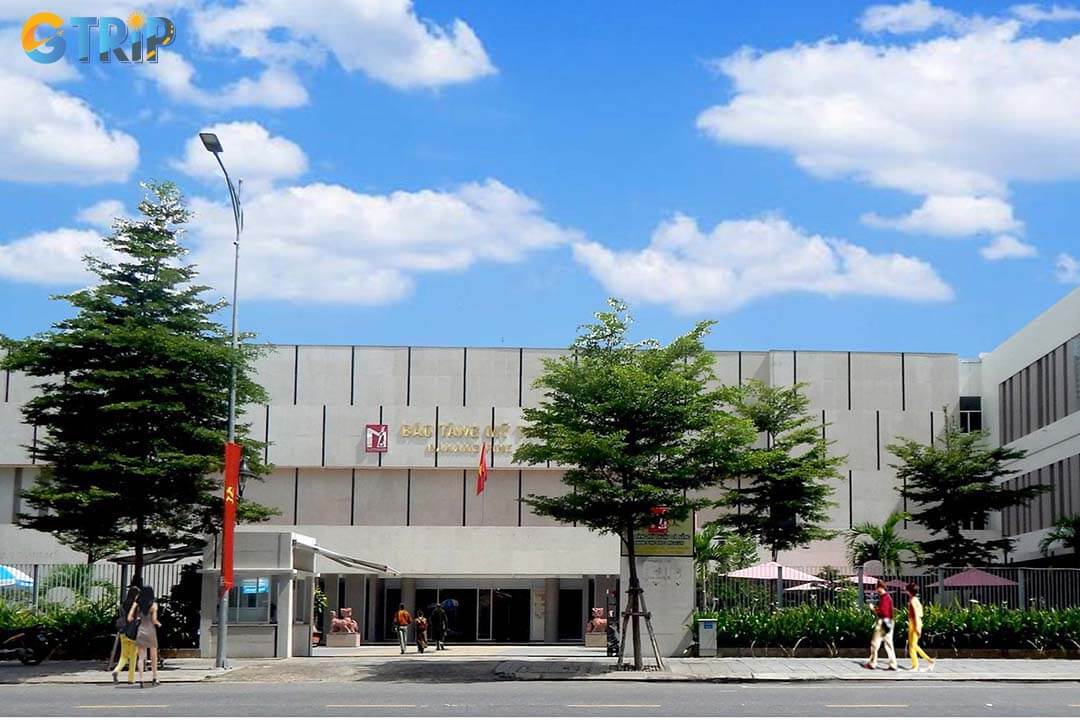
Centrally located in Da Nang, the Museum of Fine Arts is easy to reach and fits seamlessly into any city sightseeing itinerary
Opening hours and entrance fee
- Opening hours: 8:00 AM - 5:00 PM
- Entrance fee: 20,000 VND (~$0.77), cash payment only
Planning your visit is straightforward, as the museum maintains consistent daily hours. It is open every day of the week, including weekends and public holidays, making it a reliable option for your travel plans. The entrance fee is extremely affordable, offering incredible value for the extensive collection housed within. It’s important to note that ticket payments are cash-only, so be sure to have some Vietnamese Dong (VND) on hand when you arrive.
How to get to the Da Nang Museum of Fine Arts
Reaching the museum is simple thanks to its prime location in Da Nang's city center. Here are the most common ways to get to the Da Nang Museum of Fine Arts:
- By taxi or ride-hailing app: The easiest way to arrive is by using a services app or ordering a traditional taxi. Simply input "Da Nang Museum of Fine Arts" or the address, 78 Le Duan Street, and you'll be dropped off right at the entrance. This is a convenient, air-conditioned option.
- By motorbike or scooter: For those comfortable navigating the city's traffic, renting a scooter offers the most flexibility. There is usually designated parking available nearby for a small fee.
- On foot: If you are staying in the former Hai Chau District or visiting nearby attractions, such as the Han River Bridge or Con Market, the museum is just a short and pleasant walk away.
Thanks to its central location, the Da Nang Museum of Fine Arts is easy to reach by taxi, scooter, or a short walk from nearby attractions
History of the Da Nang Museum of Fine Arts
Da Nang Museum of Fine Arts was officially established on July 25, 2014, and opened its doors to the public in December 2016. Its mission is to be the primary institution for collecting, preserving, displaying, and interpreting the fine art of Da Nang and the Central and Central Highlands region. Located in a repurposed former government building, the site carries a rich history tied to Da Nang’s cultural heritage. The establishment of the museum filled a crucial gap by creating a dedicated space to celebrate both historical and contemporary Vietnamese art. It also provides a vital resource for locals and tourists to engage with the region's artistic heritage.
Exhibitions in Da Nang Museum of Fine Arts
The museum's thoughtfully curated exhibitions are its main draw, spanning three floors and showcasing a diverse range of artistic styles, periods, and mediums. The collection provides a comprehensive overview of Vietnamese art, including traditional folk crafts and bold modern statements.
Museum building
Da Nang Museum of Fine Arts occupies a building that once served as the Da Nang History Museum. Its architecture stands out with bold concrete forms and solid lines, reflecting a style commonly seen in public buildings influenced by Soviet architecture during the 1960s. This architectural approach can also be found in several landmark cultural institutions across Vietnam, including the Ho Chi Minh Museum in Hanoi. The museum offers approximately 1,185 square meters of exhibition space spread over three floors.
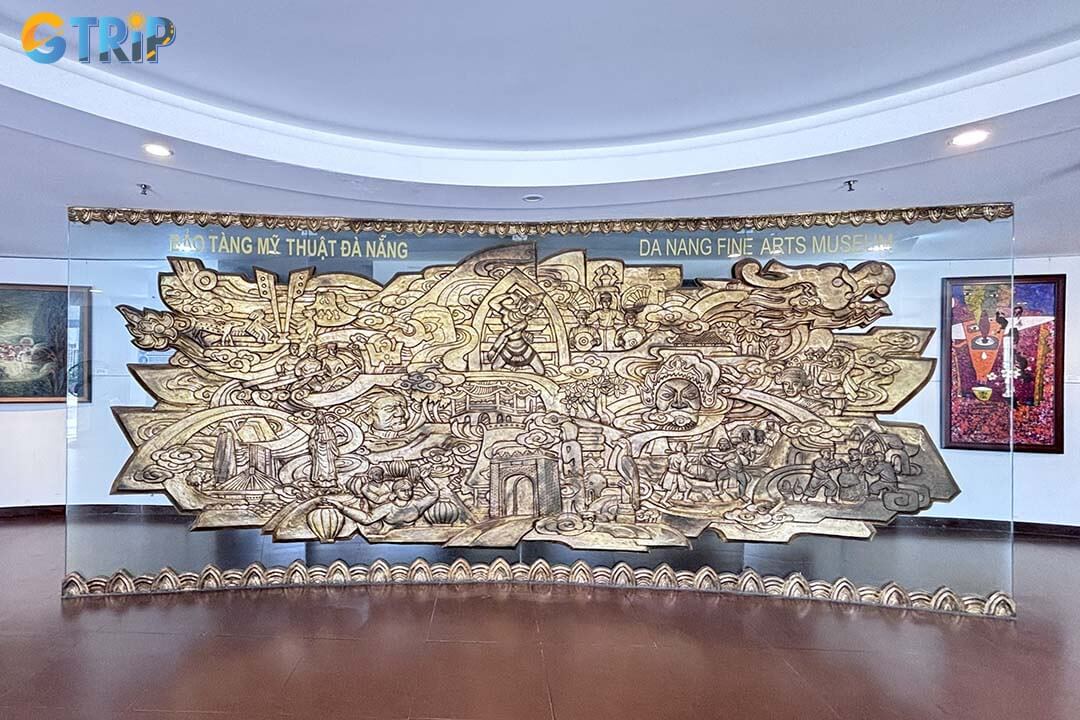
At any time, visitors can explore nearly 2,000 artworks, thoughtfully arranged into 10 themed exhibition areas that showcase both traditional and contemporary Vietnamese art. What also leaves a strong impression is the museum’s excellent upkeep and organization. Upon entering, visitors are welcomed by a striking large-scale brass relief depicting scenes connected to Da Nang’s history and culture. The entrance area features an attended information desk and complimentary lockers, which are especially convenient for travelers stopping by before catching a train at the nearby Da Nang Railway Station.
Set in a former history museum, the Da Nang Museum of Fine Arts showcases nearly 2,000 artworks in a well-curated, three-story space
Floor 1: Modern fine arts space
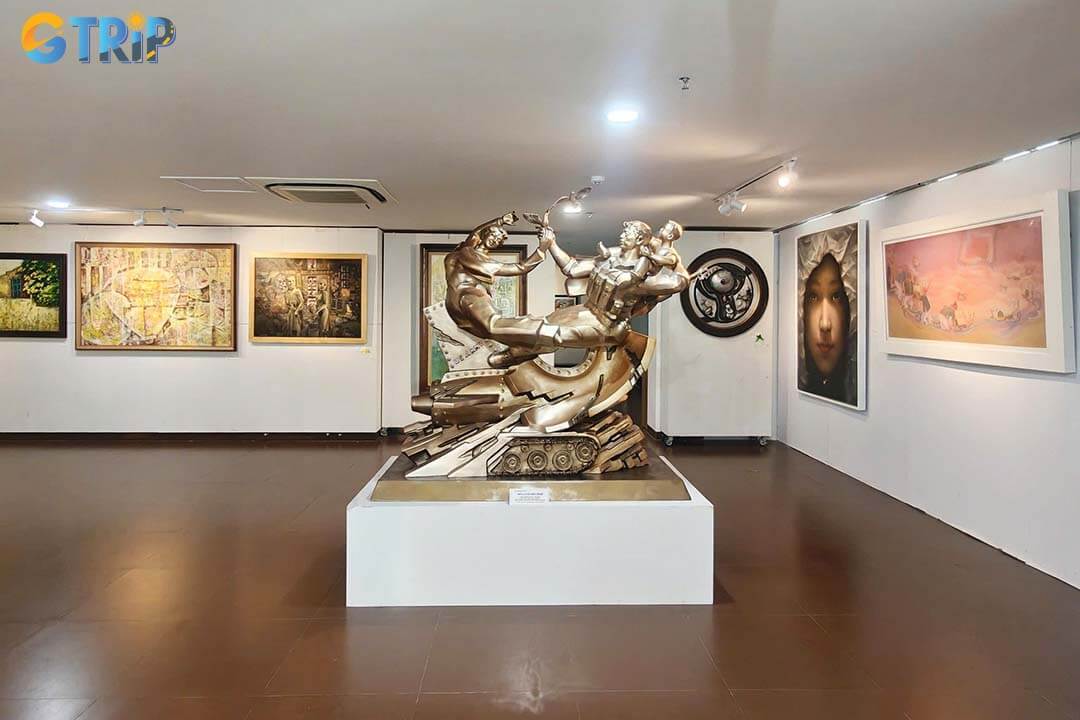
The first floor immediately immerses you in the vibrant world of modern and contemporary Vietnamese art. This space is dedicated to works created post-1975, reflecting the nation's artistic voice in the modern era. Here, you'll encounter a dynamic collection of paintings and sculptures that explore diverse themes, exploring abstract concepts and personal reflections alongside vivid portrayals of modern life in Vietnam.
The artists featured on this floor use a variety of mediums, such as oil on canvas, acrylics, and mixed media, to express their unique perspectives. This collection highlights the creative energy and innovation of Da Nang's contemporary art scene. It also makes a fantastic introduction to the artistic currents shaping the region today and stands out as one of the finest art galleries in Da Nang.
Floor 2: Sculpture and lacquer art space
Ascending to the second floor, you'll journey into the heart of more traditional and historically significant Vietnamese art forms. This level is a beautiful showcase of classic techniques and enduring themes that have defined the nation's artistic identity. A significant portion of the space is dedicated to the exquisite craft of lacquer paintings, a uniquely Vietnamese art form known for its deep, lustrous colors and meticulous layering process.
You'll also find an impressive array of sculptures and paintings that delve into the country's past, with a special focus on the revolutionary war period. The powerful artworks here often depict themes of resilience, patriotism, and the human spirit in the face of adversity, offering a poignant look into Vietnam's history. Key thematic pairings include:
- Oil paintings - Sculptures
- Lacquer paintings - Sculptures
- Silk paintings - Sculptures
- Graphic art paintings - Sculptures
- Revolutionary War theme
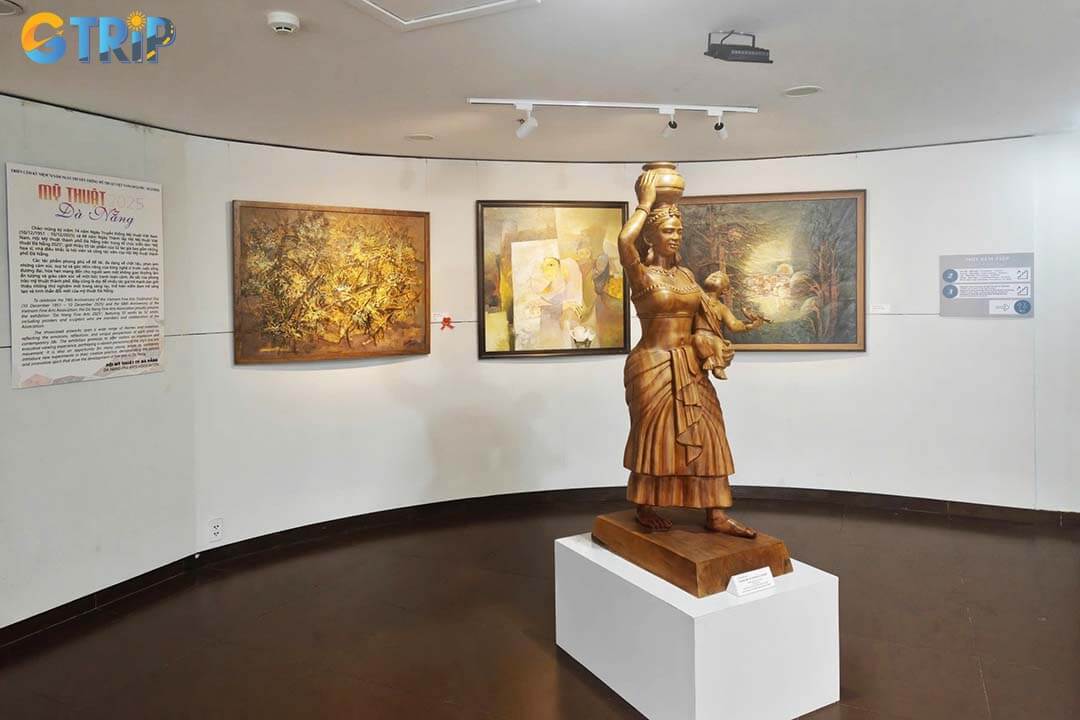
The second floor immerses visitors in traditional Vietnamese art, highlighting lacquer paintings, historical sculptures, and powerful works reflecting the nation’s past
Floor 3: Traditional ethnic art space
The third floor is a celebration of Vietnam's rich cultural diversity and folk traditions. This space offers a fascinating glimpse into the artistic heritage of the country's various ethnic groups and the timeless beauty of traditional craftsmanship. A key highlight is the permanent exhibition of renowned local artist Le Cong Thanh, known for his elegantly simple and emotionally powerful sculptures. Another significant collection is the "Houei" collection, generously donated by Mr Toyokichi Itoh, which features a range of beautiful artifacts. The floor also explores traditional applied arts, showcasing the skill and creativity embedded in everyday objects and folk art.
This level provides a crucial connection to the grassroots artistic traditions that have been passed down through generations. Key exhibition spaces on this floor are:
- Exhibition space for artist Le Cong Thanh’s artworks
- Exhibition space of the “Houei” collection donated by Mr Toyokichi Itoh
- Space for traditional folk art, applied art
Things to do at Da Nang Museum of Fine Arts
A visit to the museum is a rich and multi-layered experience. Here are seven key things to do to make the most of your time exploring this cultural gem.
1. Explore the modern fine arts exhibitions featuring contemporary Vietnamese paintingand graphic art**
Spend quality time on the first floor, immersing yourself in the works of Da Nang's modern artists. These pieces offer a window into the soul of contemporary Vietnam, touching on themes of urbanization, identity, and social change. You'll see how artists are reinterpreting traditional motifs with modern techniques and global influences. Analyze the different styles on display, such as bold graphic art and introspective abstract paintings. This collection is a testament to the dynamic and evolving nature of Vietnamese art and provides a fresh perspective on the country's present-day culture. It's a stimulating experience for anyone interested in the pulse of modern creative expression.
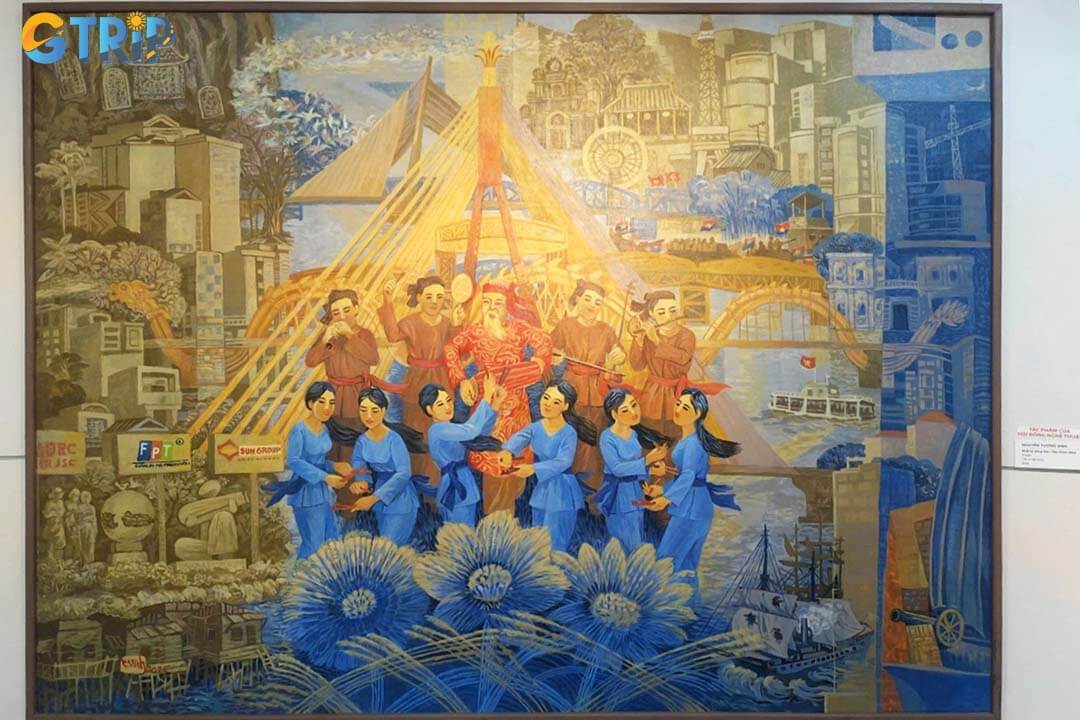
The first floor showcases contemporary works by Da Nang artists, exploring modern Vietnamese life through bold styles, and fresh perspectives
2. Admire traditional sculpture and lacquer artworks showcasing classic Vietnamescraftsmanship
The second floor is where you can truly appreciate the depth and beauty of classic Vietnamese art forms. Take your time to admire the intricate lacquer paintings, observing how the layers of varnish and color create a sense of depth and luminosity that is impossible to capture in a photograph. Study the traditional sculptures, noticing the masterful techniques used to carve wood and stone. This section of the museum celebrates the timeless skills of Vietnamese artisans, with works that are both aesthetically stunning and rich in symbolism. It is a powerful reminder of the enduring legacy of these traditional crafts.
3. Discover traditional and ethnic art collections reflecting regional culture anheritage
The third floor offers a unique opportunity to connect with the diverse cultural fabric of Vietnam. Explore the collections of ethnic costumes, textiles, masks, and folk art that represent the many minority groups in the Central and Central Highlands region. These artefacts are a living record of spiritual beliefs, social structures, and daily life. These collections offer deeper insight into Vietnam beyond major cities, revealing rich traditions that still thrive in rural communities.
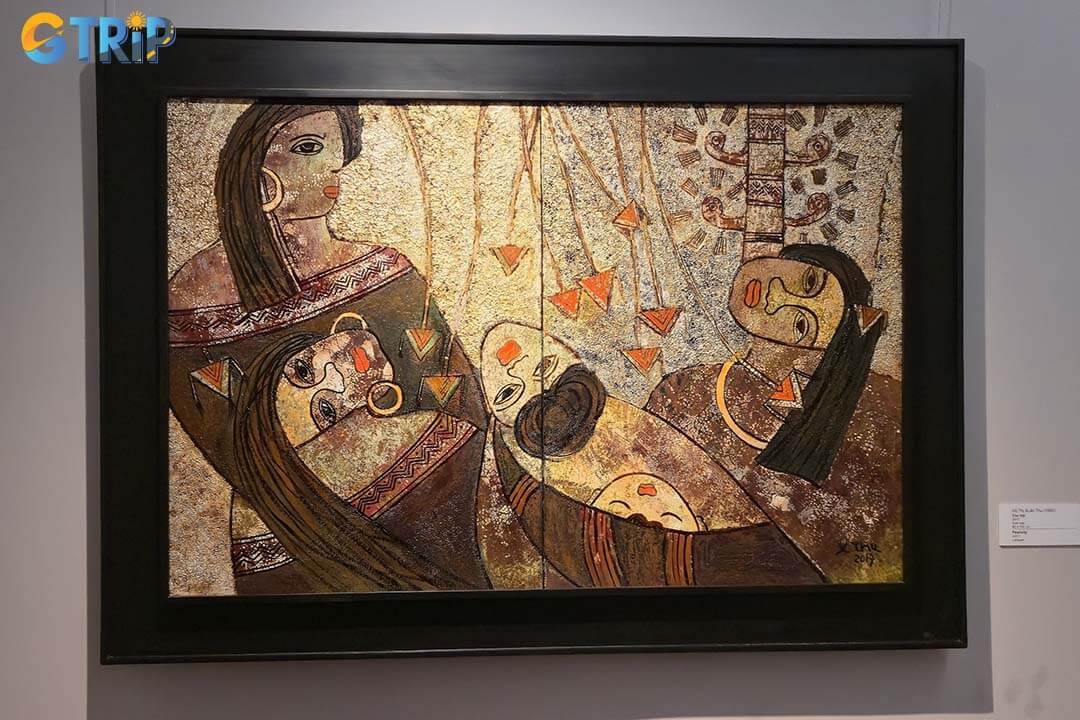
The third floor highlights ethnic costumes and folk art from Central Vietnam, offering insight into the living traditions of the region’s diverse communities
4. Observe the blend of traditional and modern artistic styles through themed displays
One of the most fascinating aspects of the Da Nang Museum of Fine Arts is how it juxtaposes different eras and styles. As you move through the floors, pay attention to the dialogue between the old and the new. Notice how contemporary artists on the first floor may draw inspiration from the lacquer techniques or folk motifs seen on the upper floors. The museum’s curation allows you to trace a lineage of artistic thought, seeing how themes of nature and national identity have been interpreted and re-interpreted by successive generations of artists.
5. Photograph the museum’s Soviet-influenced public architecture
Before you even step inside, take a moment to appreciate the museum building itself. The structure is a prime example of Soviet architecture from the mid-20th century, characterized by its imposing scale, strong geometric lines, and utilitarian aesthetic. This style is an important part of Vietnam's modern architectural history. Capture photos of the facade, the concrete patterns, and the overall monumental feel of the building. It stands in stark contrast to the delicate and intricate artworks housed within, creating a compelling visual and historical juxtaposition that is well worth documenting.
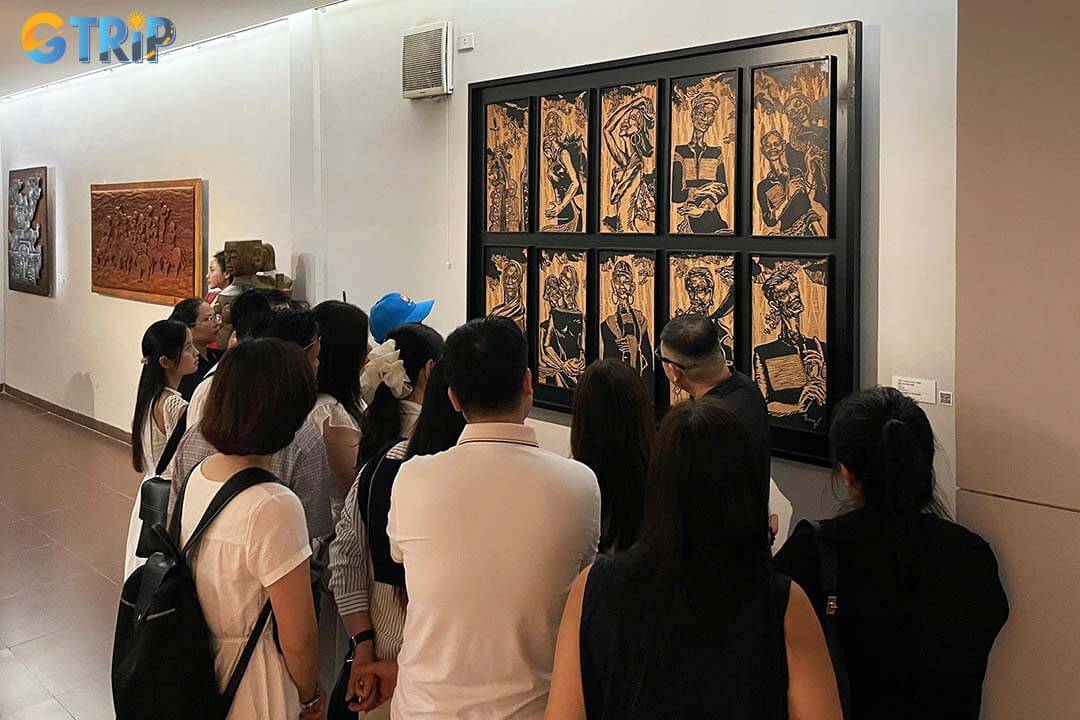
Take time to admire the museum’s striking mid-20th-century Soviet-style architecture, whose bold, monumental design contrasts beautifully
6. View the large brass relief at the entrance depicting Da Nang’s cultural identity
Don't rush past the lobby. The large, intricately detailed brass relief mounted on the wall is a magnificent piece of art in its own right and a perfect introduction to your visit. It encapsulates the spirit of Da Nang, featuring symbolic imagery that represents the region's land, people, and history. You might spot depictions of the Marble Mountains, the coastline, and scenes of daily life and labor. Spending a few minutes to study this impressive artwork will help set the context for the collections you are about to explore, grounding your experience in the specific identity of Da Nang.
7. Learn about the evolution of Vietnamese fine arts across different periods
Treat your visit as a chronological and thematic journey. Start with the contemporary pieces on the first floor to get a sense of the current art scene. Then, travel back in time on the second floor to understand the historical context and classical techniques, especially those related to the war and national identity. Finally, ascend to the third floor to connect with the deep-rooted folk traditions that form the foundation of so much Vietnamese art. By consciously observing this evolution, you’ll leave with a much richer and more comprehensive understanding of the country's artistic soul.

Explore the museum floor by floor to gain a deeper, more complete understanding of Vietnam’s artistic evolution
Nearby attractions to the Da Nang Museum of Fine Arts
The museum's central location makes it an excellent anchor point for a day of exploring. Several other major Da Nang attractions are just a short distance away. For more ideas, be sure to read our ultimate guide to Da Nang's best attractions.
- Da Nang Railway Station: Located less than 1 km away, the museum is a perfect place to spend an hour or two if you're waiting for a train. The free lockers at the museum entrance are ideal for storing your luggage.
- Da Nang Museum: Not to be confused with the Museum of Fine Arts, this museum focuses on the city's history, culture, and development. It's located just a 5-minute drive away and offers a complementary historical perspective.
- Ho Chi Minh Museum & Zone 5 Military Museum: Situated together, these museums are a 5-minute drive from the Museum of Fine Arts. They offer deep insights into the life of Ho Chi Minh and Vietnam's military history, particularly during the American War.
- Con Market: One of Da Nang's largest and most vibrant local markets, Con Market is just a 10-minute walk away. Head there after your museum visit to experience a whirlwind of street food, shopping, and local life.
- Han River Bridge: Vietnam's first swing bridge is an iconic symbol of Da Nang. It's a pleasant 15-minute walk from the museum, and it's especially beautiful when lit up at night.
- Dragon Bridge: A little further but still easily accessible, the famous Dragon Bridge is about a 25-minute walk or a 5-minute drive. Plan your visit for a weekend evening to see it breathe fire and water at 9 PM.
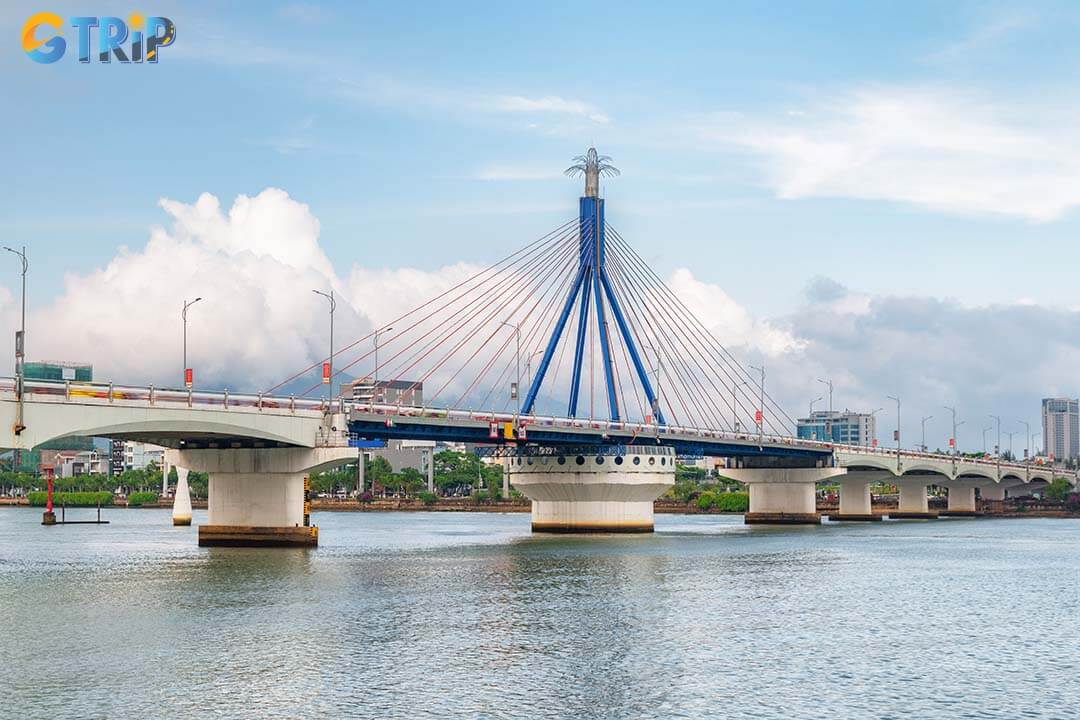
Thanks to its central location, the museum pairs easily with nearby attractions like Con Market, the Han River and Dragon Bridges, and several key museums
Practical tips for visitors when visiting the Da Nang Museum of Fine Arts
To ensure a smooth and enjoyable visit, keep these practical tips in mind:
- Allow enough time: Plan for at least 1.5 to 2 hours to fully appreciate the collections on all three floors without rushing.
- Best time to visit: The museum is fully air-conditioned, making it a perfect escape during the hottest parts of the day (12 PM - 3 PM). Weekday mornings are typically the quietest.
- Cash for tickets: Remember that the ticket counter only accepts cash (20,000 VND per person). Have small bills ready.
- Photography rules: Photography without flash is generally permitted for personal use. Be respectful of the art and other visitors, and avoid using tripods or selfie sticks that may obstruct pathways.
- Use the free lockers: Take advantage of the complimentary lockers at the entrance to store backpacks, shopping bags, or luggage for a more comfortable viewing experience.
- Dress respectfully: As a cultural institution, it's best to wear respectful attire. While there's no strict dress code, avoid beachwear like swimsuits or overly revealing clothing.
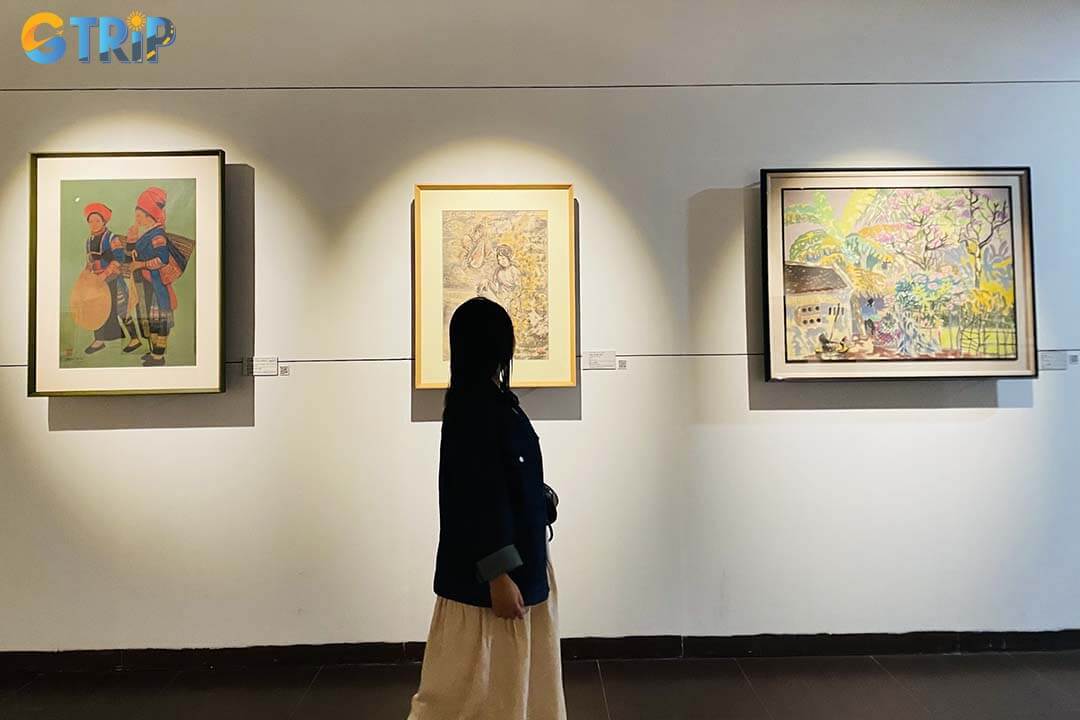
You should visit the museum on weekday mornings or midday, and dress respectfully for a smooth museum experience
Da Nang Museum of Fine Arts offers a quiet yet powerful journey into Vietnam’s artistic and cultural soul. Housed in striking architecture and filled with diverse works across three floors, the museum invites visitors to slow down, reflect, and connect more deeply with the region’s history. With GTrip - Vietnam Travel Agency, this cultural stop stands out as a meaningful answer to what to do in Da Nang for travelers seeking a more intimate and enriching experience.