


Jan - 30 - 2026
Da Nang Museum stands as a testament to the rich and complex history of Central Vietnam, offering visitors a captivating journey from prehistoric times to the city's modern-day vibrancy. As the largest museum in Da Nang, it serves as the definitive cultural institution for anyone looking to understand the soul of this dynamic coastal city. In this complete GTrip guide, we'll walk you through everything you need to know. We’ll cover the must-see artifacts on each floor, how to get there, what to see nearby, and why this museum is an essential stop on your Da Nang itinerary.
Overview of the Da Nang Museum
Da Nang Museum is the city's foremost cultural and historical repository, housed within a striking building that once served as the French Town Hall. Its strategic location in the heart of the city, right beside the scenic Han River, makes it an easily accessible landmark for tourists and locals alike. The museum’s mission is to preserve and present the complete story of Da Nang and its surrounding Quang Nam Province. Which it accomplishes through a modern and well-organized collection spanning three floors of immersive exhibits.
- Address: 31 Tran Phu Street, Hai Chau Ward, Da Nang City
- Side entrance: 42-44 Bach Dang, Hai Chau Ward, Da Nang City
- Address of branch 2 (formerly Quang Nam Province): 281 Phan Boi Chau, Ban Thach Ward, Da Nang City
- Opening hours: Daily
- Morning: 8:00 AM - 11:30 AM (last entry at 11:00)
- Afternoon: 2:00 PM - 5:00 PM (last entry at 16:30)
- Admission fee: 50,000 VND (~2$)
- Website: baotangdanang.vn
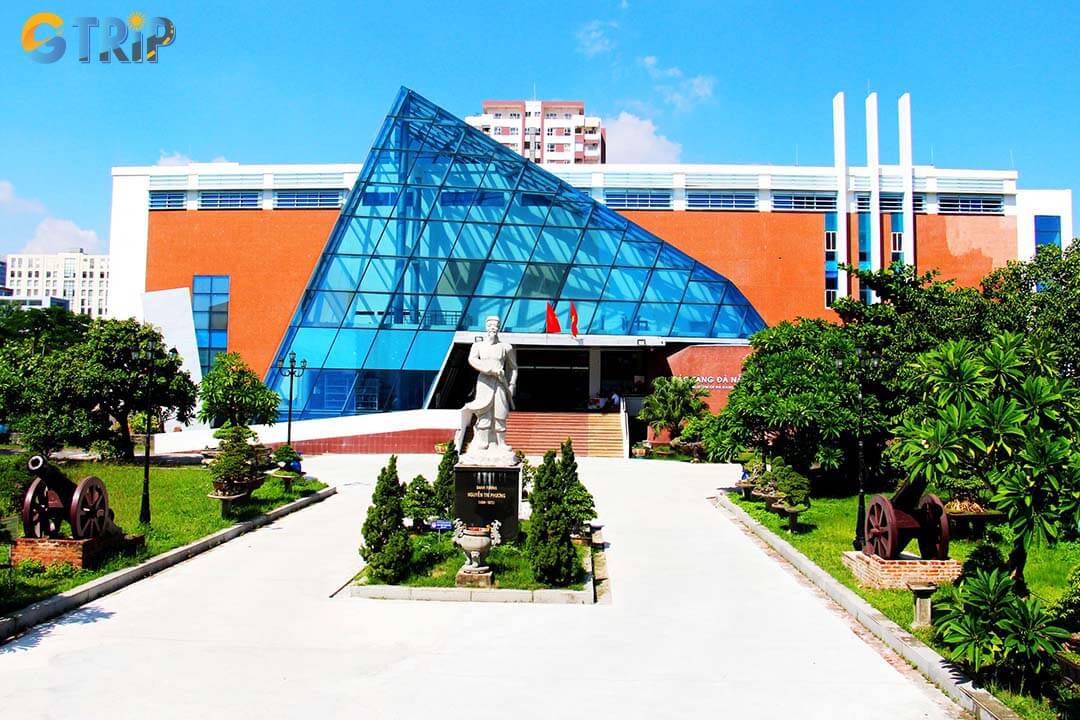
Da Nang Museum is the city’s leading cultural landmark, offering a comprehensive look at local history and heritage inside the former French Town Hall beside the Han River
History of the Da Nang Museum
The building housing the Da Nang Museum is a piece of history itself. Constructed in 1919, it was originally the seat of the French colonial government in the region, known as the "Hotel de Ville" or Town Hall. Its grand architecture stands as a remnant of a pivotal period in Vietnamese history. After Vietnam's reunification, the building served various administrative purposes. In 2011, recognizing the need for a central institution to showcase the region's heritage, the city officially established the Da Nang Museum in this historic location. This move provided a home for thousands of priceless artifacts and preserved an important architectural landmark, transforming a symbol of colonial rule into a celebration of Vietnamese identity and resilience.
Exhibitions in Da Nang Museum
The museum's collection is thoughtfully spread across three floors, each dedicated to a distinct chapter of Da Nang's story. This chronological and thematic arrangement allows visitors to journey through time, starting with the very origins of the land and ending with the vibrant cultures that define it today.
Floor 1 - Nature, people, and artifacts from prehistoric to feudal times
The ground floor introduces you to the natural landscape and early history of the Da Nang region. The exhibits begin by illustrating the area's geography and diverse ecosystems, setting the stage for human settlement. This floor showcases a remarkable collection of ancient artifacts, such as Sa Huynh ceramic pots, intricate Dong Son bronze drums, and tools from early inhabitants. A significant portion is dedicated to the Champa Kingdom, which flourished here for centuries. You'll find impressive displays of Champa sculptures and architectural fragments that predate the establishment of Da Nang as a major port. The narrative continues through the feudal dynasties, highlighting the city's growing importance as a commercial and strategic hub.
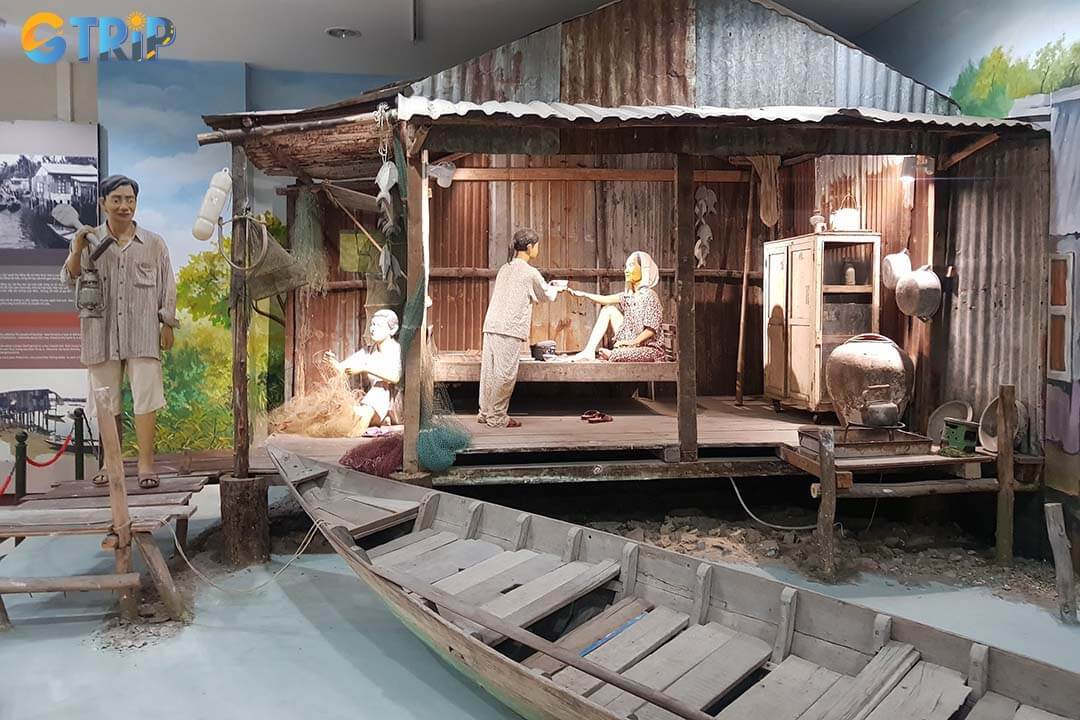
The ground floor highlights Da Nang’s natural setting and early history through ancient artifacts and Champa relics
Floor 2 - Historical evidence from the resistance wars against the French and Americans
The second floor offers a powerful and sobering look at Da Nang's role during the modern resistance wars. The exhibits document the struggles against both the French colonialists and the American forces, highlighting the city's strategic importance as a major port and military base. The collection here is deeply personal and evocative, featuring a wide array of artifacts, including old photographs of daily life during wartime, personal letters from soldiers, captured weaponry, and military uniforms. Carefully constructed dioramas and detailed accounts depict key battles and movements that took place in and around Da Nang. This floor serves as a poignant memorial to the resilience and sacrifice of the Vietnamese people during one of the most transformative periods in their history.
Floor 3 - Cultural and ethnic diversity of Central Vietnam
Ascending to the third floor, you are immersed in the rich cultural tapestry of Da Nang and the surrounding Quang Nam Province. This section celebrates the lifestyles, traditions, and artistic expressions of the various ethnic communities that call the region home, including the Co Tu, Xo Dang, Gie Trieng, and Kinh people. The exhibits are vibrant and colorful. They showcase an extensive collection of cultural artifacts, including traditional costumes with intricate embroidery, handcrafted farming tools, and unique musical instruments. You can also learn about local traditions, spiritual beliefs, and the famous craft villages of the area, providing a comprehensive understanding of the living culture that thrives in Central Vietnam today.
The third floor showcases the vibrant living culture of Da Nang and Quang Nam through ethnic traditions, costumes, crafts, and musical heritage
Things to do at Da Nang Museum
Before visiting Da Nang’s beaches and modern attractions, Da Nang Museum offers a great introduction to the city’s history and culture. Housed in a French colonial-style building, the museum showcases important artifacts and interactive exhibits that reflect Central Vietnam’s heritage.
Explore Da Nang’s historical exhibits
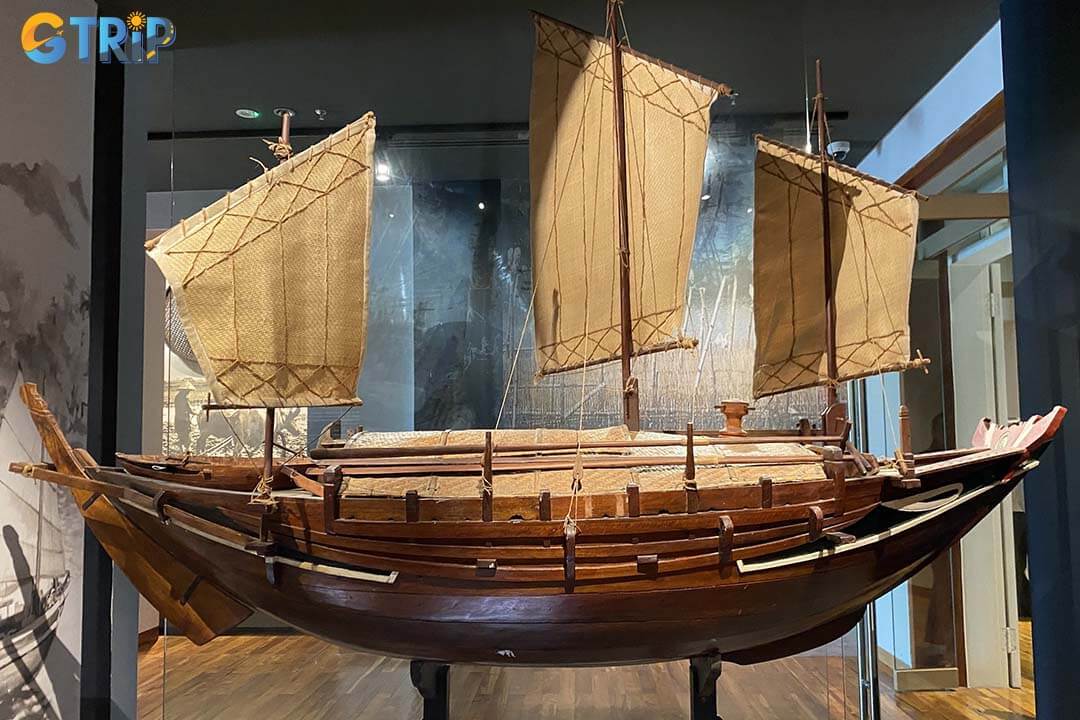
Begin your visit by walking through the museum’s historical galleries, which trace Da Nang’s development from ancient times to the modern era. The exhibits feature prehistoric pottery, Champa artifacts, and valuable relics from the Nguyen Dynasty, Vietnam’s last imperial family. These displays provide essential context for understanding how Da Nang evolved from a coastal settlement into a major city.
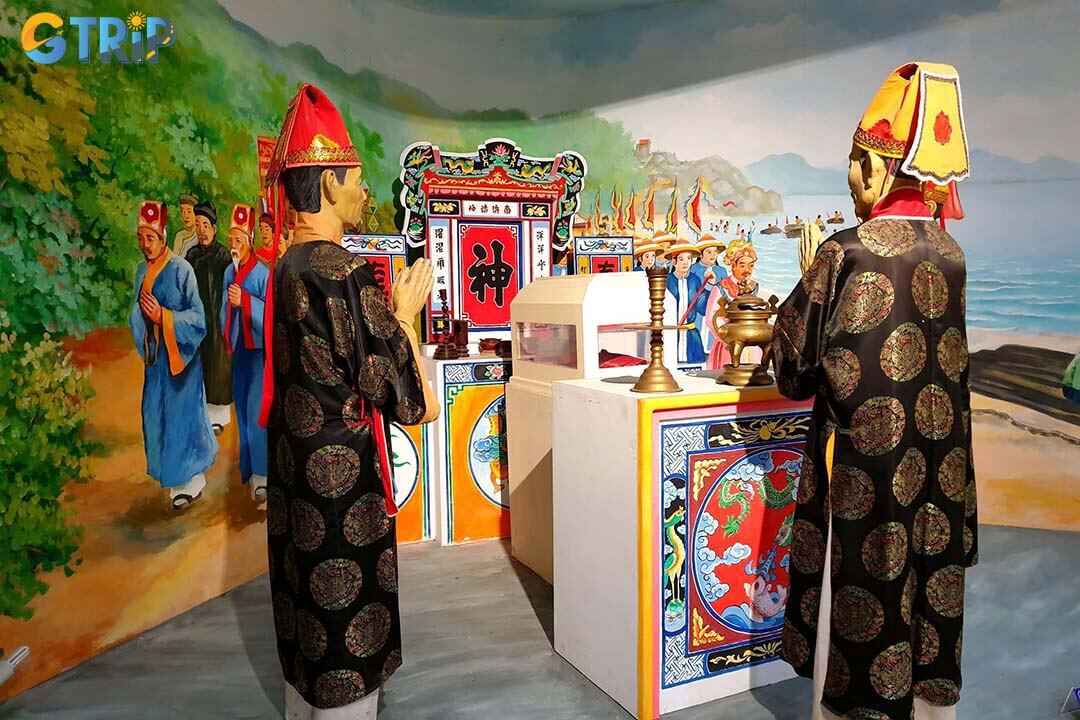
Explore Da Nang’s history through galleries of prehistoric finds, Champa artifacts, and Nguyen Dynasty relics that trace the city’s evolution
Learn about Da Nang’s role in Vietnam’s Wars
On the second floor, discover powerful exhibitions dedicated to Da Nang’s involvement in Vietnam’s resistance wars. Through original photographs, military artifacts, and detailed explanations, visitors gain insight into the hardships, bravery, and sacrifices of local people during the French and American Wars. This section offers a moving and educational experience.
Discover the ethnic cultures of Central Vietnam
One of the highlights of Da Nang Museum is its collection of ethnic cultural artifacts. These exhibits showcase the lifestyles and traditions of ethnic minority groups such as the Co Tu and Xo Dang. Visitors can admire colorful traditional costumes, handcrafted tools, and ceremonial musical instruments, gaining a deeper appreciation for the region’s cultural diversity.
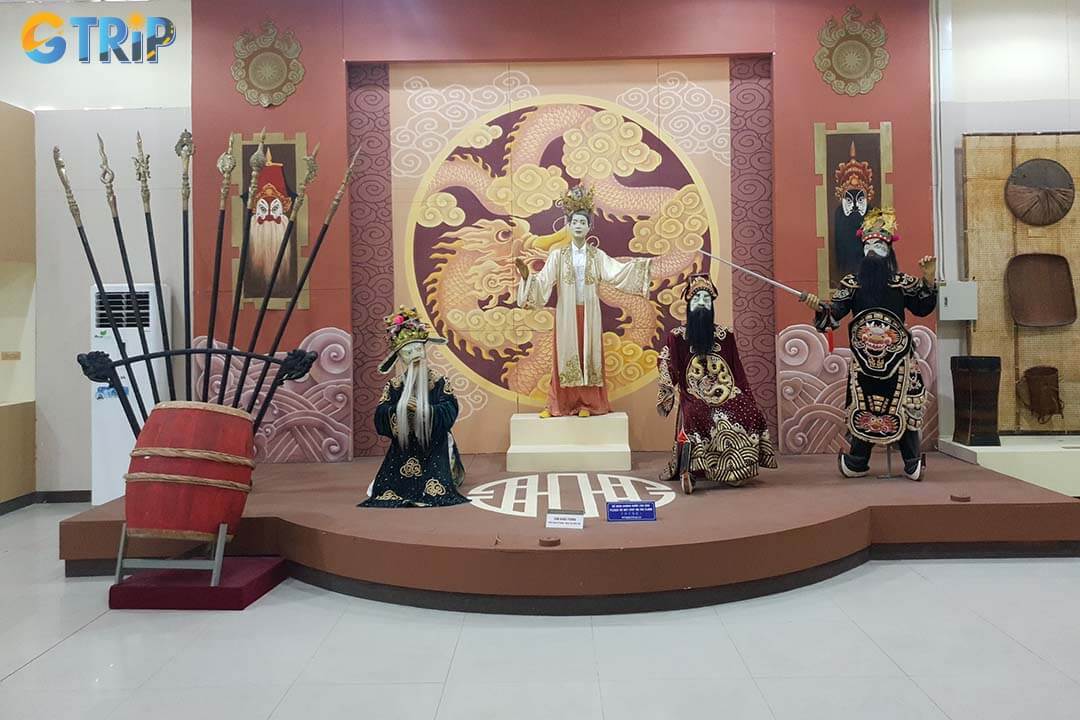
Discover Da Nang’s cultural diversity through exhibits of ethnic costumes, handmade tools, and ceremonial instruments from communities like the Co Tu and Xo Dang
Watch historical documentaries at the museum cinema
Take time to relax at the museum’s multimedia cinema, where short documentaries are screened throughout the day. These films provide engaging narratives about Da Nang’s history, cultural heritage, and significant events, helping bring the museum’s exhibits to life through visual storytelling.
Experience interactive and modern technology displays
Da Nang Museum also incorporates modern technology to enhance the visitor experience. Interactive displays, large LED screens, and AR/VR features allow guests to explore historical content in a more dynamic and immersive way, making the museum especially engaging for younger visitors and families.
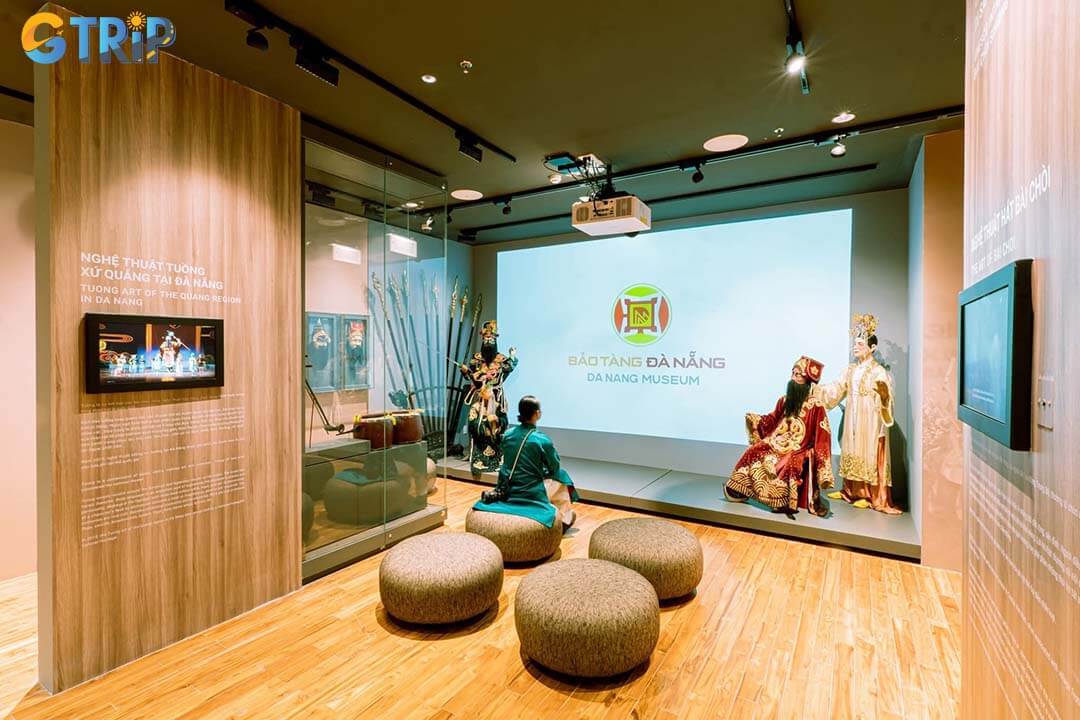
Experience Da Nang’s history through interactive displays, LED screens, and AR/VR technology that make learning immersive and engaging for all ages
Take photos of exhibits and French colonial architecture
Finally, don’t forget to capture photos of both the unique exhibits and the museum’s elegant French colonial architecture. With its spacious layout, natural lighting, and visually striking displays, Da Nang Museum is a great place for history lovers and culture enthusiasts to document their visit.
How to get to the Da Nang Museum
The museum is centrally located and easy to reach from anywhere in the city.
- By taxi or ride-hailing app: This is the most convenient option. Simply book a car using an app like Grab, Be or Xanh SM and enter "Da Nang Museum" or the address "31 Tran Phu" as your destination. The ride from My Khe Beach takes about 10-15 minutes.
- By motorbike: If you're comfortable driving, renting a motorbike is a flexible way to explore. The museum is a well-known landmark, and you can easily find it using Google Maps. There is designated parking available for motorbikes.
- By walking: If you are staying near the Han River, Dragon Bridge, or Han Market, the museum is just a short and pleasant walk away. It’s an excellent way to see the city center up close.
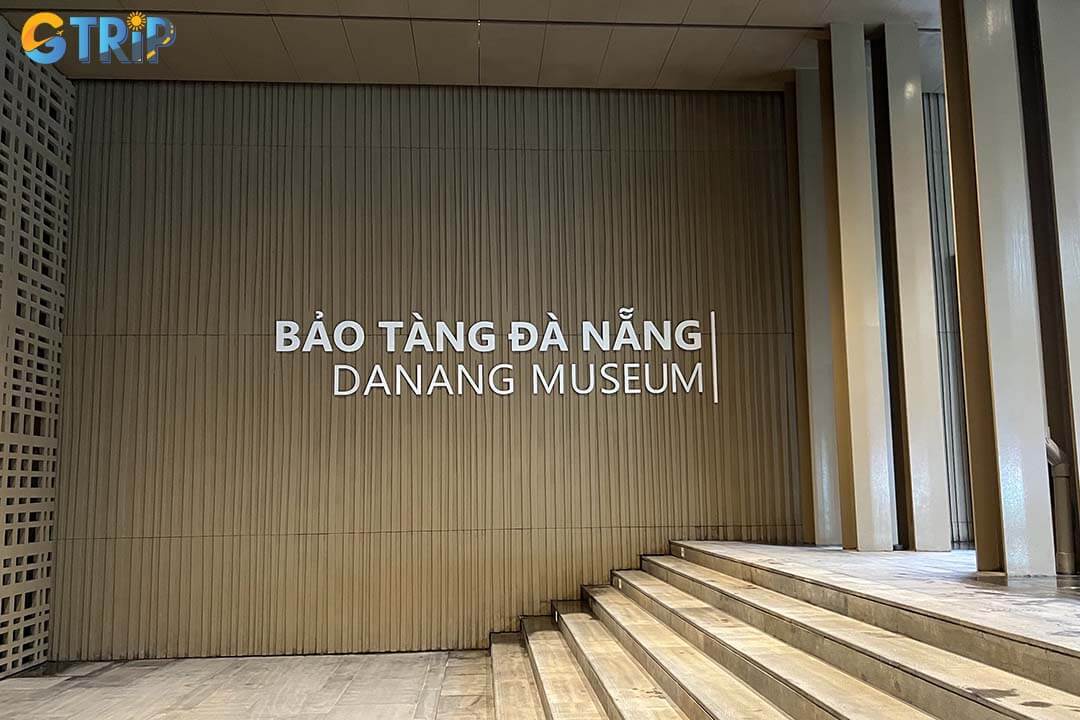
Da Nang Museum is centrally located and easily accessible by taxi, motorbike, or a short walk from landmarks like the Han River, Dragon Bridge, and Han Market
Nearby attractions to the Da Nang Museum
Combining your museum visit with these nearby attractions makes for a perfect day of exploration.
- Dragon Bridge (~500m): This iconic bridge is a must-see. If you visit on a weekend evening, you can witness the spectacular fire and water-breathing show at 9 PM.
- Love Lock Bridge (~400m): Located right next to the Dragon Bridge, this pier is a romantic spot popular with couples and offers fantastic photo opportunities of the Han River and city skyline.
- Museum of Cham Sculpture (~800m): This is a perfect companion visit. While the Da Nang Museum covers all of history, the museum focuses exclusively on the world's largest collection of sandstone sculptures from the Champa Kingdom.
- Han Market (~1km): Experience the lively atmosphere of a traditional Vietnamese market. It’s a great place to shop for souvenirs, local snacks, and fresh produce.
- My Khe Beach (~2.5km): After a morning of history and culture, head to one of Vietnam's most famous beaches for an afternoon of relaxation, swimming, and seaside dining.
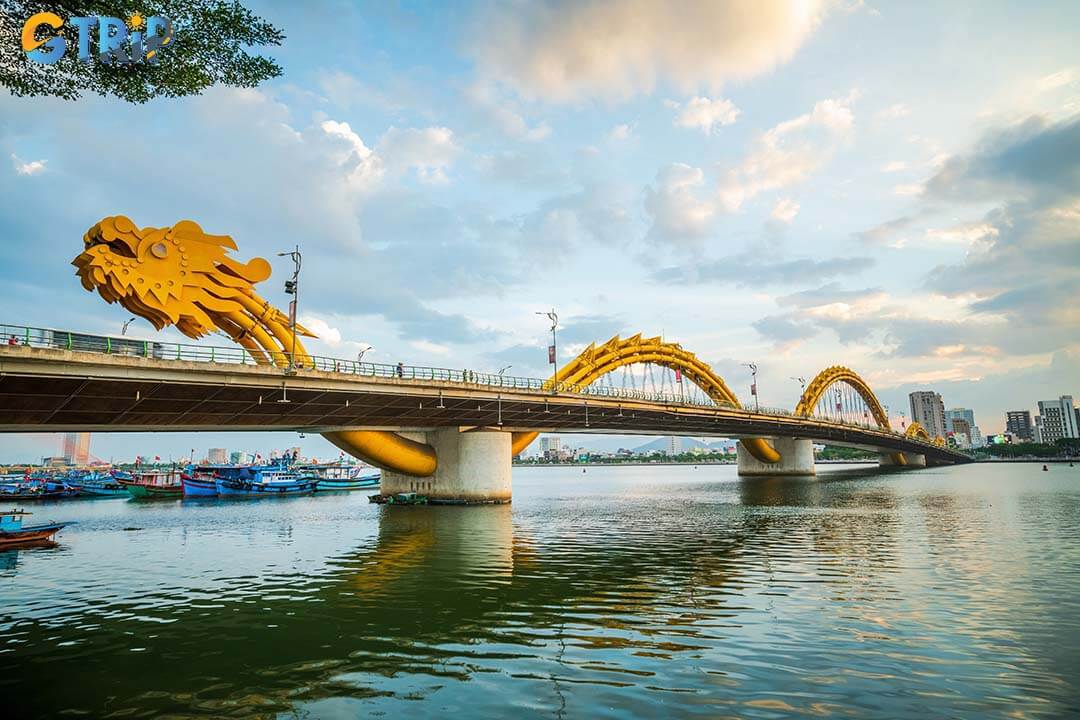
Easily combine Da Nang Museum with nearby spots like Dragon Bridge, Han Market, the Cham Museum, or My Khe Beach for a perfect day out
Practical tips for visitors
Before you go, a little preparation can make your visit to Da Nang Museum more enjoyable and rewarding. Keep the following practical tips in mind to help you plan your time efficiently, stay comfortable, and make the most of your museum experience.
- Check the midday closure: The museum closes for a lunch break between 11:30 AM and 2:00 PM. Plan your visit for either the morning or afternoon session to avoid arriving during this time.
- Allocate enough time: To fully appreciate the three floors of exhibits without rushing, plan to spend at least 1.5 to 2 hours here.
- Wear comfortable shoes: The museum is spacious and spans three floors, so you’ll be doing a fair amount of walking and standing.
- Combine with other sites: Its central location makes it easy to pair with a visit to the Dragon Bridge, Han Market, or the Museum of Cham Sculpture for a full day of sightseeing.
- Stay hydrated: Da Nang can be hot and humid, especially during midday. Bring a bottle of water with you to stay refreshed.
- Be respectful: Remember to be quiet and respectful, especially on the second floor, which is dedicated to the wars. Avoid touching the exhibits and follow any posted photography rules.
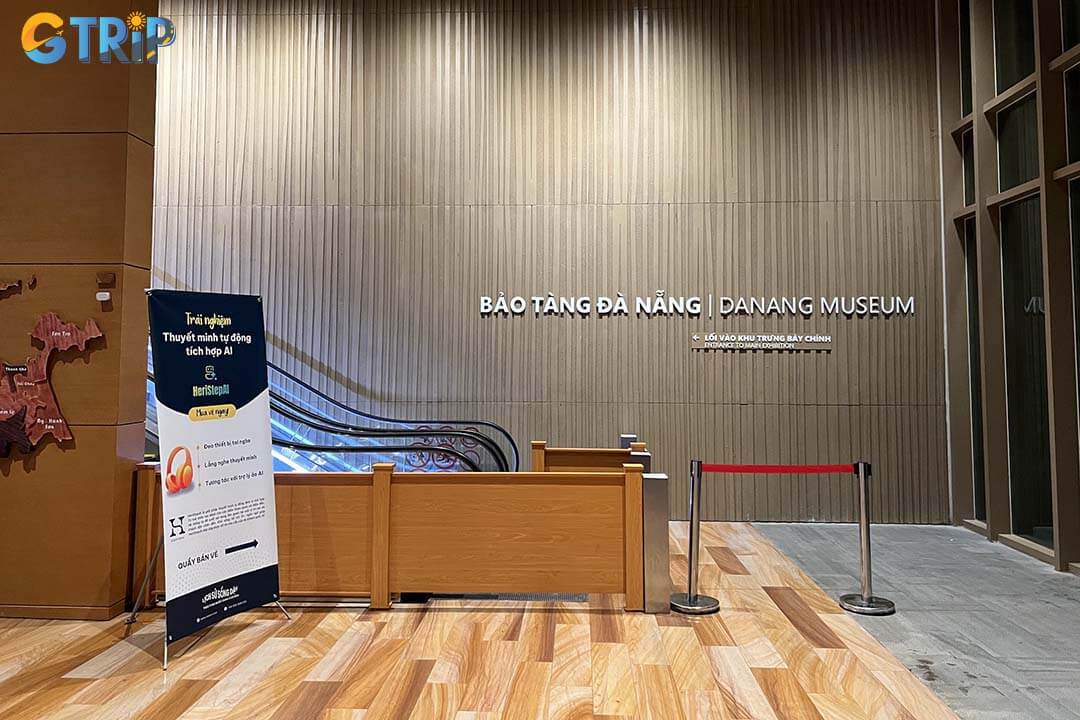
A bit of planning, timing your visit, wearing comfortable shoes, and pairing it with nearby attractions, will help you enjoy Da Nang Museum to the fullest
Frequently Asked Questions about Da Nang Museum
1. Why does Da Nang Museum have two addresses?
Many visitors wonder why Da Nang Museum operates at two different locations.
In fact, Da Nang Museum - Branch 2 (at 281 Phan Boi Chau Street) was formerly the Quang Nam Provincial Museum.
After Quang Nam was administratively merged into Da Nang City in September 2025, this site was renamed and placed under the unified management of the Da Nang Museum system, ensuring consistent preservation and presentation of the region’s cultural heritage.
2. Is Da Nang Museum worth visiting?
Yes. Da Nang Museum is the best place to gain a comprehensive understanding of the city’s history, wars, and cultural development. The museum displays prehistoric artifacts, Champa relics, wartime documents, ethnic cultural exhibits from Central Vietnam, and modern technology-based displays.
3. How is Da Nang Museum different from the Museum of Cham Sculpture?
Da Nang Museum presents the overall history and culture of the region, while the Museum of Cham Sculpture focuses specifically on the Champa civilization. The two museums complement each other and are best visited together for a fuller understanding of local heritage.
4. How long does it take to visit Da Nang Museum?
Most visitors should plan to spend around 1.5 - 2 hours to explore all three exhibition floors at a relaxed pace.
5. Is Da Nang Museum suitable for children?
Yes. The museum’s spacious layout, visual displays, and interactive technology make history more accessible and engaging for children.
6. Is photography allowed inside Da Nang Museum?
Photography is allowed in most areas; however, flash photography and touching exhibits are prohibited. Visitors should always follow posted signs and museum staff instructions.
Da Nang Museum is a living narrative that tells the complete story of a proud and resilient city. The museum presents a comprehensive journey through Central Vietnam’s geology, history, wars, and living culture. A visit here provides invaluable context that enriches your entire experience of Da Nang, transforming you from a mere tourist into an informed traveler. For anyone interested in history, culture, or simply understanding the world around them, adding the Da Nang Museum to your itinerary is an absolute must. Let GTrip guide you to the Da Nang Museum and other cultural highlights, helping you experience the city with deeper understanding and meaning.