Friday, July 4, 2025
If you ever find yourself traveling to Hanoi during the early days of the third lunar month, don’t miss the opportunity to join the Lang Pagoda Festival. This unique cultural event revives many ancient traditions and rituals, preserving the spiritual and cultural essence of Vietnam’s past.
A glimpse into the Lang Pagoda
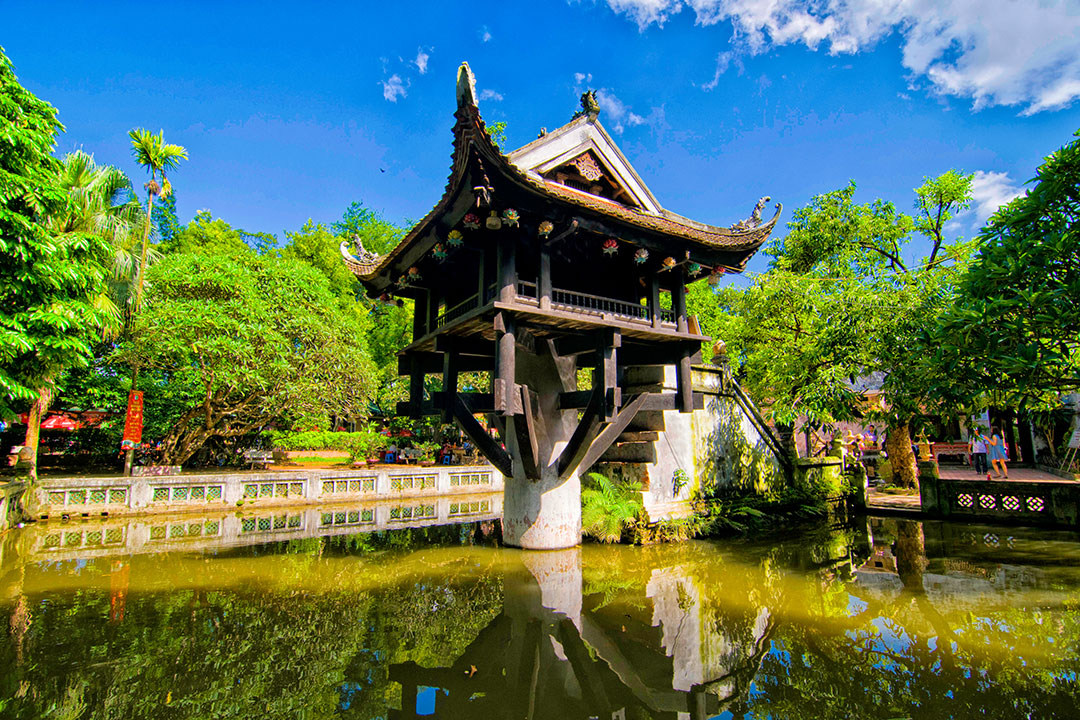
Lang Pagoda, also known as Chieu Thien Tu, is located at 116 Lang Pagoda Street, Dong Da Ward, Hanoi. According to legend, the temple was first constructed during the reign of King Ly Anh Tong and is dedicated to the revered Zen Master Tu Dao Hanh.
Over the centuries, the pagoda has undergone several major renovations, notably in 1656, 1901, and 1989. Its significant architectural features and an impressive collection of cultural artifacts in various materials and styles led to its designation as a national historical and architectural heritage site by Vietnam’s Ministry of Culture and Information in 1962.
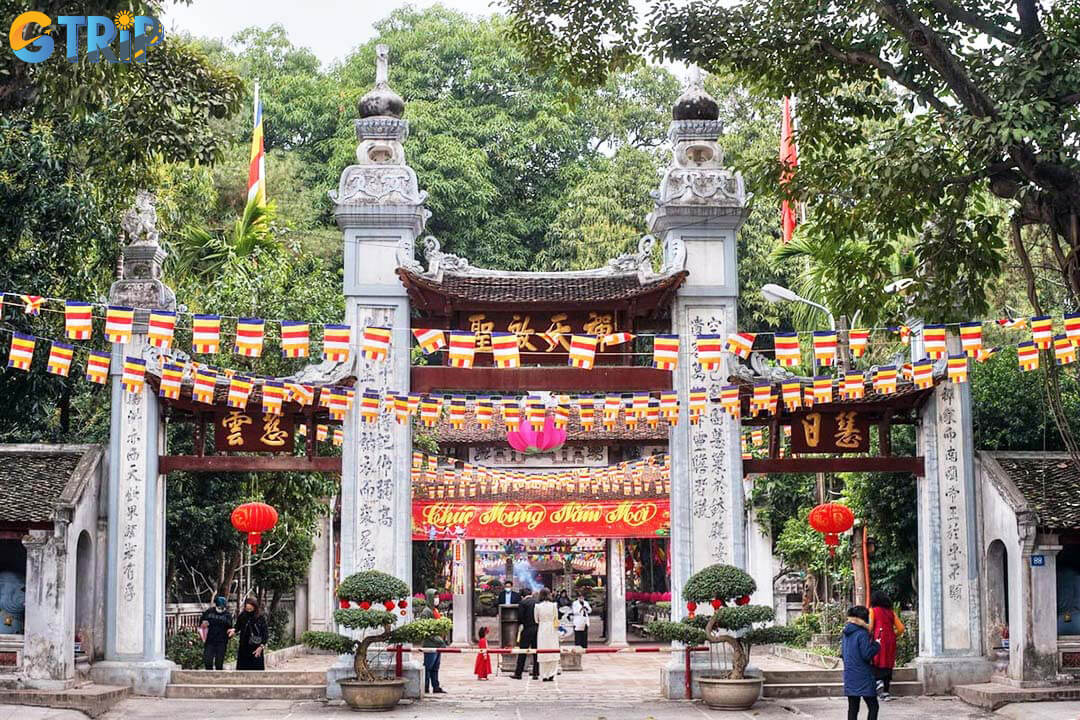
Lang Pagoda is a historic temple with a long-standing history in Hanoi
Lang Pagoda Festival - The largest spring festival in Western Hanoi
The Lang Pagoda Festival is held in the third lunar month and stands as one of the most important spring celebrations in Western Hanoi. It showcases rich traditional rituals and deep cultural symbolism.
Key highlights of the festival
The Lang Pagoda Festival is essentially the spring festival of a cluster of villages along both sides of the old To Lich River in Hanoi. These include three main hamlets: Lang Thuong, Lang Trung, and Lang Ha, stretching from the present-day Cau Giay to Cau Moc. The festival also sees participation from surrounding communities such as Dich Vong, Yen Hoa, and Moc.
It is held to honor the cultural heritage of the Lang region. The event also commemorates national heroes and spiritual figures like Zen Master Tu Dao Hanh and King Ly Than Tong, who is considered a reincarnation of the Zen Master.
In ancient times, the Lang Pagoda Festival was so grand it was only organized every 10 to 15 years. Such occasions occurred during prosperous times when the weather was favorable and harvests were abundant, often stretching festivities for an entire month.
After 1953, the festival gradually faded and was interrupted for a long time. Although it was revived in 1995, the festival has not fully recreated the vibrant atmosphere of the past.
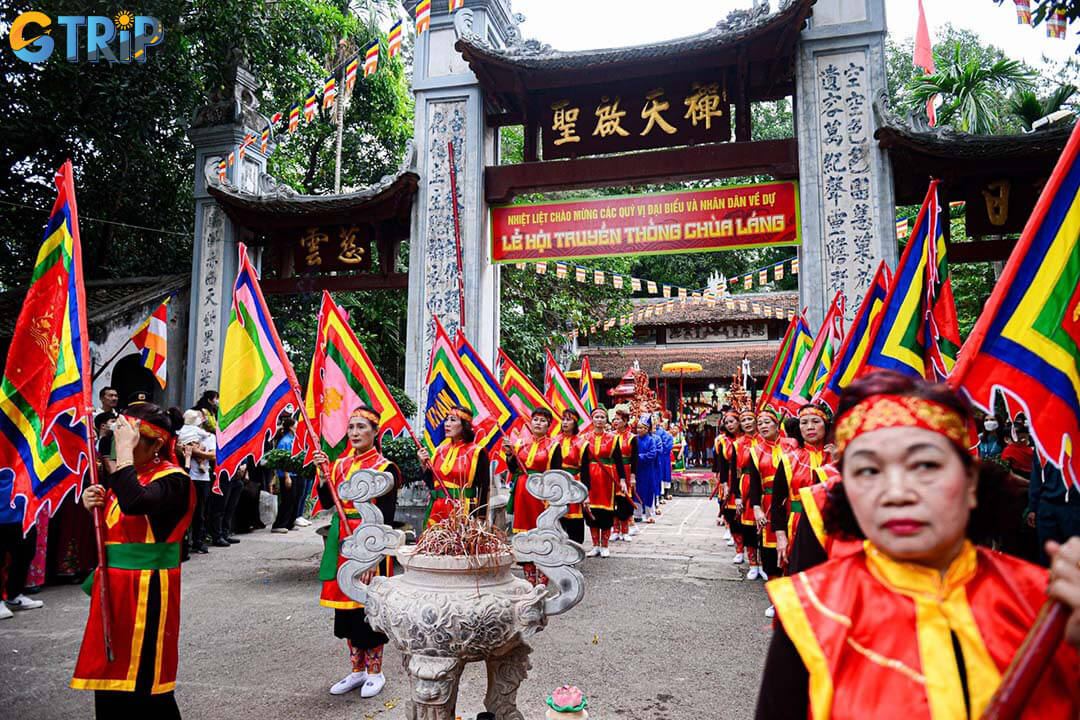
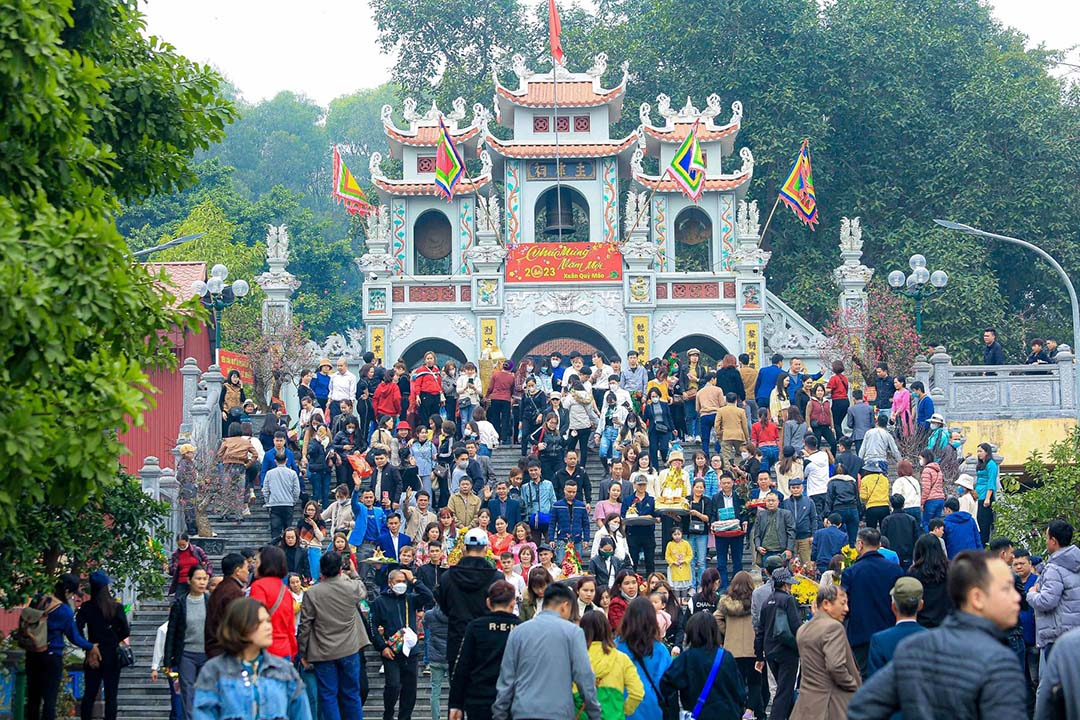
This is considered the largest spring festival in the region
In 2023, after nearly 70 years of interruption, the Lang Pagoda Festival officially returned with all its traditional rituals. The Lang locals and visitors from afar once again immersed themselves in the vibrant and lively festival atmosphere. They came together to offer incense in memory of their ancestors and to pray for good fortune. Since then, the Lang Pagoda Festival has been organized annually by the community and the local government of Lang Thuong Ward from the 5th to the 8th day of the third lunar month.
Festival program of Lang Pagoda Festival
The festival unfolds over four vibrant days, with each day featuring a rich blend of traditional rituals and cultural festivities.
March 5th - Opening day
The festival begins with a sacred palanquin procession carrying the Saint's incense burner to Nen Pagoda, the birthplace of Zen Master Tu Dao Hanh. This ritual symbolizes the Vietnamese spirit of filial piety and deep reverence for ancestral roots. After that, in the afternoon, the procession will carry the palanquin back to the palace.
March 6th
Morning: The elderly will carry the incense bowl in the Long palanquin from Lang Pagoda to make offerings at Tam Huyền Pagoda, where the Holy Father Tu Vinh is worshiped. After the homage, the group returns the incense burner to Lang Pagoda in a ritual called “nhap cung” (return to the main shrine). Next, selected young men will gather at the octagonal house to assemble the palanquin.
Afternoon: Residents from the three Lang hamlets prepare elaborate offerings which are placed into the palanquin and carried to the pagoda. One of the most sacred rituals on this day is the “Costume Unveiling Ceremony” (Giai y phuc), held at exactly midnight, signifying the spiritual preparation for the main festival day.
March 7th - Main festival day
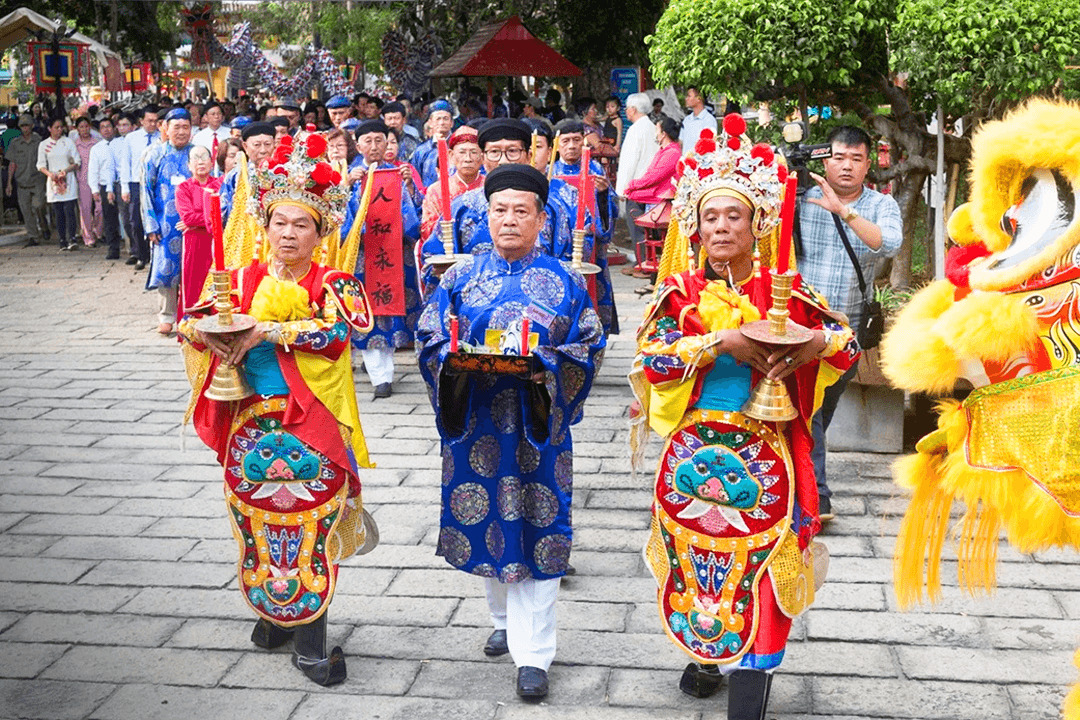
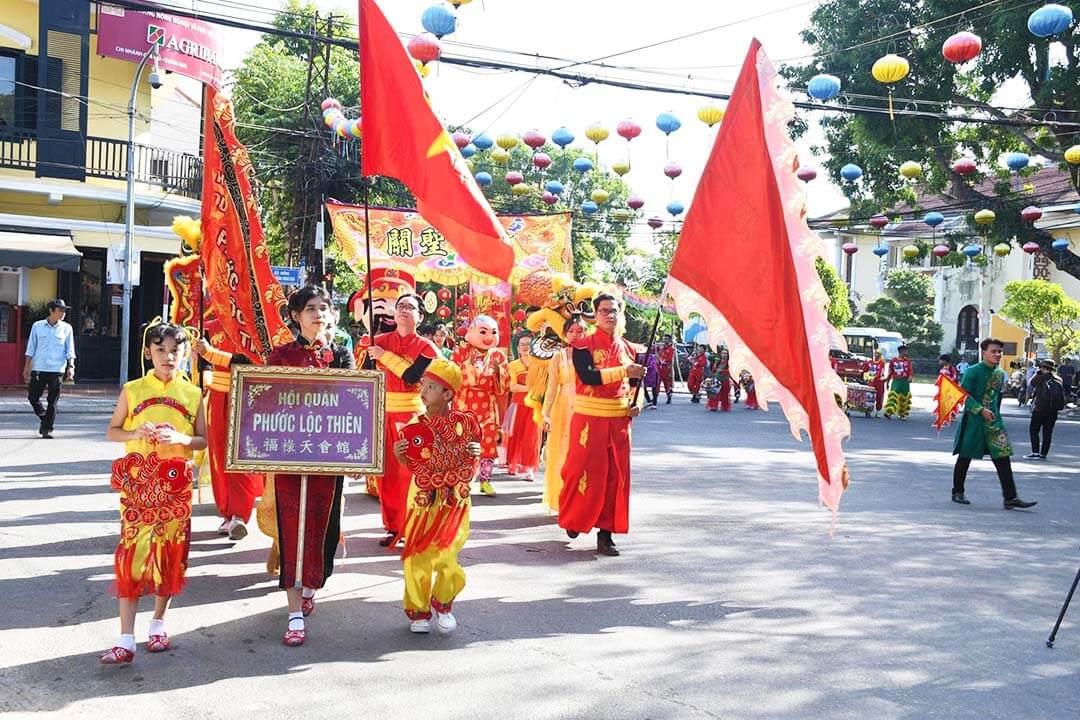
Morning: A grand palanquin procession departs from Lang Pagoda, moving along the streets with flags, drums, parasols, ceremonial weapons, and symbolic elephants, creating a majestic and deeply spiritual atmosphere. Along the route, every few dozen meters, incense altars are placed where local elders perform respectful bows. This is an act symbolizing subjects paying homage to their sovereign. Following the procession, a ceremonial offering is performed by the village elders.
Afternoon: The female ritual team of Lang Pagoda will perform the incense offering ceremony to honor the saints.
Evening: The sorcerers will perform the Dan luc cung ritual at the pagoda, praying for national peace and the well-being and happiness of the people. This ritual includes six offerings: incense, candles, flowers, tea, fruits, and food.
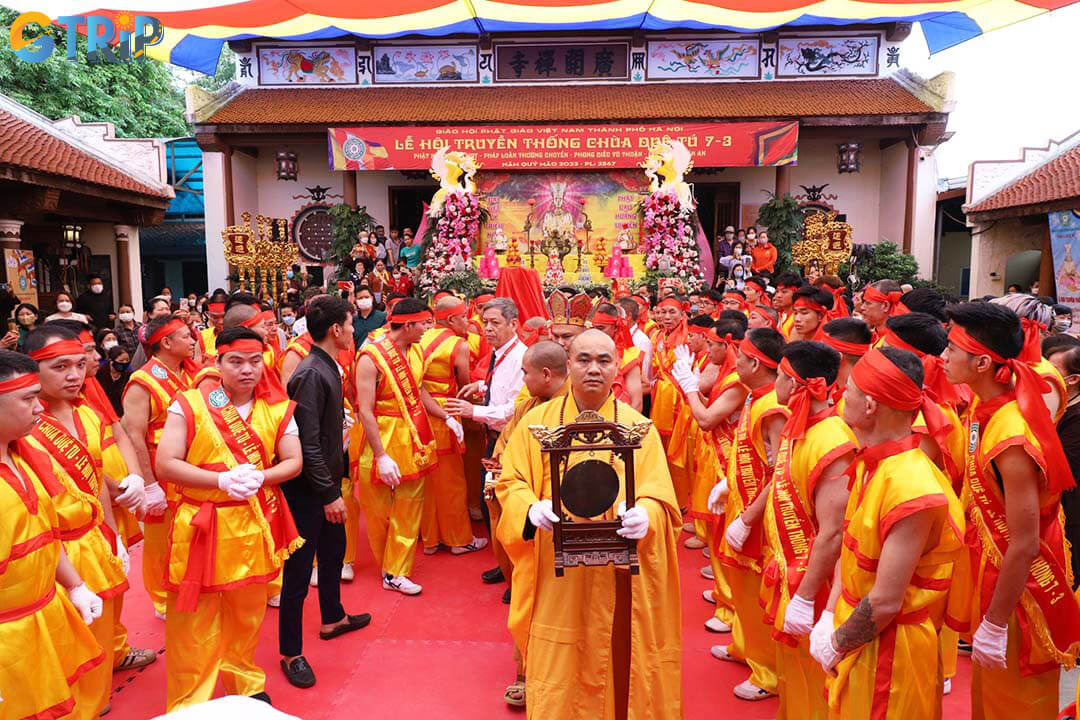
Many unique activities are organized within the framework of the festival
March 8th - Closing day
Morning: Sacred offering rituals continue with participation from worship groups and communities from surrounding areas, bringing incense and tributes to Lang Pagoda.
Afternoon: The festival shifts into a joyful celebration with various traditional folk games and cultural activities, such as cockfighting, rice cooking contests, pottery breaking, calligraphy displays, poetry recitals, Quan Ho singing, traditional dance, Chau n performances, and Cai Luong operas. Among these, the most distinctive is the rice cooking competition. The best pot of rice will be offered to the Holy.
Evening: The Closing Ceremony (Te Ha Hoi) is conducted by village elders, marking the end of the festival.
With its rich spiritual rituals and vibrant folk traditions, the Lang Pagoda Festival continues to captivate both locals and travelers. It’s not just a festival, it’s a journey back in time to experience the essence of Vietnamese culture. Plan your spring trip to Hanoi and immerse yourself in the jubilant spirit of festivals!