
Monday, October 19, 2026
Ba Le Well is more than just an ancient source of water. It is the beating heart of Hoi An’s rich history, culture, and world-renowned cuisine. Tucked away in a quiet alley, this centuries-old well holds the secret to the authentic flavor of the town's most iconic dishes. For generations, its clear, fresh water has been a cornerstone of daily life, revered by locals and sought after by chefs. Understanding Ba Le Well is understanding the soul of Hoi An itself. At GTrip, we believe that travel is about connecting with the authentic stories of a place. This comprehensive guide is your key to unlocking the secrets of Ba Le Well. We will explore its fascinating history dating back to the Champa Kingdom, reveal the legends behind its name, and explain exactly why its water is so special. You'll learn which dishes to try, how to get there, and what to see nearby, ensuring your visit is both memorable and meaningful.
Table of Content
- Overview of Ba Le Well
- History of Ba Le Well
- Architecture of Ba Le Well
- The story behind the name "Ba Le" and its water carriers
- Hoi An specialties made with Ba Le Well Water
- Other ancient wells in Hoi An Ancient Town
- Things to do at Ba Le Well
- How to get to Ba Le Well?
- Nearby attractions to the Ba Le Well
- Practical tips for visitors to Ba Le Well
Overview of Ba Le Well
Ba Le Well is a living piece of Hoi An's heritage, deeply embedded in the town's history, culture, and cuisine. This centuries-old well continues to supply pristine water, revered by locals for its unique properties and indispensable for many of Hoi An's iconic dishes.
Where is Ba Le Well?
Location: 45/51 Tran Hung Dao Street, inside Ba Le alleyway, Hoi An Ward (formerly Minh An Ward, Hoi An City), Da Nang City
Ba Le Well is tucked away in the charming alleys of Hoi An, offering a glimpse into the town's hidden history. You can find it near the Black Sesame Demonstration at 45/17 Tran Hung Dao Street, specifically within the tranquil Ba Le alleyway. Its slightly secluded location adds to its allure, making the discovery a rewarding part of your Hoi An exploration.
Best time to visit Ba Le Well
Ba Le Well can be visited at any time of day, but for the most authentic experience, consider visiting in the early morning. This is when local residents often come to draw water for their daily cooking, offering a genuine insight into their traditions. The morning also provides cooler temperatures and a quieter atmosphere, ideal for appreciating the well's historical significance without the midday crowds. It allows for a more peaceful connection with this ancient relic and the local way of life.
What makes Ba Le Well unique?
Ba Le Well truly stands apart, weaving itself into the very fabric of Hoi An's identity with its distinctive characteristics. It's more than just an old well because it's a symbol of resilience, tradition, and culinary excellence.
- Ever-flowing water source: Unique for never running dry throughout centuries, providing a constant water supply.
- Culinary cornerstone: Essential for the authentic taste of Hoi An's most famous dishes, like cao lau and com ga.
- Individual legacy: The only ancient well in Hoi An is named after an individual, Ms. Ba Le, commemorating her generosity.
- Cham engineering marvel: Built with ancient Cham techniques, showcasing remarkable brickwork without mortar.
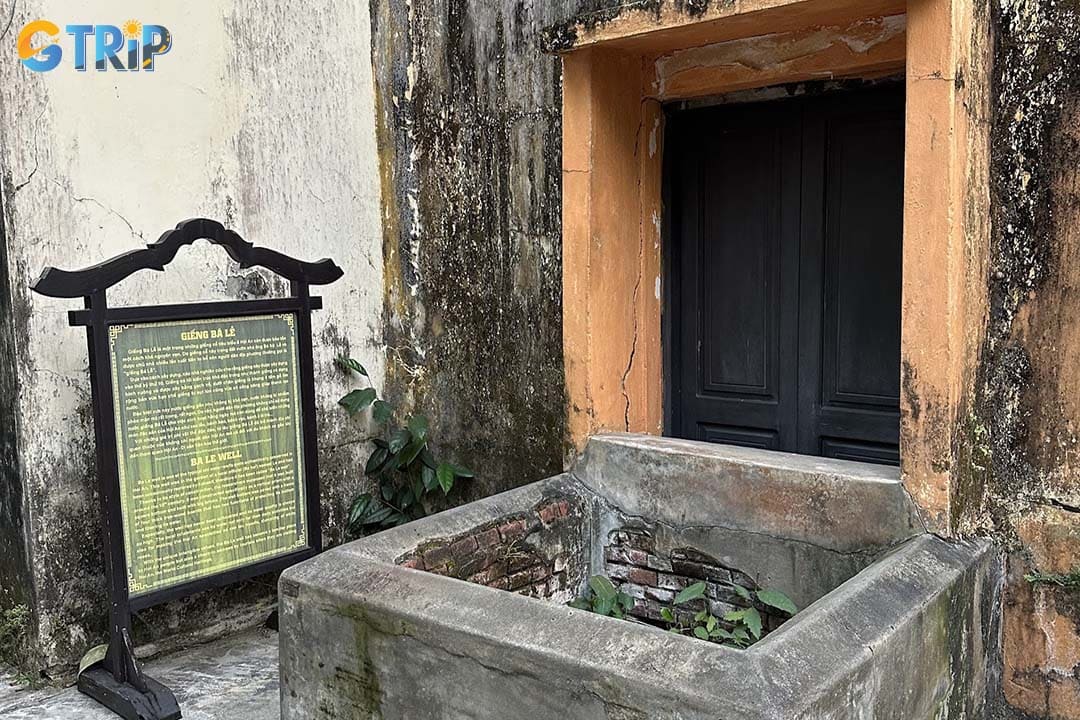
Ba Le Well is a symbol of resilience, tradition, and culinary excellence
History of Ba Le Well
Ba Le Well, a square-shaped public well, boasts a rich history dating back to the 8th-9th centuries. It was originally built by the Cham people, who ruled the region for centuries. They used unique brick-laying techniques without mortar and placed broad-leafed ironwood at the bottom to keep the water pure.
In the early 20th century, a local Vietnamese woman, Ms. Ba Le, funded the well's restoration. The community, in gratitude, named the well after her, a rare honor as it's the only heritage well in Hoi An named after an individual. Locals still believe its water is superior for cooking Hoi An specialties and for brewing herbal drinks. Today, some still draw and sell its water, and residents place incense at the well, revering it as a sacred source of clean water.
Architecture of Ba Le Well
Ba Le Well showcases distinctive ancient Cham architecture. It's a square well, approximately 4 meters deep from ground level, covering about 10 square meters, with a total depth of around 12 meters. Its construction is remarkable: bricks are meticulously stacked without lime mortar, a testament to ancient craftsmanship. The well's base is reinforced with durable broad-leafed ironwood planks, which have survived over a thousand years.
A unique feature is its integration with a nearby house. One side of the well is adjacent to a house's window, allowing residents convenient access to draw water directly. This simple yet robust design has ensured the well's longevity and continued functionality for centuries.
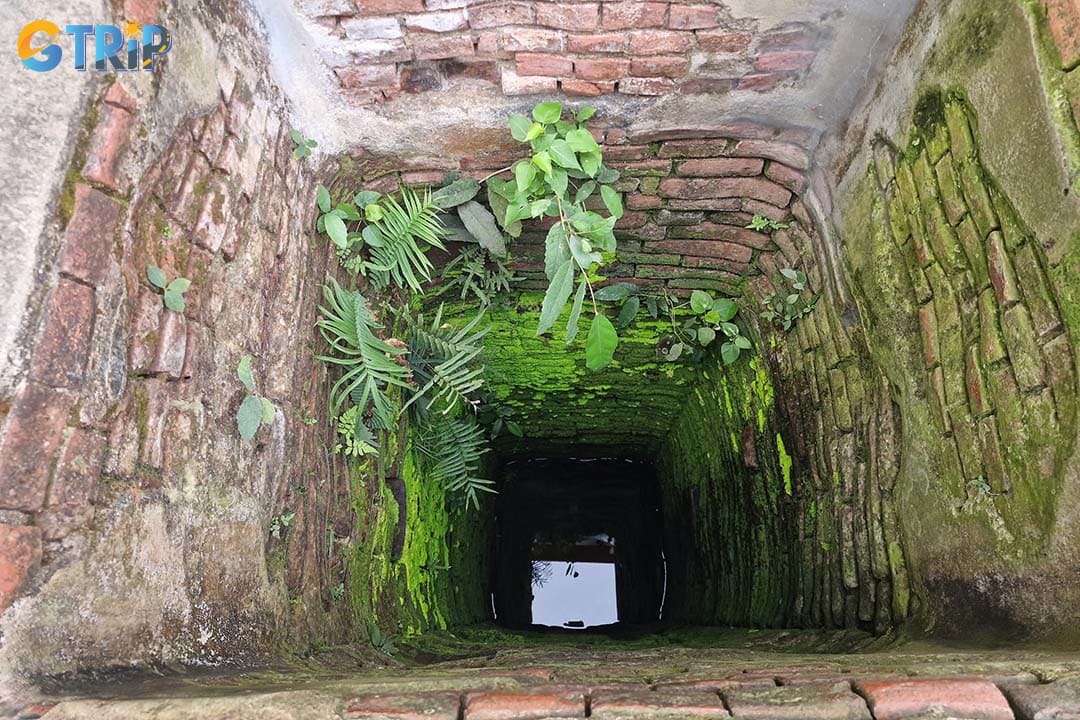
Ba Le Well is a square well, approximately 4 meters deep from ground level, covering about 10 square meters

The story behind the name "Ba Le" and its water carriers
Ba Le Well is not just a structure. It's steeped in human stories, from how it got its name to the dedicated individuals who carried its precious water.
The story behind the name "Ba Le"
Initially unnamed, the well received its enduring title, "Ba Le", in the early 20th century. A generous local woman, Ms. Ba Le, contributed a significant sum to restore the well. As a mark of deep community gratitude, the well was named in her honor, a unique custom reflecting Hoi An's cultural appreciation.
Story about water carriers at Ba Le Well
The exceptional quality of Ba Le Well water made it indispensable for Hoi An's culinary specialties, particularly cao lau. This demand created the profession of well water carriers. Though less common now due to modern plumbing, it was once a vital livelihood.
Mr. Nguyen Duong and his wife, Ms. Le Thi My, were legendary figures, carrying water daily from dawn for over 60 years. Mr. Duong, born in 1931, continued even after his family fell ill, becoming a cherished symbol. He earned a Vietnam Guinness World Record for being the "longest-serving water carrier". Today, his son, Nguyen Quoc, and Mr. Huynh Ngoc Noi are the last remaining carriers, preserving a unique piece of Hoi An's living heritage.
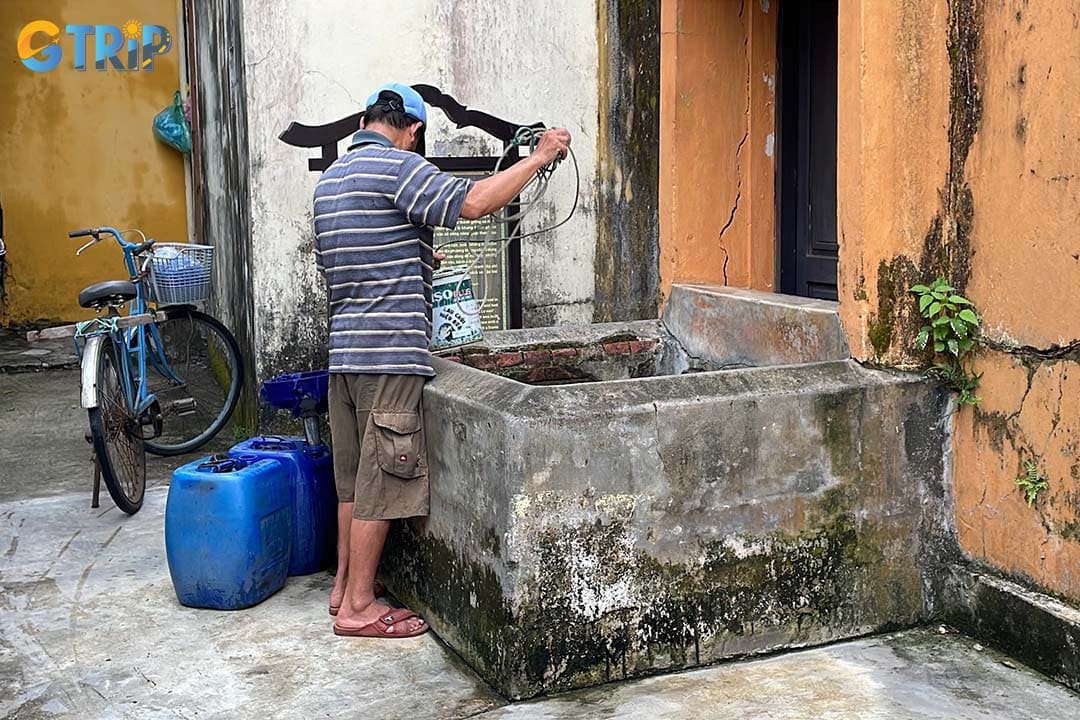
The water carriers at Ba Le Well preserve a unique piece of Hoi An's living heritage
Hoi An specialties made with Ba Le Well Water
The pure water from Ba Le Well is a secret ingredient, elevating the flavor of many of Hoi An's iconic dishes.
- Cao lau: This famous noodle dish uses Ba Le Well water to soak rice and combine with lye water from Cham Islands charcoal, ensuring unique texture and purity. Served with char siu, crispy cracklings, and local herbs, it's a blend of Vietnamese, Chinese, and Japanese flavors.
- Hoi An chicken rice (Com ga Hoi An): Chicken is poached in Ba Le Well water, and the flavorful broth then cooks the rice, giving it a golden color and rich taste. Served with shredded chicken, papaya salad, and herbs.
- Black sesame sweet soup (Xi ma phu): This traditional dessert, originating from Guangdong, is cooked with Ba Le Well water, roasted sesame, kudzu starch, and various herbs.
- Mi quang: Locals often use Ba Le Well water for the savory broth of this Central Vietnamese noodle dish, featuring turmeric noodles, shrimp, pork, and fresh greens.
- Mot drink (Nuoc Mot): A refreshing herbal drink made with Ba Le Well water and a secret blend of lemongrass, ginger, tea leaves, and other beneficial ingredients. It's a healthy, unique thirst-quencher found at a specific location (150 Tran Phu Street).
- Banh xeo, banh bao, banh vac: These popular pancakes and dumplings also often benefit from the well's pure water, contributing to their authentic Hoi An taste.
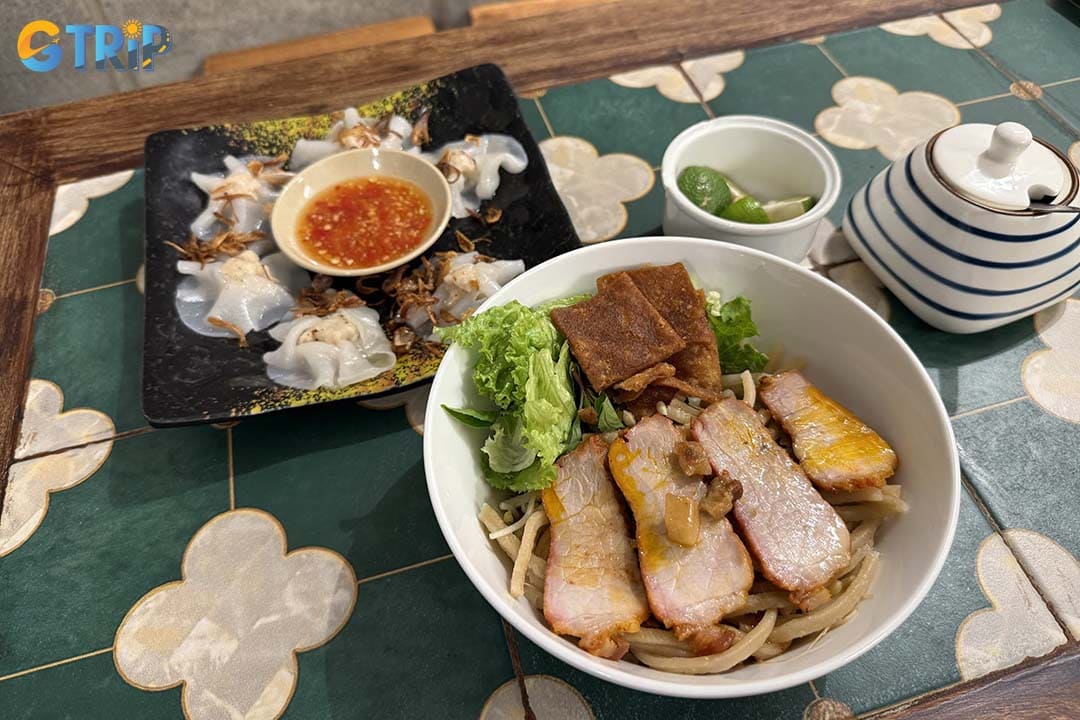
Cao lau uses Ba Le Well water to soak rice and combine with lye water from Cham Islands charcoal
Other ancient wells in Hoi An Ancient Town
Beyond Ba Le Well, Hoi An's ancient town and its surroundings harbor about 80 ancient wells, each a significant historical and cultural relic.
- Mai Well (Covered Well): Located at Hoi An Market's entrance, this well is over 170 years old and still supplies water to market vendors and food preparers.
- Xom Cam Well (Cham Islands): A national relic since 2006, built by the Cham from the 7th-10th centuries. Fishermen believe its water, mixed with herbs, helps prevent seasickness.
- Tra Que Vegetable Village Well: A square stone well in the famous Tra Que village, possibly Cham-built (10th century), still used for irrigating vegetables and cooking.
- Tan Ky Old House Well: A private well within the Tan Ky Ancient House, serving the daily needs of the family.
Many other ancient wells can be found at locations like Kazik Park, Hoi An Communal House, Quan Cong Temple, Tran Family Ancestral Temple, and behind popular eateries.
Things to do at Ba Le Well
There are some activities you can do when visiting the Ba Le Well Hoi An.
1. Visit the ancient well
The primary activity is to simply visit and observe this piece of living history. Take a moment to stand by the well's edge. Notice the weathered wood of the frame and the smooth stones under your feet. Imagine the countless people over a thousand years who have stood in the same spot, drawing water for their families, their businesses, and their culinary creations. It's a powerful and humbling experience that connects you directly to Hoi An's past.
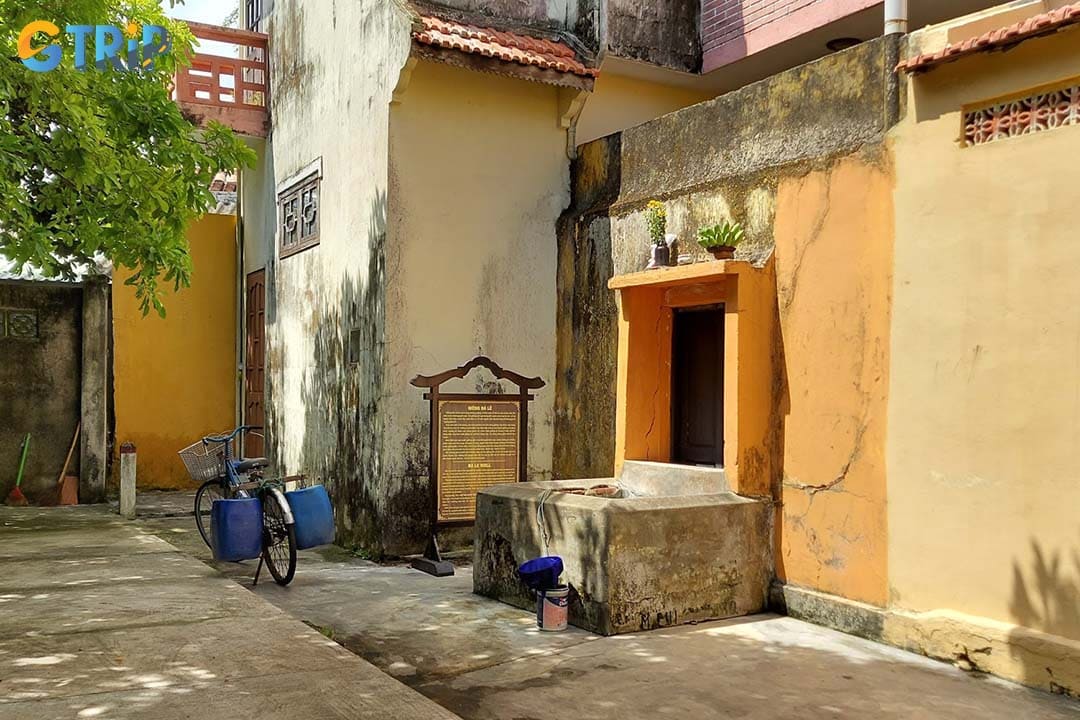
You can take a moment to stand by the well’s edge and look at the water inside
2. Taste local dishes made with well water
A visit to Ba Le Well is incomplete without a culinary pilgrimage. After seeing the source, you must taste the result. Many nearby restaurants and street vendors pride themselves on using water from Ba Le Well to cook their cao lau and other specialties. We highly recommend finding a local eatery in the alleys around Tran Hung Dao Street and ordering a bowl. Ask the owner if they use Ba Le water, their proud "yes" will make the meal even more special.
3. Observe traditional water-carrying life
While the professional water carriers of the past are gone, the spirit of their work lives on. You may see local residents still drawing water from the well for personal use, a quiet continuation of a centuries-old tradition. Observing this simple act provides a glimpse into the authentic, daily rhythm of life in Hoi An, away from the bustling tourist centers. It's a reminder that Ba Le Well is not just a monument but a functional part of the community.
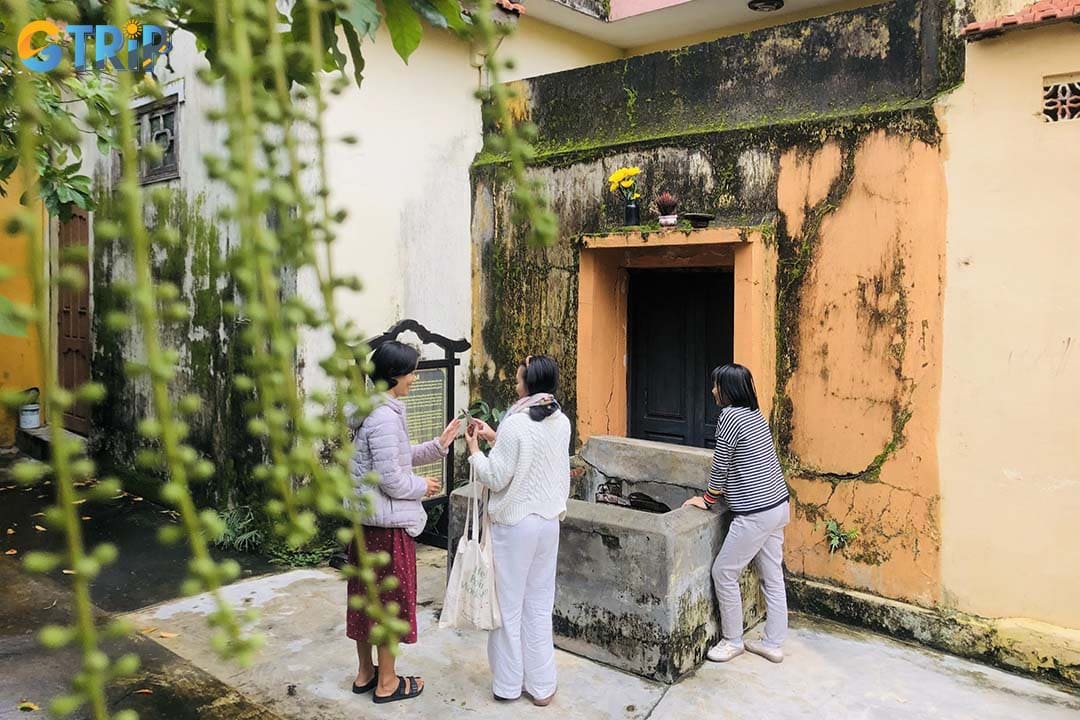
You can observe the local life around the well to have a glimpse into the authentic, daily rhythm of life in Hoi An
4. Experience local spiritual practices
The well is considered a sacred place by many locals. It is not uncommon to see small offerings of fruit or incense left at the well, or to witness residents saying a quiet prayer. The water is believed to possess spiritual purity. As a visitor, it's important to be an unobtrusive observer. Always be respectful of anyone performing rituals and refrain from touching or interfering with any offerings you might see.
How to get to Ba Le Well?
Ba Le Well, located within the Hoi An Ancient Town World Heritage site, is accessible from various points. While situated in a small alley, its central location makes reaching it part of the charm of exploring Hoi An.
From Da Nang International Airport
From Da Nang International Airport, Ba Le Well is about 30 km south, located inside a small alley in Hoi An Ancient Town. You can travel directly to Tran Hung Dao Street, then walk a short distance to the well.
- Distance: ~30 km
- Travel time: 45-60 minutes
- Routes: Vo Nguyen Giap → Lac Long Quan → Hai Ba Trung → Tran Hung Dao
- Optimal option: Private car or Grab for convenience; motorbike for flexibility
From Da Nang City center
From the city center, reaching Ba Le Well is straightforward via coastal or inland routes to Hoi An. The destination is near the Museum of History & Culture, then a short walk into the alley.
- Distance: ~28-30 km
- Travel time: 45-60 minutes
- Routes: Coastal road (Vo Nguyen Giap) or National Road DT607
- Optimal option: Motorbike for scenic ride or car/taxi for comfort
From around Hoi An Ancient Town
Ba Le Well sits in a quiet alley off Tran Hung Dao Street, about 100 meters from the Hoi An Museum of History & Culture. It’s outside the pedestrian zone, so access is easy.
- Distance: 300 m - 1 km
- Travel time: 5-10 minutes
- Routes: Walk from Japanese Bridge or central streets to Tran Hung Dao
- Optimal option: Walking or cycling for direct access
Transportation options
Getting to Ba Le Well in Hoi An Ancient Town offers various choices tailored to different preferences. The well is situated in a small alley, not directly within the main pedestrian-only zone, making some options more direct than others.
- Walking: Ideal for exploring the old town's charm, takes 5-7 minutes from the Japanese Covered Bridge.
- Bicycle: Convenient and popular (rentals 20,000-50,000 VND/day), allows direct access to the alley.
- Motorcycle: Can reach the alley directly; parking is usually available in nearby yards.
- Taxi/Car: Best for reaching the vicinity, then a short walk (e.g., park near Hoi An Museum of History & Culture, about 100 meters away).
- Electric bus/Shuttle bus/Cyclo: These vehicles can drop you off nearby, requiring a short walk into the alley.
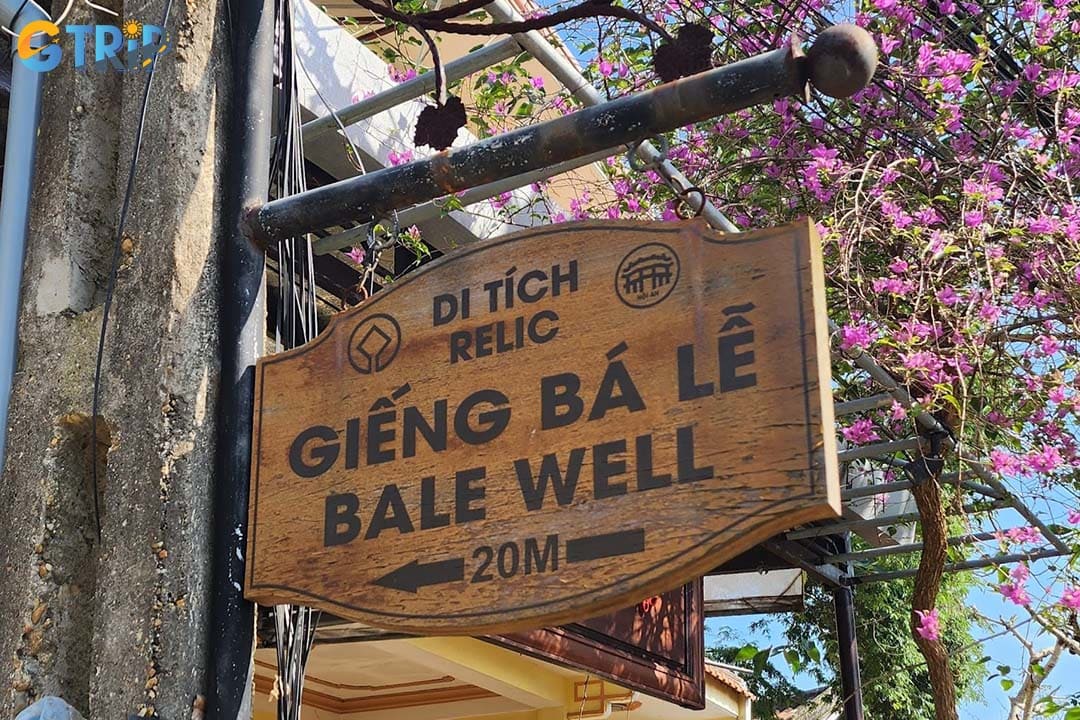
Reaching the Ba Le Well Hoi An is easy, although it is located in a small alley
Nearby attractions to the Ba Le Well
Ba Le Well is perfectly situated for a day of exploring Hoi An's most famous landmarks. After your visit, you can easily walk to several other key attractions:
- Japanese Covered Bridge: Just a 10-minute walk away, this iconic 18th-century bridge is a symbol of Hoi An and a must-see for every visitor.
- Tan Ky Old House: One of the most well-preserved merchant houses in Hoi An, offering a fascinating look into the lives of the town's wealthy traders. It showcases a unique blend of Vietnamese, Chinese, and Japanese architectural styles.
- Fujian Assembly Hall (Phuc Kien Assembly Hall): A stunning example of Chinese architecture, this assembly hall was a social and spiritual center for the Fujian community. Its ornate gates, colorful statues, and serene courtyards are breathtaking.
- Hoi An Central Market: Experience the vibrant energy of a traditional Vietnamese market. Located along the Thu Bon River, it's a fantastic place to see local life, sample street food, and shop for fresh produce and souvenirs.
- Precious Heritage Art Gallery Museum: This gallery by French photographer Rehahn showcases stunning portraits of Vietnam's ethnic groups, offering a profound cultural experience just a short walk from the well.
Practical tips for visitors to Ba Le Well
To ensure a respectful and rewarding visit to Ba Le Well, keep these practical tips in mind. This ancient site is a historical landmark and a cherished part of daily life for Hoi An locals.
- Dress respectfully: As Ba Le Well is located in a residential area and holds cultural significance, wear modest and respectful attire. This shows consideration for local customs, especially if you visit nearby religious sites.
- Mindful photography: While photography is welcome, be considerate of local residents. Avoid intrusive shots, and always ask for permission before taking close-up pictures of people.
- Respect the well's integrity: Treat Ba Le Well as a functional and historical landmark, not merely a tourist attraction. Refrain from throwing anything into the water or sitting on its wooden frame to help preserve its ancient structure.
- Savor local flavors: Enhance your visit by tasting Hoi An's famous dishes. Look for restaurants that proudly highlight their use of Ba Le Well water for an authentic and uniquely local culinary experience.
- Integrate with town exploration: Optimize your trip by combining your visit to Ba Le Well with a broader walking tour of the Ancient Town. It pairs well with iconic sites like the Japanese Covered Bridge and other historic communal houses.
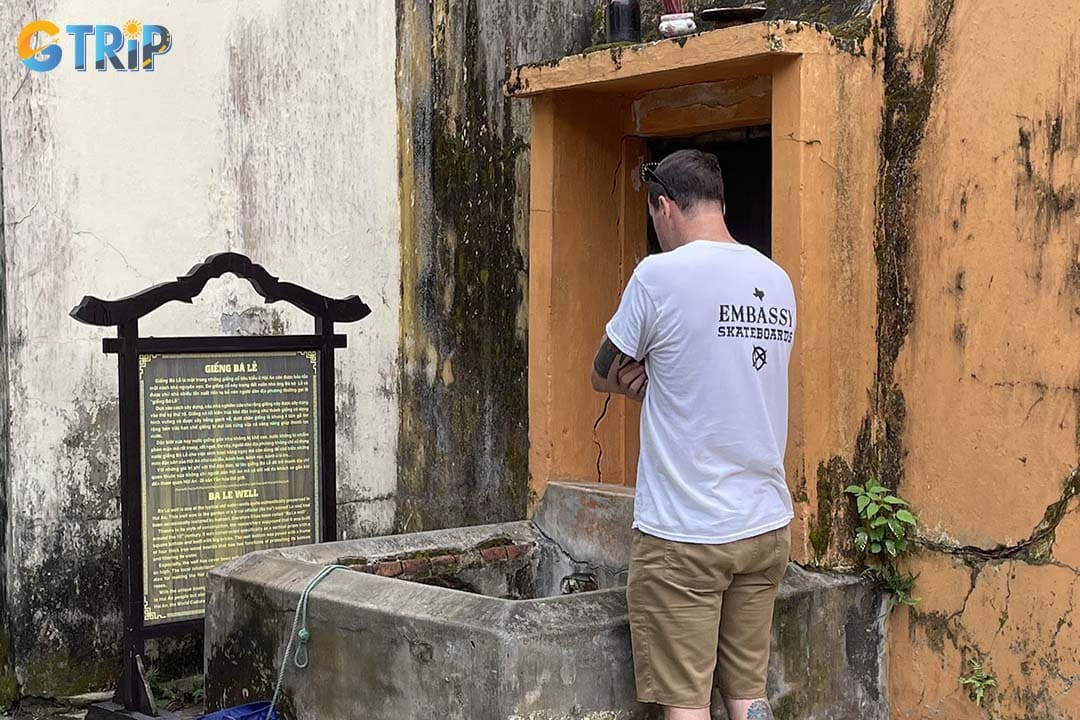
Remember practical tips to have a good trip to Ba Le Well Hoi An
Ba Le Well is far more than a simple point on a map. It is a living, breathing testament to the ingenuity, culture, and resilience of Hoi An. For a millennium, its water has nourished the town's people and given birth to a culinary tradition that is celebrated worldwide. To visit the well is to step back in time and connect with the very essence of this magical ancient town. It’s a quiet moment of reflection, a culinary revelation, and a deep dive into the story of a place. When you plan your journey to Central Vietnam, make sure this humble alleyway is on your itinerary. Let GTrip help you discover the hidden gems and authentic experiences that make travel so rewarding.
Custom Your Journey

Other Attractions

Can Gio Monkey Island in Ho Chi Minh City: Tickets, Things to Do & Travel Guide
Can Gio Monkey Island
Can Gio Monkey Island in Ho Chi Minh City offers a refreshing escape from the city’s buzzing motorbike chaos. Just a short distance from the center, Can Gio welcomes you with lush mangrove forests, winding waterways, and a fascinating history. Here, you can meet playful long-tailed macaques, drift through tranquil channels, and explore remnants of a wartime guerrilla base.
Can Gio Monkey Island in Ho Chi Minh City: Tickets, Things to Do & Travel Guide
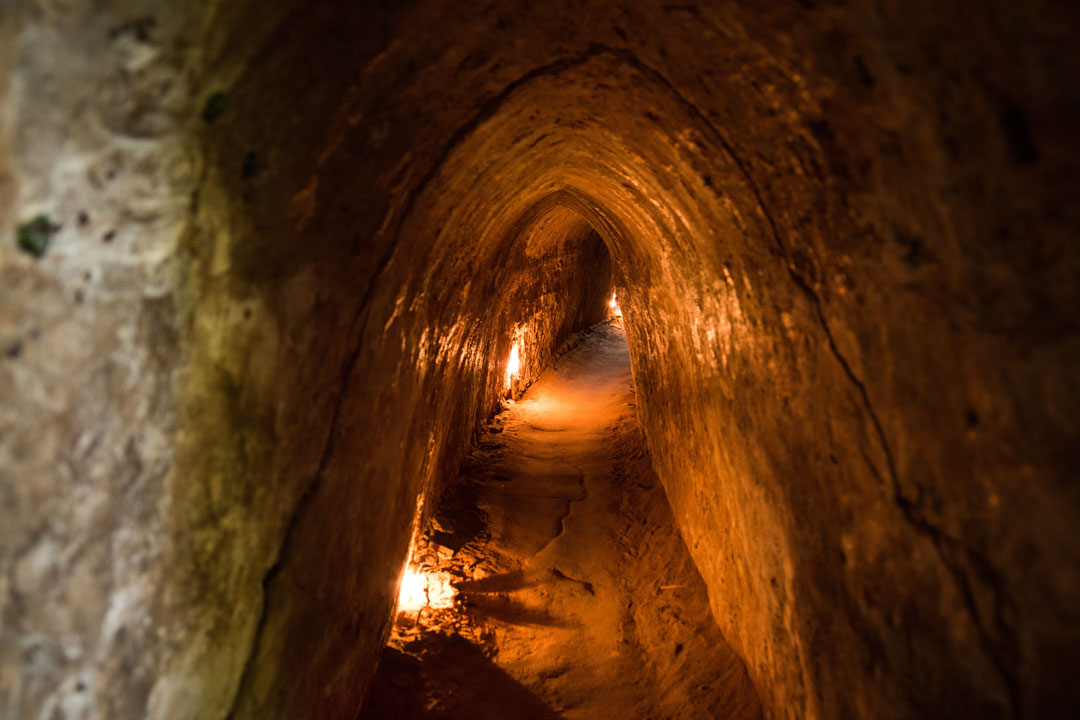
Cu Chi Tunnels: History, Architecture, Things To Do & Travel Guide
Cu Chi Tunnels
The Cu Chi Tunnels, located at TL15, Phu Hiep, Cu Chi District, Ho Chi Minh City, are a vast underground network of strategic passages, shelters, supply routes, and defensive traps.
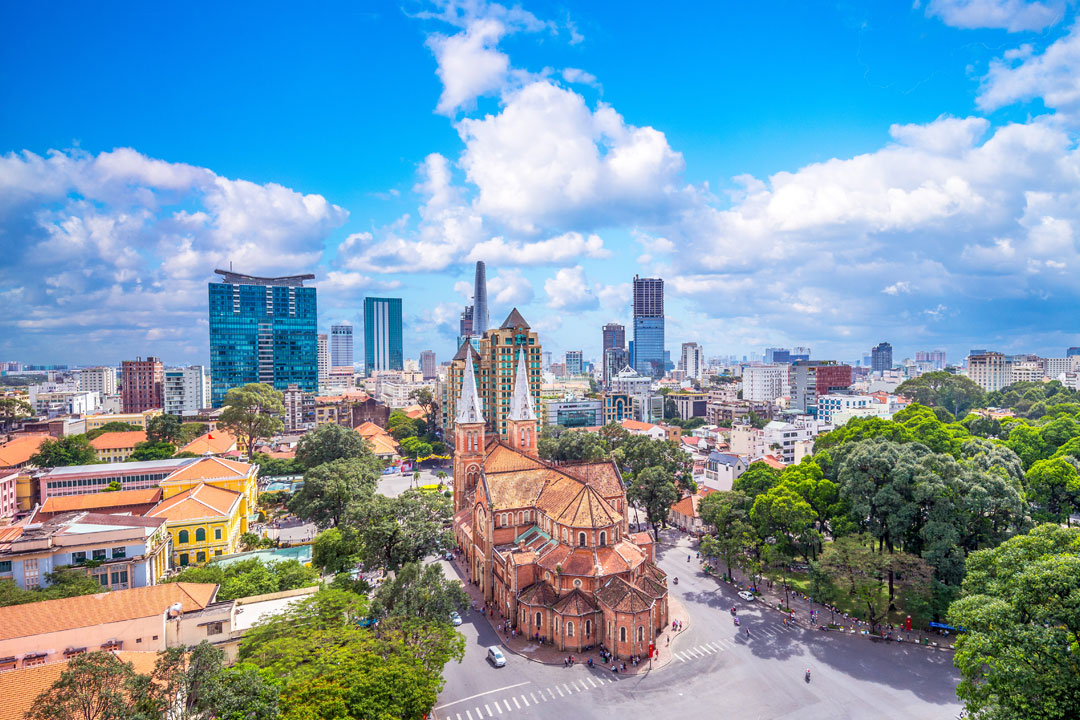
Ho Chi Minh City
Ho Chi Minh City, known as the "Pearl of the Far East," attracts both domestic and foreign tourists with its unique and diverse destinations.
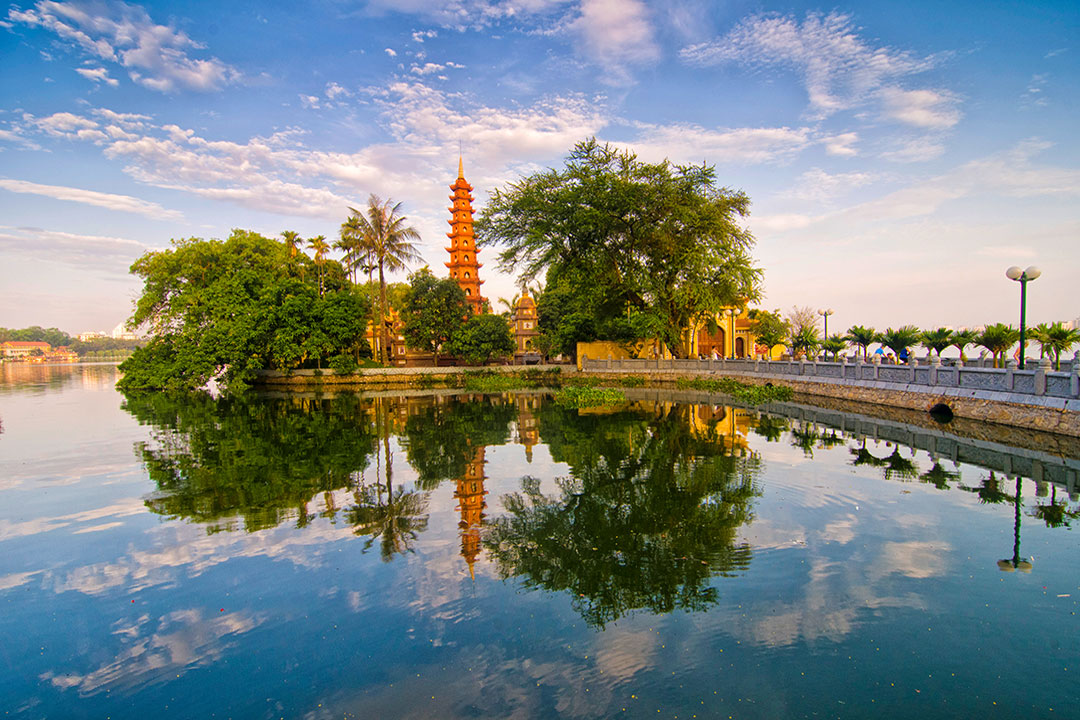
Tran Quoc Pagoda: History, Architecture, Significance & Travel Guide
Tran Quoc Pagoda
Nestled on the tranquil shores of West Lake, Tran Quoc Pagoda is the oldest Buddhist temple in Hanoi, with a history spanning over 1,500 years. Built in the 6th century under Emperor Ly Nam De, this sacred site reflects Vietnam’s Buddhist evolution while preserving its spiritual and architectural grandeur.