Friday, July 4, 2025
Lanh Giang Temple Festival has long been an important cultural and spiritual tradition in Ha Nam Province. This is an occasion for the local people and visitors from afar to remember the merits of the ancients. At the same time, it is an opportunity to preserve, maintain, and promote the values of the traditional cultural heritage of the nation.
Overview of the Lanh Giang Temple Festival
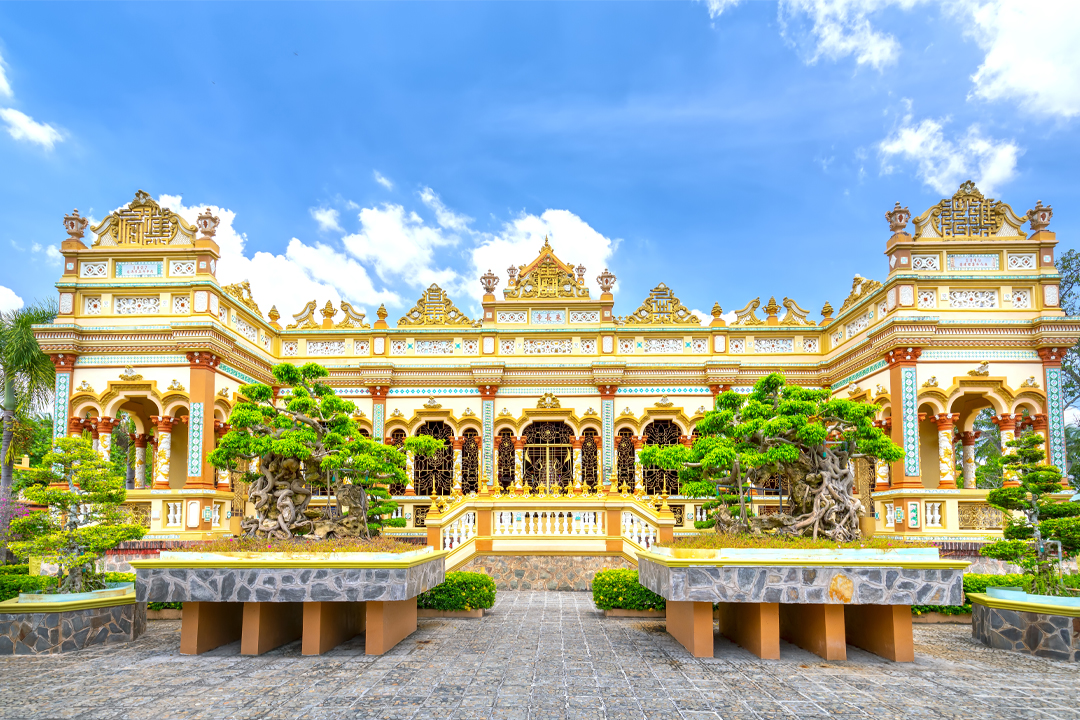
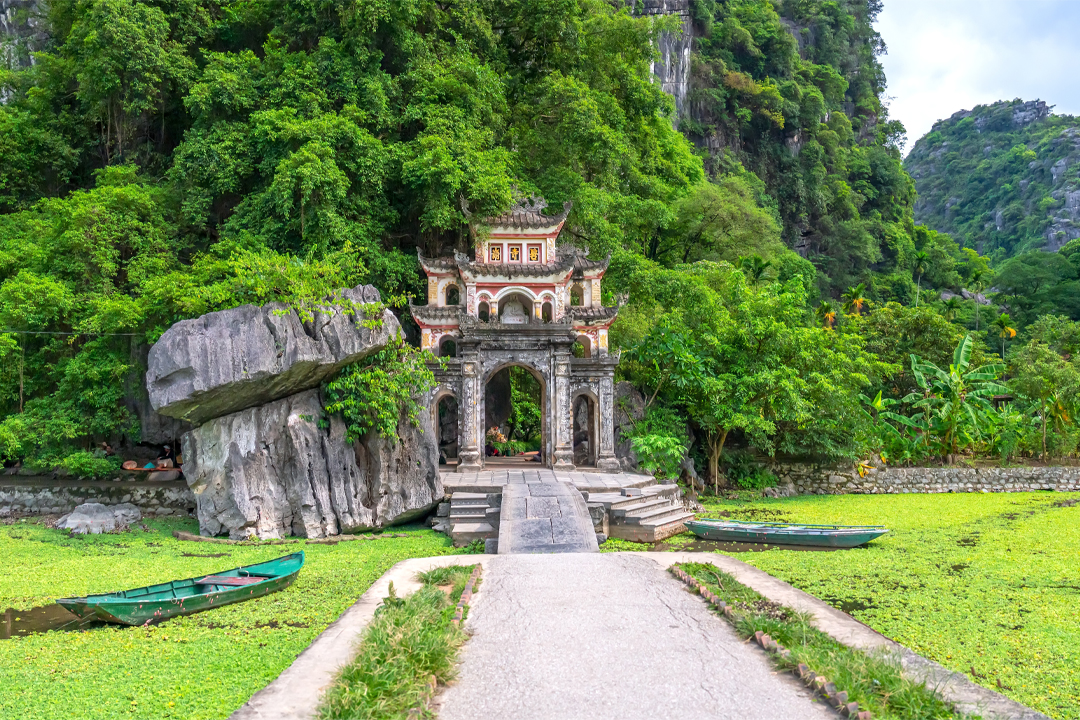
Located in Yen Lac Village, Moc Nam Commune, Duy Tien District, Ha Nam (today is Ninh Binh), Lanh Giang Temple is one of the province’s most significant spiritual and historical landmarks. The temple holds rich historical, cultural, and religious values that have resonated across generations.
About the festival in ancient times
Traditionally, the Lanh Giang Temple Festival was held twice a year:
- From the 18th to the 25th day of the sixth lunar month, for pilgrims from all over the country.
- From the 18th to the 25th day of the eighth lunar month is considered the main festival.
Preparations began months in advance, with villagers voluntarily organizing and rehearsing rituals. Offerings carried great spiritual significance and typically included local specialties such as votive papers, betel leaves, wine, fruits, sticky rice, black pig meat, goat meat, vegetarian dishes, and more. These items symbolized devotion, prosperity, and harmony with nature.
The festival in modern times
Since Lanh Giang Temple was recognized as a national historical relic in 1996, the Moc Nam community has revived the traditional festival. Particularly the August one, now observed in June for wider participation. Since 2007, the festival has blended folk and modern elements to preserve its heritage.
Today, the June festival is regarded as the main event. The August festival is now a smaller-scale ceremony involving incense offerings and thanksgiving rituals.
Modern offerings continue to include traditional items like incense, fruits, and votive papers, but also feature a roasted pig, a tray of sticky rice, fried carp, a pig's head, and a castrated rooster. All was prepared with deep respect and reverence.
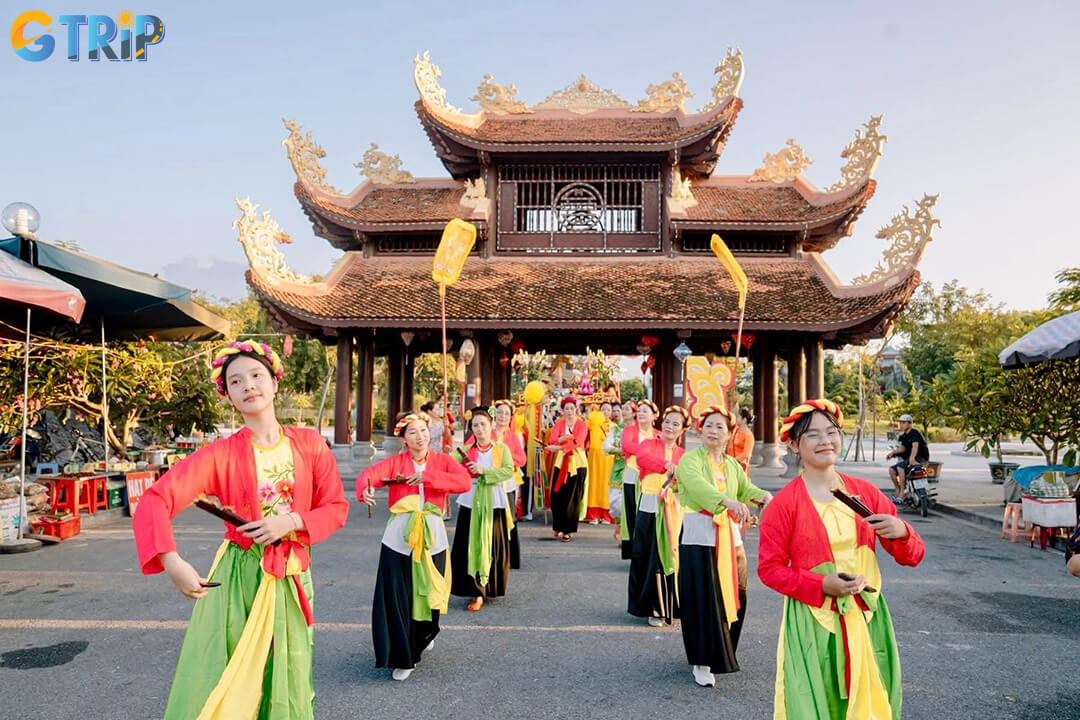
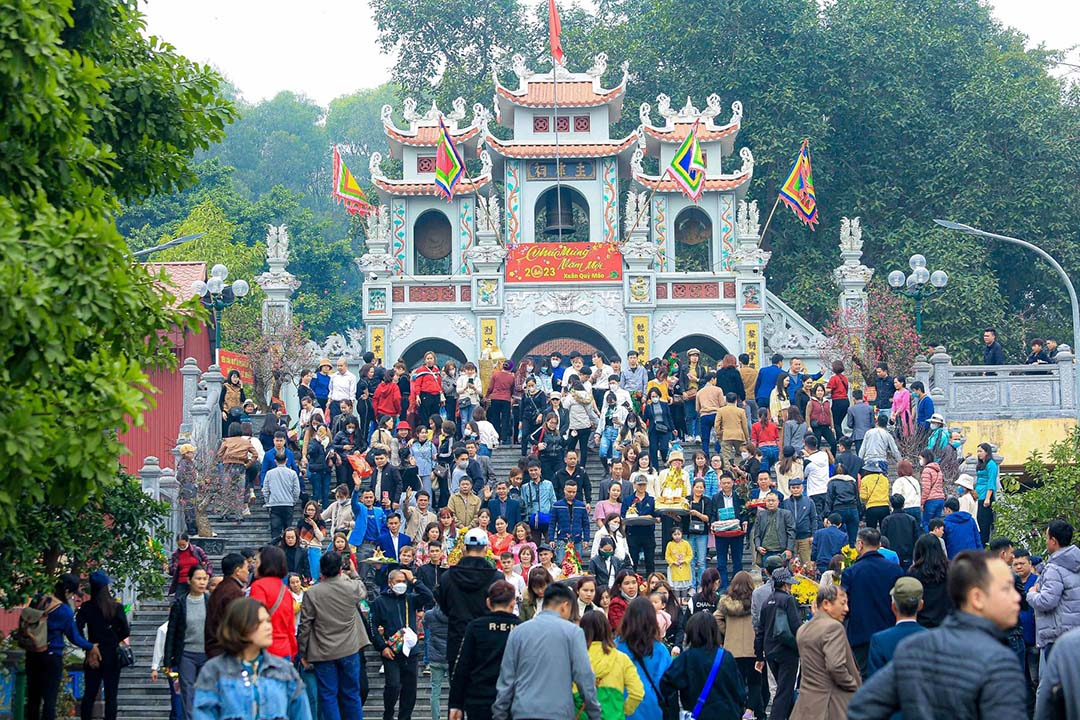
Lanh Giang festival combines elements of folklore and contemporary culture
Key rituals at the festival
Nowadays, the festival takes place from the 29th of the fifth lunar month to the 4th of the sixth lunar month, with many sacred and vibrant rituals:
- The opening of a series of activities begins with Cao Yet ceremony and Hau Khai ceremony on May 29. This ceremony aims to invite and request the deities to open the festival. It is also seeking their blessings for the villagers to organize the celebration in a joyful and smooth manner, ensuring a bountiful harvest and prosperity for the community.
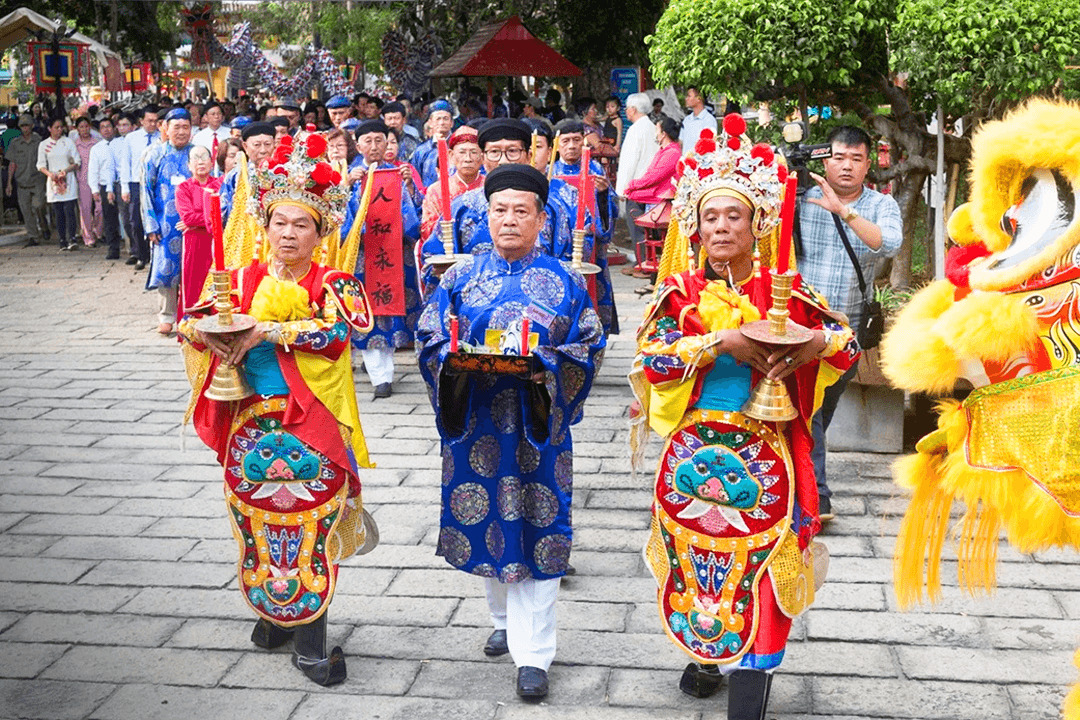
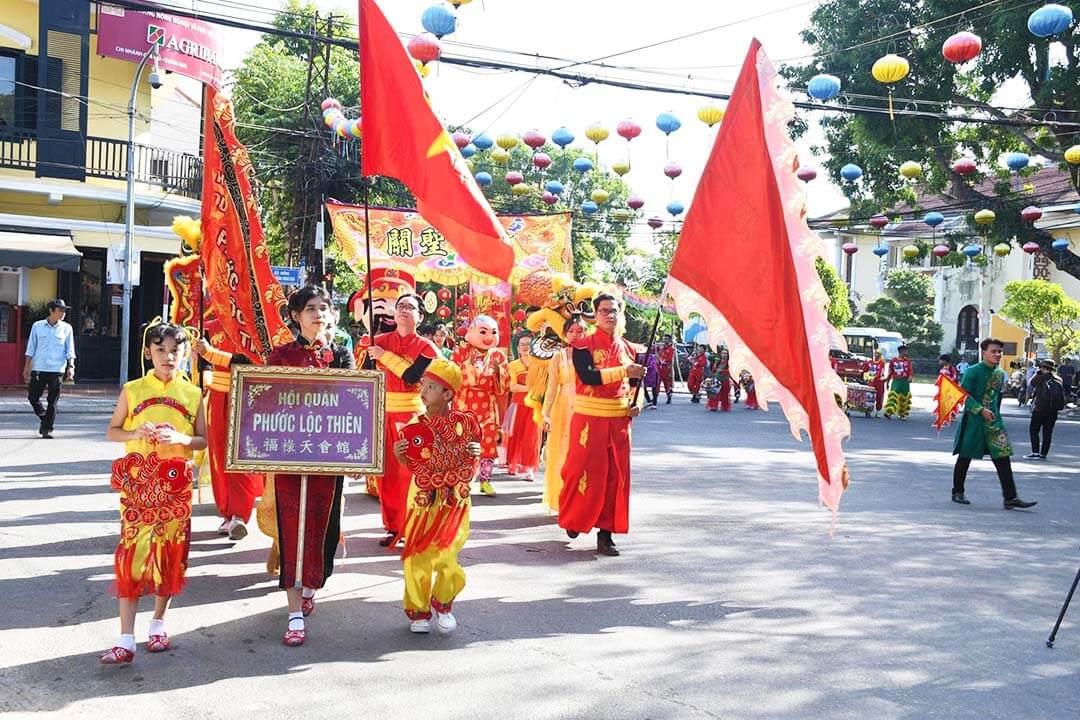
- At the dawn of June 1, a grand water-fetching procession is held. The procession features many teams and local residents arranged in a grand formation. The water offering palanquin is carried by eight young girls, while the palanquin for the Great Deity is handled by men. The procession starts from the Lanh Giang Temple and heads to the riverbank to perform a ritual to honor the Dragon King. After that, the procession boards boats to collect water from the river and brings it back to the Lanh Giang Temple for worship.
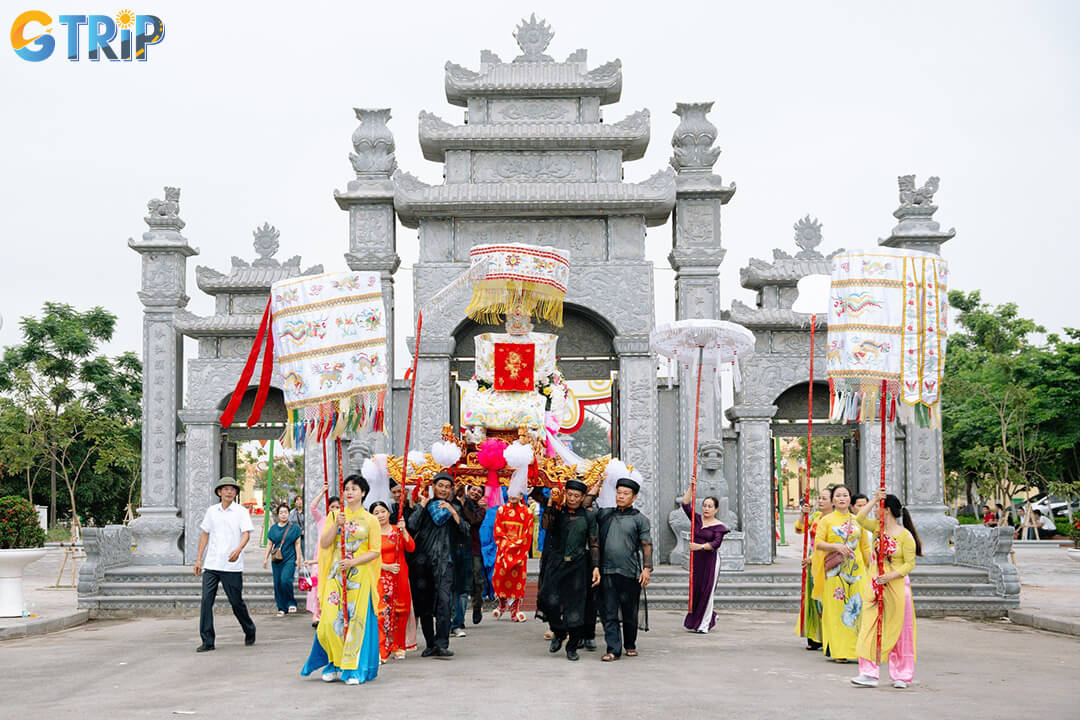
The processions are impressive due to their grandeur and the long lines of participants
- In the early morning on June 2, the people organized a procession carrying the palanquin from the Lanh Temple to the Mau Temple to bring the spirit tablet of the Mother of Tien Dung, Queen Nhan Tu, to participate in the festival. Upon arriving at the Mau Temple, the elders perform a ritual to pay their respects to the Mother. After that, the procession returns to the Lanh Temple. The villagers then present offerings, officially open the festival, and carry out the incense offering ceremony.
- Main sacrificial ceremony offerings take place on June 3rd, which include the preliminary offering ceremony, the secondary offering ceremony, the main offering ceremony, and the final ceremony.
- June 4th is considered the end of the festival, however, for the people of Yen Lac village and visiting guests, this marks the beginning of Hau Thanh rituals.
- In addition to the ceremonial rites, the community also organizes traditional games for everyone to participate in, such as walking on monkey bridges, duck-catching in ponds, and pushing sticks.
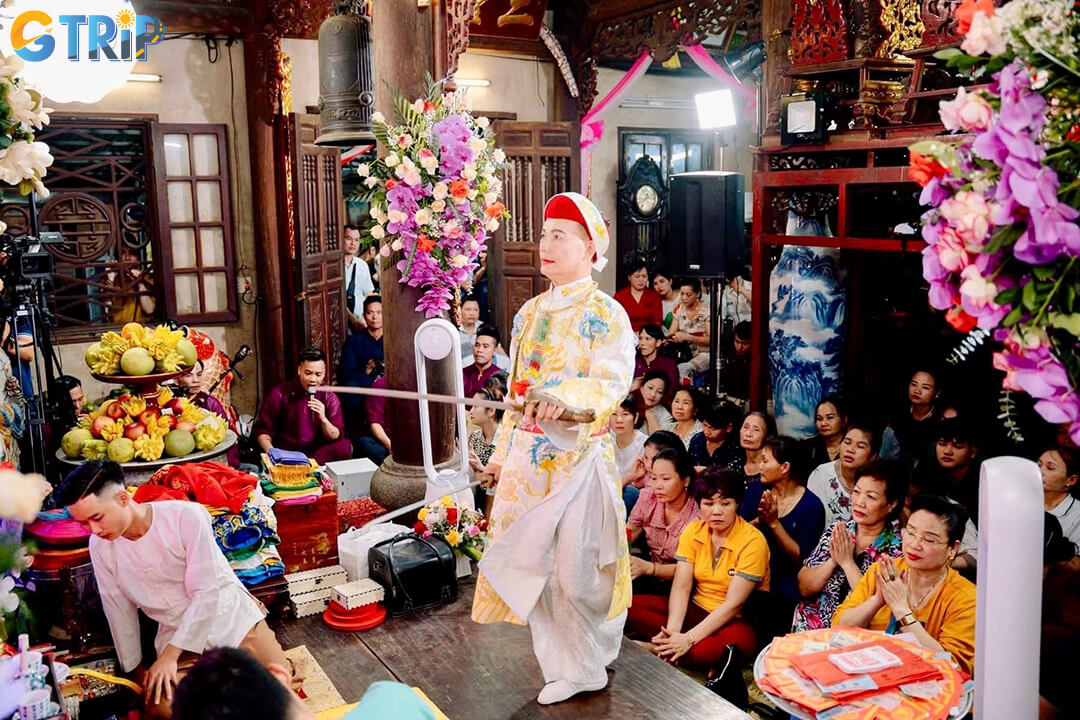
The festival is characterized by trance mediumship, also known as "hau dong"
Significance of Lanh Giang Temple Festival
Lanh Giang Temple Festival honors the Three Great Kings who helped defeat foreign invaders and protect the ancient land of Van Lang. The festival aligns with the high tide season of the Red River, a time historically marked by flood threats and crop damage. Hence, locals pray for water deities to grant peace and a bountiful harvest.
As part of the Vietnamese wet-rice culture, rituals like the water procession, incense offering, and spirit possession reflect the community’s close ties to nature and spirituality. Over time, the gods worshiped at the temple, particularly the Water Gods, have become associated with the Mother Goddess belief system, with Quan Lon De Tam being a notable deity.
The festival’s ceremonies symbolize cultural layers accumulated over thousands of years. They showcase the legacy of Red River Delta civilizations, shaped by history, spiritual belief, and cultural fusion. Through this celebration, residents express their patriotism, solidarity, and desire for a better future, while also preserving traditions and offering a meaningful spiritual space for all participants.
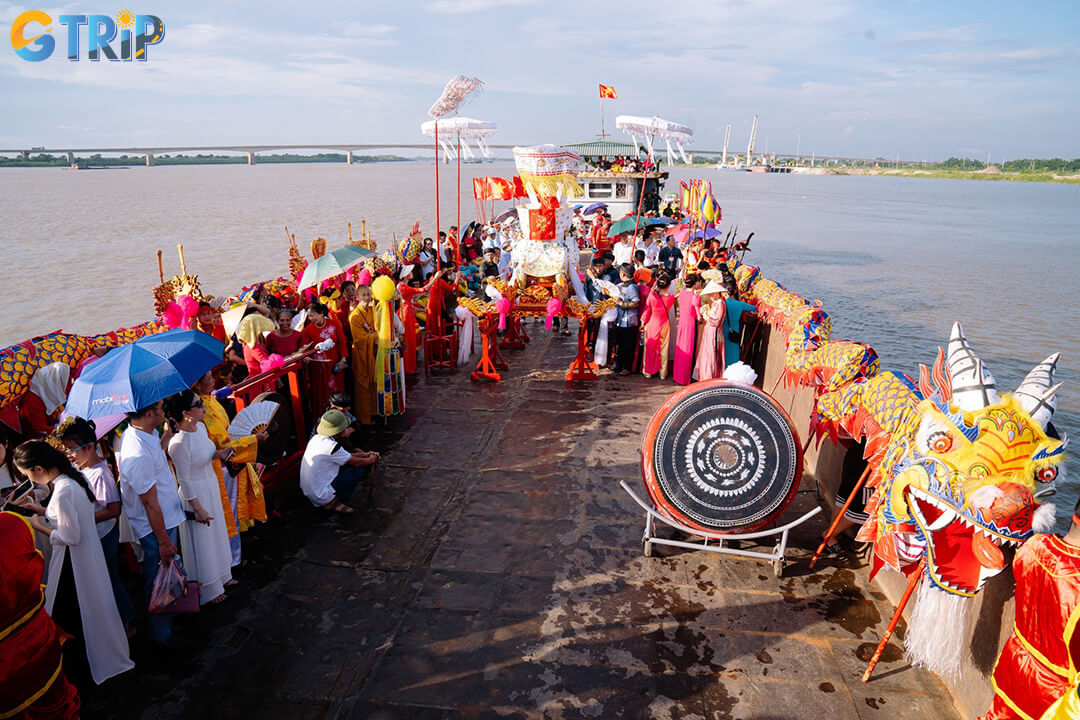
The festival showcases many cultural features of the Red River region
The Lanh Giang Temple Festival in Ha Nam is more than a local tradition, it's a vivid display of Vietnam's cultural identity, spiritual depth, and communal pride. This S-shaped land boasts numerous captivating traditional festivals, each with its own story. Plan your visit to Vietnam to experience the vibrant spirit of these celebrations!