

Wednesday, October 14, 2026
Ho Chi Minh Trail Museum beckons travelers and history enthusiasts alike, offering a profound dive into the rich tapestry of Vietnam's past. This unique museum serves as a tribute to the bravery and resilience displayed during tumultuous times, unraveling stories that shaped a nation. Through immersive exhibits and vivid storytelling, visitors gain insight into life along the historic trail, an essential artery during wartime. As you explore this article, discover how GTrip helps illuminate these hidden narratives that continue to inspire awe and admiration in today's world.
Overview of Ho Chi Minh Trail Museum
- Address: Km 15, National Highway 6, Ha Dong Ward (Yen Nghia Ward, Ha Dong District, Hanoi)
- Phone number: 024 3357 0022
- Opening hours: 7:30 AM - 11:30 AM & 1:30 PM - 4:30 PM (Closed on Sundays)
- Ticket fee: 20,000 VND/person (approximately $0.8)
Nestled on the outskirts of Hanoi, the Ho Chi Minh Trail Museum stands as a powerful testament to one of history's most remarkable military engineering achievements. As the only dedicated institution preserving the legacy of the legendary Truong Son - Ho Chi Minh Trail, this site holds a special place among the diverse museums in Hanoi, offering visitors an immersive journey into Vietnam's wartime resilience and ingenuity.
The museum represents a unique cultural institution and a profound experience among the many things to do in Hanoi, spanning an impressive 20,000 square meters. Within this extensive complex, approximately 2,700 square meters are dedicated to indoor exhibition spaces housing over 15,000 original artifacts that chronicle the trail's strategic importance during the American War.
Established on July 13, 1995, the museum evolved from the former Truong Son Museum that operated during wartime. Construction of the current facility began in 1996, with its official inauguration taking place in 1999 to commemorate the 40th anniversary of Group 559's formation (also known as the Truong Son Corps). This is the military unit responsible for developing and maintaining the historic supply route.
The museum's architectural design pays homage to Vietnam's revolutionary spirit. Exhibits are thoughtfully arranged to guide visitors through a chronological narrative of the trail's development, operation, and its significance in the struggle for independence and reunification.
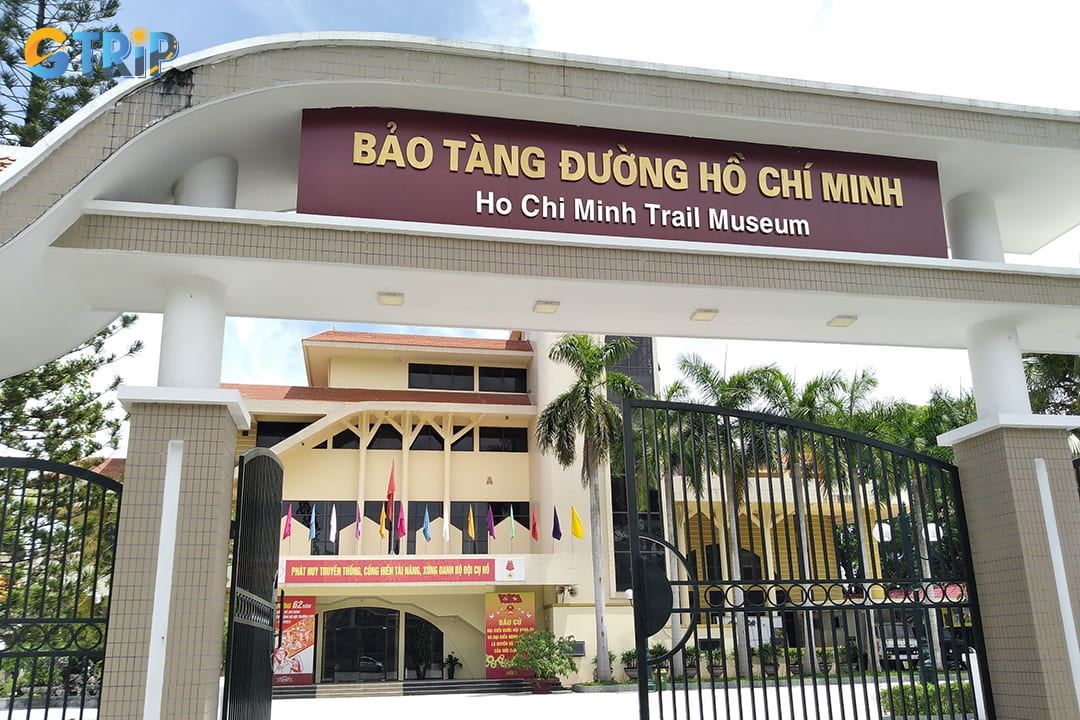
The Ho Chi Minh Trail Museum stands as a powerful testament to one of history's most remarkable military engineering achievements
Explore the exhibitions in the Ho Chi Minh Trail Museum
The Ho Chi Minh Trail Museum houses a remarkable collection of exhibitions that bring to life the strategic importance and human stories of this legendary supply route. Visitors can immerse themselves in Vietnam's wartime history through carefully curated displays featuring authentic artifacts, photographs, and interactive elements. Let's journey through the museum's most significant exhibitions that document this extraordinary chapter in Vietnamese history.
1. Thematic exhibition: "Truong Son - Ho Chi Minh Trail"
This comprehensive exhibition features over 200 well-preserved photos, documents, and artifacts. Together, they tell the story of the Truong Son soldiers and the complex logistics of transporting troops and supplies across the battlefield.
The exhibition spans two thoughtfully curated rooms, each offering a unique perspective. Room 1 traces the trail’s origins and its strategic expansion through dense forests and rugged terrain. It also depicts the relentless aerial bombardments and introduces the lesser-known Ho Chi Minh Sea Trail, which supported the land route.
Room 2 highlights the extraordinary achievements of the Truong Son forces in the face of overwhelming adversity. It also showcases international solidarity with Vietnam’s resistance and illustrates the region’s transformation in the postwar era. First debuted at the Ho Chi Minh City Museum in 2019, this special exhibition adds rich context to the main collection and deepens visitors' understanding of the trail’s lasting legacy.
2. Exhibition: "Truong Son Memories"
"Truong Son Memories" offers an intimate glimpse into the human experience along the trail through hundreds of personal artifacts, photographs, and preserved documents. The exhibition honors:
- The collective effort of military personnel and civilian volunteers who constructed and maintained this vital supply line
- The day-to-day realities of life on the trail, from makeshift medical facilities to innovative food preservation techniques
- The extraordinary resilience displayed during 16 years of operation (1959-1975)
A particularly moving section documents the devastating effects of Agent Orange on both people and the environment. The exhibition culminates in a solemn tribute to the estimated 20,000 martyrs who perished along the trail, with personal effects and letters home providing poignant reminders of individual sacrifices for the collective cause.
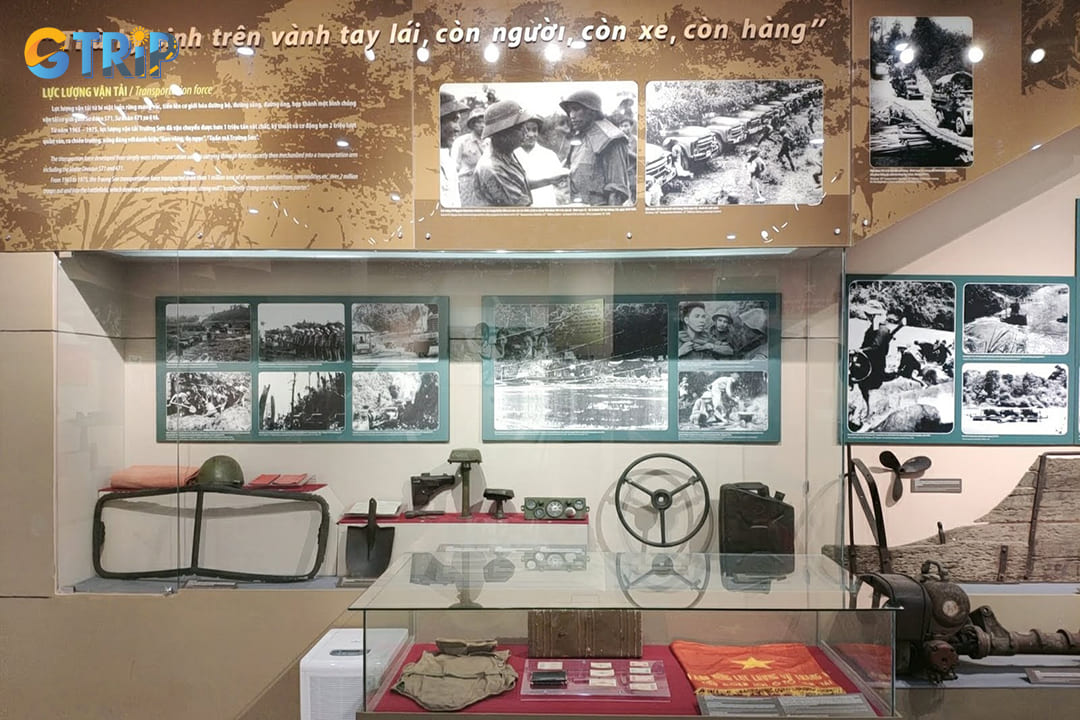
The Ho Chi Minh Trail Museum houses a remarkable collection of exhibitions that bring to life the strategic importance and human stories of this legendary supply route


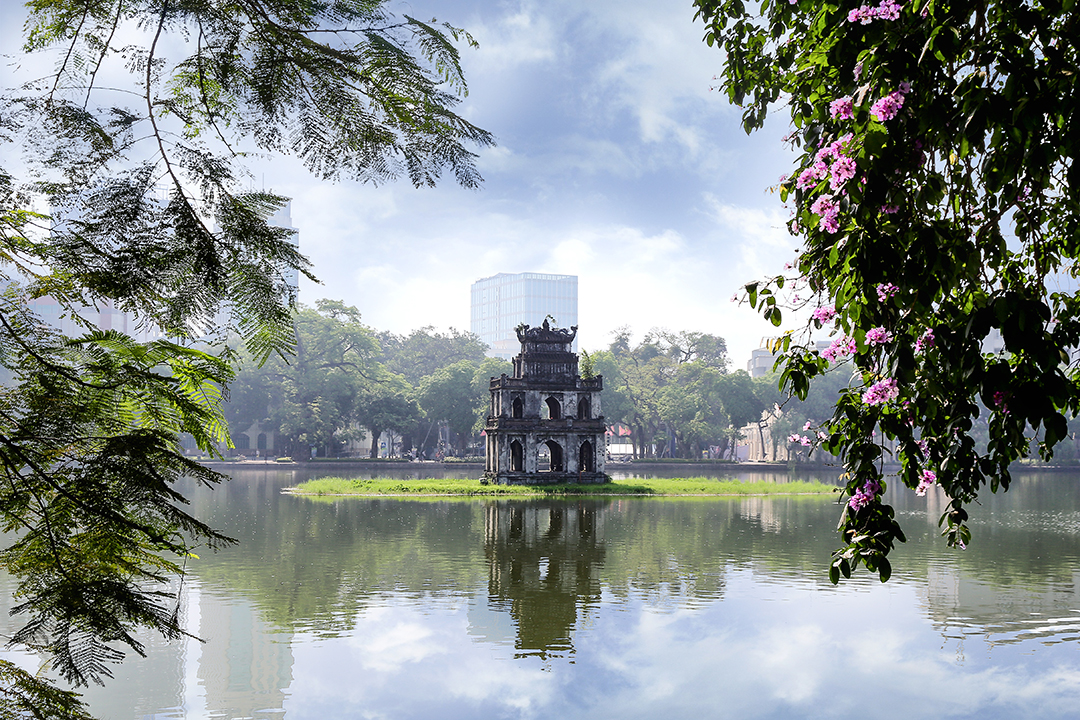
3. Exhibition: "The Legend of Truong Son"
This powerful exhibition brings the trail's history to life through more than 150 authentic items that tell the story of courage under fire. Visitors can examine:
- Carefully preserved weapons that highlight the resourcefulness of Vietnamese forces
- Military uniforms showing signs of jungle warfare and harsh conditions
- Communication equipment that maintained the vital flow of information
- Original photographs capturing pivotal moments along the trail
The exhibition recreates the immense challenges faced by young volunteers crossing the treacherous Truong Son mountain range. It places special focus on the strategically important segment in Quang Nam province. Thematic sections such as "The Strategic Route for the South" and "The Legendary Trail" offer valuable historical context. These zones help visitors understand the trail’s vital role in the war effort and national reunification. Meticulously reconstructed revolutionary sites bring history to life. One highlight is a life-sized replica of the D67 bunker, offering an immersive look into the wartime environment and command operations of the era. If you want to see the original D67 bunker, you can visit the Imperial Citadel of Thang Long. It is located right in the heart of the citadel complex, just behind the foundation of Kinh Thien Palace.
4. Special zones
The museum's special zones provide interactive and immersive experiences that help visitors comprehend the scale and complexity of the trail system:
- A detailed miniature model of the entire Ho Chi Minh Trail showcases:
- The ingenious transport solutions developed for different terrains
- Personal items carried by those traversing the trail
- The network of communication stations that coordinated movements
- The outdoor exhibition area features:
- Full-sized military vehicles that navigated the challenging terrain
- Artillery pieces and large-scale artifacts that demonstrate military capabilities
- Equipment used for trail maintenance and defense
- Immersive simulations recreate the trail experience through:
- Reconstructed jungle shelters showing how soldiers lived
- Authentic trail segments demonstrating navigation challenges
- Electronic warfare environments highlight technological innovations used to evade detection
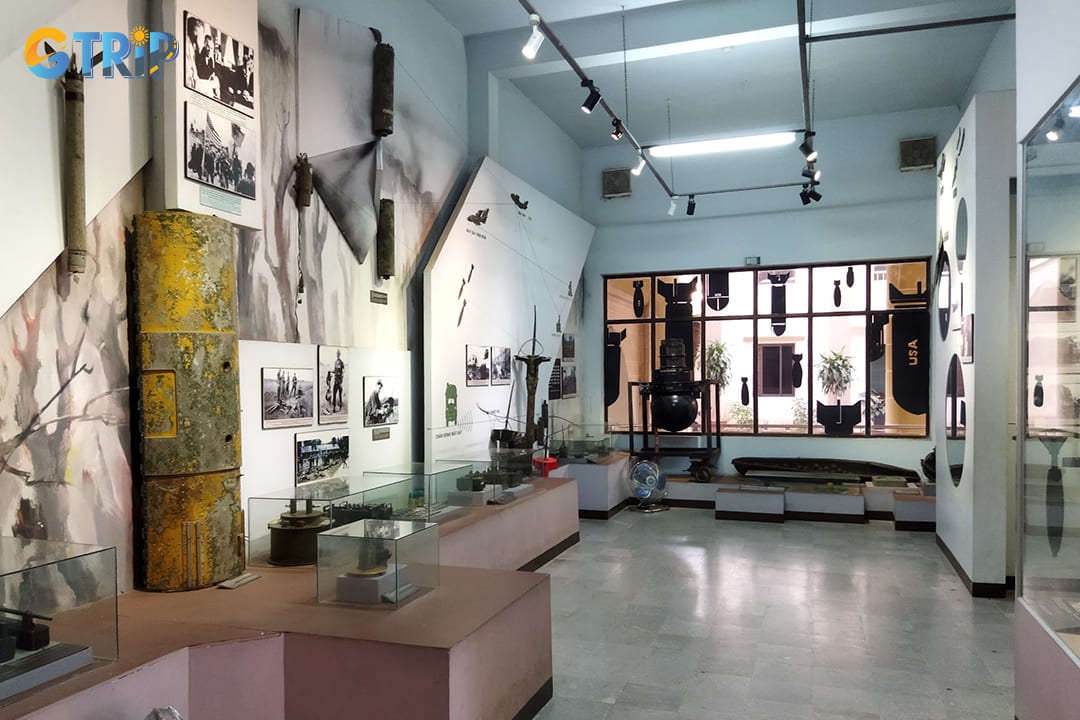
Visitors can immerse themselves in Vietnam's wartime history through carefully curated displays featuring authentic artifacts, photographs, and interactive elements
5. Other exhibitions at the Ho Chi Minh Trail Museum in Hanoi
The Hanoi museum location offers additional exhibitions that further illuminate the trail's significance:
| Exhibition theme | Key features |
|---|---|
| Construction & engineering | Models showing bridge-building techniques and innovative solutions for crossing rivers and ravines |
| Combat operations | Tactical maps, weapons displays, and accounts of significant engagements |
| Ingenuity under pressure | Collection of tools and equipment created from limited resources |
| Transportation technology | Evolution of vehicles and transport methods throughout the war |
The museum features an outstanding collection of over 15,000 original artifacts. These range from personal belongings of soldiers to large transport vehicles used during the war. One of the main highlights is an immersive simulation of the Truong Son Trail. Using authentic vehicles and wartime technologies, it recreates the experience of moving through dense jungle along the strategic route.
Tourists are especially drawn to the recreated “invisible trails” used to evade enemy detection. Equally striking are displays of tools and objects crafted from downed American aircraft and bomb shells, powerful symbols of Vietnamese resilience and ingenuity.
Explore more of Vietnam's wartime history:
How to get to the Ho Chi Minh Trail Museum
Getting to the Ho Chi Minh Trail Museum is straightforward with several transportation options available. The museum is located at Km 15 on National Highway 6 in the Ha Dong area, about 15km southwest of Hanoi's city center. While it's outside the main tourist districts, the journey itself offers glimpses into everyday Vietnamese life as you travel through expanding suburban areas.
By bus
Buses are the most economical option for reaching the museum from central Hanoi. Several routes make this journey accessible:
- Bus No. 103: Departs from Kim Ma Bus Station and terminates at Yen Nghia Bus Terminal, requiring a 10-minute walk west along National Highway 6
- Bus routes 02, 21A, 27, and 89: All pass through Yen Nghia or Ha Dong areas near the museum
- BRT01 (Bus Rapid Transit): Provides a faster service with dedicated lanes to minimize traffic delays
For visitors using Hanoi's newest public transport system, the Cat Linh - Ha Dong Skytrain (Line 2A) provides a traffic-free journey to Ha Dong. From there, take a connecting local bus or a short taxi ride to reach the museum. The skytrain fare is approximately 15,000 VND (~$0.65) one-way, making it both affordable and efficient.
By motorbike
Renting a motorbike offers flexibility and the quintessential Vietnamese travel experience for confident riders. The route from central Hanoi follows a clear path:
- Begin at Hoan Kiem Lake in the Old Quarter
- Head southwest on Nguyen Trai Street
- Continue onto Quang Trung Street
- Follow National Highway 6 toward Ha Dong
- Continue to Km 15 marker where the museum will appear on your right side
Travel time: Approximately 40-50 minutes, depending on traffic conditions
Distance: About 15km from central Hanoi
The journey along National Highway 6 is relatively straightforward with wide lanes, though traffic can be intense during rush hours (7:30 - 8:30 AM and 5:00 - 6:30 PM). Consider timing your visit to avoid these peak periods.
On foot/by bicycle (within Ha Dong area)
If you're already staying in the Ha Dong district or have reached Yen Nghia, walking or cycling to the museum becomes a viable option. The museum's location at Km 15 on National Highway 6 is well-marked and visible from the main road.
- Walking time from Yen Nghia Bus Terminal: Approximately 15-20 minutes
- Cycling time from central Ha Dong: About 10-15 minutes, depending on your starting point
Look for the distinctive entrance featuring military artifacts and commemorative displays. The museum's architecture makes it stand out from surrounding buildings, with traditional Vietnamese elements incorporated into its design. For those cycling, be aware that while the road is flat, it can be busy with traffic, so maintain caution, especially during peak hours.
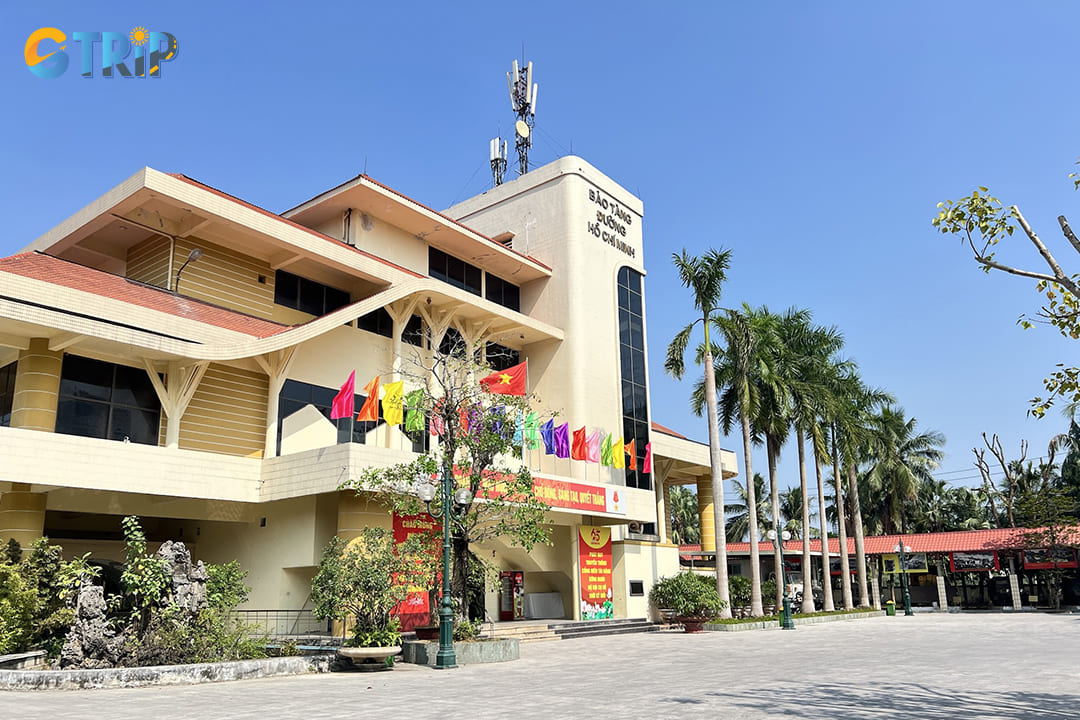
Getting to the Ho Chi Minh Trail Museum is straightforward with several transportation options available
Tips when visiting the Ho Chi Minh Trail Museum
A visit to the Ho Chi Minh Trail Museum offers profound insights into Vietnam's wartime history, but knowing how to approach your visit can significantly enhance your experience. To ensure you make the most of this historical treasure, follow these essential guidelines that balance respect for the venue with practical considerations for an enriching visit.
Dress appropriately
When visiting the Ho Chi Minh Trail Museum, proper attire is both a sign of respect and a practical necessity:
- Conservative clothing: Shoulders and knees should be covered for both men and women
- Comfortable footwear: You'll be walking and standing throughout the museum
- Light layers: The museum's air conditioning can vary between sections
- No revealing or provocative attire: This is considered disrespectful at Vietnamese historical sites
Many Vietnamese visitors dress semi-formally when visiting historical museums, reflecting the cultural importance they attribute to these spaces. While foreign visitors aren't expected to dress formally, neat, clean attire shows appropriate respect for this significant historical site.
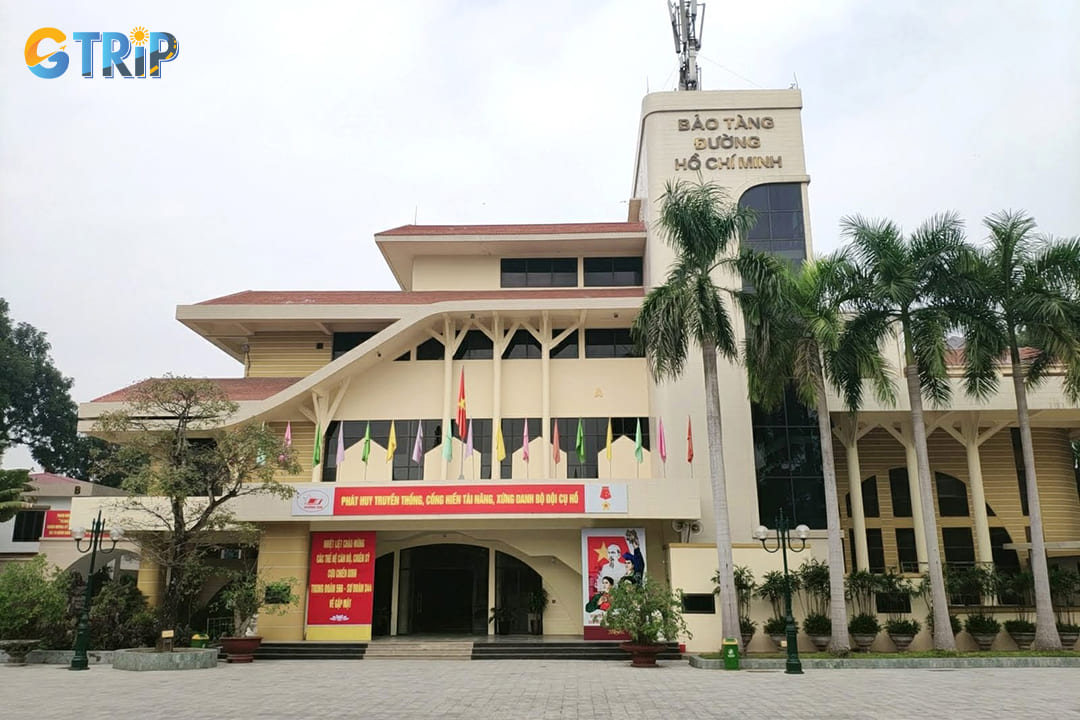
When visiting the Ho Chi Minh Trail Museum, proper attire is both a sign of respect and a practical necessity
Time management
Allocating sufficient time ensures you can fully appreciate the museum's extensive collections:
| Visitor type | Recommended time |
|---|---|
| Casual visitor | 1.5 - 2 hours |
| History enthusiast | 2 - 3 hours |
| Research/academic | 3+ hours |
The museum's exhibits are comprehensive and text-heavy, requiring time to absorb the wealth of information presented. Most visitors need approximately two hours to properly experience all sections, including time to reflect on the powerful stories and artifacts displayed. Photography enthusiasts should allow additional time for documenting the exhibits.
Optimal visiting hours
Strategic timing can significantly enhance your museum experience:
- Early morning (8:00 AM - 10:00 AM): Fewer crowds, fresher mind for absorbing information
- Late afternoon (3:00 PM - 4:30 PM): Tour groups have typically departed
- AVOID peak hours (10:00 AM - 11:30 AM): School groups and tour buses often arrive during this window
- Weekday visits: Generally quieter than weekends, especially Tuesdays and Thursdays
The museum typically experiences higher visitor volumes during national holidays and the summer tourist season (June - August). Therefore, you should plan accordingly if visiting during these periods.
Museum etiquette
Observing proper etiquette ensures a respectful environment for all visitors:
- Maintain a quiet atmosphere: Speak in hushed tones out of respect for other visitors
- No flash photography: It's permitted in most areas, but flash is prohibited to protect artifacts
- Turn phones to silent mode: Avoid disrupting the contemplative atmosphere
- Follow staff instructions: They may limit photography in certain sensitive exhibition areas
- No food or drinks: Except in designated areas
- Be mindful when taking photos: Some exhibits depict sensitive historical content
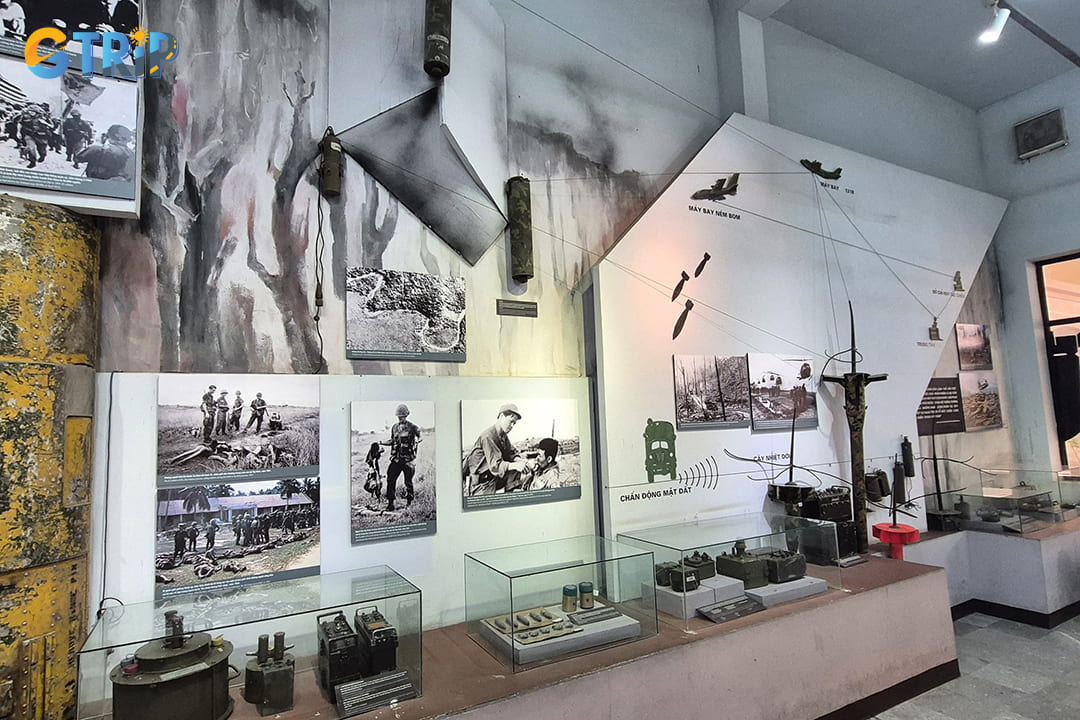
Observing proper etiquette ensures a respectful environment for all visitors
Don't know where to start? Check out our perfect 3-Day Hanoi itinerary for inspiration.
Visiting the Ho Chi Minh Trail Museum offers a glimpse into Vietnam's rich history and also an emotional journey through the stories of resilience and innovation. As you wander through the exhibits, each artifact whispers tales of bravery and determination that shaped a nation. This museum experience is more than just an educational visit. It stirs a sense of connection to the past, inviting reflection on life's diverse paths. If you want to explore this museum more deeply, consider booking Hanoi tours of GTrip - Vietnam Travel Agency.
Custom Your Journey

Other Attractions

Can Gio Monkey Island in Ho Chi Minh City: Tickets, Things to Do & Travel Guide
Can Gio Monkey Island
Can Gio Monkey Island in Ho Chi Minh City offers a refreshing escape from the city’s buzzing motorbike chaos. Just a short distance from the center, Can Gio welcomes you with lush mangrove forests, winding waterways, and a fascinating history. Here, you can meet playful long-tailed macaques, drift through tranquil channels, and explore remnants of a wartime guerrilla base.
Can Gio Monkey Island in Ho Chi Minh City: Tickets, Things to Do & Travel Guide
Cu Chi Tunnels: History, Architecture, Things To Do & Travel Guide
Cu Chi Tunnels
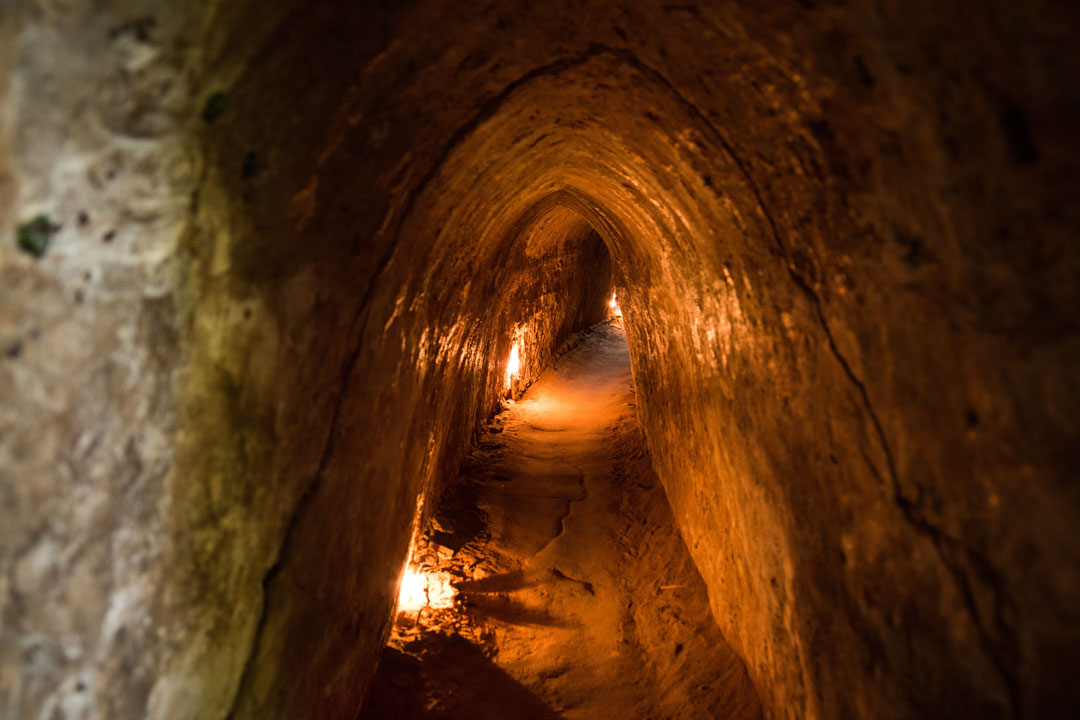
The Cu Chi Tunnels, located at TL15, Phu Hiep, Cu Chi District, Ho Chi Minh City, are a vast underground network of strategic passages, shelters, supply routes, and defensive traps.
Ho Chi Minh City
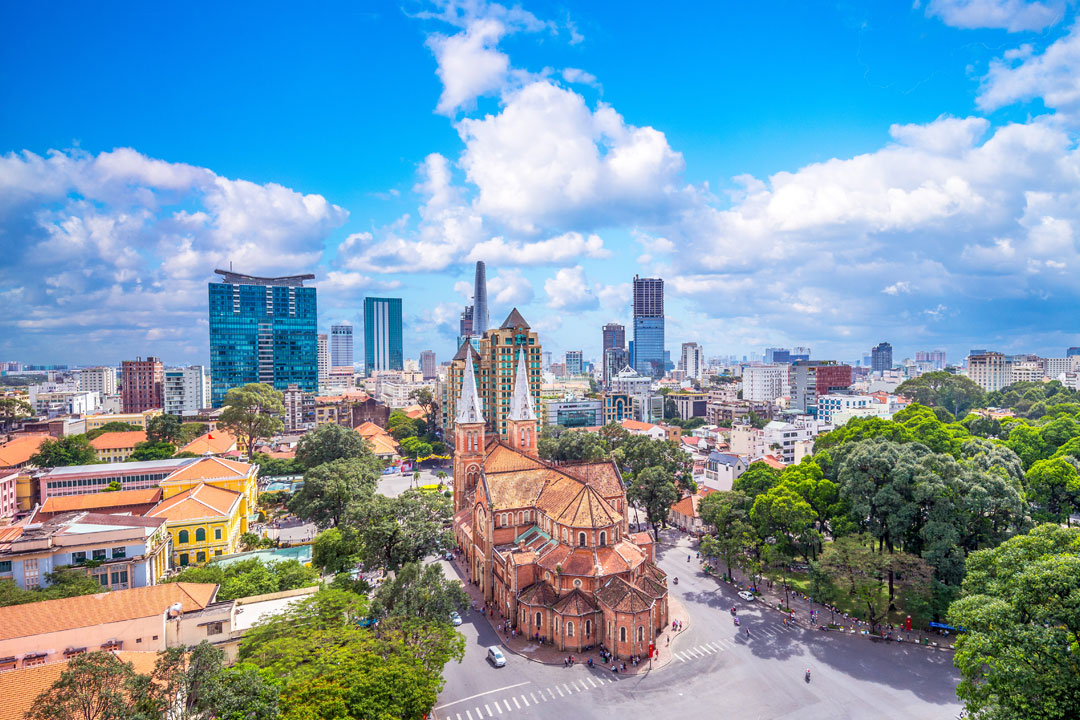
Ho Chi Minh City, known as the "Pearl of the Far East," attracts both domestic and foreign tourists with its unique and diverse destinations.

Tran Quoc Pagoda: History, Architecture, Significance & Travel Guide
Tran Quoc Pagoda
Nestled on the tranquil shores of West Lake, Tran Quoc Pagoda is the oldest Buddhist temple in Hanoi, with a history spanning over 1,500 years. Built in the 6th century under Emperor Ly Nam De, this sacred site reflects Vietnam’s Buddhist evolution while preserving its spiritual and architectural grandeur.