

Wednesday, October 14, 2026
Embarking on a journey through history often brings to life the innovations and stories that have shaped our world. The Museum of Armored Forces is not just any museum. It serves as a bridge between the past and present, providing an unparalleled glimpse into the evolution of military technology. This hidden gem calls out to history buffs, military enthusiasts, and curious travelers alike, offering intricate displays that chronicle the role of armored forces in shaping global events. But beyond its impressive collection lies an experience rich with education and insight, one that encourages visitors to grasp the complexities of warfare advancements while appreciating their impact on modern society. As you delve deeper into this unique attraction with GTrip's guided exploration, you'll uncover fascinating exhibits, thought-provoking narratives, and perhaps even gain a new perspective on history itself. This article helps illuminate why a visit here is both significant and unforgettable.
Table of Content
- Overview the Museum of Armored Forces in Hanoi
- The history of the Museum of Armored Forces
- Architecture of the Museum of Armored Forces
- Exhibitions and key artifacts
- How to get to the Museum of Armored Forces
- Important notes when visiting the Museum of Armored Forces in Hanoi
- Nearby attractions to visit from the Museum of Armored Forces
Overview the Museum of Armored Forces in Hanoi
- Address: 108 Hoang Quoc Viet Street, Nghia Do Ward (108 Hoang Quoc Viet Street, Nghia Tan Ward, Cau Giay District, Hanoi)
- Opening hours:
- Monday - Saturday: 8:00 AM - 11:00 AM & 2:00 PM - 4:00 PM
- Sunday: 8:00 AM - 11:00 AM & 2:00 PM - 5:00 PM
- Closed on Fridays
- Entry fee:
- Free admission for all visitors
- Photography and group tours are also free (advance booking recommended)
The Museum of Armored Forces, located about 9 km west of Hanoi’s Old Quarter in Cau Giay District, is Vietnam’s only museum dedicated to the nation’s armored forces. Covering 10,000 m², it showcases a large collection of tanks, vehicles, documents, and artifacts that highlight the country’s military history. Situated near major universities, the museum serves both as an educational hub and cultural landmark, attracting around 40,000 visitors each year. It has become a must-visit spot for military enthusiasts and one of the most unique things to do in Hanoi for those interested in Vietnam’s modern history
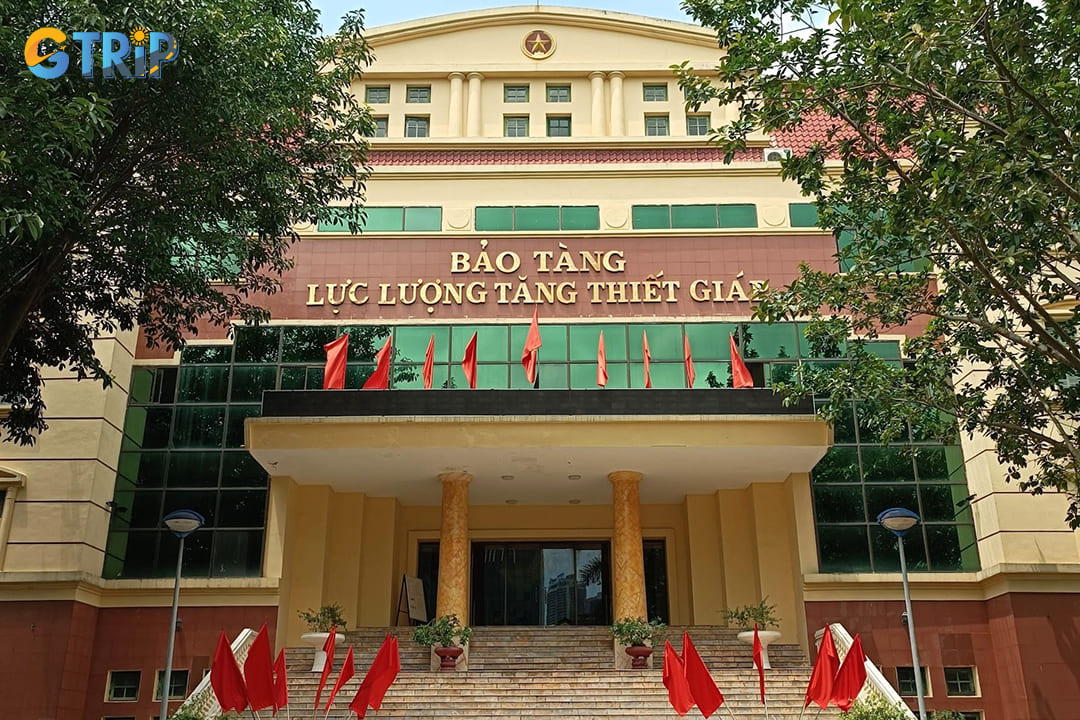
The Museum of Armored Forces has established itself as a must-visit destination for military enthusiasts and those interested in Vietnam's modern history
The history of the Museum of Armored Forces
The Museum of Armored Forces was established on September 12, 1995, under the authority of the Armored Corps’ Political Department. Founded in the context of Vietnam’s post-war reconstruction, the museum carries the mission of preserving and passing on the history of the nation’s armored forces.
Over nearly three decades, it has expanded from a modest exhibition space into a comprehensive institution featuring multiple halls, outdoor displays, and educational programs. Housing hundreds of artifacts, tanks, documents, and valuable records, the museum illustrates the pivotal role of the Armored Corps in national liberation, reunification, and defense. Today, it stands as an important destination, offering both domestic and international visitors an authentic insight into Vietnam’s modern military history.

The Museum of Armored Forces stands as a testament to Vietnam's military heritage
Architecture of the Museum of Armored Forces
The Museum of Armored Forces showcases a thoughtfully designed architectural concept that balances functionality with aesthetic appeal. The structure seamlessly integrates indoor and outdoor exhibition spaces, creating an immersive environment where visitors can explore Vietnam's military history. The architectural design prioritizes both the preservation of historical artifacts and the visitor experience, with careful consideration given to layout, navigation flow, and environmental conditions.
Exterior of the Museum of Armored Forces
The outdoor exhibition area of the Museum of Armored Forces offers an impressive panoramic display of military vehicles set against a thoughtfully landscaped backdrop. The exterior grounds incorporate lush green spaces with mature trees providing welcome shade during Vietnam's hot summer months. Benches strategically placed throughout the outdoor exhibition allow visitors to rest while contemplating the massive war machines on display. The architectural design incorporates wide pathways that ensure accessibility for all visitors, including those with mobility challenges.
During evening hours, subtle lighting illuminates the vehicles, creating dramatic shadows that highlight their imposing silhouettes. The outdoor area strikes an effective balance between being a military exhibition space and a contemplative park-like environment where history enthusiasts can spend hours examining Vietnam's armored heritage.
The outdoor exhibition area of the Museum of Armored Forces offers an impressive panoramic display of military vehicles
Interior of the Museum of Armored Forces
The 3,800 square meter indoor exhibition complex represents modern museum design at its finest. The interior architecture features:
| Design element | Purpose |
|---|---|
| Full-spectrum lighting | Prevents artifact degradation while highlighting key details |
| Climate control systems | Maintains optimal temperature (21-23°C) and humidity (45-55%) |
| Sound dampening materials | Creates appropriate acoustic environment for multimedia displays |
| Open sightlines | Allows visitors to orient themselves while moving between exhibits |
The interior space flows logically through chronologically arranged galleries, each with distinct architectural elements reflecting the historical period represented. Vaulted ceilings in the main exhibition hall create a sense of grandeur appropriate for displaying tanks and large artillery pieces. Smaller adjacent galleries provide intimate spaces for examining uniforms, medals, and personal artifacts.
Architectural ingenuity is evident in the transitional spaces between exhibition areas, where curved walls and subtle lighting changes signal movement from one historical period to another. The interior design incorporates multimedia stations seamlessly into the traditional display areas. It allows visitors to engage with historical footage and interactive educational materials without disrupting the overall aesthetic of the museum experience.
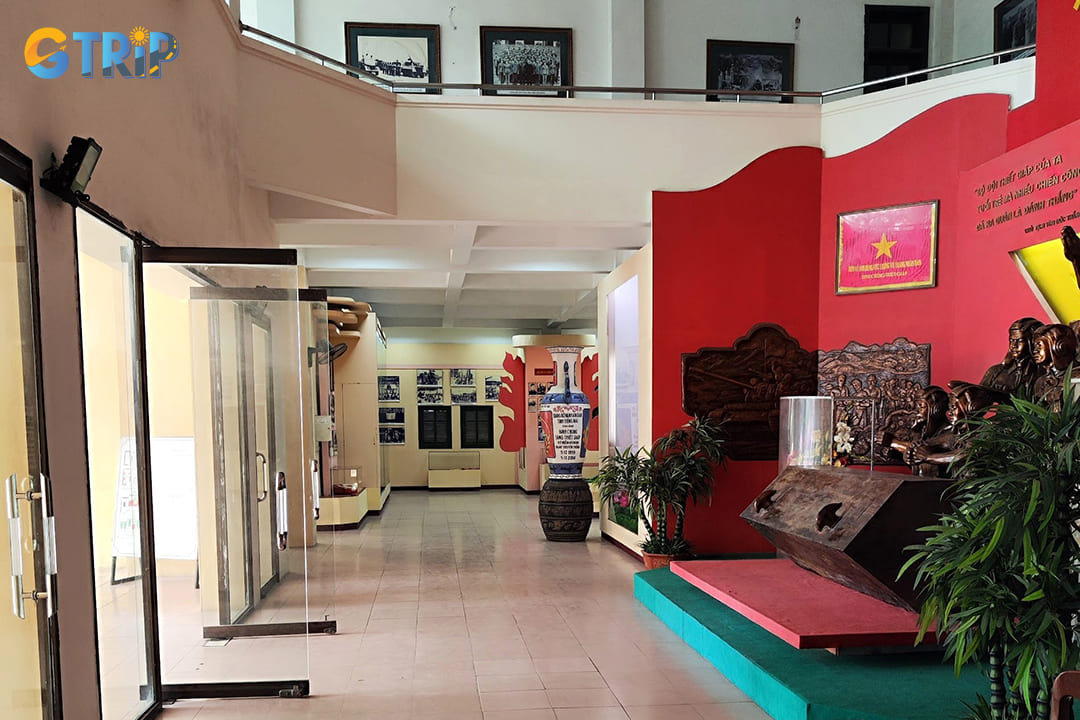
The interior space flows logically through chronologically arranged galleries, each with distinct architectural elements reflecting the historical period represented


Exhibitions and key artifacts
The Museum of Armored Forces houses an extraordinary collection of military artifacts that chronicle the evolution and heroic achievements of Vietnam's Armored Corps. You can explore both outdoor and indoor exhibition areas showcasing thousands of items ranging from massive battle tanks to personal memorabilia of soldiers. These carefully curated exhibitions bring to life the strategic importance and technological development of armored warfare in Vietnam's struggle for independence and subsequent national defense.
Outdoor exhibition area
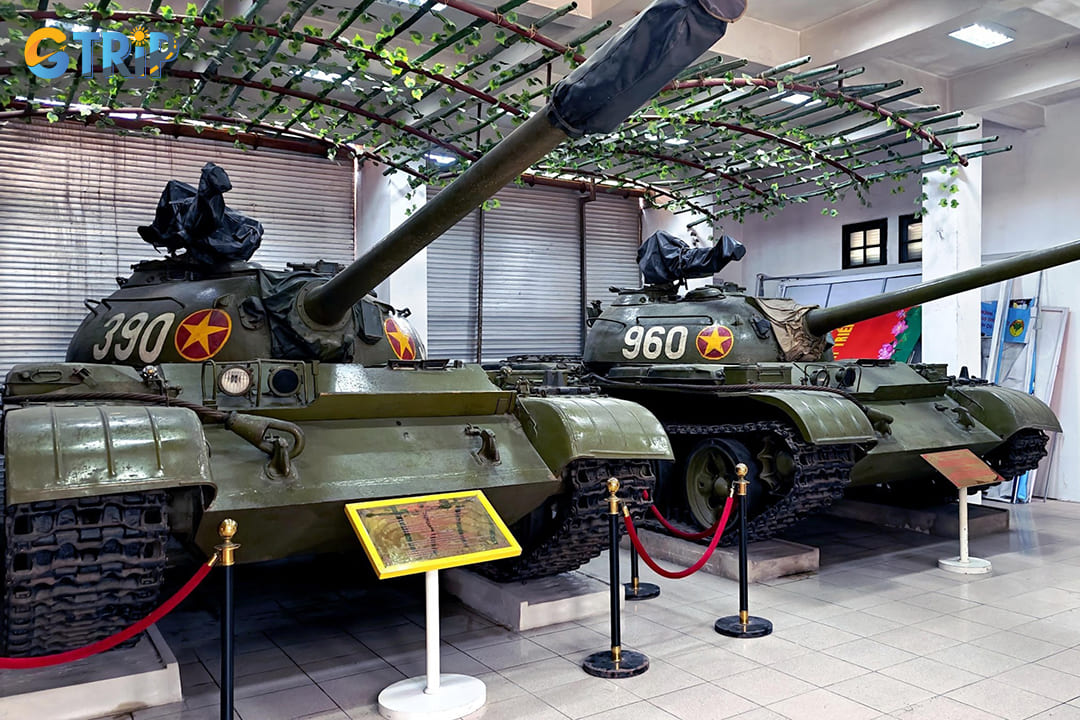
The sprawling outdoor exhibition area serves as the museum's most visually striking feature, displaying an impressive array of decommissioned military vehicles. They played pivotal roles in Vietnam's military campaigns. This open-air collection includes dozens of tanks, armored personnel carriers (APCs), artillery pieces, and anti-aircraft vehicles arranged chronologically to illustrate the evolution of Vietnam's armored capabilities.
The centerpiece of this outdoor collection features two legendary tanks that have achieved iconic status in Vietnamese history:
Historic tanks of national significance:
- Tank T-54B, number 843: This Soviet-manufactured main battle tank achieved legendary status when it famously crashed through the gates of Independence Palace in Saigon on April 30, 1975. This marked the fall of South Vietnam and effectively ended the Vietnam War. Tourists can see the actual tank that delivered this historic blow, complete with battle scars and its original hull number.
- Tank Type 62, number 995: The Chinese-made light tank was the second vehicle to enter the palace grounds during the final Ho Chi Minh Campaign, cementing victory for North Vietnamese forces. Its smaller profile allowed for greater maneuverability in urban combat scenarios.
The outdoor exhibition provides unparalleled opportunities for photography and offers visitors the rare chance to examine these massive war machines up close. You will appreciate their engineering and historical significance in Vietnam's military narrative.
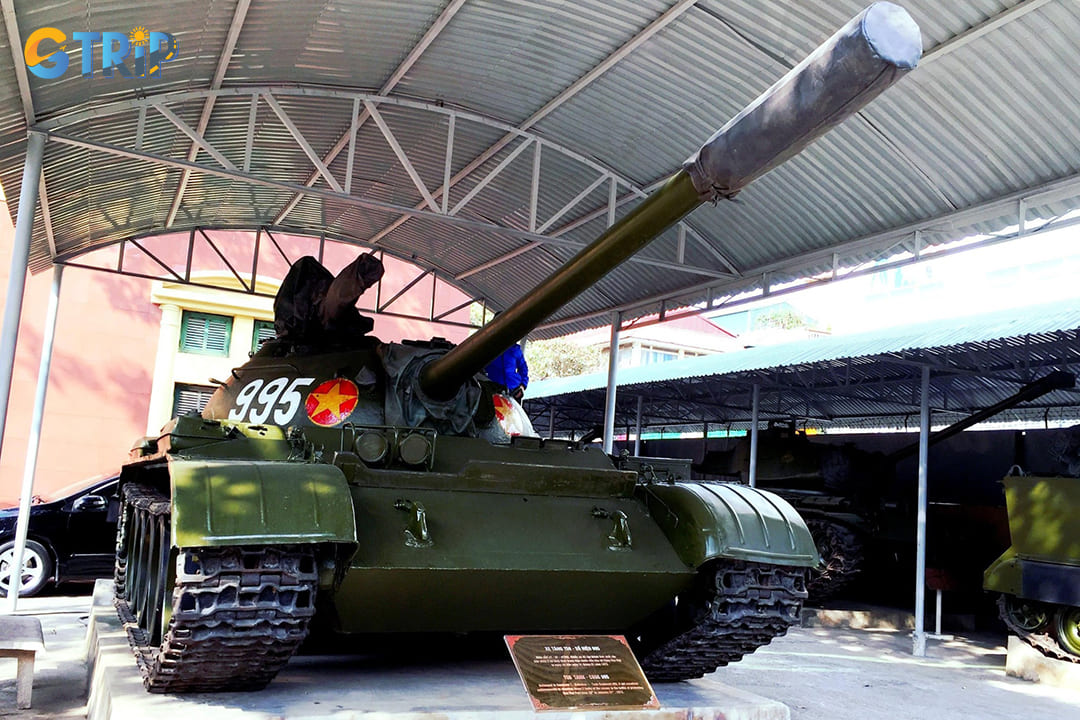
The centerpiece of this outdoor collection features two legendary tanks that have achieved iconic status in Vietnamese history
Indoor thematic exhibitions
The museum's interior houses a meticulously organized collection of over 3,000 artifacts that tell the comprehensive story of Vietnam's Armored Forces through five chronological thematic zones. Each zone features a rich assortment of military equipment, personal items, strategic documents, and multimedia presentations that contextualize the role of armored warfare in Vietnam's military history.
The five thematic zones progress through key periods in the development of Vietnam's armored capabilities:
Zone 1: Foundation years (1959-1965)
- Features rare photographs and documents detailing the formation of Vietnam's first armored units
- Displays early Soviet and Chinese training materials and equipment
- Includes personal effects of founding officers and strategic planning documents
Zone 2: Countering U.S. "Local war" strategy (1965-1968)
- Showcases early tactical victories against technologically superior U.S. forces
- Features captured American equipment and intelligence documents
- Presents dioramas of key battlefields where armored units proved decisive
Zone 3: Combat capability enhancement (1969-1974)
- Highlights technological improvements and strategic innovations
- Displays captured equipment and modified vehicles adapted for Vietnam's terrain
- Features medal collections and personal stories of distinguished tank commanders
Zone 4: Spring 1975 general offensive
- Contains detailed battle maps of the final campaign leading to reunification
- Features communication equipment used during the coordinated push to Saigon
- Includes victory artifacts and surrender documents
Zone 5: National defense (1975 to present)
- Showcases modern equipment and international cooperation initiatives
- Displays medals, honors, and documentation of peacetime achievements
- Features technological innovations and adaptations by Vietnamese engineers
The indoor exhibitions are enhanced with audiovisual presentations, including archival footage of tanks in action during critical battles. This adds depth to the visitor experience and brings historical events to life.
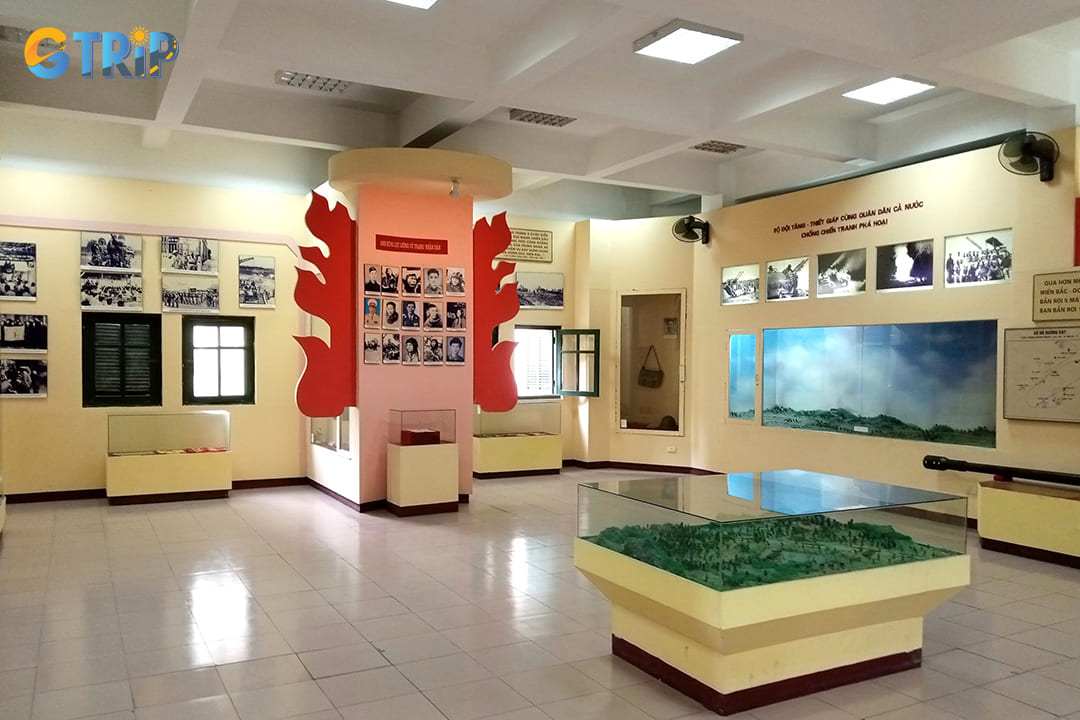
The museum's interior houses a meticulously organized collection of over 3,000 artifacts
Explore more of Hanoi's military history sites:
How to get to the Museum of Armored Forces
The Museum of Armored Forces is easily accessible via multiple transportation options, making it convenient for both international tourists and local visitors to discover this fascinating military attraction. The museum's strategic position offers straightforward access regardless of your preferred mode of transport or starting point in the city.
Public transportation options
Bus routes:
- Route 12: Runs between Long Bien and Cau Giay Park, stopping near the museum
- Route 16: Connects Kim Ma Bus Station with Cau Giay, with a stop approximately 400m from the entrance
- Route 19: Travels from Dong Xa to Co Loa, with a convenient stop for museum visitors
- Route 24: Links Giap Bat Bus Station to Cau Giay District with stops near the museum
The average bus fare ranges from 7,000 - 9,000 VND (approximately 0.30 - 0.40 USD), making this the most economical option. Buses typically run from 5:00 AM to 9:00 PM, with services every 15-20 minutes during peak hours.
Private transportation methods
Motorbike/Scooter:
- Follow Hoang Quoc Viet Street until you reach number 108
- Paid parking is available directly at the museum entrance (5,000 - 10,000 VND)
- Easy to spot with military vehicles displayed outside
Taxi or ride-sharing:
- Apps like Grab, XanhSM, or traditional taxis provide door-to-door service
- Show the driver "Bao tang Luc luong vu trang, 108 Hoang Quoc Viet" for the clearest direction
- Approximate fare from Old Quarter: 70,000 - 100,000 VND (depends on traffic conditions)
Car rental: Limited parking available near the museum entrance
Read more: Vehicle rental services in Hanoi
Travel times from popular Hanoi locations
| Starting point | Approximate travel time |
|---|---|
| Hoan Kiem Lake (Old Quarter) | 25-35 minutes |
| Hanoi Train Station | 20-30 minutes |
| West Lake area | 15-20 minutes |
| Noi Bai International Airport | 45-60 minutes |
| Ho Chi Minh Mausoleum | 15-20 minutes |
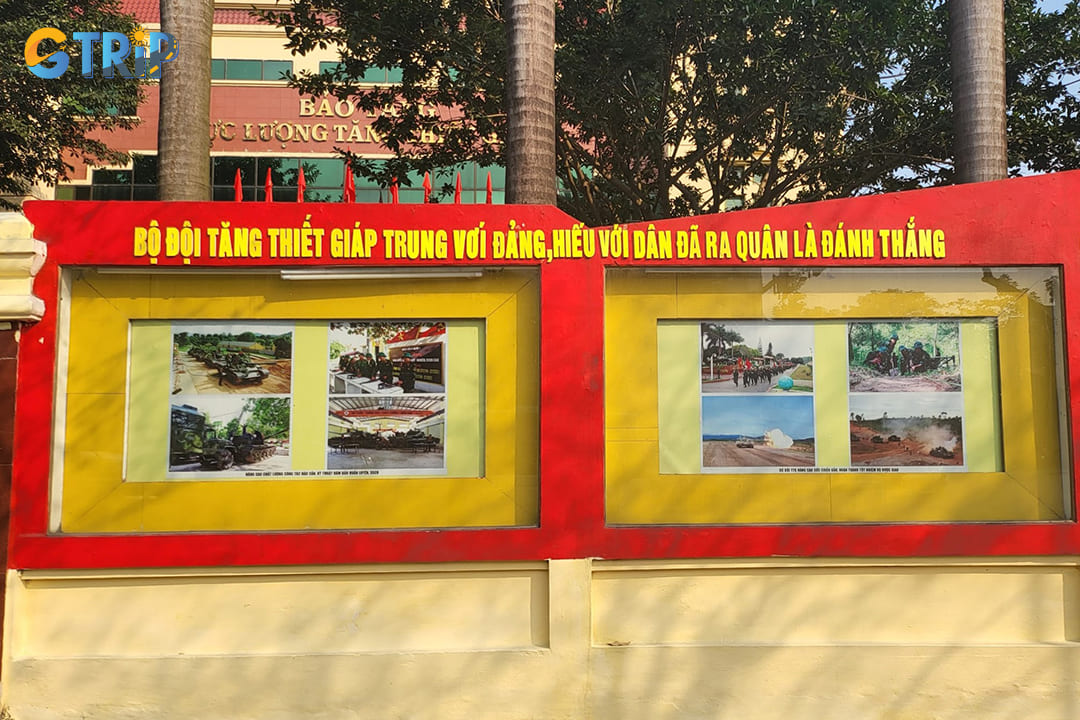
The Museum of Armored Forces is easily accessible via multiple transportation options
Important notes when visiting the Museum of Armored Forces in Hanoi
When planning your visit to the Museum of Armored Forces in Hanoi, understanding proper etiquette will enhance both your experience and help preserve this important historical site. The museum honors Vietnam's military heritage and fallen heroes, requiring visitors to observe specific protocols that go beyond typical tourist attraction guidelines. Here are essential visitor notes to ensure a respectful and meaningful experience:
Visitor etiquette and regulations
- Respectful attire required: Wear modest clothing that covers shoulders and knees. Avoid beach attire, revealing clothes, or items with potentially offensive imagery.
- Photography restrictions: Photography is permitted in most areas but strictly prohibited in certain sensitive sections. Always check for "No Photo" signs and respect these boundaries.
- Noise level: Maintain a quiet, conversational tone throughout your visit. Loud conversations, phone calls, or music can disturb other visitors and disrupt the solemn atmosphere.
- Museum property: Do not lean on display cases, cross barriers, or touch any military equipment or artifacts, even if they appear robust. These items are irreplaceable historical treasures.
Respecting memorial spaces
The memorial areas dedicated to fallen soldiers deserve particular reverence. When visiting these sections:
- Maintain silence: Speaking should be minimized or done in whispers in memorial halls.
- Appropriate behavior: Remove hats, avoid eating or drinking, and never take selfies or casual photos in areas honoring the deceased.
- Follow traditional customs: If flower-laying opportunities are available, follow staff guidance on proper protocol.
- Allow space: Give visitors who may have personal connections to the memorialized individuals priority and privacy for their moments of remembrance.
Practical visitor tips
| Consideration | Recommendation |
|---|---|
| Visit duration | Allow 1.5-2 hours for a thorough experience |
| Best time to visit | Weekday mornings for fewer crowds |
| Bags/Belongings | Large bags may need to be checked at security |
| Children | Suitable for school-age children with supervision |
| Guided tours | Consider booking for a deeper historical context |
These guidelines ensure the preservation of Vietnam's military heritage while allowing visitors to gain meaningful insights into the nation's armored forces history.
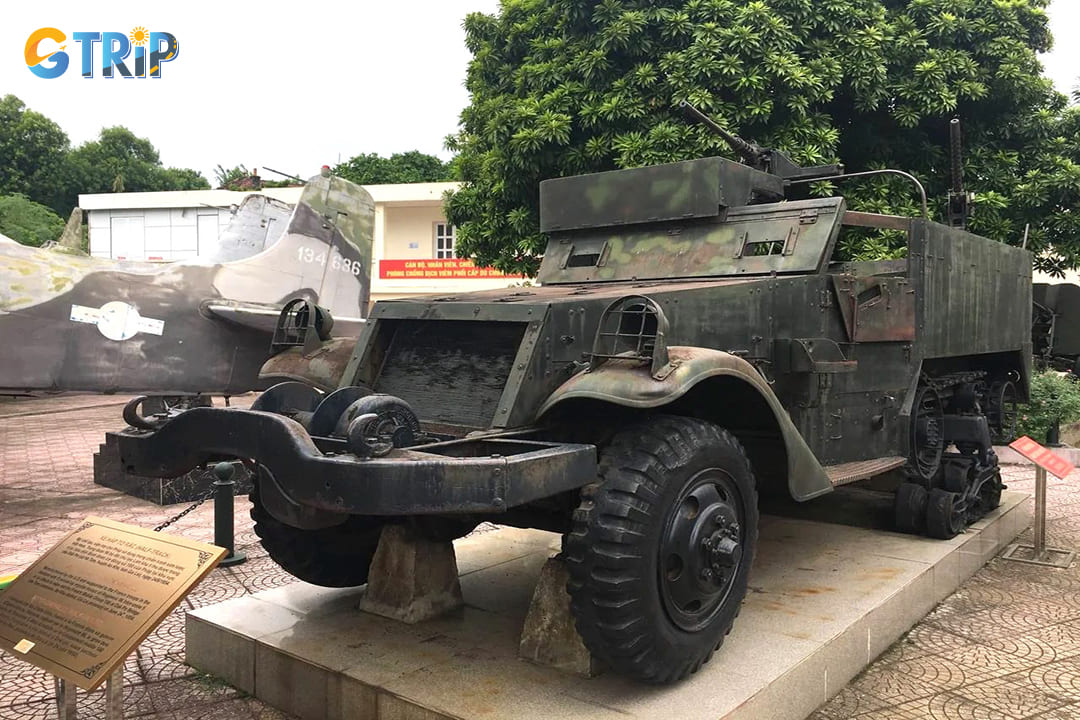
Understanding proper etiquette will enhance both your experience and help preserve this important historical site
Nearby attractions to visit from the Museum of Armored Forces
After exploring Vietnam's military history at the Museum of Armored Forces, you can easily access several noteworthy attractions within close proximity. In fact, this area is a gateway to some of the best museums in Hanoi. The museum's strategic location provides convenient access to cultural, historical, and natural sites that complement your military history experience. Here's a comprehensive guide to nearby attractions worth adding to your itinerary:
Cultural and historical sites
- Vietnam Museum of Ethnology: Located just 1 km northwest of the Museum of Armored Forces, this fascinating institution showcases Vietnam's 54 ethnic groups through indoor and outdoor exhibitions. Allow 1-2 hours to explore traditional houses, artifacts, and cultural displays.
- Vietnam National Museum of Nature: Situated approximately 1.2 km northeast, this museum houses impressive geological specimens, fossils, and ecological displays. Perfect for nature enthusiasts and families with children interested in biodiversity.
- Ho Chi Minh Mausoleum Complex: Positioned about 5 km southeast in Ba Dinh Square, this iconic national monument includes:
- The Mausoleum itself (housing Ho Chi Minh's preserved body)
- Presidential Palace
- Ho Chi Minh's Stilt House
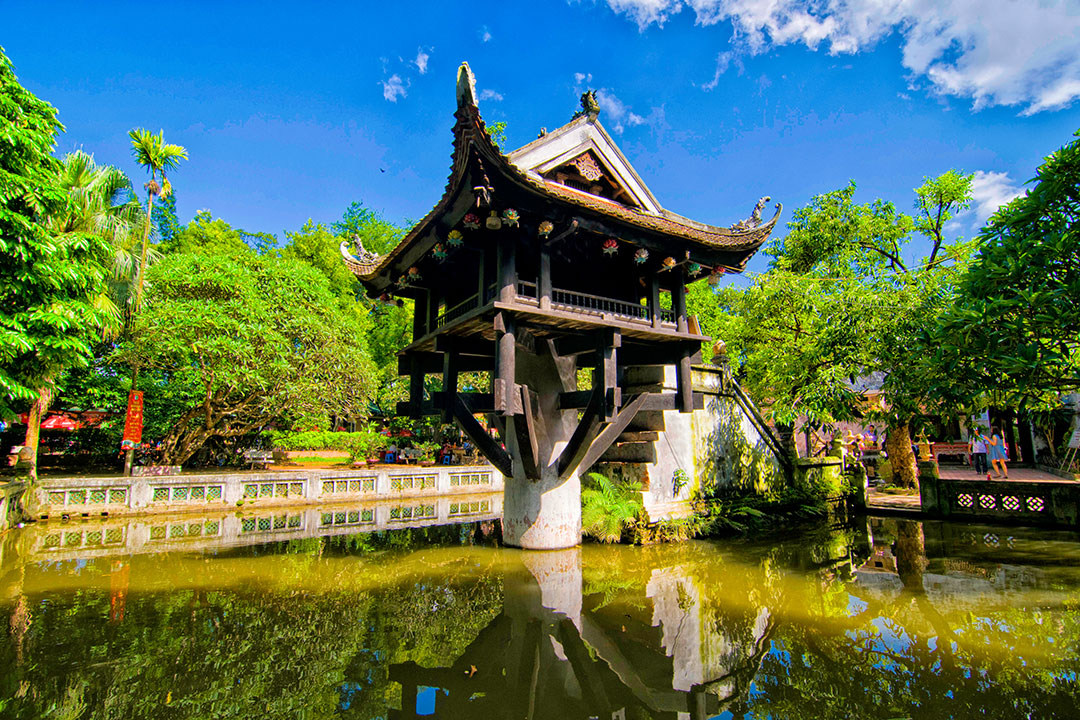
- One Pillar Pagoda
- Ho Chi Minh Museum
- Thang Long Imperial Citadel: Located about 4.5 km east, this UNESCO World Heritage site represents 1,300 years of Vietnamese history with archaeological sites dating back to the 7th century.
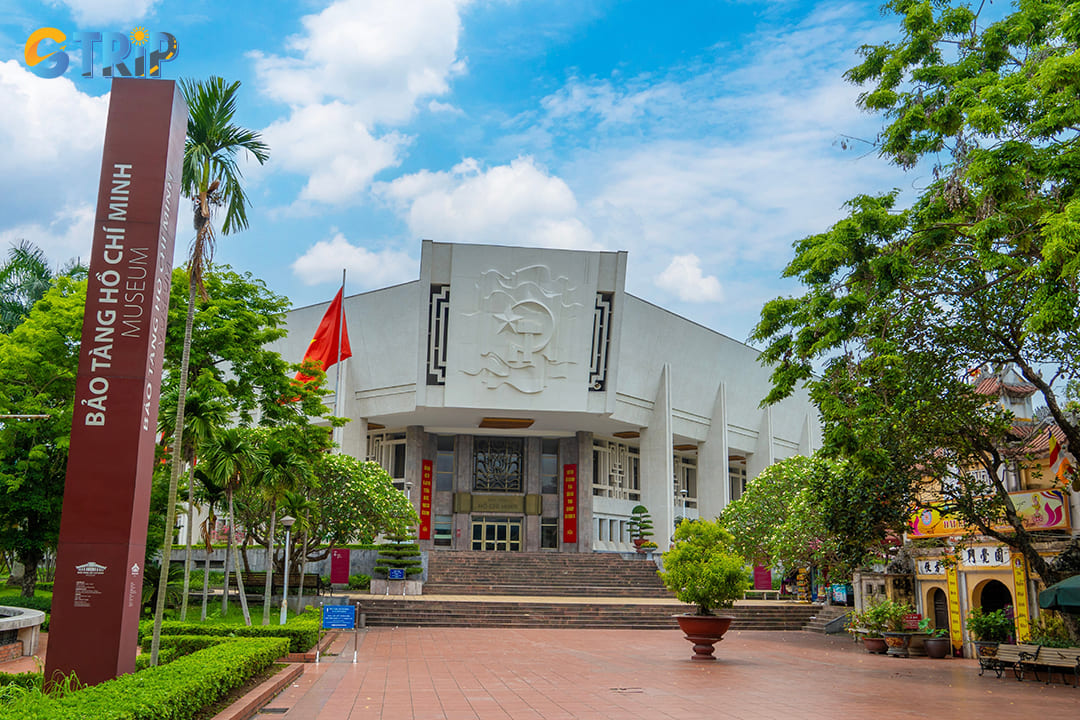
After exploring the Museum of Armored Forces, you can easily access several noteworthy attractions within close proximity, such as the Ho Chi Minh Museum
Parks and recreational areas
- Thu Le Park and Zoo: Just 2 km southwest, this expansive green space offers a refreshing break with a small zoo, lake, and recreational facilities.
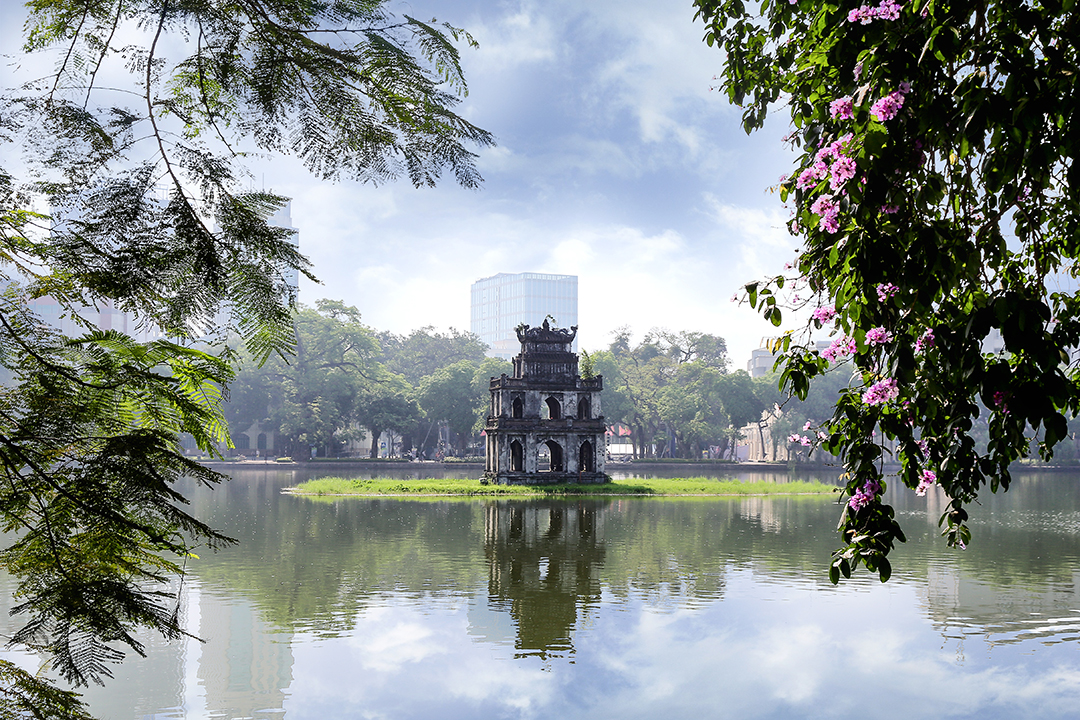
- West Lake (Ho Tay): Approximately 3 km northeast, Hanoi's largest freshwater lake features beautiful scenery, temples, restaurants, and water activities.
| Attraction | Distance |
|---|---|
| Vietnam Museum of Ethnology | 1 km |
| Vietnam National Museum of Nature | 1.2 km |
| Ho Chi Minh Mausoleum Complex | 5 km |
| Thang Long Imperial Citadel | 4.5 km |
| Thu Le Park | 2 km |
| West Lake | 3 km |
Most of these attractions can be reached by a short taxi ride or by using ride-hailing apps like Grab. For budget travelers, local buses also connect these locations, though they may require transfers.

West Lake is Hanoi's largest freshwater lake, featuring beautiful scenery, temples, restaurants, and water activities
Exploring the Museum of Armored Forces with GTrip is more than just a journey through military history. It's an immersive experience where stories of bravery and innovation come alive. As you've wandered through its halls, you've gained perspectives on the art of war and the machinery that shaped pivotal moments in our past. This experience enriches your historical knowledge and also kindles a deeper appreciation for the intricate blend of technology and human courage. Hopefully, this exploration has inspired your curiosity and maybe even set plans in motion for future adventures. If questions linger or you're hungry for more discoveries, consider booking Hanoi tours of GTrip - Vietnam Travel Agency to explore more about these attractions.
Custom Your Journey

Other Attractions

Can Gio Monkey Island in Ho Chi Minh City: Tickets, Things to Do & Travel Guide
Can Gio Monkey Island
Can Gio Monkey Island in Ho Chi Minh City offers a refreshing escape from the city’s buzzing motorbike chaos. Just a short distance from the center, Can Gio welcomes you with lush mangrove forests, winding waterways, and a fascinating history. Here, you can meet playful long-tailed macaques, drift through tranquil channels, and explore remnants of a wartime guerrilla base.
Can Gio Monkey Island in Ho Chi Minh City: Tickets, Things to Do & Travel Guide
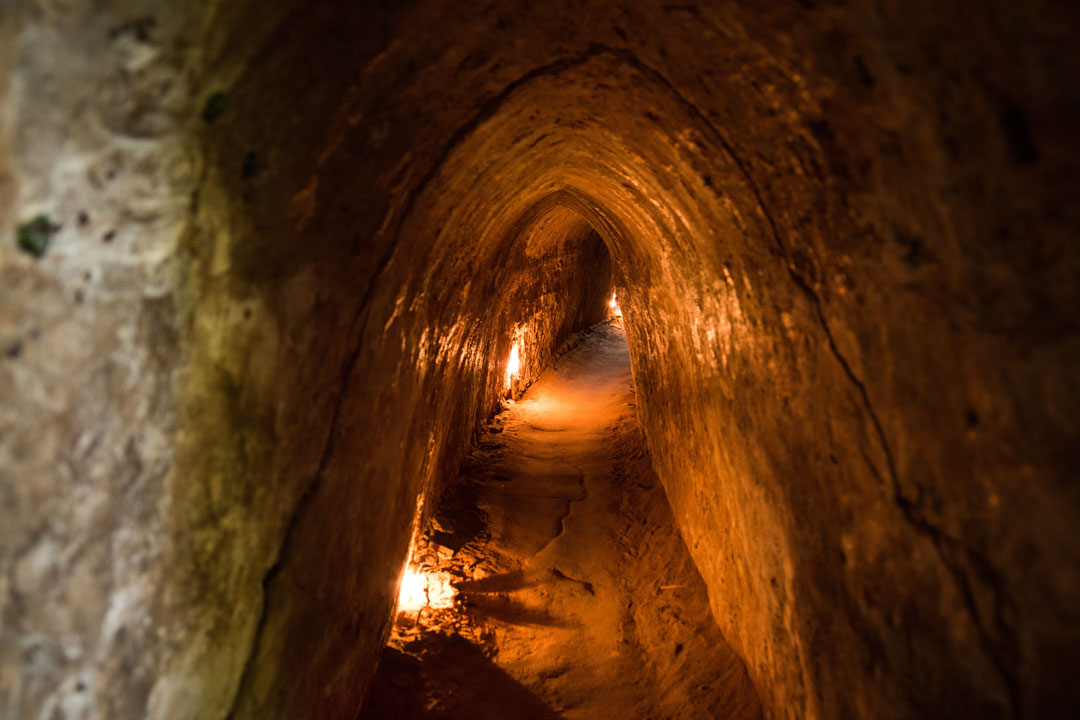
Cu Chi Tunnels: History, Architecture, Things To Do & Travel Guide
Cu Chi Tunnels
The Cu Chi Tunnels, located at TL15, Phu Hiep, Cu Chi District, Ho Chi Minh City, are a vast underground network of strategic passages, shelters, supply routes, and defensive traps.
Ho Chi Minh City
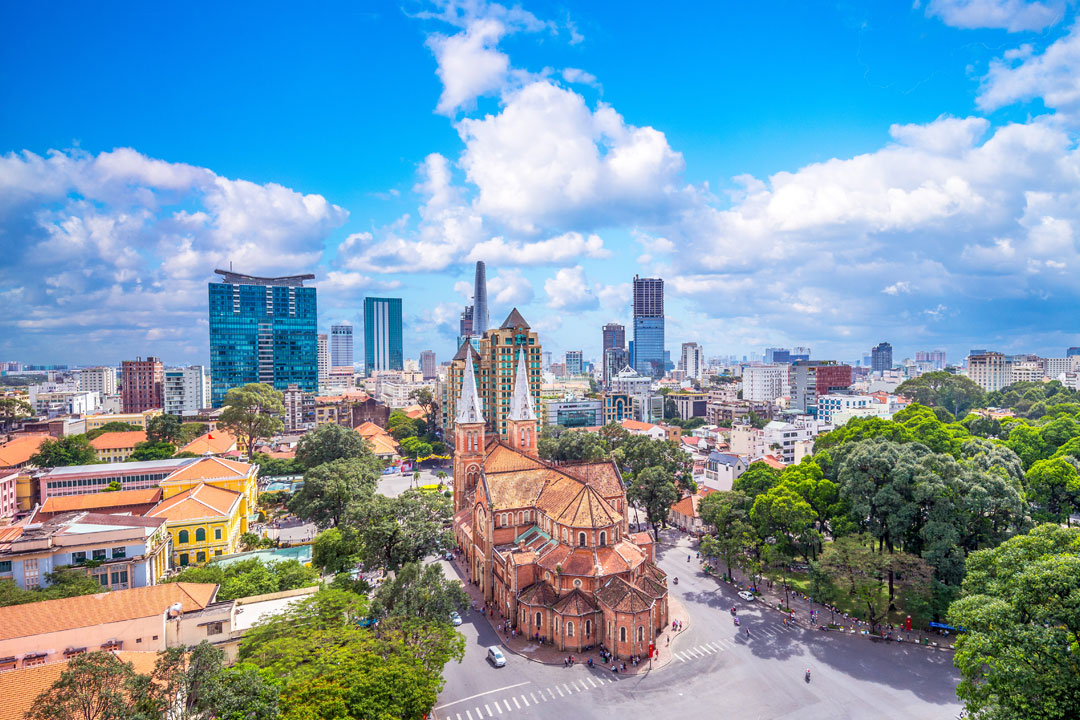
Ho Chi Minh City, known as the "Pearl of the Far East," attracts both domestic and foreign tourists with its unique and diverse destinations.
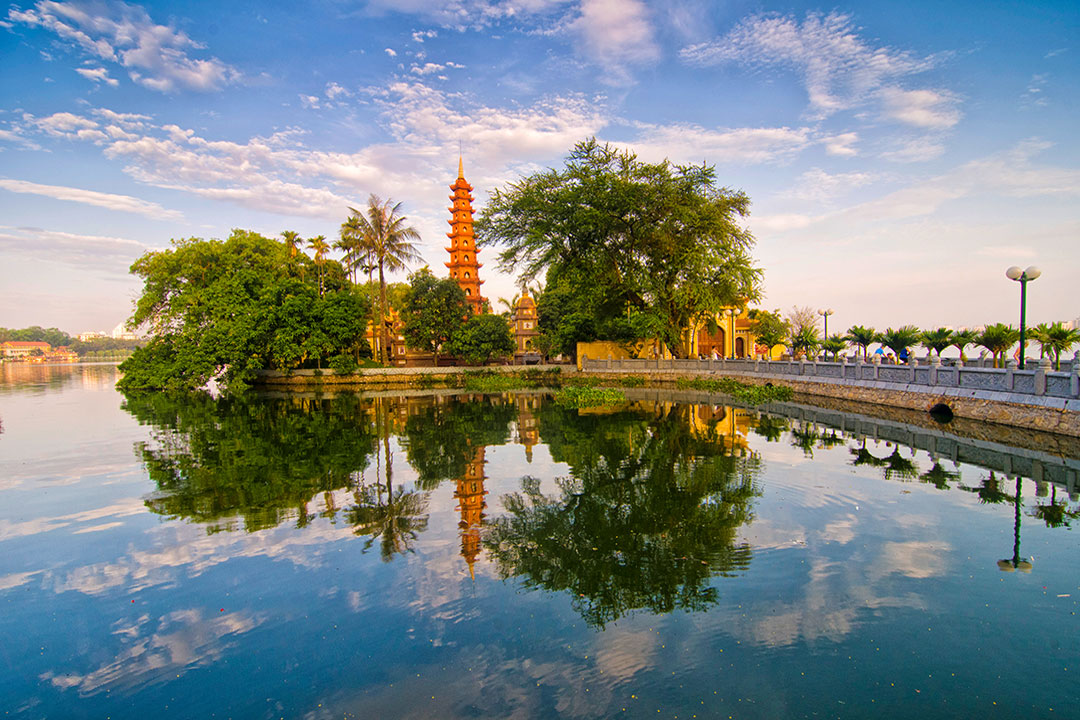
Tran Quoc Pagoda: History, Architecture, Significance & Travel Guide
Tran Quoc Pagoda
Nestled on the tranquil shores of West Lake, Tran Quoc Pagoda is the oldest Buddhist temple in Hanoi, with a history spanning over 1,500 years. Built in the 6th century under Emperor Ly Nam De, this sacred site reflects Vietnam’s Buddhist evolution while preserving its spiritual and architectural grandeur.