Monday, December 29, 2025
Ba Ngu Hanh Temple Festival is held at the Thang Tam Temple area and Ba Ngu Hanh Temple, located at 74 Ha Long Street, Ward 2, Vung Tau City (74 Ha Long Street, Ward Vung Tau, HCMC). The festival usually takes place over three days on the 16th, 17th, and 18th days of the 10th lunar month each year. The community has to express their reverence and pray for favorable weather and abundant seafood harvests.
Overview of the Ba Ngu Hanh Temple Festival
The Ba Ngu Hanh Temple Festival carries the rich cultural and historical heritage of the people of Ho Chi Minh.
Origin of Ba Ngu Hanh Temple
The temple was built in the year 1832 (Year of the Dragon) under the reign of Emperor Minh Mang. It is located in the Thang Tam area, the first settlement of early Ho Chi Minh residents. The temple worships five female deities representing the five elements: Metal, Wood, Water, Fire, and Earth - essential forces believed to govern the universe and human life.
The Nguyen Dynasty recognized the local belief system by bestowing royal decrees of honor. Between 1845 and 1846, Emperor Thieu Tri granted four titles to the goddess Thien Y A Na. In 1850, Emperor Tu Duc added two more decrees honoring Thien Y A Na and the Water Dragon Goddess. The name "Ba Ngu Hanh Temple" derives from the main deities worshipped, which are inscribed on a wooden plaque above the altar. Locals affectionately call it "Mieu Ba" since all the deities are female. Among fishermen, this name is ubiquitous in daily speech.
Meaning of the festival
The festival is an occasion for locals to express gratitude to the deities for protection and a peaceful, prosperous life. Through solemn rituals, people pray for health, success, and safety for their families.
It is also a time to strengthen community bonds and preserve traditional values in modern life. The sacred rituals and familiar folk activities like classical opera, lion dances, and spirit medium performances reflect the spiritual richness and cultural pride of the local people.
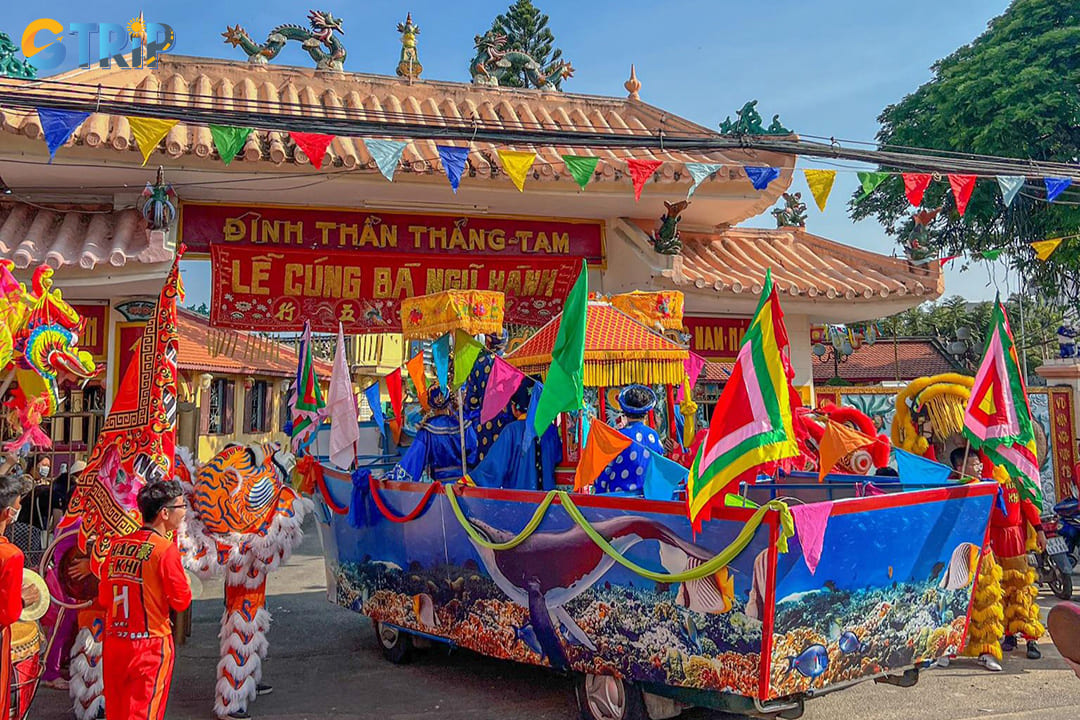
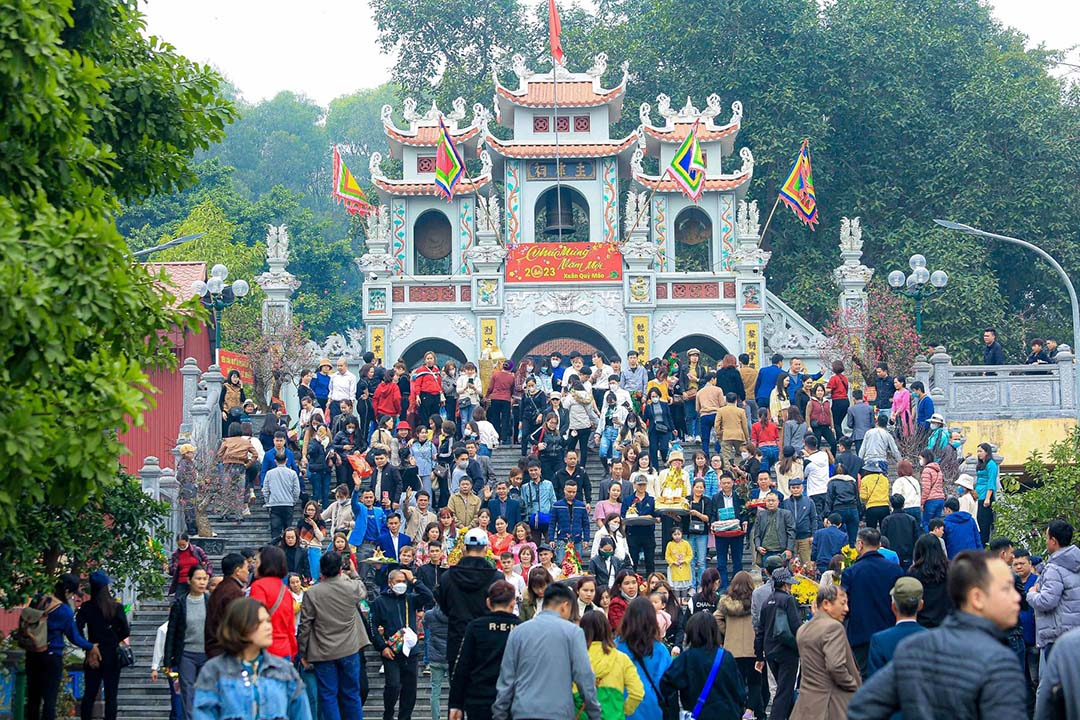
The Ba Ngu Hanh Temple Festival attracts not only residents but also a large number of domestic and international tourists
Ritual ceremonies of the Ba Ngu Hanh Temple Festival
The Ba Ngu Hanh Temple Festival is one of the most unique spiritual festivals of the people of Vung Tau (now part of Ho Chi Minh City), held only once a year on the 16th, 17th, and 18th days of the 10th lunar month.
Ritual of Welcoming the Goddess
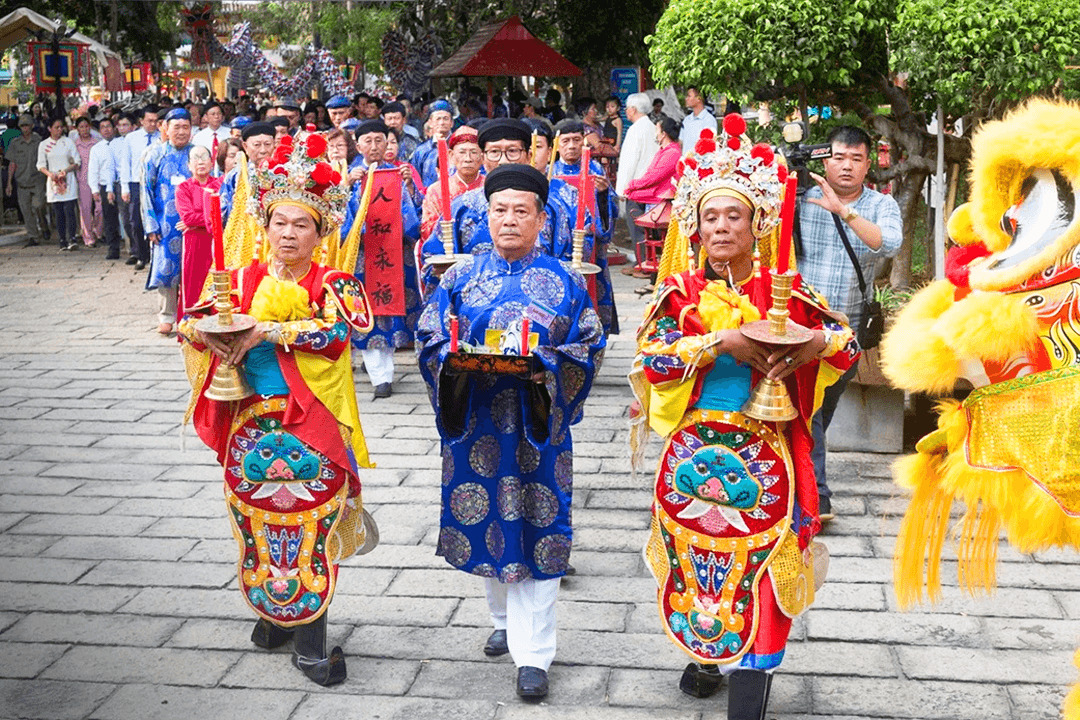
In the early morning of the 16th day of the 10th lunar month, the procession to welcome the Goddess begins from Hon Ba Temple and proceeds to Ngu Hanh Temple. Uniquely, the procession is done entirely on foot, even when approaching Hon Ba Island, located about 50 meters offshore. Therefore, the ritual is usually held during low tide to allow easier access. The procession moves along main streets, carrying the palanquin of the Goddess, accompanied by ceremonial flags, gongs, drums, parasols, and a lion dance team leading the way. Locals along the route prepare offerings, light incense, and pray in a solemn atmosphere. Once the palanquin is respectfully placed at Ngu Hanh Temple, the memorial ceremony for the Fore-elders and Latter-elders is conducted. This is considered the opening ritual of great importance, reflecting the community’s reverence and close connection to their traditional beliefs.
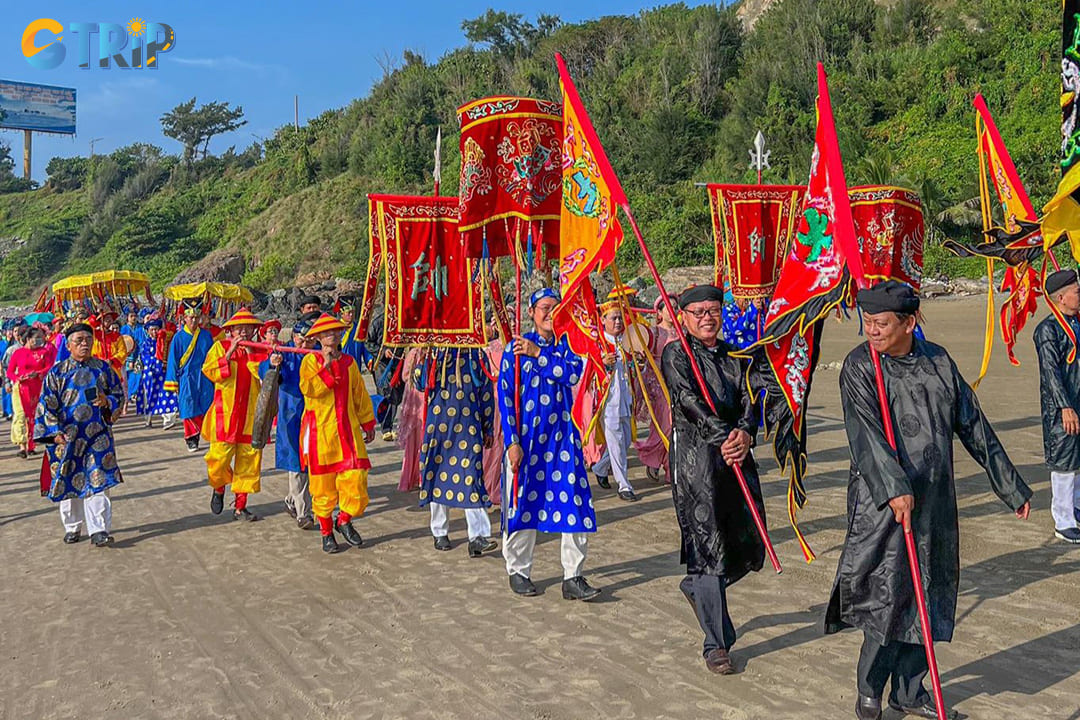
The coastal Thuy Van Street is the route where the Welcoming the Goddess procession takes place
Memorial ceremony for the founders
Around 8 a.m., the memorial ceremony for the village founders (Tien Hien - Hau Hien) is held at Ngu Hanh Temple, right after the palanquin of the Goddess is placed at the altar. This ritual honors those who first reclaimed the land, founded the village, built the temple, and formed the early community. The ceremonial team, consisting of village elders and officials dressed in traditional ao dai, performs incense offerings and recites ceremonial texts in a solemn atmosphere. It is a meaningful occasion for locals to remember their ancestors, uphold the tradition of gratitude, and strengthen intergenerational bonds through time-honored cultural values.
Main worship ceremony of the Five Element Goddesses
At exactly noon, the main worship ceremony for the Five Element Goddesses takes place. Before that, around 11 a.m., a ritual dance called bong roi and a spirit-inviting ceremony are performed to welcome the Goddess and offer golden and silver trays to the deities. As the main ceremony begins, three rounds of drum and gong beats signal the start of the sacred rites. Ritual assistants, ceremonial students, and dao thai carry out the traditional procedures. In front of the altar, four women take on the roles of main celebrant, assistant, and attendants on the east and west sides.
In addition, four ceremonial guards stand with spears as a sign of respect. The chief celebrant then offers one round of incense, three rounds of wine, and one round of tea. A spirit medium is also prepared for the ceremony. As the chief celebrant reads the prayer, it is believed that the Goddess enters the medium. Through the medium, she delivers divine messages to the community. The ritual concludes with the burning of the ceremonial script, followed by offerings and prayers from the attendees, who kneel and express their wishes for blessings and protection in the coming year.
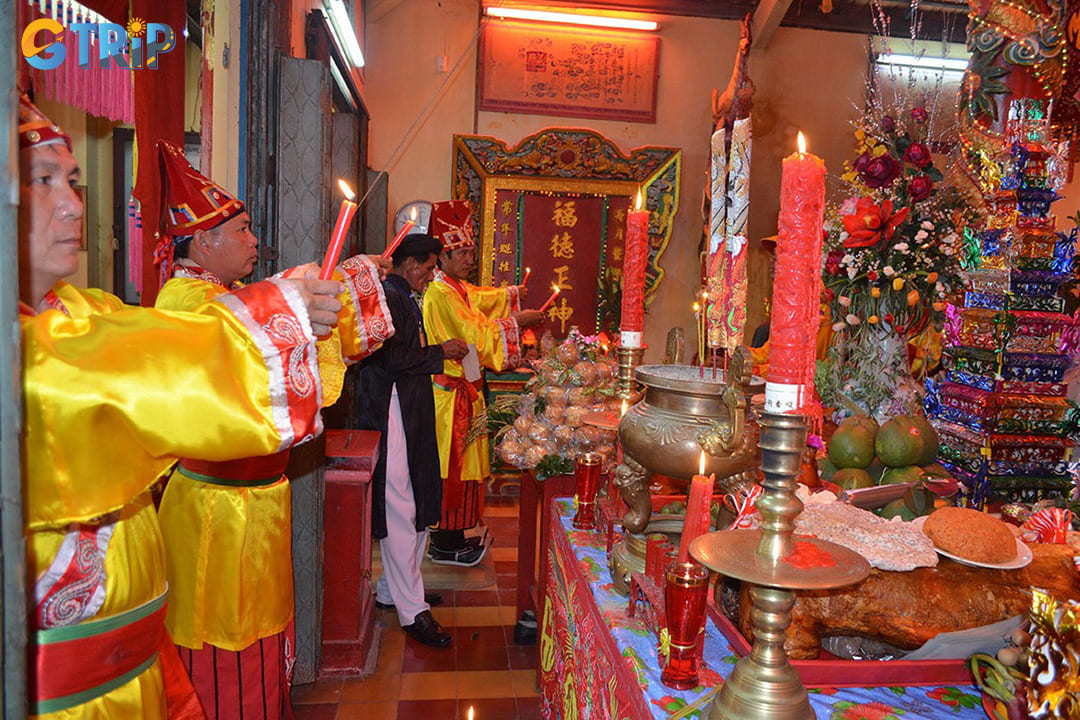
The solemn incense offering ceremony at Ba Ngu Hanh Temple
Festive activities
The festivities take place in the temple courtyard, drawing locals and tourists alike. The highlight is the performance of classic opera scenes such as "Phan The Ngoc Destroys the Arena", "So Van Saves the Emperor", and others. On the first afternoon of the festival, the ritual committee hosts a grand offering performance, followed by the opening act, also known among locals as the ceremonial play presentation.
Besides classical opera, rituals like bong roi performances and dances such as the golden tray and silver tray offerings to the Goddess are also solemnly organized. These rituals carry unique spiritual characteristics. Additionally, there are lion dances and Southern Vietnamese traditional folk music performances. Together, they contribute to a vibrant, intimate atmosphere rich in the essence of Southern Vietnamese rural life. These activities are not only entertaining but also an opportunity for the community to jointly preserve and spread traditional folk art values to the younger generation.
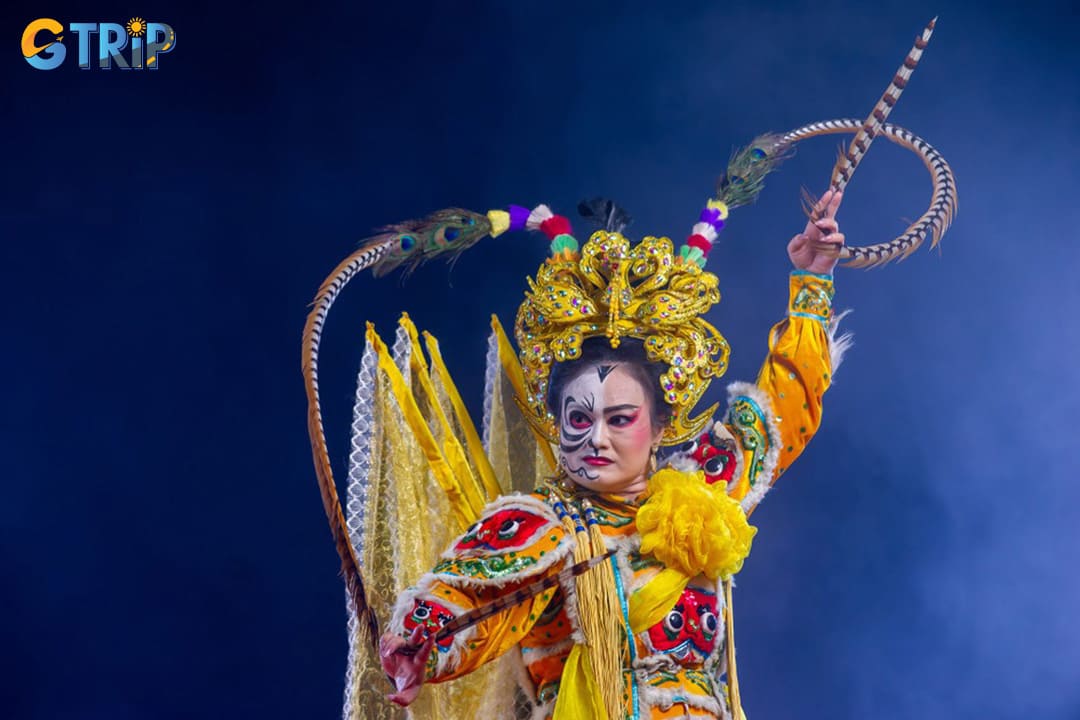
Classical opera performances at the festival
The Ba Ngu Hanh Temple Festival stands as a cultural symbol of Vung Tau (present-day Ho Chi Minh City), reflecting the spiritual depth and unity of its coastal community. Sacred ceremonies give way to vibrant cultural festivities, they play a vital role in preserving traditional identity and enriching the local cultural life. If you have the chance to visit Vietnam, be sure to stop by Ho Chi Minh to experience the unique folk culture of the Ba Ngu Hanh Temple Festival.