Friday, July 4, 2025
The King Mai Hac De Temple Festival is held annually to honor the remarkable contributions of King Mai and the ancestors who helped build and defend the nation. This meaningful event serves as a time to reflect on historical traditions, inspire patriotism, and celebrate the rich cultural and historical heritage of this sacred land known for its exceptional people.
Introduction to Mai Hac De Temple
The historical Mai Hac De Temple complex is located in Ram Valley, on Hung Son Mountain (also known as Dun Mountain) in Nam Dan Commune, Nghe An. Recognized as a Special National Monument in 2022, the site includes the mausoleum and temple dedicated to King Mai Hac De (Mai Thuc Loan), his son Mai Thieu De (Mai Thuc Huy), and loyal generals who fought alongside them against the Tang Dynasty. Built by local people centuries ago, the complex commemorates their efforts in achieving national independence and maintaining sovereignty from 713 to 723. Today, it preserves 34 valuable artifacts, including royal decrees, statues, thrones, and tablets.
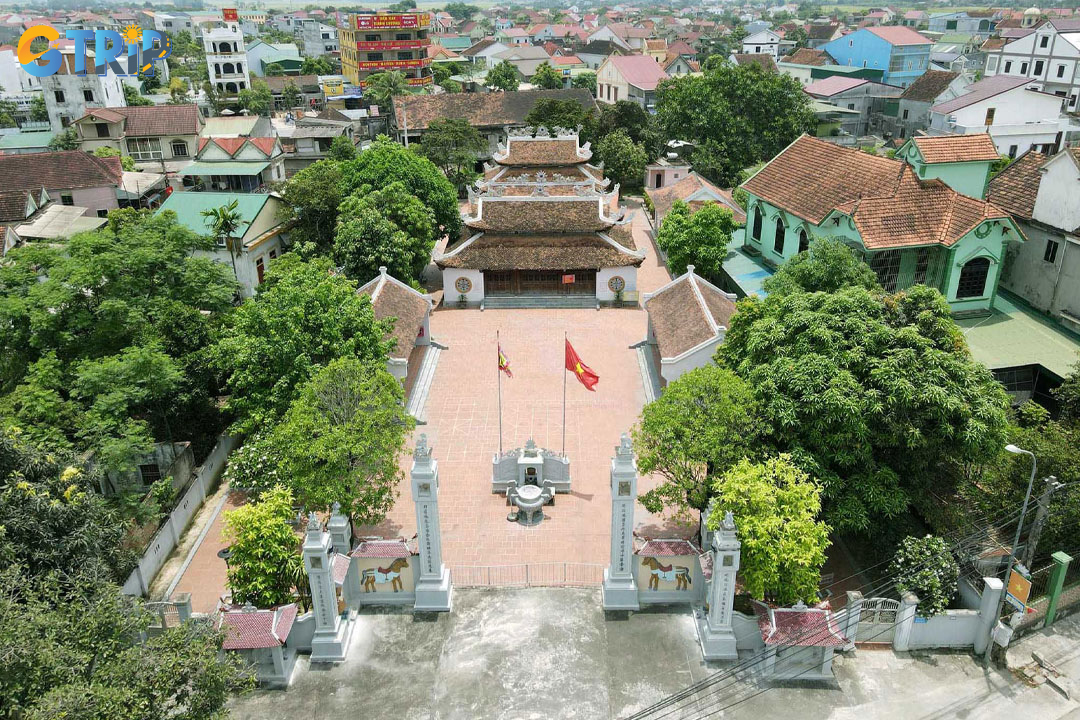
The Mai Hac De Temple is located in Nam Dan Town, Nghe An
When does the King Mai Hac De Temple Festival happen?
The festival is organized annually by Nam Dan District from the 13th to the 17th day of the first lunar month to honor Emperor Mai Hac De and his generals and soldiers. It commemorates the heroic Hoan Chau uprising, which defeated the Tang invaders and established the Van An nation (713 - 722). The first three days (13th - 15th) are dedicated to solemn ceremonial rituals, while the final two days (16th - 17th) feature vibrant festive activities.
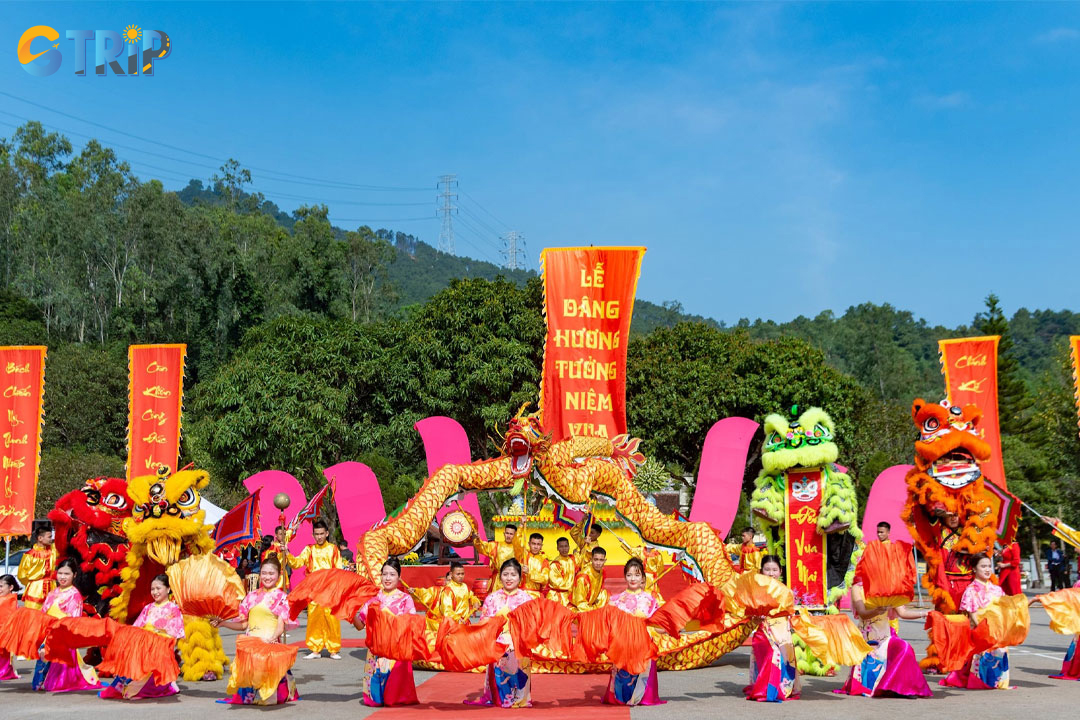
The festival takes place from the 13th to the 17th day of the first lunar month
Ceremonies and festivals at the festival
The King Mai Hac De Temple Festival includes two main parts: the ceremony and the festival. The ceremonial part is conducted with solemn respect, paying tribute to King Mai and the ancestors, while the festive part showcases games, performances, and traditional activities.
Sacred ceremonies at the celebration
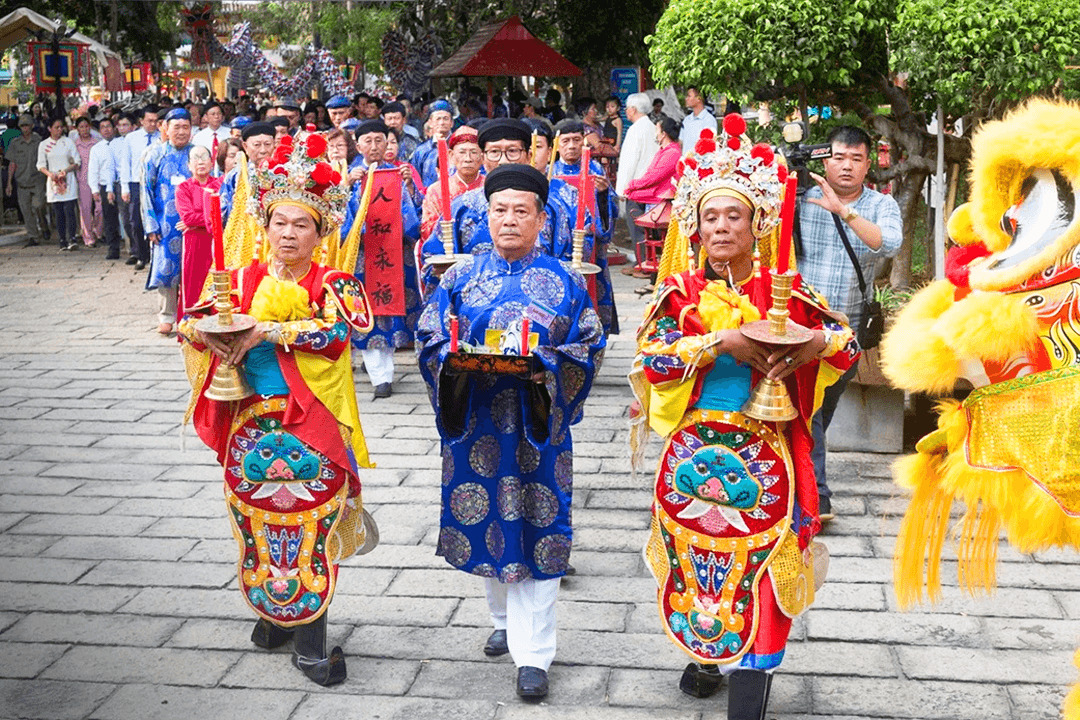
The ritual is held from the 13th to the 15th of the first lunar month, with traditional rituals conducted solemnly and respectfully. On the 13th, key ceremonies such as the water procession, the symbolic bathing ritual, and ancestral worship take place to officially open the festival. On the evening of the 14th, the Organizing Committee holds a ritual to report to the deities, seek their permission, and invite them to witness the King Mai Temple Festival. The 15th marks the most important day, the grand sacrificial ceremony dedicated to honoring King Mai and his legacy.
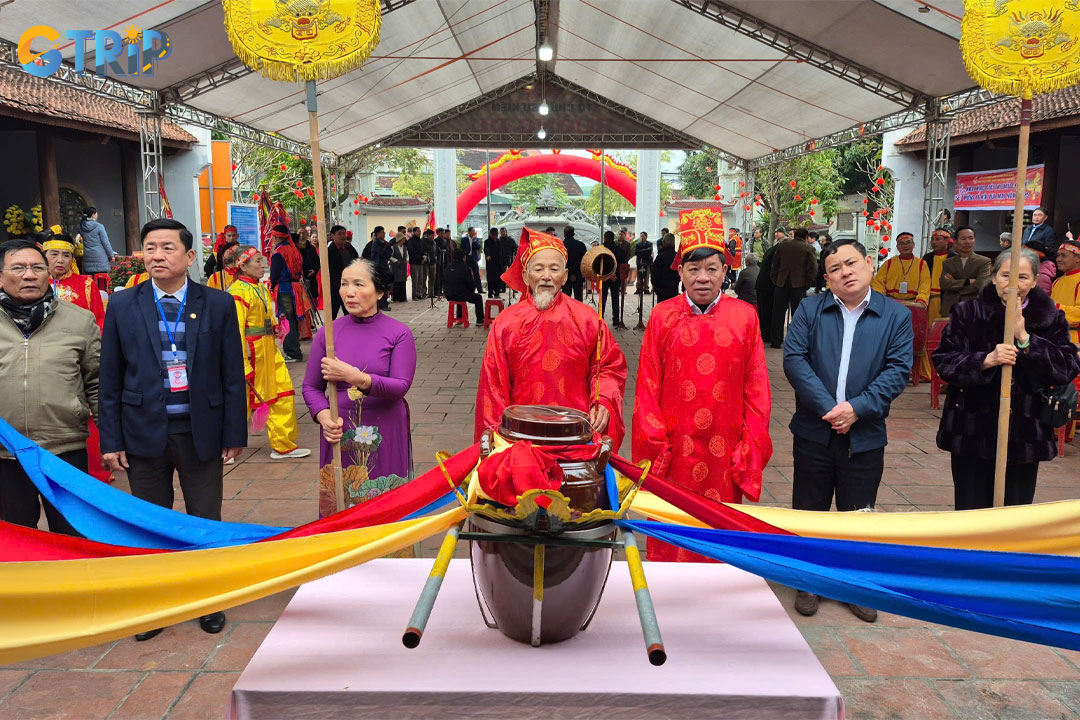
The sacred proceedings span three days from the 13th to the 15th
Festival part at King Mai Hac De Temple Festival
The festival officially begins with the ceremonial procession of King Mai’s palanquin. A wide variety of traditional folk games then follow, many of which are inspired by the life and legacy of Mai Hac De. Popular games include wrestling, cockfighting, mountain climbing, boat racing, chess, swinging, as well as traditional singing like ca tru and vi phuong vai. Visitors can fully immerse themselves in these vibrant cultural experiences, with the most captivating events including wrestling, cockfighting, and boat racing.
Wrestling is a traditional game deeply loved by young men in the region. Its origins trace back to King Mai Hac De’s military recruitment practices. Each spring, King Mai organized wrestling contests across the region to identify strong, skilled fighters for his frontline army. Over time, wrestling became a cherished custom at village festivals. Since the revival of the King Mai Festival, wrestling has once again taken center stage, becoming one of the most anticipated and iconic activities of the celebration.
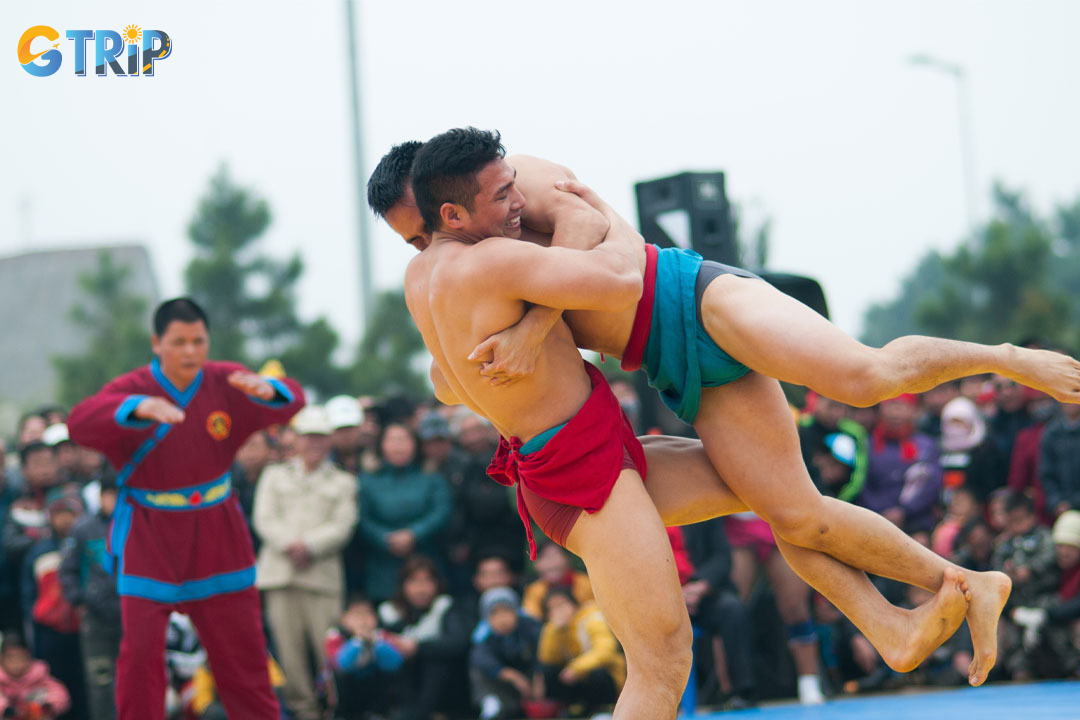
Wrestling origins trace back to King Mai Hac De’s military recruitment practices
Cockfighting has long been a traditional pastime among the villagers, but at the King Mai Hac De Temple Festival, it carries deeper cultural and humanistic significance. During years of military training and battle, soldiers often endured long periods away from their families. To lift their spirits and boost morale, King Mai organized cockfighting events as a form of entertainment and encouragement. Over time, this tradition became an integral part of the festival, drawing large crowds of enthusiastic spectators and preserving a meaningful custom.
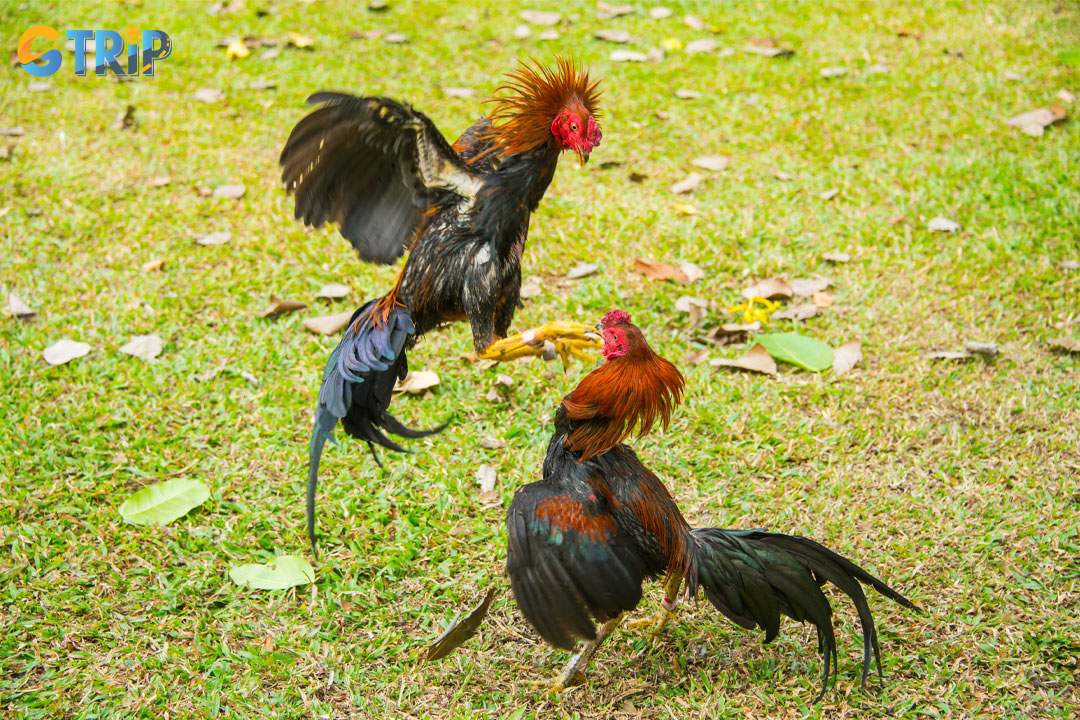
Cockfighting was organized to uplift the soldiers' spirits and boost their morale
Boat racing is rooted in the historical tale of a naval battle led by King Mai Hac De’s wife on the To Lich River, where she ultimately chose to sacrifice herself rather than surrender to the Tang army - an act of loyalty and honor. The tradition is also linked to the ritual of carrying the royal decree from King Mai’s temple to his tomb. This solemn procession, known as the “rowing and swimming ceremony,” can be conducted on foot or by boat, but when performed on the river, it holds particular ceremonial significance. Over time, this ritual evolved into the custom of boat racing on the Lam River. Today, the boat racing competition draws enthusiastic participation from surrounding districts and towns such as Hung Nguyen, Thanh Chuong, and Cua Lo, making it a major highlight of the festival.
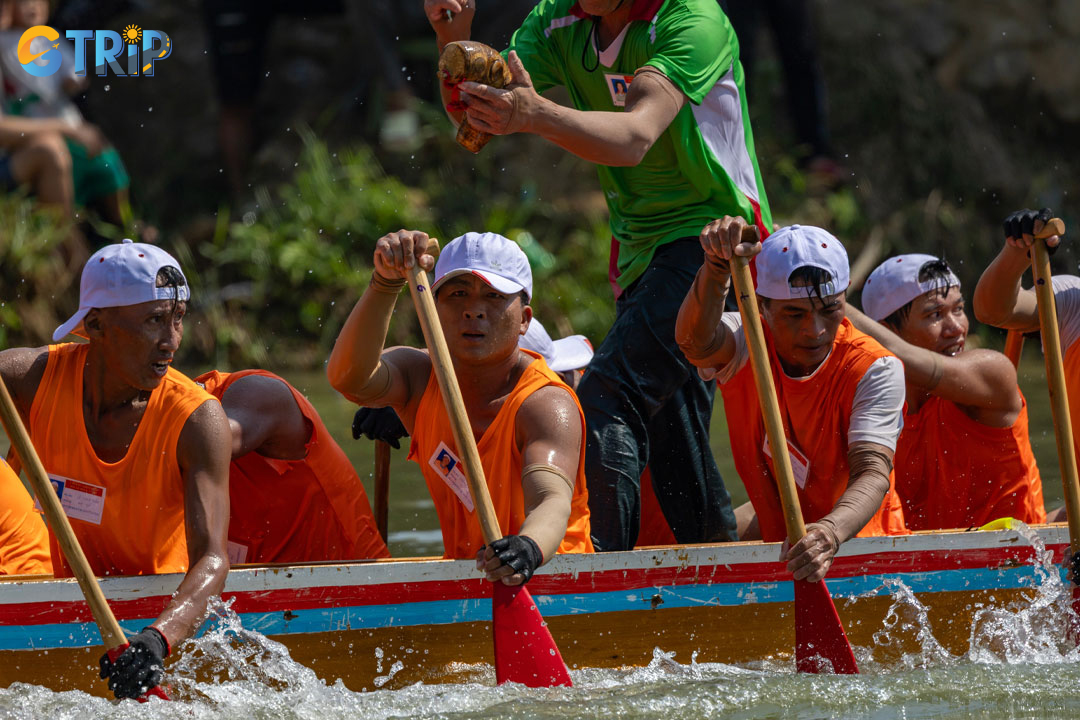
Boat racing competition draws participation from surrounding districts and towns
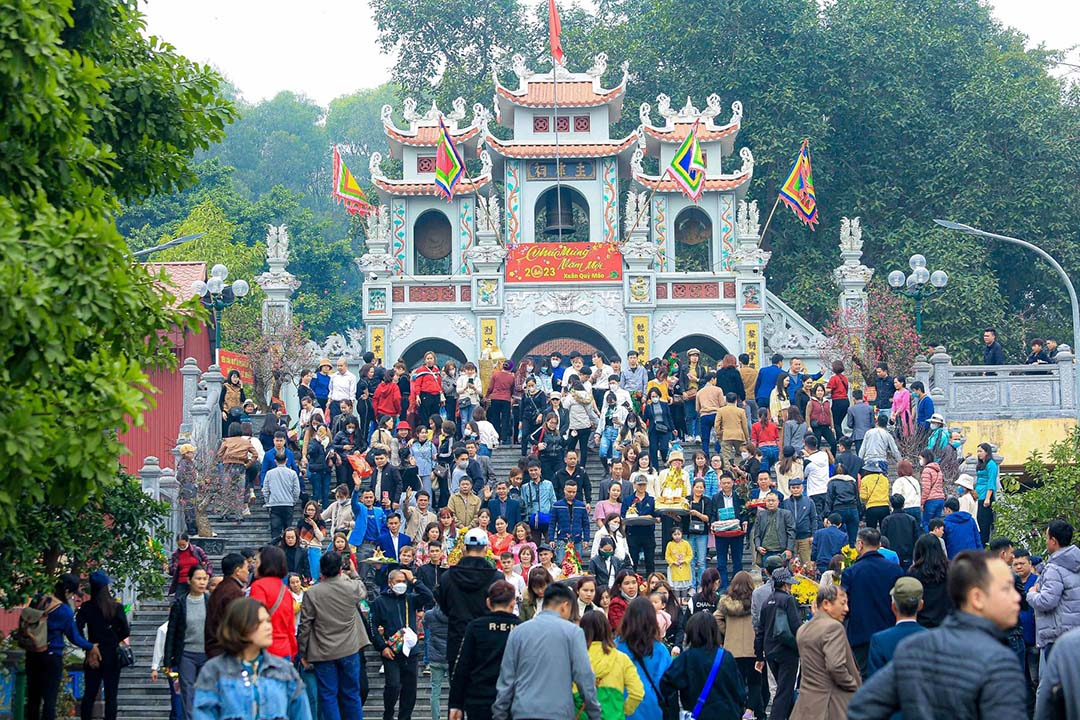
Each year, the sacred King Mai Hac De Temple Festival attracts thousands of visitors, offering more than just a historical tribute. It is a vibrant celebration where the people of Nghe An express their enduring spirit of bravery, unity, and gratitude through heartfelt rituals and festive cultural traditions. Travel to Nghe An this spring to experience the festival, a unique journey into Vietnam’s heroic past and rich cultural traditions!