

Wednesday, October 14, 2026
Bai Ong Beach is the most popular beach on the Cham Islands, famous for its soft white sand, crystal clear turquoise water, and peaceful tropical atmosphere just off the coast of Central Vietnam. Located on Hon Lao Island, this beach is a favorite stop for swimming, snorkeling, seafood dining, and relaxing under coconut palms. In this guide, GTrip covers everything you need to know about Bai Ong Beach, including how to get there, entrance fees, the best things to do, local tips, and what makes it one of the most beautiful beaches in the Cham Islands.
Table of Content
- Overview of Bai Ong Beach in Cham Islands
- History of Bai Ong Beach
- Top 9 things to do on Bai Ong Beach, Cham Islands
- 1. Swimming at Bai Ong Beach
- 2. A must-try snorkeling and diving experience
- 3. Water sports and floating playground
- 4. Relax under the coconut trees
- 5. Check in at the iconic wooden pier
- 6. Camping overnight on the beach
- 7. Explore nearby beaches by canoe
- 8. View the island from above or by helicopter
- 9. Enjoy fresh seafood by the beach
- How to get to Bai Ong Beach?
- Accommodation near Bai Ong Beach
- Other attractions near Bai Ong Beach in Cham Islands
- Tips for a perfect trip to Bai Ong Beach
Overview of Bai Ong Beach in Cham Islands
Nestled within the stunning Cham Islands archipelago, Bai Ong Beach holds a special place in the hearts of locals and visitors alike. Its intriguing name comes from Ca Ong (The Whale), a revered whale figure. This reflects the deep spiritual connection local fishermen have with the ocean.
Where is Bai Ong Beach?
Location: Northwest of Hon Lao Island, Tan Hiep Commune (formerly Hoi An, Quang Nam), Da Nang City
Bai Ong Beach is located on the northwest coast of Hon Lao Island, the largest island in the Cham Islands. While it now belongs to Da Nang City, the area still retains strong connections to Hoi An, offering both easy access and a peaceful island atmosphere. Stretching about 550 meters long and 50 meters wide, it is one of the largest beaches in the archipelago, known for its soft white sand and clear, calm blue water.
Lined with tall coconut trees, the beach provides natural shade and a relaxed tropical setting. Bai Ong is also the main service hub on the island, with restaurants, rentals, and basic facilities all in one place. In addition to its natural beauty, the beach features cultural sites like the Whale Temple and Co Hon Shrine, adding a meaningful local touch to your visit.
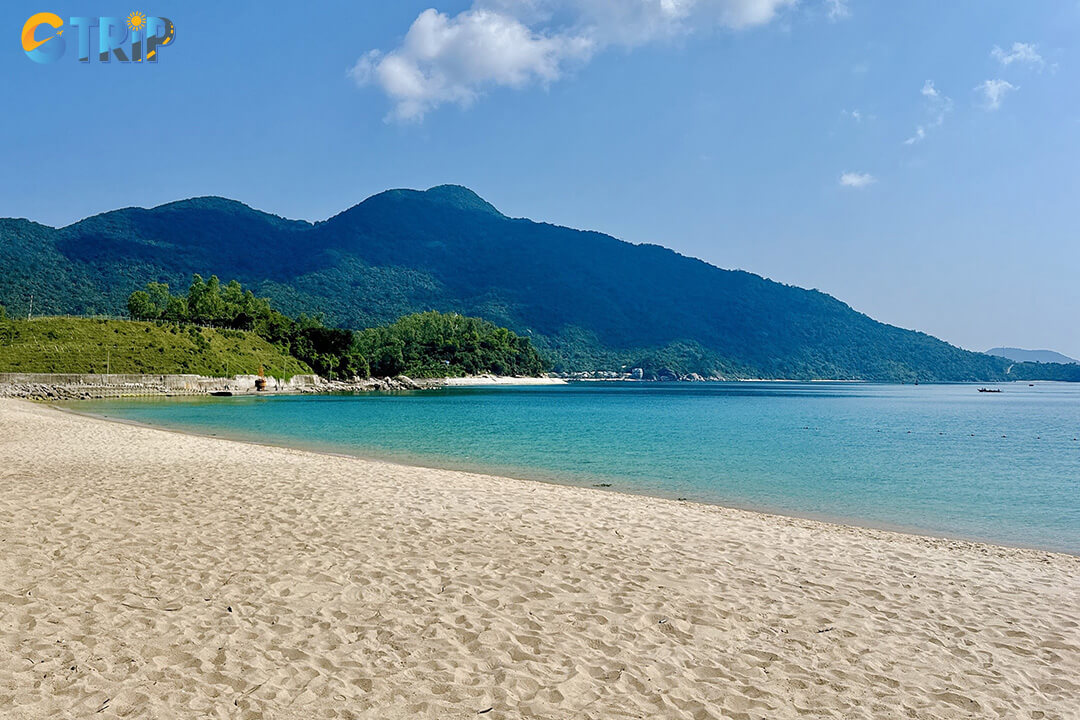
Bai Ong Beach offers a spacious, scenic escape with soft white sand, calm waters, and convenient facilities, enriched by local cultural sites
Best time to visit Bai Ong Beach
Ideal months: February to the end of August
The best time to visit Bai Ong Beach is during the dry season, from February to August, when the weather is at its most pleasant. During this period, you can expect clear blue skies, calm seas, and excellent water visibility, perfect for swimming, snorkeling, and simply relaxing by the beach.
Warm sunshine, gentle waves, and a refreshing sea breeze create ideal conditions for a full day on the island. In contrast, the rainy season (September to January) often brings rough seas and unpredictable weather, which can affect boat transfers and limit outdoor activities.
What makes Bai Ong Beach unique?
Bai Ong Beach offers a well-balanced experience where natural beauty meets convenience. As part of the Cham Islands Biosphere Reserve, it remains clean and well-preserved, while still being the most accessible and visitor-friendly beach on the island.
- Recognized within the UNESCO Cham Islands Biosphere Reserve (2009)
- Crystal-clear, shallow water with gentle waves is safe for all ages
- Unique “coconut path” with shaded areas, hammocks, and sunbeds
- Well-organized services such as local food, rentals, and freshwater showers in one area
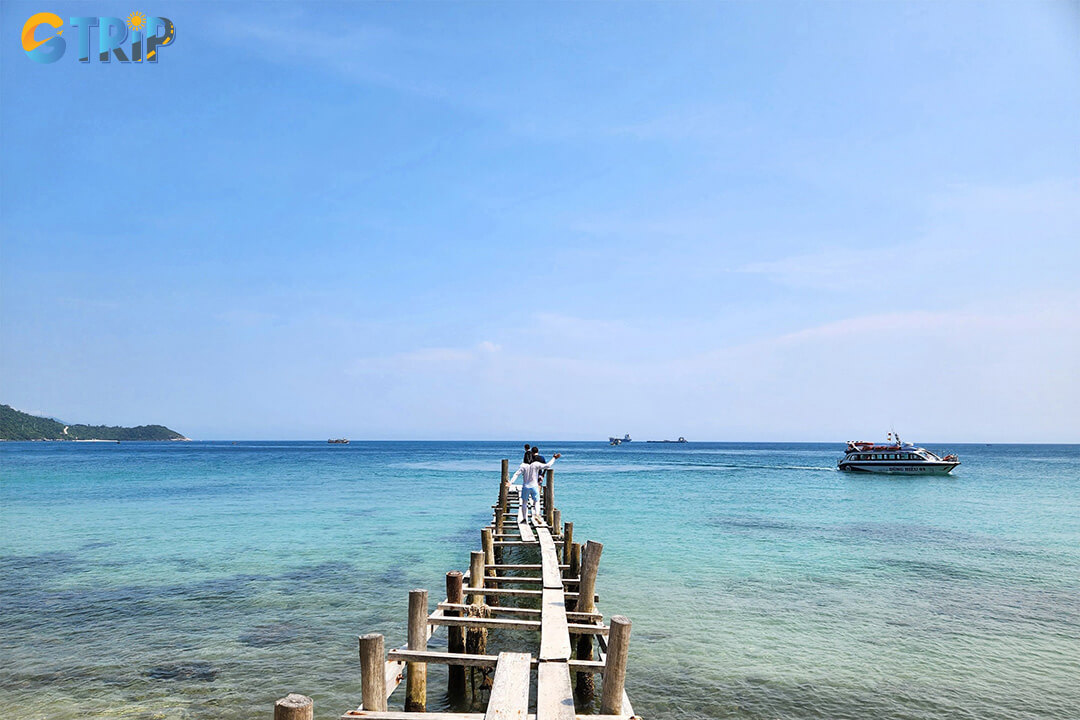
Bai Ong Beach combines pristine natural beauty with easy access and well-organized amenities, making it the most visitor-friendly spot in the Cham Islands
History of Bai Ong Beach
Beyond its stunning natural beauty, Bai Ong Beach is steeped in a rich and ancient history. This makes it a captivating destination for history buffs and curious travelers alike. At its heart lies the 'Bai Ong archaeological site'. This place is so significant that it was inscribed as a national historic heritage site of Vietnam in 2007.
The site’s discovery in May 2005, followed by extensive excavations in June 2006, unveiled a treasure trove of historical insights. Experts unearthed compelling evidence of the Sa Huynh culture, dating back an astonishing 3,100 years. This remarkable find positions Bai Ong as a crucial window into Vietnam's prehistoric past. Furthermore, the excavations revealed traces of subsequent inhabitants, including the ancient Cham people, early Vietnamese settlers, and even Chinese merchants.
This underscores the area's long-standing importance as a hub of human activity and cultural exchange. It unequivocally confirms that this particular spot was part of the oldest human settlements in the Hoi An region of Vietnam. If you are fascinated by the enigmatic Sa Huynh culture, which flourished in central Vietnam from 1,000 BC to 200 AD. We highly recommend a visit to the Museum of Sa Huynh Culture in Hoi An Old Town. It will complement your understanding of the area.
Adding another layer to its historical and spiritual landscape, Bai Ong Beach is also home to two distinctive structures. These are Lang Co Hon (Temple for Forsaken Spirits) and Nghia Trung (a local cemetery). These sites serve as poignant reminders of the islanders' spiritual beliefs and their deep respect for their ancestors and the departed. They enrich the cultural tapestry of Bai Ong and offer a deeper connection to the local way of life.
Bai Ong Beach blends natural beauty with deep historical significance, offering a glimpse into ancient cultures and the island’s rich heritage
Top 9 things to do on Bai Ong Beach, Cham Islands
Bai Ong Beach offers a variety of activities that combine relaxation, nature, and local experiences. From swimming and snorkeling to camping and enjoying fresh seafood, each activity reflects the authentic charm of the Cham Islands.
1. Swimming at Bai Ong Beach
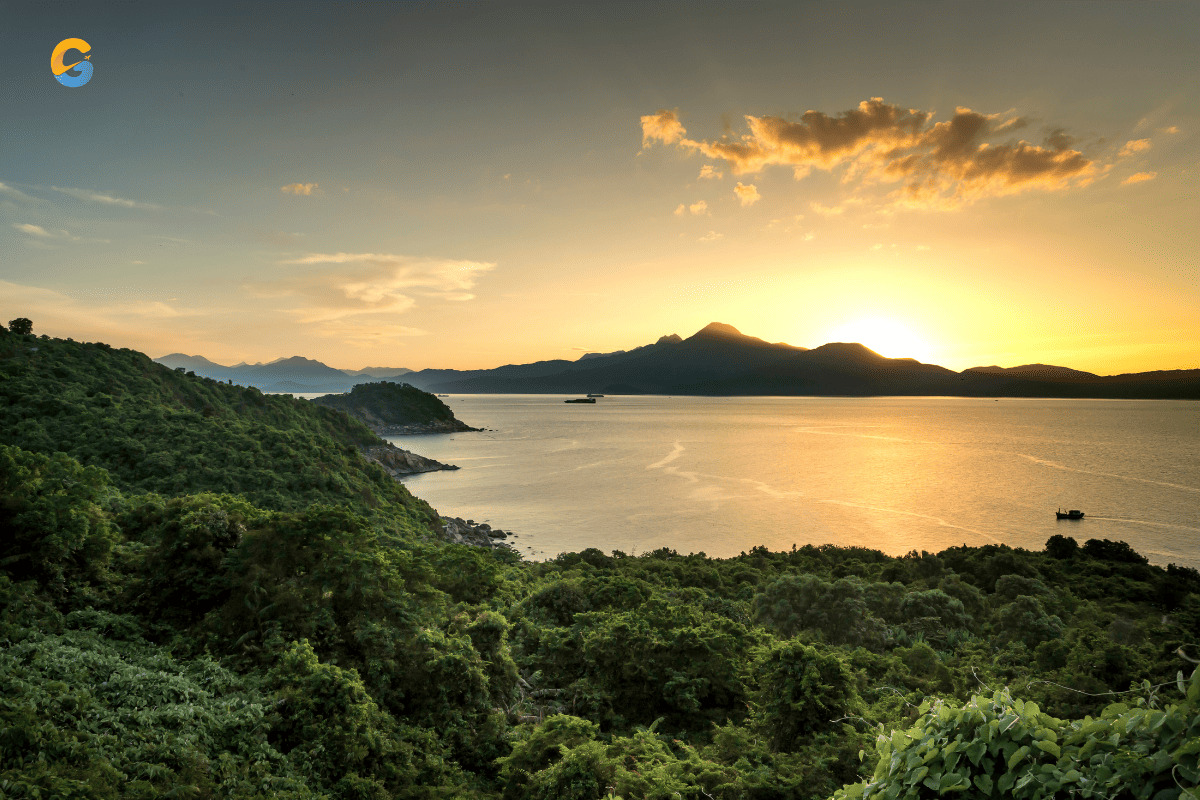
Swimming is one of the main highlights at Bai Ong. The beach stretches about 400-550 meters with soft white sand and a gentle slope, so the water stays shallow and safe without sudden drops. This makes it suitable for all visitors, including children and non-swimmers.
During the dry season (March to August), the sea is calm, waves are minimal, and the water is clear enough to see the seabed. Mornings usually have better visibility, while midday sand can get hot, so sandals are recommended. There are also free freshwater showers near the “Bai Ong Beach” sign for rinsing off.


2. A must-try snorkeling and diving experience
Snorkeling is a must-try activity when visiting Bai Ong. The coral reefs around Hon Lao are still relatively untouched, with vibrant colors and diverse marine life. You can easily rent basic equipment, such as a mask and life jacket or join a snorkeling tour that takes you by canoe to deeper areas with richer coral coverage.
The best time to snorkel is from 8:00 AM to 11:00 AM, when sunlight penetrates the water most clearly. Deeper areas tend to have more coral, but it is important not to touch or step on them, as this can damage the ecosystem and may result in fines.
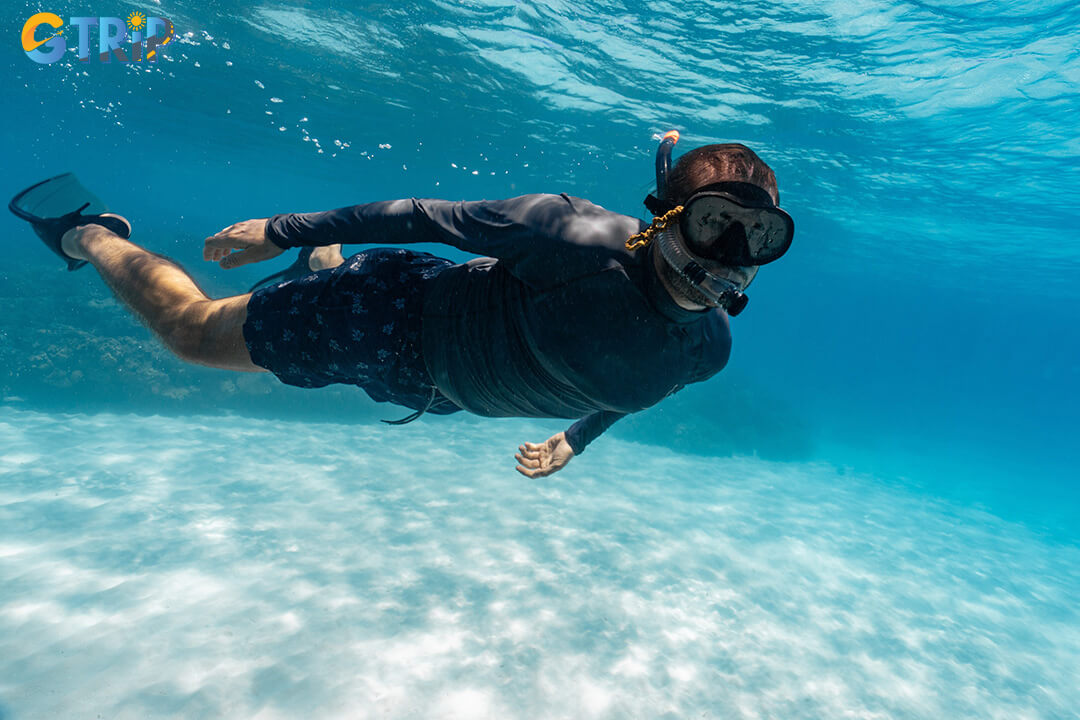
Snorkeling at Bai Ong offers a vibrant underwater experience with accessible gear, best enjoyed in the clear morning light
3. Water sports and floating playground
In peak season, Bai Ong becomes more lively with a range of water activities. Options include banana boat rides, parasailing, jet skiing, and stand-up paddleboarding (SUP). There is also a floating inflatable playground offshore, which is especially popular with families and groups.
These activities bring a fun, energetic vibe to the beach while still being reasonably priced.
- Activities: banana boat, parasailing, jet ski, SUP, floating house
- Price range: 100,000 - 300,000 VND ($4 - $12) depending on activity
4. Relax under the coconut trees
One of the signature features of Bai Ong is its dense row of coconut trees stretching along the beach, creating natural shade throughout the day. This makes it one of the best places on the island to relax without worrying about the heat.
Visitors can rent hammocks or sunbeds (around 30,000 - 50,000 VND per day) and spend time reading, napping, or simply enjoying the sea breeze. Thanks to the constant ocean wind, the atmosphere remains cool and comfortable, making this one of the most “chill” spots in Cham Islands.
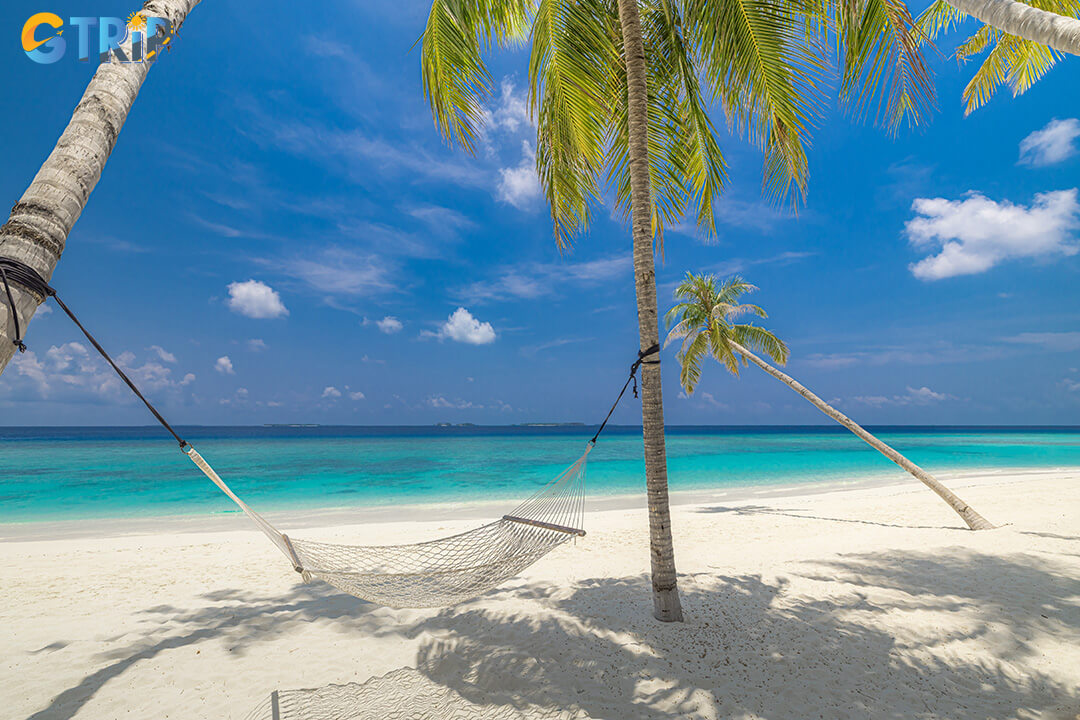
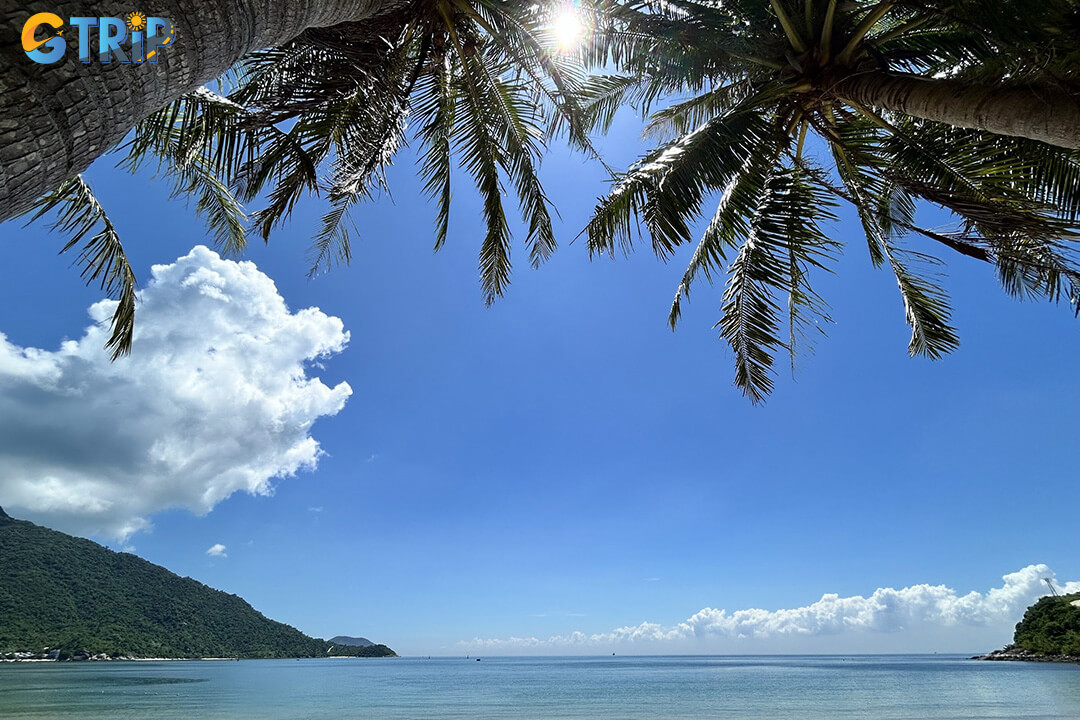
Bai Ong’s coconut-lined shore offers cool natural shade and a laid-back space perfect for relaxing by the sea breeze
5. Check in at the iconic wooden pier
The wooden pier extending into the sea is one of the most recognizable photo spots at Bai Ong. With clear blue water below and mountains in the distance, it creates a clean and scenic backdrop.
For the best experience, visit early in the morning or late afternoon to avoid crowds and enjoy softer light. Standing in the middle of the pier facing the open sea is a popular photo angle.
6. Camping overnight on the beach
For those staying longer than a day trip, camping at Bai Ong is a highly recommended experience. The beach is flat and suitable for setting up tents, offering a peaceful environment away from city lights.
Typical activities include setting up tents in the afternoon, enjoying a seafood BBQ, having a campfire, and relaxing under a star-filled sky at night. The island is very quiet after dark, and the lack of light pollution makes stargazing especially impressive. Waking up early to watch the sunrise over the sea is a memorable highlight.
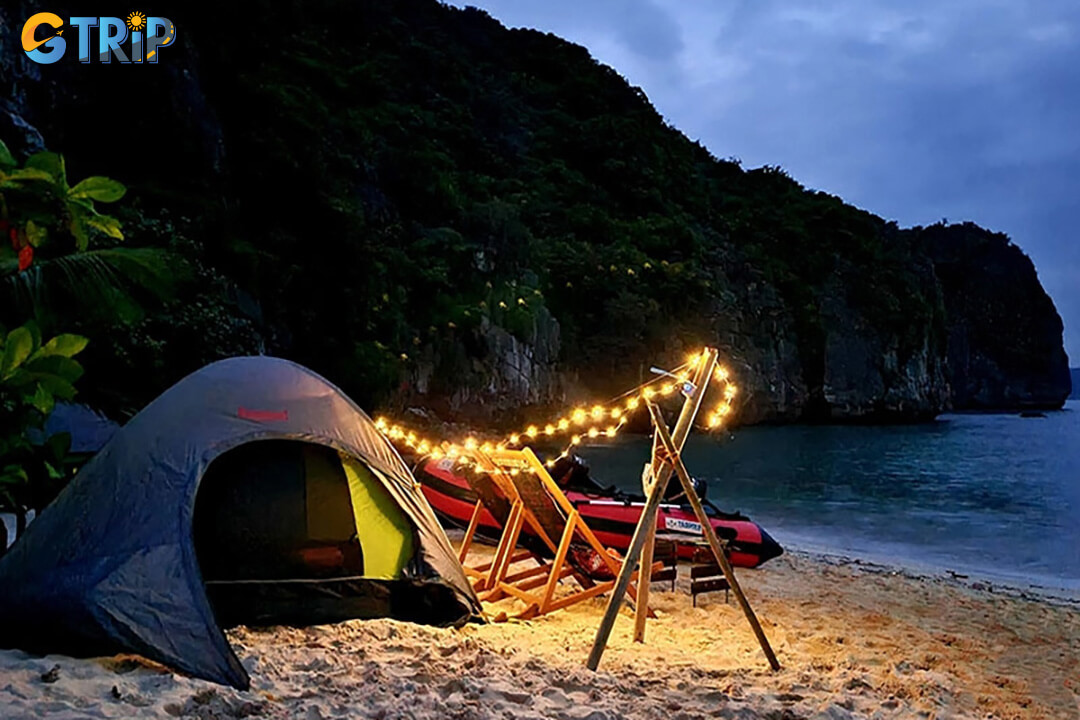
Camping at Bai Ong offers a peaceful overnight escape with beachside BBQs, stargazing, and a stunning sunrise experience
7. Explore nearby beaches by canoe
From Bai Ong, visitors can easily explore other parts of Cham Islands by canoe or guided tours. Popular nearby destinations include Bai Chong and Bai Huong, each offering a different atmosphere and scenery. These trips often include stops at more remote snorkeling spots, allowing you to experience deeper waters and more diverse coral reefs beyond Bai Ong.
8. View the island from above or by helicopter
For a panoramic view, visitors can walk to a higher point near Bai Ong, where an old helicopter landing area offers a wide view over the coastline. From here, you can see multiple beaches such as Bai Ong, Bai Chong, Bai Huong, Bai Dinh, and Bai Lang, along with the local fishing village.
For a more unique experience, helicopter tours from Da Nang are available, landing at the Cham Islands helipad. Prices start from around 5,900,000 VND (~$230) per person), offering an impressive aerial perspective of the entire island.
9. Enjoy fresh seafood by the beach
Eating seafood at Bai Ong is a simple but rewarding experience. Most restaurants are run by locals, and seafood is usually caught fresh the same day. You can often choose your ingredients and have them cooked on the spot. Dining under coconut trees with a sea view adds to the relaxed atmosphere. Must-try dishes:
- Stone crab (local specialty, firm meat, slightly premium price)
- Sea urchin grilled with scallion oil
- Abalone, lobster (depending on budget)
- Oc vu nang (special local shellfish)
- Forest vegetables with fermented fish sauce
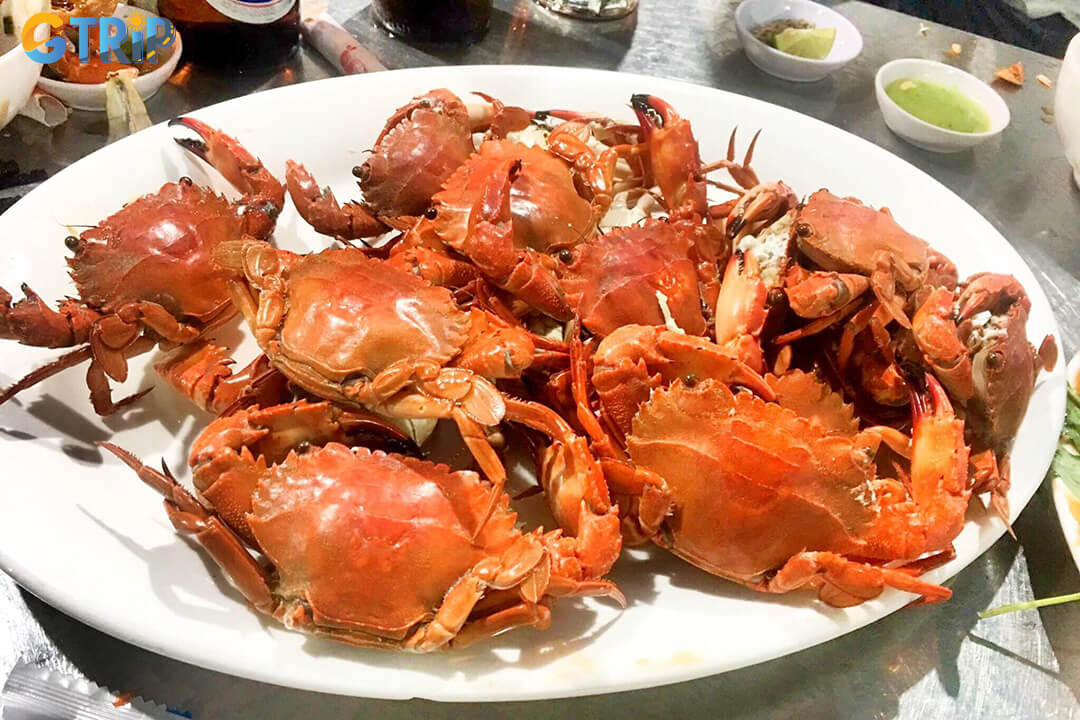
Fresh, locally caught seafood served by the beach makes dining at Bai Ong a simple yet memorable island experience
How to get to Bai Ong Beach?
To reach Bai Ong Beach, the journey is simple and follows two main steps: from the mainland to Cham Islands, then from Bai Lang Village to the beach. Most travelers depart from Cua Dai Port, which is the primary gateway to the islands. From there, you can take a speedboat or a wooden ferry, depending on your budget and preference.
From Da Nang International Airport to Cua Dai Port
From Da Nang International Airport, you need to travel to Cua Dai Port to begin your journey to Cham Islands. The route is direct and relatively easy, following the coastal road toward Hoi An.
- Distance: ~30 km
- Travel time: 45-60 minutes
- Routes: Vo Nguyen Giap → Lac Long Quan → Cua Dai
- Optimal option: Taxi or private car (~300,000 - 400,000 VND / ~$12 - $16)
From Da Nang City center to Cua Dai Port
If you are staying in Da Nang City center, getting to Cua Dai Port is straightforward. The route runs along the coastline, offering a smooth and scenic drive toward Hoi An.
- Distance: ~28-30 km
- Travel time: 45-60 minutes
- Routes: Vo Nguyen Giap coastal road → Hoi An → Cua Dai
- Optimal option: Motorbike (150,000 VND / ~$6/day) or taxi (300,000 VND / ~$12)
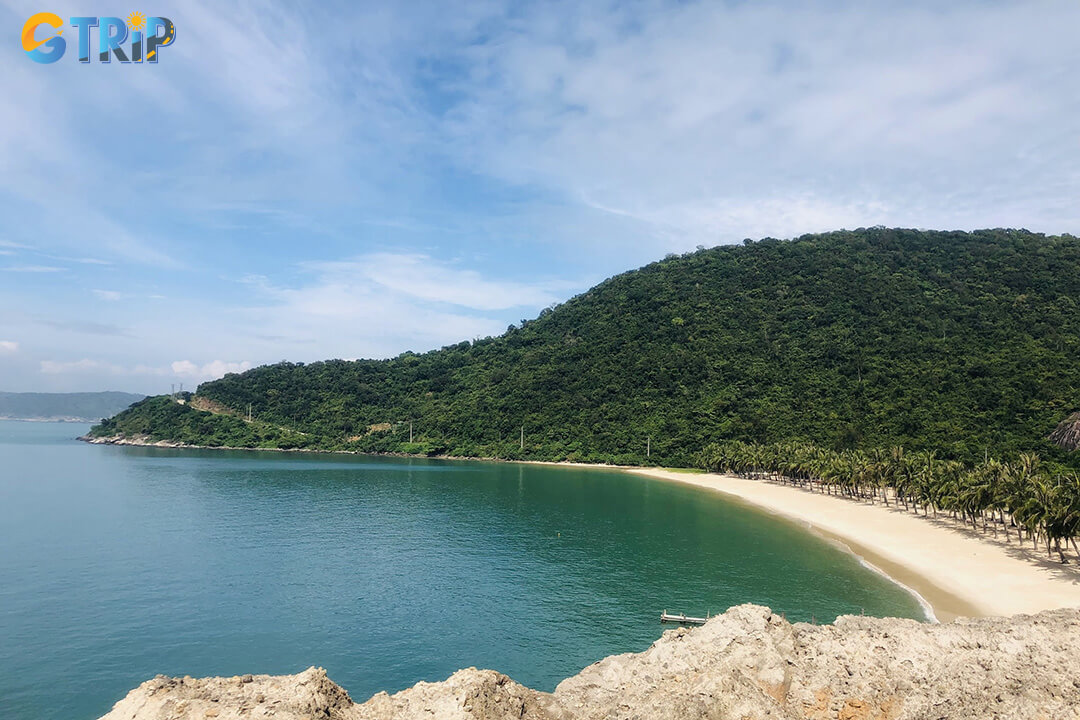
Getting to Cua Dai Port from Da Nang is easy via a scenic coastal route, best done by motorbike or taxi
From Hoi An Ancient Town to Cua Dai Port
Hoi An is the closest departure point to the Cham Islands, making it the most convenient starting location. The short distance allows for quick and flexible transport options.
- Distance: ~5 km
- Travel time: 10-15 minutes
- Routes: Cua Dai Street → Cua Dai Port
- Optimal option: Taxi (~100,000 VND / ~$4) or motorbike/bicycle
From Cua Dai Port to Bai Ong Beach
From Cua Dai Port, you will travel by sea to Cham Islands, arriving at Bai Lang Village. The most popular option is a speedboat, which is fast and convenient, while the wooden boat offers a slower but more budget-friendly experience.
- Speedboat (cano): 15-20 minutes, 350,000 - 400,000 VND round trip ($14 - $16), often includes entrance and eco fee
- Wooden boat (local ferry): 90-120 minutes, 100,000 - 130,000 VND one way ($4 - $5), entrance fee paid separately
After arriving at Bai Lang, you continue a short distance to Bai Ong Beach:
- Walking: <1 km, easy route via the helicopter landing area
- Motorbike taxi: small fee, available near the pier
- Motorbike rental: 120,000 VND/day ($5), about a 15-minute ride
- Local speedboat: ~5 minutes (mainly available in the morning)
Note: Entrance to Cham Islands costs 100,000 VND ($4), including 70,000 VND for the ticket and 30,000 VND for the ecological fee. This is sometimes already included in speedboat tickets or tour packages.
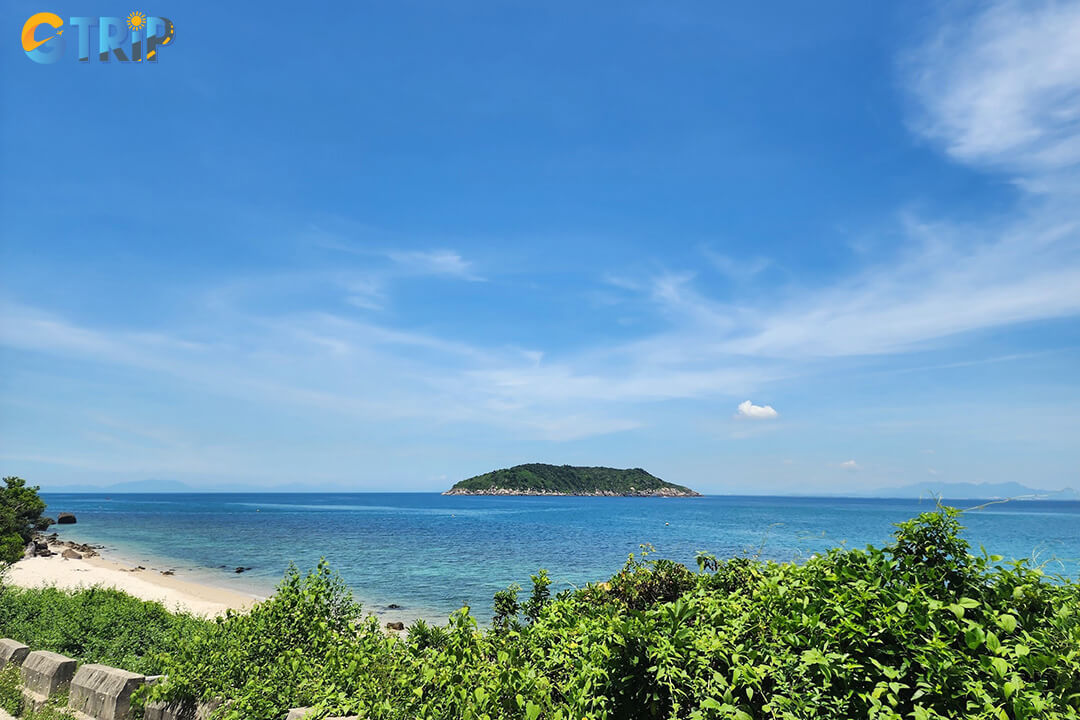
Travel from Cua Dai Port to Bai Ong Beach is quick and flexible, with speedboats for convenience or ferries for a budget-friendly option
Accommodation near Bai Ong Beach
Accommodation options around Bai Ong Beach are quite flexible, depending on your travel style. You can either stay on the mainland near Cua Dai Beach for more comfort and resort-style services or stay directly on Cham Island for a more local and immersive experience. While the island has limited facilities, it offers a peaceful atmosphere that many travelers enjoy.
Stay near Cham Island
If you prefer comfort, full amenities, and easier access, staying near Cua Dai Beach or Hoi An is a great choice. From here, you can take a day trip to Cham Islands without worrying about accommodation on the island.
- Renaissance Hoi An Resort and Spa: Hoi An Dong Ward, Da Nang City
- KOI Resort and Spa Hoi An: Hoi An Dong Ward, Da Nang City
- Hoiana Residences: Duy Nghia Commune, Da Nang City
Stay on Cham Island
For a more authentic experience, you can stay directly on Cham Island. Most accommodations are simple homestays, mainly located in Bai Lang and Bai Huong villages. These are ideal if you want to experience local life and enjoy the island’s quiet atmosphere after the day tourists leave.
- Homestay Sunbay: Bai Lang Market, Tan Hiep Commune, Da Nang City
- Homestay Bai Huong: Bai Huong Village, Tan Hiep Commune, Da Nang City
- Homestay Ngo Khanh: Bai Huong Village, Tan Hiep Commune, Da Nang City
- Lau Thu Homestay: Group 2, Bai Huong Village, Tan Hiep Commune, Da Nang City
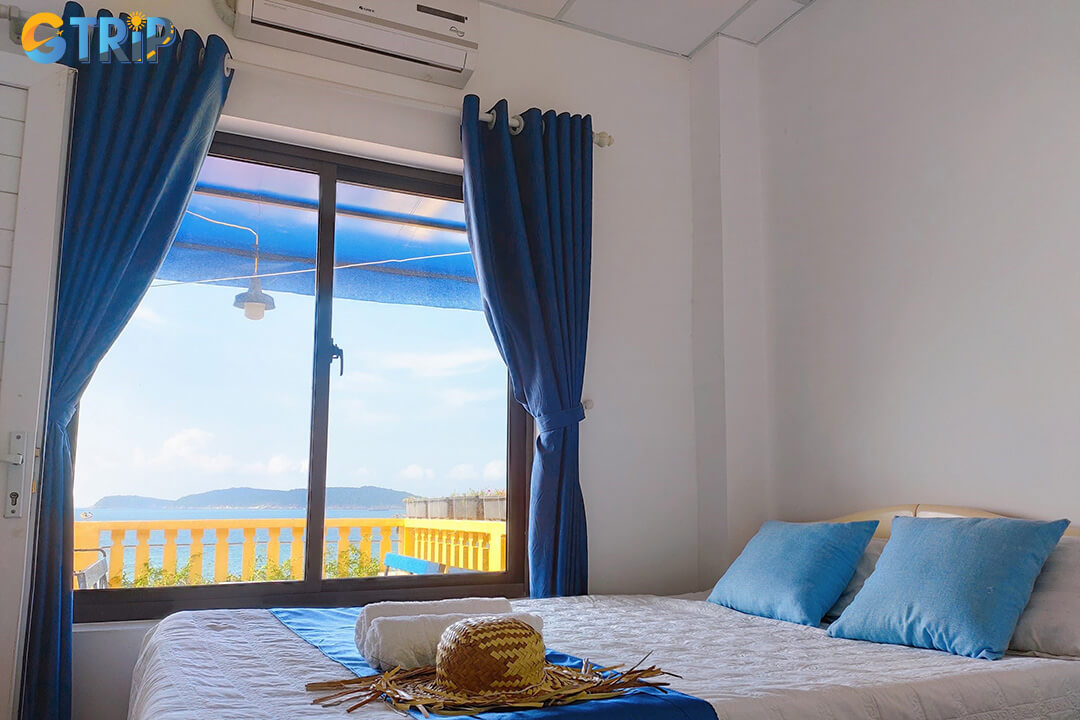
Stay in local homestays on Cham Island for a simple, authentic experience and a peaceful atmosphere after the crowds leave
Other attractions near Bai Ong Beach in Cham Islands
Once you're on Hon Lao Island, it’s easy to explore other fascinating sites just a short motorbike ride or walk from Bai Ong Beach.
- Hai Tang Pagoda: An ancient and serene pagoda built over 400 years ago, dedicated to the worship of Buddha and local deities who protect fishermen. It offers a peaceful setting with mountain views and a glimpse into the island’s spiritual life.
- Tan Hiep Market: Located near the main pier in Bai Lang, this bustling local market is the perfect place to buy fresh seafood, dried goods, and unique souvenirs. It’s also a great spot to experience the daily rhythm and local flavors of the island.
- Bai Lang & Bai Huong Fishing Villages: Wander through these charming Vietnamese fishing villages to get a glimpse of authentic island life and witness the daily routines of the local community. You’ll see traditional houses, fishing boats, and friendly locals going about their day.
- Bai Xep & Bai Chong: Explore other beautiful beaches on the island. Bai Xep is small and secluded, while Bai Chong is known for its picturesque landscape and a unique leaning coconut tree. Both are perfect for relaxing, swimming, and enjoying the island’s natural beauty.
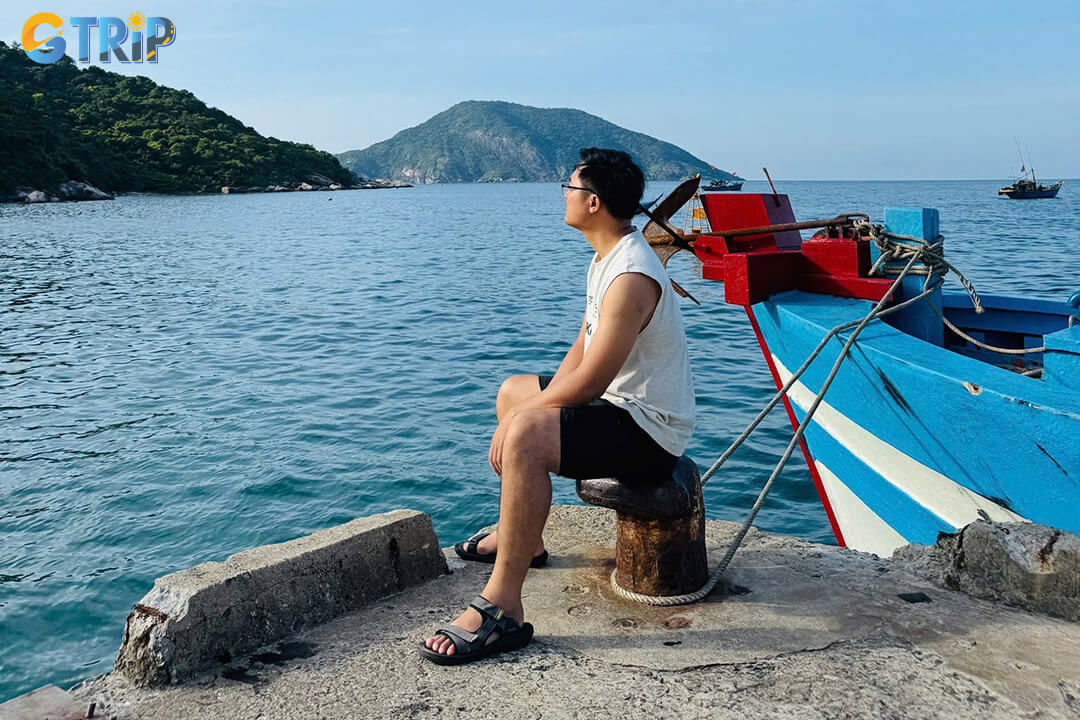
Explore nearby highlights around Bai Ong Beach, from serene pagodas and local markets to fishing villages and scenic beaches
Tips for a perfect trip to Bai Ong Beach
To make the most of your visit to Bai Ong Beach, a little preparation can go a long way. Here are some practical tips to help you enjoy a smooth and comfortable experience on the island:
- Bring essentials like sunscreen, sunglasses, swimwear, and water, especially during the dry season (Feb-Aug)
- Basic services are available at Bai Ong: rentals (snorkel gear), snacks, drinks, showers, and restrooms
- Food options are limited → prepare in advance if you prefer more choices
- Ask for prices before ordering; choose busy restaurants for better quality and fair pricing
- Plastic bags are banned on Cham Islands, bring eco-friendly alternatives
- Accommodation is mainly homestays → book early in peak season
- Bring ID for rentals (boats, motorbikes)
- You can buy supplies at Cua Dai Harbor, Bai Lang Village, or directly at Bai Ong
- Consider going with a guide for a smoother experience
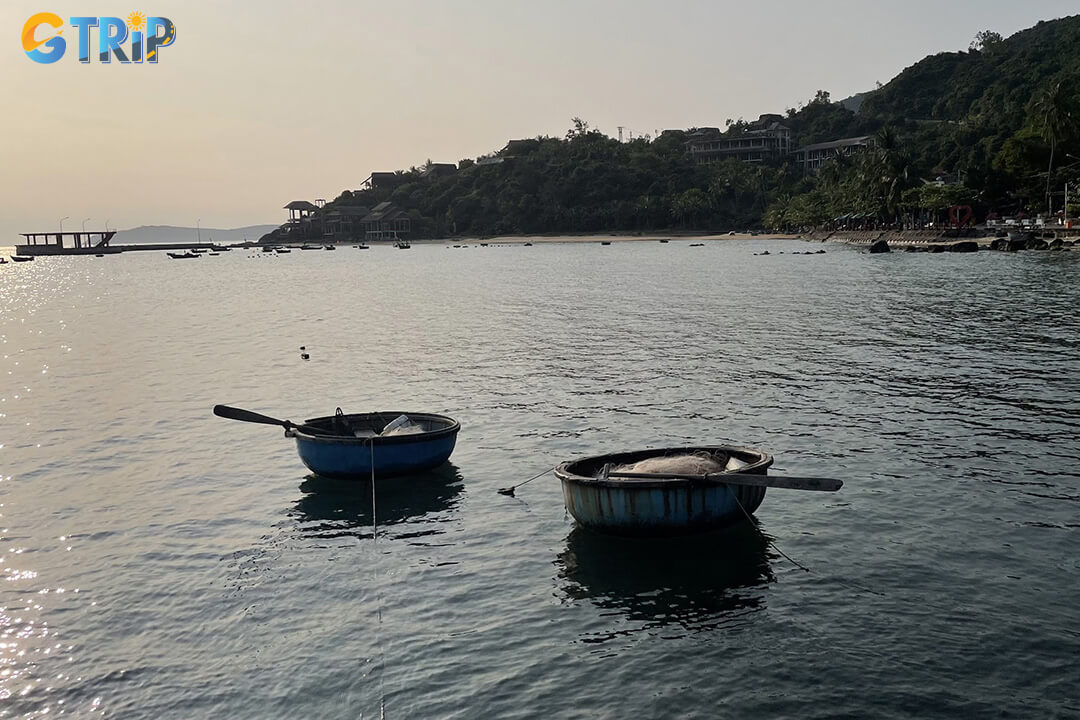
Plan with essentials, eco-friendly habits, and basic local tips to ensure a smooth and enjoyable visit to Bai Ong Beach
Bai Ong Beach is far more than just a beautiful stretch of sand, it’s the gateway to the incredible culture, nature, and adventure of the Cham Islands. It offers the perfect combination of relaxation and activity, where you can spend your day swimming in turquoise waters, feasting on fresh seafood, or simply lounging in a hammock with a stunning view. The beach serves as the vibrant heart of a UNESCO protected paradise, promising an experience that is both exciting and restorative. Whether you are planning an island getaway on your own or combining it with exciting Da Nang tours, GTrip can help you plan the perfect journey to Bai Ong Beach and the stunning Cham Islands.
Custom Your Journey

Other Attractions

Can Gio Monkey Island in Ho Chi Minh City: Tickets, Things to Do & Travel Guide
Can Gio Monkey Island
Can Gio Monkey Island in Ho Chi Minh City offers a refreshing escape from the city’s buzzing motorbike chaos. Just a short distance from the center, Can Gio welcomes you with lush mangrove forests, winding waterways, and a fascinating history. Here, you can meet playful long-tailed macaques, drift through tranquil channels, and explore remnants of a wartime guerrilla base.
Can Gio Monkey Island in Ho Chi Minh City: Tickets, Things to Do & Travel Guide

Cu Chi Tunnels: History, Architecture, Things To Do & Travel Guide
Cu Chi Tunnels
The Cu Chi Tunnels, located at TL15, Phu Hiep, Cu Chi District, Ho Chi Minh City, are a vast underground network of strategic passages, shelters, supply routes, and defensive traps.

Ho Chi Minh City
Ho Chi Minh City, known as the "Pearl of the Far East," attracts both domestic and foreign tourists with its unique and diverse destinations.

Tran Quoc Pagoda: History, Architecture, Significance & Travel Guide
Tran Quoc Pagoda
Nestled on the tranquil shores of West Lake, Tran Quoc Pagoda is the oldest Buddhist temple in Hanoi, with a history spanning over 1,500 years. Built in the 6th century under Emperor Ly Nam De, this sacred site reflects Vietnam’s Buddhist evolution while preserving its spiritual and architectural grandeur.