Thursday, December 4, 2025
The fornmer Can Gio District is Ho Chi Minh City is a best-kept secret, an ecological oasis that feels a world away from the urban frenzy of downtown Saigon. This coastal suburban district offers a unique blend of lush mangrove forests, windswept beaches, rich wartime history, and some of the freshest seafood you'll ever taste. With insights curated by GTrip, this UNESCO-recognized biosphere reserve becomes even easier to explore as you dive into its role as the city's "green lung" and a vital escape for nature lovers. This GTrip guide walks you through essential things to do, how to get there, and the must-try local dishes that define this captivating corner of Southern Vietnam.
Table of Content
- Overview of former Can Gio District in Ho Chi Minh City
- How to get to the former Can Gio District in Ho Chi Minh City
- Top 12+ things to do in the former Can Gio District, Ho Chi Minh City
- 1. Relax at Can Gio Beach
- 2. Explore Vam Sat Ecotourism Area - Can Gio Mangrove Biosphere Reserve
- 3. Visit Monkey Island and meet hundreds of playful monkeys
- 4. Discover the historic Sac Forest War Base
- 5. Unwind at Dan Xay Ecotourism Site
- 6. Pay respect at the Tomb of Ong Thuy Tuong (Mausoleum of the Water General)
- 7. Take a boat trip to Thieng Lieng Island
- 8. Wander through Can Thanh Night Market
- 9. Shop for fresh catch at Hang Duong Seafood Market
- 10. Check in at Nam Hai Bridge
- 11. Visit Thanh An Island - Can Gio fishing village
- 12. Experience the vibrant Can Gio Whale Festival
- 13. Try must-eat local dishes in Can Gio
- Practical tips for visiting former Can Gio District
Overview of former Can Gio District in Ho Chi Minh City
Location: Approximately 50 kilometers (31 miles) southeast of central Ho Chi Minh City.
Former Can Gio District in Ho Chi Minh City is the only coastal district in the metropolitan area, shaped by an extensive system of rivers, canals, and expansive mangrove forests. Its environmental significance was solidified in 2000 when UNESCO designated it as the Can Gio Mangrove Biosphere Reserve. This recognizes its role as a vital buffer zone and biodiversity hotspot rich in unique flora and fauna. Often called “the green lungs of Saigon”, this vast 704.45 km² (272 sq miles) landscape offers clean air, tranquil scenery, and an authentic escape from the city’s dense urban environment.
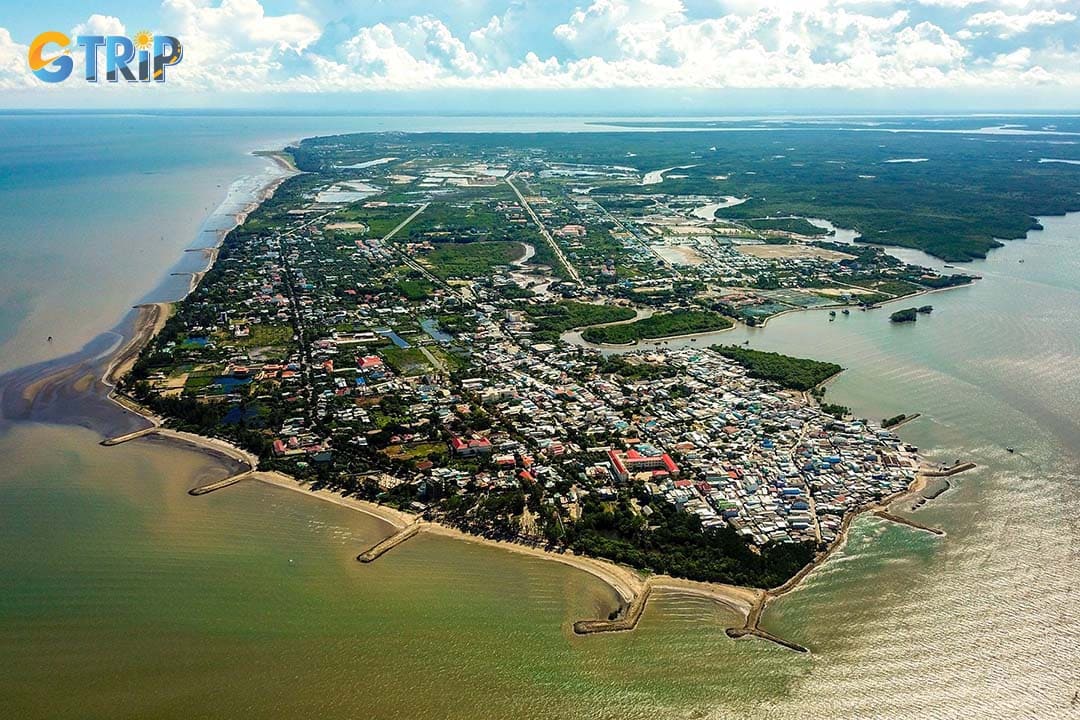
Can Gio District is Ho Chi Minh City's only coastal area, defined by its river network and vast mangrove forests, earning UNESCO Biosphere Reserve status in 2000
How to get to the former Can Gio District in Ho Chi Minh City
Getting from the bustling center of Ho Chi Minh City to the tranquility of Can Gio is a straightforward adventure. All land routes require a short and scenic river crossing via the Binh Khanh ferry, which connects the former Nha Be and Can Gio Districts.
- Motorbike: The most popular option for adventurous travelers. The ride takes about 1.5-2 hours, offering freedom and flexibility to explore at your own pace.
- Car/Taxi: A comfortable choice for small groups or families. You can hire a private car with a driver for the day or use a ride-hailing app.
- Public bus: The most budget-friendly method. Take Bus No. 20 from Ben Thanh Market to the Binh Khanh ferry. After crossing, take Bus No. 90 to continue your journey into the heart of Can Gio.
- Speedboat: For a faster and more scenic journey, several companies offer speedboat services from downtown Saigon, taking you directly to key tourist sites in Can Gio.
Top 12+ things to do in the former Can Gio District, Ho Chi Minh City
Can Gio is packed with a surprising number of activities, from wildlife encounters and historical exploration to culinary adventures. Here are the top things you absolutely must do.
1. Relax at Can Gio Beach
Commonly known as 30/4 Beach, Can Gio Beach offers a unique coastal experience. Unlike the pristine white-sand beaches found elsewhere in Vietnam, this beach is characterized by its distinctive dark, silty sand. This is due to the rich alluvium carried by the Saigon and Dong Nai rivers. While it might not be your typical sunbathing paradise, it's the perfect place to experience local life. Stroll along the shaded promenade, feel the sea breeze, and find a spot at one of the many seaside shacks. Here you can order a cold drink, relax in a hammock, and indulge in incredibly fresh, affordable seafood while watching the waves roll in.
2. Explore Vam Sat Ecotourism Area - Can Gio Mangrove Biosphere Reserve
The Vam Sat Ecotourism Area is the heart of the Can Gio Mangrove Biosphere Reserve and a must-visit for nature lovers. The highlight of any visit is climbing the 26-meter-high Tang Bong Tower. From the top, you're rewarded with breathtaking 360-degree panoramic views of the seemingly endless mangrove forest. The area offers a variety of immersive activities, such as a thrilling crocodile fishing experience where you tempt large saltwater crocodiles with bait from a protected platform. You can also take a quiet rowboat or canoe trip, gliding silently through the narrow mangrove-lined canals, or visit the bat lagoon to see giant fruit bats in their natural habitat.
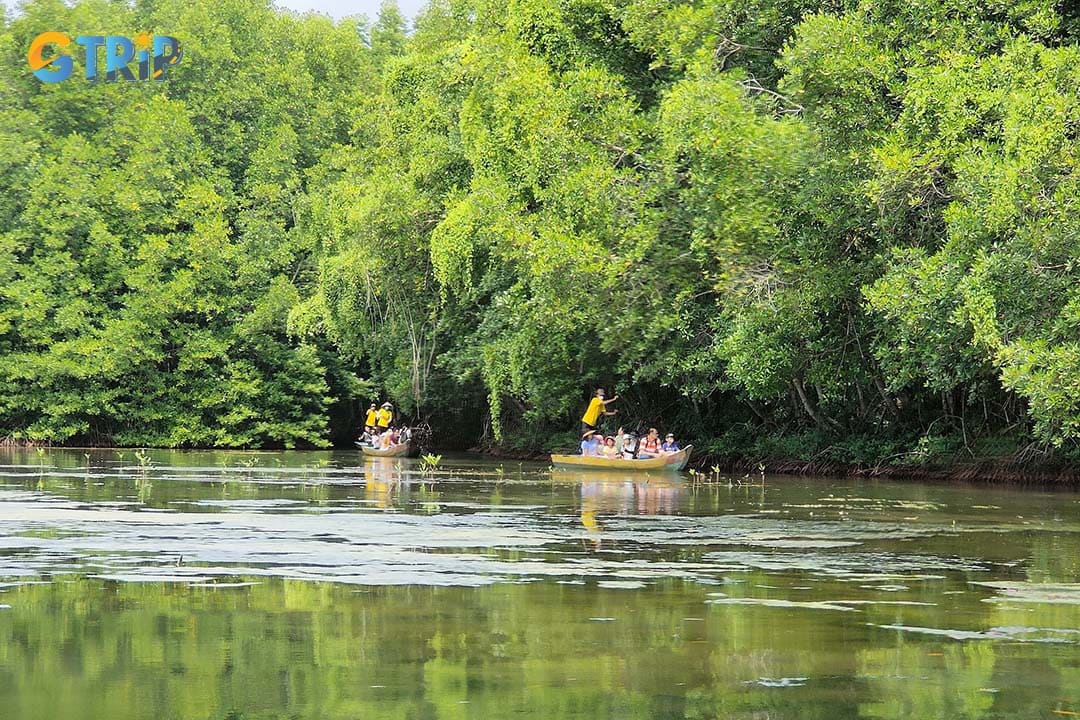
The Vam Sat Ecotourism Area sits at the core of the Can Gio Mangrove Biosphere Reserve and offers some of the region’s most immersive nature experiences
3. Visit Monkey Island and meet hundreds of playful monkeys
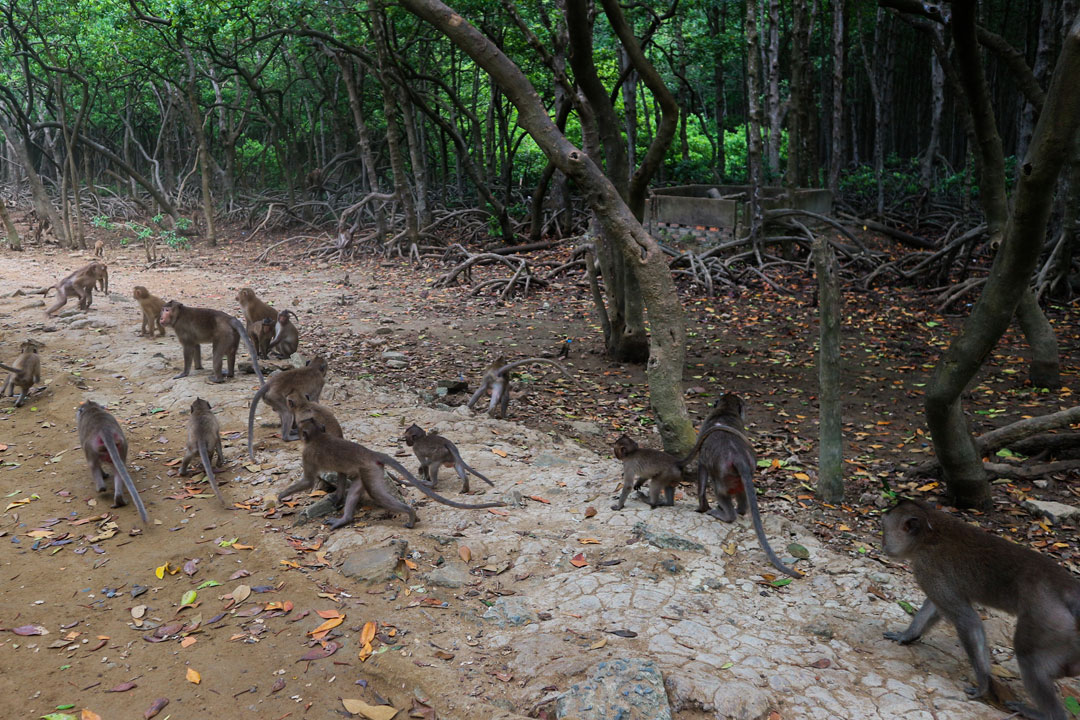
Monkey Island is arguably Can Gio's most famous attraction. As soon as you arrive, you’ll be greeted by hundreds of long-tailed macaques. A well-maintained path leads you through the mangrove forest, where monkeys swing from the trees and interact with visitors. It's a fantastic opportunity for close-up wildlife encounters and photos. However, be extremely vigilant with your belongings. The monkeys are notoriously bold and will snatch anything not secured, including phones, cameras, hats, and snacks. Keep your bags zipped and held tightly in front of you. Despite their antics, a walk through the shaded forest, surrounded by these intelligent and playful primates, is an unforgettable experience.
4. Discover the historic Sac Forest War Base
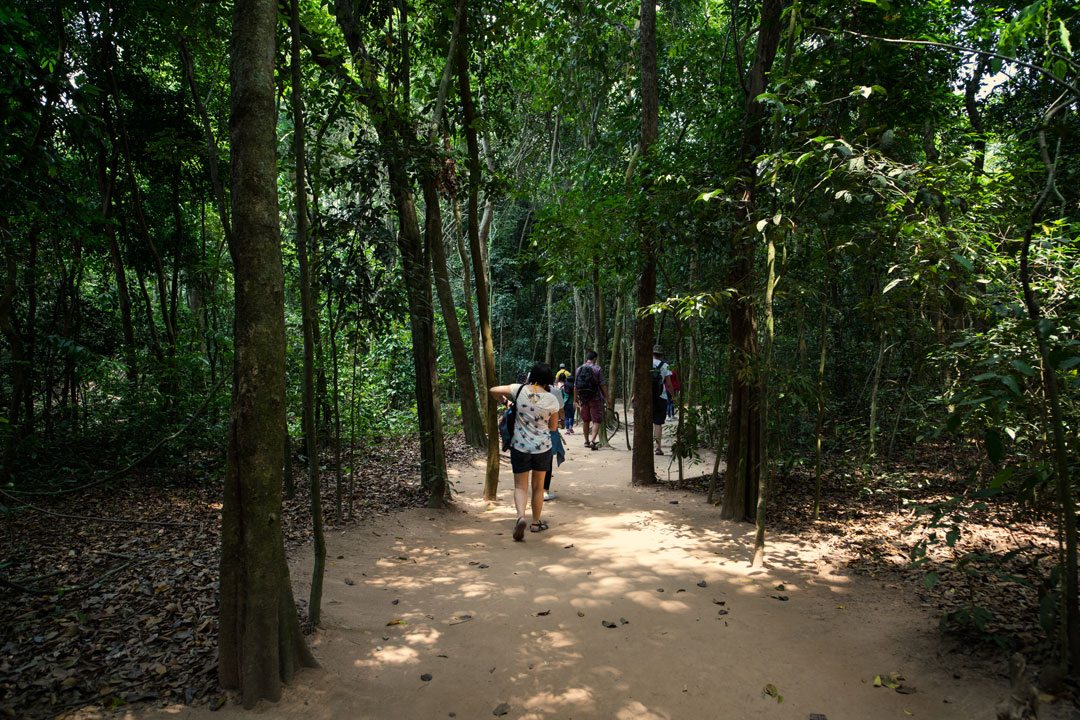
Step back in time at the Sac Forest War Base, a site of immense historical importance. During the Vietnam War, this dense mangrove forest served as a clandestine headquarters for Viet Cong guerrilla soldiers. The challenging terrain provided excellent cover, allowing them to plan and launch attacks on enemy targets in Saigon. Today, the base has been preserved and partially reconstructed for visitors. You can walk along jungle paths to see life-size dioramas depicting the daily lives of the soldiers, including scenes of them cooking, training, and preparing for battle. The site also features reconstructed thatched-roof barracks, command bunkers, and a monument honoring the acrifices made here.
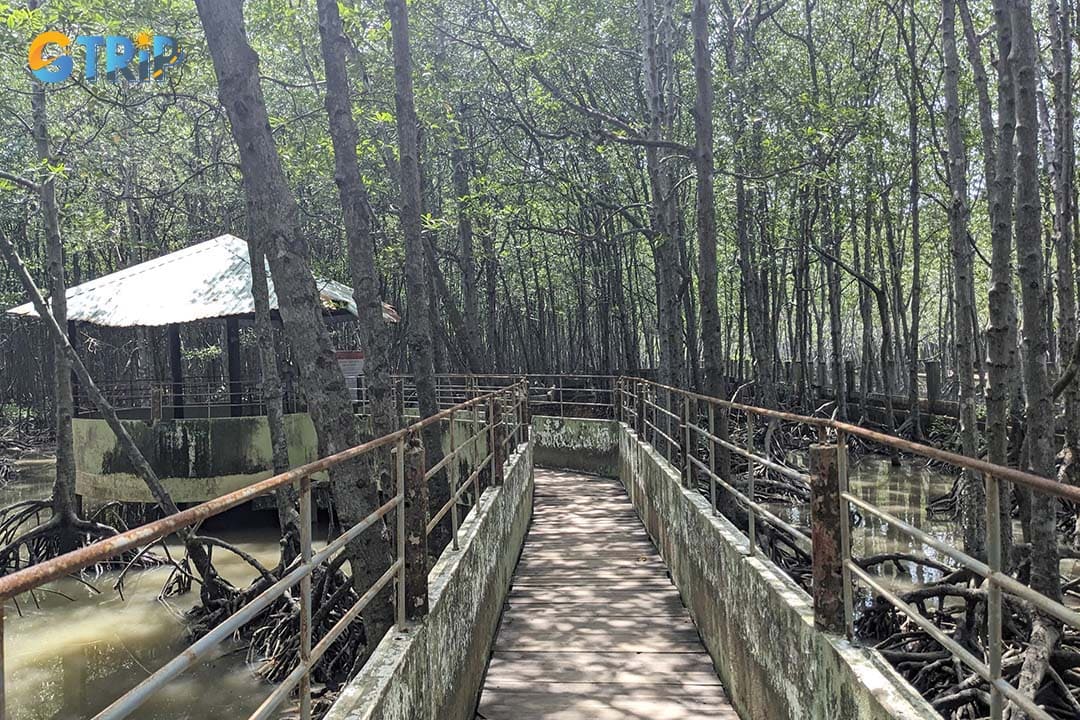
You should experience walking along the jungle paths in Sac Forest War Base
5. Unwind at Dan Xay Ecotourism Site
For a more tranquil and recreational experience within the mangroves, head to the Dan Xay Ecotourism Site. This site is geared towards relaxation and family-friendly fun. It offers a cleaner, more organized environment compared to some of the wilder parts of the reserve. Key activities here include kayaking along the calm waterways, taking a refreshing dip in one of the swimming pools, and enjoying leisurely meals at the on-site restaurant. It's an excellent spot to cool off after a morning of exploring and a great alternative to Vam Sat if you're looking for fewer crowds and more hands-on water activities. The site provides a peaceful setting to simply enjoy the serene beauty of the Can Gio mangrove forest.
6. Pay respect at the Tomb of Ong Thuy Tuong (Mausoleum of the Water General)
The Tomb of Ong Thuy Tuong, or Lang Ca Ong, is a fascinating cultural and spiritual site that reveals the deep connection between Can Gio's fishing communities and the sea. "Ong" is the respectful title given to whales, which local fishermen worship as a sacred deity who protects them from danger at sea. This mausoleum is dedicated to a massive whale that washed ashore decades ago. The main attraction is the display of the enormous whale skeleton, meticulously preserved and assembled, measuring nearly 20 meters long. Visiting the tomb offers insight into the "Ca Ong" worship practice, a vital part of the coastal culture in Vietnam, and is a unique stop on any Can Gio itinerary.
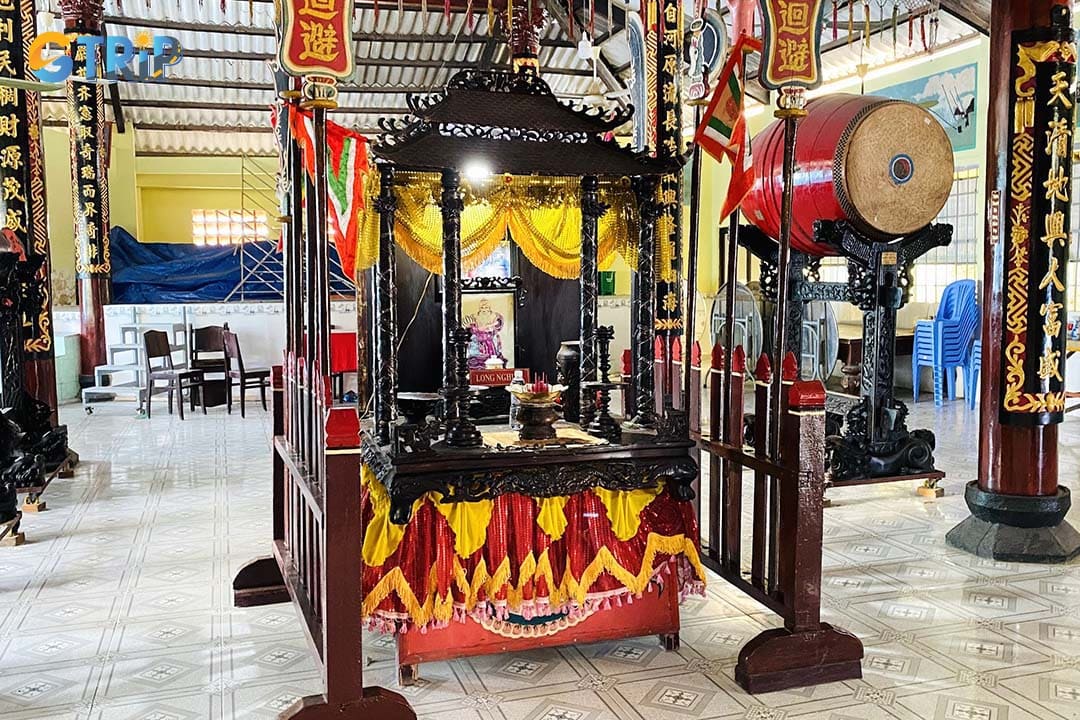
The Tomb of Ong Thuy Tuong honors the revered whale deity of Can Gio’s fishing communities and features a nearly 20-meter-long preserved whale skeleton
7. Take a boat trip to Thieng Lieng Island
For a journey off the beaten path, a boat trip to Thieng Lieng Island is a must. This remote hamlet is an oasis of peace, accessible only by a local ferry or small boat. The island is renowned for its vast, shimmering salt fields, which provide the main livelihood for its residents. A visit here feels like stepping into a different era. You can wander or cycle along the quiet, narrow paths, observe the laborious process of salt harvesting, and experience the simple, unhurried pace of island life. The community is incredibly friendly, and the landscape is starkly beautiful, making it a perfect destination for photographers and travelers seeking authentic cultural immersion away from the crowds.
8. Wander through Can Thanh Night Market
As the sun sets, the town of Can Thanh comes alive with its bustling Can Thanh Night Market. Located in the district's main town, this vibrant market is the perfect place to spend your evening. The air is filled with the tantalizing aromas of Vietnamese street food being cooked to order. It’s a paradise for foodies, offering a wide array of local snacks and seafood delicacies at very reasonable prices. Beyond the food stalls, you'll find vendors selling clothing, accessories, and various everyday goods. The lively, cheerful atmosphere, combined with the delicious food and local flavor, makes the night market a quintessential Can Gio experience that immerses you in the local community.
9. Shop for fresh catch at Hang Duong Seafood Market
No trip to a coastal district is complete without a visit to its seafood market, and Hang Duong Seafood Market is the best in Can Gio. Located right by the beach, this market is a spectacle of oceanic bounty. You’ll find an incredible variety of live and fresh-caught seafood, such as shrimps, crabs, snails, clams, and mantis shrimp. The market operates on a brilliant model: you personally select your seafood directly from the vendors, and then take it to one of the adjacent eateries. There, for a small fee, they will cook your purchase on the spot, steamed, grilled, or fried with tamarind or garlic. This guarantees the freshest and most delicious seafood meal imaginable.
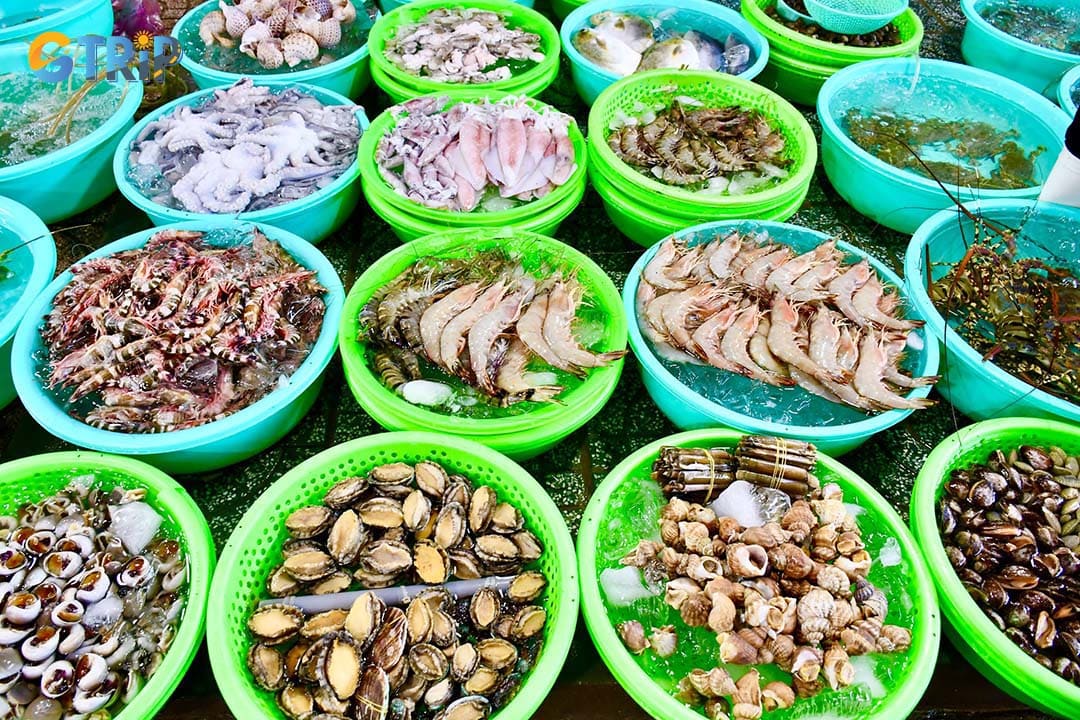
You can find many types of fresh seafood at Hang Duong Seafood Market
10. Check in at Nam Hai Bridge
In the age of social media, some spots become famous purely for their photogenic qualities, and Nam Hai Bridge is one of them. This simple wooden pier stretches out into the sea near Can Gio Beach and has become a beloved "check-in" location for young Vietnamese travelers and Instagram enthusiasts. The bridge, with its weathered planks and lampposts, offers a picturesque foreground against a backdrop of the expansive sea, distant fishing boats, and dramatic skies, especially during sunrise or sunset. It's a simple, free-to-access spot that provides a beautiful and memorable photo opportunity to commemorate your trip to Can Gio District.
11. Visit Thanh An Island - Can Gio fishing village
While Thieng Lieng is known for salt, Thanh An Island is the heart of Can Gio's fishing community. A short ferry ride from the mainland, this small island commune offers a raw and authentic glimpse into the daily life of a Vietnamese fishing village. The island is dotted with colorful stilt houses, and its narrow concrete paths are bustling with activity as fishermen mend their nets and families go about their day. Unlike more developed tourist islands, Thanh An has a distinctly non-touristy, lived-in feel. It’s a place to observe, connect with the local culture, and appreciate a way of life intrinsically tied to the rhythm of the tides. Exploring its humble streets is a truly humbling and enriching experience.

Thanh An Island is the heart of Can Gio's fishing community
12. Experience the vibrant Can Gio Whale Festival
If your visit aligns with the lunar calendar, you have the chance to witness the Can Gio Whale Festival, or the Nghinh Ong Festival. This is the most important cultural event in the district, held annually from the 14th to the 16th day of the 8th lunar month (usually around September or October). The festival's purpose is to pay homage to the whale deity, praying for a safe and prosperous fishing season. The main event is a spectacular procession of colorfully decorated boats that sail out to sea to welcome the whale spirit. Back on land, the festivities continue with traditional music, games, and feasts, creating a vibrant and joyous atmosphere that draws visitors from all over the region.
For a completely seamless day exploring the highlights, including Monkey Island, the Sac Forest War Base, and a fresh seafood lunch, consider a curated itinerary. The GTrip day tour from Ho Chi Minh City handles all logistics, letting you focus on the experience.
13. Try must-eat local dishes in Can Gio
Can Gio's culinary scene is a celebration of its fresh, local ingredients, especially seafood and mangrove-specific produce. Don't leave without trying these local specialties:
- Banh canh tom tit (mantis shrimp thick noodles): A rich, savory noodle soup where the star is the sweet, firm meat of the mantis shrimp, a local delicacy.
- Tom tit chay toi (garlic-fried mantis shrimp): Simple yet incredibly flavorful, this dish features mantis shrimp stir-fried with copious amounts of fragrant garlic.
- Goi ca thoi loi tron la lim kim (mudskipper salad with local herbs): An adventurous and uniquely Can Gio dish, this salad combines grilled mudskipper fish with a special local herb for a sour, spicy, and unforgettable taste.
- Com vat kho ca dua (compressed rice with dried pangasius fish): A rustic and hearty meal where compressed rice cakes are served with a salty, savory braised pangasius fish.
- Ca dua mot nang (semi-dried pangasius fish): A popular local product, this fish is lightly sun-dried, giving it a chewy texture that's perfect for grilling or frying.
- Dua nuoc (nipa palm fruit drink): A refreshing treat made from the jelly-like flesh of the nipa palm fruit, which grows abundantly in the mangroves, served chilled with sugar syrup.
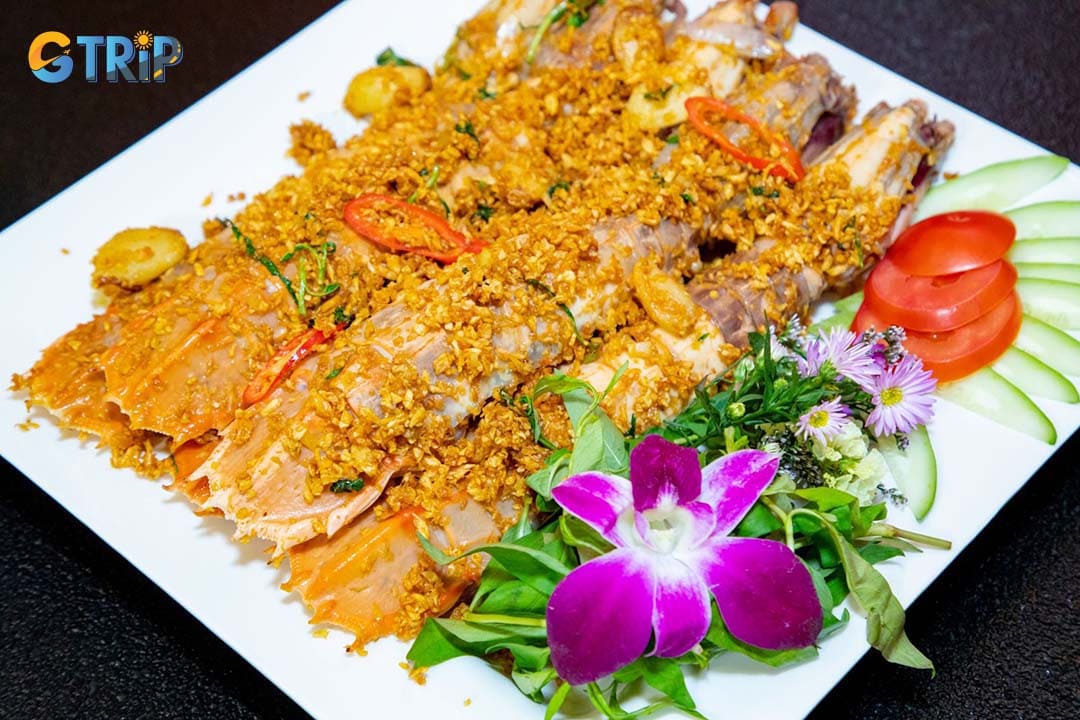
Garlic-fried mantis shrimp is one of the must-eat dishes in Can Gio District
Practical tips for visiting former Can Gio District
To make your trip smooth and enjoyable, keep these practical tips in mind.
- Best time to visit: The dry season, from November to April, is ideal, with less rain and more comfortable weather. However, Can Gio is a great year-round destination.
- What to wear: Choose light, breathable clothing. A hat, sunglasses, and sunscreen are essential. Wear comfortable walking shoes, and most importantly, bring strong insect repellent, especially for the mangrove areas.
- Cash is king: While some larger establishments may accept cards, most local eateries, markets, and small vendors operate on a cash-only basis.
- Respect the monkeys: The monkeys on Monkey Island are wild animals. Do not tease them, and keep all food and valuables securely hidden.
- Respect local culture: When visiting temples like the Tomb of Ong Thuy Tuong, dress modestly and behave respectfully.
- Stay hydrated: The weather can be hot and humid. Drink plenty of water, and try a refreshing local drink like dua nuoc (nipa palm fruit).
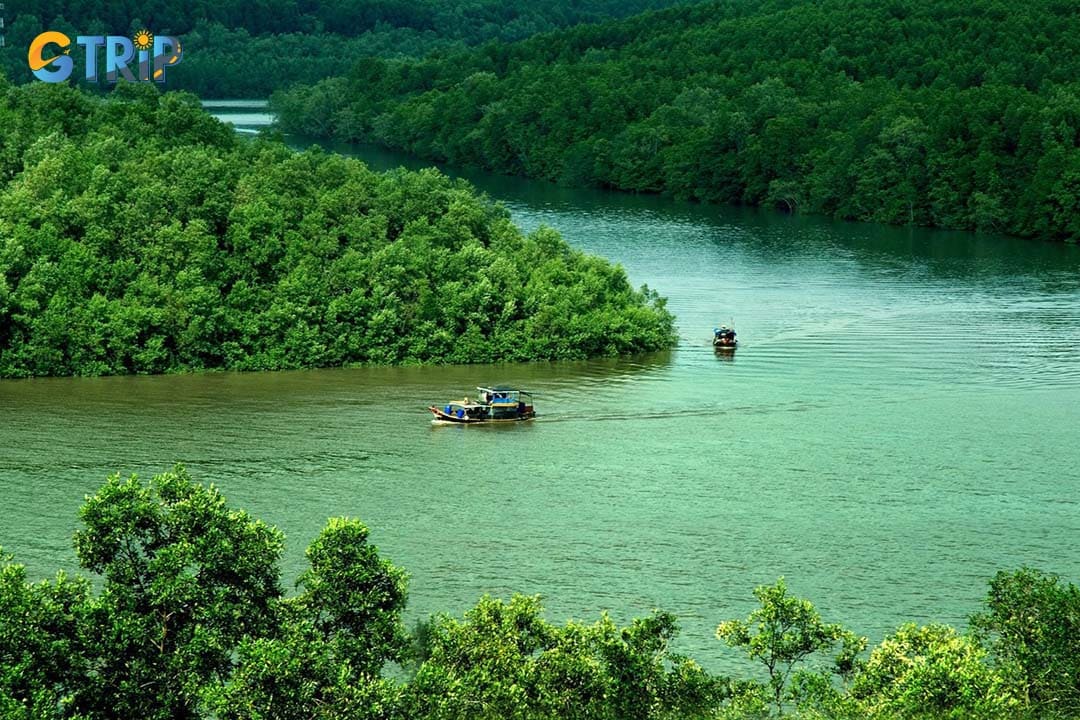
Remember the practical tips to have an enjoyable visit to the former Can Gio District
Just an hour's drive from the relentless energy of Ho Chi Minh City, former Can Gio District in Ho Chi Minh City unfolds as a world of profound natural beauty and cultural richness. It’s a place where you can feel the pulse of the sea, delve into the silence of the mangroves, and taste the ocean's freshest bounty. Can Gio offers a diverse tapestry of experiences that replenish the soul. It stands as a powerful reminder of nature's resilience and its vital importance to urban life. If you're seeking an authentic, off-the-beaten-path adventure, look no further. Let GTrip help you plan your unforgettable escape to the green lungs of Saigon, and discover the magic of Can Gio for yourself.