Thursday, December 4, 2025
Former Cu Chi District in Ho Chi Minh City offers one of Vietnam's most profound travel experiences. While world-famous for its incredible tunnel network from the Vietnam War, this resilient region is so much more than its past. It’s a place of quiet reflection, vibrant local culture, lush countryside, and a surprisingly delicious culinary scene waiting to be discovered. With this guide by GTrip, you’ll get a complete, thoughtfully curated plan without needing to piece information together from dozens of websites. We’ve crafted the most comprehensive itinerary that highlights the must-see historical landmarks, the tranquil temples, thriving craft villages, and mouth-watering local dishes. This GTrip-backed guide ensures you won’t miss a thing.
Table of Content
- Overview of former Cu Chi District in Ho Chi Minh City
- How to get to former Cu Chi District in Ho Chi Minh City
- Top 12+ things to do in former Cu Chi District, Ho Chi Minh City
- 1. Explore the legendary Cu Chi Tunnels
- 2. Pay tribute at Ben Duoc Tunnels Memorial Temple
- 3. Discover wartime stories at Ben Dinh Tunnels
- 4. Find peace at Linh Son Buddhist Temple
- 5. Visit the historic Cay Sop Temple
- 6. Learn local traditions at Xom Hue Communal House
- 7. Experience rural culture at Mot Thoang Craft Village
- 8. Relax in nature at Fosaco Eco Village
- 9. Visit rescued animals at Cu Chi Wildlife Rescue Station
- 10. Cool off and have fun at Cu Chi Water Park
- 11. Pick fresh fruits at Trung An Fruit Garden
- 12. Shop for local goods at Cu Chi Market
- 13. Enjoy authentic local specialties
- 14. Try the must-eat dishes in the former Cu Chi District
- Practical tips for visiting former Cu Chi District
Overview of former Cu Chi District in Ho Chi Minh City
Location: In the northwest of Ho Chi Minh City about 33 km from the center, Cu Chi borders the former Binh Duong to the east and north, the former Tay Ninh and Long An to the west and south, and is adjacent to the former Hoc Mon District.
Nestled to the northwest of Ho Chi Minh City’s bustling center, Cu Chi District in Ho Chi Minh City serves as a rural gateway to the city. It's approximately 70 kilometers (about 43 miles) away, making it a popular and accessible day trip from Ho Chi Minh City. The journey itself offers a fascinating transition from urban sprawl to green rice paddies and quiet villages, giving you a glimpse into the diverse landscapes of Southern Vietnam.
Historically known as the "Iron Land" for its role during the Vietnam War, the district stood as a critical battleground. Its strategic location and the unwavering resilience of its people cemented its place in history. Today, while it proudly preserves its past, Cu Chi is also a peaceful agricultural area, known for its fruit gardens and rubber plantations.

Cu Chi District proudly preserves its past and is also a peaceful agricultural area
How to get to former Cu Chi District in Ho Chi Minh City
Getting to Cu Chi from Ho Chi Minh City is straightforward, with several options to fit your budget and travel style.
- By bus: The most budget-friendly option is the public bus. Take bus #13 from 23/9 Park (near Pham Ngu Lao) to Cu Chi Bus Station, then take bus #79 to the Ben Duoc tunnels or bus #63 to the Ben Dinh tunnels. The journey can take over two hours but is a truly local experience.
- By taxi or ride-hailing app: A taxi or Grab car offers comfort and directness. The trip takes around 1.5 to 2 hours, depending on traffic. This is a good option for small groups who want a flexible schedule.
- By motorbike: For experienced riders, a motorbike journey allows for ultimate freedom to explore the countryside at your own pace. Ensure you have a valid license and are comfortable navigating Vietnamese traffic.
- By organized tour: The most convenient and informative way to visit is with an organized tour. A GTrip tour handles all transportation, tickets, and provides an expert guide to explain the rich Vietnam War history, making your visit completely hassle-free.
Top 12+ things to do in former Cu Chi District, Ho Chi Minh City
1. Explore the legendary Cu Chi Tunnels
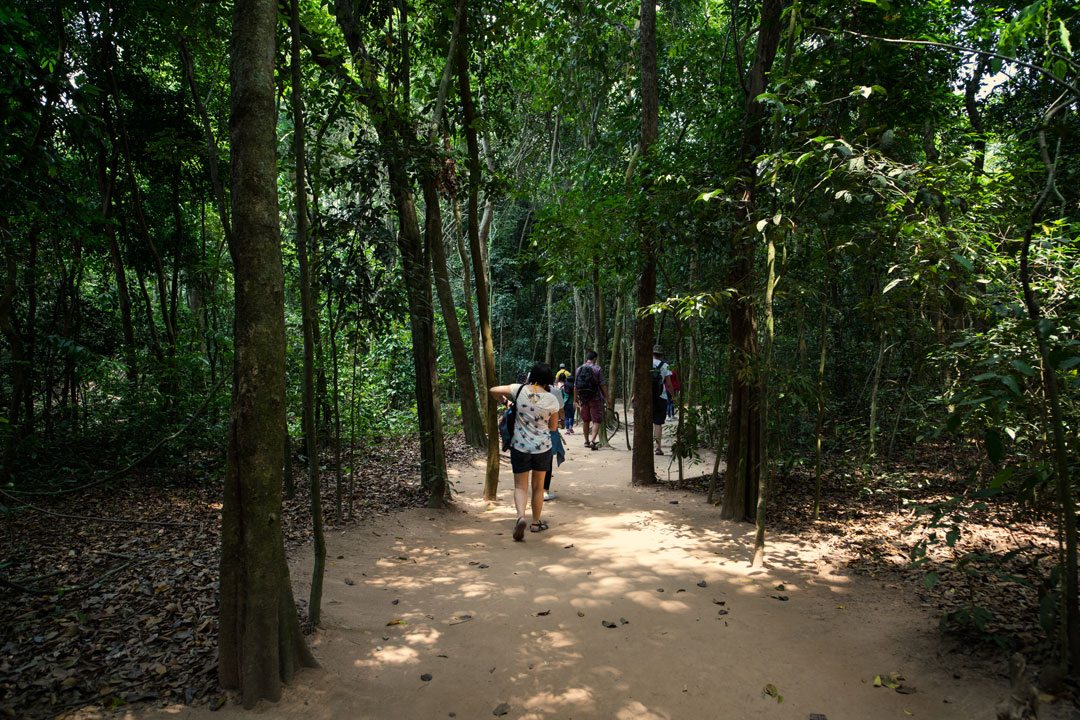
No visit to the district is complete without exploring the legendary Cu Chi Tunnels. This immense network of underground passages is a testament to the ingenuity, resilience, and tenacity of the Vietnamese soldiers and civilians during the war. As you walk through the forested grounds, your guide will reveal camouflaged trapdoors, hidden air vents, and explain the complex structure. It includes living quarters, kitchens, hospitals, and command centers. The highlight for many is the chance to crawl through a short, widened section of the tunnels to experience the cramped, dark conditions firsthand. It’s a powerful and humbling activity that offers a direct connection to the area's profound history.
2. Pay tribute at Ben Duoc Tunnels Memorial Temple
Located at the less-crowded Ben Duoc Tunnels site, the Ben Duoc Tunnels Memorial Temple is a place of solemn remembrance. This beautiful and expansive temple complex was built to honor the soldiers and civilians who lost their lives in the Saigon-Gia Dinh region during the war. The main temple features intricate architecture and a peaceful atmosphere, offering a stark contrast to the harsh realities of the tunnels nearby. Inside, you'll find names of the fallen heroes engraved on marble walls. Visiting is a poignant way to pay respects and gain a deeper understanding of the human cost of the conflict, making your Cu Chi tunnels tour a more meaningful experience.
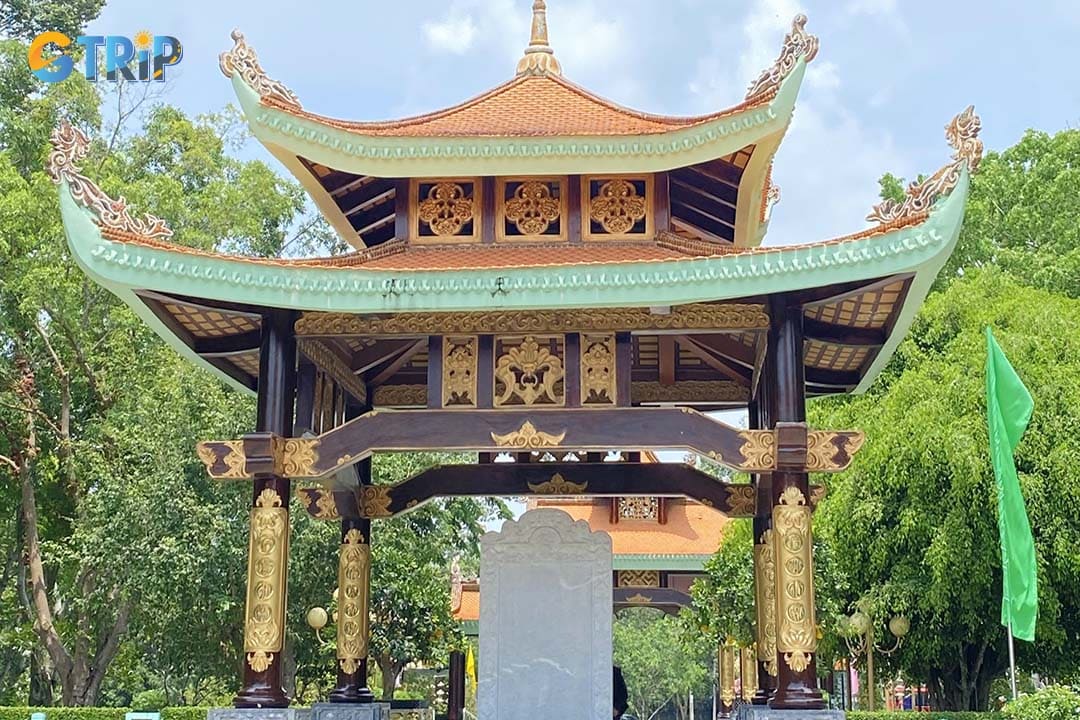
The Ben Duoc Tunnels Memorial Temple is a solemn and beautifully designed complex honoring the soldiers and civilians who died in the Saigon-Gia Dinh region
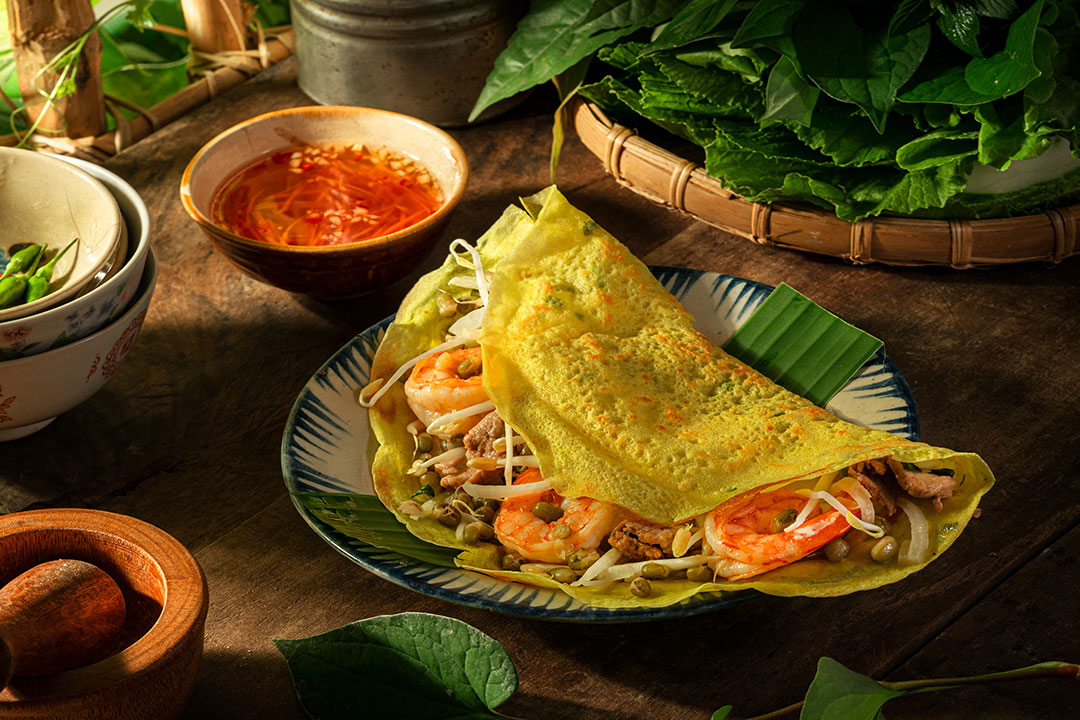
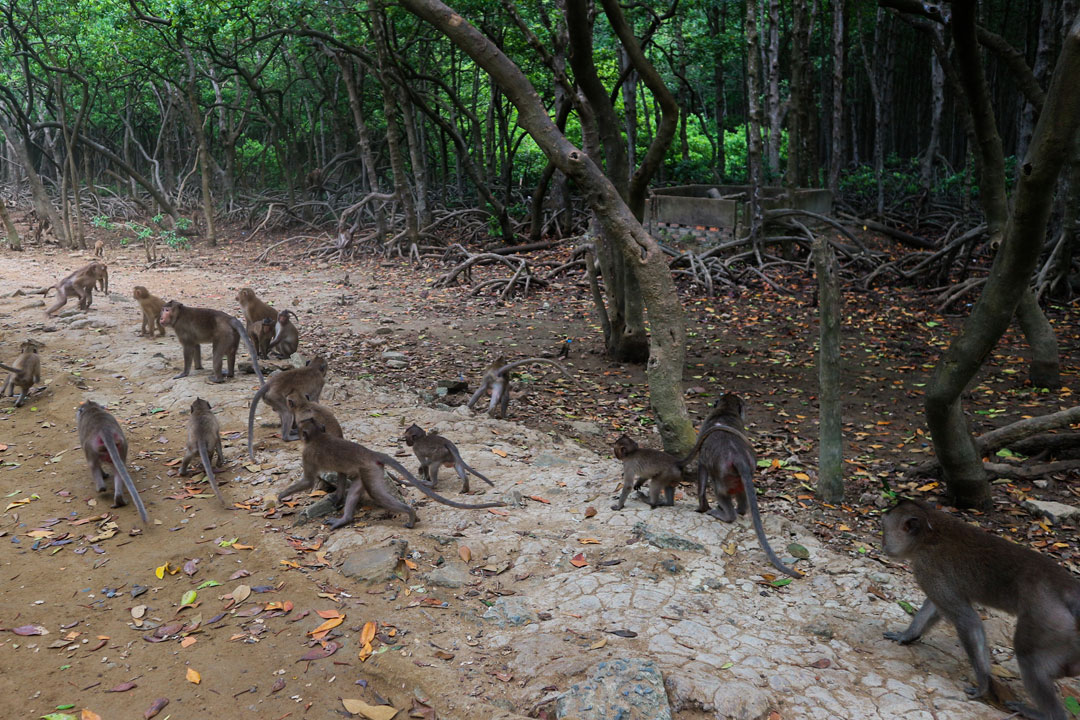
3. Discover wartime stories at Ben Dinh Tunnels
The Ben Dinh Tunnels site is the more famous and frequently visited of the two tunnel complexes. Because it was heavily damaged after the war, many of the tunnels and structures here have been reconstructed for tourism, making them a bit larger and easier to navigate for Western visitors. This site offers a comprehensive look at guerrilla warfare tactics, with displays of various booby traps, a shooting range where you can fire an AK-47 (for a fee), and craters left by B-52 bombs. The main difference is that Ben Dinh is more tourist-focused, while Ben Duoc offers a more authentic and solemn memorial experience.
4. Find peace at Linh Son Buddhist Temple
Escape the heavy atmosphere of the war sites and find a moment of peace at Linh Son Buddhist Temple. This tranquil spiritual center offers a look into the daily religious life of the local community. The temple is known for its beautiful traditional architecture, serene gardens, and ornate statues of Buddhist deities. Visitors are welcome to wander the grounds, observe the quiet rituals of resident monks, and simply soak in the peaceful ambiance. It’s a perfect spot to reflect and appreciate the spiritual culture of Vietnam, providing a welcome balance to the intense history that dominates the rest of the Cu Chi District.
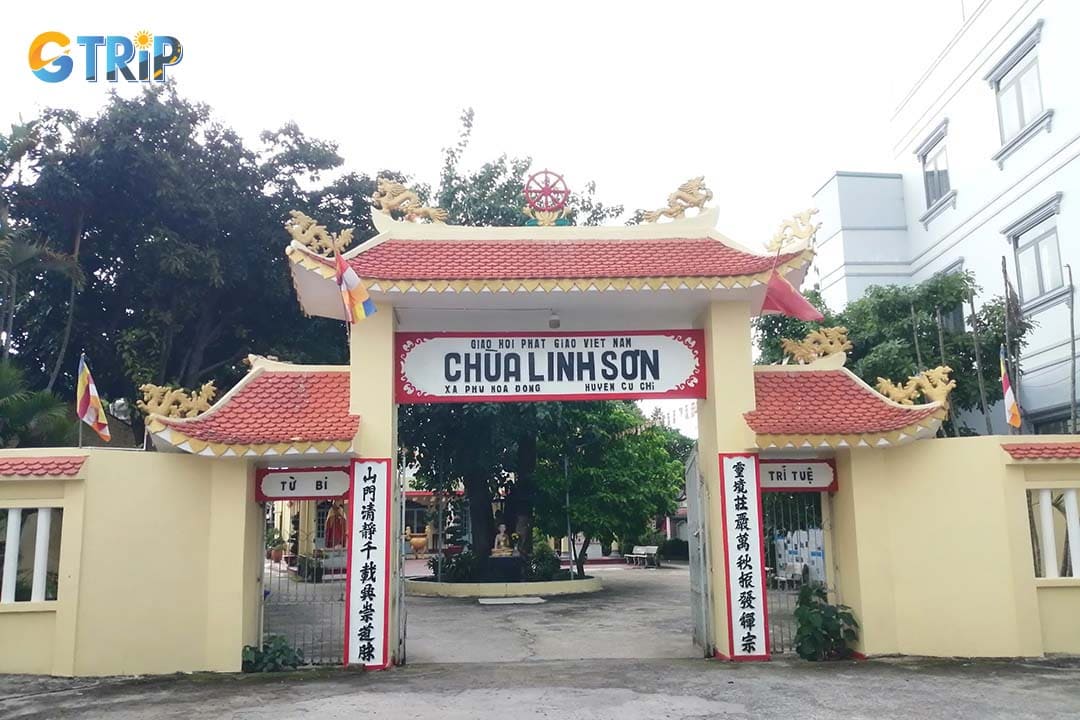
Linh Son Buddhist Temple is known for its beautiful architecture
5. Visit the historic Cay Sop Temple
For a glimpse into a more ancient local history, visit Cay Sop Temple (Dinh Cay Sop). This isn’t a grand religious monument, but a small, historic local temple that holds deep cultural significance for the people of Cu Chi. The temple is dedicated to a village guardian spirit and has been a center for community festivals and worship for generations. Its rustic charm and authentic atmosphere offer a window into the traditional beliefs that predate the wars of the 20th century. While not a major tourist attraction, a brief stop here provides a more rounded understanding of the region's cultural fabric beyond the conflict.
6. Learn local traditions at Xom Hue Communal House
The Xom Hue Communal House is another pillar of traditional Vietnamese village life. Communal houses like this one function as the heart of the community, a place for administrative meetings, cultural ceremonies, and local festivals. The architecture is typically Vietnamese, with a sweeping tiled roof and intricate wooden carvings. Visiting allows you to see where local traditions are kept alive. If your timing is right, you might even witness a local celebration. It's an excellent opportunity to step away from the tourist trail and observe the authentic, living culture of the former Cu Chi District.
7. Experience rural culture at Mot Thoang Craft Village
Immerse yourself in the artistic and rural soul of Vietnam at Mot Thoang Craft Village. This unique tourist area recreates the atmosphere of a traditional northern Vietnamese village right in the heart of the south. Here, you can watch skilled artisans demonstrate traditional crafts like pottery, rice paper making, and blacksmithing. The village is set in a peaceful, green environment designed to showcase the country's rural heritage. It’s an interactive and educational experience, perfect for families and anyone interested in seeing a different side of Vietnamese culture. You can even try your hand at some of the crafts or purchase authentic souvenirs directly from the makers.

Mot Thoang Craft Village helps you experience the artistic and rural soul of Vietnam
8. Relax in nature at Fosaco Eco Village
For a pure dose of nature and relaxation, head to Fosaco Eco Village. This destination is designed to replicate the culture and architecture of Cambodia, offering a unique "mini-Cambodia" experience within Cu Chi. The eco-village is centered around a large lake where you can enjoy boating or simply relax in huts built over the water. It’s a fantastic place to unwind after a morning of intense history. The lush greenery, peaceful atmosphere, and focus on nature make it an ideal spot for families or travelers looking to escape the city's noise and connect with the serene countryside.
9. Visit rescued animals at Cu Chi Wildlife Rescue Station
Animal lovers should not miss the Cu Chi Wildlife Rescue Station. This incredible facility is the first of its kind in Southern Vietnam, dedicated to rescuing, rehabilitating, and releasing animals confiscated from the illegal wildlife trade. On a visit, you can see a variety of protected species, including gibbons, bears, pangolins, and various reptiles, all being cared for by a dedicated team. It's not a zoo. It's a conservation center. A visit is both educational and heartwarming, offering insight into the country's wildlife protection efforts. Your entrance fee directly supports their vital mission, making it a responsible and rewarding stop on your day trip from Ho Chi Minh City.

Cu Chi Wildlife Rescue Station is for animal lovers
10. Cool off and have fun at Cu Chi Water Park
If you're traveling with family or simply need a break from the heat, the Cu Chi Water Park is the perfect solution. Offering a fun-filled contrast to the historical sites, this local water park features a variety of slides, wave pools, and lazy rivers. It's a popular spot for local families, especially on weekends, providing a great opportunity to see how residents of the district relax and have fun. While not as large as major international water parks, it’s a refreshing and entertaining way to spend an afternoon, especially after crawling through the warm tunnels.
11. Pick fresh fruits at Trung An Fruit Garden
Experience Cu Chi's agricultural heart by visiting the Trung An Fruit Garden. This is a delightful agritourism experience where you can wander through orchards laden with seasonal tropical fruits. Depending on the time of year, you might find rambutan, durian, mangosteen, or jackfruit. The best part is the "pick-your-own" experience, where you can taste the fruit fresh from the tree. It’s a simple, joyful activity that connects you to the land and offers a delicious taste of Southern Vietnam's bounty. Many gardens also have small eateries where you can relax and enjoy other local snacks in a beautiful, natural setting.
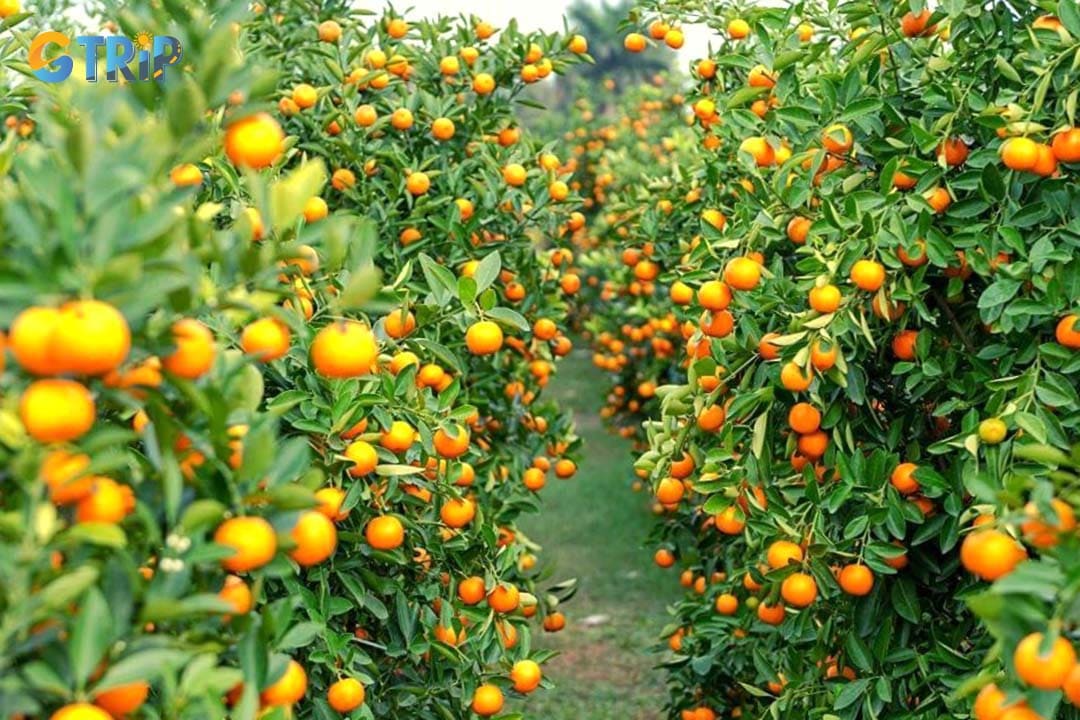
You can taste the fresh fruit from the tree at Trung An Fruit Garden
12. Shop for local goods at Cu Chi Market
To truly feel the pulse of local life, spend some time at the Cu Chi Market. This bustling, authentic market is a sensory explosion of sights, sounds, and smells. Unlike tourist-focused markets, this is where local residents do their daily shopping. You'll see vendors selling everything from fresh produce, meat, and fish to household goods, clothing, and of course, fantastic street food. It’s the perfect place to observe daily life, practice your bargaining skills, and sample some authentic snacks. A friendly smile and a bit of pointing will get you far. A visit here is an immersive cultural experience.
13. Enjoy authentic local specialties
The district has a distinct culinary identity shaped by its wartime past and agricultural present. Don't leave without trying these dishes.
- Bamboo shoot salad with shrimp and pork: A refreshing and classic Vietnamese salad featuring tender bamboo shoots, succulent shrimp, and thinly sliced pork, all tossed in a zesty sweet-and-sour fish sauce.
- Steamed cassava: A simple, starchy root vegetable that was a crucial food source during the war. It's steamed until tender and served with a delicious dip of toasted sesame salt and sometimes coconut milk.
- Mashed cassava wrapped in rice paper: A creative and tasty snack where mashed cassava is seasoned, wrapped in rice paper, and fried until crispy. It's often served with fresh herbs and a garlic chili fish sauce for dipping.
- Grilled beef in betel leaves (Bo La Lot): A famous Vietnamese dish where flavorful marinated minced beef is wrapped in aromatic betel leaves and grilled over charcoal.
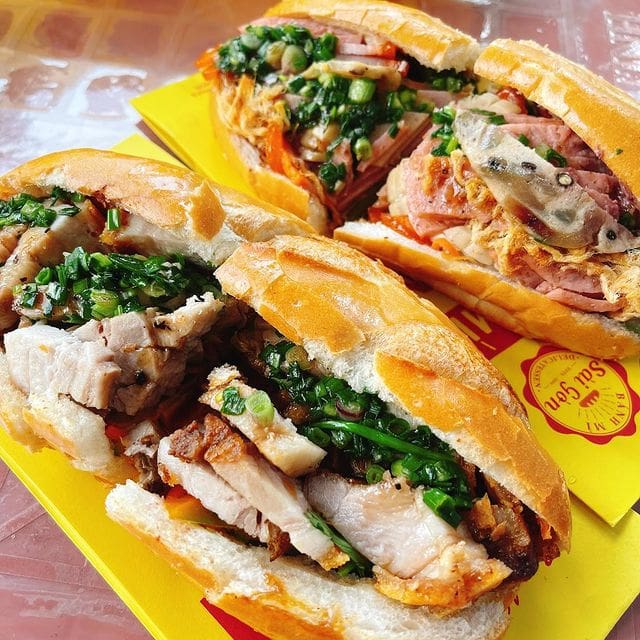
- Cu Chi veal (Bo To Cu Chi): The region's most famous specialty. The young, incredibly tender beef is prepared in various ways, grilled, steamed in rice paper, or served in a hot pot.
- Charcoal pot-roasted chicken (Ga Dot Lu): Juicy, whole chicken is marinated and slow-roasted inside a clay pot over charcoal, resulting in incredibly tender meat and crispy skin.

Cu Chi veal is the district’s specialty that everyone should not miss
14. Try the must-eat dishes in the former Cu Chi District
To find the best Bo To Cu Chi (Cu Chi veal) and other local delicacies, head to one of the restaurants popular with locals. These spots are famous for their authentic flavors.
- Bo to Lam Bo: Located at 224A Nguyen Kim Cuong Street, this spot is celebrated for its delicious and tender veal dishes.
- Bo To Hong Dao: Find it at 171 Highway 22, a well-known restaurant for its high-quality veal preparations.
- Bo To Kim Dung: Situated at 638 Nguyen Thi Ranh Street, Nga Tu Hamlet, another local favorite for sampling authentic Bo To.
- Bo To Chinh Cu: Head to 2 Pham Van Cheo Street, for a classic Cu Chi veal dining experience.
- Rach Dua Restaurant: Located at 53/4 Street 181, known for its rustic setting and a wide menu of local specialties.
- Hai He Restaurant: Find this spot on Ben Than Street, Hamlet 1, popular for both its veal and charcoal pot-roasted chicken.
Practical tips for visiting former Cu Chi District
Plan a smooth and comfortable visit with these essential tips.
- Best time to visit: The dry season, from December to April, is ideal, with less rain and lower humidity. To avoid the biggest crowds and the midday heat, try to start your tour early in the morning.
- What to wear: Dress in lightweight, breathable clothing as it can get very hot and humid. If you plan to crawl through the tunnels, wear clothes you don't mind getting a little dirty. Comfortable, closed-toe walking shoes are a must.
- What to bring: Pack sunscreen, a hat, and sunglasses for protection from the sun. Insect repellent is highly recommended, especially in the forested areas. Bring a reusable water bottle to stay hydrated.
- Etiquette for tunnels & temples: When crawling in the tunnels, be mindful of others. If you are claustrophobic, it is perfectly fine to skip this part. When visiting temples like Ben Duoc, dress modestly by covering your shoulders and knees as a sign of respect.
- Stay healthy: Only drink bottled or filtered water. Be adventurous with food, but choose busy street food stalls and restaurants where the food turnover is high.
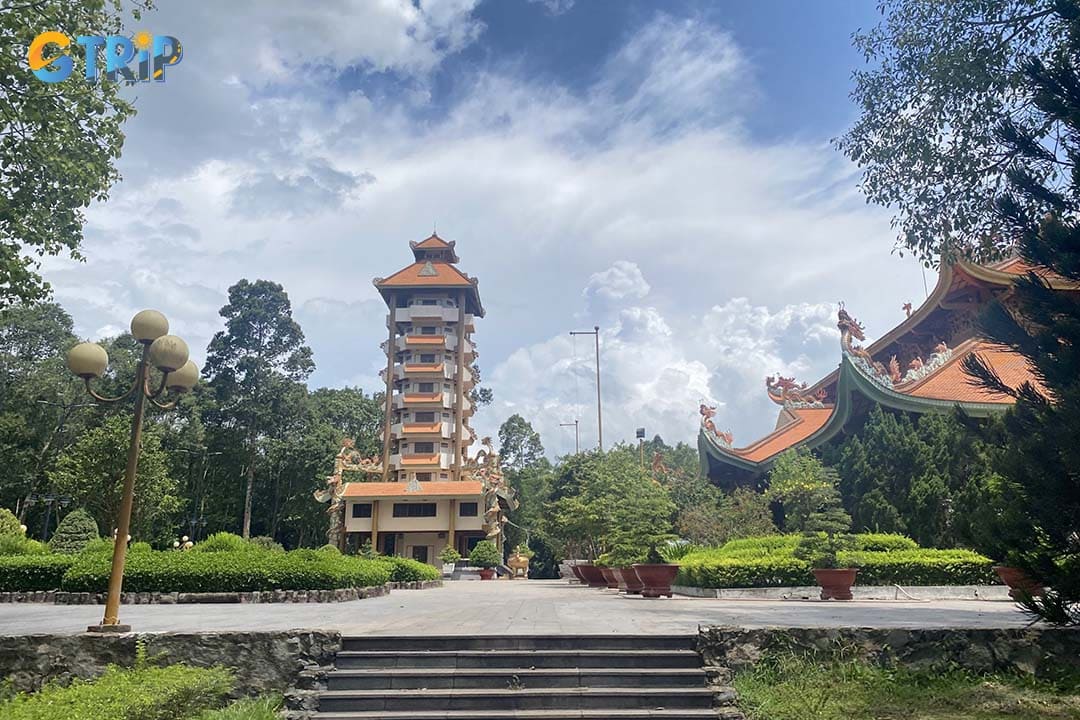
Remember all those tips especially the ones for Cu Chi Tunnels, so that you can have a perfect visit to Cu Chi District
Fornmer Cu Chi District in Ho Chi Minh City offers a journey through layers of Vietnamese history, culture, and nature. It begins with the sobering but essential lessons of the Cu Chi Tunnels, a powerful monument to human endurance that anchors any visit. But as you’ve seen, the adventure continues far beyond. You can find peace in the quiet halls of the Ben Duoc Memorial Temple, taste the agricultural soul of the region in a fresh fruit garden, and feel the vibrant pulse of local life in a bustling market. Finishing your day by savoring a plate of tender Bo To Cu Chi, you’ll realize that this "Iron Land" has a soft, warm, and delicious heart. Let GTrip take you on an unforgettable journey. Explore our tours and start planning your adventure today.