
Wednesday, December 3, 2025
Former Go Vap District in Ho Chi Minh City offers one of the most authentic, unfiltered glimpses into local Saigonese life you can find. Far from the well trodden tourist paths of District 1, Go Vap is a sprawling, energetic hub of bustling markets, sacred temples, incredible street food, and genuine daily life. If you're tired of the usual backpacker haunts and crave an adventure that shows you the real soul of the city, this is where you'll find it. This comprehensive GTrip guide is your key to unlocking this hidden gem. We'll show you exactly how to get here, what it’s known for, and dive into the top 15 things to do, see, and eat. Get ready to explore a side of Saigon that few travelers ever witness.
Table of Content
- Overview of former Go Vap District in Ho Chi Minh City
- How to get to former Go Vap District in Ho Chi Minh City
- Top 15 things to do in former Go Vap District, Ho Chi Minh City
- 1. Admire the architecture of Hanh Thong Tay Cathedral
- 2. Find tranquility at Sac Tu Truong Tho Pagoda
- 3. Explore the historic Thong Tay Hoi Communal House
- 4. Visit the sacred Phu Chau Floating Temple
- 5. Discover craftsmanship at An Hoi Incense Burners Village
- 6. Wander through the colorful Go Vap Flower Village
- 7. Experience the lively atmosphere of Hanh Thong Tay Market
- 8. Shop and relax at Emart Go Vap
- 9. Spend a family day at Lotte Mart Go Vap
- 10. Watch the light and sound shows at Hoa Binh Water Music Square
- 11. Take a peaceful walk in Gia Dinh Park
- 12. Enjoy greenery and leisure at Go Vap Cultural Park
- 13. Explore Go Vap's Bustling Cafe Scene
- 14. Enjoy local flavors at Go Vap’s best restaurants
- 15. Taste your way through Go Vap - Must-try local dishes
- Practical tips for visiting the former Go Vap District
- Frequently Asked Questions about former Go Vap District
Overview of former Go Vap District in Ho Chi Minh City
Location: North of Ho Chi Minh City’s former central districts, bordering former District 12, former Binh Thanh District, former Phu Nhuan District, and former Tan Binh District (home to Tan Son Nhat Airport).
Unlike the tourist-centric vibe of former District 1 or the expat-heavy atmosphere of former Districts 2 and 7, Go Vap is predominantly a local Vietnamese area. It’s known for its high population density, winding alleys that hide culinary treasures, and a dynamic, fast-paced environment. This is where you can experience Ho Chi Minh City as residents do energetic, authentic, and alive from dawn until late at night.
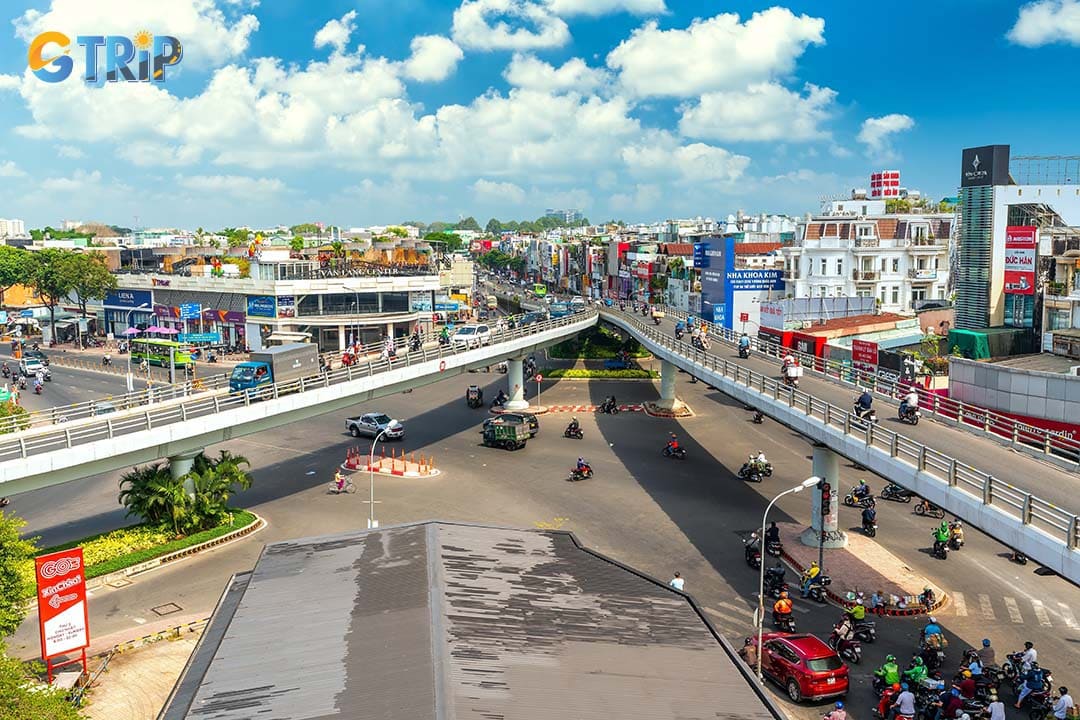
Go Vap District offers a vibrant and authentic glimpse into everyday Saigonese life, with bustling markets, sacred temples, amazing street food, and a lively local atmosphere
How to get to former Go Vap District in Ho Chi Minh City
Getting to Go Vap from central areas like former District 1 is straightforward and affordable, though it requires navigating the city's lively traffic. The journey typically takes between 25 to 45 minutes, depending on the time of day and your specific destination within the large district.
- By ride-hailing app (Recommended): The most convenient way to travel is by using a ride-hailing app. Grab and XanhSM are the two most popular options in Vietnam. Simply input your destination, and you can book a car or a motorbike for a fixed, upfront price. A GrabBike will be faster and cheaper, offering a true local experience.
- By public bus: For the most budget-friendly option, the public bus system connects Go Vap with the rest of the city. Bus routes like Number 18, 24, and 55 pass through major streets in Go Vap. You can use the "BusMap" app to find the best route from your location. Be prepared for a crowded but authentic journey.
Top 15 things to do in former Go Vap District, Ho Chi Minh City
Go Vap is packed with a surprising number of cultural, religious, and entertainment sites that offer a rich tapestry of experiences for the curious traveler.
1. Admire the architecture of Hanh Thong Tay Cathedral
Hanh Thong Tay Cathedral stands in stark contrast to the French colonial style of the more famous Notre Dame Cathedral in former District 1. This church boasts a rare and beautiful Byzantine Revival architectural style, modeled after the Basilica of San Vitale in Ravenna, Italy. Its intricate mosaics, grand dome, and unique octagonal shape make it a photographer's dream and a peaceful place for reflection. It’s an active church, so visitors can step inside and admire the stunning interior when a service is not in session.
2. Find tranquility at Sac Tu Truong Tho Pagoda
Escape the district's hustle and bustle by stepping into the serene grounds of Sac Tu Truong Tho Pagoda. This ancient temple offers a profound sense of peace and history. It is recognized as a city-level historical and cultural relic. It features traditional Vietnamese pagoda architecture with swooping, tiled roofs and intricate carvings of dragons and other mythical creatures. The air is thick with the scent of incense, and the grounds are shaded by ancient trees, creating a tranquil atmosphere perfect for quiet contemplation away from the city's noise.
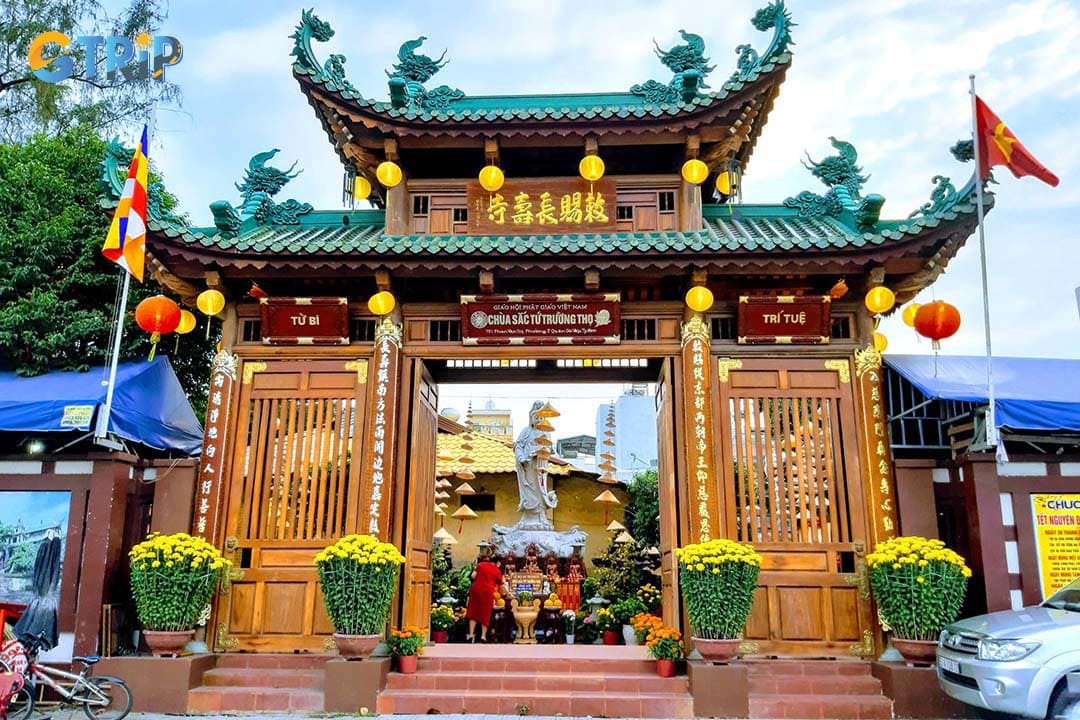
Sac Tu Truong Tho Pagoda is a city-level historical and cultural relic known for its traditional architecture
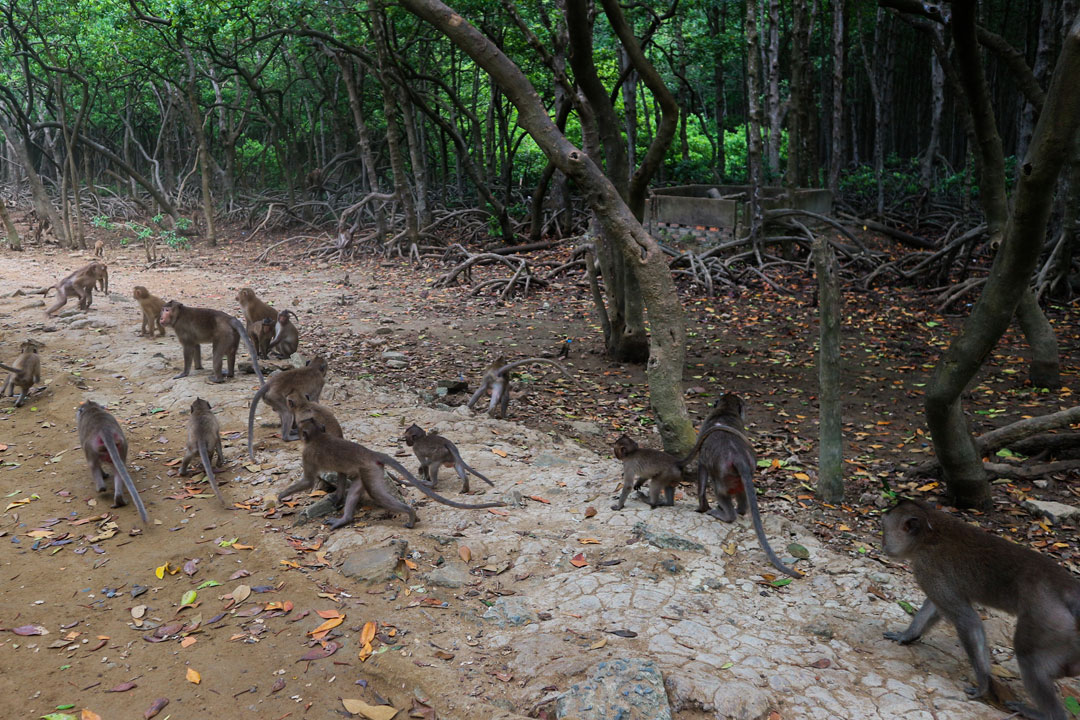
3. Explore the historic Thong Tay Hoi Communal House
Designated as a national architectural and artistic monument, Thong Tay Hoi Communal House (Dinh Thong Tay Hoi) is one of the oldest communal houses in southern Vietnam. This beautifully preserved structure showcases exquisite traditional Vietnamese architecture, with a focus on woodwork and intricate carvings. Communal houses are the spiritual and social heart of a traditional Vietnamese village, used for worshiping the village's guardian deity and holding community events. A visit here offers a rare glimpse into Vietnam's rich cultural heritage and pre-colonial past.
4. Visit the sacred Phu Chau Floating Temple
One of the most unique spiritual experiences in all of Ho Chi Minh City is a visit to Phu Chau Floating Temple, also known as Mieu Noi. Situated on a small island in the middle of the Vam Thuat River, the only way to reach it is by a short, traditional boat ride, which is an adventure in itself. The temple is a kaleidoscope of color, with every surface adorned with vibrant mosaic dragons, phoenixes, and intricate ceramic details. It's a deeply spiritual place for locals who come to pray for luck and prosperity.
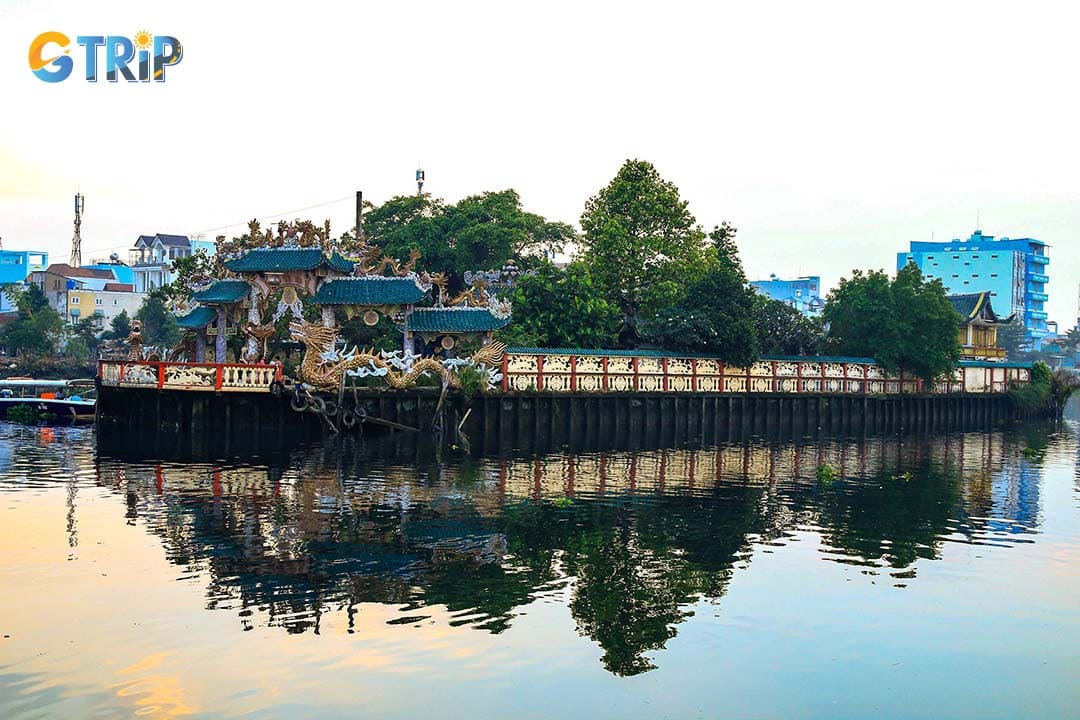
Phu Chau Floating Temple (Mieu Noi) sits on a tiny island in the Vam Thuat River and can only be reached by a short boat ride
5. Discover craftsmanship at An Hoi Incense Burners Village
Go Vap has a history rooted in traditional crafts, and one of the most significant is the An Hoi Incense Burners Village. For generations, artisans in this area have specialized in crafting beautiful bronze incense burners, an essential item for ancestral altars in Vietnamese homes and temples. While it's not a formal tourist village with workshops open to the public, walking through the An Hoi area allows you to feel the history. You can still find local shops selling these handcrafted pieces, a testament to the enduring legacy of the craft.
6. Wander through the colorful Go Vap Flower Village
While not as large as other flower villages in the Mekong Delta, the Go Vap Flower Village bursts into a riot of color in the weeks leading up to the Lunar New Year (Tet). Centered around the Phan Huy Ich Street area, local gardeners cultivate an array of flowers, with marigolds, chrysanthemums, and cockscomb flowers being the most popular. The atmosphere is electric as people from all over the city come to choose the perfect blossoms to decorate their homes for the holiday. It's a seasonal but wonderfully festive experience.
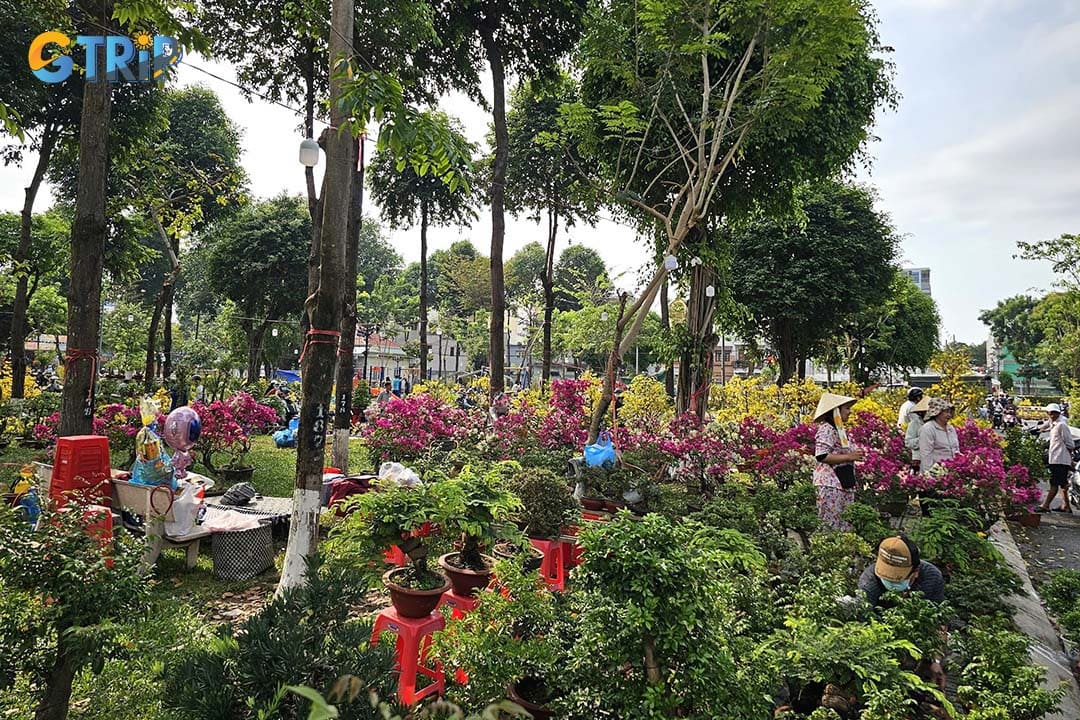
Visiting the flower village in former Go Vap District during Tet holiday is very vibrant
7. Experience the lively atmosphere of Hanh Thong Tay Market
When the sun goes down, Hanh Thong Tay Market comes alive. This is arguably Go Vap's most famous attraction, a massive, chaotic, and exhilarating night market renowned for two things. They are incredibly cheap fashion and delicious street food. The market is a maze of stalls selling clothes, shoes, and accessories at bargain prices. Navigate the bustling crowds, practice your haggling skills, and then reward yourself with the diverse and tasty street food offerings scattered throughout the market. It's an overwhelming but essential Go Vap experience.
8. Shop and relax at Emart Go Vap
For a complete change of pace, head to Emart Go Vap. This massive Korean hypermarket is a shining example of Go Vap's modern side. It's a one-stop destination for locals to do their grocery shopping, and for visitors, it offers a fascinating look at modern Vietnamese consumer culture. You can find a huge variety of products, especially popular Korean snacks, noodles, and cosmetics. The expansive food court on the upper level is an excellent, clean, and air-conditioned place to try a mix of Vietnamese, Korean, and international dishes.
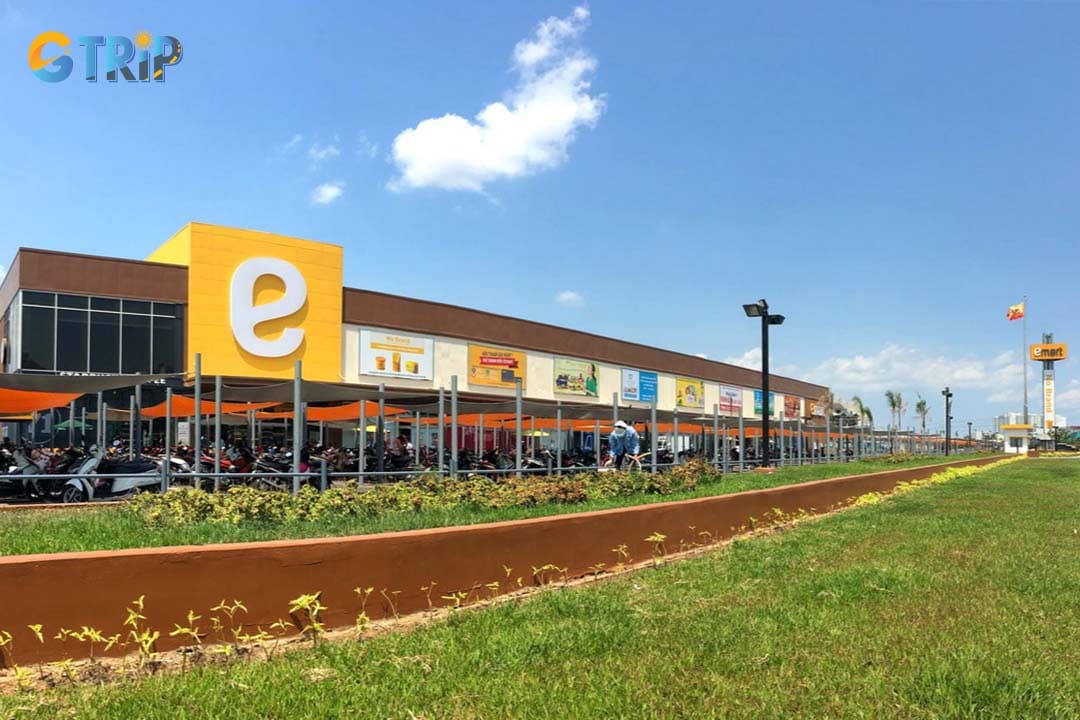
Emart Go Vap is a massive hypermarket you should not miss
9. Spend a family day at Lotte Mart Go Vap
Similar to Emart, Lotte Mart is another major shopping and entertainment complex that serves the residents of Go Vap. It offers a wide range of goods, such as groceries and household items, electronics, and fashion. Lotte Mart is particularly family-friendly, often featuring a cinema, a play area for children, and a diverse food court. It represents the convenient, modern lifestyle that coexists with Go Vap's traditional markets and historical sites.
10. Watch the light and sound shows at Hoa Binh Water Music Square
Located right on the border of Go Vap in the neighboring former District 12, Hoa Binh Water Music Square is a favorite evening attraction for Go Vap families. This modern public space features a spectacular free water fountain show synchronized with colorful lights and music. The performances typically happen in the evenings, drawing large crowds of locals who come to relax, socialize, and let their children play. It's a wonderful, cost-free way to spend an evening and observe modern local leisure.

Hoa Binh Water Music Square offers a free water fountain show in the evenings
11. Take a peaceful walk in Gia Dinh Park
One of the largest green spaces in Ho Chi Minh City, Gia Dinh Park straddles the border between former Go Vap and Phu Nhuan districts. This sprawling park is a vital "green lung" for the city, offering a much-needed respite from the urban grind. In the early mornings and late afternoons, the park is filled with locals exercising, practicing tai chi, playing badminton, or simply relaxing on benches. It's the perfect place for a peaceful walk, a bit of people-watching, and to see Saigonese daily life at a slower pace.
12. Enjoy greenery and leisure at Go Vap Cultural Park
Differing from the more nature-focused Gia Dinh Park, Go Vap Cultural Park is a community hub designed for recreation and events. The park features expansive green lawns, a small lake, children's play areas, and spaces for public performances. It's a common venue for local festivals, weekend markets, and community gatherings. For a visitor, it's a great spot to see how the local community comes together for leisure and celebration, especially on weekends when it's at its liveliest.
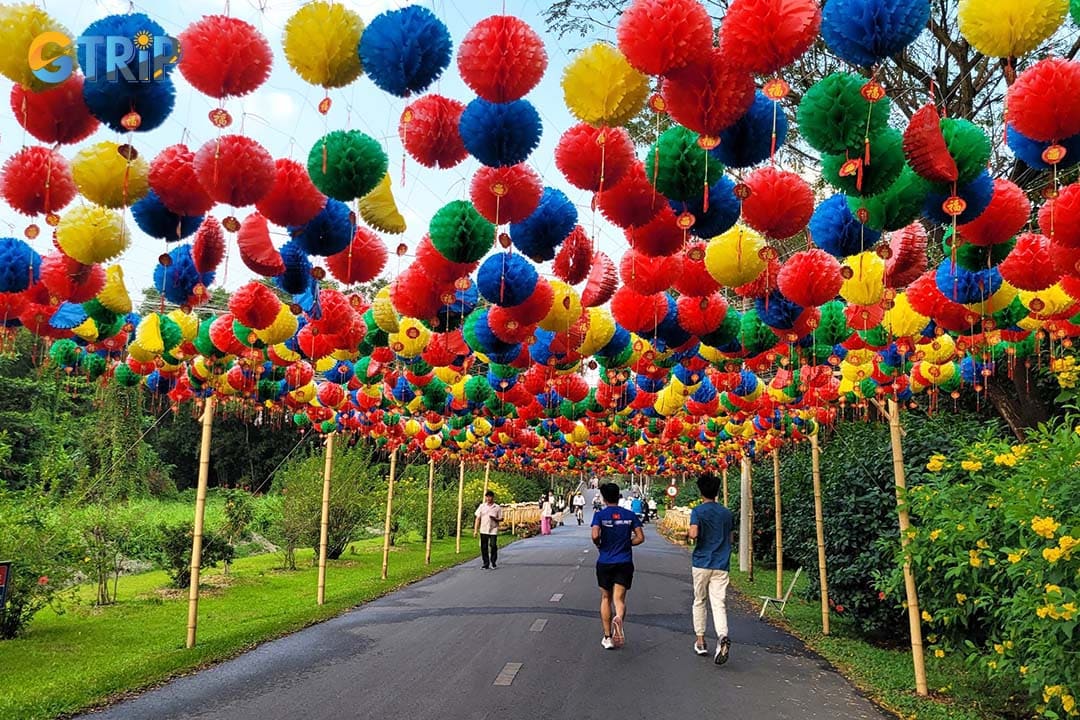
If you want your free time peaceful and relaxing, come to Go Vap Cultural Park
13. Explore Go Vap's Bustling Cafe Scene
No exploration of a Saigon area is complete without diving into its cafe scene, and Go Vap is no exception. The district is packed with countless cafes, from traditional, no-frills spots serving potent 'ca phe sua da' (iced coffee with milk) on tiny plastic stools to trendy, multi-story cafes with elaborate decor. Exploring the cafe scene is a fantastic way to understand local social life. You'll see students studying, friends catching up, and business meetings taking place over coffee. Simply wandering and picking a busy cafe is an adventure in itself.
14. Enjoy local flavors at Go Vap’s best restaurants
While street food is king, Go Vap also has fantastic restaurants for a more comfortable sit-down meal. These spots offer authentic flavors in a lively atmosphere. Planning a food tour can be overwhelming, but letting a service like GTrip help you pinpoint the best local eats can transform your experience. Here are some top picks:
- Friends restaurant - 14 Phan Van Tri Street: A local favorite known for a wide menu of classic Vietnamese dishes and hotpots, perfect for sharing.
- Com Nieu Panda - 645 Quang Trung Street: Specializes in 'com nieu' (rice cooked in clay pots), served with a wonderful variety of traditional Vietnamese side dishes. (, Ward 11)
- Hai San Oc Ngon Hai Dung - 145 Nguyen Van Luong Street: The place to go for fresh seafood and snails ('oc'), a quintessential Saigonese dining experience.
- Lo Thien Quan - 222 Nguyen Oanh Street: Famous for Vietnamese-style grilled meats and hotpots in an open-air setting.
- Ba Gac Vietnamese Grill & Beer Garden - 1 Quang Trung Street: A trendy spot that combines grilled specialties with a vibrant beer garden atmosphere, popular with a younger crowd.
15. Taste your way through Go Vap - Must-try local dishes
Go Vap is a street food paradise. The sheer variety can be dizzying, but there are a few iconic dishes you simply must try to understand the local palate. You can find these everywhere, from street carts to small local eateries.
- Hu tieu Go Vap: This is the district's signature dish. A savory pork-based noodle soup, often served "dry" with the broth on the side. Many famous versions exist here.
- Com tam (Broken rice): A Saigon classic. Grilled pork chop served over "broken" rice grains with a fried egg, pickled vegetables, and sweet fish sauce.
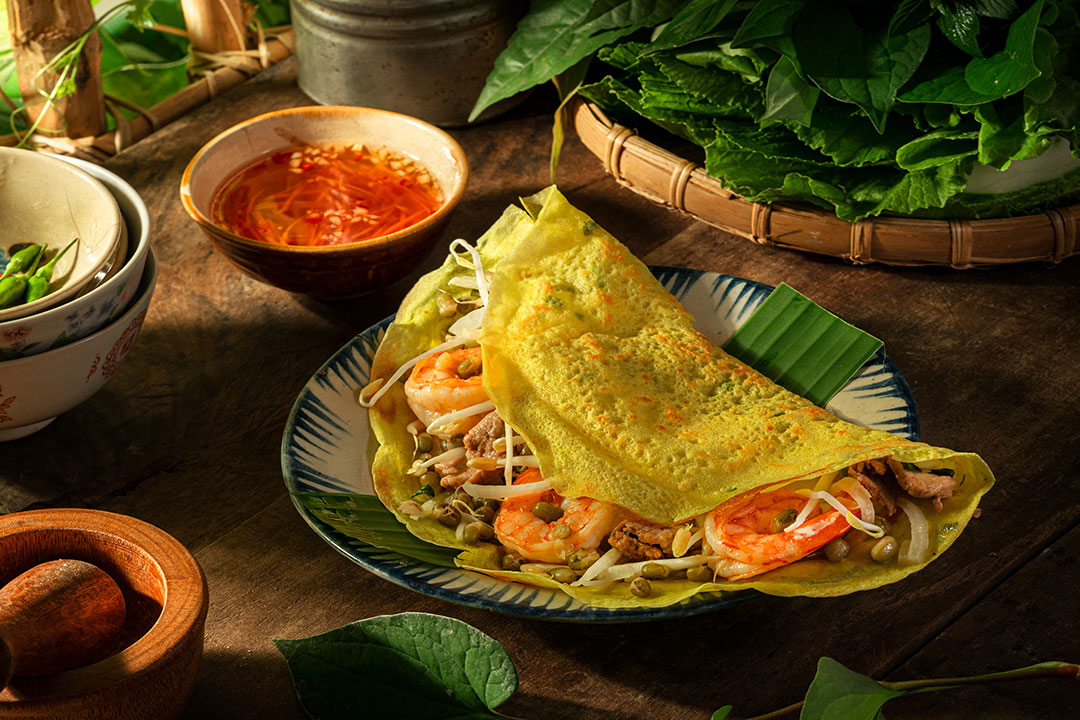
- Banh xeo (Vietnamese pancake): A large, crispy, savory pancake filled with pork, shrimp, and bean sprouts, wrapped in lettuce and herbs and dipped in sauce.
- Goi cuon (Vietnamese spring rolls): Fresh, not fried. Rice paper rolls filled with pork, shrimp, vermicelli noodles, and fresh greens, served with a peanut dipping sauce.
- Bun rieu (Crab noodle soup): A tangy and savory noodle soup with a tomato and crab-based broth, topped with tofu, pork, and fresh herbs.
- Chao long (Pork organ porridge): A hearty and flavorful rice porridge filled with various cuts of pork offal. It's a beloved breakfast staple for many locals.
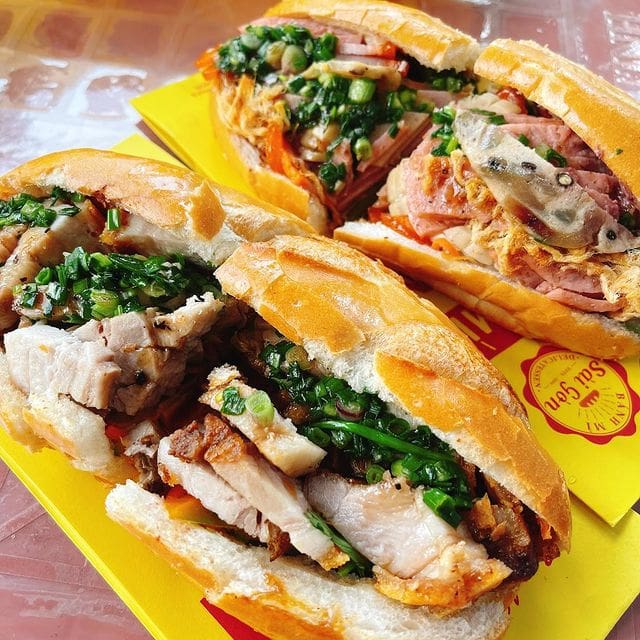
- Banh mi (Vietnamese sandwich): Look for a busy local cart and grab a classic Vietnamese sandwich, a crunchy baguette filled with pate, various meats, pickles, and herbs.
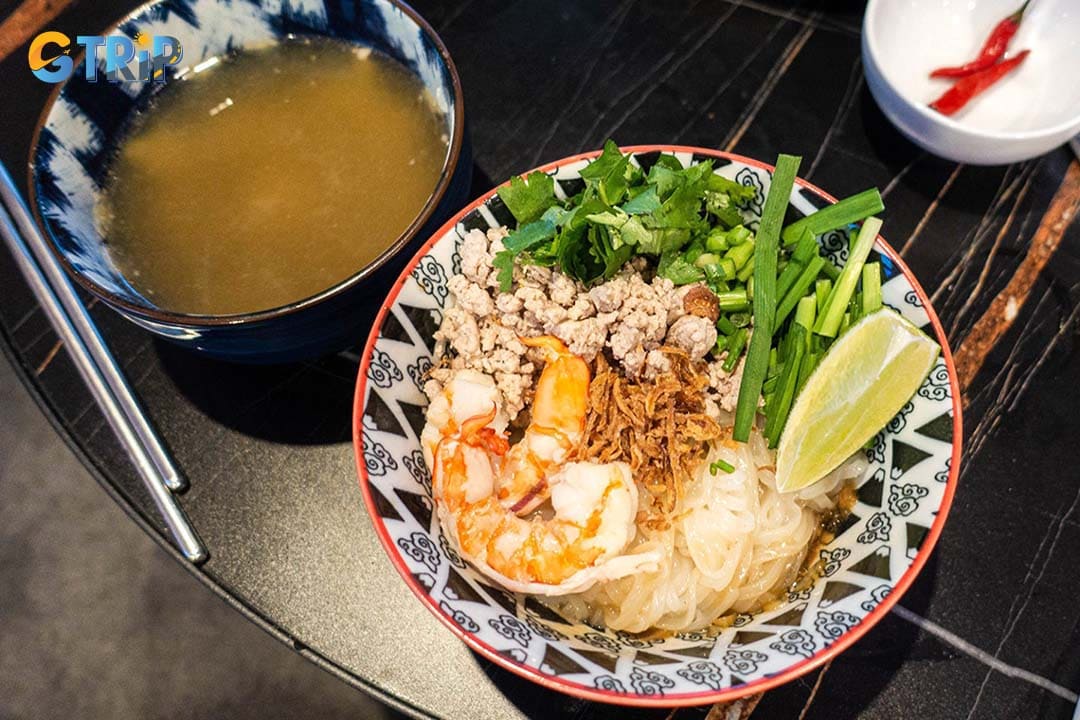
Hu tieu is the district's signature dish - a savory pork-based noodle soup, often served "dry" with the broth on the side
Practical tips for visiting the former Go Vap District
Visiting a local district like Go Vap is a rewarding experience. Keep these tips in mind to ensure a smooth and enjoyable adventure.
- Use ride-hailing apps: Traffic can be intimidating. Using Grab or XanhSM is the easiest way to get around, providing clear pricing and navigation.
- Carry cash: While modern stores accept cards, the vast majority of street food vendors, local markets, and small shops operate on a cash-only basis. Always have a good amount of Vietnamese Dong (VND) on hand.
- Dress respectfully for temples: When visiting pagodas, cathedrals, or communal houses, be sure to dress modestly. This means covering your shoulders and knees as a sign of respect.
- Embrace the pace: Go Vap is not a polished tourist attraction. It's a real, living part of the city. Embrace the organized chaos, be open to new experiences, and don't be afraid to get a little lost in the alleys. That's where the best discoveries are made.
Frequently Asked Questions about former Go Vap District
Is former Go Vap District worth visiting for tourists?
Yes, Go Vap is absolutely worth visiting for tourists who want an authentic, off-the-beaten-path experience. While it lacks the major tourist landmarks of former District 1, it offers a real look into local life, incredible street food, and unique cultural sites like the Phu Chau Floating Temple and Hanh Thong Tay Cathedral.
What is Go Vap famous for?
Go Vap is most famous for its vibrant local life, bustling Hanh Thong Tay Night Market, signature Hu Tieu noodle soup, and numerous historical pagodas and temples. It is known as a densely populated residential district with a fantastic and affordable food scene.
How far is Go Vap from District 1?
Go Vap is approximately 8 to 12 kilometers (5 to 7.5 miles) north of District 1. The travel time by car or motorbike is typically between 25 and 45 minutes, depending heavily on traffic conditions.
Is Go Vap safe for tourists?
Yes, Go Vap is generally safe for tourists. Like any major urban area, visitors should be mindful of their belongings, especially in crowded places like markets, to avoid petty theft. Overall, it is a welcoming district where you can explore with standard precautions.
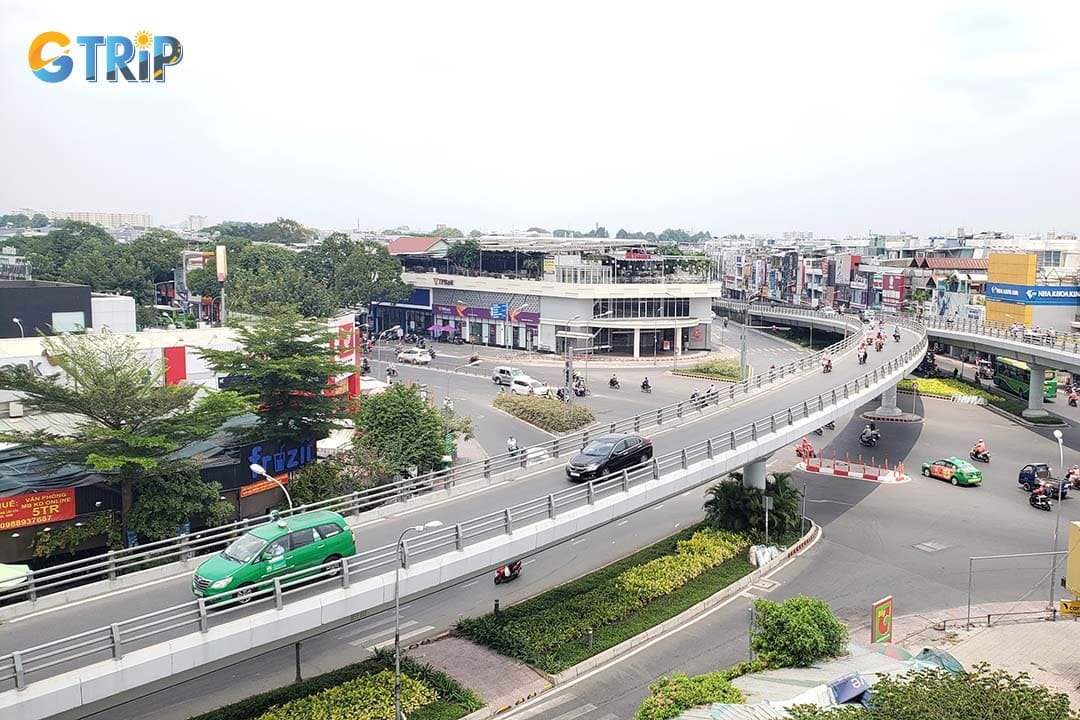
Go Vap District is worth visiting for tourists who want an authentic, off-the-beaten-path experience
Former Go Vap District in Ho Chi Minh City is a testament to the vibrant, multi-layered identity of the city. It’s a place that rewards the curious traveler with experiences that are rich, authentic, and utterly memorable. By stepping away from the city center, you get to see how millions of Saigonese truly live, work, and play. For travelers seeking the real HCMC, a trip to Go Vap isn't just an option, it's an essential part of the adventure. Let GTrip help you craft your perfect journey into the heart of local Saigon.