


Dec - 02 - 2025
Ong Bon Pagoda, also known as Nhi Phu Temple, is a historic and spiritual cornerstone of Ho Chi Minh City's vibrant Cho Lon District. Nestled on a street scented with traditional herbs, this 18th-century temple offers a peaceful glimpse into the cultural heart of Saigon’s Chinese community. While larger temples might draw bigger crowds, Ong Bon Pagoda captivates visitors with its intricate architecture, priceless artifacts, and the palpable devotion of its local worshippers. As your trusted travel partner, GTrip has crafted the most comprehensive guide to this remarkable site. In the following sections, we'll explore its fascinating history and unique architectural features. You'll also find what to see, do, and practical tips for a seamless, enriching visit to one of Cho Lon’s most authentic pagodas.
An overview of Ong Bon Pagoda in Ho Chi Minh City
- Address: 264 Hai Thuong Lan Ong Street, Cho Lon Ward (formerly Ward 14, District 5), Ho Chi Minh City
- Opening hours: 8:00 AM - 4:00 PM daily
- Entrance fee: Free
- Best time to visit: Go during the cooler, dry months from December to April. For a peaceful visit, choose a weekday morning. For a lively atmosphere, come during Ong Bon’s festivals on the 15th day of the first and eighth lunar months, or visit around Tet when the pagoda is beautifully decorated (though crowded).
Ong Bon Pagoda, officially named Nhi Phu Temple, is a vital spiritual and community center for the Fujianese Chinese community in Ho Chi Minh City. Dedicated to Ong Bon, a deified historical figure revered as a guardian of prosperity and land, the temple is a living museum of faith and artistry. It stands out not for its size, but for its exceptional preservation and the intricate details that adorn every surface. A visit here is an immersive experience, connecting you to centuries of tradition that continue to thrive within its sacred walls. Below are the key details you need to plan your visit.
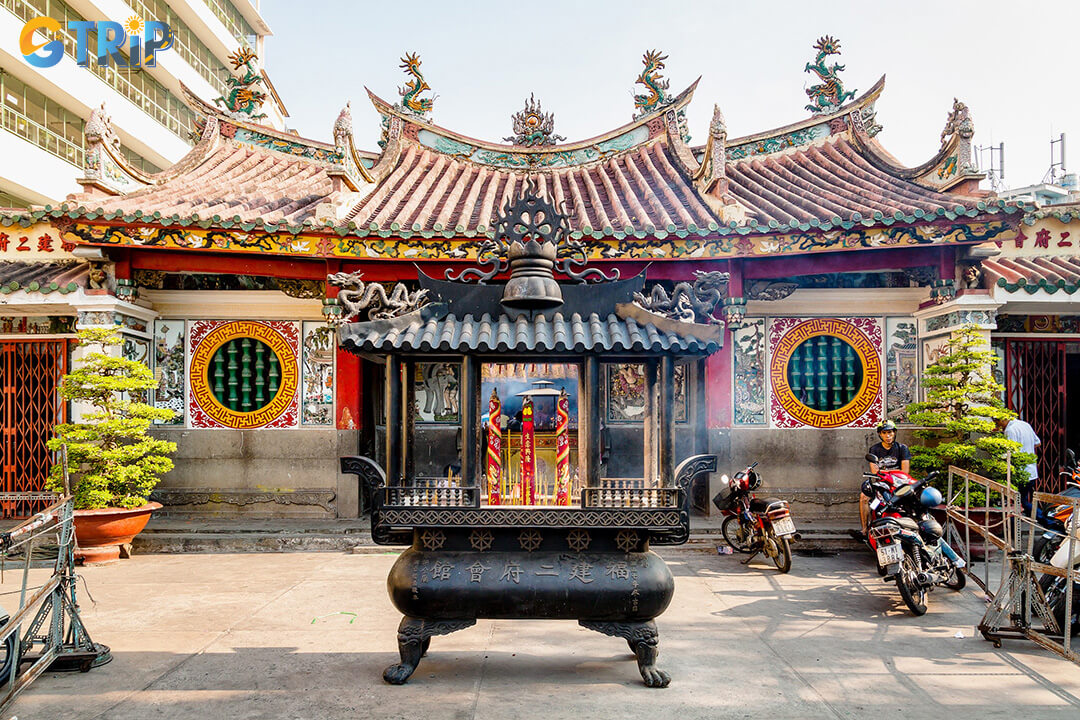
Plan your visit to Ong Bon Pagoda, a beautifully preserved 18th-century Fujianese temple in Cho Lon
History of Ong Bon Pagoda
The history of Ong Bon Pagoda in Saigon is deeply intertwined with the story of the Chinese diaspora in Vietnam. Founded around 1740 by immigrants from Fujian, the pagoda was originally named Nhi Phu Temple (二府廟), meaning “Temple of the Two Prefectures”. It was named in honor of Quanzhou and Zhangzhou, the two main Fujianese regions from which most settlers came. It served as a sacred place of worship and also as a community hub for merchants and artisans establishing new lives in Cho Lon.
For over 280 years, Nhi Phu Temple has stood as a witness to the evolution of Cho Lon. It has served as a gathering place for business guilds, a venue for resolving disputes, and a center for preserving Fujianese language, customs, and artistic heritage. Dedicated to Ong Bon, a revered official symbolizing prosperity and justice, the temple reflects the values of its founders. It has undergone several restorations in 1875, 1901, and the late 20th century, with the most recent renovation completed in 2022. It ensures the preservation of its architectural integrity and sacred atmosphere. Officially recognized as a National Architectural and Artistic Monument in 1993, Ong Bon Pagoda remains a cherished cultural landmark in Saigon’s Chinatown.
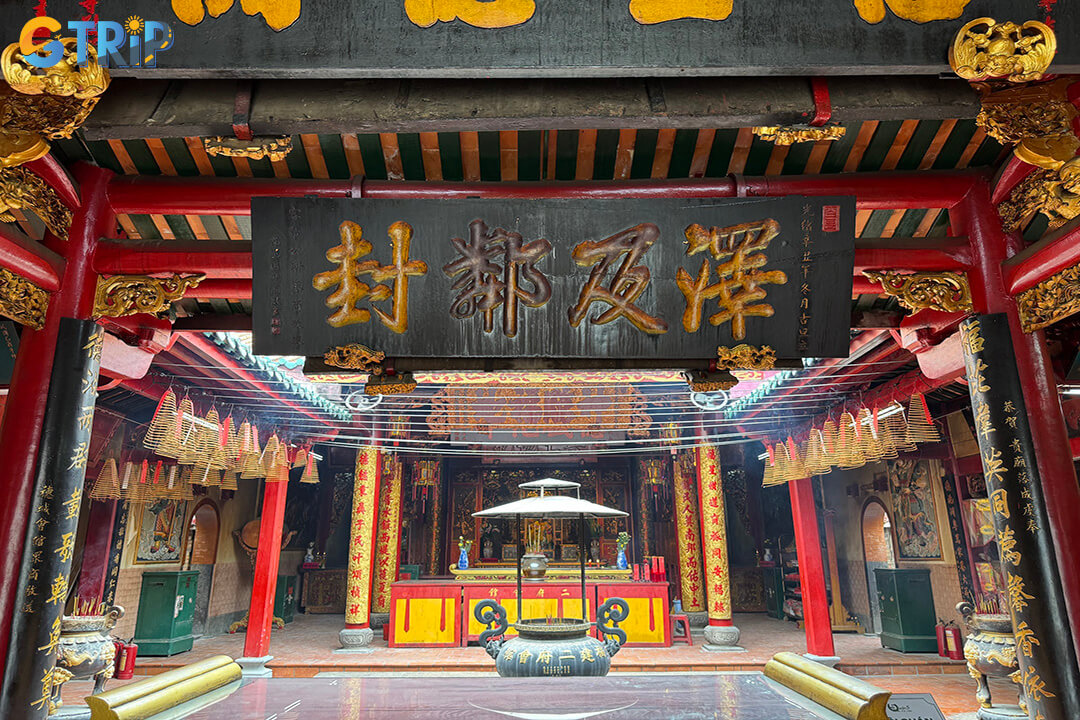
Ong Bon Pagoda, founded in 1740 by Fujianese immigrants, stands as a historic symbol of Saigon’s Chinese heritage
Architecture of Ong Bon Pagoda
Ong Bon Pagoda is a stunning example of traditional Fujianese temple architecture, reflecting the rich cultural heritage of the Chinese community in Vietnam. The temple complex is designed in a square layout composed of four rows of houses arranged perpendicularly to form a closed courtyard known as the heavenly courtyard. This design creates an airy and harmonious space ideal for spiritual activities.
Inside the pagoda
Inside, the temple exudes a solemn but simple ambiance. It features lacquered red wooden pillars intricately carved with coiling dragons and poetic couplets written in Chinese characters. The ceiling employs the traditional dougong technique, an interlocking wooden beam system that supports the heavy roof without nails. At the center of the main hall ceiling is a beautifully crafted caisson skylight that allows light and incense smoke to filter through, enhancing the mystical atmosphere.
The main altar enshrines Ong Bon flanked by altars dedicated to other deities such as the gods of prosperity and household protection. The altar is a gilded wooden masterpiece richly adorned with motifs including twin dragons with a pearl and lotus flowers with phoenixes. The temple also houses valuable artifacts such as bronze and iron bells, stone unicorn statues, and artistic lacquered boards and couplets from the 19th century.
Outside the pagoda
The most striking exterior feature is the multi-tiered roof constructed in the classic Fujian style with gracefully curved eaves resembling a dragon boat. The roof is covered with pipe tiles and adorned with vibrant ceramic mosaic sculptures. These depict symbolic creatures like fish transforming into dragons, apricot blossoms, orchids, bamboo, dragons, and phoenixes, each carrying deep auspicious meanings.
At the roof’s ridge, there is an impressive sculpture of two dragons playing with a flaming pearl, symbolizing wisdom, power, and enlightenment. The temple’s front facade includes heavy stone pillars and red-painted wooden frame decorated with lotus flower carvings and intricate wooden unicorn figurines on the columns. The main entrance leads to a tranquil courtyard that buffers the secular world from the sacred temple space.
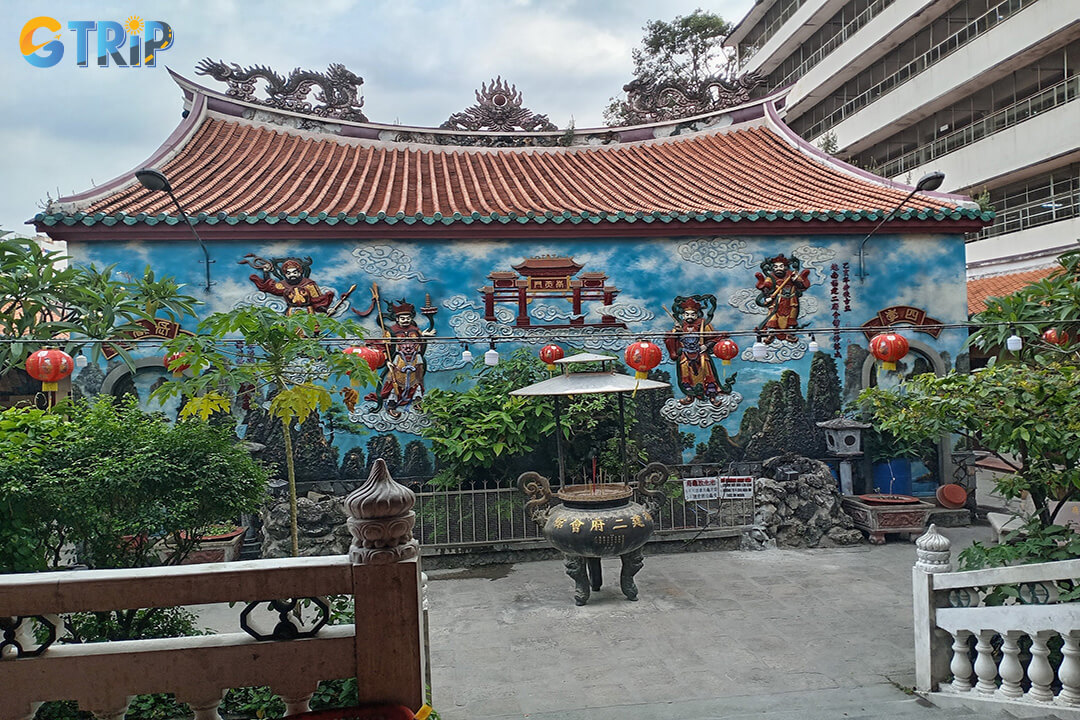
The pagoda’s standout feature is its multi-tiered Fujian-style roof with curved eaves, vibrant ceramic mosaics, and symbolic creatures all embodying prosperity and harmony
Things to do at Ong Bon Pagoda
A visit to Ong Bon Pagoda is more than just a sightseeing stop, it's a deep dive into the living traditions of the Fujianese community. Understanding the deities and witnessing vibrant festivals, every moment here offers a chance to connect with the city's rich cultural tapestry.
Learn about the deity worshipped
The spiritual heart of the pagoda is Ong Bon, the deified form of Chu Dat Quan, a Yuan Dynasty tax official remembered for his fairness and compassion. Legend says he reduced taxes, promoted farming, and protected his people, leading them to worship him after his death. The Fujianese community honors him as Bon Dau Cong, a guardian of peace, stability, and prosperity. Visiting during festival times reveals the deep reverence still held for him today.
His statue on the main altar shows an elderly mandarin in official robes holding a ruyi scepter, symbolizing power and good fortune. Flanked by civil and military attendants, he represents balance in governance. Worshippers pray for success, prosperity, and family well-being, quiet acts of devotion that reflect the temple’s enduring spiritual presence in Cho Lon.
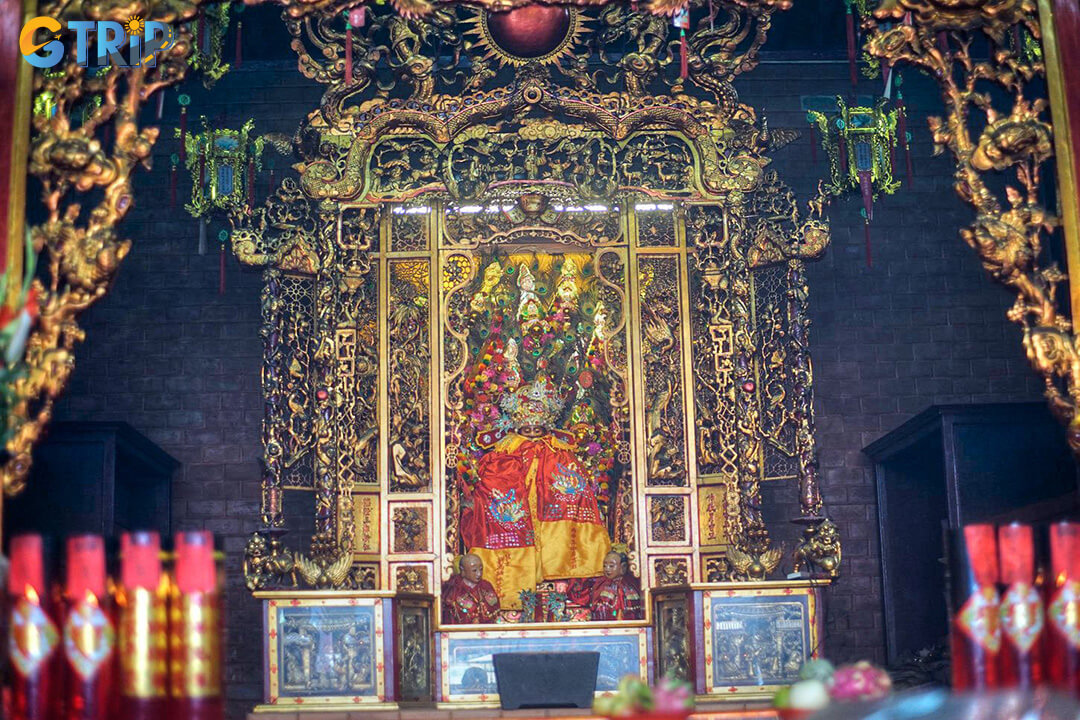
At the heart of the pagoda, Ong Bon embodies justice and compassion, his altar drawing worshippers seeking blessings for success, harmony, and good fortune
Admire precious artifacts
Ong Bon Pagoda is a treasure trove of historical and artistic relics, each reflecting the devotion of its patrons and the craftsmanship of its creators. A mindful stroll through the temple reveals gilded wooden altars carved with dragons, lions, and auspicious motifs, sacred artworks rich in symbolic meaning. These carvings often depict myths and moral tales that embody traditional values.
Among the treasures are antique bronze bells inscribed with donor names, stone guardian lions warding off evil, porcelain vases filled with offerings, and cast-iron incense burners releasing fragrant smoke. Near the entrance stands a large stone stele that records the temple’s history and the names of early Fujianese contributors, serving as a lasting testament to the community’s roots and faith.
Participate in annual festivals
The pagoda truly comes alive during its main festivals, held on the 15th day of the first and eighth lunar months to honor Ong Bon’s birth and death anniversaries. On these days, the temple and nearby streets burst into color and sound, filled with the thunder of drums, clashing cymbals, and dynamic lion and dragon dances, spreading luck and joy. Inside, worshippers gather to burn incense, offer food and fruit, and pray amid the melodies of traditional Fujianese instruments like the pipa and erhu. These celebrations unite the community in gratitude and devotion, offering visitors a vivid glimpse into the living traditions of faith, culture, and festivity in Cho Lon.
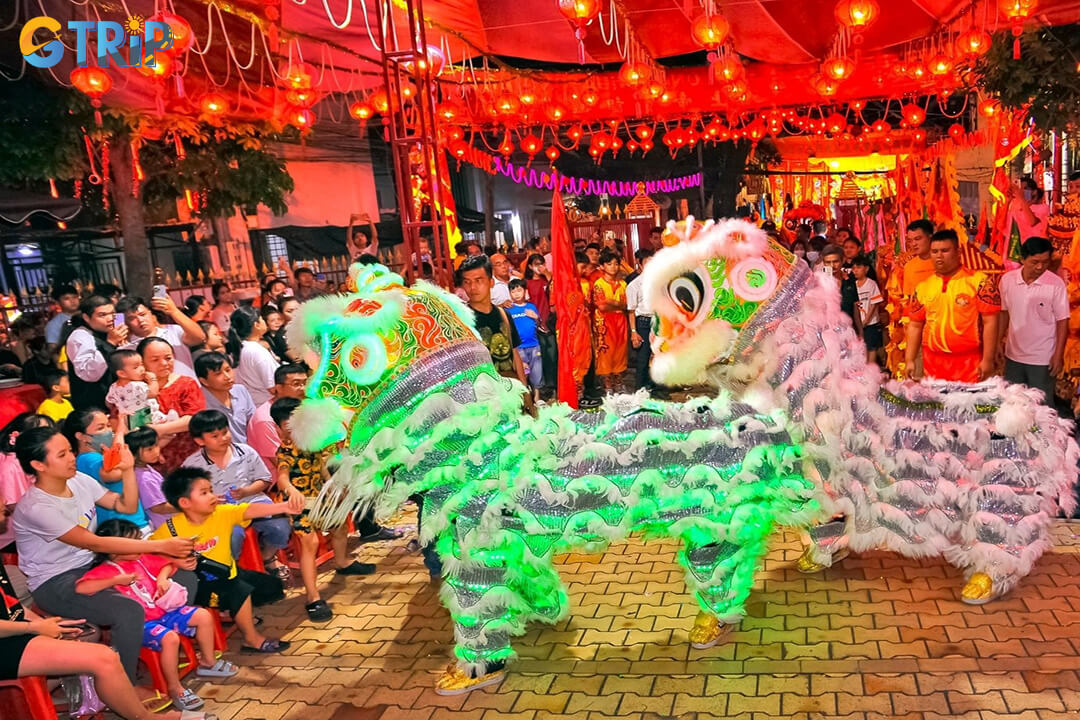
During Ong Bon’s birth and death festivals, the pagoda bursts with color, music, and devotion, offering a vibrant glimpse into Cho Lon’s living Chinese culture
Experience other spiritual activities
Throughout the year, locals visit Ong Bon Pagoda during major occasions like Lunar New Year (Tet), the seventh lunar month (Vu Lan or “Ghost Month”). During Tet, the pagoda glows with red lanterns, flowers, and calligraphy banners wishing prosperity, as families come to make their first offerings of the year.
In the seventh lunar month, rooted in Buddhist and Taoist tradition, worshippers honor ancestors and appease wandering spirits with food and joss paper offerings. Regular prayers on the first and fifteenth day of each lunar month further show how deeply faith shapes daily life in Cho Lon.
How to get to Ong Bon Pagoda in Saigon
The pagoda is conveniently located in the heart of Cho Lon, making it easily accessible from other parts of Ho Chi Minh City.
- By taxi or ride-hailing app (Grab/XanhSM): This is the easiest and most convenient option for tourists. Simply input "Ong Bon Pagoda" or the address "264 Hai Thuong Lan Ong" into the app. From former District 1 (e.g., Ben Thanh Market), the journey typically takes 15-25 minutes, depending on traffic, and is very affordable.
- By bus: Several public bus routes pass near the area. Look for buses that stop along Chau Van Liem or Nguyen Trai Streets, such as routes 01, 56, or 68. From the bus stop, it's a short 5 - 10 minute walk to the pagoda. This is the most budget-friendly option.
- By motorbike: For those comfortable navigating Ho Chi Minh City's traffic, renting a motorbike is a great way to explore Cho Lon at your own pace. There is usually informal parking available on the street near the temple, but be sure to find a designated attendant to watch your bike for a small fee.
- On foot: If you are already exploring Cho Lon, Ong Bon Pagoda is easily walkable from other key attractions. It is located on the famous traditional medicine street, Hai Thuong Lan Ong, making it a perfect stop on a self-guided walking tour of the area.
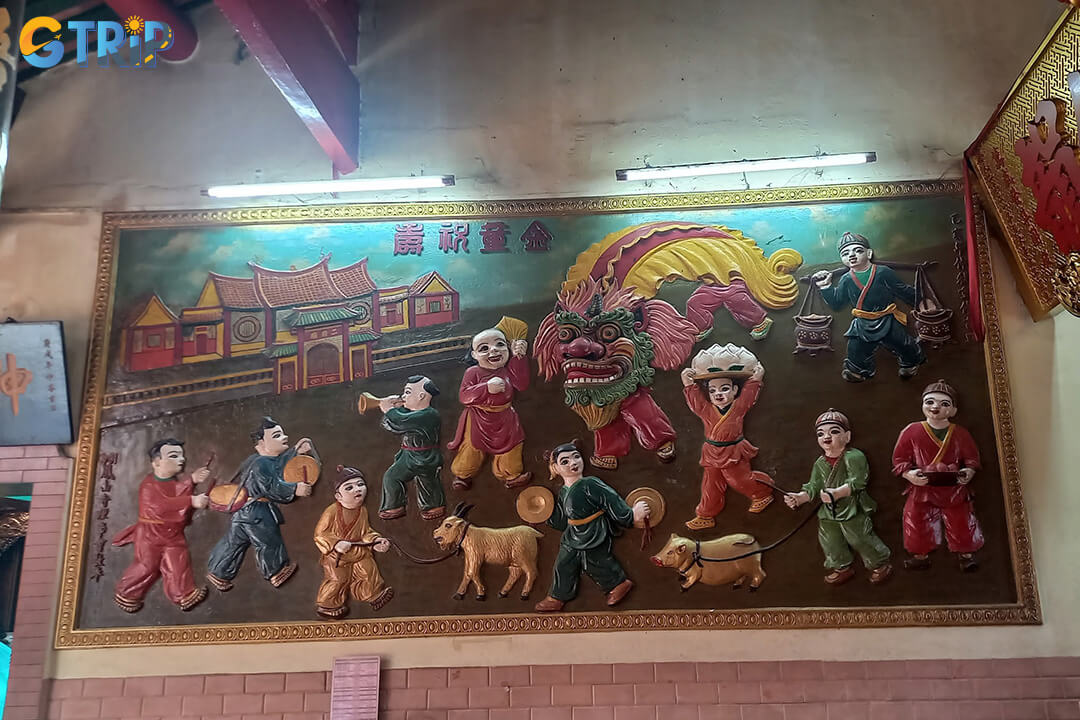
Ong Bon Pagoda is just 15 - 25 minutes from District 1 and easily reached by taxi, bus, motorbike, or on foot while exploring Chinatown
Nearby attractions to Ong Bon Pagoda
One of the best things about visiting Ong Bon Pagoda is its prime location, surrounded by some of Cho Lon's most fascinating sights. You can easily combine your visit into a half-day or full-day exploration.
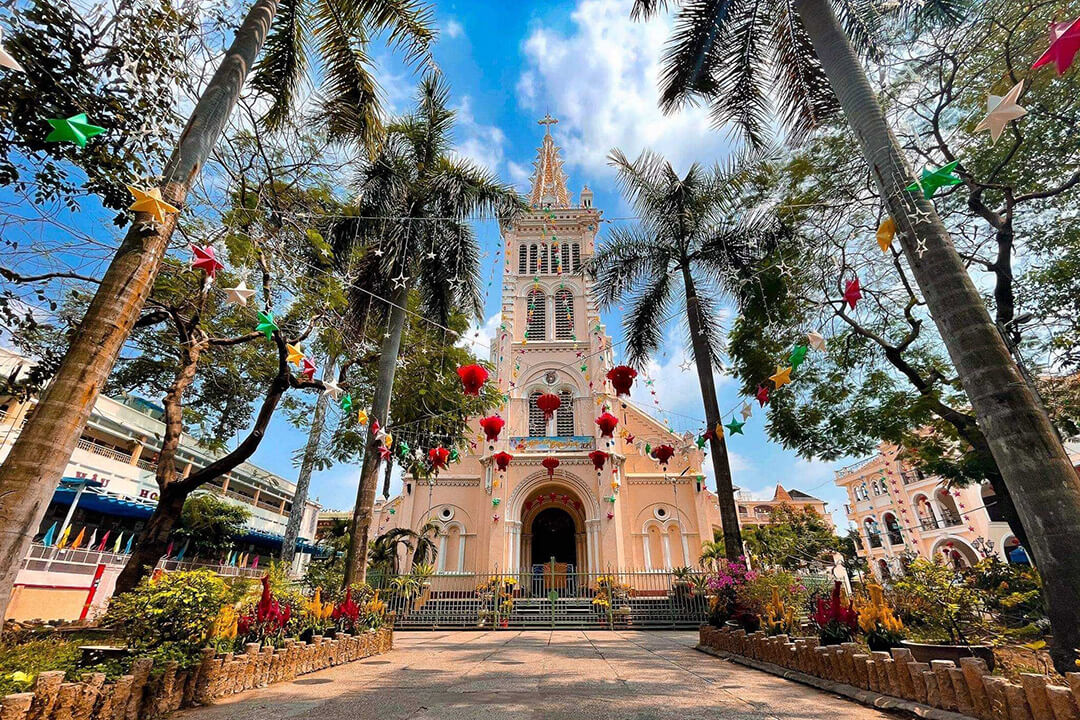
- St. Francis Xavier Church: A short walk away, this church is a fascinating historical landmark. Built in 1902, it features a unique architectural blend of French Gothic and Chinese elements. It is historically significant as the place where South Vietnamese President Ngo Dinh Diem was arrested in 1963.
- Quan Am Pagoda: Another stunning example of Fujianese architecture, this pagoda is dedicated to Quan Am, the Goddess of Mercy. It's renowned for its serene atmosphere and the beautiful, intricate ceramic scenes that adorn its roof, similar to those at Ong Bon Pagoda.
- Thien Hau Pagoda: Arguably the most famous of all cho lon pagodas, this magnificent temple is dedicated to Thien Hau (or Mazu), the Goddess of the Sea. It's a must-visit for its spectacular interior, filled with giant incense coils that hang from the ceiling and fill the air with fragrant smoke, creating a photographer's dream.
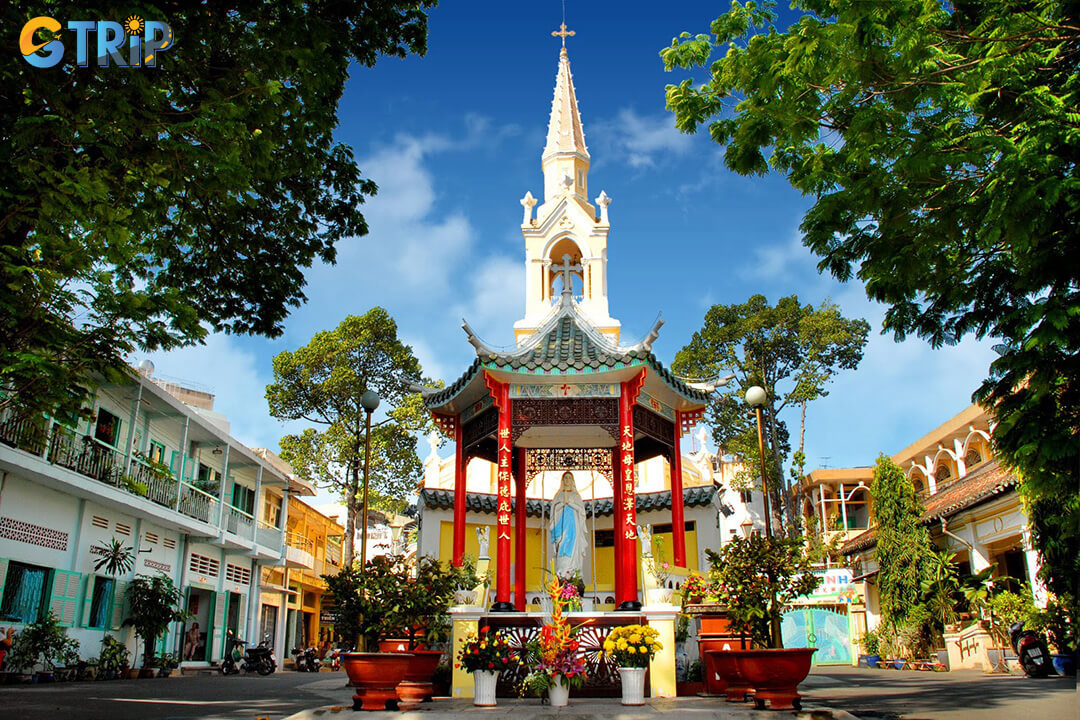
Ong Bon Pagoda’s central Cho Lon location makes it ideal for exploring nearby highlights like St. Francis Xavier Church, Quan Am Pagoda, and Thien Hau Pagoda
Practical tips for visiting Ong Bon Pagoda in Saigon
To ensure your visit is respectful, enjoyable, and hassle-free, keep these simple tips from GTrip in mind.
- Dress code: Temples are active places of worship. Visitors should wear modest clothing that covers shoulders and knees. T-shirts, blouses, long skirts, or lightweight pants are ideal. Avoid shorts, tank tops, and revealing attire.
- Respectful conduct: Remember that you are in a sacred space. Speak softly, move calmly, and avoid disrupting worshippers. Do not touch religious artifacts, statues, or altars unless explicitly permitted. Always be mindful of people who are praying or making offerings.
- Photography: Photography is generally allowed, but be discreet and respectful. Avoid using flash, as it can damage the ancient artifacts and disturb the peaceful atmosphere. Never take photos of worshippers without their permission.
- Donations: While entry is completely free, small donations are greatly appreciated. You will find donation boxes placed discreetly around the temple. Contributions go directly towards the upkeep and maintenance of this historic building.
- Watch your belongings: Cho Lon is a busy and crowded area. As with any popular tourist destination, it's wise to keep a close eye on your personal belongings, such as your phone, wallet, and camera.
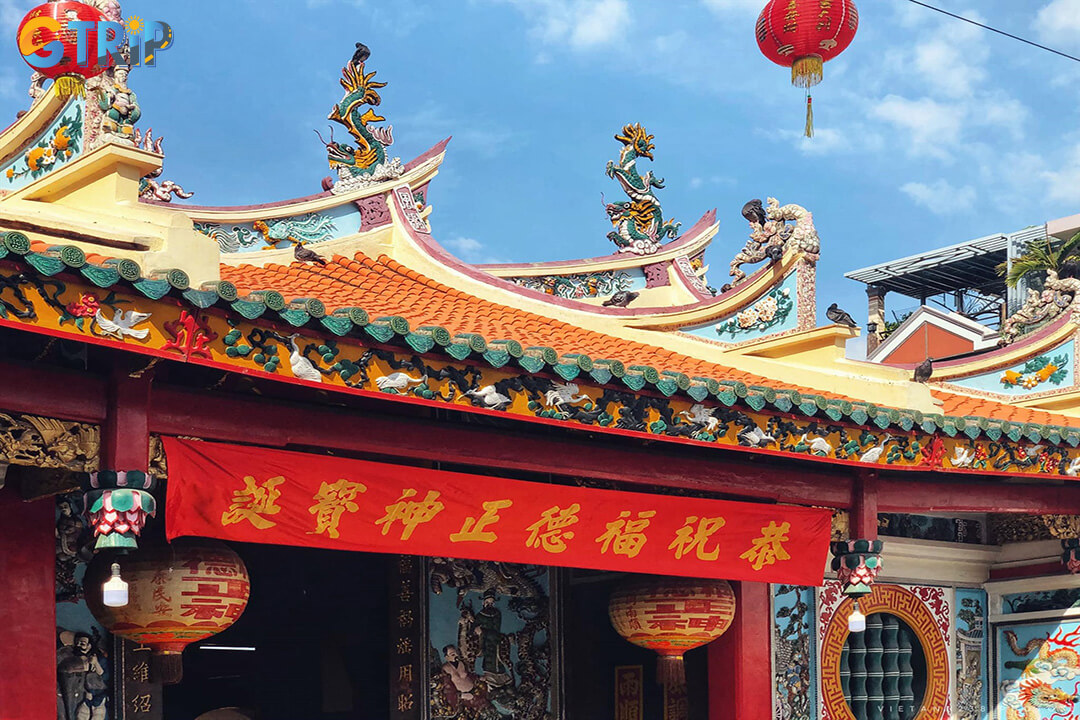
Follow these GTrip tips for a smooth visit: dress modestly, stay respectful, avoid flash photography, and consider a small donation for temple upkeep
Ong Bon Pagoda is a vibrant and living repository of history, art, and faith. Its well-preserved Fujianese architecture, priceless collection of artifacts, and the enduring spiritual energy make it a standout destination in Ho Chi Minh City. While it may not have the fame of Thien Hau Pagoda, it offers an arguably more intimate and authentic glimpse into the soul of Cho Lon. It’s a place where you can feel the pulse of a community that has thrived for centuries, all while standing in a space of incredible beauty and tranquillity. On your next trip with GTrip - Vietnam Travel Agency, we urge you to step off the beaten path and add this remarkable hidden gem to your itinerary. You'll leave with a deeper appreciation for the rich cultural layers that make Saigon so endlessly fascinating.