

Jan - 15 - 2026
Jade Emperor Pagoda, also known as Phuoc Hai Tu, is one of Ho Chi Minh City's most revered spiritual sites. Nestled away from the main tourist thoroughfares, this atmospheric Taoist pagoda is a world of its own, buzzing with the quiet energy of devotion. Famed not just for its beauty and history, the temple is best known for answering prayers for children, love, and family harmony. The air, thick with the fragrant smoke of incense, swirls around incredible-detailed statues and carvings, each telling a story of gods, goddesses, and morality. In this GTrip guide, we will journey through the pagoda’s fascinating history, marvel at its unique architecture, and provide a practical guide for your visit.
An overview of the Jade Emperor Pagoda
- Address: 73 Mai Thi Luu Street, Saigon Ward (formerly Dakao Ward, District 1), Ho Chi Minh City
- Opening hours: Daily from 7:00 AM to 6:00 PM (Hours may extend on the 1st and 15th of each lunar month)
- Entrance fee: Free of charge, though donations are appreciated
The Jade Emperor Pagoda is a spiritual and architectural gem tucked away in the bustling heart of Ho Chi Minh City. Frequented by locals and tourists alike, it's particularly famous as a sacred place to pray for blessings, especially for fertility and family. Its enchanting atmosphere, filled with the scent of incense and the sight of intricate carvings, offers a peaceful escape and a deep dive into local culture.
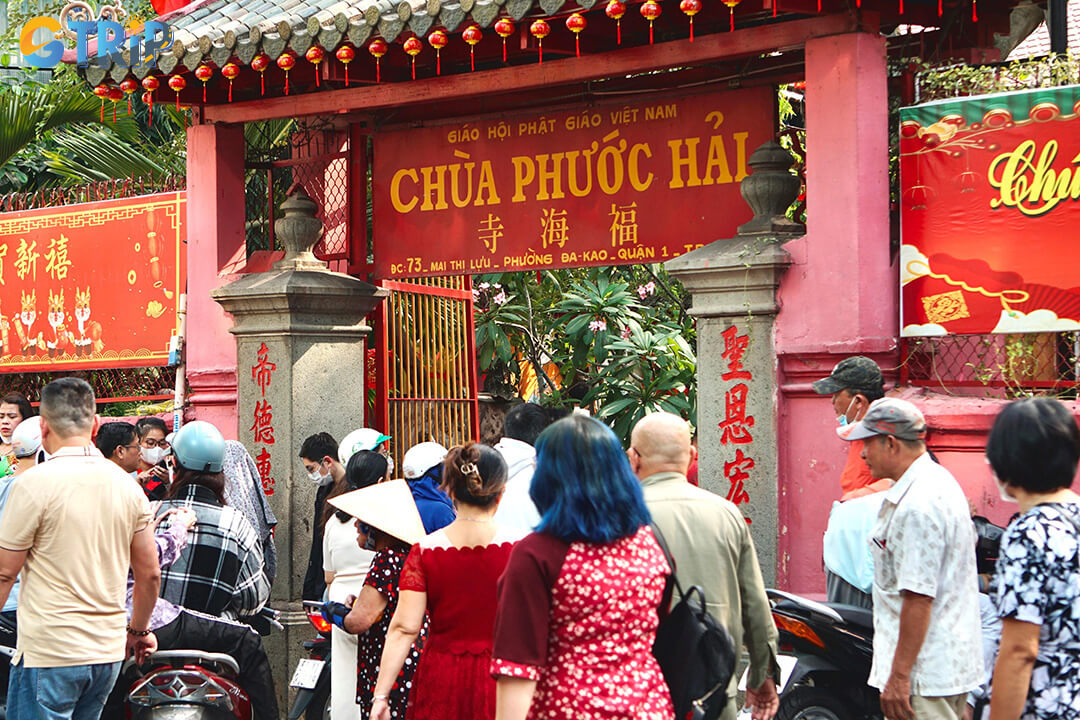
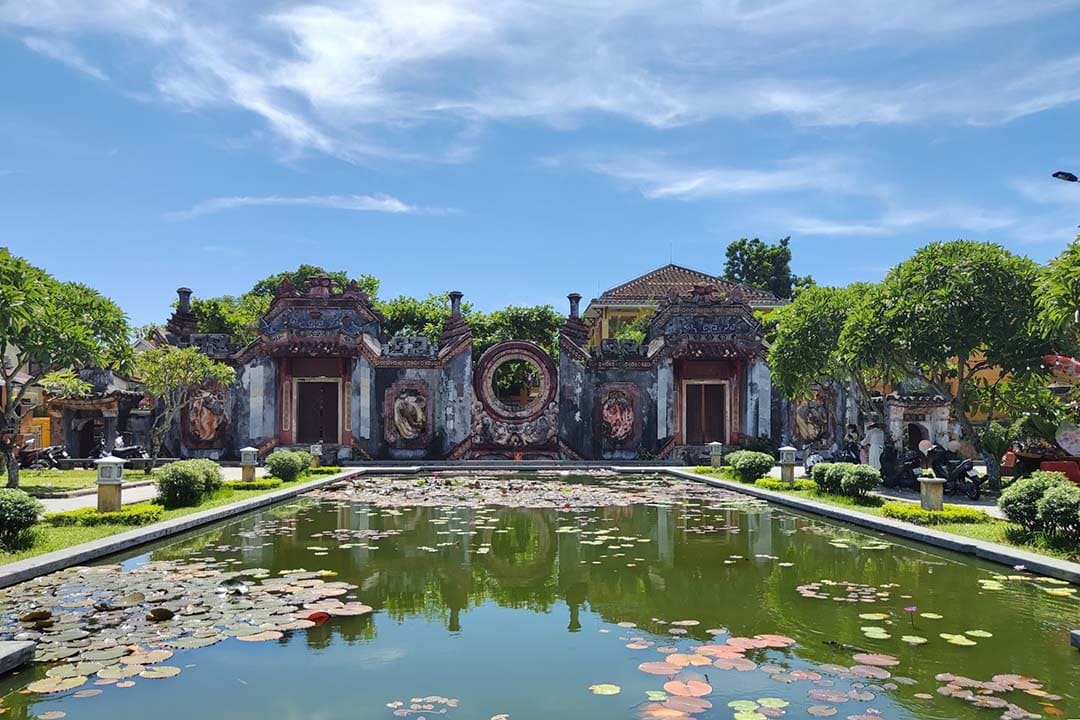
A historic Taoist temple built by Cantonese migrants in 1909, the Jade Emperor Pagoda is famed for its intricate architecture and spiritual legends
History of the Jade Emperor Pagoda
Built in 1909 by a community of Cantonese migrants who had settled in Saigon, the pagoda was originally named Phuoc Hai Tu (Sea of Blessings Temple). It was constructed to honor the supreme Taoist God, the Jade Emperor, and served as a crucial cultural and spiritual center for the community. The pagoda is a magnificent example of Chinese temple architecture and mythology brought to life in Vietnam. Over the decades, it has remained an active place of worship, its fame growing as stories of answered prayers spread throughout the city and beyond.
Recognized as a National Artistic and Architectural Heritage Site in 1994, the pagoda continues to thrive as a place of worship where legends of answered prayers endure. The pagoda's international profile was significantly raised in May 2016 when President Barack Obama made a memorable visit. His visit spotlighted the site’s cultural charm, turning it from a local favorite into a must-see landmark for global travelers in Ho Chi Minh City. The visit cemented its status as a religious site and as a symbol of the city's rich, multicultural heritage.
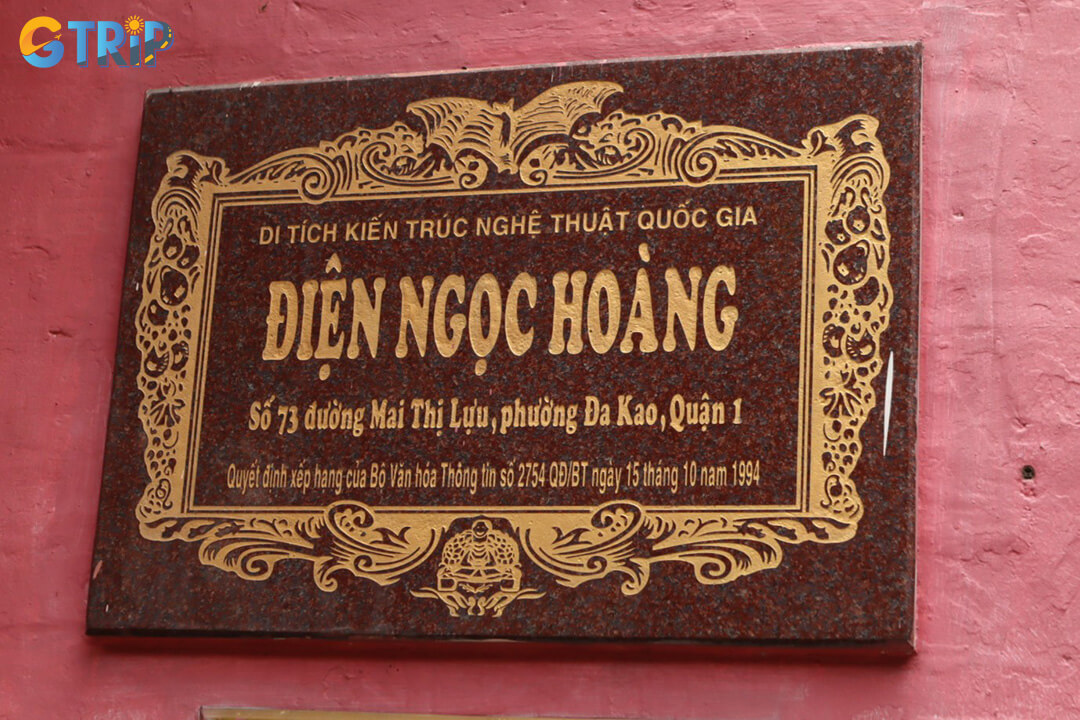
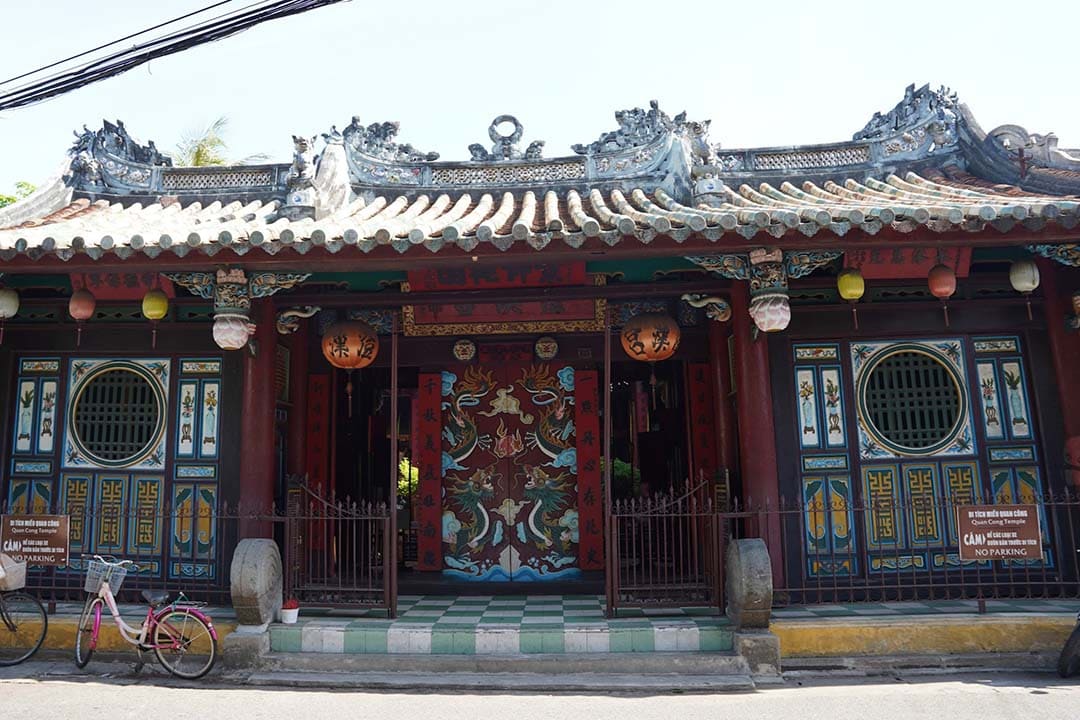
Built in 1909 by Cantonese migrants, the Jade Emperor Pagoda honours the supreme Taoist God and stands as a symbol of Saigon’s
Architecture of Jade Emperor Pagoda
The pagoda's design is a captivating blend of Taoist and Buddhist motifs, creating a visually rich and symbolic environment. Every element, from the roof tiles to the statues, holds deep meaning.
Outside the pagoda
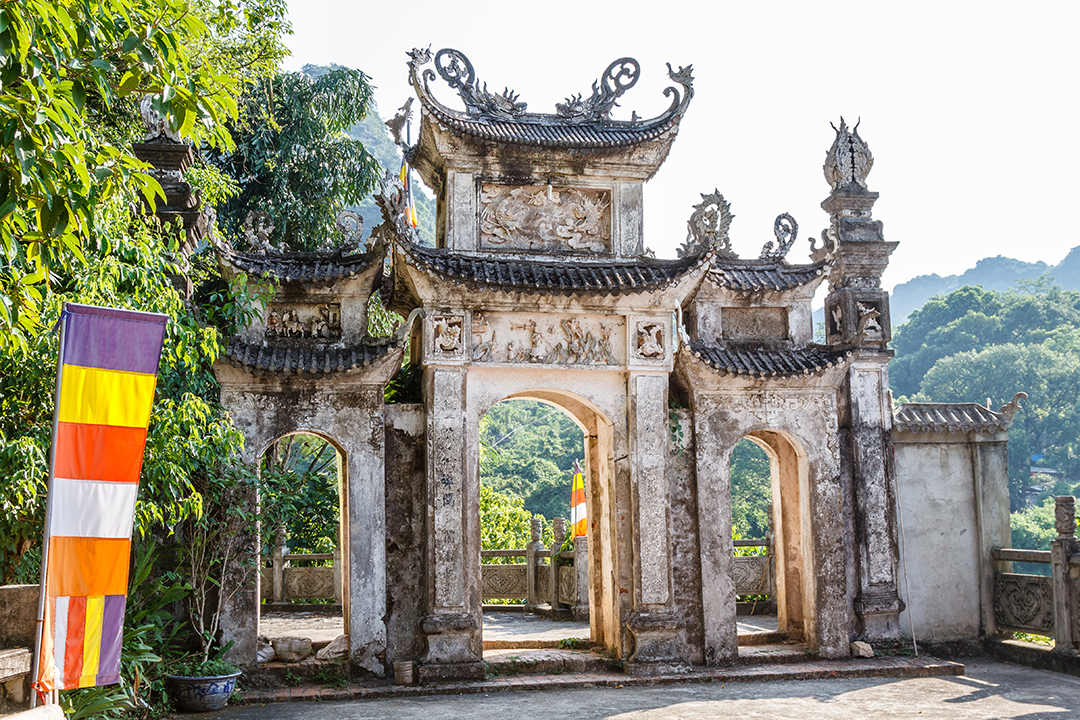
Your first impression of the Jade Emperor Pagoda is its striking and ornate entrance gate. The roof is covered in green yin-yang tiles, designed to balance the elements and protect the sacred space within. The roof features ornate ceramic figures of dragons, phoenixes, and soldiers, symbols of power, prosperity, and protection in traditional Chinese architecture.
Before entering the main building, you will notice a small courtyard pond on the left, which is teeming with hundreds of turtles. Worshippers often release turtles into this pond as an act of merit-making, as turtles symbolize longevity and good fortune in Vietnamese culture. The sight of these creatures, clambering over one another to bask in the sun, adds a living, breathing element to the pagoda's ancient stone and wood structure.
Inside the pagoda
Stepping inside is like entering another world. The main hall is dark, atmospheric, and filled with the constant, smoky haze of burning incense, creating an almost mystical ambiance. Your eyes will slowly adjust to the magnificent statues, including impressive papier-mache figures of deities and guardians and large wooden carvings depicting various scenes from mythology. The central figure in the main sanctuary is the Jade Emperor himself, flanked by his celestial guardians.
One of the most fascinating and intense sections is the Hall of the Ten Hells. Here, you'll find intricate wooden panels depicting the ten stages of judgment and punishment in the afterlife. These graphic carvings, which show sinners facing various torments, serve as a stark moral lesson on the consequences of one's actions in life. The hall is overseen by Thanh Hoang, the Chief of Hell, whose fearsome figure reminds visitors of the importance of living a virtuous life.
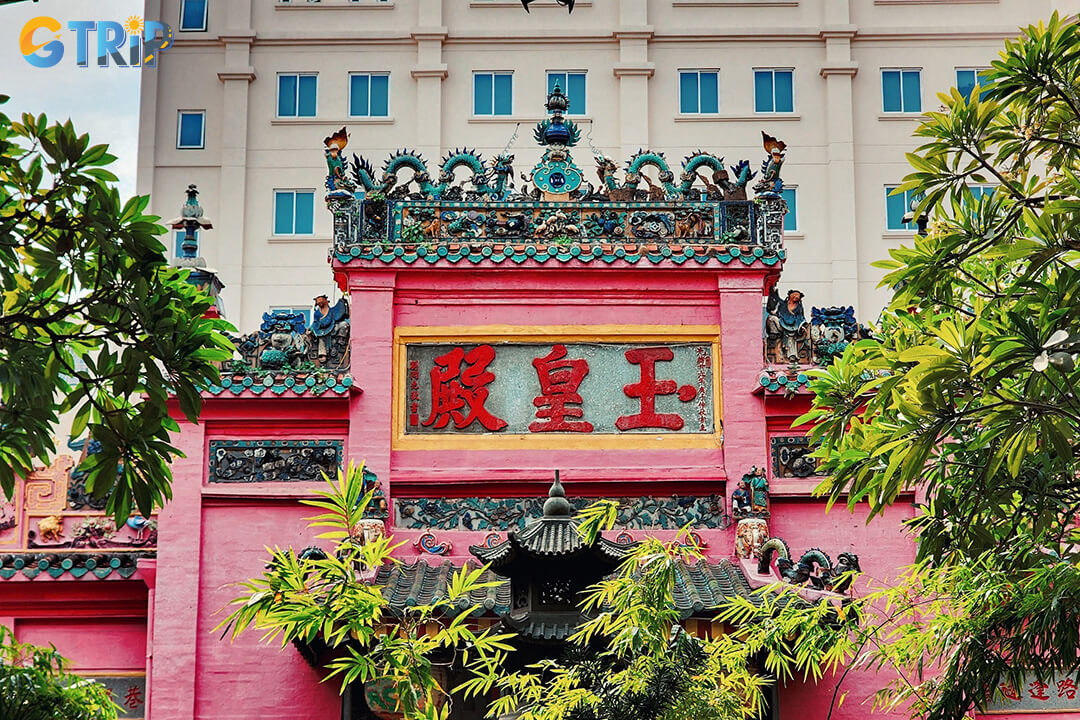
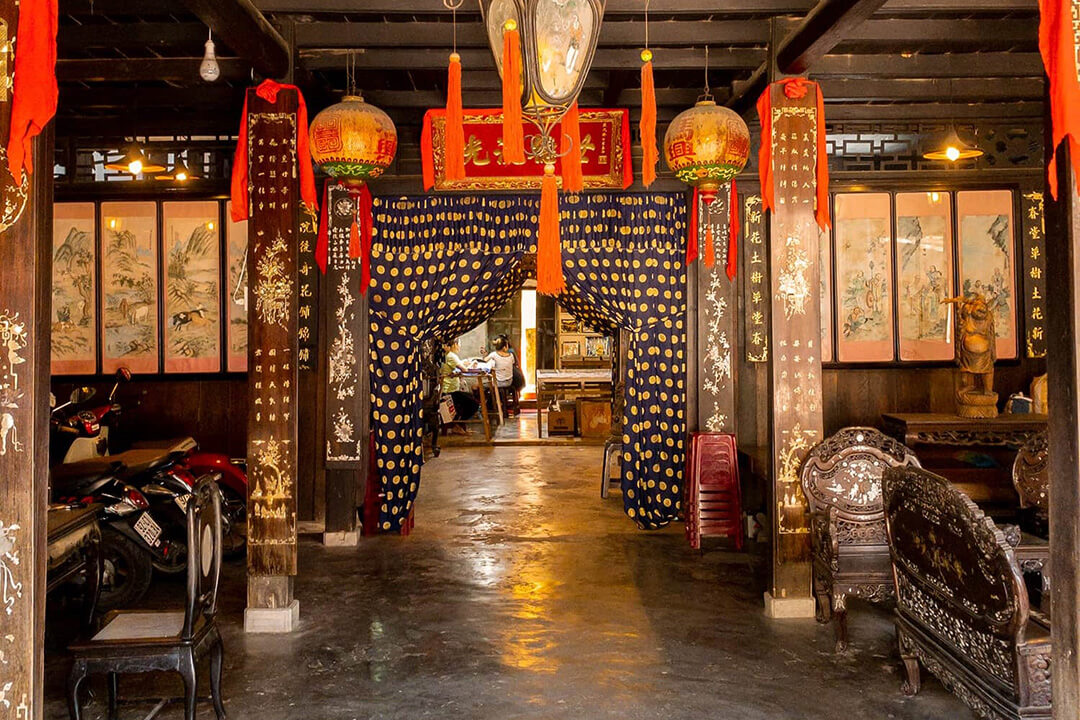
Jade Emperor Pagoda greets visitors with its ornate green-tiled gate and a turtle-filled courtyard pond, symbolizing longevity and peace amid the temple’s sacred charm
Who is worshiped at the Jade Emperor Pagoda?
The pagoda is a pantheon of Taoist and Buddhist deities, each with a specific domain and purpose. The main deity is the Jade Emperor (Ngoc Hoang), the supreme ruler of Heaven in the Taoist faith. He presides over heaven, earth, and the underworld, and it is to him that many general prayers for health, success, and peace are directed. His central altar is the focal point of the main hall, where he is flanked by his two most powerful warriors, the Four "Big Diamonds", who protect him and the faith.
However, the pagoda is arguably most famous for its chamber dedicated to fertility. Here, the central figure is Kim Hoa Thanh Mau, the Goddess and Chief of Midwives. She is surrounded by the 12 Midwives, each a unique deity responsible for a different aspect of birth and infancy for one year in a 12-year cycle. These figures, adorned with small children, are the focal point for countless couples and families who come to pray for the blessing of a child. This chamber is what makes the pagoda a sacred destination for those hoping to conceive or have a safe pregnancy.
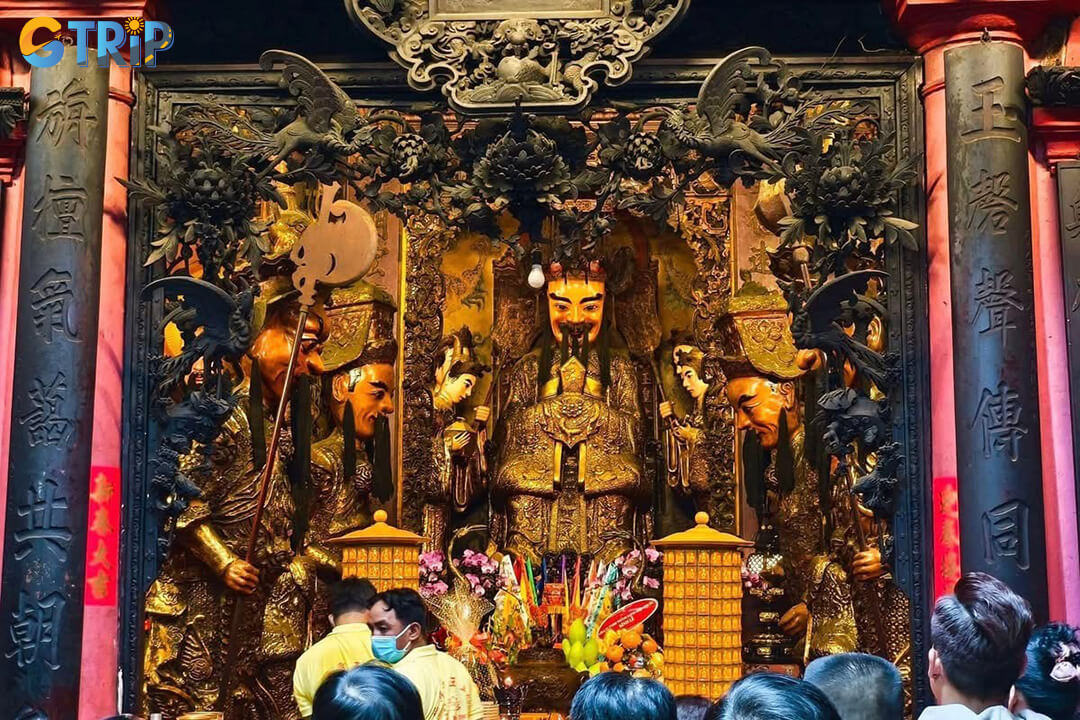
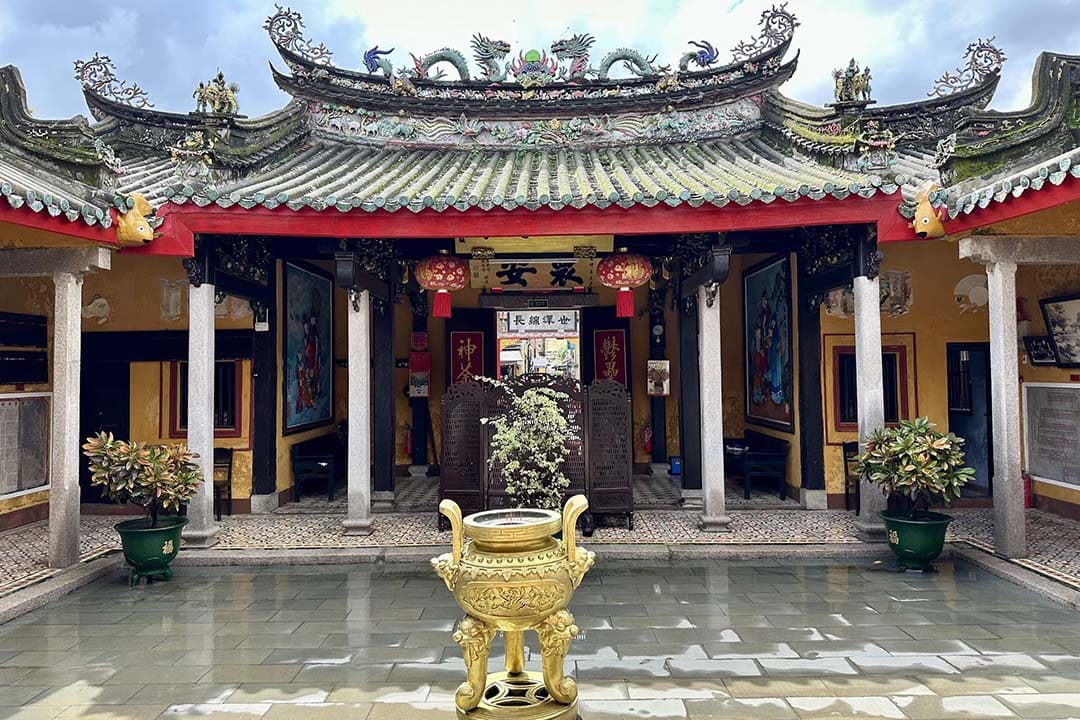
The pagoda honors the Jade Emperor and features a famed fertility chamber where couples pray to the Goddess of Midwives and 12 Midwives for blessings of children
What to do at the Jade Emperor Pagoda?
Visiting the pagoda is more than just sightseeing, it's an opportunity to witness and participate in deeply held spiritual traditions. Different chambers are dedicated to specific types of prayers.
Prayers for love
In a separate, smaller alcove, you can find the altar for the God of Love, often known as Yue Lao (the Old Man of the Moon). This deity is believed to unite couples with an invisible red thread. Single individuals come here to pray for a good partner, while couples pray for a strong and lasting relationship. The ritual often involves lighting incense and making a silent prayer for matters of the heart. You may see small red threads tied around the altar, left by hopeful romantics as a symbol of their wish to be bound to their soulmate.
Prayers for children
For those seeking to have a child, the process is specific and heartfelt. Worshippers head to the chamber of Kim Hoa Thanh Mau and the 12 Midwives. After lighting incense and making an offering of fruits or flowers, they will stand before the row of midwife statues. It is customary to choose a specific midwife statue to pray to, often tying a red string to her. While praying, the worshipper will gently touch the belly of the statue and then their own, a symbolic gesture of requesting a child and transferring the blessing. This intimate and hopeful ritual is a common sight and one of the most powerful experiences to witness at the pagoda.
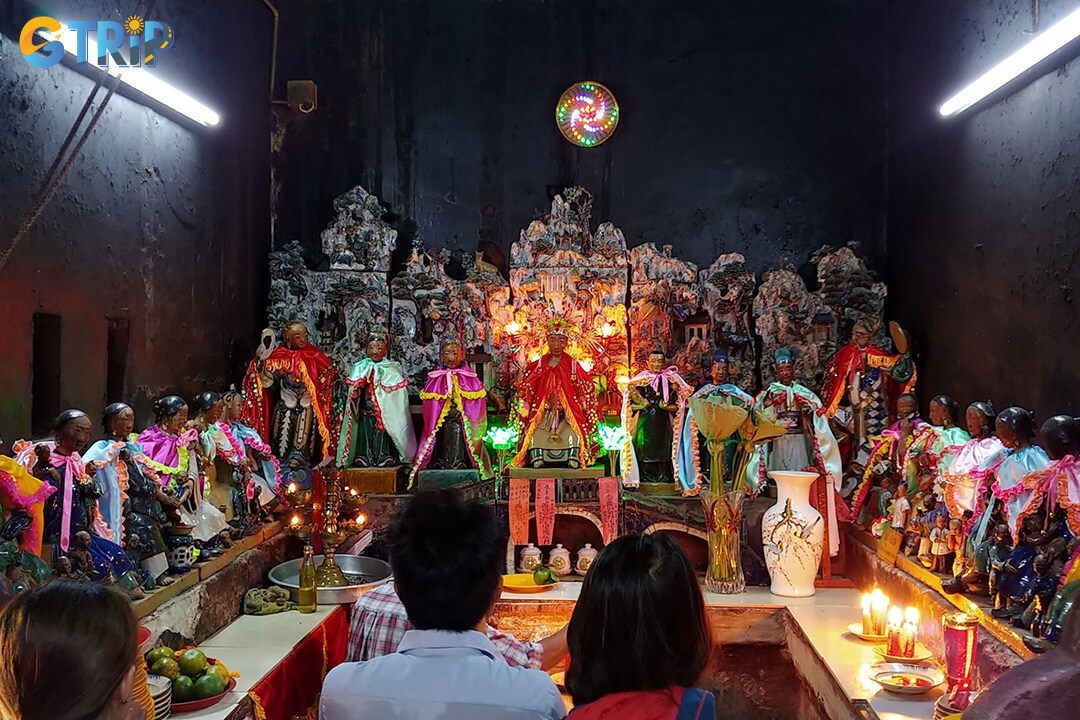
Visitors pray for children by offering incense, tying a red string to a Midwife statue, and gently touching its belly for fertility blessings
Prayers for peace - Health and peace for your family
For general blessings, worshippers make their way to the main hall to pray before the grand altar of the Jade Emperor. The most common practice is to purchase a bundle of incense sticks, light them from one of the eternally burning candles, and hold them while bowing three times to show respect to the deity. While bowing, they make silent prayers for health, peace, prosperity, and general well-being for their family and loved ones. Offerings, such as fresh fruits, beautiful flowers, and small cakes, are also placed on the altar as a sign of respect and gratitude.
How to get to the Jade Emperor Pagoda in Saigon
Located in former District 1, the pagoda is relatively accessible from most tourist areas in Ho Chi Minh City. Here are the best ways to get there:
- By taxi or ride-hailing app (Grab/XanhSM/Be): This is the easiest and most convenient option. Simply input "Jade Emperor Pagoda" or "Chua Ngoc Hoang" into the app. From most central locations in former District 1, the ride is short and affordable, typically taking 10-15 minutes depending on traffic.
- By bus: For a more budget-friendly approach, you can take a local bus. Routes like bus 18 or bus 36 have stops near Mai Thi Luu Street. You can use a mapping app to find the nearest bus stop to you and check the exact route. Be prepared for a short walk from the bus stop to the pagoda.
- By motorbike/scooter: If you are comfortable navigating Ho Chi Minh City's traffic, renting a scooter offers the most flexibility. Parking is usually available near the pagoda for a small fee. This allows you to explore the surrounding area at your own pace.
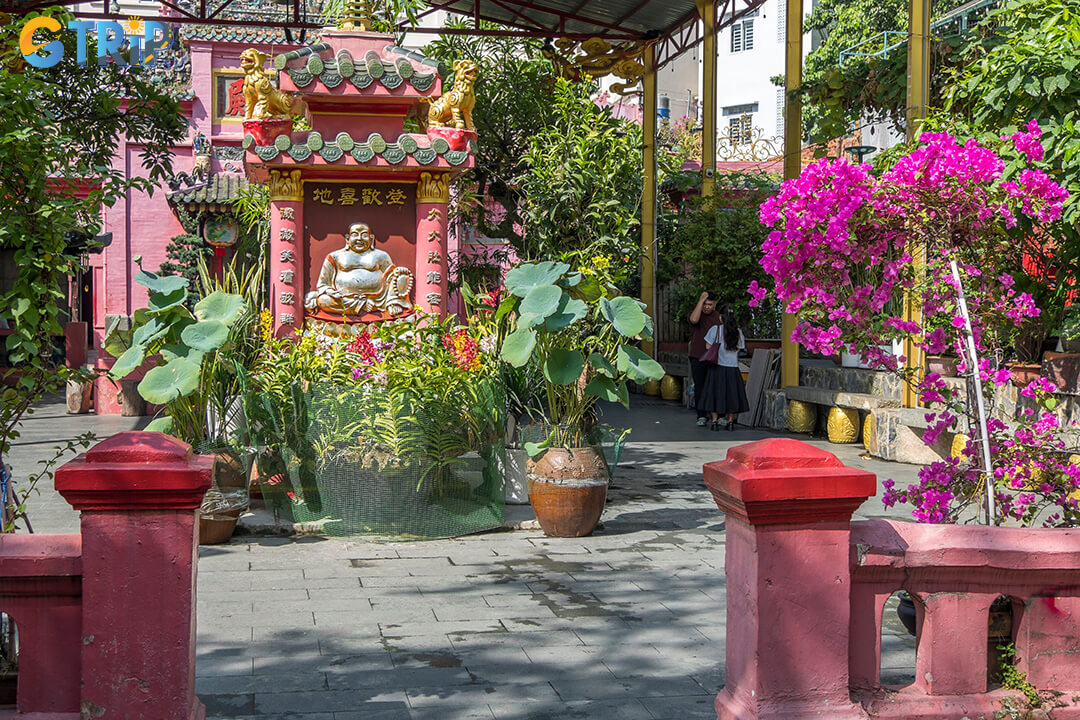
Easily reachable from central Ho Chi Minh City, the Jade Emperor Pagoda can be accessed by taxi, bus, or motorbike
Nearby attractions to the Jade Emperor Pagoda
The pagoda's location in former District 1 makes it an excellent starting point or addition to a day of sightseeing. Here are some nearby attractions:
- Saigon Zoo and Botanical Gardens: One of the oldest zoos in the world, this is a sprawling green space perfect for a relaxing walk after visiting the pagoda. It’s also home to a variety of exotic animals and rare plant species, making it ideal for families and nature lovers.
- Tan Dinh Church: Known as the "Pink Church", this stunning Roman Catholic church is a popular spot for photos due to its vibrant, unconventional color and Gothic architecture. Inside, intricate details and soaring ceilings create a breathtakingly beautiful atmosphere.
- Independence Palace: Also known as the Reunification Palace, this historic landmark was the home and workplace of the President of South Vietnam during the Vietnam War. Today, it serves as a museum, preserving the architecture and furnishings of the 1960s.
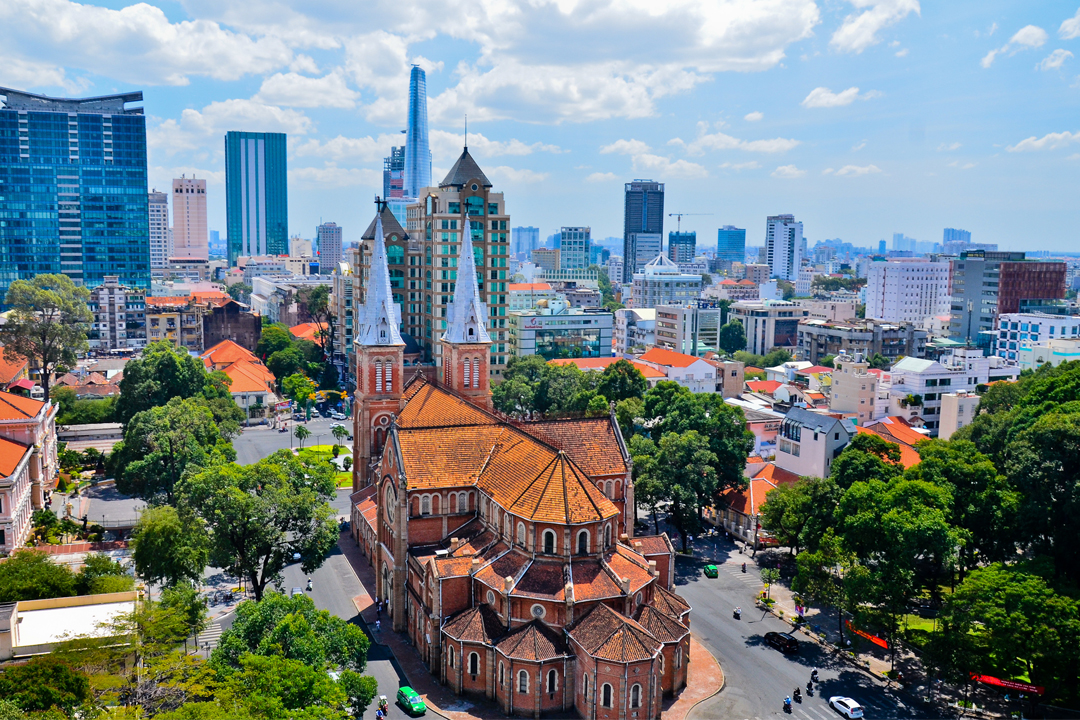
- Notre-Dame Cathedral Basilica of Saigon: A magnificent cathedral built by French colonists, this is one of the city's most prominent architectural landmarks. Its red-brick facade and twin bell towers make it a must-see for history and architecture enthusiasts.
- Ben Thanh Market: The most famous market in Ho Chi Minh City, offering everything from local street food and souvenirs to clothing and textiles. It’s a vibrant spot to experience the city’s daily life and practice your bargaining skills.
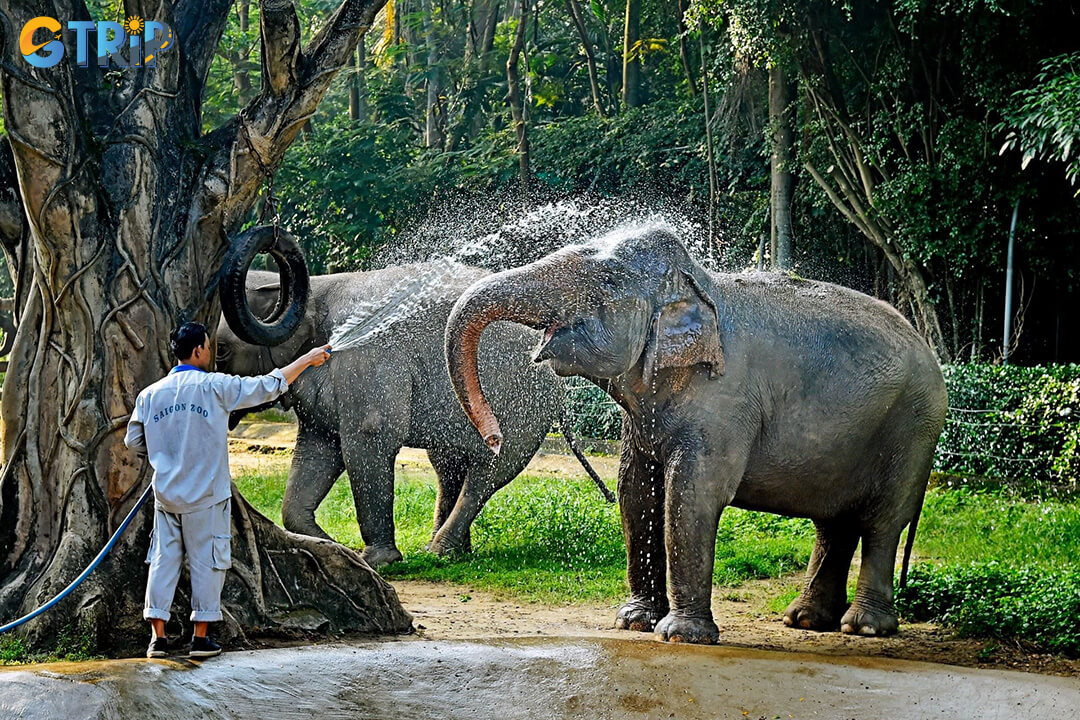
Located in former District 1, the pagoda is surrounded by key attractions like Saigon Zoo, making it perfect for a full day of city exploration
Practical tips for visitors
To ensure a respectful and enjoyable visit, keep these tips in mind:
- Dress code: This is an active place of worship. Visitors must dress modestly, ensuring shoulders and knees are covered. Avoid wearing shorts, short skirts, and tank tops.
- Behavior and etiquette: Speak softly and move quietly through the halls. Do not touch statues or artifacts unless it is part of a specific ritual (like the midwife statues). Be mindful of locals who are there to pray.
- Photography: Photography is generally permitted, but avoid using flash as it can damage the delicate statues and disturb worshippers. Always be respectful and ask for permission before taking close-up photos of people.
- Offerings and donations: While the entrance is free, you can make a small donation in the designated boxes. You can also purchase incense, flowers, or other offerings from vendors outside the pagoda to participate in the rituals.
- Best time to visit: The pagoda is busiest during the 1st and 15th days of the lunar month and on weekends. For a more peaceful experience, visit early on a weekday morning.
To visit the Jade Emperor Pagoda is to step into the living heart of Ho Chi Minh City’s spiritual life. It stands as a testament to the city's layered history and the enduring power of faith. Admiring its intricate design, exploring Taoist carvings, or watching devotees pray, the experience is deeply moving. We at GTrip - Vietnam Travel Agency believe that exploring authentic places like the Jade Emperor Pagoda is the heart of a true travel adventure, connecting you deeply with the soul of a destination.