



Dec - 26 - 2025
Saigon Special Forces Museum is a hidden gem in Ho Chi Minh City, offering a profound glimpse into a clandestine world that operated in plain sight during the Vietnam War. Tucked away in a seemingly ordinary townhouse, this historical site was once a top-secret command post and weapons depot for the elite F100 unit of the Saigon-Gia Dinh Special Forces. Unlike larger, more sprawling war museums, this one offers an intimate and astonishing look at the ingenuity and bravery of the commandos who lived, planned, and fought from within the city's heart. It's a place where hollowed-out furniture and secret tunnels tell a more gripping story than any textbook ever could. In this comprehensive guide, GTrip will walk you through its covert history, its most remarkable artifacts, and all the practical information you need.
Overview of the Saigon Special Forces Museum
- Address: 145 Tran Quang Khai Street, Tan Dinh Ward (formerly District 1), Ho Chi Minh City
- Opening hours:
- Sunday - Monday: 7:30 AM - 7:00 PM
- Friday - Saturday: 7:30 AM - 5:30 PM
- Admission fee: 50,000 VND (~$2) per person
Located in an alley in the bustling Tan Dinh Ward, the Saigon Commandos Museum, as it is also known, preserves the home and secret base of commando Tran Van Lai. It stands as a powerful testament to the covert operations that shaped the course of the Vietnam War. This compact, multi-story museum allows you to step directly into a preserved piece of history, exploring the secret bunkers and clever contraptions used by spies and soldiers.
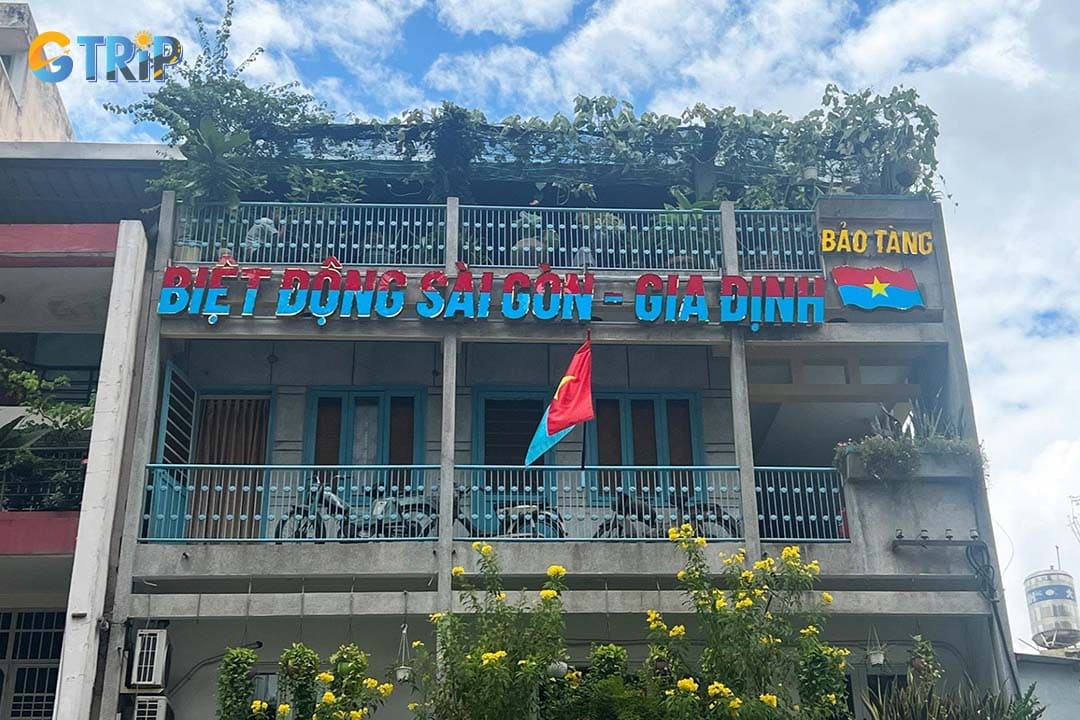
The Saigon Commandos Museum preserves the former home and secret base of commando Tran Van Lai
History and establishment of the Saigon - Gia Dinh Special Forces Museum
The story of the Saigon Special Forces Museum’s history is one of incredible daring and deception. The building at 145 Tran Quang Khai was purchased in 1963 by Tran Van Lai (also known by his alias Nam Lai), a decorated hero of the People's Armed Forces. Lai posed as a wealthy contractor bidding for jobs with the American-backed South Vietnamese government. In reality, he was a high-ranking officer in the Saigon-Gia Dinh Special Forces, an elite unit of the North Vietnamese Army and Viet Cong. His cover was impeccable. His neighbors knew him as a successful businessman, completely unaware of the building’s true purpose.
From 1963 to 1968, Lai and his family oversaw the meticulous construction of a secret infrastructure within the house. This included a massive underground bunker capable of holding tons of weapons and a complex system of secret passages. This location became a critical command center and weapons cache in preparation for one of the most audacious military campaigns in modern history: the 1968 Tet Offensive. It was from bases like this that commando units launched their surprise attacks on key targets across Saigon, including the US Embassy and the Presidential Palace. After the war, the house was recognized as a National Historical and Cultural Relic. Tran Van Lai’s children later worked to restore the home and its secret features, transforming it into the Saigon - Gia Dinh Special Forces Museum in 2018 to share its powerful story with the world.
The Saigon Special Forces Museum, a former secret base of commando Tran Van Lai that hid weapons and underground tunnels used in the 1968 Tet Offensive
Unique experiences at the Saigon - Gia Dinh Special Forces Museum
A visit here is unlike any other museum experience in Ho Chi Minh City. You aren't just observing history from behind glass. You're stepping directly into a preserved operational hideout where every object has a story of espionage and resistance.
Remarkable artifacts at the Saigon Special Forces Museum
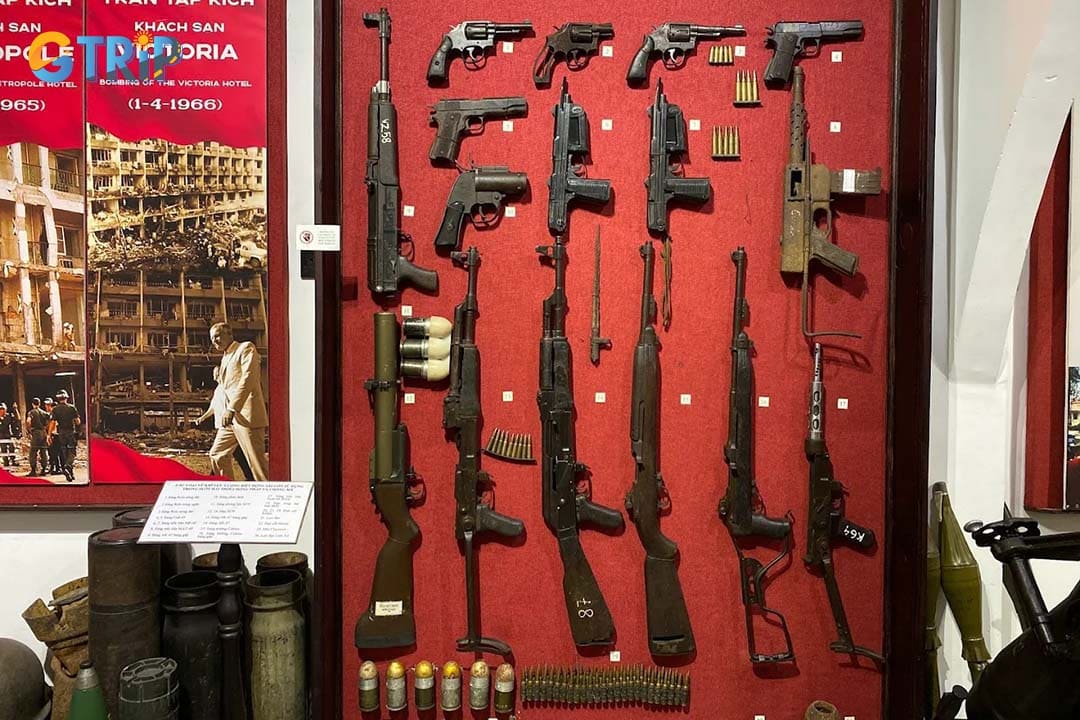
What to see at the Saigon Special Forces Museum is a collection of everyday items ingeniously repurposed for espionage, alongside the tools of war they concealed. The artifacts on display are not mere replicas; they are the actual objects used by the commandos, each one a silent witness to a life of secrecy and immense risk.
- Vintage elevator from the 1960s: At first glance, it looks like a simple, domestic elevator. However, its true purpose was far more critical. This elevator was modified to secretly transport weapons, explosives, and ammunition from the ground floor down to the hidden cellar bunker. Its shaft was also designed as a potential escape route. It represents the dual nature of the entire building, a mundane facade hiding a military-grade secret.
- Typewriter used for drafting secret documents: An old typewriter sits on a desk, a relic from an era before digital communication. This very machine was used to type out coded messages, intelligence briefings, and direct orders for attack squads. In the silence of the night, the clatter of its keys was the sound of history being written, drafting the plans that would stun the world during the Tet Offensive.
- Solex bicycle of “Co Ba Special Forces” (Nguyen Ngoc Hue): A simple, elegant Solex bicycle sits quietly in a corner. It was the primary vehicle for one of the unit's most effective intelligence officers, Nguyen Ngoc Hue, known as "Co Ba". Disguised as a fashionable young student, she would pedal through the streets of Saigon. Her unassuming presence allows her to conduct vital reconnaissance on enemy positions and troop movements without arousing suspicion.
- Solex motorbike and inner-city motorcycle before 1975: Like the bicycle, motorbikes were the perfect tools for urban commandos. They allowed agents to blend in seamlessly with the chaotic traffic of Saigon. They provide a quick and anonymous way to transport messages, ferry personnel, and even move small weapons. The bikes on display are authentic period models, offering a tangible connection to the city's wartime streetscape.
- Guigoz milk cans used to hide documents: One of the most brilliant examples of spycraft in the museum is the collection of Guigoz-branded baby milk powder cans. To the casual observer, they are just household items. However, these cans were expertly modified with false bottoms to conceal microfilm, coded messages, and other sensitive documents. This allows for their safe transport right under the noses of enemy patrols.
- Secret bunker for sheltering and storing weapons and papers: The centerpiece of the museum is the secret bunker system. A cleverly hidden trapdoor in the floor opens to reveal a ladder leading down into a dark, subterranean space. This bunker was excavated by hand over several years and could store over two tons of weapons and explosives. It also served as a commando hideout for soldiers awaiting their orders. Standing inside this cramped, humid space, you can feel the immense pressure and claustrophobia that were a daily reality for the special forces.
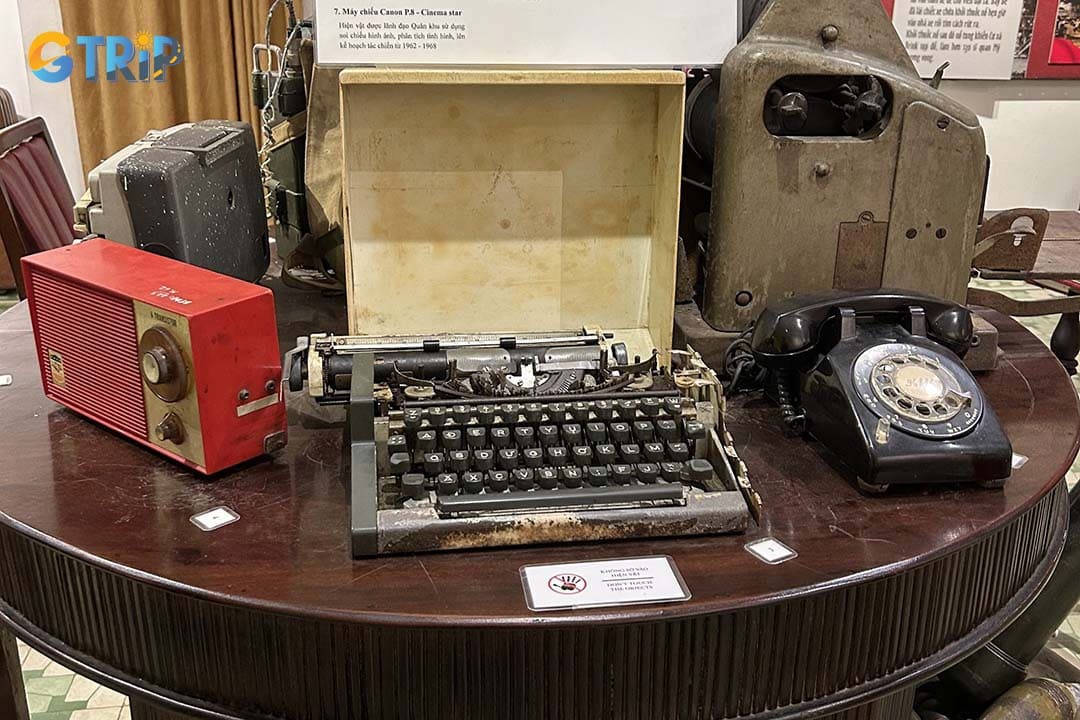
The important typewriter that was used to draft secret messages and documents
Photos taken within a nostalgic historical space
Beyond its historical gravitas, the Saigon Special Forces Museum is a visually stunning and atmospheric location. The curators have done a masterful job of preserving the building's authentic ambiance, making it a favorite spot for photographers and anyone who appreciates historical aesthetics. It’s a place where you can not only learn history but also capture it.
- Tastefully arranged displays evoking a strong sense of history: Every room feels less like a museum exhibit and more like a film set where the actors just stepped away. The lighting is soft and deliberate, casting long shadows that accentuate the age of the wooden furniture and the texture of the aging walls.
- Plenty of photo-worthy corners with a nostalgic, historical vibe: The museum is a treasure trove for photography enthusiasts. You can capture a moody shot of the sunlit hallway leading towards the dark, mysterious entrance to the secret bunker. Pose next to the vintage Solex motorbike, capturing the essence of a 1960s spy thriller. The dimly lit study, with the typewriter sitting on the desk as if awaiting its next secret message, provides a compelling and story-rich backdrop. Even the latticed windows, which overlook the quiet alley, frame the outside world with a nostalgic, sepia-toned quality.

Remember to take photos at the museum with a nostalgic, historical vibe
How to get to the Saigon Special Forces Museum
Reaching this historical landmark in Tan Dinh Ward is straightforward, with several convenient options available.
- By taxi or ride-hailing app (Grab/XanhSM): This is the most convenient method for most visitors. Simply input the address, 145 Tran Quang Khai Street, into the app. The driver will drop you off at the entrance to the small alley where the museum is located. This is a hassle-free way to navigate the city's busy streets.
- By public bus: For a more local experience, several public bus routes stop near Tran Quang Khai Street. Look for buses like Route 03, 36, or 152 (the airport bus), which have stops within a 5-10 minute walk of the museum. Use a local bus app to check real-time schedules and the closest stop.
- By motorbike: If you are exploring the city by motorbike, you can easily navigate to the museum. While there is no dedicated parking at the museum itself, you can find paid parking spots at nearby buildings or along the main adjacent streets.
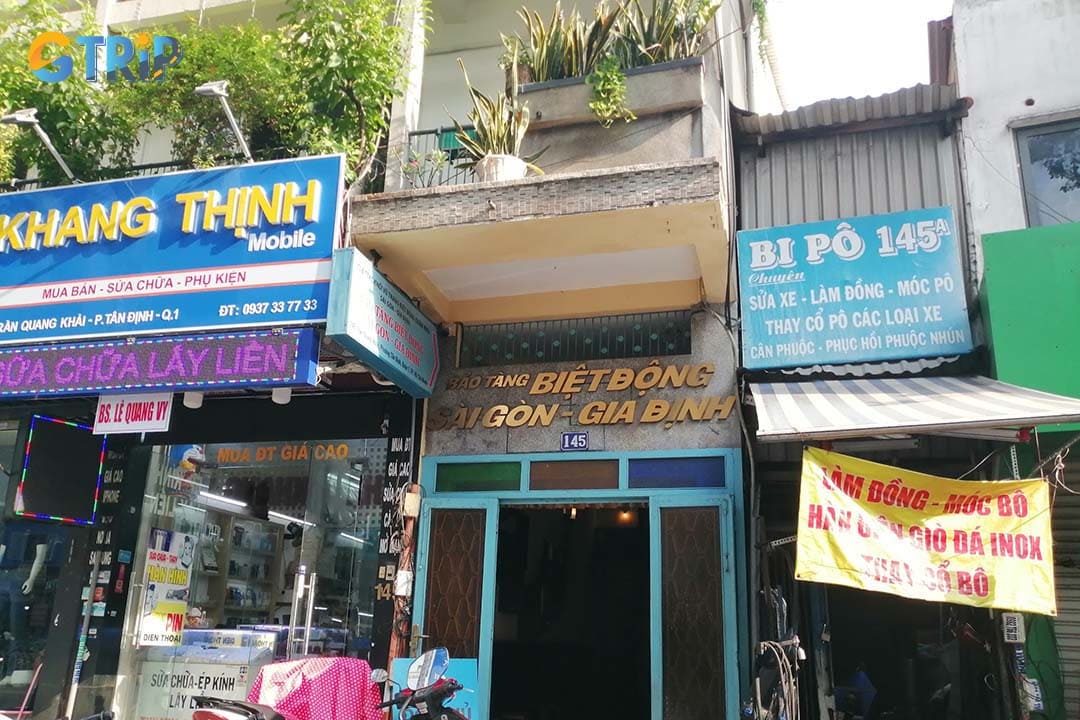
Reaching Saigon Special Forces Museum is straightforward because it’s located in the center of Saigon
Nearby attractions to the Saigon Special Forces Museum
The museum's location in the Tan Dinh area makes it an excellent starting point for a half-day or full-day exploration of some of Ho Chi Minh City's most interesting sites.
- Tan Dinh Market (400m): Just a 5-minute walk away, this is a vibrant local market that offers a more authentic experience than the larger Ben Thanh Market. It's famous for its vast selection of fabrics and delicious street food stalls (che, or sweet soup, is a must-try here).
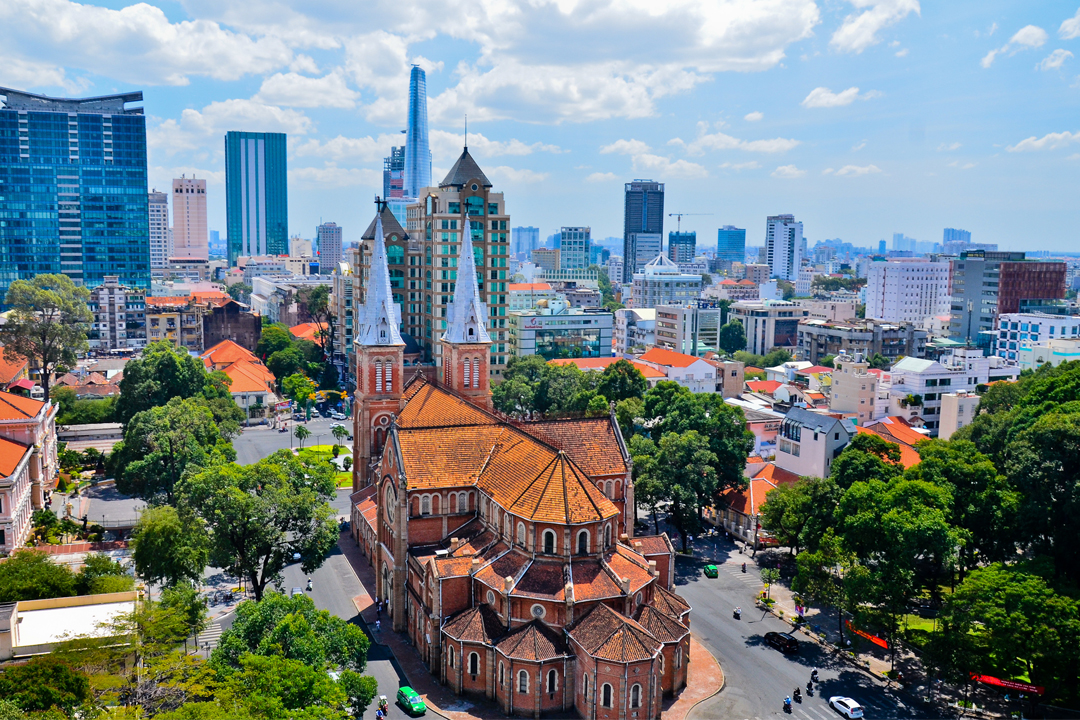
- Tan Dinh Catholic Church (500m): Known affectionately as the "Pink Church", this stunning example of French colonial architecture is one of the most photographed buildings in the city. Its bright pink facade and intricate design make it a beautiful and peaceful place to visit.
- Vinh Nghiem Buddhist Temple (1.2km): A 15-minute walk or a short taxi ride will take you to this large and impressive pagoda. It features classic Vietnamese Buddhist architecture, including a seven-story stone stupa, and offers a serene escape from the city's hustle.
- War Remnants Museum (1.8km): For those looking to delve deeper into the history of the Vietnam War, a visit to this major museum is essential. It provides a comprehensive, and often sobering, look at the conflict from a Vietnamese perspective. Combining a visit here with the Special Forces Museum offers a powerful contrast between the macro and micro histories of the war.
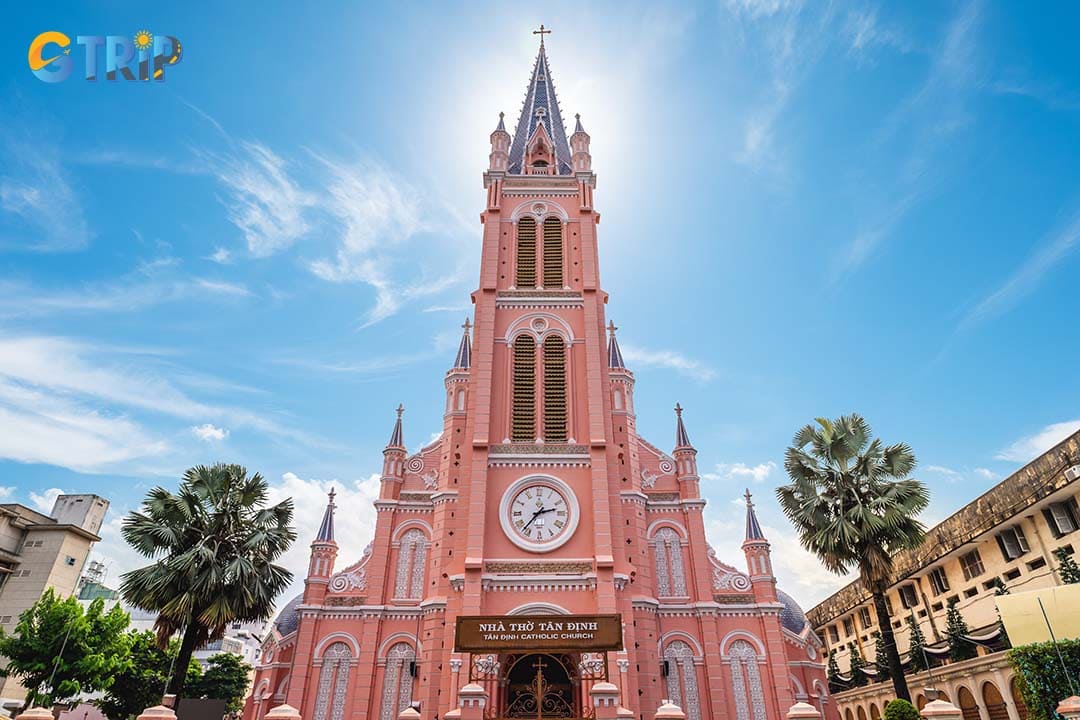
Tan Dinh Catholic Church is a beautiful attraction to visit after exploring the museum
Practical tips for visitors
To make the most of your visit to this unique historical site, keep these few tips in mind.
- Best time to visit: The museum is relatively small and can feel crowded. Visiting on a weekday morning is the best way to avoid large groups and have a more intimate experience, allowing you time to absorb the atmosphere.
- Combine your visit: Plan your trip to the Saigon Commandos Museum as part of a larger walking or taxi tour of the Tan Dinh area. You can easily visit the Pink Church and Tan Dinh Market in the same morning.
- Respectful conduct: Remember that you are in a place of significant historical weight, a former home where people risked their lives. Please speak softly and move respectfully through the exhibits. This is not just a tourist attraction, but a memorial.
- Footwear: You will be climbing stairs and potentially ladders if you enter the bunker. Wear comfortable, closed-toe shoes for safety and ease of movement.
- No flash photography: Photography is generally allowed, but the use of flash is prohibited to protect the delicate artifacts and preserve the museum’s carefully crafted ambiance.
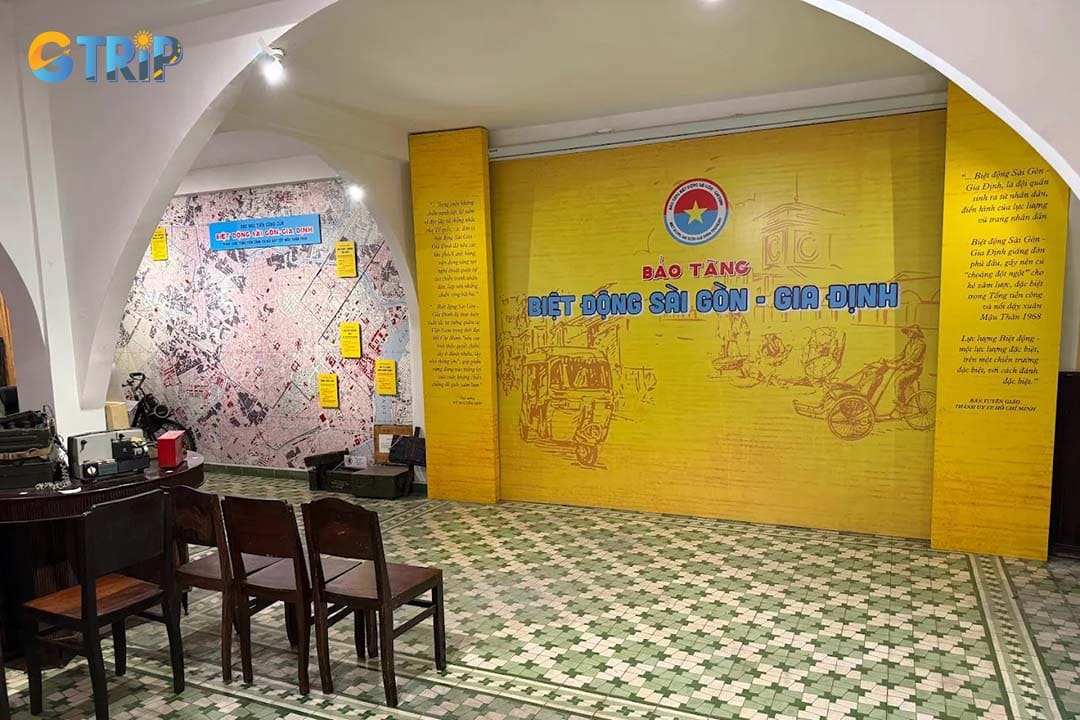
Keep the above tips in mind while visiting the museum
The Saigon Special Forces Museum is a living time capsule revealing the hidden world of courage and resistance beneath bustling Saigon. Each room tells stories of tension, ingenuity, and unwavering determination, offering a deeply personal look at the Vietnam War through the eyes of those who fought in secrecy. For history lovers and curious travelers alike, this museum is an unmissable stop. Include it in your Vietnam tour package with GTrip - Vietnam Travel Agency, and let us guide you on a historical tour of Ho Chi Minh City, where every corner unveils a secret from Saigon’s remarkable past.