



Dec - 29 - 2025
Ben Dinh War Tunnels offer a profound glimpse into the resilience, ingenuity, and unyielding spirit of the Vietnamese people during the Vietnam War. Located in the former Cu Chi District just outside Ho Chi Minh City, this historic site is more than just a tourist attraction. It is a subterranean world that once housed soldiers, served as a command center, and played a pivotal role in the conflict. If you're a history buff, an adventurous traveler, or simply curious about Vietnam's complex past, this complete guide from GTrip provides everything you need to plan your visit. We'll cover the site's gripping history, its brilliant architecture, how to get there, and exactly what to do to make your trip unforgettable.
Overview of Ben Dinh War Tunnels in Cu Chi
- Location: Ben Dinh Village, Cu Chi Commune (formerly Nhuan Duc Commune, Cu Chi District), Ho Chi Minh City
- Area: About 75 hectares
- Opening hours: 7:00 AM - 5:00 PM daily
- Entrance fee: 90,000 VND (~$3.45) per adult
- Best time to visit: December - April (dry season)
Ben Dinh War Tunnels are the more accessible section of the larger Cu Chi Tunnels complex for visitors planning a trip from Ho Chi Minh City. They served as the former headquarters of the Cu Chi and have been carefully preserved and adapted for tourism. This section provides a condensed, yet powerful, look at the immense network that once stretched over 250 kilometers. Here are the key facts you need to know at a glance.

Ben Dinh is the most convenient and visitor-friendly section of the Cu Chi Tunnels, offering a clear, accessible introduction to this historic underground network
How to get to Ben Dinh War Tunnels
Getting to Ben Dinh from the bustling center of Ho Chi Minh City is straightforward, with several options to suit different budgets and travel styles.
- By bus: This is the most budget-friendly option. You can take bus no. 13 from 23/9 Park (near Pham Ngu Lao Street) to Cu Chi Bus Station. From there, you'll need to transfer to bus no.79, which will drop you off directly at the entrance to the Ben Dinh tunnels. The total journey can take around two hours but costs very little.
- By motorbike or car: For more flexibility, renting a motorbike or hiring a private car is an excellent choice. The journey takes about 1.5 hours via National Highway 22. Using Google Maps is highly recommended, as the route involves several turns once you get closer to the former Cu Chi District. The roads are generally well-paved.
- By canoe or speedboat: For a scenic and unique experience, you can travel along the Saigon River. Several tour operators offer speedboat or canoe trips that depart from the city center and arrive near the tunnels. While this is the most expensive option, it allows you to bypass road traffic and see the riverside landscape.
Getting to Ben Dinh from Ho Chi Minh City is easy and convenient, with multiple transport options to match any budget or travel style
The history of Ben Dinh War Tunnels
The story of the Ben Dinh War Tunnels is a testament to human endurance and strategic brilliance, spanning several decades of conflict. The tunnels were not built overnight, they evolved from simple shelters into an incredibly complex underground city.
Early origins (1940s)
The first tunnels in the Cu Chi region were dug during the late 1940s, at the height of the First Indochina War against French colonial forces. Initially, these were short, simple structures used primarily for hiding weapons, communicating between villages, and evading French sweeps. The tools used were rudimentary, often just hoes and bamboo shovels, and the work was done in secret, mostly by hand. The soil in Cu Chi, a hard laterite clay, was perfectly suited for this, as it was firm enough to prevent cave-ins without extensive support structures. These early tunnels laid the foundation for the vast network to come.
Expansion during the Vietnam War (1960s - 1975)
The massive expansion of the tunnel system began in the early 1960s with the escalation of the Vietnam War. The Viet Cong recognized the strategic importance of the Cu Chi District, it was a gateway to the capital of Saigon and served as a critical infiltration route for soldiers and supplies. The Ben Dinh site, in particular, was chosen for its strategic location, shielded by dense jungle and bordering the Saigon River, which provided a covert means of transportation and escape.
From 1968 to 1975, the Ben Dinh base served as the headquarters of the Cu Chi District Party Committee. It became a key nerve center for planning and launching guerrilla attacks, including operations during the 1968 Tet Offensive. American forces, aware of the tunnels' existence but not their scale, launched major ground operations like Operation Crimp (1966) and Operation Cedar Falls (1967) to destroy them. They used B-52 bombers, defoliants, and specialized soldiers known as "tunnel rats", but the network proved incredibly resilient. The Viet Cong fighters lived, worked, and fought from this subterranean world for years on end.
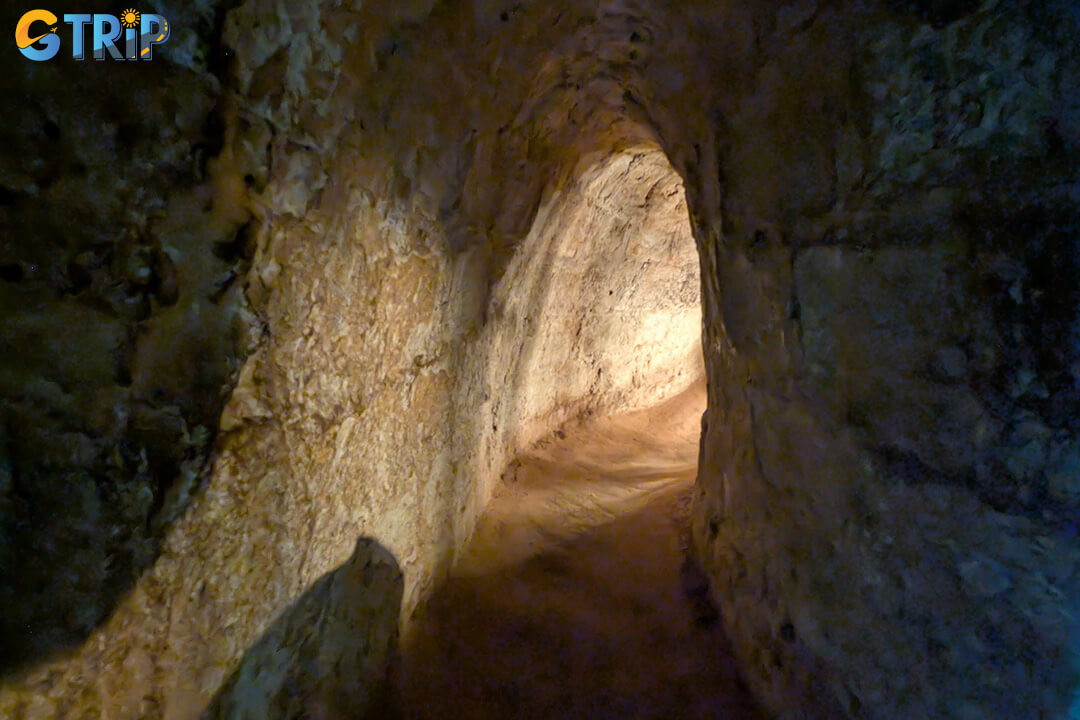
Ben Dinh expanded in the 1960s and served as a vital command base that withstood intense U.S. bombardment and major offensives during the war
Post-war preservation
After the war ended in 1975, the Vietnamese government recognized the immense historical and cultural value of the Cu Chi Tunnels. The Ben Dinh section was preserved and restored, turning it into a historical relic to educate future generations and international visitors about the realities of the war. Mannequins illustrate daily life, some tunnels were widened for visitors, and the surrounding grounds were cleared to highlight bomb craters and tank wreckage. Today, it stands as a powerful symbol of Vietnam's will to fight for its independence.
The architecture of Ben Dinh War Tunnels
The Ben Dinh War Tunnels feature an intricate design that enabled an underground community to survive and fight against a more advanced enemy. The tunnels formed a complex multi-level network, including living quarters, hospitals, and command centers, designed to withstand air raids and infiltration.
Multi-level structure
The tunnels were not just simple burrows, they were a sophisticated, layered system.
- The first level (3 - 4 meters deep): This was the primary living and fighting level. It was designed to withstand artillery shells and the weight of heavy tanks and armored vehicles moving above. This level contained sleeping chambers, kitchens, and access to fighting posts.
- The second level (5 - 7 meters deep): This level provided additional protection from heavier bombs and served as a passage to connect different areas of the network. It often housed weapon storage, infirmaries, and command centers where officers would plan attacks.
- The third level (8 - 10 meters deep): The deepest and safest level, this was reserved for the most critical facilities and as a last-resort shelter during intense B-52 carpet-bombing raids. It also included secret wells providing a clean water source for the entire community.
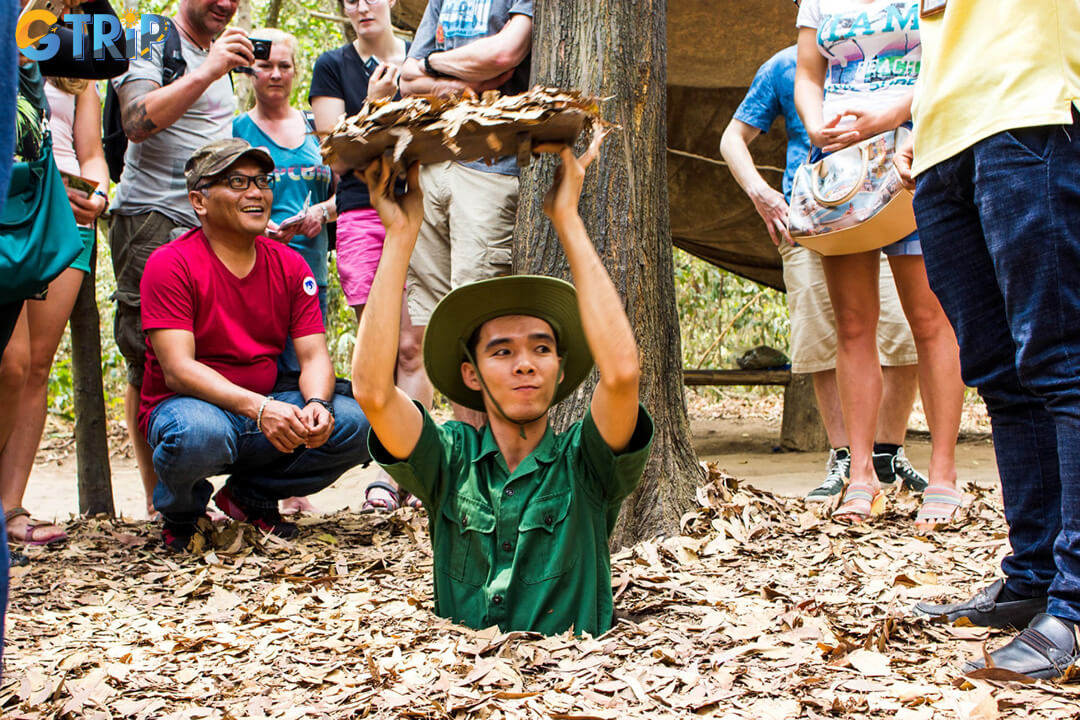
A three-level tunnel system built for living, fighting, and survival, with deeper layers providing stronger protection and essential facilities
Internal facilities and ingenious solutions
Life underground required incredible innovation. The tunnels contained a surprising number of facilities, each designed to overcome a specific challenge.
- Kitchens: To avoid detection from smoke, the Viet Cong created the ingenious "Hoang Cam" stove. These stoves were designed with long, dispersed underground chimneys that would slowly release smoke. It allows them to cool and dissipate into the jungle canopy far from the source, making them almost impossible to spot from the air.
- Hospitals and meeting rooms: Larger caverns were dug out to serve as field hospitals for treating the wounded, as well as meeting rooms for strategy sessions. These areas were often lit by candles or small lamps, and the air was thick and heavy.
- Weapon depots: The tunnels were central to the Viet Cong's supply chain. They stored ammunition and even had workshops for recycling unexploded American bombs and artillery shells into new weapons and booby traps.
Concealment and defense
The survival of the tunnel network depended on its secrecy and defensive capabilities.
- Camouflaged entrances: Entrances were incredibly well hidden, often disguised as termite mounds, piles of leaves, or hidden under trapdoors in the floors of village huts. A typical entrance was barely large enough for one person to squeeze through.
- Ventilation shafts: To supply air to the deep network, thousands of tiny, disguised air shafts were drilled to the surface, often concealed in bushes or hollowed-out bamboo stalks.
- Booby traps: The area around the tunnels was littered with a terrifying array of non-explosive booby traps, designed to injure, maim, and demoralize enemy soldiers. These included various deadly contraptions, like punji stick pits, tripwire-activated maces, and venomous snake pits.
Unmissable things to do at Ben Dinh War Tunnels
A visit to Ben Dinh is an interactive experience that engages all your senses. Beyond just looking at historical displays, you get to physically engage with the site’s past.
Explore the underground tunnels
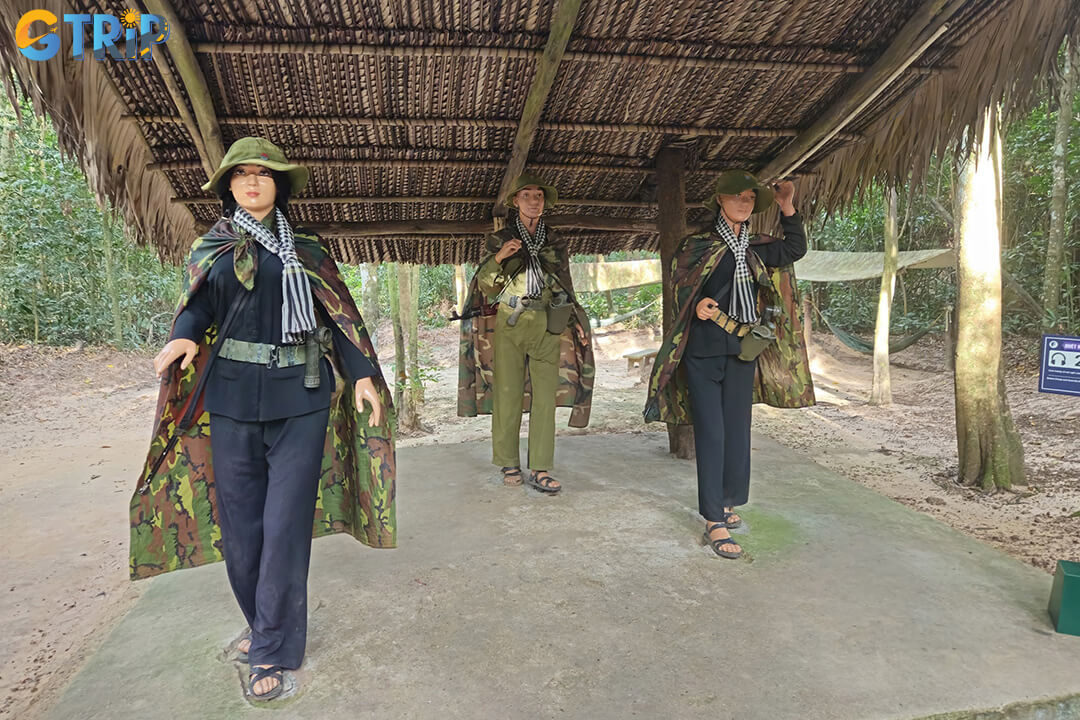
This is the highlight for most visitors. While the original tunnels were extremely narrow, a 100-meter section at Ben Dinh has been slightly widened and reinforced to allow tourists to crawl through and experience the conditions firsthand. As you move through the dark, cramped passage, you get a visceral sense of what life was like for the soldiers. Inside, you'll see recreations of underground command centers, sleeping quarters, and storage areas, complete with life-sized mannequins that bring the scenes to life. Even this short crawl is a powerful, humbling experience.
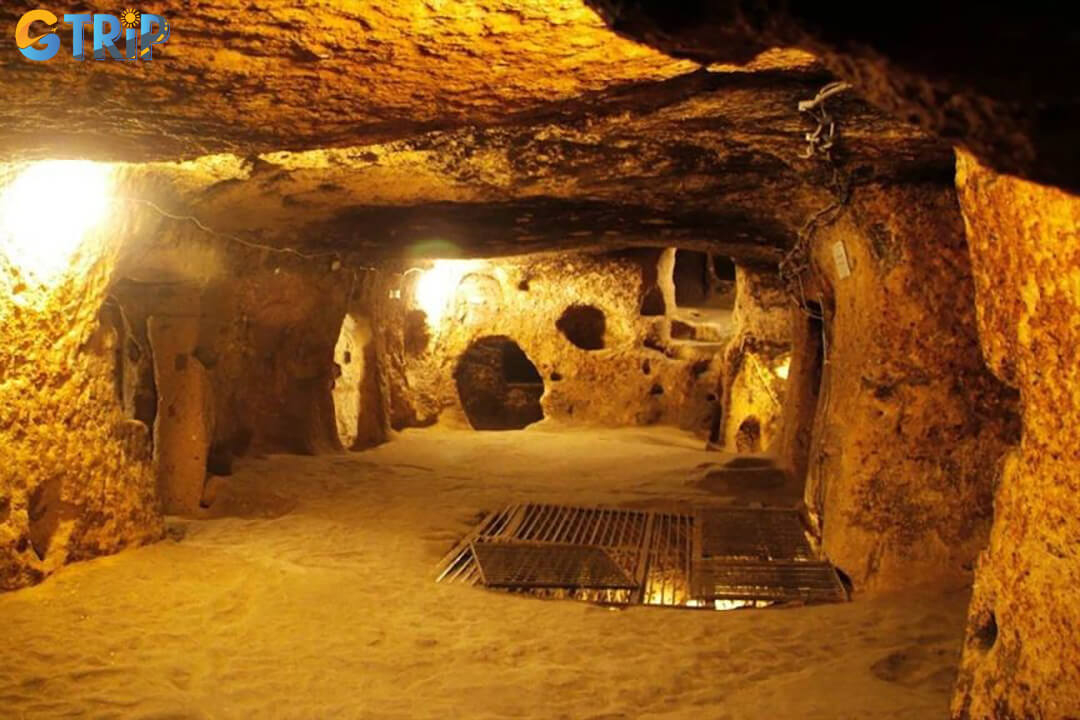
A short crawl through the widened 100-meter tunnel offers a vivid glimpse into underground wartime life, complete with recreated rooms and life-sized mannequins
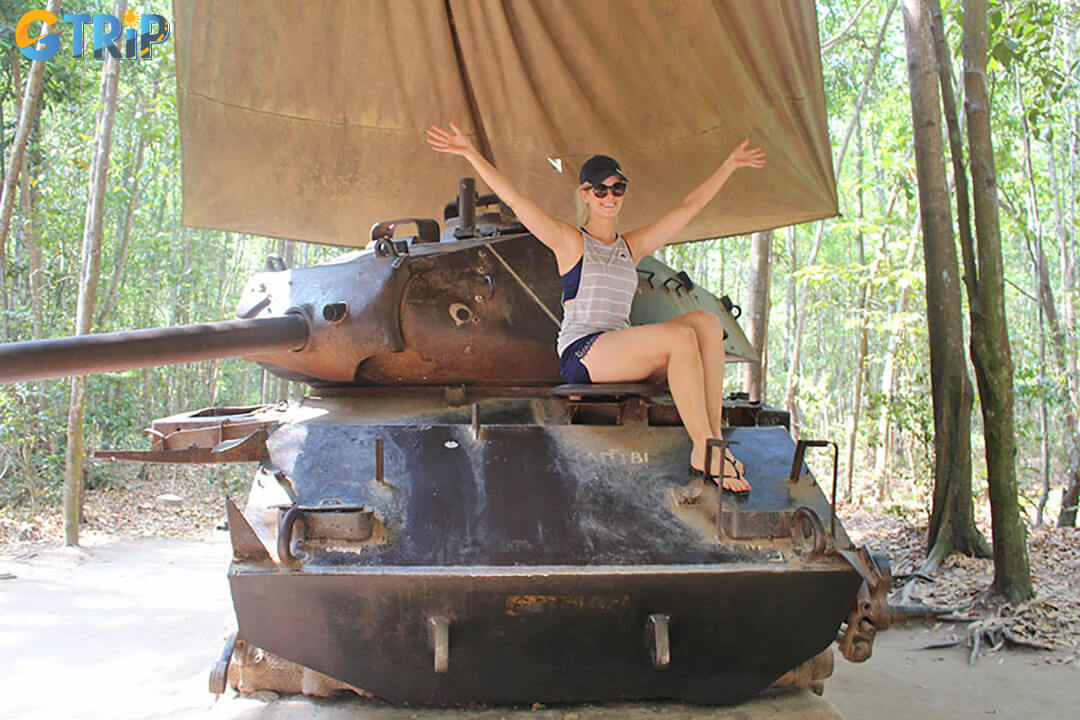
See the M41 tank wreckage
Prominently displayed on the grounds is the rusted hull of an American M41 "Walker Bulldog" light tank. This tank was destroyed by a Viet Cong mine in 1970 during a major American sweep of the area. It has been left exactly where it was disabled, serving as a stark and photogenic symbol of the Vietnamese forces' ability to counter advanced military hardware with clever, low-tech traps and guerrilla tactics. The story behind this specific tank is a powerful reminder of the conflict's nature.
Join recreational and educational activities
Ben Dinh offers several activities that provide further context and a bit of adrenaline.
- Shooting range: For a fee, visitors can try their hand at a shooting range, firing iconic weapons from the war era. You can choose from a range of firearms, including the AK-47, M16 rifle, and M60 machine gun. The cost is per bullet, and strict safety measures are in place. The concussive blast of these powerful weapons echoing through the forest offers a sobering auditory reminder of the war.
- Wartime food tasting: As part of the guided tour, you'll be invited to taste boiled cassava with peanut salt. This simple, starchy root was the staple food that sustained the Viet Cong fighters when rice and other supplies were scarce. It’s a moment of sensory connection to the past.
Dine at Ben Dinh Restaurant
After your tour, you can visit the on-site Ben Dinh Restaurant, which is set in a peaceful clearing overlooking the Saigon River. Here, you can enjoy a full meal of authentic Vietnamese countryside dishes. Besides the famous cassava, you can try other local specialties, such as grilled chicken with lemongrass or fresh spring rolls, providing a relaxing way to reflect on your visit.
Other attractions in former Cu Chi District
While Ben Dinh is a destination in itself, the Cu Chi district offers several other attractions that can be combined for a full-day excursion, providing a more rounded view of the region's history and culture.
A remarkable underground world of resilience in Cu Chi Tunnel
The Cu Chi Tunnels stand as one of Vietnam’s most iconic historical landmarks, showcasing the extraordinary resilience and ingenuity of Vietnamese soldiers during the war. Inside the tunnels lies an entire hidden world with living rooms, kitchens, clinics, weapon storage areas, and cleverly disguised escape routes. Today, the Cu Chi Tunnels have become a must-visit destination for both local and international travelers. Visitors can crawl through reconstructed tunnel sections, see demonstrations of wartime traps, explore historical displays, and even try out the shooting range. More than just a tourist attraction, Cu Chi offers a powerful glimpse into the hardships of wartime life and serves as a moving reminder of the value of peace and the sacrifices made by past generations.
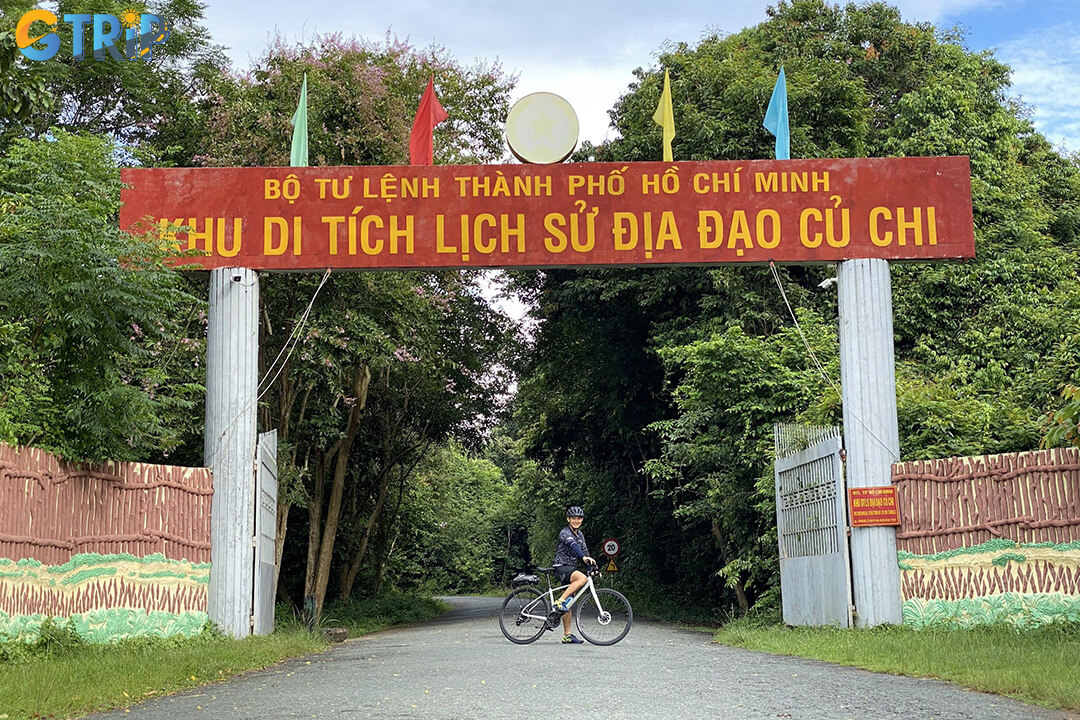
A powerful historical site where visitors explore reconstructed tunnels, wartime traps, and displays showcasing the resilience of Vietnamese soldiers
Ben Duoc Memorial Temple and tunnels
Ben Duoc site is the other major section of the Cu Chi Tunnels open to visitors. While Ben Dinh is often seen as the more "tourist-friendly" site, Ben Duoc is considered more authentic and solemn.
- The tunnels: The tunnels at Ben Duoc are generally narrower and less restored, offering a more challenging and realistic crawling experience.
- Ben Duoc Memorial Temple: The main feature of this site is the magnificent Ben Duoc Memorial Temple, a solemn monument built to honor the nearly 45,000 Vietnamese soldiers and civilians who died in the Saigon-Gia Dinh region. Its towering pagoda and vast marble walls, inscribed with the names of the fallen, create a deeply moving atmosphere of remembrance. Visiting both Ben Dinh and Ben Duoc provides a comprehensive comparison of a battle site and a memorial site.
Saigon river boat trips
Many tours combine a visit to the tunnels with a boat trip on the Saigon River. This is a fantastic way to decompress after the intense experience of the tunnels. As you cruise along the water, you'll see lush jungle landscapes, local riverside life, and the stark contrast between the city's modern skyline and the tranquil countryside. The gentle pace of the boat ride gives you time to reflect on the historical stories you've just encountered. It’s a perfect balance of history and nature, making the overall journey feel richer and more memorable.

A relaxing Saigon River cruise offers a peaceful contrast of jungle scenery and riverside life, creating a calm, reflective ending to the intense historical experience
Cu Chi wildlife rescue station
For a change of pace, consider a visit to the Cu Chi Wildlife Rescue Station. This non-profit organization is dedicated to rescuing, rehabilitating, and releasing animals saved from the illegal wildlife trade. Here, you can see various rare and endangered species, such as pangolins, gibbons, and slow lorises, and learn about conservation efforts in Vietnam. It's an uplifting and educational stop that highlights a different kind of struggle and resilience.
Local handicraft villages
The area around Cu Chi is known for its traditional crafts. You can visit villages that specialize in making rice paper, a key ingredient in Vietnamese cuisine. Watching the artisans at work and trying a freshly made sheet is a delightful cultural experience. It’s also a great way to support the local economy directly. The surrounding countryside is also dotted with small workshops where families have preserved these craft traditions for generations. Taking the time to explore them adds depth to your Cu Chi trip and offers a more personal connection with local culture.

Visit nearby craft villages to see traditional rice-paper making firsthand a charming cultural experience that supports local families
Tips for visiting and shopping in Ben Dinh War Tunnels
To make your trip to the Ben Dinh War Tunnels smooth, comfortable, and respectful, keep these insider tips in mind. This advice comes from our experience helping countless travelers explore this historic site.
- Wear lightweight clothing and sturdy shoes. The climate is hot and humid, especially in the jungle setting. Breathable fabrics like cotton or linen are ideal. You will be doing a lot of walking on uneven, dirt paths, so comfortable, closed-toe shoes are essential. Avoid flip-flops.
- Bring water, sunscreen, and insect repellent. Staying hydrated is crucial. While drinks are available for purchase, it’s wise to bring your own water bottle. The sun can be intense in the clearings, and mosquitoes are common in the forested areas, so sunscreen and a good insect repellent are must-haves.
- Take a guided tour for the best experience. While you can explore on your own, the site's history truly comes alive with a knowledgeable guide. A guide will share compelling stories, point out hidden details you would otherwise miss, and provide crucial context for what you are seeing.
- Be cautious of low ceilings and narrow passageways. If you choose to go into the tunnels, be prepared for tight spaces. The passages are dark and cramped. If you have claustrophobia, severe asthma, or mobility issues, you may want to skip crawling through. You can still have a rich experience by exploring the extensive above-ground exhibits.
- Support local artisans when shopping for souvenirs. At the gift shop, you’ll find a variety of souvenirs. One of the most unique items is crafts made from spent bullet casings, which are fashioned into keychains, pens, and decorative items. Purchasing these is a unique way to take home a symbolic memento while supporting the local community.
Essential tips to stay comfortable, safe, and respectful during your Ben Dinh Tunnels visit
Read more:
The Ben Dinh War Tunnels are more than just a relic of a past conflict, they are an enduring monument to the courage and ingenuity of a nation. Walking through the quiet forest, seeing the craters left by bombs, and crawling through the dark, narrow passages is a sobering and unforgettable experience. It provides a unique and essential perspective on the Vietnam War that you cannot get from history books or films alone. A visit here is a journey into the heart of Vietnam's modern history. Ready for an unforgettable journey into Vietnam's past? The Ben Dinh War Tunnels await. Let GTrip - Vietnam Travel Agency help you plan the perfect visit.