
Sunday, October 25, 2026
Vinh Nghiem Pagoda is a peaceful sanctuary in Ho Chi Minh City, offering a deep insight into Vietnamese Mahayana Buddhism. More than a place of worship, it serves as a spiritual, educational, and cultural hub that bridges Vietnam’s northern traditions with its southern modernity. For travelers wanting to discover the soul of Saigon beyond its lively streets and historic landmarks, this pagoda reveals the city’s quiet spiritual depth. This GTrip guide will help you explore its history, architecture, and serene atmosphere for a truly meaningful visit.
Table of Content
- An overview of Vinh Nghiem Pagoda in Ho Chi Minh City
- History of Vinh Nghiem Pagoda
- Architecture of Vinh Nghiem Pagoda
- Things to do at Vinh Nghiem Pagoda
- How to get to Vinh Nghiem Pagoda in Ho Chi Minh City
- Other famous attractions in Ho Chi Minh City
- Practical tips for visiting Vinh Nghiem Pagoda in Saigon
An overview of Vinh Nghiem Pagoda in Ho Chi Minh City
- Address: 339 Nam Ky Khoi Nghia Street, Xuan Hoa Ward (formerly District 3), Ho Chi Minh City
- Opening hours: 6:00 AM - 10:00 PM daily
- Entrance fee: Free
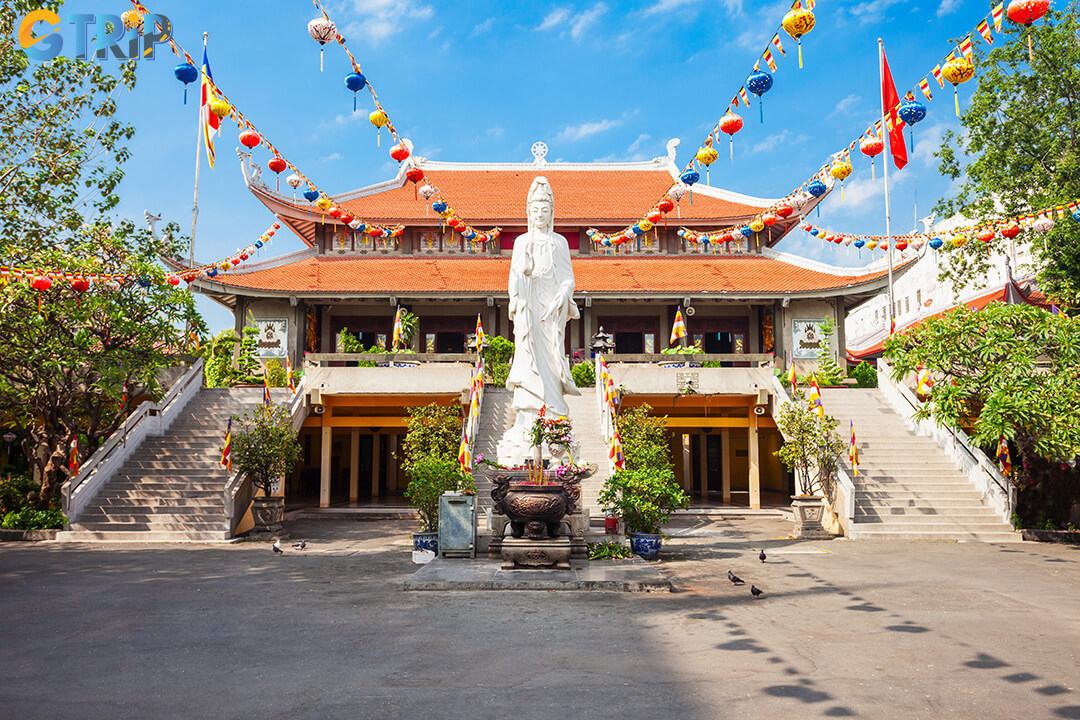
Vinh Nghiem Pagoda serves as a tranquil spiritual oasis in the center of a bustling metropolis. Constructed with modern techniques but adhering to ancient design principles, it has become one of the most important and well-known pagodas in Ho Chi Minh City. Its blend of grand scale, intricate detail, and serene atmosphere makes it a must-visit for both devout Buddhists and curious travelers seeking cultural immersion and a moment of peace.

A serene spiritual haven in the heart of the city, Vinh Nghiem Pagoda blends traditional Vietnamese architecture with modern design
History of Vinh Nghiem Pagoda
Vinh Nghiem Pagoda in Ho Chi Minh City was built between 1964 and 1971 by two northern monks, Thich Tam Giac and Thich Thanh Kiem. It was founded to promote Buddhism in the South and to honor the original Vinh Nghiem Pagoda in Bac Ninh Province. The pagoda was designed by architect Nguyen Ba Lang, who also contributed to iconic structures like the One Pillar Pagoda and Ngoc Son Temple.
Construction began in 1964 after levelling low-lying land near the Thi Nghe Canal, requiring the movement of 40,000 m³ of soil from the Bien Hoa Highway. The initial phase included the main Buddha Hall, Quan The Am Tower, and communal activity spaces, completed by 1971. Subsequent additions included the Xa Loi Cong Dong Tower in 1982, followed by the Abbot Hall and Reception Hall. In 2003, the Stone Tower was built to honor monk Thich Thanh Kiem.
Vinh Nghiem Pagoda is notable for being the first in Vietnam to use traditional Vietnamese architectural styles with modern concrete construction. It follows the design of the ancient Vinh Nghiem Pagoda in Bac Ninh, a center of the Truc Lam Zen sect founded by King Tran Nhan Tong during the Tran Dynasty. This connection symbolizes unity between northern and southern Buddhist communities.
Beyond worship, the pagoda hosts various charitable activities, including free meals, blood donation drives, and support for orphanages and schools. Before 1975, it received a Peace Bell from Japan’s Entsu-in Temple, symbolizing prayers for peace. Though built recently, it remains one of southern Vietnam’s most important Buddhist centers.
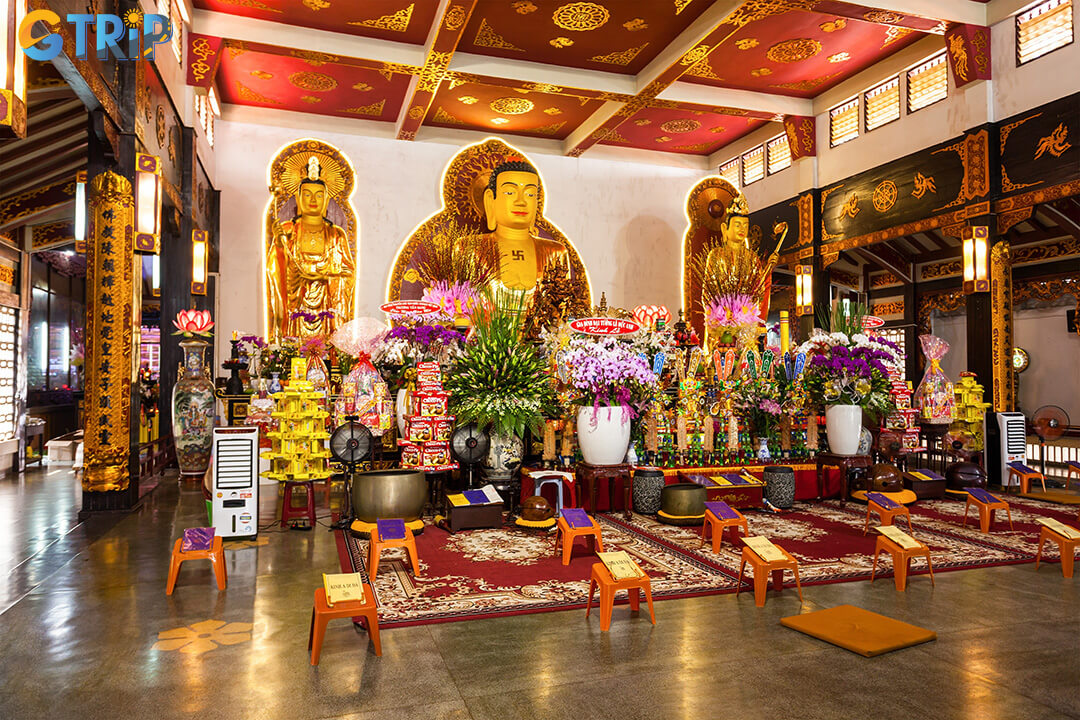
Built between 1964 and 1971, Vinh Nghiem Pagoda is the first in Vietnam to blend traditional Vietnamese architecture with modern concrete, symbolizing unity
Architecture of Vinh Nghiem Pagoda
Vinh Nghiem Pagoda beautifully combines traditional Vietnamese design with modern construction, creating a space that feels both timeless and grand. Each structure within the complex serves a distinct purpose and carries deep symbolic meaning, guiding visitors on a spiritual journey from the moment they arrive.
Three-entrance gate (Tam Quan)
The first structure to greet you is the magnificent Three-Entrance Gate, or Tam Quan. This grand gateway is not merely an entrance but a symbolic threshold separating the secular world from the sacred grounds of the pagoda. Its design is classic Northern Vietnamese, featuring gracefully curved, tiered roofs adorned with intricate carvings of phoenixes and dragons, mythical creatures symbolizing prosperity and power.
The gate has three archways. In Buddhist philosophy, these represent the "three gates to liberation": emptiness, signlessness, and wishlessness. Traditionally, visitors enter through the gate on the right and exit through the one on the left, reserving the larger, central gate for the monarch or high-ranking monastics. Passing through the Tam Quan is an act of leaving behind worldly attachments and preparing your mind for the tranquillity that lies within. Its imposing yet elegant form sets a reverent tone for the entire complex.
Avalokitesvara tower
To the left of the Main Hall stands the most iconic and visually striking feature of the pagoda is the Avalokitesvara Tower. Soaring 40 meters into the sky, this seven-story stone tower is one of the tallest Buddhist stone towers in Vietnam. It was constructed with remarkable precision and artistry and consecrated in 1982. Each of its seven stories is octagonal, featuring a gracefully curved roof and intricate carvings on its balustrades and cornices.
The tower is dedicated to Avalokitesvara, the Bodhisattva of Compassion, who is believed to hear the cries of all sentient beings. This dedication makes the tower a focal point for prayers for mercy, healing, and relief from suffering. A modern sacred masterpiece rooted in tradition, its graceful silhouette stands as a beloved symbol of Vinh Nghiem Pagoda and a landmark on the city skyline.
The Avalokitesvara Tower, a seven-story stone structure rising 40 meters high, is Vinh Nghiem Pagoda’s most iconic feature and one of Vietnam’s tallest Buddhist towers
Pagoda courtyard
Beyond the Tam Quan, the bustling noise of Nam Ky Khoi Nghia street fades away, replaced by the serene ambiance of the spacious Pagoda Courtyard. This expansive, paved area is dotted with ancient-looking Bodhi trees and lush bonsai, their green canopies providing welcome shade from the tropical sun. Simple stone benches are placed thoughtfully throughout, inviting visitors to sit, pause, and absorb the peaceful atmosphere.
The courtyard functions as a crucial transitional space. It allows your senses to adjust, acting as a physical and mental buffer between the chaotic city and the solemn halls of worship. You may see monks walking in silent meditation, devotees preparing their offerings, or fellow travelers quietly taking in the view. The chime of bells, the scent of incense, and the grandeur of the temple create a serene, contemplative atmosphere.
Main hall (Central hall)
This two-story structure is a magnificent example of Buddhist architecture, with soaring roofs and intricate woodwork. As you step inside, you are enveloped in an atmosphere of deep reverence and solemnity. The air is thick with the fragrant smoke of incense, and the vast, open space inspires a sense of humility and awe. The hall is supported by massive columns, and the ceiling is adorned with elaborate carvings and traditional motifs.
Dominating the hall is the central altar. At its center sits a majestic statue of Shakyamuni Buddha, the historical Buddha, in a meditative pose. He is flanked by two prominent Bodhisattvas: Manjusri, the Bodhisattva of Wisdom, often depicted holding a sword to cut through ignorance, and Samantabhadra, the Bodhisattva of Action, typically shown riding a six-tusked elephant. The artistry of these statues is breathtaking, conveying a sense of divine compassion and profound peace that calms the mind of every visitor.
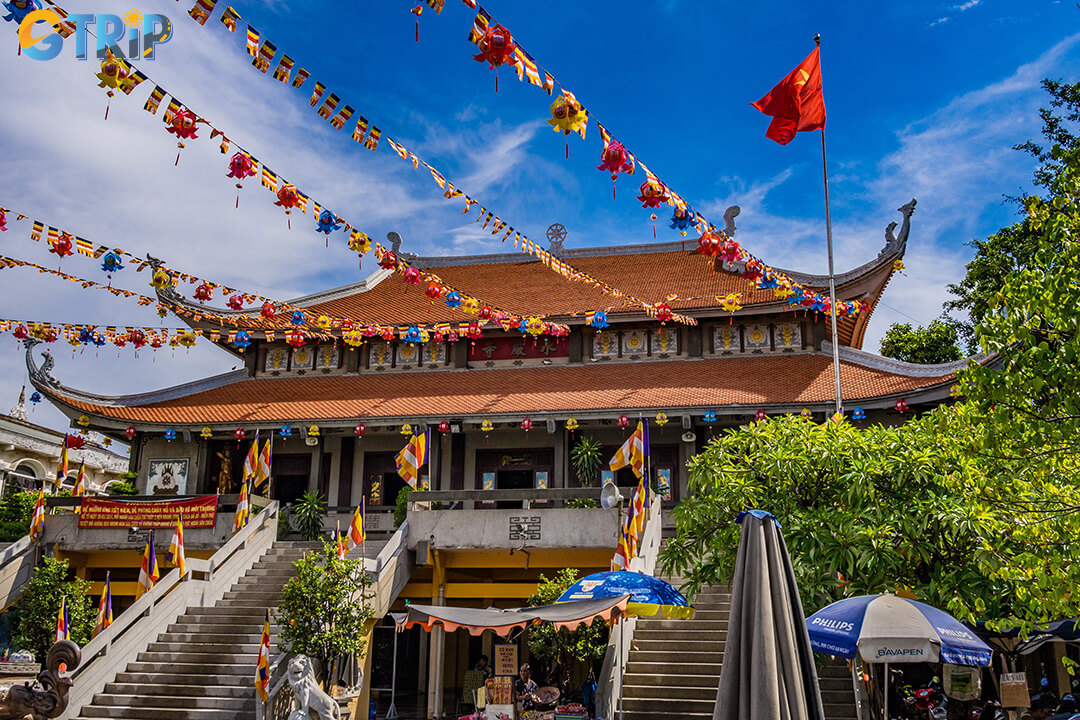
The two-story Main Hall of Vinh Nghiem Pagoda, with its grand roofs, intricate woodwork, and towering Buddha statues
Vinh Nghiem Stone Tower
Located behind the Main Hall is another stunning example of stonemasonry, the Vinh Nghiem Stone Tower. Though smaller than the Avalokitesvara Tower, standing at 14 meters, it is no less impressive. This tower is a significant cultural artifact, gifted to the pagoda by the Japan-Vietnam Buddhist Association in 2003. It is a replica of the historic 11th-century Dabo Tower at Ichijo-ji Temple in Japan’s Hyogo Prefecture, itself a recognized national treasure.
The tower is a symbol of the enduring friendship and shared Buddhist heritage between Vietnam and Japan. Every inch of its surface is covered in exquisite carvings depicting Buddhist symbols, deities, and floral motifs. The level of detail and craftsmanship is a testament to the skill of the artisans who created it. It symbolizes global Buddhist connections, blending seamlessly with Vietnamese architecture while keeping its unique character.
Community Relic Tower
Further into the complex, you will find the Community Relic Tower, known in Vietnamese as Bao Thap Xa Loi Cong Dong. This structure serves a deeply personal and sacred function within the Buddhist community. It is a stupa-like repository where the cremated remains and funeral urns of deceased Buddhists are enshrined. For families, it is a place to honor their ancestors and pay respects, ensuring their loved ones rest in a holy and peaceful environment.
Architecturally, the tower often features a multi-tiered design, similar to other stupas in the Buddhist world, symbolizing the path to enlightenment. The atmosphere here is one of quiet contemplation and profound respect. Visitors typically approach with a sense of solemnity, offering silent prayers for the deceased. The tower embodies the Buddhist concepts of impermanence, rebirth, and the importance of honoring one's lineage. It is a poignant and essential part of the pagoda's role as a community center that supports its followers through all stages of life and death.
Things to do at Vinh Nghiem Pagoda
A visit to Vinh Nghiem Pagoda is an opportunity to engage with living traditions, find personal tranquility, and witness the vibrant cultural life of Vietnamese Buddhism.
Spiritual practices and prayer
At Vinh Nghiem Pagoda, visitors often begin their visit by offering incense and lotus flowers at the Main Hall. Many pilgrims bring or purchase lotus blooms to present before the statue of Avalokiteshvara, praying for peace, health, and compassion for themselves and their loved ones. Around the Avalokiteshvara Tower, devotees walk slowly in a clockwise direction, chanting or meditating in silence to cultivate mindfulness and inner calm.
On the 1st and 15th days of the lunar month, the pagoda becomes especially lively with the releasing of birds. This long-standing Buddhist practice symbolizes compassion and the wish to bring freedom and blessings to all living beings. These simple yet meaningful eacts of devotion reflect the spiritual rhythm that flows through daily life at Vinh Nghiem Pagoda.
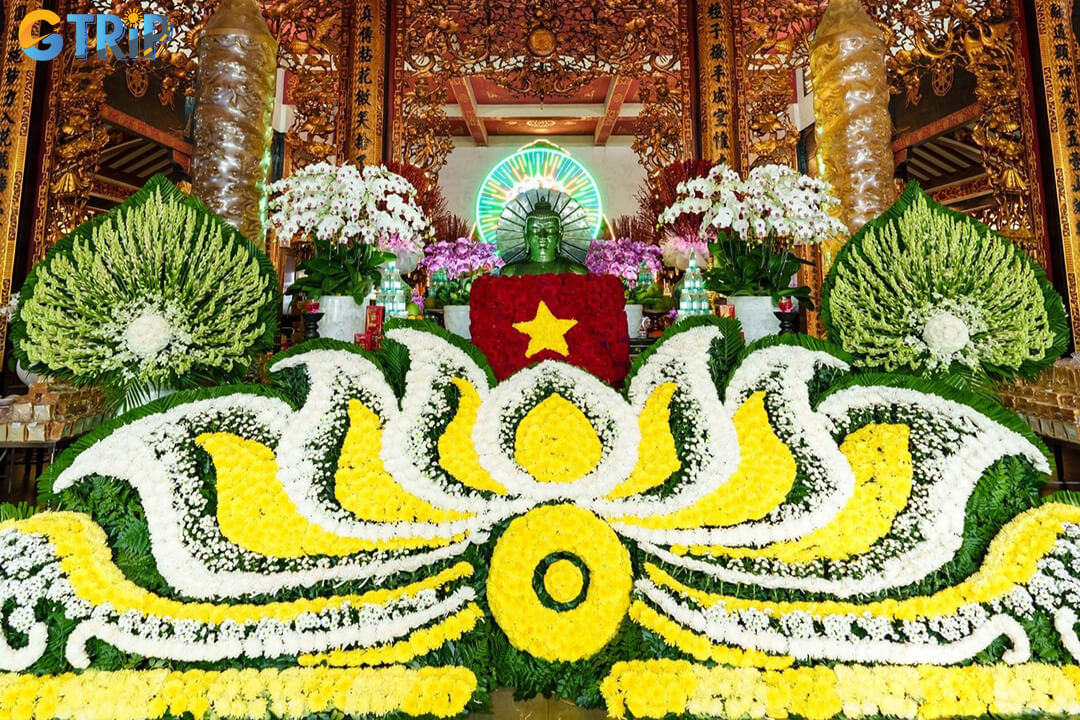
At Vinh Nghiem Pagoda, devotees often offer lotus flowers at the Main Hall and walk mindfully around the Avalokiteshvara Tower in prayer
Enjoy the serene and peaceful atmosphere
One of the greatest pleasures of visiting Vinh Nghiem Pagoda is simply to wander without a specific goal. Stroll through the shaded courtyard, feeling the cool breeze and listening to the gentle chime of bells hanging from the eaves of the temple roofs. Find a quiet stone bench under a Bodhi tree and watch the world go by. The grounds are expansive enough that you can always find a secluded corner for quiet contemplation, away from the main areas of worship.
In a city as dynamic and sometimes overwhelming as Saigon, Vinh Nghiem Pagoda offers a precious sanctuary for the mind. The entire environment is designed to promote peace and reflection. If you are a practising Buddhist or not, the palpable sense of calm can help quiet your inner monologue. It is an ideal place for a few moments of informal meditation, mindful breathing, or simply sitting in silence and allowing yourself to be fully present.
Join cultural events and festivals
If your visit coincides with a major Buddhist festival, you are in for a special treat. The pagoda becomes a hub of joyful celebration and devout activity. During Tet (Lunar New Year), the grounds are filled with flowers and locals praying for a prosperous year. On Vesak, which celebrates the Buddha’s birthday, the pagoda is beautifully decorated with lanterns, and ceremonies are held throughout the day. Perhaps most moving is the Vu Lan Festival, a day for honoring parents. You will see people participating in the "rose pinning" ceremony wearing a red rose if their mother is alive, and a white rose if she has passed a poignant and beautiful tradition.
Vinh Nghiem Pagoda is an active educational center. It frequently hosts Dharma talks (lectures on Buddhist teachings) by resident monks and visiting masters, as well as occasional meditation retreats open to the public. While many may be in Vietnamese, some events cater to an international audience. Checking the pagoda's schedule or inquiring upon arrival can open the door to a deeper understanding of Buddhist philosophy and practice, offering a unique and transformative travel experience.

Vinh Nghiem Pagoda comes alive during major Buddhist festivals like Tet, Vesak, and Vu Lan, offering visitors a rich cultural and spiritual experience
How to get to Vinh Nghiem Pagoda in Ho Chi Minh City
Located in the well-connected former District 3, reaching Vinh Nghiem Pagoda is straightforward from most parts of the city.
- By taxi or ride-hailing app (e.g., Grab/XanhSM/Be): This is the most convenient and hassle-free option. Simply input "Chua Vinh Nghiem" or the address "339 Nam Ky Khoi Nghia" into the app. The pagoda is a well-known landmark, so almost any driver will know its location. This is especially recommended if you are traveling in a group or during the heat of the day.
- By bus: For budget-conscious travelers, the public bus system is a viable option. Several bus routes run along or near Nam Ky Khoi Nghia Street. Use a local transit app or Google Maps to find the best route from your location. Look for stops near the intersection with Tran Quoc Toan Street.
- By motorbike: If you are an experienced rider comfortable with Saigon’s dynamic traffic, a motorbike offers the most flexibility. Parking is usually available on the pagoda grounds or in a designated nearby area for a small fee. Be sure to wear a helmet and drive cautiously.

Located in the former District 3, Vinh Nghiem Pagoda is easily accessible by taxi, bus, or motorbike
Other famous attractions in Ho Chi Minh City
After visiting Vinh Nghiem Pagoda, you can easily explore several nearby landmarks that showcase the city’s diverse culture and history.
- Tan Dinh Church (The Pink Church): A short drive away, this French colonial-era church captivates visitors with its striking pink facade and Gothic architectural details. It’s a favorite spot for photography lovers and one of the most eye-catching buildings in Saigon.
- Ben Thanh Market: One of the city’s most iconic landmarks, bustling with local crafts, souvenirs, and delicious street food. It’s the perfect place to experience Saigon’s lively daily rhythm and practice your bargaining skills.
- Notre Dame Cathedral: Built in the late 19th century, this red-brick basilica is a symbol of Saigon’s French heritage and architectural charm. Its peaceful garden and nearby Central Post Office make it a must-stop for history and architecture enthusiasts.
- War Remnants Museum: A powerful and thought-provoking museum documenting the Vietnam War from a Vietnamese perspective, located in the former District 3. The exhibits provide deep insight into the country’s resilience and the lasting impact of war.
- Jade Emperor Pagoda: A Taoist temple renowned for its elaborate carvings, statues, and mystical atmosphere, a sharp contrast to Vinh Nghiem’s calm Buddhist setting. Visitors are often fascinated by its dimly lit halls filled with incense smoke and ancient symbolism.
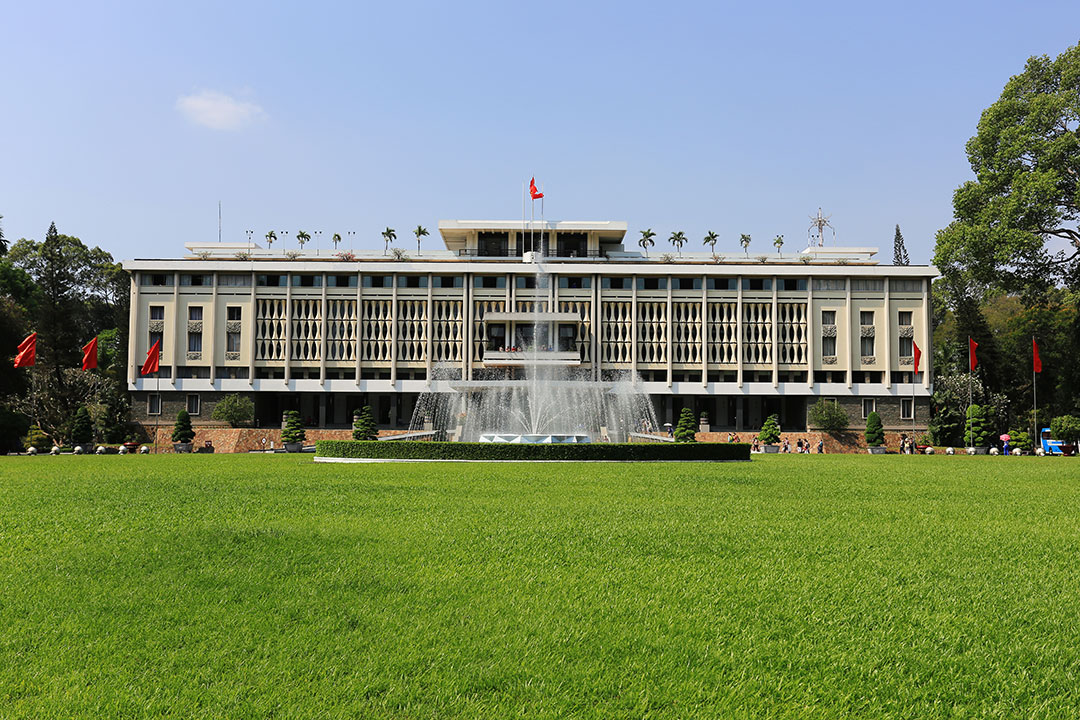
- Independence Palace (Reunification Palace): A historic site that preserves the architecture and ambiance of the 1960s, marking the official end of the Vietnam War in 1975. Touring its preserved rooms offers a glimpse into the political life of wartime Saigon.
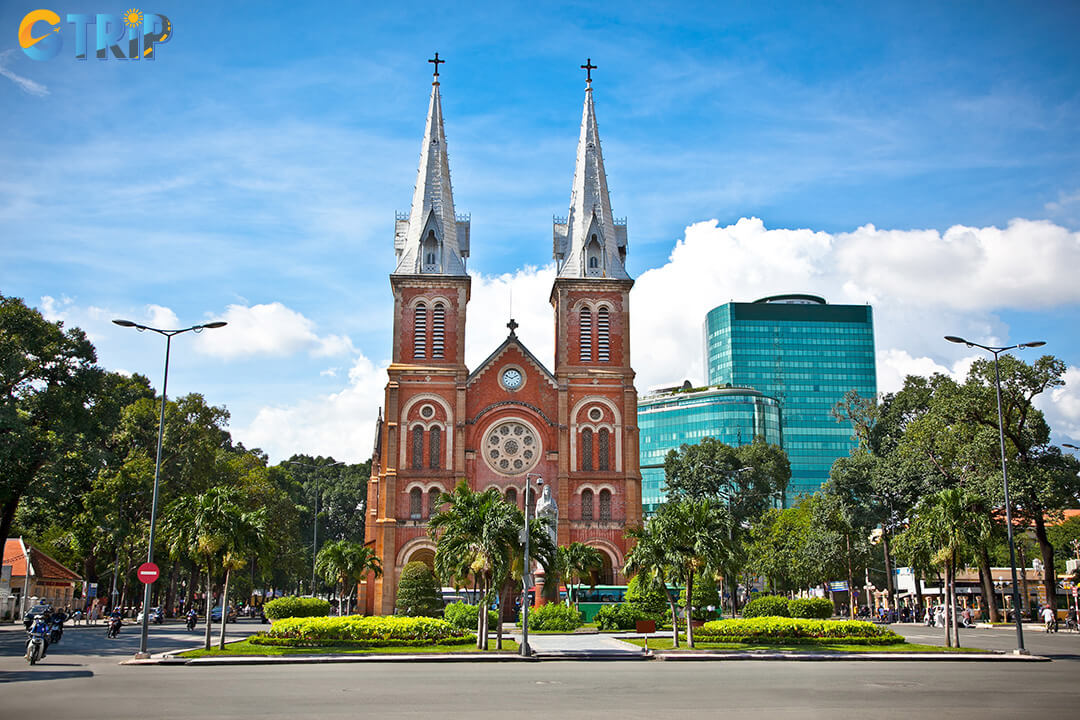
Located in the heart of the city, Vinh Nghiem Pagoda is surrounded by top cultural and historical landmarks
Practical tips for visiting Vinh Nghiem Pagoda in Saigon
To ensure a respectful and enjoyable visit, please keep the following tips in mind.
- Dress code: As a place of worship, modest attire is required. This means wearing clothing that covers your shoulders and knees. Avoid shorts, short skirts, and tank tops. This dress code shows respect for the monks and devotees practicing their faith.
- Manners and behavior: Maintain a quiet voice and a calm demeanor. Refrain from loud conversations, running, or public displays of affection. The pagoda is a sanctuary for many, and your respectful conduct contributes to the peaceful atmosphere.
- Etiquette: Follow the traditional flow of movement. It is customary to enter prayer halls through the door on the right and exit through the door on the left. The central door is traditionally reserved for high-ranking clergy and should be avoided by lay visitors.
- Visiting hours: The best times to visit are early in the morning (around 6-8 AM) or late in the afternoon (around 4-6 PM). During these times, the weather is cooler, the crowds are smaller, and the soft light is perfect for photography. You may also have the chance to witness monks performing their daily chants.
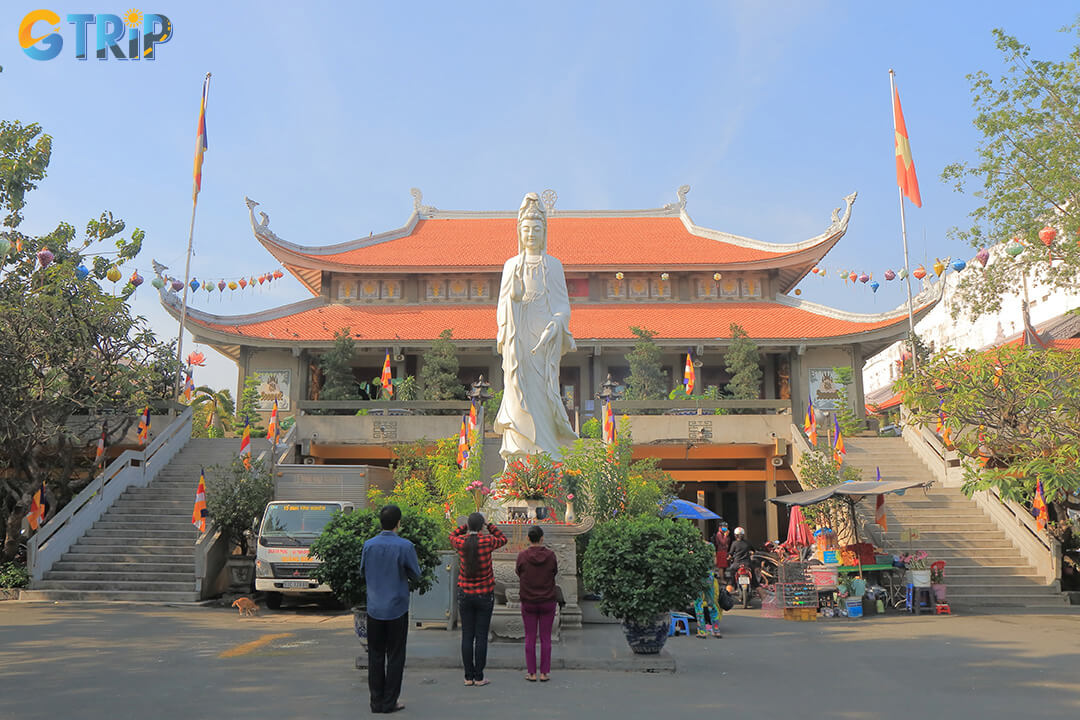
To make the most of your visit, dress modestly, speak softly, and follow temple etiquette
Vinh Nghiem Pagoda is a living, breathing testament to the enduring spirit of Vietnamese Buddhism. It’s a place where history is honored, art is revered, and peace can be found amidst the urban sprawl. A visit offers a unique opportunity for both spiritual solace and deep cultural discovery, leaving you with a profound appreciation for the traditions that shape the soul of modern Saigon. If you are seeking tranquillity, architectural wonder, or a deeper connection to Vietnamese culture, this sacred oasis promises an unforgettable experience. Ready to explore the spiritual heart of Saigon? Let GTrip - Vietnam Travel Agency help you plan an unforgettable journey through Vietnam's most sacred and beautiful sites.
Custom Your Journey

Other Attractions
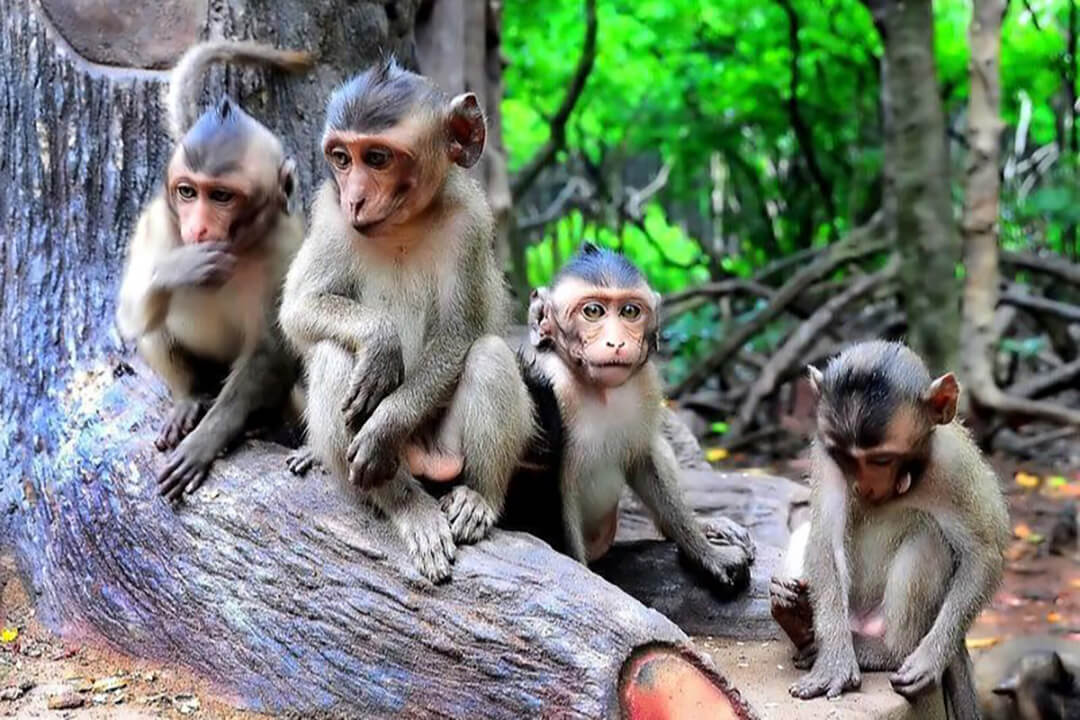
Can Gio Monkey Island in Ho Chi Minh City: Tickets, Things to Do & Travel Guide
Can Gio Monkey Island
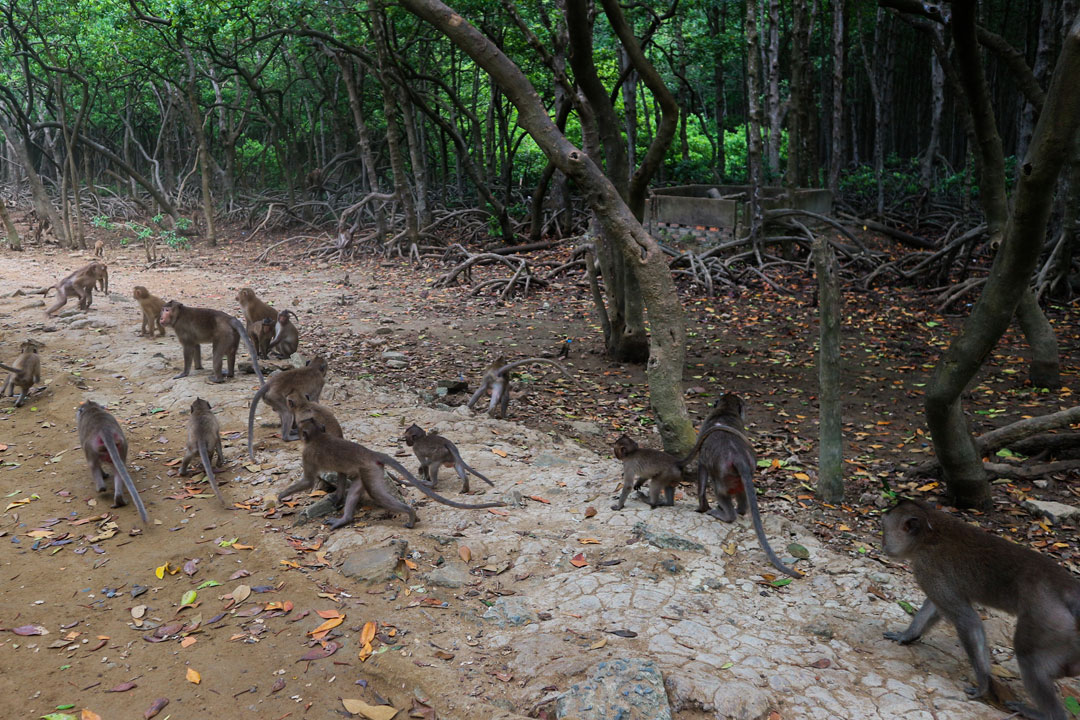
Can Gio Monkey Island in Ho Chi Minh City offers a refreshing escape from the city’s buzzing motorbike chaos. Just a short distance from the center, Can Gio welcomes you with lush mangrove forests, winding waterways, and a fascinating history. Here, you can meet playful long-tailed macaques, drift through tranquil channels, and explore remnants of a wartime guerrilla base.
Can Gio Monkey Island in Ho Chi Minh City: Tickets, Things to Do & Travel Guide
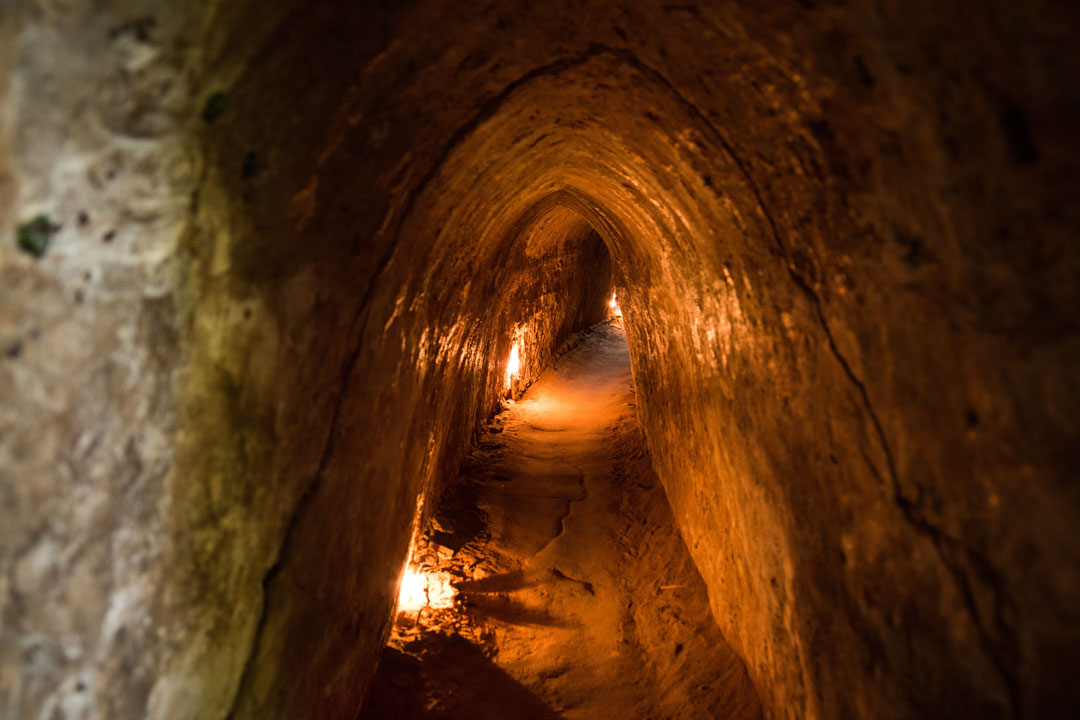
Cu Chi Tunnels: History, Architecture, Things To Do & Travel Guide
Cu Chi Tunnels
The Cu Chi Tunnels, located at TL15, Phu Hiep, Cu Chi District, Ho Chi Minh City, are a vast underground network of strategic passages, shelters, supply routes, and defensive traps.
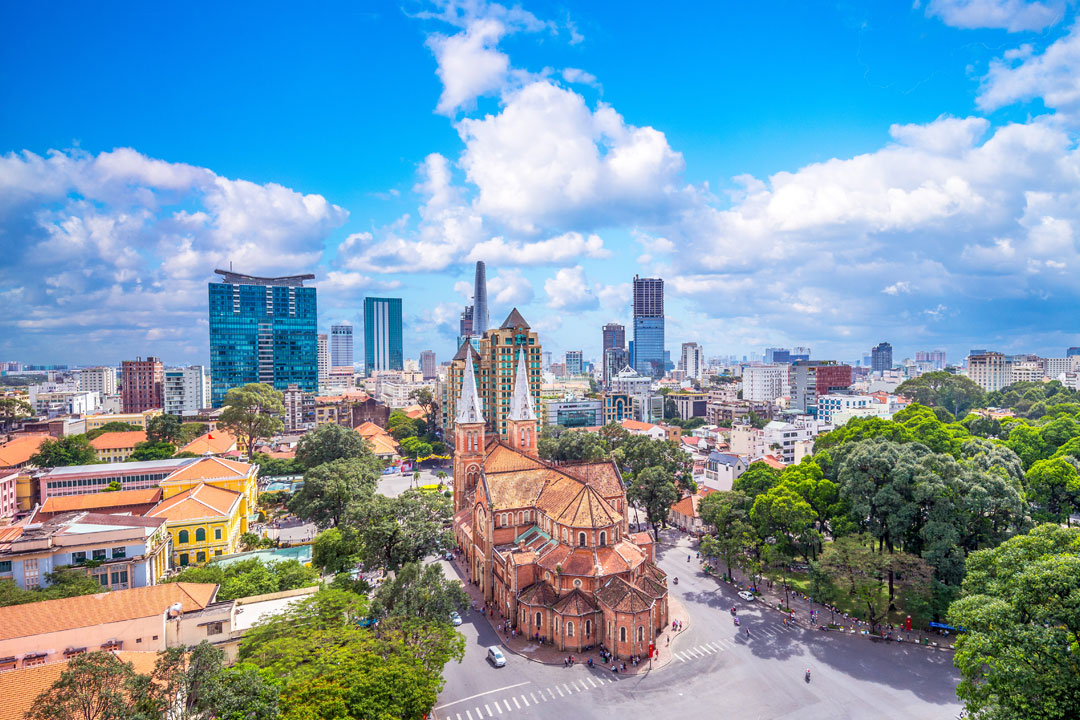
Ho Chi Minh City
Ho Chi Minh City, known as the "Pearl of the Far East," attracts both domestic and foreign tourists with its unique and diverse destinations.
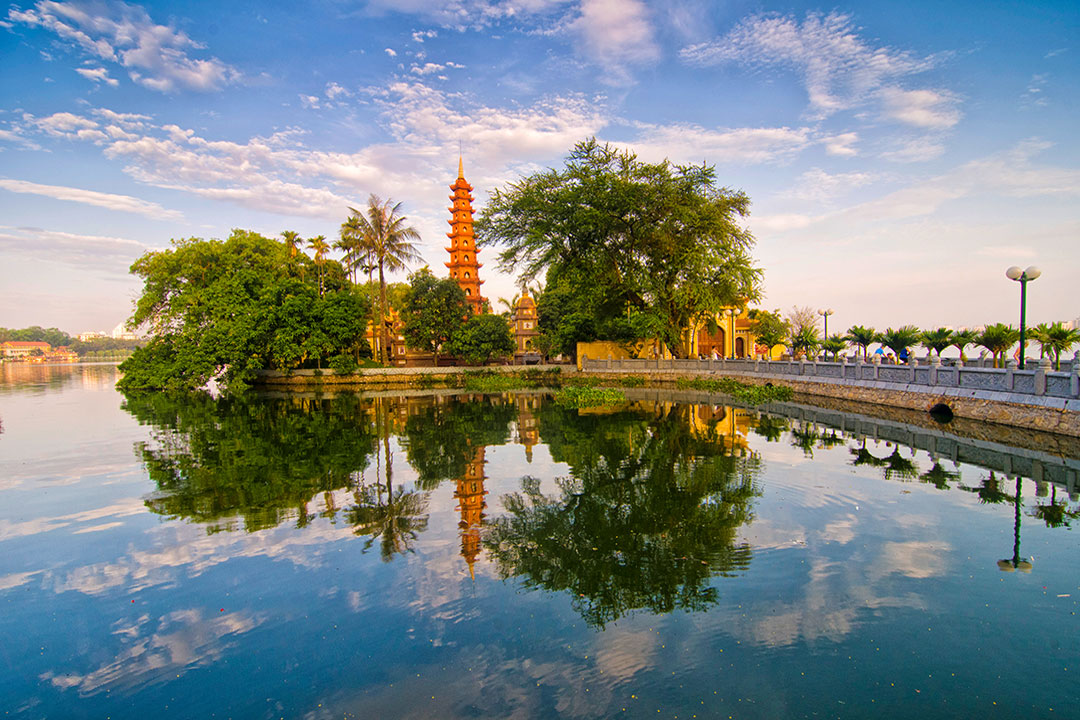
Tran Quoc Pagoda: History, Architecture, Significance & Travel Guide
Tran Quoc Pagoda
Nestled on the tranquil shores of West Lake, Tran Quoc Pagoda is the oldest Buddhist temple in Hanoi, with a history spanning over 1,500 years. Built in the 6th century under Emperor Ly Nam De, this sacred site reflects Vietnam’s Buddhist evolution while preserving its spiritual and architectural grandeur.