



Jan - 03 - 2026
Thieng Lieng Island is one of Ho Chi Minh City's best-kept secrets, a peaceful oasis that feels a world away from the urban frenzy. Tucked away in the Can Gio Mangrove Forest, this remote community hamlet offers a rare glimpse into a life dictated by nature, tides, and the centuries-old tradition of salt harvesting. Imagine cycling down quiet lanes, a gentle sea breeze in your hair, with nothing but the sounds of birds and the rustle of mangrove leaves. This is a destination for slowing down, connecting with nature, and experiencing the profound warmth of Vietnamese hospitality. In this expert GTrip guide, we’ll share everything you need to know to explore this hidden gem.
Overview of Thieng Lieng Island in Ho Chi Minh City
Before diving into the details, it helps to understand where Thieng Lieng Island is located, when to visit, and why this small island feels so different from the rest of Ho Chi Minh City. The sections below break down the island’s location, best travel timing, and the unique qualities that make it a hidden gem worth discovering.
Where is Thieng Lieng Island?
Location: situated within Thanh An Commune (formerly Can Gio District), Ho Chi Minh City.
Thieng Lieng Island is a small, outlying coastal Ward of Ho Chi Minh City. The island is nestled deep within the Can Gio Biosphere Reserve, a UNESCO-recognized site, and is completely surrounded by a labyrinth of rivers, canals, and dense mangrove forests. Its remote location means it’s only accessible by water, preserving its tranquil and untouched character.
Best time to visit Thieng Lieng Island
- December - May (Dry season): The absolute best time. Witness active salt harvesting and enjoy sunny, dry weather.
- June - November (Rainy season): Lush green scenery and fewer visitors. Be prepared for rain.
The ideal time to plan your trip depends on what you want to experience. The best time to visit Thieng Lieng Island is during the dry season, from approximately December to May. This period coincides with the traditional salt-making season. You’ll get to witness the island’s most iconic sight: vast, brilliant white salt fields glistening under the sun as locals diligently harvest the "white gold". The weather is generally sunny and dry, perfect for cycling and exploring the island on foot. The rainy season, from June to November, sees the salt fields turn into quiet ponds, and the island becomes lush and green. While beautiful in its own way, be prepared for intermittent rain showers that might disrupt outdoor plans.
What makes Thieng Lieng Island unique?
Thieng Lieng Island stands apart as a truly unique destination within Ho Chi Minh City's administrative borders. Its primary allure is its authenticity and tranquility. This is a living, breathing community where life unfolds at a gentle pace. The island's soul is its centuries-old salt-making tradition, a craft passed down through generations. Recently, the island has thoughtfully embraced community-based tourism, allowing visitors to stay with local families, share meals, and participate in daily activities. This creates a deeply meaningful exchange that benefits both the community and the traveler, making it a perfect example of sustainable, responsible travel.
- Authentic local life: Experience a traditional Vietnamese hamlet untouched by mass tourism.
- Salt harvesting heritage: Witness the fascinating process of traditional salt making.
- Community-based tourism: Stay in homestays and connect directly with local families.
- Untouched nature: Explore the serene beauty of the Can Gio Biosphere Reserve.
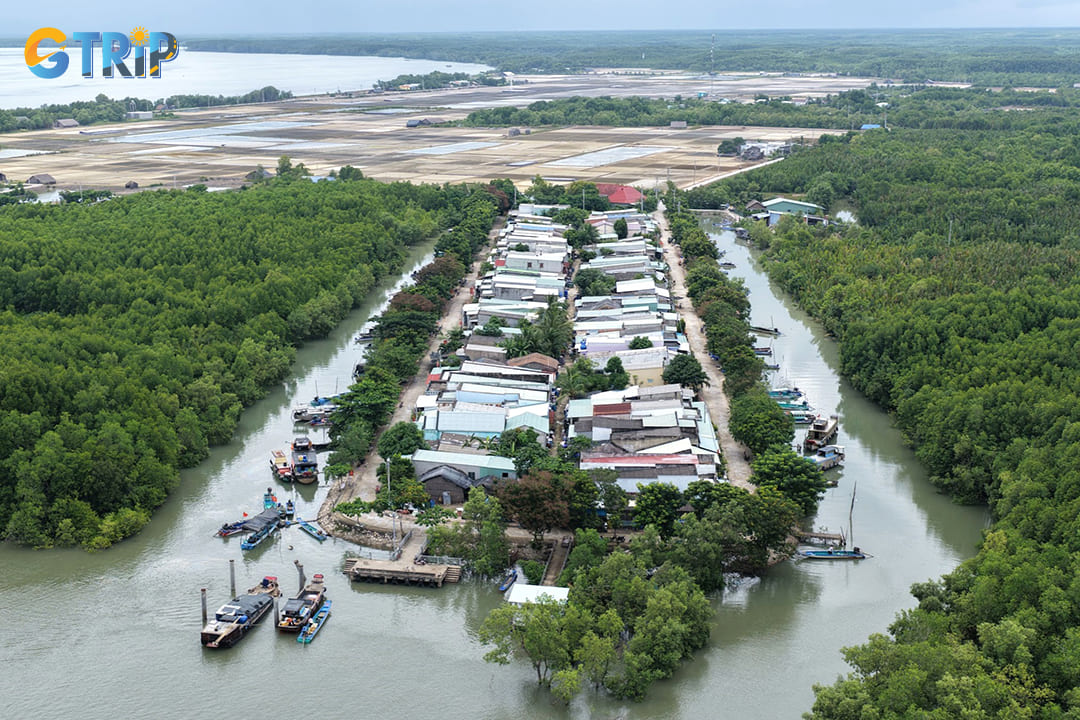
Thieng Lieng Island’s primary allure is its authenticity and tranquility
How to get to Thieng Lieng Island?
Thieng Lieng Island is located in Can Gio and cannot be reached directly by road. No matter which route you choose, the final part of the journey is by boat.
1. Private speedboat from Ho Chi Minh City
For those seeking convenience and speed, a private speedboat is the best choice. This option allows you to travel directly from the heart of Ho Chi Minh City to the island's shores without any transfers. You can hire a private speedboat from popular piers like Bach Dang Wharf or Nha Rong Wharf. The journey takes about 2 hours, offering scenic views of the city's changing landscape as you move from urban canals to the vast green expanse of the mangroves. While it's the most expensive route, it's ideal for groups, families, or anyone on a tight schedule who values comfort and ease.

Reaching Thieng Lieng Island by boat is the main way to go
2. Public transport & boats
This is the most adventurous and budget-friendly route, perfect for backpackers and solo travelers who enjoy a local-style journey. The multi-step process is an experience in itself. First, take Bus No. 20 from the city center to the Binh Khanh Ferry terminal. After crossing the river into Can Gio, catch Bus No. 90 along the scenic Rung Sac Road to Can Thanh Town. From the Tac Suat Ferry Terminal in Can Thanh, a public boat to Thanh An Island takes about an hour. Finally, from Thanh An Island, you'll need to hire a small local boat for the final 45-minute leg to Thieng Lieng Island. Boat services are limited, so it is best to start your journey early in the morning.
3. Motorbike or car + short boat ride
This option offers a great balance of flexibility and cost, perfect for those who enjoy a road trip. Start by driving your motorbike or car from Ho Chi Minh City to the Binh Khanh Ferry terminal. After the short river crossing (vehicles are allowed on the ferry), you'll cruise down the famous Rung Sac Road, a beautiful tree-lined route leading toward Can Thanh Town. Before reaching the main town, stop and park your vehicle at either Dan Xay Pier (located under the Dan Xay Bridge) or Tam Thon Hiep Pier. From here, you can hire a local boat or small speedboat to take you directly to Thieng Lieng Island in about 30 minutes. Vehicles cannot be taken to the island and must be parked securely on the mainland.
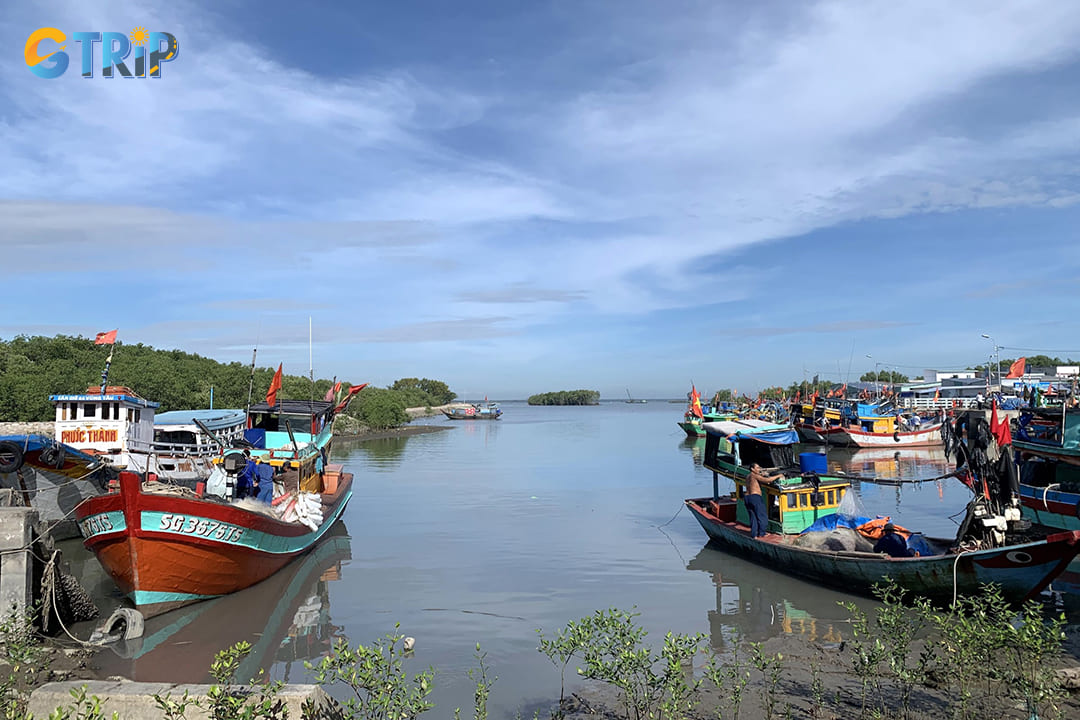
You can get to Thieng Lieng Island by motorbike or car and then take a short boat ride to the island
Things to do on Thieng Lieng Island
Thieng Lieng Island has much to offer for a full day of exploration. From cycling and walking along scenic trails to experiencing local culture and traditional crafts, there’s something for every type of traveler. The following sections break down the main activities you can enjoy on the island, making it easier to plan your visit.
1. Cycle around the island and experience local village life
The best way to explore Thieng Lieng is on two wheels. The island is small, flat, and completely car-free, with quiet concrete paths winding through the village, past humble homes, and alongside tranquil canals. Renting a bicycle often free or available at a very low cost at most homestays lets you slow down and truly soak in the serene atmosphere. As you ride, you’ll see children playing, elders relaxing on their porches, and fishermen mending their nets, making it an intimate way to observe the gentle rhythm of daily life. Cycling is ideal for immersing yourself in the local atmosphere, discovering hidden photo spots, and connecting with residents, so don’t forget to smile, wave, and say “xin chao!” the locals are incredibly warm and welcoming.
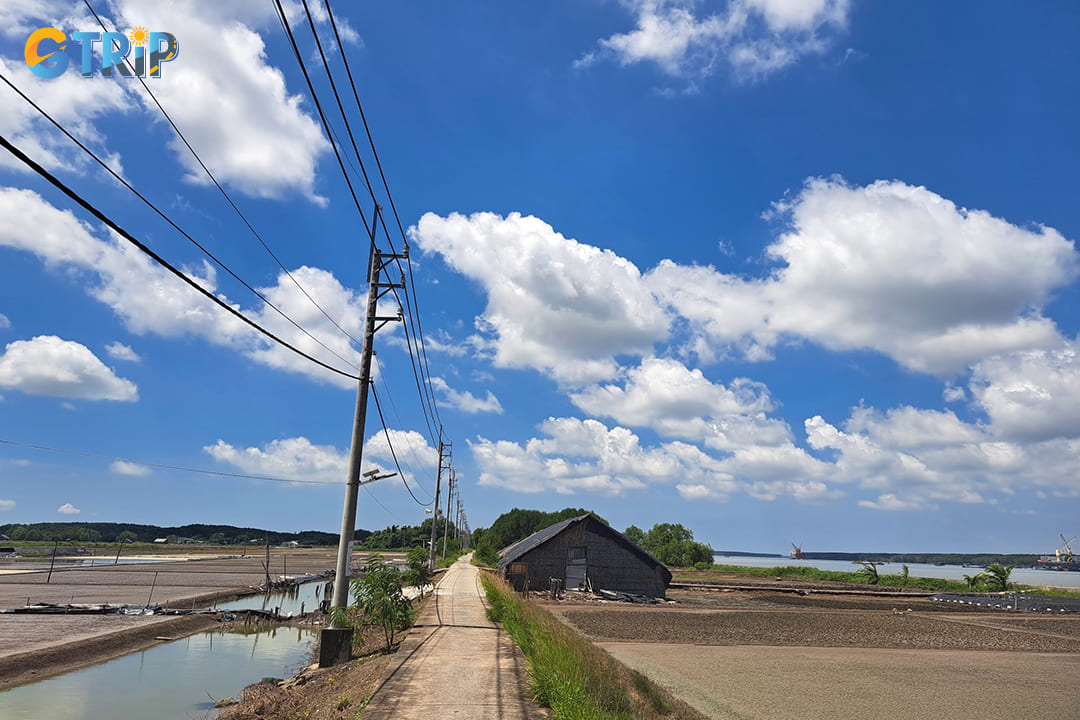
The island is compact and level, free of cars, with peaceful concrete paths weaving through the village, past modest houses, and along calm canals
2. Join local residents in traditional Thieng Lieng salt making
This is the quintessential Thieng Lieng experience. For generations, the livelihood of the island’s community has been deeply tied to its salt fields. If you visit during the dry season, from December to May, you have the rare opportunity to join a local salt farmer for a hands-on lesson, usually arranged through your homestay as part of the island’s community-based tourism. You’ll learn how the fields are prepared, how saltwater is carefully channeled into the plots, and how the sun is left to work its magic. The real work begins when you help rake and gather the crystallized salt into heavy baskets, a physically demanding task that quickly builds respect for the labor behind every grain of salt on your table. Be sure to wear a hat and apply sunscreen, as the open salt fields offer little to no shade.
3. Admire the vast white salt fields
Even if you don’t take part in the harvesting process, simply witnessing the salt fields of Thieng Lieng is a breathtaking experience. During the peak season, the landscape transforms into a striking mosaic of water-filled plots and brilliant white fields stretching toward the horizon. It’s a photographer’s dream, especially in the early morning or late afternoon when the light is at its best, casting long shadows and tinting the salt with soft golden and pink hues. The sheer scale and blinding whiteness of the fields feel almost otherworldly, creating a beautiful contrast with the surrounding green mangroves. While exploring, it’s important to respect local farmers by not walking on salt piles without permission, and to take a moment to appreciate how these vast fields reflect the immense labor and deep dependence on nature that define daily life on the island.

Even without joining the harvest, the salt fields are a stunning sight, transforming into a vast, gleaming white landscape
4. Hike along the scenic Thieng Lieng trail
For a dose of nature and light exercise, take a walk along the trail that circles part of the island. The path meanders along the edge of the mangrove forest, offering beautiful views of brackish waterways and the dense, tangled roots of the trees. It’s a peaceful walk where you can spot local birds, watch crabs skittering across the mud, and observe traditional fishing methods used by residents. To stay comfortable, wear sturdy, comfortable footwear, bring along water and insect repellent, and take time to listen to the sounds of nature the trail is also an excellent spot for birdwatching. This walk provides a different perspective of the island, showing how daily life is intrinsically linked to the surrounding forest and water.
5. Discover Giong Chua Hill
The only real “high point” on this otherwise flat island is Giong Chua Hill. While it’s far from a mountain, this modest rise holds cultural significance and offers the best panoramic viewpoint on Thieng Lieng. A short, easy climb brings you to the top, where a small, brightly colored shrine stands as a place of local worship. From here, you can enjoy a full 360-degree view across the island, taking in the quiet hamlet below, the patchwork of salt fields stretching in one direction, and the endless green canopy of the Can Gio Mangrove Forest in the other. Visiting at sunrise or sunset is especially rewarding, when the soft light creates dramatic views and memorable photo opportunities, making it an ideal spot to get your bearings and appreciate the island’s beautiful sense of isolation.
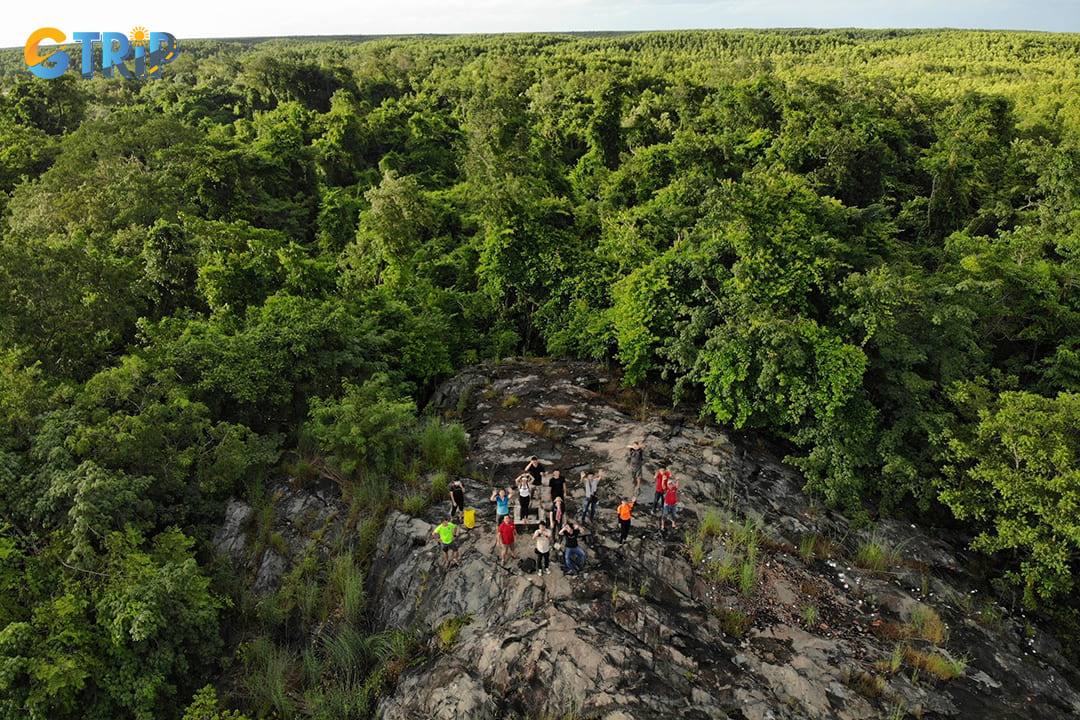
Giong Chua Hill is a meaningful rise that rewards a short climb with panoramic views over the hamlet, shimmering salt fields, and the vast green canopy of the Can Gio Mangrove Forest
6. Enjoy southern folk music (Don Ca Tai Tu)
Experience the heart and soul of Southern Vietnamese culture through a performance of Don Ca Tai Tu, a traditional folk music genre recognized by UNESCO as an Intangible Cultural Heritage. This cherished art form remains an important part of life on Thieng Lieng Island, and in the evening, you can often arrange for local musicians to perform right at your homestay by simply asking your host. As they play traditional stringed instruments and sing soulful, melancholic ballads about life, love, and the homeland, the intimate setting of a family home creates a deeply moving and authentic atmosphere. It’s a perfect way to unwind after a day of exploring and to feel a genuine connection to the cultural roots of southern Vietnam.
7. Make handmade grass jelly at Ho Sau Trung's house
One of the signature experiences of Thieng Lieng’s community-based tourism is a visit to the home of Mr. Sau Trung to learn how to make traditional grass jelly, known locally as suong sam. Using leaves freshly picked from his garden, he guides you step by step through the process of washing, crushing, and straining them to create a fragrant, all-natural jelly. This hands-on activity is fun and family-friendly, and the highlight comes at the end when you get to enjoy the finished dessert cool, refreshing, and lightly herbal, making it especially satisfying after a long day in the sun. Because this is one of the island’s most popular experiences, it’s best to arrange the visit in advance through your homestay for a smooth and memorable encounter with local life.
Visiting Mr. Sau Trung’s home to make traditional grass jelly is a hands-on community experience
8. Taste traditional local cakes at Ho Hai Loan's house
For another delightful culinary stop, visit the home of Ms. Hai Loan, who is well known on the island for her traditional cakes. Depending on the day, you may find her making banh la dua (coconut leaf cake) or other local sweets prepared using family recipes passed down through generations. Her home is a warm and welcoming place where you can sit, chat, and enjoy freshly made treats straight from the kitchen. Tasting these cakes is more than just a quick snack, it’s an edible history lesson and a meaningful way to support a local artisan directly. For the freshest experience, simply ask to try whatever she is making that day, and consider buying a few extra cakes to take with you on your journey back, a gesture that reflects the islanders’ genuine hospitality.
9. Enjoy fresh homemade syrup at Ho Muoi Gia's house
The home of Mr. Muoi Gia is another must-visit stop along Thieng Lieng’s community tourism trail. He is known for crafting fragrant, flavorful syrups from local ingredients such as pandan leaves (la dua) and sugarcane. A visit often includes a demonstration of his traditional process, followed by a refreshing glass of his homemade syrup served over ice, a perfect treat in the island’s warm climate. This stop is a wonderful opportunity to taste a truly local, homemade beverage, and you can often purchase a bottle to take home as a unique souvenir. With his warm smile, engaging stories, and obvious pride in his craft, Mr. Muoi Gia’s hospitality turns this simple visit into a memorable highlight of any trip to Thieng Lieng Island.
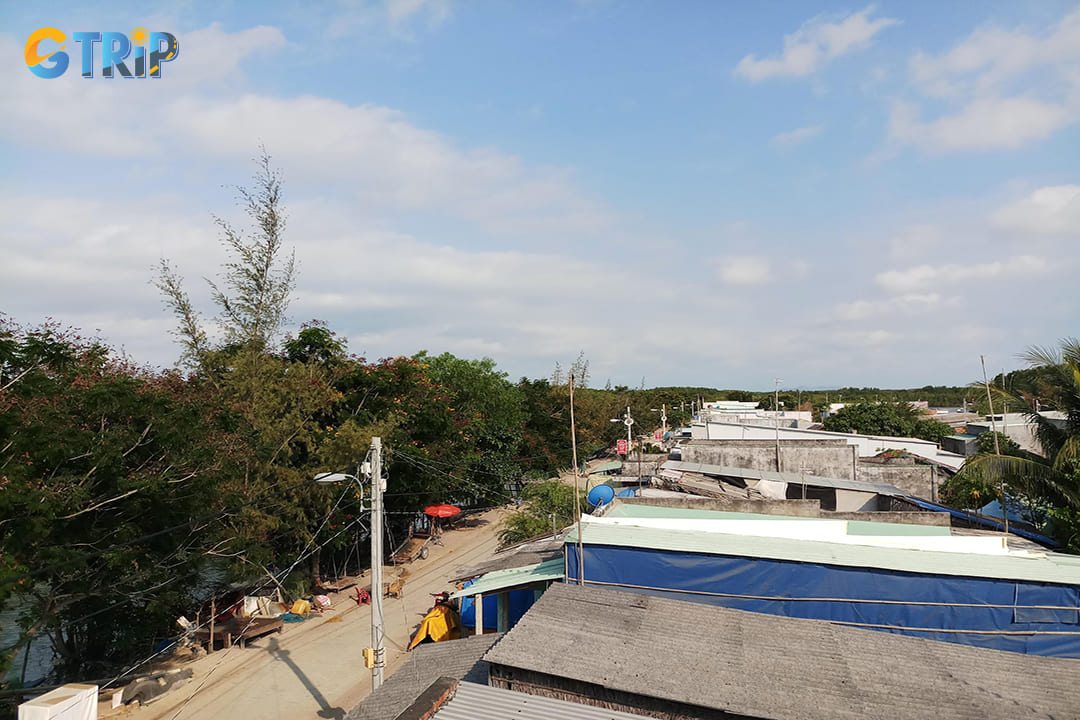
A visit to Mr. Muoi Gia’s home lets you taste fragrant homemade syrups from pandan leaves and sugarcane
10. Try the signature water coconut ice cream of Thieng Lieng Island
You can’t leave Thieng Lieng without trying its most famous dessert: water coconut ice cream (kem dua nuoc). The water coconut fruit grows abundantly in the surrounding mangrove forests, and locals skillfully blend its naturally sweet, jelly-like flesh with creamy coconut milk and ice to create a uniquely refreshing treat. This signature dish is the island’s most beloved specialty and the perfect way to cool down after a bike ride or a walk under the sun. Typically sold at small, family-run stalls, it offers a true taste of the local terroir, and your homestay host can easily point you to the best place to try it for the most authentic experience.
11. Savor Thieng Lieng Island local specialties
Beyond the snacks and desserts, Thieng Lieng offers a feast of rustic, incredibly fresh cuisine rooted in its island setting. Thanks to its location, seafood takes center stage, with meals featuring freshly caught fish, shrimp, and especially flavorful mud crabs. Other local specialties include salt-crusted grilled chicken (ga nuong muoi ot), seasoned with the island’s own salt, as well as a variety of dishes highlighting the ever-present water coconut. Most meals are home-cooked and enjoyed at your homestay, prepared by your host family using ingredients often harvested the very same day. Simple yet deeply satisfying, this style of dining delivers an authentic taste of island life and showcases the remarkable freshness that defines Thieng Lieng’s food culture.
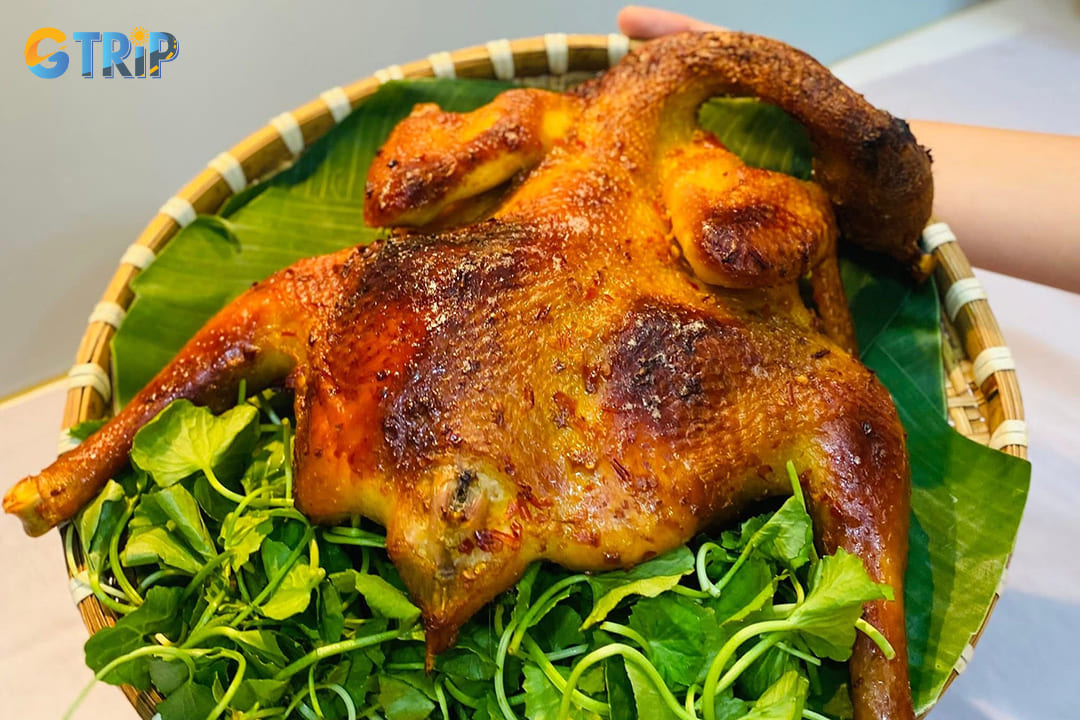
You should try salt-crusted grilled chicken in Thieng Lieng Island
Accommodation on Thieng Lieng Island
Accommodation on the island consists almost exclusively of family-run homestays, which is central to the community-based tourism model. Instead, prepare for a warm, authentic experience where you become part of the family. Rooms are simple, clean, and comfortable, but the real value is in the cultural exchange and the incredible hospitality of your hosts.
- Thieng Lieng Homestay: Often cited as one of the first and most organized, known for its helpful host who can arrange all activities.
- Homestay Ba Huyen: A welcoming family home offering a truly local living experience.
- Homestay Muoi Gia: Stay with the famous syrup-maker himself for a sweet and memorable visit.
- Homestay Chin Tho: Known for its friendly atmosphere and delicious home-cooked meals.
Travel tips & useful information
Planning an adventure to a remote place like Thieng Lieng requires a little forethought. Here are some essential tips from our GTrip experts to ensure a smooth and enjoyable trip.
- Bring enough cash: There are absolutely no ATMs or credit card facilities on the island. Bring enough Vietnamese Dong to cover your entire stay, including accommodation, food, boat hires, and activities.
- Pack for the sun: The sun can be intense, especially on the salt fields. Pack a wide-brimmed hat, sunglasses, and high-SPF sunscreen.
- Wear comfortable shoes: You'll be doing a lot of walking and cycling, so comfortable sneakers or walking sandals are a must.
- Book in advance: Homestays and boat services are limited. It's crucial to book your accommodation and arrange your transportation ahead of time, especially if traveling on a weekend or public holiday.
- Respect local customs: Dress modestly when not on the beach, always ask before taking photos of people, and greet locals with a smile.
- Embrace the rustic charm: Facilities are basic. Be prepared for a simple, back-to-nature experience. That's the beauty of Thieng Lieng.
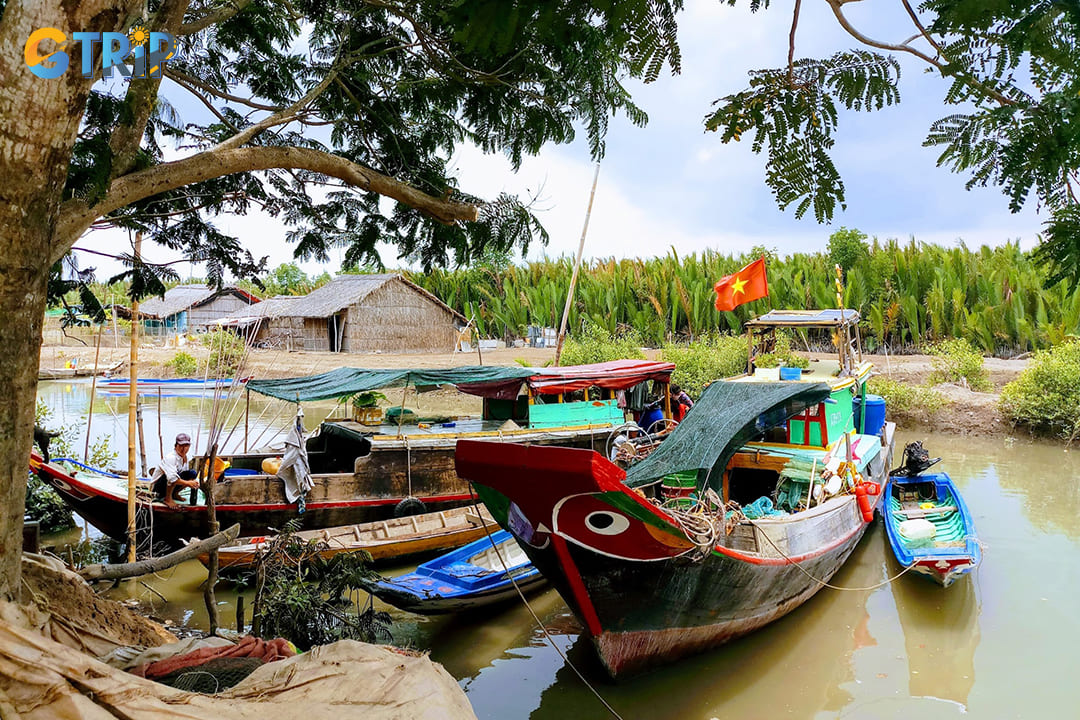
Remember practical tips to have a complete trip to Thieng Lieng Island
FAQs
1. Which transportation option is best for your trip to Thieng Lieng Island?
- First time in Vietnam or seeking comfort: Private speedboat
- On a tight budget: Public transport + boats
- Independent travelers who enjoy driving: Motorbike or car + local boat
2. Is Thieng Lieng Island suitable for a day trip? No. Due to the travel time and limited boat connections, staying overnight is highly recommended to fully experience the island without feeling rushed.
3. Can I bring a motorbike or car to Thieng Lieng Island? No. The island's paths are not suitable for cars, and motorbikes are generally not brought over. All vehicles must be parked on the mainland before you take a boat to the island.
4. Are there ATMs or banks on the island? No. There are no ATMs, banks, or card payment facilities on Thieng Lieng Island. It is essential to bring enough cash for your entire trip, including for your homestay, food, and activities.
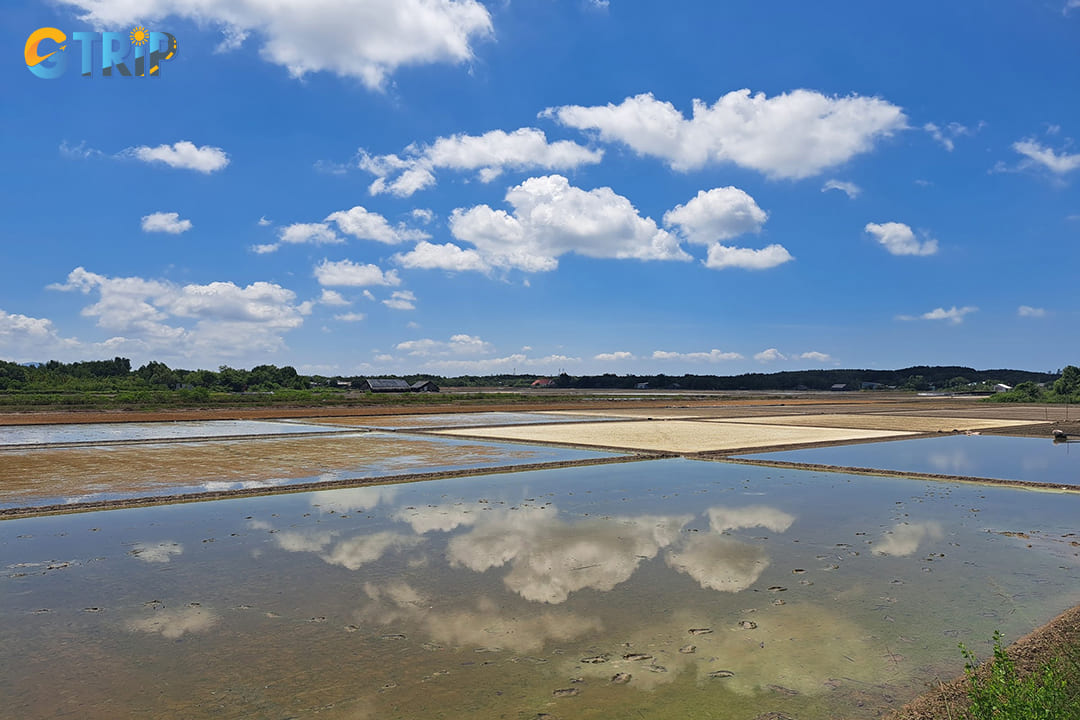
Thieng Lieng Island is suitable for a 2-day trip
Read more:
A journey to Thieng Lieng Island is more than just a trip. It’s an immersion into a way of life that has all but vanished in modern Vietnam. It's a chance to disconnect from the digital world and reconnect with nature, community, and the simple joys of life. You’ll leave not just with beautiful photos, but with a renewed appreciation for hard work, warm hospitality, and the quiet beauty of a life lived in harmony with the tides. If you’re seeking a truly meaningful escape, let GTrip help you plan your adventure to this unforgettable corner of Ho Chi Minh City. Your journey into the heart of the mangroves awaits.