
Monday, October 26, 2026
The Can Gio Mangrove Forest is a refreshing escape from the energy of Ho Chi Minh City, a vast UNESCO Biosphere Reserve of emerald waterways and rich biodiversity. Just a short trip from the center, it offers a blend of adventure, education, and tranquility in one of Southern Vietnam’s most unique ecosystems. At GTrip, we provide a clear and complete guide to exploring Can Gio and its rich history. You’ll find all the must-visit spots like Vam Sat and Monkey Island, along with essential details on tickets, transportation, and local food.
Table of Content
- Overview of Can Gio Mangrove Forest in Ho Chi Minh City
- History of Can Gio Mangrove Forest
- The biodiversity values of the Sac Forest in Can Gio
- Must-see attractions in Can Gio Mangrove Forest
- Top foods to try in Can Gio Mangrove Biosphere Reserve
- Extra tips for your trip when visiting Can Gio Mangrove Forest
Overview of Can Gio Mangrove Forest in Ho Chi Minh City
Just beyond the busy streets of Ho Chi Minh City, Can Gio Mangrove Forest, also known as the Sac Forest, offers a completely different landscape where urban noise fades into the sounds of wildlife. Recognized as a UNESCO biosphere reserve, this vast mangrove ecosystem is one of Vietnam’s most unique ecological destinations, known for its dense waterways, diverse wildlife, and peaceful nature-based experiences.
Where is Can Gio Mangrove Forest?
Location: Rung Sac Street, Can Gio Commune (formerly Long Hoa Commune, Can Gio District), Ho Chi Minh City
The Can Gio Mangrove Forest (Sac Forest) is located in the coastal former Can Gio District, a rural outlier of Ho Chi Minh City. Situated approximately 40 kilometers southeast of the city center, its unique geography makes it feel like another world entirely. This proximity makes the Can Gio biosphere reserve an incredibly accessible and popular day trip for both locals and tourists. It’s the perfect place to swap skyscrapers for a lush, natural canopy and trade the sound of traffic for the calls of wildlife.

A coastal escape just 40 km from Ho Chi Minh City, Can Gio Mangrove Forest feels like a completely different world
Best time to visit the Can Gio Mangrove Forest
You can visit the Can Gio Mangrove Forest year-round, as each season offers a distinct experience. The region has two main seasons: the dry season and the rainy season. The dry season, from December to April, is often considered the most pleasant time to visit. You'll enjoy clear blue skies, lower humidity, and comfortable temperatures, making it ideal for walking, exploring, and outdoor activities without the interruption of rain.
Conversely, the rainy season, from May to November, brings the forest to its most vibrant and lush state. The frequent downpours nourish the ecosystem, making the mangroves intensely green. This is also the best time to see migratory birds, especially between May and October. While you should be prepared for sudden showers, they are often brief and contribute to the forest's mystical atmosphere.
How to get to Can Gio Mangrove Forest?
Reaching the Can Gio Mangrove Forest from Ho Chi Minh City is a straightforward journey and part of the adventure itself. You have several options depending on your budget and preference for convenience.
- Bus: For a local experience, you can take Bus No. 20 from Ben Thanh Market to the Binh Khanh Ferry terminal. After a short ferry ride across the Soai Rap River, you can catch Bus No. 90, which travels down the main Rung Sac road through the heart of the district. This allows you to hop off near your desired attraction.
- Motorbike/Car: The most flexible option is to travel by private vehicle. From HCMC, you drive down Huynh Tan Phat Street towards the former Nha Be District, leading directly to the Binh Khanh Ferry. The ferry crossing is quick and efficient. Once across, the main road, Rung Sac Street, takes you straight through the mangrove forest toward the main tourist sites and Can Thanh Town.
- Tour/Private car: For ultimate comfort and convenience, booking a guided tour or a private car is the best choice. This eliminates the hassle of navigation, ferry tickets, and planning your itinerary. If you prefer a hassle-free option, joining the GTrip Can Gio Mangrove Forest (Monkey Island) Day Tour allows you to enjoy the trip without worrying about transportation or schedules.

Getting to Can Gio is simple, whether by local bus, private vehicle, or guided tour, making it easy to swap the city for a day surrounded by nature
History of Can Gio Mangrove Forest
The Can Gio Mangrove Forest has a rich and complex history shaped by both natural forces and human impact. Once a thriving mangrove ecosystem, it was heavily damaged during the Vietnam War, when bombing and chemical herbicides destroyed much of its vegetation and wildlife.
After the war, major restoration efforts from 1978 to 1986 helped revive the mangroves, with support from local agencies and international partners like UNESCO and Oxfam. By the early 1990s, Can Gio had been allocated to multiple forest enterprises and state farms to continue its rehabilitation.
Thanks to decades of successful recovery, Can Gio was officially recognized as Vietnam’s first UNESCO Biosphere Reserve on January 21, 2000. Covering approximately 75,740 hectares, it now serves as a crucial sanctuary for biodiversity and is home to rare and endangered species. The area also preserves wartime relics, making it both an ecological treasure and a historical site. Today, Can Gio continues to function as the “green lungs” of Ho Chi Minh City, providing vital environmental protection and supporting local livelihoods through ecotourism, fishing, and agriculture. It also stands as a global model for successful mangrove restoration.
The biodiversity values of the Sac Forest in Can Gio
The ecological importance of the Sac Forest in Can Gio cannot be overstated. It acts as the "green lungs" of Ho Chi Minh City, absorbing pollution while protecting the coastline from erosion, storms, and rising sea levels. The complex network of roots stabilizes the soil and provides a critical buffer between the land and the East Sea.
This UNESCO Biosphere Reserve is a buzzing hub of life, supporting an astonishing level of biodiversity. It is home to over 200 species of fauna and 52 species of flora. The brackish waters of the estuaries serve as a vital nursery for countless species of fish, crustaceans, and molluscs. Above the water, the forest canopy is alive with wildlife. Visitors can easily spot the famous long-tailed macaques, large fruit bats, and various reptiles. Birdwatchers are in for a treat, as the reserve is a haven for numerous bird species, both resident and migratory. In the protected core zones, you can even find a carefully managed population of saltwater crocodiles, a species that was once hunted to near extinction in the region.

Can Gio Mangrove Forest, a UNESCO Biosphere Reserve, protects the coast and supports rich biodiversity as the “green lungs” of Ho Chi Minh City
Must-see attractions in Can Gio Mangrove Forest
The Can Gio Mangrove Forest offers a diverse range of activities that cater to history buffs, nature lovers, and adventure seekers alike. It truly has something for everyone.
Sac Forest War Base
Deep within the mangroves lies the Sac Forest War Base, a living museum that offers a poignant glimpse into the life of Viet Cong soldiers during the Vietnam War. This reconstructed base allows you to walk in the footsteps of the guerilla fighters who lived, trained, and fought in these challenging conditions. You'll see replicas of their daily lives, from thatched-roof barracks and kitchens to command bunkers and meeting halls, all cleverly hidden amongst the trees.
The highlight of the visit is a thrilling canoe ride through the narrow, winding creeks that soldiers used as secret waterways. As your boat glides silently through the dense forest, a guide explains the clever tactics used to survive and operate in this unique environment. It’s an immersive experience that brings history to life and fosters a deep appreciation for the ingenuity and resilience of the people who once called this forest home.

Explore the Sac Forest War Base, a hidden historical site in the mangroves with reconstructed shelters and secret waterways once used by Viet Cong soldiers
Vam Sat Tourist Area
Vam Sat Tourist Area is the ecological heart of Can Gio's tourism activities, offering a well-organized and diverse set of experiences focused on conservation and nature. A visit here provides a fantastic overview of the mangrove ecosystem's key features. You can stroll through the forest on elevated walkways, keeping your feet dry while getting up close with the unique flora.
One of the main draws is the thrilling crocodile fishing experience, where you stand on a protected platform and tempt saltwater crocodiles with bait. For a more serene activity, visit the bat lagoon, where thousands of large fruit bats can be seen dangling from the treetops. The absolute must-do at Vam Sat is climbing the 26-meter-high Tang Bong Tower. From the top, you are rewarded with a breathtaking 360-degree panoramic view of the entire Can Gio Mangrove Forest, a seemingly endless expanse of green stretching to the horizon.
- Ticket prices:
- Entrance fee (by road): 60,000 VND/person (includes ecological shuttle vehicle)
- Round-trip visit to Crocodile Swamp: 20,000 VND/person (min. 2 people)
- Iron cage crocodile fishing: 60,000 VND/person (min. 2 people)
- Round-trip visit to Tram Chinh: 20,000 VND/person (min. 2 people)
- Visit the bird conservation area: 55,000 VND/person (from May to October)
- Rowing boat to Dam Doi: 65,000 VND/person
- Canoe round-trip (center → Dam Doi): 185,000 VND/person
- Canoe (Dam Xay Bridge → Vam Sat Center): 270,000 - 895,000 VND/person (depending on group size)
- Full-service tour: 550,000 - 1,175,000 VND/person (depending on group size)
- Children policy:
- Under 6 years old: Free
- 6 - 11 years old: Half adult price
- Over 11 years old: Adult price

Vam Sat is the adventure hub of Can Gio, blending mangrove exploration with thrilling wildlife experiences and scenic views
Can Gio Monkey Island
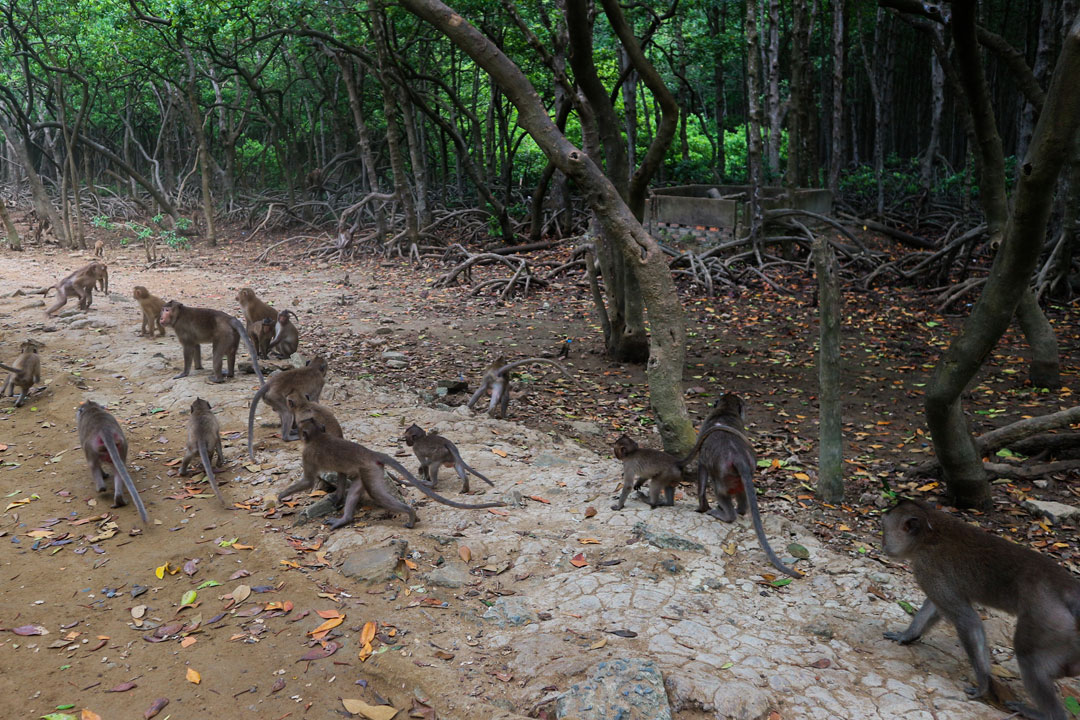
Officially known as Lam Vien, Monkey Island Can Gio is arguably the most famous and lively attraction in the reserve. The island is home to a thriving population of over 2,000 long-tailed macaques. These monkeys are wild but completely accustomed to human presence, and they roam freely throughout the area. As soon as you step onto the island, you'll see them swinging from trees, grooming each other, and curiously observing visitors.
While it is an incredible experience to walk among them, visitors must be extremely cautious. The monkeys are notoriously mischievous and expert thieves. They will snatch anything that is not secured, including hats, sunglasses, phones, cameras, and especially food and drinks. Keep all your belongings zipped away in a backpack and maintain a respectful distance. Monkey Island also serves as the main entrance to the Sac Forest War Base, so most visitors combine these two attractions.

A lively island home to over 2,000 playful macaques, fun to observ,e but known for snatching anything they can grab
Dan Xay Mangrove Park
For those seeking a more tranquil and less-crowded experience, Dan Xay Mangrove Park is an excellent choice. This ecotourism spot offers a peaceful atmosphere where you can fully immerse yourself in the sounds and sights of the mangrove ecosystem. The park features a network of well-maintained wooden bridges that meander through the dense forest, allowing for quiet, reflective walks just above the water level.
The main activities here are focused on slow-paced enjoyment of nature. You can rent a kayak to paddle through the serene waterways at your own pace or simply find a quiet spot to observe the diverse plant and animal life. Like Vam Sat, Dan Xay also has a tall observation tower. Climbing it offers spectacular views of the surrounding forest and rivers, with fewer crowds for peaceful photography and reflection.
Top foods to try in Can Gio Mangrove Biosphere Reserve
No trip is complete without sampling the local cuisine, and Can Gio’s menu is dictated by the fresh bounty of its waters and lands. It's a paradise for seafood lovers.
- Fresh seafood: The absolute must-try. Head to Hang Duong Market or a local restaurant to enjoy incredibly fresh shrimp, crab, clams, and snails, often steamed, grilled, or cooked in a tamarind sauce right after being caught.
- Mango salad with dried fish: A classic Vietnamese salad with a Can Gio twist. It combines shredded green mango with local dried fish, fresh herbs, and a sweet and sour dressing for a refreshing and savory punch of flavor.
- Dua nuoc (Nipa palm fruit): A unique local speciality. This translucent, jelly-like fruit comes from the Nipa palm, a type of mangrove. It's often served chilled in a sweet syrup, making it a perfect thirst-quencher on a hot day.
- Local fish dishes like grilled mudskipper: For the more adventurous foodie, trying grilled mudskipper is a truly local experience. This unique fish, which can live both in and out of water, is marinated and grilled to perfection, offering a firm, flavorful meat.

A seafood paradise where fresh coastal flavors and unique mangrove delicacies define every meal
Extra tips for your trip when visiting Can Gio Mangrove Forest
To ensure your visit to the Can Gio Mangrove Forest is safe, comfortable, and memorable, keep these essential tips in mind.
- Bring sunscreen, a hat, and insect repellent: The tropical sun can be intense, and mosquitoes are common in the mangrove environment, especially around dawn and dusk.
- Wear comfortable walking shoes: You'll be doing a fair amount of walking on paths, bridges, and potentially uneven ground, so sturdy and comfortable footwear is a must.
- Secure your belongings from the monkeys: This cannot be stressed enough, especially on Monkey Island. Keep phones, cameras, snacks, and water bottles inside a zipped bag. Do not carry plastic bags, as the monkeys associate them with food.
- Carry cash: While larger tourist areas may accept cards, many smaller restaurants, vendors, and local stalls are cash-only. It's wise to have enough Vietnamese Dong for tickets, food, and souvenirs.
- Stay hydrated by drinking plenty of water: The heat and humidity can be draining, so drink water regularly throughout the day to avoid dehydration.
- Respect the environment and do not litter: You are a guest in a protected UNESCO Biosphere Reserve. Help preserve its beauty by taking all your trash with you and staying on designated paths.

Essential tips to stay safe, comfortable, and prepared while exploring the Can Gio Mangrove Forest
Read more:
The Can Gio Mangrove Forest is more than just a destination; it's a vital ecosystem and a living monument to the power of nature and the human spirit. It offers a rare opportunity to experience a world where history, adventure, and incredible biodiversity converge, all just a stone's throw from one of Asia's busiest cities. As the essential "green lung" for the region, its preservation is as important as the experience it provides. We hope this guide inspires you to plan your own unforgettable journey into this verdant world. If you’re cruising through historic waterways, marveling at the panoramic views, or enjoying the freshest seafood by the water, a day in Can Gio is a day well spent. For more travel inspiration and in-depth guides to Vietnam's most amazing destinations, be sure to explore more articles from GTrip - Vietnam Travel Agency.
Custom Your Journey
Other Attractions
Can Gio Monkey Island in Ho Chi Minh City: Tickets, Things to Do & Travel Guide
Can Gio Monkey Island
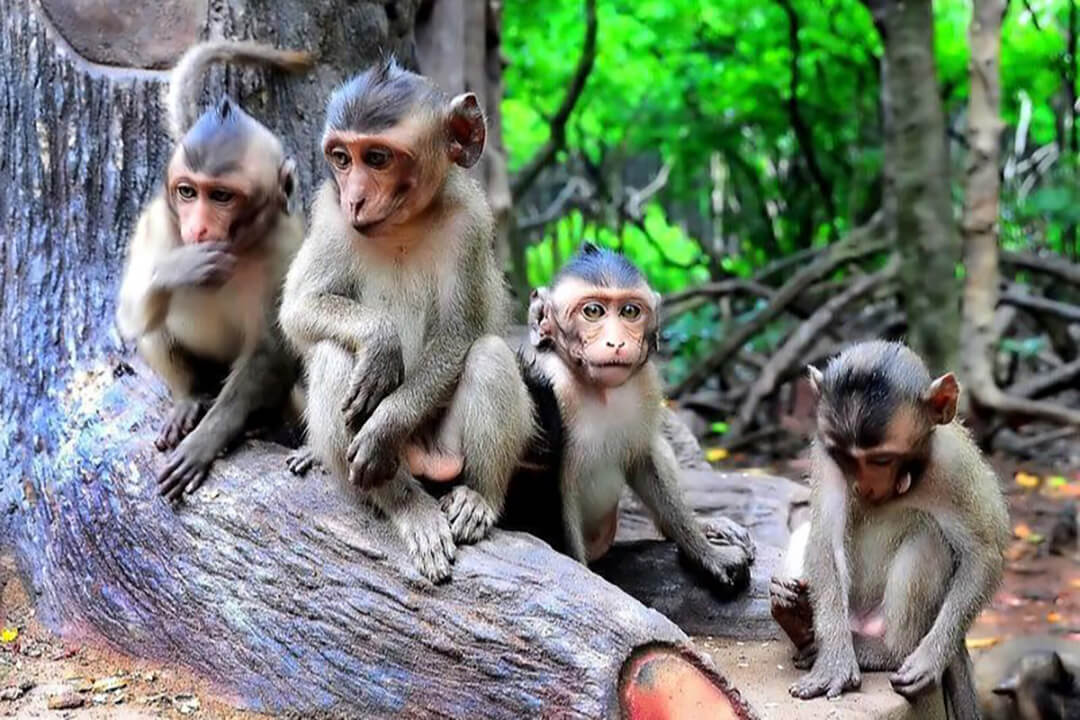
Can Gio Monkey Island in Ho Chi Minh City offers a refreshing escape from the city’s buzzing motorbike chaos. Just a short distance from the center, Can Gio welcomes you with lush mangrove forests, winding waterways, and a fascinating history. Here, you can meet playful long-tailed macaques, drift through tranquil channels, and explore remnants of a wartime guerrilla base.
Can Gio Monkey Island in Ho Chi Minh City: Tickets, Things to Do & Travel Guide
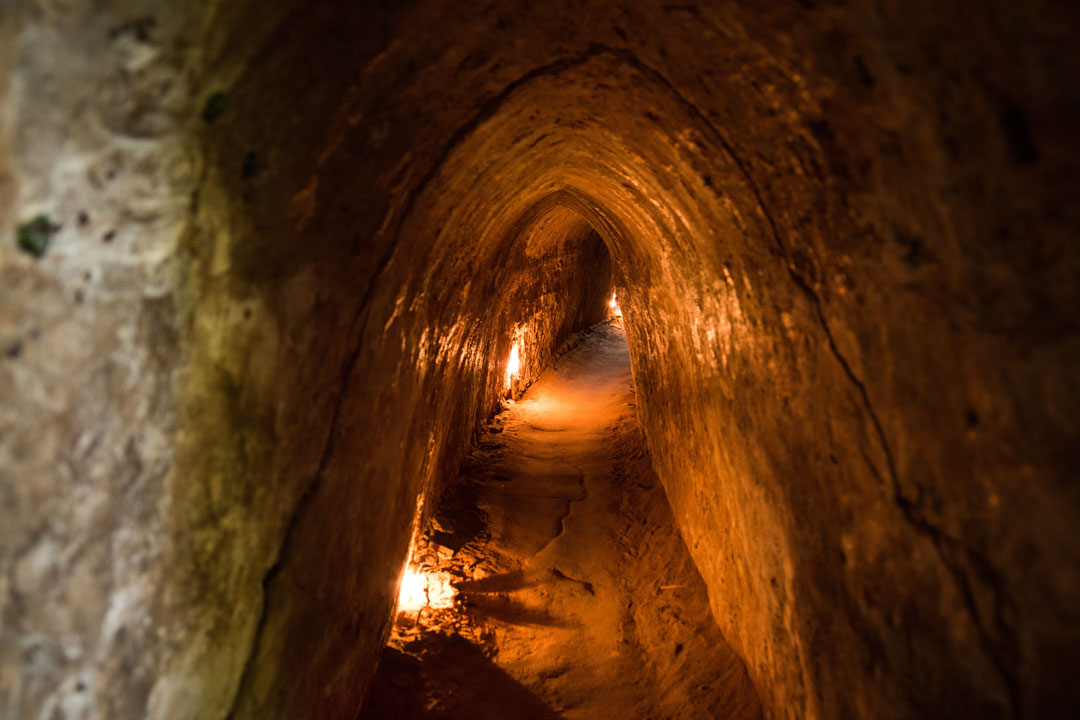
Cu Chi Tunnels: History, Architecture, Things To Do & Travel Guide
Cu Chi Tunnels
The Cu Chi Tunnels, located at TL15, Phu Hiep, Cu Chi District, Ho Chi Minh City, are a vast underground network of strategic passages, shelters, supply routes, and defensive traps.
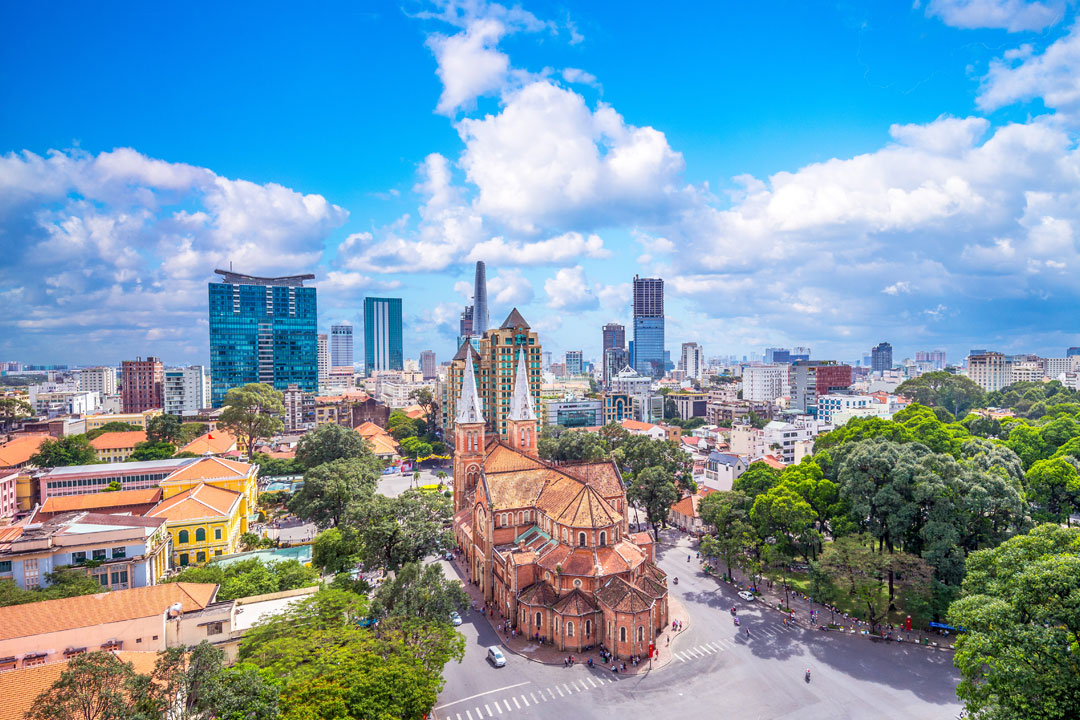
Ho Chi Minh City
Ho Chi Minh City, known as the "Pearl of the Far East," attracts both domestic and foreign tourists with its unique and diverse destinations.
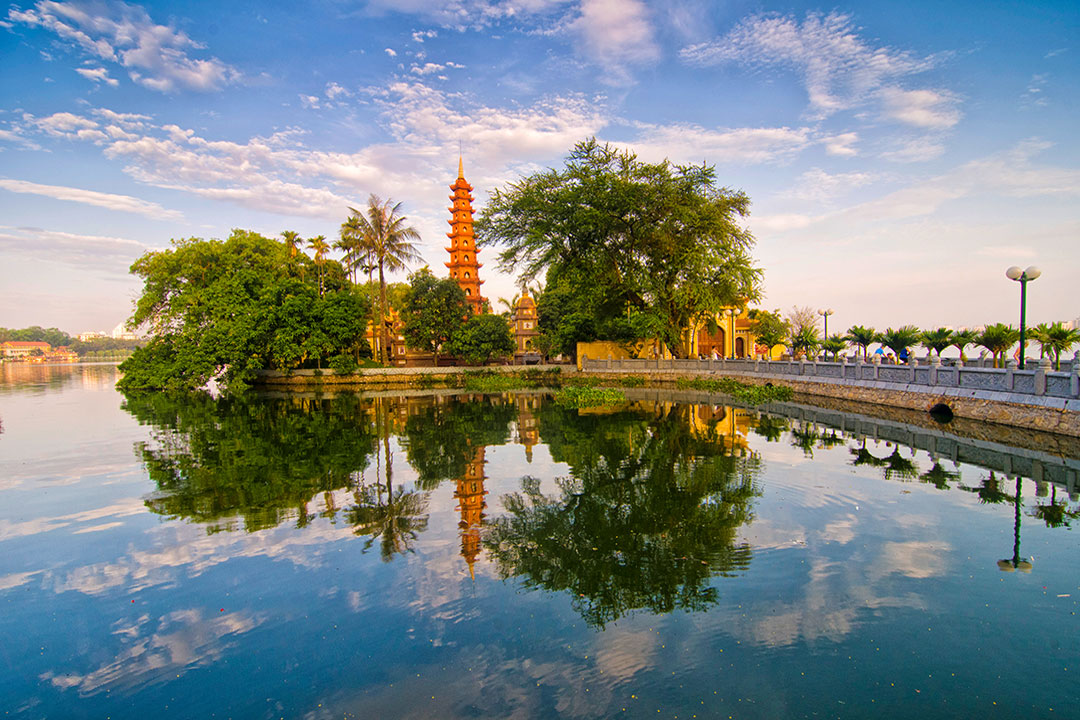
Tran Quoc Pagoda: History, Architecture, Significance & Travel Guide
Tran Quoc Pagoda
Nestled on the tranquil shores of West Lake, Tran Quoc Pagoda is the oldest Buddhist temple in Hanoi, with a history spanning over 1,500 years. Built in the 6th century under Emperor Ly Nam De, this sacred site reflects Vietnam’s Buddhist evolution while preserving its spiritual and architectural grandeur.