
Wednesday, February 25, 2026
Pho is a culinary masterpiece that captures the heart of Vietnamese cuisine. This steaming bowl of aromatic broth, silky rice noodles, and tender meat is more than just a soup. Originating in northern Vietnam, pho has evolved from modest local beginnings into an international icon, admired for its depth of flavor and comforting warmth. This GTrip's guide will take you on a flavorful journey, uncovering the rich history of this iconic dish and its essential ingredients. It will also show you where to find the best bowls in Vietnam and how to enjoy them like a true local. Prepare to dive deep into the world of Vietnam's most famous culinary export.
What is Pho?
Pho is a traditional Vietnamese noodle soup consisting of a rich, savory broth, flat rice noodles known as "banh pho", select herbs, and meat. It is a quintessential dish in Vietnam, enjoyed at any hour of the day, whether for a nourishing breakfast, a quick lunch, or a comforting late-night meal. Served in countless households, bustling street food stalls, and established restaurants, pho is a unifying staple of the nation's diet. The soul of the dish lies in its slow-simmered broth, rich with bones and secret spices for a deep, aromatic flavor.
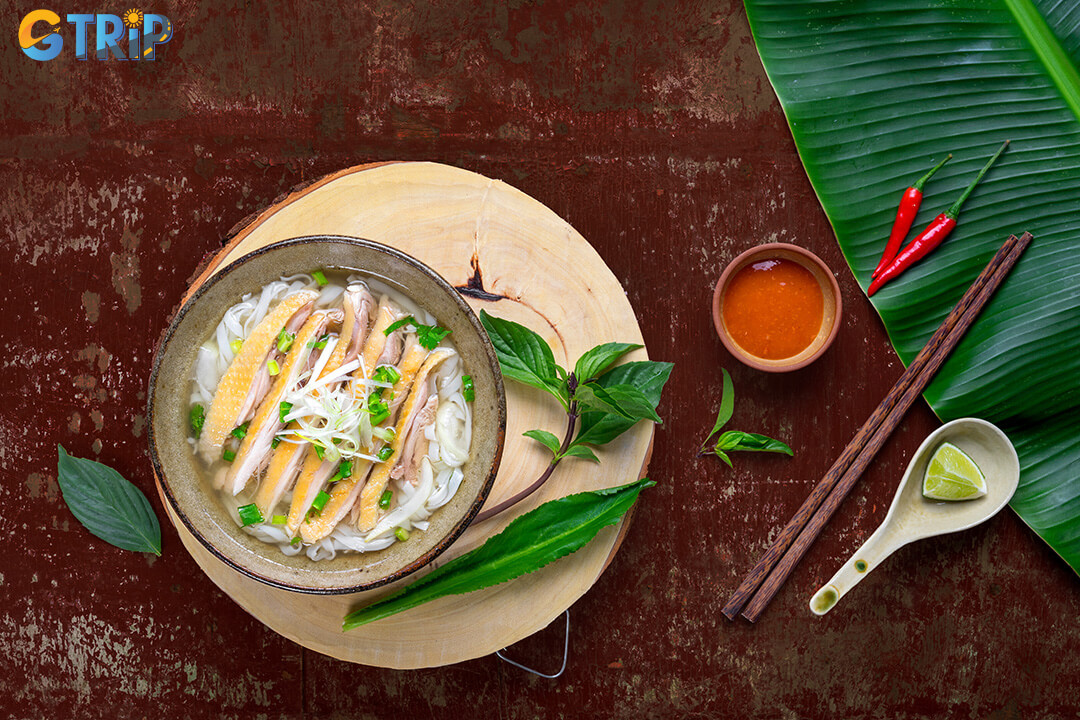
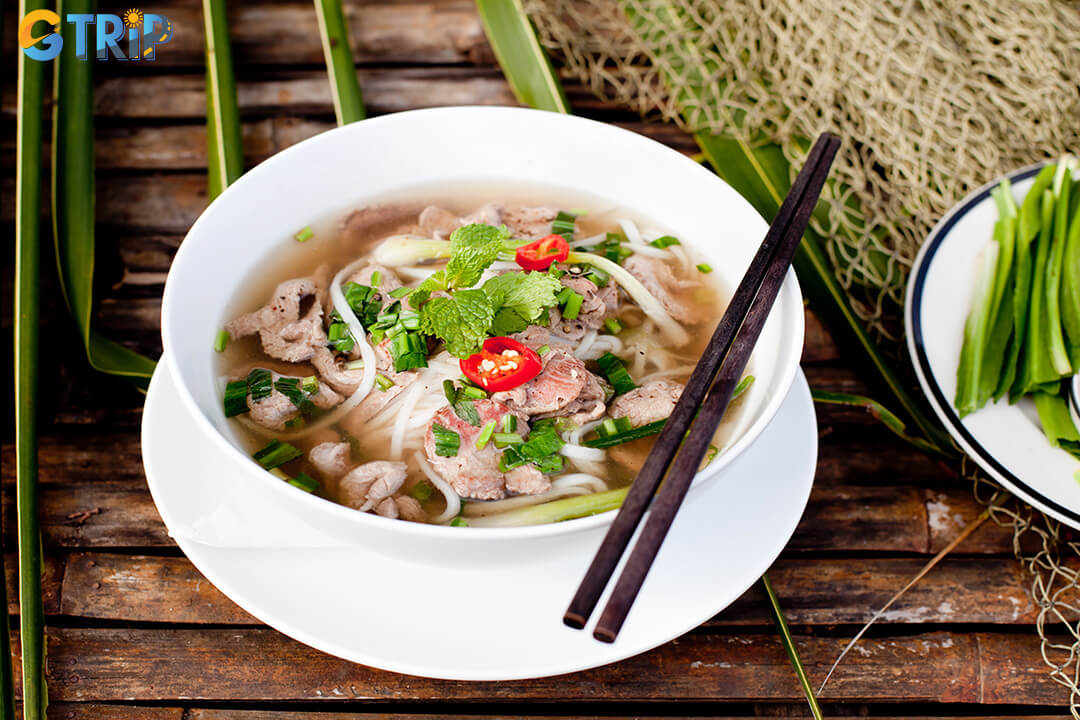
Pho is Vietnam’s iconic noodle soup, a comforting blend of rich broth, rice noodles, herbs, and meat, enjoyed any time of day across the country
What is included in a bowl of Pho (Pho ingredients)?
A perfect bowl of pho is a harmonious symphony of several key components, each playing a crucial role in creating its signature taste, fragrance, and texture. Understanding these ingredients is the first step to truly appreciating this culinary masterpiece.
Broth (Nuoc dung)
Broth, local also known as nuoc dung, is the undeniable cornerstone of an exceptional bowl of pho. A perfect pho broth is crystal clear, rich in flavor from hours of simmering bones with charred aromatics like ginger and onion. Traditionally, cooks simmer beef or chicken bones for a minimum of 6 - 8 hours, a patient process that extracts every drop of flavor and collagen, resulting in a profoundly savory and fragrant base. This liquid gold is then infused with a curated selection of whole spices that lend the soup its complex aroma. These spices often include warming aromatics such as star anise, whole cloves, cinnamon sticks, coriander seeds, and black cardamom. The addition of charred onion and ginger imparts a subtle smokiness and a layer of sweet-savory depth that defines an authentic broth.
Noodles (Banh pho)
The noodles central to this dish are called banh pho. These are pristine white, flat noodles made from rice flour, celebrated for their soft, silky, and slightly chewy texture. They are the perfect canvas, designed to absorb the flavorful broth without becoming mushy or overwhelming the other ingredients. Fresh rice noodles are preferred for their superior texture, though dried varieties are also common. Right before serving, the noodles are blanched for mere seconds in boiling water to ensure they are perfectly cooked and warm. They are then placed in the bowl, ready to be submerged in the piping hot broth, creating the foundation upon which the rest of the dish is built.
Protein (Thit)
While the broth is the soul, the protein gives pho its character and heartiness. The two most common proteins are beef and chicken, each offering a distinct experience.
Beef pho (Pho bo): This is the classic version, offering a wide range of beef cuts that patrons can customize. Common choices include:
- Tai: Thinly sliced rare eye of round steak, which cooks instantly in the hot broth.
- Nam: Savory flank steak.
- Gau: Rich, fatty brisket that melts in your mouth.
- Gan: Gelatinous and chewy tendon.
- Bo vien: Spongy and flavorful beef meatballs.
- Chicken pho (Pho ga): A lighter, more delicate alternative. The broth is made by simmering a whole chicken, resulting in a clear, clean flavor. It is typically served with shredded or sliced white and dark meat. Some traditional vendors also offer more adventurous parts like chicken hearts and unlaid eggs for a richer bowl.
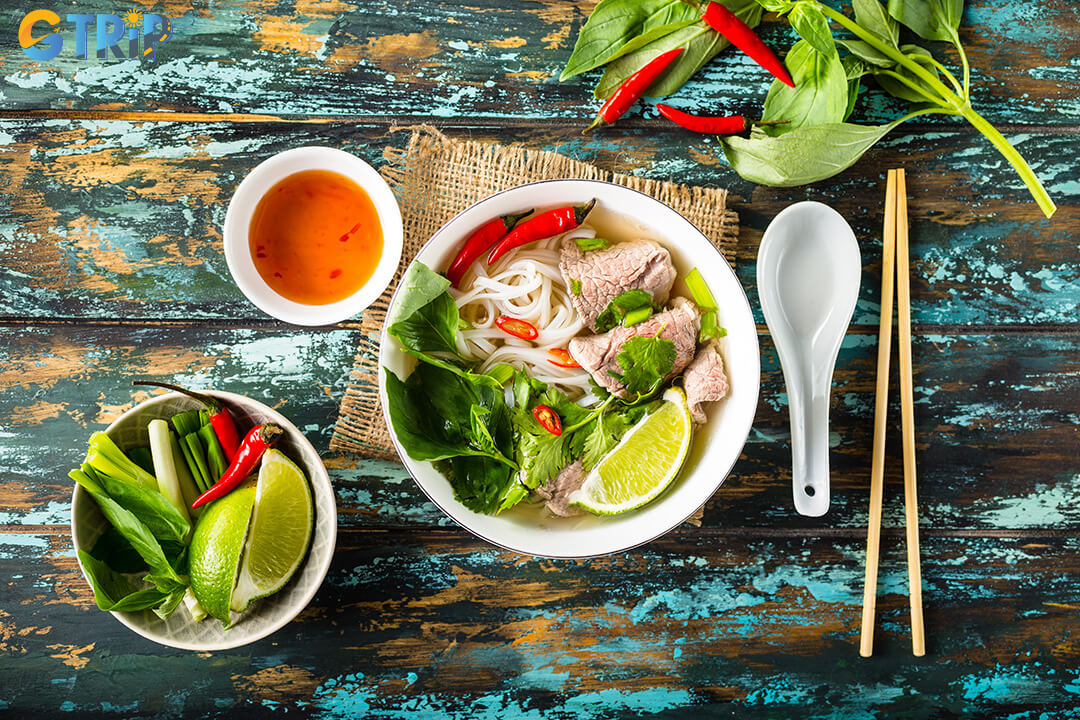
Pho comes to life through its proteins, each adding its own depth, texture, and character to the beloved dish
Accompaniments
The pho experience is highly personal, made complete by an array of fresh accompaniments that allow each diner to customize their bowl. From the richness of the broth to the balance of herbs, every element invites you to craft a flavor that perfectly matches your own taste.
Vegetables
A generous plate of fresh herbs and vegetables is always served alongside pho, particularly in southern Vietnam. This platter allows you to add layers of flavor and texture, such as fresh bean sprouts, aromatic Thai basil, bright cilantro, zesty lime wedges, and fiery sliced chili peppers. A few slivers of raw white onion are also often added directly to the bowl before serving for a pungent crunch.
Sauce
Diners can further season their pho with a variety of condiments. Common sauces found on the table include:
- Hoisin sauce: For a touch of sweet, tangy flavor.
- Sriracha: A popular chili sauce for adding a spicy kick.
- Fish sauce: A Vietnamese staple for an extra punch of umami and saltiness.
- Chili oil or paste: For those who desire an even deeper, more complex heat.
Fried dough stick (optional)
In Northern Vietnam, it's common to enjoy pho with banh quay, which are golden, deep-fried dough sticks. These light and airy sticks are perfect for dipping into the savory broth, soaking up its delicious flavor like a savory sponge.
Egg or poached egg (optional)
For a richer, more decadent meal, some restaurants offer the option of adding a raw egg yolk or a poached egg to the bowl. The heat of the broth gently cooks the yolk, adding a creamy, velvety texture.
History and origin of pho
Vietnamese pho originated in Northern Vietnam in the early 20th century, particularly around Hanoi and Ninh Binh Province (formerly Nam Dinh Province). It developed as a fusion of culinary influences, notably from Chinese noodle soups and French beef dishes. The French introduced beef consumption and pot-au-feu cooking techniques, while Chinese cuisine inspired the use of rice noodles and spices. This fusion created the iconic beef noodle soup with a rich broth, rice noodles, and fresh herbs that became known as pho.
Pho initially used beef due to French colonial influence, as beef was not traditionally consumed by the Vietnamese, who relied mostly on water buffalo. Before pho, related soups with vermicelli and buffalo meat existed. The modern version of pho, as we know it today, emerged between 1900 and 1907 in northern villages near Hanoi. After 1954, pho reached southern Vietnam, evolving with a sweeter broth and new herbs influenced by Chinese and Cambodian cuisines.
Pho gained worldwide popularity after the Vietnam War, as refugees brought the dish abroad and opened pho restaurants across the globe. Today, pho is considered a symbol of Vietnamese culture and is celebrated both as a traditional dish and an international culinary icon.
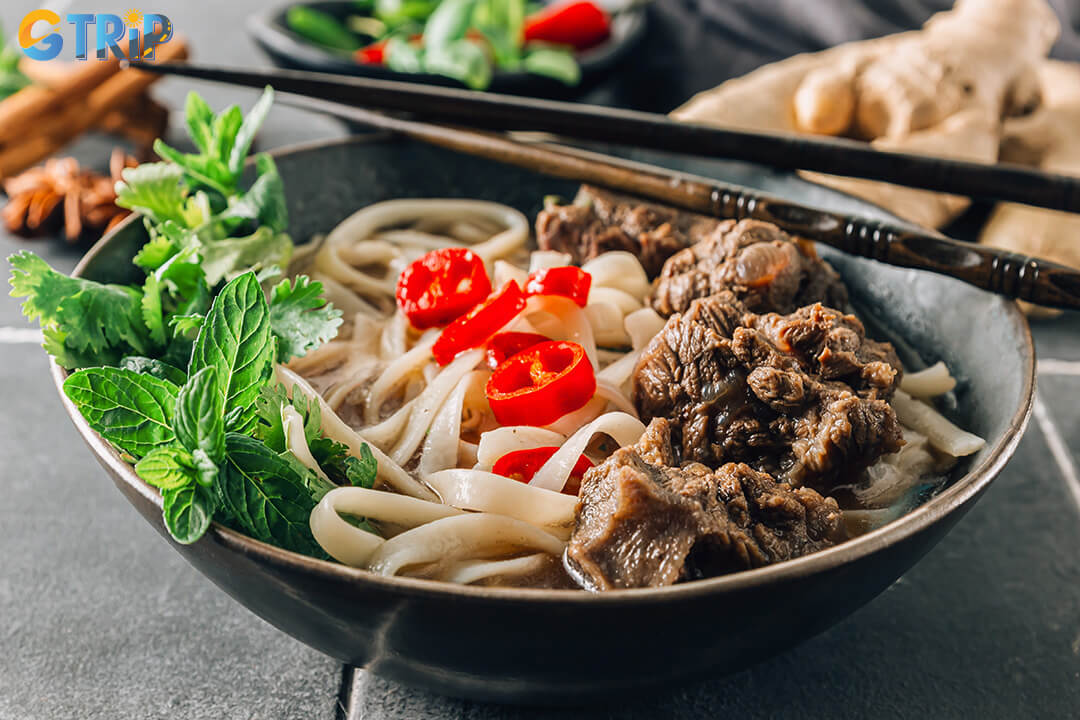
Pho originated in early 20th-century northern Vietnam as a fusion of Chinese and French culinary influences, evolving into the nation’s most iconic
Three main styles of Pho in Vietnam
While pho is enjoyed throughout the country, it is not a monolithic dish. There are three prominent regional styles, with the most distinct differences found between the northern and southern versions.
Northern-style pho
Northern-style pho, with its heart in Hanoi, is celebrated as the original and more traditional version of the dish. It is defined by its elegant simplicity and focus on the purity of its ingredients. The key characteristics are:
- A clear, simple, and savory broth: The primary goal is to highlight the pure, unadulterated flavor of the beef or chicken.
- Wider rice noodles: The banh pho are typically wider and softer.
- Minimalist garnishes: It is usually served with just a handful of chopped green onions and cilantro. Pickled garlic in vinegar and fresh chilies are the typical condiments, with sweet hoisin sauce being a rare sight.
Southern-style pho
Southern-style pho, popularized in Ho Chi Minh City, is known for its bold, complex, and more layered flavor profile. It reflects the region's sweeter palate and abundance of fresh produce. Key features include:
- A sweeter and richer broth: The broth is often cloudier, richer, and noticeably sweeter, sometimes achieved by adding rock sugar.
- Thinner noodles: The rice noodles used are generally thinner and slightly chewier.
- Abundant garnishes: This style is famous for the heaping platter of fresh garnishes served alongside, including bean sprouts, Thai basil, sawtooth coriander, and lime.
- More condiments: Hoisin sauce and Sriracha are standard table condiments, encouraging diners to customize their bowl extensively.
Central-style pho
Pho in central Vietnam is less distinct than its northern and southern counterparts but still possesses unique local touches. While the broth often leans closer to the northern style, it is common to find it served with a side of pickled papaya or carrots and a special sate chili sauce that adds a layer of spicy, aromatic complexity not typically found elsewhere.
Types of pho in Vietnam
While beef and chicken pho are the undisputed classics, Vietnamese culinary creativity has given rise to numerous other variations that are equally delicious and worth exploring.
The classic type
- Pho bo (Beef pho): The quintessential pho that started it all. It is a hearty and deeply savory soup. A wide range of beef cuts caters to every taste, from lean rare steak to adventurous options like tendon and tripe.
- Pho ga (Chicken pho): A lighter yet equally flavorful alternative. The broth is often clearer and more delicate, made from a whole chicken to achieve a clean, fragrant taste. It’s a comforting and gentle soup, served with tender, shredded chicken meat.
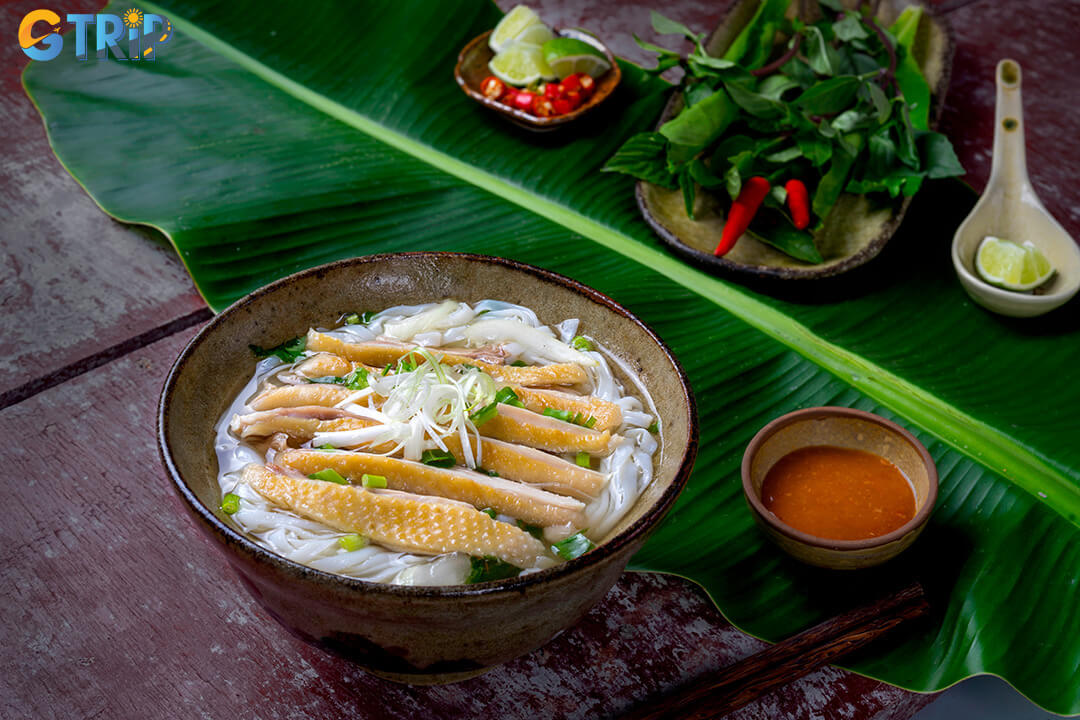
The two classic types of pho, offer contrasting yet equally beloved experiences: one rich and hearty, the other light and fragrant
Other notable pho variations in Vietnam
- Pho cuon (Pho rolls): A refreshing, non-soup take on pho. This dish features wide, uncut sheets of steamed rice noodles used as wrappers for stir-fried beef, lettuce, and herbs. It's served with a classic sweet and sour dipping sauce (nuoc cham) and is perfect for a light lunch.
- Pho xao (Stir-fried pho): In this version, soft pho noodles are stir-fried in a hot wok with beef, onions, and greens. The result is a savory dish with a smoky, slightly charred flavor known as wok hei.
- Pho tron (Mixed pho): A "dry" or "salad" style of pho ideal for hot weather. The noodles and meat are served without broth and are instead tossed with a tangy, flavorful dressing, fresh herbs, roasted peanuts, and crispy fried shallots.
- Pho chay (Vegetarian pho): A wholesome, meatless version that proves pho can be just as delicious without animal products. The broth is simmered with vegetables like carrots, daikon radish, and mushrooms, and the bowl is filled with tofu, various fungi, and an assortment of fresh vegetables.
- Pho kho (Dry pho): A speciality from Gia Lai Province, this dish is uniquely served in two separate bowls. One bowl contains dry rice noodles topped with shredded chicken or beef and crispy toppings. The other bowl holds the pure, steaming hot broth, meant for sipping between bites of noodles.
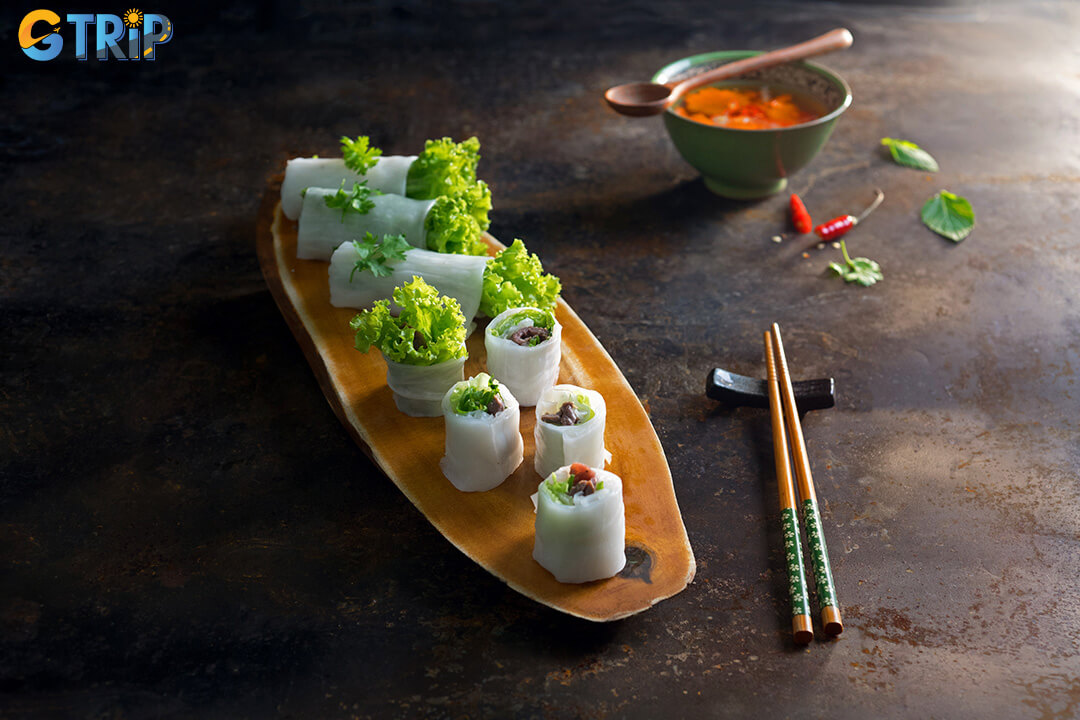
Beyond the classic soup, pho appears in many forms, from fresh rolls and stir-fried noodles to mixed, vegetarian, and dry variations
How to eat pho like a local
To truly immerse yourself in Vietnamese dining culture, eating pho is more than just a meal, it’s a ritual. Follow these simple steps to savor it authentically.
Step 1: Taste the broth first
When your steaming bowl arrives, resist the urge to add anything. Take a small sip of the broth with your spoon. This shows respect for the chef, who has spent hours perfecting its flavor. It also gives you a reference point before seasoning to your taste.
Step 2: Add your fresh accompaniments
Tear herbs like Thai basil and cilantro directly into the bowl to release their aroma. Add bean sprouts for crunch. You can mix them all in at once or add them gradually to keep them crisp.
Step 3: Season to your liking
Squeeze a wedge of lime to brighten the broth. Add a few slices of chili for heat if you wish. Use hoisin and Sriracha sparingly, many locals prefer to keep the broth pure. A popular technique is to pour a bit of each sauce into a small dish for dipping the meat instead of adding them directly to the soup.
Step 4: Eat with balance and rhythm
Use chopsticks for the noodles and meat, and a spoon for the broth. It’s perfectly fine to slurp, it enhances the flavor and shows you’re enjoying the meal. Combine a spoonful of broth with noodles and meat for the perfect bite. Remember, pho is best enjoyed hot and fresh.
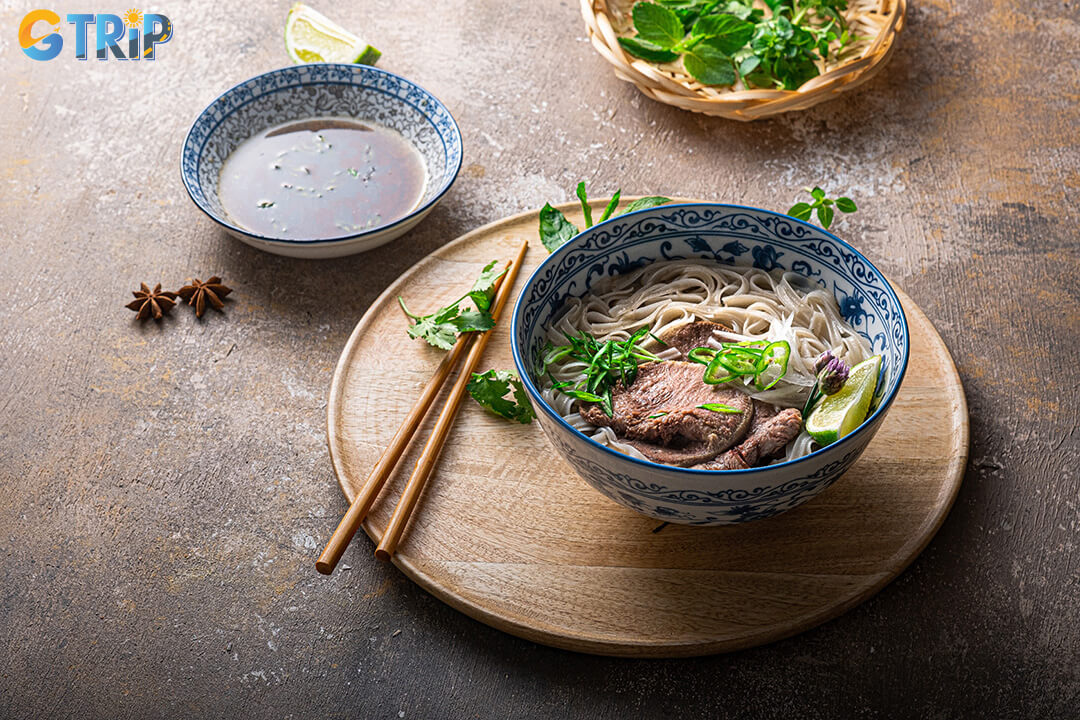
Eating pho is a cherished Vietnamese ritual, taste the broth first, add fresh herbs, season to your liking, and savor each hot, balanced bite
When and where to find the best pho to experience?
To truly understand the soul of Vietnamese cuisine, there is no substitute for trying pho in its homeland. Each city offers a unique pho experience, and seeking out a local, time-honored vendor is a journey in itself.
Pho in Hanoi
As the cradle of pho, Hanoi offers the most traditional and subtle style, focusing on a clear, savory broth. For an unforgettable taste of authentic pho in Hanoi, look no further than these legendary establishments.
- Pho 10 Ly Quoc Su: Hanoi's iconic pho brand.
- Address: 10 Ly Quoc Su Street, Hoan Kiem Ward, (former Hoan Kiem District) Hanoi.
- Pho Bat Dan: Classic beef pho on Bat Dan Street.
- Address: 49 Bat Dan Street, Hoan Kiem Ward, (former Hoan Kiem District), Hanoi.
- Pho Thin Lo Duc: Famous for its rich, smoky stir-fried beef pho.
- Address: 13 Lo Duc Street, Hai Ba Trung Ward, (former Hai Ba Trung), Hanoi.
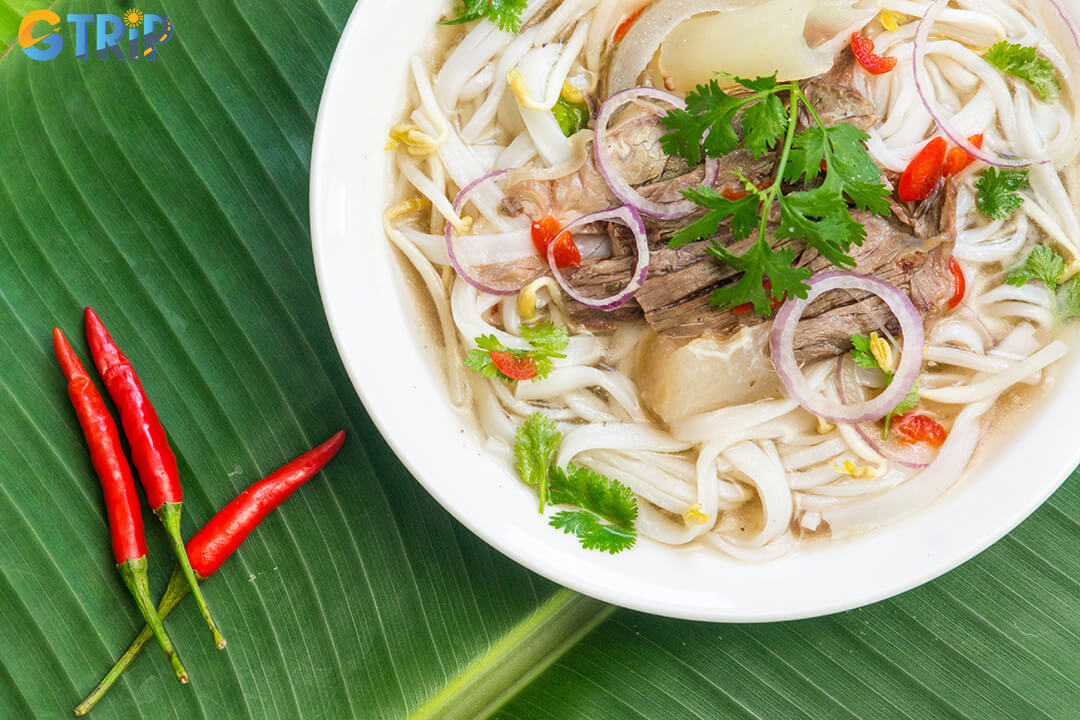
Hanoi, the birthplace of pho, is famed for its clear, savory broth and timeless eateries that embody the dish’s most authentic flavors
Pho in Danang City
While not as famous for pho as the capital, Danang offers its own delicious bowls, often with a unique central Vietnamese twist. You can find excellent local pho stalls and restaurants throughout this coastal city.
- Co Ba Pho Bo
- Address: 154 Bach Dang Street, Hai Chau Ward, (former Hai Chau District) Danang.
- Pho Hong
- Address: 10 Ly Tu Trong Street, Hai Chau Ward, (former Hai Chau District) Danang.
- Pho Bac Hai
- Address: 185 Tran Phu Street, Hai Chau Ward, (former Hai Chau District) Danang.
Pho in Ho Chi Minh City
Ho Chi Minh City is a paradise for lovers of the sweeter, bolder southern-style pho, served with its signature mountain of fresh garnishes.
- Pho Hang Dau
- Address: 11 Tran Van Sac, An Khanh Ward, (former Thu Duc City), Ho Chi Minh City.
- Pho Phu Gia
- Address: 11 Tran Van Sac, An Khanh Ward, (former Thu Duc City), Ho Chi Minh City.
- Pho Ha
- Address: 19 Hai Trieu, Sai Gon Ward, (former District 1), Ho Chi Minh City.
Explore more places to eat Pho in Ho Chi Minh City
Ho Chi Minh City is the heart of southern-style pho, known for its sweeter broth, bold flavors, and generous piles of fresh herbs
Encompassing its origins, ingredients, and regional nuances, pho transcends the definition of a mere soup to embody Vietnam’s culinary identity. It is a vibrant, living piece of Vietnamese heritage served in a bowl. Each spoonful tells a story of cultural fusion, resilience, and the country's deep love for food that is both complex and comforting. Be it slurping pho in a Hanoi alley or adding herbs to your bowl in Ho Chi Minh City, this shared ritual defines the true taste of Vietnam. On your next GTrip journey, be sure to seek out a steaming bowl of pho.