
Friday, October 23, 2026
Binh Dien Market, also known as Binh Dien Wholesale Market, is one of Saigon’s liveliest trading hubs, bustling to life while the rest of the city sleeps. Far from the typical tourist trails, this is an awe-inspiring spectacle of commerce, logistics, and local life. As the largest wholesale market in Vietnam, it’s the primary source for countless restaurants, street food vendors, and smaller markets across Saigon and beyond. For the intrepid traveler, a visit here offers an unforgettable, authentic glimpse into the engine room that feeds this bustling metropolis. In this guide, we’ll walk you through its rich history, unique highlights, and essential tips from GTrip to help you enjoy a safe and unforgettable experience.
Overview of Binh Dien Market
- Location: Nguyen Van Linh Boulevard, Binh Dong Ward (formerly District 8), Ho Chi Minh City
- Opening hours: 24/7
- Entrance fee: Free
Binh Dien Market is an essential pillar of Ho Chi Minh City's economic and culinary life. Established as a modern wholesale hub, it operates on an immense scale, covering over 65 hectares. This is where the city’s food journey begins each night, as trucks laden with fresh produce, seafood, meat, and flowers from across Vietnam converge. Primarily a wholesale hub, it also welcomes visitors eager to experience its vibrant energy and buy the freshest goods straight from the source. The market's sheer size and round-the-clock activity make it a unique and vital destination.
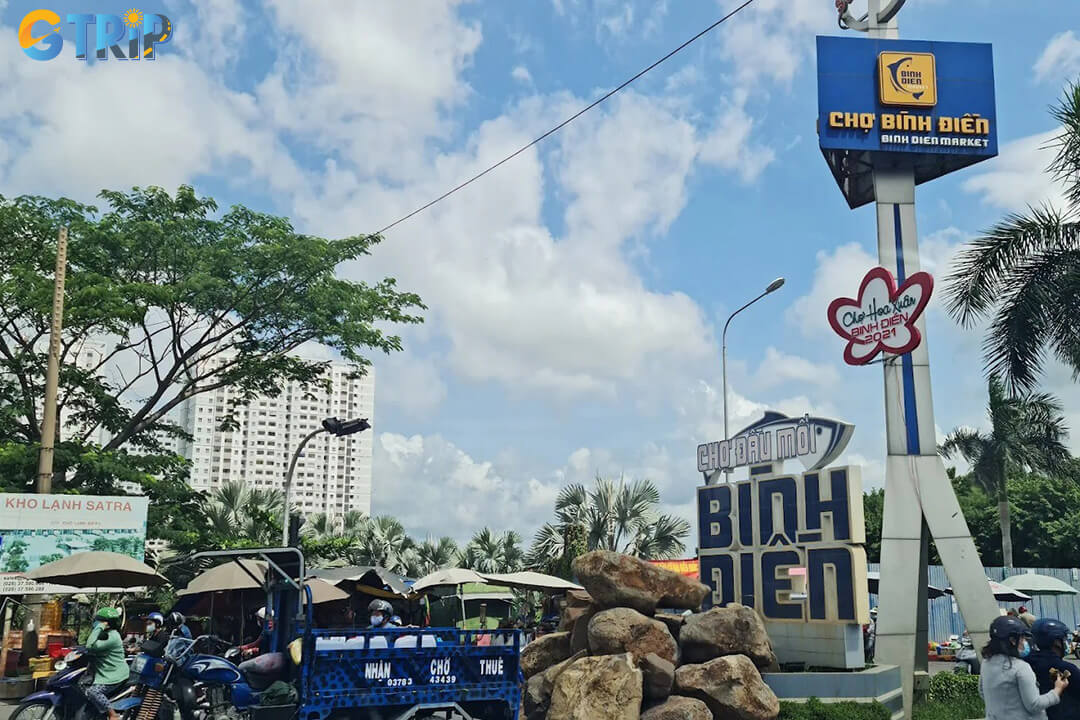
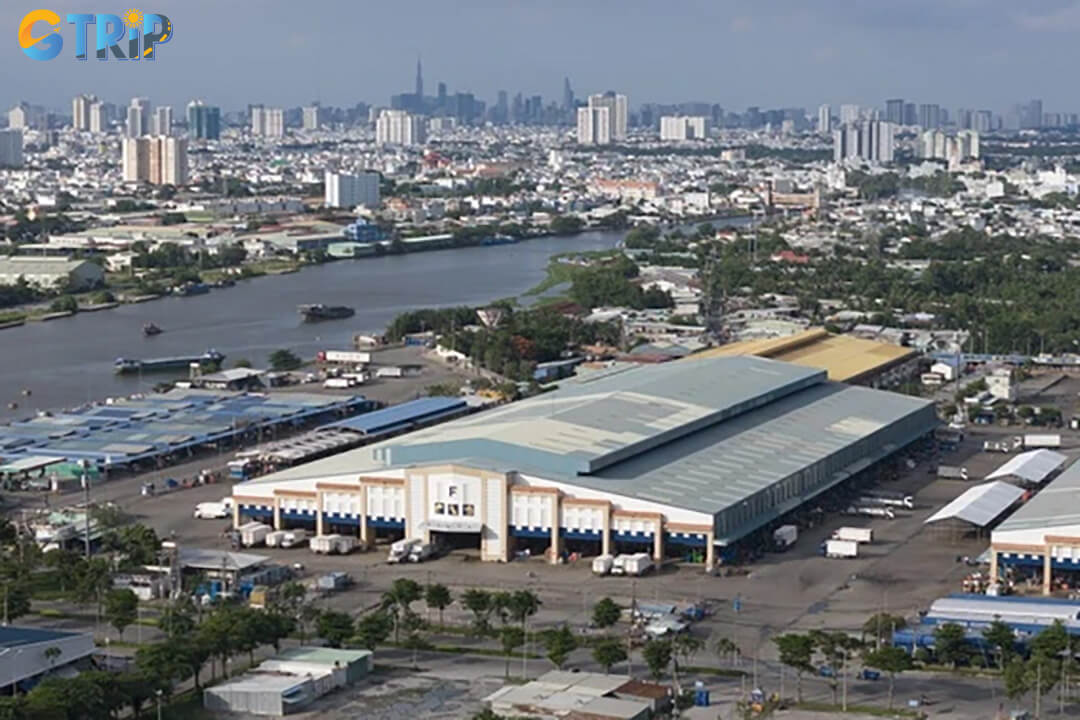
A vast 65-hectare wholesale hub, Binh Dien Market comes alive each night as fresh produce and seafood from across Vietnam arrive, fueling Saigon’s food scene
How to get to Binh Dien Market
Located in former District 8, about 15-20 kilometers from the city center (formerly District 1), reaching Binh Dien Market requires a bit of planning, especially for an early morning visit. Here are the most common options:
- Taxi or ride-hailing app (Grab/XanhSM/Be): This is the most convenient and recommended method for travelers. A trip from former District 1 will take approximately 30-45 minutes, depending on traffic. Booking a car ensures a comfortable journey, which is especially welcome in the pre-dawn hours.
- Motorbike: For seasoned riders, a motorbike offers the most flexibility. The route primarily follows the wide Nguyen Van Linh boulevards, making the drive relatively straightforward.
- Public bus: While it is the most budget-friendly option, it is not ideal for a visit during peak hours (late night/early morning) due to limited schedules. Bus routes may require transfers and a significant walk to the market entrance.
History and development of Binh Dien Market
Binh Dien Market is one of the largest wholesale markets in Vietnam. It was established as part of an urban planning initiative to relocate wholesale operations from the city center to the suburbs and serve as the city’s main hub for agricultural and seafood distribution.
The market was planned in 2003 and opened in 2006, replacing several central wholesale markets such as Cau Ong Lanh, Cau Muoi, Xom Cui, Tran Chanh Chieu, and An Lac Markets. The site, formerly a marshland, spans 65 hectares and benefits from both road and waterway connections, being adjacent to Nguyen Van Linh Boulevard and the Ben Luc River.
Originally, Binh Dien Market specialized only in seafood and fresh produce. Over time, it expanded to cover over 1,400 merchants within seven large halls, each dedicated to specific categories: fresh flowers, vegetables, fruits, mushrooms, spices, freshwater and saltwater fish, premium and dried seafood, poultry, meat, and agricultural products. The infrastructure includes warehouses, product processing, ice production, and waste and water treatment facilities to support the wholesale operation.
The market is managed by Binh Dien Market Management and Trading Company, a branch of Saigon Trading Corporation (SATRA), and continues to develop with modernization projects. Today, it serves nearly 80% of Ho Chi Minh City’s fresh seafood needs and remains vital for the city’s food distribution and employment.
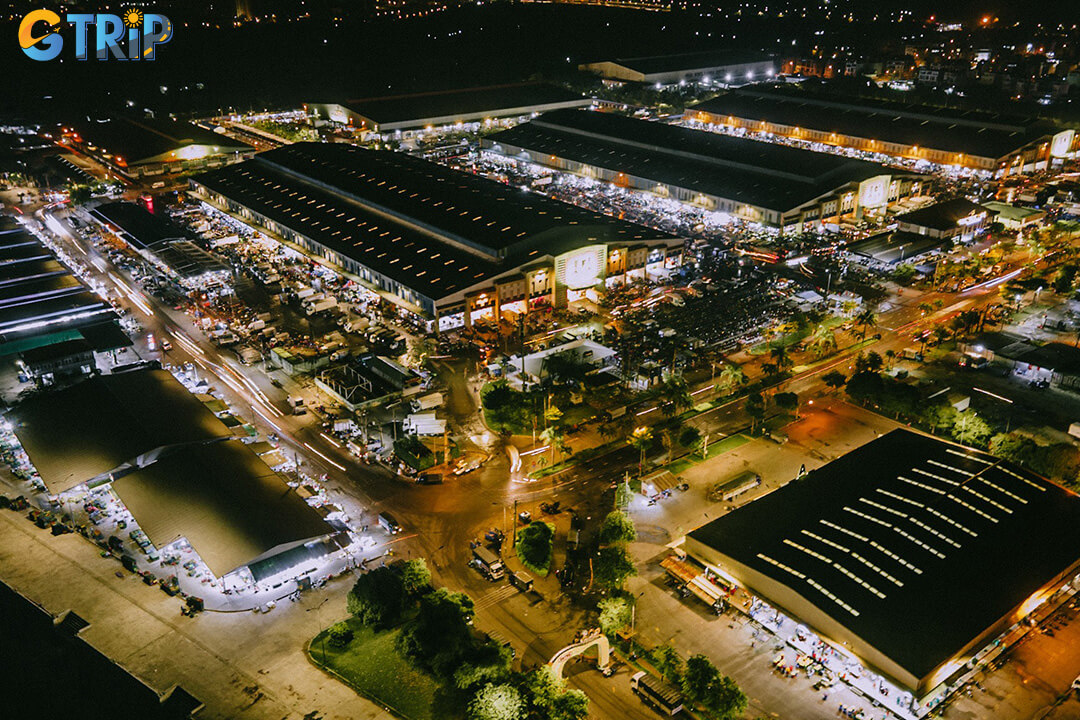
Binh Dien Market, spanning 65 hectares with over 1,400 vendors, is Vietnam’s largest wholesale hub for seafood and produce
Trading areas in Binh Dien Market
Binh Dien Market is efficiently organized with large warehouse halls, each dedicated to specific goods like seafood, fruits, or flowers. Clearly labeled with letters such as A, B, D, and F, they’re linked by wide lanes for trucks and motorbikes. This smart layout keeps the market running smoothly and makes it surprisingly easy for visitors to explore the vibrant world of Saigon’s wholesale trade.
Hall A: Binh Dien Flower Market
Hall A is an explosion of color and fragrance, a stark and beautiful contrast to the more utilitarian sections of the market. This is the Binh Dien Flower Market, where a significant portion of Ho Chi Minh City's floral supply originates. Here, you'll find vast quantities of fresh-cut flowers trucked in from the temperate highlands of Da Lat and the fertile plains of the Mekong Delta, as well as imported varieties. Stalls are overflowing with an incredible diversity of blooms, including roses, lilies, chrysanthemums, orchids, and gerberas. The atmosphere becomes especially electric in the weeks leading up to major holidays like Tet (Lunar New Year). During this time, the hall operates at a fever pitch, supplying the city with the auspicious yellow and orange flowers that adorn every home and business.
Hall B: Binh Dien Vegetable Market
As you enter Hall B, you are greeted by veritable mountains of fresh produce. This is the epicenter of vegetables and herbs for the entire city. The sheer volume is staggering, with pyramids of potatoes, onions, and carrots stacked high, next to crates filled with every type of leafy green imaginable. You will discover a world of Vietnamese herbs crucial for dishes like pho, alongside familiar staples. Much of the produce comes from famous agricultural regions like Da Lat, known for its cool-climate vegetables. This hall is a critical link in the food chain, supplying countless smaller wet markets, supermarkets, and restaurants with their daily inventory of fresh, high-quality vegetables.
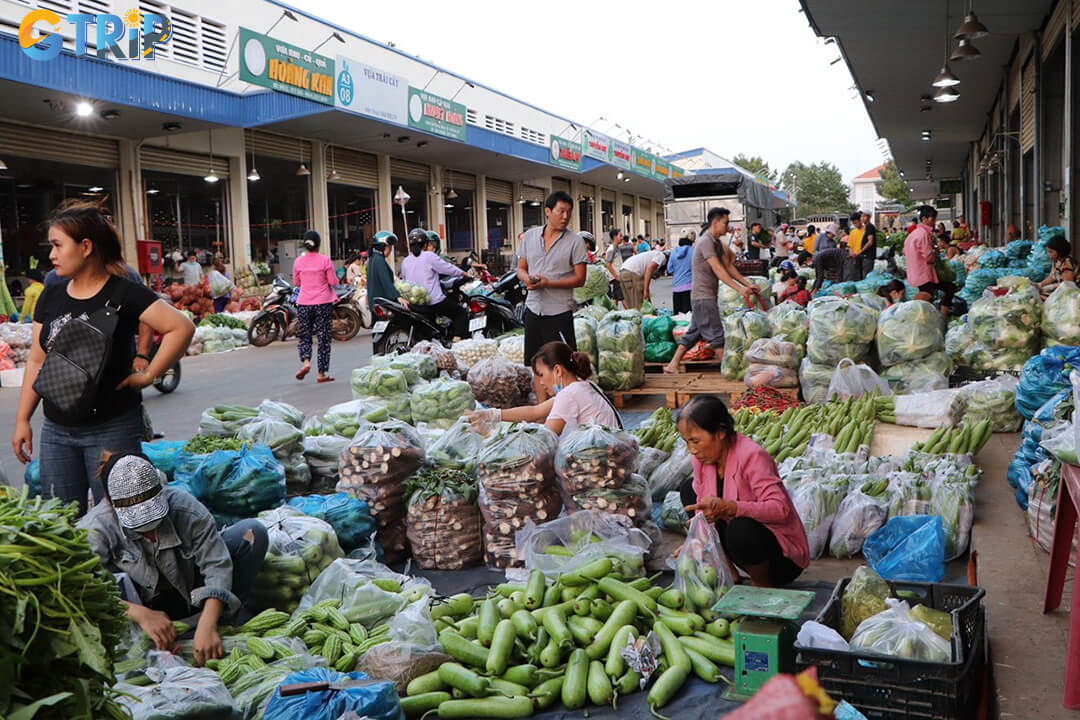
Hall B overflows with fresh produce and herbs from Da Lat and beyond, serving as the main supply hub for Saigon’s markets and restaurants
Hall D: Binh Dien Seafood Market
Prepare for a sensory overload in the best possible way when you step into Hall D, the live and fresh seafood section. The air is thick with the salty smell of the ocean, and the sound is a symphony of splashing water, bubbling aerators, and the lively chatter of buyers and sellers. This is one of the most dynamic areas of the market, where you can see the freshest catch in action. Large tanks and tubs are filled with live crabs, lobsters, swimming prawns, and an astonishing variety of shellfish like clams, mussels, and blood cockles. The energy here is palpable as restaurateurs and traders inspect the goods, making it feel less like a market and more like a real-time auction floor for the treasures of the sea.
Hall F: Binh Dien Fish Market
While adjacent to the seafood hall, Hall F has its own distinct focus: fish. This is where you’ll find an incredible array of both saltwater and freshwater fish, representing the rich biodiversity of Vietnam's rivers and coastline. The floor is a wet, bustling stage where tonnes of fish are sorted, weighed, and sold at incredible speed. You'll see everything from large tunas and mackerels destined for Japanese restaurants to local freshwater favorites like snakehead fish and catfish, a staple of Mekong Delta cuisine. Men and women in waterproof gear deftly handle the slippery catches, creating a scene of organized chaos. For anyone interested in Vietnamese cuisine, seeing the raw ingredients in this state is a fascinating and educational experience.
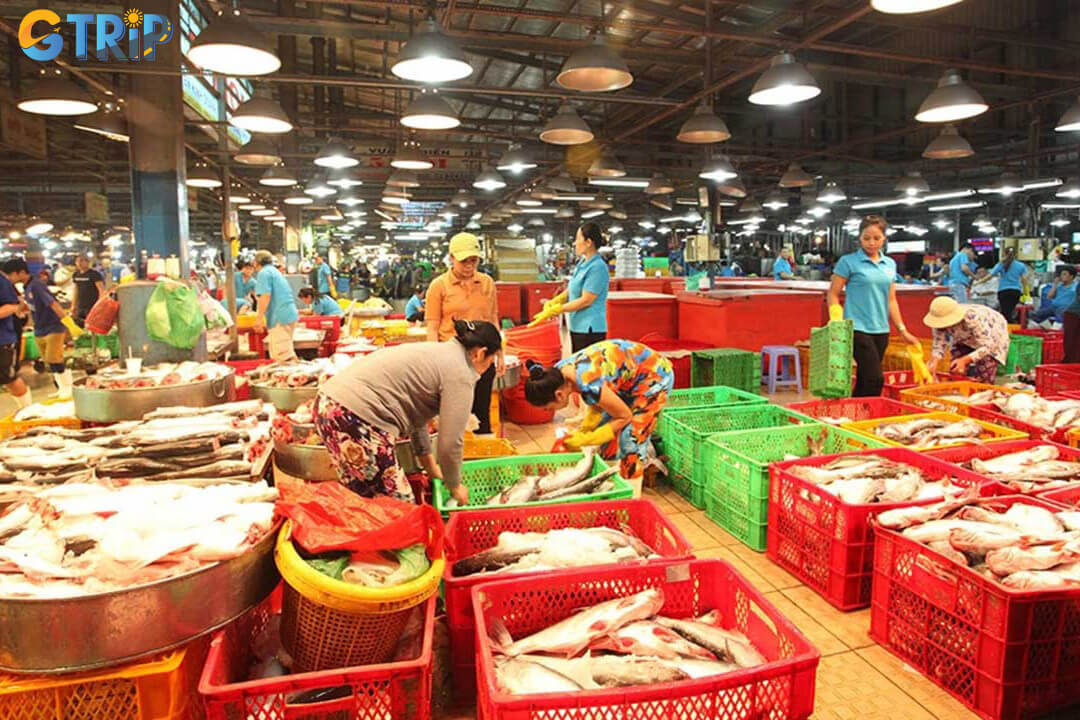
Hall F focuses on fish, offering a lively glimpse into Vietnam’s aquatic abundance as traders expertly sort and sell both saltwater and freshwater catches
Hall H: Meat, poultry, agricultural products (rice, sugar, beans), and steamed fish
Hall H is arguably the most diverse section in Binh Dien Market, a composite hall that caters to several essential food categories. One large area is dedicated to fresh meat, with vendors skillfully butchering whole sides of pork and beef to order. Another section is for poultry, where both live and processed chickens and ducks are sold. Deeper inside, you'll find the bulk agricultural goods, with towering stacks of 50kg sacks of rice, sugar, various beans, and dried chilis. Uniquely, this hall also features a dedicated area for pre-cooked items, most notably steamed fish. Here, whole fish are steamed with aromatics like ginger and scallions, offering a convenient, ready-to-sell product for smaller food stalls across the city.
Hall K: Binh Dien Dried Goods Market
Hall K offers a complete shift in sensory experience, moving from the wet and fresh to the dry and aromatic. This is the domain of preserved goods, spices, and pantry staples. The air is perfumed with a complex medley of scents from dried seafood, fragrant spices, and sweet preserved fruits. Here, you can find a vast array of products that form the flavour base of Vietnamese cuisine. Bags of dried squid, shrimp, and anchovies sit alongside a variety of nuts, seeds, and medicinal herbs. You will also discover jars of pickled and fermented vegetables, bottles of fish sauce, and a colorful selection of mut (candied fruits), especially popular during the Tet holiday. This hall is a treasure trove for any culinary enthusiast.
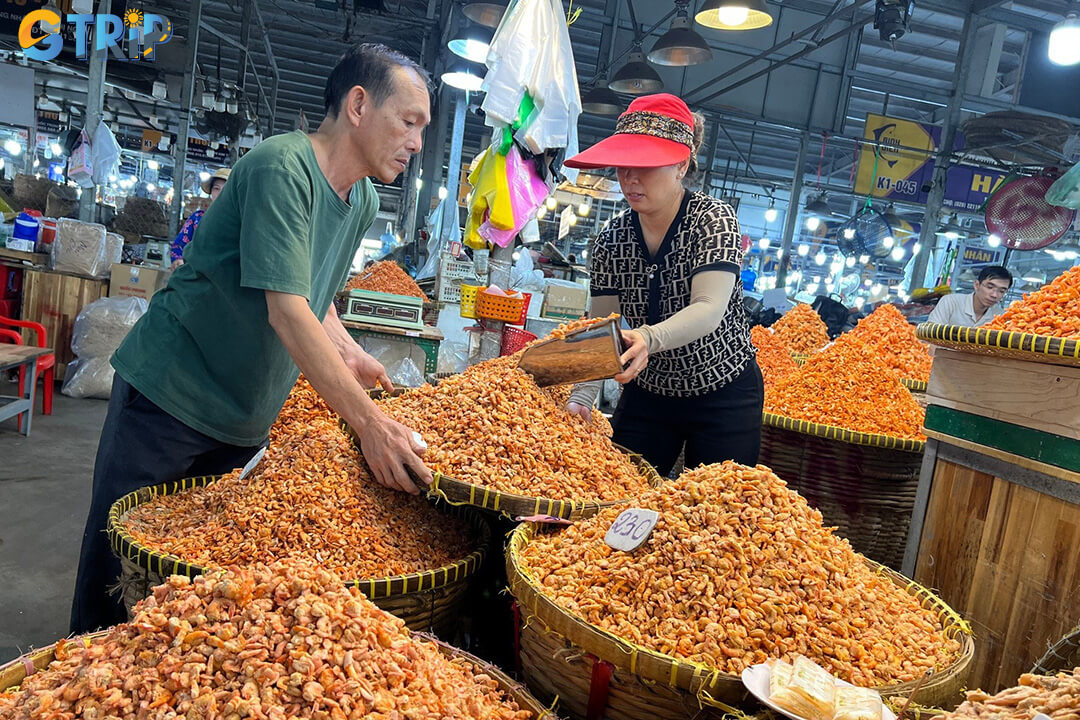
Hall K is a fragrant world of dried seafood, spices, and preserves, a vibrant showcase of the rich flavors that define Vietnamese cuisine
Hall T: Fruit Section
Hall T is a tropical paradise, a vibrant and fragrant celebration of Vietnam’s abundant fruit harvest. The sheer variety and volume are astounding, with entire stalls dedicated to a single type of fruit. Depending on the season, you’ll be greeted by the pungent, unmistakable aroma of durian, towering stacks of spiky red rambutans, and crates of mangosteen, the “queen of fruits”. The colors are just as impressive, from the bright pink of dragon fruit to the sunny yellow of ripe mangoes and the deep green of pomelos. This is the best place to witness the incredible diversity of Southeast Asian fruit, all gathered in one place, fresh from the farms of the Mekong Delta and other fertile regions.
Things to do at Binh Dien Market
Beyond being just a place to buy goods, Binh Dien Market offers a range of activities and authentic local experiences. These make it a fascinating stop for both locals and adventurous travelers.
Explore diverse products and a wide selection
The single greatest highlight of Binh Dien Market is its unparalleled variety. It is, quite literally, the larder of Ho Chi Minh City. Every conceivable fresh food item cultivated or caught in Southern Vietnam finds its way here. You can find an incredible variety of goods here, fresh vegetables, rare seafood, fragrant flowers, and piles of tropical fruit all gathered under one roof. This sheer scale is what sets it apart. For a visitor, walking through the halls is like taking a comprehensive tour of Vietnam's entire agricultural and aquatic bounty. You are seeing the source, the raw materials that fuel the city's world-famous culinary scene, all in one vast, vibrant location.
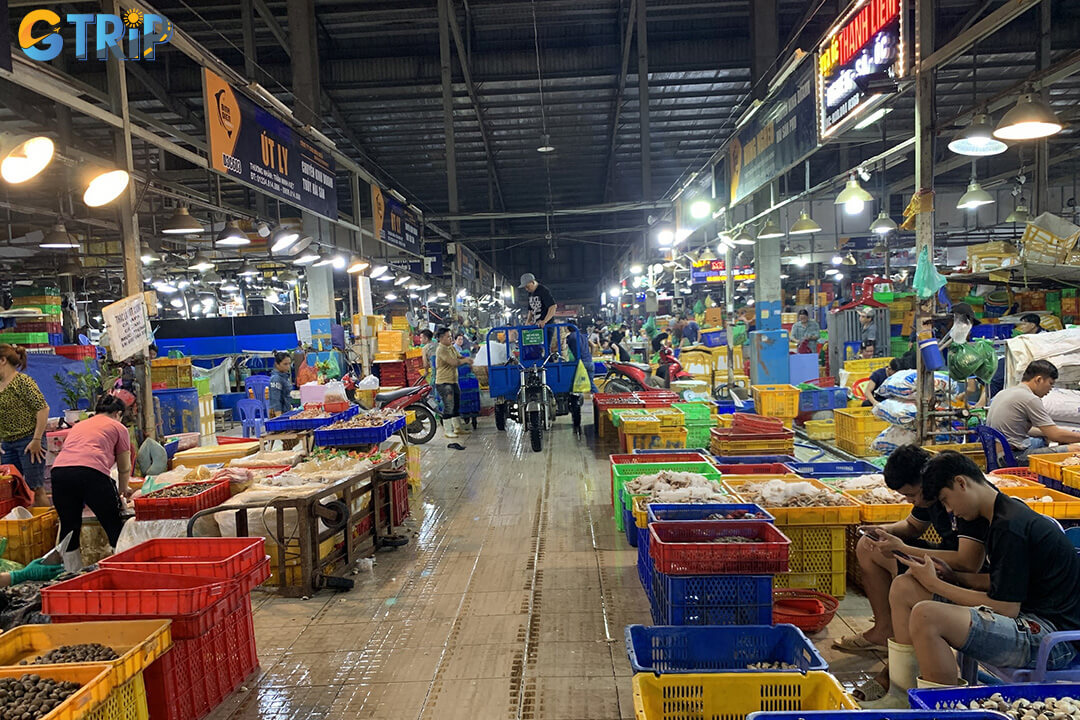
Binh Dien Market is the pantry of Ho Chi Minh City a massive hub where Vietnam’s freshest vegetables, seafood, flowers, and fruits come together under one roof
Experience the well-organized layout and convenient shopping
For a market that handles thousands of tonnes of goods nightly, Binh Dien is remarkably easy to navigate. The masterstroke of its design is the hall-based system, which segregates products into their own massive, dedicated buildings. This logical organisation prevents the market from descending into pure chaos. If you are looking for fish, you go to Hall F. If you need fruit, you head to Hall T. The wide avenues between the halls are built to accommodate the constant movement of small trucks and electric carts, which also makes walking around relatively easy and safe, provided you stay aware. This thoughtful layout makes what could be an intimidating experience feel structured and accessible, allowing visitors to explore at their own pace without feeling lost.
Enjoy transparent and stable pricing
Unlike many tourist-oriented markets where haggling is an expected and sometimes exhausting ritual, Binh Dien operates on a different principle. As a primary wholesale hub, its main purpose is efficient, high-volume trade. Consequently, pricing is generally transparent and stable. Most vendors display prices clearly on signs, usually priced per kilogram. While you might get a small discount for a very large purchase, there's no culture of intense bargaining. This straightforward approach is a relief for many visitors, as it removes the pressure of negotiation and ensures you are getting a fair price, the same price that local restaurateurs and shopkeepers are paying. It fosters a sense of trust and efficiency that defines the market's commercial character.
Binh Dien Market stands out for its no-haggle culture, prices are clear, fair, and consistent, reflecting its role as a professional wholesale hub focused on efficiency
Interact with the friendly local vendors
The sellers at Binh Dien Market are some of the hardest-working people in the city, and their communication style reflects their professional, no-nonsense environment. While they might be too busy for a long chat, the culture is one of directness and honesty, which many visitors find refreshing. There are no pushy sales tactics or tourist traps here. Vendors are focused on their trade but are generally welcoming if you show genuine interest. A simple smile and a polite "xin chao" (hello) go a long way. They are often happy to let you observe and, if you decide to buy something, the transaction will be quick and efficient. This straightforward "friendliness" is part of the market’s authentic charm, it’s a real place of business, not a performance for tourists.
Other markets in Ho Chi Minh City
While Binh Dien Market is a destination on its own, its location in the southwest of the city makes it easy to explore several other fascinating local markets nearby. Visiting them together offers a richer glimpse into Saigon’s vibrant and diverse market culture.
- Binh Tay Market (Cholon): Found in what used to be former District 6, this historic market is among the oldest and most architecturally impressive in the city. Featuring a blend of Sino-French design, it thrives with lively trade in dried goods, spices, and textiles, providing a vivid contrast to the modern and large-scale operations at Binh Dien.
- Ben Thanh Market: Possibly the city’s most famous market, located centrally in former District 1. It is a must-visit for newcomers, presenting a wide array of local crafts, souvenirs, and quintessential Vietnamese street food in a vibrant, tourist-friendly setting.
- Ho Thi Ky Flower Market: Known as Saigon's vibrant flower hub, this 24-hour market bursts with colors and fragrances. It is especially lively in the early morning when fresh blooms from across Vietnam arrive, making it a feast for the senses and a window into traditional Vietnamese flower culture.
- Kim Bien Market: This long-established wholesale market in former District 5 is renowned for its extensive selection of chemicals, fabrics, and accessories. Though not typically a tourist spot, it offers a fascinating glimpse into Saigon’s industrial and wholesale scene.
- Hanh Thong Tay Market: Located in the former Go Vap District, this lively market is popular among locals for its affordable clothing, accessories, and street food, particularly bustling in the evenings.
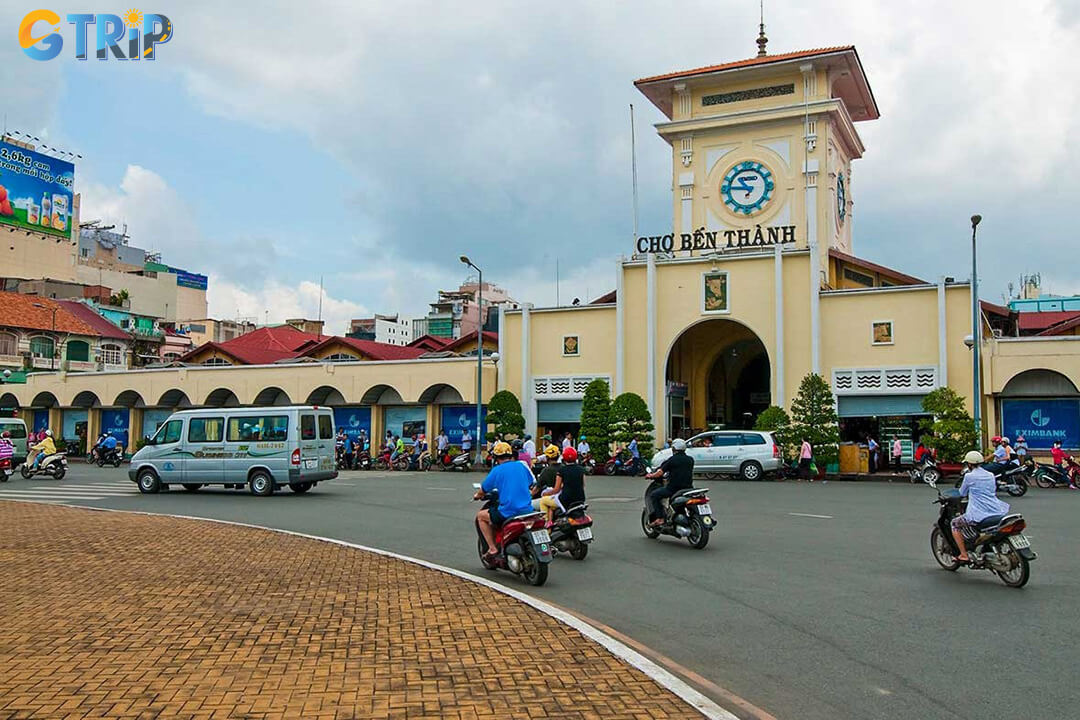
Around Binh Dien, Saigon’s market culture thrives, from historic Binh Tay and iconic Ben Thanh to colorful Ho Thi Ky, bustling Kim Bien, and lively Hanh Thong Tay
Tips for visiting and shopping
To make the most of your adventure to Binh Dien Market, a little preparation is key. Here are some essential tips for first-time visitors:
- Go early: The market's energy peaks between 1:00 AM and 4:00 AM. Arriving during this window lets you see the market in full swing, with trucks unloading and major trading underway.
- Wear appropriate footwear: This is non-negotiable. The floors, especially in the seafood and fish halls, are wet, slippery, and constantly being hosed down. Wear waterproof, closed-toe shoes or, even better, rain boots.
- Bring cash: The market operates almost exclusively on cash. Bring a sufficient amount, preferably in smaller denominations (VND 10,000 to 100,000 notes), to make small purchases easier.
- Be aware of your surroundings: The market is a busy workplace with motorbikes, handcarts, and forklifts moving quickly. Stay alert, keep to the sides of the main thoroughfares, and watch where you’re walking.
- Ask before you photograph: While most vendors don't mind photos of their goods, it's polite to ask for permission (a simple gesture with your camera is usually enough) before taking close-up pictures of people.
- Travel in a small group: The market can be overwhelming. Exploring with a friend or a small group is safer and more enjoyable than going alone.
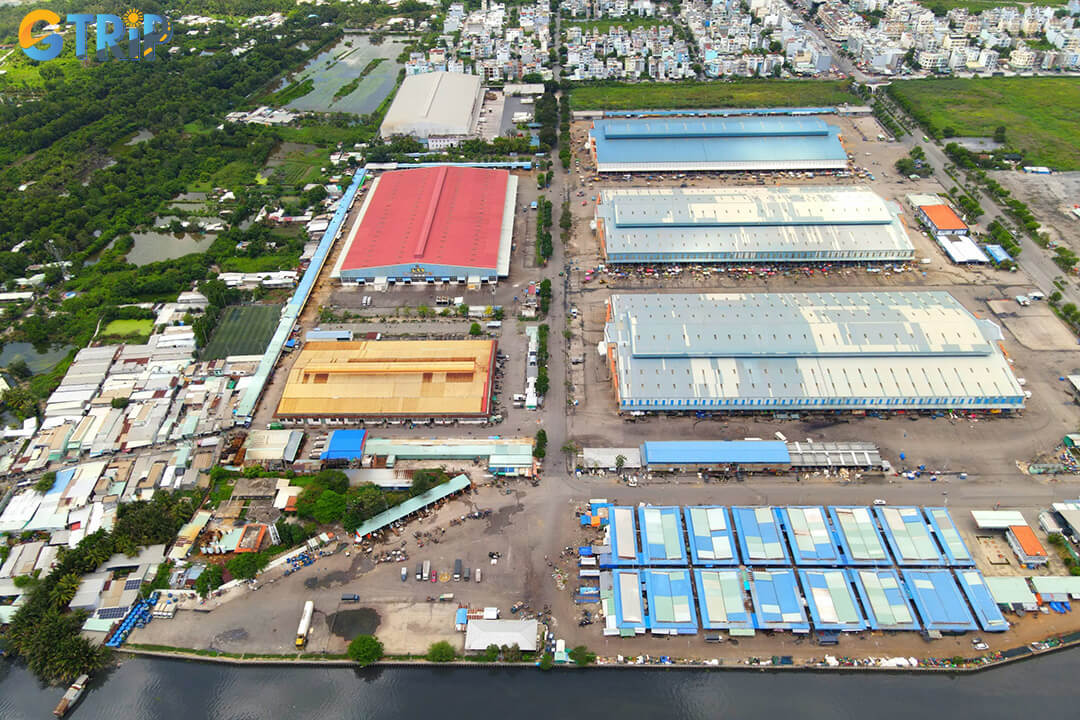
A few smart tips, go early, wear waterproof shoes, bring cash, stay alert, ask before taking photos, and explore with a friend, will help you make the most of your Binh Dien
A journey to Binh Dien Market is more than just a shopping trip, it’s a deep dive into the pulse of Ho Chi Minh City. To witness the organized chaos, the incredible diversity of products, and the sheer human effort that goes into feeding millions is to understand the city on a whole new level. It’s a raw, unfiltered, and utterly fascinating spectacle that stands in stark contrast to the polished tourist sites. While the early start and industrial setting might seem daunting, the reward is an authentic experience that few travelers get to see. For those who prefer a guided visit, GTrip - Vietnam Travel Agency offers early-morning market tours that make exploring this hidden world both easy and insightful.
Custom Your Journey

Other Attractions

Can Gio Monkey Island in Ho Chi Minh City: Tickets, Things to Do & Travel Guide
Can Gio Monkey Island
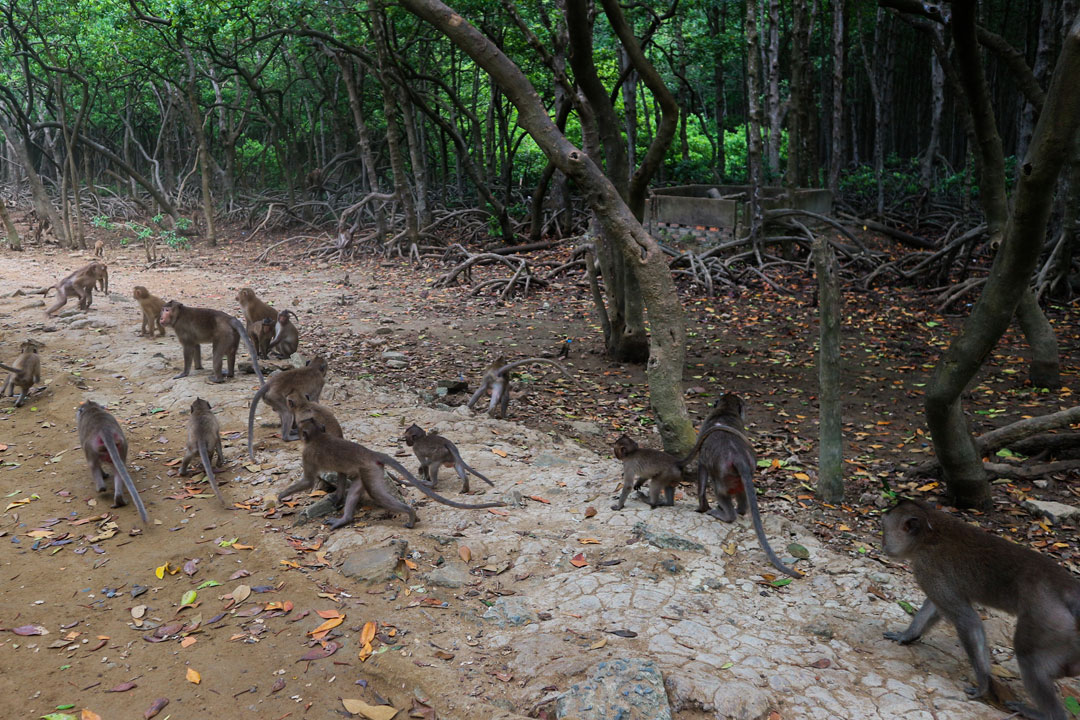
Can Gio Monkey Island in Ho Chi Minh City offers a refreshing escape from the city’s buzzing motorbike chaos. Just a short distance from the center, Can Gio welcomes you with lush mangrove forests, winding waterways, and a fascinating history. Here, you can meet playful long-tailed macaques, drift through tranquil channels, and explore remnants of a wartime guerrilla base.
Can Gio Monkey Island in Ho Chi Minh City: Tickets, Things to Do & Travel Guide
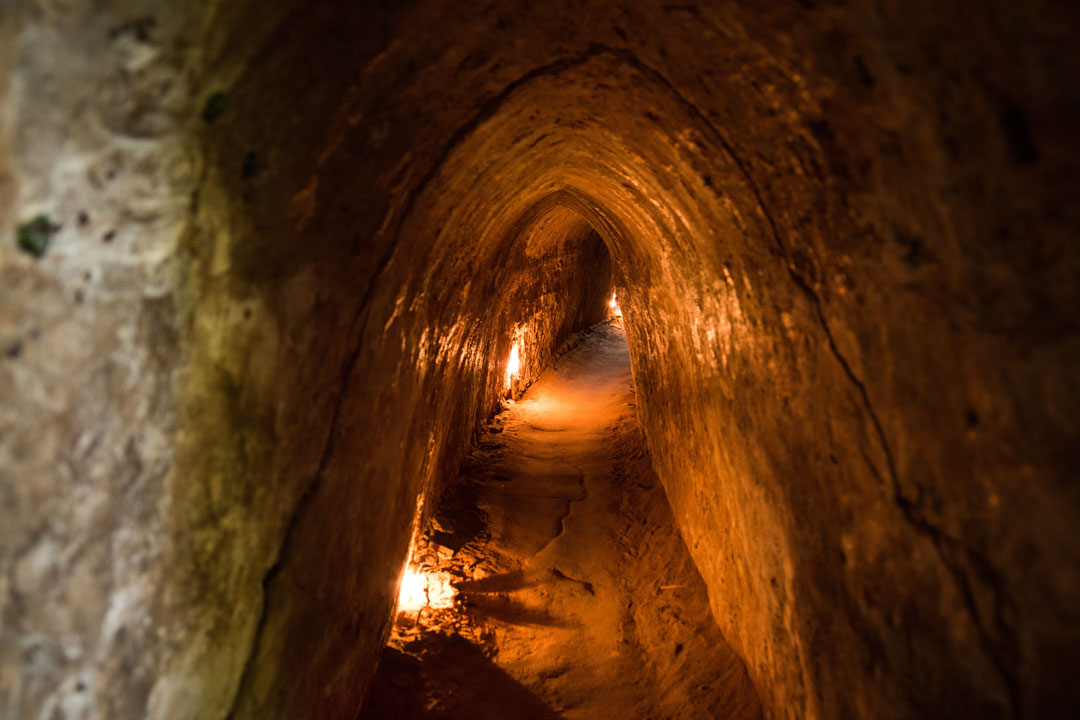
Cu Chi Tunnels: History, Architecture, Things To Do & Travel Guide
Cu Chi Tunnels
The Cu Chi Tunnels, located at TL15, Phu Hiep, Cu Chi District, Ho Chi Minh City, are a vast underground network of strategic passages, shelters, supply routes, and defensive traps.
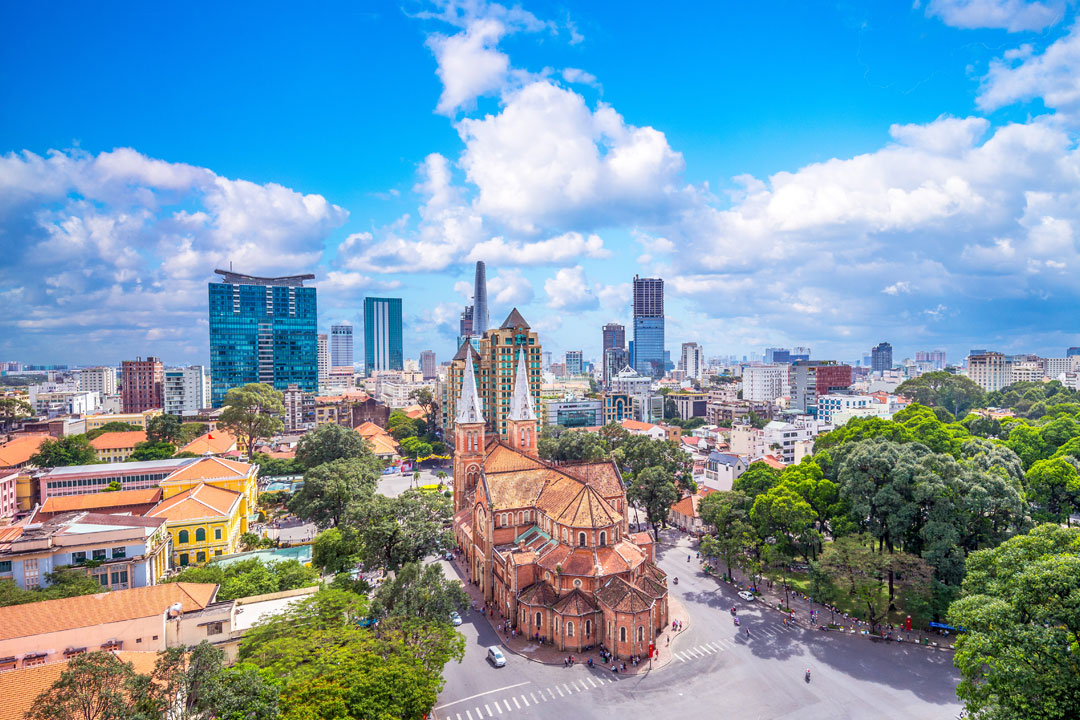
Ho Chi Minh City
Ho Chi Minh City, known as the "Pearl of the Far East," attracts both domestic and foreign tourists with its unique and diverse destinations.
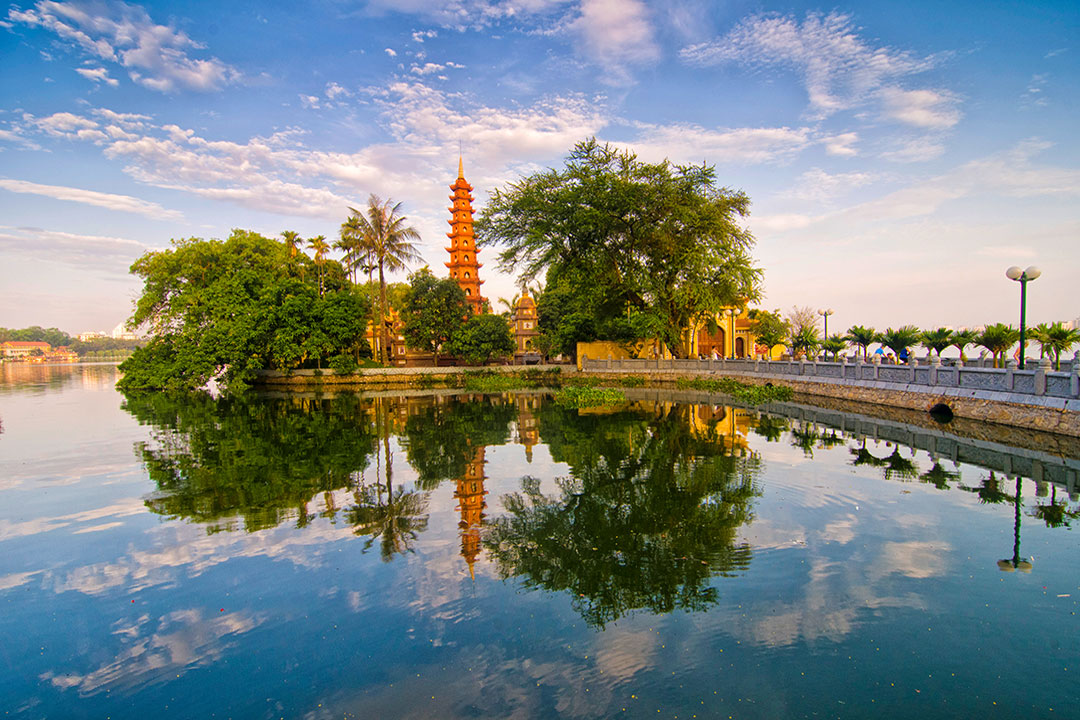
Tran Quoc Pagoda: History, Architecture, Significance & Travel Guide
Tran Quoc Pagoda
Nestled on the tranquil shores of West Lake, Tran Quoc Pagoda is the oldest Buddhist temple in Hanoi, with a history spanning over 1,500 years. Built in the 6th century under Emperor Ly Nam De, this sacred site reflects Vietnam’s Buddhist evolution while preserving its spiritual and architectural grandeur.