
Wednesday, October 14, 2026
Nestled in the heart of Ho Chi Minh City, Independence Palace, also known as the Reunification Palace is a must-visit destination for travelers curious about Vietnam’s modern history. This iconic landmark played a pivotal role during the fall of Saigon in 1975, marking a turning point in the nation’s story. Beyond its historical significance, the palace’s mid-century modernist architecture blends elegance and function in a uniquely Vietnamese style. Today, visitors can explore grand halls, underground command bunkers, and lush gardens. This GTrip guide covers the palace’s history, architecture, highlights, and practical tips for your visit.
Table of Content
- Where is the Independence Palace in Ho Chi Minh City
- Operating hours and ticket prices
- How to get to Independence Palace?
- History of the Independence Palace
- The architecture of Independence Palace
- 4 things to do at Independence Palace
- Visiting options at Independence Palace
- Nearby attractions from Independence Palace
- Frequently Asked Questions about Independence Palace
- 1. Can I take photos inside Independence Palace?
- 2. Is Independence Palace wheelchair accessible?
- 3. Are guided tours available at the palace?
- 4. What are the security rules for visitors?
- 5. Are there any restrictions on visitor behavior?
- 6. Is there a dress code for visiting Independence Palace?
- 7. Can I bring food and drinks inside?
- 8. Are there restrooms and other visitor facilities?
- 9. Is Independence Palace suitable for children?
- 10. Can I book tickets online?
Where is the Independence Palace in Ho Chi Minh City
Address: 135 Nam Ky Khoi Nghia Street, Ben Thanh Ward (formerly District 1), HCMC
Independence Palace sits in the heart of central Ho Chi Minh City, making it easy to include in any city tour. Its prime location allows visitors to combine a visit with nearby landmarks such as Notre Dame Cathedral, Saigon Central Post Office, and Ben Thanh Market. The palace is accessible by taxi, ride-hailing apps, public transport, or on foot from surrounding attractions, offering flexibility for all types of travelers.
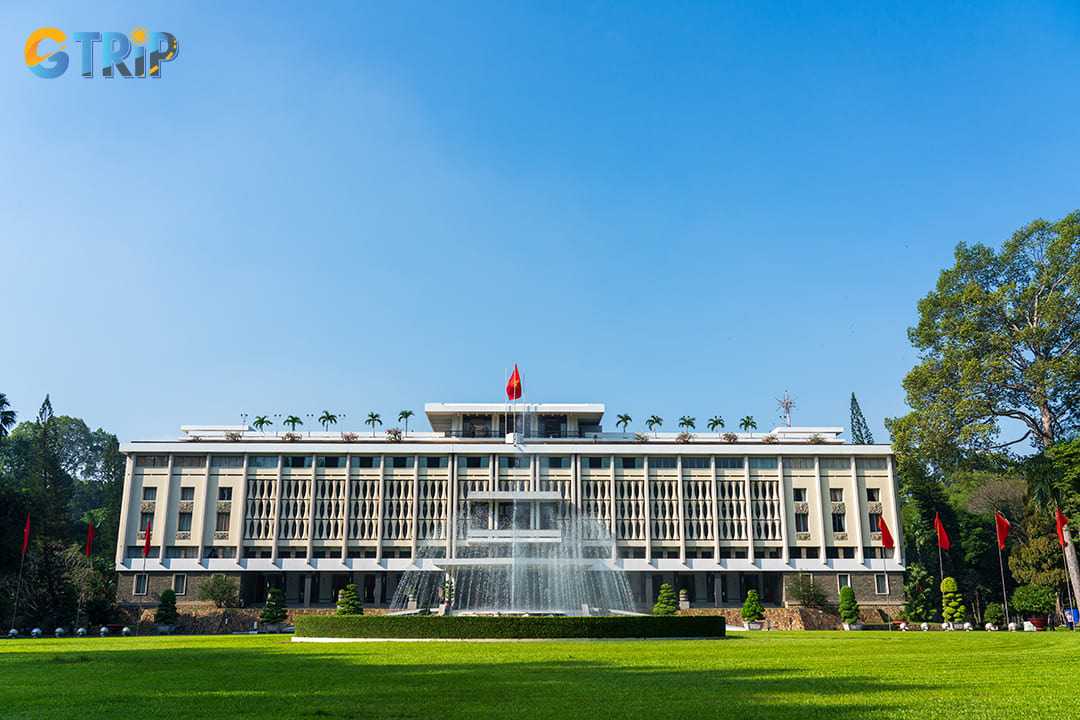
Aerial view of Independence Palace in the heart of Ho Chi Minh City, easily accessible and surrounded by iconic landmarks like Notre Dame Cathedral and Ben Thanh Market
Operating hours and ticket prices
The Independence Palace is open to visitors daily, including weekends and holidays, except for special occasions that may be announced in advance. Here are the operating hours and ticket details
Operating hours
Before planning your visit, it’s helpful to know the operating hours of Independence Palace. Both the main building and the exhibition hall have set visiting times, and note that the ticket office closes earlier than the palace itself.
- Main building: 8:00 AM - 4:30 PM. (Note: Ticket office closes at 3:30 PM; purchase tickets before this time.)
- Exhibition hall (From Norodom Palace to Independence Palace 1868–1966): 8:30 AM - 4:30 PM
Ticket prices
The current ticket prices for visiting the Independence Palace are categorized as follows:
| Ticket type | Adults (VND) | Students (VND) | Children (VND) |
|---|---|---|---|
| Ticket to visit the main building of the historical site | 40,000 | 20,000 | 10,000 |
| Ticket to visit the exhibition house "From Norodom Palace to Independence Palace 1868-1966" | 65,000 | 45,000 | 15,000 |
Notes:
- Students must present a valid student ID to purchase tickets at the discounted rate.
- Children tickets apply to those aged 6 to under 16, and age verification documents may be required if necessary.
- Ticket prices do not include additional services requested by visitors.
- Tickets are sold from 8:00 AM to 3:30 PM, and visiting hours are from 8:00 AM to 4:30 PM daily.
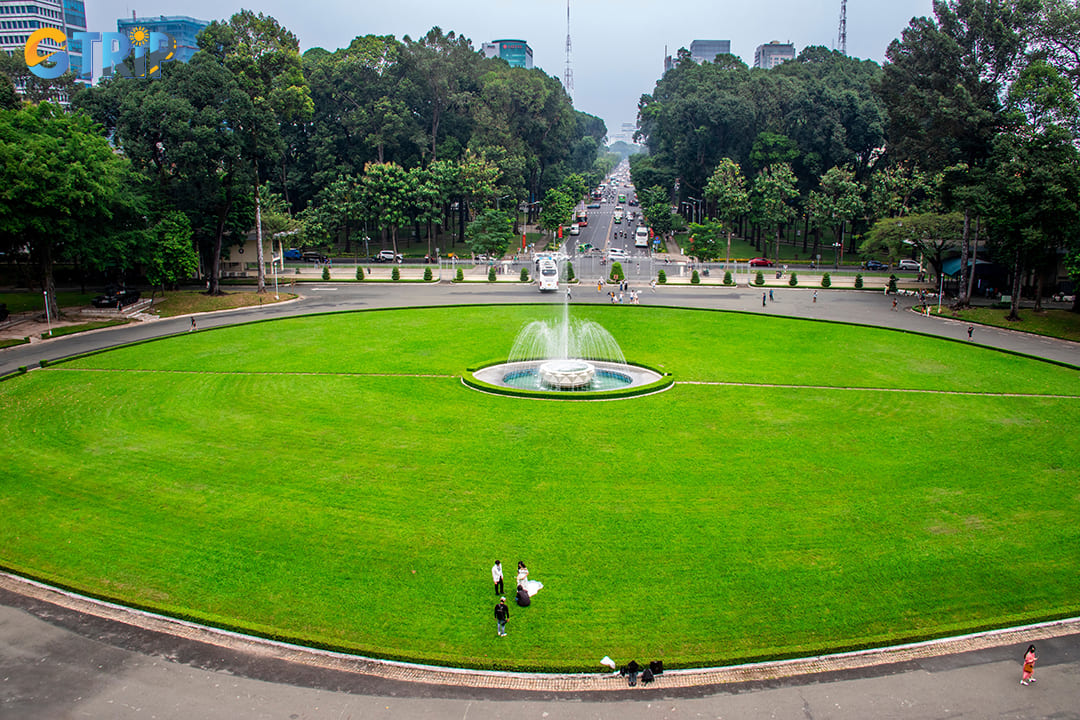
The Independence Palace is open to visitors daily
How to get to Independence Palace?
Independence Palace is centrally located at 135 Nam Ky Khoi Nghia Street, in central Ho Chi Minh City. It is easily accessible by various transportation options.
By public bus
For budget travelers, Ho Chi Minh City’s bus network provides an economical way to get to Independence Palace. Several bus routes stop near the palace, including:
- Bus 04, 05, 18, 36, 42, and 52: Stop along Nam Ky Khoi Nghia Street, a short walk from the entrance.
- Bus 03 & 19: Stop at Le Duan Street, about a 5-minute walk away.
- Bus fare: 5,000 - 20,000 VND (~$0.20 - 0.78 USD) per ride.
By motorbike or bicycle
For those who enjoy riding around the city, renting a motorbike or bicycle is an exciting way to explore. Many rental shops in former District 1 offer:
- Motorbike rental: 100,000 - 200,000 VND (~$4 - 8) per day
- Bicycle rental: 50,000 VND (~$2) per day
The palace has parking available nearby, though it's advisable to park at designated lots to avoid fines.
By walking
If you're already, walking to Independence Palace is a great option. The palace is within walking distance from several major attractions:
- Notre Dame Cathedral: 5 minutes (350m)
- Saigon Central Post Office: 7 minutes (500m)
- Ben Thanh Market: 10 minutes (750m)
The area is pedestrian-friendly, with wide sidewalks and plenty of cafés along the way for a quick stop.
By cyclo
For a more cultural experience, you can take a cyclo ride to the palace. These three-wheeled pedicabs offer a slow, scenic journey through Ho Chi Minh City's bustling streets.
Cyclo fare: 50,000 - 100,000 VND (~$1.94 - $4) for a short ride.
By taxi or ride-hailing services
One of the most comfortable and hassle-free ways to reach Independence Palace is by taking a taxi or using ride-hailing apps such as Grab and Be. These services are widely available in Ho Chi Minh City, and you can book a car or motorbike ride to the palace. Estimated taxi fares from popular locations:
- From Tan Son Nhat International Airport: 15 to 20 minutes (~150,000 VND/~$6)
- From Ben Thanh Market: 5 minutes (~40,000 VND/~$1.60)
- From Notre Dame Cathedral: 3 minutes (~30,000 VND/~$1.20)
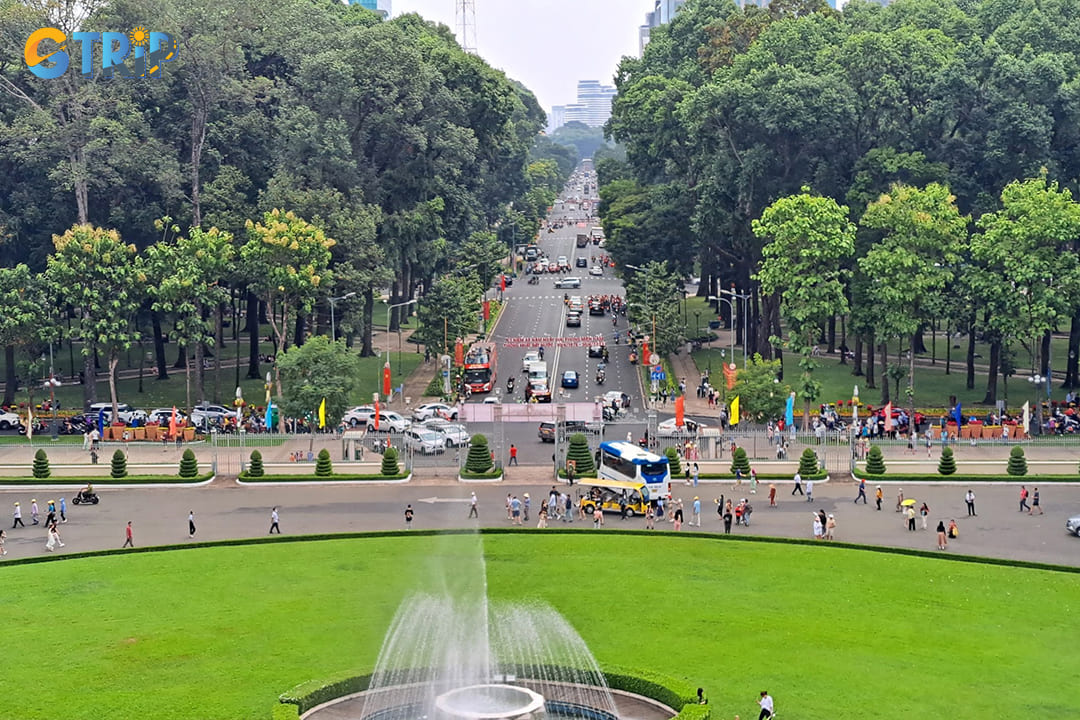
One of the most comfortable and hassle-free ways to reach Independence Palace is by taking a taxi or using ride-hailing apps
History of the Independence Palace
The Independence Palace, also known as the Reunification Palace, stands as a symbol of Vietnam’s modern history. Its story began with Norodom Palace, built by the French between 1868 and 1873 as the residence of the Governor-General of Indochina. After the country’s division in 1954, President Ngo Dinh Diem renamed it Independence Palace. Following damage from a bombing in 1962, the palace was rebuilt entirely on the same site.
During the Vietnam War, it served as the command center and official residence of the South Vietnamese president, housing war rooms, communication hubs, and an underground bunker. The palace witnessed the pivotal Fall of Saigon on April 30, 1975, when a North Vietnamese tank breached its gates, marking the end of the war and the reunification of Vietnam.
Today, the palace is a museum preserving its historical rooms and artifacts. Visitors can explore its halls and bunkers through guided tours and exhibits, gaining insight into Vietnam’s political history. Independence Palace remains a testament to resilience, unity, and the nation’s journey toward peace.
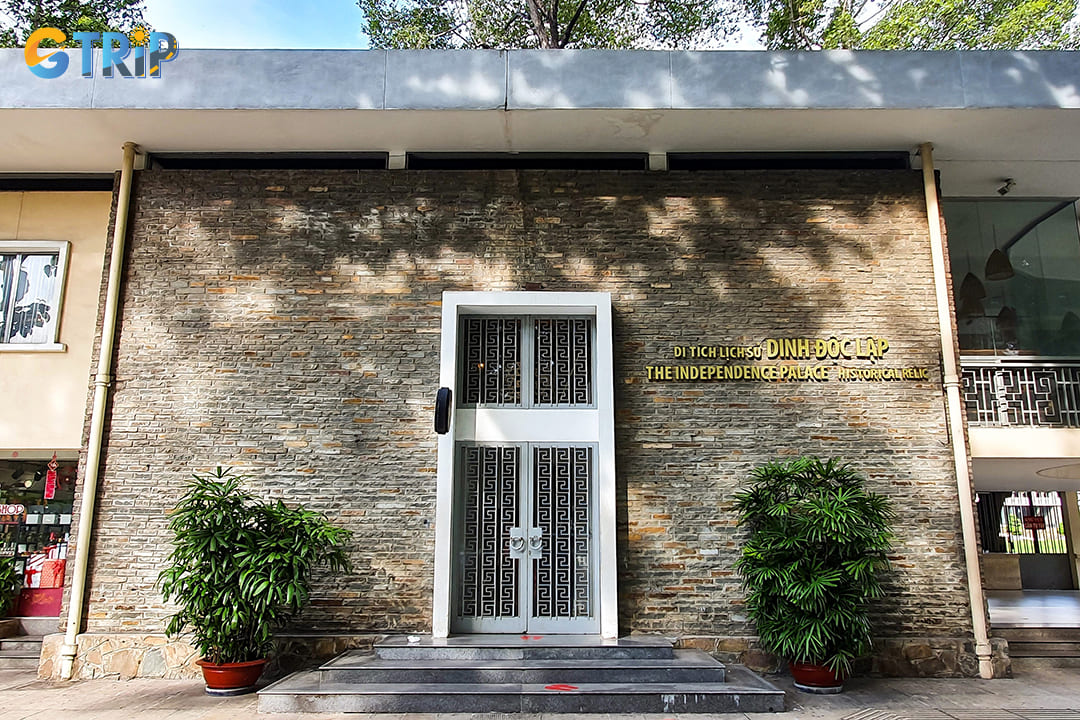
The Independence Palace transitioned from a bastion of war to a beacon of learning and cultural heritage
The architecture of Independence Palace
Independence Palace, designed by renowned architect Ngo Viet Thu, is a landmark of modernist architecture in Vietnam. Built between 1962 and 1966, it replaced the old Norodom Palace with a larger, contemporary structure that harmoniously blends traditional Vietnamese elements with modernist design principles.
The palace emphasizes simplicity, functionality, and natural integration. Open spaces, flat surfaces, and large glass windows allow natural light and garden views, creating a fluid connection between indoors and outdoors. Geometric and symmetrical forms enhance balance and order throughout the building.
Ngo Viet Thu infused cultural symbolism into the design. The layout resembles the Chinese character for “fortune,” and architectural details reflect values like luck, loyalty, and prosperity. Exterior stone latticework, inspired by Hue’s imperial gates, adds aesthetic beauty while controlling sunlight.
The cross-shaped structure features radial wings, a central core, and a rooftop helipad, highlighting its dual role as both a government headquarters and strategic command center. Surrounding gardens, ornamental plants, and a lotus-adorned semicircular fountain reflect early green architecture in Vietnam, while modern facilities like elevators, ventilation, and safety systems ensure comfort and efficiency.
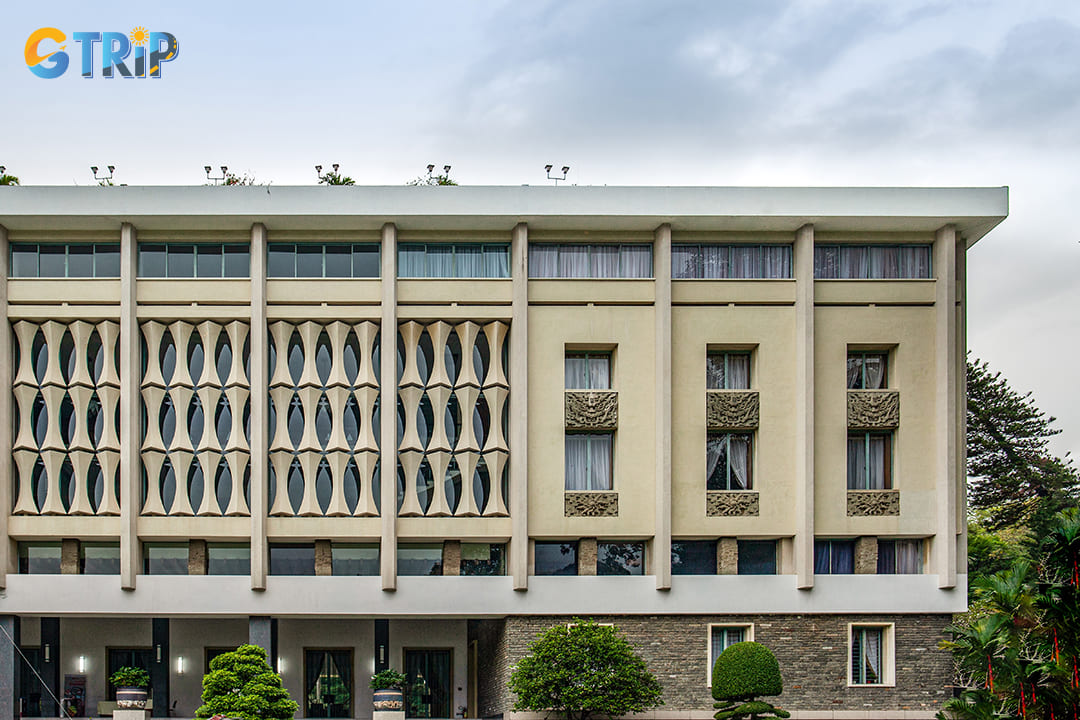
The palace's architectural style emphasizes simplicity, functionality, and the integration of natural elements
4 things to do at Independence Palace
Independence Palace (Reunification Palace) is not just an architectural landmark but also a historically significant site in Ho Chi Minh City. You can explore its beautifully preserved interiors, learn about Vietnam’s history, and enjoy the surrounding gardens.
1. Explore the grand reception rooms
One of the highlights of visiting Independence Palace is exploring its lavishly designed reception rooms, where high-ranking officials once hosted important meetings and banquets. The grand halls are decorated with elegant furniture, chandeliers, and artworks that reflect the mid-20th-century aesthetic. Each room served a distinct function, from the Cabinet Room where critical decisions were made to the Banquet Hall that hosted state dinners. The Throne Room, in particular, is a must-see with its regal red carpet, elaborate golden decor, and a large ceremonial chair where the President of South Vietnam once sat during formal gatherings.
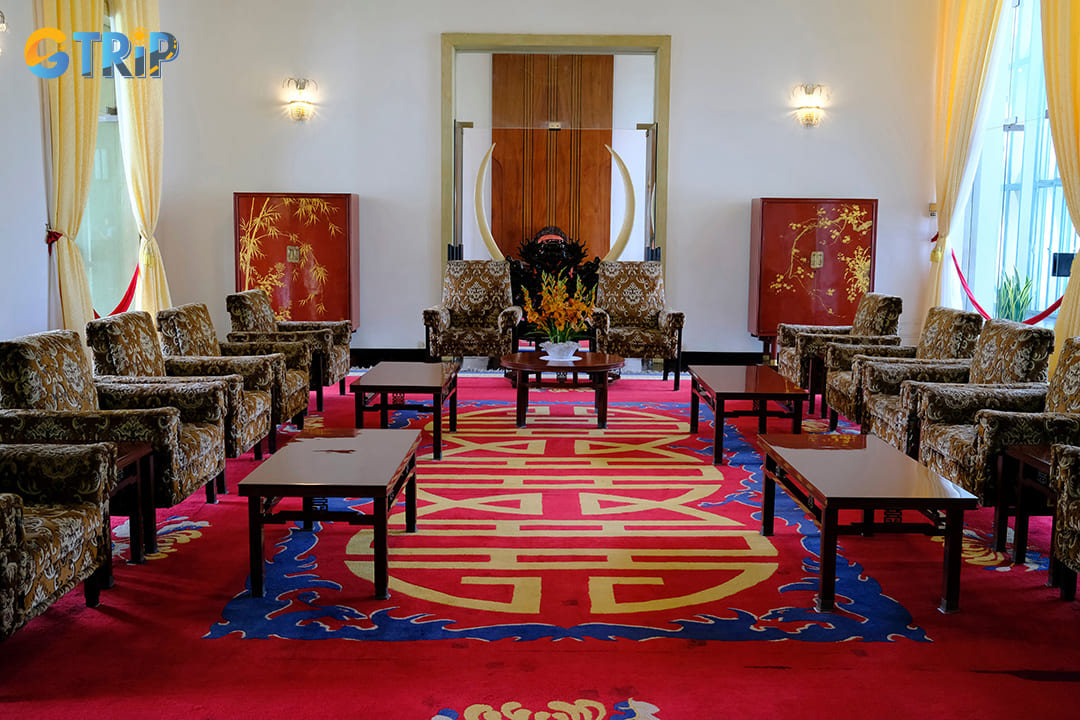
One of the highlights of visiting Independence Palace is exploring its lavishly designed reception rooms
2. Visit the presidential living quarters
Independence Palace was not only a political hub but also the private residence of the South Vietnamese president and his family. The living quarters offer a glimpse into the daily life of the country’s former leaders. These areas include a dining room, bedrooms, and recreational spaces, all furnished in a 1960s style that has been carefully preserved.
You can see personal items such as vintage telephones, books, and artwork, which provide insight into the lifestyle of the presidential family. One of the most fascinating parts of the residence is the entertainment room, complete with a private cinema and a game room where guests are entertained during social gatherings.
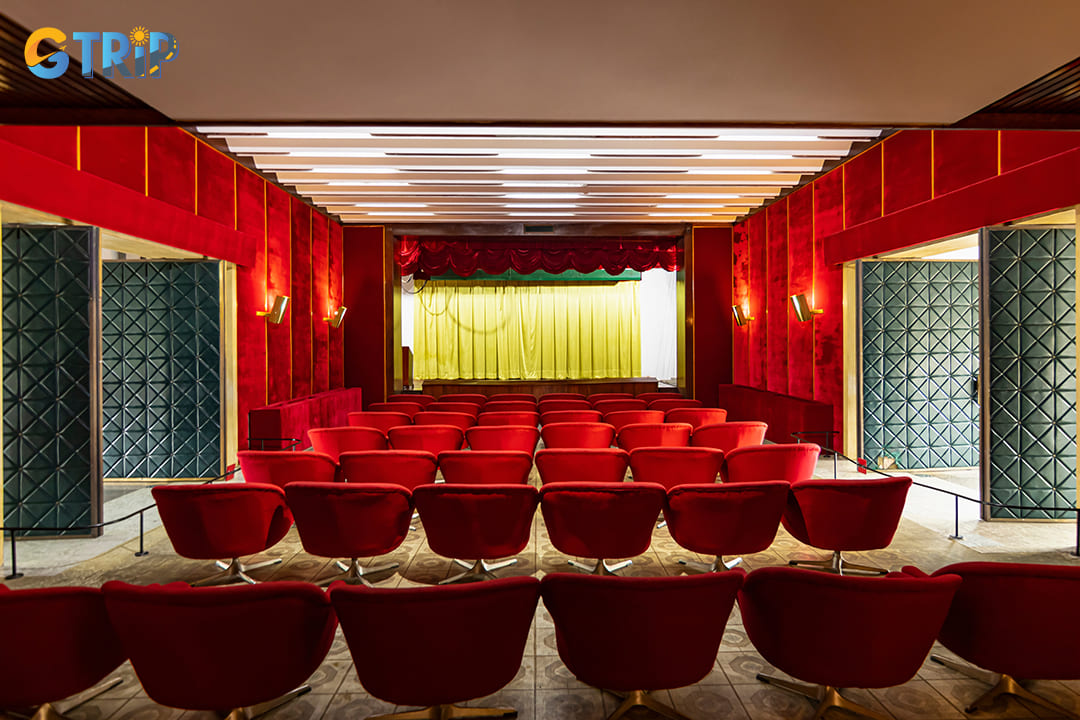
One of the most fascinating parts of the residence is the entertainment room with a private cinema
3. Discover the underground bunker
A visit to the underground bunker beneath Independence Palace is a step back in time to the Vietnam War era. This secret bunker, built to serve as a command center in case of attacks, remains in its original state.
The bunker features war maps, communication equipment, and a network of tunnels connecting different rooms. You can explore the president’s emergency office, the radio transmission room, and military strategy rooms where critical wartime decisions were made. The atmosphere inside the bunker, with its dim lighting and thick concrete walls, gives a chilling reminder of the tense historical moments that took place here.
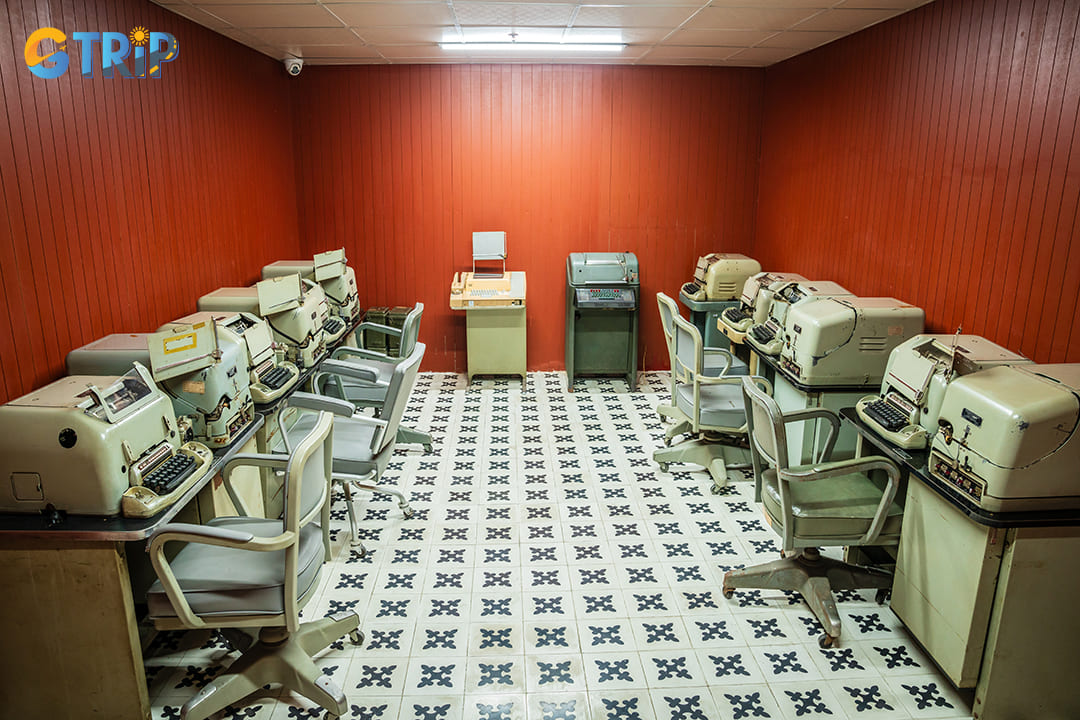
The bunker features war maps, communication equipment, and a network of tunnels connecting different rooms
4. Stroll through the gardens and outdoor exhibits
Surrounding the palace are beautifully landscaped gardens that offer a peaceful contrast to the historical significance of the site. A walk through the gardens reveals lush greenery, fountains, and shaded pathways.
One of the notable outdoor exhibits is a display of military vehicles, including tanks and fighter jets, which were used during the Fall of Saigon in 1975. These relics serve as powerful reminders of the country’s turbulent past and provide excellent photo opportunities for tourists. The front lawn, with its large circular fountain, is another iconic spot that adds to the palace’s grandeur and is a great place to relax after exploring the interior.
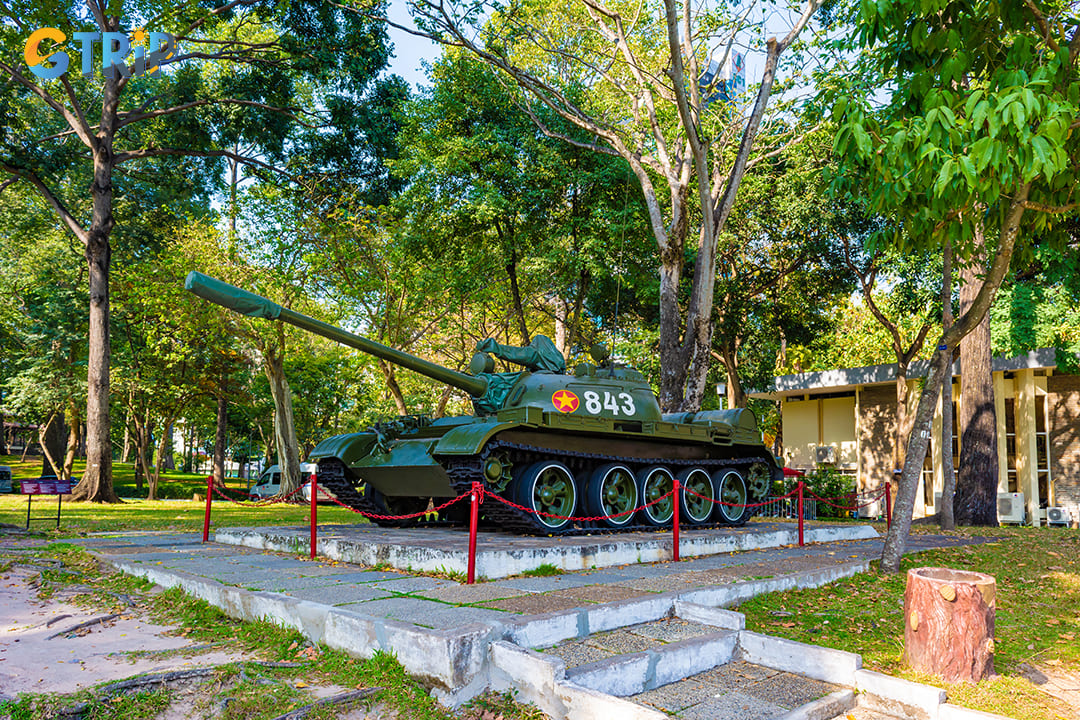
One of the notable outdoor exhibits is a display of military vehicles, including tanks and fighter jets
Visiting options at Independence Palace
Independence Palace offers four types of visiting experiences, tailored to suit different preferences and group sizes:
Electric cart tour around the grounds (approx. 10 minutes)
Covering a vast 12-hectare area filled with lush lawns and old-growth trees, the palace grounds can be comfortably explored by eco-friendly electric carts. This option is ideal for those wishing to avoid long walks or harsh sunlight. Each cart is equipped with an automatic audio guide system that highlights key features and the historical significance of the site.
Self-guided tour
Visitors can freely explore the main building with the help of international-standard signage, detailed information boards, and room labels. This option allows for an in-depth, flexible experience where travelers can take their time discovering the meaning behind each room and key historical milestone.
Audio tour with headphones
Launched in August 2017, the compact and user-friendly audio tour system provides engaging commentary tailored to each specific room. It is available in 10 languages, including English, French, Japanese, Chinese, Korean, German, Spanish, Russian, Thai, and Vietnamese, making it an ideal choice for international guests.
Guided tour with a palace guide
Groups can also choose a guided tour by registering at the information counter, where fees are shared according to the Palace’s regulations. This option is suitable for larger groups, up to 25 adults or 50 children (aged 15 and under).
To complete the visit, guests can enjoy a 30-minute documentary titled “The History of Independence Palace” at a modern in-house screening room. The film includes subtitles in English, French, Japanese, and Chinese. On April 30, additional commemorative activities are also held at this historic venue.
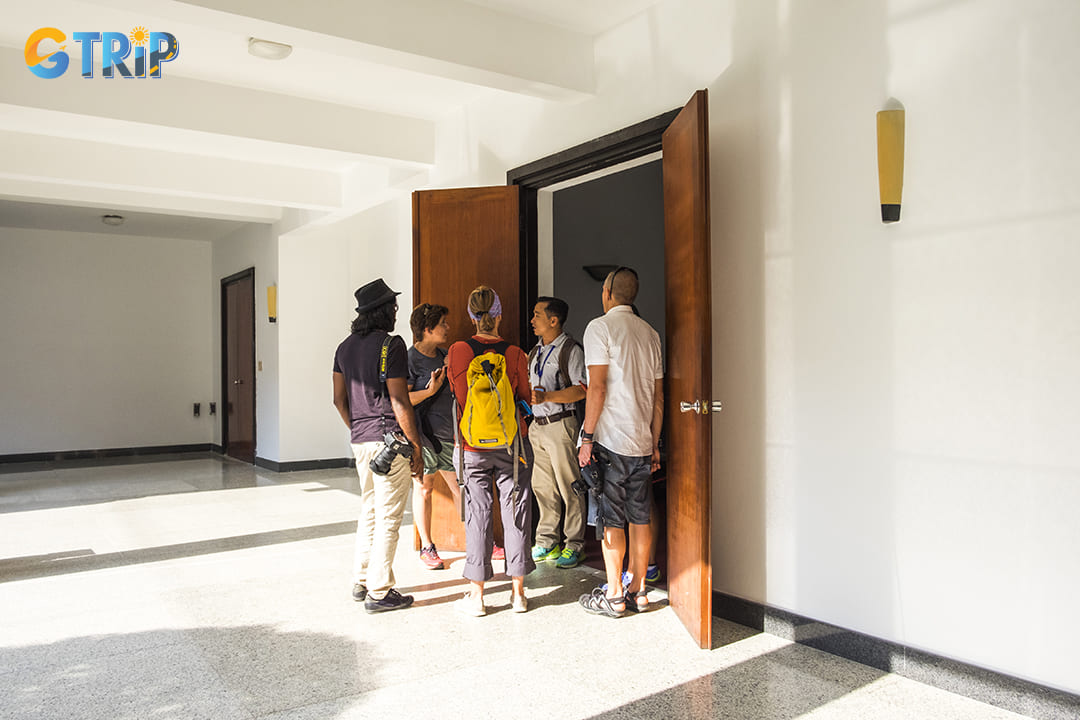
Independence Palace offers four types of visiting experiences, tailored to suit different preferences and group sizes
Nearby attractions from Independence Palace
After or before visiting this landmark, you can consider exploring some nearby attractions to expand your experience.
War Remnants Museum (550 m)
The War Remnants Museum, located near Independence Palace, offers a sobering look at Vietnam’s wartime history and its lasting impact on the country and its people. Opened in 1975 and renamed in 1990, the museum displays military equipment, photographs, personal belongings, and exhibits like the Agent Orange Effects and POW artifacts, providing vivid insights into the harsh realities of war. Visiting the museum allows tourists to reflect on the resilience of the Vietnamese people and understand the broader consequences of conflict, complementing nearby historical attractions for a comprehensive view of Vietnam’s past.
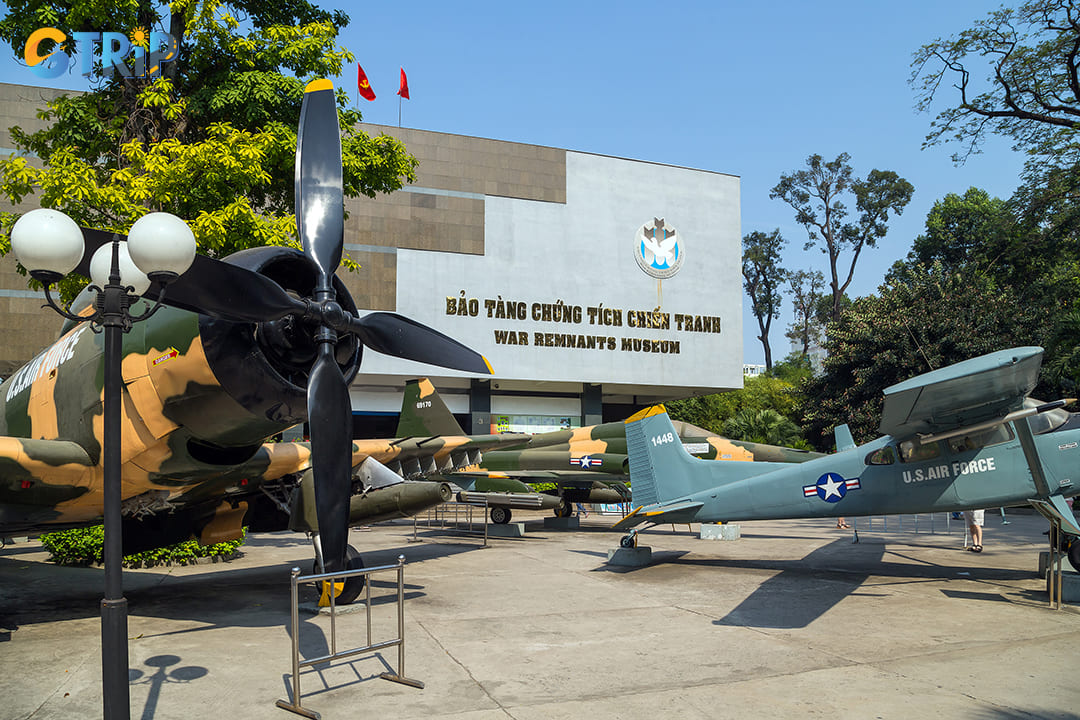
The War Remnants Museum is a poignant and essential stop for anyone seeking to understand Vietnam's turbulent past
Saigon Central Post Office
The Saigon Central Post Office, a key landmark in Ho Chi Minh City, is celebrated for its exquisite French colonial architecture and historical importance. Designed by Gustave Eiffel and completed in 1891, it showcases elegant arches, ornate details, and a beautifully preserved interior with vaulted ceilings and intricate tilework. Still fully operational, the post office serves both locals and tourists, blending historical charm with modern utility. Visitors can send mail, admire vintage telecommunication equipment, explore historical displays, and see the iconic portrait of Ho Chi Minh, making it a must-see destination that captures the city’s colonial heritage.
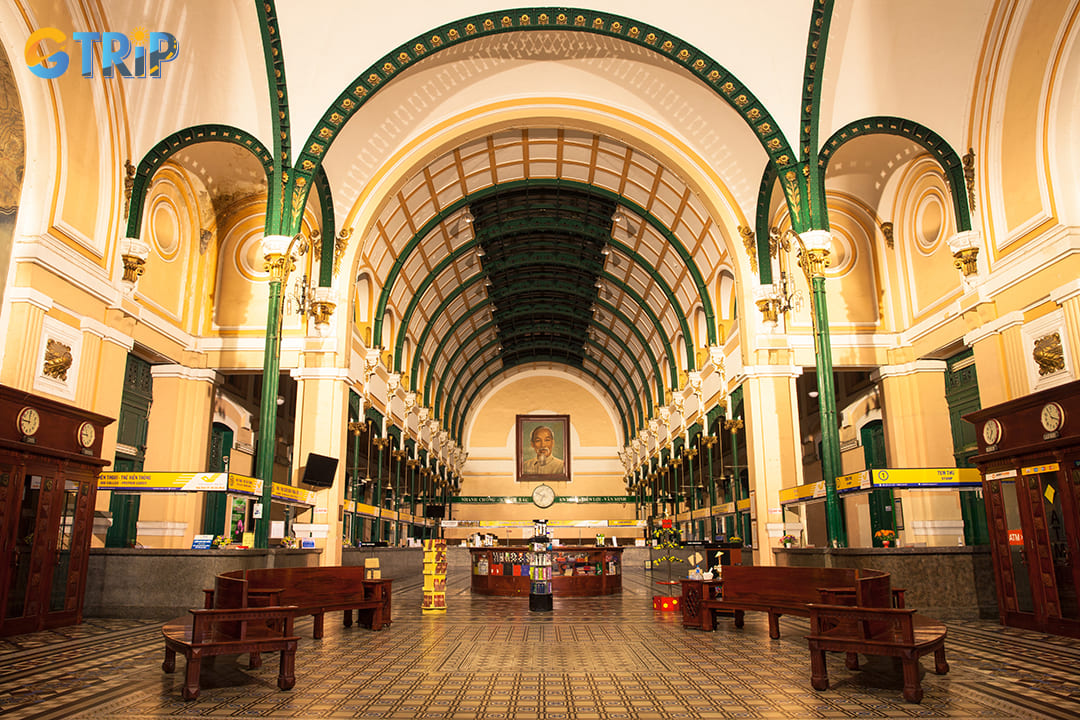
The Saigon Central Post Office is a must-visit landmark, renowned for its stunning French colonial architecture and rich historical significance
Saigon Opera House (1 km)
Another nearby architectural landmark is the Saigon Opera House, also known as the Municipal Theatre. Built in 1897, this French colonial building stands as a remarkable example of classical European architecture, blending Baroque and Romanesque styles. Its ornate facade, grand staircases, and elegant interiors make it a stunning sight for tourists to admire.
The Opera House is not just an architectural masterpiece, it is also a vibrant cultural venue. It hosts a variety of performances, including opera, ballet, and concerts, offering a rich experience for those with an interest in the arts. The Saigon Opera House is a must-visit for anyone looking to explore the cultural heart of Ho Chi Minh City.
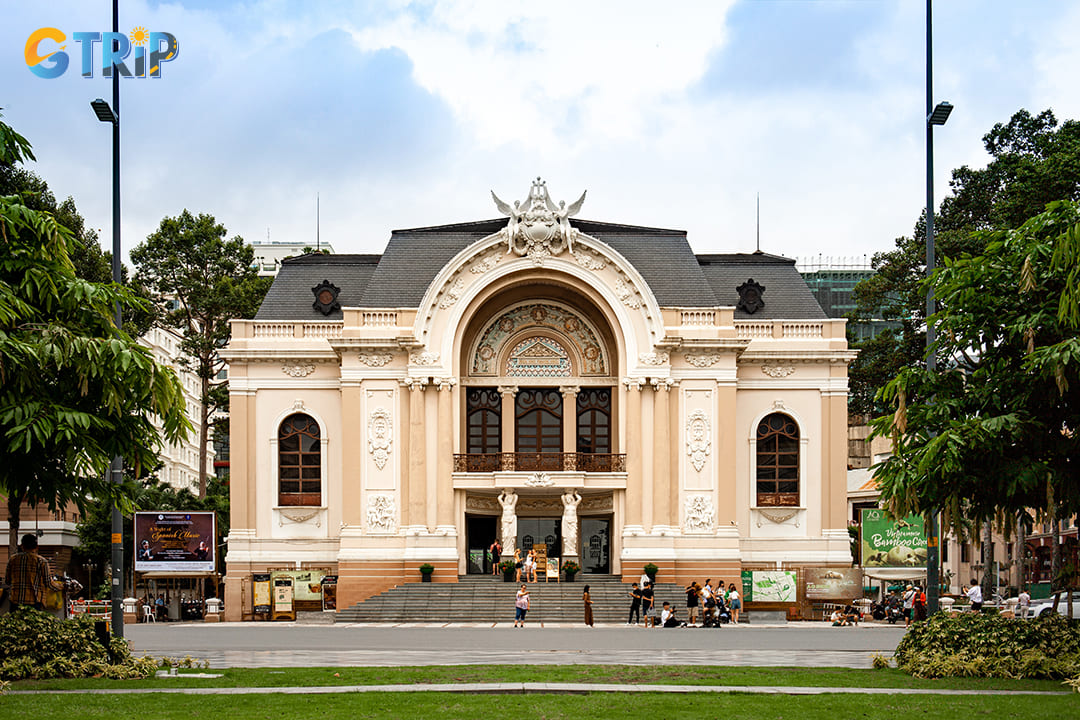
The Opera House is not just an architectural masterpiece, it is also a vibrant cultural venue
Frequently Asked Questions about Independence Palace
Tourists often have questions about Independence Palace (Reunification Palace) due to its historical significance and visitor policies. Below are some of the most frequently asked questions with concise answers.
1. Can I take photos inside Independence Palace?
Yes, but flash photography and tripods are prohibited to protect exhibits. Some rooms may have additional restrictions.
2. Is Independence Palace wheelchair accessible?
Yes, the Independence Palace is wheelchair accessible. The palace features ramps and elevators that allow tourists with mobility challenges to navigate its multiple levels. There are two elevator shafts, one at each end of the building, which provide access to most areas except for the rooftop terrace and the tunnel system.
3. Are guided tours available at the palace?
Yes. Free guided tours in English, French, and Vietnamese are available at scheduled times. Audio guides in multiple languages can also be rented.
4. What are the security rules for visitors?
- Large bags may be checked or stored in lockers.
- Tourists must stay on designated paths and avoid touching artifacts.
5. Are there any restrictions on visitor behavior?
Yes. Tourists should maintain decorum, avoid loud noises, and follow staff instructions for a smooth experience.
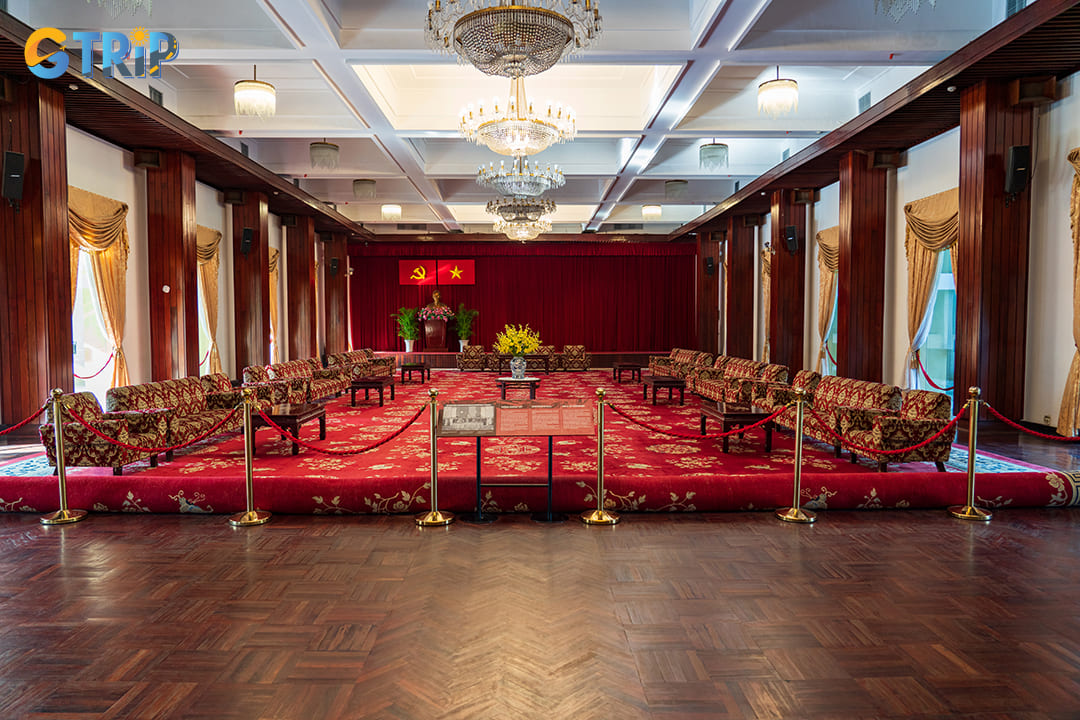
Tourists should maintain decorum, avoid loud noises, and follow staff instructions for a smooth experience
6. Is there a dress code for visiting Independence Palace?
No strict dress code, but respectful attire is recommended, especially for indoor areas.
7. Can I bring food and drinks inside?
No. Eating and drinking inside the palace are not allowed, but there are cafes nearby.
8. Are there restrooms and other visitor facilities?
Yes. Clean restrooms, seating areas, and information desks are available throughout the palace.
9. Is Independence Palace suitable for children?
Yes. The site is family-friendly, but young children should be supervised, especially in historical exhibits and staircases.
10. Can I book tickets online?
Yes. Tickets are available at the entrance. However, if you visit the palace on the weekend, holidays, or in a big group, you should book tickets online in advance.
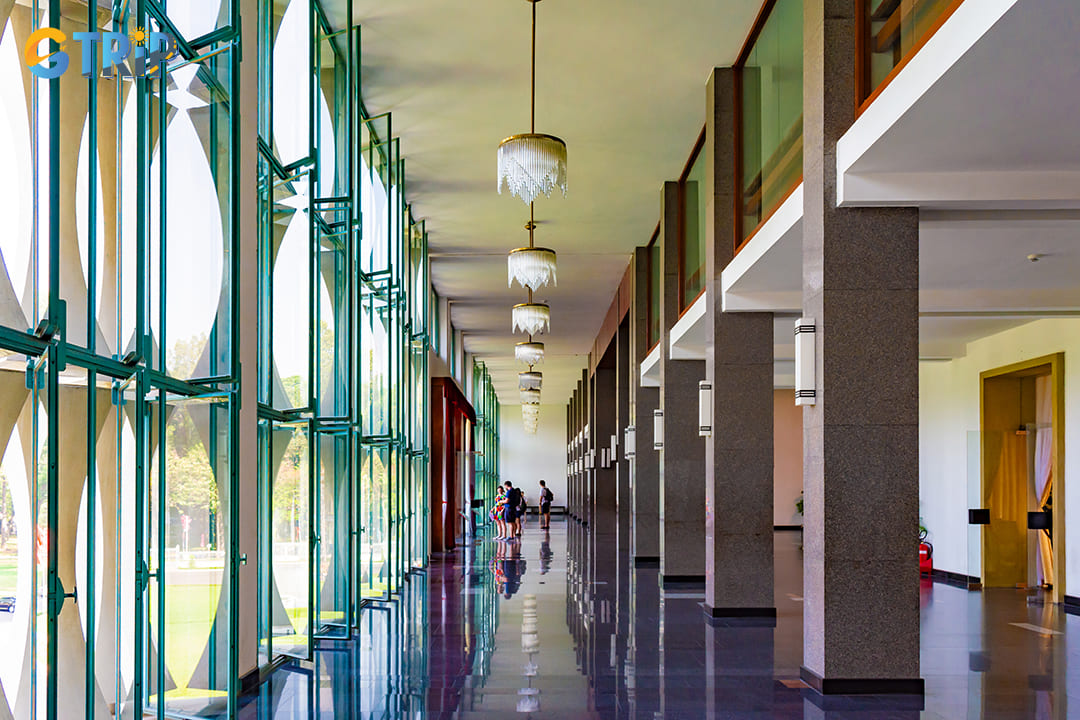
The site is family-friendly, but young children should be supervised, especially in historical exhibits and staircases
Read more:
Independence Palace stands as a powerful symbol of Vietnam’s history, resilience, and transformation. From its origins as Norodom Palace to its role as the seat of the South Vietnamese government, this landmark has witnessed some of the most pivotal moments in the country’s past. Today, it serves as a preserved historical site where you can explore grand reception halls, underground bunkers, and lush gardens while gaining insight into Vietnam’s complex journey toward reunification. As one of Ho Chi Minh City’s most significant attractions, the palace remains a must-visit destination that continues to educate and inspire generations to come. If you are interested in exploring this landmark or any attractions in the city, book Ho Chi Minh City tours of GTrip - Vietnam Travel Agency to get great support from our experienced tour guides.
Custom Your Journey

Other Attractions
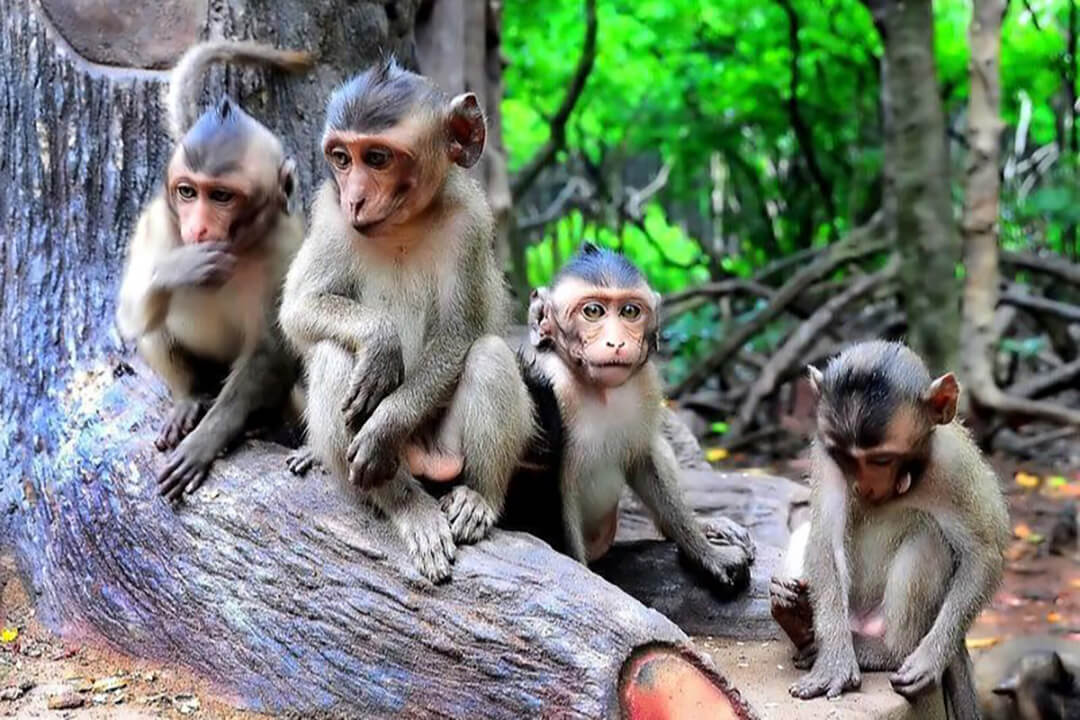
Can Gio Monkey Island in Ho Chi Minh City: Tickets, Things to Do & Travel Guide
Can Gio Monkey Island
Can Gio Monkey Island in Ho Chi Minh City offers a refreshing escape from the city’s buzzing motorbike chaos. Just a short distance from the center, Can Gio welcomes you with lush mangrove forests, winding waterways, and a fascinating history. Here, you can meet playful long-tailed macaques, drift through tranquil channels, and explore remnants of a wartime guerrilla base.
Can Gio Monkey Island in Ho Chi Minh City: Tickets, Things to Do & Travel Guide
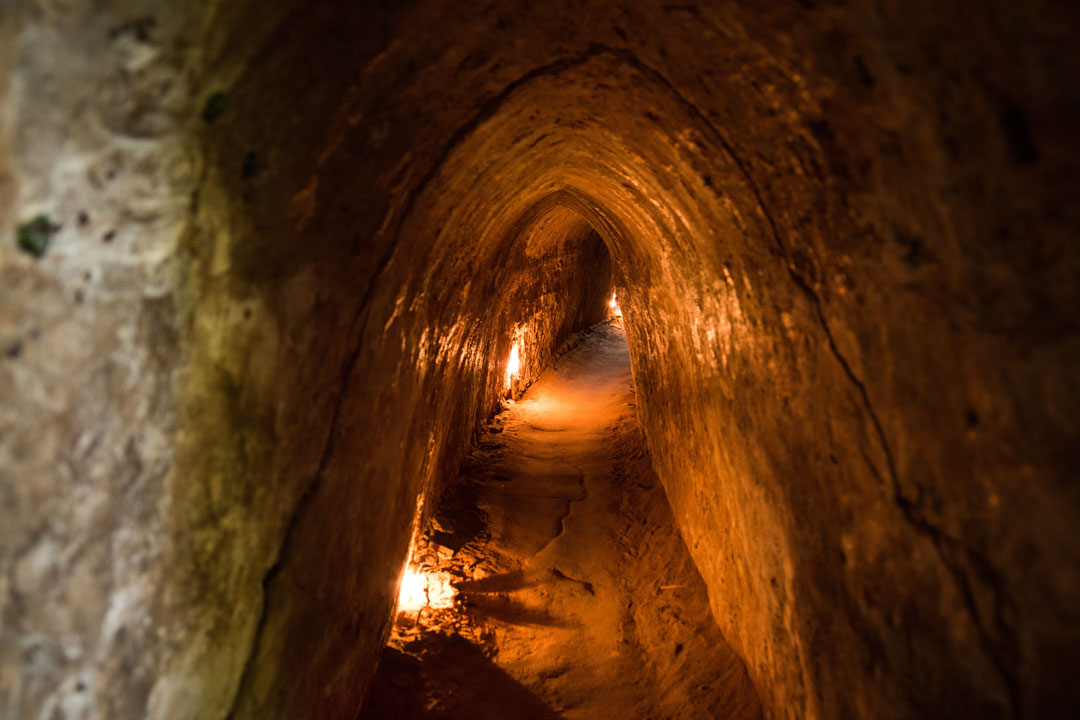
Cu Chi Tunnels: History, Architecture, Things To Do & Travel Guide
Cu Chi Tunnels
The Cu Chi Tunnels, located at TL15, Phu Hiep, Cu Chi District, Ho Chi Minh City, are a vast underground network of strategic passages, shelters, supply routes, and defensive traps.
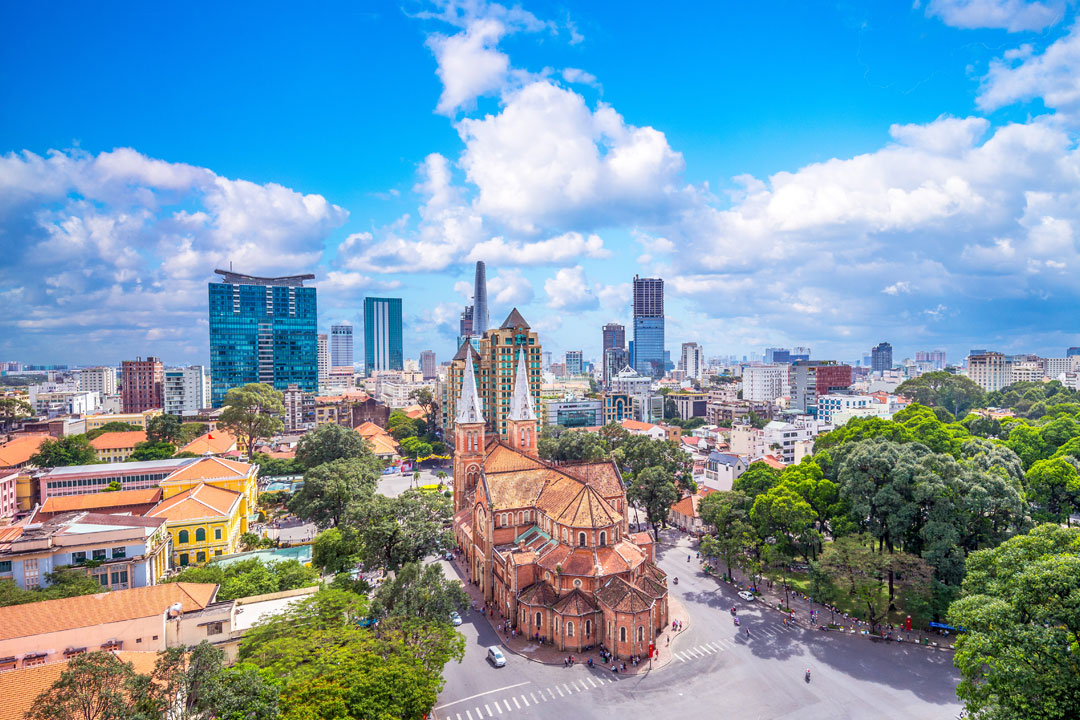
Ho Chi Minh City
Ho Chi Minh City, known as the "Pearl of the Far East," attracts both domestic and foreign tourists with its unique and diverse destinations.
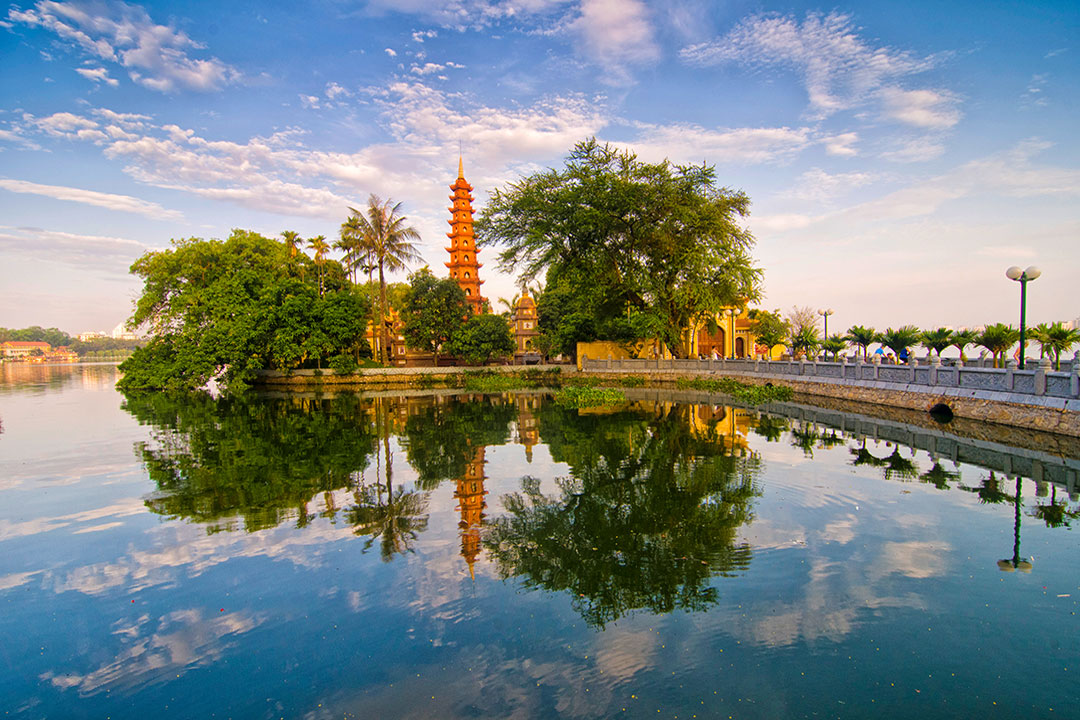
Tran Quoc Pagoda: History, Architecture, Significance & Travel Guide
Tran Quoc Pagoda
Nestled on the tranquil shores of West Lake, Tran Quoc Pagoda is the oldest Buddhist temple in Hanoi, with a history spanning over 1,500 years. Built in the 6th century under Emperor Ly Nam De, this sacred site reflects Vietnam’s Buddhist evolution while preserving its spiritual and architectural grandeur.