
Sunday, October 25, 2026
Xa Loi Buddhist Temple is a serene sanctuary that captures both the spiritual and historical essence of Saigon. Once a pivotal site in Vietnam’s modern history, it now stands as one of the city’s most significant places of worship, blending modern architecture with timeless Buddhist traditions. For travelers seeking a deeper cultural experience, this temple offers more than quiet contemplation, it’s a living symbol of resilience and faith. Join GTrip as we uncover its rich history, unique design, and the meaningful experiences that make Xa Loi a must-visit spiritual landmark in Saigon.
Overview of Xa Loi Buddhist Temple
- Address: 89 Ba Huyen Thanh Quan Street, Vo Thi Sau Ward (formerly district 3), Ho Chi Minh City
- Opening hours:
- Morning: 6:00 AM - 11:30 AM
- Afternoon: 2:00 PM - 5:00 PM
- Evening: 6:00 PM - 7:00 PM
- Special occasions: 7:00 AM - 9:00 PM
- Entrance fee: Free
Xa Loi Buddhist Temple was a pioneering project in Vietnamese temple architecture, commissioned by the Buddhist Association of South Vietnam. Covering an expansive 2,400 square meters, it remains one of the largest temples in Ho Chi Minh City. Its design thoughtfully merges the clean lines of modern architecture with the ornate, symbolic elements of traditional Buddhist pagodas. Within its walls, visitors discover a place for prayer and a repository of priceless cultural treasures and a tranquil atmosphere that provides a welcome escape from the city's hustle.
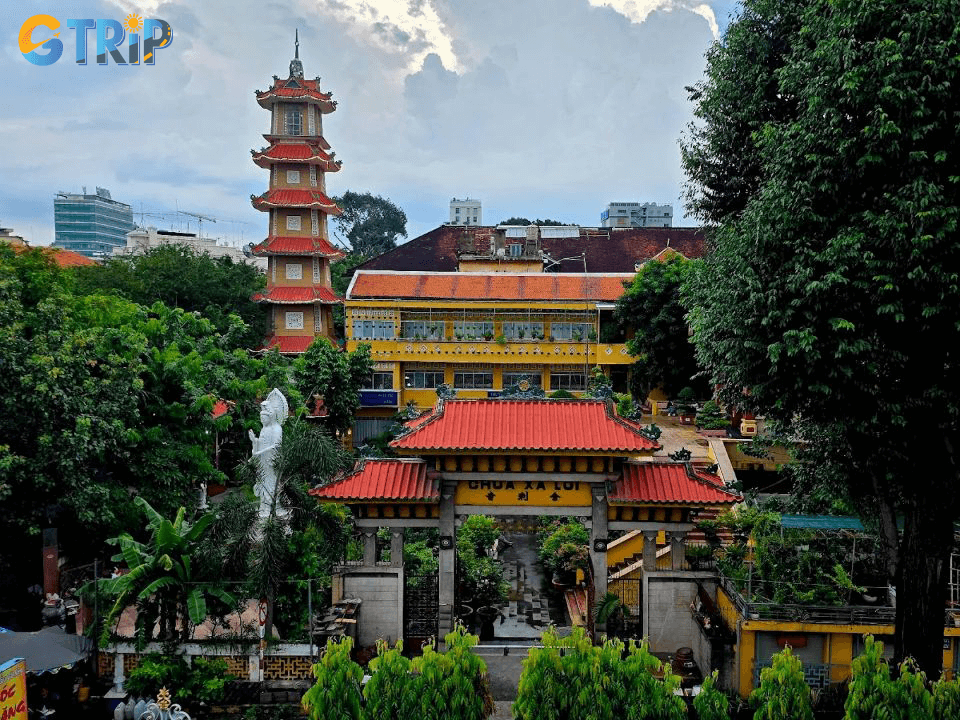
A landmark of modern Vietnamese temple architecture, Xa Loi Buddhist Temple blends contemporary design with traditional spirituality
History of Xa Loi Buddhist Temple
Xa Loi Buddhist Temple, also known as Xa Loi Pagoda, is a historically significant Buddhist site in Ho Chi Minh City. The temple was constructed starting in 1956 and completed in 1958. Its name "Xa Loi", comes from the Chinese characters "Sheli Si", meaning "Sarira Temple", which refers to the Buddhist relics it houses.
The pagoda is especially famous for its dramatic role in the political and religious unrest of the early 1960s. In 1963, it became a center for Buddhist activism opposing the Diem government, which was discriminating against Buddhists. On August 21, 1963, government forces raided the temple, arresting hundreds of monks and nuns and damaging parts of the structure. This raid was a pivotal moment that intensified opposition to the Diem regime, leading to international attention and eventual US-supported coup action.
Additionally, the temple is closely associated with the self-immolation of Thich Quang Duc, a Buddhist monk who set himself on fire near the pagoda to protest the persecution of Buddhists. His sacrifice brought global awareness to the plight of Buddhists in Vietnam at the time, and his body was buried at Xa Loi Pagoda.
After these turbulent events, the pagoda was restored, and today it stands as a symbol of peace and resilience. It features a large seated Buddha statue, a 32-meter-high seven-tier bell tower, and hosts regular chanting and meditation sessions. The temple maintains much of its original architectural beauty, having been renovated once in 2000.
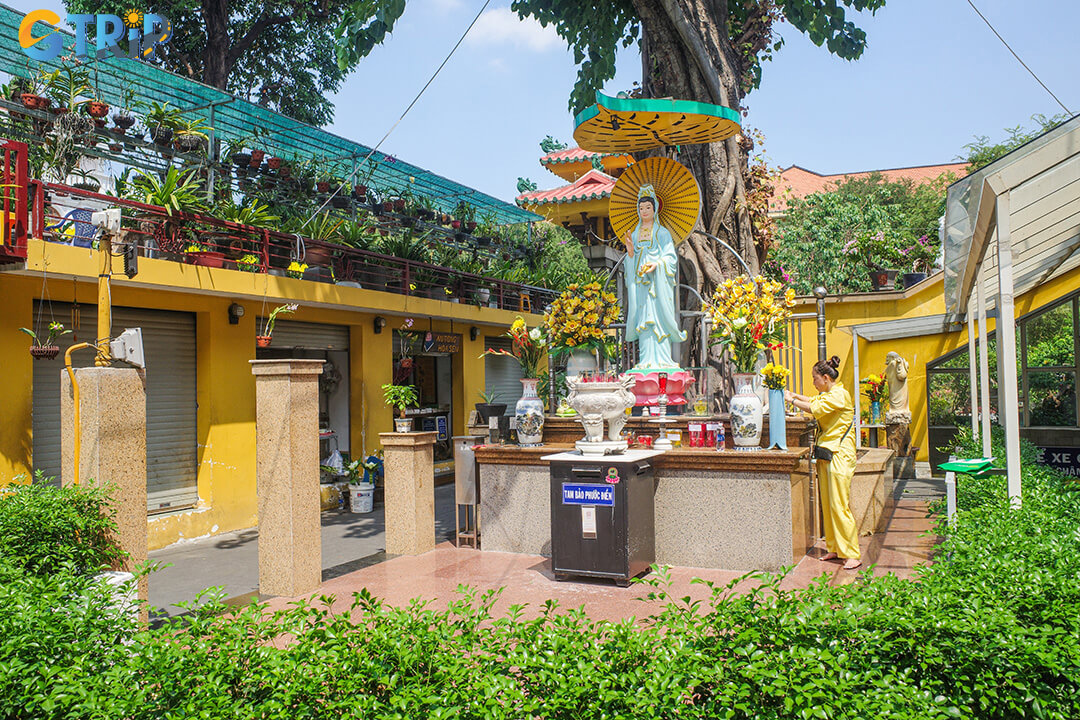
A historic symbol of peace and resilience, Xa Loi Buddhist Temple is renowned for its role in Vietnam’s 1960s Buddhist movement and its elegant blend of spirituality
Architecture of Xa Loi Buddhist Temple
Xa Loi Buddhist Temple blends modern architecture with traditional Buddhist elements to create a serene, spacious environment. Its clean, geometric forms and subtle spiritual motifs offer a refreshing contrast to older, weathered pagodas across Vietnam.
Inside the temple
Stepping into the main hall, or Chanh Dien, is an experience that immediately calms the senses. The hall itself is an impressive structure spanning over 400 square meters, with a high ceiling that creates a profound sense of space and reverence. Large, modern windows line the upper walls, allowing streams of natural light to illuminate the magnificent statue of Shakyamuni Buddha in a meditative pose, the hall’s spiritual centerpiece.
Surrounding the upper gallery are 15 masterful lacquer panels, each one depicting moments from the Buddha’s life, from his miraculous birth to his attainment of Nirvana. As you explore, look for the large Bodhi tree painting, a powerful symbol of enlightenment. The temple also safeguards invaluable cultural treasures, most notably a golden stupa containing a sacred relic of the Buddha, gifted by Sri Lankan Buddhists. Nearby, you’ll find a bronze tower crafted in Indian style and a collection of ancient Pali scriptures written on palm leaves over a thousand years ago, offering insight into Buddhist scholarship and devotion.
Outside the temple
The most iconic feature of Xa Loi Buddhist Temple’s exterior is its magnificent bell tower, or Thap Chuong. Rising 32 meters into the sky, the seven-tiered structure creates an imposing yet graceful silhouette. Each octagonal level is dedicated to a different Buddha, adding layers of spiritual meaning to its architectural beauty. The tower perfectly captures the temple’s harmony between modern and traditional design, with curved eaves crowning each angular tier. At the highest level hangs a massive bronze bell weighing about two tons. When it rings, its deep, resonant sound drifts across the neighborhood, creating a sense of peace and reverence that lingers long after the last echo fades.
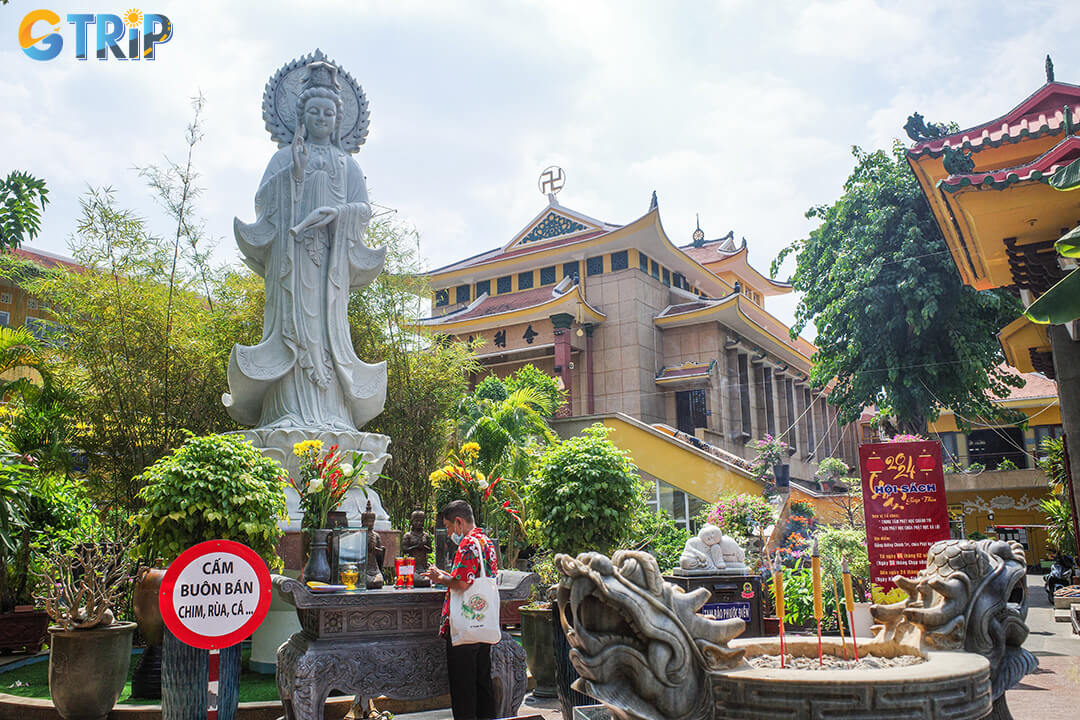
Visitors enter the temple grounds through two three-arched gates, traditional Vietnamese gateways symbolizing the passage into sacred space. Beyond them lies a tranquil courtyard filled with greenery and shaded resting areas. Two symbolic Bodhi trees stand here, one grown from a cutting of the original tree in Bodh Gaya, India, and another gifted from Colombia, representing the universal reach of Buddhism. A serene white statue of Avalokiteshvara stands in the courtyard garden, gently blessing all who enter.
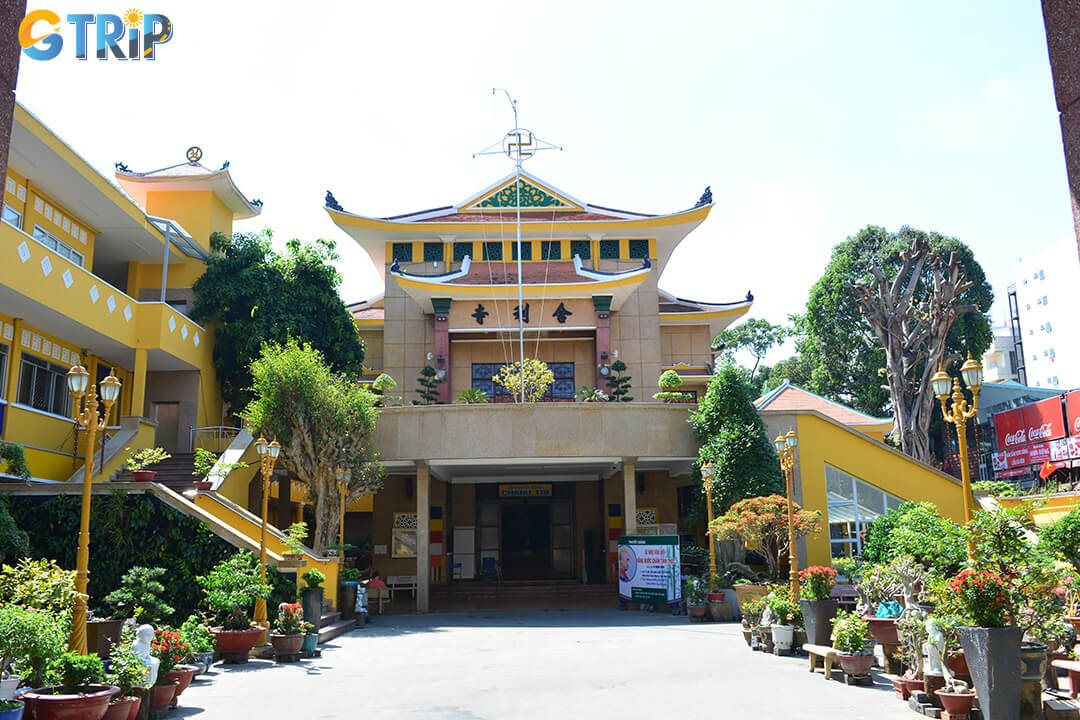
Dominated by its 32-meter, seven-tier bell tower, Xa Loi Buddhist Temple impresses with its harmonious design, tranquil courtyard, and symbols of peace
Things to do at Xa Loi Buddhist Temple
Xa Loi Temple is not only a place of worship but also a hub for cultural and spiritual activities. Visitors can experience both devotion and learning. A tranquil white statue of Avalokiteshvara graces the courtyard, offering a quiet sense of peace and compassion.
Attend preaching and meditation
For those seeking spiritual nourishment and a deeper understanding of Buddhist philosophy, the temple offers regular sessions that are open to the public. Visitors are encouraged to plan their visit around these authentic experiences, which provide a meaningful glimpse into the living practice of Buddhism in Vietnam.
- Sunday morning preaching: Every Sunday morning, the main hall fills with devotees and visitors who gather to listen to dharma talks. The temple's abbot or senior monks deliver sermons on Buddhist teachings, offering practical wisdom on applying concepts like compassion, mindfulness, and non-attachment to daily life. Even if you don't understand Vietnamese, the serene atmosphere and communal devotion are palpable.
- Mindfulness and meditation: Xa Loi Temple provides a perfect environment for practicing mindfulness. You can find a quiet corner in the main hall during off-peak hours or sit in the shade of a Bodhi tree in the garden. The temple’s calm atmosphere invites reflection and offers a peaceful escape from the city’s bustle.
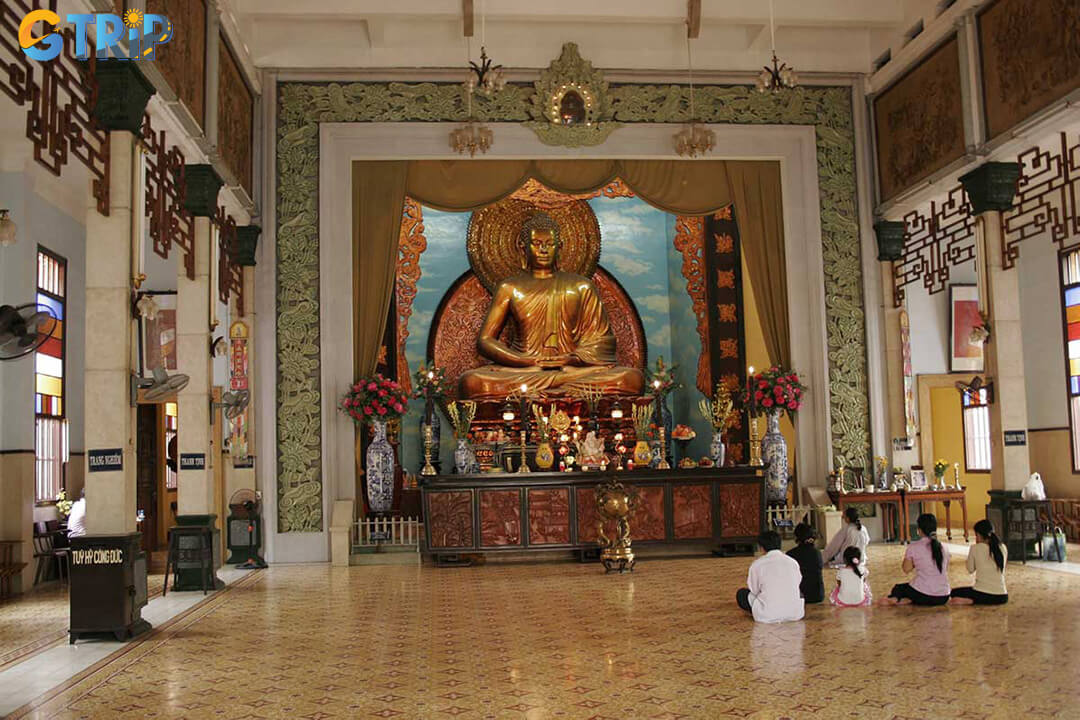
Xa Loi Buddhist Temple offers Sunday sermons and mindfulness sessions, giving visitors a serene space to experience living Buddhist practice
Participate in classes
The temple is also a vibrant center for learning, reflecting its historical role as an educational institution for Buddhism. These classes provide a unique chance for visitors to engage with traditional Vietnamese culture and arts on a deeper level.
- Religious education: Every Sunday, the temple hosts religious education classes specifically for lay practitioners. These sessions cover everything from basic Buddhist tenets to more advanced scriptural studies, fostering a strong sense of community among local followers.
- Calligraphy lessons: Embrace the art of Vietnamese calligraphy by joining a class. Lessons are held on Mondays, Tuesdays, and Sundays and are guided by the renowned Calligrapher Chinh Trung. This is a wonderful, hands-on opportunity to learn about an ancient art form that combines aesthetic beauty with philosophical depth.
- Explore the temple library: A true hidden gem within the complex is the temple library. Open daily, it houses an impressive collection of over 3,000 books on Buddhism, philosophy, and culture. You can also admire displays of calligraphy, intricate artworks, and other cultural items, making it a fascinating stop for anyone interested in the intellectual heritage of Vietnamese Buddhism.
Explore festivals and religious events
To truly experience the vibrancy of Xa Loi Temple, plan your visit during one of the major Buddhist festivals. During these times, the temple comes alive with color, sound, and a strong sense of community, offering an unforgettable glimpse into Saigon’s living spiritual traditions.
- Celebrate major Buddhist Festivals: The two most important annual events are Buddha’s Birthday (Vesak), which takes place on the 15th day of the fourth lunar month. The other is the Vu Lan Festival, celebrated in the seventh lunar month to honor filial piety. During these festivals, the temple is adorned with thousands of lanterns, and the grounds are filled with devotees making offerings, chanting, and participating in processions.
- Attend special ceremonies: The temple is a hub for significant life events within the Buddhist community. You may witness a hang thuan ceremony, a beautiful Buddhist wedding blessing for couples, or commemorations for historical figures and past abbots. Observing these rituals provides a respectful glimpse into the living traditions of Mahayana Buddhism in Vietnam.
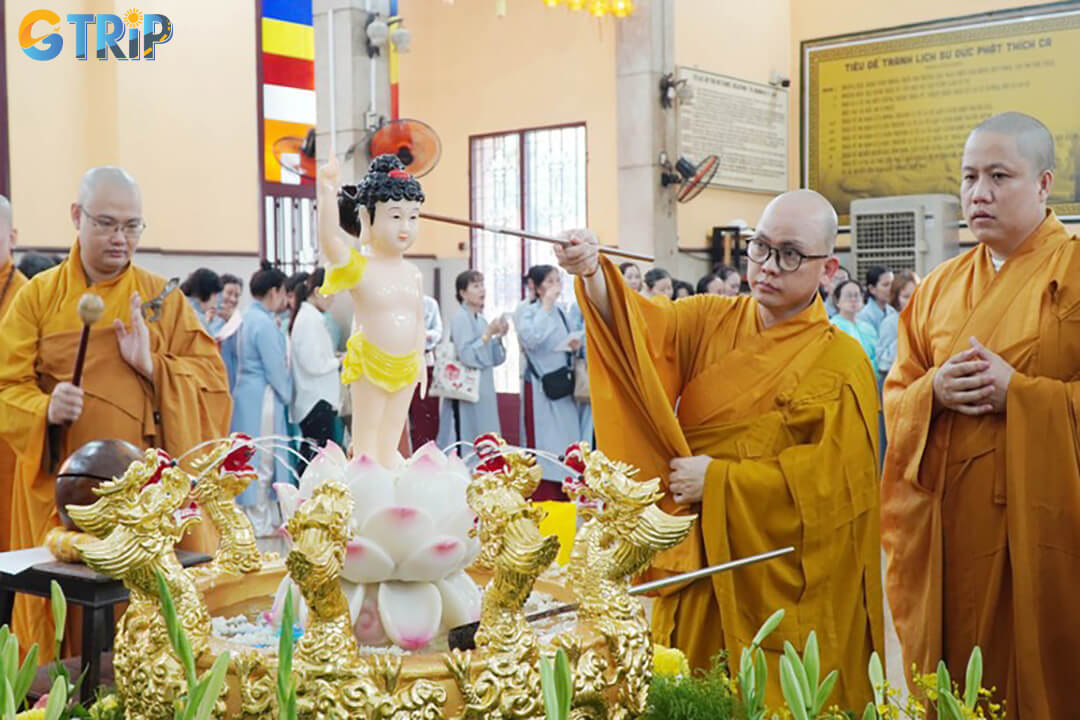
Visit Xa Loi Temple during major festivals like Vesak or Vu Lan to witness vibrant ceremonies, lanterns, and heartfelt devotion that bring Saigon’s Buddhist spirit to life
Reflect and appreciate the temple grounds
Beyond the organized activities, one of the most rewarding things to do at Xa Loi Temple is simply to slow down and absorb the peaceful atmosphere. The temple was designed to be a space for contemplation, and every corner offers an opportunity for quiet reflection.
- Walk the courtyards and gardens: Take a slow, mindful walk through the temple grounds. Admire the gnarled branches of the Bodhi trees, listen to the gentle rustling of leaves, and find a stone bench to sit and observe the daily rhythms of the temple. These serene spaces are perfect for contemplation and quiet thought.
- Admire the art and statuary: Pay close attention to the details. Admire the craftsmanship of the multi-tiered bell tower, the serene expression on the face of the Avalokiteshvara statue, and the intricate lacquer paintings inside the main hall. Each piece of art and architecture tells a story.
- Practice quiet reflection: The most important activity is to honor the temple’s purpose. Speak softly, move slowly, and be present. Taking a few moments for silent reflection, if you are a Buddhist or not, allows you to connect with the deep sense of peace and history that permeates this sacred site.
How to get to Xa Loi Buddhist Temple
Located in the heart of the former District 3, Xa Loi Buddhist Temple is easy to reach from almost anywhere in Ho Chi Minh City. From Ben Thanh Market, a popular starting point for many visitors, it’s a simple 10-minute drive. Just head northwest along Le Thanh Ton Street, turn right onto Cach Mang Thang 8, then continue onto Dien Bien Phu Street. At the Ba Huyen Thanh Quan intersection, make another right, and the temple will appear about 100 meters ahead on your left.
- Public transport: For a local experience, bus route 54 has a stop conveniently located near the temple, offering an affordable and authentic way to travel.
- Private vehicle/Ride-hailing: Using a ride-hailing app like Grab/Xanh SM/Be is a popular and efficient option. For those driving a motorbike or car, the temple offers ample parking space within its grounds, a rare convenience in the busy city center.
Xa Loi Temple is easily accessible by bus, ride-hailing, or a short 10-minute drive from Ben Thanh Market, with convenient on-site parking
Nearby attractions to Xa Loi Buddhist Temple
Thanks to its central location, Xa Loi Temple can easily be included in a half-day or full-day Ho Chi Minh City itinerary. Within just a short walk or drive, you’ll find several of the city’s most iconic landmarks and cultural spots:
- War Remnants Museum (1 km): A must-visit for anyone interested in Vietnam’s history, this museum offers a deeply moving and thought-provoking look at the Vietnam War from the Vietnamese perspective. It features photographs, artifacts, and outdoor displays of military equipment.
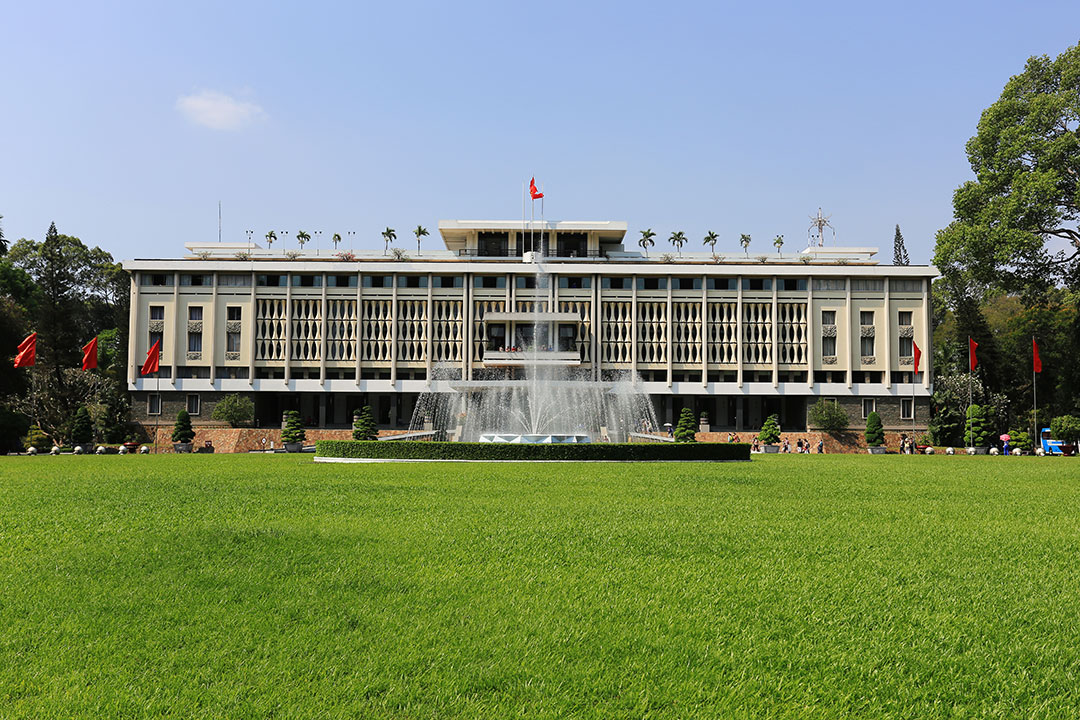
- Independence Palace (1.3 km): Once the presidential palace of South Vietnam, this historic building witnessed the end of the Vietnam War in 1975 when tanks rolled through its gates. Today, it stands as a well-preserved museum showcasing the architecture, furnishings, and atmosphere of that era.
- Tao Dan Park (1 km): A lush, peaceful escape from the city’s noise, Tao Dan Park is perfect for a morning or afternoon stroll. You can observe locals practicing tai chi, enjoy a coffee under the shade of ancient trees, or explore the park’s small but beautiful Cham-style temple.
- Ben Thanh Market (1.7 km): One of Saigon’s most famous landmarks, this bustling market is a sensory experience of colors, aromas, and sounds. Local handicrafts and souvenirs to delicious Vietnamese street food, it’s the ideal place to shop, eat, and experience local life.
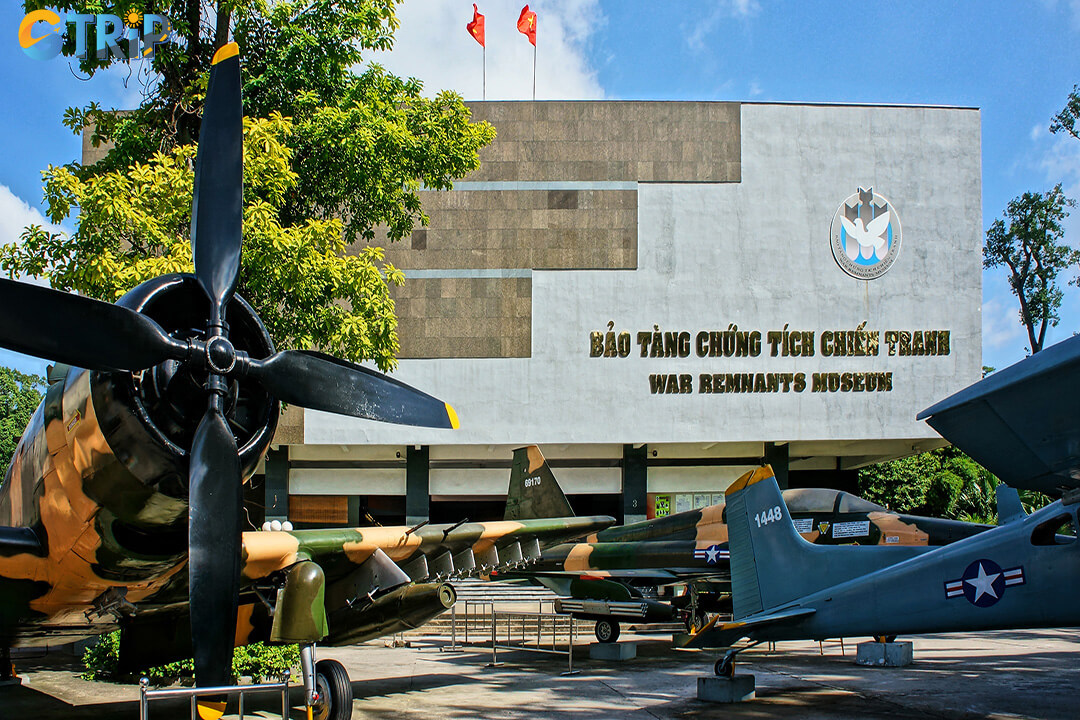
Xa Loi Temple sits within walking distance of major museums, parks, and markets, making it an easy and rewarding addition to any city itinerary
Practical tips for visiting Xa Loi Buddhist Temple
To ensure your visit is both respectful and enjoyable, here are some essential tips based on local customs and temple etiquette that will help you experience Xa Loi Temple with understanding and mindfulness.
- Dress respectfully: This is a place of worship. Ensure your shoulders and knees are covered. Avoid wearing shorts, tank tops, or revealing clothing. A light scarf to cover your shoulders is a great item to carry.
- Behave with decorum: Speak softly and avoid loud conversations. Walk gently and refrain from running or making sudden movements, especially inside the main hall.
- Photography etiquette: Taking photos is generally permitted, but be mindful. Do not use flash photography inside the prayer hall. Always be respectful of monks and worshipers, and avoid taking photos of them without permission.
- Best time to visit: The temple is most peaceful during early morning hours. This is an ideal time for quiet reflection and to observe the local community's morning prayers.
- Follow temple rules: Remove your shoes before entering the main prayer hall. You’ll see shoe racks provided near the entrance.
- Offerings and donations: While entry is free, you can support the temple's upkeep by making a small donation in one of the designated boxes or by purchasing incense from vendors outside to offer at the various altars.
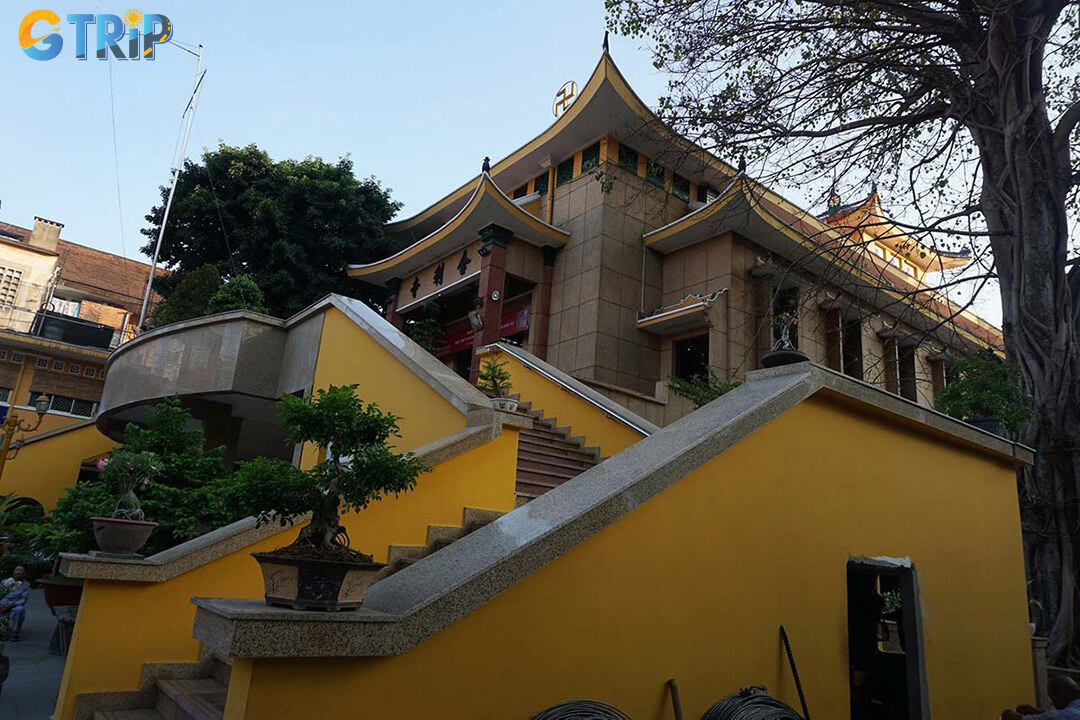
Follow these local customs and etiquette tips to enjoy a respectful, mindful visit to Xa Loi Temple, from proper dress and behavior to photography and offering guidelines
A visit to Xa Loi Buddhist Temple offers a journey into the heart of Ho Chi Minh City's spiritual and historical identity. It is a place where modern architecture meets ancient faith, and where the echoes of a turbulent past coexist with a powerful sense of present-day peace. The temple offers a deeply layered experience, from the echo of its two-ton bell to the thoughtful teachings shared during Sunday sermons. The temple an invitation to pause, reflect, and connect with a deeper side of Saigon. On your next trip to this dynamic city, GTrip wholeheartedly recommends setting aside a few hours to explore this remarkable landmark.
Custom Your Journey

Other Attractions
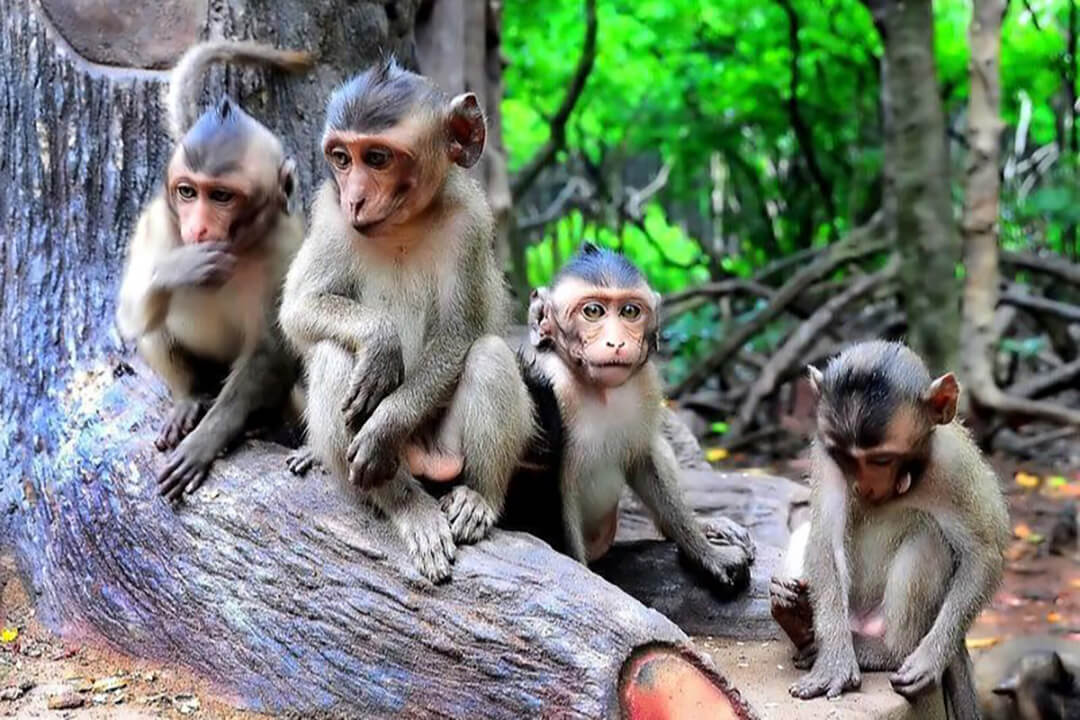
Can Gio Monkey Island in Ho Chi Minh City: Tickets, Things to Do & Travel Guide
Can Gio Monkey Island
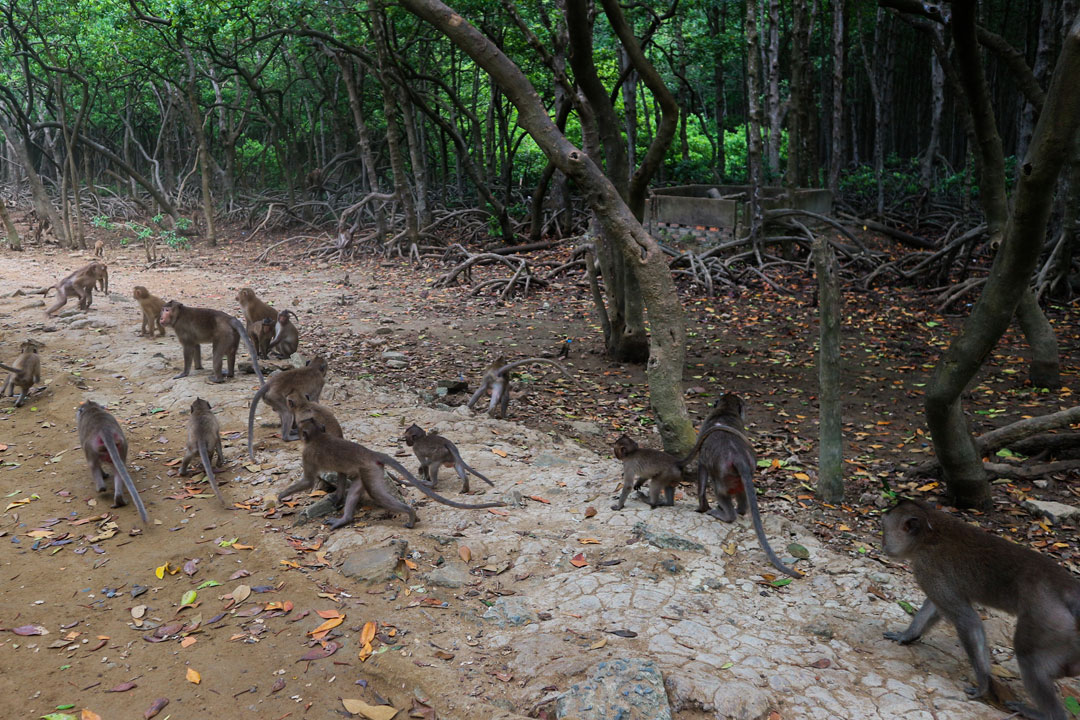
Can Gio Monkey Island in Ho Chi Minh City offers a refreshing escape from the city’s buzzing motorbike chaos. Just a short distance from the center, Can Gio welcomes you with lush mangrove forests, winding waterways, and a fascinating history. Here, you can meet playful long-tailed macaques, drift through tranquil channels, and explore remnants of a wartime guerrilla base.
Can Gio Monkey Island in Ho Chi Minh City: Tickets, Things to Do & Travel Guide
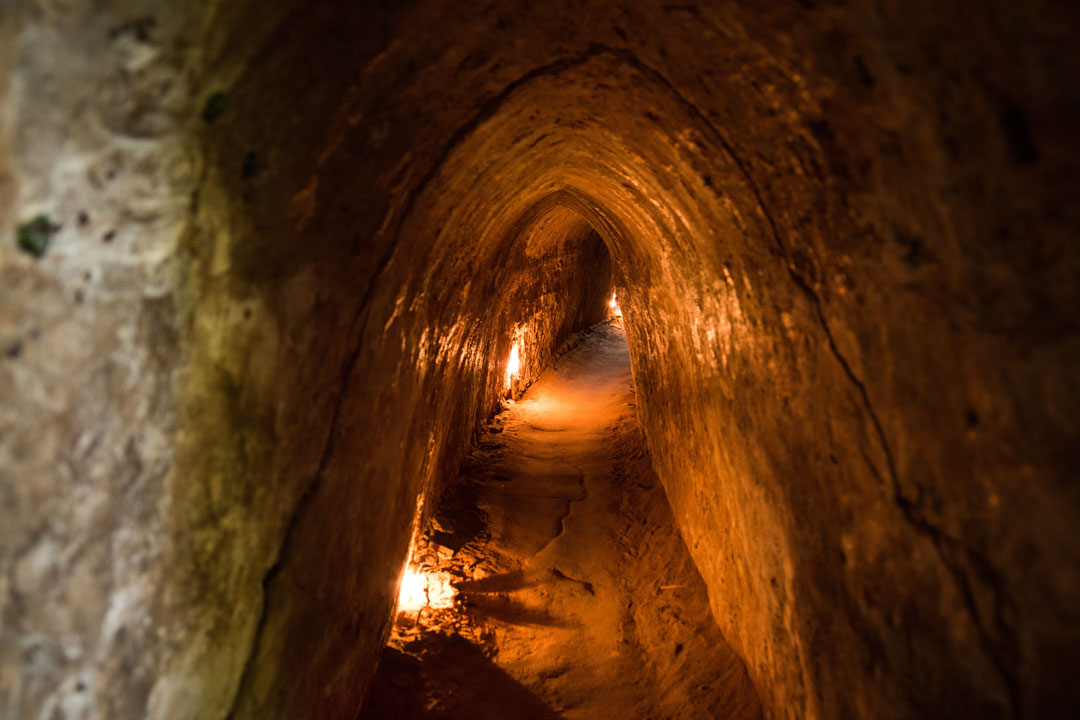
Cu Chi Tunnels: History, Architecture, Things To Do & Travel Guide
Cu Chi Tunnels
The Cu Chi Tunnels, located at TL15, Phu Hiep, Cu Chi District, Ho Chi Minh City, are a vast underground network of strategic passages, shelters, supply routes, and defensive traps.
Ho Chi Minh City
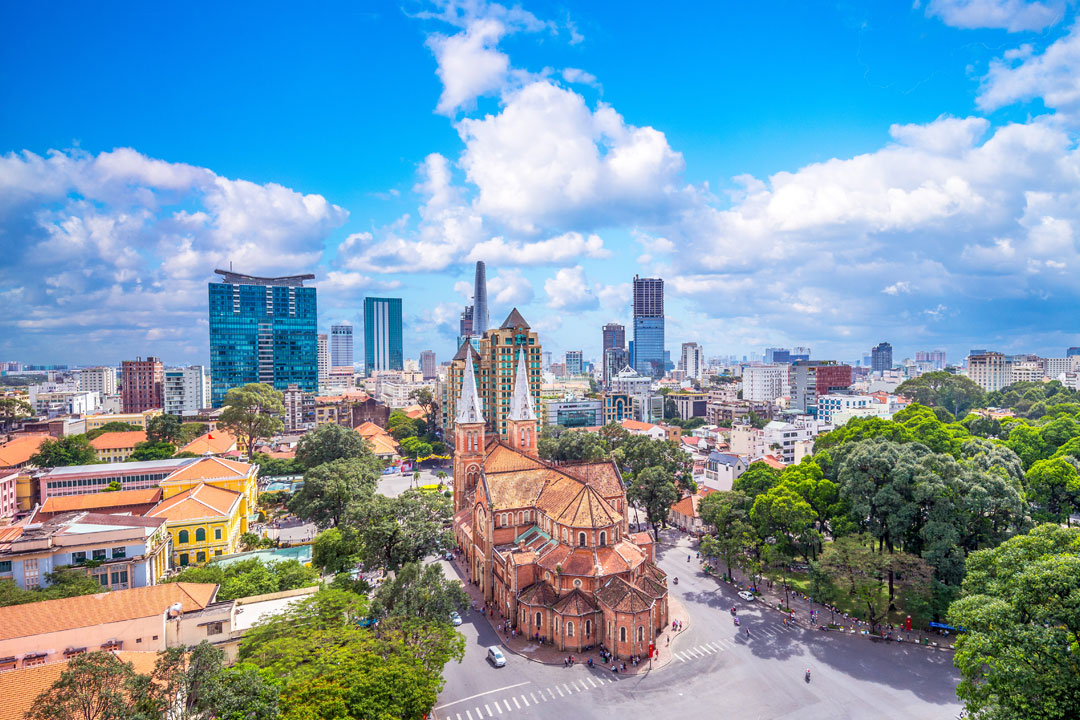
Ho Chi Minh City, known as the "Pearl of the Far East," attracts both domestic and foreign tourists with its unique and diverse destinations.
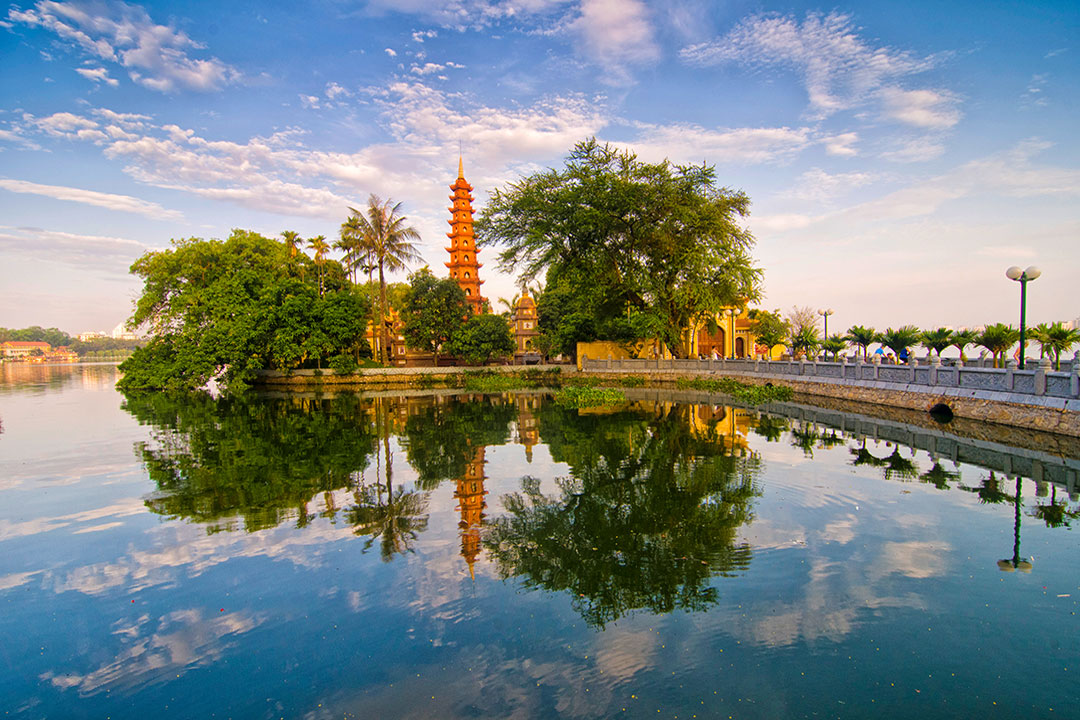
Tran Quoc Pagoda: History, Architecture, Significance & Travel Guide
Tran Quoc Pagoda
Nestled on the tranquil shores of West Lake, Tran Quoc Pagoda is the oldest Buddhist temple in Hanoi, with a history spanning over 1,500 years. Built in the 6th century under Emperor Ly Nam De, this sacred site reflects Vietnam’s Buddhist evolution while preserving its spiritual and architectural grandeur.