Wednesday, December 31, 2025
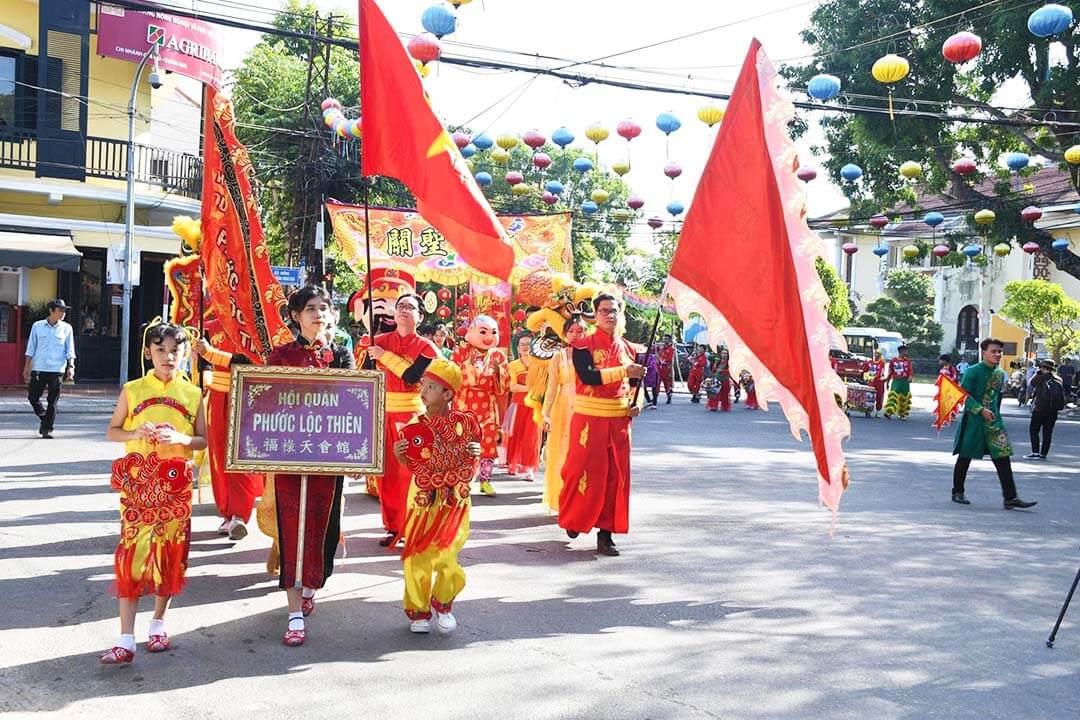
Ong Pagoda Festival in Ho Chi Minh City is a major spiritual event held annually at Ong Pagoda (also known as Guandi Temple), honoring Quan Cong, a symbol of loyalty and righteousness in Chinese culture. Taking place in the Cho Lon area (Chinatown), the festival features traditional worship rituals, fragrant incense offerings, and a sacred atmosphere that reflects the long-standing Chinese-Vietnamese heritage of Saigon. Through GTrip, travelers can explore the festival’s cultural significance, historical background, and essential tips for experiencing one of Ho Chi Minh City’s most authentic religious celebrations.
Overview of Ong Pagoda Festival in Ho Chi Minh City
Address: 676 Nguyen Trai Street, Cho Lon Ward (formerly Ward 11, District 5), Ho Chi Minh City
Ong Pagoda Festival in Ho Chi Minh City is an annual spiritual event closely associated with the worship of Quan Cong, a revered figure symbolizing loyalty, righteousness, and integrity in Chinese culture. Each year, the festival draws large numbers of worshippers who come to pray and take part in traditional rituals.
More than a religious occasion, the festival plays an important role in the cultural life of the Chinese community in the Cho Lon area. Through repeated annual observances, Ong Pagoda Festival reflects long-standing beliefs and highlights the enduring presence of Chinese-Vietnamese traditions within the city.
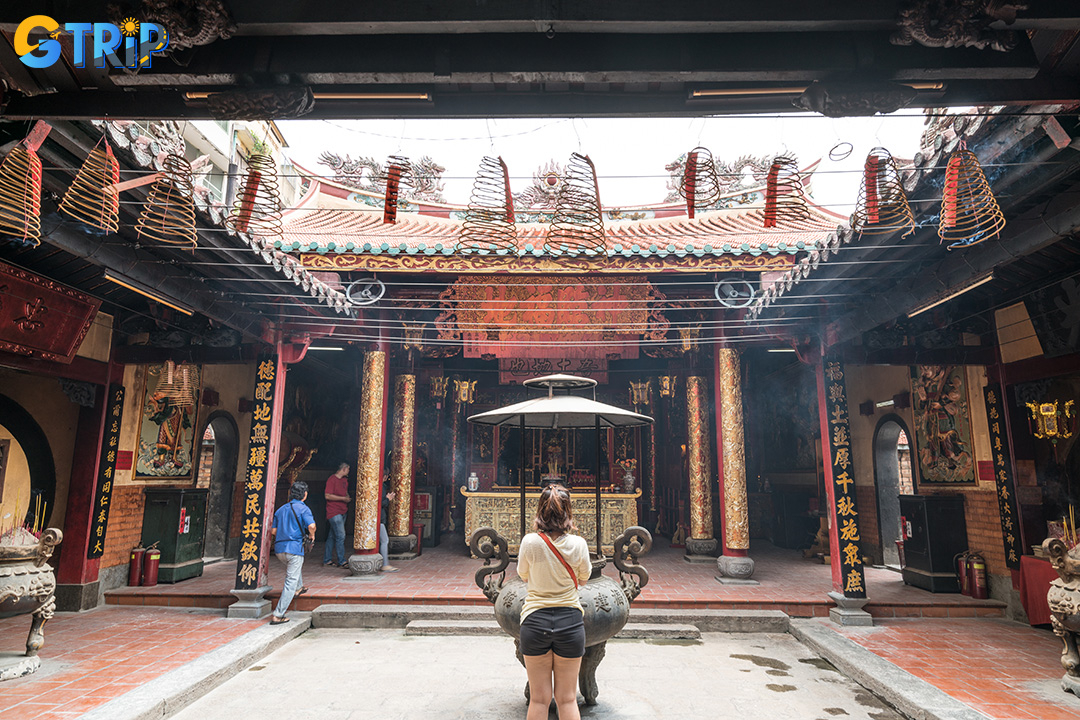
Ong Pagoda is also known as Guandi Temple, Quan De Temple or Nghia An Hoi Quan
When does Ong Pagoda Festival take place?
- Quan De Worship Day: 26th day of the fourth lunar month
- Related observance: Full moon of the first lunar month
Ong Pagoda Festival follows the lunar calendar and is closely tied to important worship days dedicated to Quan Cong. Among these, Quan De’s worship day is the most significant, when the pagoda becomes especially lively and crowded with people coming to make offerings.
In addition, ceremonies held during the first lunar full moon also attract many worshippers, contributing to the festive yet sacred atmosphere that characterizes Ong Pagoda throughout the year.
Cultural ignificance of Ong Pagoda Festival
Ong Pagoda Festival represents the core virtues associated with Quan Cong, including loyalty, righteousness, and moral integrity. These values are deeply respected and continue to influence the spiritual life of the local community.
The festival also serves as a cultural link between Chinese and Vietnamese worshippers, bringing different communities together through shared beliefs and rituals. By preserving traditional practices, Ong Pagoda Festival contributes to maintaining the cultural identity and heritage of Ho Chi Minh City.
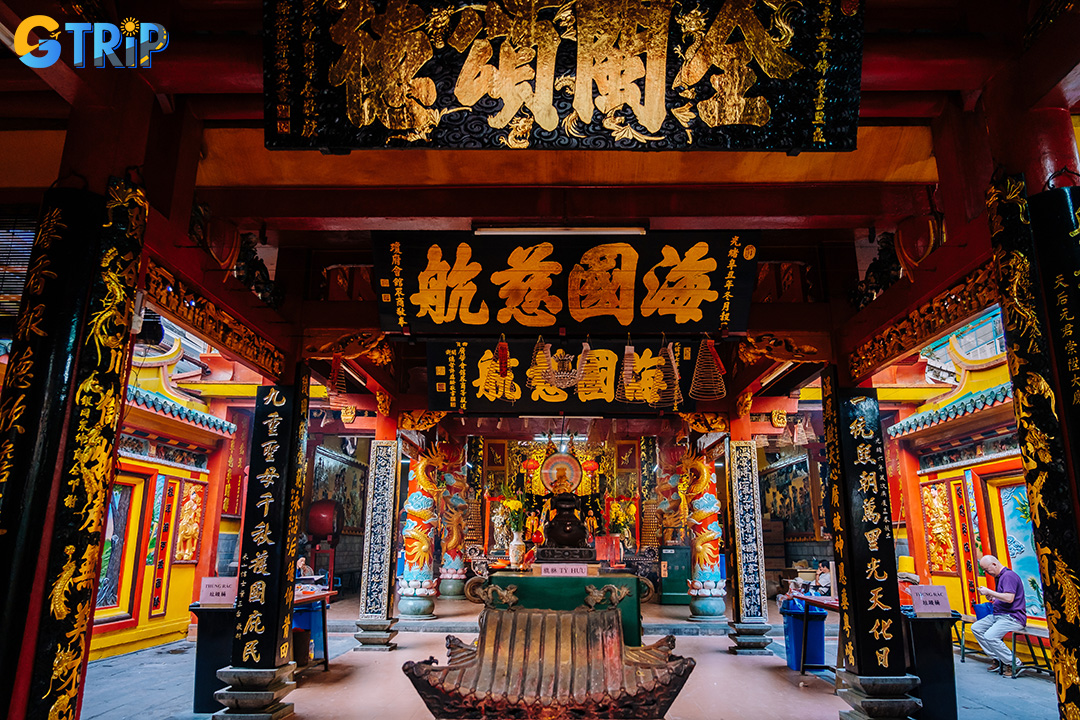
The festival embodies shared values of loyalty and righteousness while preserving the cultural identity of Ho Chi Minh City’s Chinese community
Main rituals and activities at Ong Pagoda Festival
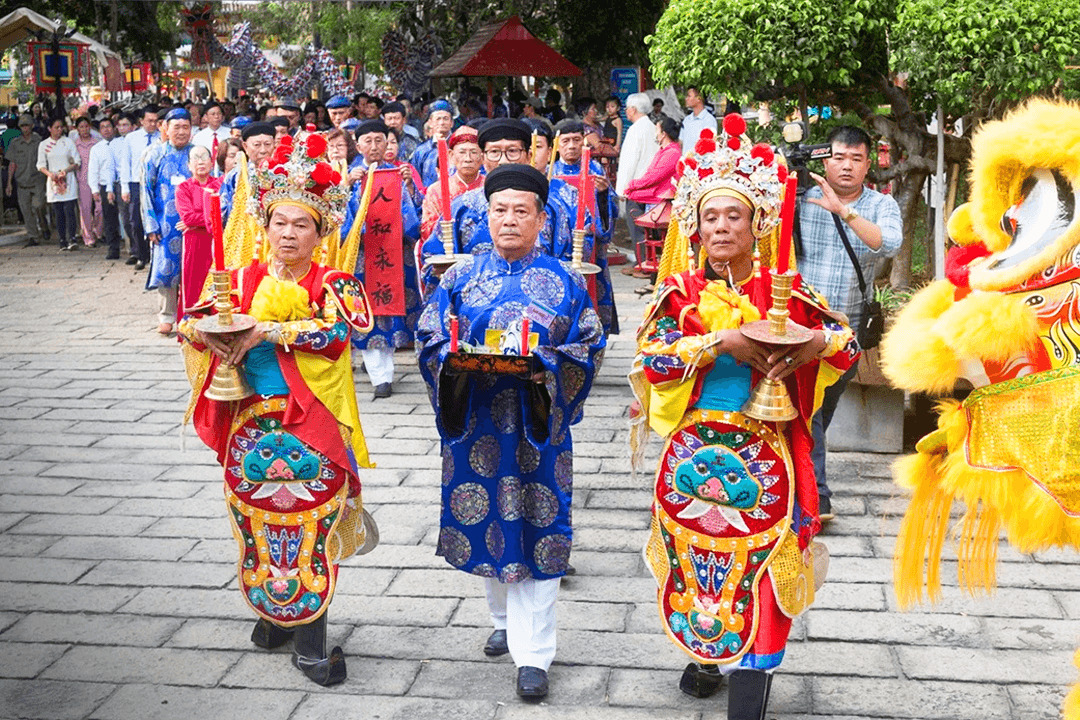
During the festival days, Guandi Temple is filled with incense smoke, soft chanting, and the steady movement of worshippers. The rituals performed are simple yet deeply meaningful, creating a sacred atmosphere that defines the festival experience.
Incense offering and prayer ceremonies
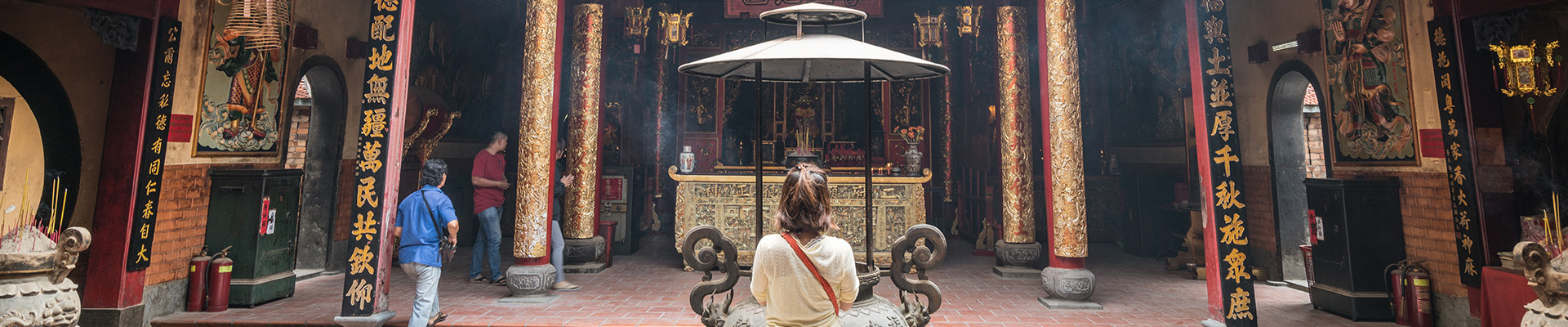
Lighting incense is the most important ritual during Ong Pagoda Festival. Worshippers come to pray for peace, good health, smooth business, and family harmony. As incense coils burn slowly above the altars, the space becomes calm and solemn, allowing visitors to feel the spiritual depth of the festival.
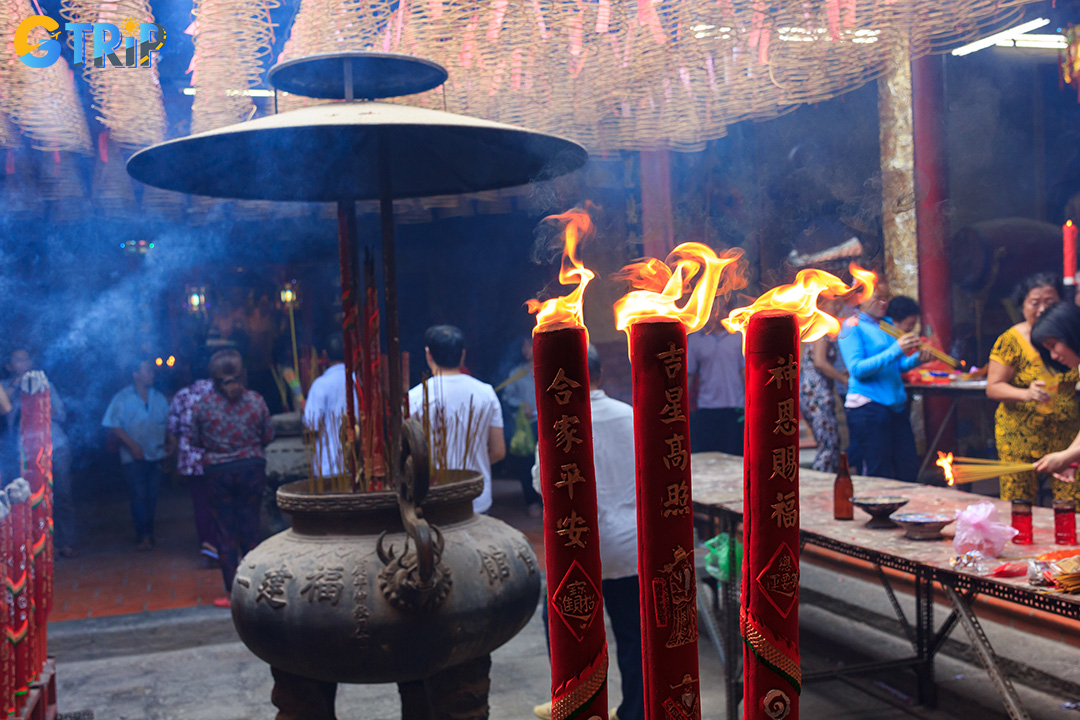
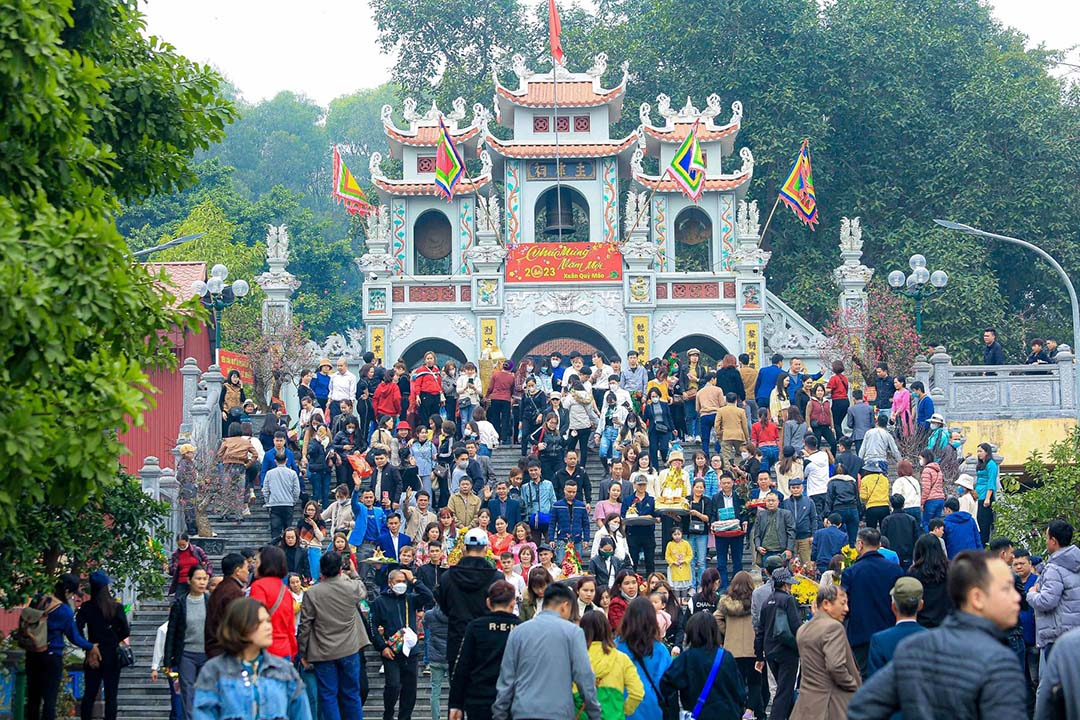
Ong Pagoda in Cho Lon Ward is a well-known spiritual site that has a significant impact on the lives and cultures of the people who live there
Traditional offerings and symbolic acts
Alongside incense offerings, worshippers prepare fruits, flowers, and ritual items as a sign of respect to Quan Cong. Many also take part in symbolic practices such as drawing oracle sticks, fortune-telling, or lighting oil lamps. These acts are believed to help remove bad luck and bring guidance, protection, and good fortune for the year ahead.
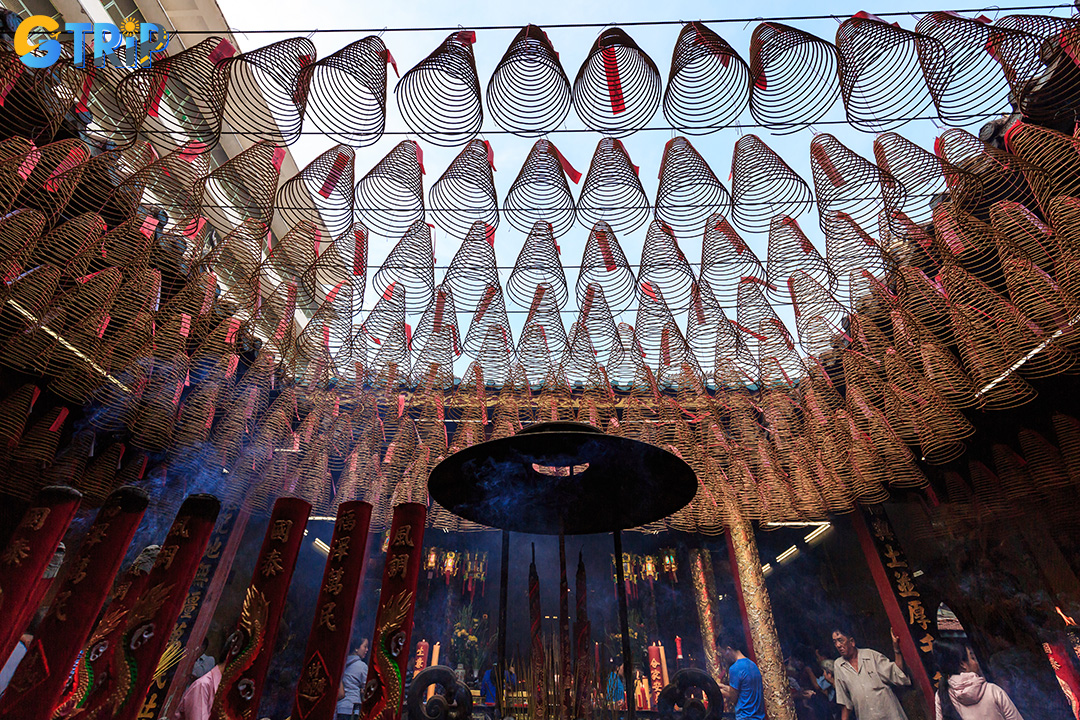
Traditional offerings and symbolic acts reflect the community’s hopes for protection, good fortune, and guidance in the year ahead
Ong Pagoda Festival in Ho Chi Minh City is widely recognized as a meaningful spiritual occasion where locals come to pray for peace, good fortune, and harmony. Experiencing the festival offers visitors a deeper understanding of the city’s living religious traditions, while also providing an opportunity to explore other important spiritual landmarks in the Cho Lon area, such as Thien Hau Pagoda, Ong Bon Pagoda, and Ba Hai Nam Pagoda.