Tuesday, January 13, 2026
Temples in Ho Chi Minh City offer a calm yet captivating journey into Vietnam’s spiritual life and rich cultural diversity. This GTrip guide brings together the city’s most notable places of worship, such as historic Buddhist pagodas and lively Taoist temples, a colorful Hindu temple in the heart of the city. Here, the term “temple” is used in a broad sense to include both temples and pagodas, with each site clearly identified by its religious tradition. You’ll find essential details such as addresses, opening hours, and what makes each location worth visiting, helping you plan a meaningful exploration of Saigon’s sacred spaces.
Table of Content
- 1. Vietnamese National Buddhist Temple in Ho Chi Minh City
- 2. Jade Emperor Pagoda
- 3. Thien Hau Pagoda
- 4. Phuoc An Hoi Quan Pagoda
- 5. Mariamman Hindu Temple in Ho Chi Minh City
- 6. Vinh Nghiem Pagoda
- 7. Xa Loi Pagoda (Xa Loi Buddhist Temple)
- 8. Nhi Phu Temple (Ong Bon Pagoda)
- 9. Guandi Temple in Ho Chi Minh City
- 10. Giac Lam Pagoda
- 11. Phu Chau Floating Temple
- 12. Buu Long Pagoda in Ho Chi Minh City
1. Vietnamese National Buddhist Temple in Ho Chi Minh City
- Address: 244 Ba Thang Hai Street, Hoa Hung Ward (formerly Ward 12, District 10), Ho Chi Minh City
- Opening hours: 7:30 AM - 11:00 AM and 3:00 PM - 7:30 PM daily
- Entrance fee: Free
The Vietnamese National Buddhist Temple, or Viet Nam Quoc Tu, stands as a monumental symbol of modern Buddhism in the city. Its most striking feature is the towering 13-story, 63-meter-high stupa, which you can spot from a distance. Unlike the ancient, weathered temples found elsewhere, this site feels grand, spacious, and impeccably maintained. Inside the main hall, a massive golden Buddha statue presides over a hushed, reverent atmosphere. The architecture blends traditional elements with contemporary design, featuring expansive courtyards and beautifully crafted details. It serves as a major center for Buddhist activities and events in Ho Chi Minh City, offering a peaceful and awe-inspiring experience for visitors.
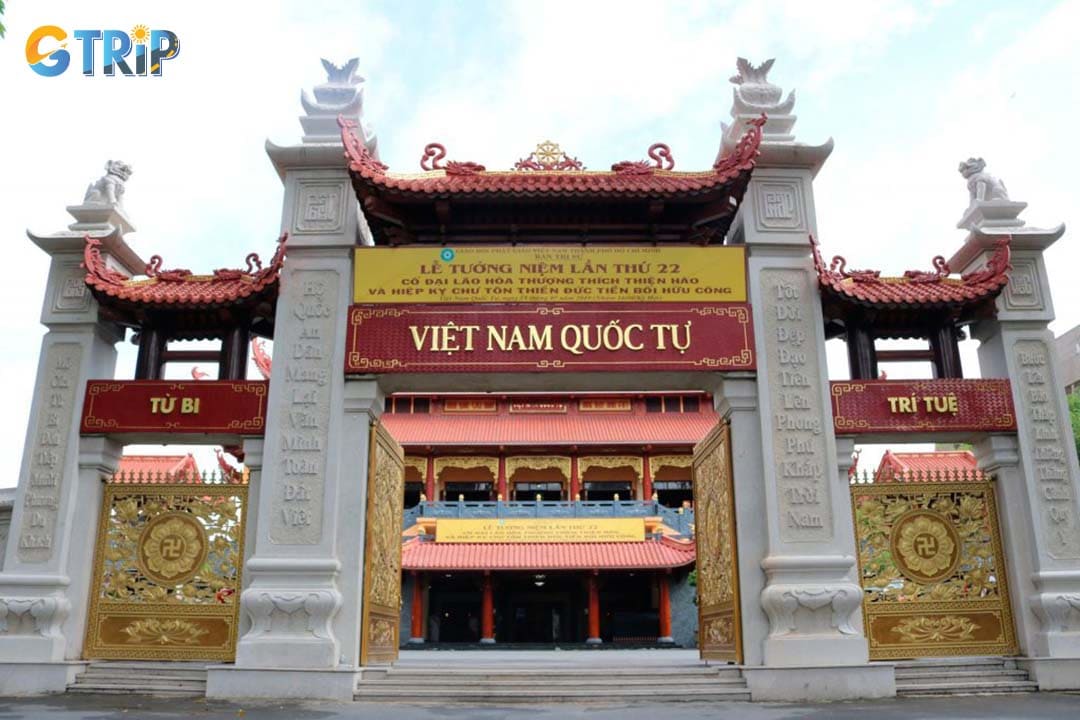
The Vietnamese National Buddhist Temple (Viet Nam Quoc Tu) is a grand modern Buddhist landmark in Ho Chi Minh City
2. Jade Emperor Pagoda
- Address: 73 Mai Thi Luu Street, Saigon Ward (formerly Dakao Ward, District 1), Ho Chi Minh City
- Opening hours: Daily from 7:00 AM to 6:00 PM (Hours may extend on the 1st and 15th of each lunar month)
- Entrance fee: Free of charge, though donations are appreciated
Stepping into the Jade Emperor Pagoda (Phuoc Hai Tu) is like entering a different realm. The air is thick with the sweet, heavy scent of incense, swirling through dimly lit chambers filled with intricate carvings. This Taoist pagoda is renowned for its fantastically detailed statues depicting figures from Buddhist and Taoist lore, including the gruesome 10 Hells. The main hall is presided over by the Jade Emperor himself, while side chambers honor other important figures, such as the City God and the Goddess of Fertility, Kim Hoa. The pagoda gained international fame after a visit from former US President Barack Obama in 2016. Its dark, atmospheric corridors and fearsome-looking divine figures create a powerful and unforgettable impression, making it one of the most captivating temples in Ho Chi Minh City.
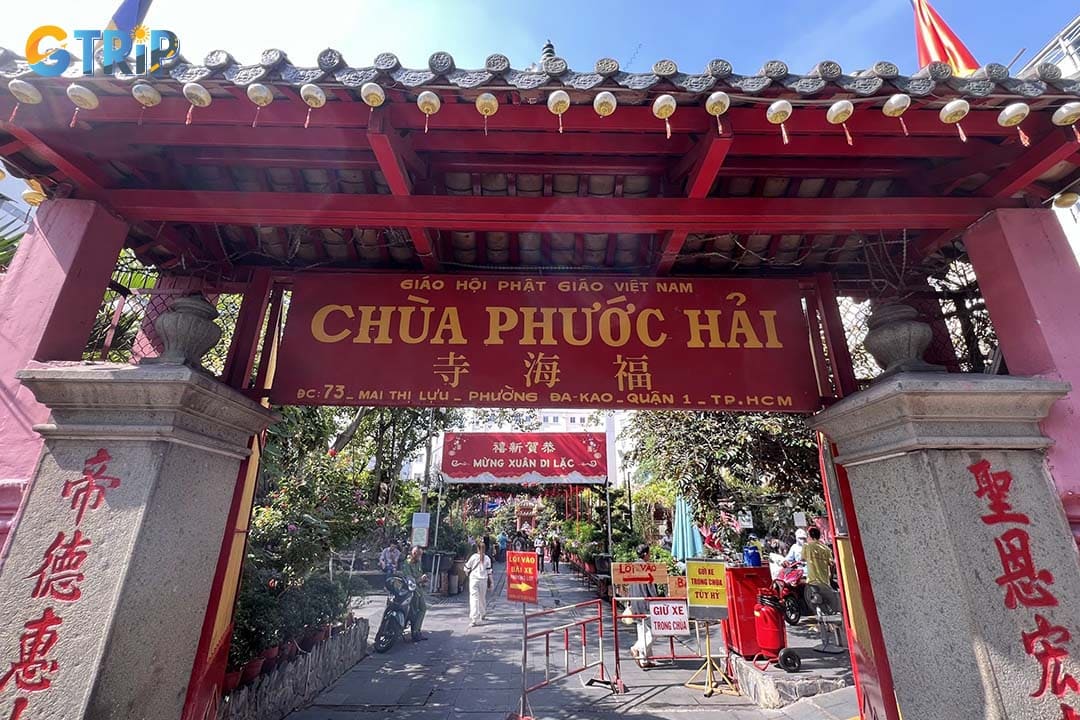
Stepping into the Jade Emperor Pagoda feels like entering a mystical, incense-filled world of dark corridors, intricate Taoist statues, and powerful deities
3. Thien Hau Pagoda
- Address: 710 Nguyen Trai Street, Cho Lon Ward (formerly Ward 11, District 5), Ho Chi Minh City
- Opening hours: 6:00 AM - 5:30 PM
- Entrance fee: Free
Located in the heart of Cho Lon - Chinatown, Thien Hau Pagoda is a vibrant testament to the city's Chinese heritage. The temple is dedicated to Mazu, the Goddess of the Sea, who protects sailors and fishermen. The moment you enter the courtyard, you are greeted by the sight of dozens of large, cone-shaped incense coils hanging from the ceiling, filling the air with fragrant smoke that can linger for weeks. The temple's architecture is a masterpiece of traditional Chinese design, featuring intricate ceramic dioramas on the roof that depict scenes from folklore and history. Worshippers come to pray for safety and good fortune, leaving offerings and lighting incense. The combination of its spiritual significance, stunning artistry, and lively atmosphere makes it a cornerstone of the Cho Lon experience.
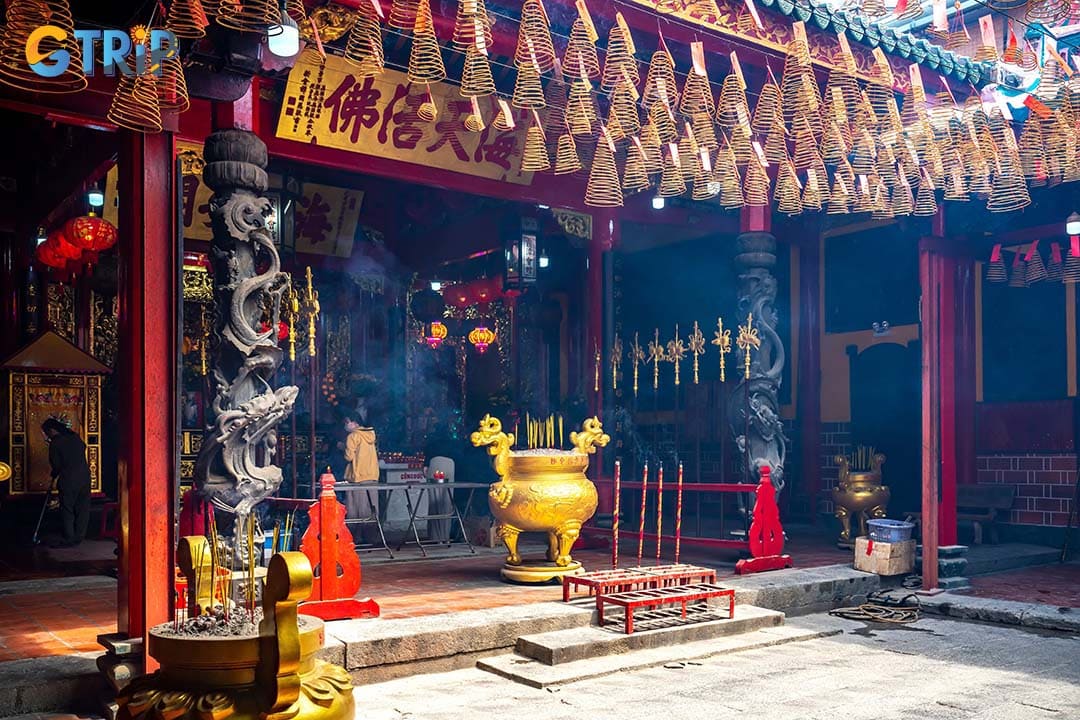
Thien Hau Pagoda in Cho Lon is a richly decorated Chinese temple dedicated to the Goddess of the Sea
4. Phuoc An Hoi Quan Pagoda
- Address: 184 Hong Bang Street, Cho Lon Ward (formerly Ward 12, District 5), Ho Chi Minh City
- Opening hours: 7:00 AM - 5:00 PM daily
- Entrance fee: Free
Phuoc An Hoi Quan Pagoda is an architectural gem that often flies under the tourist radar, offering a more tranquil experience than its famous neighbors in Chinatown. This temple is distinguished by its exceptionally ornate and elaborate wood carvings that adorn nearly every pillar, beam, and altar. The craftsmanship is breathtaking, with gilded panels depicting epic tales and mythical creatures like dragons and phoenixes. Dedicated primarily to Quan Cong (Guandi), the temple is a showcase of traditional Cantonese artistry. Look for the intricate brass and ceramic ornaments, including a large brass incense burner and beautifully crafted lanterns. The level of detail and the sheer decorative richness make Phuoc An Hoi Quan a photographer's dream and a must-visit for anyone who appreciates fine traditional craftsmanship and serene spiritual spaces.
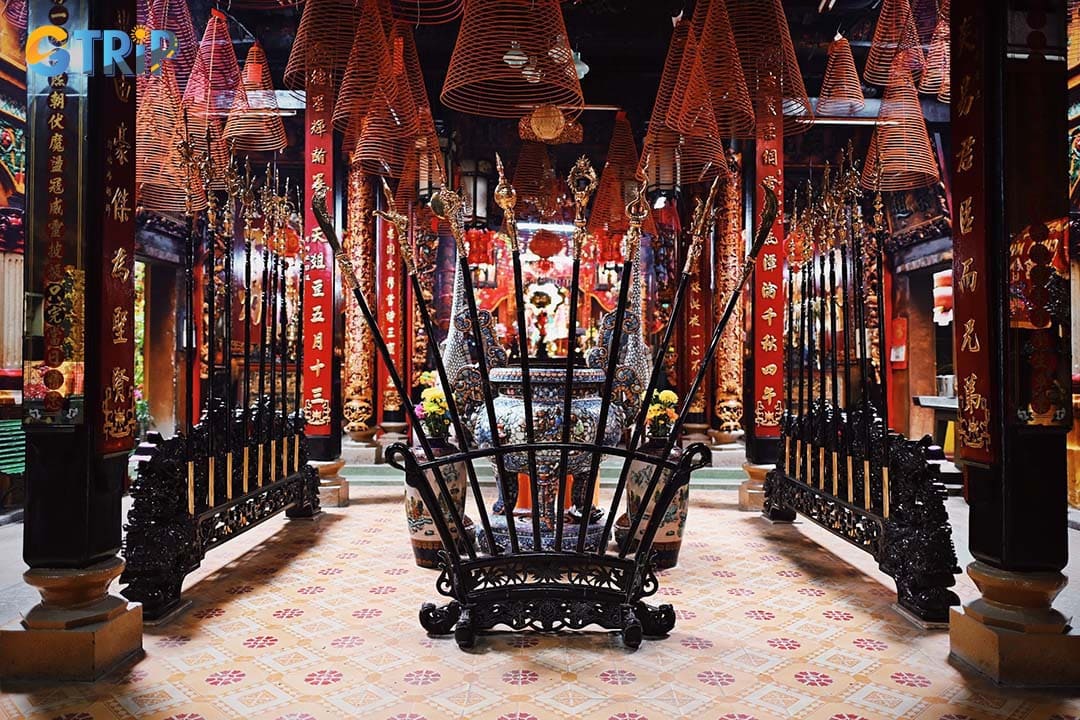
Phuoc An Hoi Quan Pagoda is a lesser-known Cho Lon temple celebrated for its extraordinarily intricate Cantonese wood carvings, rich gilded details, and serene atmosphere
5. Mariamman Hindu Temple in Ho Chi Minh City
- Address: 45 Truong Dinh Street, Ben Thanh Ward (formerly District 1), Ho Chi Minh City
- Opening hours: 9:00 AM - 12:00 PM and 1:30 PM - 8:00 PM daily. The temple opens all day on Fridays and on the 1st and 15th days of the lunar month
- Entrance fee: Free
A surprising splash of vibrant color in the heart of former District 1, the Mariamman Hindu Temple is the city's main center of worship for its small but established Hindu community. Dedicated to Mariamman, the goddess of rain and fertility, the temple is instantly recognizable for its colorful tower adorned with dozens of statues of Hindu deities such as Vishnu, Brahma, and Shiva. Inside, the sacred atmosphere is palpable, with a central shrine dedicated to Mariamman herself, flanked by her protectors Madurai Veeran and Pechiamman. Devotees offer jasmine, lilies, and other fragrant flowers, and the air is filled with the scent of incense and the sound of quiet prayer. It offers a unique and fascinating insight into a different facet of Ho Chi Minh City's diverse religious landscape.
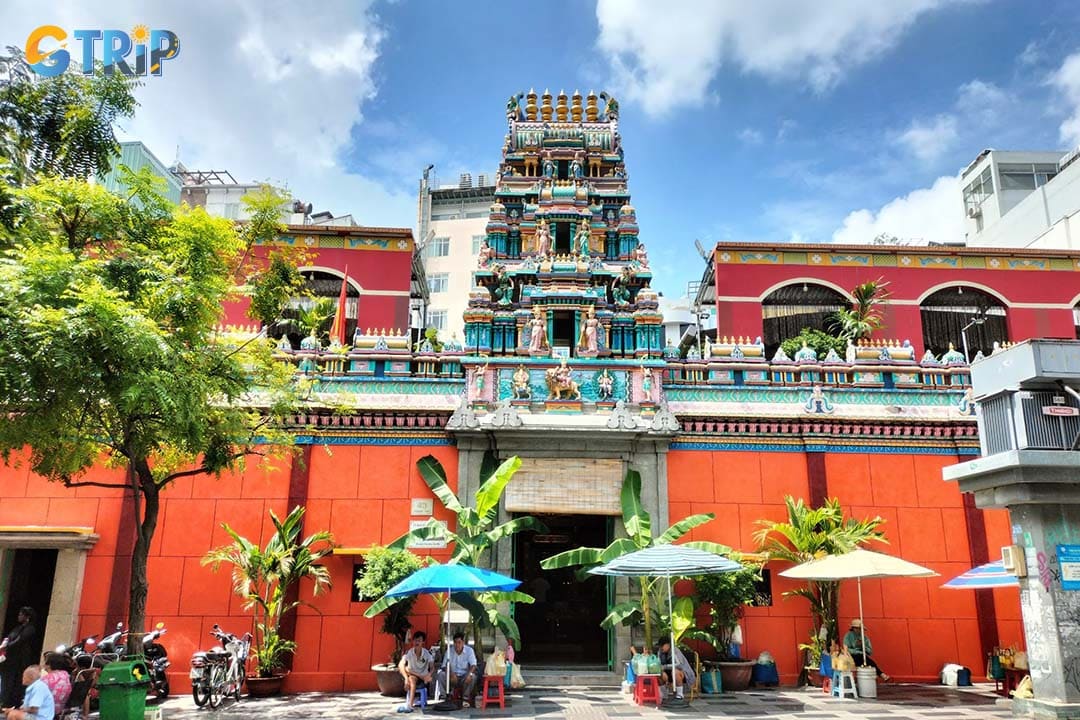
The Mariamman Hindu Temple is Ho Chi Minh City’s main Hindu sanctuary, instantly recognizable by its colorful deity-covered tower
6. Vinh Nghiem Pagoda
- Address: 339 Nam Ky Khoi Nghia Street, Xuan Hoa Ward (formerly District 3), Ho Chi Minh City
- Opening hours: 6:00 AM - 11:30 AM, 1:30 PM - 7:00 PM daily
- Entrance fee: Free
Vinh Nghiem Pagoda is one of the largest and most impressive Mahayana Buddhist pagodas in Ho Chi Minh City. Built with a blend of modern concrete techniques and traditional Vietnamese architectural styles, it stands as a serene and spacious place of worship. Its most notable feature is a massive, seven-story stone stupa, the Kwan-Yin Tower, which is one of the tallest of its kind in Vietnam. The pagoda grounds are expansive, featuring a large main hall, a tranquil garden, and a tower housing a large bell gifted by Japanese Buddhists. Unlike older, more cluttered temples, Vinh Nghiem’s clean lines and open spaces create a feeling of profound peace and order. It is an active religious center, hosting ceremonies and providing a quiet sanctuary from the city's hustle.
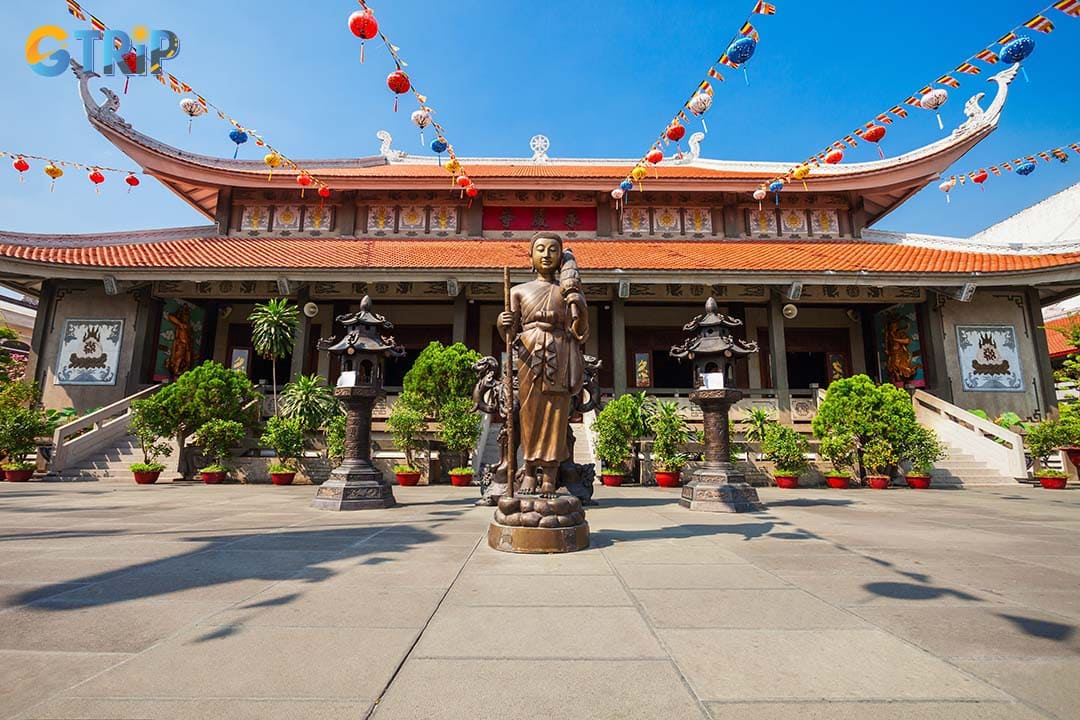
Vinh Nghiem Pagoda is a grand Mahayana Buddhist complex known for its spacious grounds, clean modern-traditional design, and the towering seven-story Kwan-Yin stone stupa
7. Xa Loi Pagoda (Xa Loi Buddhist Temple)
- Address: 89 Ba Huyen Thanh Quan Street, Vo Thi Sau Ward (formerly District 3), Ho Chi Minh City
- Opening hours: Morning: 6:00 AM - 11:30 AM; Afternoon: 2:00 PM - 5:00 PM; Evening: 6:00 PM - 7:00 PM; Special occasions: 7:00 AM - 9:00 PM
- Entrance fee: Free
Xa Loi Pagoda holds a significant place in modern Vietnamese history. It is famed as the site that housed a sacred relic of the Buddha and became a focal point for Buddhist protests against the Diem regime in 1963. The pagoda's architecture is more modern compared to others, featuring a towering bell tower that has become an iconic city landmark. Inside, the main hall is bright and airy, dominated by a large statue of a seated Gautama Buddha. The name "Xa Loi" itself means "sacred relic", a testament to its important status. While visiting, you can feel the weight of its history as a center of political and religious resistance. Today, it remains an active place of worship, offering visitors a unique blend of spiritual tranquility and historical significance.
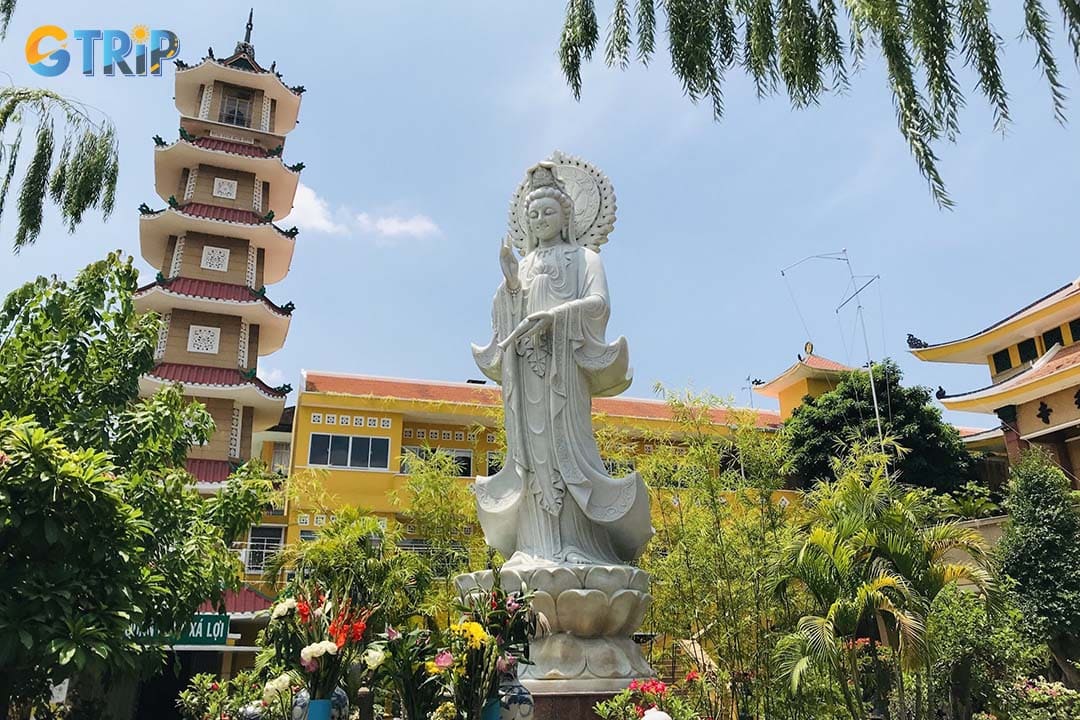
Xa Loi Pagoda is a historically significant Buddhist site in Ho Chi Minh City, known for its modern architecture and its central role in the 1963 Buddhist protests
8. Nhi Phu Temple (Ong Bon Pagoda)
- Address: 264 Hai Thuong Lan Ong Street, Cho Lon Ward (formerly Ward 14, District 5), Ho Chi Minh City
- Opening hours: 7:00 AM - 5:00 PM daily
- Entrance fee: Free
Tucked away on a street known for its traditional medicine shops in Cho Lon is the Nhi Phu Temple, also known as Ong Bon Pagoda. This Fukien-style temple is dedicated to Ong Bon, a tutelary deity believed to bless and protect the local community, particularly those from the Fujian province in China. The temple's modest entrance belies the rich heritage inside. It is characterized by its distinctly authentic and well-preserved 18th-century atmosphere, complete with antique altars, intricate roof tiles, and ancient stone tablets. The interior is a sensory experience, filled with the aroma of herbal medicine from the surrounding shops mixing with the incense. It provides a less-crowded, more intimate glimpse into the spiritual life of the city’s Chinese community compared to the more famous pagodas nearby.
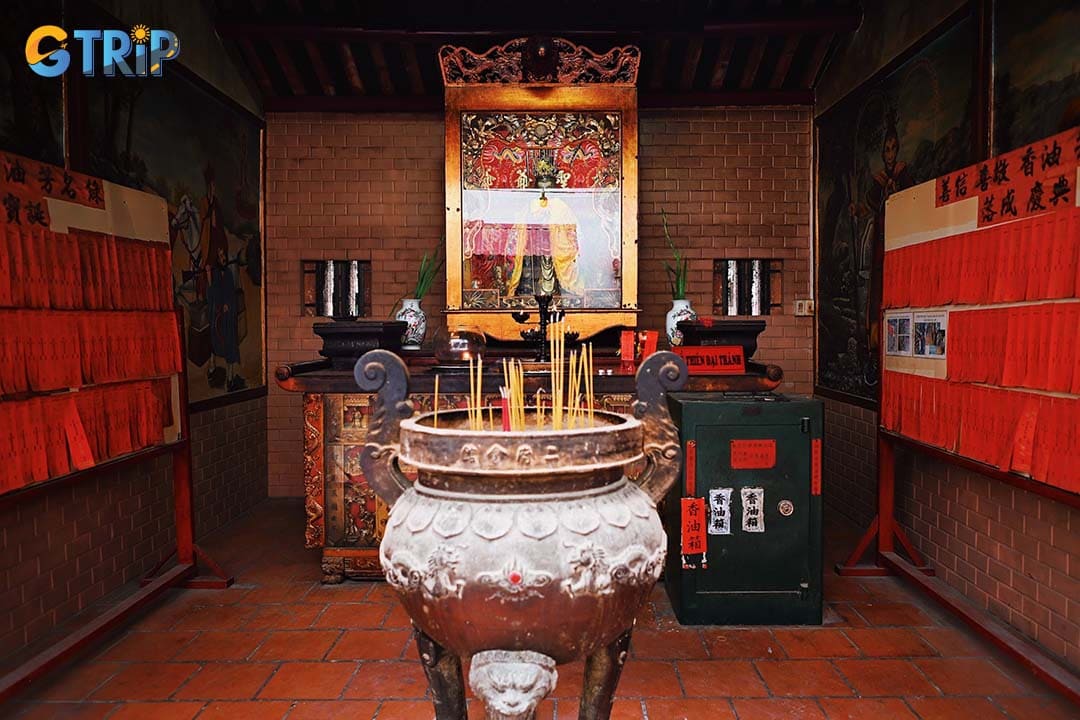
Tucked away in Cho Lon, Nhi Phu Temple (Ong Bon Pagoda) is a quietly atmospheric Fukien-style shrine dedicated to Ong Bon
9. Guandi Temple in Ho Chi Minh City
- Address: 676-678 Nguyen Trai Street, Cho Lon Ward (formerly Ward 11, District 5), Ho Chi Minh City
- Opening hours: 6:00 AM - 5:00 PM daily
- Entrance fee: Free
The Guandi Temple (or Quan De Mieu) is dedicated to one of the most revered figures in Chinese culture: Guan Di (Quan Cong), the god of war, literature, and wealth. This Taoist temple is one of the oldest in the city and exudes a powerful sense of history and devotion. Its defining feature is the collection of antique weapons and a life-sized replica of Guan Di's famous red horse, which stands near the entrance. The interior is dark and atmospheric, filled with imposing statues of Guan Di and his loyal guardians. Businesspeople and locals flock here to pray for success, courage, and prosperity. The temple’s robust, masculine energy and its devotion to a martial deity make it a unique stop on any tour of Cho Lon’s spiritual sites.
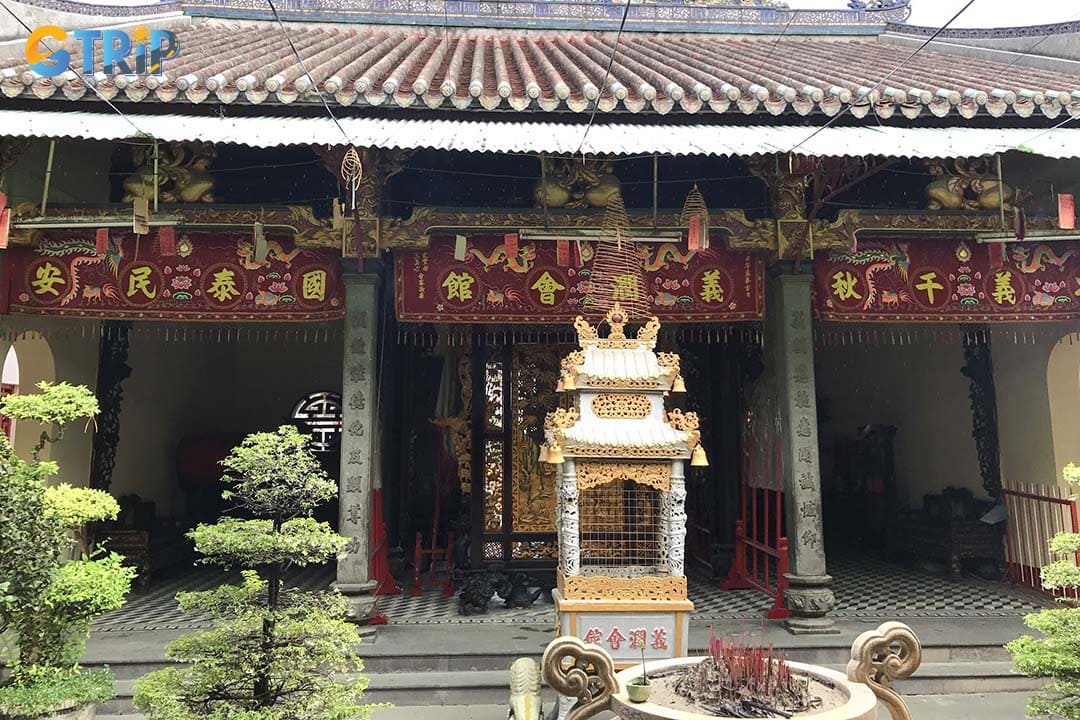
The Guandi Temple (Quan De Mieu) is one of Ho Chi Minh City’s oldest Taoist temples, dedicated to Guan Di, the god of war and wealth
10. Giac Lam Pagoda
- Address: 565 Lac Long Quan Street, Bay Hien Ward (formerly Ward 10, Tan Binh District), Ho Chi Minh City
- Opening hours: 7:00 AM - 9:00 PM (daily)
- Entrance fee: Free
Giac Lam Pagoda is widely recognized as the oldest Buddhist temple in Ho Chi Minh City, dating back to 1744. This historical and spiritual landmark is a treasure trove of cultural artifacts, with 113 ancient statues and numerous tablets and inscriptions. The pagoda's layout follows the character "san" (three), representing the three jewels of Buddhism: the Buddha, the Dharma, and the Sangha. The grounds are lush and serene, featuring a towering seven-story stupa and an ancient Bodhi tree that grew from a cutting of the original tree where the Buddha attained enlightenment. Its weathered structures, time-worn statues, and tranquil gardens transport visitors back in time, offering a profound sense of peace.
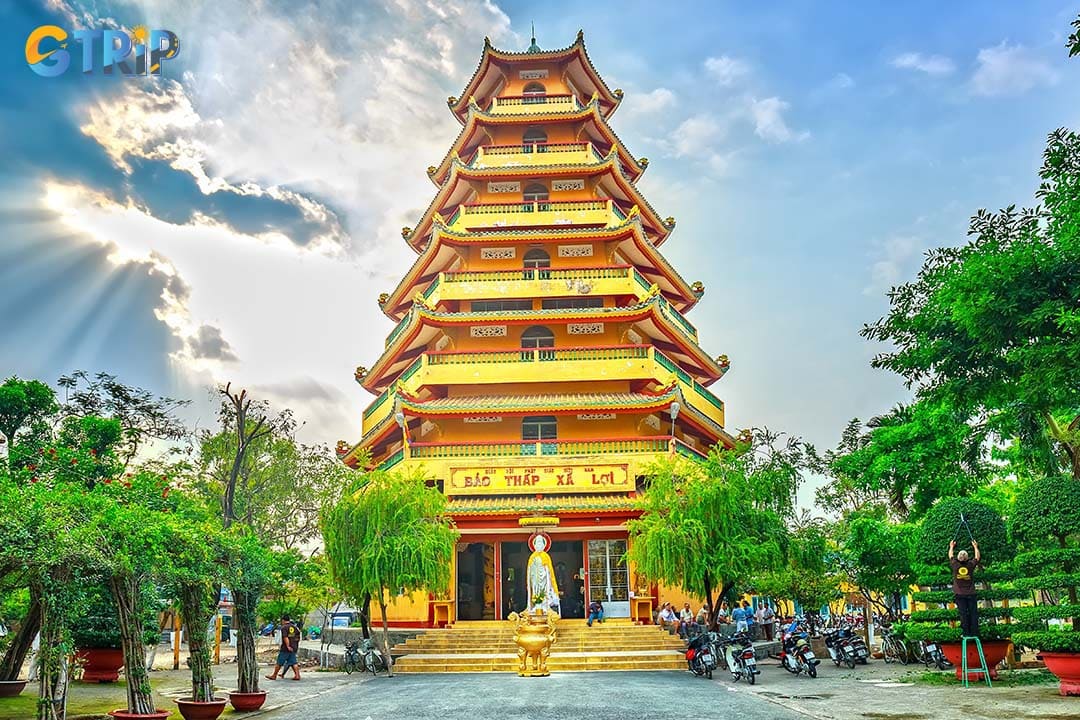
Giac Lam Pagoda, the oldest Buddhist temple in Ho Chi Minh City dating back to 1744, is a serene historical landmark known for its ancient statues, symbolic layout
11. Phu Chau Floating Temple
- Address: 97 Tran Ba Giao Street, An Nhon Ward (formerly Ward 5, Go Vap District), Ho Chi Minh City
- Opening hours: 7 AM - 5 PM
- Entrance fee: Free
For a truly unique spiritual experience, head to Phu Chau Floating Temple. What makes this temple extraordinary is its picturesque location on a small island in the middle of the Vam Thuat River. To reach it, visitors must take a short ferry ride, which adds to the sense of pilgrimage and escape from the urban environment. The temple itself is a feast for the eyes, brightly decorated with countless mosaic dragons, phoenixes, and flowers covering nearly every surface. The vibrant colors and intricate details create a joyful and almost whimsical atmosphere. Devotees come here to pray for peace and good health. The combination of the boat journey, the isolated setting, and the dazzling architecture makes a visit to Phu Chau Floating Temple an unforgettable adventure.
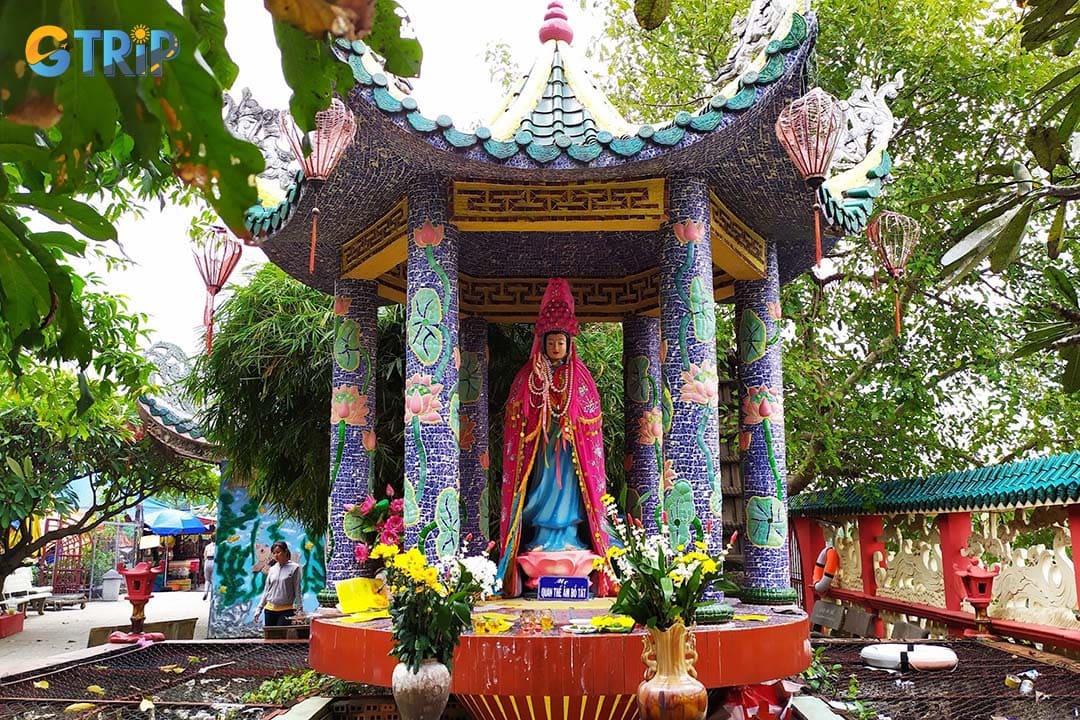
Phu Chau Floating Temple offers a truly unique spiritual escape, set on a small island in the Vam Thuat River and reached by boat
12. Buu Long Pagoda in Ho Chi Minh City
- Address: 81 Nguyen Xien Street, Long Binh Ward (formerly Thu Duc City), Ho Chi Minh City
- Opening hours: Pagoda grounds: 7:00 AM - 6:00 PM daily; Stupa: 7:00 AM - 10:00 AM, 2:00 PM - 4:00 PM
- Entrance fee: Free
Buu Long Pagoda is a stunning architectural outlier that looks as if it were transported from Thailand or Myanmar. Located on the outskirts of the city, its design is a striking fusion of Theravada Buddhist architecture and traditional Vietnamese elements. The pagoda's centerpiece is the magnificent Gotama Cetiya stupa, a grand white-and-gold structure with towering spires that glisten in the sun. The serene grounds are set beside a tranquil lake, adding to the peaceful, park-like atmosphere. Unlike the incense-heavy Chinese-style temples, Buu Long has a more open and airy feel. It has become incredibly popular among locals and travelers for its breathtaking beauty and photogenic qualities. This offers a peaceful retreat and a glimpse into a different style of Buddhist worship in Vietnam.
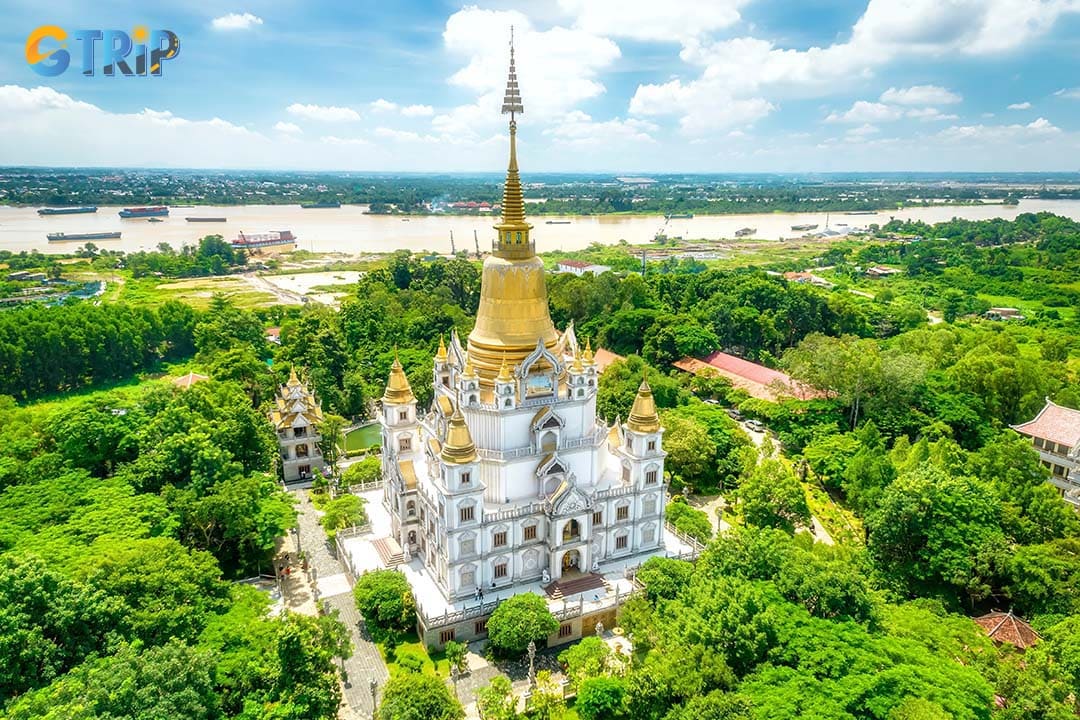
Buu Long Pagoda is a breathtaking Theravada-style temple on the city’s outskirts, famed for its magnificent white-and-gold Gotama Cetiya stupa, serene lakeside setting
Read more:
Temples in Ho Chi Minh City are far more than tourist attractions, they reflect the city’s deep spiritual roots and cultural diversity. This GTrip guide has highlighted Saigon’s most significant sacred sites, helping you plan a respectful and meaningful visit. For a more immersive experience, consider joining Ho Chi Minh City tours that combine temple visits with other iconic landmarks. Add these remarkable places to your itinerary and discover a deeper side of the city.