Tuesday, January 27, 2026
Saigon's weather can be the defining factor of your trip to Vietnam's vibrant southern hub. Understanding the city’s distinct tropical climate is the key to unlocking the perfect vacation. But navigating the nuances of its two main seasons can feel daunting. When is it too hot? When does it rain? What should I even pack? Don’t worry, we’ve got you covered. Consider this your all-in-one GTrip guide to mastering the weather in Ho Chi Minh City. We’ll break down the pros and cons of the dry and rainy seasons, provide a detailed month-by-month look at temperatures and rainfall, and give you expert packing tips. By the end, you’ll know exactly when the best time to visit is for you, ensuring your adventure in this energetic metropolis is nothing short of amazing, rain or shine.
About Saigon's weather
Ho Chi Minh City, lovingly still called Saigon by locals, is characterized by a classic tropical savanna climate. This means you can forget about the four distinct seasons you might be used to back home. Here, the year is neatly divided into two main periods: the dry season and the wet season. The temperature remains consistently warm to hot year-round, rarely dropping below 21°C (70°F), even in the dead of night. The real variable that shapes the experience of the city is humidity, which fluctuates dramatically between the two seasons. This dictates everything from how comfortable you feel walking around to what you need to pack.
- The dry season: December to April
- The rainy (or wet) Season: May to November
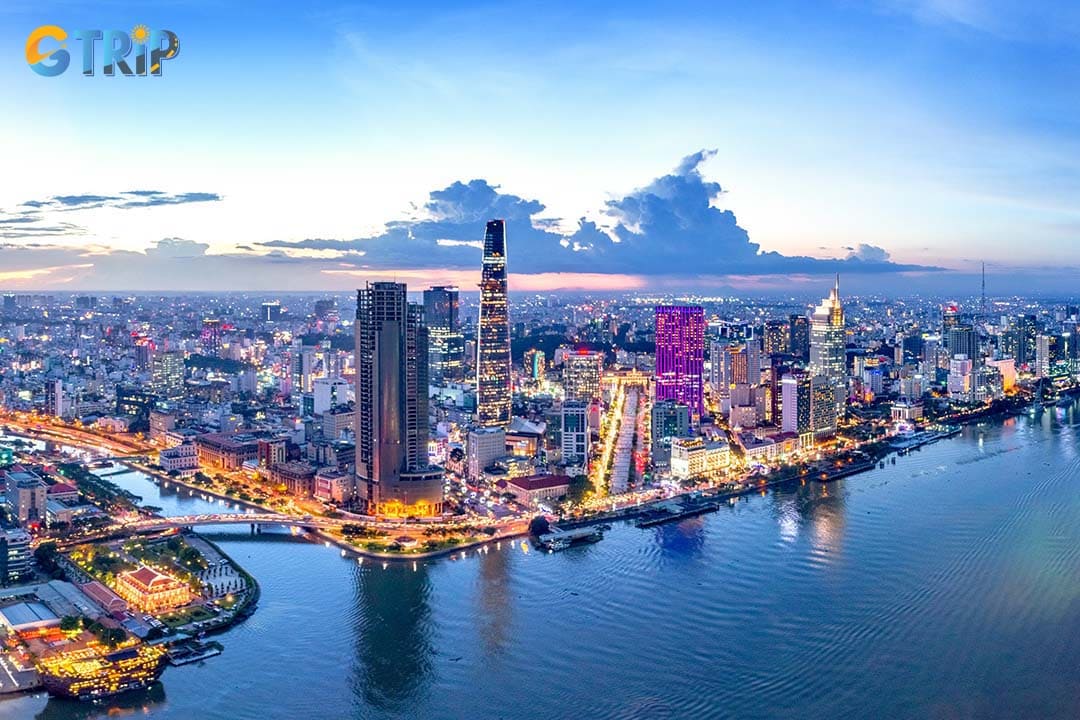
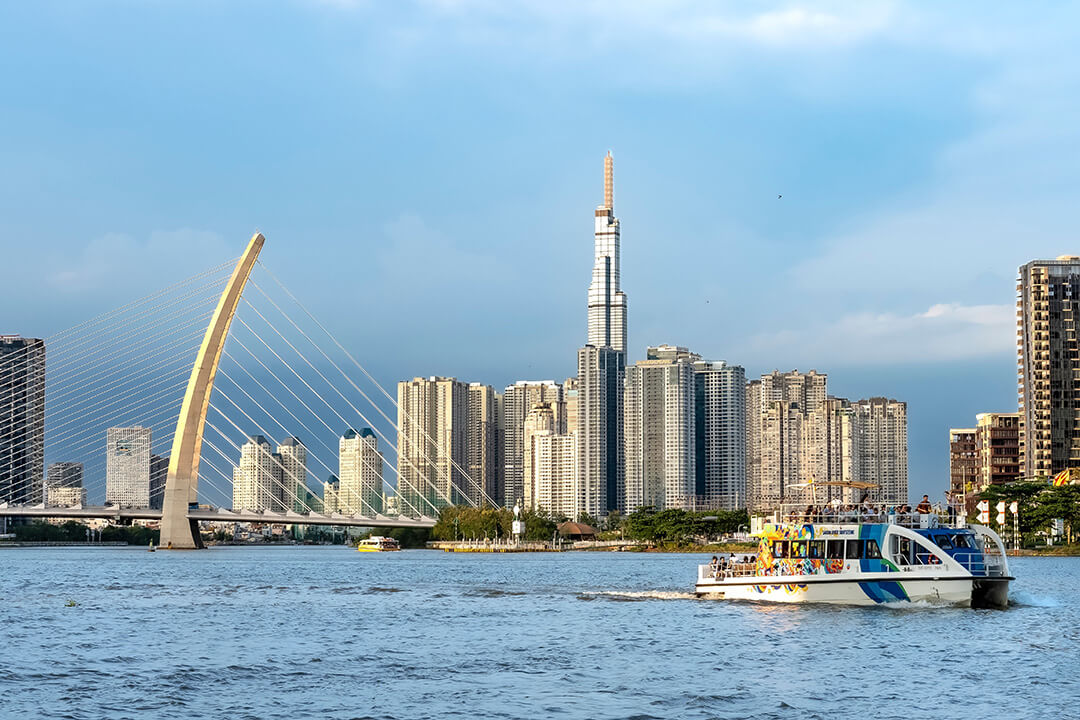
Saigon’s weather is divided into 2 seasons: dry and wet
Saigon's dry season (December - April)
Welcome to Saigon’s peak tourist season! This period is widely considered the most pleasant and popular time to visit. With lower humidity and an abundance of sunshine, the dry season offers picture-perfect conditions for exploring every corner of this incredible city.
What to expect during Saigon's dry season
During these months, you can expect long days filled with clear blue skies and a golden sun that makes the city’s colonial architecture glow. The humidity, while still present, is at its lowest, making the daytime heat much more manageable and comfortable for walking around. While it's generally pleasant, be aware that temperatures climb steadily, peaking in March and April, which can be intensely hot. Rainfall is minimal to non-existent, so your outdoor plans are unlikely to be disrupted. This is, without a doubt, the prime time for sightseeing, photography, and soaking in the vibrant street life.
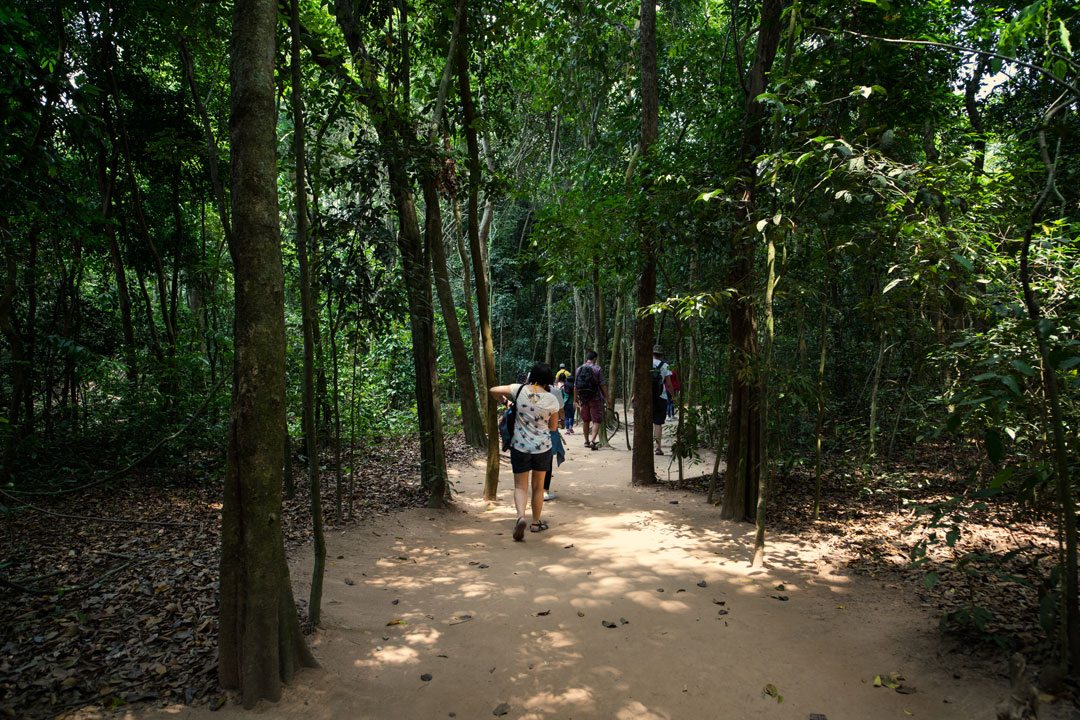
Best things to do during the dry season
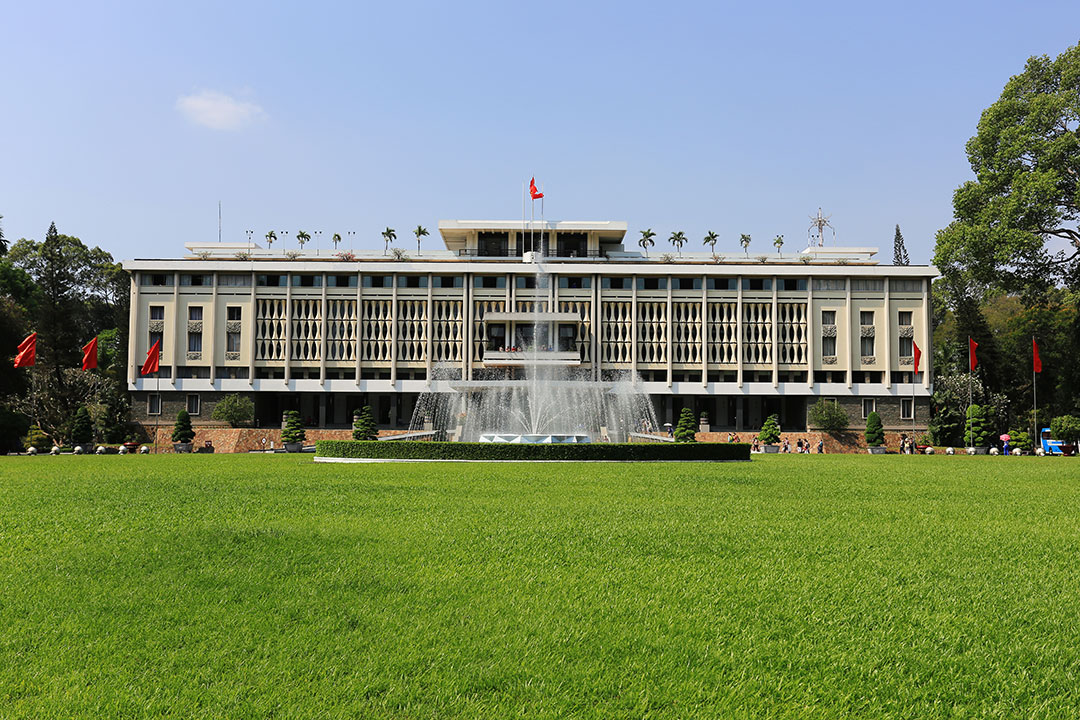
The glorious weather opens up a world of possibilities for outdoor adventure. The sunny days are perfect for extensive outdoor exploration. You can take a walking tour of former District 1 to see the Notre Dame Cathedral and Central Post Office, a powerful visit to the Cu Chi Tunnels, or a leisurely day trip down the Mekong Delta. In the evenings, the comfortable temperatures are ideal for enjoying the city's world-class rooftop bars, where you can sip a cocktail while watching the sunset over the glittering skyline. You can also wander through outdoor markets like the famous Ben Thanh Market without worrying about a sudden downpour or explore the modern Nguyen Hue Walking Street after dark.
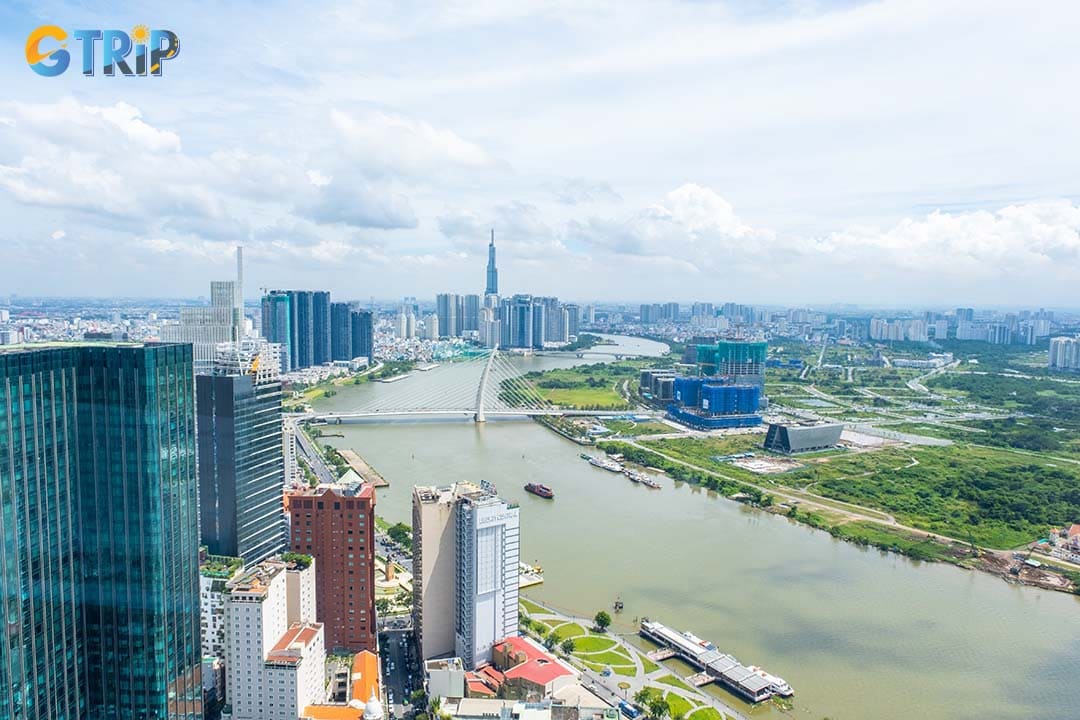
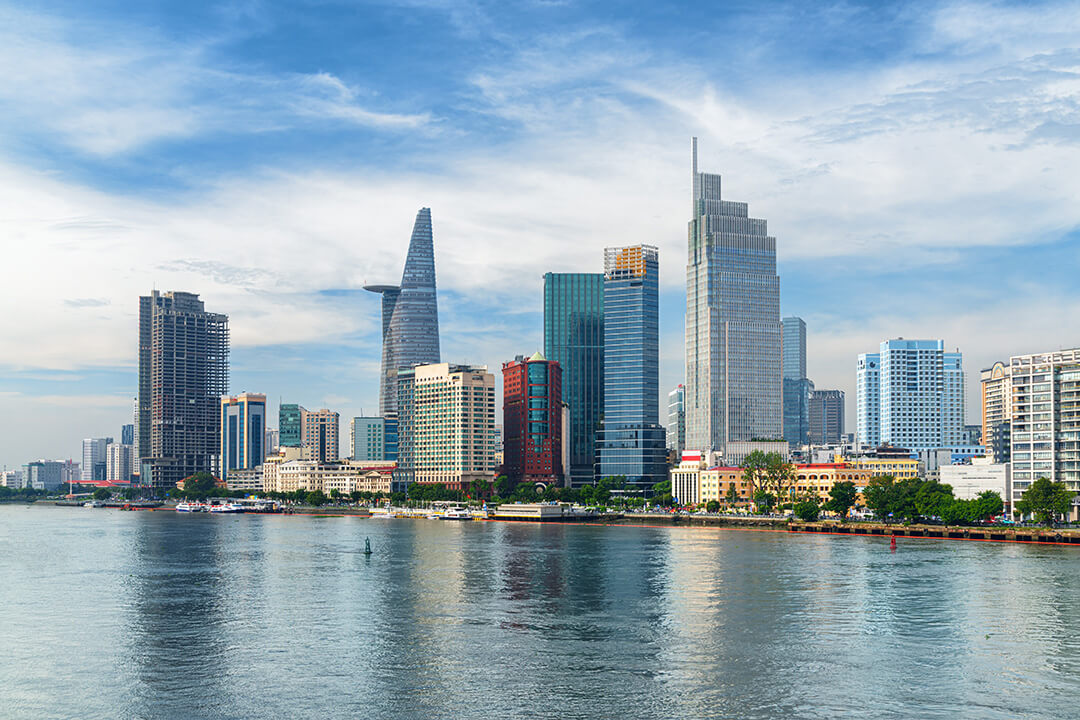
Saigon’s dry season is the peak tourist season when it’s perfect for exploring the city
Read more:
Saigon's rainy season (May - November)
Don't let the name "rainy season" put you off. This period offers a completely different, yet equally compelling, Ho Chi Minh City experience. The city transforms into a lush, vibrant green oasis, the air is thick with the smell of petrichor, and you'll often find fewer crowds and better deals on flights and accommodation.
What to expect during Saigon's rainy season
The rain in Saigon is rarely a persistent, all-day drizzle that ruins your plans. Instead, it typically arrives in short, heavy, and surprisingly predictable downpours in the mid to late afternoon. These tropical storms can be dramatic, but they usually pass within an hour or two, leaving behind refreshed, clean air and glistening streets. The humidity is at its peak during these months, which can feel intense, but the city is well-equipped with air-conditioned spaces to offer respite. You simply learn to plan your day around the afternoon shower, which quickly becomes part of the city's charm.
Best things to do during the rainy season
The predictable rain showers are a perfect excuse to dive into Saigon's incredible indoor attractions, such as War Remnants Museum, Ho Chi Minh City Museum of Fine Arts, Central Post Office. When the skies open up, do as the locals do and duck into one of the city's thousands of unique cafes. Vietnamese coffee culture is legendary, and there's no better time to savor a ca phe sua da (iced coffee with condensed milk) than while watching the rain fall outside. This season is also ideal for indoor activities like taking an authentic Vietnamese cooking class or indulging in a relaxing, well-deserved massage or spa treatment.
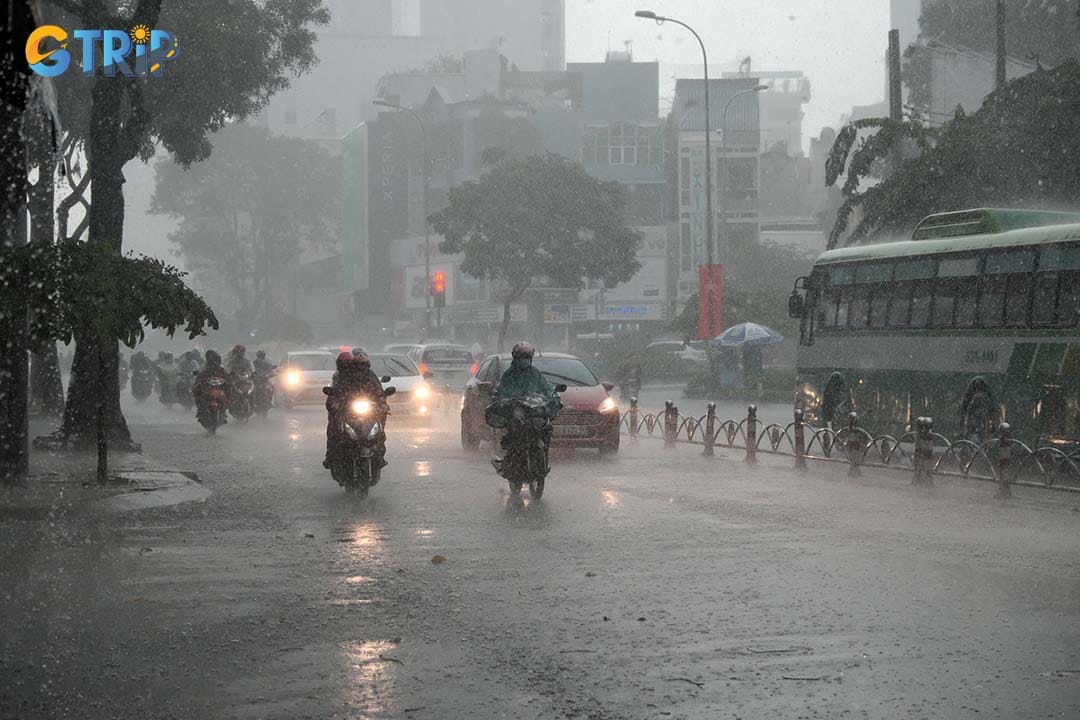
During Saigon’s rainy season, you can explore many attractions and enjoy the indoor activities
Read more:
Details of the weather in Ho Chi Minh City by month
To help you pinpoint the absolute perfect time for your trip, we need to go deeper than just "wet" and "dry". Saigon's weather has subtle but important shifts from month to month. Is late April really that hot? Is the rain in November as intense as in September?
This detailed table breaks down the climate data for Ho Chi Minh City month by month. We’ve included everything from average temperature ranges to the number of rainy days you can expect. Below the table, you'll find our expert GTrip analysis for each month, translating these numbers into the practical advice you need to plan your journey with confidence.
| Month | Average temperature | Average humidity | Monthly rainfall | Rainy days | Average sunshine |
|---|---|---|---|---|---|
| January | 21.0°C - 32.0°C | 70% | 12.0 mm | 2.0 days | 8.0 hours/day |
| February | 22.0°C - 33.0°C | 67% | 4.0 mm | 1.0 days | 9.0 hours/day |
| March | 24.0°C - 35.0°C | 65% | 10.0 mm | 2.0 days | 9.0 hours/day |
| April | 26.0°C - 36.0°C | 68% | 50.0 mm | 7.0 days | 8.0 hours/day |
| May | 25.0°C - 34.0°C | 75% | 210.0 mm | 17.0 days | 6.5 hours/day |
| June | 24.0°C - 32.0°C | 80% | 300.0 mm | 21.0 days | 5.5 hours/day |
| July | 24.0°C - 31.0°C | 81% | 290.0 mm | 23.0 days | 5.8 hours/day |
| August | 24.0°C - 31.0°C | 82% | 270.0 mm | 22.0 days | 5.5 hours/day |
| September | 24.0°C - 31.0°C | 83% | 330.0 mm | 23.0 days | 5.2 hours/day |
| October | 24.0°C - 31.0°C | 83% | 260.0 mm | 20.0 days | 5.5 hours/day |
| November | 23.0°C - 31.0°C | 78% | 110.0 mm | 11.0 days | 6.5 hours/day |
| December | 22.0°C - 31.0°C | 73% | 40.0 mm | 5.0 days | 7.0 hours/day |
Best time to visit Ho Chi Minh City
So, after all that information, when is the absolute best time to go? The truth is, it depends on your priorities. Here’s our GTrip synthesis to help you decide.
In the dry season
This is the classic choice for a reason. The weather is at its most stable and pleasant, making it ideal for first-time visitors or those with a packed itinerary of outdoor activities. The trade-off is that this is also peak tourist season. For travelers prioritizing ideal weather for sightseeing and outdoor activities, the best time to visit Saigon is during the dry season, specifically from December to March. You'll enjoy endless sunshine and comfortable humidity, but be prepared for larger crowds and potentially higher prices for flights and hotels.
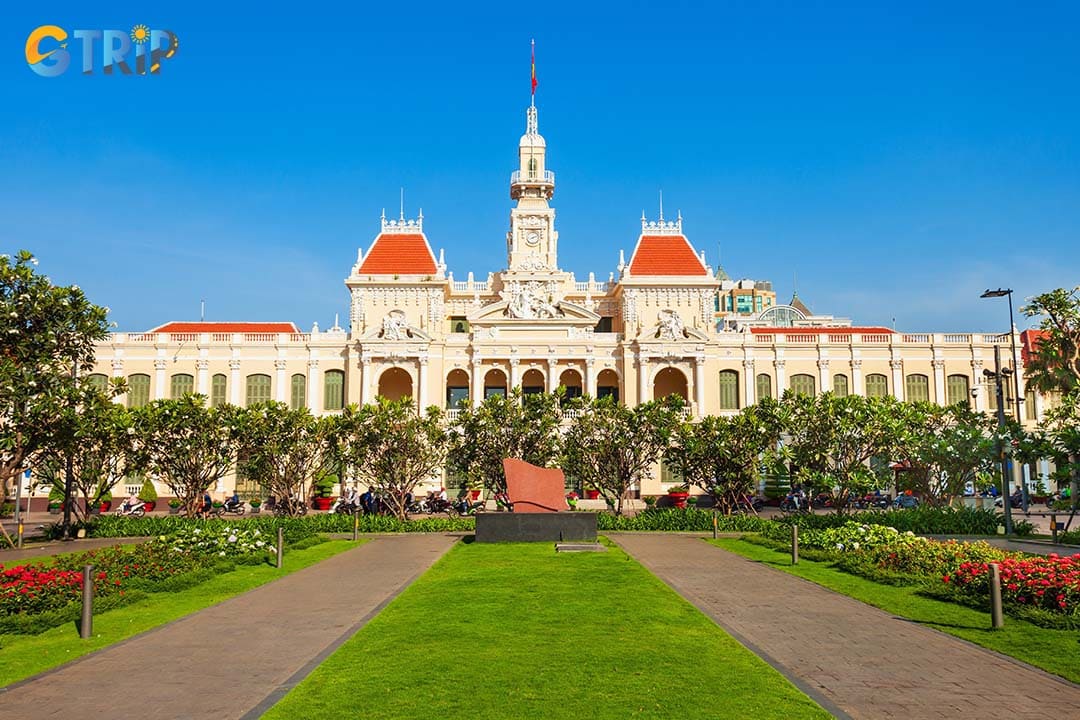
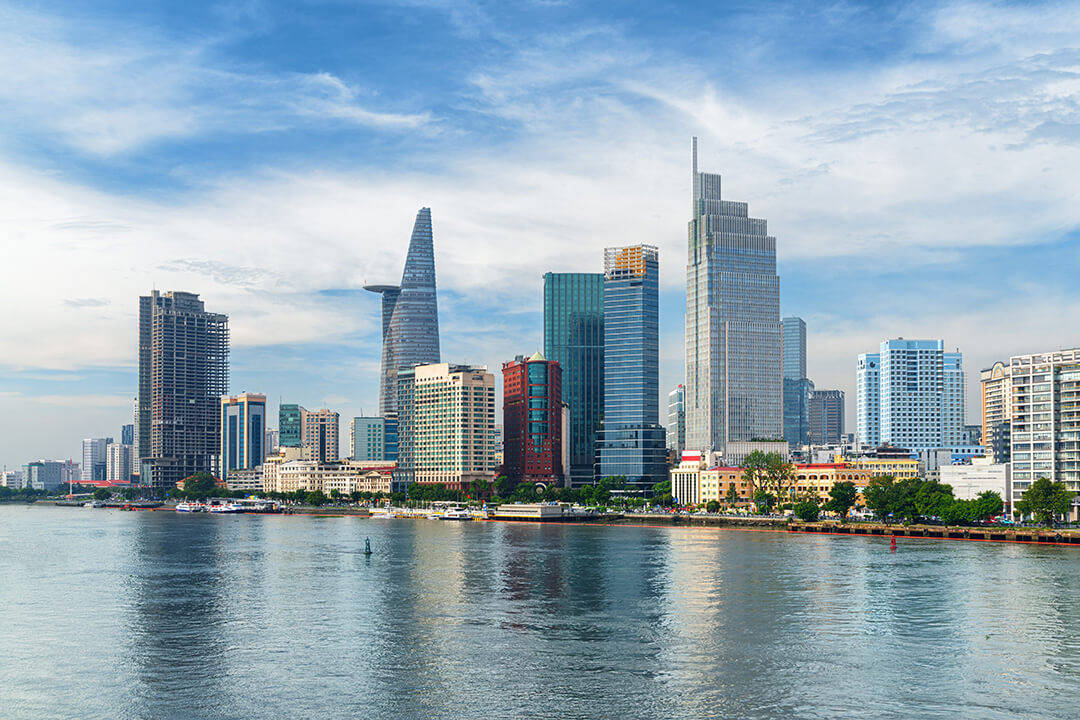
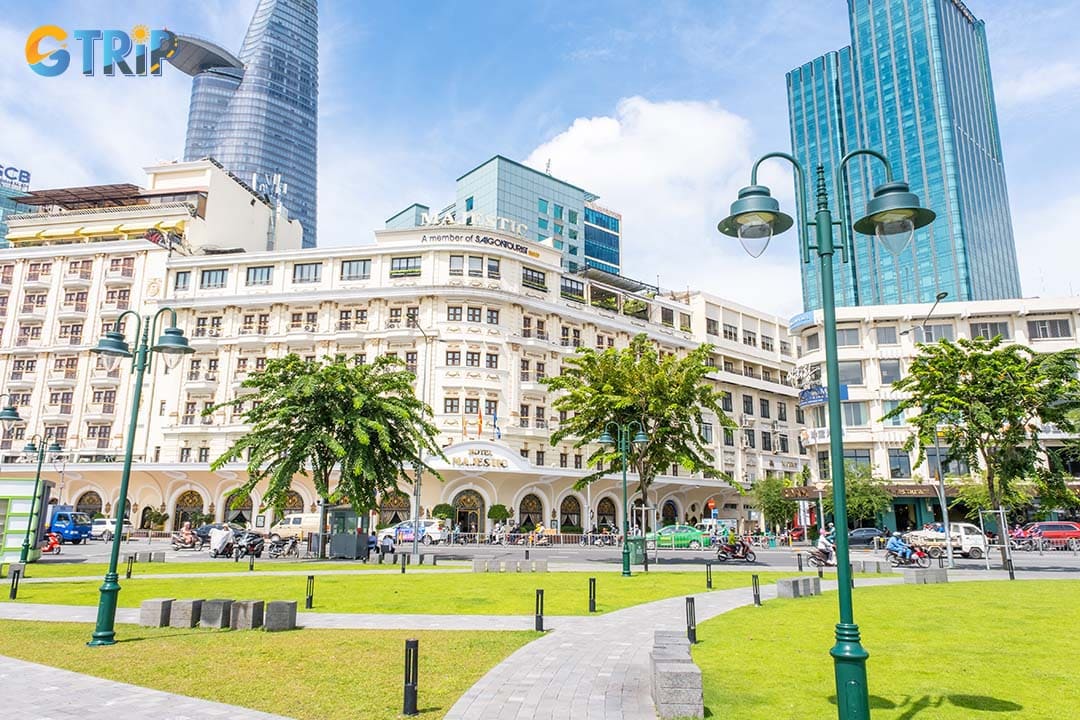
The best time to visit Saigon is during the dry season, from December to March
In the wet season
If you're not afraid of a little rain and prefer a more local, less crowded experience, the wet season has its own unique magic. The city is at its most verdant, and the afternoon storms can be a spectacle in themselves. For budget-conscious travelers or those who prefer fewer crowds and lush green scenery, the wet season from May to November offers a unique and rewarding experience. You’ll benefit from lower prices and a more relaxed atmosphere, but you'll need to pack for daily rain showers and be prepared for high humidity.
Special occasions to visit Saigon
Timing your visit with a local festival can transform your trip into an unforgettable cultural experience. Here are a few key dates to consider:
- New Year’s Day (January 1st): This marks the beginning of the calendar year and is a public holiday across Vietnam. In Ho Chi Minh City, many hotels, shopping malls, and tourist attractions remain open, while locals enjoy countdown events, fireworks, and festive gatherings the night before. It’s a relaxed time to explore the city, though government offices and some businesses may be closed for the day.
- Vietnamese New Year (Tet) (late January or early February): This is the most important festival in Vietnam. The city is vibrant with red and yellow decorations, bustling flower markets, and a palpable sense of excitement. However, be warned that many shops, restaurants, and attractions close for several days as people travel to their hometowns.
- Hung Kings’ Commemoration Day (10th day of the third lunar month): This national holiday honors the Hung Kings, the legendary founders of the Vietnamese nation. Ceremonies are held across the country, with the main rituals taking place at Hung Temple in Phu Tho Province, while cities like Ho Chi Minh City host cultural events and memorial activities. The day reflects Vietnam’s deep respect for its origins and shared national heritage, making it a meaningful time to experience traditional values and history.
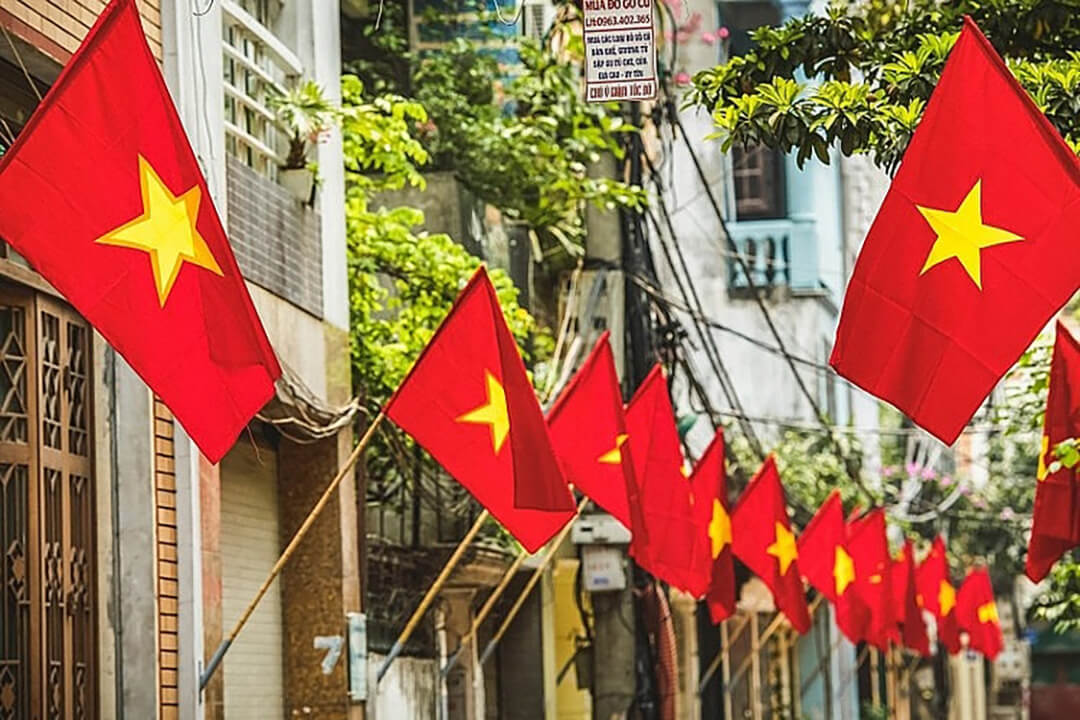
- Vietnamese Reunification Day (April 30th): This major public holiday celebrates the end of the Vietnam War and the reunification of the country. You'll see flags flying everywhere, and there are often parades, fireworks, and patriotic events, offering a fascinating glimpse into modern Vietnamese identity.
- Southern Fruit Festival (June - August): Held at Suoi Tien Theme Park, this festival is a paradise for foodies. It’s a dazzling celebration of the region's agricultural bounty, with colorful displays and the chance to taste countless exotic tropical fruits at their absolute freshest.
- Mid-Autumn Festival (the 15th day of the eighth lunar month): This charming festival is a delight, especially for families. The streets of Cholon (Saigon's Chinatown) come alive with shops selling beautiful lanterns and sweet mooncakes. In the evening, you'll see children parading with lanterns and thrilling lion dance performances.
- National Day in Vietnam (September 2nd): Commemorating Vietnam's declaration of independence, this day is marked by public celebrations across the country. In Ho Chi Minh City, you can often expect spectacular fireworks displays over the Saigon River.
- Halloween: While not a traditional Vietnamese holiday, Halloween has been enthusiastically embraced by Saigon’s youth. The backpacker area of Bui Vien Street transforms into a massive street party with elaborate costumes and a buzzing atmosphere.
- Christmas: Witnessing Christmas in a tropical, predominantly Buddhist country is a unique experience. The city center, especially around major shopping malls and churches like Notre Dame Cathedral, is beautifully decorated with festive lights and elaborate displays.
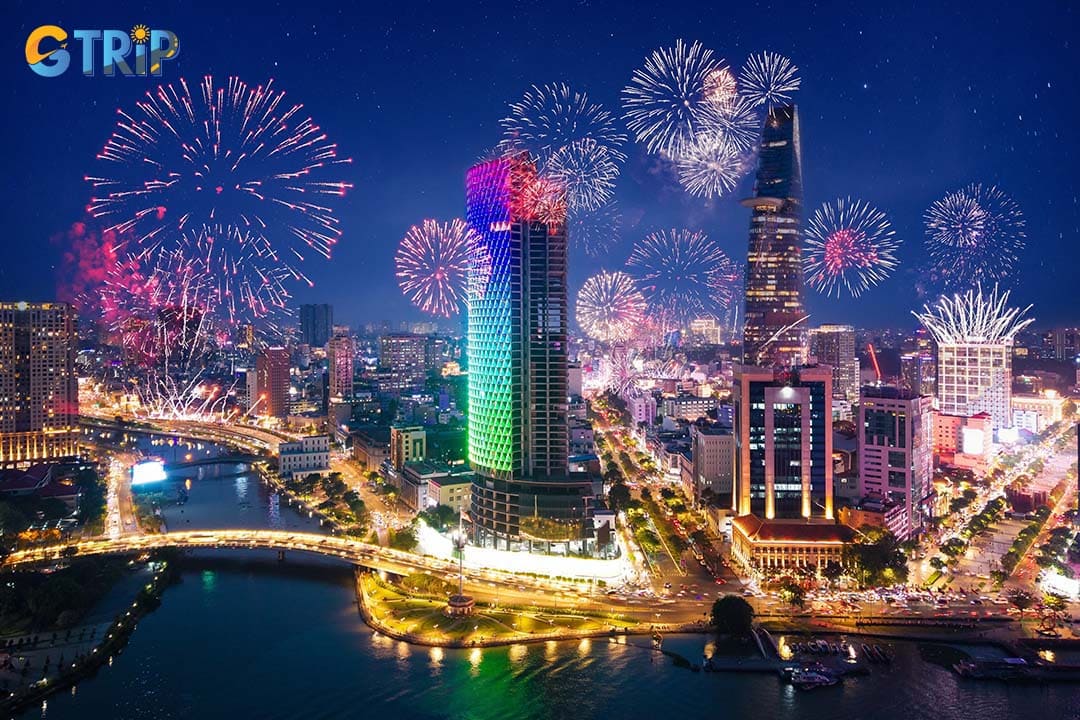
You can visit Saigon in festive season to enjoy the vibrant atmosphere of this city
Packing tips for Ho Chi Minh City
Packing the right items will help you stay comfortable while exploring Ho Chi Minh City’s tropical climate, busy streets, and popular tourist attractions. Prioritize lightweight essentials that suit walking, sightseeing, and short day tours.
- Lightweight, breathable clothing: Cotton, linen, or moisture-wicking fabrics are ideal for Ho Chi Minh City’s hot and humid weather.
- Comfortable walking shoes: Many top attractions are best explored on foot, including markets, museums, and walking streets.
- Sun protection essentials: A hat, sunglasses, and high-SPF sunscreen are necessary for daytime sightseeing.
- Face mask for street travel: Wearing a face mask is recommended when moving around busy roads or riding motorbikes, as air pollution and fine dust levels can be noticeable in central areas.
- Reusable water bottle: Staying hydrated is important, especially during long walking routes or city bus tours.
- Modest clothing for cultural sites: Bring outfits that cover shoulders and knees for temples, pagodas, and historical landmarks.
- Rain protection: A compact umbrella or lightweight rain jacket is useful year-round, particularly during sudden tropical showers.
- Quick-dry clothing: High humidity means clothes may dry slowly, making quick-dry fabrics more practical.
- Light layer for air-conditioned spaces: Shopping malls, buses, and indoor attractions often have strong air conditioning.
With these essentials, travelers can comfortably explore Ho Chi Minh City’s urban highlights, cultural sites, and nearby excursions without unnecessary inconvenience.
Remember to pack the right items to have an enjoyable trip to Saigon during both dry and wet seasons
Read more:
Saigon’s weather plays a key role in choosing the best time to visit Ho Chi Minh City, but no matter when you travel, the city always has something to offer. Each period brings a different experience. By understanding seasonal patterns, monthly climate details, and smart packing tips, you can plan a trip that matches your travel style, budget, and comfort level. To make your journey seamless, GTrip offers flexible Vietnam tour packages designed around real travel conditions.