
Wednesday, October 14, 2026
Cham Islands is a UNESCO protected archipelago located off the coast of Hoi An, famous for its crystal clear water, coral reefs, tropical beaches, and rich marine biodiversity. Also known as Cu Lao Cham, the island group consists of eight small islands and is one of the most popular nature getaway destinations in Central Vietnam. Visitors come here for snorkeling, diving, seafood, island hopping, and relaxing on peaceful beaches surrounded by lush jungle landscapes. In this guide, GTrip covers everything you need to know about Cham Islands, including how to get there, ticket prices, the best things to do, travel tips, and how to plan the perfect island trip from Hoi An or Da Nang.
Table of Content
- Overview of Cham Islands Da Nang
- What makes Cham Islands unique?
- Top 15 things to do in Cham Islands
- 1. Dive into the ocean with water activities
- 2. Watch sunrise or sunset at Eo Gio
- 3. Relax at the island’s most beautiful beaches
- 5. Visit Au Thuyen (Boat Shelter)
- 6. Check in at the Ngo Dong flower road
- 7. Trekking the forest and visiting Swiftlet Island
- 8. Hai Tang Ancient Pagoda (Built in 1758)
- 9. Ancient Cham Well (Xom Cam Well)
- 10. Swiftlet Ancestral Temple
- 11. Whale Temple (Lang Ong)
- 12. Cham Islands Marine Museum
- 13. Explore Tan Hiep Market
- 14. Ride a basket boat & go fishing with locals
- 15. Discover local cuisine
- How to get to Cham Islands?
- How to get to Cham Island?
- Accommodation when traveling to Cham Islands
- Attractions on and near Cham Islands in Hoi An
- Practical tips for visitors when visiting Cham Islands in Hoi An
Overview of Cham Islands Da Nang
Before diving into the adventure, it's essential to understand the basics. Knowing where the islands are, the entrance fees, and the ideal season to visit will set the foundation for a seamless and enjoyable journey.
Where is Cham Islands?
Location: Tan Hiep Commune, (formerly Hoi An City, Quang Nam Province), Da Nang City
Cham Islands, also known as Cu Lao Cham, is a cluster of eight small islands located in the Tan Hiep Commune of Da Nang City, within Vietnam's central region. This idyllic archipelago is situated in the East Sea, approximately 20 kilometers (12 miles) from Hoi An's Cua Dai beach and about 40 kilometers (25 miles) southeast of Da Nang City. The main and most inhabited island, where all boats arrive, is Hon Lao. The eight islands that form the archipelago are:
- Hon Lao (Beach Sheoak Island), the largest and main island
- Hon Dai (Long Island)
- Hon Mo (Tomb Island)
- Hon La (Leaf Island)
- Hon Kho Me (Dry Island the Mother)
- Hon Kho Con (Dry Island the Baby)
- Hon Tai (Ear Island)
- Hon Ong (Uncle Island)
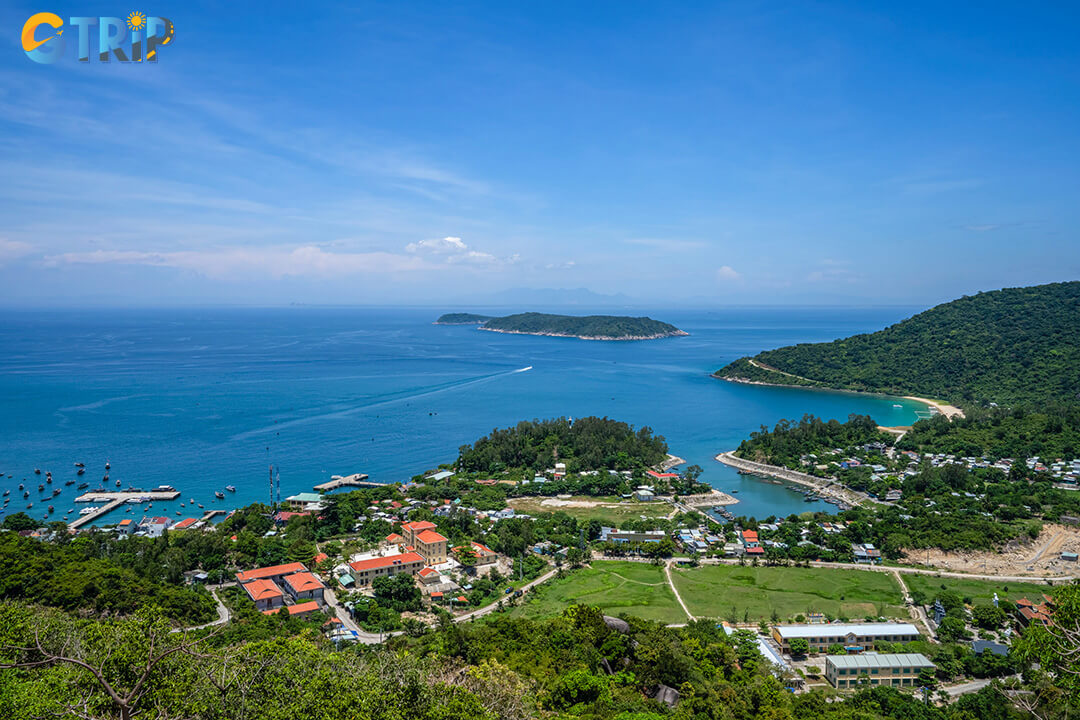
Cham Islands is a group of eight islands about 20 km from Hoi An, known for its natural beauty and rich marine ecosystem
Entrance fee
To enter the Cham Islands, all visitors are required to purchase two separate tickets at the Cua Dai Port before boarding their boat. It's important to note that these fees are for access and conservation and do not cover your transportation, tour costs, food, or specific activities.
- Entrance ticket: 70,000 VND per adult and 35,000 VND per child (between 1 and 1.3 meters tall). Children under 1 meter are free. This fee contributes to the management and infrastructure of the island.
- Ecological fee: A mandatory fee of 20,000 VND per person is also charged. This fee directly funds environmental protection projects, waste management, and conservation efforts within the UNESCO Biosphere Reserve.
Best time to visit Cham Islands
Timing your visit to Cham Islands is crucial, as the weather dramatically affects sea conditions and the availability of activities.
- Dry season (February to August): This is the absolute best time to visit. You will enjoy warm sunshine, clear blue skies, and calm seas. Water visibility peaks, making it the perfect "diving season" to explore stunning coral reefs and enjoy all marine activities safely.
- Shoulder season (September to January): Travel is possible, especially in September, but expect frequent rain, cloudy skies, and choppier seas. Rough water can make speedboat journeys uncomfortable and reduce snorkeling visibility. Trips may be canceled at short notice for safety.
- Typhoon season (October to January): This is the worst time to visit. Severe storms and typhoons cause extremely rough, dangerous seas. All boat travel and tourism activities are strictly suspended during these months for safety reasons.
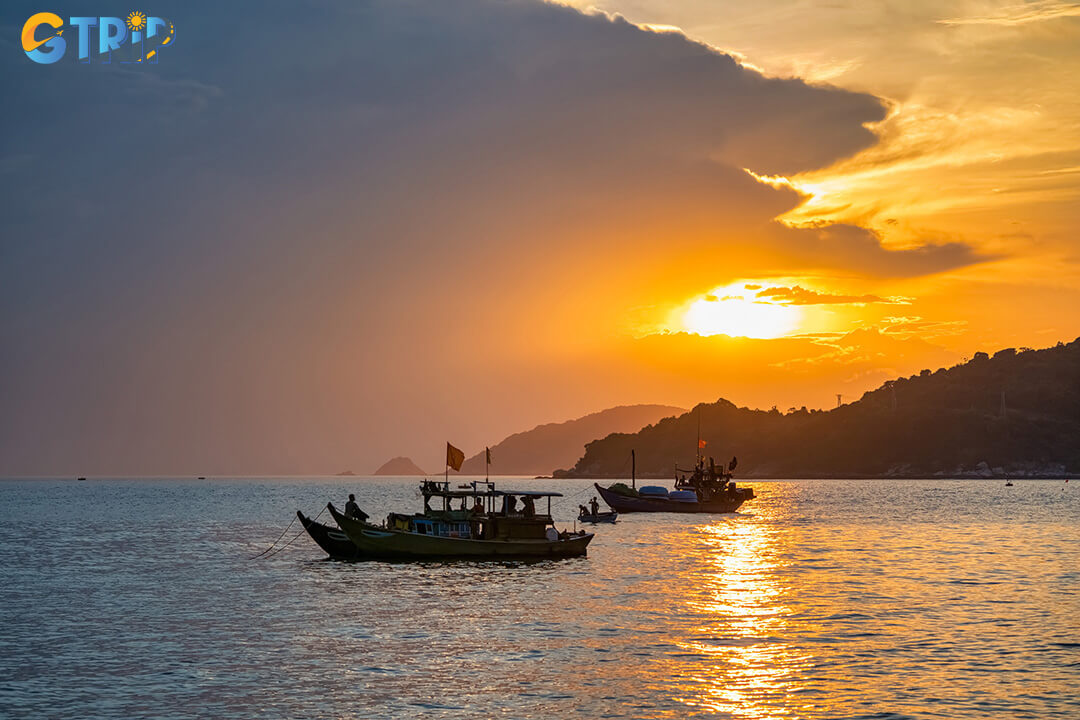
The best time to visit Cham Islands is from February to August, when the weather is sunny, the seas are calm, and conditions are ideal for marine activities
What makes Cham Islands unique?
Cham Islands stands out in Vietnam for its profound commitment to ecological preservation. Recognized as a UNESCO World Biosphere Reserve in 2009, it protects a vast array of rare marine species, pristine coral reefs, and lush island forests. Furthermore, the island is a pioneer in eco-tourism, enforcing a strict "say no to plastic bags" policy since 2009 to maintain its pristine beaches and crystal-clear waters.
- UNESCO World Biosphere Reserve: Recognized for rich, protected biodiversity.
- Vibrant marine life: Home to stunning coral reefs and diverse underwater ecosystems.
- "No plastic bags" policy: A pioneering eco-tourism effort ensuring a clean environment.
Top 15 things to do in Cham Islands
Cham Islands offer a perfect blend of untouched natural beauty, exciting adventures, and long-standing local culture. If you're an adventure seeker, a history lover, or simply looking for a peaceful beach escape, this island paradise has plenty of experiences waiting for you.
1. Dive into the ocean with water activities
This is the main reason travelers come to Cham Islands. The crystal-clear water and rich marine ecosystem make it ideal for:
- Snorkeling and scuba diving: The islands are home to over 300 coral species, along with vibrant marine plants and tropical fish. The best time to dive is around midday (11 AM - 2 PM) when sunlight reaches the seabed. The most beautiful and safest spots are Hon Tai and Bai Xep.
- Sea walking: If you can’t swim but still want to explore underwater, this is a perfect option. Wearing a special oxygen helmet, you can walk on the seabed, touch coral, and interact with fish safely.
- Parasailing: For thrill-seekers, this 10-minute experience lifts you to around 70 meters above the sea. You’ll enjoy a stunning panoramic view of the islands, where ocean and sky meet.
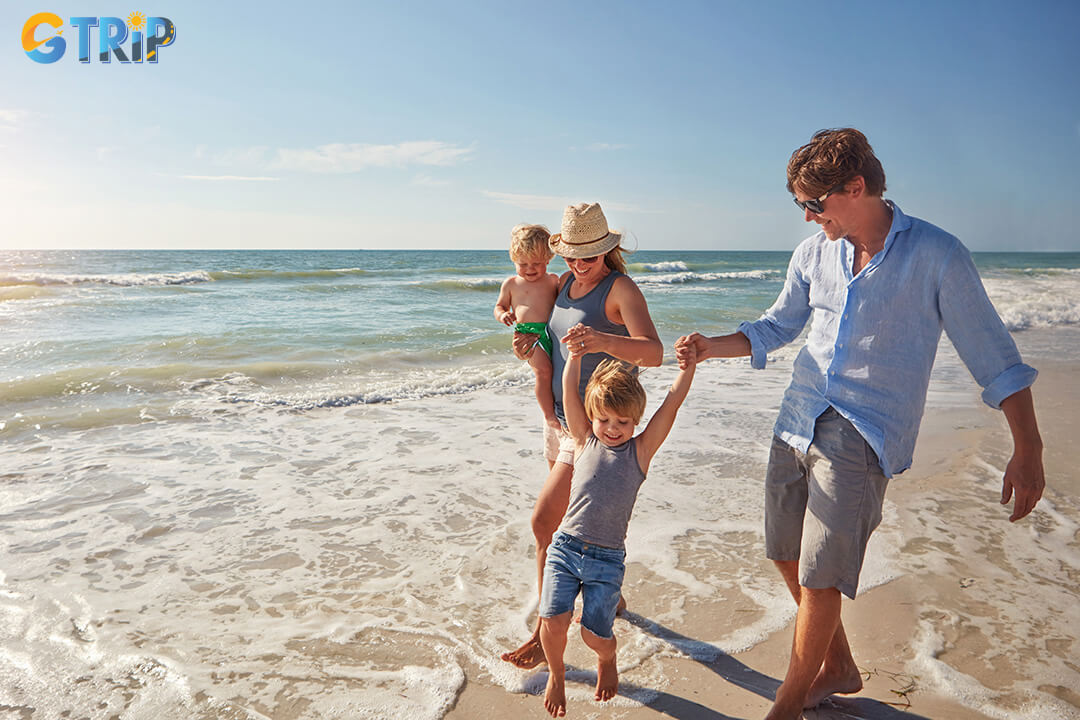
Cham Islands are perfect for marine adventures, offering snorkeling, diving, sea walking, and parasailing in crystal-clear waters
2. Watch sunrise or sunset at Eo Gio
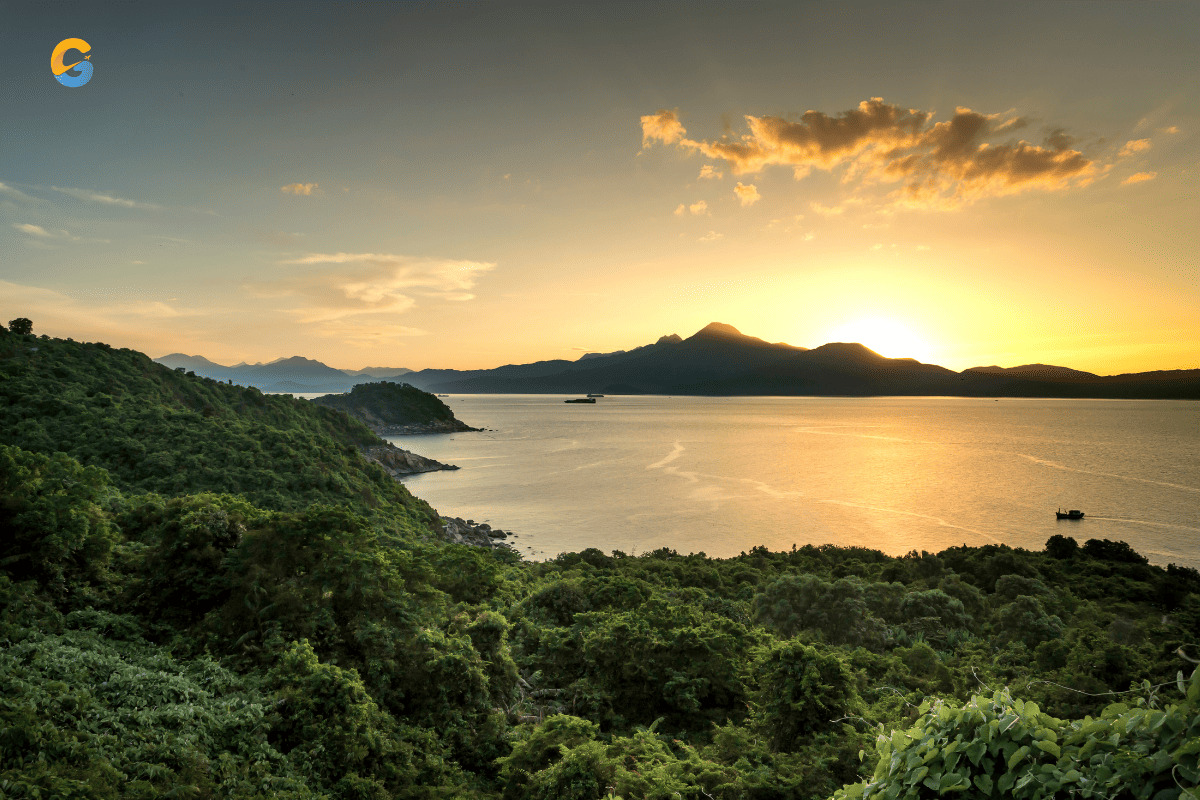
Located about 3 km from Bai Lang on the eastern side, Eo Gio is like a natural barrier protecting fishermen from strong winds. Surrounded by dramatic cliffs and overlooking the vast ocean, it’s one of the best viewpoints on the island. Rent a motorbike and come early in the morning or late afternoon for stunning sunrise or sunset views. The fresh sea breeze and panoramic scenery make it a perfect spot to relax and take in the island’s natural beauty.
3. Relax at the island’s most beautiful beaches
Only Hon Lao (the main island) has beaches, and each one offers a unique vibe:
- Bai Ong beach: The most popular and lively beach, located near the port. It features a 300-meter stretch of white sand, clear water, and palm trees. You’ll find full services here, including seafood restaurants, showers, hammocks, and water sports.
- Bai Chong beach: Known for its crystal-clear water and unique stacked rock formations. It’s a great place for snorkeling, swimming, and relaxing in a quieter setting than Bai Ong.
- Bai Xep beach: A small, untouched, and peaceful beach. It’s perfect if you want to escape the crowds and enjoy coral reefs close to the shore.
- Bai Huong: A quiet fishing village at the foot of a primary forest. Here, you can experience local life, watch fishermen at work, and enjoy freshly caught seafood right on their boats.
- Bai Lang: The main residential area. It has a rustic charm with fishing boats anchored along the shore and friendly locals. You’ll also find souvenir shops selling handmade items.
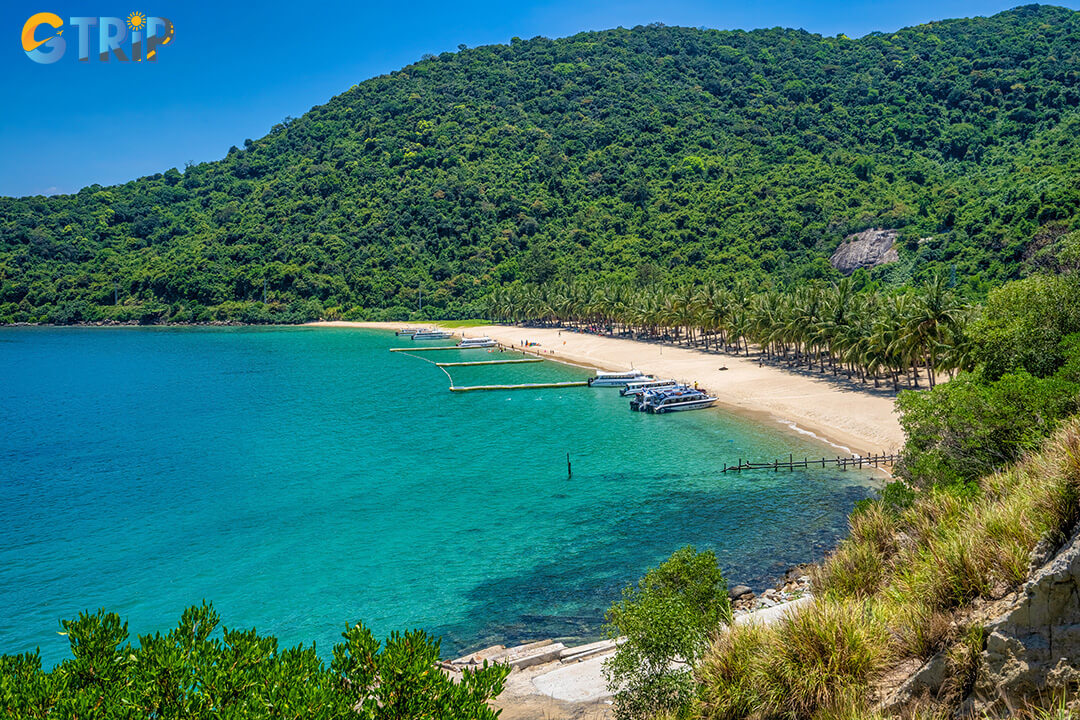
Hon Lao Island features diverse beaches, from lively Bai Ong to quiet, untouched spots like Bai Xep and Bai Huong

5. Visit Au Thuyen (Boat Shelter)
Near Bai Lang, Au Thuyen is a natural semi-circular bay used as a safe shelter for boats during storms. The peaceful scene of colorful fishing boats reflected on calm water makes it a great spot for photos and a glimpse into local maritime culture. It’s also a quiet place to relax and watch the daily rhythm of local fishermen.
6. Check in at the Ngo Dong flower road
If you visit in late summer (July-August), you’ll see Ngo Dong flowers in full bloom. Their bright red color stands out against the blue sea along winding coastal roads near Bai Lang and Bai Xep. These hardy trees growing on rocky soil symbolize the resilience of the Central Vietnamese people. It’s also one of the most picturesque times to capture vibrant coastal photos.
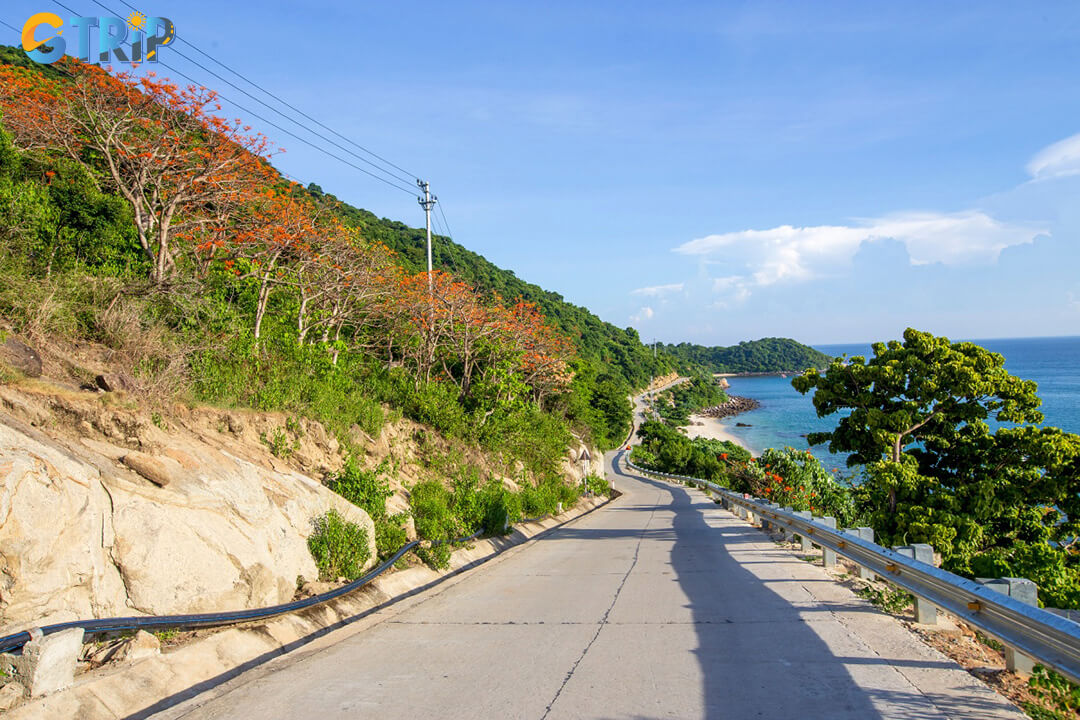
Visit in July-August to see vibrant Ngo Dong flowers bloom, adding striking red hues to Cham Islands’ coastal scenery
7. Trekking the forest and visiting Swiftlet Island
Beyond the sea, Cham Islands also have lush forests. You can hike along mountain trails, enjoy the cool atmosphere, see wild orchids, or visit streams like Suoi Da and Suoi Tinh. You can also rent a boat to Swiftlet Island, where cliffs are home to thousands of nesting birds. It’s a perfect way to experience the island’s rich biodiversity beyond its beaches.
8. Hai Tang Ancient Pagoda (Built in 1758)
Cham Islands preserve both Cham heritage and local spiritual culture. Hai Tang Pagoda is a clear example. Located at the foot of a mountain facing a wide valley, it was built to serve fishermen and traders. The pagoda worships Buddha, Avalokitesvara, and local deities. Despite centuries of storms, it remains well preserved. Visitors often come here to pray for peace, safe journeys, and inner calm.
9. Ancient Cham Well (Xom Cam Well)
Located near Hai Tang Pagoda, this 200-year-old well reflects Cham architecture with a square base and round opening. It is the island’s only freshwater source that never dries up and is not affected by salt. Locals believe the water can help with seasickness and bring health and luck.
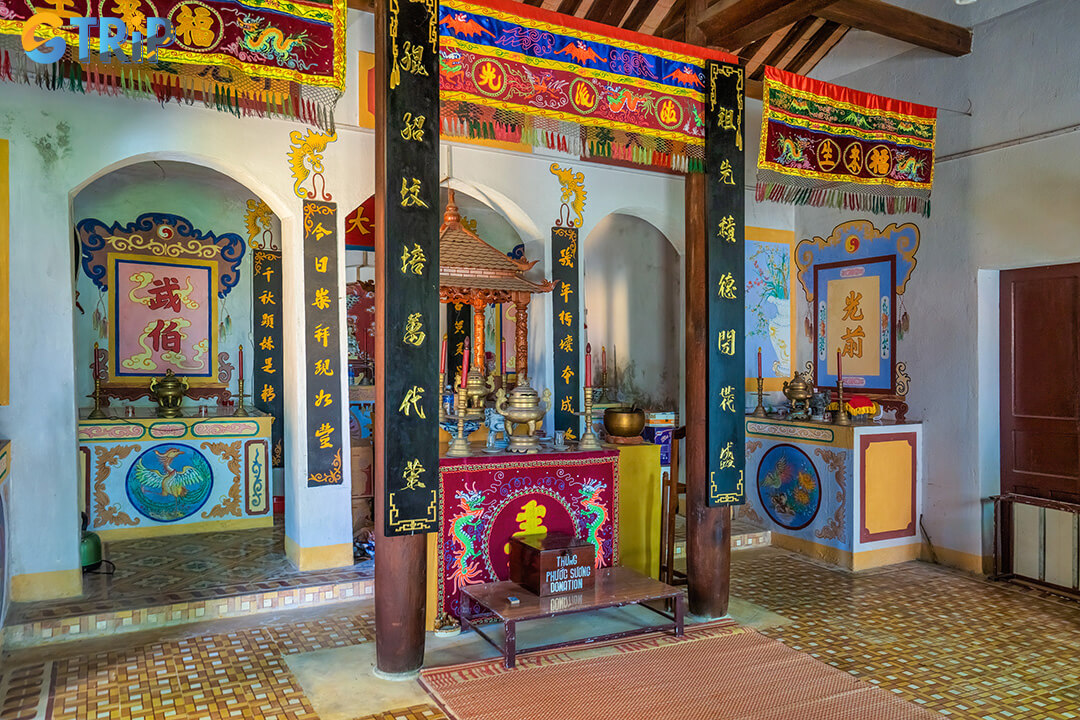
This 200-year-old Cham-style well near Hai Tang Pagoda is a unique freshwater source believed to bring health and good luck
10. Swiftlet Ancestral Temple
Built in 1848 and recognized as a national heritage site in 2006, this temple is located near Bai Huong. It honors the founders of the dangerous swiftlet nest harvesting nghe. If you visit on the 10th day of the 3rd lunar month, you can witness a large traditional ceremony. The site also offers a meaningful glimpse into the island’s cultural heritage and long-standing traditions.
11. Whale Temple (Lang Ong)
Whale worship is an important part of coastal culture. Fishermen respect whales as protectors who help rescue boats during storms. Visiting the temple gives you insight into this belief, along with traditional architecture and deep respect for the sea.
12. Cham Islands Marine Museum
Usually the first stop when arriving at Bai Lang, this museum displays models, artifacts, and specimens of over 135 coral species and 202 marine species. It includes sea turtles, crabs, and lobsters. It provides a clear overview of the island’s biodiversity and conservation efforts. It’s a great introduction to understanding the rich marine ecosystem before exploring the islands.
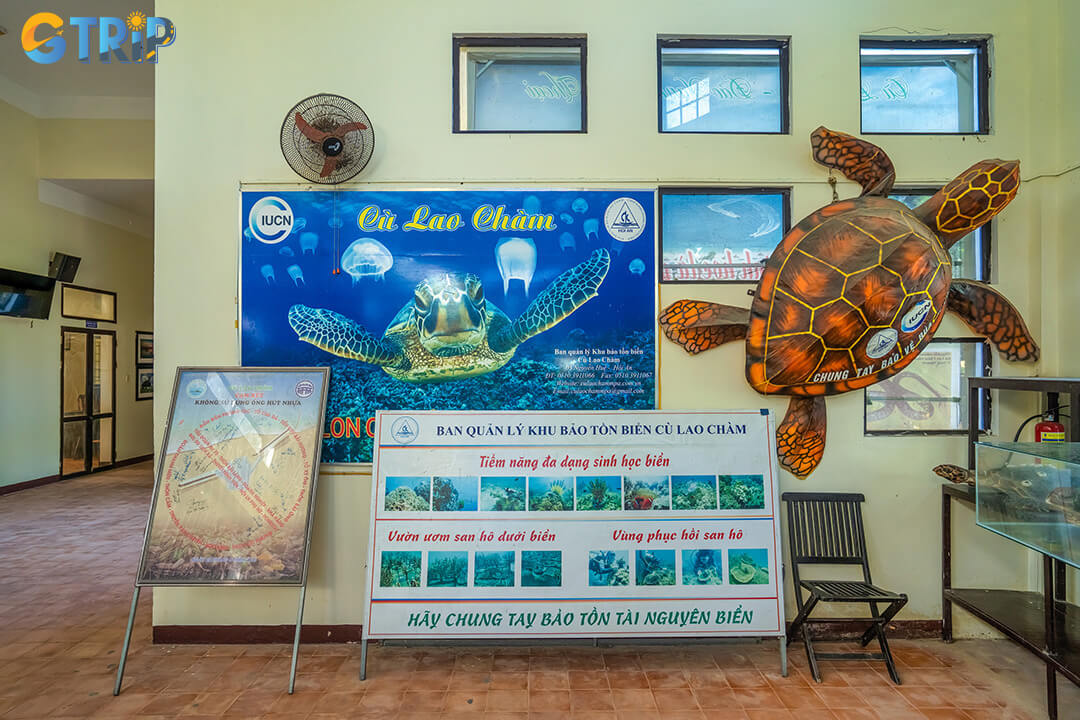
This museum offers an informative introduction to the Cham Islands’ rich marine biodiversity and conservation efforts
13. Explore Tan Hiep Market
Before leaving, visit Tan Hiep Market near Bai Lang pier. This lively market is the island’s commercial center. You can buy fresh seafood at low prices and even ask locals to cook it for you. It also sells dried seafood (like sun-dried squid), forest herbs, and handmade souvenirs from shells. The vibrant atmosphere offers a true taste of local island life.
14. Ride a basket boat & go fishing with locals
For an authentic local experience, rent a basket boat and let fishermen paddle you through rocky areas while you watch coral from above. Even better, join them on a fishing trip, try casting nets, and enjoy your fresh catch right on the boat. It’s a fun and memorable way to connect with local culture and daily life.
15. Discover local cuisine
Cham Islands are a paradise for food lovers, offering unforgettable flavors from both sea and forest:
- Seafood: Don’t miss stone crab (sweet, firm meat with no fishy taste), boiled lady snail, steamed abalone, grilled sea urchin with scallion oil (known as “ginseng of the sea”), and grilled one-sun-dried squid with chili sauce.
- Wild vegetables & drinks: Try boiled forest vegetables (like fern and plantain leaves) with fermented fish sauce, and a refreshing seaweed soup. Finish with herbal forest tea made from local roots and leaves.
- Dessert: End your meal with “banh it la gai”, a traditional sticky cake filled with mung bean and coconut, simple but full of local flavor.
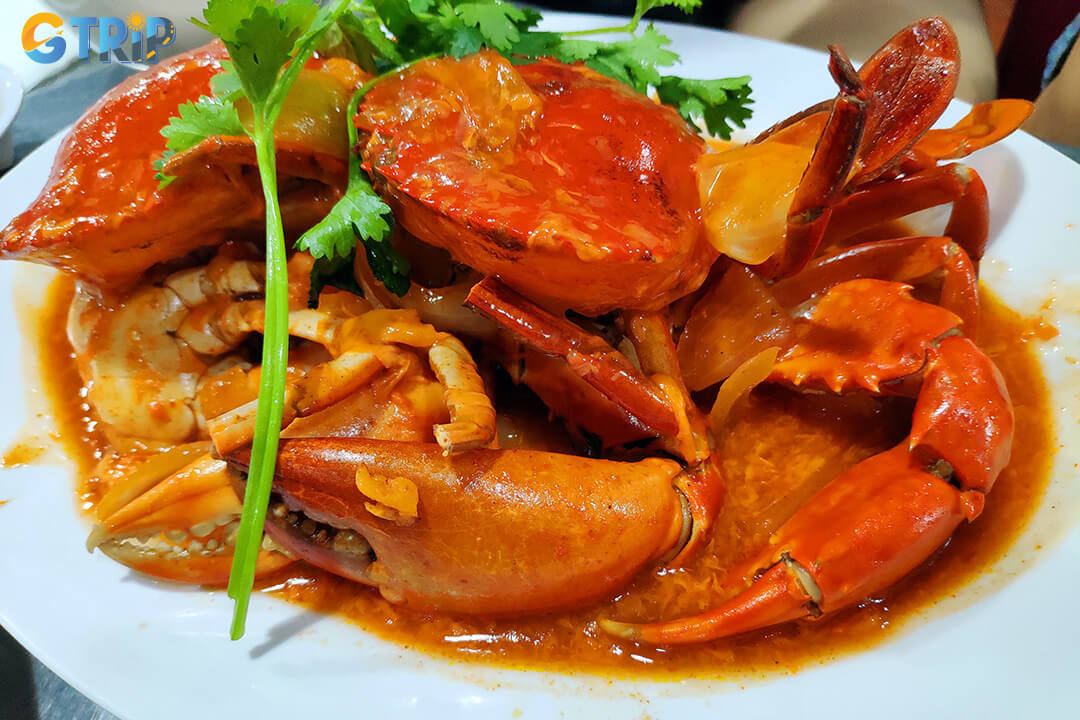
Cham Islands offer a rich culinary experience with fresh seafood, wild forest vegetables, and unique local specialities
How to get to Cham Islands?
Reaching the beautiful shores of Cham Islands is a two-step process. First, you need to get to Hoi An (specifically the boat ports), which is the main departure point. Second, you take a boat from the mainland to the island. Here’s a detailed breakdown of how to manage both steps.
How to get to Cham Island?
Reaching Cham Islands is a simple two-step journey. First, you need to travel to Cua Dai Port in Hoi An, the main departure point for all boats. From there, you take a boat to the island. Below is a clear breakdown of the most common starting points.
From Da Nang International Airport to Cua Dai Port
If you're arriving by air, you’ll land at Da Nang International Airport (DAD). From here, the most convenient way to reach the port is by road.
- Distance: ~30 km
- Travel time: 45-60 minutes
- Routes: Coastal roads or Vo Nguyen Giap → Lac Long Quan → Au Co Street
- Optimal option: Private car or taxi (best for comfort, especially if carrying luggage or traveling in a group)
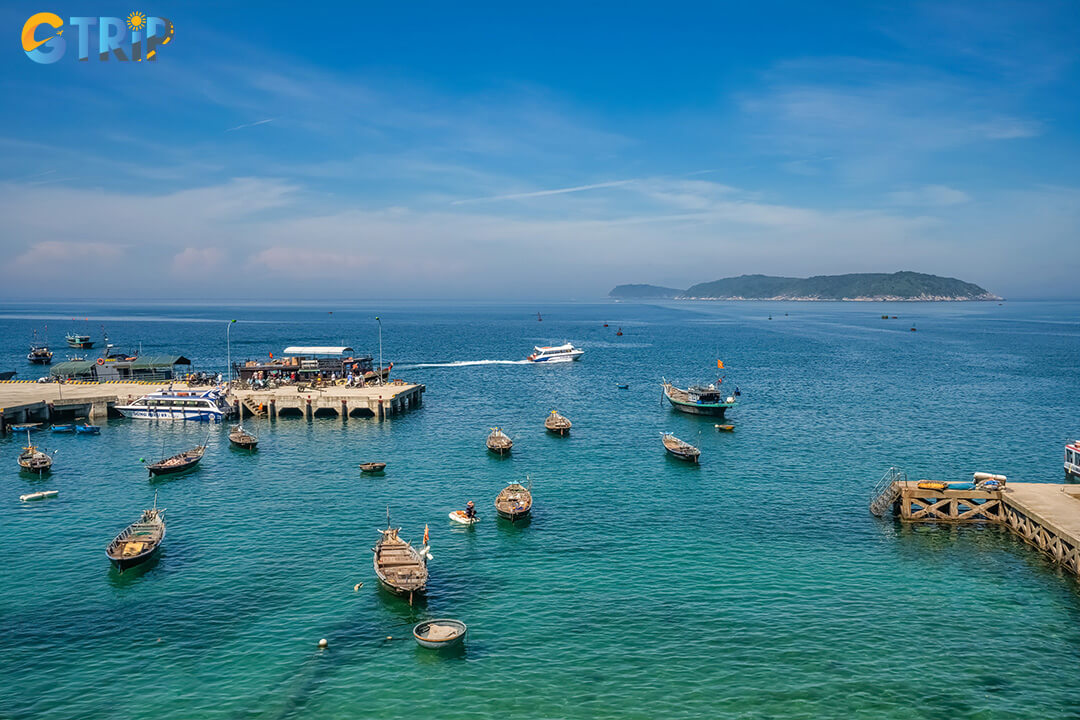
From Da Nang International Airport, it takes about 45-60 minutes by taxi or private car to reach the port for Cham Islands
From Da Nang City center to Cua Dai Port
For travelers staying in Da Nang, getting to Cua Dai Port is straightforward with several transport options.
- Distance: ~30 km
- Travel time: 45-60 minutes
- Routes: Coastal route via Vo Nguyen Giap or inland roads toward Hoi An
- Optimal option: Grab/XanhSM or taxi (easy to book, fixed pricing, no hassle)
From Hoi An Ancient Town to Cua Dai Port
If you're already in Hoi An, the port is very close and easy to reach.
- Distance: ~6.5-13 km
- Travel time: 10-30 minutes
- Routes: Direct via Au Co Street toward Cua Dai Beach
- Optimal option: Grab/XanhSM or motorbike (fast, cheap, flexible)
Note: Motorbike parking is available at the port for a small fee if you prefer to ride yourself.
From Cua Dai Port to Cham Islands
Once you arrive at Cua Dai Port, you have two main options to reach Cham Islands:
Speedboat (Cano): The fastest, safest, and most popular option for reaching Cham Islands. Ideal for day trips, it offers a quick, convenient ride and helps minimize seasickness compared to longer boat journeys.
- Travel time: ~20 minutes
- Price: 200,000 - 350,000 VND ($8 - 14, rounded)
Wooden boat (Local ferry): A cheaper, more traditional option used by locals. It’s slower but offers a more authentic, relaxed journey, ideal for budget travelers, overnight stays, or bringing a motorbike/bicycle.
- Travel time: ~90 minutes
- Price: 150,000 - 200,000 VND ($6 - $8, rounded)
- Extra fee: +50,000 VND/motorbike (~$2)
Note: Boats depart early in the morning and are not ideal if you get seasick
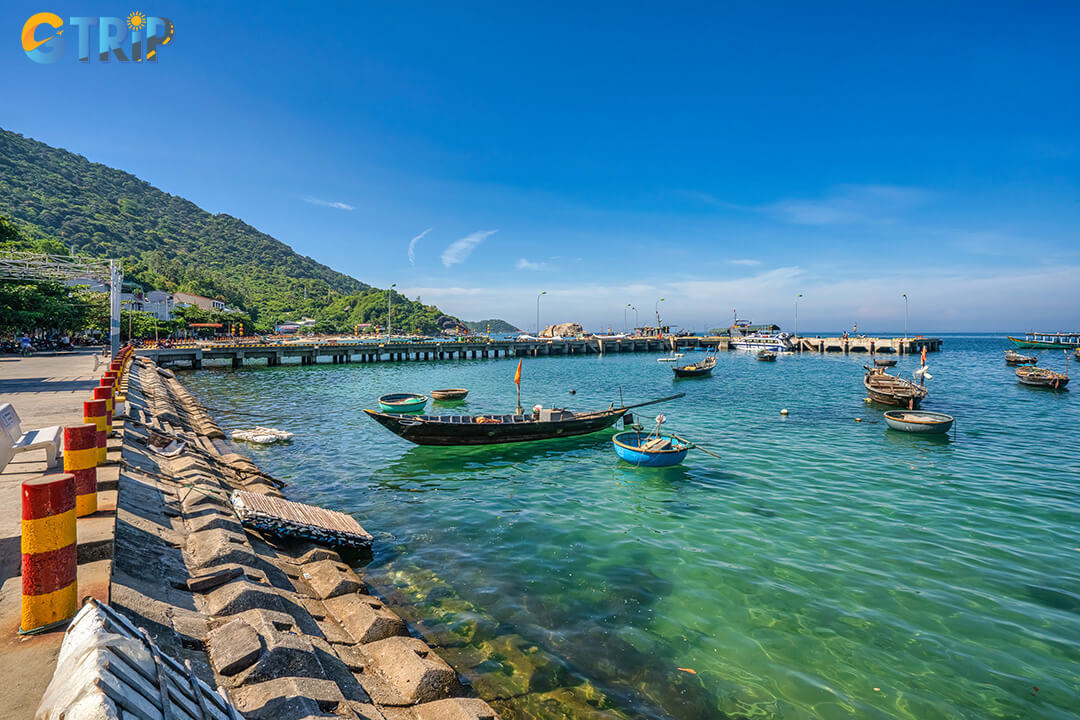
From Cua Dai Port, you can reach Cham Islands by a fast speedboat in about 20 minutes or a slower local ferry for a more budget-friendly option
Accommodation when traveling to Cham Islands
While many visitors come to Cham Islands on a day trip, staying overnight offers a completely different experience. As the crowds leave in the afternoon, the island becomes quiet, peaceful, and much more local. If you’re planning to spend a night here, it’s helpful to understand what kind of accommodation options are available and what to expect.
Stay near Cham Islands
If you prefer more luxury amenities, beachfront resorts, and easier access from Hoi An or Da Nang, staying near the Cham Islands mainland departure area is the most convenient option.
- Vinpearl Resort & Spa Hoi An Hotel: Hoi An Dong Ward, Da Nang City
- Renaissance Hoi An Resort and Spa: Hoi An Dong Ward, Da Nang City
- Hoiana Residences: Duy Nghia commune, Da Nang City
- KOI Resort and Spa Hoi An: Hoi An Dong Ward, Da Nang City
Stay on Cham Islands
For travelers wanting a quieter and more local island experience, staying directly on Cham Islands is the best way to enjoy the peaceful atmosphere after day trip crowds leave.
- Homestay Sunbay: Bai Lang Market, Tan Hiep Commune, Da Nang City
- Lau Thu Homestay: Group 2, Bai Huong Village, Tan Hiep Commune, Da Nang City
- Homestay Ngo Khanh: Bai Huong Village, Tan Hiep Commune, Da Nang City
- Homestay Bai Huong: Bai Huong Village, Tan Hiep Commune, Da Nang City
Attractions on and near Cham Islands in Hoi An
Framing your Cham Islands visit with activities in and around Hoi An can create a truly comprehensive Central Vietnam experience. Consider combining these attractions either the day before or after your island trip.
- Hoi An Ancient Town: A UNESCO World Heritage site, this beautifully preserved trading port is a maze of lantern-lit streets, ancient houses, and iconic landmarks like the Japanese Covered Bridge.
- Tra Que Herb Village: Just a short bicycle ride from Hoi An, this charming village allows you to experience traditional, organic farming methods and even try your hand at being a local farmer for a day.
- Thanh Ha Pottery Village: Discover the centuries-old craft of pottery making. You can watch skilled artisans at work on their potter's wheels and even create your own ceramic souvenir.
- Bay Mau Coconut Forest: Explore a unique ecosystem of nipa palm forests by riding in a traditional bamboo basket boat. It's a fun and scenic tour that offers a different perspective on the region's natural beauty.
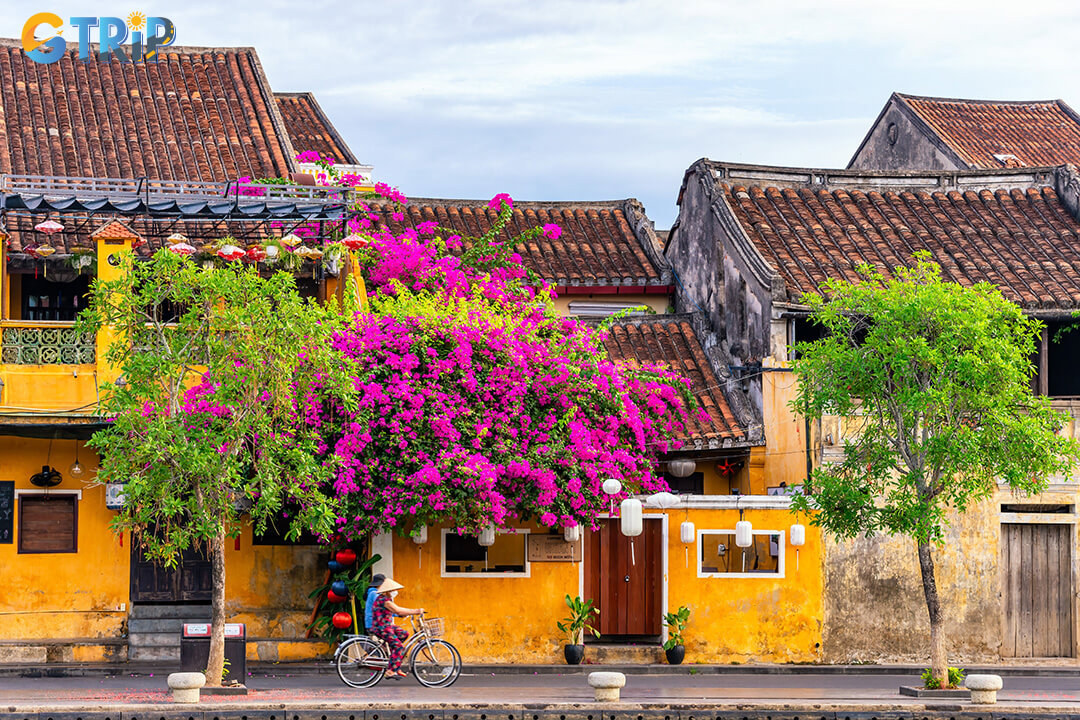
Combine your Cham Islands trip with nearby attractions like Hoi An Ancient Town, craft villages, and the Bay Mau Coconut Forest for a richer experience
Practical tips for visitors when visiting Cham Islands in Hoi An
To ensure your trip to Cham Islands is smooth, safe, and respectful of the local environment, keep these essential tips in mind:
- Avoid using plastic bags: To protect the island's natural environment, avoid using plastic bags. The island is a strict plastic-free zone. Help preserve its beauty by using eco-friendly alternatives or cloth totes.
- Bring seasickness medication: If you're prone to seasickness, make sure to bring and take medication before taking the boat ride to the island, especially if you opt for the slower wooden ferry.
- Bring sun protection: The sun on the island is very strong. Sunscreen with high SPF, a wide-brimmed hat, and sunglasses are absolutely essential to protect your skin and eyes.
- Stay hydrated: The weather can be hot and sunny, so make sure to drink water throughout your trip to stay hydrated. Small stalls on the island sell drinks if you need a refill.
- Pack swimwear and a waterproof case: You will definitely want to swim or snorkel. Pack a quick-dry towel and a waterproof phone case to capture incredible underwater photos safely.
- Respect the local traditions: When visiting religious sites like Hai Tang Pagoda, dress modestly (cover your shoulders and knees) and be respectful of the local traditions and practices.
- Carry a copy of your passport: For foreign nationals, it's wise to have a digital or physical copy of your passport on hand for any potential security checks by the marine border patrol.
- Book your tour in advance: During the peak season (March to August), it is highly recommended to book your Cham Islands day tour ahead of time to secure your spot on the speedboat.
- Consider staying overnight: While most visitors come for a day trip, staying overnight in a registered homestay offers a unique opportunity to experience the island's tranquility after the tour boats have left.
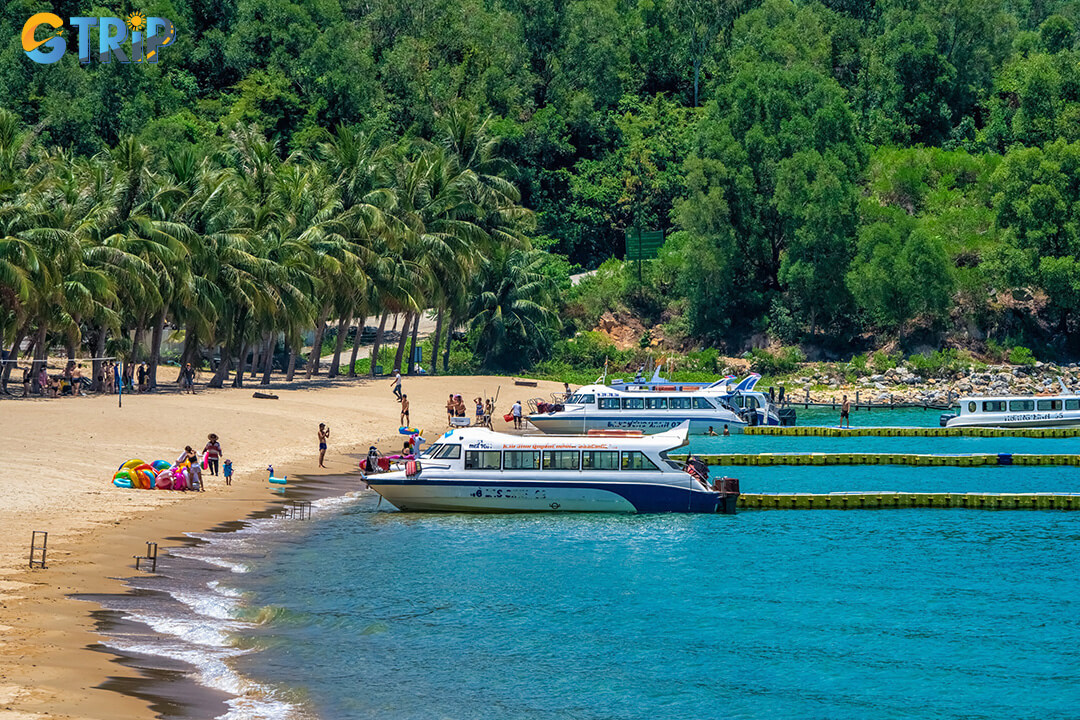
Follow simple tips like avoiding plastic, packing sun protection, and booking in advance to ensure a smooth and eco-friendly Cham Islands trip
Cham Islands offers an unparalleled mix of natural splendor, vibrant marine ecosystems, and a unique, eco-conscious culture. It's an escape that rejuvenates the soul and creates lasting memories of Vietnam's coastal charm. With this guide, you have everything you need to explore the paradise of Cu Lao Cham. To make your journey seamless and unforgettable, check out GTrip's curated Da Nang tours and let our experts handle all the details for you.
Custom Your Journey
Other Attractions
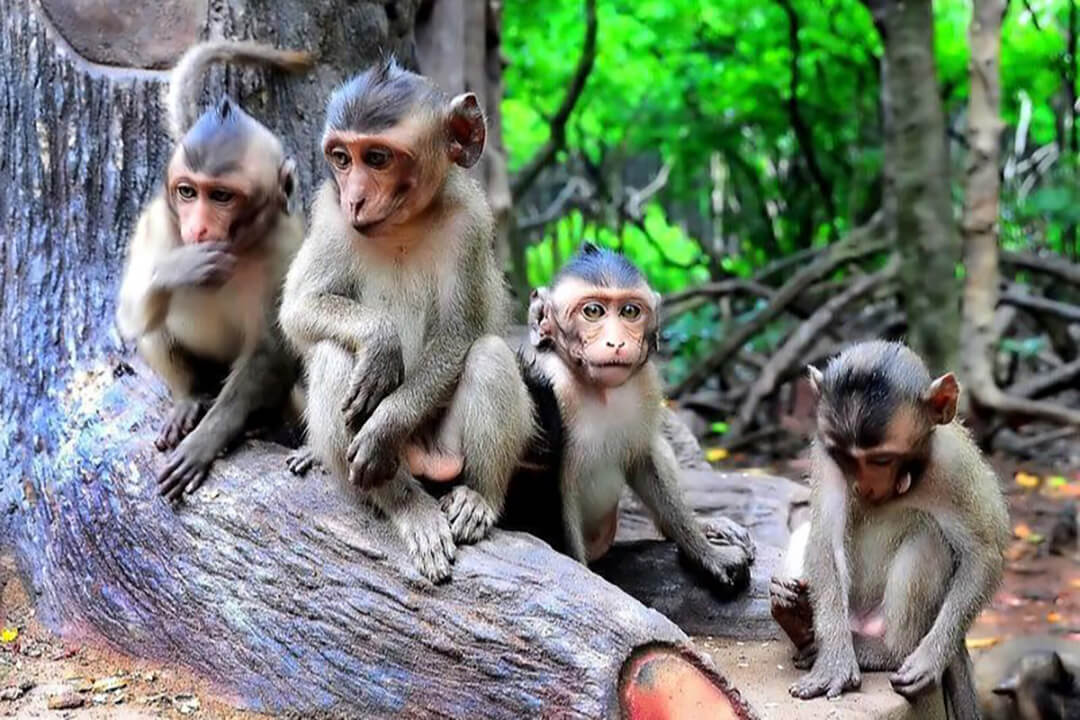
Can Gio Monkey Island in Ho Chi Minh City: Tickets, Things to Do & Travel Guide
Can Gio Monkey Island
Can Gio Monkey Island in Ho Chi Minh City offers a refreshing escape from the city’s buzzing motorbike chaos. Just a short distance from the center, Can Gio welcomes you with lush mangrove forests, winding waterways, and a fascinating history. Here, you can meet playful long-tailed macaques, drift through tranquil channels, and explore remnants of a wartime guerrilla base.
Can Gio Monkey Island in Ho Chi Minh City: Tickets, Things to Do & Travel Guide
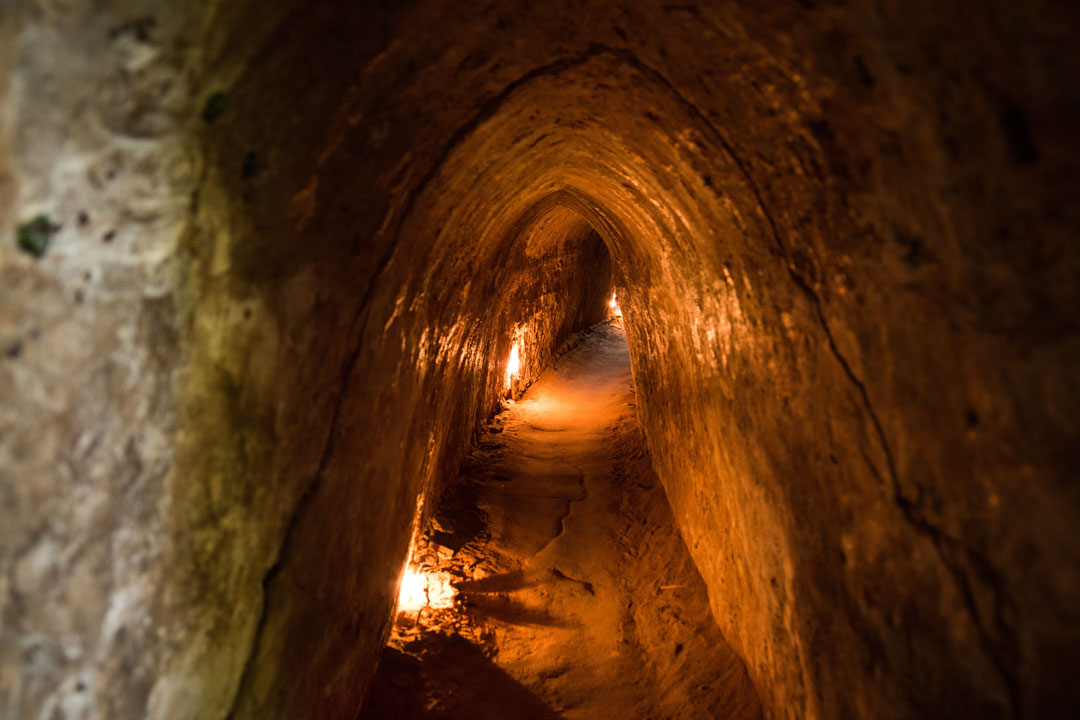
Cu Chi Tunnels: History, Architecture, Things To Do & Travel Guide
Cu Chi Tunnels
The Cu Chi Tunnels, located at TL15, Phu Hiep, Cu Chi District, Ho Chi Minh City, are a vast underground network of strategic passages, shelters, supply routes, and defensive traps.
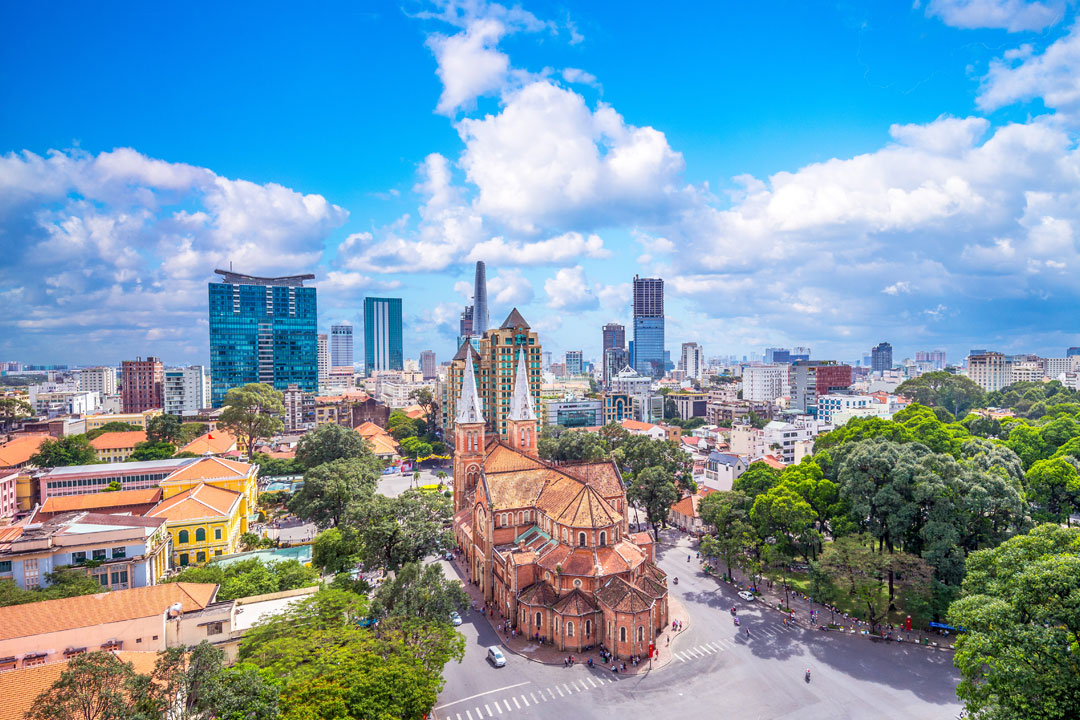
Ho Chi Minh City
Ho Chi Minh City, known as the "Pearl of the Far East," attracts both domestic and foreign tourists with its unique and diverse destinations.
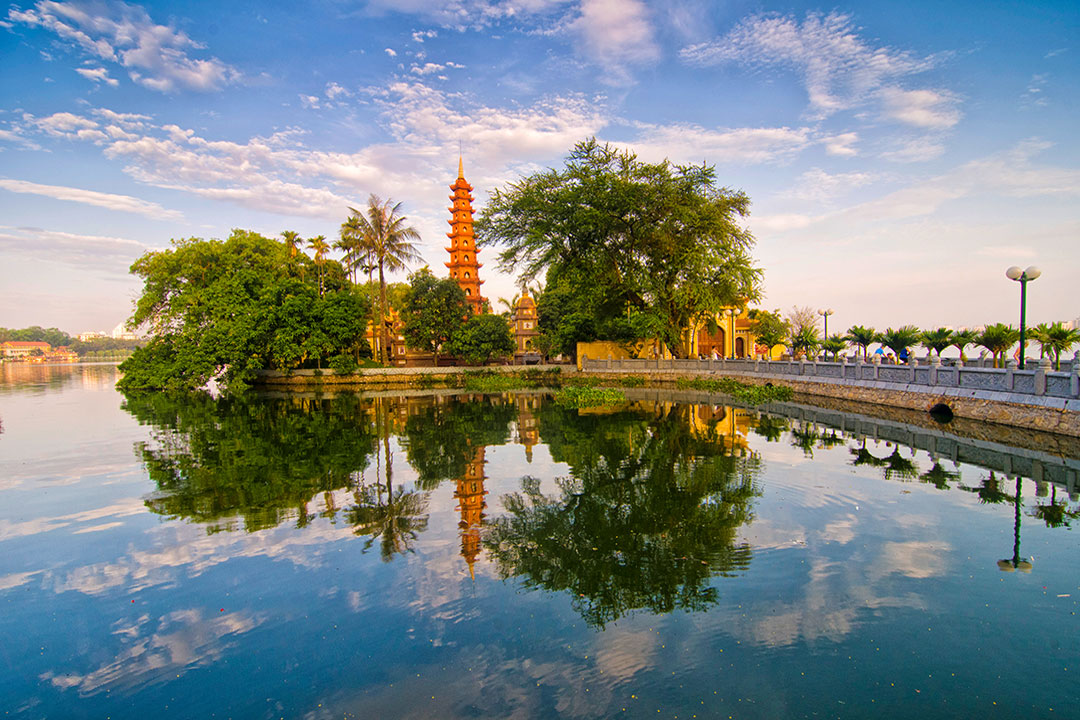
Tran Quoc Pagoda: History, Architecture, Significance & Travel Guide
Tran Quoc Pagoda
Nestled on the tranquil shores of West Lake, Tran Quoc Pagoda is the oldest Buddhist temple in Hanoi, with a history spanning over 1,500 years. Built in the 6th century under Emperor Ly Nam De, this sacred site reflects Vietnam’s Buddhist evolution while preserving its spiritual and architectural grandeur.