

Sunday, October 25, 2026
Standing proudly in the heart of former District 1, the Ho Chi Minh City Museum is more than just a collection of artifacts. It’s a time capsule telling the story of Saigon itself. Housed in a magnificent French colonial mansion, this institution offers a captivating journey through the city's turbulent history, vibrant culture, and stunning artistic traditions. Often overshadowed by other major attractions, this museum is a true hidden gem, offering a quieter, more intimate glimpse into Vietnam's past. In this ultimate GTrip guide, we will cover everything you need to know for your visit, such as its complex history, must-see exhibits, and practical tips for a seamless day of exploration.
Table of Content
- Overview of the Ho Chi Minh City Museum
- History of the Ho Chi Minh City Museum
- Unique architectural features of the museum
- What to see inside the Ho Chi Minh City Museum
- Things to do at Ho Chi Minh City Museum
- How to get to the Ho Chi Minh City Museum
- Nearby attractions to the Ho Chi Minh City Museum
- Practical tips for visitors
Overview of the Ho Chi Minh City Museum
Before we delve into the rich history and fascinating exhibits, let’s cover the essential details you’ll need to plan your visit. Here is the practical information to help you get started.
Where is the Ho Chi Minh City Museum?
- Address: 65 Ly Tu Trong Street, Sai Gon Ward (formerly Ben Nghe Ward, District 1), Ho Chi Minh City
- Nearby: Independence Palace, Ben Thanh Market, Saigon Central Post Office
The Ho Chi Minh City Museum enjoys a prime, central location in former District 1, making it incredibly easy to incorporate into any Saigon itinerary. Situated on the corner of Ly Tu Trong and Nam Ky Khoi Nghia streets, it’s just a short walk from some of the city’s most iconic landmarks. Its accessibility makes it a perfect stop between visits to other major sites, allowing you to easily explore the historical core of the city on foot.
Opening hours & ticket prices
- Opening hours: 8:00 AM - 5:00 PM, daily
- Ticket prices:
- Adults: 30,000 VND (~$1.20)
- Students: 15,000 VND (~$0.60). A valid student ID is typically required for the discount
- Children under 6: Free
- Photography fee: 20,000 VND (~$0.80) per camera
Planning your visit is straightforward, as the museum is open daily. Be sure to have Vietnamese Dong (VND) on hand, especially for the small photography fee if you plan on taking pictures inside.

Ho Chi Minh City Museum tells the stories of the city
History of the Ho Chi Minh City Museum
The building that houses the Ho Chi Minh City Museum has a story as compelling as the artifacts within it. Its journey through time reflects the city's own dramatic transformations. Construction began in 1885 and was completed in 1890, designed by the renowned French architect Alfred Foulhoux. It was originally intended to be a Commercial Museum, showcasing the products and economic potential of Southern Vietnam. However, its grand design and prominent location quickly caught the eye of the colonial administration. Instead of a museum, it became the residence of the Governor of Cochinchina, earning it the famous name Gia Long Palace.
Following the end of French colonial rule, the building’s role continued to evolve. It served as the office of the President of the Republic of Vietnam and later became the Supreme Court. After the Fall of Saigon in 1975, the magnificent structure was repurposed for cultural exhibitions. In 1978, it was officially established as the Ho Chi Minh City Revolutionary Museum, focusing exclusively on the city’s role in the struggle for independence. Finally, in 1999, its scope was broadened, and it was renamed the Ho Chi Minh City Museum. Today, it stands as a guardian of the city's complete history, from its early settlement and cultural traditions to its revolutionary past and modern development.

Since the end of French colonial rule, the building has evolved from hosting the President’s office and the Supreme Court to becoming the Ho Chi Minh City Museum
Unique architectural features of the museum
One of the primary draws of the museum is the building itself, a spectacular example of French colonial architecture in Vietnam. The design is a masterful fusion of European neoclassical grandeur and traditional Asian motifs, creating a structure that is both imposing and intricately detailed.
Outdoor exhibition area
As you approach the museum, the first thing that strikes you is its majestic facade. The design is heavily influenced by the European neoclassical style, featuring grand columns, arched windows, and a symmetrical layout. However, a closer look reveals a beautiful integration of Asian influences. The exterior walls are adorned with stunning reliefs depicting Greek mythological figures intertwined with local floral and animal patterns, symbolizing a blend of East and West. The building is crowned with a distinctive triangular roof, where intricate sculptures add to its ornate character.
Surrounding the main building, the grounds serve as an open-air exhibit of powerful war relics. Here you will find a UH-1 helicopter, A-37 and F5 fighter jets, and various anti-aircraft guns. These machines are not just static displays, they are historical witnesses to the fierce conflicts that shaped modern Vietnam.

The museum’s grand neoclassical facade, adorned with both European and Asian motifs, opens to grounds displaying war relics like helicopters and fighter jets
Indoor exhibition area
Stepping inside, the sense of grandeur continues. You are greeted by a magnificent central staircase that sweeps upwards, framed by intricate ironwork and polished wood. The high ceilings and spacious halls create an atmosphere of airy elegance, a hallmark of French colonial design. The interior is a testament to exquisite craftsmanship, with detailed woodwork, decorative tiling, and ornate fixtures that have been meticulously preserved. Throughout the rooms, you'll notice a harmonious blend of styles. European elegance in the structural elements coexists with Vietnamese influences in the decorative details.
More than just a beautiful shell, the museum's interior is a shell and an integral part of the visitor experience, housing nine distinct themed exhibition spaces that cover everything from local trade and handicrafts to the city's revolutionary struggles.

Inside, a sweeping staircase, high ceilings, and intricate colonial details create an atmosphere of timeless elegance, guiding you through nine exhibition halls
What to see inside the Ho Chi Minh City Museum
Once you’ve admired the architecture, it’s time to explore the treasures within. The museum is thoughtfully organized into nine permanent exhibition rooms, each dedicated to a specific chapter of the city's history and culture. Here’s a guide to the most important collections you shouldn't miss.
History of Saigon - Ho Chi Minh City
This fundamental exhibit serves as the perfect starting point for your journey through time. It masterfully chronicles the city's incredible evolution through a rich collection of priceless artifacts, ancient maps, and official documents. You can witness the area’s beginnings as a humble fishing village, trace its development under the Nguyen Lords.
From there, the narrative moves into its transformation into a bustling colonial hub known as the "Pearl of the Far East". The displays vividly illustrate the periods of war and revolution, culminating in its renaming and emergence as the vibrant, modern metropolis we know today. This room provides the essential context for understanding not just the museum, but the city itself.
Cultural and daily life
To truly understand a city, you must look at the lives of its people. This exhibition area offers a fascinating window into the soul of Saigon and Southern Vietnam. It showcases an impressive and diverse collection of exquisite Vietnamese ceramics, with pieces dating back through various historical periods, demonstrating the evolution of local pottery techniques.
Alongside the ceramics, you’ll find displays of traditional textiles, highlighting the intricate patterns and weaving methods passed down through generations. The exhibits also delve into the rich customs and traditions of Vietnam's various ethnic groups, offering a glimpse into their unique ceremonies, clothing, and daily rituals that together form the country's vibrant cultural tapestry.

This section offers a vivid glimpse into Saigon’s soul, featuring ancient ceramics, traditional textiles, and artifacts
Folk art & craft
This room is a celebration of the immense skill and creativity of Vietnamese artisans. It focuses on the traditional crafts that have been central to the region's culture and economy for centuries. The exhibits provide an in-depth look at a variety of masterful techniques, from the delicate art of silk weaving to the rustic beauty of handmade pottery.
One of the highlights is the collection of intricate wood carvings. It showcases the precision and patience required to transform simple blocks of wood into stunning works of art depicting mythological scenes and figures from daily life. This space is a display of objects and also a tribute to the enduring artistry and cultural heritage of the Vietnamese people.
Vietnam war artifacts
Prepare for a powerful and sobering experience in this section of the museum. This exhibit presents a poignant and unflinching look at the American War era through a compelling collection of authentic artifacts. You will see military hardware, from weapons and equipment to the uniforms worn by soldiers on both sides of the conflict.
However, the most moving displays are often the most personal. Poignant photographs capture moments of both struggle and resilience. Personal letters written by soldiers provide a direct, humanizing glimpse into the profound personal costs of the conflict. This collection offers a uniquely Vietnamese perspective on the war, focusing on the revolutionary struggle and national sacrifice.

This exhibit delivers a powerful, deeply human perspective on the Vietnam War, showcasing military hardware, uniforms, personal letters, and evocative photographs
Ho Chi Minh’s life and legacy
Dedicated to the revolutionary leader who gives the city its name, this space is a moving tribute to President Ho Chi Minh. The exhibit traces his extraordinary life and enduring influence on Vietnam through a carefully curated collection of personal items, iconic photographs, and powerful quotes. You can see his simple belongings, which reflect his modest lifestyle, and follow his revolutionary journey from a young patriot to the father of modern Vietnam.
The photographs and documents chronicle key moments in his leadership and his unwavering dedication to national independence. This room offers visitors a deeper appreciation for the man behind the legend and his central role in shaping the nation's destiny.
Things to do at Ho Chi Minh City Museum
Beyond silently observing the exhibits, the museum offers several engaging activities to enrich your visit.
- Exhibitions & special displays: Keep an eye out for temporary exhibitions that often focus on specific historical events or cultural themes. During national holidays like Tet (Lunar New Year), the museum sometimes hosts special programs. They feature traditional folk music or dance performances in its courtyard, offering a lively cultural experience.
- Workshops: Occasionally, the museum organizes hands-on workshops where visitors can try their hand at traditional crafts. Activities like learning basic pottery techniques or making traditional Vietnamese lanterns provide a fun, interactive way to connect with the local culture. Check with the museum staff upon arrival for any available sessions.
- Photography: The museum is a paradise for photographers. The stunning French colonial architecture, grand central staircase, and sunlit corridors provide dramatic backdrops. While there is a small fee for using a camera, it’s well worth it to capture the building's elegance and the poignancy of the exhibits. It's one of the most photogenic historical sites in former District 1.
- Guided tours: For a much deeper understanding of the exhibits, consider a guided tour. An expert guide can bring the artifacts to life with detailed stories and historical context that you might otherwise miss. Tours can often be arranged at the ticket counter or booked in advance through local tour operators.

The museum is a photographer’s dream, with its striking French colonial architecture, grand staircase, and sunlit halls offering perfect backdrops
How to get to the Ho Chi Minh City Museum
The museum's central location makes it very easy to reach from anywhere in the city.
- From Tan Son Nhat Airport: A taxi or ride-hailing app will take about 20-30 minutes, depending on traffic. The route typically follows Truong Son → Cong Hoa → Nguyen Thi Minh Khai → Ly Tu Trong Street.
- From Ben Thanh Market: It’s an easy and pleasant 5-minute walk. Head down Nguyen An Ninh street until it intersects with Ly Tu Trong, and you'll see the museum on your right.
Here are the best ways to travel:
- By taxi/ride-hailing apps: This is the most convenient and comfortable option. Apps like Grab are widely used, safe, and offer fixed pricing.
- By bus: For a local experience, several public bus routes stop near the museum, including numbers 03, 19, 36, and 45.
- By motorbike: If you're comfortable navigating the city's traffic, renting a motorbike is a popular option. Secure parking is available on the museum grounds for a small fee.
- On foot: The museum is easily walkable from other key landmarks like the Reunification Palace and Nguyen Hue Walking Street, making it a great addition to a walking tour of former District 1.

Ho Chi Minh City Museum is easily accessible due to its central location
Nearby attractions to the Ho Chi Minh City Museum
After your museum visit, you're perfectly positioned to explore some of Saigon's other top attractions.
- Saigon Notre-Dame Basilica: An iconic red-brick cathedral that stands as a beautiful symbol of the city's French colonial past.
- Saigon Central Post Office: A stunningly preserved architectural masterpiece designed by Gustave Eiffel, still operating as a fully functional post office.
- Ben Thanh Market: The city's most famous market, where you can shop for everything from souvenirs and textiles to delicious street food.
- Reunification Palace (Independence Palace): A fascinating historical landmark frozen in time since the end of the Vietnam War in 1975.
- Nguyen Hue Walking Street: A wide, modern pedestrian boulevard that comes alive at night with locals, fountains, and massive LED screens.
- War Remnants Museum: A powerful and sobering museum that offers a different, more graphic perspective on the Vietnam War.
- Saigon Opera House: A beautiful, restored colonial-era opera house that hosts a variety of cultural performances.

Saigon Opera House is another beautiful attraction that you can visit after exploring Ho Chi Minh City Museum
Practical tips for visitors
Follow these tips to ensure a smooth and enjoyable visit to the museum.
- Allocate enough time: Plan to spend at least 1-2 hours here to explore the main exhibits without feeling rushed. Architecture and history enthusiasts may want to allow for more time.
- Dress respectfully: As a significant historical and cultural site, it’s best to dress modestly. Avoid shorts, sleeveless tops, and revealing clothing.
- Respect museum regulations: To preserve the artifacts and ensure a pleasant experience for everyone, do not bring food or drinks inside. Keep your voice low and refrain from touching the displays.
- Bring cash: While credit cards may be accepted elsewhere, it's wise to have Vietnamese Dong (VND) on hand for the entrance and photography fees.
- Use guides: English-speaking guides and audio guides are often available. They provide invaluable context and storytelling that greatly enhance the experience.
- Visit the gift shop: Before you leave, check out the small gift shop. It offers a decent selection of books on Vietnamese history, postcards, and traditional handicrafts that make for meaningful souvenirs.

Remember above practical tips to ensure to have a smooth visit to the Ho Chi Minh City Museum
Read more:
The Ho Chi Minh City Museum is a treasure trove of history, culture, and architectural beauty. It offers a comprehensive and deeply personal look into the story of Saigon, from its humble origins to its current dynamism. The building itself, the famed Gia Long Palace, is worth the visit alone, while the thoughtfully curated exhibits provide layers of understanding that will enrich your entire trip to Vietnam. It’s a destination that educates, inspires, and offers a quiet moment of reflection amidst the city's exhilarating pace. We hope this GTrip guide has equipped you with all the information you need to plan your perfect visit to this essential Saigon landmark.
Custom Your Journey

Other Attractions
Can Gio Monkey Island in Ho Chi Minh City: Tickets, Things to Do & Travel Guide
Can Gio Monkey Island
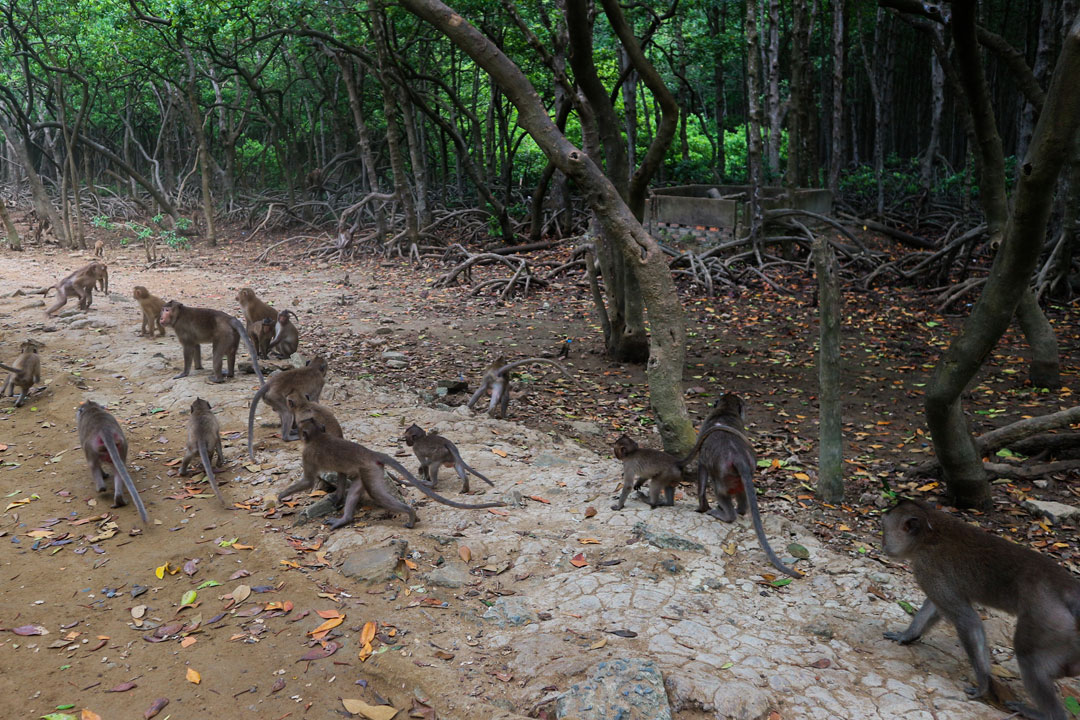
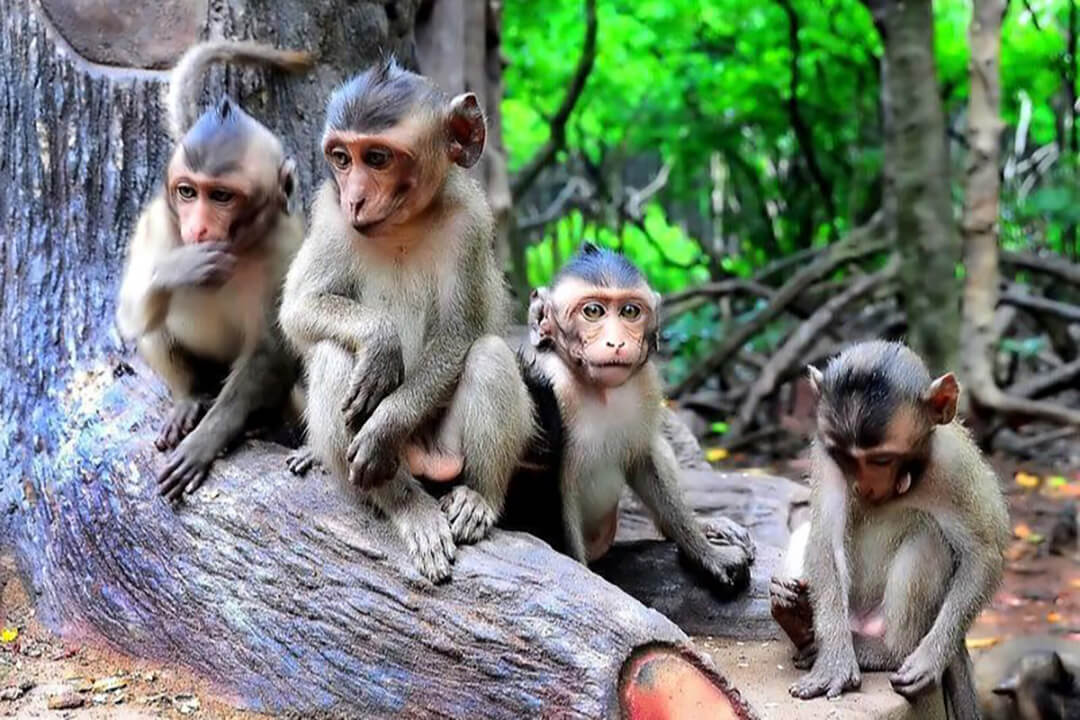
Can Gio Monkey Island in Ho Chi Minh City offers a refreshing escape from the city’s buzzing motorbike chaos. Just a short distance from the center, Can Gio welcomes you with lush mangrove forests, winding waterways, and a fascinating history. Here, you can meet playful long-tailed macaques, drift through tranquil channels, and explore remnants of a wartime guerrilla base.
Can Gio Monkey Island in Ho Chi Minh City: Tickets, Things to Do & Travel Guide
Cu Chi Tunnels: History, Architecture, Things To Do & Travel Guide
Cu Chi Tunnels
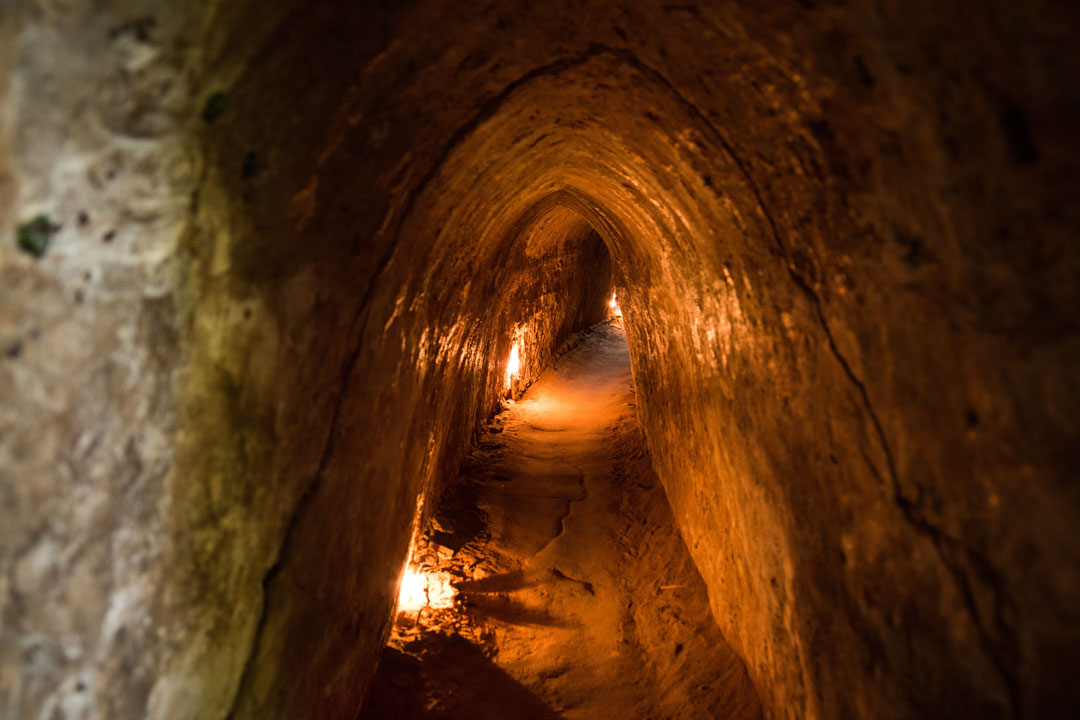
The Cu Chi Tunnels, located at TL15, Phu Hiep, Cu Chi District, Ho Chi Minh City, are a vast underground network of strategic passages, shelters, supply routes, and defensive traps.
Ho Chi Minh City
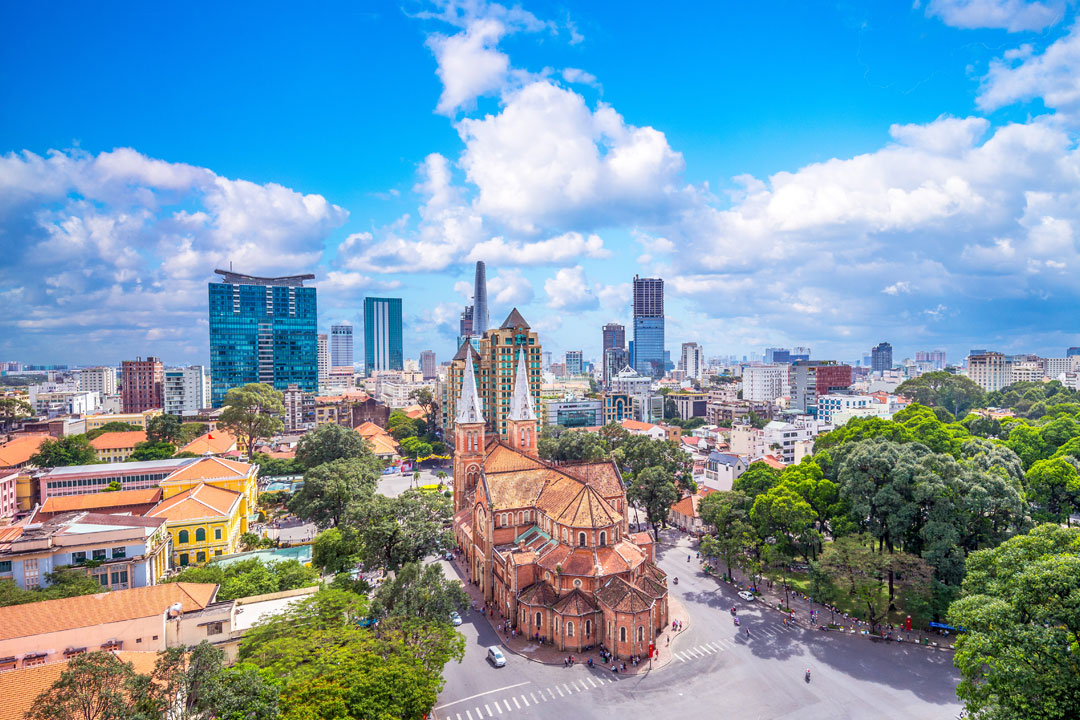
Ho Chi Minh City, known as the "Pearl of the Far East," attracts both domestic and foreign tourists with its unique and diverse destinations.
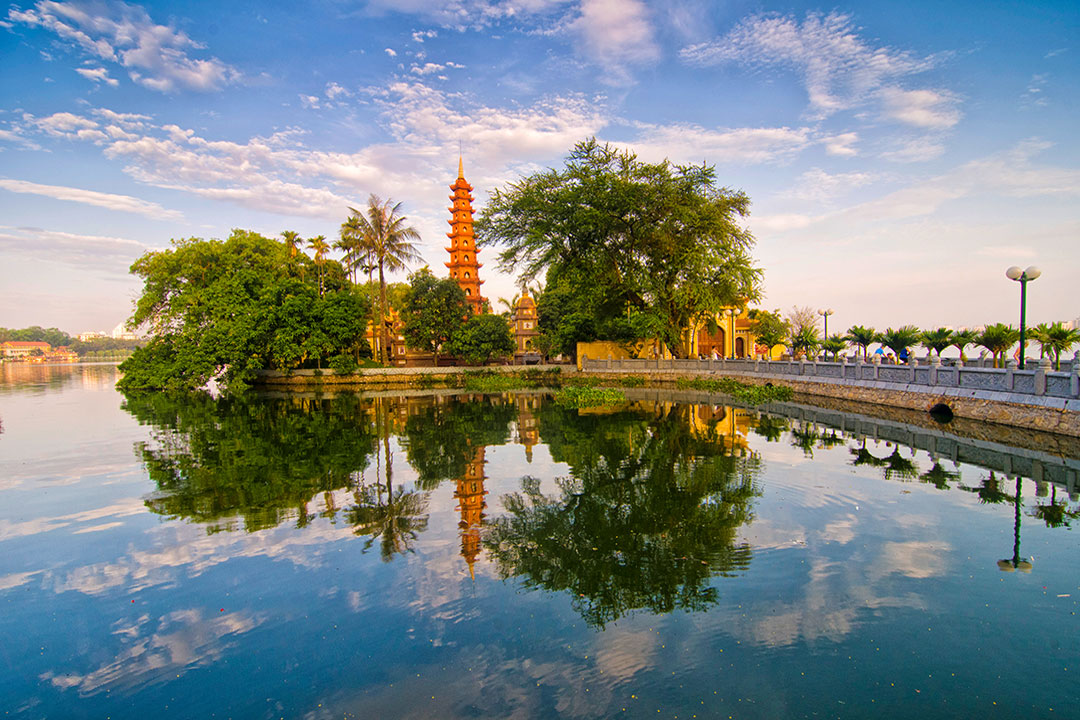
Tran Quoc Pagoda: History, Architecture, Significance & Travel Guide
Tran Quoc Pagoda
Nestled on the tranquil shores of West Lake, Tran Quoc Pagoda is the oldest Buddhist temple in Hanoi, with a history spanning over 1,500 years. Built in the 6th century under Emperor Ly Nam De, this sacred site reflects Vietnam’s Buddhist evolution while preserving its spiritual and architectural grandeur.