

Apr - 07 - 2026
Cam Pho Communal House is a quiet cultural treasure located near the edge of Hoi An’s historic quarter, offering a rare look into Vietnam’s traditional village life. This serene communal house reflects the spiritual roots of the local Vietnamese community long before the town became an international trading port. In this GTrip guide, you’ll explore its historical background, architectural highlights, entrance details, and practical visiting tips.
Overview of the Cam Pho Communal House
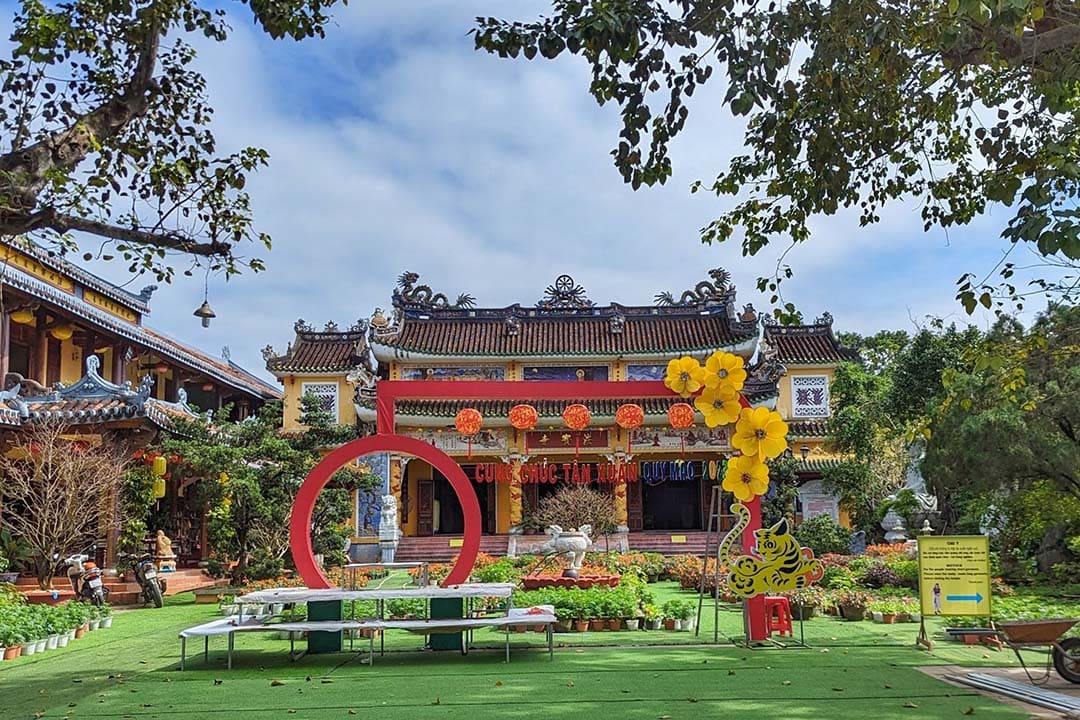
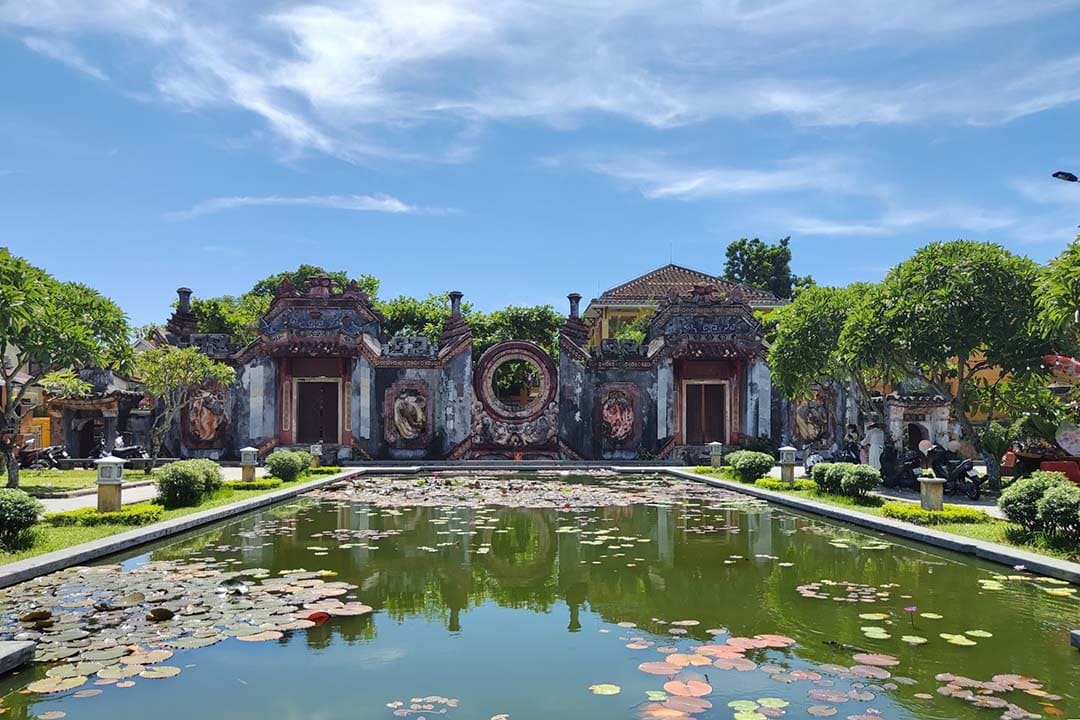
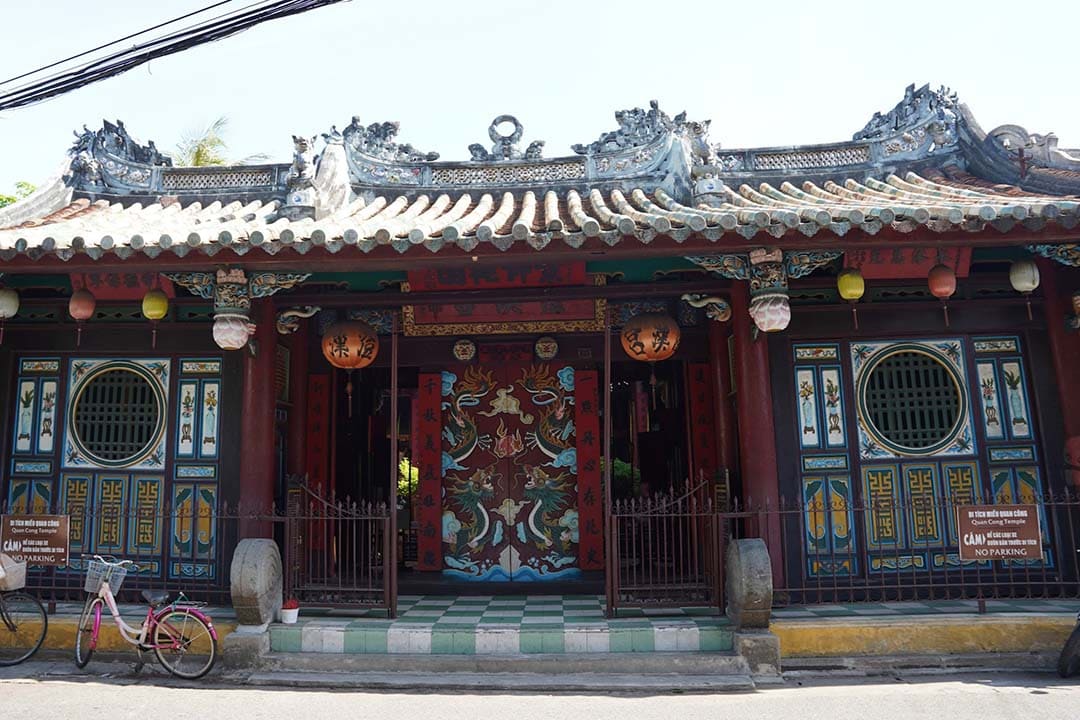
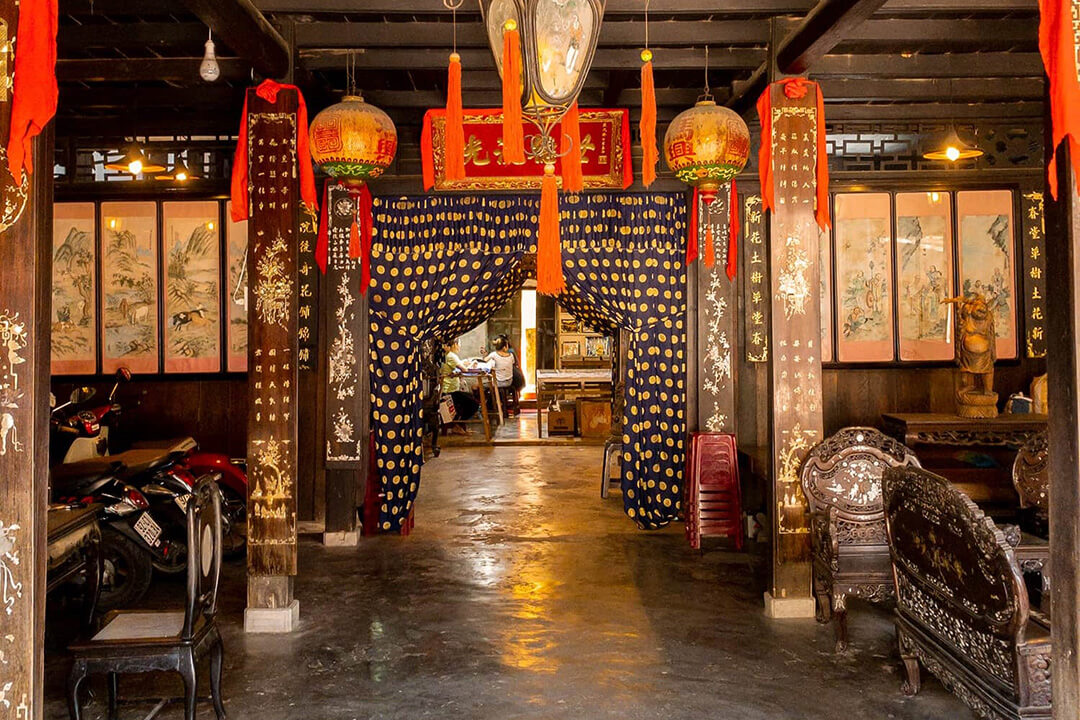
The Cam Pho Communal House, also known as Cam Pho Temple, known in Vietnamese as Dinh Lang Cam Pho, is one of the oldest traditional landmarks in Hoi An. Built by local Vietnamese villagers, it functions both as a sacred space to honor guardian deities and founding ancestors, and as a gathering place for important village events. With its distinct architecture and tranquil setting, the site offers insight into the enduring spiritual and community life of Hoi An.
Where is Cam Pho Communal House Hoi An?
Address: No. 52 Nguyen Thi Minh Khai Street, Hoi An Ancient Town, Hoi An Ward (formerly Cam Pho Ward, Hoi An City, Quang Nam Province), Da Nang City
The Cam Pho Communal House is conveniently located just on the edge of the pedestrianized core of Hoi An Ancient Town, making it easily accessible yet peacefully removed from the busiest crowds. It sits prominently on one of Hoi An's main streets. This location places it a short walk west of the iconic Japanese Covered Bridge, making it a perfect first or last stop on a walking tour of the ancient town's western side.
Opening hours and ticket prices
Visiting the Cam Pho Communal House is straightforward and included in the town's comprehensive ticketing system. This allows you to explore multiple heritage sites with a single ticket.
- Opening hours: 8:00 AM - 5:30 PM daily
- Ticket prices: The site is included in the Hoi An combo ticket, which costs 120,000 VND for foreign visitors.
This combo ticket grants you entry to the general Ancient Town area and allows you to choose five heritage sites from a list of over twenty, including ancient houses, museums, assembly halls, and the Cam Pho Communal House itself. You can purchase this ticket at official kiosks located at the entrances to the Ancient Town.
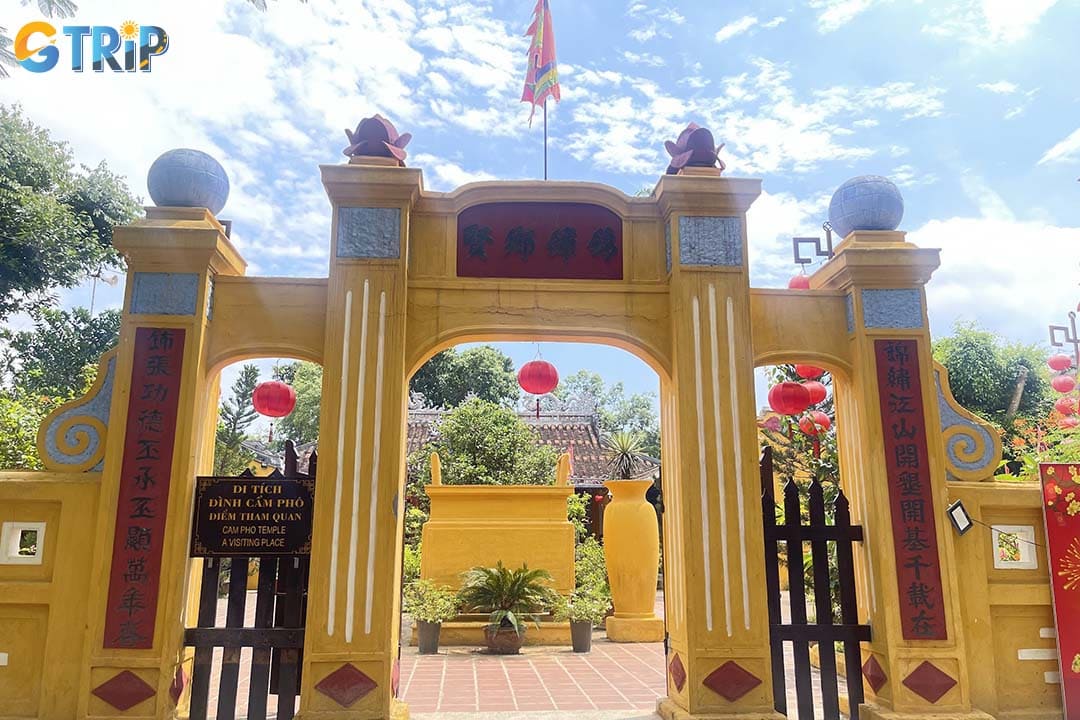
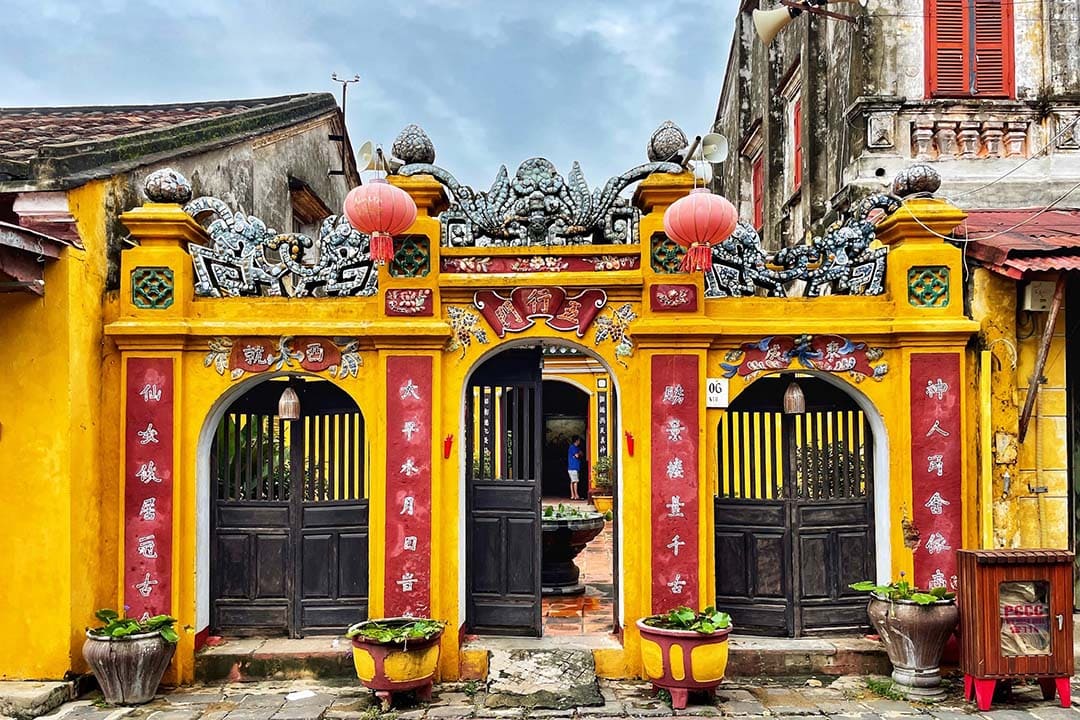
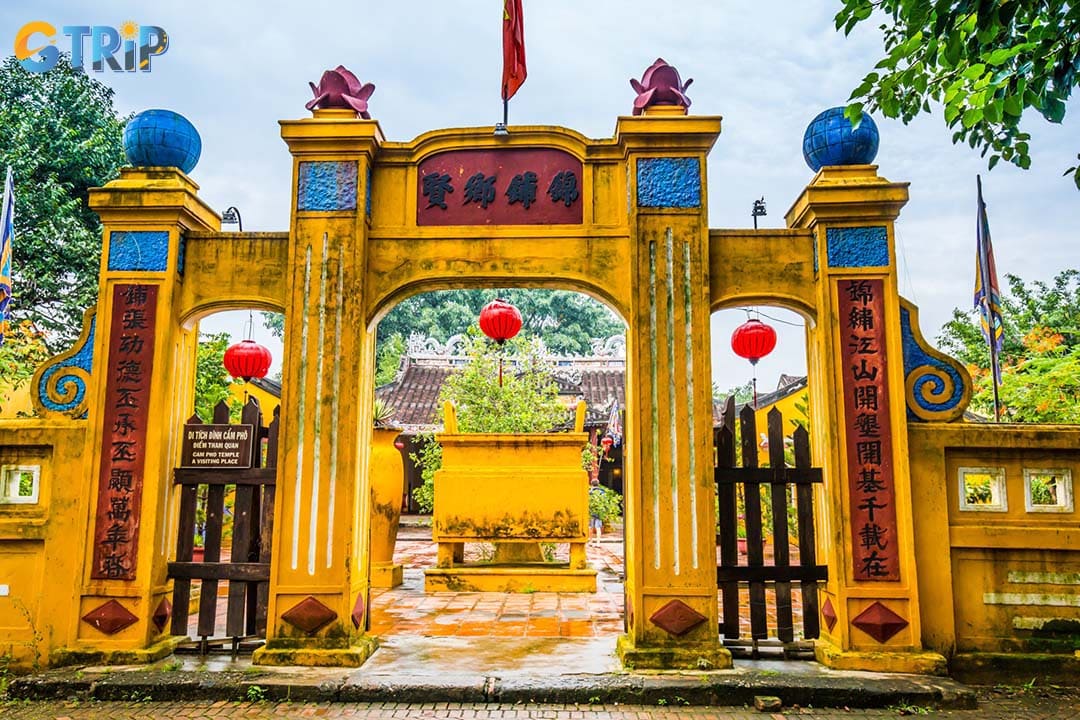
Cam Pho Communal House is also known as Cam Pho Temple
What makes the Cam Pho Communal House unique?
While Hoi An is filled with historical buildings, the Cam Pho Communal House stands out for its pure Vietnamese identity and cultural significance. Unlike the many Chinese Assembly Halls that reflect the heritage of migrant traders, this communal house is a true representation of local spiritual and community life.
- Authentic Vietnamese architecture: It showcases a distinct style of traditional Vietnamese architecture, particularly in its "tam" character layout and intricate wooden carvings, which differ subtly from the Chinese-influenced designs seen elsewhere in town.
- A living community center: More than just a tourist site, it remains a vital local community center and a place of active worship for the residents of the Cam Pho Ward, offering a glimpse into living cultural heritage.
- Peaceful atmosphere: Because it lies slightly outside the most crowded central area, it offers a more tranquil and contemplative experience. This allows visitors to appreciate the unique carvings and serene ambiance without the throngs of tourists.
History of the Cam Pho Communal House
As one of the oldest spiritual landmarks in the region, the history of this communal house is deeply intertwined with the development of Hoi An itself. To understand its value, one must look back at its evolution through the centuries.
- 15th century: Cam Pho Village was founded, making it one of the earliest settlements in Hoi An. The community was a unique blend of Vietnamese migrants from northern-central provinces and the indigenous Cham people who had lived there for centuries.
- 16th century: The village and its communal house were formally recorded in the geographical book "Chau O Can Luc". Originally built on Cam Nam Island, the structure had to be relocated to its current site on Nguyen Thi Minh Khai Street to protect it from persistent river flooding.
- 1818: During the reign of King Gia Long, the house underwent a major restoration. Many of the intricate wooden inscriptions and structural details seen today date back to this period, serving as a record of the village’s prosperity during the Nguyen Dynasty.
- 1975 - 1989: Following the war, the communal house was repurposed as a storage facility for a local cooperative specializing in sedge mats. It wasn't until late 1989 that the building was restored to its original spiritual function, eventually being recognized as a National Monument in 1991.
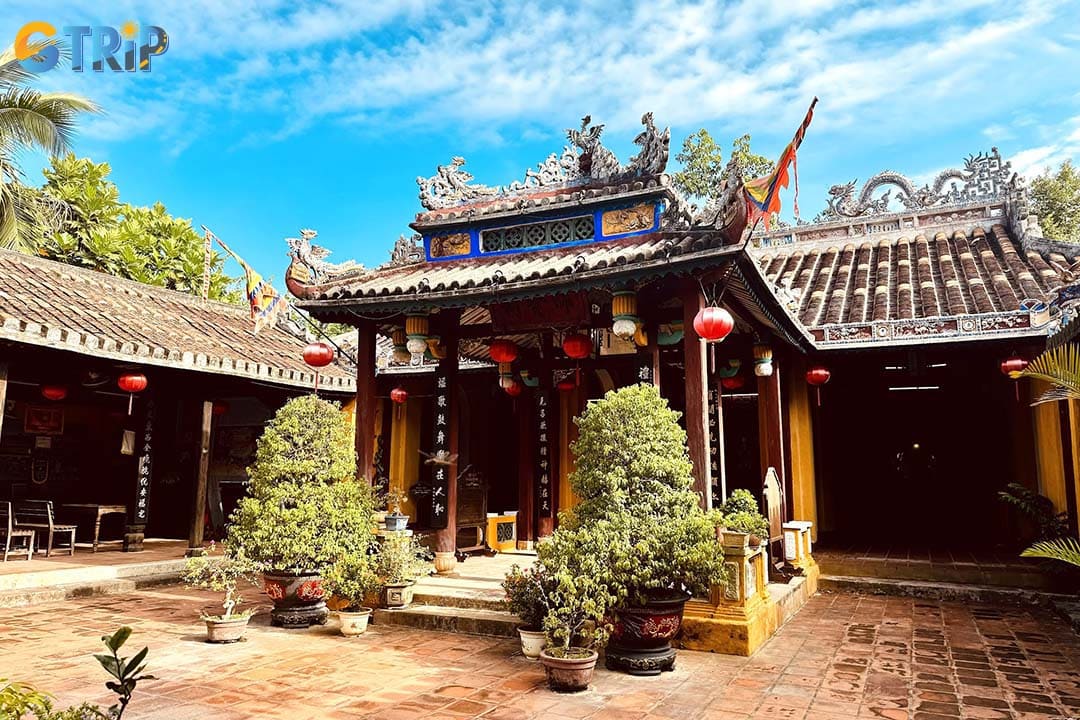
Cam Pho Communal House is a local community center and a place of active worship
Architecture of the Cam Pho Communal House
The architecture of Cam Pho Communal House is a captivating blend of functionality and symbolism, reflecting the traditional Vietnamese village structure within an area of 1,125 m².
The symbolic entrance and triple gate
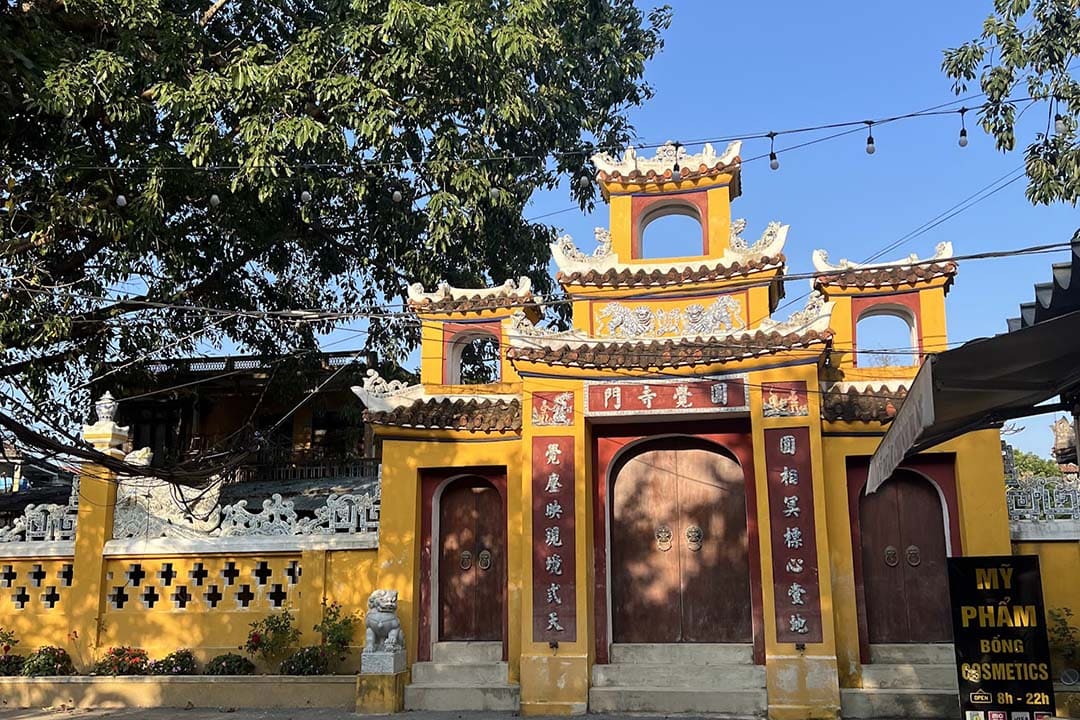
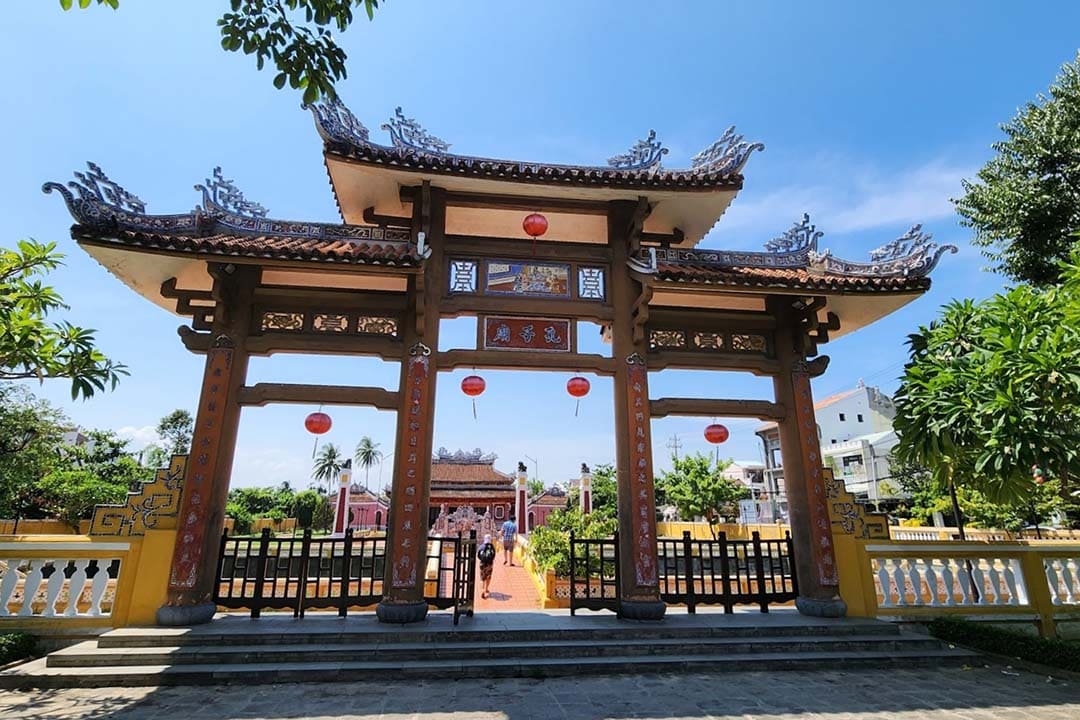
The journey into the communal house begins at the "tam quan" (triple gate), painted in the iconic Hoi An yellow. The gate features four prominent Chinese characters and columns topped with lotus flowers, a sacred symbol in Vietnamese culture representing purity. The outermost pillars are topped with globes, creating a dignified boundary between the bustling street and the sacred interior.
The Phuong Dinh Pavilion and main hall
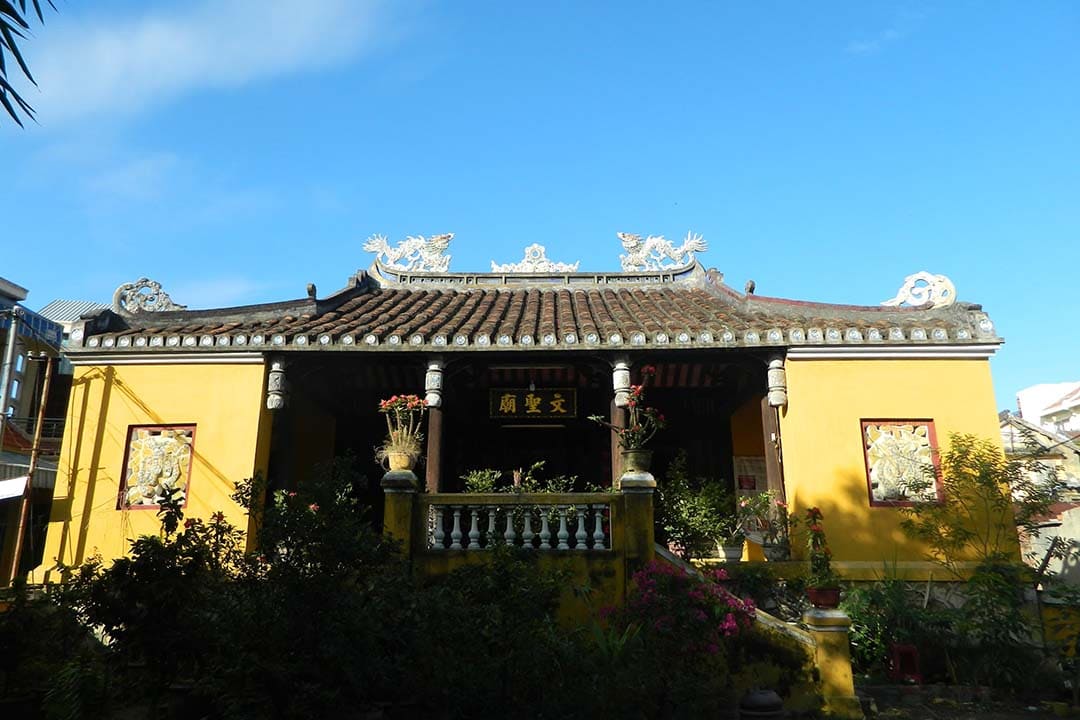
The centerpiece of the complex is the worshipping hall, preceded by a beautiful pavilion known as "Phuong Dinh". Since the primary deity is a goddess, the roof ridges are adorned with graceful phoenix motifs rather than the typical dragons. The interior is divided into five compartments with red-and-yellow lacquered altars, supported by sturdy wooden pillars that have survived for nearly two centuries.
The East and West functional houses
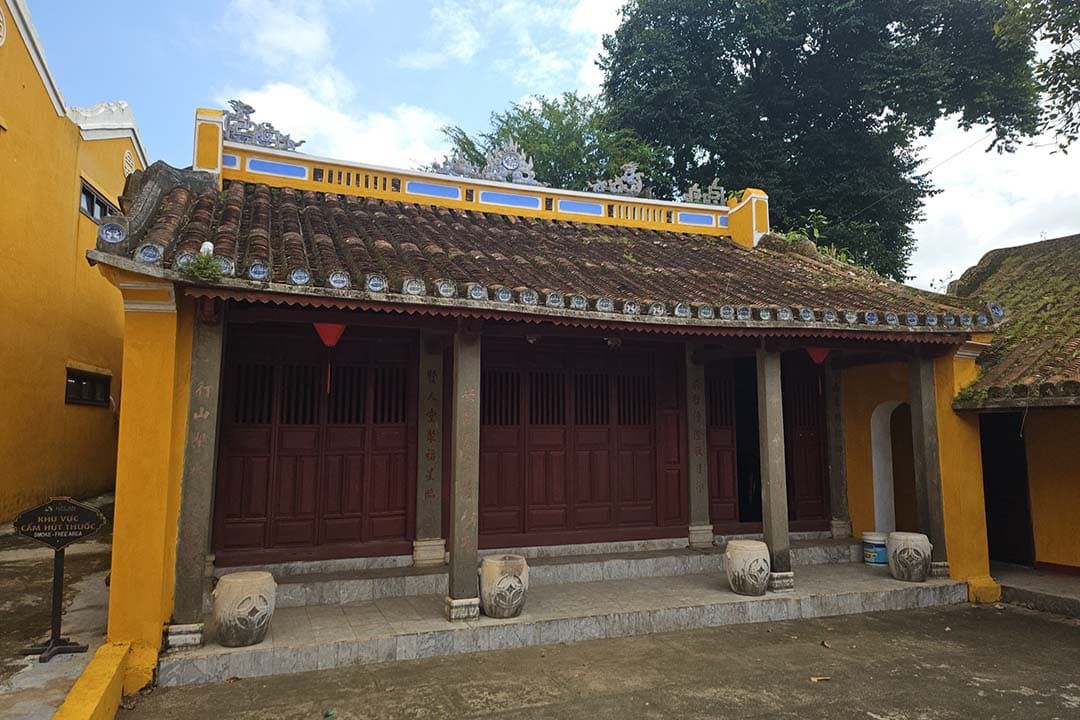
Flanking the main hall are the East and West Houses. These structures serve a more practical, community-oriented purpose. Historically, these were the gathering places for village elders to resolve disputes or for locals to prepare offerings and costumes before major festivals. Today, they remain simple and functional, furnished with traditional tables and chairs for communal activities.
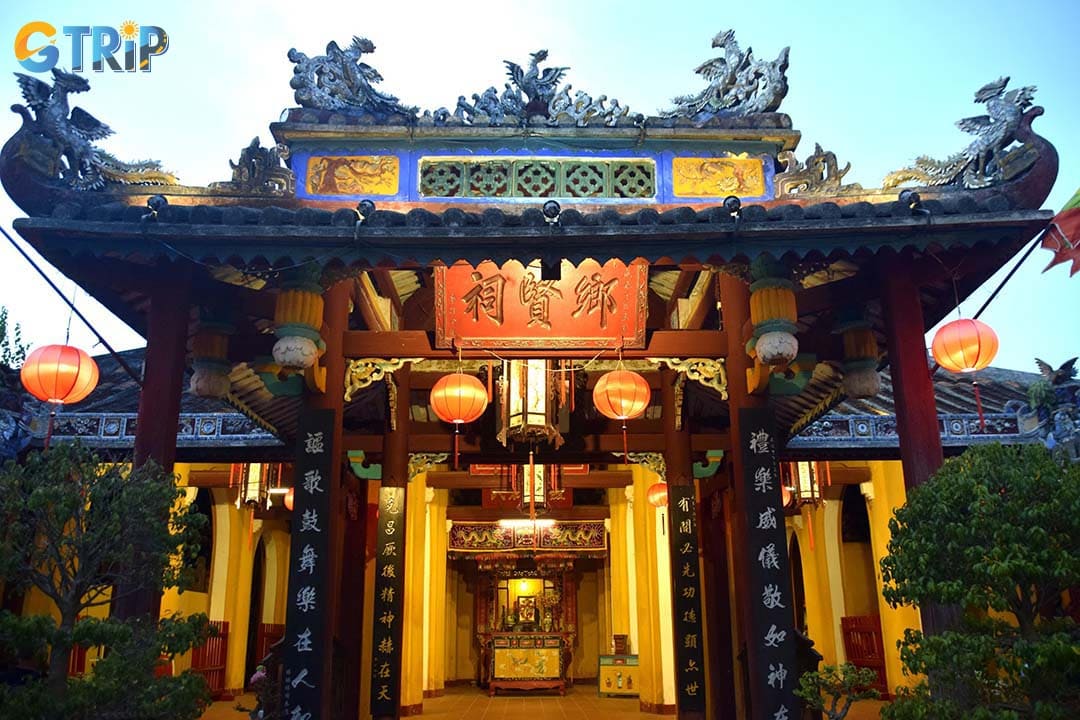
The architecture of Cam Pho Communal House is a captivating blend of functionality and symbolism
Things to do at Cam Pho Communal House
Visiting this site offers more than just a look at old wood and stone. It provides an immersive window into the spiritual life of ancient Hoi An residents.
Discover the Legend of the Dai Can Goddess
The communal house is dedicated to the Dai Can Goddess, also known as the Four Holy Mothers, who holds a special place in local spiritual life. According to legend, she was a princess of the Southern Song dynasty who sacrificed herself and later became a guardian deity of the sea. Local fishermen continue to visit the temple to pray for protection, calm waters, and successful fishing trips. Learning her story helps you understand the deep connection between spirituality and the coastal lifestyle of Hoi An.
Observe the rare imperial conferment sheets
For history enthusiasts, the communal house preserves an impressive collection of 32 imperial conferment sheets granted by different Vietnamese emperors. These documents officially recognized and honored 11 deities worshipped by the village, reflecting both political authority and spiritual belief. Seeing these original scrolls up close offers a rare insight into the administrative system and religious hierarchy of historical Vietnam. It also highlights the importance of communal houses as both cultural and governmental centers in the past.
Explore the "Otter" and "Whale" deity altars
Beyond the main goddess, the communal house features altars dedicated to unique maritime deities such as the Whale God and the Otter God. These figures were deeply respected by coastal communities, as they were believed to protect fishermen and guide them safely at sea. Exploring these altars reveals how local people expressed gratitude and sought harmony with nature, especially the river and ocean that sustained their livelihoods. This experience offers a deeper understanding of the spiritual traditions tied closely to Hoi An’s fishing culture.
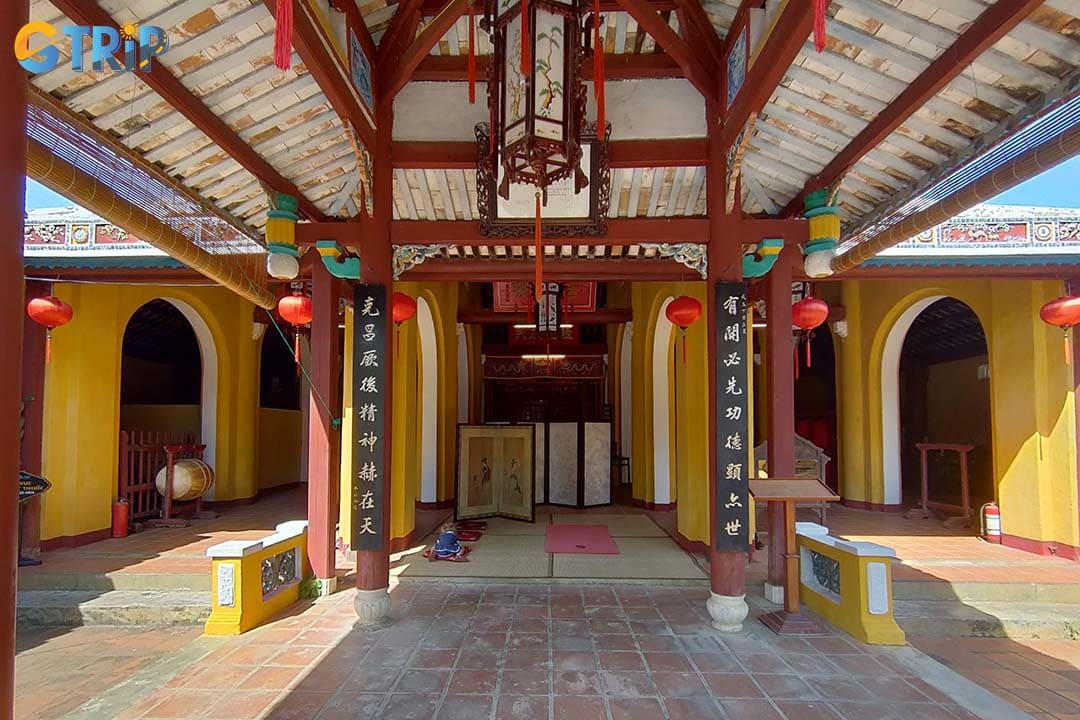
The Cam Pho Communal House features altars dedicated to unique maritime deities
How to get to Cam Pho Communal House?
Located at 52 Nguyen Thi Minh Khai Street, the communal house is a prominent landmark nestled within the historic pedestrian zone of Hoi An. Depending on your starting point, here is a detailed guide to reaching this sacred site easily.
From Da Nang International Airport
Traveling from the airport to Cam Pho is a smooth journey of approximately 45 to 60 minutes. Most travelers head south along the coastline, enjoying views of the modern resorts before the landscape shifts into the nostalgic atmosphere of Hoi An's outskirts.
- Distance: 30 km
- Travel time: 45 - 60 minutes
- Routes: Vo Nguyen Giap coastal road or Lac Long Quan Street
- Optimal option: Private car or Grab for a direct, air-conditioned transfer with luggage
From Da Nang City center
If you are staying in Da Nang City center, you can easily reach Hoi An by following the main thoroughfares. The road is well-paved and straightforward, making it a popular route for those who want to experience the transition from a modern city to an ancient heritage site.
- Distance: 28 km
- Travel time: 45 minutes
- Routes: Le Van Hien Street or the coastal highway (Truong Sa Street)
- Optimal option: Renting a scooter for independence or taking a taxi for convenience
From around Hoi An Ancient Town
The communal house is located at 52 Nguyen Thi Minh Khai Street, just a short walk from the Japanese Covered Bridge. Because it sits within the pedestrian-only zone during peak hours, motorized vehicles cannot reach the door directly, making it a peaceful destination for a stroll.
- Distance: Less than 1 km from the Japanese Bridge
- Travel time: 5 - 10 minutes walking
- Routes: Walk west along Nguyen Thi Minh Khai Street
- Optimal option: Walking or cycling is the only way to reach the entrance during pedestrian hours
Transportation options
Choosing the right transport depends on the time of day and the "pedestrian hours" (9:00-11:30 and 15:00-21:30). During these times, motorbikes are banned, so visitors must park at the edge of the old town and walk in. Bicycles are the most versatile choice, allowing for easy parking near the gate. For a classic experience, a cyclo ride is a relaxing way to arrive.
- Bicycle: Cost is around 30,000 VND/day; easy to navigate narrow alleys.
- Walking: The best way to appreciate the historic houses lining the route.
- Cyclo: A traditional pedicab ride that offers a nostalgic view of the town.
- Motorbike/Car: Must be parked at designated lots (e.g., near the Red Seal Ship) before entering the walking street.
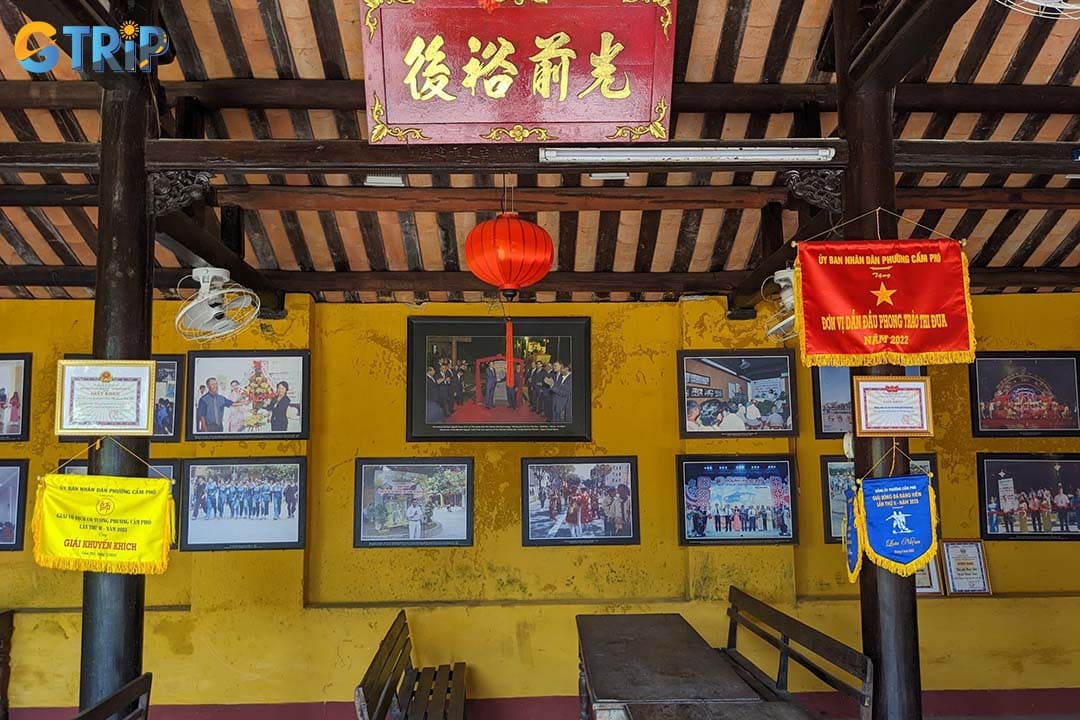
You can reach Cam Pho Communal House easily because of its accessibility
Nearby attractions to the Cam Pho Communal House
The Cam Pho Communal House is an excellent starting or ending point for a walking tour, as it is surrounded by many of Hoi An’s most famous attractions. All of the following are within a 5-15 minute walk.
- Japanese Covered Bridge: The iconic 18th-century bridge featuring a small temple inside, symbolizing Hoi An.
- Tan Ky Old House: A perfectly preserved 200-year-old merchant's house showcasing a unique blend of Vietnamese, Chinese, and Japanese architectural styles.
- Phuc Kien (Fujian) Assembly Hall: The grandest and most famous of the Chinese assembly halls, dedicated to the sea goddess Mazu.
- Museum of Folk Culture: Housed in a large ancient house, this museum offers insights into the traditional crafts, daily life, and cultural values of Hoi An's inhabitants.
- Quang Trieu (Cantonese) Assembly Hall: Known for its stunning stone dragon sculptures and intricate decorations, this hall is a vibrant monument to the Cantonese community's heritage.
- Museum of Sa Huynh Culture: Displays artifacts from the earliest settlers of the Hoi An region, dating back over 2,000 years.
- Hoi An Central Market: A bustling, vibrant market where you can experience local life, shop for souvenirs, and taste authentic Hoi An street food.
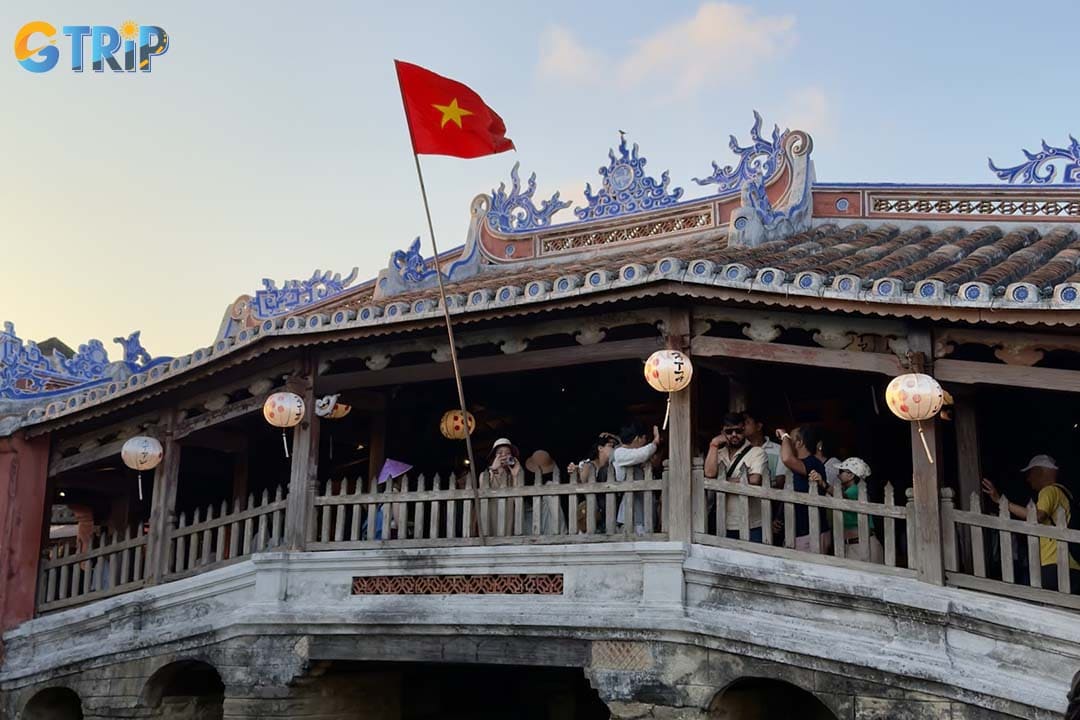
The Cam Pho Communal House is near the Japanese Covered Bridge, a famous spot in Hoi An Ancient House
Practical tips for visitors
To ensure a respectful and enjoyable visit to this sacred and historic site, keep these simple tips in mind.
- Dress respectfully: This is a place of active worship. Visitors should wear modest clothing that covers their shoulders and knees. Avoid shorts, tank tops, and revealing outfits.
- Be quiet and considerate: Speak in low tones and walk quietly to maintain the serene atmosphere. Do not run, shout, or cause a disturbance.
- Best time to visit: The best time to visit is early in the morning (8 AM - 10 AM) or later in the afternoon (3 PM - 5 PM) to avoid the midday heat and the largest tour groups.
- Photography etiquette: You are welcome to take photos, but turn off your flash to protect the ancient artifacts and woodwork. Be mindful not to disturb any worshippers.
- Maximize your combo ticket: Since entry is part of the combo ticket, plan to visit the Cam Pho Communal House along with a few other nearby sites like Tan Ky Old House or the Museum of Folk Culture to get the full value of your ticket.
Remember practical tips to have a good journey exploring the Cam Pho Communal House Hoi An
The Cam Pho Communal House offers a unique and invaluable window into the authentic spiritual and cultural life of Hoi An. It stands as a tranquil counterpoint to the town's more commercialized attractions, reminding visitors of the deep-rooted Vietnamese heritage that forms the bedrock of this beautiful ancient town. By exploring its magnificent wooden architecture and understanding its historical role, you're not just seeing another tourist site, you're connecting with the very soul of the community. As your trusted local guide, GTrip recommends including this peaceful landmark in your itinerary to gain a deeper appreciation of Hoi An beyond the lantern-lit streets. It is a profound experience that enriches any journey to this UNESCO World Heritage Site.